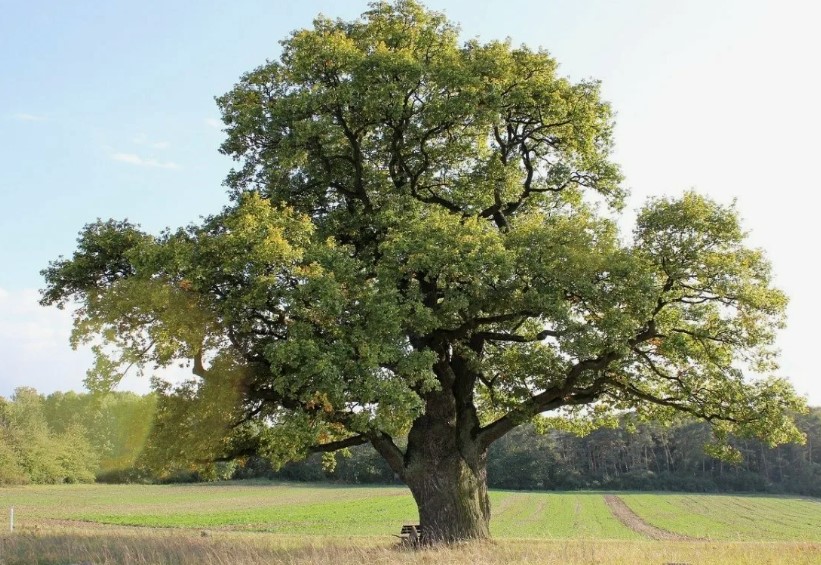
Oak is associated with power, grandeur, and longevity. There are many species and varieties of this tree, but in our country, the most common are the common oak and the pedunculate oak. In this article, we'll explain in detail what this tree looks like, how to grow it from an acorn, discuss planting and care, and explore its uses.
Content
Description of oak
Oak belongs to the Beech family, which includes over 600 species.
Leaves
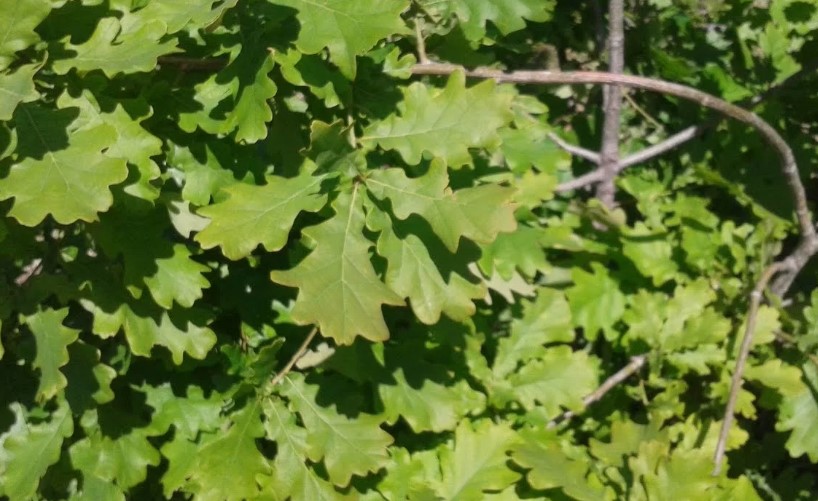
Oak is a large, dense tree. Many species are evergreen, meaning their leaves are leathery and remain on the plant for several years. However, some species shed their leaves annually or wither and gradually break. Evergreen oak varieties typically have simple leaves, while other subspecies have lobed leaf blades.
Flowers
Oaks are monoecious, meaning that male and female flowers are found on the same plant.
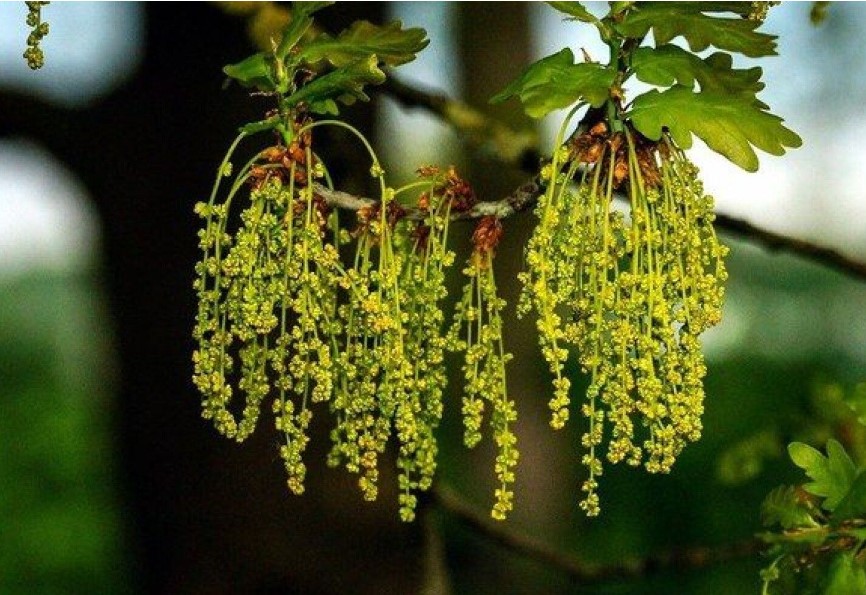
Female flowers form small racemes or catkins, while male flowers form long, drooping catkins. The floral coverings are not very developed. However, female flowers develop numerous scales arranged on a ringed ridge.
Fruit
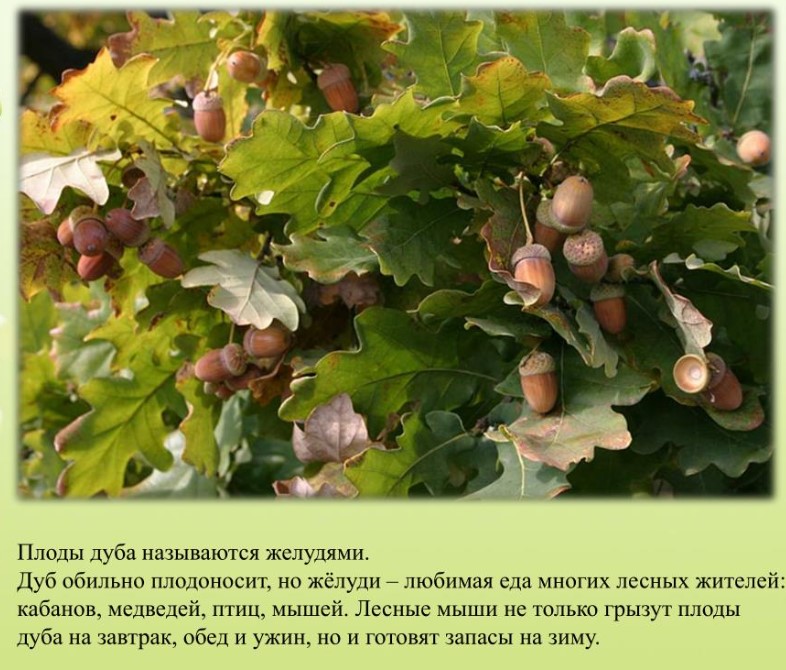
When oak fruits begin to ripen, the ringed crown and the scales formed on it begin to enlarge, forming a special saucer—a cupule—covering the oak fruit. The size of the acorns and the shape of the scales can vary greatly among species: in some, they are very small, while in others, they reach almost a centimeter in length and have a twisted shape.
Location for oak
Before planting an oak tree in your garden, you should pay special attention to choosing a suitable location. The tree requires ample space. It is not recommended to choose locations with standing water around the roots. Oak trees are tolerant of soil in temperate climates, but prefer nutrient-rich soil. The soil for planting oak trees should be neutral in pH.

Methods of planting oak trees
There are several ways to plant oak trees. Many gardeners use green cuttings, acorns, or store-bought seedlings.
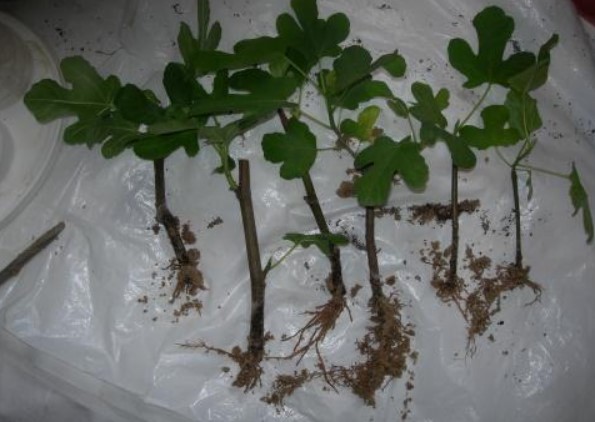
When choosing the first method, remember that cuttings from mature oak trees are particularly difficult to root, so it's best to choose annual trees. It's recommended to plant them between June and July, choosing only strong, healthy, and undamaged branches.
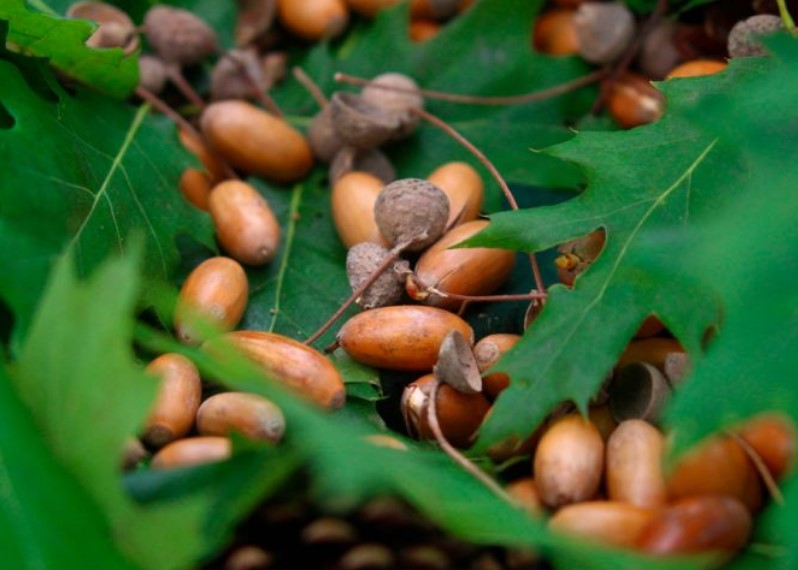
The most common method among gardeners for propagating oak is planting acorns. The acorns are typically harvested in September-October. The sprouted material can be treated with special biostimulants to accelerate growth.
For your information! Ready-to-plant oak seedlings can be purchased at specialized nurseries or gardening stores.
Growing an oak tree from an acorn
The first step is to select suitable planting material. Oaks are most often grown from acorns.
Collecting acorns
It's best to collect planting material yourself in the fall under mature trees. When the acorns are ripe, they will fall to the ground on their own. They can be planted in the fall or in the spring after the snow melts. In the spring, you can also find acorns that have already hatched or are just beginning to grow, which are best planted immediately.
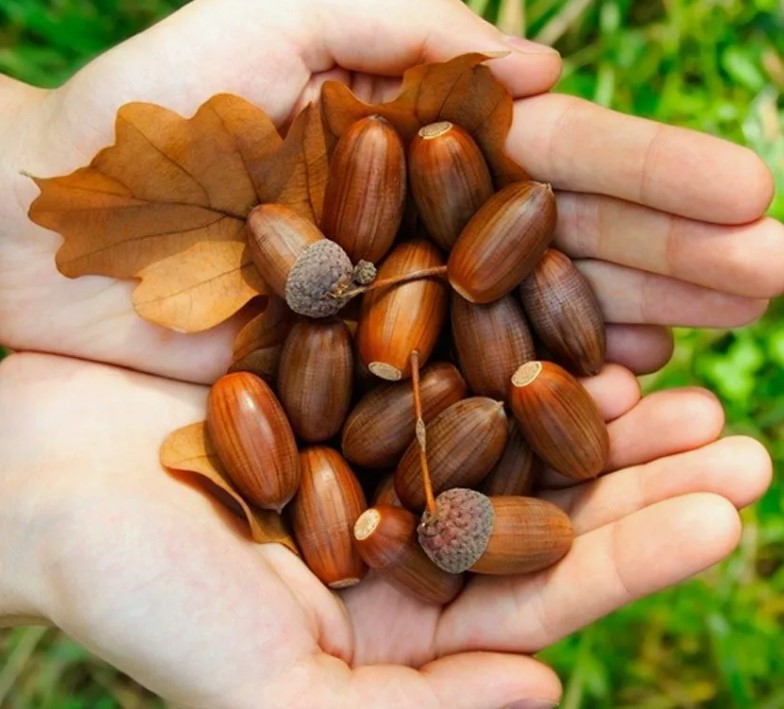
Preparing acorns for planting
For good germination, it's important that the planting material be of high quality. In the fall, acorns are harvested only after they're fully ripened, and always in dry weather. To determine if the fruit is ripe, look at its cap—it should peel off easily.
It's best to choose large, undamaged acorns. Healthy acorns require no preparation and can be planted immediately.
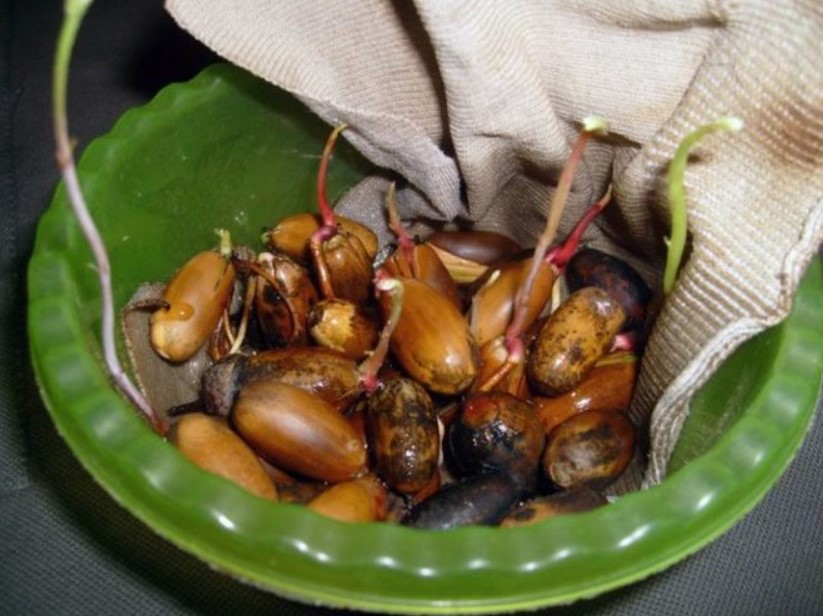
Another option is container planting. Once the seedlings grow and strengthen, they can be transplanted into the garden.
Helpful tip! Fruits that are ready for planting have a yellow interior, and the embryo is visible. Fruits that won't sprout will have a darker core.
How to store acorns before planting
The collected planting material should be laid out in a dry place and left at room temperature for 1-2 weeks to dry. After this, the acorns should be stored in a cool, humid place, such as a cellar or refrigerator. Acorns have a shelf life of approximately 12 months.
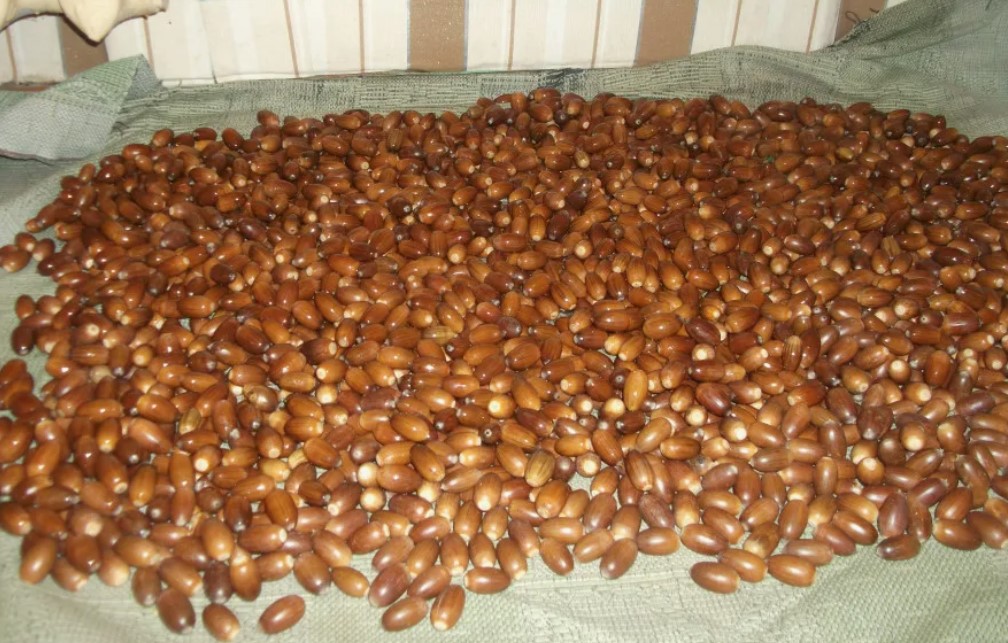
Storing acorns in airtight containers or bags is not recommended, as they may spoil. During storage, regularly inspect the acorns for mold. If mold appears, rinse and dry the acorns before returning them to storage.
Acorns collected in the fall can be stored directly in the garden by burying them 20-25 cm into the soil and covering them with a waterproof material.
Planting dates
Acorns are planted in the fall or early spring. The former allows the fruits to undergo natural stratification during the winter, resulting in vigorous seedlings in the spring. Fall planting is recommended a month before the first frost. When planting in the spring, wait until the soil warms up.
Landing rules
To prevent acorns from drying out and rotting during the winter, they should be planted 7-10 cm deep when planted in the fall, and 4-5 cm deep when planted in the spring. To protect acorns from mold due to possible heavy rainfall, the plantings should be covered with a moisture-proof material. To protect the planting material from rodents and other animals, they can be briefly soaked in kerosene before planting.
When planting several acorns in one hole, first make furrows and moisten them. The distance between plantings should be 10 to 30 cm, depending on the size of the fruit and the oak species.
When planting already hatched acorns, be especially careful, as their young roots are very fragile. They can be planted directly outdoors or in plastic cups.
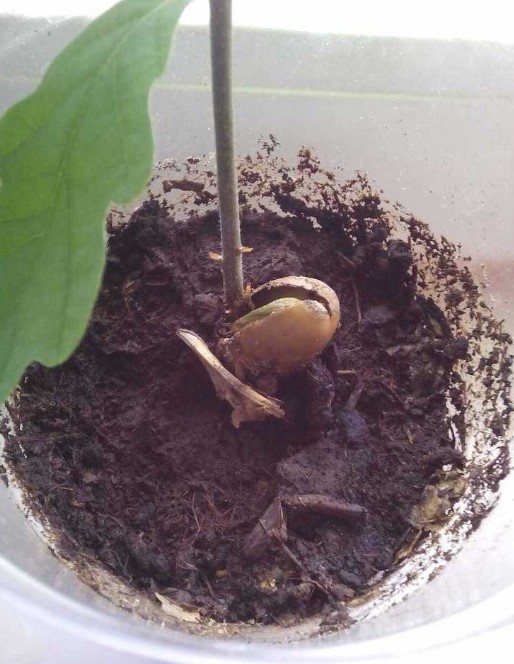
In the second case it is necessary:
- Fill the container with substrate and add some moss.
- Plant the fruit 3-4 cm deep, with the root facing downwards. It's important to have drainage holes in the bottom.
- The seedlings should be watered regularly and provided with sufficient light.
- When the seedlings have 2-3 true leaves, they can be transplanted into larger containers or planted in the garden.
Transplanting one-year-old seedlings
Young plants should be planted in soil when they have at least five leaves. The root system should be well developed and white. The sprouts should be about 15 cm tall.
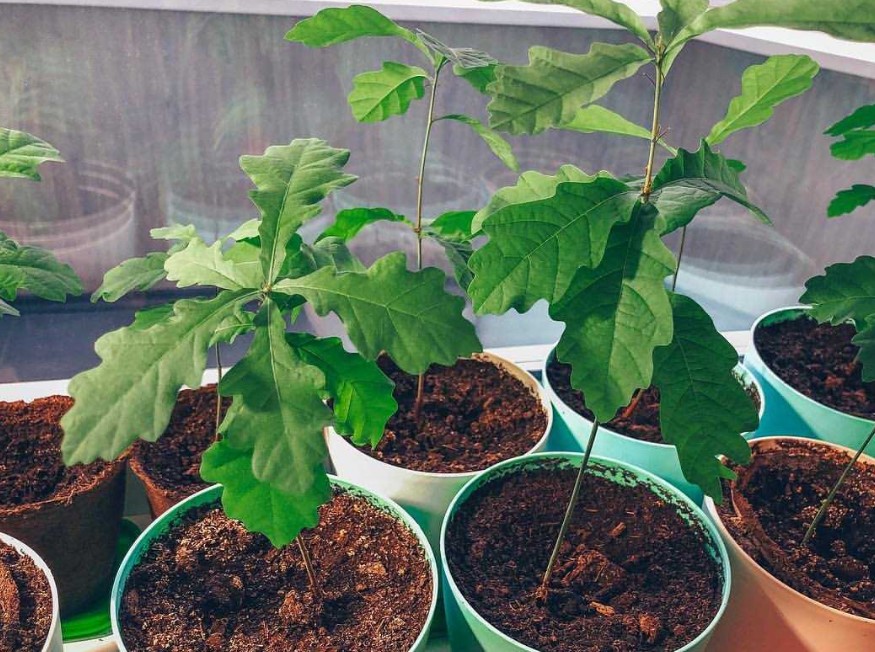
The prepared area must first be cleared of vegetation to create a level surface at least 1.5-2 m in diameter. The soil should then be thoroughly dug to a depth of 25-30 cm.
It's important to moisten the dry soil. Then you can form the planting holes, making them slightly deeper than the root length and about 30 cm in diameter.
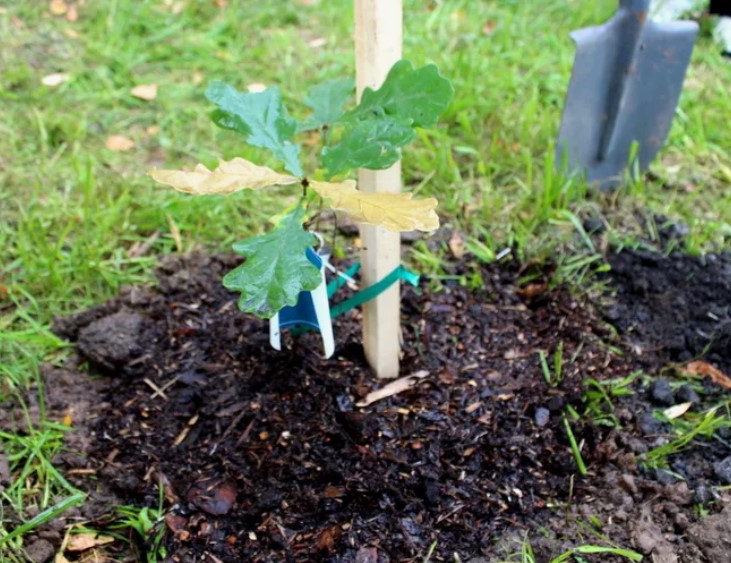
Young seedlings are carefully lowered into prepared holes, covered with soil, and watered generously. To prevent weed growth, it is recommended to apply a layer of mulch 25-30 cm from the stem. To protect the seedling, it is advisable to surround it well.
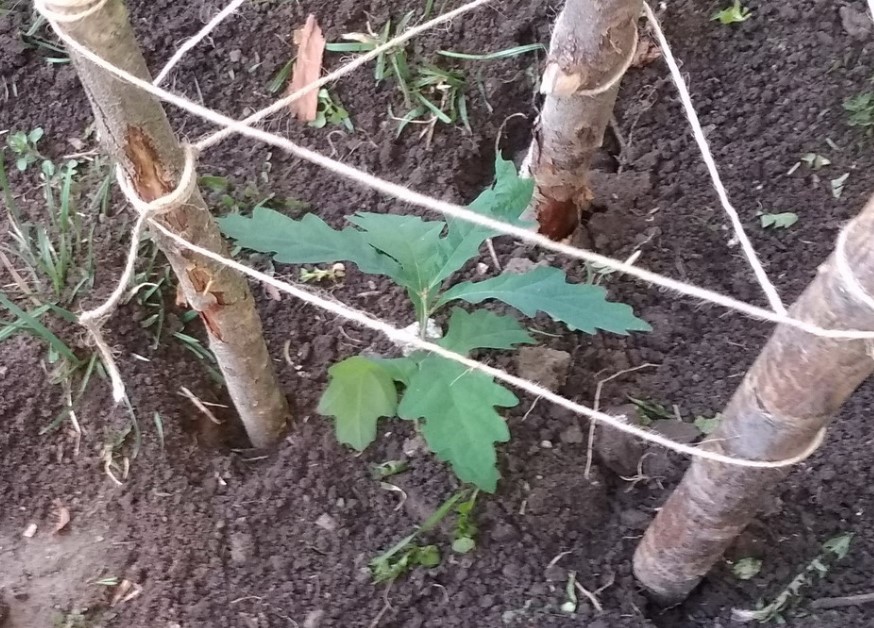
Growing oak from seedlings
This method can also be used to grow a tree on your own property.
Selecting a seedling
The easiest way to grow seedlings is to purchase ready-made ones that are 1-2 years old. If they have an exposed root system, wrap them in a damp cloth during transport. If the roots are weak, cut back all stems by 1/3 when planting.
With a closed root system, the chances of successful adaptation in a new location are very high. Therefore, this option is preferable.
Timing of planting seedlings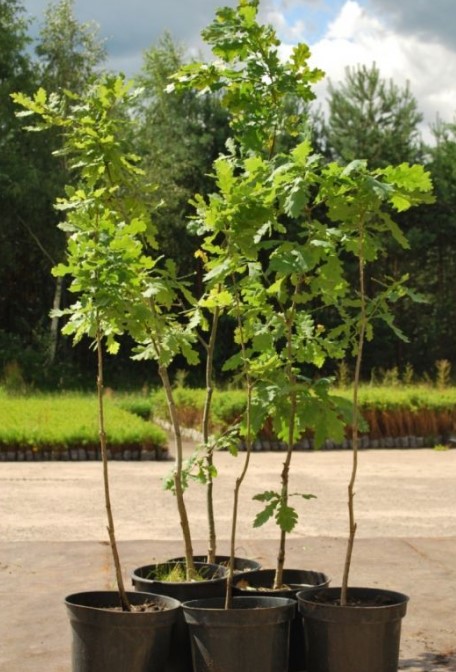
When planting in spring, wait until the soil is completely warm. This work can also be done in early summer and fall.
The latest time for planting is 1-1.5 months before the onset of frost.
Landing rules
The hole should be prepared 2-3 weeks in advance. It should be 0.5 m deep and 1 m wide. When digging, set the topsoil aside. The bottom of the hole is filled with a 10-20 cm thick drainage layer. Then, add the topsoil mixed with fertilizer.
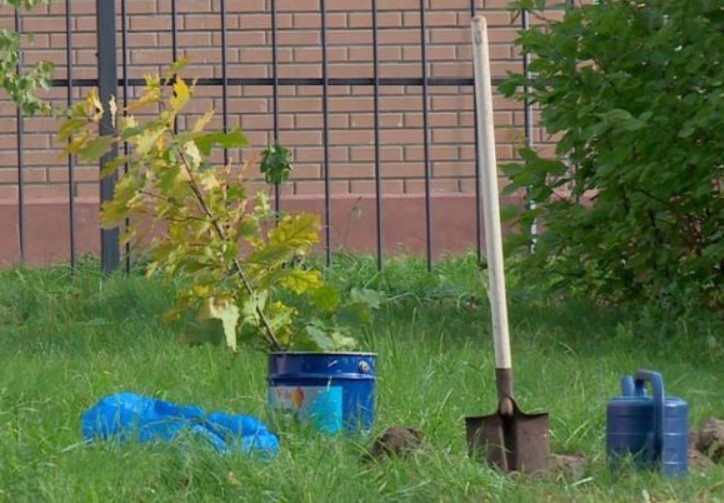 The root collar should be positioned a few centimeters above the soil level. Then, firmly compact the soil around the seedling and water it generously. Once the moisture has completely absorbed, cover the area around the trunk with a layer of mulch.
Oak tree care
To ensure that an oak tree looks beautiful and grows and develops well, it must be provided with proper and timely care.
Watering
During the first few days after planting, the tree requires regular and abundant watering. On average, each plant requires 30 liters of water over two weeks. In the fall, watering should be reduced, as the oak tree has a strong root system capable of independently extracting water from deep within the soil.
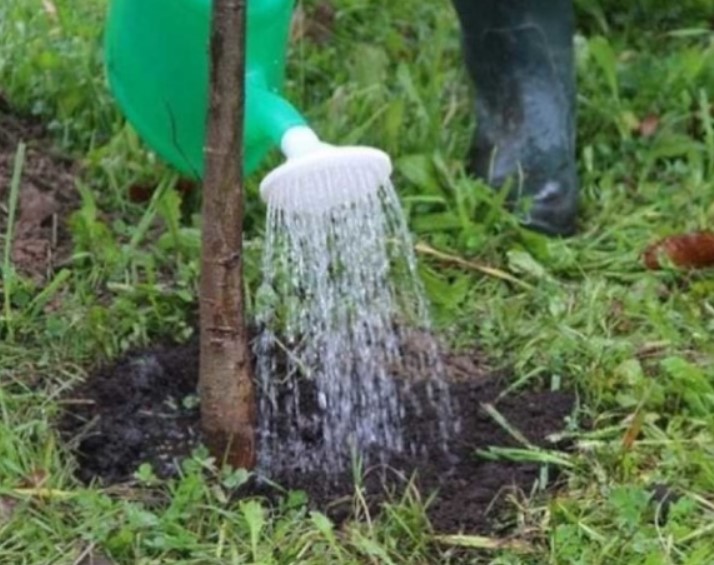
After 4-5 years, the tree will only require watering during periods of drought. By this time, it reaches a height of approximately 1.5 meters.
Top dressing
Fertilizers play an important role in oak tree care. Nutrient supplements should be applied after planting, when young seedlings are adapting to the new conditions. In spring, nitrogen fertilizers such as ammonium nitrate are recommended. Organic fertilizers such as manure and urea are also suitable.
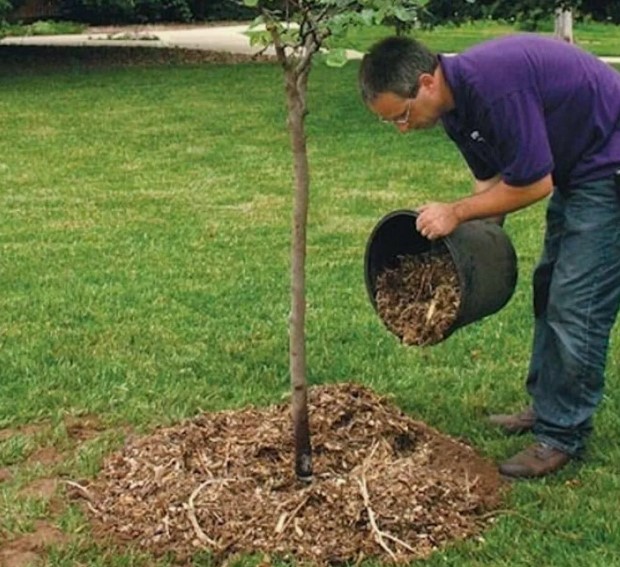
In early autumn, complex mineral fertilizers containing all the necessary macro- and microelements for proper oak growth and development are most effective. One common option is nitroammophoska.
Trimming
Before pruning, prepare your tools. It's recommended to soak pruning shears in warm, clean water, and treat the saw blade with a bleach solution.
Pruning plays an important role in shaping the oak's crown. Throughout the tree's life, the main stem grows vigorously, faster than the lateral branches.
To slow down active growth at the top, carefully prune the apical bud and shorten or remove shoots and branches. To create a delicate and beautiful crown, remove only part of the growth, or sometimes entire branches.
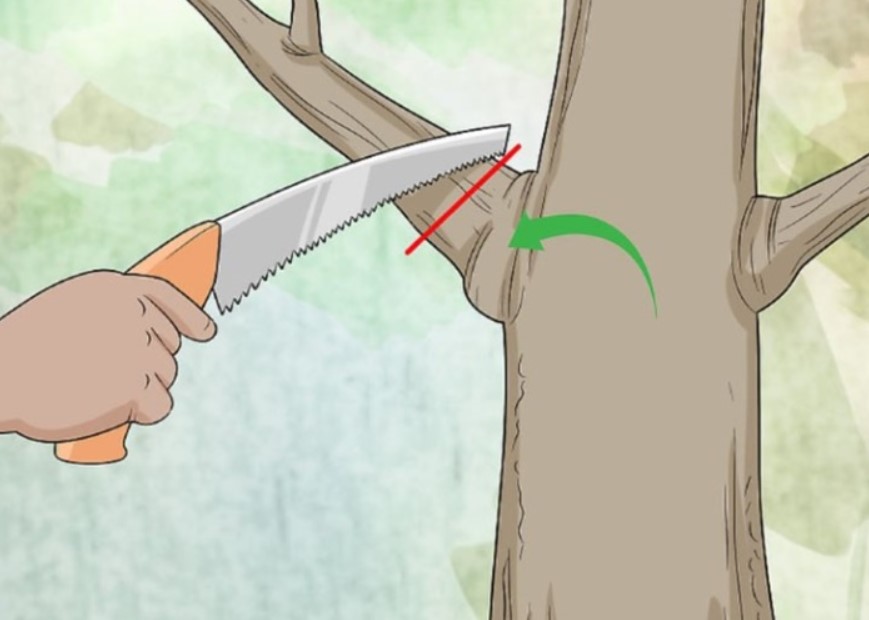
During pruning, all diseased and damaged parts are also removed. This procedure should be performed starting from the trunk collar, working outward. The trunk collar is a growth that appears on the plant where the branches and trunk meet.
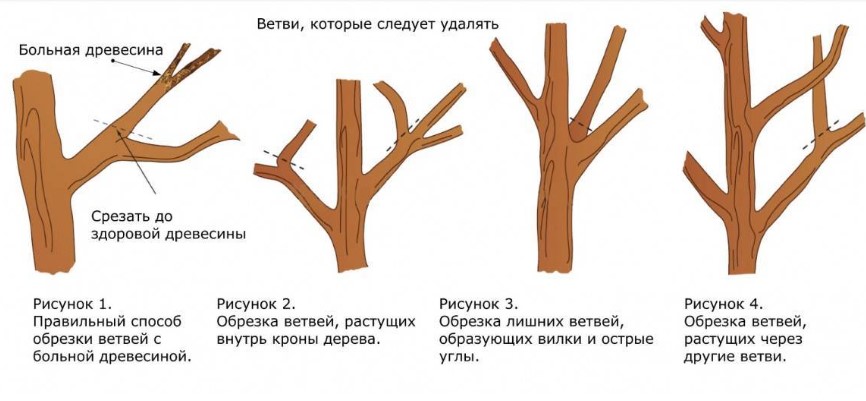
Important to know! Pruning should be done at an angle. This will promote plant growth.
Oak pests
| Pest | Description | Defeat | Struggle |
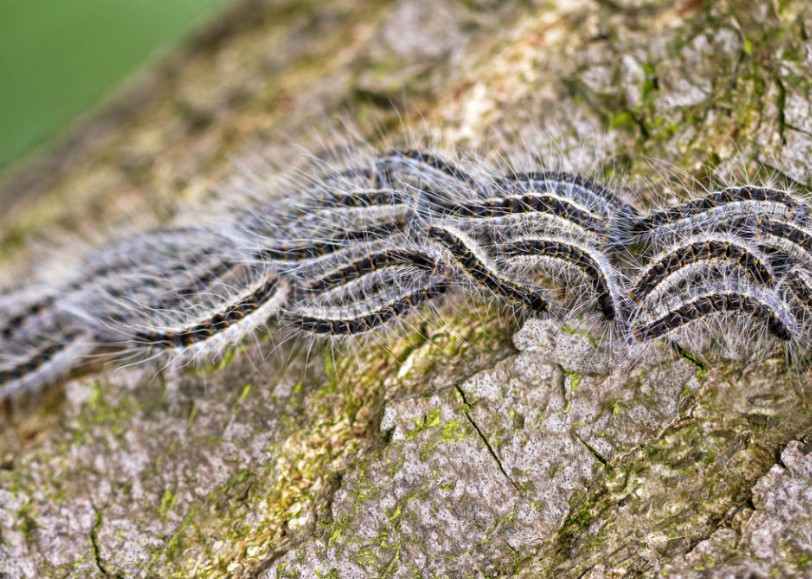
| Silkworms
|
The butterflies are a snow-white copper color with a black pattern. They feed on shoots. | Insects gnaw young leaves to such an extent that only the veins remain. | Since moths reproduce very quickly, control should begin immediately after the first signs appear. Use products such as Karbofos and Decis. |
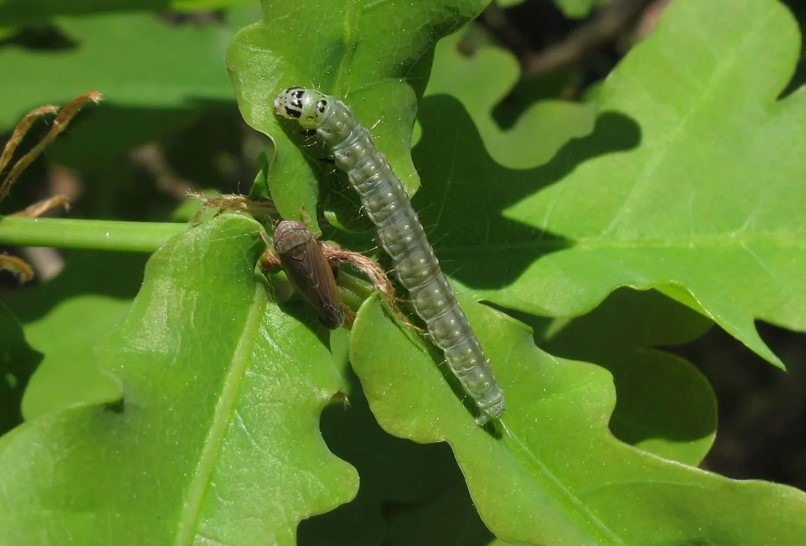
| Leaf rollers
|
Small, colorful butterflies whose bodies are completely covered in fine hairs. They most often appear in early spring. The risk increases with high humidity. | The caterpillars destroy the foliage, causing the leaves to curl into tubes and bunch up. | Karbofos, Decis, Fitoverm. |
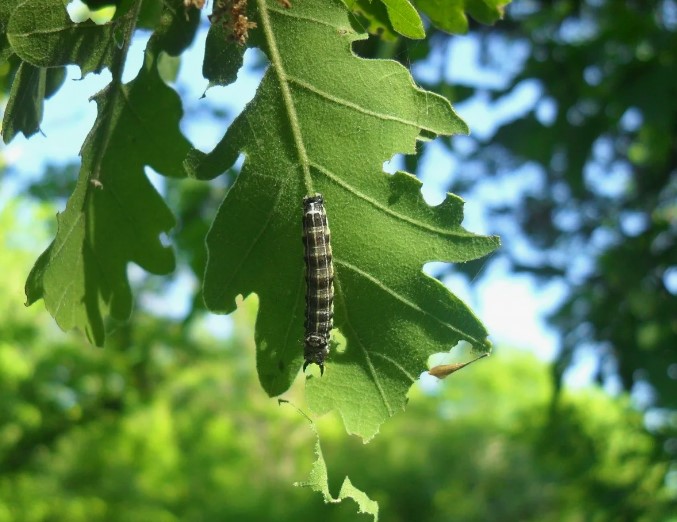
| Geometrid moths
|
These butterflies have slender bodies and triangular wings. They actively reproduce in late spring or early summer during warm, dry weather. | Caterpillars feed on leaves, flowers and buds. | Karbofos, Fitoverm. |
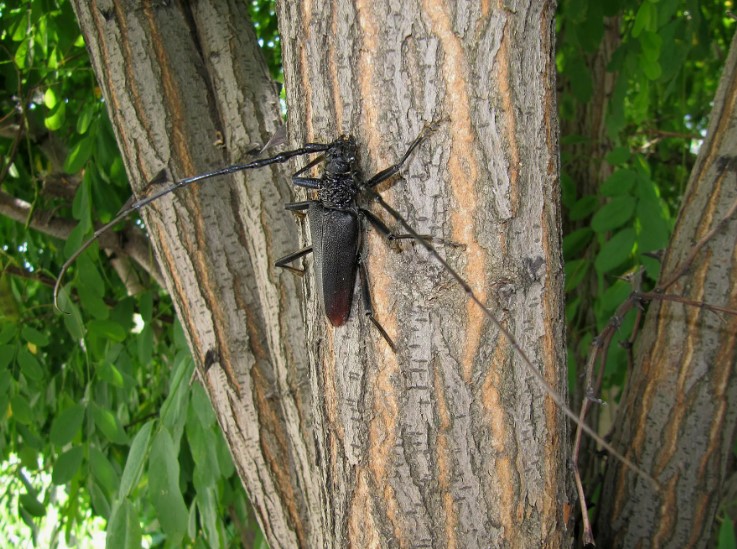
| Oak barbel
|
A beetle with a black-brown body and small spines on its sides. It appears from late spring to late August. | It feeds on the roots and heartwood of oak trees, sucking all the juices out of the tree. | Karate preparations (one treatment is enough), Kinmiks and Karbofos (several sprayings are required). |
Oak diseases
| Disease | Description | Defeat | Treatment |
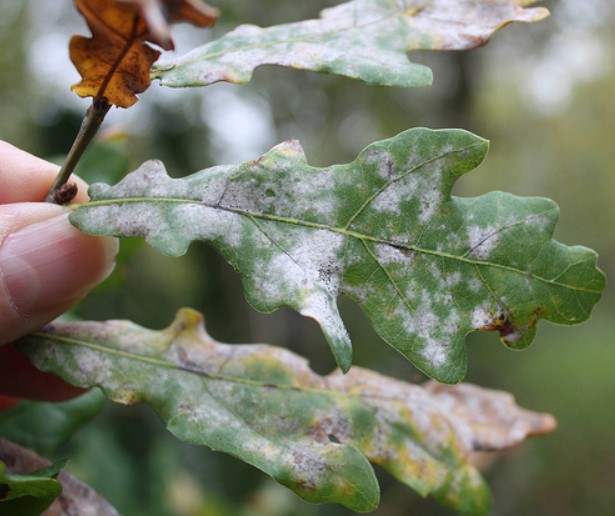
| Powdery mildew
|
A whitish, flour-like coating appears on both sides of the leaves. Small balls—these are fungal spores—can also be seen. The disease usually appears in June during dry, hot weather. High nitrogen levels in the soil can also cause it. | When damaged, the tree quickly loses its appeal because the affected parts cannot develop normally. The oak weakens and loses its frost resistance. | Treatment with colloidal sulfur, Fundazol (at least 5 procedures). |
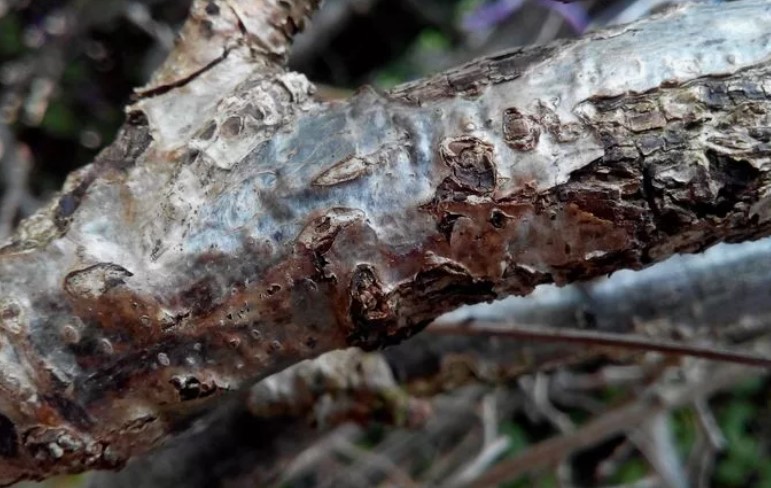
| Necrosis
|
They occur as a result of a fungal infection. In severe cases, they can cause the oak tree to die. Necrosis can also be a consequence of prolonged drought. | The disease causes sunken areas that eventually begin to rot. The bark first changes color and then falls off. | Copper sulfate according to the instructions. |
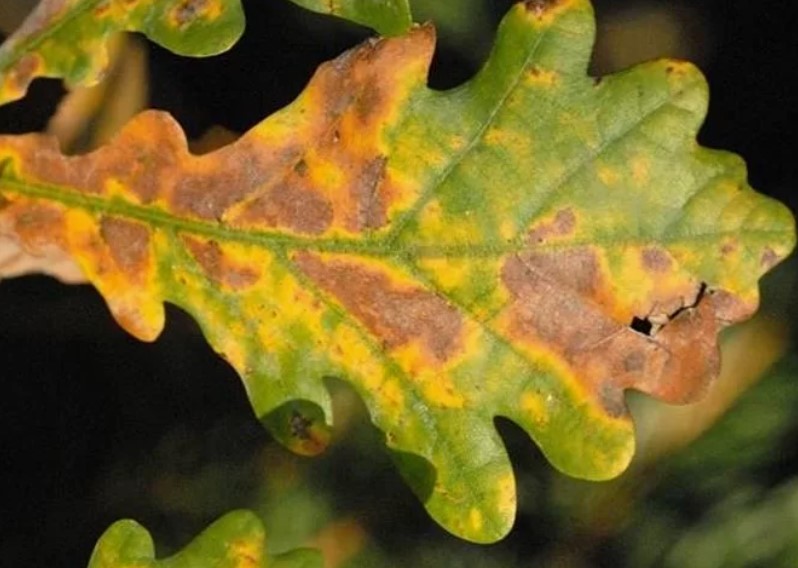
| Brown spot
|
The cause of the disease is pathogenic fungi. | Greenish-yellow, circular spots appear. Over time, they merge, and the entire area turns brown. | Treatment with Fundazol. |
Disease prevention with folk remedies
Recipes that serve as disease prevention and can also cope with mild infections:
- Baking soda solution. To prepare, mix 1 liter of water, 4 g of baking soda, and 4 g of laundry soap. Mix thoroughly. Spray the tree with the mixture twice, 2 weeks apart.
- Wood ash solution. Dissolve ½ cup of ash in 1 liter of boiling water. Let sit for 2 days. After the specified time, strain the solution and add laundry soap, previously diluted in water. Perform 2 treatments, 1 week apart.
- Mullein infusion. Mix manure and cold water in a ratio of 1 to 3. Let it steep for 3 days, stirring occasionally. Strain and dilute with water 1 to 10. Spray the tree in the evening to prevent burning.
- Kefir-based solution. Mix the fermented milk product with water in a 1:10 ratio. Mix thoroughly until smooth. Spray.
You can also use fungicides for preventative treatment, which are sold in every gardening center.
Preparing oak for winter
Before winter, remove all leaves around the trees and apply mulch. Peat, dried grass, and compost are ideal for this purpose. Place the mulch carefully around the tree trunks.

The branches of the plants should be slightly bent towards the surface of the trunk, and a protective cover made of burlap or other dense material should be placed on top.
For your information! If some parts do freeze, they will need to be trimmed back to the living layer.
This type of winter preparation is usually only done on young trees, as they haven't yet established themselves sufficiently. Mature, healthy oaks rarely require such preparatory measures.
Uses of oak
Oak has a wide range of applications.
In construction
Oak wood is characterized by its dense structure, high strength, and moisture resistance, making it an ideal material for construction and decoration. It is widely used in the construction of wooden ships, buildings, barrels, furniture, and parquet flooring.
For furniture makers, carpenters, and parquet floorers, winter oak is the primary material, while builders and decorative craftsmen prefer summer oak. If craftsmen wish to emphasize the grain and texture of the wood, darkening it, they soak the wood in water for an extended period.
Oak panels are dried naturally to prevent cracking. For additional coloring, they can be soaked in a bark infusion, which will impart a refined dark hue.
In medicine
The bark of young oak trees has valuable medicinal properties. In folk medicine, the galls that form on tree leaves as a result of the activity of certain insect larvae are used for medicinal purposes. The galls are collected in late summer. Oak bark can be purchased at pharmacies and has a shelf life of up to 5 years.
Acorns are also used for medicinal purposes. They are collected raw and dried to prevent mold.
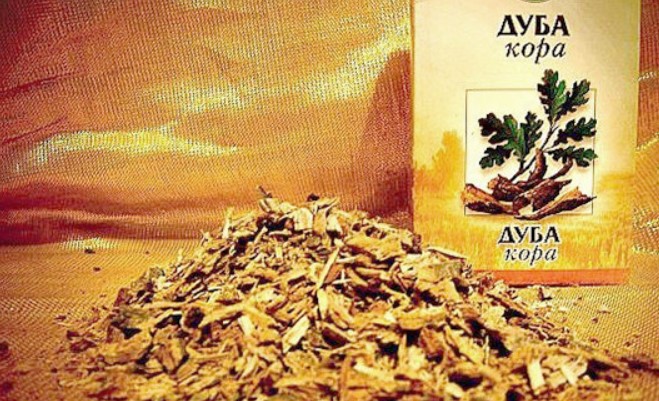
Oak bark contains catechin tannins, gallic and ellagic acids, gallotannins, quercetin, phlobaphene, resins, pectin substances, sugars, proteins, mucilage, and minerals. Acorns are rich in starch, tannins, fatty oils, sugars, and other elements. Decoctions and infusions of oak bark are used as an anti-inflammatory and antiseptic in the treatment of diseases of the oral cavity, gastrointestinal tract, skin, bleeding, poisoning, and other ailments.
In cooking, recipes
Many people avoid eating acorns because of their aroma and stereotypes. However, acorns are used as an edible food in various cuisines around the world. They are especially popular in North America and Korea.
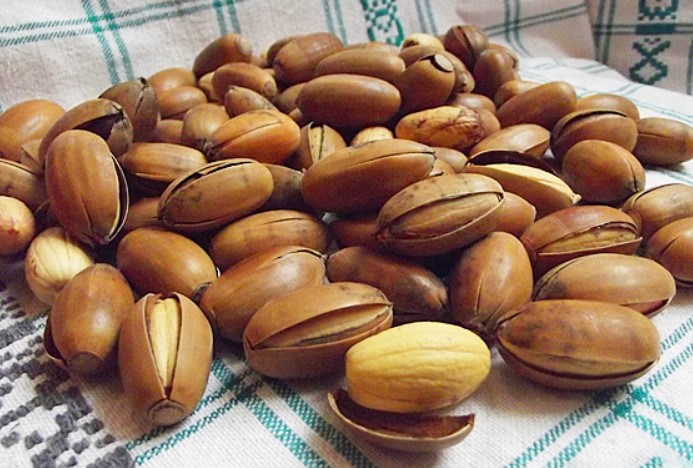
It's recommended to eat only ripe, undamaged acorns. It's also important to note that raw acorns spoil quickly, so they shouldn't be stored in large quantities. Acorns from the swamp, Oregon white, blue, and Emory oaks are considered the most delicious because they contain less quercetin. Red and black oak acorns are bitter and require more time to process.
Raw acorns have a bitter taste and contain harmful quercetin, so they are usually soaked in water for a while before eating. After removing the tannins and cooking, they become sweet and mild.
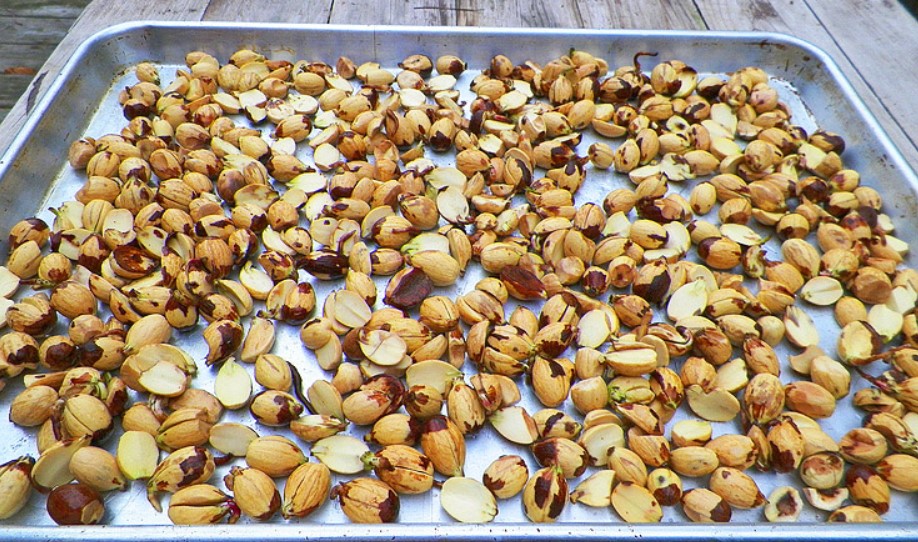
Acorns can be eaten dried, roasted, or sprinkled with sugar. They can be ground into candy, crushed into crumbs, or used in porridge and various baked goods. This powder is also suitable as a thickener for liquids and as an ingredient in coffee.
For edible use, choose fruits harvested in late September or early October. They should be dark brown in color. Store acorns in a dry, well-ventilated place.
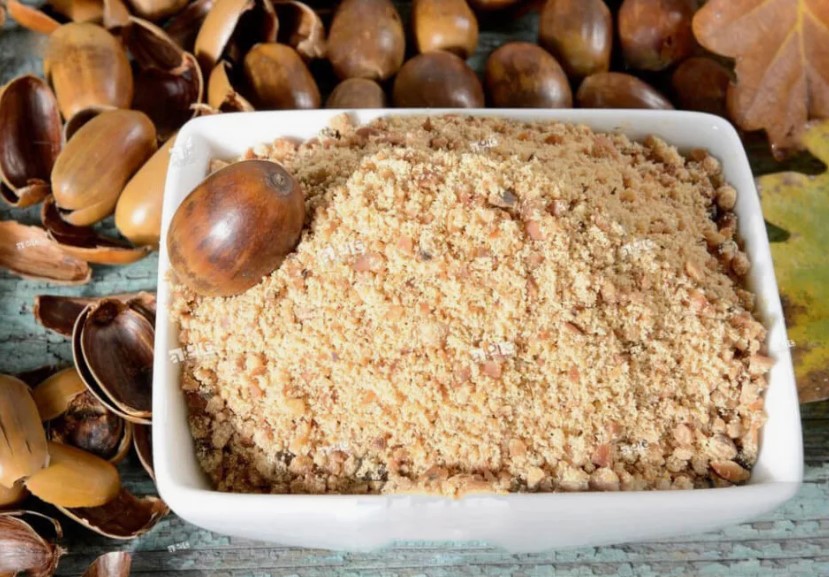
Delicious recipes using acorns:
- Porridge. Crush dried acorns into crumbs and add to a boiling mixture of milk and water. Then add salt, mix thoroughly, and bake in the oven for 40 minutes.
- Acorn bread. First, prepare the dough by mixing 10 g of yeast with 500 ml of water or milk. Add salt, sugar, and a little wheat flour. Set the dough aside in a warm place, covered with a towel. After half an hour, add 100 g of wheat flour, 800 g of acorn flour, and 50 g of melted butter. Knead the dough thoroughly. Then divide the dough into portions, form the loaf, and let it rise slightly. Bake for 30-40 minutes at 180-200°C.
- Acorn cakes. To make them, take 30 g of acorn flour, 20 g of cheese, 30 g of sour cream, sugar, and sunflower oil. Heat the sour cream, add the acorn flour, stirring constantly until it comes to a boil, and then cool to room temperature. Add grated cheese to the mixture. Roll out the cakes and fry in vegetable oil.
- Milk soup. To prepare, you'll need 30 g of acorn groats and 250 ml of milk or water. Bring the milk or water to a boil, add the acorn groats, and simmer over low heat for 10-15 minutes, stirring constantly. You can add butter, sugar, and cinnamon if desired.
- Dumplings. To prepare, take 400 g of acorn flour, 100 ml of water or milk, 1 egg, and 100 g of sour cream or cream. Mix all the ingredients into a dough, roll it out, and cut into diamonds. Boil for 5-7 minutes in salted water.
- Pudding. To prepare, you'll need 40 g acorn grits, 30 g apples, 60 ml milk, and 20 g hard cheese. Add the acorn grits to boiling water and cook until half-cooked. Drain off excess water, add milk, grated cheese, and sliced apples. Mix thoroughly and bake in the oven at 170°C for 20-30 minutes.
In the landscape
Oak trees have been widely used in landscape design since ancient times. Their majestic appearance, combined with their large size and aesthetic beauty, make them ideal for creating compositions.
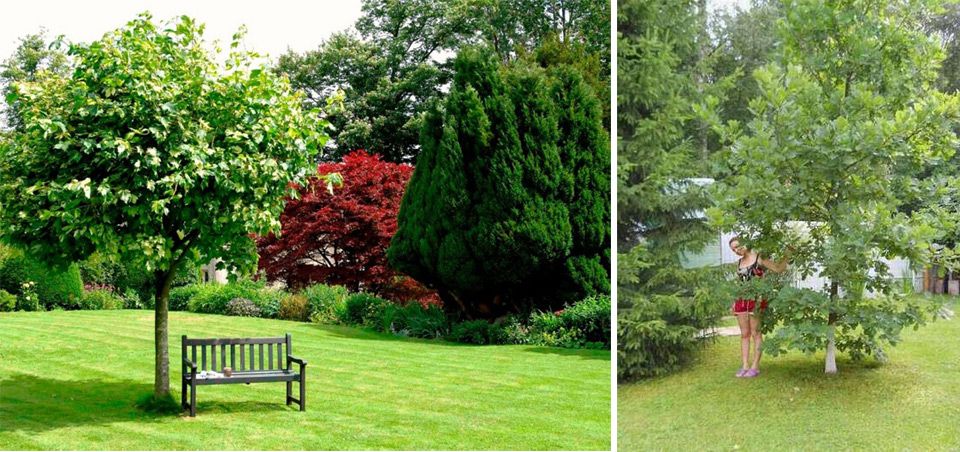
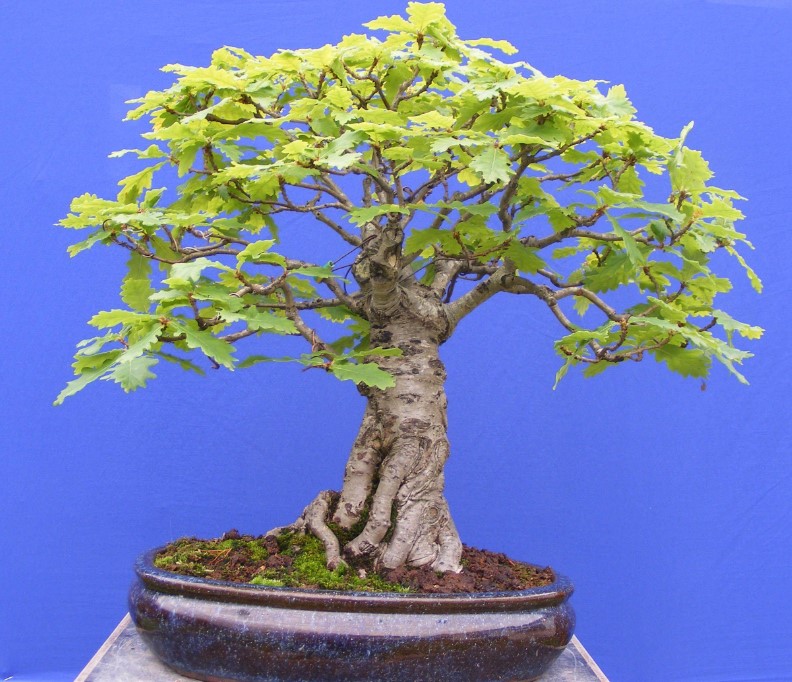
In old estates, oak trees were typically planted near the building's façade to emphasize its nobility. The powerful trunks and dense crowns of oak trees can enhance any garden, park, boulevard, or alley. Oak trees can also be used as bonsai.