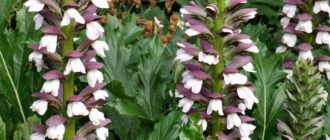
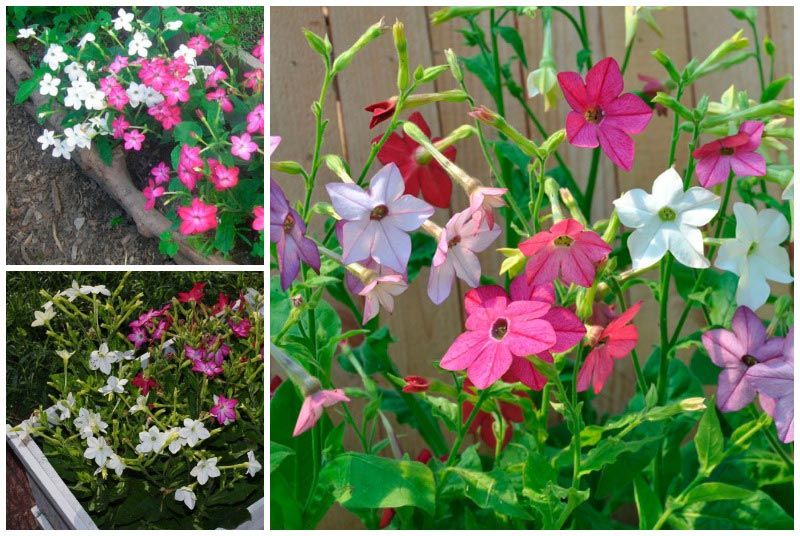
Sweet tobacco is popular among gardeners due to its varied colors, pleasant aroma, and low maintenance requirements. The scent attracts bees to the garden and protects some plants from harmful insects.
Content
- 1 Types and varieties of fragrant tobacco
- 2 Growing fragrant tobacco from seeds
- 3 Caring for fragrant tobacco seedlings
- 4 Planting fragrant tobacco in open ground
- 5 Caring for fragrant tobacco
- 6 Fragrant tobacco after flowering
- 7 Top.tomathouse.com recommends: fragrant tobacco – a fungicide for the garden
Types and varieties of fragrant tobacco
The plant has several varieties, differing in petal shades and the height of their main stems.
Dwarf varieties
These small plants reach up to 30 cm in height. They look spectacular along paths, near benches, as houseplants, and in flowerbeds. They pair well with petunias and are used by landscape designers in rock gardens.
| Variety | Flowers | ||
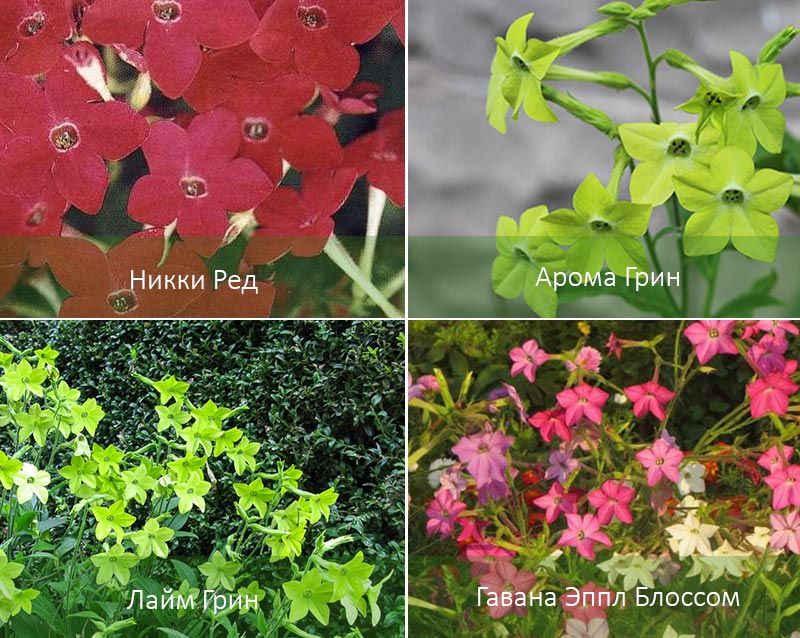
| Havana Appleblossom | A plant with a variety of flowers in shades of pink, lemon, scarlet and yellow. | ||
| Nicki Red | It grows lushly. Its color ranges from red to white. | ||
| Rosa Gnom | A low-growing variety, up to 25 cm tall, with pale pink and bright red flowers. Looks great as a border. | ||
Medium-sized varieties
They grow up to 50 cm. They are used to form living fences, planted in flowerbeds, near porches, and along walls. They look good with low-growing flowers.
| Variety | Flowers | ||
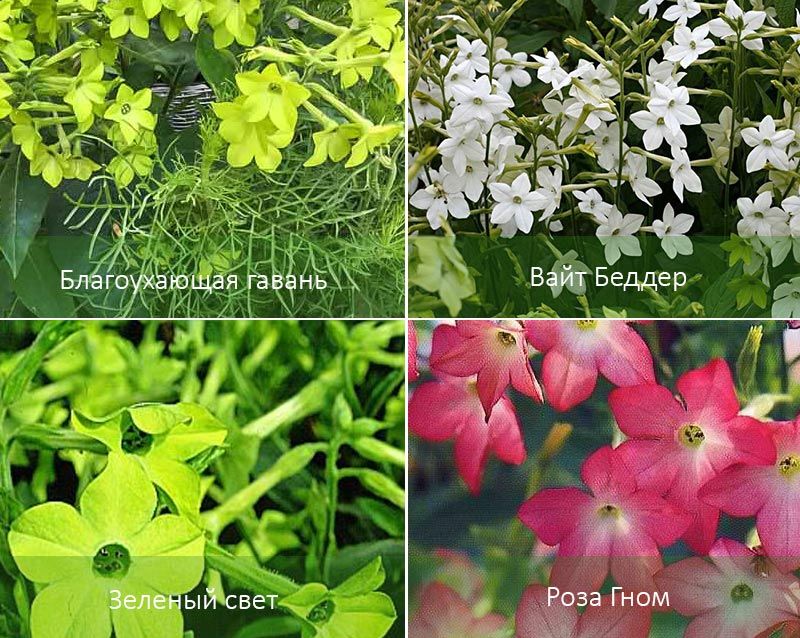
| Lime Green | Grown as a perennial, the flowers have lemon, white, and beige petals. | ||
| Green light | The plant has lush leaves of an original light green color. | ||
| White Bedder | The white flowers do not close during the day and have a rich aroma. | ||
| Italian F1 | It grows with large buds, with green, white and red shades predominating. | ||
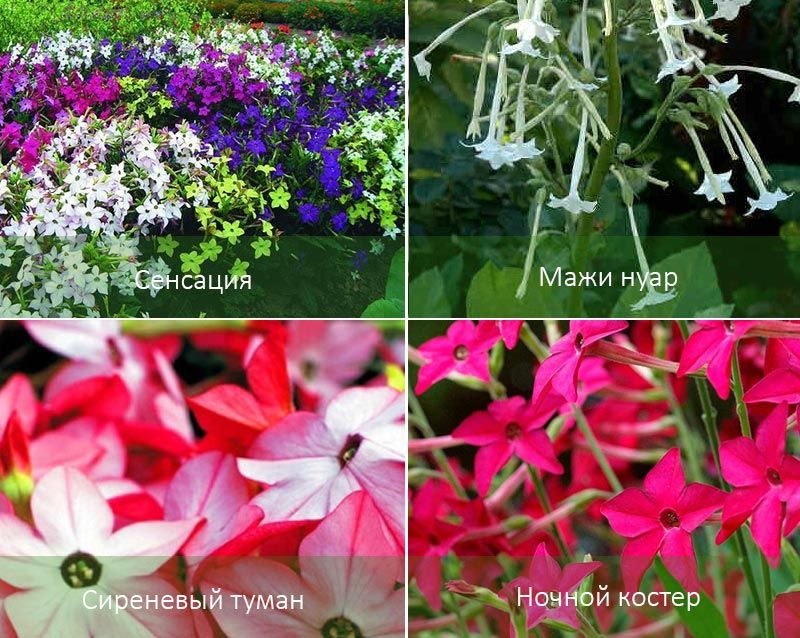
| Lilac fog | The flowers are numerous and open in the late afternoon. The petals are lilac in color. | ||
| Fragrant Harbor | It grows up to 60 cm. It has an excellent scent and flowers in shades of white, blue, and light blue. | ||
| Night bonfire | It is distinguished by its large, bright red-raspberry buds. | ||
Tall varieties
Flowers of this variety grow 70 cm and above. They are used to decorate columns, walls, and as hedges. They look beautiful when planted in groups near large trees. They are also used in landscape design to create a background for compositions.
| Varieties | Flowers | ||
| Hypnosis | A pleasant, rich aroma. Flowers are predominantly lilac-hued, with occasional green hues. | ||
| Aroma Green | It has flowers that are not star-shaped, but bell-shaped, of a distinctive green color. | ||
| Lenevsky | The petals are delicately hued, with pink, white, and pistachio colors predominating. The fragrance is persistent and long-lasting. | ||
| Evening | This variety has large white flowers. The buds open after sunset. The strong aroma lingers all night. | ||
| Record | It is distinguished by a variety of colors and an intense pleasant smell. | ||
| Maji Noir | It has an exquisite aroma and pleasant small flowers of various colors. | ||
| Sensation | Grows up to 1 m. Flowers are brightly colored. The fragrance is stronger in the morning. | ||
Growing fragrant tobacco from seeds
It's easier to grow this ornamental plant from seed. It can spread by self-seeding, but if winters are snowless or the weather is cold, the seedlings may fail to emerge in the spring. This is a heat-loving plant, so it should be planted after the last chance of night frosts. Then you can be sure of its survival.
Sweet tobacco is a perennial plant in natural conditions, but in garden plots it is grown as an annual.
Seedling preparation begins in early March. You'll need flat containers and soil. Garden soil is suitable, but you can also add humus and peat. The plant's seeds are small and should be carefully distributed over the surface. For more even sowing, experienced gardeners recommend mixing the seeds with fine sand, carefully covering with soil, and misting with a spray bottle. Use warm, settled water.
Some gardeners recommend watering unemerged seedlings with a dessert spoon. The force of the spray bottle pins the sprouts to the ground, preventing them from emerging for a long time.
Caring for fragrant tobacco seedlings
To obtain strong and healthy plants, planting and care must be carried out according to the following rules:
- The optimal temperature for seedlings is within the range of +18…+22 °C.
- After sowing the seeds in the container, create a greenhouse effect by placing a glass pane or covering it with plastic wrap.
- Open the greenhouse for a few minutes every day for ventilation.
- When the soil dries out, mist it with a spray bottle. The soil should always be moist, but not stagnant.
In a week and a half to two weeks, the first shoots will emerge. They will be small. To prevent the seedlings from growing too tall, provide them with daylight. Remove the plastic or glass. Reduce the temperature to 16°C, and place the seedling containers in bright but diffused light.
As soon as the seedlings develop two true leaves, they are divided into separate containers or thinned out, leaving a distance of 3-4 cm. When replanting, include the root ball and soil. This will allow the seedling to adapt more quickly to its new location. To create a fuller plant, pinch off the top after 5-6 leaves appear.
Planting fragrant tobacco in open ground
Only after the weather has reached its final warmth can the grown seedlings be planted outdoors. The soil has warmed up well, and nighttime frosts no longer return. This period varies by region. It's typically around the end of May in central Russia. Two weeks before transplanting, the seedlings begin acclimating to fresh air by taking them outside daily.
The duration of this unique hardening starts from 1 hour and lasts up to 24 hours.
Careful selection of a planting location for fragrant tobacco is essential. It should be protected from direct sunlight and strong gusts of wind. Tall stems will easily break, leaving the plants looking untidy. Soil composition isn't critical, but moisture and fertility will impact growth and flowering.
Plant the bushes 20 cm apart. For tall varieties, the distance can be increased. They grow large and require a lot of space, initially stretching upwards before spreading downwards.
Add superphosphate to each hole. Carefully transfer the seedling, top up with soil, water thoroughly, and shape the beds.
Caring for fragrant tobacco
Growing fragrant tobacco in your garden is easy. It thrives in any conditions and is adaptable. Proper care is essential to achieve beautiful foliage, a lasting scent, and long-lasting blooms.
Watering
This is a moisture-loving plant, and its foliage requires a lot of water. For lush blooms (especially in hot weather), it requires regular watering. The soil should be kept moist at all times.
The best time for this is morning and evening hours.
Lighting
This fragrant flower is undemanding and doesn't require any special conditions. It will adapt to shade from spreading trees and bright sunlight. Landscape designers love it for its ease of care. However, tobacco doesn't grow well in deep shade. Pots are moved during the growth stage to ensure a smooth, attractive bush.
https://www.youtube.com/watch?v=djXqeG9tpJk
Soil
Soil composition isn't important for the plant; simple garden soil can be used for seedlings. Fertile soil and adequate drainage promote good growth. To ensure a large number of buds, it's necessary to regularly loosen the soil and apply organic mulch throughout the season.
Top dressing
Fertilize twice a season: when buds appear and at the beginning of flowering. Fertilizing is not necessary if the soil is fertile. For depleted soil, a low-nitrogen mineral fertilizer is suitable. This will promote vigorous foliage growth but will reduce flowering. Fertilizers are mixed with water for irrigation.
Trimming
Faded inflorescences don't interfere with the formation of new buds. However, the plant looks untidy and neglected. Flowering continues continuously, so there may be many faded buds. It's best to harvest them to maintain their decorative appeal.
Diseases and pests
Sweet tobacco contains a large amount of phytoncides in its leaves, making the plant resistant to pests and diseases. It protects other nearby plants.
In rare cases, flowers are affected by downy mildew. A yellow coating with a green tint forms on the leaves. They dry out, and the edges curl. To combat the disease, it is recommended to remove and burn the affected bushes. Spray the soil beneath them with a 7.5% formalin solution. 30 liters are used per square meter. Tools used should also be treated with 3% formalin. Spray nearby plants with Zineba (80%).
Fragrant tobacco after flowering
In the fall, after the sweet peas have finished blooming, select a few of the strongest, most beautiful plants. Dig them out of the ground and place them in prepared pots. Trim the stems by a third. Bring them indoors, place them in a well-lit spot (on an east- or south-facing windowsill), and store them for the winter, until spring.
It's important to monitor the soil. It shouldn't be dry, as this could kill the plants. Water as needed, but avoid waterlogging. When the soil warms up in spring and there's no longer a risk of nighttime temperature drops, transplant the plants outdoors. This propagation method can be used for several years.
Top.tomathouse.com recommends: fragrant tobacco – a fungicide for the garden
Sweet tobacco is a beautiful and useful plant for a garden plot. Its aroma attracts bees, which is important for insect-pollinated crops.
The plant also successfully fights the Colorado potato beetle. Tobacco and potatoes belong to the nightshade family. The dangerous insects migrate to the fragrant flower, but the phytoncides in its leaves are toxic. The pests die after eating the greenery.
To get rid of Colorado potato beetles, experts recommend planting fragrant tobacco around the perimeter of your plot a few days before you plant potatoes. The plant doesn't cause pests to become resistant to it, unlike chemical pesticides. Annual interplanting for three years will help eliminate these dangerous insects.
Sweet tobacco is a unique, fragrant flower that creates a unique garden atmosphere. It pairs well with other plantings, delights with its appearance all summer long, and requires little maintenance.