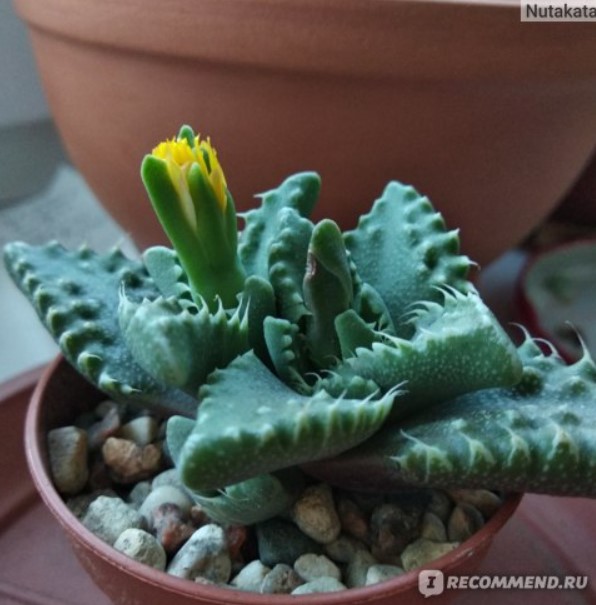
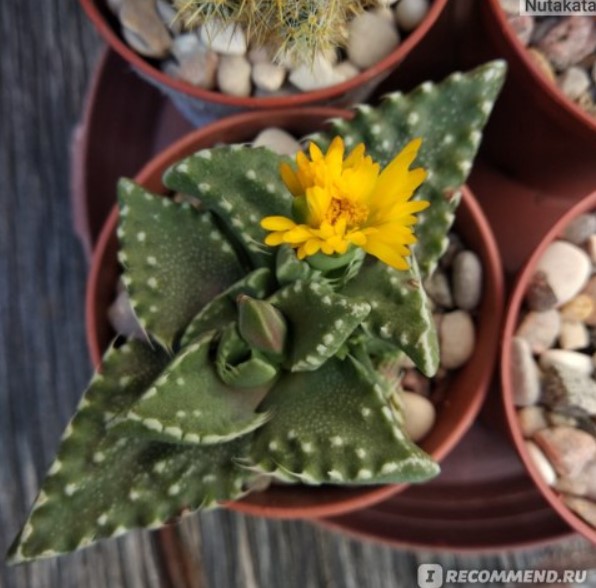
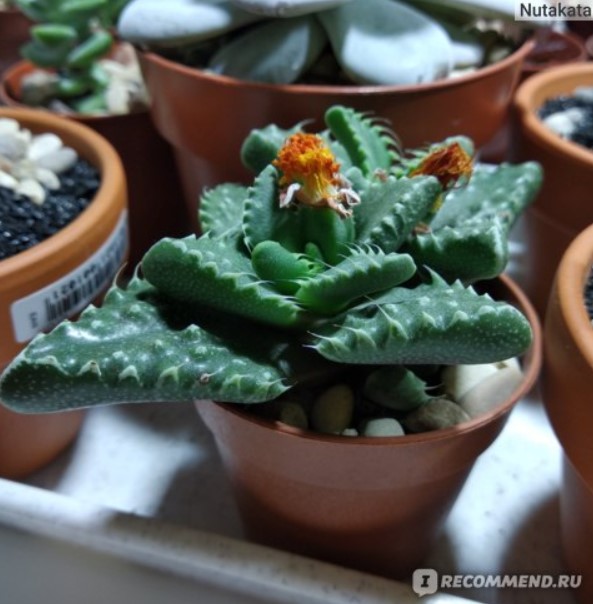
Faucaria is a succulent native to southern Africa. It belongs to the Aizoaceae family. Its name comes from the Greek words for "mouth" and "many," reflecting the rosette's resemblance to the mouth of a predator.
Description of Faucaria
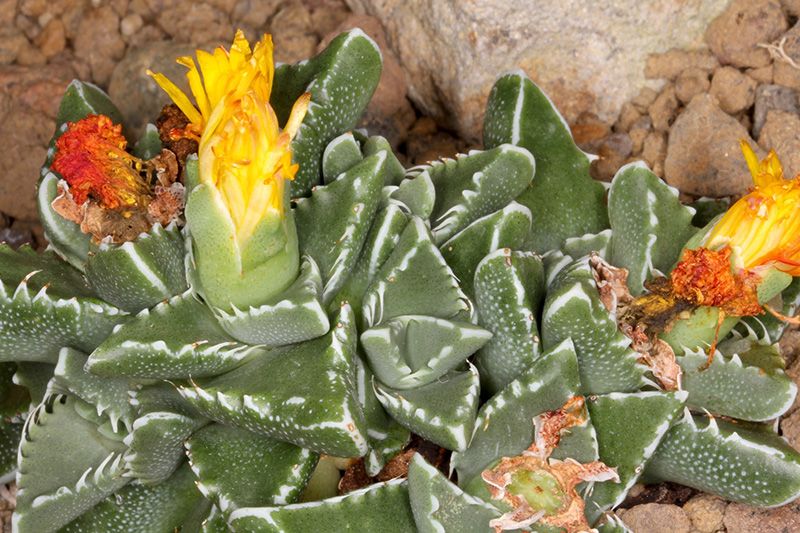
A low-growing perennial plant with fleshy leaves up to 2.5 cm long. The leaf blades are triangular, with white spines along the edges. The inflorescences are 4-8 cm in diameter, pink or white, most often yellow.
Popular species of Faucaria
| View | Description |
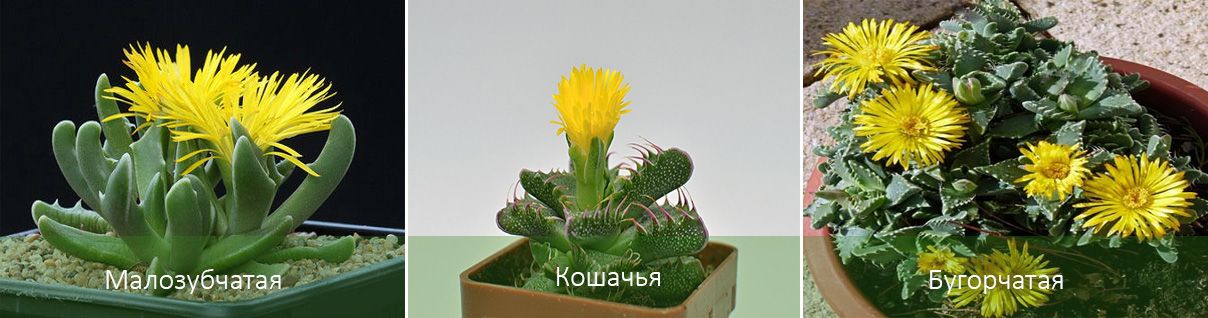
| Small-toothed
|
The color is light green with dark blotches, the inflorescences are yellow up to 4 cm. The leaf blade is bordered by 3 teeth. |
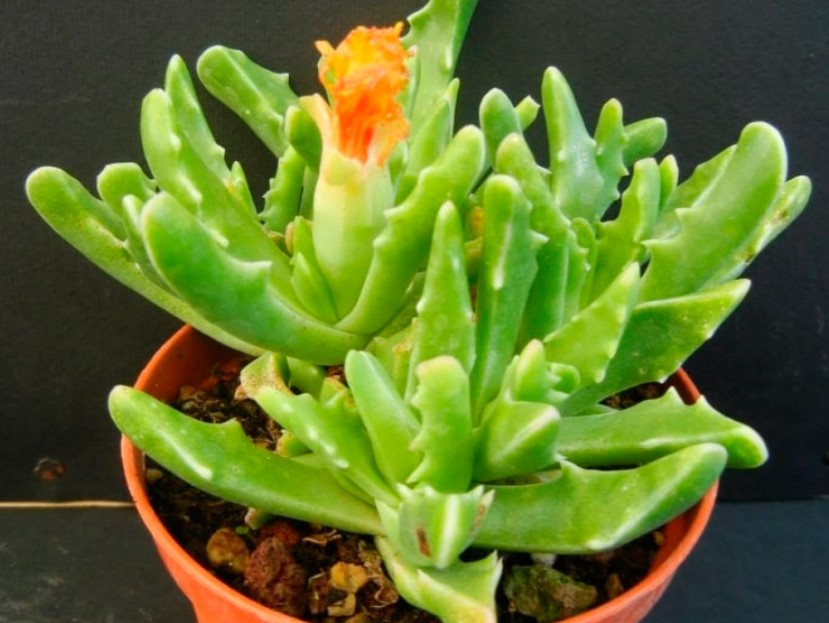
| Cat's claw (not to be confused with Uncaria pubescens, or cat's claw)
|
A tall variety with a rosette covered in white spots. It has five teeth, each with soft hairs at its tip. |
Tuberculate;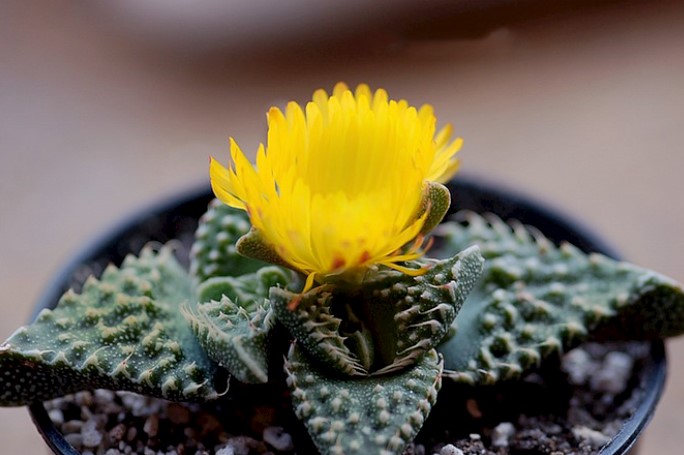 |
Dark in color, leaves with white tubercles. The trunk is branched, but does not exceed 8 cm in height. |
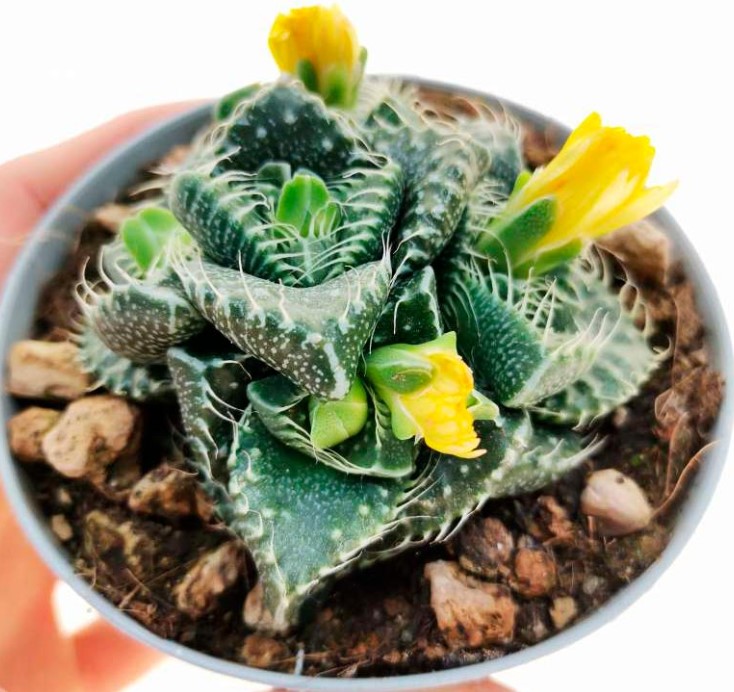
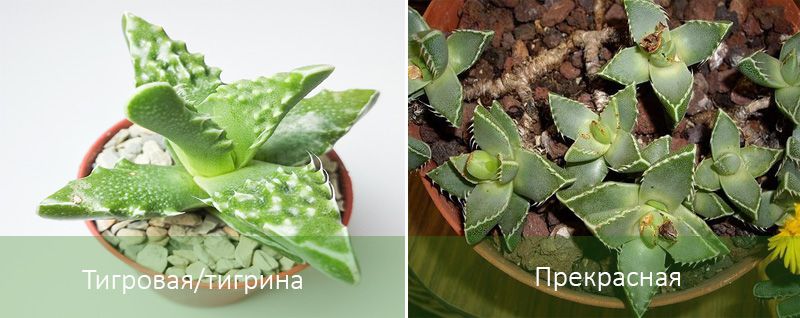
| Tiger or tigrina
|
The rosette's edge is lined with up to 20 teeth arranged in pairs. The color is gray-green. The surface is covered with light-colored specks that merge to form stripes. |
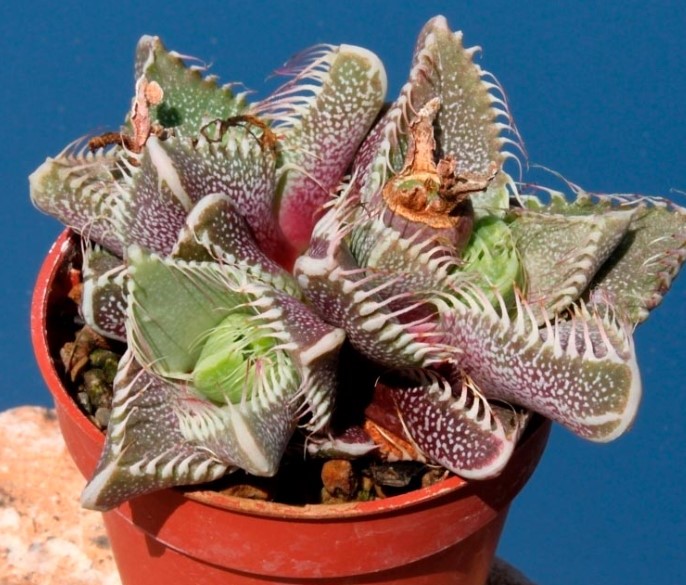
| Beautiful
|
Distinguished by 8 cm flowers with a purple edge. Six sharp shoots. |
Caring for Faucaria at Home
| Factor | Spring/summer | Autumn/Winter |
| Location/lighting | A south or southeast-facing window. Provide shade during hot weather. | More illuminated. |
| Temperature | +18…+30 °C | +5…+10 °C |
| Humidity | 45-60% | |
| Watering | As the substrate dries out completely. | Reduce from autumn to November, stop until the end of winter. |
| Top dressing | Add succulent fertilizer to the soil once a month. | Do not use. |
Replanting, soil
Cactus or succulent substrate can be purchased at the store. It's best to prepare a soil mixture using the following components (1:1:1):
- turf soil;
- leaf;
- river sand.
Place a drainage layer of expanded clay at the bottom of a wide pot. Repot the plant every 2-3 years or as it grows.
Reproduction
Faucaria propagates by seeds and cuttings. The former method is more convenient. The seeds should be placed in coarse sand, and the pots should be covered with glass. The soil should be regularly moistened. After 30-40 days, the seedlings can be transplanted.
Vegetative propagation is more difficult. The apical shoots should be cut and placed in river sand. Cover the pot with a plastic bag and mist the substrate regularly. After 4-5 weeks, replant in standard soil.
Difficulties in caring for faucaria, diseases and pests
If poorly cared for at home, succulents can develop diseases. Timely restoration measures are necessary.
| Manifestation | Cause | Elimination |
| Brown spots in the heat. | Sunburn. | To shade. |
| Blackening of foliage. | Excess moisture, root rot. | Reduce watering, remove damaged areas. |
| Flower elongation, pale shade. | High temperatures in winter, lack of UV. | In winter, keep at +10 °C and below, provide additional lighting. |
| Soft leaves. | Excess moisture. | Remove from the pot and let dry for 2-3 days. Replant in new soil. Reduce watering frequency. |
Reviews of Faucaria
Review: Indoor plant Faucaria - A plant with delicate teeth and a scary name
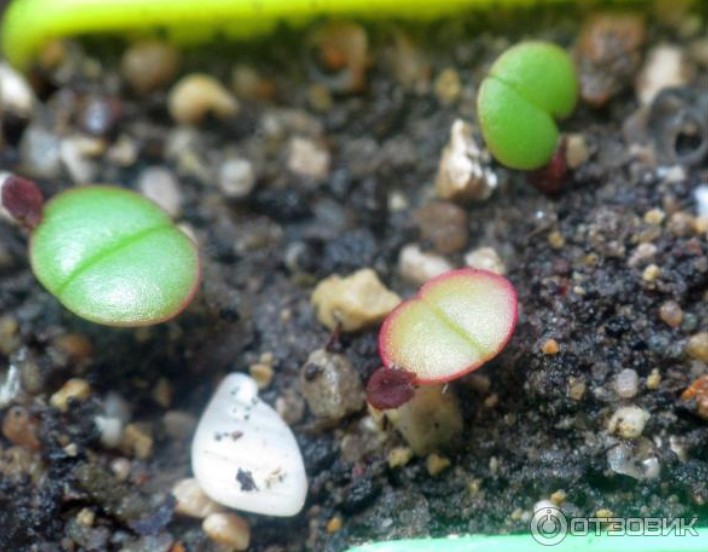
Pros: Unusual appearance, slow growing (and therefore requires little space), easy to germinate when grown from seed. Beautiful. Very beautiful!
Disadvantages: It loves light very much and can be overwatered if not careful.
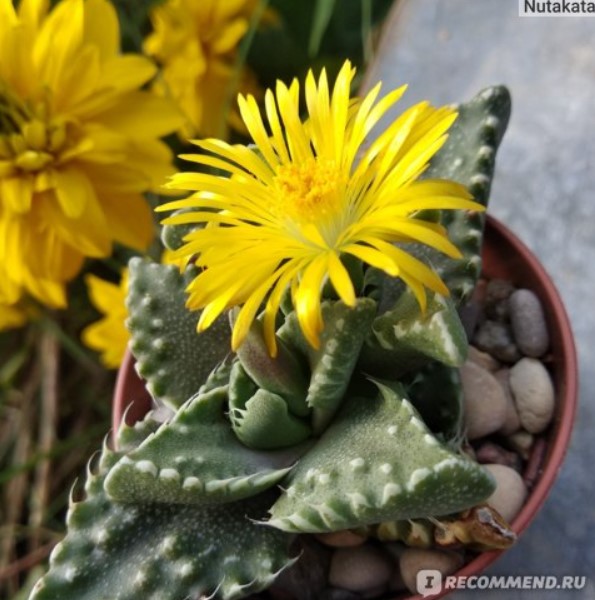
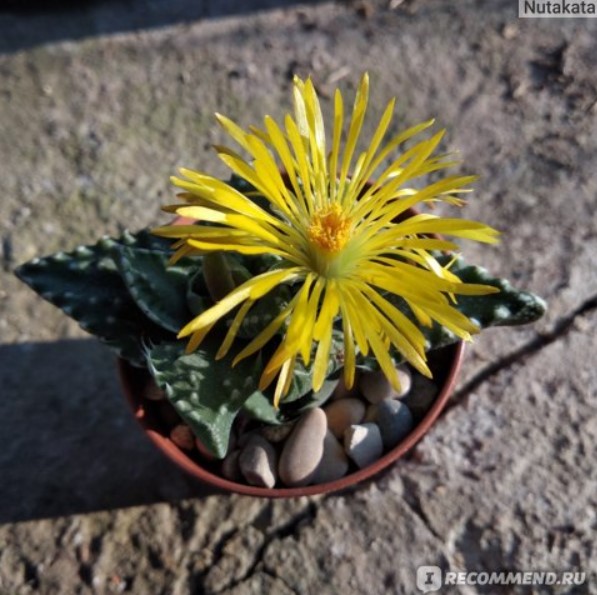
Faucaria is one of my favorite succulents, and I love all the types I grow from seed.Their species names are menacing: tigrina (tiger), lupine (wolf). But their "teeth" along the edges of the leaves are very delicate, and when this toothy "tussock" blossoms into a yellow dandelion, the heart melts.
Store-bought faucarias are brought from nurseries (usually Dutch ones), and they have a hard time traveling. Sellers aren't always competent in caring for these rare supersucculents.
So, you might end up with a beautiful but unhealthy plant that's unlikely to survive. This is always a bummer. I recommend searching for faucarias and other rare succulents in themed social media groups and forums. There, experts and craftsmen periodically sell off their surpluses.
Year of manufacture/purchase 2016
General impression: A plant with delicate teeth and a scary name
My rating
5
I recommend it to friends YES
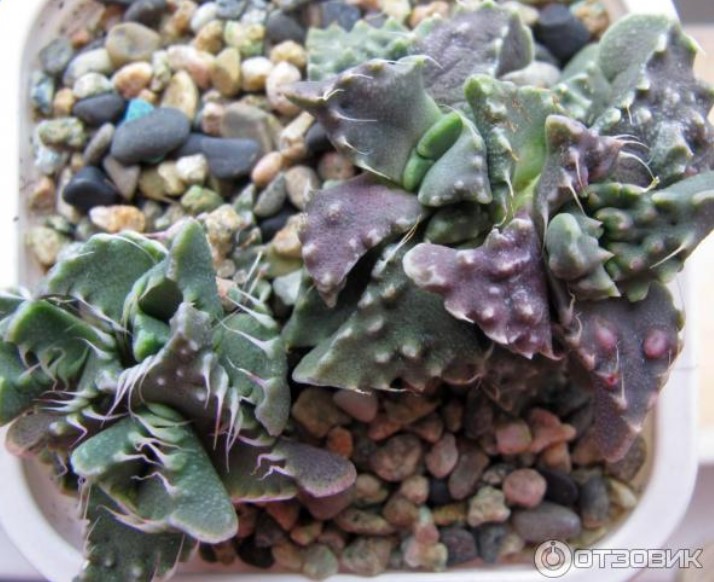
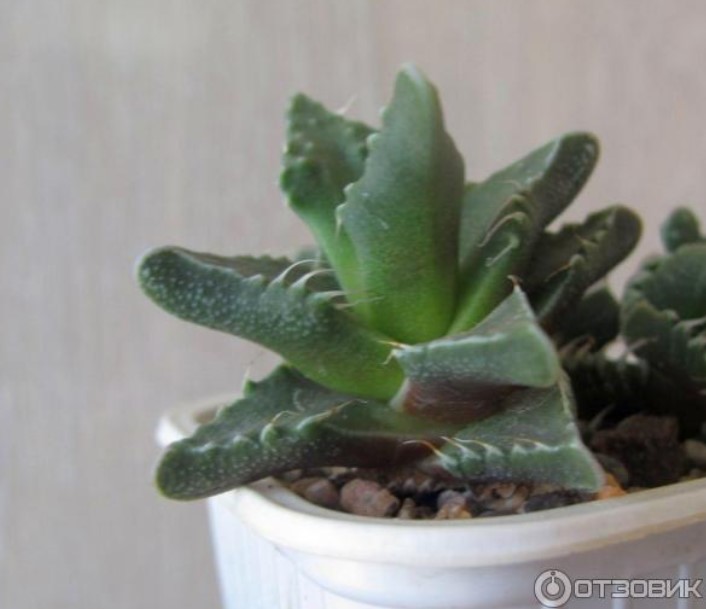
A very unpretentious succulent, practically a weed.
My faucaria has been living with me for a year and a half now and does not require any special care.
Faucaria tuberculosa
I bought it at Globus or Auchan, I can't remember exactly. I brought it home, carefully cleaned the roots of the peat moss it was sold in, and planted it in a mixture of gravel and steamed garden soil. Actually, almost all my succulents grow in this type of soil; only the ratio of soil to gravel varies. For the Faucaria, I used more gravel and less soil.
Faucaria tuberculosa
I buy gravel in aquarist shops, the required fraction is from 0.3 to 0.5 cm.You can also add charcoal (not activated, of course), broken brick, vermiculite, Barsik cat litter, and similar ingredients to the Faucaria soil. The goal is to make the soil as loose and quick-drying as possible.
After planting, do not water for five days to allow the wounds on the roots to heal and prevent rot.
Faucaria tuberculosa
Faucaria is a perennial succulent plant in the Aizoaceae family. The plant's name is derived from two Latin words meaning "many" and "mouth."
Faucaria tuberculosa
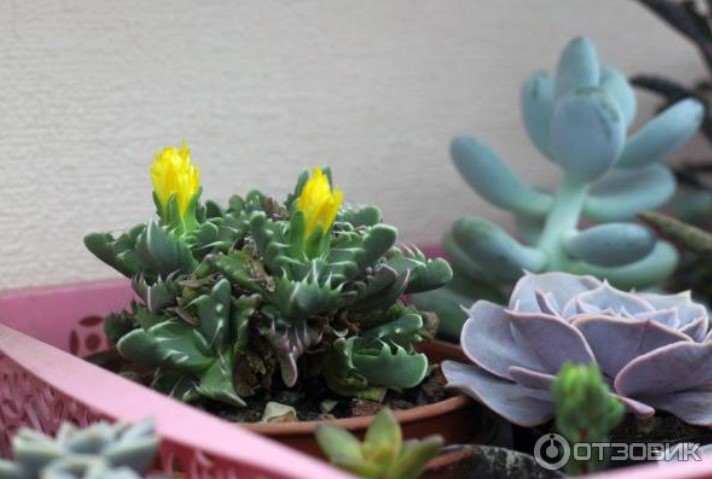
The plant is completely unpretentious; it can be watered once every 2-3 weeks (but make sure to completely drain the pot). It produces pupae beautifully, producing new rosettes, and blooms in the fall with yellow flowers reminiscent of daisies.
Faucaria tuberculosa
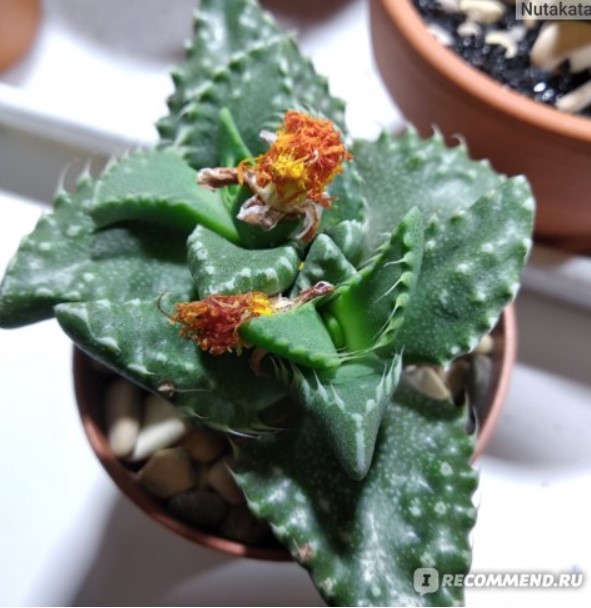
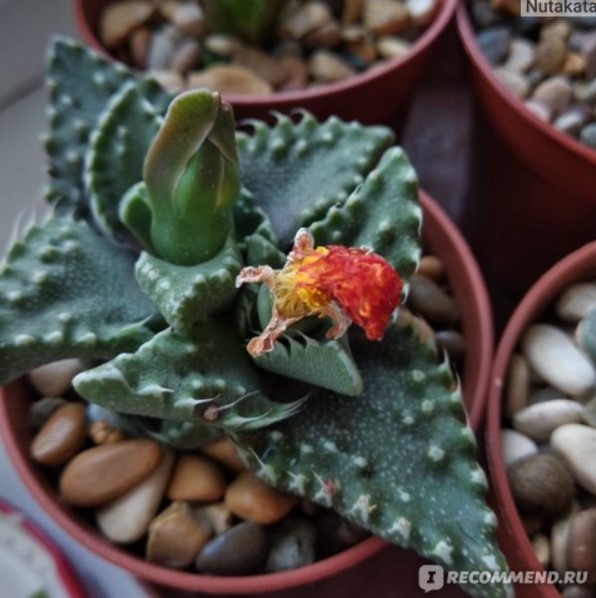
At first the flower is quite fluffy, but after a couple of days it becomes less attractive.
Faucaria tuberculosa
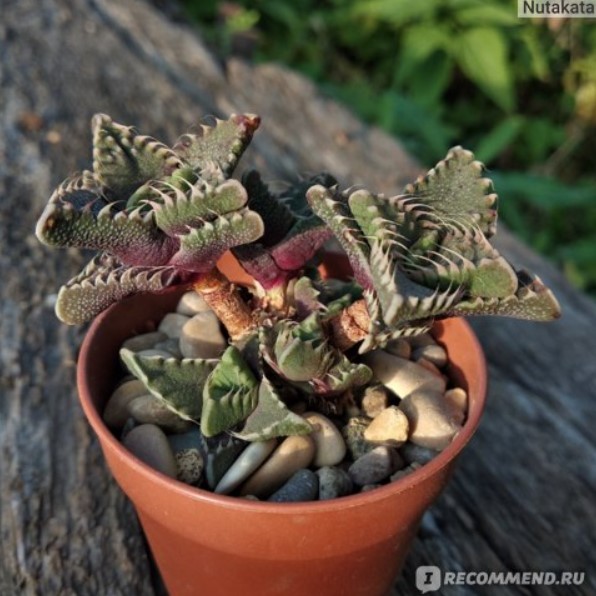
This year, my Faucaria stood outside in the fresh air from May to October. In September, the temperature began to drop to 5 degrees Celsius (41 degrees Fahrenheit) at night, and I stopped watering. By early October, the plant had lost its leaves and shown signs of developing a stem. The remaining leaves developed color, but due to lack of moisture, they became limp.
Faucaria tuberculosa
By the way! In dry soil, the plant can withstand temperatures down to -3.9 degrees Celsius.
I wouldn't say Faucaria needs powerful supplemental lighting, but a large south-facing window, say on the fifth floor, is a must. If you don't have one, invest in supplemental lighting. It's generally accepted that succulents need at least 100 watts of supplemental lighting per square meter.According to online sources, Aizoaceae aren't the most light-loving succulents, requiring 3,000 to 3,900 lux (for example, ficus need 2,600 to 3,000 lux, and echeverias need 4,000 to 6,000 lux). So, if you have a large collection, you can place the faucaria off to the side rather than directly under the lamp.
It reproduces by seeds and rosettes, but I haven’t experimented with this yet.
Faucaria tuberculosa
Of course, I recommend having this miniature, interesting plant on your windowsill. Smile
P.S. Terrariums, growing in bare soil/peat, frequent watering, and huge pots are taboo.For a remedy for fungal infections of succulents (and not only plants), click here
You can read about ready-made soil for succulents called Seramis here.
Advantages
Unusual
Grows in almost bare gravel
Rare watering
Nutakata
recommends