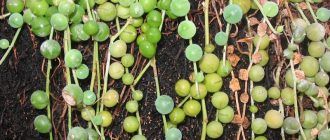
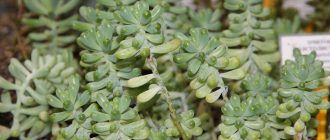
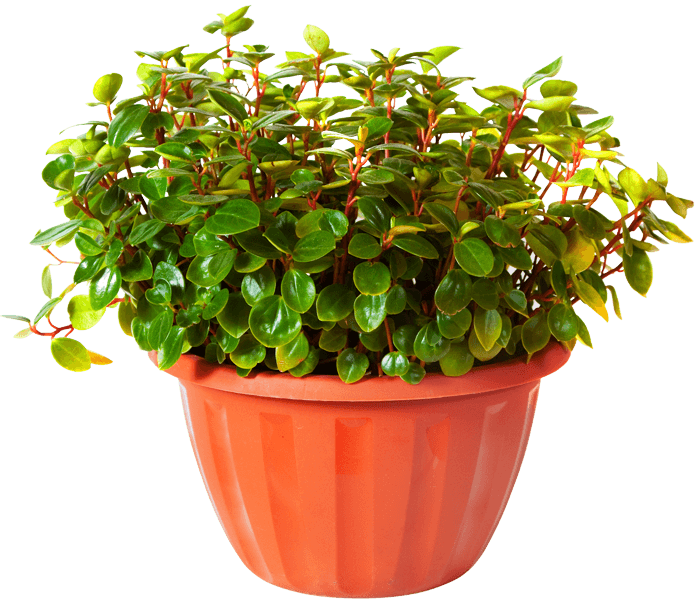
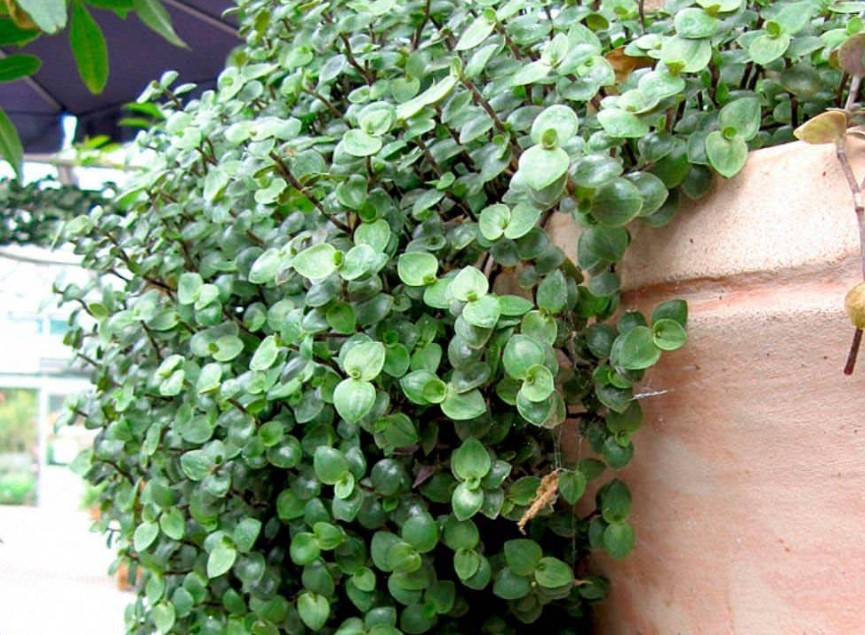
Callisia is a creeping groundcover plant characterized by a compact size yet lush growth and interesting twisting stems. Its leaves come in a variety of shades: green, purple, and even pink. Furthermore, the small leaves are distinguished by a variety of shapes. Callisia stands out from other common plants not only in its appearance but also in its character. Its only drawback is the need for frequent rejuvenating treatments.
Content
- 1 Description of Callisia
- 2 Features of growing and caring for callisia in the table
- 3 Callisia species + 6 varieties with photos and descriptions in the table
- 4 Growing Callisia
- 5 Transfer
- 6 Propagation of Callisia
- 7 Diseases and pests of callisia
- 8 Medicinal properties of callisia
- 9 Recipes for tinctures and ointments, preparation and use of callisia
- 10 Contraindications for the use of callisia
- 11 Reviews on growing calysia and more
Description of Callisia
Callisia belongs to a genus of evergreen herbaceous perennials in the Commelinaceae family. The plant's name comes from the Greek word "κάλλος" meaning "beauty."
Root system
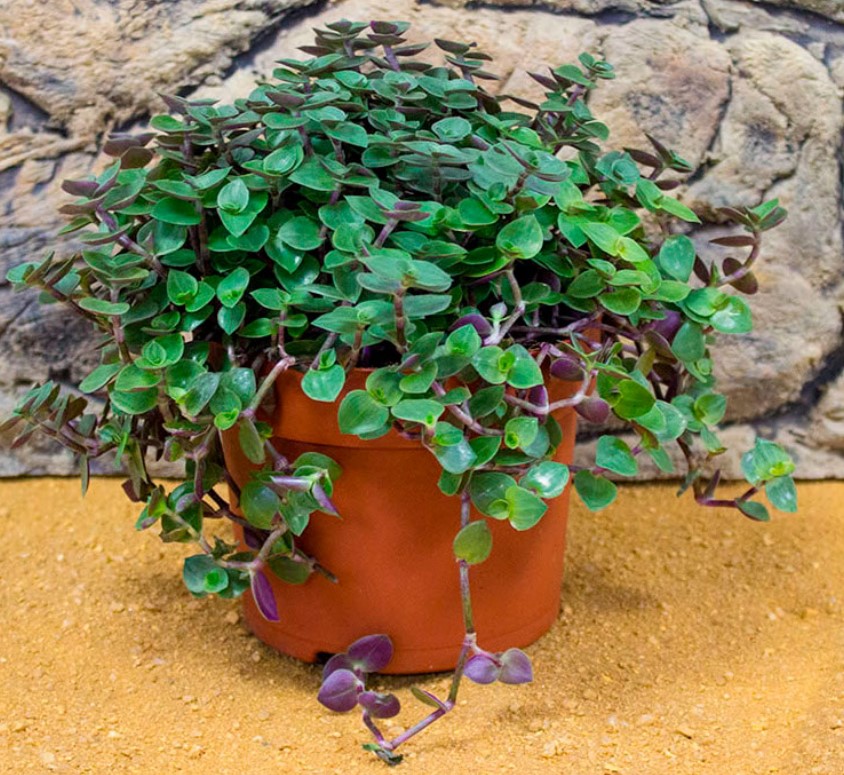
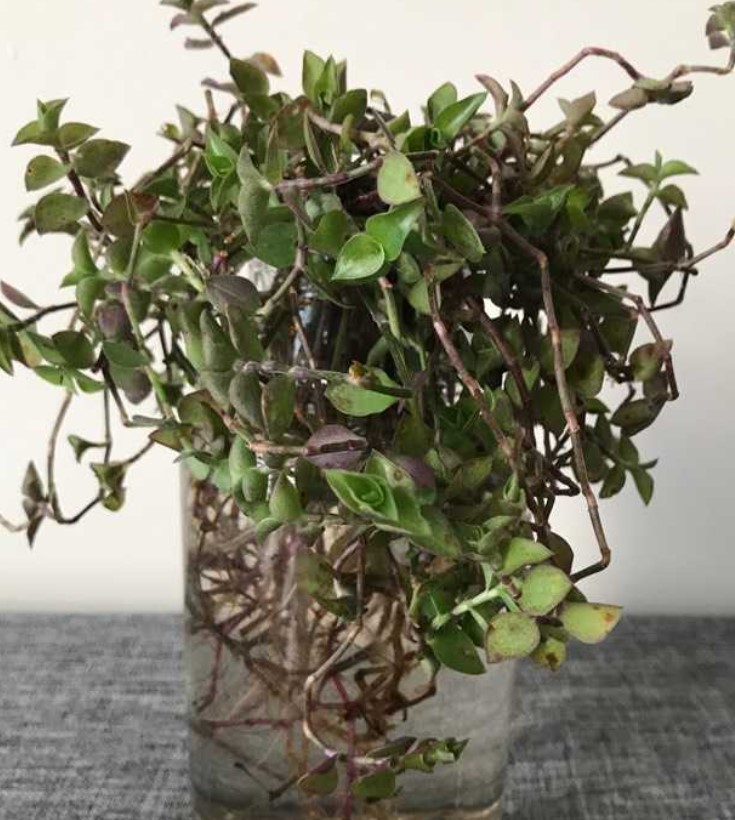
Callisias have a weak and shallow root system. They are recognizable by their thin, flexible, and fragile creeping stems with dense foliage. These plants grow continuously and produce new shoots.
Leaves
Callisia leaves are typically prostrate, arranged in pairs, forming a rosette at the top of the shoot. They often have a purple or brown underside, resembling a boat or a dinghy. Callisia coloration ranges from very light to dark and typically becomes more vibrant in bright light. These plants rarely bloom indoors.
Features of growing and caring for callisia in the table
Let's briefly consider what conditions and care callisia needs.
|
Parameter |
Description |
|
Location |
The most suitable place is with partial shade or bright diffused light. |
| Temperature conditions |
During the growing season – +20…+24 °C. During dormancy – +16…+18 °C. |
|
Watering |
During the growing season, as the top layer dries out. In winter, after the soil in the container has dried out by one-third. |
| Humidity |
Requires high humidity. Spraying is necessary. |
|
Top dressing |
From April to October, complex mineral fertilizer is applied twice every 2 months. |
| Bloom |
Late August - early September |
|
Rest period |
November-March. |
|
Transfer |
Young bushes are replanted annually. Mature specimens are replanted every 2-3 years. |
|
Reproduction |
By layering, tops, division. |
|
Diseases |
If not properly cared for or under unsuitable conditions. |
| Pests |
Spider mites, thrips. |
|
Peculiarities |
Reacts poorly to cigarette smoke. |
Callisia species + 6 varieties with photos and descriptions in the table
Callisia includes 12 species, but only 4 of them are suitable for growing at home.
Creeping
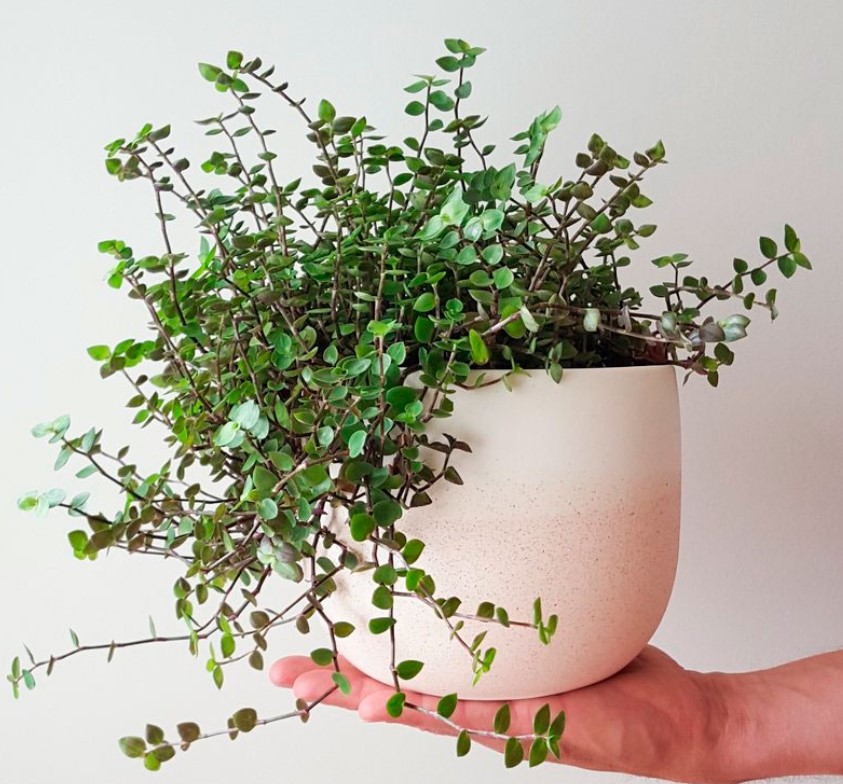
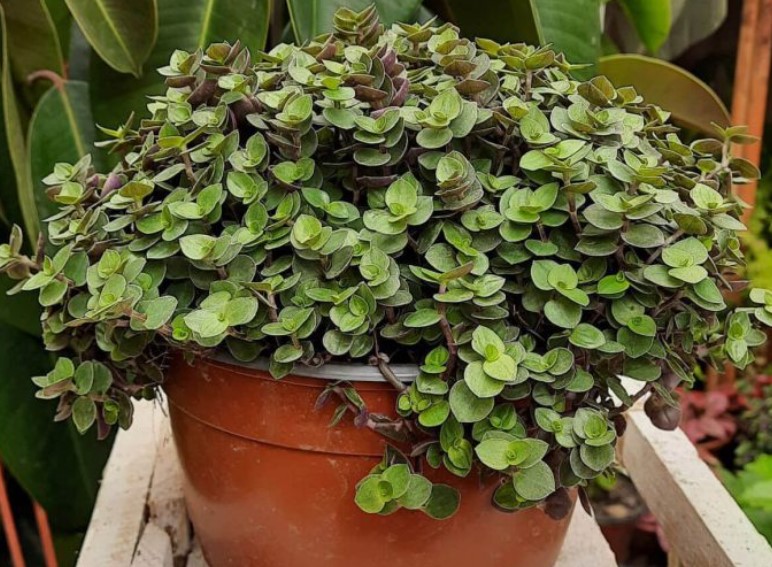
It can be grown outdoors as a groundcover, but keep in mind that this species cannot overwinter outdoors. Indoors, the plant is best kept in hanging baskets.
Varieties:
|
Variety |
Description |
Photo |
|
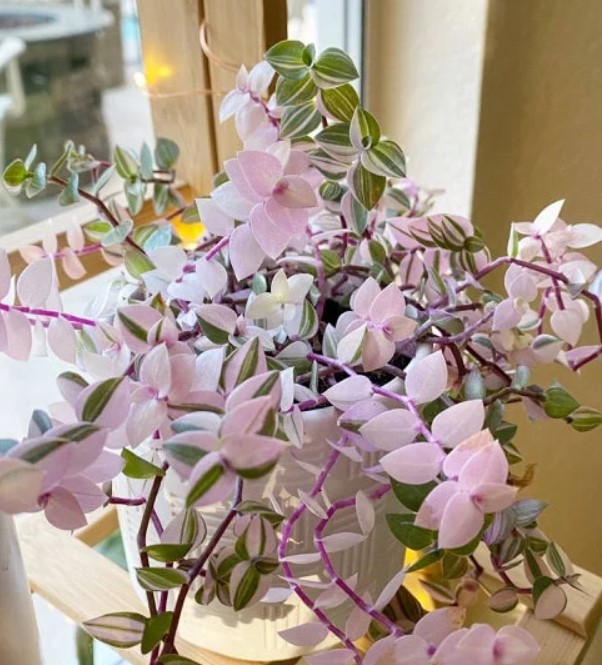
Bianca |
This variety was bred relatively recently and is distinguished by its pink variegated foliage. |
 |
|
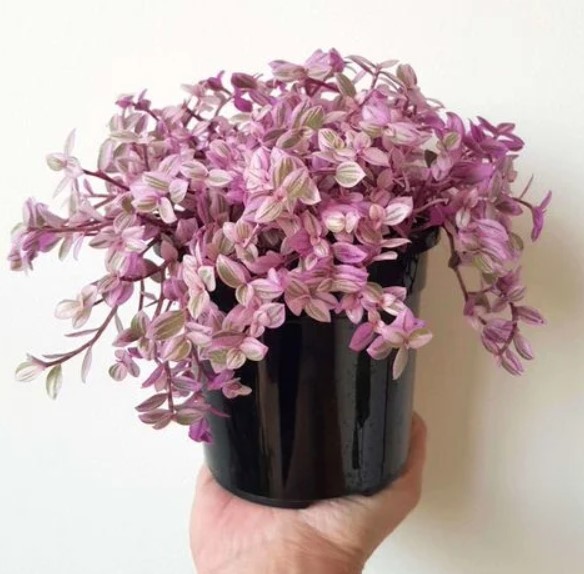
The Pink Panther |
The leaves are two-colored – pink and green, with stripes. A low-growing variety. |
 |
|
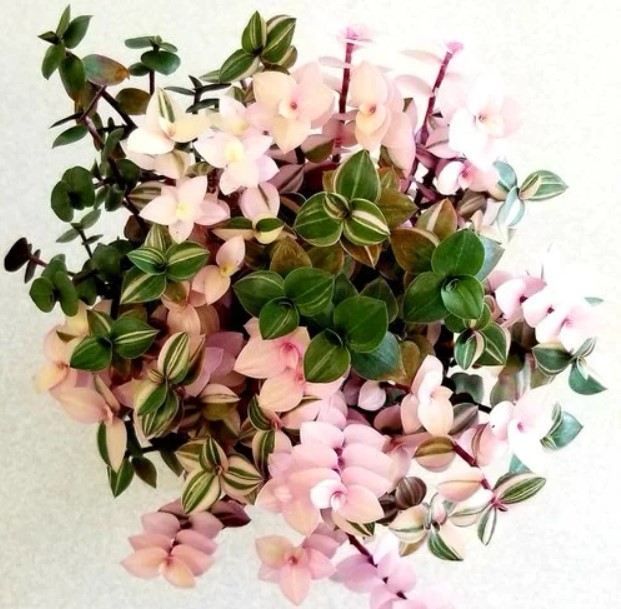
Variegata |
The leaves are compact, with creamy, pinkish or greenish veins. |
 |
|
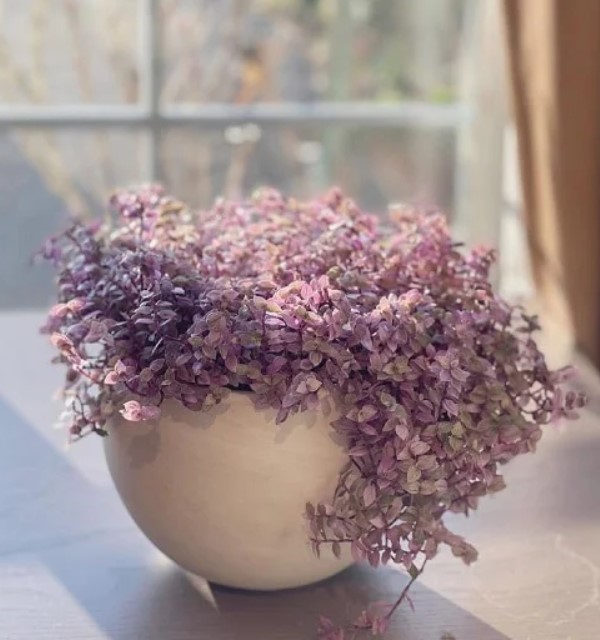
Pink Lady Pink Panther |
The leaves are small and rounded. A single bush contains both pink and green leaves. |
 |
|
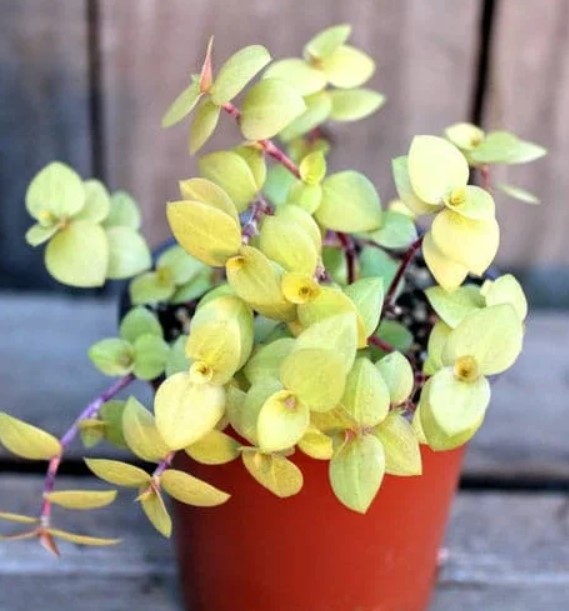
Gold (Yellow) |
The leaves are yellow. In low light, they are only a few shades lighter than the green-leaved form. In bright light, they become a rich yellow-green. |
 |
|
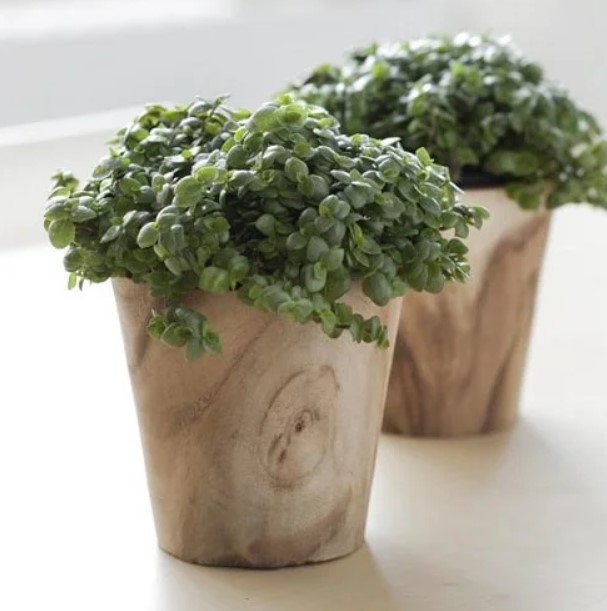
Green Tortoise Vine |
10-15 cm tall. The leaves are small, round, and waxy. They come in various shades of green, striped, cream, and pink (with a burgundy underside). |
 |
Graceful, elegant
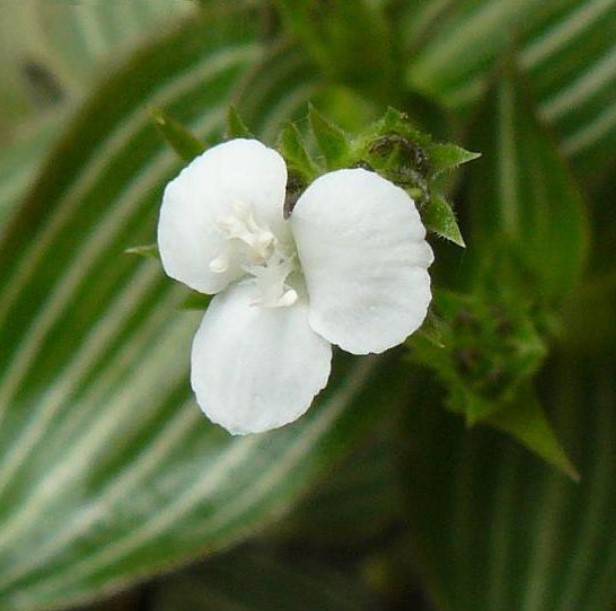
This variety can reach a height of 40 cm. The shoots have a creeping habit. The leaves are dark green, with white stripes on the upper part and purple stripes on the lower part. The leaves are oval, with pointed tips.
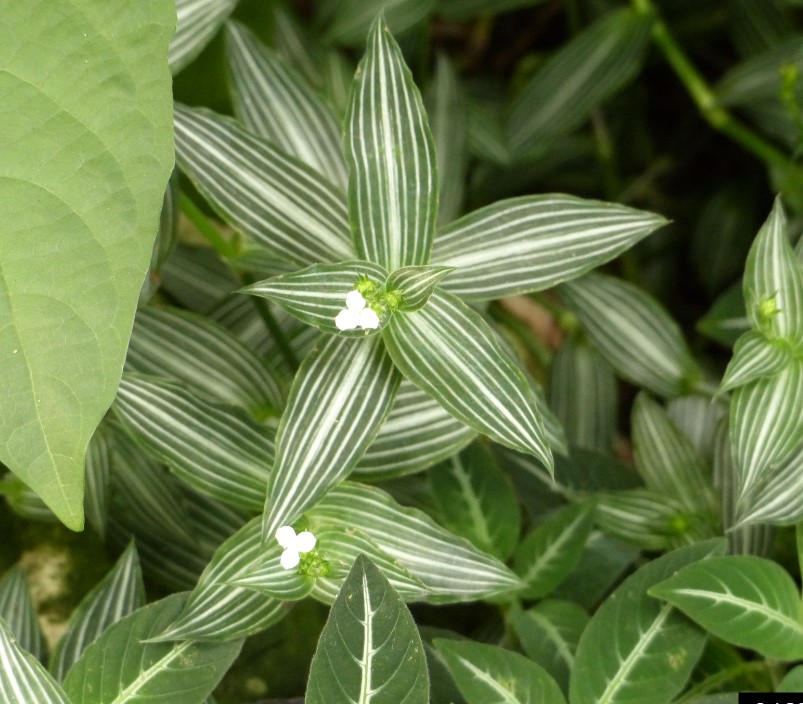
The stems and leaves are hairy. During flowering, white buds emerge from the top.
Scaphoid
This species is very diverse. Its appeal depends on growing conditions and the specific variety. The shoots at the nodes of this succulent plant quickly develop roots.
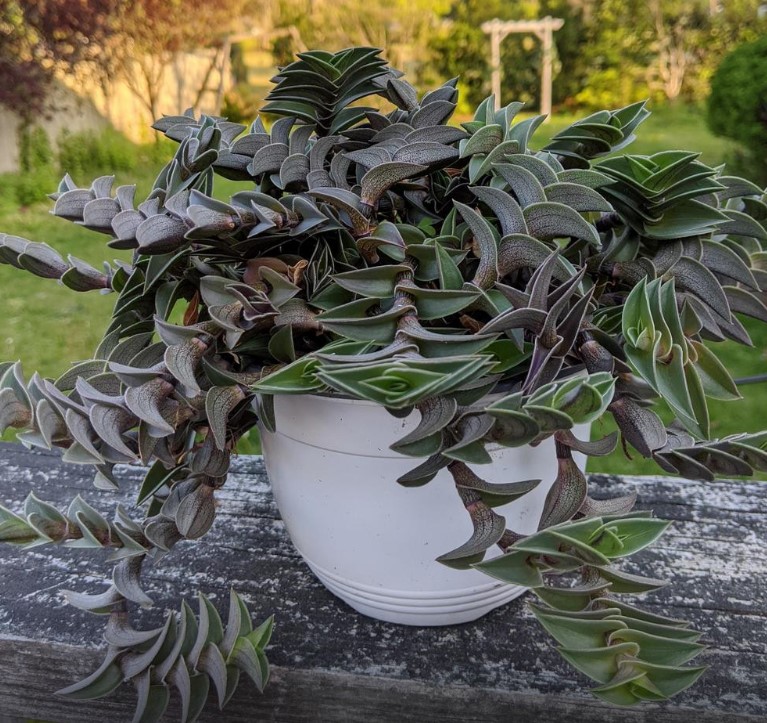
Its lanceolate leaves are arranged in two rows, strongly concave and longitudinally notched. The undersides of the leaves are purple-brown, while the uppersides are greenish-bronze, turning red when exposed to sunlight. The leaves are pubescent, but they have short tufts along a line originating from the axilla. Each leaf blade is 15 mm wide and 20 mm long.
Fragrant, Thai (golden mustache)
It differs from other callisias by its larger bush, often reaching 150 cm. However, it must be properly supported, as it can break.
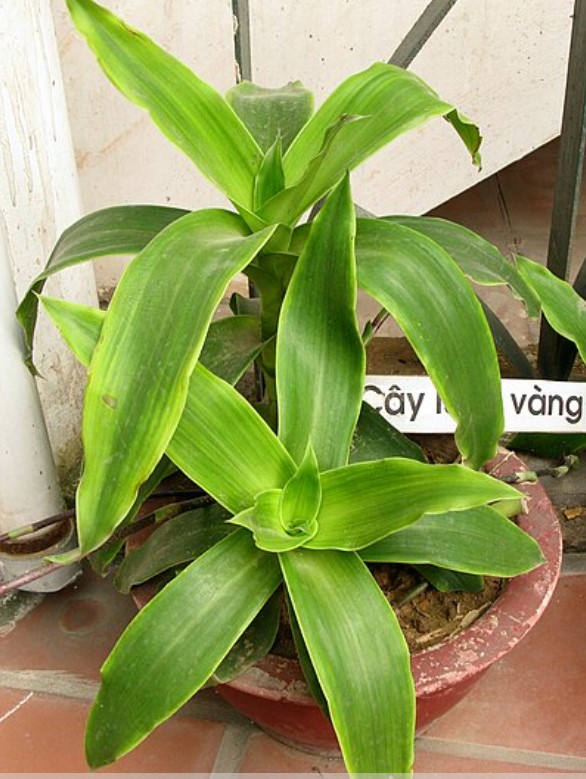
There are 2 types of shoots:
- fleshy, short, vertically growing stems with large rosettes of leaves at the top;
- tubular, long, horizontally arranged shoots (articular corollas) that help the flower spread.
The large, leathery leaves are fragrant and dark green. They are 6 cm wide and up to 30 cm long. The underside is matte, while the outer side is shiny. When the bush receives adequate light, the foliage takes on a pinkish hue.
Callisia fragrans is a medicinal plant, popularly known as golden mustache.
Growing Callisia
This plant can be grown both indoors and outdoors.
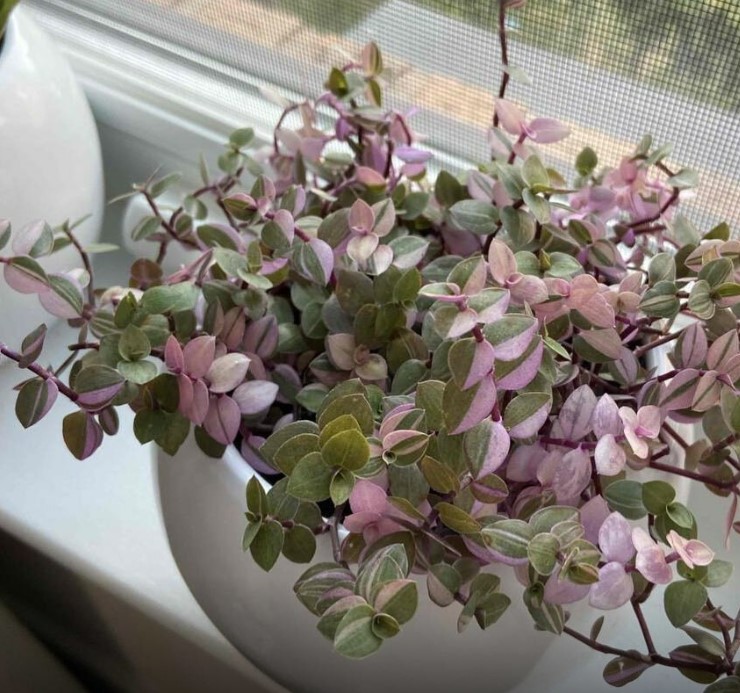
Location
Houseplants require plenty of bright, indirect light. They should be protected from the scorching sun. If the room is sunny, place the plant away from the window.
The kitchen isn't the best place for this plant, as it's sensitive to various fumes, smoke, and air pollutants. To keep it healthy, the room needs regular ventilation. In summer, it can be moved outdoors.
Callisia can also be used to decorate an office. The key is to ensure good ventilation, but avoid strong drafts (they can be even more damaging to the plant than stuffiness).
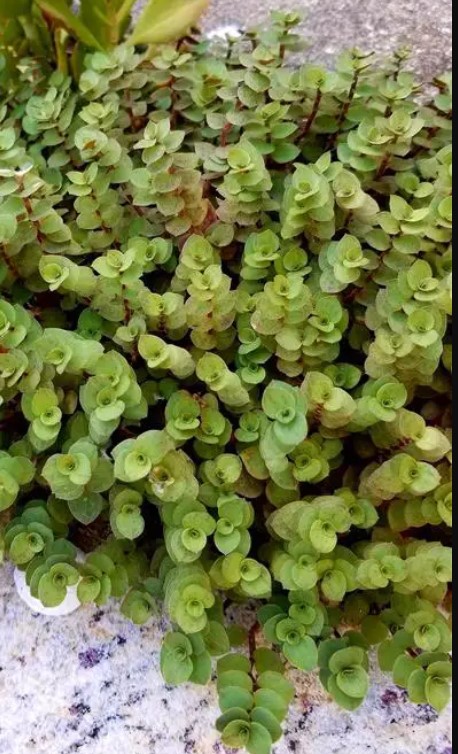
Callisia is planted in the garden in the summer, on rock gardens, but it must be taken into account that it must overwinter indoors.
Temperature
During the active growth period, callisias should be kept at temperatures up to +24°C. During winter, they should be kept at temperatures between +16°C and +18°C (for graceful and creeping callisias), +12°C and +16°C (for fragrant callisias), and +10°C and +15°C (for boat-shaped callisias). If winter conditions are too warm, the plants will begin to age quickly and stretch unless conditions are regulated with supplemental lighting and controlled humidity.
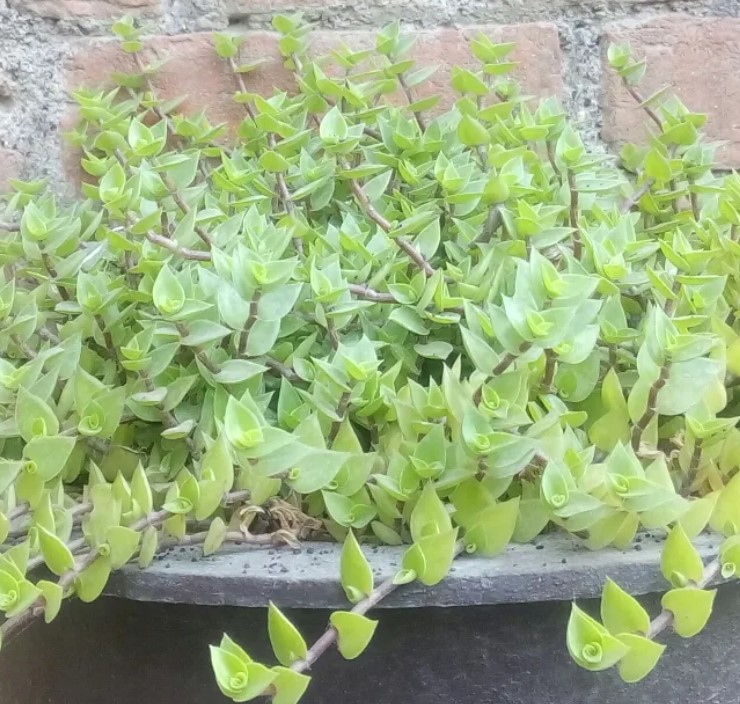
Callisias should be protected from drafts, sudden temperature changes, pollution, fire, and fumes (such as from kitchen fumes). However, in summer, they appreciate being aired and brought outside. Tobacco smoke should also be avoided.
Watering and humidity
Use soft water at room temperature. Water immediately after the top layer of soil dries out. During the dormant period, reduce the frequency and volume of water used, as the plant is in cooler conditions. However, keep in mind that the root ball should not dry out completely; water only when it's about 3/3 dry. When watering, avoid getting water into the center of the rosette, as this can cause rot.
Callisia is native to tropical and subtropical regions, so it requires high humidity. This should be especially important during hot summer days and in winter, when indoor air is too dry due to radiators. To ensure adequate humidity, mist the bushes daily or use a special humidifier.
Top dressing
Apply only to healthy, actively growing plants. Apply every 2-3 weeks in spring and summer. Use a complex mineral fertilizer for ornamental foliage plants. Reduce the application rate indicated on the packaging by a third.
Formation
To keep your callisia looking beautiful longer and slow down its aging, pinch off the tops. This will encourage new stems to grow vigorously, and prevent existing stems from becoming bare.
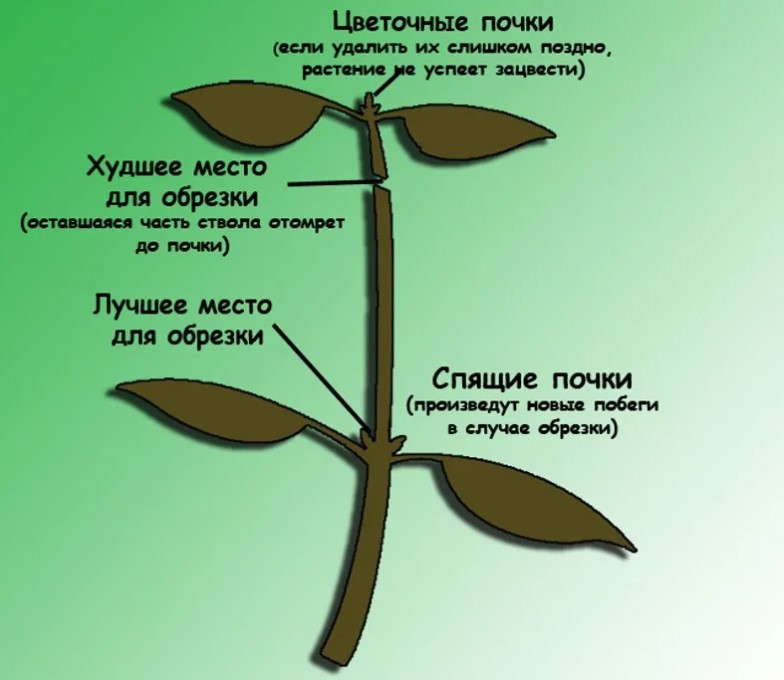
But even if this procedure is carried out regularly, once every 2-3 years a complete renewal will be required, which involves cutting the bushes down to the stumps.
Transfer
Young plants are repotted annually. Mature specimens should be repotted every 2-3 years. The new pot should be 2 cm larger in circumference than the previous one. A drainage layer should be placed at the bottom, filling ¼ of the pot.
The bush is replanted using the transshipment method. The remaining voids are filled with a substrate (sand, humus, leaf mold, and turf soil in equal proportions). After replanting, water the plant thoroughly.
Propagation of Callisia
Propagation can be done at any time of year. There are several ways to do this.
Cuttings
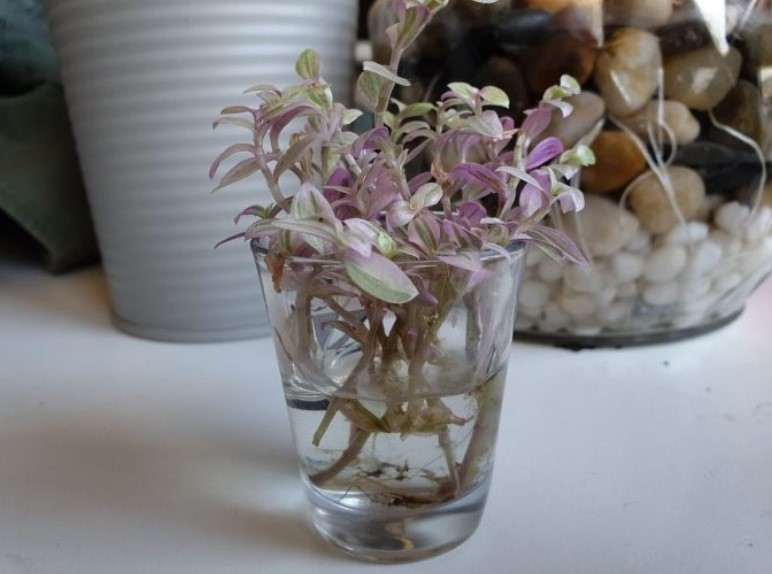
The top of a well-developed bush is cut off, with 3-4 internodes present. The cutting is placed in a glass of clean water. Roots should form within a few days. After this, the cutting can be planted in soil. For a lush bush, it is recommended to plant several branches in a single pot.
Layers
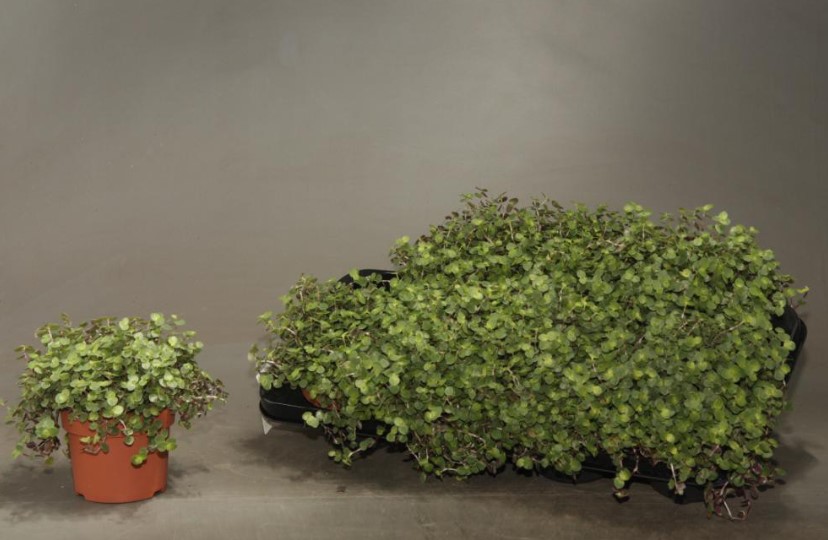
With this propagation method, the shoot is planted directly in a pot next to the mother plant. If there isn't enough space, an additional container of substrate can be placed nearby and the cutting can be planted in it. Once roots have formed, the shoot is separated from the mother plant and replanted in its own pot.
Dividing the bush
When replanting, the bush is divided into several parts, each of which is planted in its own container.
Diseases and pests of callisia
|
Disease/pest |
Signs |
Methods of control |
|
Insufficient soil and air moisture |
Drying of leaf tips |
Normalization of the irrigation scheme, increasing air humidity |
|
Insufficient lighting |
Strong elongation of shoots, leaf fall | Choosing a more suitable location for callisia |
| Stagnant moisture in the pot | Rotten areas on the roots, leaf fall |
Removing affected areas, replanting into new substrate, creating high-quality drainage and following the watering schedule. |
|
Spider mite |
These pests suck the sap from plants. This causes them to turn yellow and die. The bushes begin to wither. | Use of acaricides |
| Thrips |
Use of insecticides |
Medicinal properties of callisia
Callisia contains a huge amount of useful substances:
- Flavonoids. They have antimicrobial, expectorant, vasodilatory, hemostatic, antioxidant, anti-allergenic, and vascular strengthening effects. They improve the functioning of the cardiovascular system and pancreas.
- Vitamins and microelements – vitamins A, B, C, niacin, iron, nickel, chromium, zinc, copper, potassium, calcium, and manganese. They have a positive effect on the body's overall functioning.
- Phytosterols. They participate in the body's natural hormone production and help reduce "bad" cholesterol levels. They also act as antibiotics and immunostimulants.
- Beta-sitosterol. Lowers blood cholesterol levels and prevents hair loss. In some countries, this substance is used to treat breast cancer and prostate cancer.
- Pectins bind toxins and remove them from the body.
- Tannins and tannins reduce inflammation, treat ulcers and erosions, and improve gastrointestinal function.
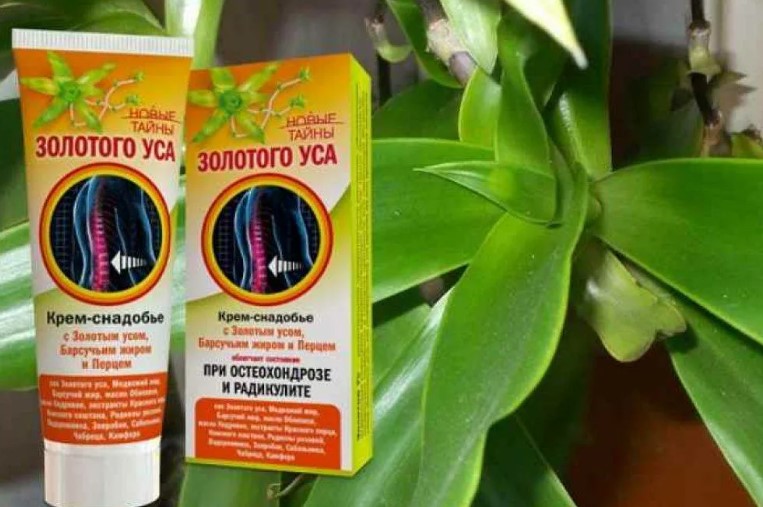
Indications for the use of callisia products:
- weakened immune system, increased fatigue;
- metabolic disorders;
- excess weight;
- anemia;
- diabetes mellitus;
- history of stroke, vascular problems;
- colds, bronchial and lung diseases;
- joint pain;
- osteochondrosis;
- menstrual cycle irregularities of various etiologies;
- myoma;
- problems with the digestive process;
- gastritis, stomach ulcer and duodenal ulcer;
- allergic reactions;
- acne;
- bruises;
- increased sensitivity of gums, periodontal disease, toothache.
Recipes for tinctures and ointments, preparation and use of callisia
Please note that any medication must be approved by a doctor.
Infusion
Indications:
- pathologies of the liver, pancreas, gallbladder;
- pancreatitis;
- allergy in remission;
- oncology;
- prevention of the listed diseases.
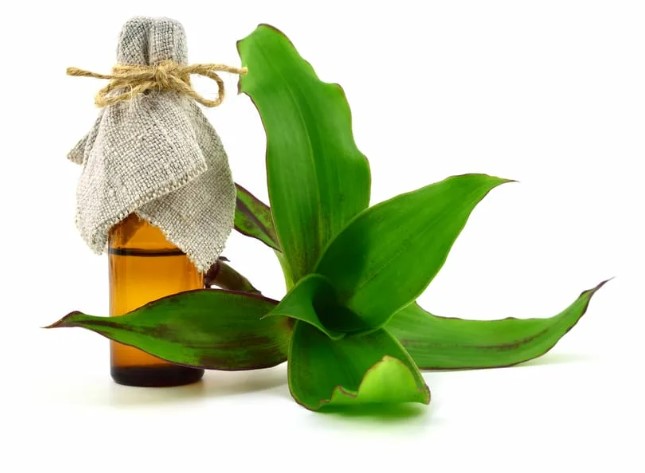
Recipe:
- Cut a large leaf from the bush and place it in a glass container.
- Pour 1 liter of boiling water.
- Wrap the container in a terry towel and leave for 24 hours.
The infusion will be ready when it turns purple-crimson. Take 1 tablespoon 3 times daily for 1 month.
Vodka tincture
Indications:
- atherosclerosis;
- cardiovascular pathologies;
- thrombophlebitis;
- pathologies of the pulmonary system;
- neuroses;
- bruises and fractures;
- osteochondrosis;
- ovarian cyst;
- strengthening the immune system.
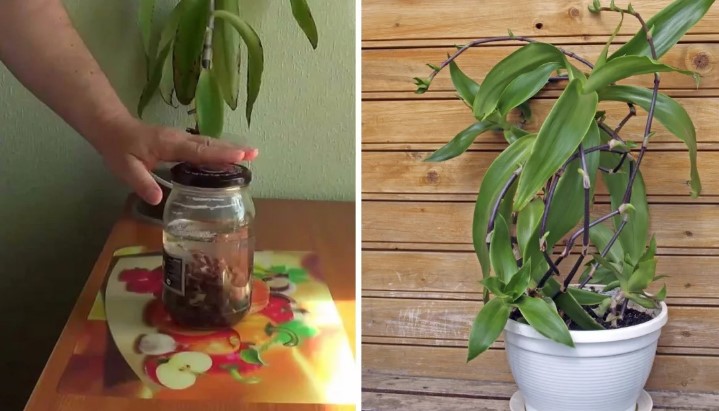
How to cook:
- 40 shoots from the side shoots and 1 liter of vodka.
- Leave to infuse in a cool, dark place for 2 weeks. Shake the jar every 3-4 days.
- When the liquid turns dark purple, strain it and store it in the refrigerator.
Take as follows:
- Measure out 30 drops and dissolve them in 100 ml of water. Drink every 12 hours for 1.5 weeks. Take a break. Restart the course for 10 days.
- Start with 10 drops. Increase the number of drops by one daily until you reach 30. From there, decrease the number of drops by one each day until you reach the initial 10 drops.
Juice
Indications:
- gastric ulcer and duodenal ulcer;
- diseases of the small intestine and gallbladder;
- problems with the cardiovascular system;
- stomatitis and tonsillitis (for local application);
- skin damage, acne.
The resulting juice is diluted with water 1 to 3 (for oral administration) or 1 to 5 (for topical application to mucous membranes or skin). The prepared solution can be stored for no more than 24 hours.
Oil
When to use:
- dermatological problems;
- as a massage oil;
- arthritis and arthrosis (for rubbing).
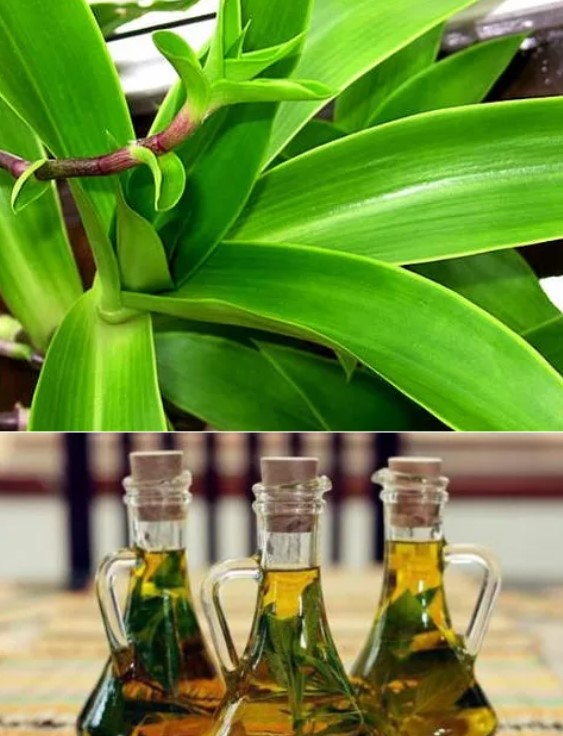
Cooking process:
- Chop the stems.
- Squeeze the mass (the juice is used for the ointment) and dry the pulp.
- Grind the pulp and pour in olive oil.
- Place in a glass container, add oil and leave for three weeks.
- After cooking, strain the oil and store in the cold.
Ointment
Indications:
- dermatological problems;
- trophic ulcers;
- frostbite;
- bruises;
- ARVI (for rubbing);
- pathologies of joints and spine (applied 2 times a day to the affected area for a month).
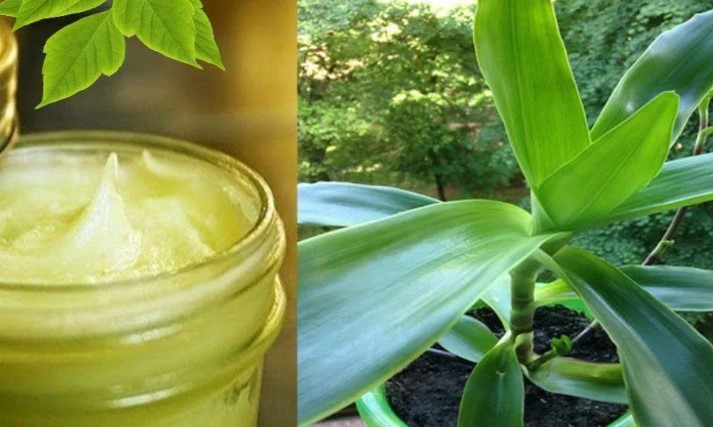
Step-by-step recipe:
- The juice is used to make the ointment. The fatty base is made from lard, petroleum jelly, cedar, or flaxseed oil.
- The juice is mixed with the base (if the fat is solid, it must be melted) in a ratio of 1 to 3.
- The ointment is stored in a cold place.
Syrup
Helps:
- for colds;
- bronchitis;
- cough.
Recipe:
- Cut off about twenty centimeters of the shoot, then chop finely.
- Pour in 100 ml of water and cook over low heat until the water reduces to 1 tbsp.
- After cooling, add 15 ml of vodka.
- Prepare sugar syrup by dissolving 50 g of sugar in a spoon of boiling water, let it cool, and then mix with the filtrate.
- Store the syrup in the refrigerator and use within three weeks.
The syrup should be taken 3 times a day, 1 tbsp.
Contraindications for the use of callisia
The use of any products from callisia has contraindications:
- allergy to the components, allergic dermatitis, bronchial asthma in the acute stage;
- inflammation of the prostate;
- kidney pathologies;
- pregnancy and breastfeeding;
- children under 12 years of age;
- individual intolerance.
Please note that callisia-based remedies should only be used as part of a comprehensive treatment plan, not as a standalone therapy. Even if there are no contraindications, a doctor's consultation is required.
Reviews on growing calysia and more
A houseplant for both feast and peace, and for good people: even for those whose cacti are dying.
As usual, the internet is to blame. I saw a lush crown of small foliage on my Zen feed and was dying—I wanted one just like it! I found one in my city, went there, picked it up, and started growing it. Over time, it turned out to be a seemingly trouble-free plant, but with a twist. Among the trouble-free ones:
1. It takes root in 100 cases out of 100. Even if one internode falls into a neighboring pot after pruning, it will 100% take root and start growing.
2. No one eats it, and it doesn't get sick. This is a big plus, because in the fall and spring, I'm exhausted spraying my morning glory for spider mites and my roses for aphids.
3. It's very tolerant of watering. You can overwater it and not worry, or you can let it dry out and it will recover. The soil around the callisia will dry out to the point where it rattles in the pot, but the plant is still alive and looking great.
4. It grows in the shade. However, it gets very leggy and looks very shaggy. Otherwise, you can even place it on a mezzanine, where there's shade and no light, and it will grow.
Apparently, it's because of the lighting conditions that I can't get a dense crown of foliage from my callisia. Lush and disheveled? Easy! Long? Also easy! But dense, no way.There are several varieties of callisia available for sale. The most popular is the repens. It's dark green, and in direct light, multiple "freckles" appear on the leaves.
A variety with pink and white leaves is called "Pink Panther." It's similar to Callisia, but it doesn't root as well, doesn't tolerate overwatering well, rots quickly, and grows a crown even worse than Repens. But some craftsmen even make pictures out of it—search for it. There's also Callisia lutea. Contrary to its name, it's not quite yellow, but rather yellowish. However, the yellow tint can be seen on young foliage and under good lighting conditions.
In the shade, the yellow variegation is completely lost. I once sold surplus callisias and sent a pot of yellow ones somewhere closer to Siberia. The package took 11 days to arrive, and by the time it arrived, the callisia had lost its yellow color. The buyer was very unhappy.Where and in what
Callisia repens (sometimes called Tradescantia microphylla, though that's not entirely accurate) looks best in hanging pots. But! Some people prefer it, others prefer it. I like it in small pots.
I had these little ones all over my house for a while, but by summer I moved the callisia into a pot with a rose. The rose is huge, but its "legs" are bare and unsightly. Within just a month, the callisia had covered its pink legs and covered the pot with a cap of curls.
So it’s not exactly an indoor plant; it feels great outdoors at temperatures from +10 to +35.
I also have some reviews of the Dark Towers penstemon. How does this American perform on the hot Kuban soil?
Salvia nemorosa: How it grows under the nuclear sun and in the heat
Lysimachia nummularia: for the pond and under the window
Two Minifarmer phytolamps. Testing with different plants.
Aptenia variegata. A succulent that's better than a cactus.
Sweet potato morning glory, several years' experience. The review is from 2018 and should be updated. Especially since photos from it are being published by Zen channels and, even funniest, by sellers on Avito. Last year, two customers went with me to this very window to make sure the photos of morning glories and coleus were indeed mine.
And Japanese kokedama with a Russian twist. How to make a moss ball and grow something beautiful in it.
Advantages
Hassle-free
It grows quickly
Inexpensive
Flaws
Requires good lighting
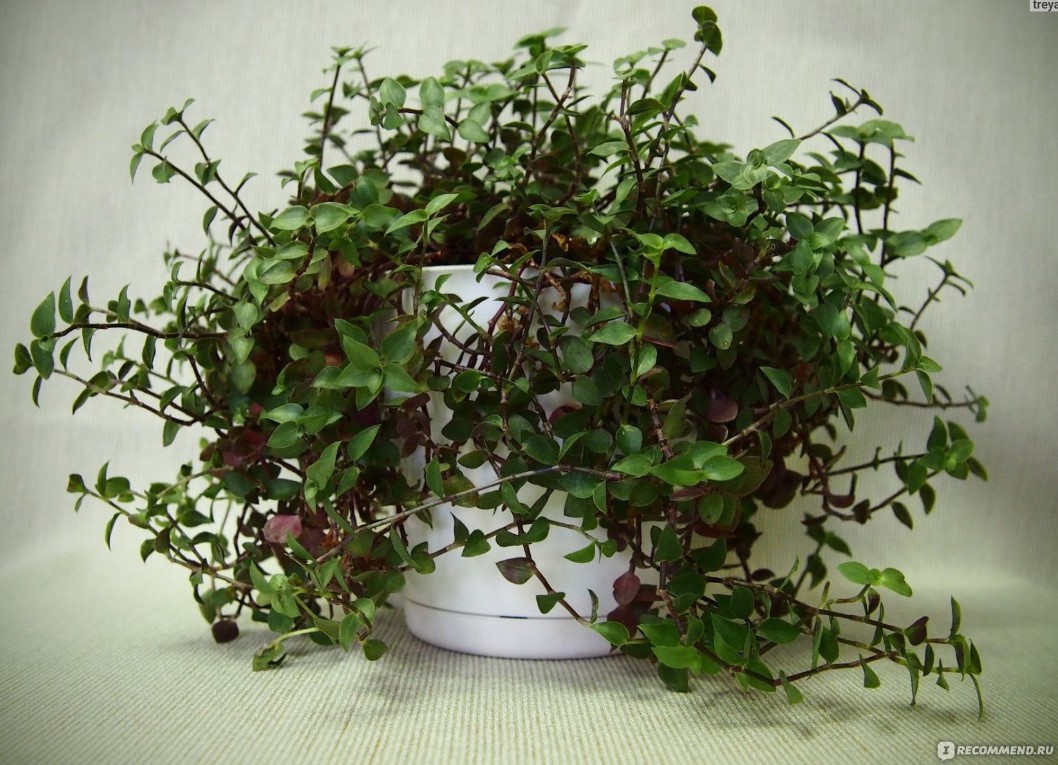
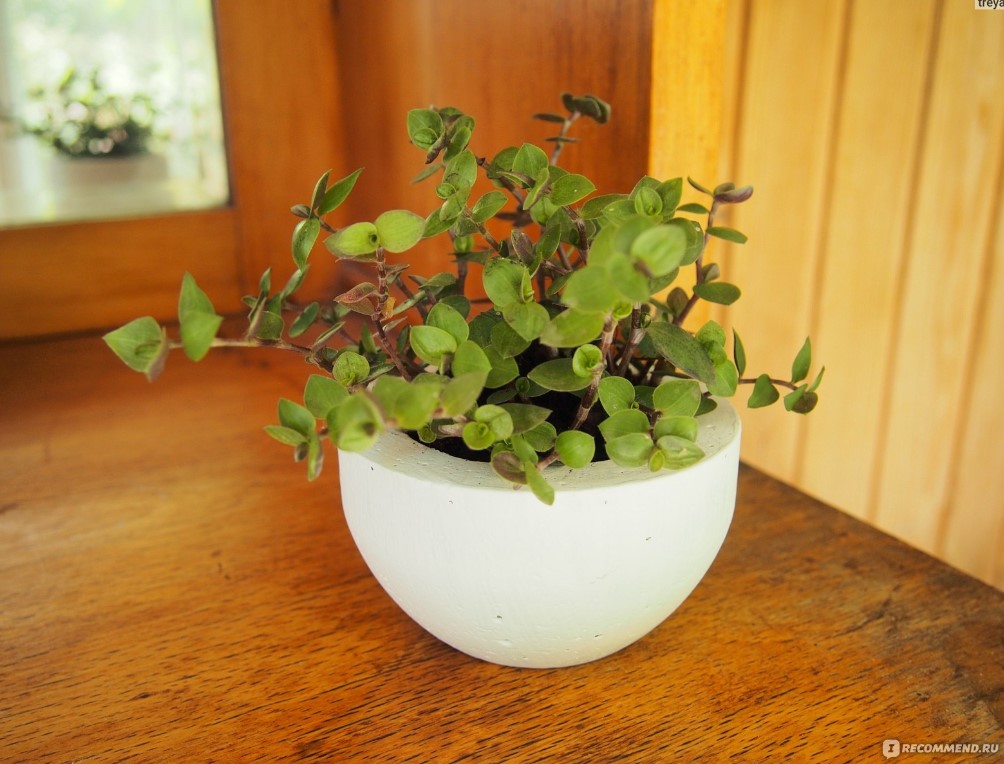
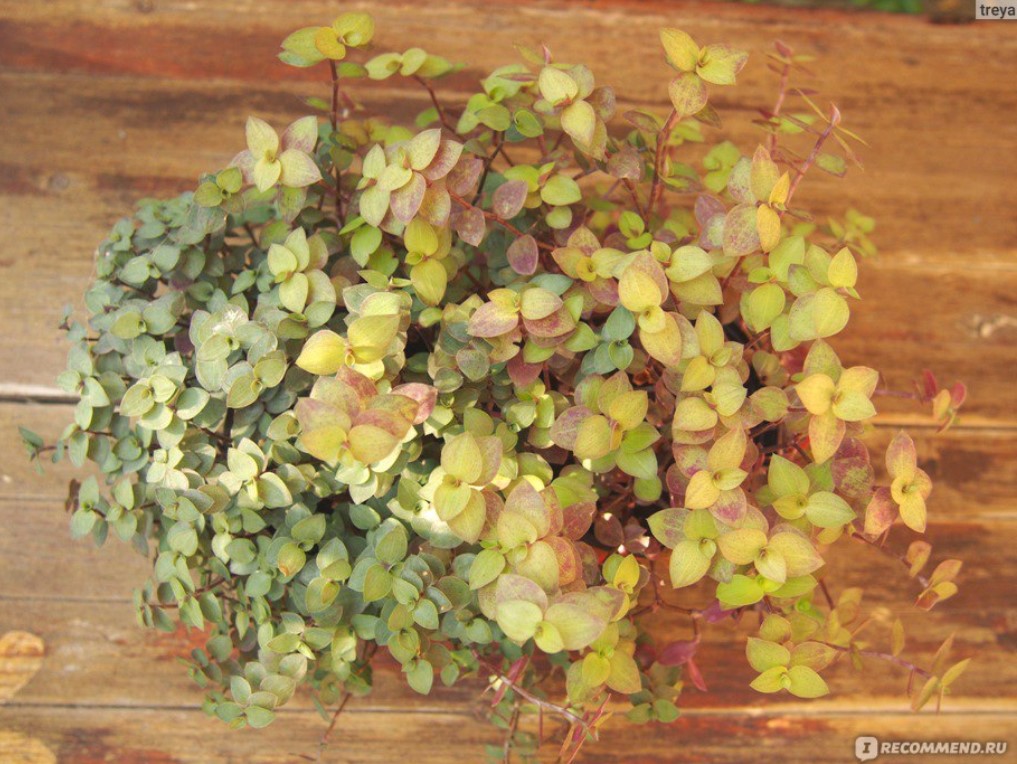
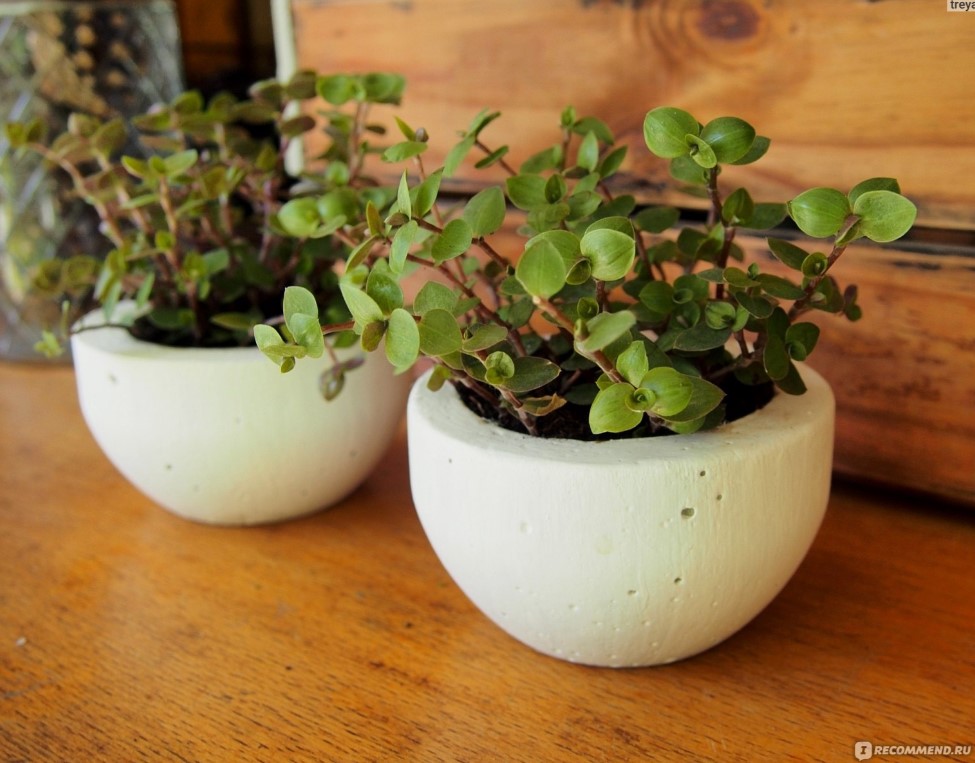
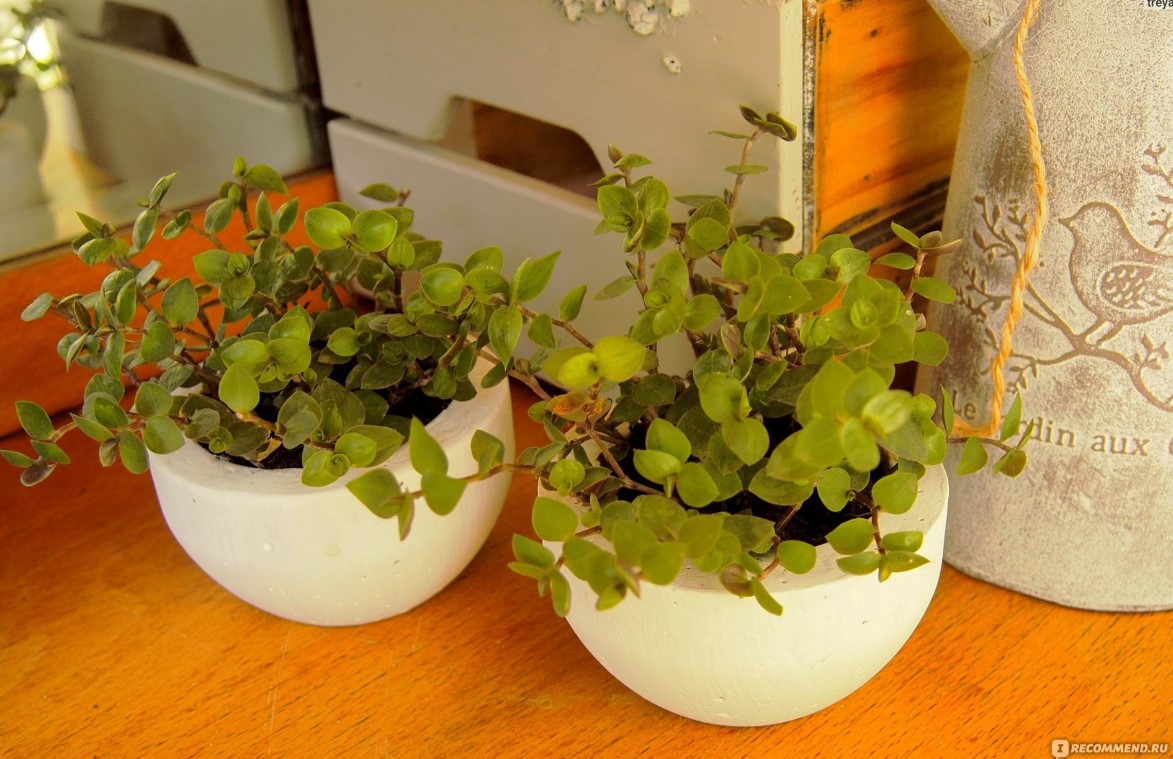
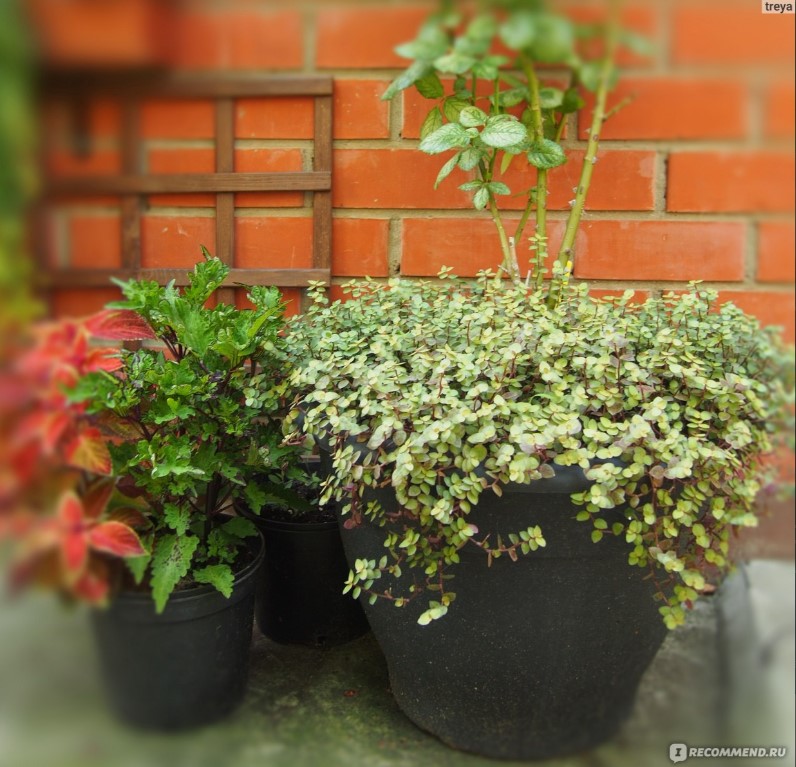
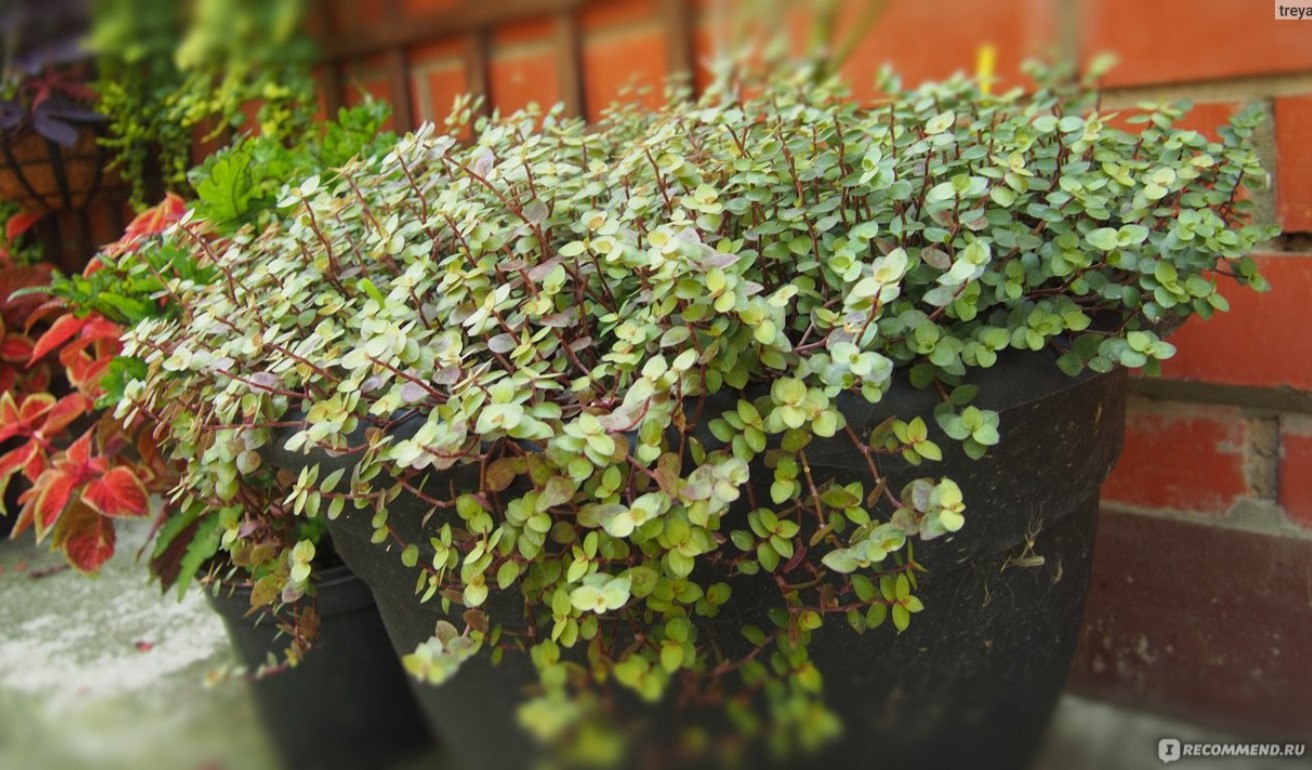
Review: Indoor plant Callisia repens - Incredibly cute little thing.
ADVANTAGES:
The plant is so small it's truly adorable. It's very low maintenance, requiring only watering.
FLAWS:
The lashes quickly become long and need to be shortened.
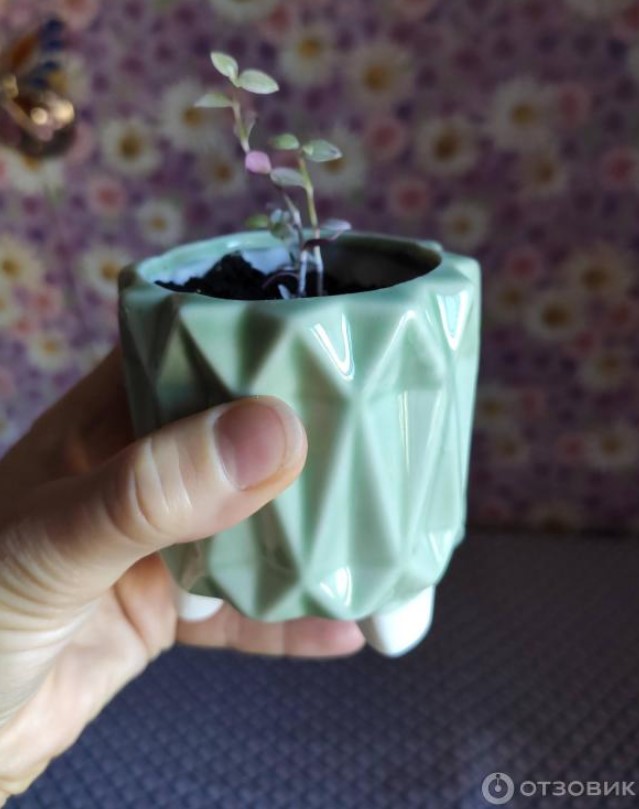
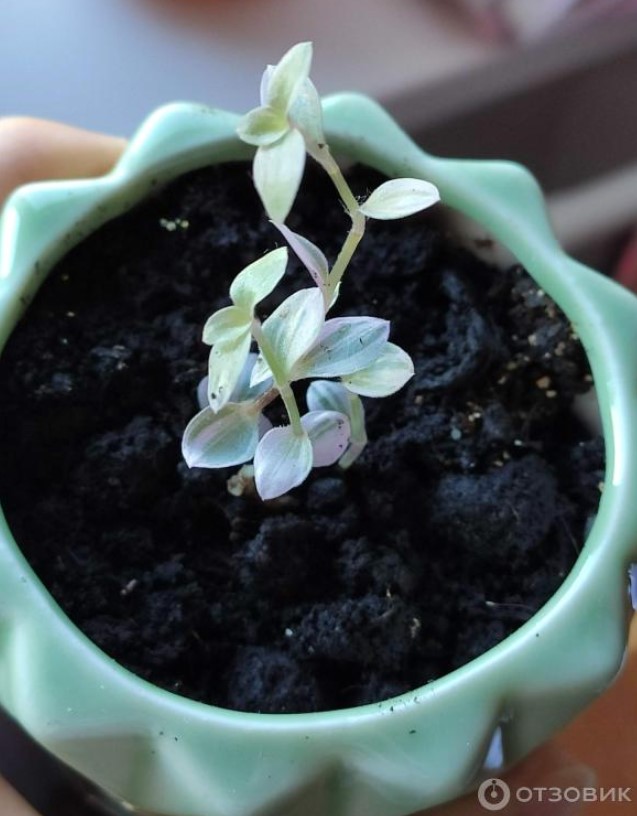
A year ago, a friend gave me two stunted little branches; none of us knew the name of the flower.
When I got home, I put the little ones in a microscopic pot and started googling.
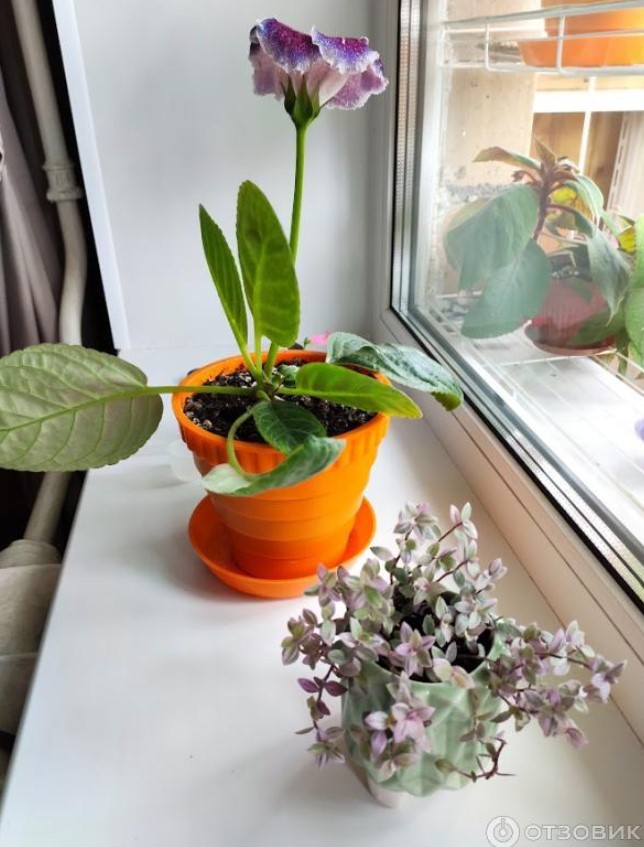
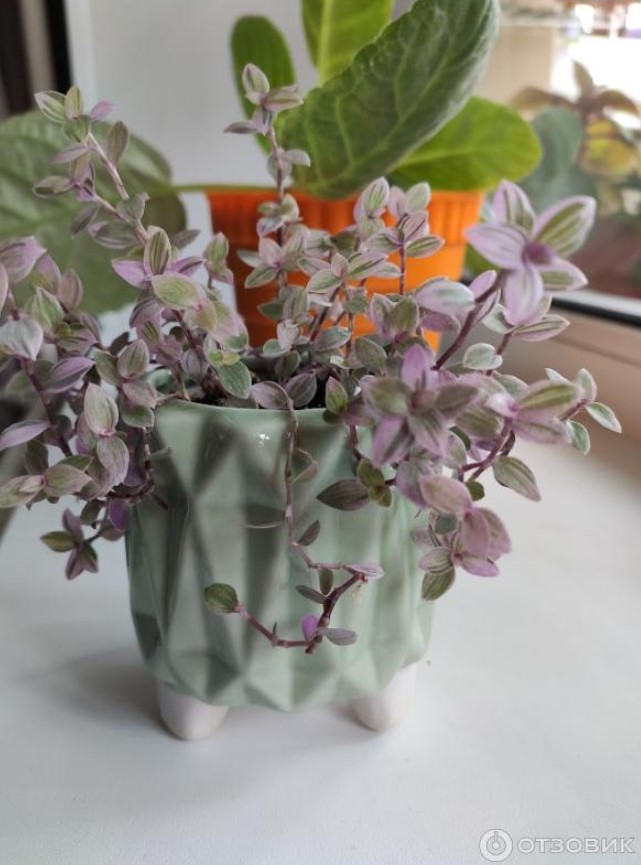
It turns out that this cute little plant is called Callisia repens Pink Lady and is a relative of Tradescantia.
Yes, they look like tradescantia, only 10 times smaller.Naturally, like tradescantia, collision is extremely unpretentious.
It doesn't require bright light; it will survive in semi-darkness, and it doesn't require any nutrient-rich soil or fertilizer. The main thing is to keep the soil in the pot slightly moist at all times.Gradually, the branches grow and turn into long vines. Then we cut them off in the middle and root the cut ends in a container of water.
I personally do this in a small cap from some bottle.))Roots appear very quickly, then we plant our branches in the same pot.
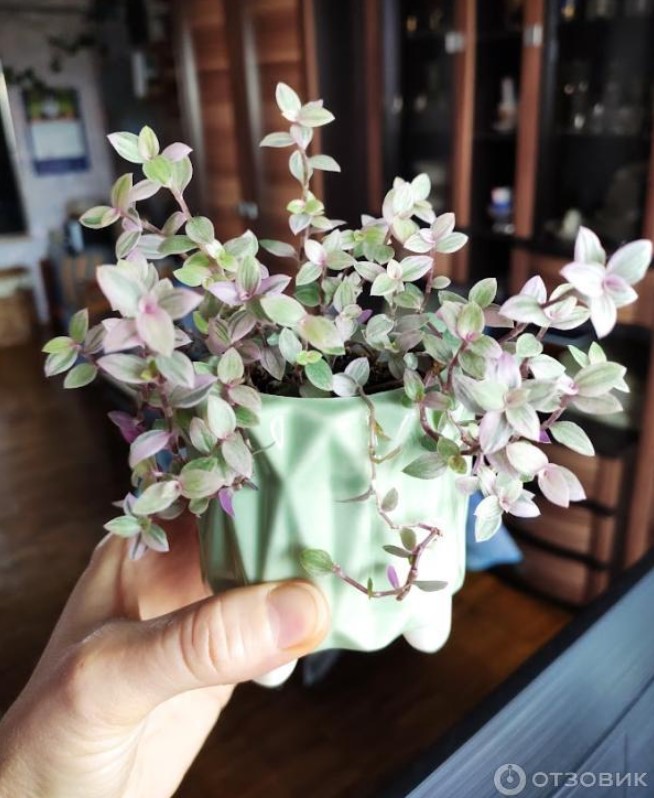
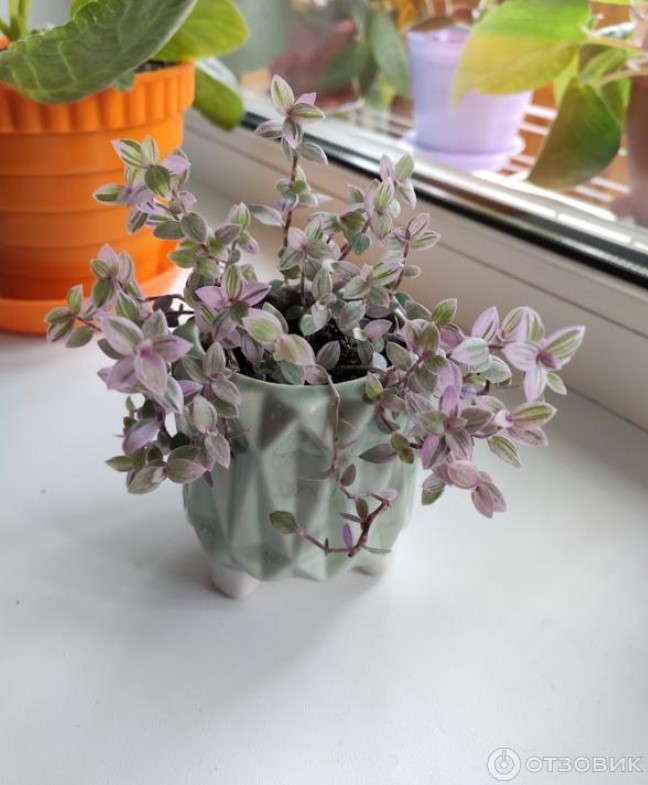
The cut branches also soon produce new shoots and offshoots.This is what I got after six months.
Soon I'll be trimming back the overly long shoots and replanting them into the main plant. This way, my plant will become more and more luxuriant.
But if your callisia suddenly loses its attractive appearance, don't worry! Feel free to cut off the most beautiful shoots, root them in water, and replant.
Callisia does not bloom, but its colors are very delicate and pleasing to the eye.Since the plant is creeping, buy a higher pot for it.
Here's how it is with me, for example.
I recommend this unpretentious, delicate cutie to anyone who is interested in indoor gardening.
Water it enough, don't put it in direct sunlight, and it will handle the rest and grow for you for a long, long time.
Golden Mustache\Fragrant Callisia\Callisia fragrans
Lighting - light-loving, but tolerates some shade.
Watering is moisture-loving.
Soil - a mixture of compost and leaf soil and sand (1:1:1).
Pests and diseases: thrips and red spider mites.The name wasn't chosen by chance. The plant produces long, horizontal lateral shoots with rosettes of leaves, reminiscent of strawberry runners. If you tear a leaf in half, you'll see thin yellow threads running between the halves—the veins of the leaf tissue. This is where the word "golden" comes from. The epithets "home ginseng" and "helper" reflect popular gratitude for the plant's ability to heal illnesses.
Its botanical name is Callisia fragrans. It comes either from the Latin calleo, meaning "calloused" (the knotty stem), or from callis, meaning "path" or "trail" (the horizontal lateral shoots spread out). Older synonyms can be found in literature: Spironema fragrans, Rectanthera fragrans, and Phyodina fragrans.
Golden mustache is sometimes confused with Dichorisandra thyrsiflora. Both species belong to the Commelinaceae family and are similar in appearance. However, there are significant differences. Dichorisandra thyrsiflora does not produce horizontal lateral shoots; the main upright shoot dies back annually after flowering, only to regrow in the spring.
golden mustache flower
Various plants become fashionable. Sometimes it's due to their beauty, sometimes to their beneficial properties—real or imagined.
Golden mustache is a very popular indoor gardening plant right now. It's lauded for its easy growth and its ability to cure all ailments.
Its botanical name is Callisia fragrans. It is a perennial herbaceous plant. Its height usually does not exceed 80–90 cm. With proper care, golden mustache sometimes blooms. Small flowers (less than 1 centimeter in diameter) are collected in paniculate inflorescences. The scent is pleasant, similar to that of hyacinths.growing golden mustache
Placement in the home. Golden mustache does not tolerate air pollution well. It is unlikely to thrive in the kitchen or in a smoky room. However, the living room, dining room, bedroom, and nursery are ideal locations.
This is an undemanding plant. In winter, it should be kept at temperatures no lower than 10°C. Species with green leaves prefer semi-shaded areas; those with variegated leaves prefer lighter areas.golden mustache care
Dry air, heat, and over-drying soil cause the edges and tips of the leaves to dry out and make the golden mustache unattractive.
Fertilizing the golden mustache plant
During the growing season, from March to October, apply fertilizer for ornamental foliage plants once a week.
Pruning the Golden Mustache plant
If necessary, callisia can be given any shape, as it tolerates pruning easily.
propagation of the golden mustache plant
Callisias are easy to grow and propagate by cuttings (shoots). Long horizontal shoots root well.
Cuttings are planted several per pot, watered moderately but misted frequently. They can be rooted in water or in a light substrate (peat and sand). The optimal rooting temperature is 20°C.
Due to their rapid growth, annual rejuvenation by cuttings is recommended.Diseases and pests of the golden mustache plant
It is susceptible to aphids, spider mites, and thrips. Diseases can be caused by inadequate watering: overwatering can cause root and stem rot.
golden mustache application
Callisia fragrans was introduced into cultivation over a hundred years ago as an ornamental foliage plant. Much later, its chemical composition and potential medicinal uses began to be studied.
Golden mustache is used to treat diabetes, thyroid and gastrointestinal disorders, gallstones and kidney stones, acute and chronic bronchitis, pneumonia, asthma, tuberculosis, and tracheitis. It is also used to treat viral colds (rhinitis, sinusitis, maxillary sinusitis, pharyngitis, and otitis), and as a preventative measure against influenza.
It is used for diseases of the musculoskeletal system (rheumatism, rheumatoid arthritis, osteochondrosis, bruises) in the form of ointments, rubs, baths and compresses.
Golden mustache liquefies phlegm, reduces hypersecretion and swelling of the bronchial mucosa in asthmatics, which dramatically improves the general condition of patients and often leads to a complete cure for bronchial asthma.golden mustache properties
Studies have shown that the plant contains carotenoids, ascorbic acid, flavonoids, pectins, tannins and a large number of mineral elements (potassium, calcium, iron, etc.).
Golden mustache is a powerful biostimulant. It increases metabolic processes, stimulates vitality, and activates immune system cells.
The plant's juice has strong disinfectant, wound-healing, and regenerative properties, helping to treat skin diseases and injuries (lichen, dermatitis, psoriasis, trophic ulcers, inflammation, festering or bleeding wounds, burns, frostbite). Experts claim that golden mustache preparations are even effective in treating malignant tumors.golden mustache treatment
It's wrong to consider golden mustache, like any other folk remedy, a panacea for all ailments. No medication or folk remedy can guarantee a complete cure. Self-medication is prohibited, especially with freshly cut leaves. Treatment should be carried out strictly under the supervision of a herbalist.
Even traditional healers who have developed regimens for the use of golden mustache preparations and widely practice treating patients with them warn that this plant is not a universal remedy. Its medicinal properties are still being studied, and therefore there is no guarantee that it will be effective in treating any given condition.
But in any case, this plant will be a welcome addition to either a city apartment or an office. If only because the phytoncides of callisia purify indoor air of pathogenic microflora.Golden mustache recipes
Treatment of diabetes, pancreatitis, inflammation of the gastrointestinal tract with tincture of golden mustache: Chop one leaf at least 20 cm in size and pour 1 liter of boiling water into a glass jar, wrap, leave for 24 hours, take 50 g warm 3-4 times a day 40 minutes before meals.
Already during the first course of treatment, all patients report a significant improvement in their overall well-being, increased productivity, and a disappearance or reduction of thirst and dry mouth. In many cases, blood glucose levels stabilize at subnormal levels throughout the day, allowing for a reduction in insulin dosage.
This recipe cures many internal illnesses and removes toxins from the body. It also removes small stones and sand from the kidneys and bladder. As a result of this comprehensive body cleansing, the overall health of patients improves dramatically. They become more active, and many experience improved vision. This is the safest recipe and can be used as a preventative measure throughout life.Treating bronchial asthma with golden mustache tincture: crush 35-50 joints of the liana-like shoots and steep them in 1.5 liters of vodka for 9 days in a dark place. Place the remaining leaves in a cool, dark place and use for medicinal purposes (chew them sparingly) until the tincture is ready (it's also effective for gum inflammation). The vodka tincture will take on a lilac color. Take 1 dessert spoon 40 minutes before meals, three times daily. Do not take with food or drink.
During the initial period of treatment, the patient's symptoms may worsen. This is nothing to be alarmed about; these unpleasant symptoms will quickly subside. The patient will feel a surge of energy, and will experience improved sleep and appetite.Golden mustache tincture has proven effective in treating numbness in the extremities, venous congestion (thrombophlebitis), polyarthritis, stomach ulcers, and acute respiratory infections. After tumor removal, taking golden mustache tincture suppresses any remaining metastases.
Treatment of leukemia with golden mustache tincture: For leukemia, it is recommended to infuse the plant in honey with Cahors wine in a weight ratio: mix one part of the ground dichorisandra plant with one part of buckwheat honey and pour in two parts of Cahors wine, leave for 40 days, take a tablespoon 3 times a day 40 minutes before meals and wash down with 0.5 cups of a decoction of dried horse chestnut flowers (1 tablespoon of flowers per liter of water).
Post-operative adhesions, polyps, fibroids, myomas, and ovarian cysts: chop 50 ovarian adhesions and steep them in 0.5 liters of vodka for 10 days. Strain. In the morning (on an empty stomach), 40 minutes before eating, add 10 drops of the tincture to 30 ml of water and take orally. In the evening, 40 minutes before eating, repeat the same dosage. The next day, take 11 drops per dose, and on the third day, 12 drops. Continue this way for 25 days, increasing to 35 drops per dose. Then begin tapering off, decreasing by one drop per dose per day. After 25 days, return to the starting point of 10 drops per dose.
Starting with the third course, switch to three doses per day, following the same regimen. Typically, no more than five courses are needed. After the first and second courses, take a one-week break. After the third, take all subsequent courses with a ten-day break between courses. For the treatment of post-surgical adhesions, polyps, fibroids, myomas, and ovarian cysts, use in combination with the homeopathic remedy Thuya 30 (three times daily, once every two weeks). Take 6 Thuya granules under the tongue until completely dissolved, 40 minutes before meals.Anti-cancer oil balm with golden mustache: The recipe includes two ingredients: sunflower oil and an alcohol extract of the golden mustache plant. Pour 40 ml of unrefined sunflower oil and 30 ml of the alcohol extract prepared according to the recipe for treating bronchial asthma into a jar. Close the lid tightly, shake vigorously for 7 minutes, and drink immediately. Do not hesitate, as this will cause the mixture to separate, which is unacceptable! Take this medicine three times a day. The course of treatment is three decades with five-day breaks in between. Do not eat anything for two hours before taking the medicine. Take 20 minutes before meals. Under no circumstances should you eat or drink anything with the medicine. You should eat something no later than half an hour after taking it. You can drink only after a meal, 30 minutes later. It is best to take the balm at regular intervals. Drink for 10 days in a row. Then take a five-day break. Then take another five-day break. After the third ten-day course, take a ten-day break. This is the first cycle, followed by a second, third, and so on until complete recovery. Important! Precise dosage of the medication components is important: exactly 40 ml and 30 ml. Do not measure by eye or with spoons, but with a precise measuring cup. An incorrect dosage can have unpleasant consequences!
Practical experience with oil balm treatment shows that small primary tumors are cured within one and a half to two months. More severe cases require longer treatment—up to six to seven months.
Within a month or a month and a half, tumors significantly shrink in size (if the tumor is very large, it first divides into segments that gradually soften), excruciating pain subsides, appetite and bowel movements improve, internal bleeding stops even earlier, and fistulas and ulcers heal. Regarding fistulas, a gauze pad soaked in the balm can be applied directly to the wound. Tampons with the balm can be placed on the cervix if it is affected, and changed daily. For rectal cancer, this balm can be used as a micro enema (15-20 ml at night). Direct contact of the balm with the tumor accelerates recovery.
Once you've started taking this medication, don't let up. Otherwise, you'll only accelerate the disease, as cancer cells die starting on the third day of treatment. Pain may appear or intensify on the second or third day. Don't be alarmed and continue treatment! After a few days, the pain will disappear or significantly decrease. Swelling of the extremities and face, and urinary retention may occur. After a few days, the swelling will subside, and everything will return to normal. To alleviate these symptoms, it's helpful to take a homeopathic remedy from Heel for two weeks.Detoxification agents
During the entire course of treatment, weakness increases. This is nothing to be alarmed about. Loose stools may occur. This is not only harmless but also beneficial: the colon, the main source of toxins in the blood, is cleansed. Occasionally, with large, decaying tumors, bleeding may occur, which can be stopped with 2-3 injections of Vikasol. Continue taking the balm!
If you have undergone chemotherapy, radiation therapy, or potent herbal treatments (hemlock, aconite, etc.), then before starting treatment with this medication, you should take at least a month off to detoxify your body. You can also use folk remedies to cleanse your body. Prepare a flaxseed decoction, which is effective at removing chemicals, radionuclides, and toxins. Pour three liters of boiling water over a glass of seeds and simmer in a water bath for two hours. Cool to 40 degrees Celsius (104 degrees Fahrenheit) and drink warm, without restriction, for 2-3 weeks (up to 1-1.5 liters per day). Take between noon and midnight. Horse chestnut flowers are also helpful. Add 6-8 tablespoons of dried flowers to a liter jar and fill to the top with water. Bring to a boil, wrap, let steep overnight, strain and take one sip per dose – drink the entire decoction throughout the day. (Drink after irradiation).