Fusarium wilt is a dangerous plant disease. Its existence first became known during World War II, causing significant damage to the agricultural industry. It was discovered that after infection, plant fruits become inedible. It took many years to find the cause and treatment methods. Indoor orchids (Phalaenopsis and Calantha, Cylagina and Paphiopedilum, Brassia and Cattleya, Cymbidium and Oncidium)—all varieties, both regular and show specimens—can be affected. Two species of fungi from the Fusarium family, Fusarium solani and Fusarium oxysporum, pose a threat.
Content
Signs of Fusarium in Orchids
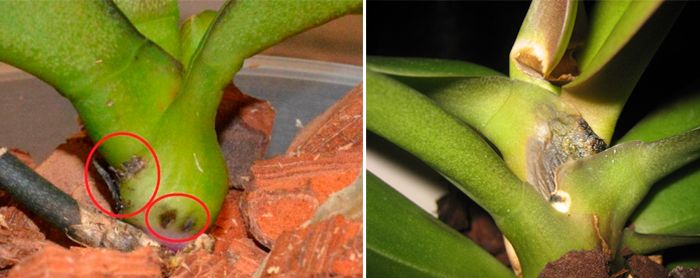
Fusarium wilt on orchids is easy to recognize. The first signs are weak leaf and stem turgor and lack of flowering. Irregular spots soon appear. Initially yellow, they then darken. A brown or black border, characteristic of mold infections, appears.
The spots develop into thinned depressions, gradually increasing in size. They can appear on both the lower and upper stems, on the outer or inner side of leaf blades. This depends on how the spores entered the plant—through the air, through contaminated soil, through contact with infected gardening tools, or through another means.
Treatment of Fusarium wilt in orchids
Fusarium wilt is now well-studied by scientists. Various treatments have been developed to combat it, some gentle, some potent, some bio-based, some chemical. These are called fungicides. However, when it comes to this plant, most of them are not recommended, or should be used with caution. They are only suitable for spraying the above-ground parts.
A mushroom that helps an orchid
Orchid roots can harbor microbial fungi. These help the plant survive and grow. They absorb nutrients from the soil, improving the root system's nutrition. The relationship is symbiotic, meaning it benefits both species.
Microbial fungi cannot stop the disease or reproduction of fusarium, but they do increase the plant's chances of survival even in poor soil and challenging conditions. Treating the soil with any antifungal agent can also kill their spores. This will place additional, severe stress on the plant's immune system.
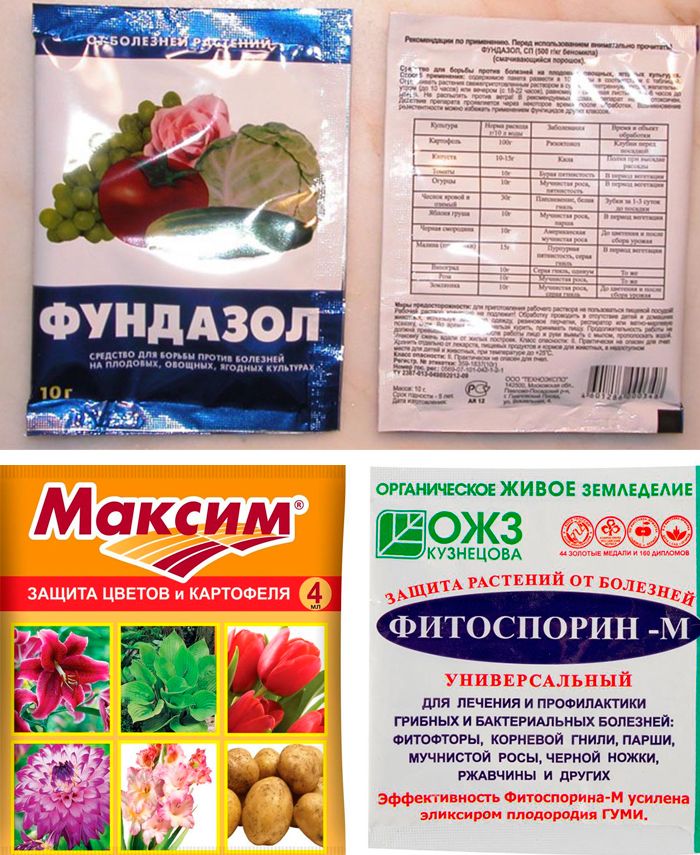
It is permissible to spray the above-ground part of an indoor orchid with such popular products as Fitosporin, Fundazol, Baktofit, Hom, Maxim, Sutomai, Daconil, Benlat.
Deserves special attention
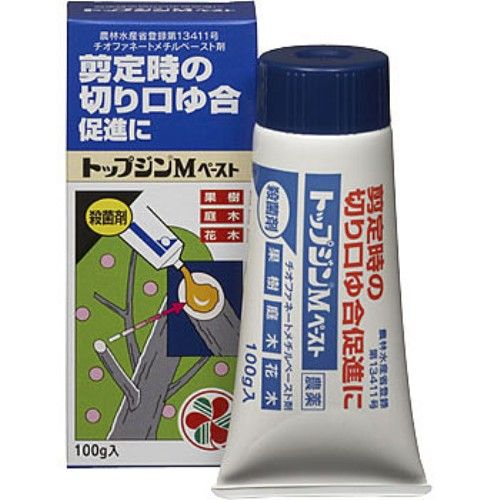
Topugin-M paste is applied directly to the affected areas of leaves and stems. Its effectiveness and ease of use in treating fusarium wilt in indoor orchids has been confirmed by many gardeners.
A disadvantage is resistance. Fusarium fungi can develop immunity to it with prolonged use. The main active ingredient is thiophanate-methyl.
Orchid root treatment
Treating the foliage and stems of infected areas with a fungicide will help slow the progression of fusarium wilt. Fusarium fungi, the causative agents of the infection, penetrate plant cells and the blood vessels that carry sap.
It is important to stop their spread and this can be done by spraying and applying paste.
If the roots and soil are infected, the situation becomes more complicated.
To cure an orchid, you should check the condition of the roots:
- extract it from the former soil;
- wash the leaves and roots in water at room temperature;
- remove fungus-damaged root shoots and leaves, if possible;
- sprinkle the cut areas with crushed activated carbon;
- 3-4 hours later, carry out spot treatment with a fungicide;
- transplant into a new flower pot, soil not contaminated with fungus, or into a container with a hydroponic solution.
Fusarium fungi can cause skin irritation, dermatitis, and allergic reactions. Therefore, it is essential to wear gloves and wash your hands with soap after handling.
If the root system is severely infected, new shoots can be grown. To do this, place the orchid stems in a container with moss. Spray the plant periodically to provide nutrition and maintain vitality. Using anti-stress medications will speed up the recovery process.
Hydroponics and fusarium
Hydroponics is considered the most harmonious and safe way to grow flowers. It's versatile and suitable for indoor orchids. Despite its advantages, it won't protect against fusarium wilt. These fungi are anaerobic and thrive in both soil and water. Their spores can be carried by wind and raindrops.
Hydroponics is preferable for other reasons. Changing the water in a pot is easier than changing the soil. It allows you to observe root symptoms and monitor the situation.
Disease prevention
A well-cared-for plant, supplied with sufficient nutrients, sunlight, and warmth, will exhibit greater resilience and respond better to treatment. Prevention will relieve stress. This is a key focus for orchid growers and enthusiasts. Moreover, there are effective preventative measures that offer a 100% guarantee.
On a rainy day
Fusarium spores are most active in cold weather, after rain. If the summer suddenly turns cold and the sun hides behind storm clouds, it's a good idea to turn on the air conditioner and close the vents and windows. Fusarium fungi are a common microorganism in nature. They can live in any country and region.
Cleaning the windowsill
It's helpful to turn on ultraviolet lamps from time to time to disinfect the room. This treatment is important for preventing fusarium wilt and eliminating its consequences. Spores can fly to nearby flowers or land on windowsills, wallpaper, books, or trash cans. This happens more often when the fungus population becomes dominant. However, this can also happen in the early stages. Using ultraviolet lamps, cleaning products, and a steam cleaner when cleaning windowsills reduces the risk of primary or secondary infection.
Treating the soil with copper sulfate when replanting
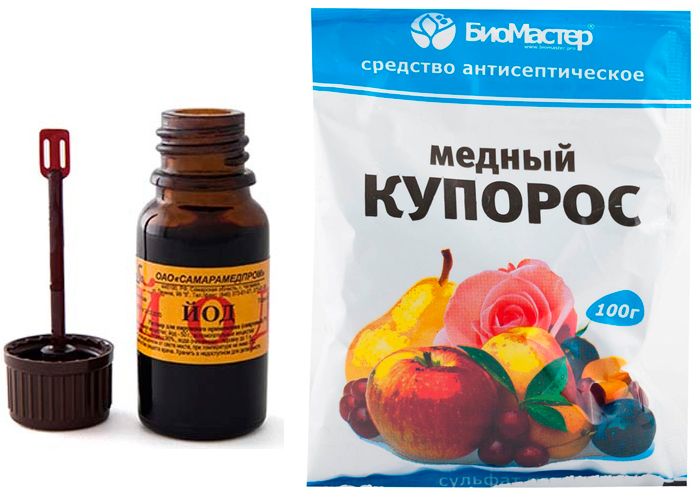
In agricultural practice, copper sulfate is used as a fertilizer and preventative measure to combat fusarium wilt. It is also useful when preparing soil for flower transplanting.
Orchids need copper, it is an important part of their nutrition.
Copper sulfate is one of its sources. It should be used with caution, keeping in mind the presence of microbial fungi. They convert copper already present in the soil in a form inaccessible to plants into a form that is easily absorbed.
A fungicide can harm them. The soil should be treated with the solution a few days before replanting the flower or germinating the seeds. This will eliminate the spores and create an unfavorable environment for their development.
Air iodination
A popular method among gardeners for preventing fusarium is iodine treatment in greenhouses. It's also useful for flower growers and indoor orchid enthusiasts. Place open bottles of iodine near the plants during rainy weather. Its vapors have disinfectant properties, preventing the fungus from establishing itself on the plant.