Of the many varieties of indoor pelargoniums, only scented geranium has healing properties. It effectively purifies the air of germs, repels blood-sucking insects, and is used in folk medicine and pharmacology to produce essential oil.

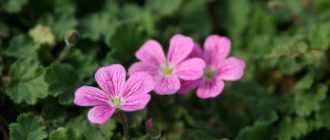
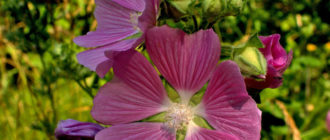
Although it doesn't produce lush flower heads, it has a decorative appearance due to its delicate green, carved leaves. The bell-shaped buds are barely noticeable among the foliage. The small hairs that cover the stems exude a surprisingly subtle fragrance. The leaves are also fragrant when crushed, containing many natural volatile fragrances. Pelargonium is both a home decoration and a household doctor.
Varieties of scented geranium
Pelargonium forms a bush with long shoots directed in different directions. They grow up to 1.5 meters. Five varieties of scented geranium have been bred.
| Variety | Description | Smell |
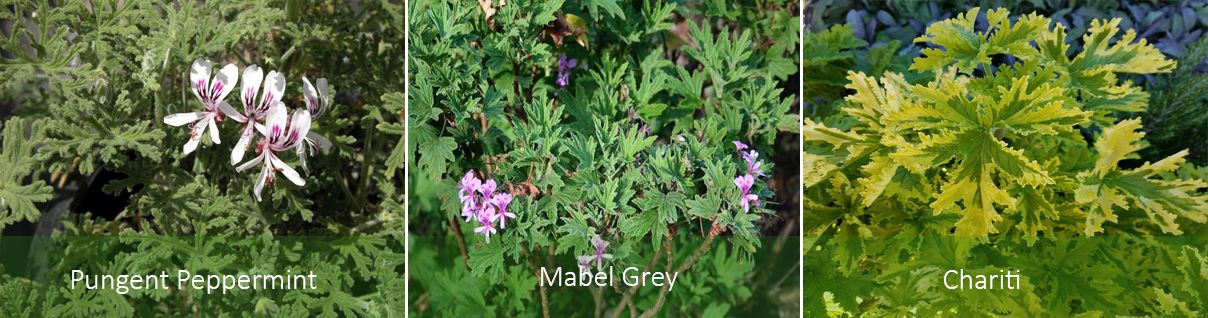
| Pungent Peppermint | The leaves are grey-green in colour, the buds are large and light pink, the bush is highly branched and requires shaping. | Mint. |
| Mabel Gray | Spreading, rough leaves, small flowers, purple with pink transitions. | Lemon is pronounced. |
| Charity | The bush is lush, the shoots are long, the leaves have a golden edge. | Sourish with a distinct hint of rose oil. |
| Lady Plymouth | Moderate branching, leaves with white border. | Quite a rich pink. |
| Apple Cider | Standard size, normal leaves, large lilac buds. | Apple-colored with a taste of sweet aromatic fruit. |
Rules for home care of pelargonium
Basic principles of cultivation of scented geranium.
| Home care factors | Description |
| Location |
|
| Illumination |
|
| Temperature conditions | Optimal conditions:
|
| Humidity |
|
| Watering |
|
| Soil |
|
| Top dressing | It is best to use universal complexes for indoor plants; they are diluted according to the instructions and fertilized in the spring before flowering and after, during the period of bud formation. |
Trimming
Bushes should be trained as they grow, when the main stem branches. A scheduled pruning is carried out annually in March, pinching new shoots as needed to prevent the plant from becoming a vine. After pruning, the bush blooms more profusely, producing numerous buds.
Transplantation and propagation methods
Potted scented geraniums are easy to grow, but prefer fertile, soft soil. Like other houseplants, pelargoniums need to be repotted every three years. For repotting, use the potting mix described in the previous section. Be sure to place drainage material (small shards or expanded clay) at the bottom of the new pot. The plant dislikes standing water, as this will cause root rot. The pot size should be proportionate to the root system.
A small plant will feel uncomfortable in a large space. Repotting is done by transshipment. The root ball is not broken up, but rather, dark, damaged roots are removed. The root ball is then placed in the center of the pelargonium's new home. Fill the gaps on all sides with prepared soil, then water thoroughly. Incidentally, flowering plants are repotted only in extreme cases.
Pelargonium is propagated using three methods:
- by dividing the bush during transplantation, leaving a part of the earthen lump on each stem;
- by cuttings, the upper shoots are cut off and placed in settled or melted water;
- after white roots appear, the cutting is buried in a permanent pot;
- Seed propagation is the least productive method, requiring a lot of time and unpredictable results: the plant can cross-pollinate with other geranium species during flowering; young shoots are replanted after the third full leaf appears.
When planting a new plant, allow it to acclimate, creating tropical conditions with high humidity and temperature. You can cover the young shoot with a large glass jar.
Top.tomathouse.com recommends: medicinal properties and contraindications
Fragrant geranium is a treasure trove of essential oils and trace elements. Its medicinal properties have long been known. In folk medicine, it is used to make decoctions, hot and cold infusions, and extracts. The leaves are also used fresh.
The plant is useful for many diseases, it is used to cure:
- gastrointestinal diseases, the infusion is drunk for chronic diseases in the remission stage with gastritis, ulcerative lesions of the mucous membrane;
- adrenal diseases that cause hypertension – geranium normalizes the production of hormones that increase blood pressure;
- Infusions are useful for hyperthermia, feverish conditions, colds, and can significantly relieve headaches;
- Poultices help with gout, remove salts from joints, and normalize metabolic processes in cartilage tissue; the plant has a similar healing effect on people suffering from arthrosis and radiculitis;
- infusions help with hemorrhoids and prostate enlargement;
- inhaling the aroma of pelargonium relieves headaches;
- ear swelling is relieved by leaf cuttings, which are inserted shallowly into the ear canal; with otitis, the pain subsides after a while;
- There is a known method for normalizing heartbeat and high blood pressure: a crumpled leaf of a plant is tied to the pulse so that the juice gets on the skin;
- An aqueous solution of the plant juice (diluted with water 1:2) is used to instill drops into the nose when congestion occurs.
The beneficial substances contained in scented geranium stimulate mental activity, increase physical performance, and improve memory. It is used to treat nervous disorders and normalize sleep. It is beneficial for chronic fatigue, stress, and mental and physical strain.
Pelargonium should only be used after consulting a doctor. Like any medication, it has a number of contraindications. It can cause allergic reactions, and people with low blood pressure should not take it.
Due to its high aromatic content, it is not recommended for internal use during pregnancy and breastfeeding. Scented geranium should be used with caution in treating infants and those with heart or liver conditions. It is important to use in moderation and avoid self-medication.
The fragrant pelargonium fills the home with a pleasant aroma, relieves ailments, and delights with its lush foliage and delicate buds. This unique plant is easy to care for and can be transplanted into flowerbeds for the summer. It remains outdoors until frost.