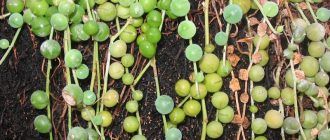
Graptopetalum (spotted petal) is a succulent flower in the Crassulaceae family. There are 20 species of this plant. It is found in arid regions of Arizona and Mexico.
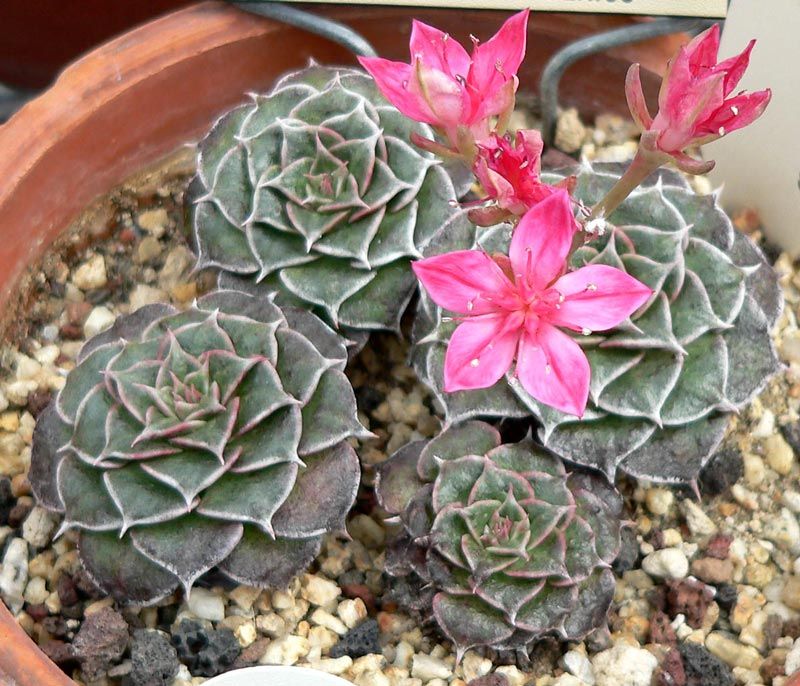
Description of Graptopetalum
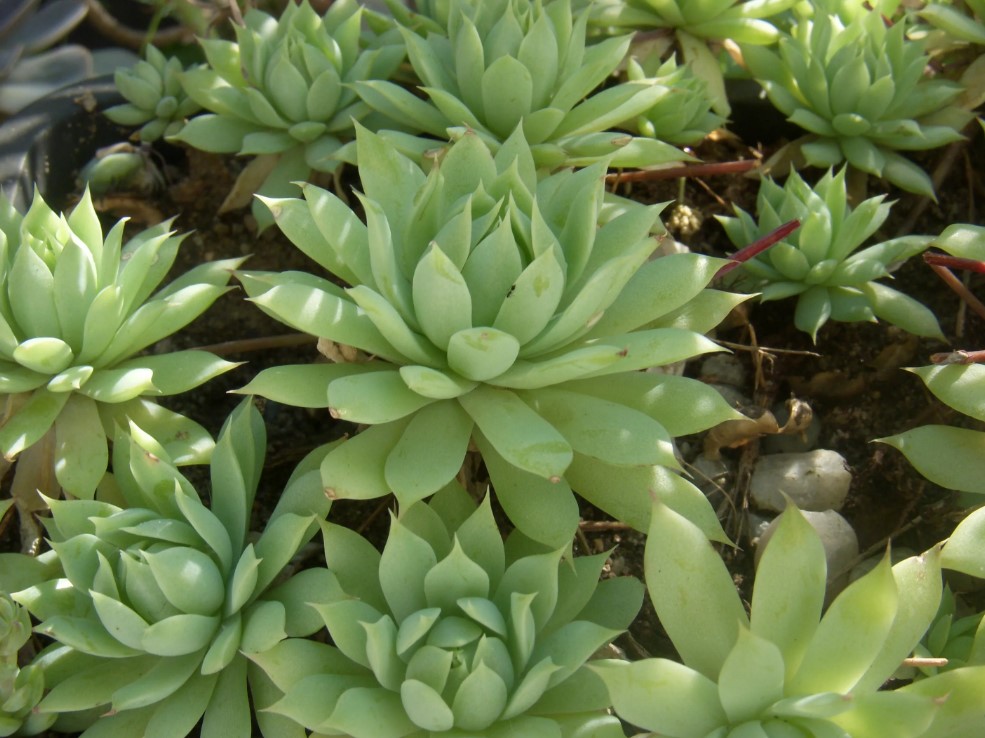
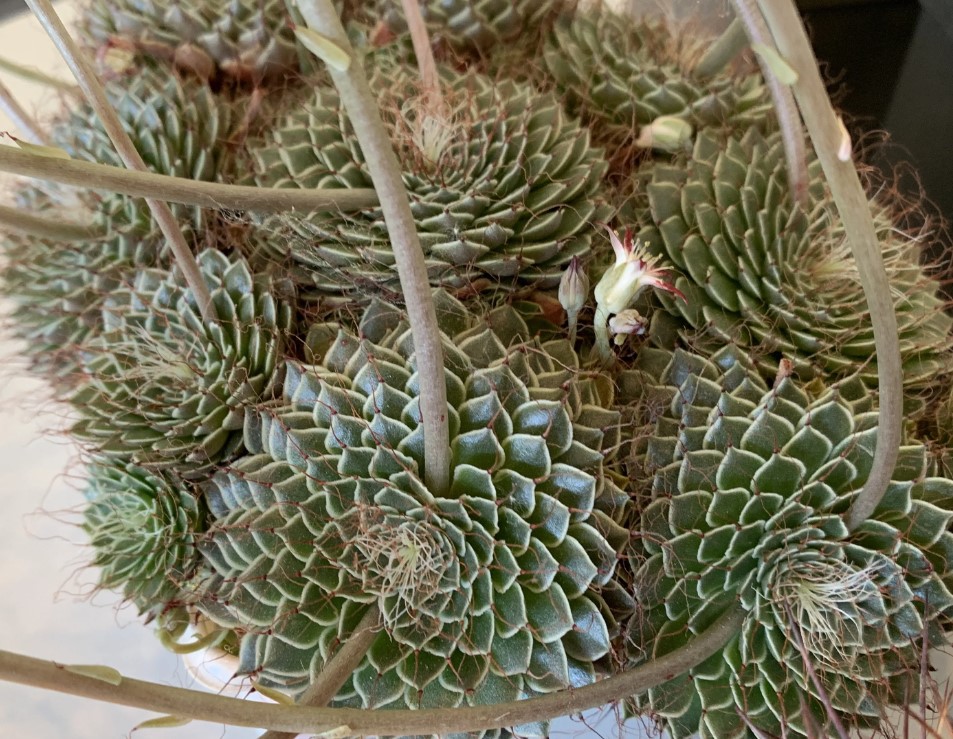
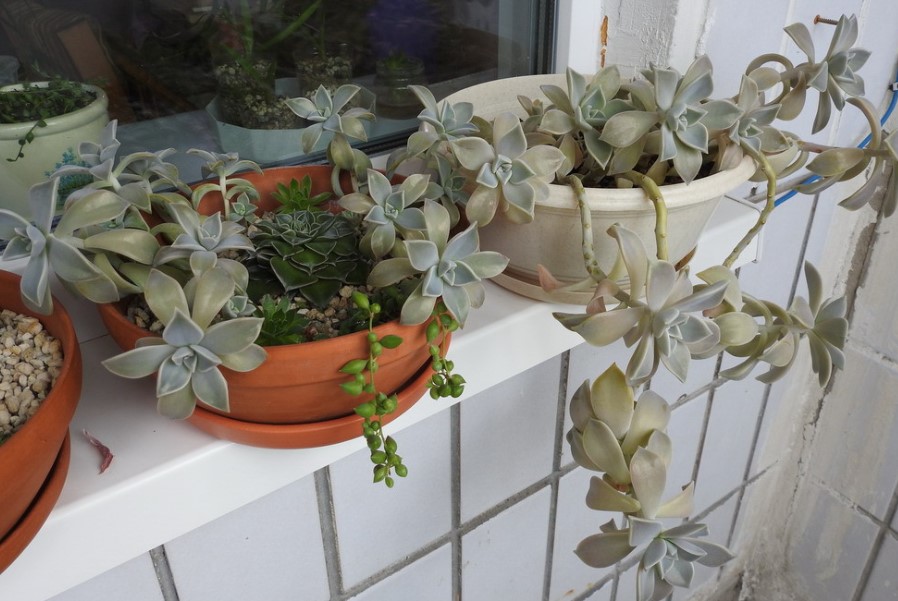
Graptopetalum is distinguished by its dense, thick leaves, which form rosettes up to 20 cm in diameter. There are stemless varieties and shrubs with lush, branched stems. All have a rounded, dense rosette of leaves, either apical or terrestrial. They grow from 5 cm to 1 m in height. They bloom for several weeks in May and June.
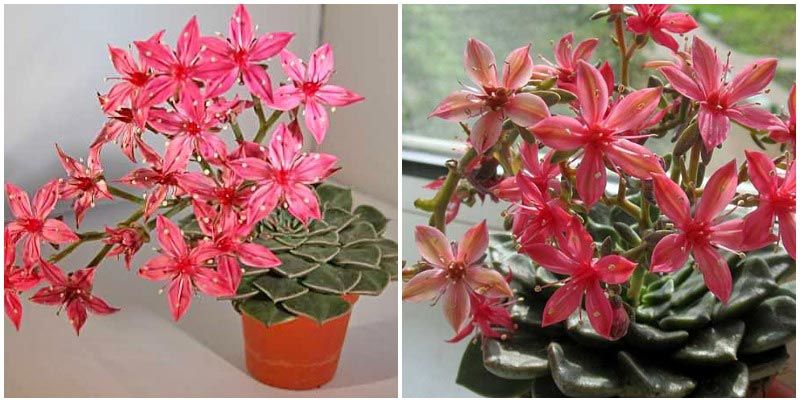
Types of Graptopetalum
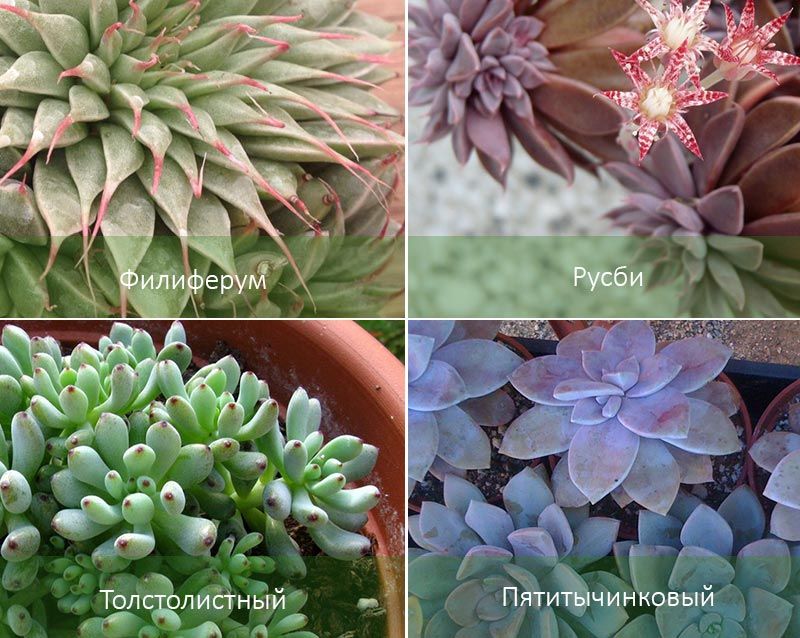
The species differ in height, growth pattern, and leaf color.
| View | Leaves |
Peculiarities |
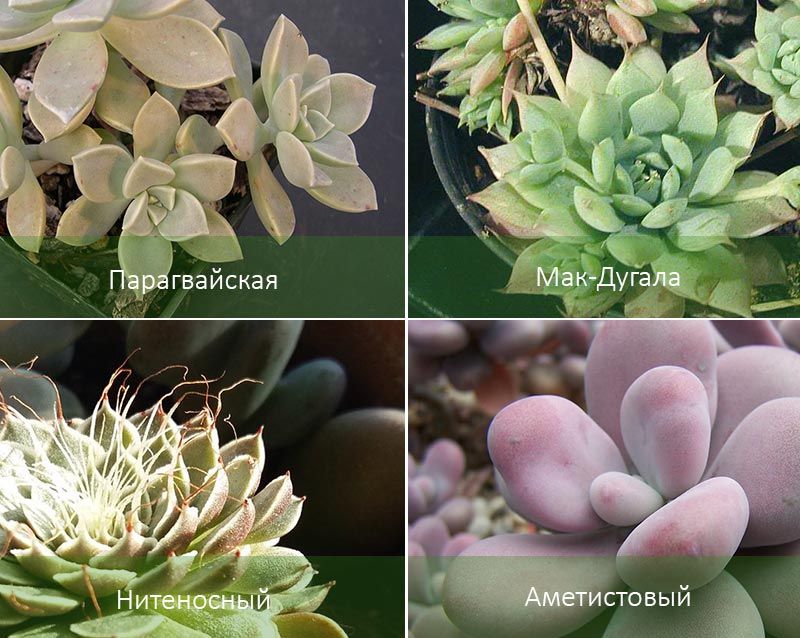
| Amethyst (Graptopetalum amethystinum) 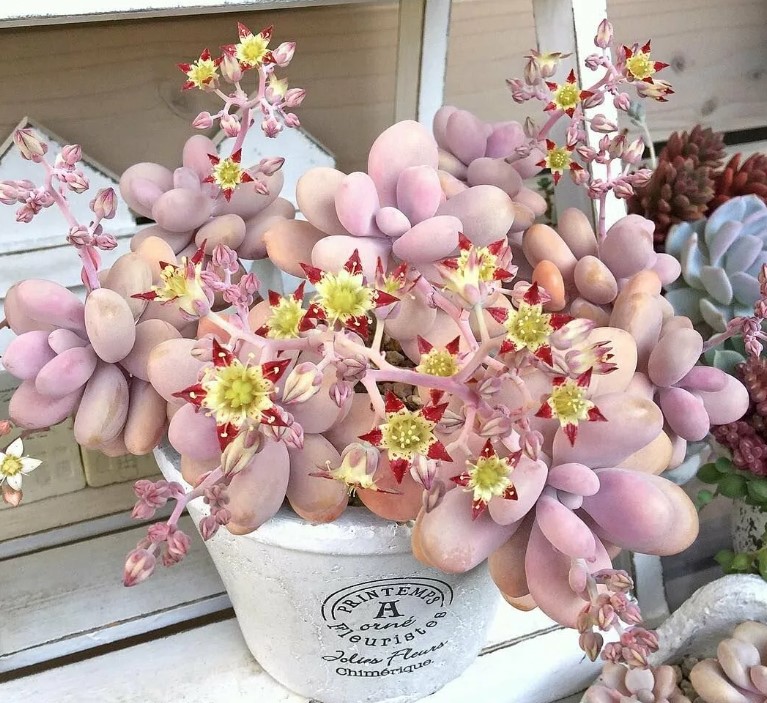 |
Fleshy, round, bluish-purple. | Subshrub. Flowers are white in the center, red at the edges. |
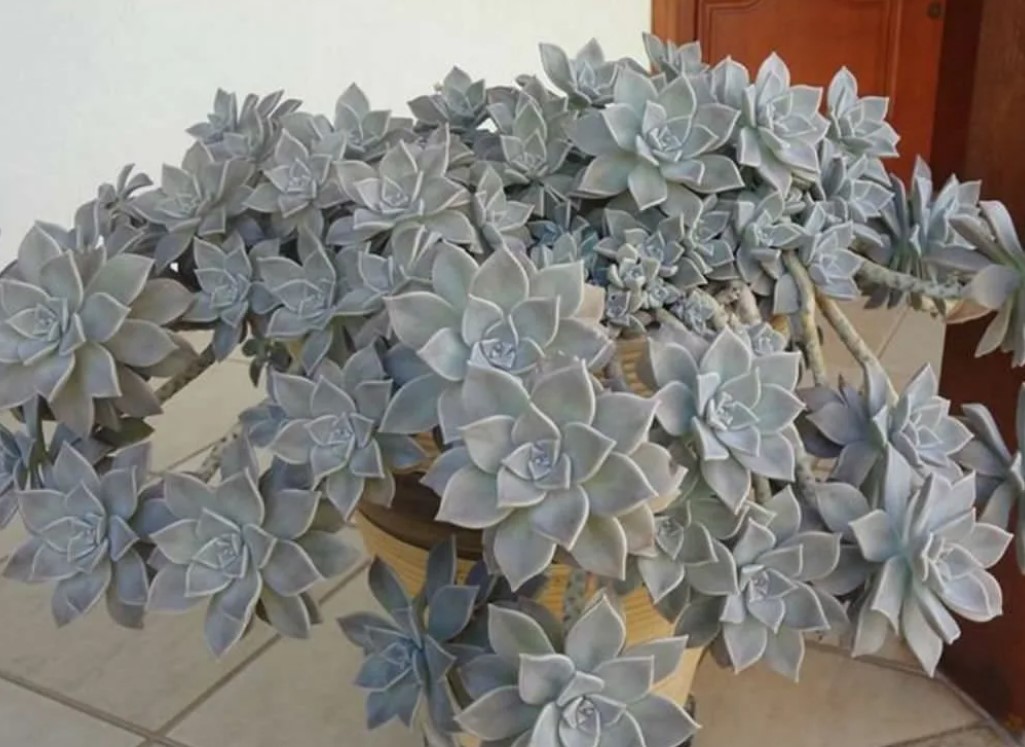
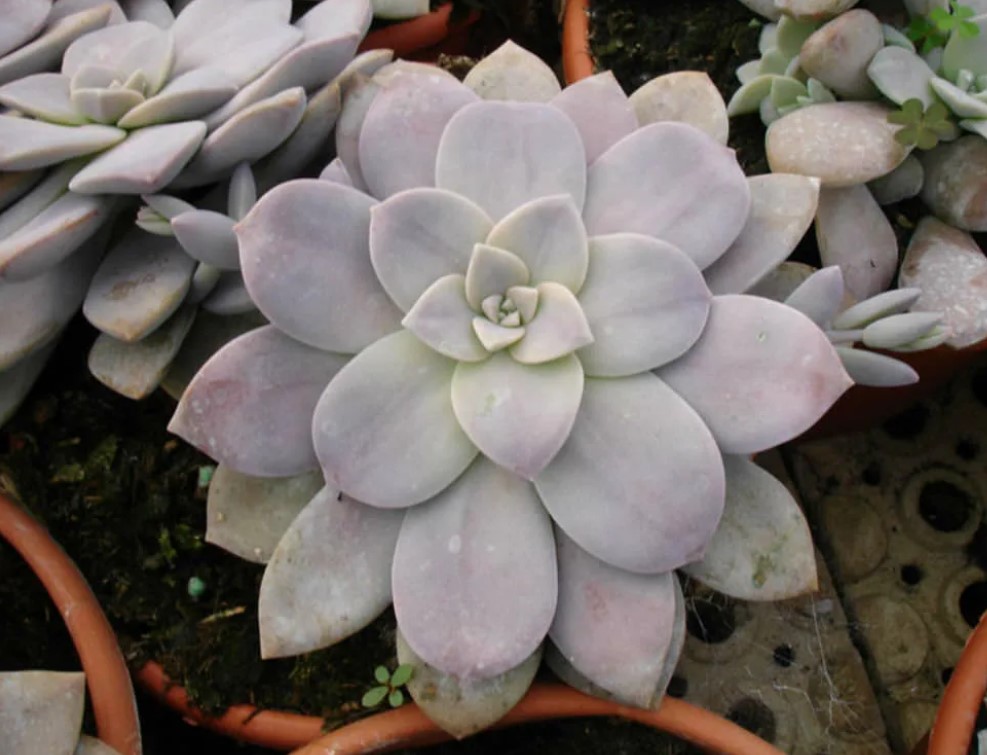
| Paraguayan (Stone Rose) (Graptopetalum paraguayense)
|
Silvery-grey, with pointed edges. | The shoots are short, the flowers are white with pink stripes. |
| McDougal
(Graptopetalum macdougallii)
|
Greenish-blue. | A small shrub without branches. |
| Bellum or Mexican Star (Graptopetalum bellum) 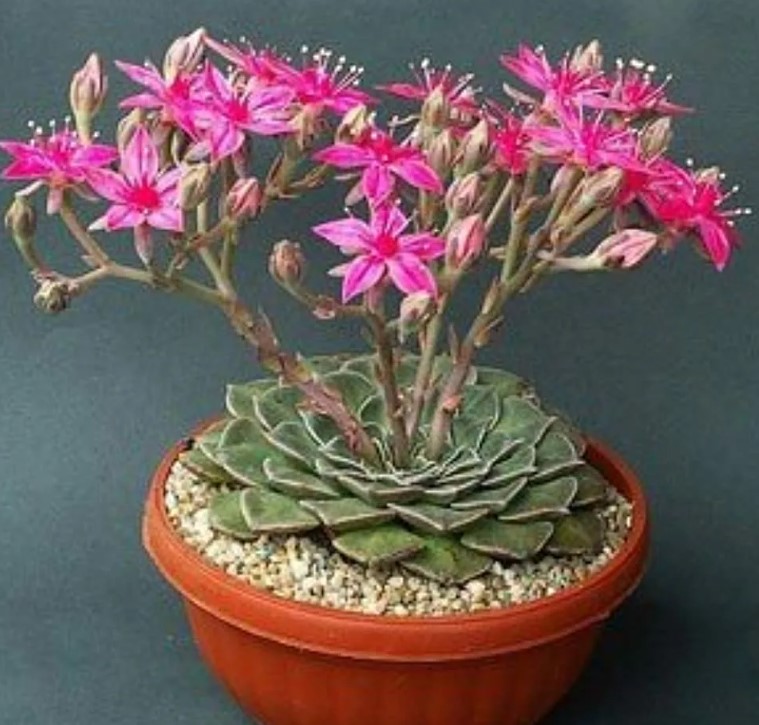 |
Thick, triangular, dark green. | Short stem, pink flowers with pointed petals. |
| Five-stamened
(Graptopetalum pentandrum)
|
Blue-violet with rounded plates. | The bush is upright, the flowers are large, light pink. |
| Filiferum
(Graptopetalum filiferum)
|
Grey-green, fleshy, with pointed ends, with long tendrils, yellow-pink in the sun. | Tall peduncles with large pink flowers. |
| Thick-leaved (Graptopetalum PACHYPHYLLUM) 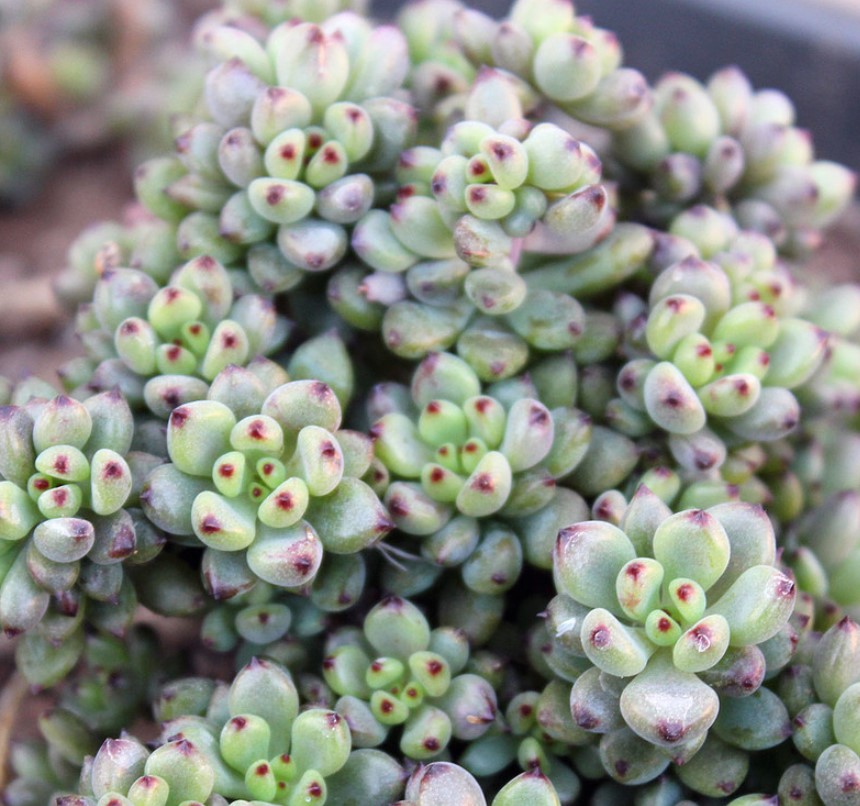 |
Short, thick. | It looks like a small tree with a branched stem. |
| Rusby (Graptopetalum RUSBYI) 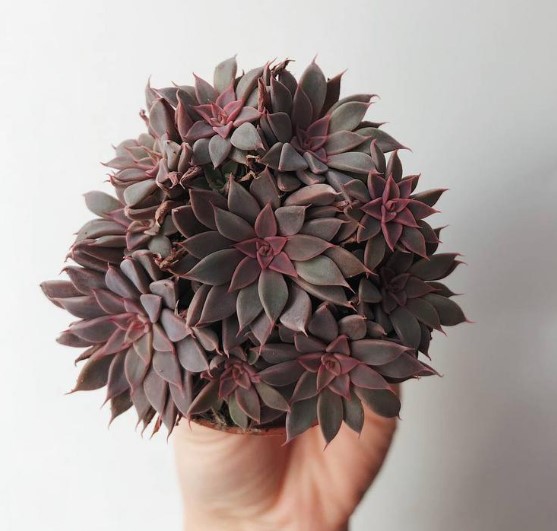 |
Fleshy, juicy, creamy, with spiky tips. | Small plant up to 15 cm. |
Caring for Graptopetalum at Home
Home care involves observing several conditions: the correct location, lighting, feeding, and suitable soil.
| Factor | Spring/Summer | Autumn/Winter |
| Location, lighting | Bright, diffused light. | Cool, dry, dark place. |
| Temperature | +23…+30 °С. | +7…+10 °С. |
| Humidity | Prefers a dry climate, does not require moisture. | |
| Watering | Abundant, moderate. | They are limited and not required in winter. |
| Top dressing | Once a month with liquid fertilizer for succulents. | Not needed. |
Transplantation, soil, pot
The plant is repotted every two or three years. Purchase soil specifically for succulents or prepare a soil mixture of leaf mold, turf soil, and coarse sand in equal proportions. Cover the soil with small pebbles. This protects the rosette of leaves from damp soil. Choose a shallow pot due to the shallow root system. Drainage space occupies ¼ of the capacity.
Reproduction
The succulent reproduces in several ways:
- Cuttings are separated from the plant and treated with a heteroauxin solution. Once the cuttings are dry and coated with a film, they are buried in river sand and covered. The temperature is set at 25°C. The cuttings are uncovered and misted daily. After rooting has taken hold, repot them in a pot after seven days.
- Leaf cuttings - separate part of the stem and root it using the lateral shoot principle, without drying it out.
- Seeds are sown in warm, moist soil. Cover with plastic wrap and raise the temperature to 30°C. The seed germinates quickly, but it will take several months for the plant to form.
Difficulties in maintaining graptopetalum, diseases and pests
The plant is susceptible to fungal diseases and pests.
| Manifestation | Cause | Elimination measures |
| The leaves lose their elasticity and fall off. | Insufficient watering. | In summer, water more generously. |
| Root rot. | Overwatering and cold air. | Remove rotten areas, wash cut areas, treat with a solution of potassium permanganate and replant. |
| The flower loses color and becomes elongated. | Lack of light. | Place on a sunny windowsill. |
| The tips of the leaves are drying out. | Dry air. | Humidify the air and increase watering. |
| Brown spots on leaves. | Spider mite. | Treat with an acaricide (Actellic). |
| White waxy coating on leaves. | Mealybug. | Spray with insecticide (Aktara, Fitoverm). |
Reviews of Graptopetalum
Graptopetalum: 1.5 years later
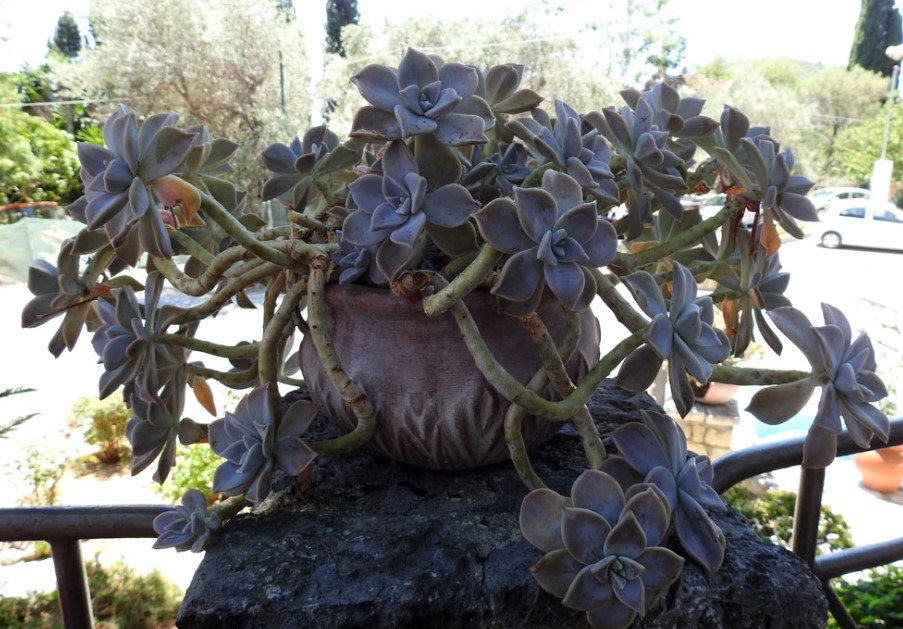
In July 2017, I brought back a rosette of Paraguayan graptopetalum from the Greek island of Corfu, a vase of which stood near a tavern.
In August 2017, I placed what was left of the outlet after a flight in a small, wide container.
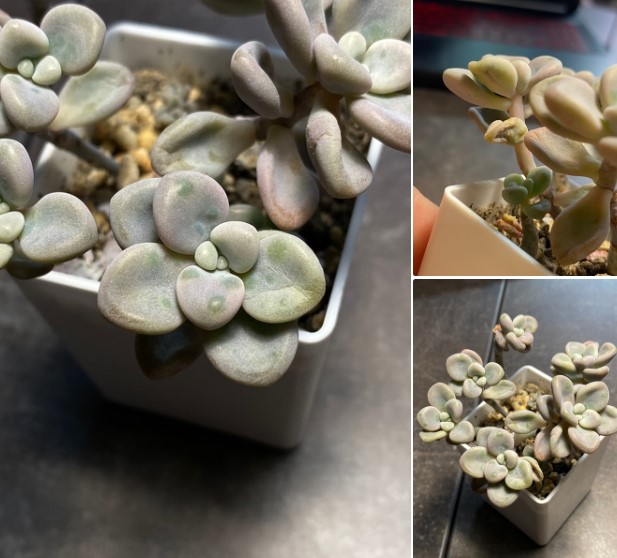
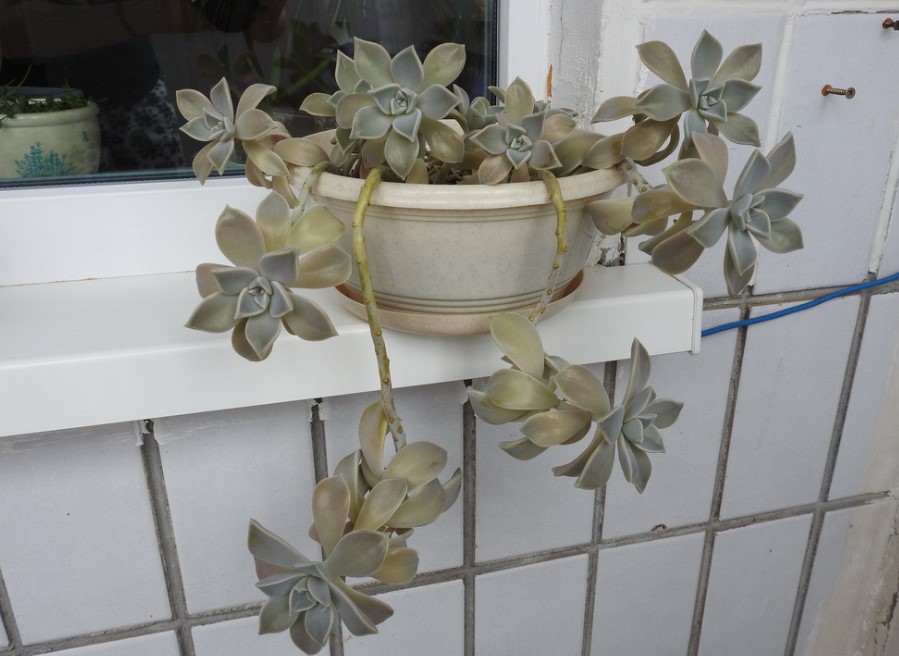
One year and eight months later, my Graptopetalum paraguayanum looks almost like the mother plant!
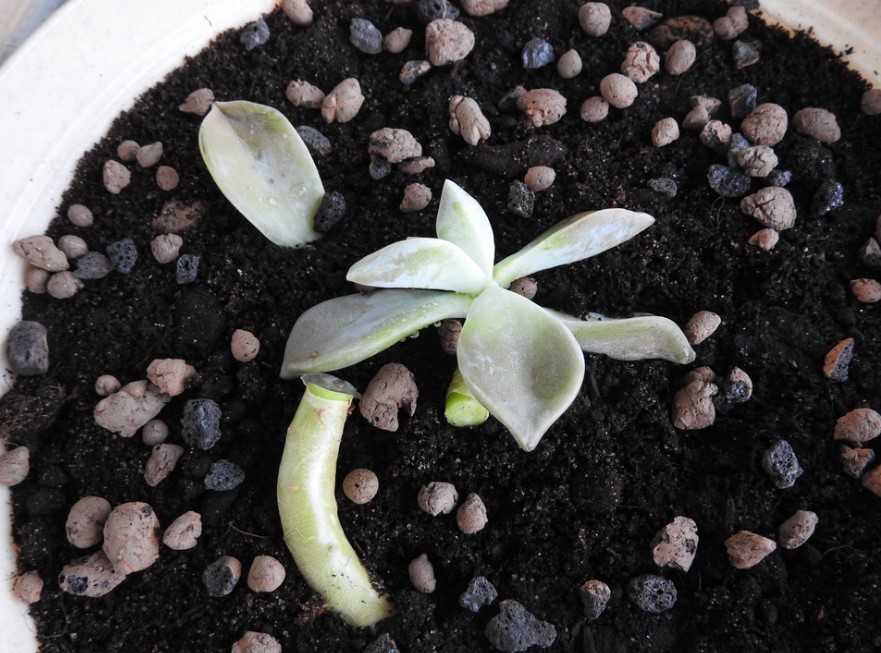
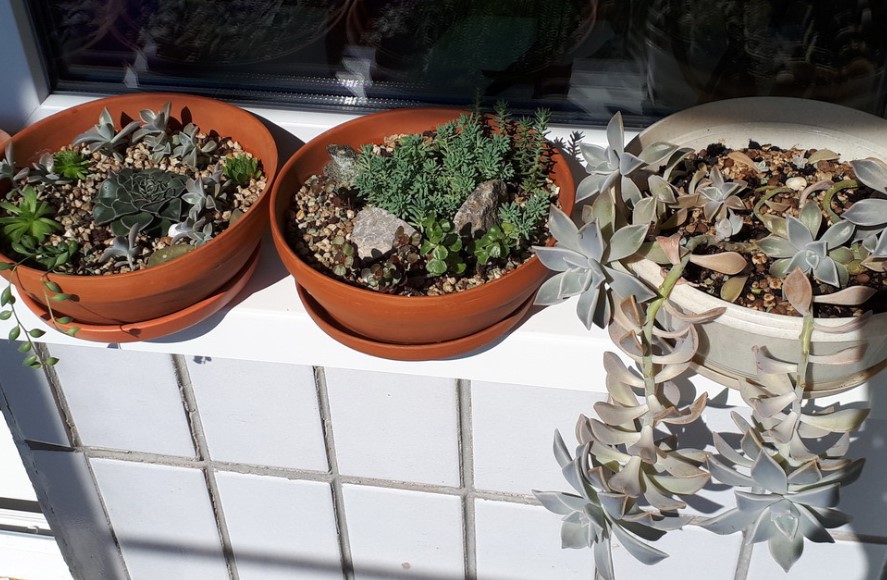
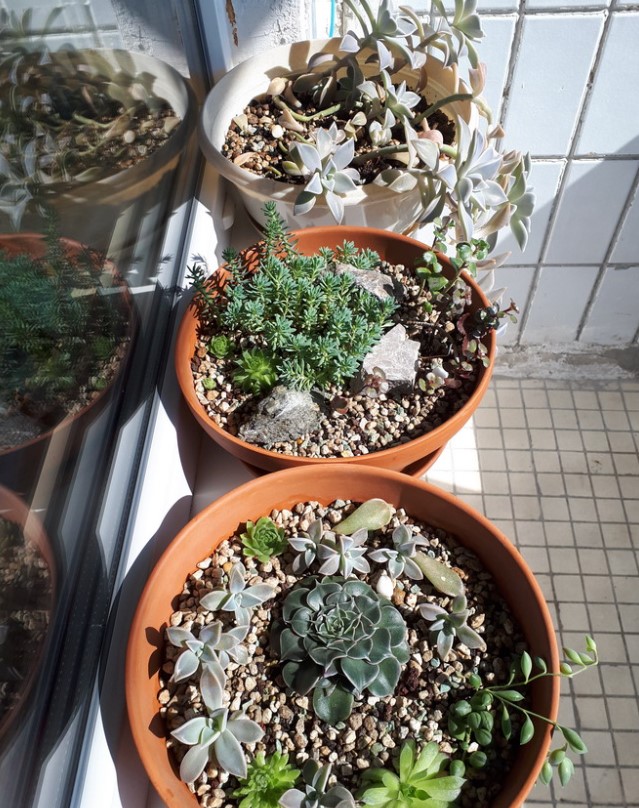
A year later. August 2018. The cuttings still have leaves. In this photo on the left, you can also see that as the main plant lost its leaves, I placed these leaves in a luchuza pot to root.
In this photo, you can still see the leaves from which the rosette has begun to grow. The dark green plant in the middle is a Graptopetalum bellum. It grows as a single rosette and produces beautiful flower stalks.
This is what it looked like when purchased.
Now.
By the way, I pollinated the flowers, and over time, capsules with tiny seeds formed, which I scattered right there in containers.
In lechuza the sprouts are much larger than in the ground.
They grow very slowly.
When I accidentally knock over a leaf and it falls off, like here when I took the photo for this post, I just put the leaf in the soil where it quickly takes root.
The main branch, which had grown over the year, began to produce lateral branches.
This is the second container with grown plants. Here, almost every leaf has produced two rosettes, which are then developing into two cuttings. In some places, a third rosette is visible.
The green rosettes are from a young plant I brought from Bavaria. I think it's not getting enough light here, so it's starting to shrink and stretch.
This is the easy-to-care-for Graptopetalum paraguayense. I watered it very rarely in winter. At night, the temperature on the balcony was around 10 degrees, but during the day, in the sun, it could rise to over 20.
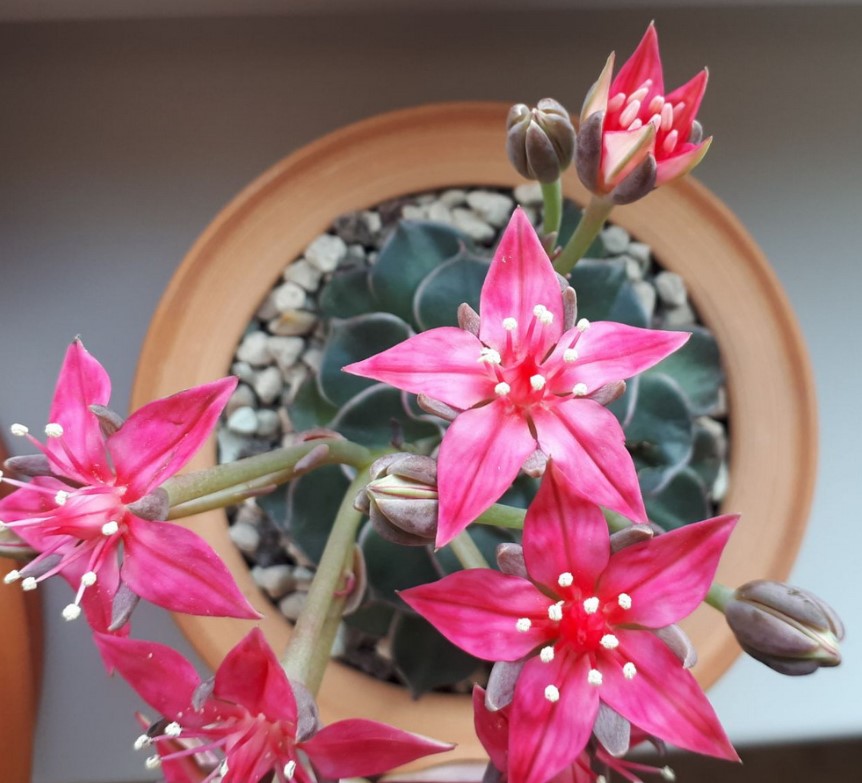
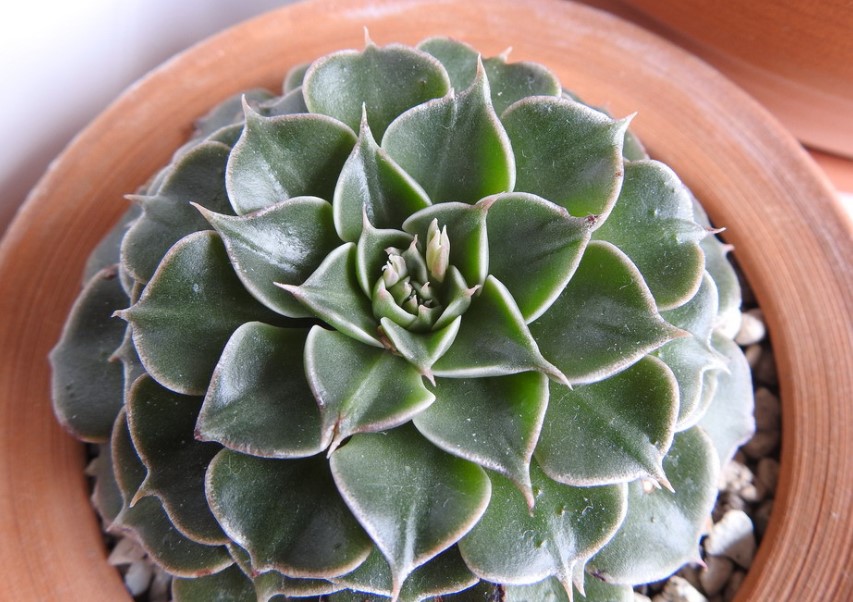
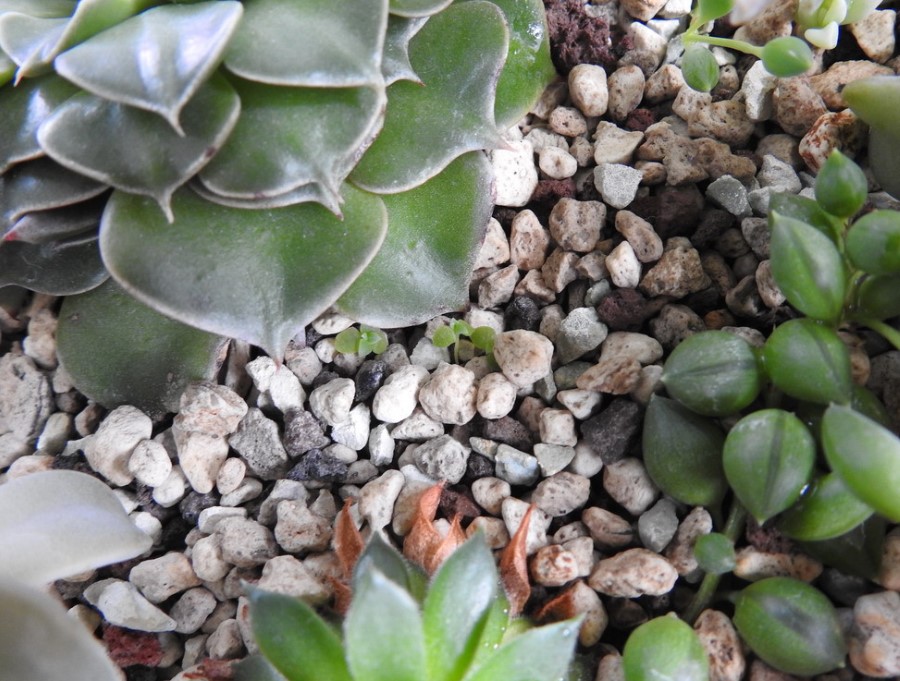
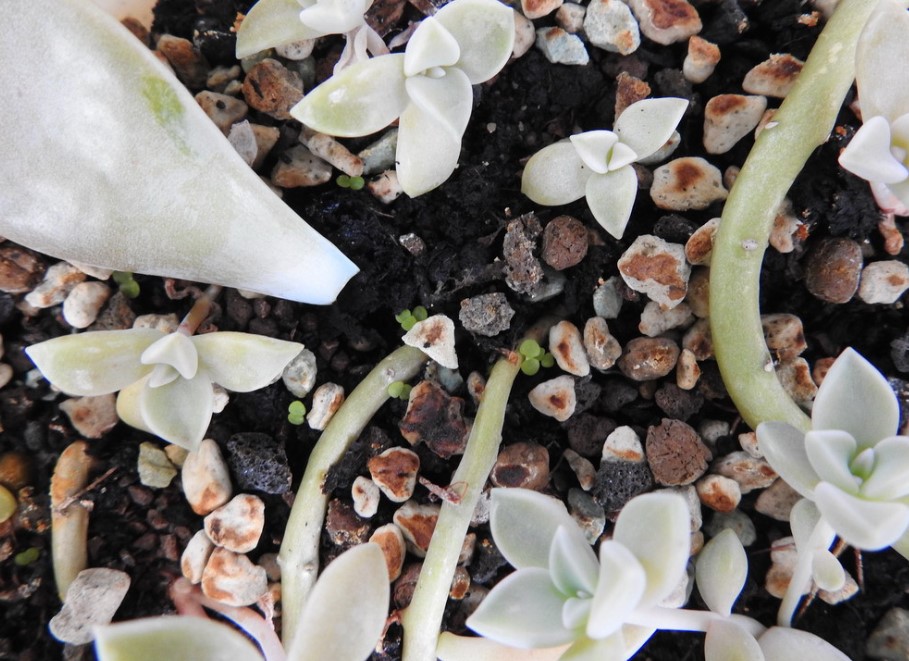
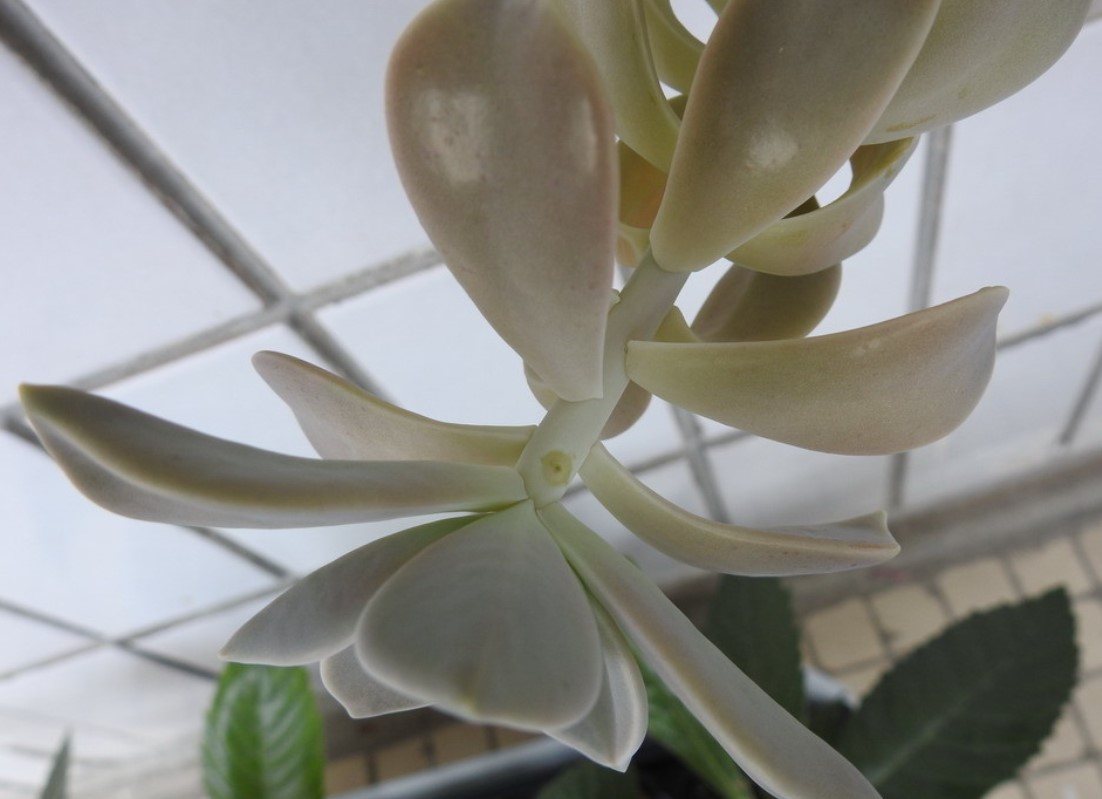
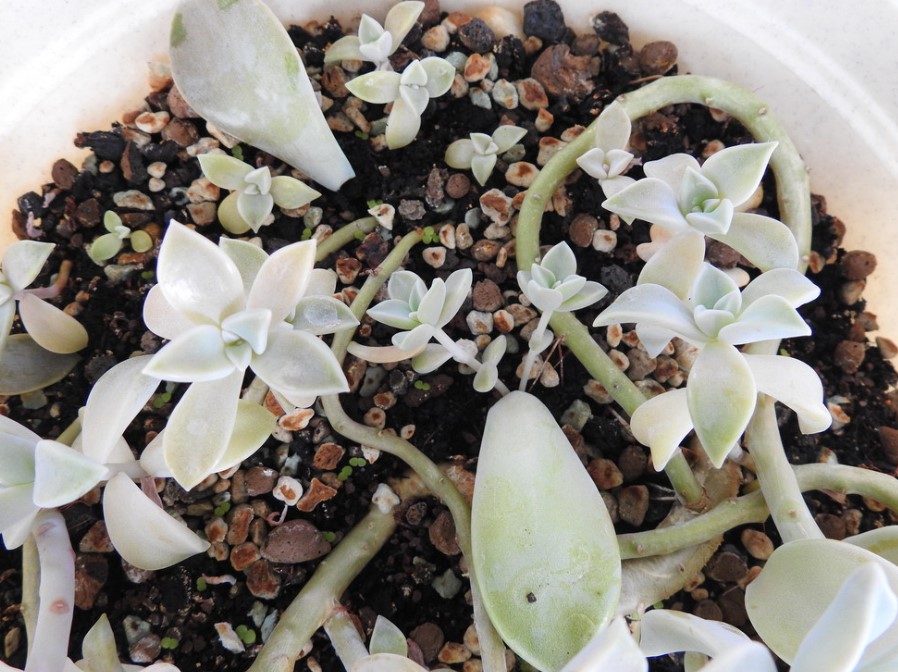
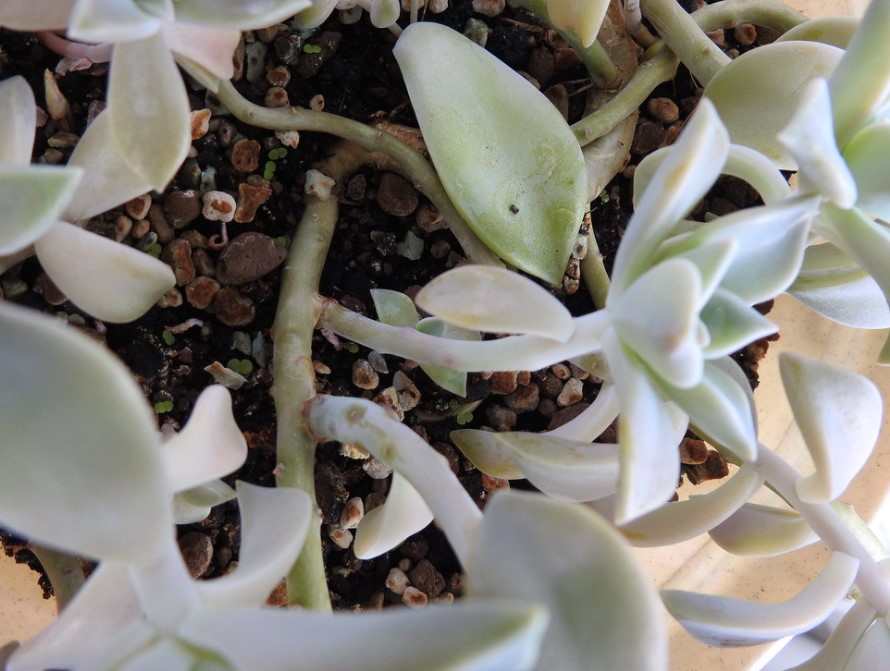
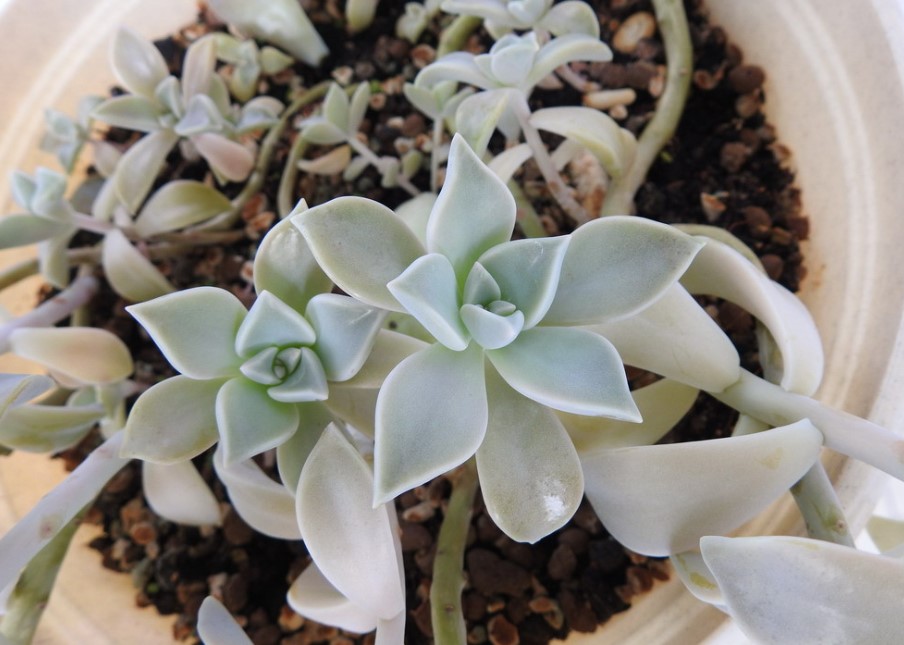
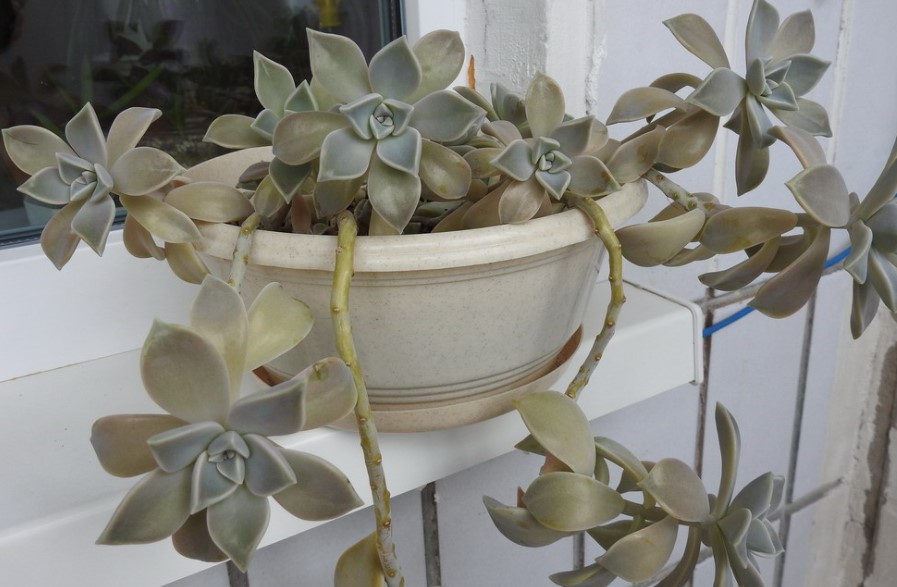
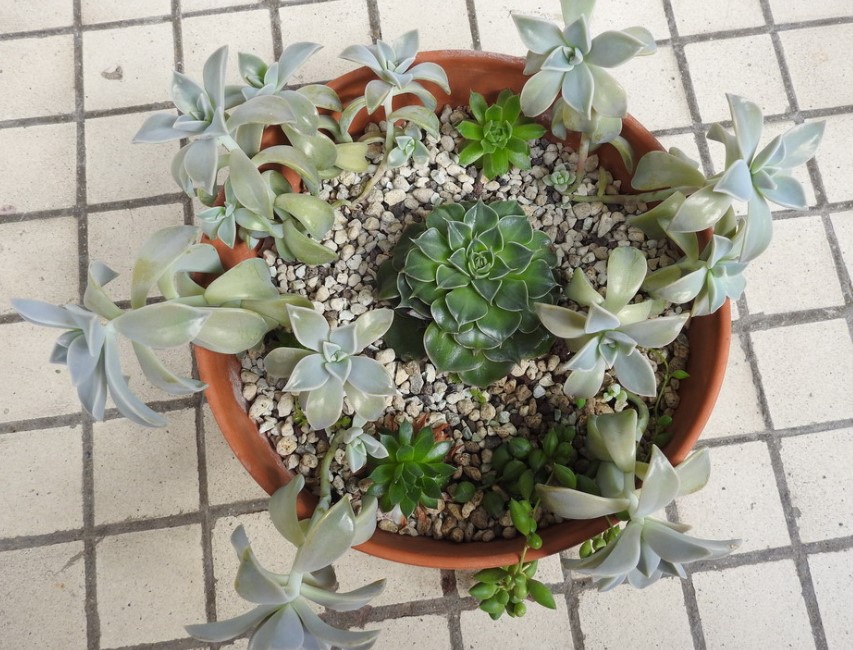
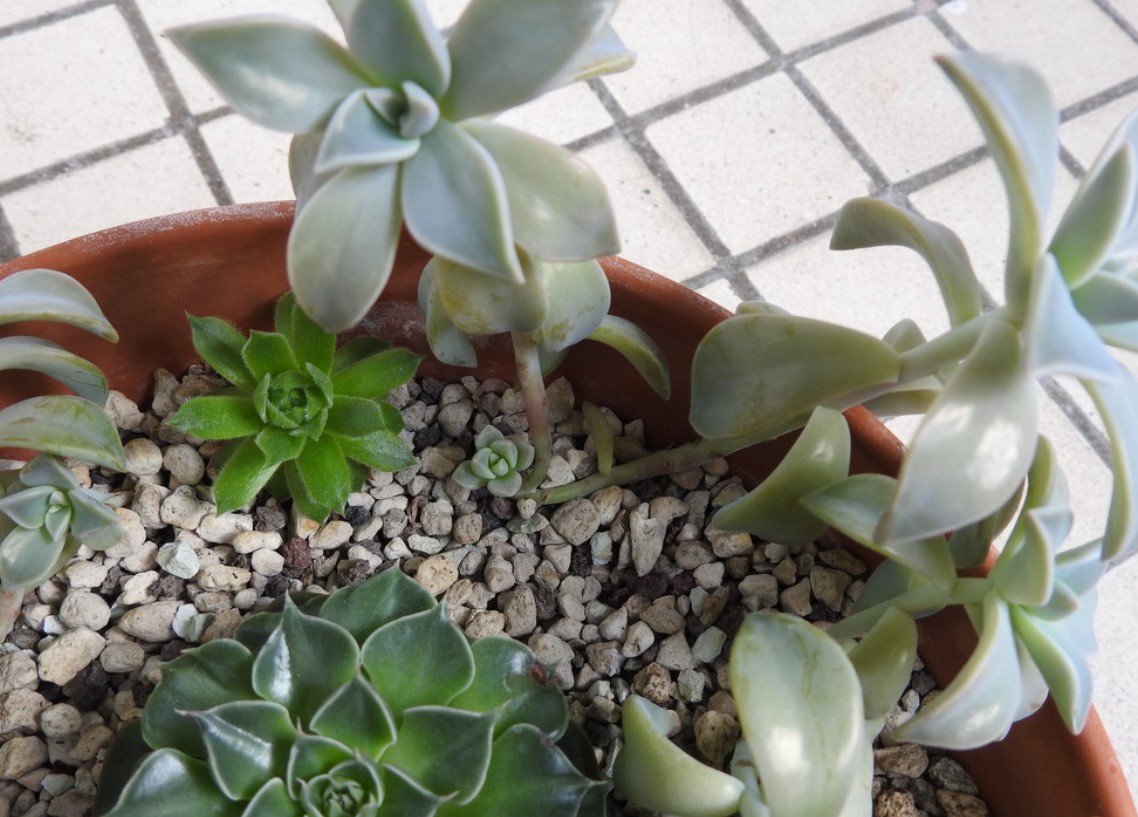
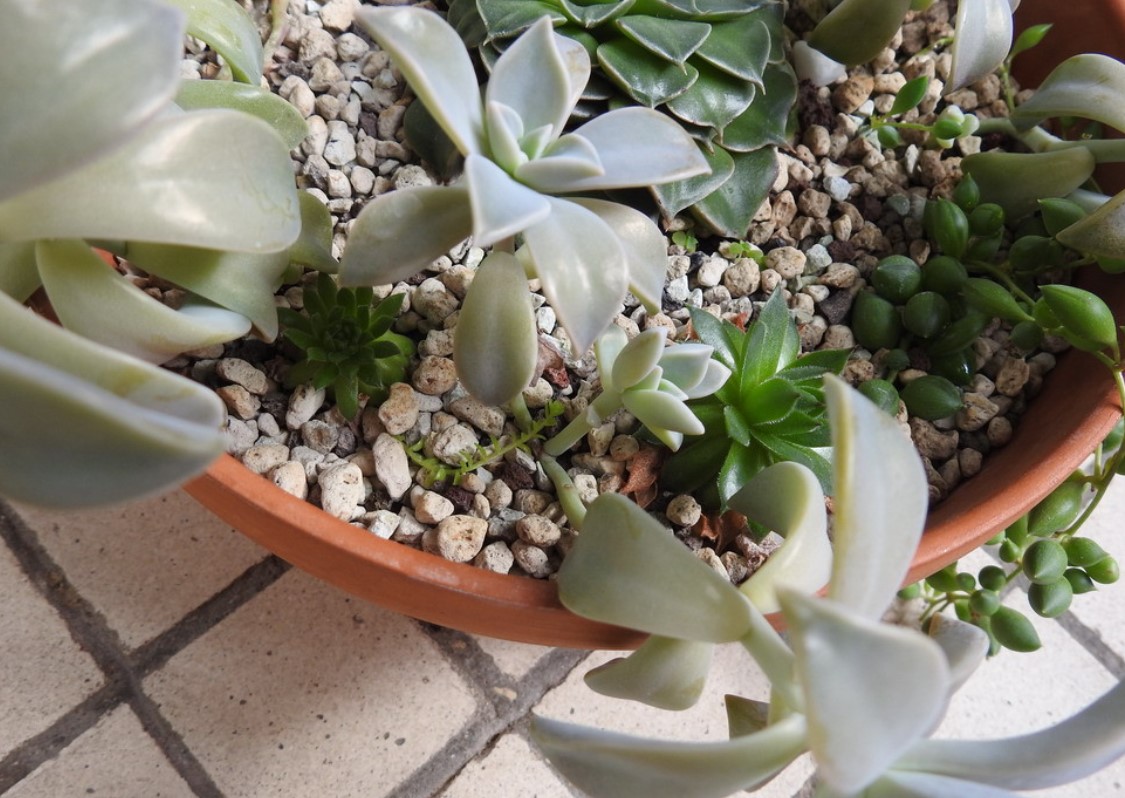
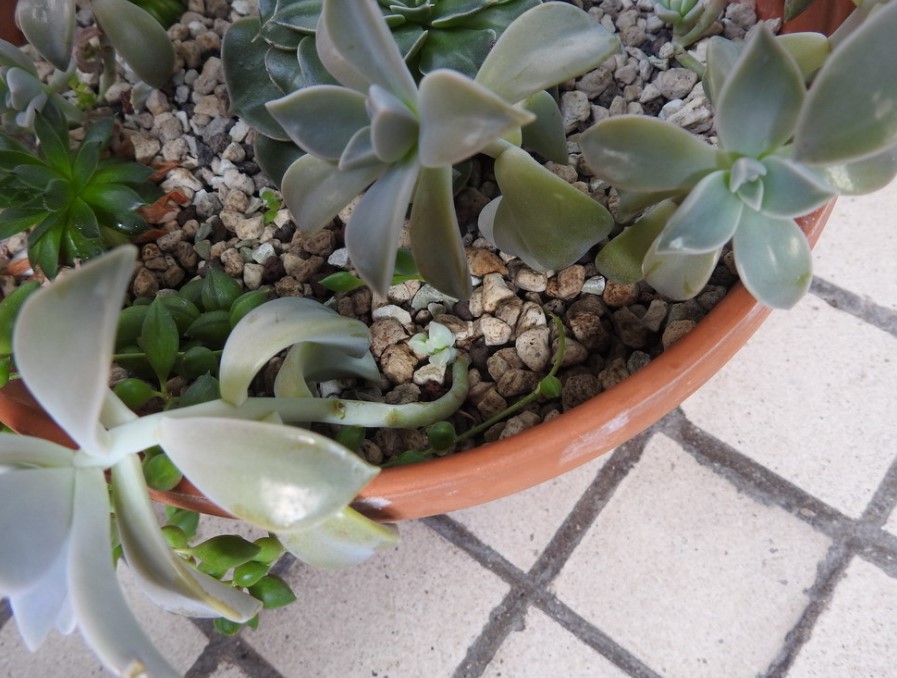
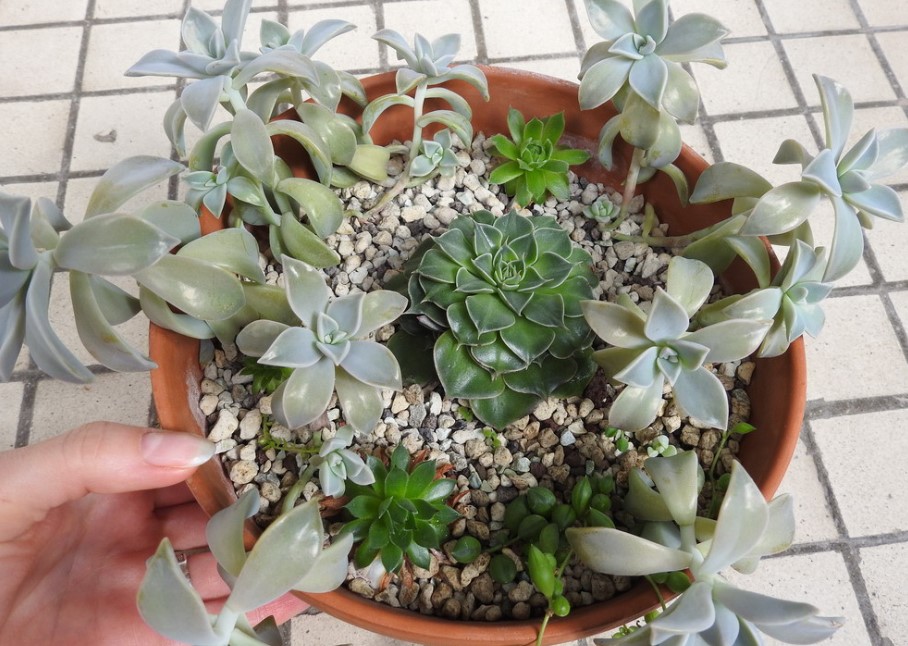
It's a real cry from the heart. The Graptopetalum 'Ellen' is one of my favorites, but I haven't been able to find common ground with it for a year now. These green sores started appearing, and they told me it was dropsy and that I needed to adjust the watering. I water them all according to their turgor, and the soil is more or less the same for all of them. I grow the offspring from a leaf. While it's small, everything is fine, but as it grows a bit, these sores appear. The leaves are drying unevenly, and where there are more sores, they can even appear right on top of the rosette, which is a terrible sight.
I planted it both in lechuza and mixed it with soil, the combinations were different, now I bought special soil mixed just for it, but it still looks bad and so do its children.
I don't understand what's wrong with her anymore? How can I fix it?
Oksana Succulents, April 28, 2023
I threw it away, I was tired of fighting with him, the same thing happened. He never told me what he didn't like🤷
No one else has ever had such pimples.Valeria Fedotova, April 28, 2023
I got one of these as a gift with an order, I think it was a gift 🤣 I can't remember where I got it from, but I definitely didn't buy it. I had the same problem, but I didn't really pay attention to it. I put it up near the lamp, watered it according to turgor, and it was stuck in poor soil. It all went away, and it started to tan. Maybe I should try moving it closer to the light 🤔
Yulian Lebedev, April 29, 2023
It should be planted with larger succulents or in mini-gardens, very tightly packed in some shallow container. Then it will come to life.
Mine was spoiled in the same way, but now it sits with the crassula and feels great.
Natalia Vasilenko, April 29, 2023
Try cutting off one head and re-rooting it in coconut.