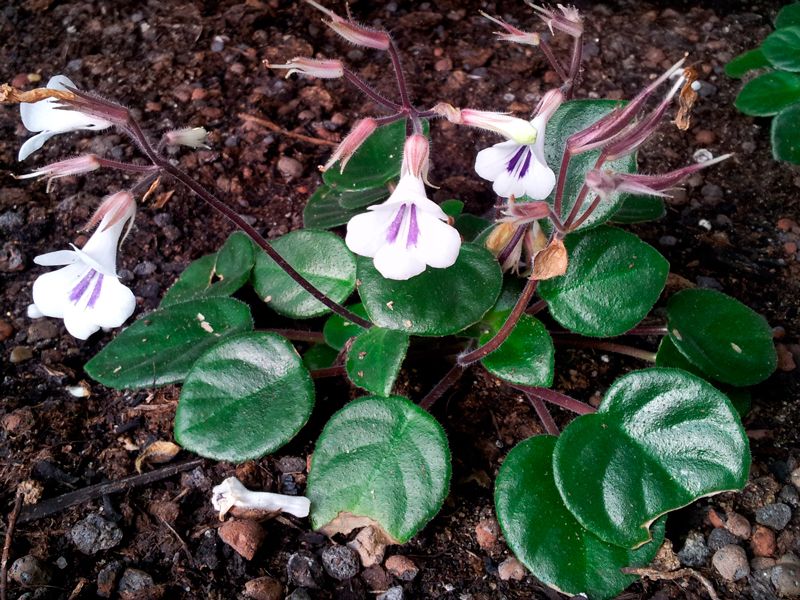
Chirita is a flower belonging to the Gesneriaceae family. It can be an annual or perennial, native to the tropics of Asia.
Description of the Chirita
The plant was first described in 1822 by botanist David Don. In the 20th century, breeders actively studied these flowers, leading to the development of hybrid species.
The plant's stem is thin and sturdy. The foliage is green and varies in shape depending on the species, sometimes smooth or pubescent. The flowers resemble bells and come in pink, white, lilac, and yellow.
Varieties of hirita for home keeping
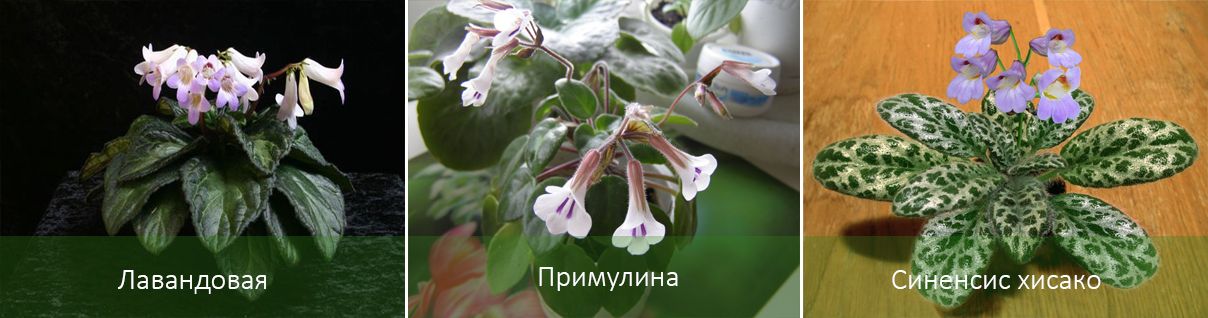
Only a few varieties of hirita can be grown indoors:
| Variety | Description | Leaves | Flowers |
| Lavender | Annual, tall trunk, slightly pubescent. | Oval. Color – light green. | Located at the tops of shoots and in the axils of leaves. Delicate lavender. |
| Primulina | It blooms almost all year round, with short intervals. | They are arranged symmetrically, sometimes smooth and slightly pubescent. They are green in color. They grow in width, sometimes forming entire tiers. They range in size from small to large. A silvery pattern can be seen on the surface. | They resemble a narrow tube and have five petals. They are gathered in inflorescences, the coloring of which varies, but is light. Occasionally, dark stripes are visible on the surface of the buds. |
| Sinensis hisako | It is considered the most beautiful variety. | Variegated, strongly drooping, with long, light-colored hairs. Large, green with a silvery pattern. | They resemble bells, the color is lavender, the throat is bright yellow. |
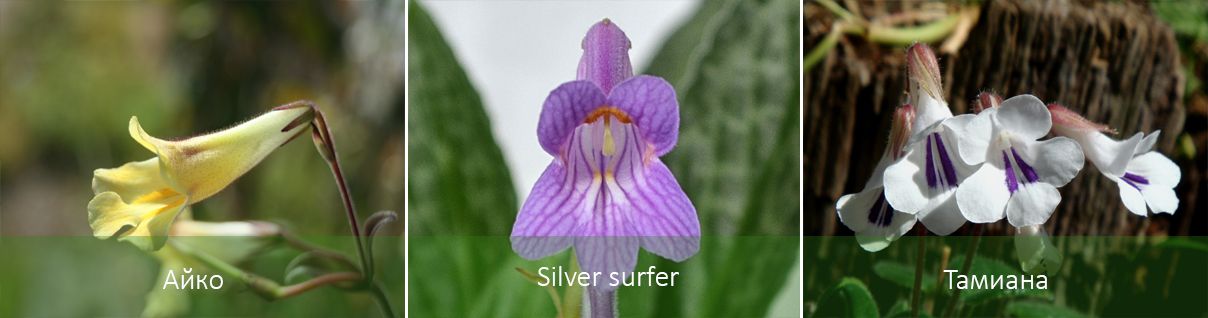
| Aiko | Hybrid. | Elliptical, dark green in color, fleshy, slightly pubescent. | Large, rich yellow in color. |
| Silver surfer | Shrub plant. | Drooping, lanceolate. Color: bright green with a pearlescent pattern. | Lavender bells with an orange throat. |
| Tamiana | It blooms throughout the year, with the only exception being the dormant period. | The diameter ranges from 10 to 15 cm, and the shape is rounded-heart-shaped. The leaves are fleshy and slightly pubescent. | Low peduncles on which 2-3 white buds with blue spots appear. |
| Chinese | A perennial growing up to 15-20 cm. | Oval, fleshy, they form a strong basal rosette. Bright green with silver spots. The edges are serrated. | Medium-sized, lavender-purple buds. |
Caring for Chirita at Home
When caring for a flower at home, you should focus on the time of year:
| Factor | Spring-summer | Autumn-Winter |
| Location/lighting | Place in a western or eastern window to provide bright but diffused light. | They provide additional illumination with a phytolamp. |
| Temperature | +18…+24 °С. | +15 °С. |
| Humidity | The level is 55-65%. The flower is placed on a tray with moistened peat or expanded clay. The plant is not sprayed, as this will cause it to become diseased. | Level 55-65%. |
| Watering | Once every 2 days, only after the top layer of soil has dried out. | Once every 7 days. |
| Top dressing | Once a month, with fertilizers high in potassium and phosphorus. | They are suspending. |
Transplantation, soil
Repot when the root system has filled the entire container (every 2-3 years). Spring is the optimal time. Choose a low, deep pot. When moving the plant, be extremely careful not to damage the fragile roots of the hirita.
The soil should be light, slightly acidic, and breathable. When preparing the substrate yourself, use the following components in a 2:1:1:1 ratio:
- leaf soil;
- coarse sand or perlite;
- peat;
- humus.
Drainage made of brick chips or pebbles must be used.
Trimming
The plant doesn't respond well to frequent pruning. A good time is before or after flowering (early spring to late fall). Remove dry and yellowed foliage and dead flower stalks.
During the procedure, proceed carefully so as not to damage healthy parts of the plant, as they are quite fragile.
Reproduction
Reproduction of hirita is carried out in several ways:
- seed;
- cuttings;
- leaf shoots;
- stepsons.
Cuttings are considered the most popular method. This involves placing a cut, dried, and fungicide-treated plant shoot into the soil. The planting material must be free of mechanical damage. The cutting is watered and the soil is not allowed to dry out. Additionally, using polyethylene, you can create greenhouse conditions, providing 12 hours of daylight.
After the seedlings emerge and strengthen, they are planted in different containers.
Difficulties in growing hirita, diseases and pests
When grown indoors, hirita can be susceptible to attacks from diseases and pests, and improper care can lead to a number of additional problems:
| Manifestation | Cause | Elimination measures |
| Rotting of the root system and stems. | Abundant watering. | Adjust the watering regime. |
| Light brown spotting on foliage. | Use of cold water. | Monitor the water temperature; it should be at least +20 °C. |
| Growth on only one side. | Insufficient lighting. | The flower is periodically turned in different directions towards the light source. |
| Drying of leaves. | Burn. | Shade the plant during midday hours. Remove affected leaves. |
| Brown spots on the inner side of the leaf, sticky and viscous coating. | Scale insect. | Treat with a solution of Aktara or Actellic. Remove the insects manually using an old toothbrush or a cotton swab. |
| White lumps that look like fluff, sticky coating. | Mealybug. | Spray with insecticides Fitoverm or Biotlin. |
| Yellowing and drying of leaves, light cobwebbing on the inside. | Spider mite. | Chemical agents Karbofos and Neoron are used, and a soap solution is used. |
| White masonry under the leaves. | Thrips. | Spray with Vermitek and Bankol. |
| White insects all over the plant. | Whitefly. | To destroy pests, solutions of Akarin and Actellic are used. |
| Whitish wet spot. | Gray rot. | Remove all damaged areas. Treat the healthy portion with any strong fungicide. |
With proper plant care, damage can be detected in time and then eliminated.