Howea is a palm native to Australia. It belongs to the Arecaceae family. In the wild, it reaches 15 meters in height and blooms in late fall or early winter. The plant grows quite slowly, producing no more than two new leaves per year. Growth occurs through the growth of the trunk.
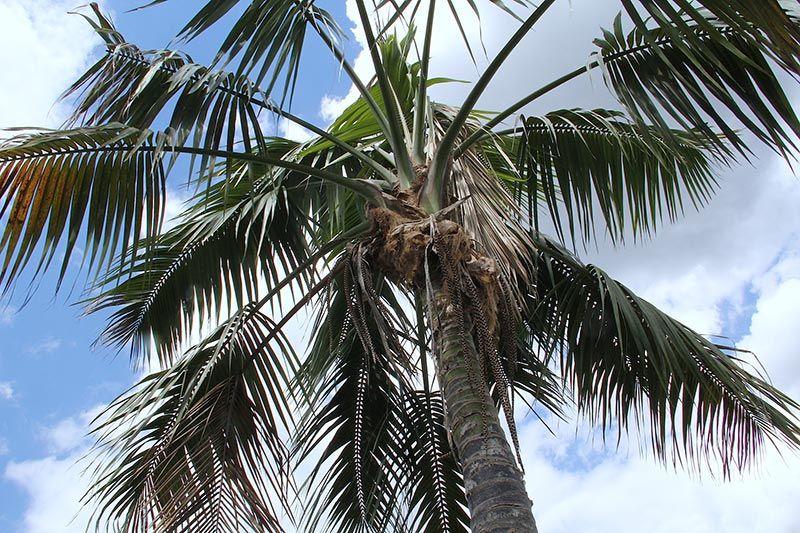
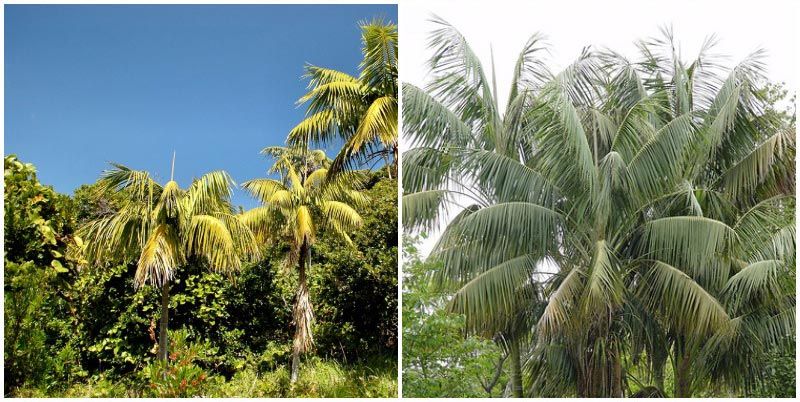
For a fuller, more beautiful plant, you can plant several shoots in a single pot. The most popular varieties, which easily adapt to indoor conditions, are Howea forsteriana and Howea belmoreiana. With proper care, they can grow up to 3 meters.
The palm tree's native land is Lord Howe Island, located in the Pacific Ocean. There, it grows in coastal areas and on cliffs.
Content
Description
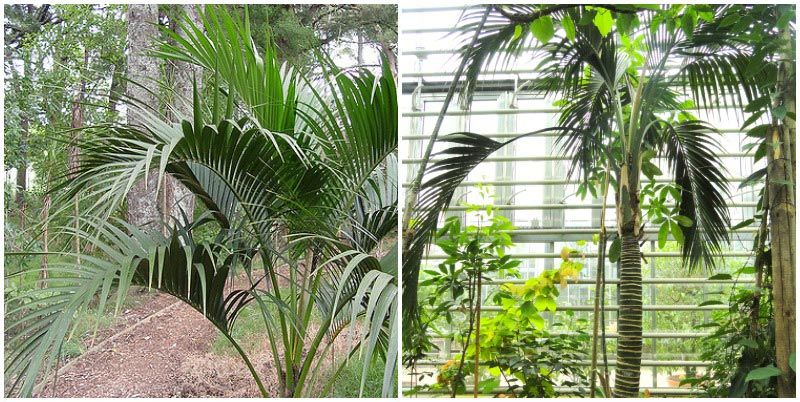
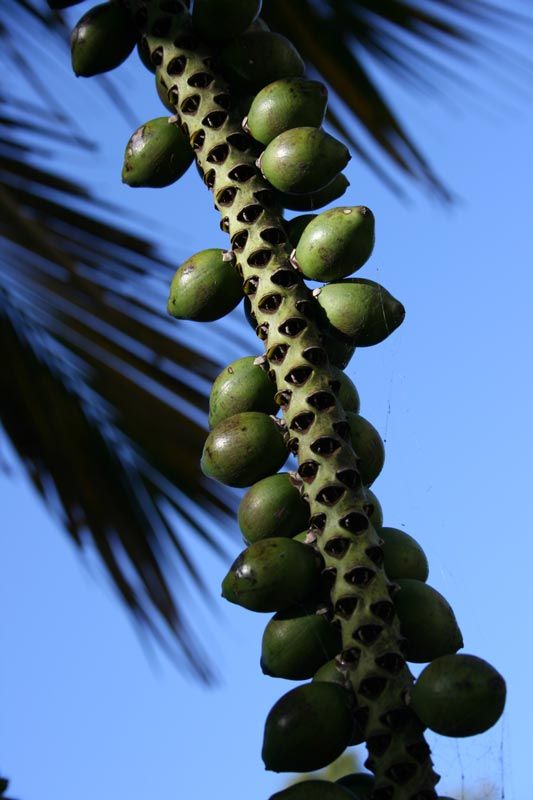
The plant's distinctive features are smooth petioles and bright green pinnate leaves. The crown is expansive yet translucent. The trunk is covered with rings of leaf scars. The lower axils fill with buds during flowering, but this only occurs in natural conditions.
The palm tree is undemanding to conditions and easily adapts to life in a home greenhouse.
Growing up to several meters, it attracts attention with its graceful appearance. Its growth is not even hampered by air quality—the plant won't be harmed by nearby heating devices or radiators.
Types
The most popular varieties among gardeners:
- Howea belmoreiana. Arched leaves up to 4 meters long with a clearly visible vein. The petiole is dense and up to 40 centimeters long. The trunk is more massive at the base.
- Howea forsteriana. The leaves are pinnate, up to 3 meters long. The small leaflets have noticeable black dots on the underside. The petiole reaches 1.5 meters. The trunk is straight, without widening toward the base.
Care
The plant is quite undemanding—home care is simple and accessible even to novice gardeners. For its harmonious development, proper placement, watering, fertilization, and lighting are essential.
Location
Howea thrives best in a bright, south-facing room. Air quality doesn't affect the palm—it will grow and thrive even near heat sources. This is due to its adaptability to hot, dry tropical conditions.
Lighting
Howea can be placed in direct sunlight. Some shade is acceptable. In summer, it's best to cover the plant with a net curtain. If the palm has been in the shade for a long time or is new, it should be gradually acclimated to sunlight to prevent sunburn.
Temperature
Throughout all seasons, a room temperature no higher than 18 degrees Celsius is desirable. In winter, the ideal temperature for the Belmore is 16°C, and for the Forster, 10°C. If the house is warmer, the plant should be misted regularly.
Humidity
Although tropical living conditions have adapted the palm tree to low humidity, regular showers will not harm it.
It is better to spray every day - morning and evening.
If the plant is located outdoors, the procedure can be carried out using a hose with a spray nozzle. It's important to remember to keep the soil protected from water.
Watering
In spring and summer, watering should be frequent and generous. In fall and winter, it's best to reduce the intensity.
It's important to keep the soil from becoming overly wet, as this can cause root rot. A sure sign of this problem is brown leaf tips. However, the soil shouldn't dry out either.
Top dressing
The plant thrives in palm-specific fertilizer mixes. If it's over 10 years old, consider using fertilizers enriched with magnesium and potassium. Fertilize throughout the seasons, once every 30 days. During hot periods, double the frequency.
Transfer
For replanting, you need a pot that is 5 centimeters larger than the previous one.
The most suitable time is spring, autumn and the first weeks before winter.
Stop watering 10 days before planting, but continue misting the palm. Allow the soil to dry. The plant should be moved to the new pot with the soil intact to avoid damaging the root system.
Repotting is done every three years. If the palm is growing in a container, you can simply replace the top layer of soil.
Trimming
Once a week, the leaves should be wiped with a sponge soaked in water. Dry and broken foliage should also be trimmed regularly. It's important to do this with extreme caution—the growing point is located at the top of the trunk, and improper pruning can cause damage to the palm tree.
Reproduction
In nature, propagation occurs through seeds, but since indoor conditions rarely allow the palm to bloom, division is a more common method among gardeners.
When replanting, take several shoots from the bush and plant them in the soil. If the care instructions are followed, the planted parts of the palm will soon develop a root system and begin to grow as independent plants.
Diseases, pests
The plant has no immunity to pests and often suffers from scale insects and spider mites. You can protect the palm from these by wiping the foliage with a solution of water and soap. If this doesn't help, you should use chemical treatments (Fitoverm, Aktara, Confidor, Actellic).
Howea is also susceptible to pink rot and root rot. To combat this, use a fungicide.
Top.tomathouse.com recommends: Howea – a source of optimism
It is believed that the Howea palm fosters an atmosphere of harmony and kindness in the home. It is recommended for those who often feel sad. The plant gives its owners a surge of strength and enthusiasm, and also promotes productivity and sociability.
Howea is a palm tree that, despite its beauty, requires little care. It thrives indoors and impresses with its majestic and graceful appearance.