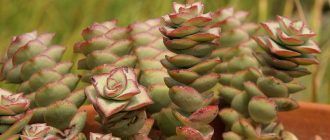
The ficus is an evergreen plant native to the tropics. This member of the Mulberry family is grown as a houseplant throughout the world. Its widespread popularity stems from its low maintenance and decorative qualities.
Content
- 1 Ficus: description of the genus
- 2 Classification of ficuses
- 3 The most popular ficus trees
- 3.1 Microcarpa
- 3.2 Benjamin
- 3.3 Rubber-bearing
- 3.4 Benedict
- 3.5 Bengal
- 3.6 Oakleaf (mountain)
- 3.7 Ginseg
- 3.8 Montana
- 3.9 Moklame
- 3.10 Karika
- 3.11 Melanie
- 3.12 Parcel
- 3.13 Ivy-leaved
- 3.14 Amstel
- 3.15 Pumila White
- 3.16 Variegated
- 3.17 Large-leaved
- 3.18 Retusa
- 3.19 Lirata
- 3.20 Rubiginosa
- 3.21 Sacred Fig (Religioso)
- 3.22 Triangular
- 3.23 Creeping
- 3.24 Dulled
- 3.25 Ampelous
- 3.26 Varietis
- 3.27 Reed
Ficus: description of the genus
Most species are epiphytes, forming aerial roots that descend into the soil to give rise to new plants. Leaf blade shapes vary widely: serrated, oval, heart-shaped, sword-shaped, or pointed. Ficus trees contain a distinctive white, milky sap used medicinally, though the secretions of some species can cause irritation when they come into contact with the skin. The inflorescences also vary, appearing in groups or growing separately, forming a dense sphere with an opening at the top. Small flowers appear within the sphere. Ficus trees rarely bloom indoors, as they require insects for pollination. The fruits resemble small nuts with pulp and numerous seeds.
Classification of ficuses
To date, breeders have developed a large number of different varieties with distinctive characteristics. They are usually divided into three groups, each with its own distinctive features, care requirements, and appearance:
- tree-like
- ampelous
- shrubby.
Arborescent
These are usually large, branched plants, reaching 2-5 meters in height. Their main characteristic is a woody stem that securely supports the shoots. Leaf shapes vary among species: some have small, ovoid blades or long, glossy ones covered in plant wax.
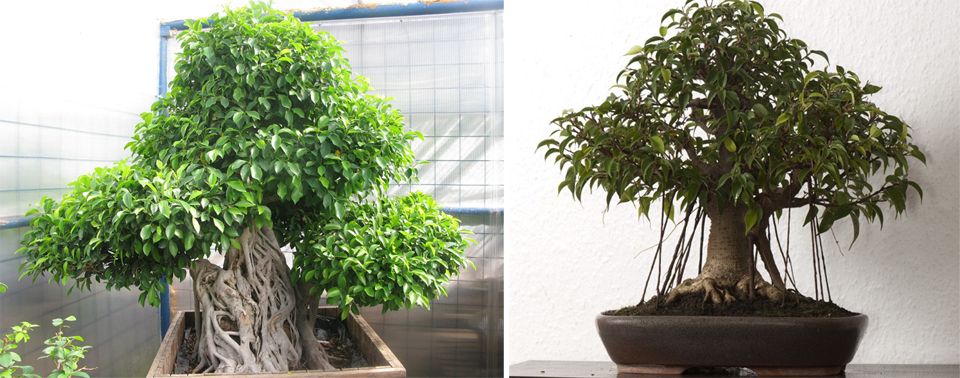
This type is actively grown by indoor flower lovers due to its unpretentiousness and rapid growth.
Ampelous
The most decorative type, including dwarf and compact varieties with long, drooping shoots. The leaves are rounded, dark green, and often grow oppositely. Specimens are shade-loving and can even be grown outdoors.
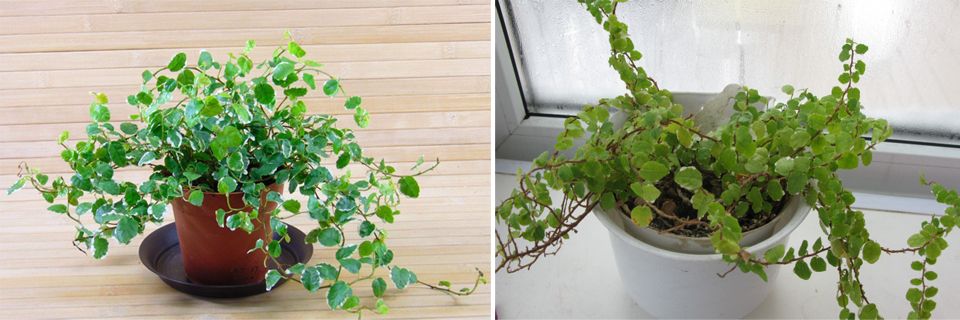
The stems are vine-like shoots that require no additional support. Propagation is by layering and budding. Cuttings of this type take root relatively quickly and form a new root system in a matter of days.
Shrubs
In the wild, some representatives of this type can reach 60-70 meters in height, but smaller, easier-to-care-for varieties have been bred for indoor cultivation. The stems are dense, often woody, and contain a white sap that can cause irritation if it comes into contact with mucous membranes.
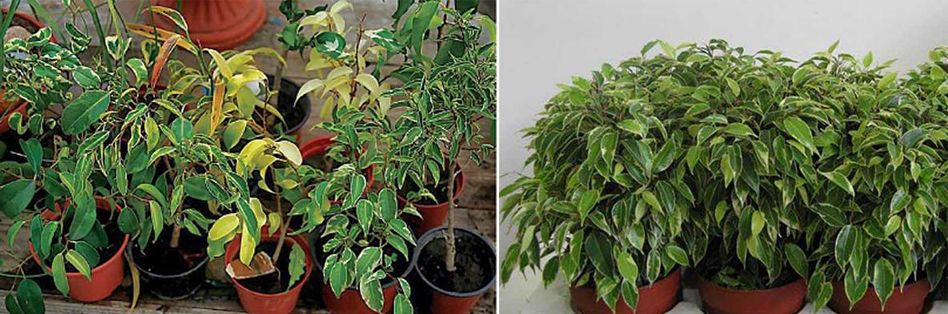
The leaves are oval with a pointed tip and a rich green color. It blooms rarely, producing small, round buds on the shoots that are of no ornamental value. Bushy specimens require bright, indirect light and regular watering.
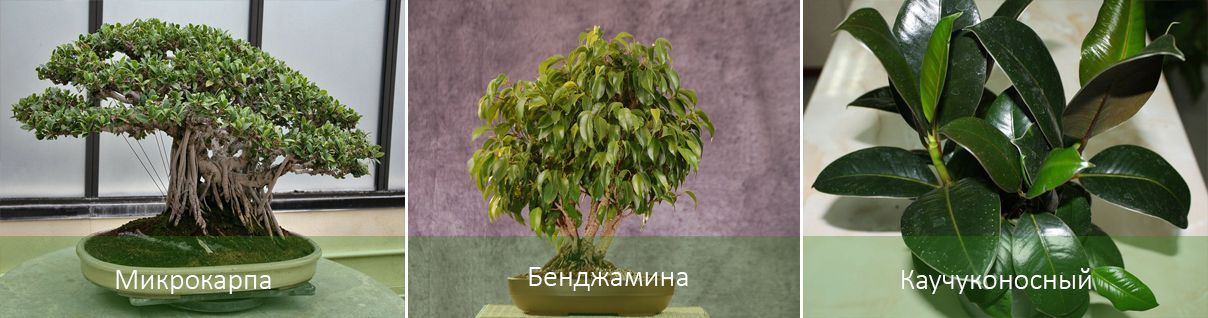
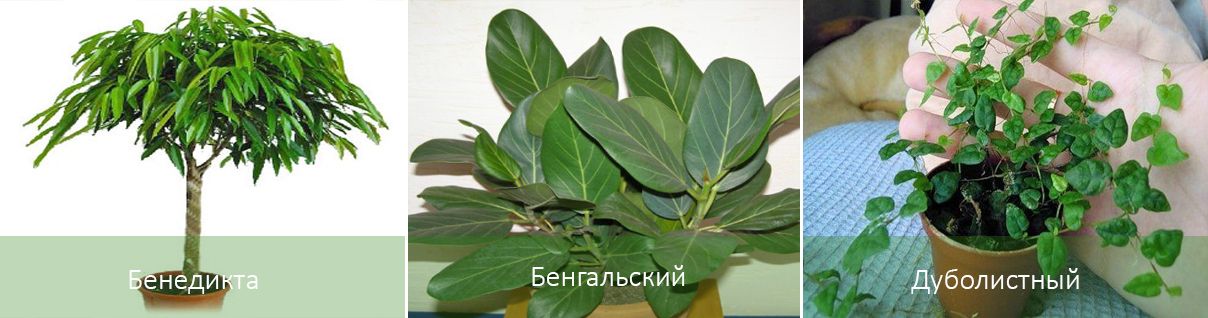
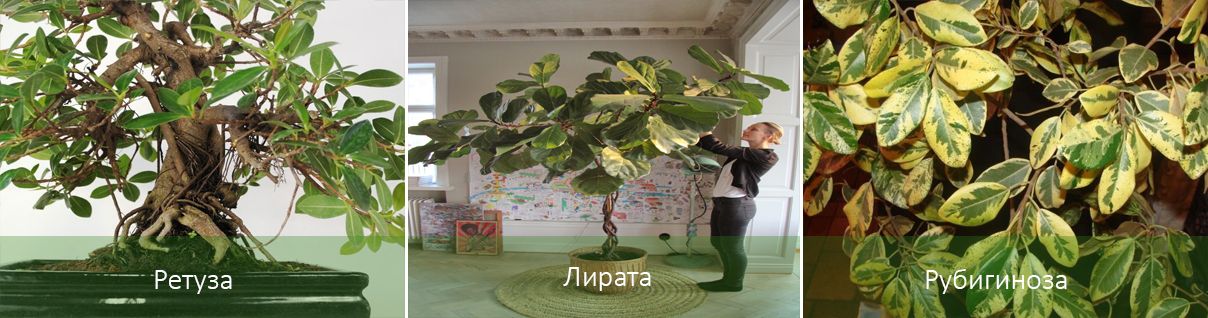
Photo gallery of the most popular ficus trees with names:
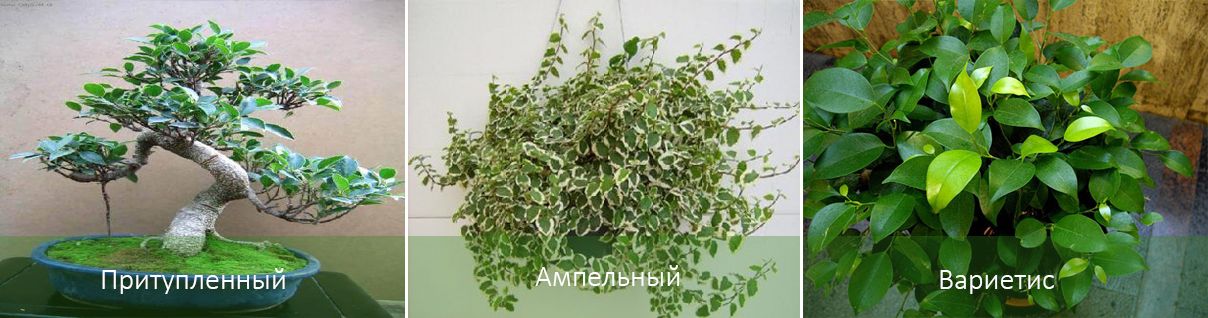
The most popular ficus trees
For home cultivation, breeders have developed special species and varieties that are very popular among gardeners due to their lush foliage, numerous shoots, and rapid growth.
Microcarpa
A branching ficus succulent with numerous branching, flexible shoots at the top that require regular pruning. The stem is thick and woody, growing up to 50 cm tall and about 10-15 cm in diameter.
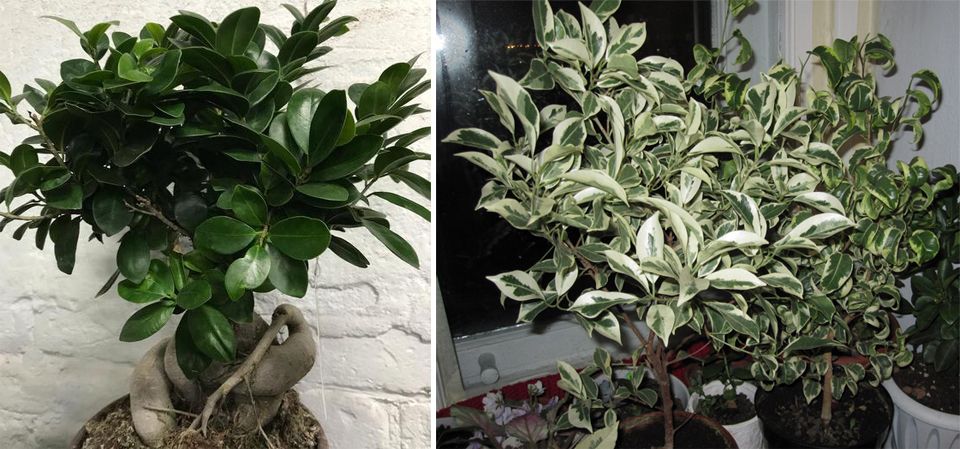
The leaves are small and greenish. It tolerates various tasks well, including transplanting and cuttings. It is undemanding and resistant to pests and infectious diseases. It does not bloom.
Read more here.
Benjamin
A popular species, including a variety of dwarf and tall cultivars. Leaf blade shapes vary: some are ovate, sword-shaped, or maple-shaped with rounded edges, while others are curly.
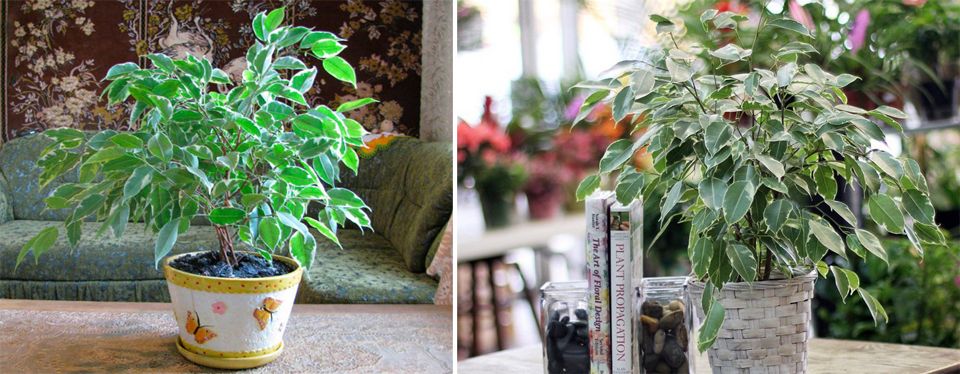
The stem is cylindrical and greenish-brown. The fruits are small, resembling slightly elongated nuts. The main care requirements are direct sunlight and maintaining a temperature between 18 and 23°C, along with regular, abundant watering and misting, especially during hot weather.
More about Ficus benjamina has been written Here.
Rubber-bearing
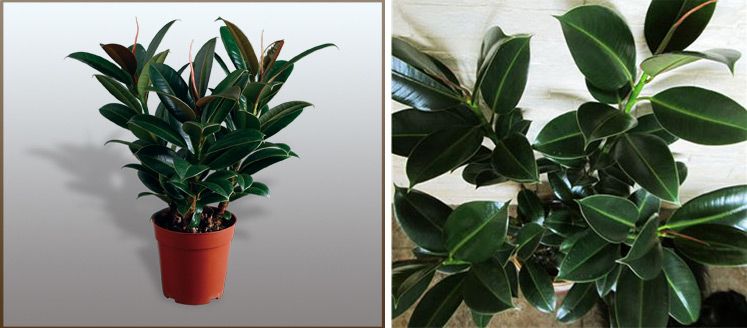
A large plant with large, glossy, elongated, dark green leaves covered in plant wax, this ficus grows abundantly and quickly, with a robust root system that takes up a lot of space, so it requires deep containers and regular repotting to ensure it doesn't become overcrowded.
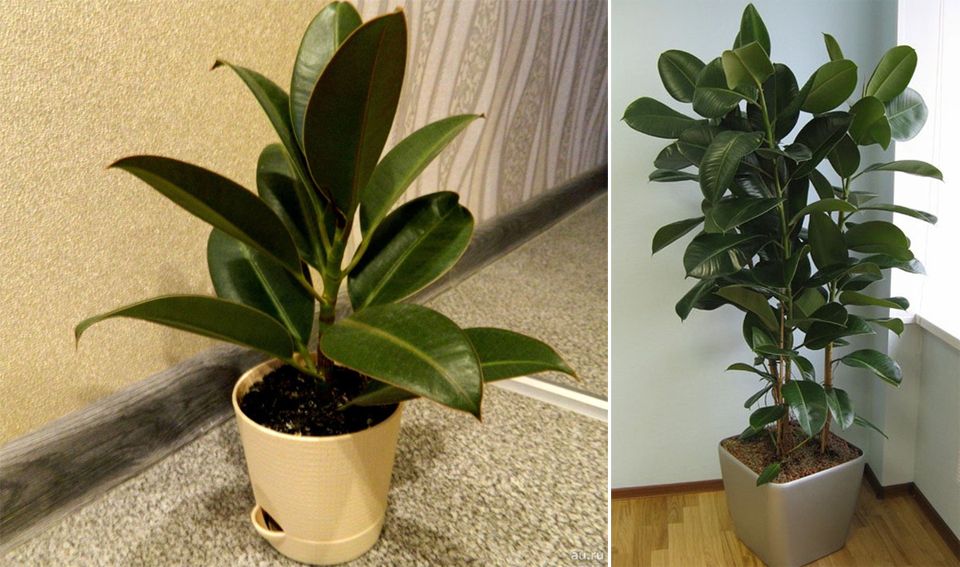
The leaf blades should be regularly sprayed and dusted with a damp sponge or cloth. The species gets its name from the consistency of the sap contained in the stems, which was used in ancient times to produce rubber.
Read more about caring for rubber plant Here.
Benedict
Indoors, it grows to 50-60 cm, but in the wild, it can reach over 20 m. The leaves have an unusual shape: elongated, with a pointed tip (acute-leaved), variegated or solid light green. The stem is straight and woody, branching abundantly at the top and producing numerous shoots used for propagation.
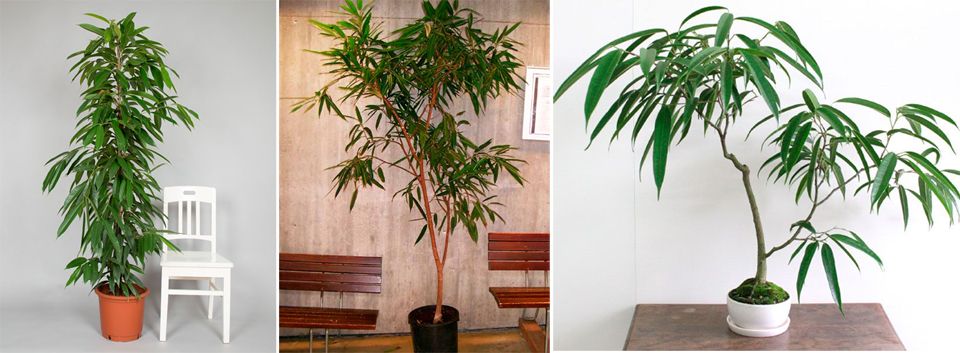
It requires room temperature and filtered light, is shade-tolerant, and can become diseased and die if exposed to frequent drafts. It tolerates pruning well and requires regular fertilizing.
Bengal
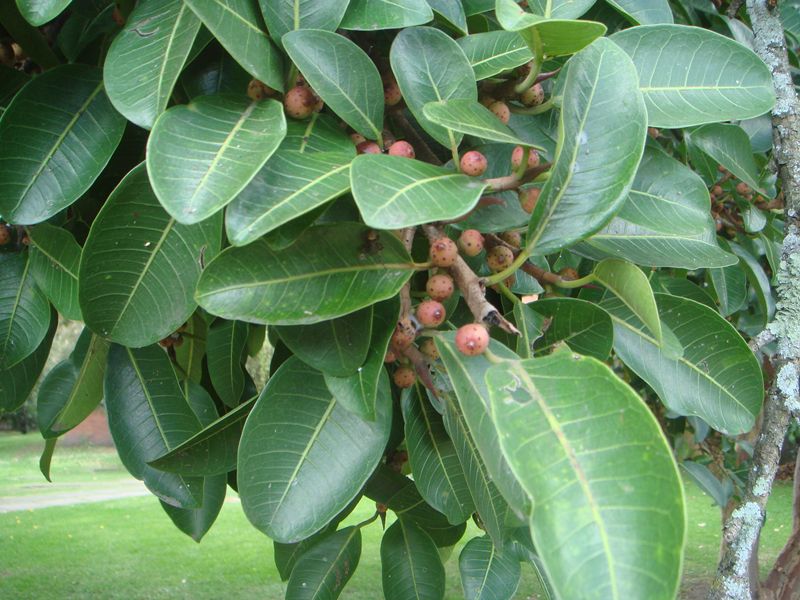
A distinctive feature is the numerous aerial shoots that descend from the plant's crown and root in the soil, making indoor cultivation significantly challenging. Ficus trees grow to a height of 3-5 meters indoors, with a diameter several times greater. The leaf blades are wide, pointed, and dark green with prominent whitish veins.
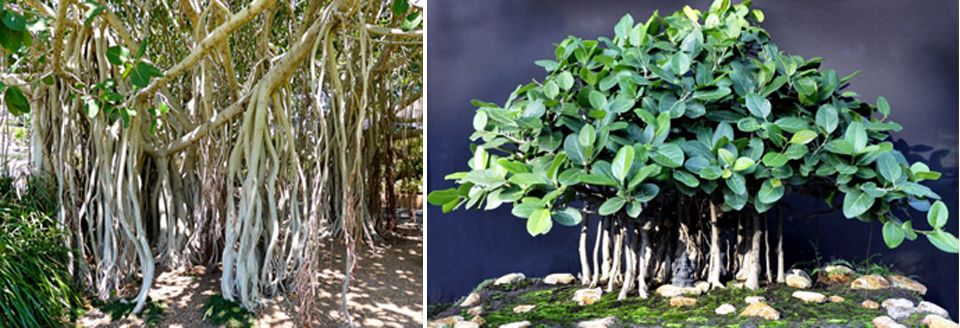
The trunk is woody and thick. The plant requires a large pot and regular pruning. These plants are easy to care for and thrive in both shaded and sunny locations.
Also read a long article about Bengal ficus.
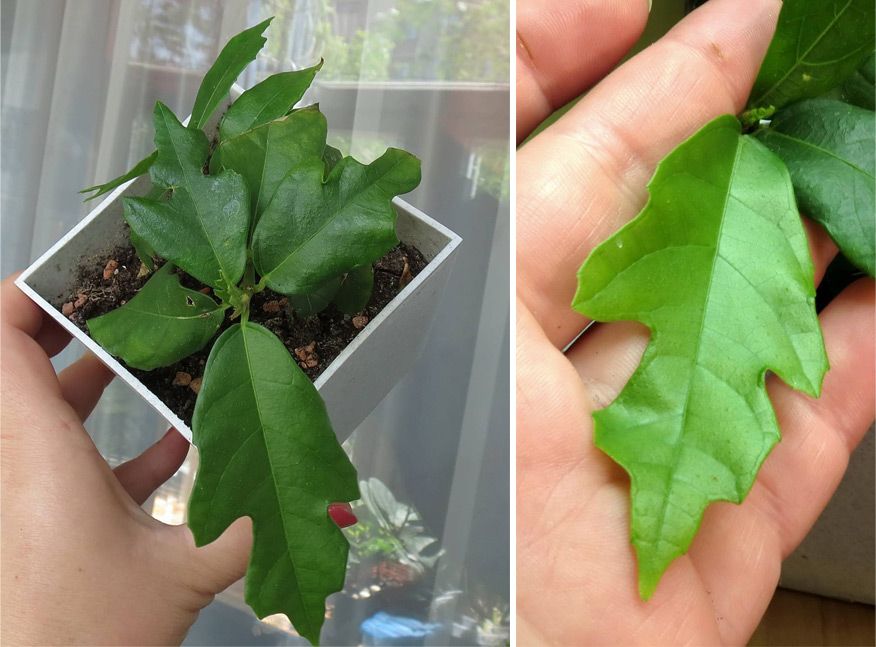
Oakleaf (mountain)
A climbing ficus with unusual leaves, rough and similar to oak.
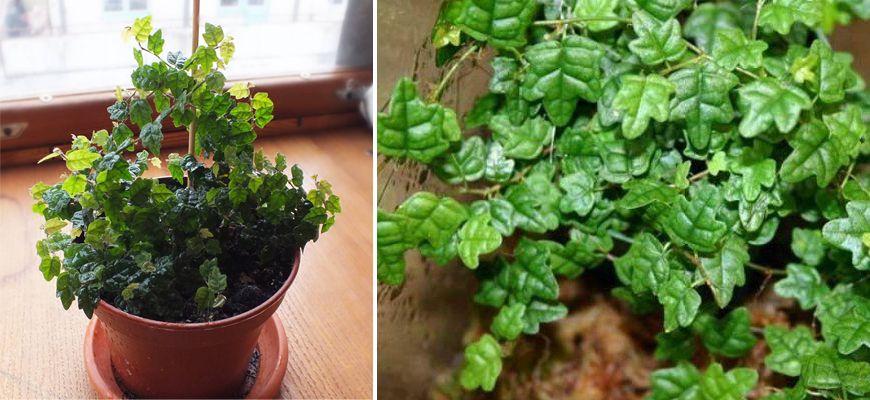
The shoots are branched, brown-green.
Ginseg
A unique plant with an unusual appearance: a thick, large trunk and a small crown with numerous small leaves (microphyllous). The root system consists of both above-ground and underground branches, the former of which is woody and has the same whitish color as the stem.
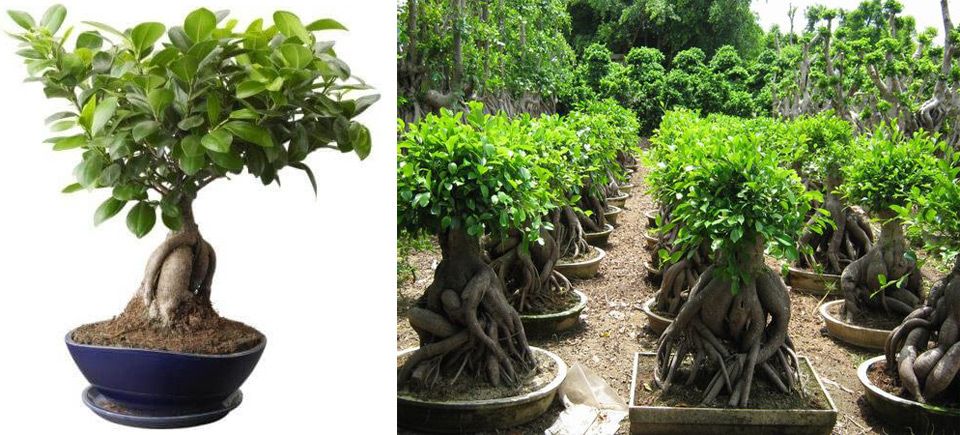
Ficus does not tolerate direct sunlight and may lose its leaves when relocated. However, it is easy to care for, tolerates low temperatures well, and thrives even in winter.
Montana
A shrub with creeping vine-like shoots bearing dark green, rough leaves with pointed tips, reaching about 8 cm in length. It bears small fruits that change color from yellowish to bright red as they ripen.
An excellent ornamental plant suitable for growing in any light conditions. It's used for interior landscaping, although in its native habitat it's considered a weed. It thrives in warmth and requires little care.
Moklame
Tall, with a rounded crown. A thick, elastic stem topped with large, dense, light-colored leaves. Choosing the right location is important, as the plant does not tolerate drafts, temperature fluctuations, or direct sunlight. Therefore, the pot should not be placed on a windowsill or near radiators.
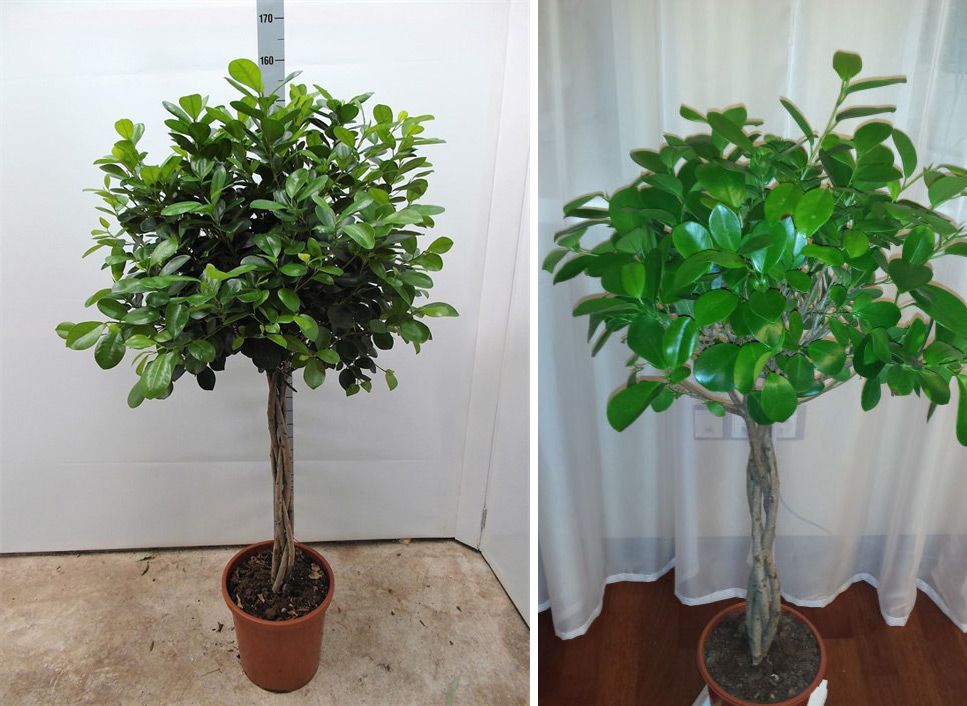
Dry, hot air negatively impacts the plant's health. Otherwise, the ficus is undemanding and fairly resistant to various diseases.
Karika
A prized specimen among gardeners, it produces delicious, sweet fruits—figs. When grown indoors, these plants can live for 15-17 years with proper care. The plant regularly sheds its leaves, which are replaced by new ones.
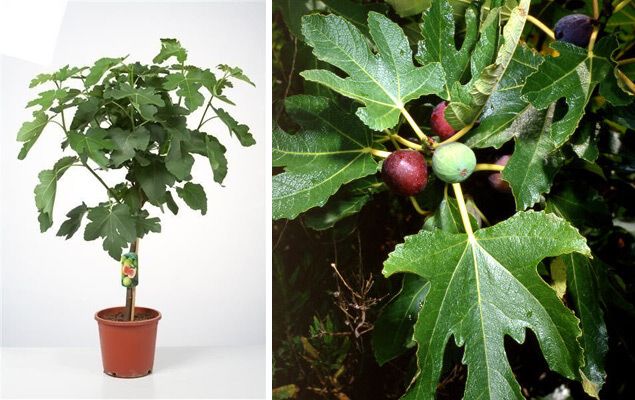
Ficus requires regular repotting and pruning to maintain vitality and vigorous growth. The stem is brown, woody, and has numerous branches. The leaves are large, greenish, with prominent whitish veins.
Melanie
Development occurs in an unusual manner: initially, aerial roots form on the bare stem and descend into the soil, creating banyan trees (life forms with a separate trunk). The leaf blades are glossy, waxy, dark green, and pointed at the tip.
The fruits are poisonous, and the plant's sap irritates the skin and mucous membranes. It does not tolerate hot air or sudden temperature changes well. In its native Indonesia, this species is considered a sacred plant.
Parcel
It has drooping branches and unusually variegated oval leaves. This ornamental variety, used for indoor decoration, is quite low-maintenance and can be grown in partial shade.
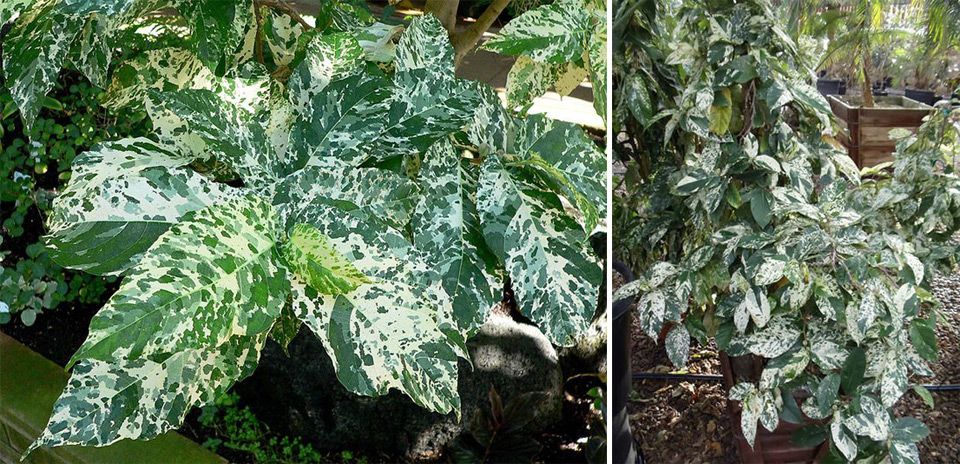
It grows and develops rapidly, forming numerous branches. It can also be grown outdoors in summer, requires no additional fertilizer, and is resistant to insect pests and fungal infections.
Ivy-leaved
The vine-like branches reach large sizes, requiring ample space for vigorous growth and vegetation. It can be grown in a variety of locations, both indoors and in greenhouses or hothouses.
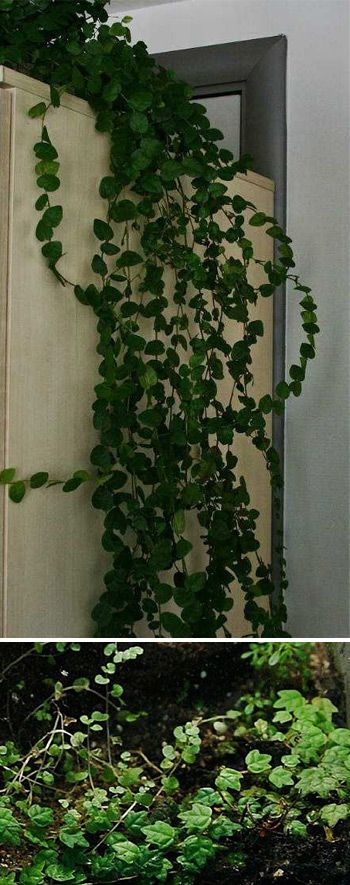
It's undemanding regarding soil composition and lighting, but doesn't tolerate sudden temperature changes well. The leaves are dark green, elliptical with a pointed tip, and uniform in color. It requires no additional support and is used for vertical gardening.
Amstel
An unusual ficus with a unique, intertwined, woody stem. At the top is a large crown with numerous elongated, medium-sized, green-beige, slightly drooping leaves.
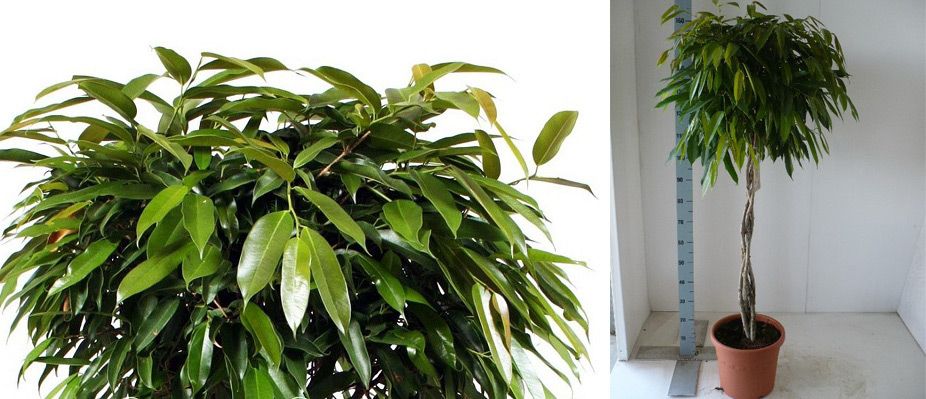
It can grow even in direct sunlight, so in summer it is not recommended to provide additional shade unless absolutely necessary. Watering should be regular, but not too frequent, as stagnant water in the soil can lead to death.
Pumila White
A vine with long, numerous branches. The leaves are medium-sized, oval, and pointed at the tip, with variegated colors. The shoots can reach a width of about 5 cm and tolerate pruning and transplanting well.
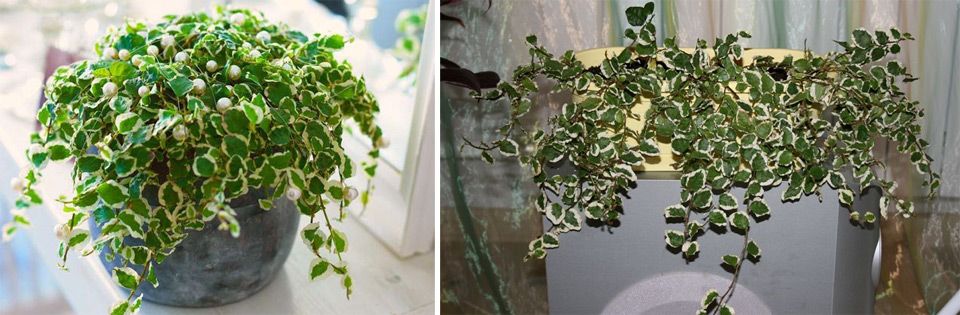
It has numerous aerial roots used for propagation. It grows and develops vigorously under any conditions. It requires no special care, other than regular watering and humid air. Fertilizing with mineral fertilizers is recommended.
Variegated
It reaches a height of about 1-1.5 meters and, with proper care, forms numerous branches. The stem is woody, thin, and gray-brown. The ficus's main characteristic is its unusual leaves: they can grow in a wide variety of shapes, for example, on a single plant there are round, heart-shaped, oval, and sword-shaped leaves.
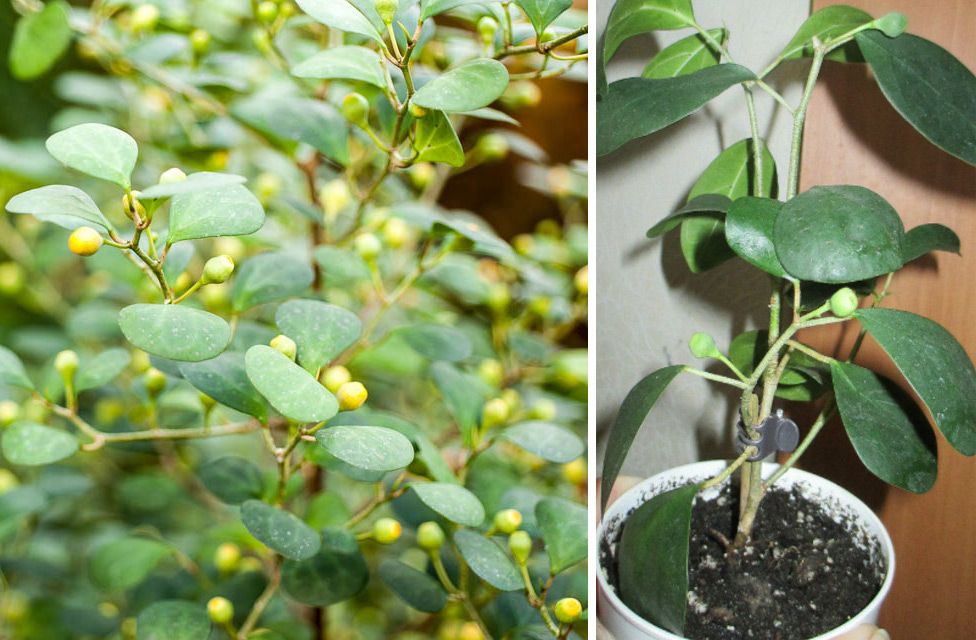
Their color is dark green with a slight brown tint. The fruits are small, elliptical, and similar to olives, but are not edible because they contain toxic juice.
Large-leaved
In the wild, it can reach 60 m or more, but indoors it grows to 3-5 m. The stem is cylindrical, dense, woody, and heavily branched. Its numerous shoots should be pruned regularly to promote fuller growth and vigorous growth.
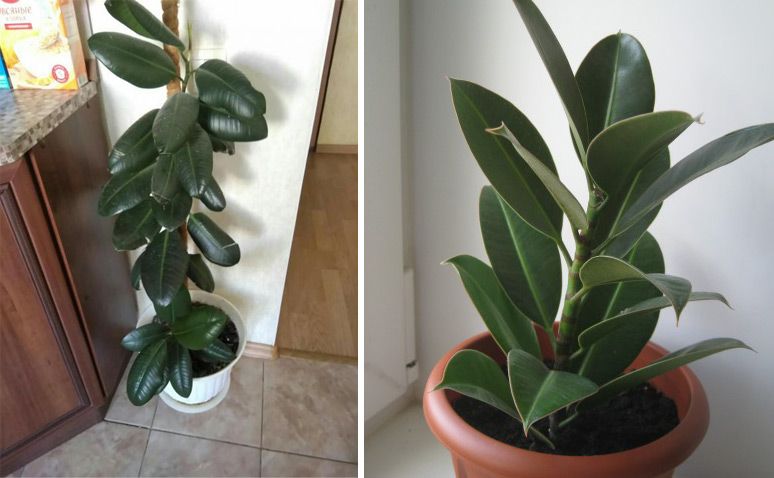
The leaves are broad, glossy, and large—hence the name "large-leaved"—covered with a thick layer of plant wax, making them resistant to insect pests and fungal infections. This species is considered one of the oldest on Earth.
Retusa
A compact tree with a well-developed root system. Also known as the Bay Laurel, the tree has medium-sized leaves with a distinctive scent. The trunk has numerous small channels, resembling red markings, that allow air exchange with the surrounding environment.
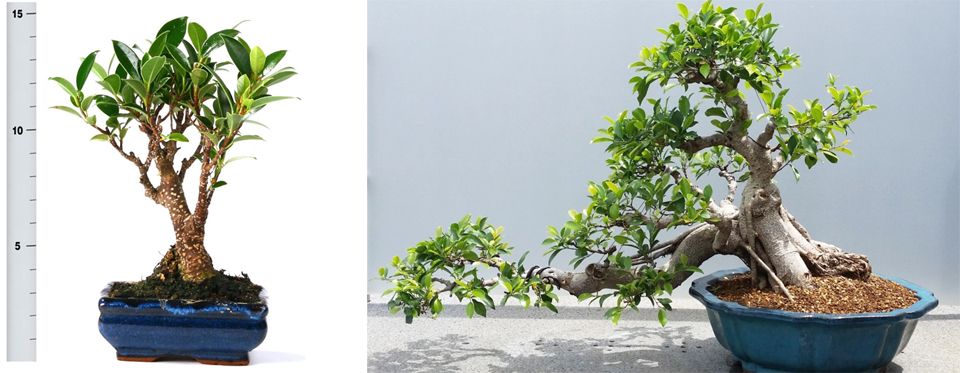
The branches are flexible and tolerate pruning well. Dry and hot air can negatively affect the plant, so keep the ficus away from radiators and heaters. Regular misting is essential.
Lirata
This African plant has become a popular office plant due to its low maintenance. It can reach enormous sizes and therefore requires regular pruning to avoid losing its decorative appeal.
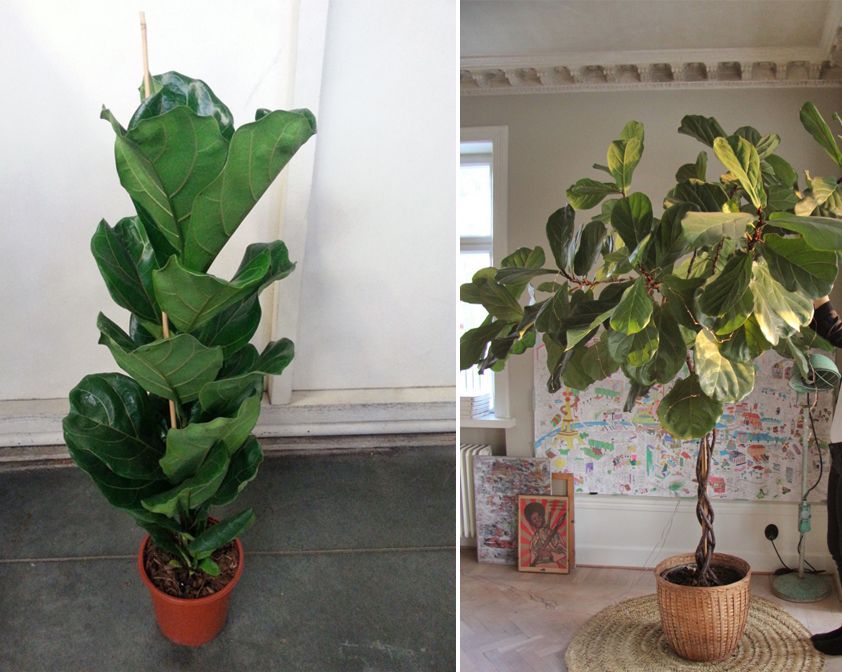
The trunk is thick, the leaves are large, wide, tapering, and rough. It does not tolerate direct sunlight or stagnant soil. It is resistant to pests and infectious diseases. It thrives in partial shade.
Rubiginosa
A medium-sized plant with an unusual leaf coloration: at the base, it has a dark orange hue reminiscent of rust, hence the plant's other name, "Rusty-Leaf." It grows through numerous aerial roots and layering. Young shoots are reddish. It is well suited for propagation.
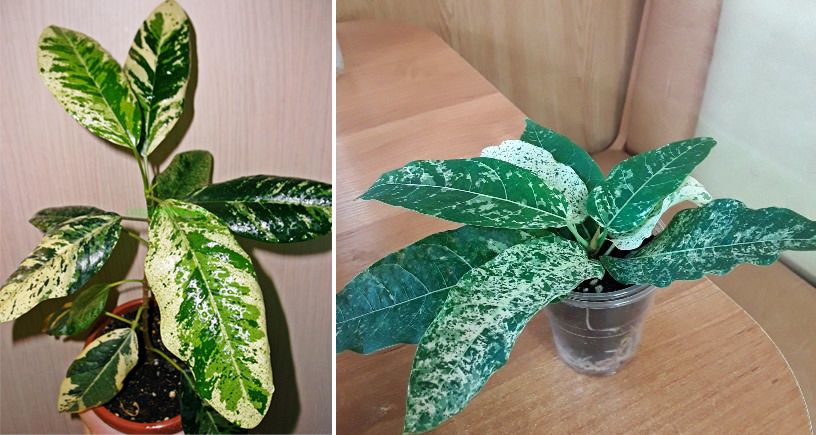
It's easy to care for, but doesn't thrive in rooms with high temperatures and low humidity. Regular mineral fertilizing is necessary.
Sacred Fig (Religioso)
The stem is flexible, dense, and woody at the base. The leaves are heart-shaped with a pointed tip. It has a unique property: when atmospheric pressure changes, the flower begins to "weep."
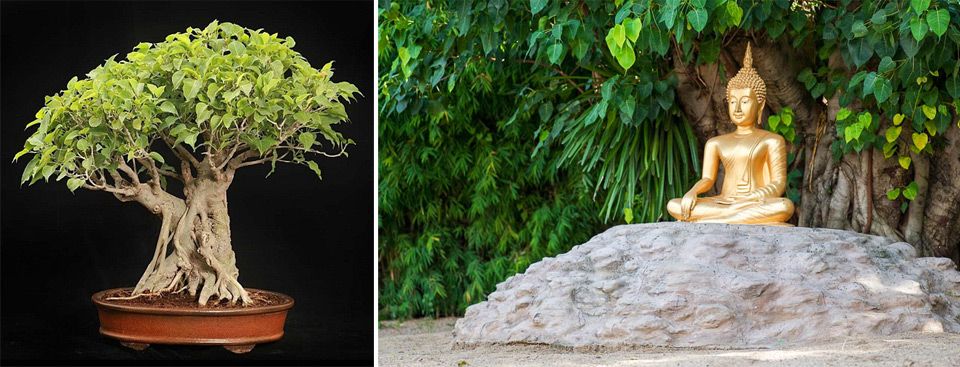
Sap appears at the ends of the leaf blades, dripping into the soil. It requires good, diffused light and high humidity. This ficus is considered sacred by Buddhists.
Also read the article about sacred fig.
Triangular
It gets its name from the unique triangular shape of its dark green leaves. This compact shrub is used for landscaping apartments and offices.
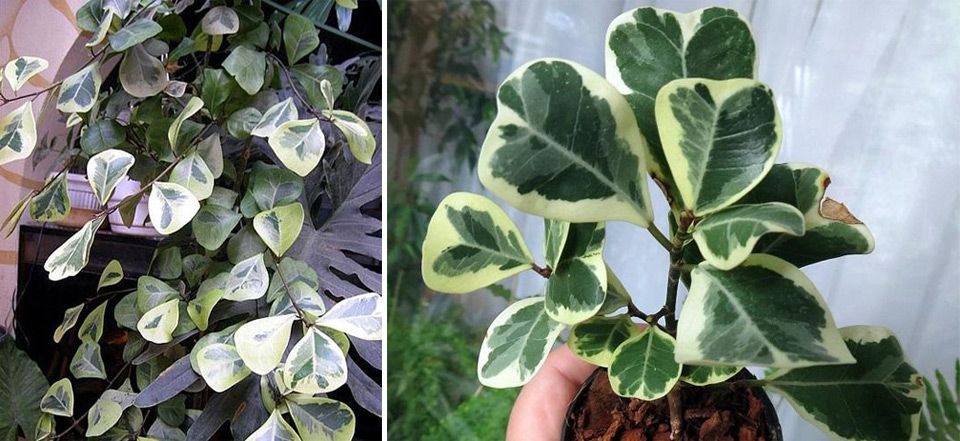
It thrives in both partial shade and well-lit areas. It does not tolerate drafts or sudden temperature drops. It rarely blooms indoors. The trunk is slightly curved and grayish.
Creeping
A vine with long branches bearing numerous small, variegated leaves. It can grow to a large size, so support is essential. The shoots are quite flexible and tolerate pruning well.
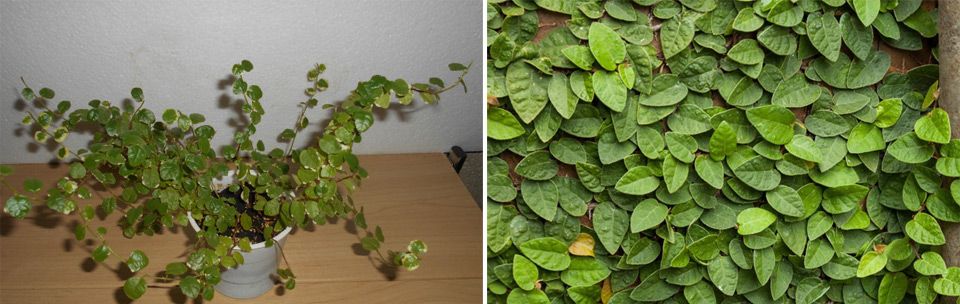
It's hardy, can grow in low temperatures, and tolerates heat and dry air well, but watering and misting should be done regularly. It's recommended to fertilize with organic matter every spring, but not too often, otherwise the plant will begin to lose its leaves.
Dulled
A large tree-like plant, its main features are its thick, short stem and lush crown. Its leaves are elongated, light green, and pointed at the tips. It has a strong underground and aerial root system.
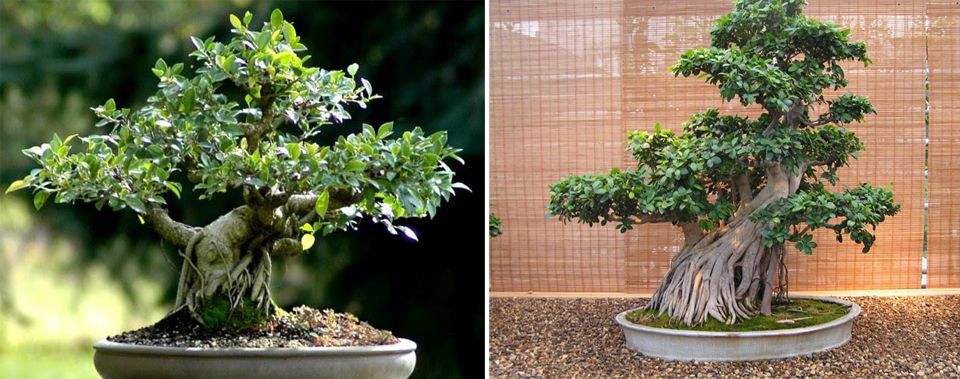
It requires direct, bright light; in winter, additional sources such as phytolamps are necessary. It does not tolerate drafts well; the temperature should always remain at room temperature. This ornamental plant is used for decorating apartments and greenhouses.
Ampelous
A compact plant with creeping stems. The leaves are small, and some specimens have variegated and solid colors. To thrive, this ficus requires a special soil mixture whose composition is as close to natural as possible. Furthermore, the plant requires specific temperature and humidity conditions, which significantly complicates growing this species indoors.
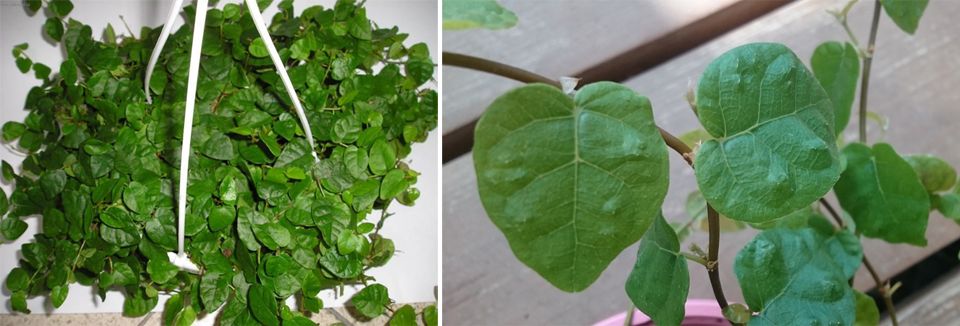
The plant is quite fragile and, if improperly watered, can become infected with root rot. However, with careful care, trailing ficus can be grown without any problems in greenhouses and hothouses.
Varietis
Medium-sized with standard leaves and a woody stem. Requires indirect light and high humidity.
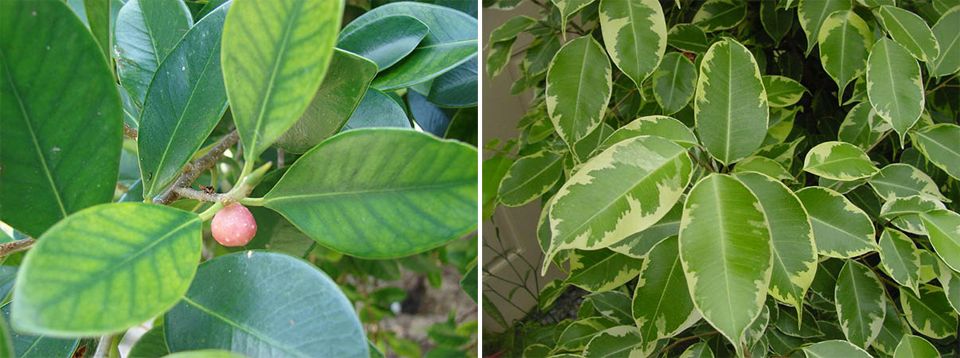
The soil should always be kept moist, but over-watering can harm the plant. It does not tolerate changes in location or repotting.
Reed
In the wild, this tree has small leaves. Indoors, it is grown on a support. It is moderately sun-loving. It thrives in warm temperatures, with temperatures ranging from 17 to 22°C.
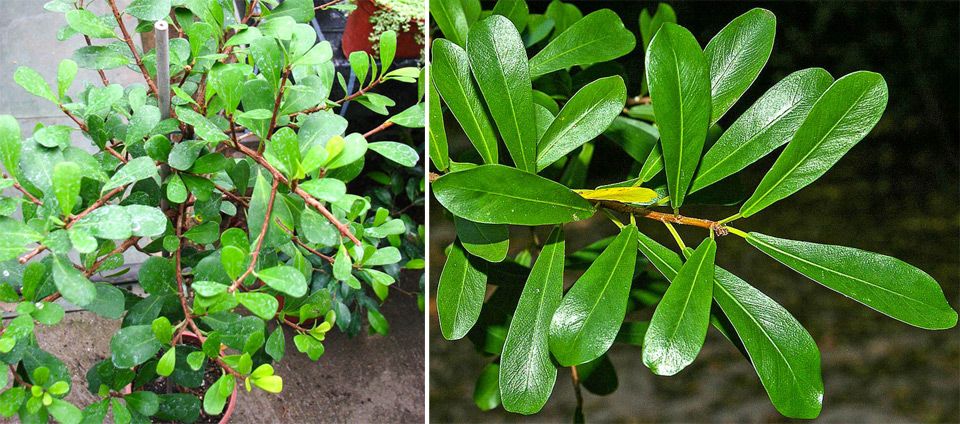
It prefers moderate watering and misting with cooled boiling water. From late winter through summer, prune when shoots are growing rapidly.