Ginger is a perennial herbaceous plant of the Zingiberaceae family native to Southeast Asia. It is also known as horned root. It is now grown in the tropics of Indonesia, Taiwan, Malaysia, and India. Its root system is horizontal, dark yellow or white, and has numerous offshoots. It consists of a chain of fleshy, fused tubers of varying shapes.
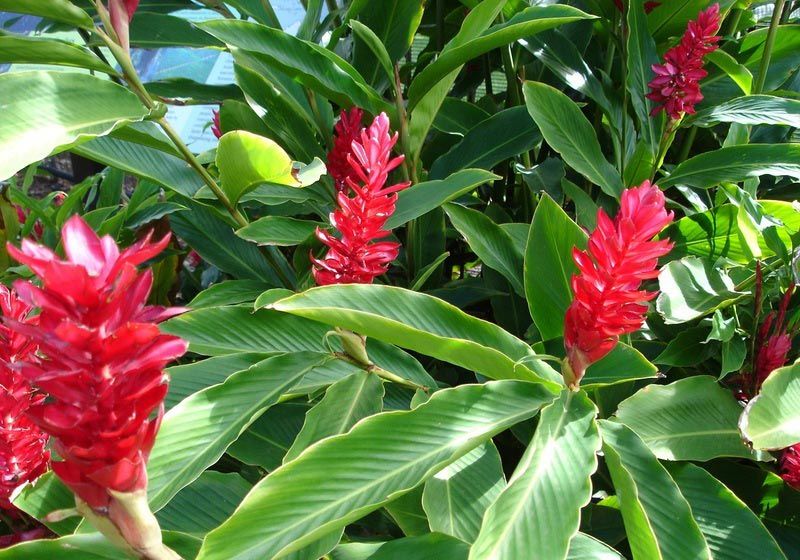
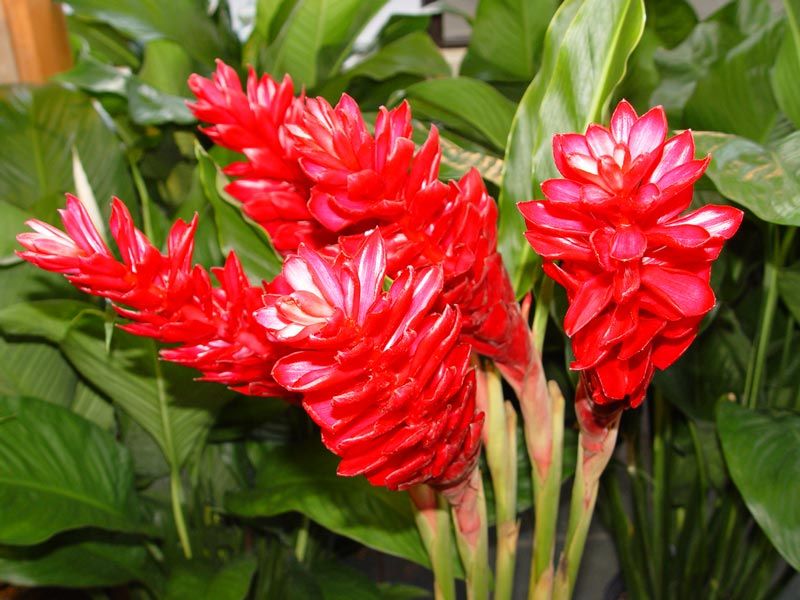
The leaves are lanceolate, up to 20 cm long, and the inflorescence is tall and spike-shaped, with elongated flowers in shades of red-pink, purple, and milky white. The plant grows up to 1.5 m and exudes a lemony aroma. The rhizomes possess medicinal properties thanks to their essential oil and beneficial micro- and macroelements and vitamins. A special resin, gingerol, gives the plant its pungent flavor. It is widely used in cooking and medicine, and grows in tropical climates with high temperatures and humidity. Ginger growers can also grow it indoors as an annual plant.
Selecting and preparing ginger planting material, pots, and soil
For planting, select a rhizome with a smooth skin and numerous buds. It should be fresh, free of pest activity, and have a firm, dense surface. Purchase it from a store or supermarket. Then soak it in soft, warm water for several hours. For disinfection, use a pink solution of potassium permanganate. Another option is a glass of water with a teaspoon of baking soda. If desired, cut the root into pieces and treat the cut ends of each piece with activated charcoal.
Experts recommend planting the whole root.
For potted plants, use the same soil as for vegetables. Combine sand, leaf mold, and turf in equal parts, adding root vegetable fertilizer. Alternatively, use a 1:3 ratio of clay and peat. Choose a wide container because the root system grows lengthwise. Place a 2 cm thick layer of expanded clay on the bottom for drainage.
Tips for planting ginger
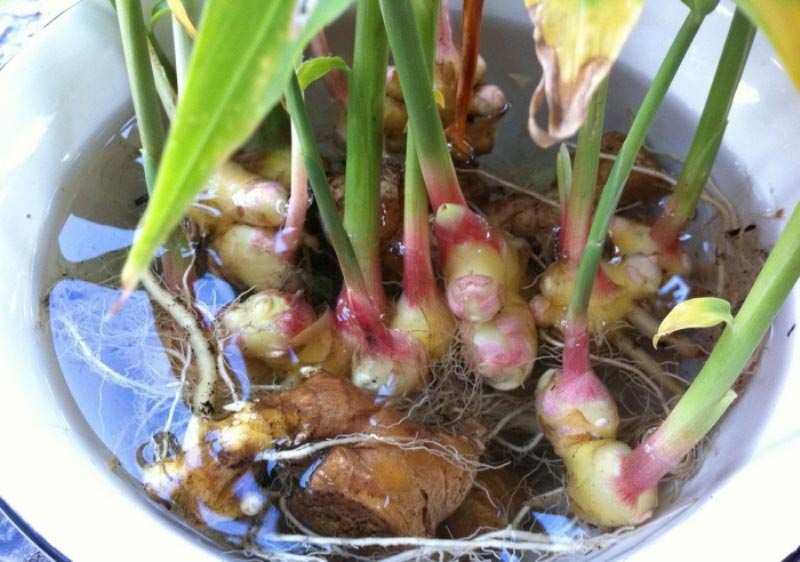
Planting in early spring or late March yields a harvest. Add drainage to a prepared pot, then add soil disinfected with Fitosporin. Place the root tuber horizontally with the growth buds facing up, not in the middle, but on the side. Plant the root tuber 3 cm deep, cover with a little soil, and water. Cover with plastic wrap or a plastic bottle. Then lightly moisten the soil. Sprouts will appear in 2-3 weeks. Place the container in a room with a temperature of 20°C.
Required conditions for breeding
To get a harvest, you need to follow the rules for caring for the plant.
| Parameters | Spring/summer | Winter/autumn |
| Temperature | +20…23 °C. | +18…20 °C, during the dormant period +15 °C. |
| Lighting | Diffused sunlight, not direct sunlight, on east- or west-facing windows. In hot weather, place the plant on a loggia, balcony, or in the garden, avoiding drafts. | Daylight hours are 12-16 hours, with additional lighting from lamps, except during rest periods, when lighting is not required. |
| Humidity | Spray regularly, create humidity of 60%. | If the air is dry, moisten, then, when the leaves turn yellow, stop spraying, and then a dormant period begins. |
| Watering | Regularly water with soft water, avoiding overwatering (to avoid rotting) and avoiding overdrying during growth. Drain the water from the tray. | Until the end of autumn, until the dormant state sets in, then the root is cut back or dug up. |
| Top dressing | Apply organic and mineral fertilizers containing nitrogen, potassium, and phosphorus, alternating every three weeks. Loosen the soil. | After the dormant period, no further treatment is required. |
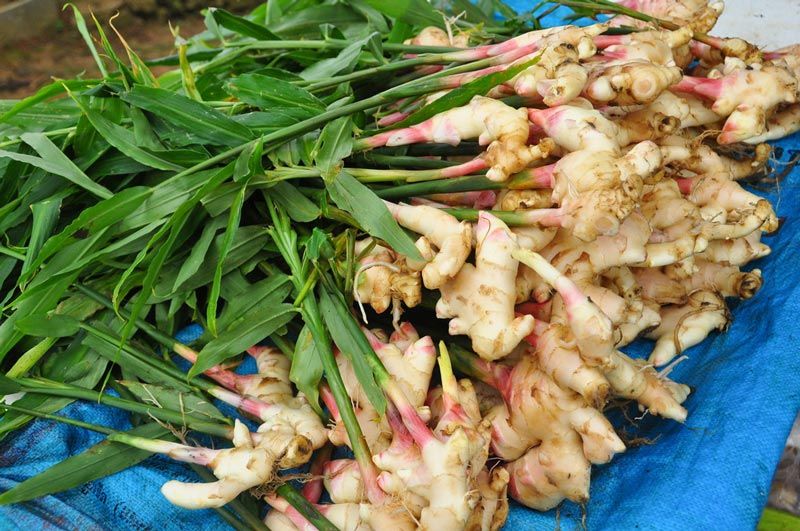
Seeds cannot be obtained indoors, so ginger is propagated vegetatively by dividing the rhizomes. Several sections are separated, sprinkled with wood ash, dried, and stored until planting. Ideal growing conditions for the plant are a greenhouse or hotbed, but it can also be grown in a garden plot.
Ginger rarely gets sick; watch out for spider mites. It's treated with soapy water and alcohol. Chemical treatments are not recommended if the root is to be eaten.
Stimulation of flowering
To admire ginger's unusual spike-shaped inflorescence, you'll have to wait at least two years. During this time, the root's flavor deteriorates. To achieve flowering, the growing and care conditions are slightly different. Plant in a tight container. In the fall, don't dig up the roots, and reduce watering until early spring. Prune the stems. Then replant and feed with potassium fertilizer to encourage bud formation. Change the soil annually thereafter.
Harvesting
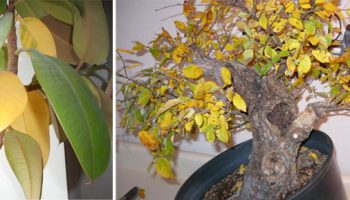
In the fall, around October or November (sometimes earlier), the tips of the ginger leaves turn yellow and dry out. This means the plant is ripe; stop watering a week before digging. The root is dug up and cleaned. The yield is 1.5 times larger than the original. It is then dried in the sun for 2-3 days. Store at 2-4°C in a basement or cellar. If desired, the ginger can be sliced thinly and dried.