
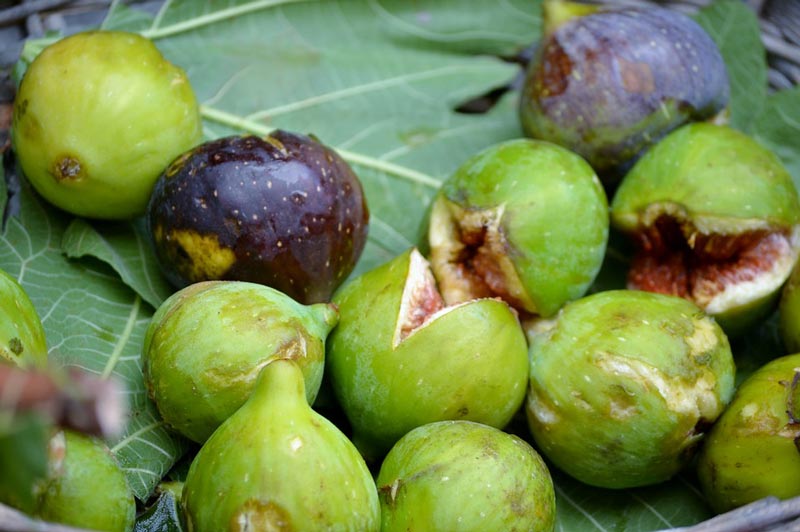
Healthy and delicious, figs grow naturally in subtropical climates near the Mediterranean. They don't require any special care, making them popular and successful home-grown. The tree bears fruit twice a year.
Content
Indoor varieties
Figs come from the Ficus genus. They have been grown indoors since the 18th century. Scientists have developed small, self-pollinating varieties for indoor growing.
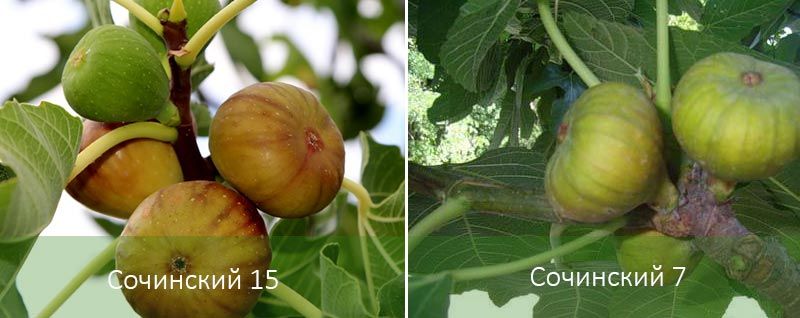
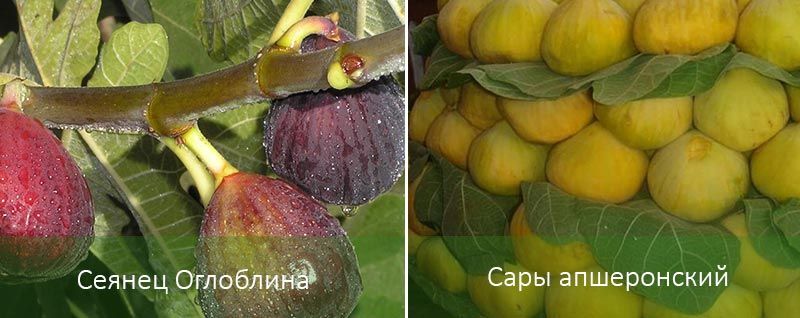
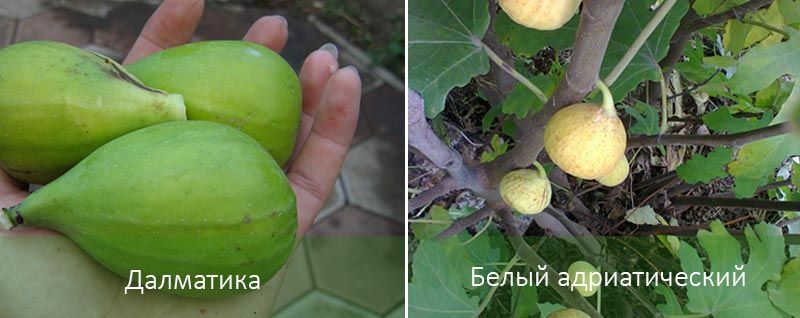
The table shows the main types.
| Variety | Description of fruits |
| Sochi 7, Sochi 8 | These are selective varieties developed by scientist Yu.S. Chernenko based on the white Adriatic variety. They are medium-sized, weighing 65-70 grams, with yellow-green skin and juicy red flesh. They ripen in late summer. |
| Sochi 15 | Lemon color, pink inside, 75 g. Fruiting in autumn, from September to November. |
| Dalmatic | Large, 130g. Green on the outside, scarlet on the inside. Harvest in July and October. |
| White Adriatic | Yellow-green tint, 60g, sweet. In June and August. |
| Ogloblin seedling | A selective variety developed by N. A. Ogloblin. Fruit sets in the fall before the dormant period. They overwinter as small green berries. By summer, they gain size and ripen during the growing season. |
| Sary Apsheronsky | Small, 40g. Creamy color, salmon-colored flesh, sugary. Double abundant harvest in late summer and early fall. |
How to grow figs
Figs are grown in three ways: by seed, cuttings, and root propagation. For planting, use a general-purpose soil mixed with sand, peat, and leaf mold. Ash, lime, and eggshells are added as fertilizer.
Seeds
The seed for planting is obtained from a ripe fruit.
To do this, remove them from the core, rinse them under running water, and let them dry. Meanwhile, prepare the planting container. Line the bottom with drainage material. Fill it with a soil mixture (manure, turf, and sand (peat) in a 2:2:1 ratio).
Use ash as a fertilizer (1 tablespoon per 1 liter of substrate). Water generously and place the seeds on paper or a napkin. Cover with soil. Create a greenhouse with an air temperature of 23 to 25 ºC. Ventilate the soil daily and monitor the humidity. Moisten the soil by spraying. Maintain a moisture level of 2 mm in the tray.
The first shoots appear in 2-3 weeks. The seedlings are thinned out. After the first leaves appear, they are transplanted into individual pots.
The tree begins to bear fruit 5 years after planting.
cuttings
The procedure is recommended to be performed in April. To obtain the cutting, select a semi-woody shoot. Cuts are made at an angle from below, just below a bud, and straight from above. Three buds are left on the seedling. The leaves are trimmed back by 1/3 to promote rapid root growth. The resulting cutting is placed in pre-prepared soil (cleaned, moistened sand), creating a greenhouse effect.
After 3 weeks, roots will appear. The tree is ready for planting in a separate container.
Root shoots
The shoot is pressed into the soil and covered with soil. Roots emerge within three weeks. The plant is separated and replanted. When propagated by cuttings and shoots, the first fruits appear in the third year after planting.
Caring for figs at home
To create optimal conditions, two main factors are taken into account: humidity and light. Figs undergo two stages of development: the flower lies dormant in winter, and then begins to bloom and bear fruit in summer.
Location and watering at different stages of life
The dormant period lasts from October to March. During this time, the plant requires infrequent watering, once every two weeks to maintain soil moisture. Air temperatures do not rise above 10 to 12 ºC.
From late February, figs begin to grow vigorously, with a resting period followed by flowering. Watering frequency increases. Warm showers are occasionally given if the tree's size allows. Otherwise, misting is given. In warm weather, the figs are placed outdoors.
The optimal air temperature is +22…+25 ºC.
Top dressing
Fertilizers should be rich in organic matter and minerals. Apply twice a month during the flowering period. Alternate cow manure with herbal infusions (chickweed, dandelion, nettle). Once a season, apply iron sulfate (ferrous sulfate) to prevent pests and diseases.
Figs also require potassium and phosphorus. Fertilizers with micronutrients are available at stores. Fertilizing is done once during the growing season.
Trimming
Figs are fast-growing plants and require care to maintain their appearance. To maintain their size and form a green, lush bush, branches are pruned. Old, bare shoots are removed completely to encourage new growth.
The more fresh young shoots there are on the tree, the more fruits the fig tree will produce.
The procedure is carried out at the end of winter before the start of the active period.
Diseases, pests
Figs are not susceptible to insect attacks, and if simple care rules are followed, they will not cause much trouble for the gardener.
To maintain comfortable conditions for the root system, the soil is regularly loosened. Forming the crown helps strengthen the base of the tree, prevent pests, and promote green growth: pruning branches, pinching leaves, and watering generously.
Top.tomathouse.com recommends: the beneficial properties of figs
The fig tree is a treasure trove of beneficial elements, vitamins, and minerals. It is especially recommended for people with heart and vascular diseases.
Figs contain:
- vitamins (A, B, C, PP);
- fiber;
- pectin;
- macro-, microelements (potassium, magnesium, iron, phosphorus);
- mono-, disaccharides (glucose, fructose).
Potassium and magnesium strengthen the heart and reduce the risk of cardiovascular disease.
Thanks to ficin, figs help thin the blood, which reduces the risk of blood clots and serves as a preventative measure against diseases such as thromboembolism, thrombophlebitis, and varicose veins.
Fig fruits are a good diuretic. Eating them is recommended to prevent kidney diseases (pyelonephritis, stones).
The high iron content helps combat anemia and fatigue. It promotes rapid recovery after surgery and serious illnesses.
Elderly people are advised to consume figs to strengthen their bones. Berry infusions are also used to treat colds and gastrointestinal ailments.
Figs are not recommended for people with diabetes, pregnant women, or nursing mothers without a doctor's advice. The glucose content can cause high blood sugar, weight gain, and colic in newborns.


Interesting article, I'm also thinking about growing figs at home, but I didn't understand from it how much the tree loves light, meaning it's better in the shade or in full sun, but mine is not on the sunny side
Hello, Gennady!
Figs are a southern plant, so they love light. However, they don't thrive in direct sunlight. In winter, they prefer south-facing windows, and in summer, they'll thrive on a balcony or loggia in the shade of flowers. They also need a humidifier. If you have north-facing windows, you can use dim lighting in winter.