It's no wonder potatoes are honored as "second bread." They've become a staple in everyone's diet. It's impossible to imagine soup without them, and they're a wonderful complement to meat and fish dishes. They're planted in almost every garden plot. Digging begins in August and can last until October. Those with spacious cellars and basements are the luckiest. This is the most convenient place to store the harvest. But what about apartment owners? It's simple. Take a look around your home—you're sure to find a suitable spot. All that's left to do is choose the right container and start preparing the tubers.
Content
- 1 Features of storing potatoes in an apartment
- 2 How to store potatoes in an apartment: choosing the right location
- 3 Potato storage container
- 4 How to increase the shelf life of potatoes in an apartment
- 5 How to preserve potatoes for planting in an apartment
- 6 Common mistakes
- 7 Tips from Top.tomathouse.com
Features of storing potatoes in an apartment
You can easily store potatoes right in your apartment if you follow a few necessary guidelines. After harvesting your potatoes from the garden, don't immediately store them in your apartment. They need to be properly prepared to prolong their shelf life.
Preparation
All potatoes, whether picked yourself or purchased at the market, require preparation for storage. Once you've delivered the vegetables home, the immediate question is how to store them properly to ensure they last as long as possible. Most often, a balcony or cellar for ground-floor residents comes in handy. Sometimes, in high-rise buildings, residents have their own basements, where they can also store the harvest, as long as these spaces aren't flooded during the season.
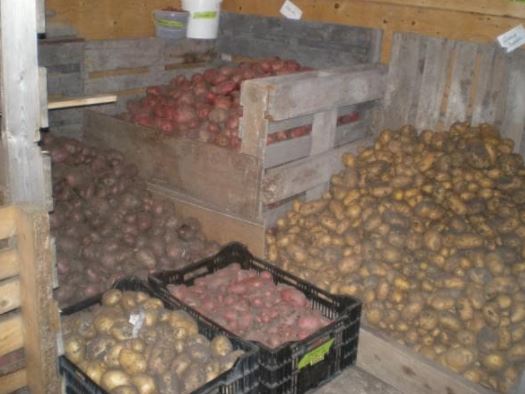
Whatever the location you choose, the tubers need to be properly prepared. To do this, you'll need to adhere to a number of specific conditions:
- DryingThis procedure is performed immediately after the tubers are removed from the ground. It involves placing the vegetables in the sun for approximately 2-3 hours to allow them to dry and loosen any soil. This helps reduce the risk of rot. After this, the potatoes should be stored in a dark, well-ventilated area. Ideally, the room humidity should be 95% and the air temperature should be between 12 and 18°C. This period will help heal any damage caused by garden tools during digging, and will also increase resistance to rot diseases. If sprouts begin to appear on the tubers, all of them should be pinched off.
- Maintaining temperature conditionsPotatoes can easily rot if stored at the wrong temperature. Scientists have proven that potatoes "breathe" during storage. A specific microenvironment containing both moisture and carbon dioxide is created between the tubers. Potatoes will begin to lose shape or shrivel at excessively high temperatures due to excessive evaporation. Such a product will definitely not taste very pleasant. This is why potatoes are considered to thrive at temperatures between 3 and 7°C. Experienced gardeners line potato rows with rowan or wormwood leaves to reduce the risk of rot and bacteria. Periodically, the harvest should be sorted, removing spoiled or rotting tubers and pinching off emerging sprouts.
- Choosing the right varietyWhen planting potatoes or purchasing a harvested crop that will keep for a long time, pay attention to the variety. Early potatoes won't keep for long; they need to be eaten almost immediately after being dug up. Mid-season varieties can be stored for up to three months. However, it's best to choose mid-late and late-ripening varieties. If stored properly, they can easily last until spring. Storage quality will be affected by the soil composition of the potatoes, their growing conditions, the weather when they are dug up, and even the lunar phase. Experienced gardeners know that too much nitrogen fertilizer in the garden significantly reduces the shelf life of potatoes.
- SortingBefore storing the harvest, inspect it thoroughly again. If you see tubers with marks from gardening tools, remove them; bacteria will quickly begin to multiply in the damaged areas. These potatoes are safe to eat, but only if there are no signs of rot and the insides haven't turned black. If these potatoes end up in a common container, they can quickly rot and infect all the neighboring potatoes.
Storing potatoes at home isn't particularly difficult or complicated. Just follow a few simple rules, prepare a spot, and you'll be able to enjoy delicious potatoes on hand all winter long.
Necessary conditions for storing potatoes in an apartment
Of course, you can buy vegetables year-round these days. Storage won't be a problem either; even the smallest apartment will always have room for a couple of kilograms of potatoes. But recently, homegrown produce has become increasingly popular. It's tastier and contains many more beneficial properties.
That's when gardeners start thinking about where to store it. A basement is certainly a good idea. But what if you don't have one? You can find a suitable spot in your apartment, too, so don't worry.
Humidity
Maintaining the required humidity level is essential for home storage. Optimal humidity levels are considered to be 80-90%. However, if the indoor climate is also too warm, the tubers will begin to sprout.
How can you achieve the right humidity for your crop?
- Ventilate the area where you store potatoes.
- Ensure adequate air flow circulation.
- Do not store potatoes in areas where there is a lot of evaporation.
- Do not place containers with vegetables close to the wall, as this will cause condensation to form on the tubers.
- To prevent moisture from appearing, the tubers can be laid with dry straw.
- It is absolutely not recommended to store potatoes next to other vegetables; beets are the only suitable place for them.
If you choose to store the tubers in the kitchen, make sure the hood is always running while cooking. Otherwise, the tubers will become covered in condensation and begin to rot or sprout.
Temperature
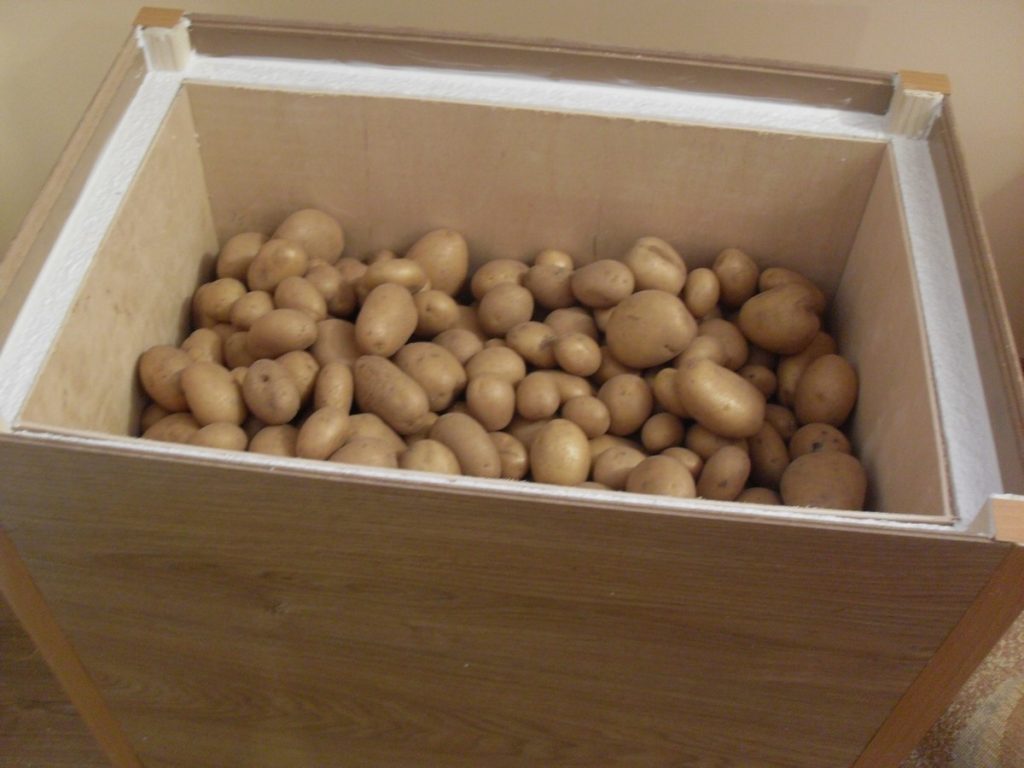
The most difficult part of storing potatoes indoors is ensuring a comfortable temperature. Naturally, temperatures of 3°C to 7°C are out of the question. However, a very useful property of potatoes comes to the rescue: a dormant state in which tubers can remain for 1 to 3 months after being removed from the garden. Therefore, even the lack of a balcony is not a barrier to storing your harvest at home. Temperatures can be regulated in several ways:
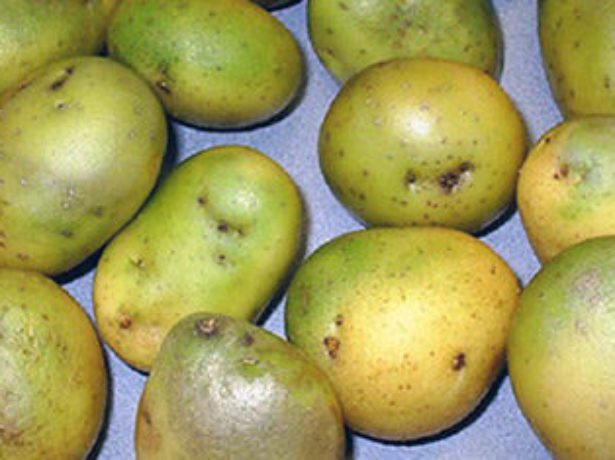
- Never leave the box in direct sunlight. Once the tuber turns green due to ultraviolet radiation, it will develop dangerous solanine and become inedible.
- Every home has a place without heat. This could be a hallway, a pantry, or a balcony. This is where you should store your potatoes.
- Prevent fruit from freezing, which occurs as soon as the first frost sets in. If vegetables were stored on the balcony, they should be returned indoors after the cold weather sets in.
- Do not place potatoes near heating appliances.
- Leave a thermometer inside the container to always know the temperature.
So, although potatoes are best stored at temperatures between 2 and 7°C, they can last up to six months even at 16 and 19°C in an apartment. However, it's very easy to shorten this shelf life by improperly storing them, especially when it comes to humidity. If you don't want your entire harvest to turn into a rotten mess in a couple of weeks, try to follow these basic recommendations.
If the thermometer on the balcony drops below freezing, the risk of the fruit freezing increases. Once thawed, their flavor will change dramatically, making them unsuitable for cooking.
Illumination
Before storing potatoes permanently, they need to be left outdoors for about two hours in dry, sunny weather. This will allow the potatoes to dry thoroughly. This will also remove any soil that may have stuck to the skins. After this, the potatoes should sit for a while in a dark, well-ventilated area before being placed in bags.
Avoid exposing potatoes to direct sunlight, as this causes them to synthesize a dangerous substance called solanine. In very small quantities, it inhibits the activity of pathogenic microorganisms. However, if its concentration increases, the fruits themselves will take on a greenish tint, making them unfit for consumption. Therefore, properly cover vegetables stored on the balcony.
Try to maintain a consistent temperature and humidity level throughout the potato storage period; this will help reduce the risk of rot and the number of sprouts that appear.
Air access
To extend the shelf life of potatoes, periodically ventilate the storage area. This will help regulate humidity levels. Vegetables stored in bags, mesh bags, or plastic boxes with holes around the perimeter of the walls breathe best. If you choose wooden containers, make sure they have holes for ventilation.
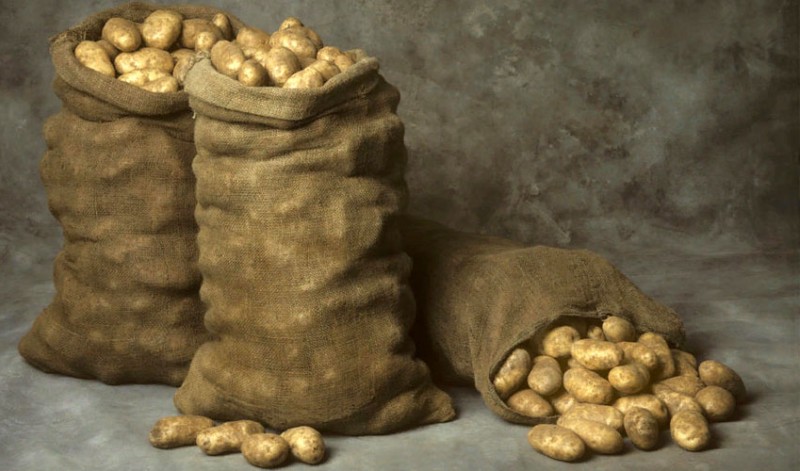
Potatoes should never be stored in plastic bags or packages. This material is completely non-breathable, and the tubers quickly begin to rot and become moldy. These vegetables are no longer edible.
How to store potatoes in an apartment: choosing the right location
Storing a large harvest in an apartment in an urban setting is no easy task. We're not talking about a few kilograms of produce bought for food, but several bags. Considering that the optimal temperature is considered to be +2…+4°C, it's clear that creating such conditions in an apartment is simply unrealistic.
Furthermore, the space available is limited by the fact that the living room, bedroom, or children's room are immediately ruled out as potential storage locations—it's unlikely anyone would want to sleep next to tubers. Therefore, options are limited. The balcony and kitchen are the most common storage locations. Sometimes, the harvest is stored in a vestibule or entryway. Each storage method has its advantages and disadvantages.
In the hallway or entrance
Not all apartments have ample space; some don't even have a storage room or even a balcony or loggia. Therefore, the hallway remains the only option for storing potatoes.
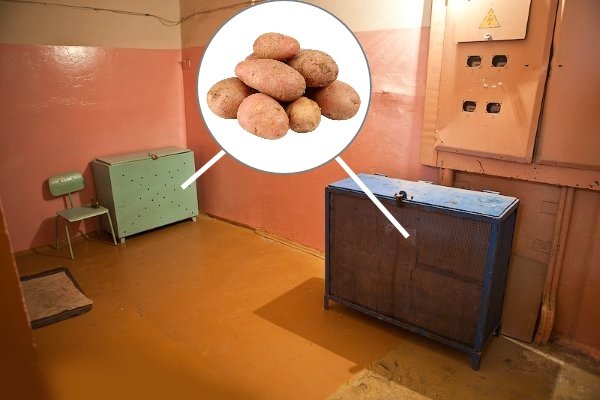
In some building entrances, apartments are arranged in such a way that several of them share a common vestibule with a shared door. By arrangement with your neighbors, you can place a potato crate there. For security, it's recommended to bolt it to the floor and secure the lid with a padlock.
There's usually a place in the entryway where you can put a box of potatoes. It's much cooler there than at home, so storing potatoes there is a great idea; they won't spoil or turn green in such conditions, even in summer. Opening doors provide ventilation.
The corridor-access method of storing crops has a number of advantages:
- Allows you to save space in your apartment.
- It has a more favorable temperature, which sometimes reaches the desired +4 °C, which potatoes love so much.
- The harvest is always within reach.
- Potatoes do not require any special care.
But this method has very significant disadvantages:
- To plant potatoes in the entrance hall without any problems, you need to obtain the consent of all residents.
- Boxes often become objects of animal markings.
- The temperature in the entryway is unstable. Because doors and windows are constantly opening and closing, it fluctuates constantly, leading to potato spoilage.
- It's impossible to store potatoes for very long. Even if you choose a late-ripening or late-maturing variety, they can still be stored without problems for as long as their physiological dormancy period lasts. This typically ranges from one to four months after harvest. Therefore, sprouts may begin to emerge towards the end of winter.
On the balcony
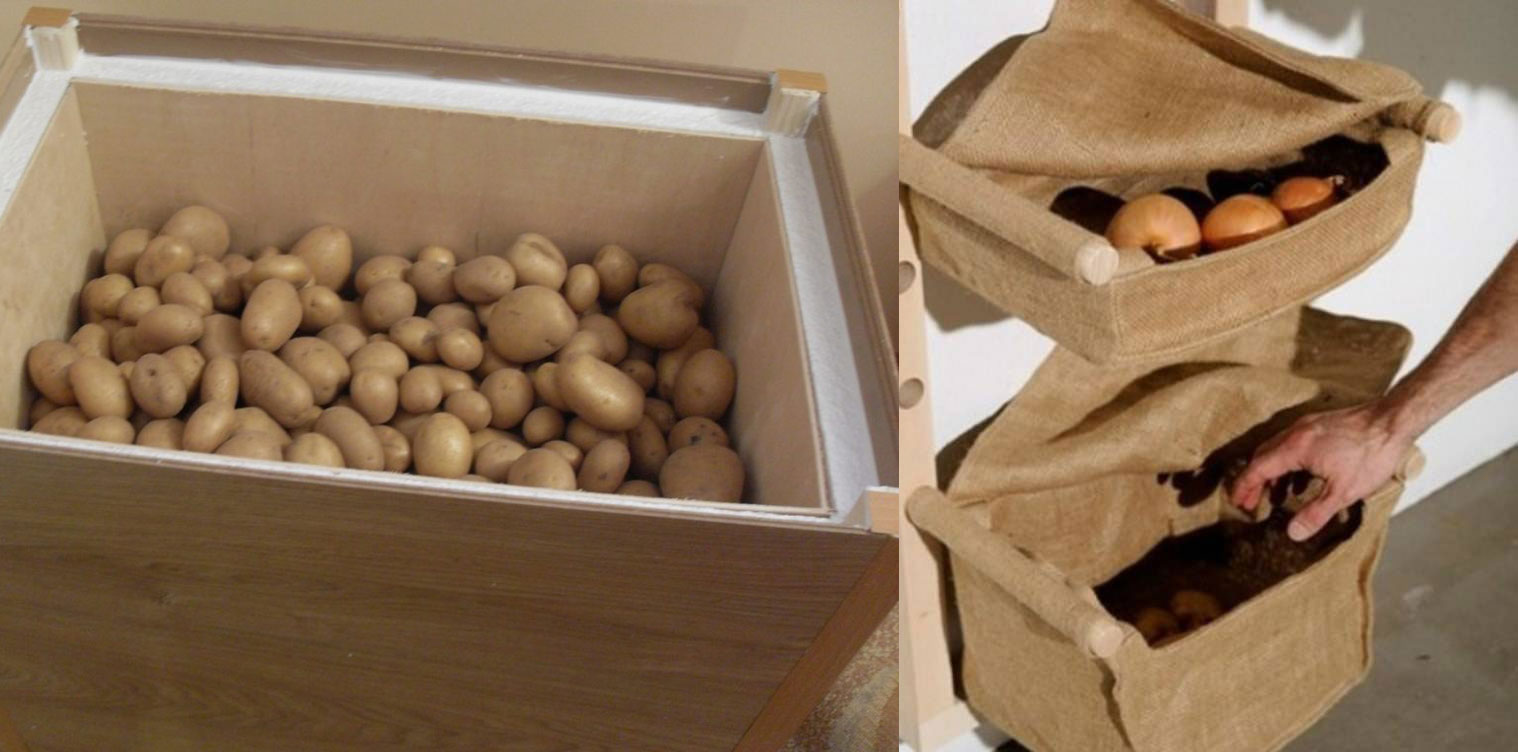
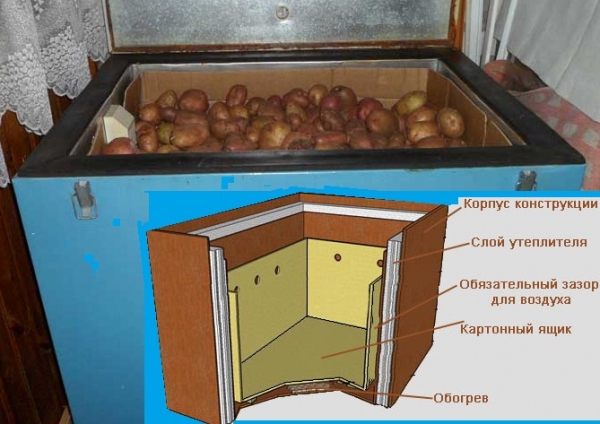
A balcony or loggia is considered the best place to store potatoes. If the structure is not glazed, the potato containers must be additionally insulated, and care must be taken to ensure the temperature inside the storage box does not drop below 1°C. Foam plastic is typically used as insulation, lining the boxes. In very cold weather, they are covered with winter jackets or wadded blankets.
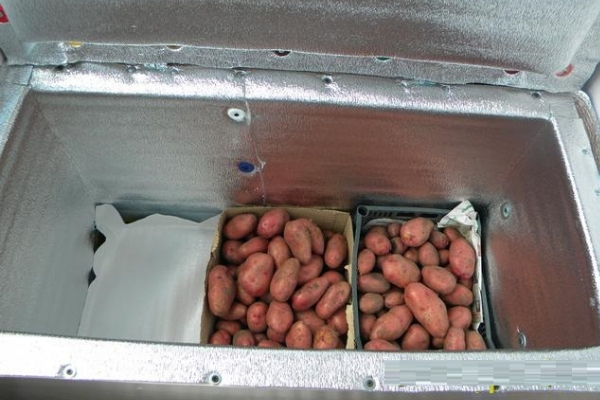
Storing vegetables on the balcony must be done in compliance with certain rules:
- Use only wooden boxes for storage.
- Be sure to use various types of insulation, whether it be foam or warm rags.
- For extreme cold, use double-walled boxes.
An unglazed balcony or loggia is exposed to all winds. Potatoes stored there need to be especially carefully protected. You can make your own warm container. Take two wooden boxes of different sizes and place one inside the other. Fill the resulting gaps between the walls with sawdust.
Place the potatoes in a smaller box, and close it securely. If necessary, add a warm jacket on top. To ensure maximum protection from freezing, leave at least 5-7 cm between the box walls.
There are advantages to growing crops on a balcony:
- The air temperature remains relatively stable.
- It is possible to regulate the humidity level, provide ventilation and check the condition of the tubers.
- If all conditions are met, potatoes can be stored until mid-spring.
The method also has its disadvantages, including:
- Risk of freezing of tubers. This can occur due to sudden changes in day and night temperatures.
- The occurrence of rot is due to lack of air circulation and insufficient ventilation.
- The need to darken the storage area to avoid exposure to direct sunlight.
Before storing potatoes, they should be sun-dried to remove excess moisture and loosen any soil. Afterwards, the storage area should be disinfected: the inside of the boxes should be treated with a solution of potassium permanganate (100 g per 10 liters of water) or bleach (400 g per 10 liters of water). To inhibit the emergence of new sprouts, layers of dry straw can be placed between the potato beds.
Experienced gardeners suggest using chalk or onion peels instead of straw. Dried mint sprigs, wormwood leaves, and elderberry are also effective in combating rot and dampness.
In the kitchen
If your apartment doesn't have a pantry or balcony, and the hallway is absolutely unsuitable for storing harvested vegetables, the only other option is to store them in the kitchen. It's best if the room is large enough to accommodate the vegetables. In any case, there are a few rules to follow when choosing this method:
- Choose the darkest and coolest part of the kitchen.
- Ideally, the air temperature in the selected corner does not exceed +18 °C.
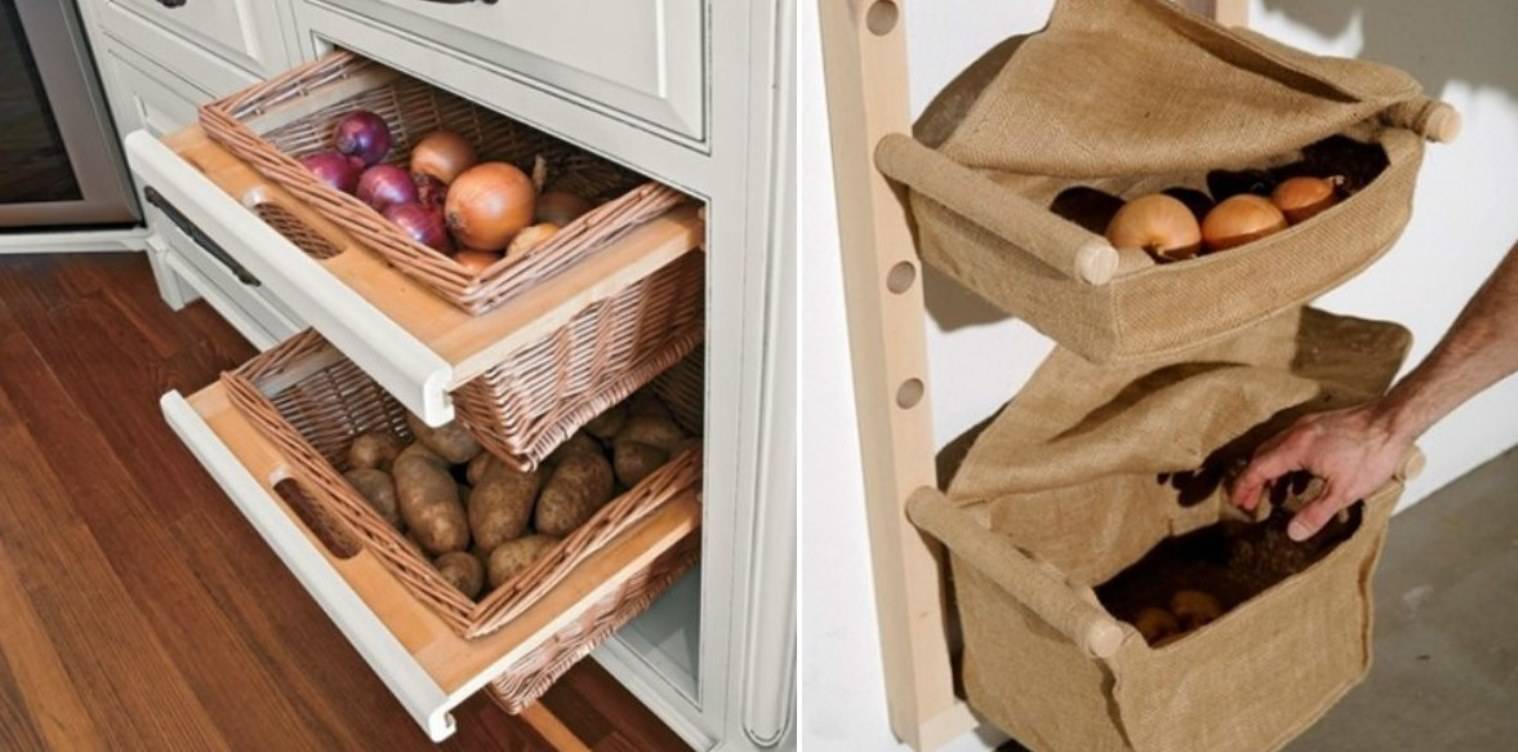
- Potatoes should only be stored in wooden boxes or wicker baskets.
- The storage area must be well ventilated and not exposed to light.
The space under the sink is often chosen for storing vegetables. However, this can lead to excessive humidity. To reduce humidity and prevent rot, place wormwood, goutweed, rowan, or mint leaves between layers of potatoes.
Modern technology has advanced greatly, and today you can purchase functional potato storage boxes that can double as a cabinet or stool in the kitchen. They can hold up to 20 kg of vegetables.
In the refrigerator
Whether or not you can store potatoes in a refrigerator depends entirely on their size. Models with a small vegetable compartment can barely fit a kilogram of potatoes. Large, multi-functional refrigerators, however, can hold more, and their conditions are much more comfortable. For example, you can regulate the humidity level and set the desired temperature. But even then, the entire harvest from the garden certainly won't fit in the refrigerator.
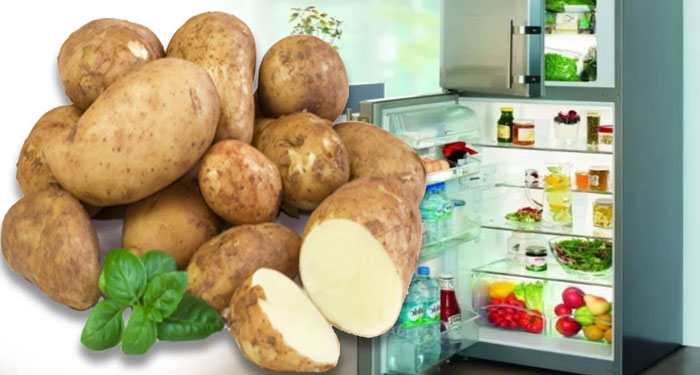
The temperature in any household refrigerator hovers around 4°C. There are some varieties that don't store well even at this temperature. This is because cold temperatures trigger the breakdown of starch. The less starch a potato contains, the sweeter the flavor of the finished potato will be. Furthermore, a lack of air and high humidity can lead to rot. This often occurs when potatoes are stored in a thick plastic bag. Condensation causes the potatoes to become damp, creating a breeding ground for rot. A thick paper bag is an alternative to cellophane.
But many apartments still have another option for storing potatoes. Everyone's probably familiar with the "Khrushchev refrigerator." It's a cabinet under the kitchen window. Today, some homeowners line it with plastic and turn it into a full-fledged vegetable storage unit, leaving only an opening for temperature and humidity control.
There are several advantages to storing vegetables in the refrigerator:
- The boxes do not need to be insulated or disinfected.
- The temperature inside remains stable.
But, as you've probably guessed, there are many more downsides. These include:
- Inability to accommodate large quantities of vegetables.
- The difficulty in choosing storage containers: you don’t want to put dirty tubers in clean boxes; they will rot in plastic, and paper bags are hard to find.
- Long-term storage leads to the breakdown of starch, resulting in a characteristic sweetish flavor. This not only degrades the potato's flavor but also reduces its nutritional value.
For this type of storage, choose tubers that are not too large and leave them inside for no longer than 10 days.
In the freezer
Potatoes are one of those vegetables that never regain their flavor after defrosting. Low temperatures cause the starch to break down, resulting in a sweet flavor.
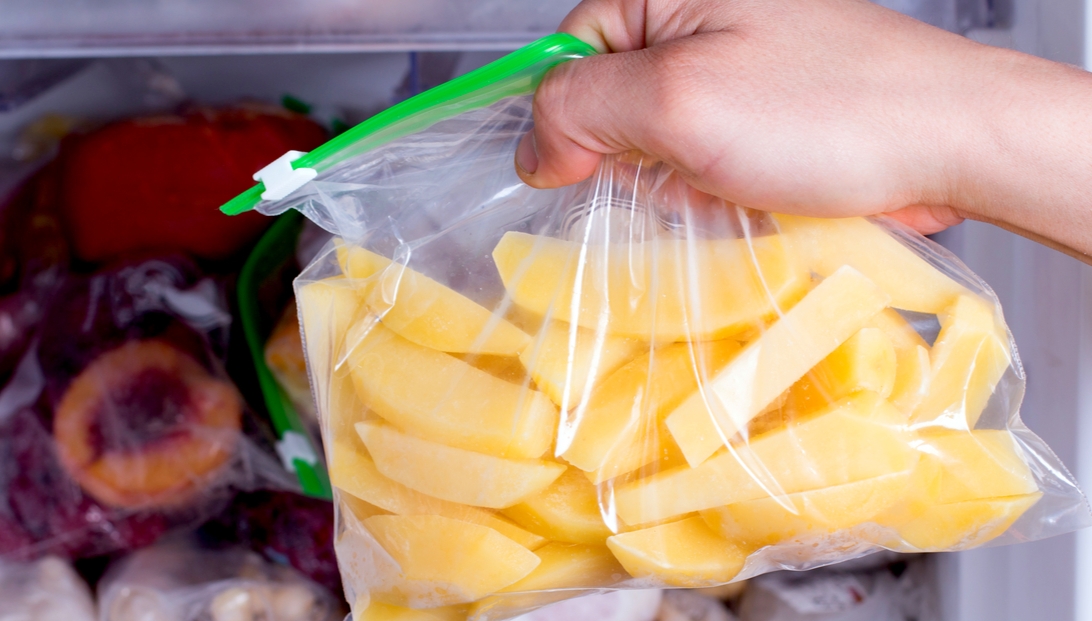
But you can still freeze a small amount of blanched vegetables. Preparing everything you need is very simple:
- Wash the potatoes and peel them.
- Cut the tubers into strips no more than 1.5 cm wide.
- Rinse off starch under running water using a colander.
- The resulting amount of potatoes must be placed in boiling water for three minutes.
- After removing the product from boiling water, immediately throw it into ice water.
- After this, dry the slices and place them in freezer bags.
Don't overfill the bag; it's better to freeze the potatoes in portions. After defrosting, you won't be able to put them back in the refrigerator.
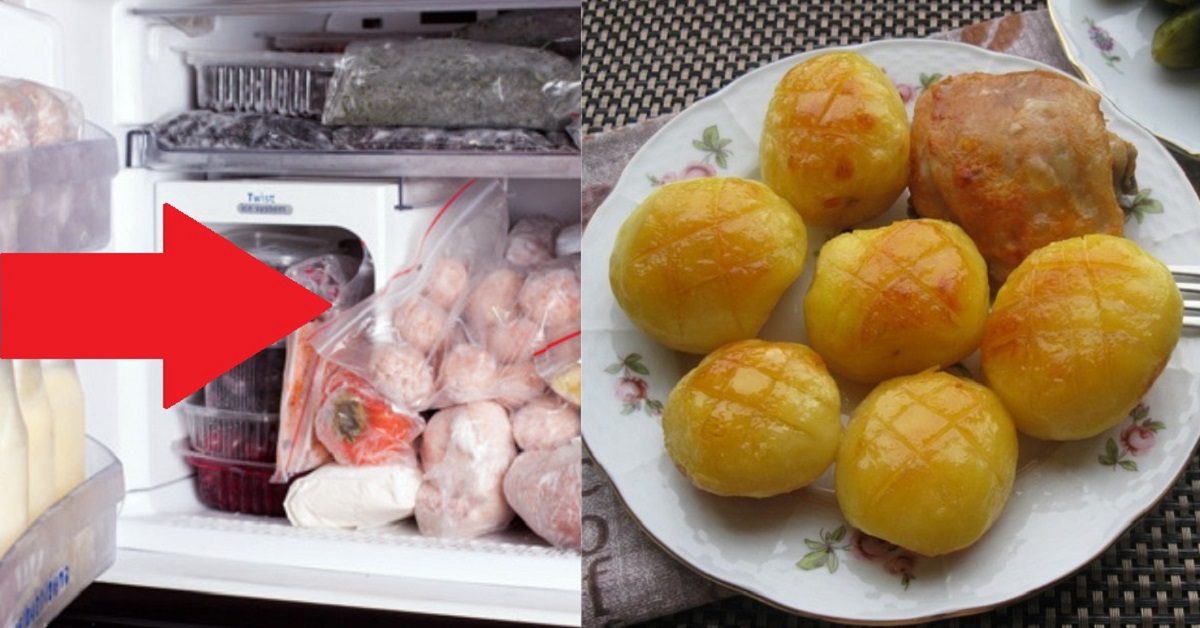
If you want to make cooking easier or prepare in advance for guests, you can freeze cooked or mashed potatoes, pre-packaging them into containers. To cook, simply reheat the potatoes in a frying pan, microwave, or oven.
In the pantry
Not every apartment has a storage room. So if you do, you're incredibly lucky. These rooms are typically unheated, so the temperature there is lower than in the rest of the apartment. Therefore, if certain conditions are met, your harvest can be stored there until spring.
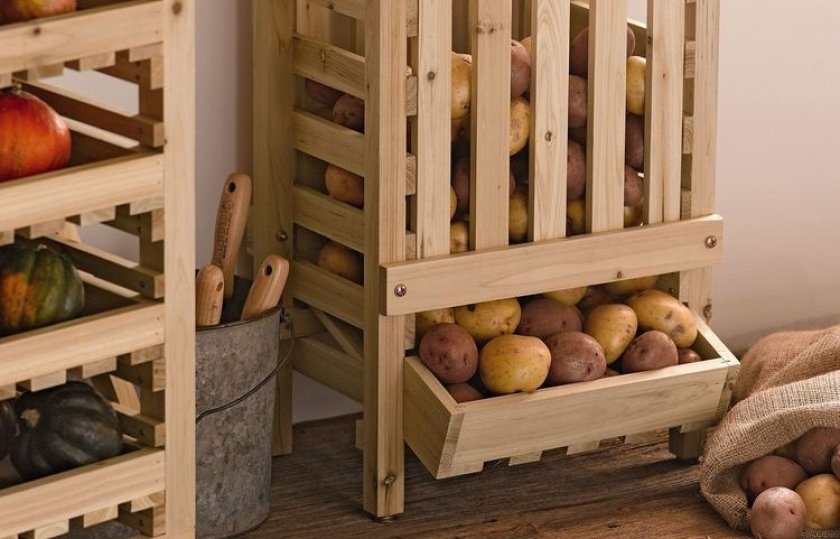
In addition, this method of placing potatoes has additional advantages:
- Vegetables do not bother anyone and can be stored for a long time.
- There is no need to worry about temperature fluctuations and damage to thermal insulation.
But even such a simple and convenient storage method requires adherence to certain rules:
- The tubers must be protected from light.
- For storage, choose bags made of breathable fabric; additional insulation is not required.
- To maintain humidity levels, you can hang a wet cloth or run an electric humidifier for several hours.
It's important to avoid prolonged exposure to light, as it produces large amounts of solanine, which is dangerous to humans.
Tip! To ensure your potatoes last as long as possible without losing their flavor, choose potato varieties with excellent shelf life. These characteristics are usually already indicated by the manufacturer when describing the variety.
Potato storage container
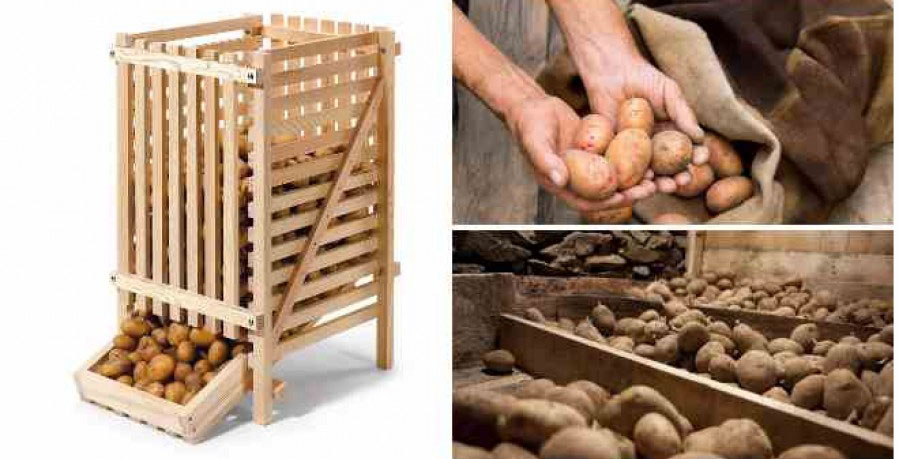
To ensure potatoes last a long time without rotting or molding, you need to choose the right container or storage bin. There are several options for storing potatoes over the winter:
- Plastic bag – suitable only for short-term storage of potatoes in the refrigerator or for transporting tubers.
- A fabric bag allows air to pass through well, allowing vegetables to breathe.
- Nylon mesh is inexpensive and provides air circulation between the tubers.
- Plastic containers are easy to use, have holes in the sides and bottom, are readily available for purchase, and are sometimes offered for free in stores.
- A wicker basket is well ventilated and does not allow mold to develop.
- Cardboard boxes are not the best option, but they work well if you line the bottom with newspaper to absorb moisture.
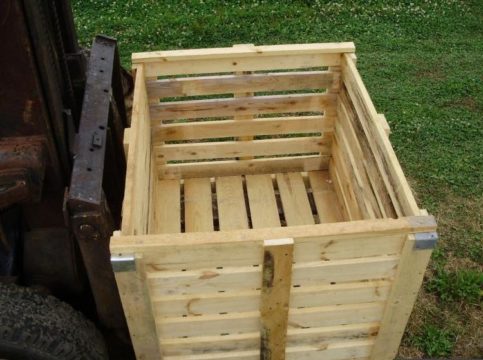
- A wooden box is the best option for storing potatoes; it can have gaps for ventilation or double-insulated walls.
Bags and boxes are the most popular storage methods for potatoes. A wooden box, if properly treated and disinfected, will last for years. A bag can also be used for several seasons if handled with care.
How to increase the shelf life of potatoes in an apartment
To ensure your potatoes last as long as possible, proper preparation isn't enough. You also need to thoroughly disinfect the crates if you plan to use them. A solution of copper sulfate or bleach is suitable for disinfection. After disinfection, they need to be dried. Lining the rows with straw will help extend the shelf life. It's recommended to cover the crates with spruce branches or a row of beets, which will absorb excess moisture.
How to preserve potatoes for planting in an apartment
Not all harvested potatoes are used for food. During the sorting stage, tubers that will be used for cooking in the fall and winter are selected from the entire crop. However, some harvested potatoes should be saved for planting in the garden next year, especially if the yield from these plants was impressive. For this purpose, you need to choose smooth, firm tubers that are not too large. Make sure there are no marks from a shovel or pitchfork, otherwise the potato will become diseased and infect all the neighboring ones. Experienced gardeners know that temporarily exposing vegetables to sunlight can help extend their shelf life. It only takes a few hours for solanine to begin to synthesize. In large quantities, it is harmful to the digestive tract, but in small doses, it creates a natural defense against pathogens.
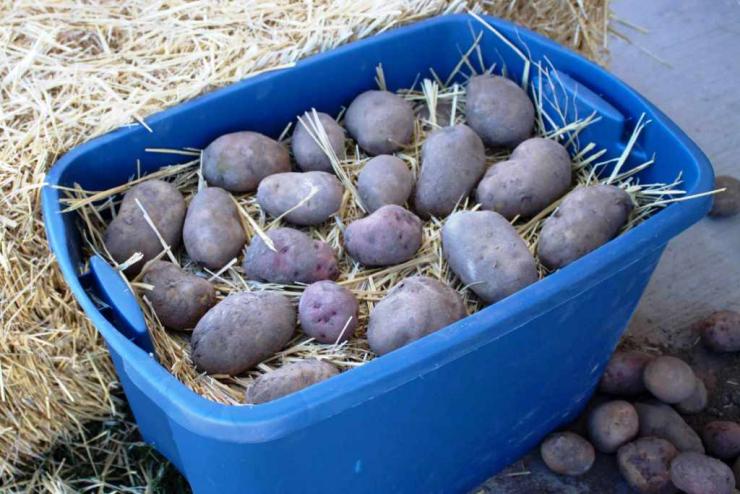
To select seed potatoes for home storage, follow these recommendations:
- Don't try to choose the largest tubers; they shouldn't be gigantic in size, otherwise they might not last long enough to be planted.
- Don't rush to store seed potatoes. It's best to let them sit in the fresh air for a couple of weeks. This will allow the tubers to dry out and produce the required amount of solanine.
- Potatoes don't like warmth; they thrive in temperatures between 4 and 7°C. However, they need to be introduced gradually, lowering the temperature by a few degrees each day.
- Until the first frost, seed potatoes will easily lie on the balcony or loggia.
- To prevent excess moisture from accumulating, you can place a layer of beets on top of the potatoes. Their structure allows the surface of the beets to absorb any excess moisture.
As soon as the nighttime temperature outside begins to drop below freezing, bring the harvest indoors. Just don't place the box near a radiator. Remember, potatoes prefer cool temperatures.
Potatoes shouldn't be moved or stirred too often, but they should be inspected periodically for signs of rot. New sprouts should be promptly removed, and about a month before planting, their growth should be stimulated. To do this, place the potatoes in a warmer location, preferably raising the temperature by 1-2 degrees Celsius daily. The better the germination (i.e., the more sprouts emerge), the better the potatoes will take root and the larger the harvest will be.
Common mistakes
There's no magic trick to storing potatoes. But sometimes, the harvest spoils, becomes misshapen, and dries out. This can happen for a number of reasons. Let's look at the most common storage mistakes:
- The sorting was carried out superficially, and damaged tubers were included in the general mass.
- Early varieties, which are not intended for these purposes, were selected for storage.
- Next to the potatoes there were other vegetable crops.
- The temperature regime was violated and humidity indicators were not observed.
- The storage area for the harvest was poorly prepared.
Tips from Top.tomathouse.com
Lately, home gardening has become increasingly popular. Everyone wants to eat natural produce grown in their own garden. But not all gardens are located near residential buildings used during the winter. Therefore, many gardeners are forced to store their harvested vegetables indoors. This is entirely possible if you plan ahead and follow a few rules, as our portal http://top.tomathouse.com reminds you of:
- Keeping new potatoes you plan to eat during the summer months in their original condition is much more difficult due to the high temperatures in July and August. To replenish the moisture evaporated from the surface of the tubers, place a container filled with water in the storage area.
- One of the best places in the kitchen to store some of your harvest is a drawer under the sink. It's best if the potatoes are stored in a ventilated container. Some housewives use baskets or perforated boxes for this purpose.
- Isolate potatoes from all other vegetables and fruits; this vegetable tolerates almost no neighbors.
- Wormwood, rowan, and mint placed in the box with the harvest will help slow down the process of early shoots appearing.
- Never place boxes too close to a wall. This can cause condensation. If they're on a concrete floor, create a makeshift platform, for example, using 10-cm-high beams.