Champignons are considered the most popular mushrooms; they can be found on store shelves year-round, and growing them at home is also easy.
Content
- 1 Selecting champignon mushrooms for further cooking
- 2 Do all champignons need to be peeled?
- 3 Which mushrooms need to be cleaned?
- 4 Which mushrooms are best to throw away?
- 5 How to wash champignons, do they need to be soaked?
- 6 Do I need to clean the caps and under the caps of fresh champignons?
- 7 General rules for cleaning champignons
- 8 How to properly clean fresh mushrooms for different cooking methods
- 9 Tips for housewives from Top.tomathouse.com
- 10 User reviews and tips on cleaning mushrooms
Selecting champignon mushrooms for further cooking
When choosing champignons, it's essential to pay attention to their appearance. Freshly picked mushrooms have the best flavor and aroma, and they can be identified by a firm, smooth cap, free of cracks and wrinkles.
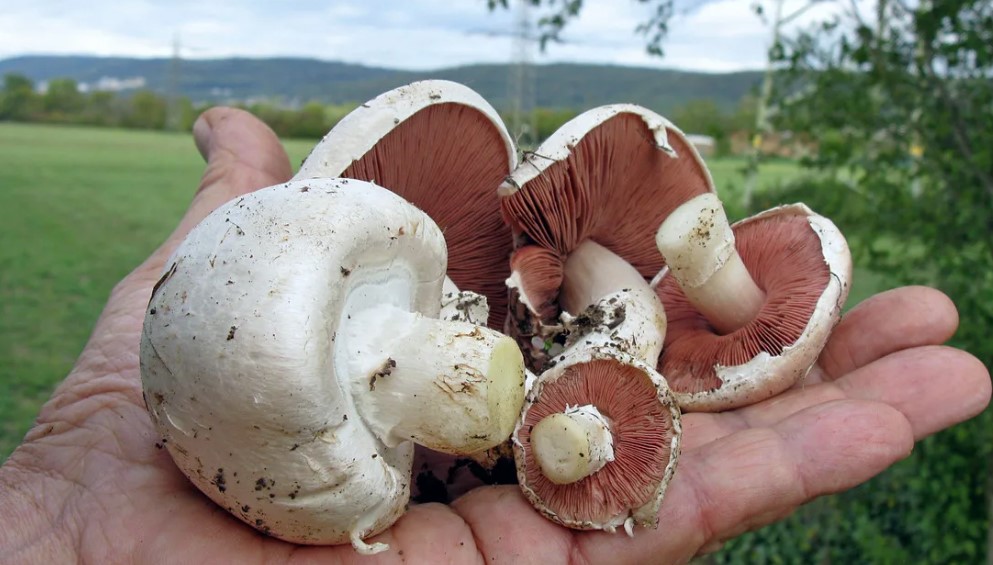
The older the mushroom, the looser and softer its flesh becomes. If you find champignons with wrinkled skin and dry edges, they were definitely picked no more than a week ago.
Do all champignons need to be peeled?
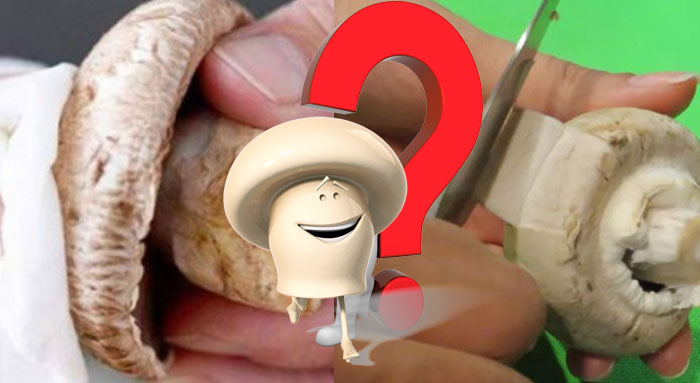
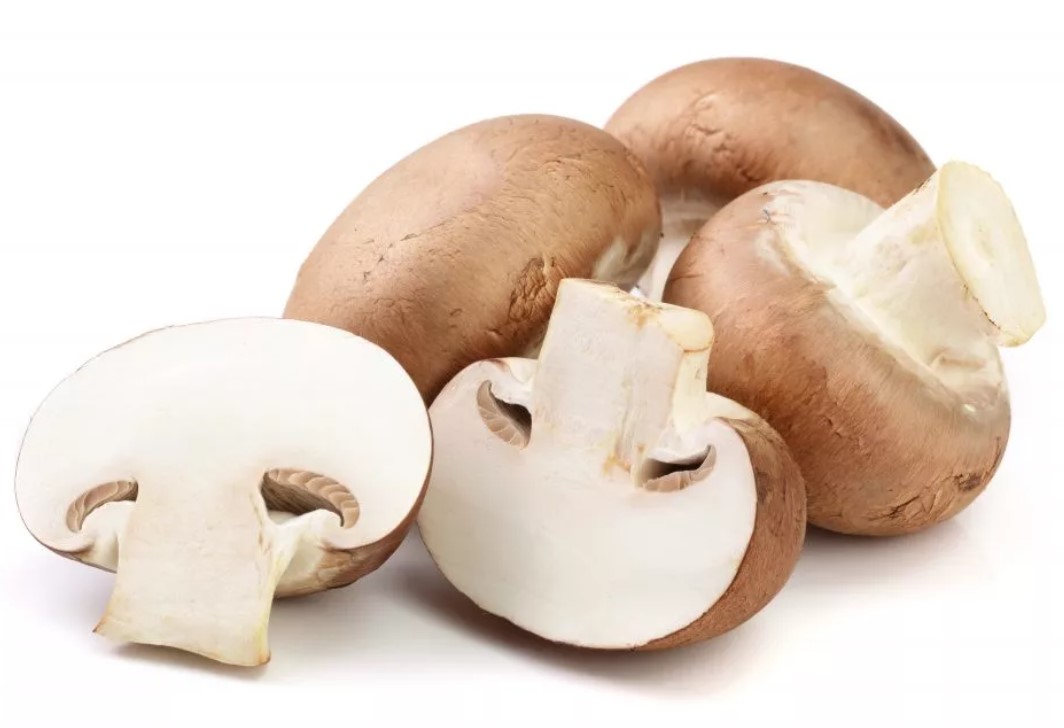
Young mushrooms with a cap diameter of no more than 4 cm do not require peeling. If the specimens are of a good quality, large, and firm, they can also be left in their original form, even if they have a brown cap, like royalIt will be enough to wash off any remaining sand and dirt from the surface.
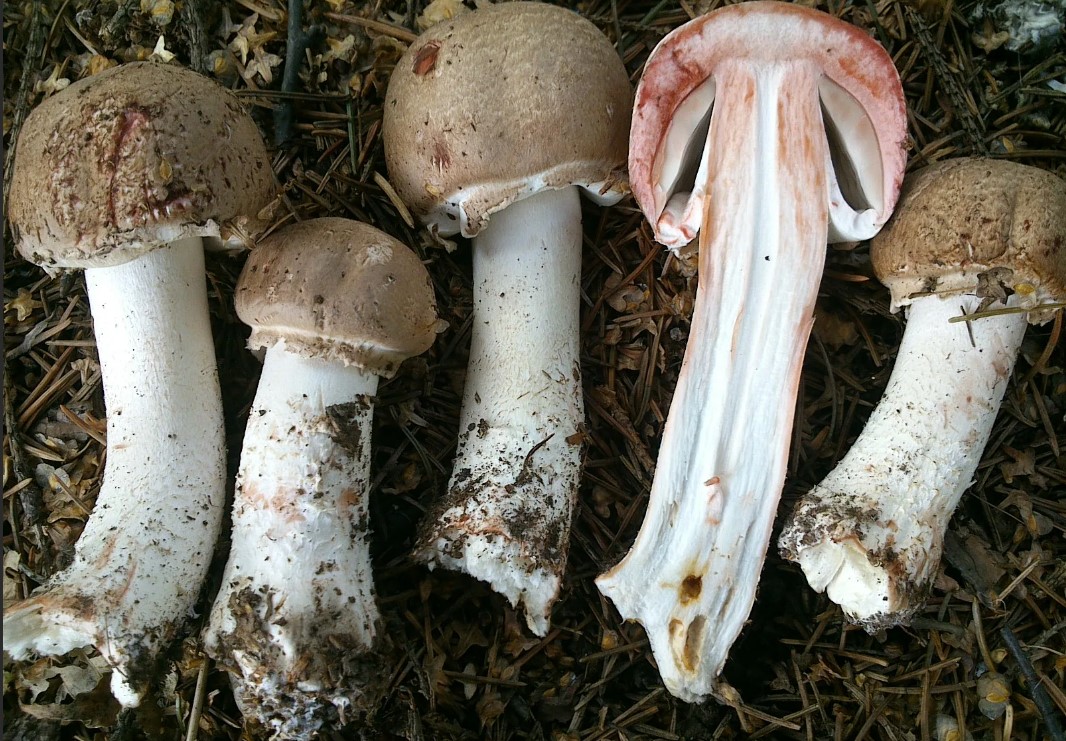
And here it is forest, field It is recommended to always clean champignons.
Which mushrooms need to be cleaned?
Mushrooms are cleaned quite rarely.
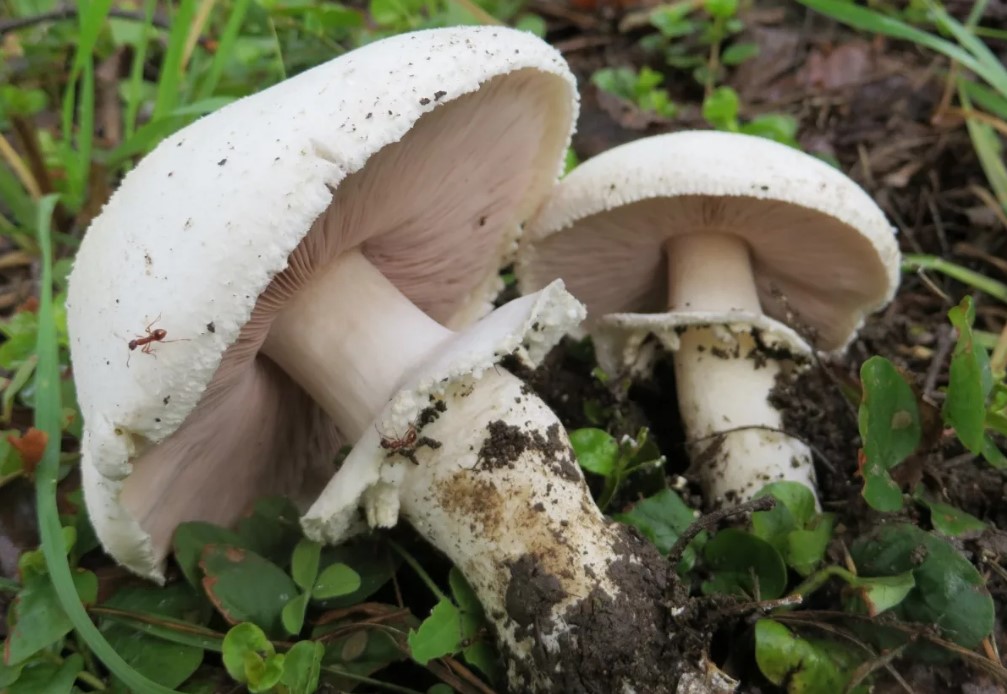
This is done only in a few cases:
- The mushrooms are mature and very large, so their skin is too thick, which is not ideal for digestion. Furthermore, there's a risk of a bitter taste developing in the finished dish.
- There are damages on the surface of the skin that must be cut out.
- The mushrooms had been lying on the counter for a long time, had wilted slightly, and had managed to pick up all sorts of pathogenic microorganisms on their surface.
- The mushrooms are fresh, but will be eaten raw without heat treatment.
- The mushrooms were collected in the forest.
How to grow mushrooms yourself in the greenhouse, at home for beginners, read on our website Top.tomathouse.com.
Which mushrooms are best to throw away?
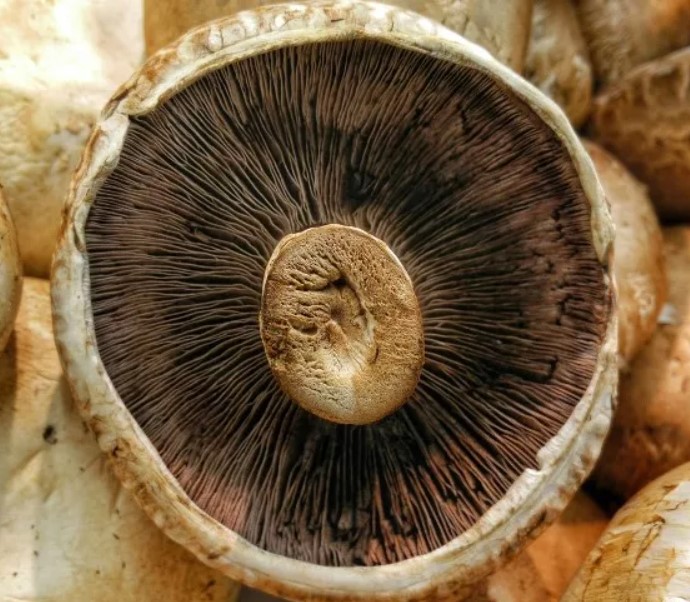
You should definitely avoid eating mushrooms that are slimy and have an unpleasant odor. You should also be cautious with champignons that have darkened surfaces. If the affected area is large, the mushroom is shriveled, and almost entirely blackened, there's no need to cook it. You probably won't get food poisoning, but the taste of such a dish will be extremely poor.
How to wash champignons, do they need to be soaked?
Wild mushrooms almost always need to be soaked, as they accumulate a lot of sand and other organic debris. However, it's important to remember that champignon flesh absorbs water very quickly, which can degrade their flavor. Therefore, it's best to soak mushrooms for no longer than 15 minutes. Then, simply rinse them with cold water to remove any dirt. Afterward, place them on a paper towel and pat dry.
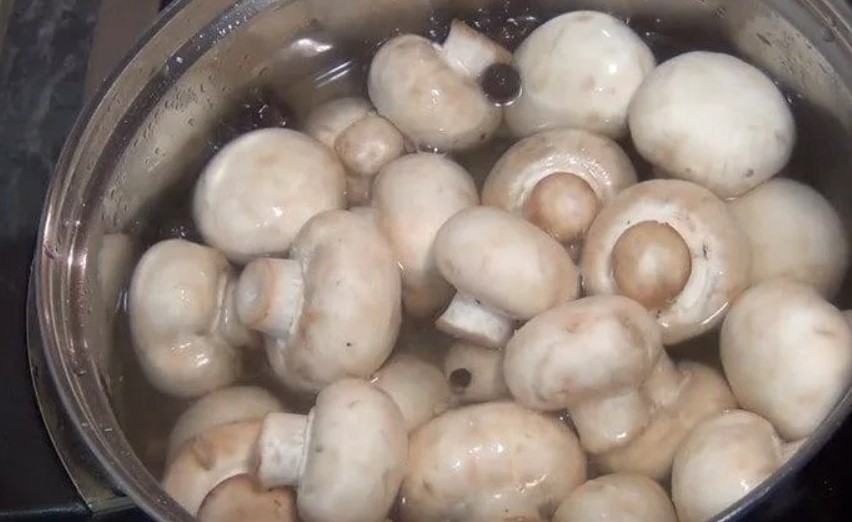
If you bought the mushrooms at the store, there's no need to soak them. Simply wash them.
Do I need to clean the caps and under the caps of fresh champignons?
If the mushrooms were picked in the forest, you should judge them by their appearance. If there are no visible damage or dark spots, you don't need to remove the gills from under the cap; just peel the skin.
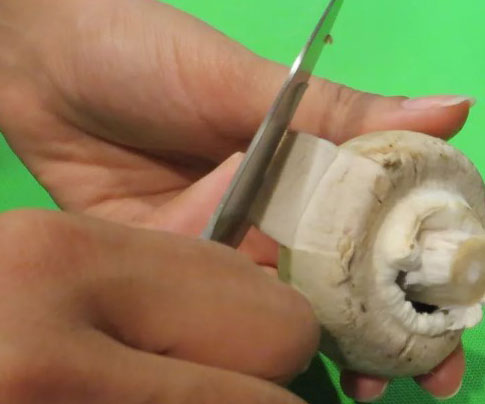
Store-bought mushrooms don't need to be peeled at all; only 3-4 mm of the base of the stem is trimmed off. Removing the bottom of the cap is only recommended when preparing stuffed champignons.
General rules for cleaning champignons
There are a number of simple rules for cleaning champignons:
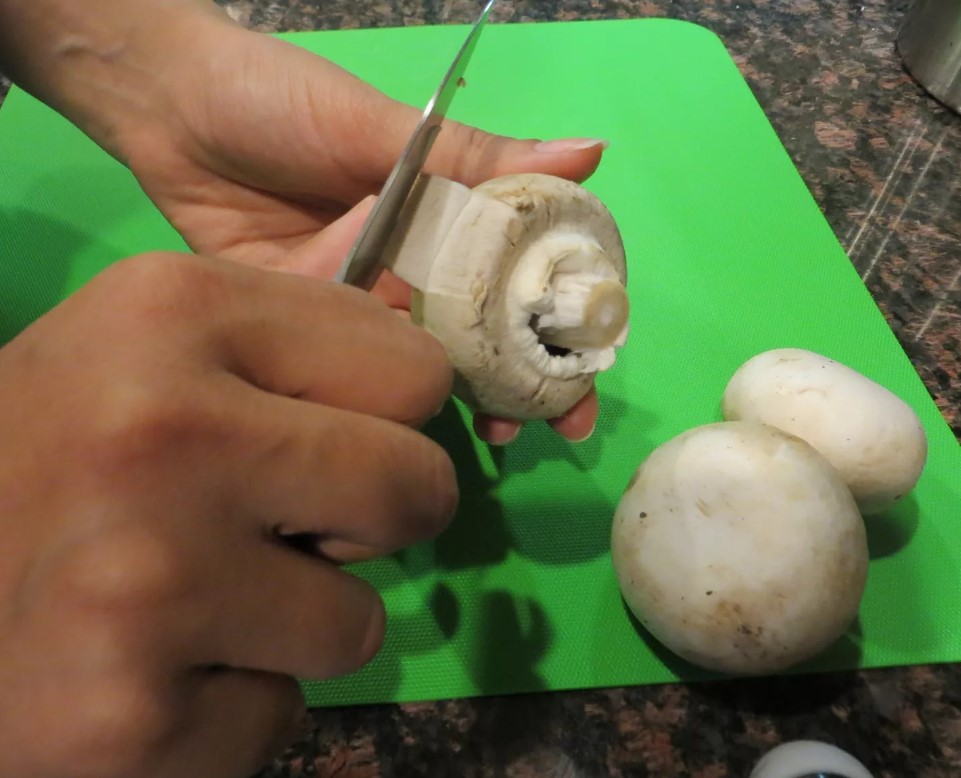
- Before cleaning, the mushrooms are sorted, removing damaged or wormy specimens.
- Avoid soaking mushrooms for too long, as this can cause them to absorb excess moisture. Rinsing them to remove any visible dirt is sufficient, especially if you're buying store-bought mushrooms.
- You can clean the mushrooms with a brush and a wet cloth.
- The lower part of the leg must be cut off by 3-4 mm.
- Damage and dark areas are cut out.
- To make the skin easier to remove, mushrooms (especially wild ones) should be soaked in water for 15-20 minutes.
How to properly clean fresh mushrooms for different cooking methods
The preparation of mushrooms depends on the purposes for which they will be used.
How to clean mushrooms before frying
Mushrooms are fried for a variety of purposes, but they are rarely used as a stand-alone dish. They are usually used as ingredients in complex side dishes, salads, and sauces.
Before frying, minimize the time the mushrooms are in contact with water. Large and medium-sized mushrooms should be finely chopped; smaller ones can be left whole. To reduce frying time, it's best to leave the lid open.
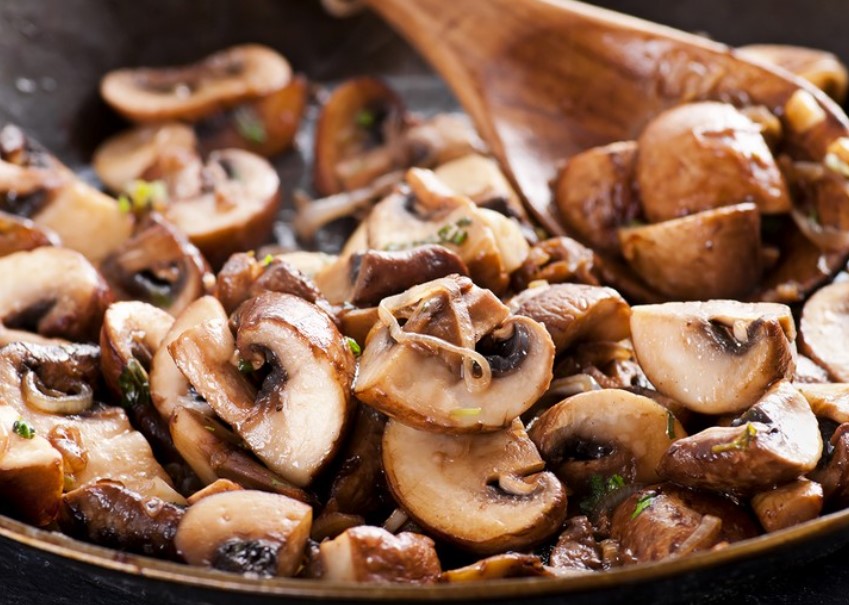
How to clean mushrooms for cooking
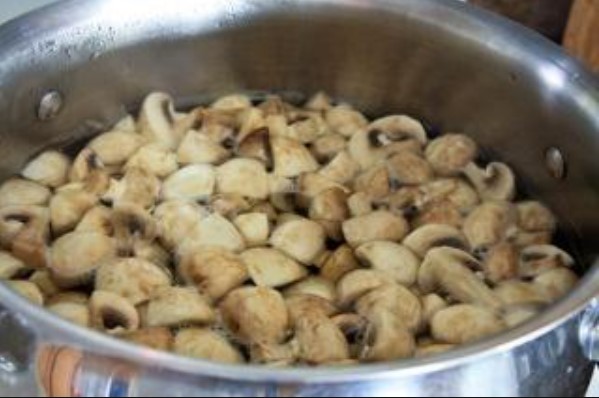
Before cooking, rinse the mushrooms thoroughly and remove any dark spots. You can leave them whole or cut them into pieces, depending on how you plan to use them. After cooking, you can be sure they are free of pathogenic bacteria, which is especially important for wild mushrooms.
How to clean mushrooms before baking
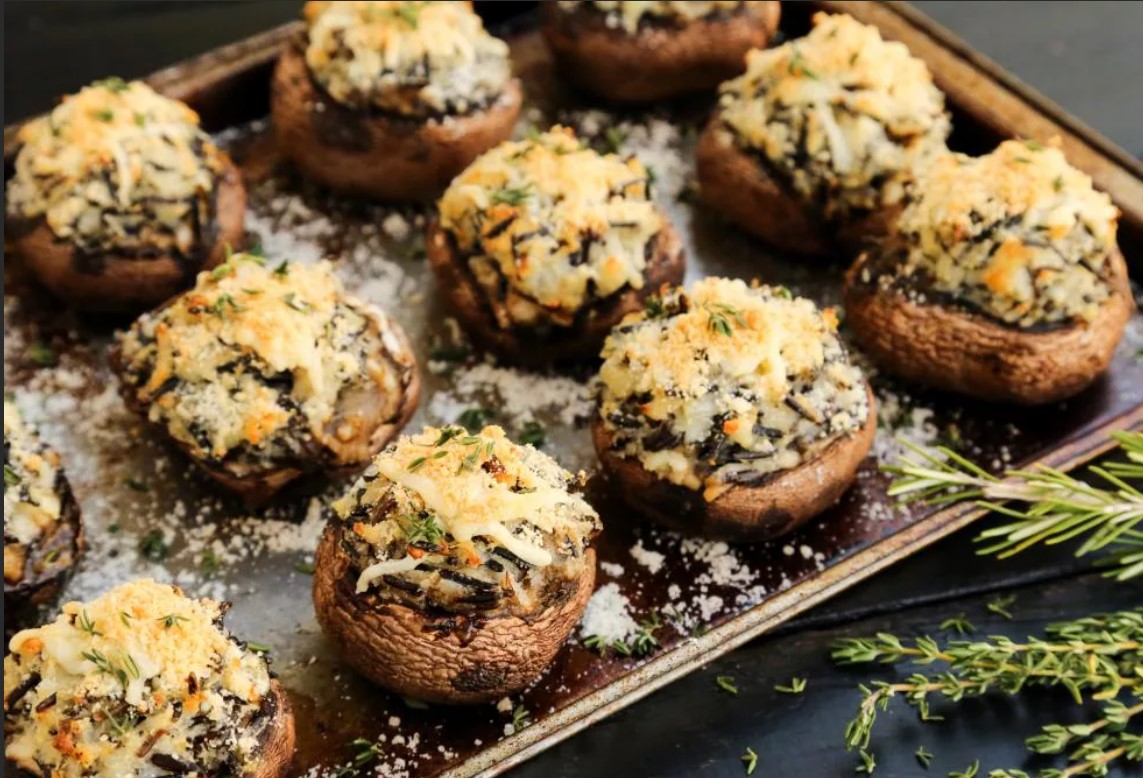
For baking, use large mushrooms, so you'll need to remove the skin and gills from the inside of the cap. Then, rinse the mushrooms, stuff them with any filling, and bake in the oven for 20-25 minutes.
How to clean mushrooms before freezing
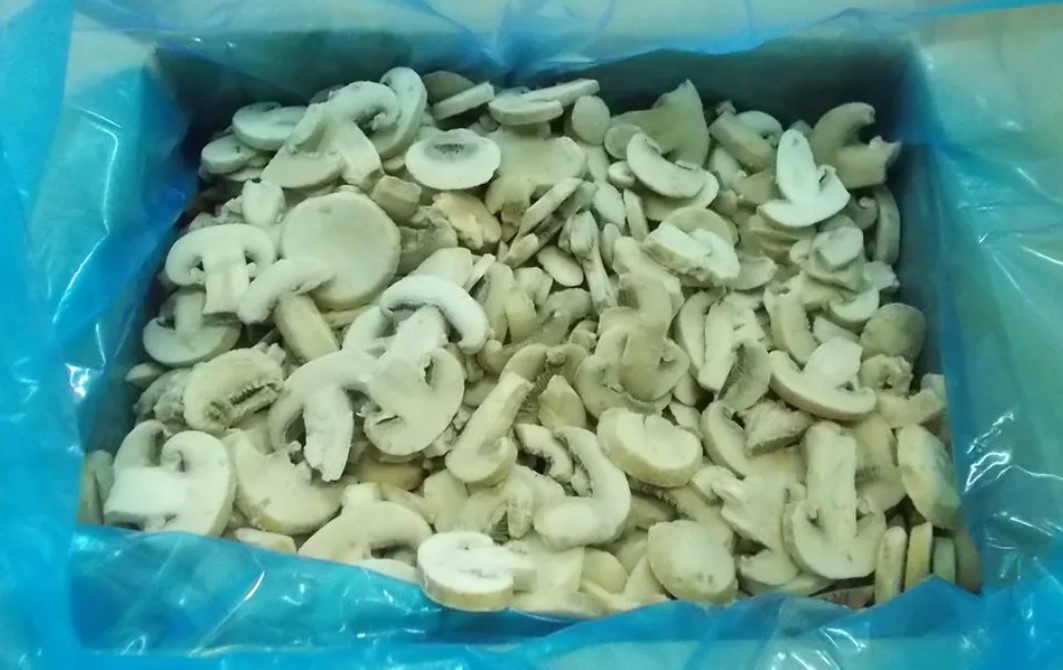
Soaking mushrooms before freezing is not recommended, but it is crucial to pay attention to any dark spots and remove them. To prevent color change during storage, some home cooks rub sliced mushrooms with lemon juice. This helps them stay white.
How to clean mushrooms before drying
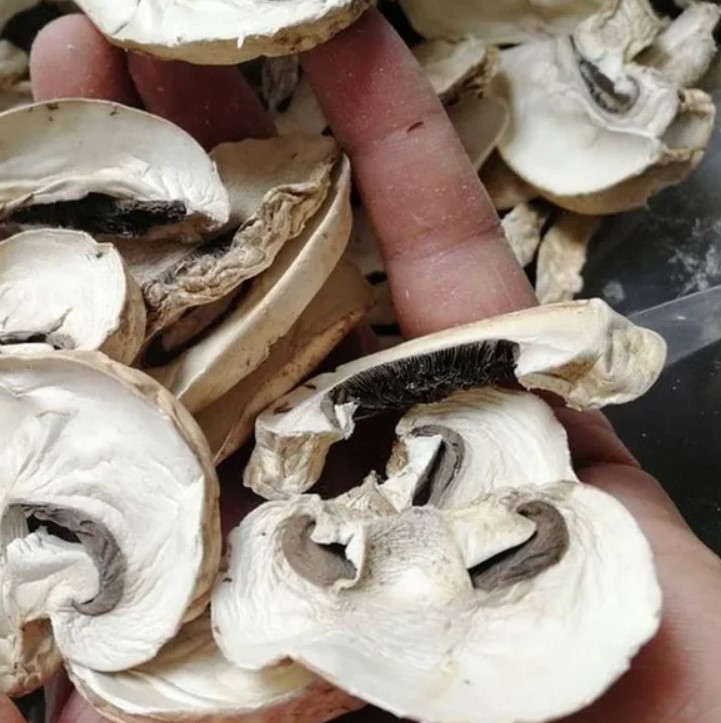
For drying Select only firm, undamaged mushrooms. Soaking them will only damage the mushrooms and increase drying time. Therefore, rinse the mushrooms under running water a few hours before cooking, spread them out on a paper towel, and allow them to dry completely.
Tips for housewives from Top.tomathouse.com
- If the mushrooms are fresh and good looking, they can be eaten even fresh – this way you will get the maximum benefit from the product.
- For marinating, it is better to cut the mushrooms into small pieces so that the brine soaks them evenly and reveals all the flavor and aroma.
- Peeled mushrooms can be stored for no longer than 24 hours in a cool place, after which they lose their quality and taste.
- After washing, the mushrooms must be dried so that there is no liquid in the caps.
- It will be easier to remove the skin if you scald the mushrooms with boiling water beforehand.
- The longer the mushrooms are stored, the more of the base of the stem will have to be cut off.
- The gills from the inside of the cap can be easily removed with a sharp-nosed teaspoon.
How to use champignons for dieting and weight loss Read on our website.
User reviews and tips on cleaning mushrooms
The whole question is) I always peel off the "skin" on top, but it turns out that some people don't. They just wash it. How should it be done?
If you're talking about store-bought ones, I just wash them, and very rarely scrape off heavy dirt with a knife.
Mushrooms, in general, are not peeled. And definitely not washed, as they will absorb water and become mushy. You'll ruin the product.
If you're going to cook them thermally, simply wipe them with a dry cloth. If you're going to eat them raw and you're worried they might have fallen on the floor at the store, pop them in a hot oven for a minute to disinfect.
I never clean them either. I just wash them. I don't see the point in scrubbing anything off them.
If the membranes are peeling a little, they will come off during washing. I don't throw away the stems. I often fry large mushrooms cut into slices, so the cut follows the shape of the mushroom and fry them that way. It turns out both beautiful and delicious.
I rinse each mushroom under running water, one at a time. They won't soak up the water in a few seconds. Then I trim the stems a bit if there's any soil left on them. No one in their right mind peels the caps of champignons. Only butter mushrooms have caps, and you can peel the caps of russulas, too.
It's recommended to peel old ones because their skin is already flabby and slimy. But why peel young, fresh, or royal ones? I never peel royal ones, but I sometimes peel large white ones if I don't like the skin.
Dry cleaning, with a damp cloth at most, then I clean the caps and make cross-shaped cuts on top - it looks pretty to me) But all this is for the grill, if for pizza, then a cross-sectional cut, so the mushroom is visible, if for some pies, then I chop in a food processor ... I don’t soak them in water) I always sprinkle them with lemon juice - then they don’t darken.
I don't peel or wash white, firm, clean champignons. I remove the stems, as I usually buy them for the grill, which means stuffing them and wrapping them in bacon.
And if they turn a little yellow, then I break off the stem, chop it up and mix it with blue cheese for stuffing, and I clean the cap from the top film with my fingers, and do not wash it afterwards.
I used to peel them, so I rarely cooked them. It was so much hassle. Then I learned I didn't have to. I was so happy. And later I learned you can eat them raw, which made me even happier. Now, as a bonus, I often add them to my vegetable salads.