Chinese lychee (litchi) is an evergreen tree-like plant belonging to the Sapindaceae family. It grows to heights of 10-30 m and above.
Features of lychee
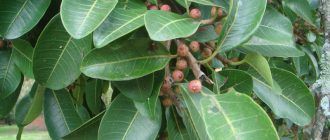
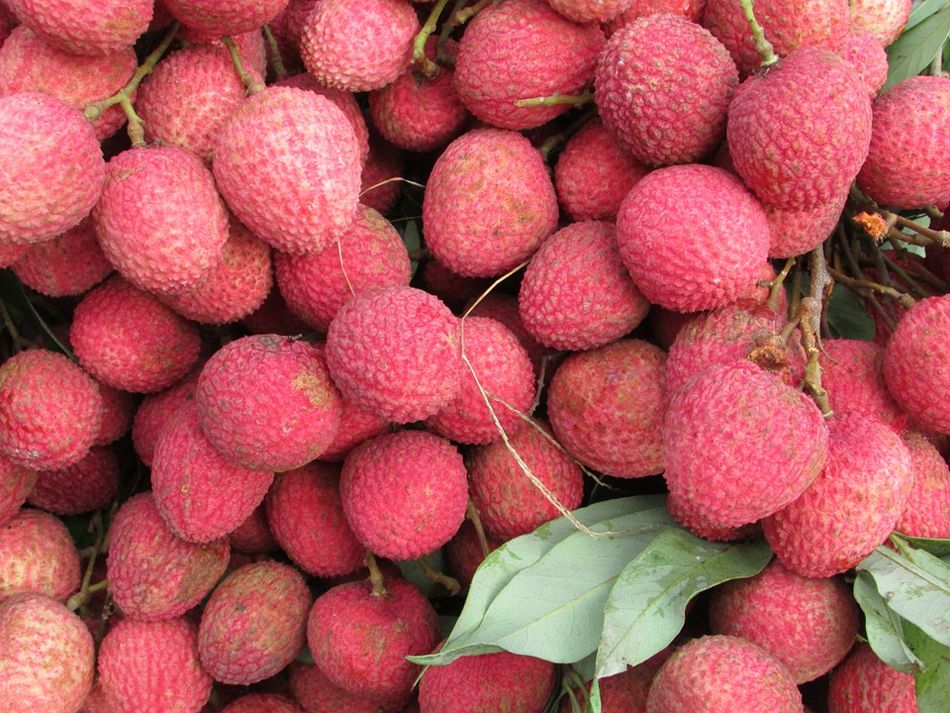
The spreading crown bears small (2-4 cm) exotic red fruits with pimples and white, sweet, juicy, and aromatic gelatinous flesh. Because of these, this plant is also called the Chinese plum. The fruits are eaten fresh, preserved, and used in various desserts and wine. Depending on the variety, they ripen in late May or June.
Growing lychee from seed
Lychee is a tropical plant and is considered exotic in temperate climates, making it difficult to obtain a seedling. However, you can try growing one at home from a seed.
Preparation of planting material
First, you need to choose a fruit that has the following properties:
- strong smell;
- red peel;
- translucent juicy pulp.
Then, the freshly removed stone (it quickly loses its viability) is stimulated before planting, for this:
- It is wrapped in a damp cloth.
- Leave for a week, constantly soaking with water.
- When it swells, plant it in a pot.
Landing
Preparing the container:
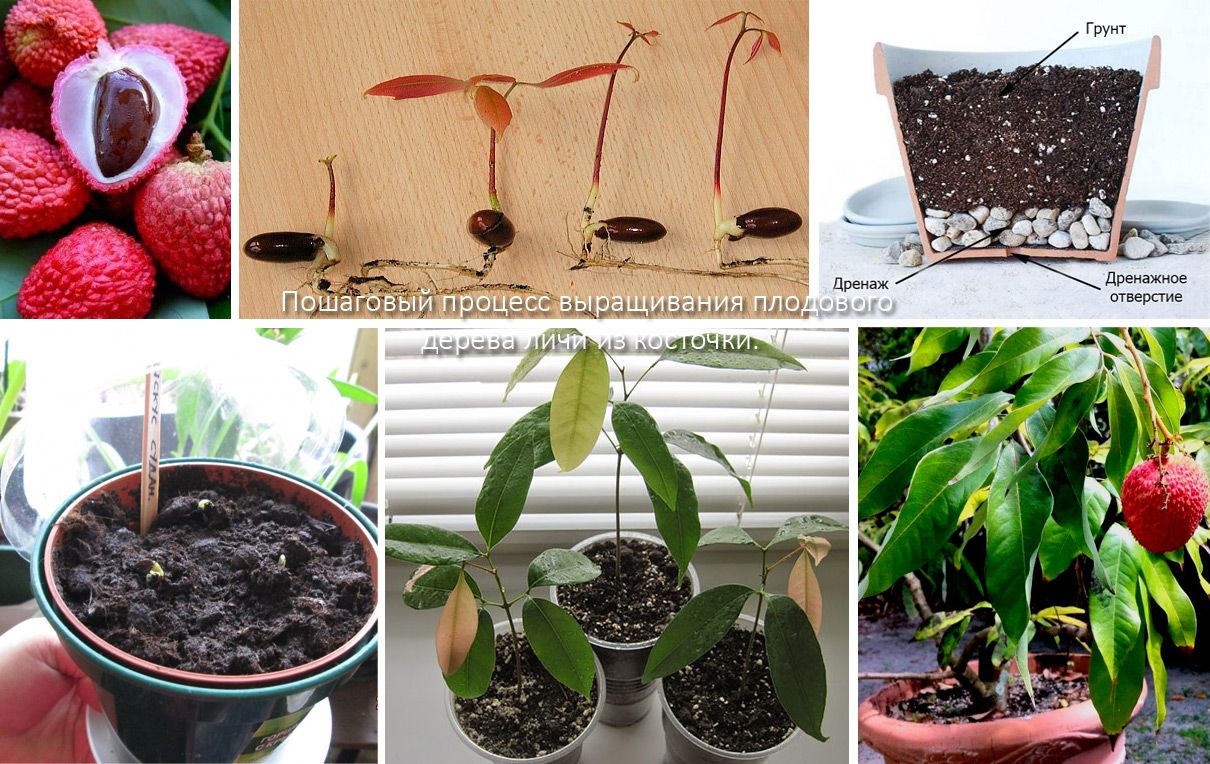
- Take a small flowerpot with a drainage hole.
- Broken bricks are placed on the bottom, with expanded clay taking up ¼ of the pot.
- Prepare soil consisting of garden soil and peat (2:1).
- They fill the rest of it.
Several swollen seeds are placed 1 cm deep into a prepared container with soil and watered.
To stimulate growth, it is necessary to create greenhouse conditions:
- The container with planting material is covered with a transparent jar or film.
- Place in a warm, dark place (+35 °C).
- Maintain soil moisture and ventilate briefly.
- After 0.5-1 month, when sprouts appear, the mini-greenhouse is removed.
- The container is placed in a lighted place and the temperature is maintained at +25 °C.
Caring for young lychee shoots and an adult tree
Once you've got a seedling, it's important to care for it properly. To do this:
- Young plants are watered daily in moderation, avoiding drying out or overwatering. If the humidity is low, additionally mist the seedling with settled, room-temperature water.
- For further maintenance, it is important to provide sufficient light (at least 12 hours a day).
- After rooting, when the sprouts reach 20 cm, they are planted in large pots to allow the root system to grow.
- Fertilize regularly, applying mineral fertilizers. The first time is three months after planting, then a year later. A two-year-old tree is fertilized every two months.
If all conditions are met, a beautiful lychee tree will emerge. To create a more attractive plant, it can be pruned for the first two years. After that, simply remove any dead parts. Severe pruning can disrupt fruiting.
When caring for a mature tree, it's important to observe both the dormant period (September to February) and the period of active growth (May to September). Each of these periods requires its own approach.
If the plant is placed in a room with a temperature lowered to 10–15°C in the fall and winter, it will begin to develop new flower buds, which will eventually lead to fruit formation. This typically occurs in the third year of life.
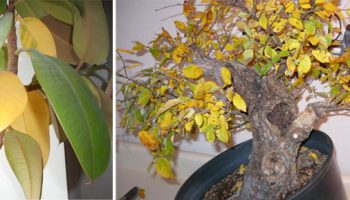
It's important to constantly monitor the tree for any infestations of harmful insects, such as scale insects, spider mites, and aphids. If this occurs, treat the leaves and trunk with a soapy solution, leave for 10 minutes, and then rinse under running water. If this doesn't work, use insecticides (Aktara, Actellic). Just make sure not to do this during the fruiting period.
With proper care, the tree will delight you with fresh fruit every year.