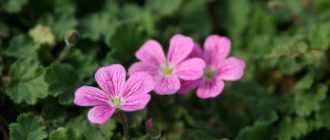
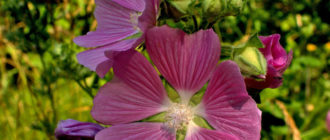
The perennial tropical plant Mirabilis attracts gardeners with its vibrant blooms, delicate fragrance, and medicinal properties. The plant tolerates drought and heat, blooming in challenging conditions, including loamy soil. Subzero temperatures can even damage the roots of this "night beauty," so propagation by seed is preferable.
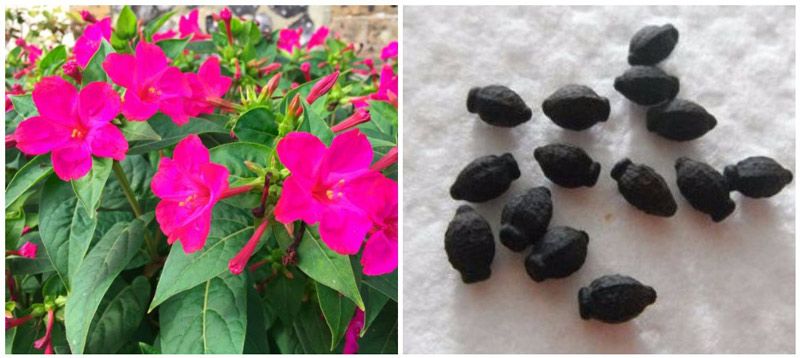
Mirabilis from seeds at home
Select the optimal growing location for the tropical flower. Ensure early flowering to ensure seed ripening:
- find the warmest, sunniest place in the garden;
- protect plants from drafts and strong winds;
- prepare neutral or slightly acidic soil;
- shade during the hottest afternoon hours;
- Low-lying areas of the site are excluded for planting.
In regions prone to early frosts, seed maturation can be extended by using non-woven material. This material is used to wrap the plant or create a small protective frame.
Preparing soil and planting material
The "night beauty" prefers light, neutral soil, but it also grows in loamy soil. The site should be fertile and well-drained. Overwatering and high acidity negatively impact the plant's development. It is recommended to prepare the area for planting mirabilis in the fall. Fertilize the soil thoroughly with a spade-full of digging: potassium salt, humus, calcium nitrate, and wood ash. Light soil is weighted with clay at a rate of 18-20 kg/m3. Lime and dolomite flour are added if the soil is too acidic.
The following method has proven effective: dig a trench 30 cm deep, place removed weeds and food scraps in it, and cover with soil. Sprinkle with ash before planting.
When and how to plant mirabilis seeds
Analyze the climate in your region. It takes about two months from planting seeds to flowering, with another three weeks required for seed formation. Therefore, planting prepared seedlings saves time. Before germination, treat the seeds with a solution of deep pink potassium permanganate for two hours.
Accelerate the emergence of sprouts:
- scarification is used: the seed coat is carefully thinned with sandpaper or a nail file;
- warm up with hot water for half an hour;
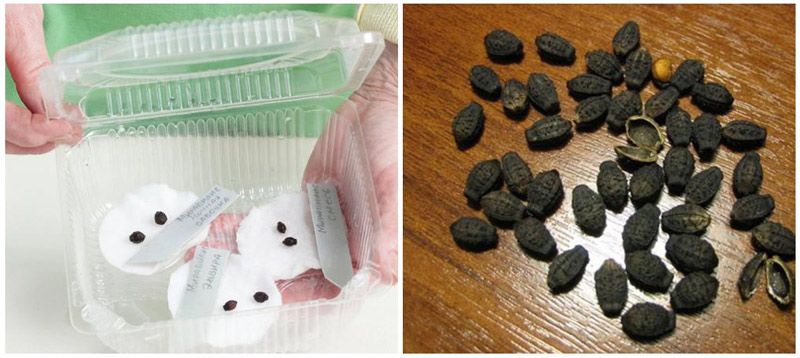
- placed between damp cotton pads;
- solutions of growth stimulants (Epin-extra) are used for germination.
In southern regions, mirabilis reproduces well by self-seeding. Once grown, thin out the shoots depending on the variety. For short varieties, 30 cm is sufficient, while larger varieties require 50-60 cm.
The air and soil have warmed to 10°C, and the danger of frost has passed—so the seeds are planted outdoors. The treated, sprouted mirabilis seeds are laid out in furrows at intervals of 5-8 cm. They are then covered with 2 cm of substrate, watered, and covered with non-woven fabric.
Growing Mirabilis seedlings at home
In cold climates, mirabilis is grown from seedlings. This ensures early flowering and allows for seed collection. The best time to grow mirabilis is from late March to mid-April, allowing 1.5 months before planting outdoors.
Strong seedlings are obtained by following these recommendations:
- Choose deep plastic cups or pots. Mirabilis roots grow deep and need ample space.
- Use universal mixtures with a neutral reaction or mix peat, river sand, and garden soil in equal portions and fill the seedling containers with the resulting substrate.
- Neutralize the soil by adding wood ash or dolomite flour to the mixture. Water it with a fungicide solution.
- Before planting, soak the seeds, removing any that float to the surface. Place the remaining seedlings in a humid environment for 12-20 hours.
- Only 2-3 peas are planted 2 cm deep into the prepared substrate, reserving space for large, strong seedlings.
- Water with warm water and cover with glass or film. Ventilate periodically.
- Place the shoots, already with a couple of leaves, on a bright windowsill. Avoiding drafts, harden them off outside if climate conditions permit.
- Moisten the soil generously before transplanting and, using the transshipment method, preserving the roots, place the plant in open ground in a prepared place.
- The soil around the plant is mulched.
Seedlings from greenhouses are placed in flower beds:
- Moscow region and the Central Belt – beginning of June;
- Ural – third ten days of June;
- southern regions – end of May.
Top.tomathouse.com informs: collecting and storing Mirabilis seeds
When stored properly, the germination capacity of collected planting material is maintained for 3 years.
Choose a vigorous plant with the desired petal color. Keep in mind that gramophone color is not inherited when crossing, and Mirabilis exhibits incomplete dominance (Mendel's law).
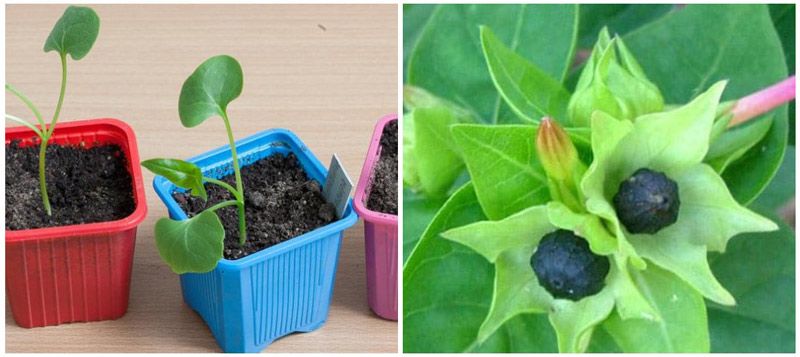
Like a perennial, the first seeds of the "night beauty" appear two weeks after flowering begins. Within the inflorescences with their blossoming gramophones, a seed pod containing a pentagonal, dark-brown fruit is visible. The seed's readiness is signaled by the seed pod's color changing from dark green to straw.
There are several ways to collect mirabilis fruits:
- The opening seed pods are selectively picked off.
- Place a wide basin or cardboard box under the plant, shake it, and collect the fallen peas.
- The plant with browned lower capsules is cut off, laid out in a dry place and the upper flower stalks are left to ripen.
- The top part of the plant is removed, a paper bag is placed over the remaining part, turned over and hung in a warm room until the seeds gradually ripen and fall out.
- It is essential to dry and ripen the fruits collected in advance.
Follow the rules:
- Place the boxes with peas on paper (preferably mesh) or in boxes to dry them on all sides in a thin layer;
- choose a place for ripening with good ventilation;
- stir periodically and watch for the appearance of mold;
- sign the collected material if it is of several varieties or different colors;
- thresh the seed pods and remove excess debris.
Store correctly:
- Optimum temperature from zero to +10 °C, relative humidity 60%.
- Use paper bags or envelopes, linen bags.
- They sign, indicating the variety, color, and year of collection of the mirabilis.
It is recommended not to store seeds in polyethylene or plastic containers.
Avoid using in areas with high humidity (bathrooms, kitchens). If this is unavoidable, store the seeds in glass jars with screw-on lids. Add silica gel (a drying agent) to the jars.