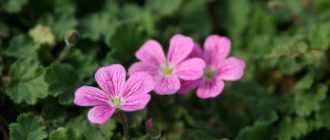
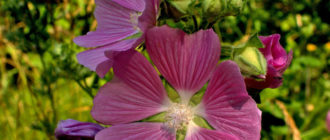
Calystegia (bindweed, morning glory, or birch) is a herbaceous perennial plant of the Convolvulaceae family. It is native to moderately humid regions on all continents.
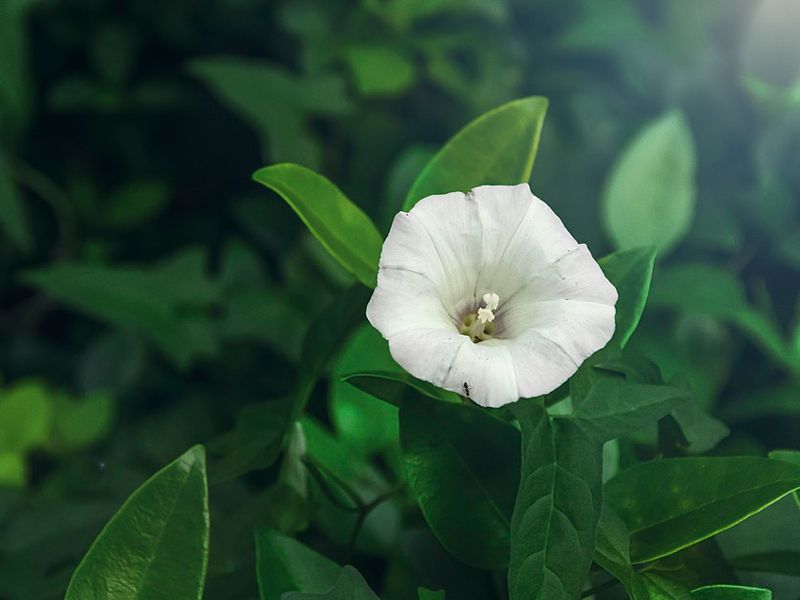
Description of calistegia
The bindweed has a robust root system that extends up to 1.5 meters. Slender shoots, clinging to support, grow up to 4 meters. The leaves are oblong (resembling grape leaves, but smaller) and leathery. Most bindweeds tolerate winter cold well. They are planted near vertical structures (fences, arbors).
The flowers are solitary, resemble a lush bell, grow from the axils of the leaves, and are white and pink in color.
In autumn the shoots die off, and with the arrival of spring the root produces a fresh shoot.
Types and varieties of Calystegia: terry, fluffy and others
There are several types and varieties of morning glory suitable for home cultivation:
| Type and variety | Description | Leaves | Inflorescences |
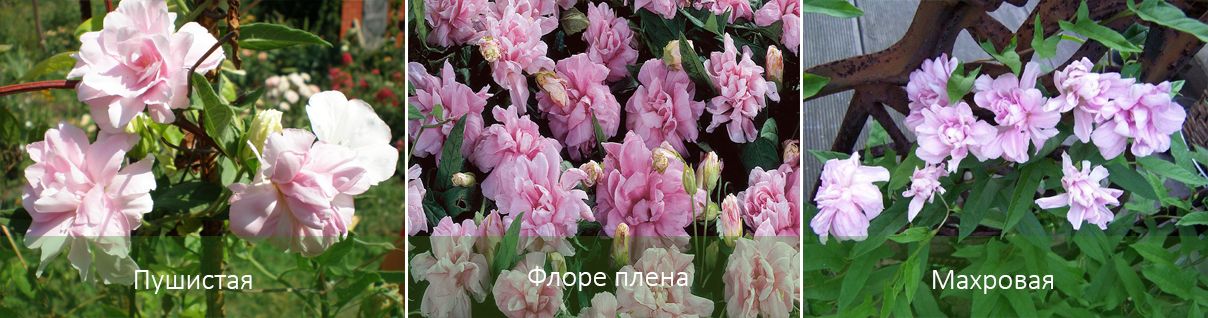
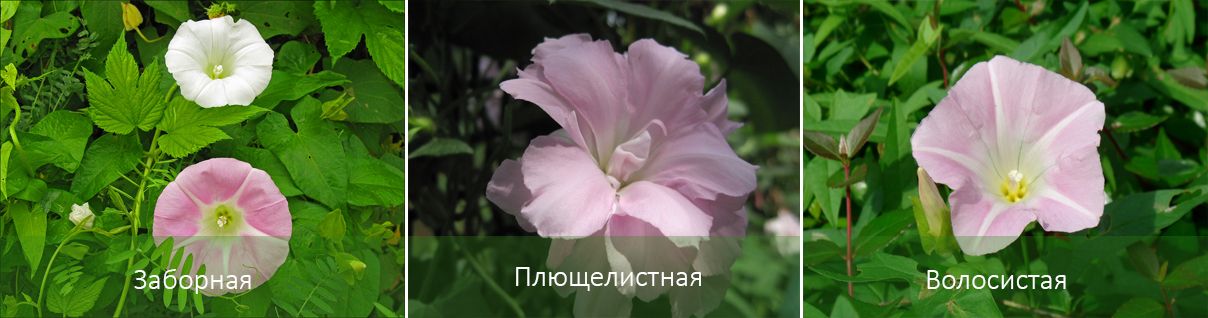
| Fluffy | Native to China. Stem length up to 4 m. This is the tallest species of Calystegia. Cover with dry leaves during frosts. | Long, leathery. | Bell-shaped, double, 4-9 cm in size, pinkish in color. |
| Flora captivity | The trunk is about 3 m long. This is a variety of the fluffy species of Calystegia. It has a pleasant aroma. |
Green, slightly drooping, arrow-shaped. | Large. The buds are gathered into pom-poms, and the color is white with a pinkish tint. |
| Terry (French rose) | A slender stem 3-4 m long. Powerful roots have the ability to store moisture. | Dark green, have petioles. | Multi-petal buds, color – soft pink. |
| Fence | Resembles a common birch. Its shoots reach up to 3 meters in length. It is considered a weed. It reproduces by self-seeding and grows rapidly. Flowering continues from mid-July until autumn. | Triangular. | The diameter of the flowers is about 4 cm. Color – white. |
| Ivy-leaved | The shoots reach 2.5 m. It blooms from July 15 to September. | Small, bright green. | Double, white with a pink tint. The buds are about 9 cm in diameter. |
| Hairy | Native to the Far East. It is the smallest species. The trunk is strong and upright, reaching 80 cm in height. | Triangular, green-yellow. | Pink flowers with fused petals that are slightly pointed. Diameter: 4 to 6 cm. |
| Multiplex | The trunk is approximately 3.5 m tall. It is considered an ornamental species and is frost-resistant. Flowering continues from July to October. |
Medium size, light green. | Large, double flowers. Color: pink with a pearly hue, up to 9 cm in diameter. |
| Daurian | It has shoots up to 3.5 m long. | Green, elongated. | Single, deep red in color. |
Planting Features of Calystegia
Calystegia is propagated by creeping rhizomes, which are initially placed in small greenhouses and then moved to a permanent location.
For planting and further care, perform the following steps:
- they dig a trench the depth of a shovel blade;
- the pit is filled with a mineral complex;
- add ash and humus.
Bindweed is planted in a prepared trench at a distance of 5-25 cm, depending on the variety. After the rootstock is planted in the soil, slate is dug in to a depth of 45 cm. This will prevent the plant's root system from spreading too far.
Experienced gardeners plant 2-3 seedlings at a time in a bottomless barrel. This ensures better absorption of moisture and fertilizer, eliminating the need to bury slate to restrict root growth.
Caring for Calystegia
Growing bindweed involves monitoring the following points:
- Lighting. The plant should be planted in a well-lit area or in light partial shade.
- Fertilizing. From early May until September, bindweed requires nutrients. Because the plant blooms long and profusely, fertilizing is done every 8-10 days, using mineral fertilizers. To prepare a nutrient solution, dissolve a tablespoon of fertilizer in a bucket of water and water 2 square meters of soil. In the fall, sprinkle ash around the plant, which also acts as a fertilizer.
- Pruning. Throughout the season, remove faded blooms and trim back thin shoots. When the foliage fades, remove all dried flower parts, leaving a short stump.
- Soil. The soil should be loose, sandy, and clayey, and should be fertile.
- Watering. During dry periods, water the plant generously, but avoid waterlogging. Bindweed roots are capable of extracting moisture from the soil.
Top.tomathouse.com warns: Problems with growing calystagia and its pests
When growing calistegia, various problems arise, complicated by pest attacks:
- Rapid root growth. If the part of the rhizome containing young shoots isn't dug up promptly, the plant becomes a weed, which is difficult to remove. To prevent this, establish a growth boundary. This can be a simple trellis dug into the soil or a tripod.
- Slugs. If these pests are found on the plant, sprinkle lime on the soil around the plant. Also, treat the plant with an insecticide such as Groza.
- Spider mites. During hot weather, these insects also appear on foliage. They are controlled with acaricides such as Aktara.
Using Calystegia in landscape design
Since hybrid varieties of calistegia are quite decorative, they are used in landscape design:
- They are planted around the perimeter of the plot to create a beautiful hedge.
- They decorate gazebos, arches, fences, and walls, hiding the unsightly appearance of these structures from prying eyes.
- It is grown as a single planting, since the plant can replace a flower bed.
Calystegia is often planted next to trees with sparse foliage.
A braid of several rootstock shoots resembles a garland covered with a cap of white and pink flowers. It's used not only for everyday decoration but also for special occasions. To achieve the desired shape, the calystegia is planted in a suitable location several months in advance.
The shoots are often planted in boxes and displayed on loggias or verandas. The plants twine around the windowsill and supports.
Many gardeners give positive feedback about growing morning glory. They appreciate its short flowering period and low maintenance requirements. Furthermore, the inflorescences can be mistaken for small rose or clematis flowers, which are renowned for their attractive appearance and pleasant fragrance.