Clarkia is an annual plant in the Onagraceae family. Native to California, it was discovered by Captain W. Clark, after whom the plant was named. Clarkia can be found in the wild throughout Chile and North America, and there are over 40 varieties. However, only three have been domesticated.
Content
- 1 What does clarkia look like?
- 2 Growing Clarkia: All the Features in the Table
- 3 Types and varieties of clarkia flowers
- 4 Growing Clarkia flowers from seeds, how and when to plant seedlings
- 5 Planting Clarkia in open ground (seedlings and seeds), step-by-step care
- 5.1 Timing of sowing or planting clarkia seedlings in open ground
- 5.2 Timing for sowing clarkia, planting clarkia seedlings in open ground, as well as transplanting and picking according to the 2022 Lunar Calendar
- 5.3 Choosing a landing site
- 5.4 Soil for Clarkia: composition and characteristics
- 5.5 Sowing Clarkia seeds in open ground
- 5.6 Planting clarkia seedlings in open ground
- 5.7 Watering
- 5.8 Top dressing
- 5.9 Tying and pruning
- 6 Clarkia after flowering: tips for beginning gardeners
- 7 Clarkia diseases and pests + treatment
- 8 Clarkia in a flowerbed + many photos of the flower
- 9 Differences between Clarkia and Godetia
- 10 Clarkia reviews from gardeners
What does clarkia look like?
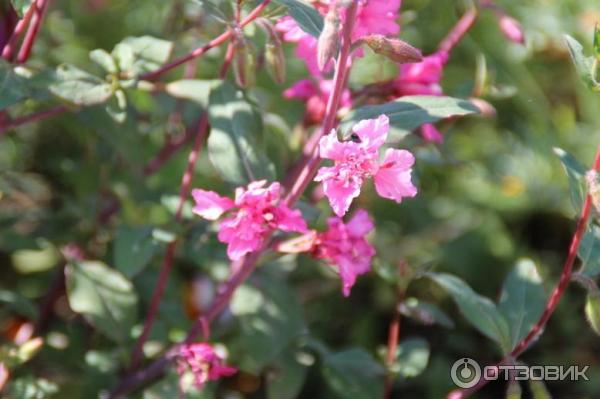
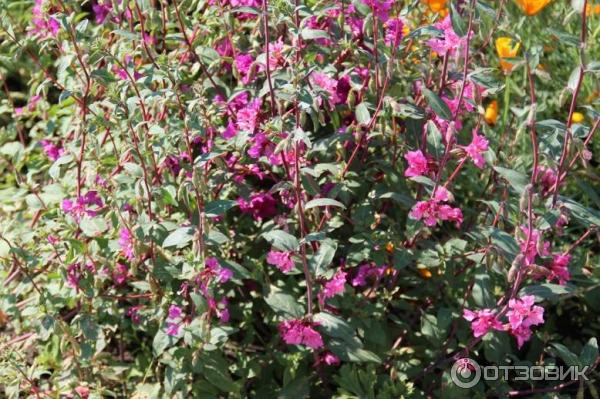
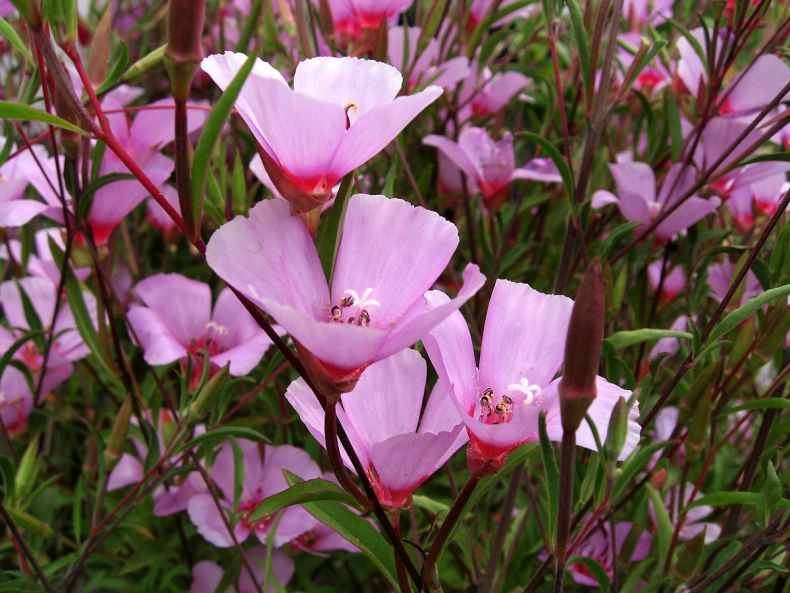
Clarkia is an annual plant with a main stem ranging from 30 cm to 1 m long. The shoots are erect, branched, and covered with fine hairs on the surface. The leaves are arranged alternately, elongated-oval, and bright green.
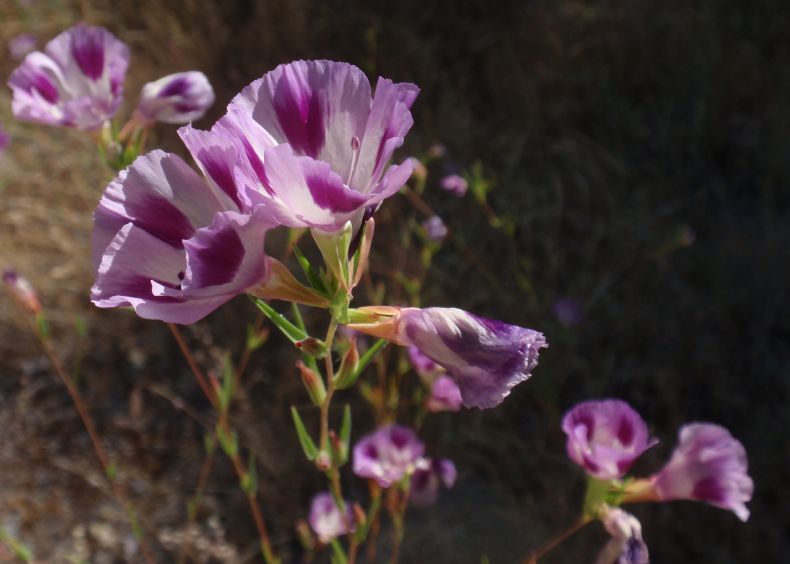
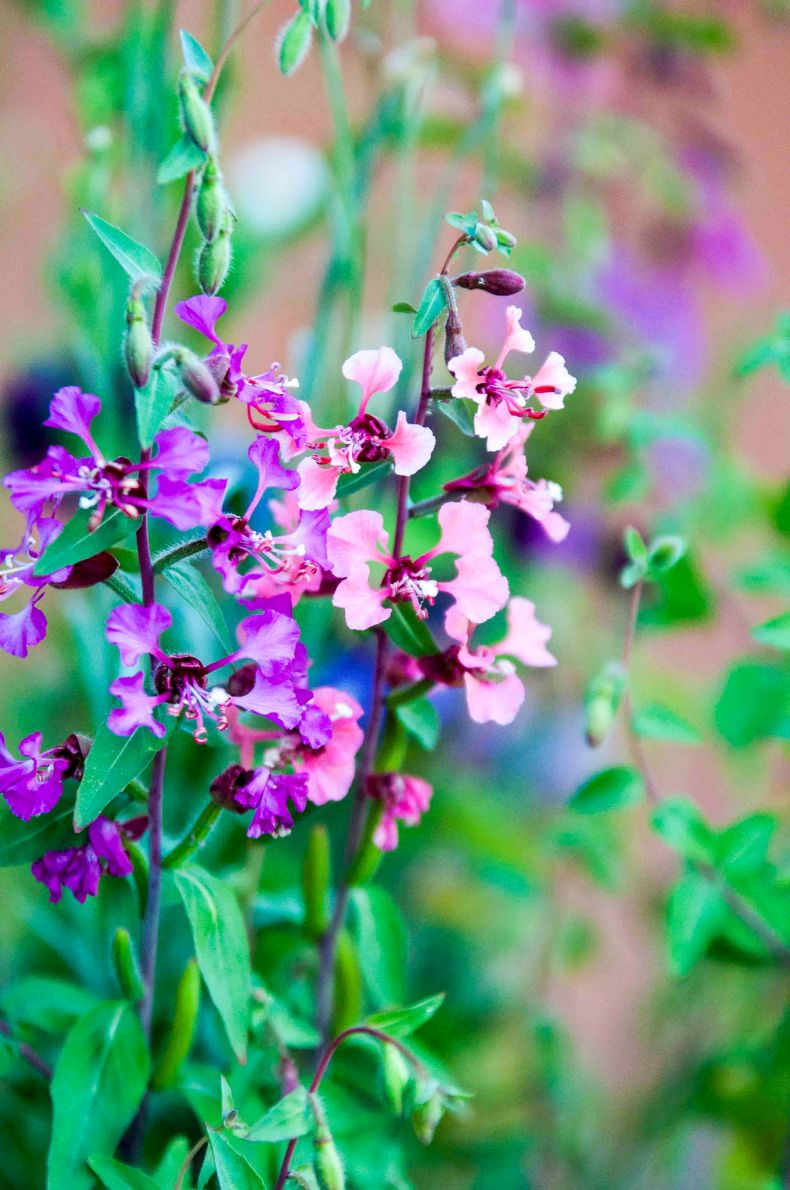
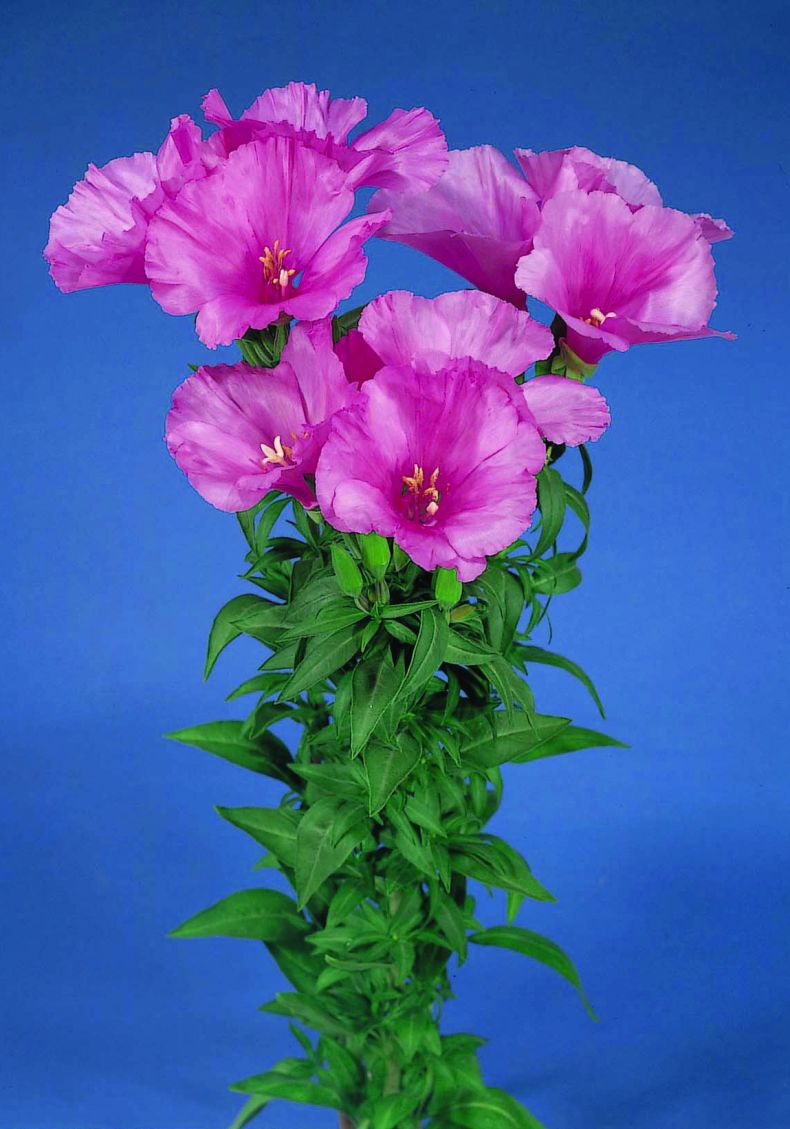
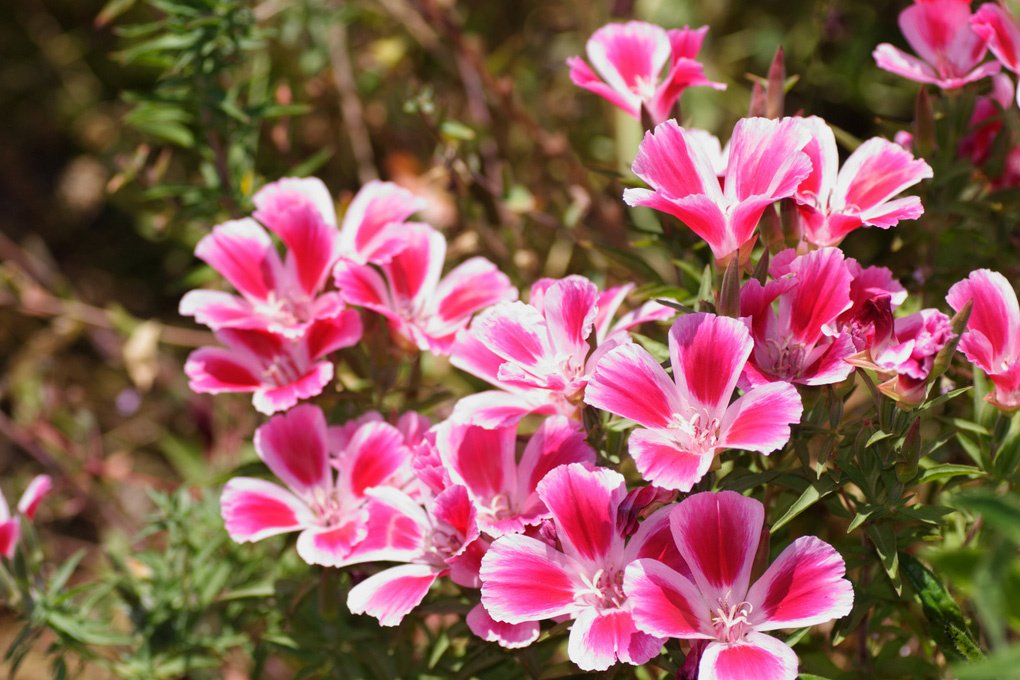
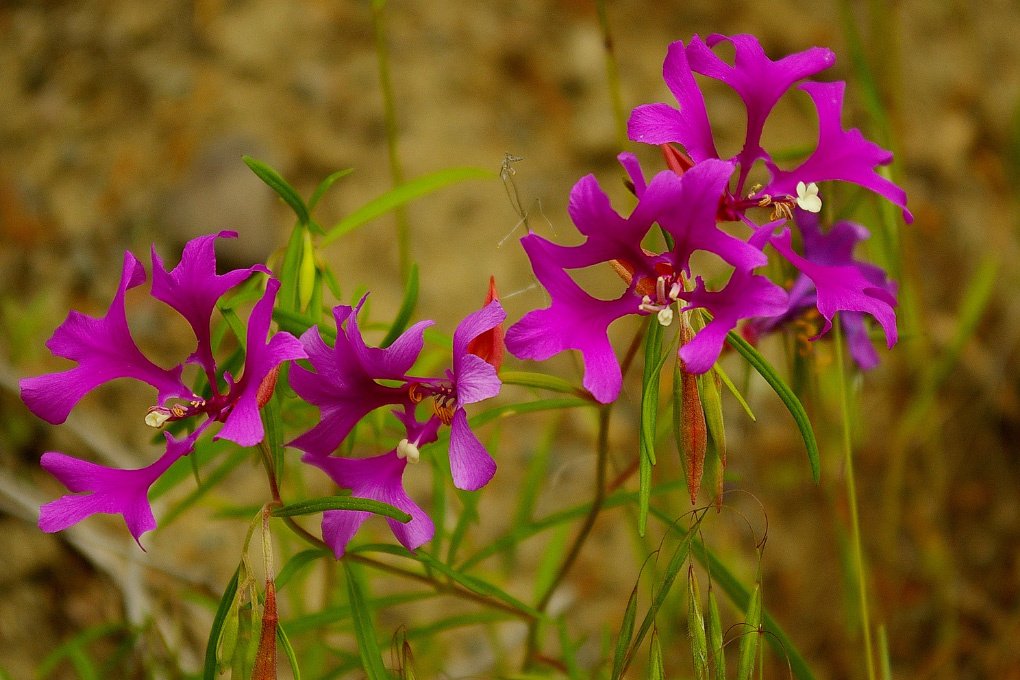
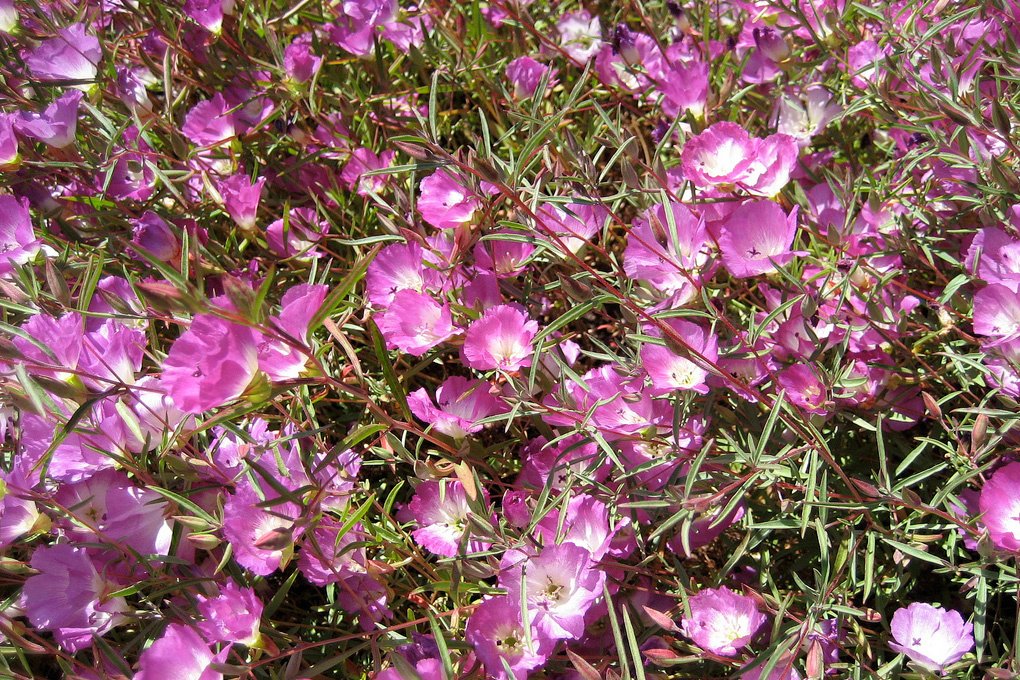
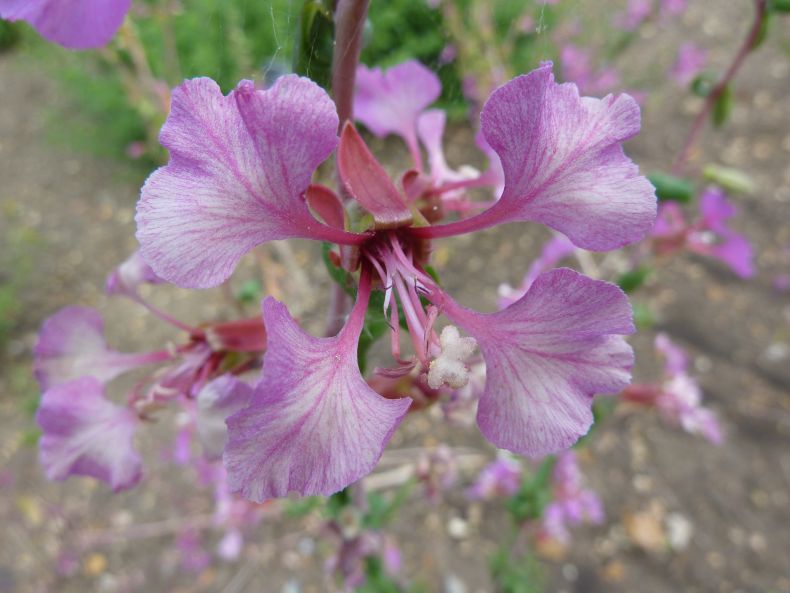
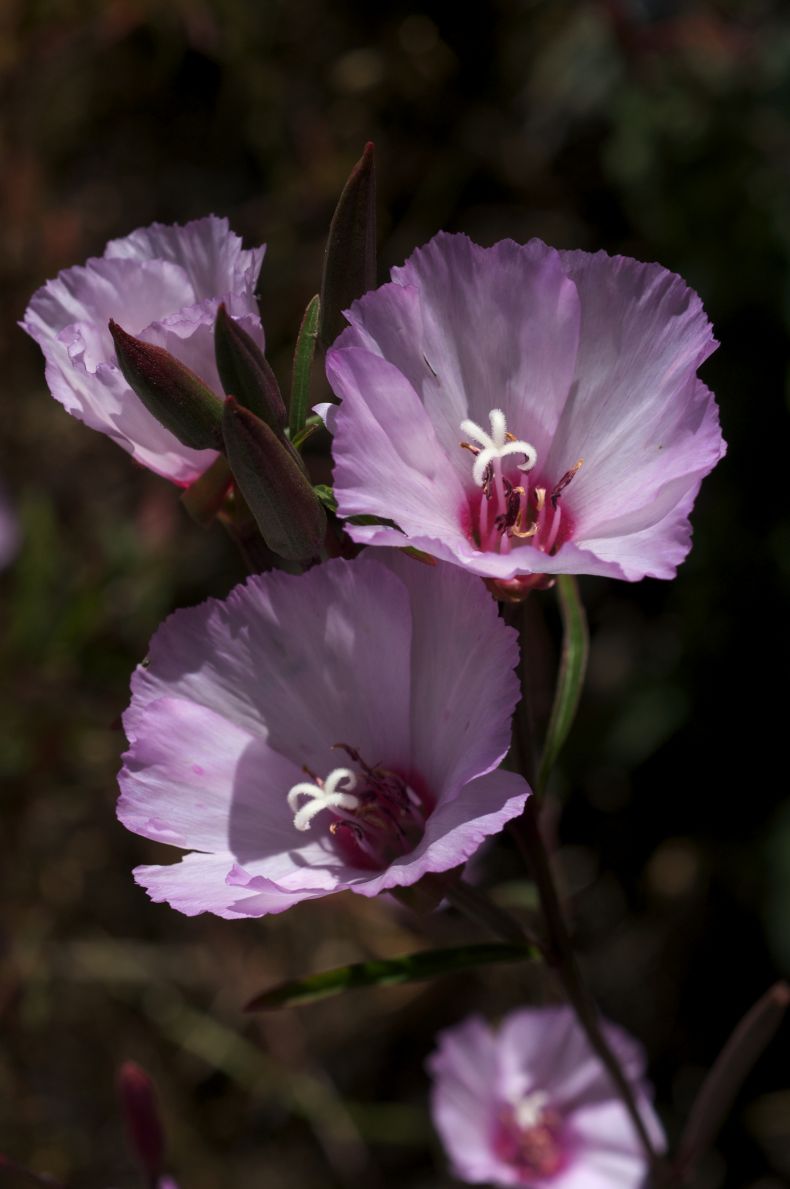
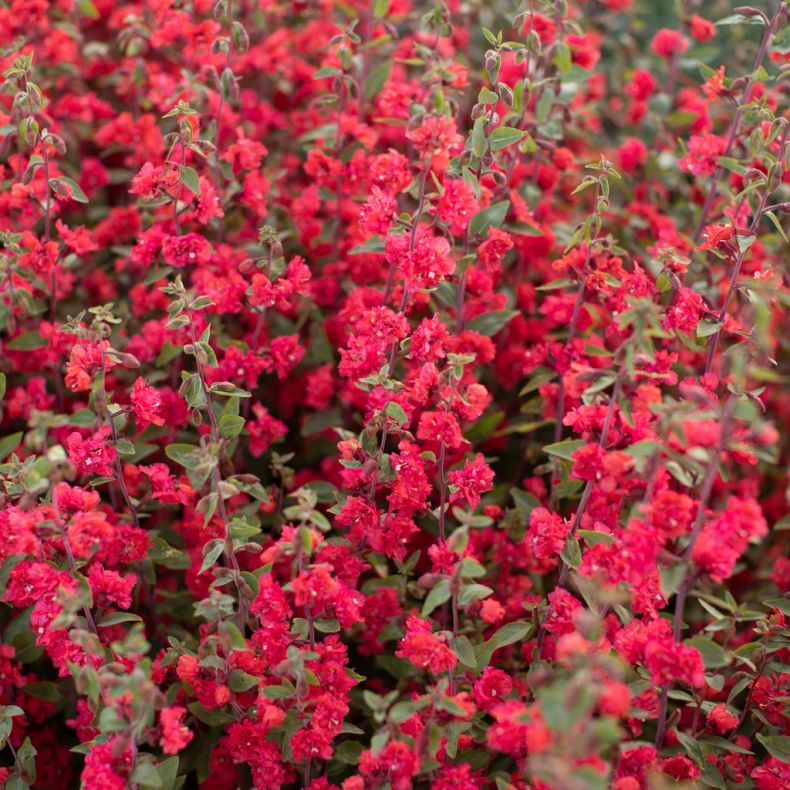
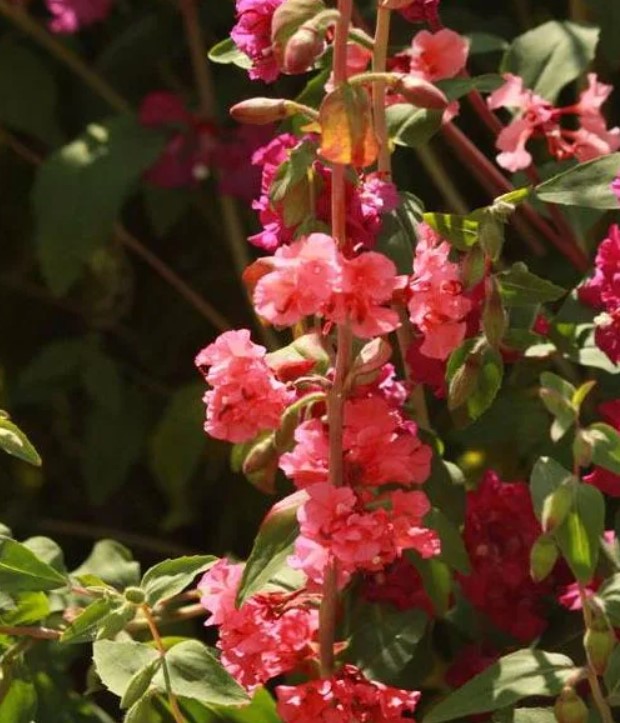
Flowers are most often gathered in terminal racemes. Coloring may vary depending on the variety. Solitary buds are less common. Flower diameters can reach 3.5-4 cm. The calyx is tubular, and the corolla may consist of four entire or trilobed flowers. They taper at the base. After flowering, an elongated, multi-seeded fruit forms.
In the wild it can grow as a perennial, but in Russia it is grown as an annual.
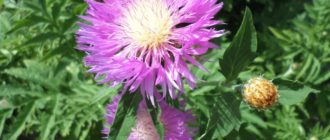
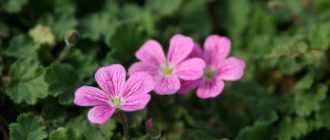
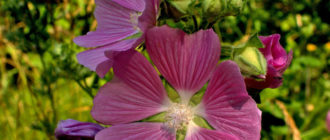
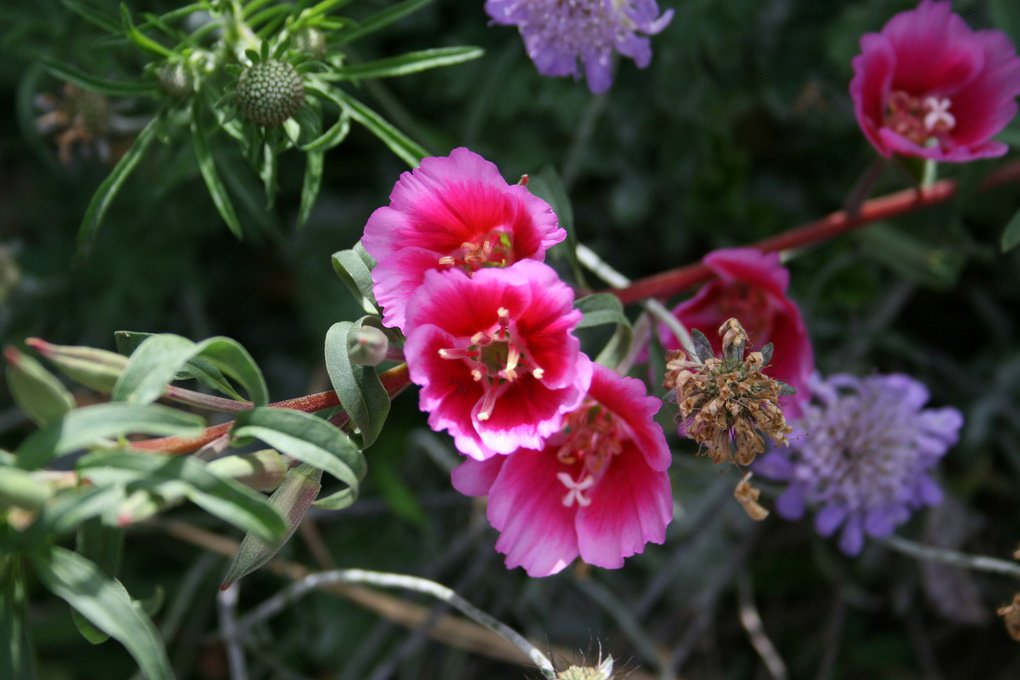
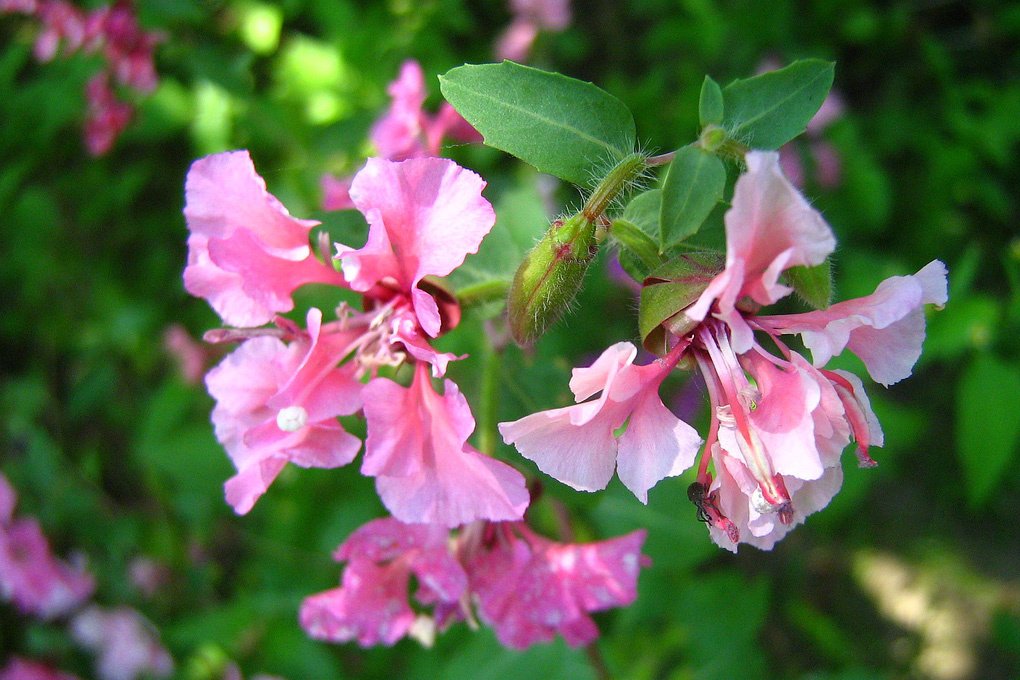
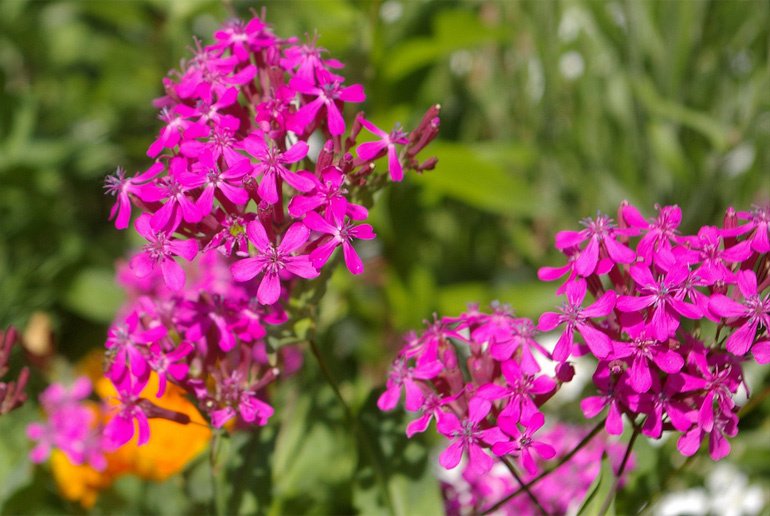
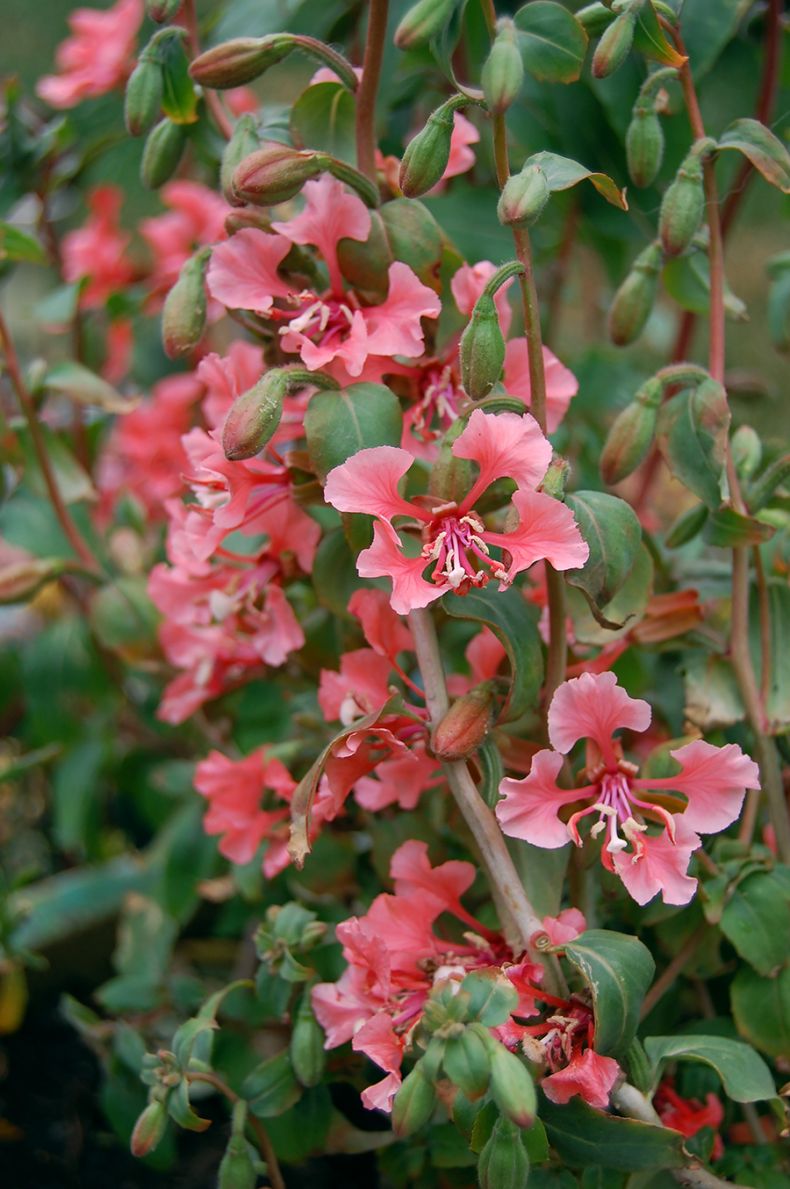
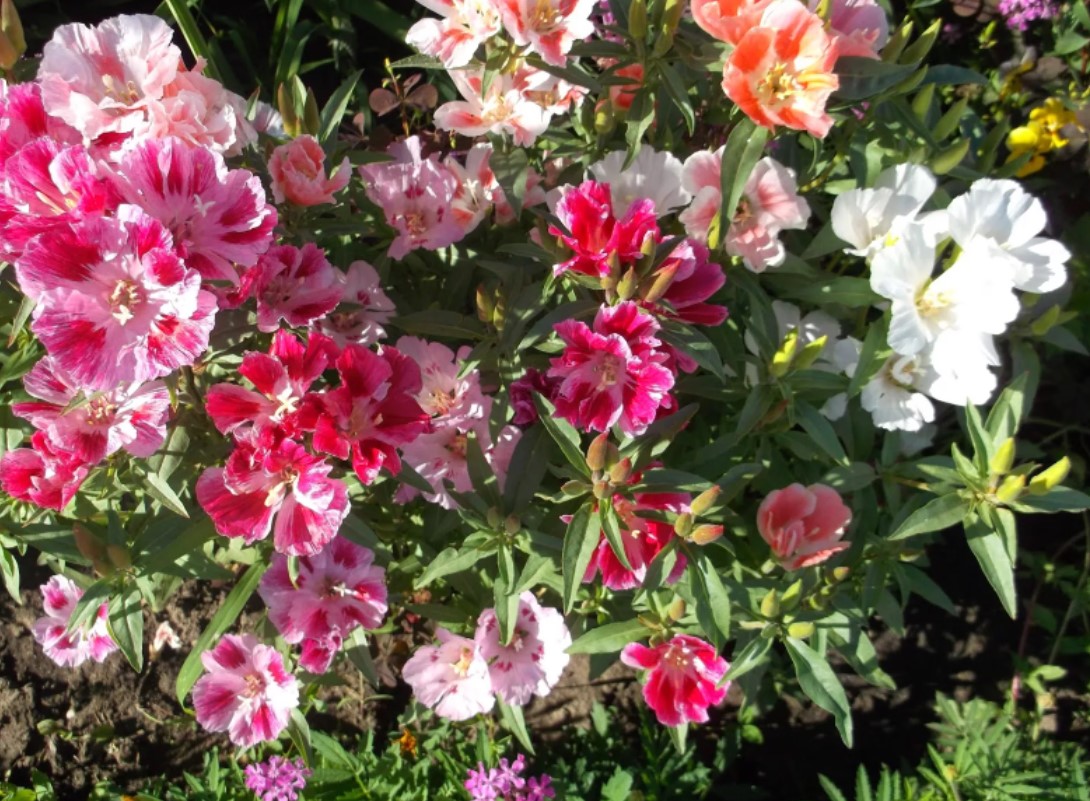
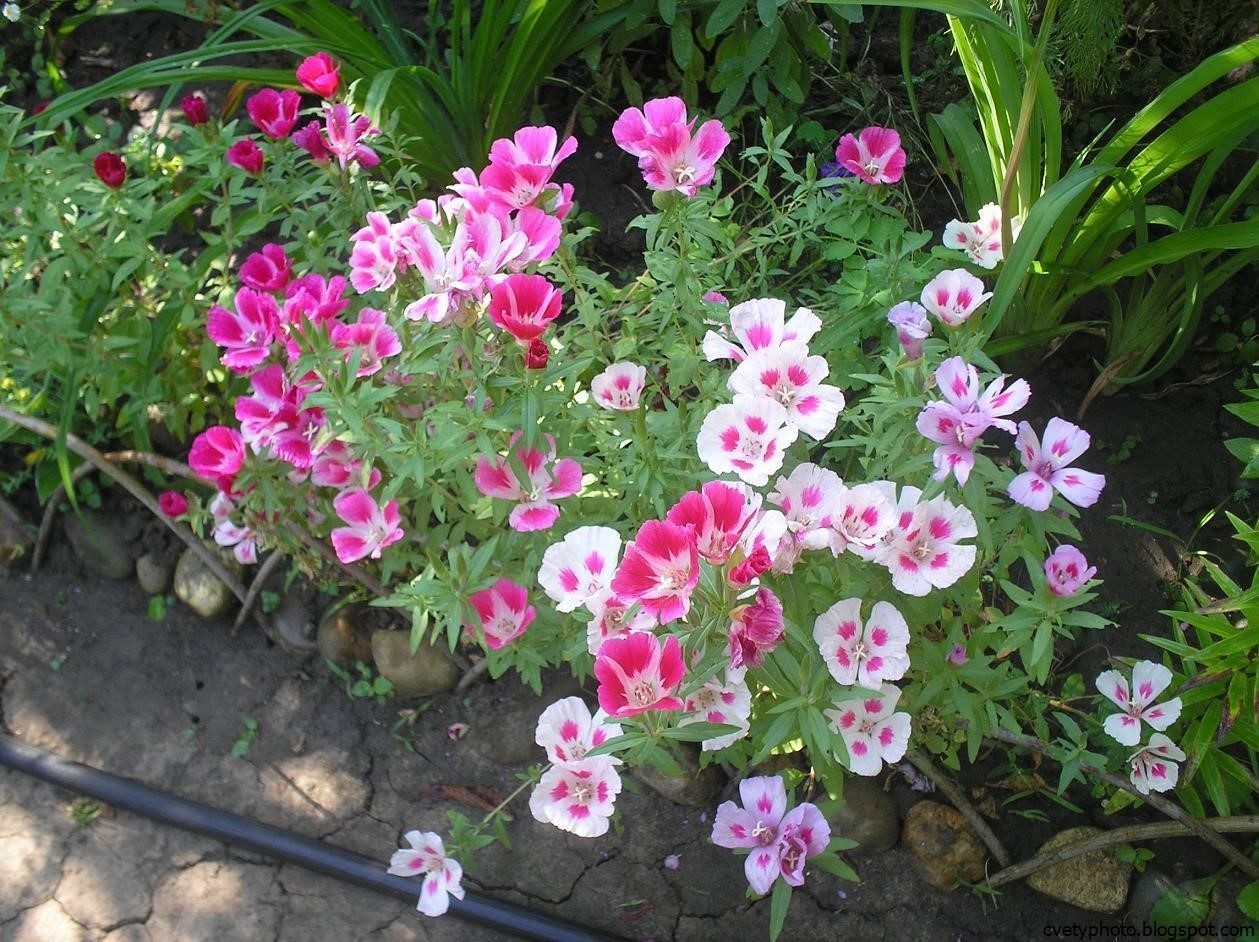
The photo shows the diversity of this interesting flower:
Growing Clarkia: All the Features in the Table
| Landing | Clarkia can be sown before winter. In spring, seeds are planted outdoors in late April or early May. Clarkia seedlings are sown in March, and the grown seedlings are transplanted outdoors in the second half of May. |
| Lighting | They prefer well-lit areas. |
| Soil | The soil is dry, loose, light, slightly acidic. |
| Watering | It is carried out only during dry periods, no more than 2 times a week. |
| Top dressing | Twice a month during the period of bud formation, the plant is fed with complex fertilizers. |
| Reproduction | Seeds. |
| Pests | Garden flea beetles, mealybugs. |
| Diseases | Rust. |
Types and varieties of clarkia flowers
Let's look at the types of clarkia and the varieties of this flower.
Clarkia elegans: 12 varieties with photos and descriptions in the table
Another name for this variety of Clarkia is marigold (Clarkia unguiculata). This annual grows up to 100 cm. The sturdy stems become woody at the base as they grow. The leaves are oval, with red veins on the surface and sparsely toothed margins. Clarkia flowers are up to 4 cm in diameter, with petals that can be single, double, or densely double. The coloring varies by variety. The seeds are small and remain viable for up to 4 years.
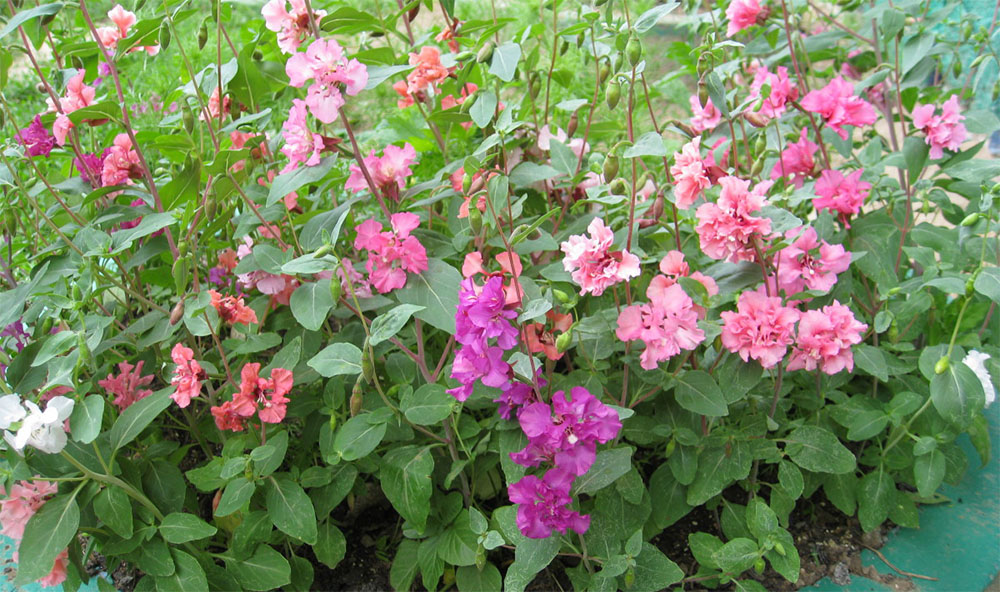
TOP 7 varieties of Clarkia elegans
The table below describes the most popular varieties of Clarkia elegans.
| Variety | Bush height | Type and color of petals | Flower diameter |
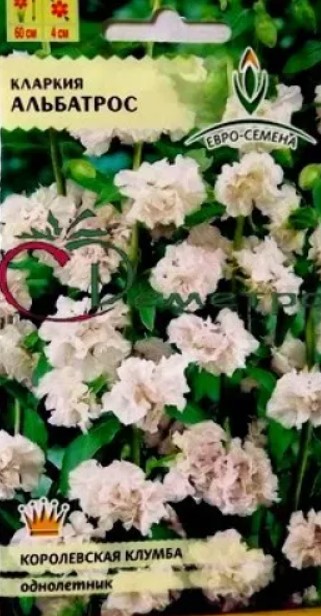
| Albatross
|
Up to 75 cm | Terry, white | Up to 35 mm |
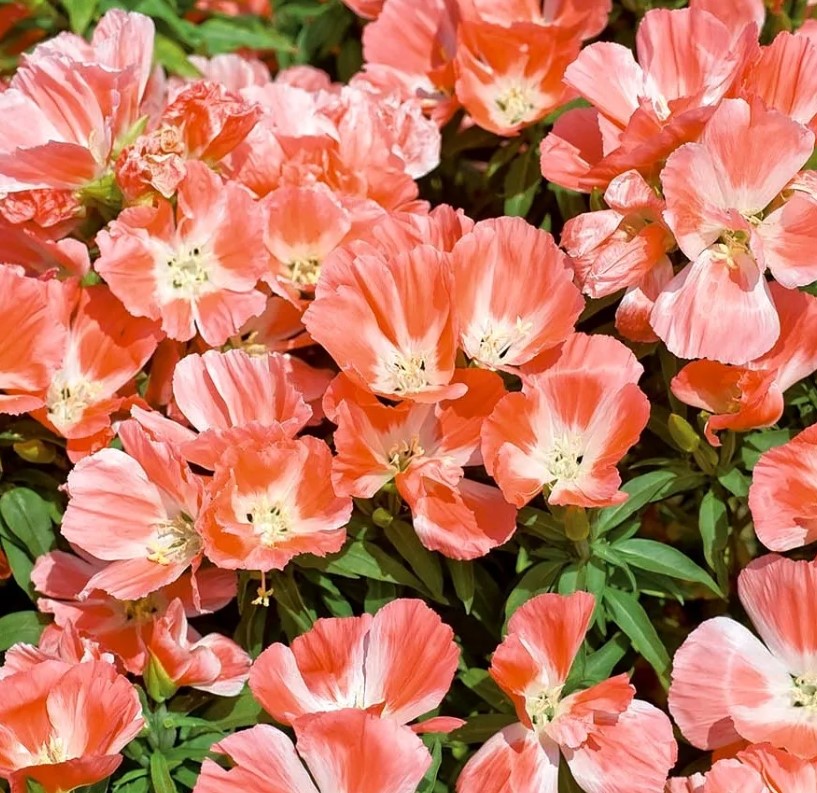
| Salmon Perfection
|
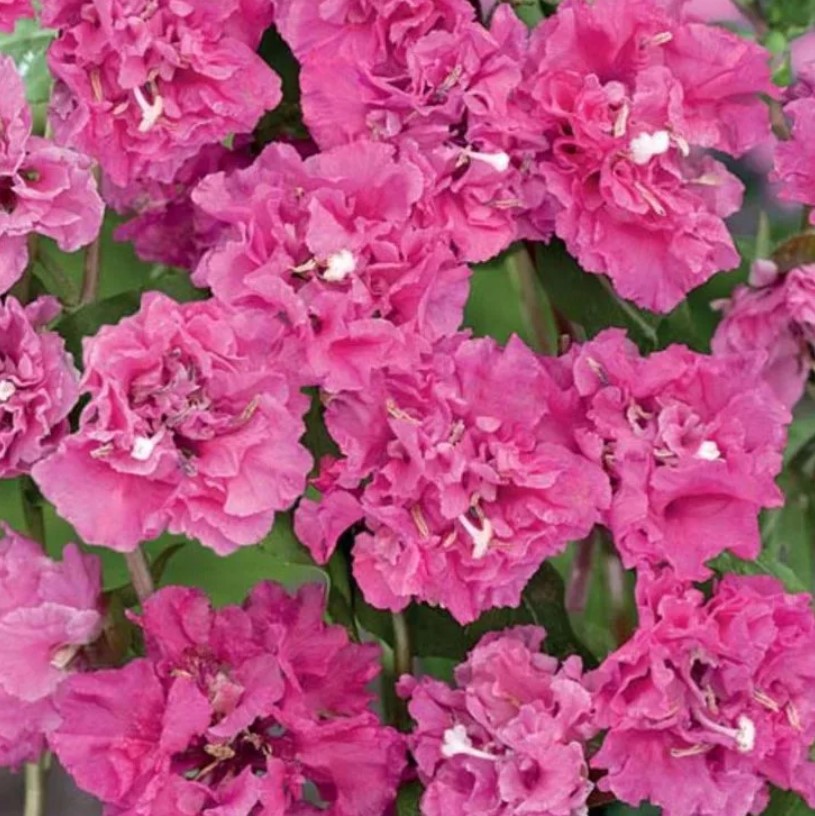
80-90 cm | Terry, carmine | 35-40 mm |
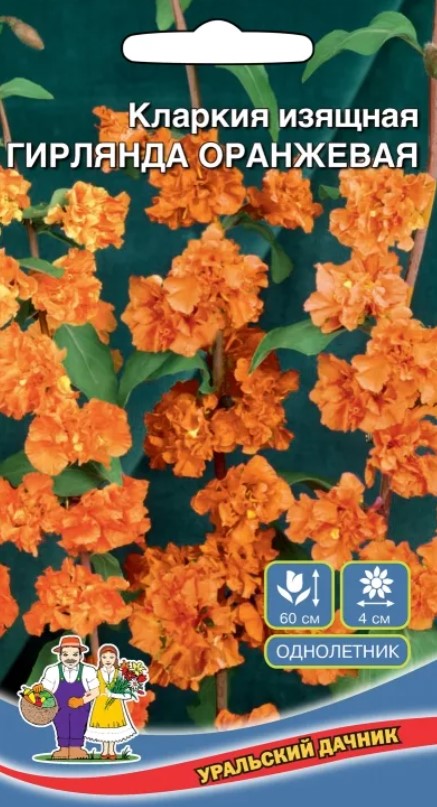
| Orange
|
Up to 60 cm | Terry, orange | Up to 40 mm |
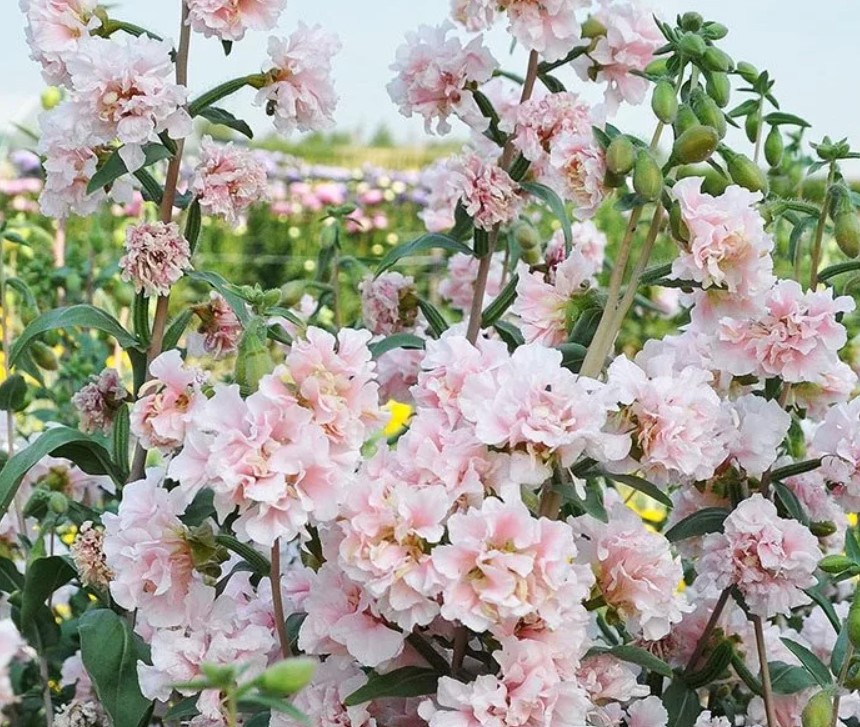
| Sakura
|
Up to 120 cm | Pinkish | 30 mm |
| Sun
|
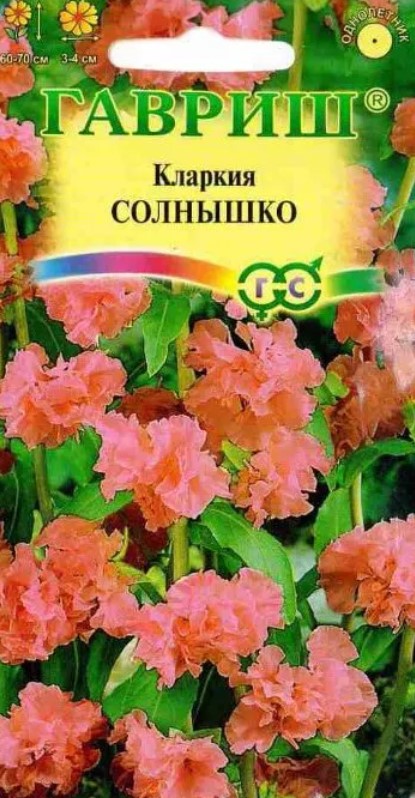
60-70 cm | Terry, salmon | Up to 40 mm |
| Our Joy
|
Up to 80 cm | Terry, pink | 30-40 mm |
| Diamond
|
70 cm | Terry, pink and scarlet | 40 mm |
Clarkia elegans: flower varieties from the color mix series (TOP-5)
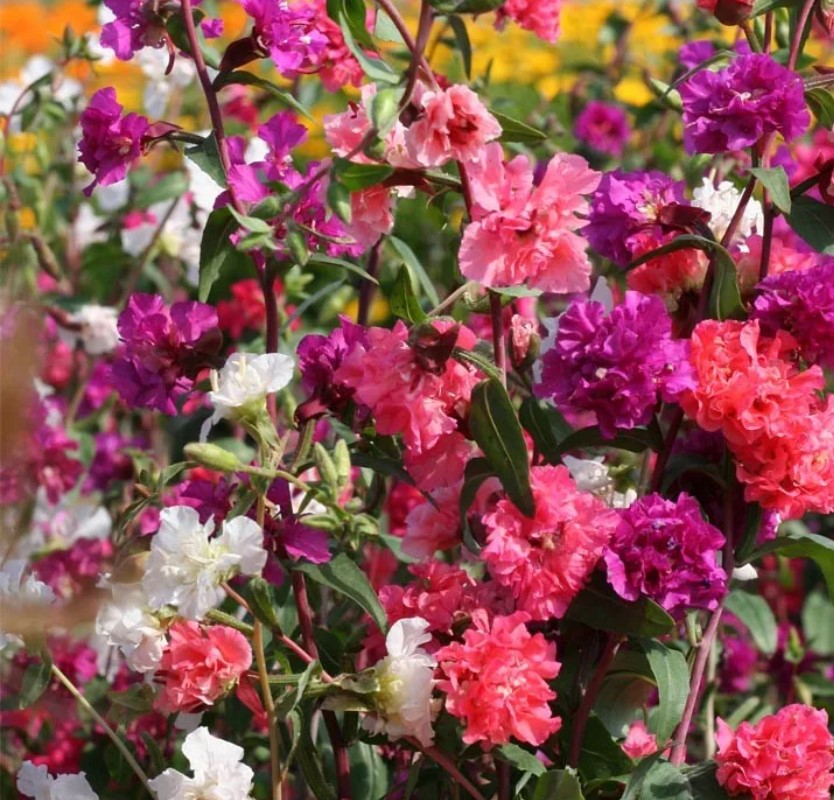
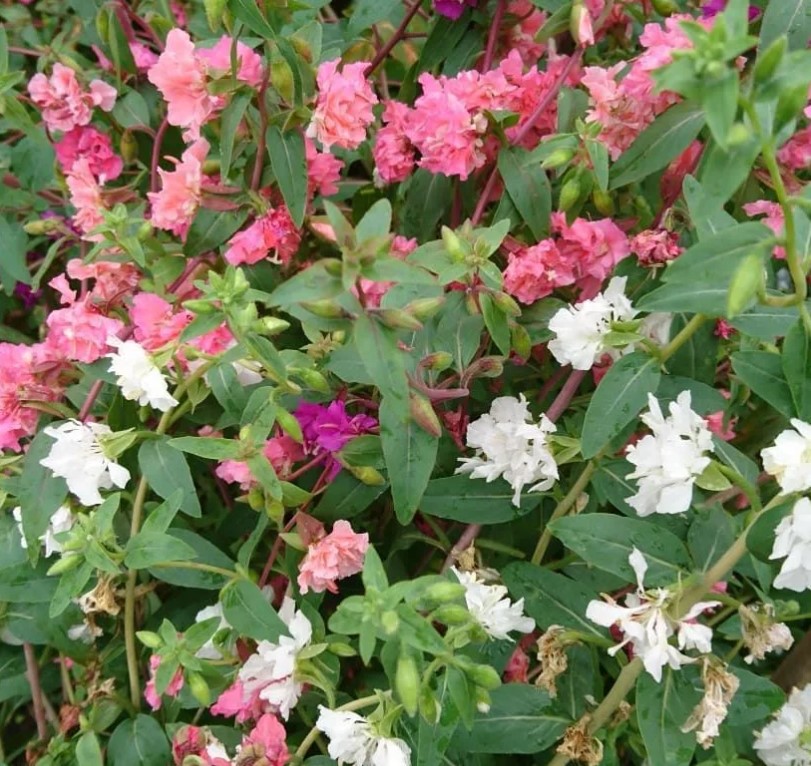
Some clarkia varieties have multicolored buds, allowing you to create a vibrant, colorful carpet in your flowerbed using just one species. Below are the most popular clarkia varieties with a mix of colors.
| Variety | Bush height | Type and color of petals | Flower diameter |
| Clarkia Terry
|
Up to 50 cm | Double petals, color from pale pink to bright lilac | Up to 80 mm |
| Clarkia the Buffoon
|
Up to 60 cm | Terry, white, purple, lilac | up to 40 mm |
| Clarkia Fantasy
|
Up to 75 cm | Terry. Colors range from white, orange, lilac, and purple. | Up to 45 mm |
| Clarkia Fireworks
|
60 cm | White, pink, purple | 30-40 mm |
| Clarkia lace
|
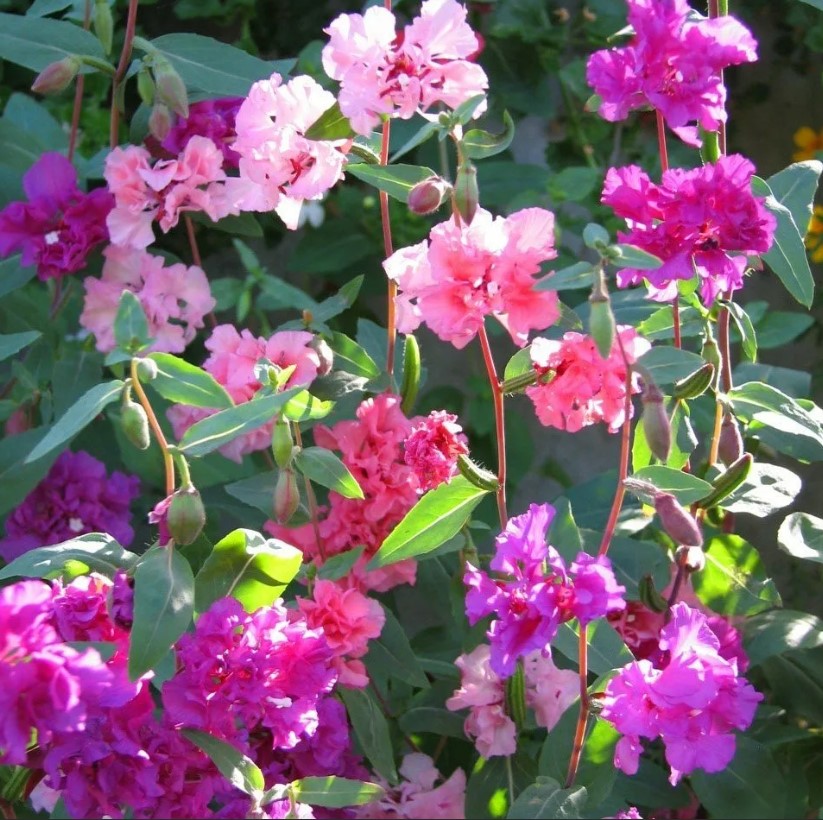
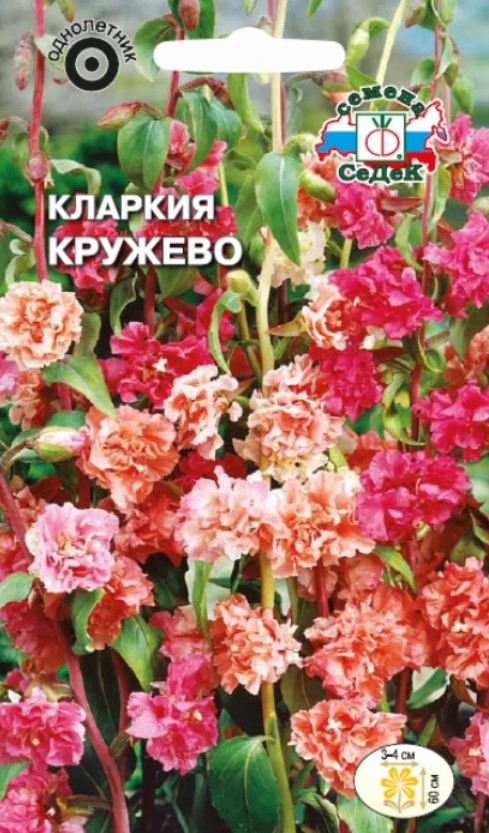
Up to 1.2 m | Terry, color from soft purple to bright pink | Up to 40 mm |
Clarkia pleasant
The plant is distinguished by its small shoots, only about 30 cm tall. It is commonly grown indoors and in pots. The flowers are lush, with double varieties in various colors most common. It is often confused with godetia.
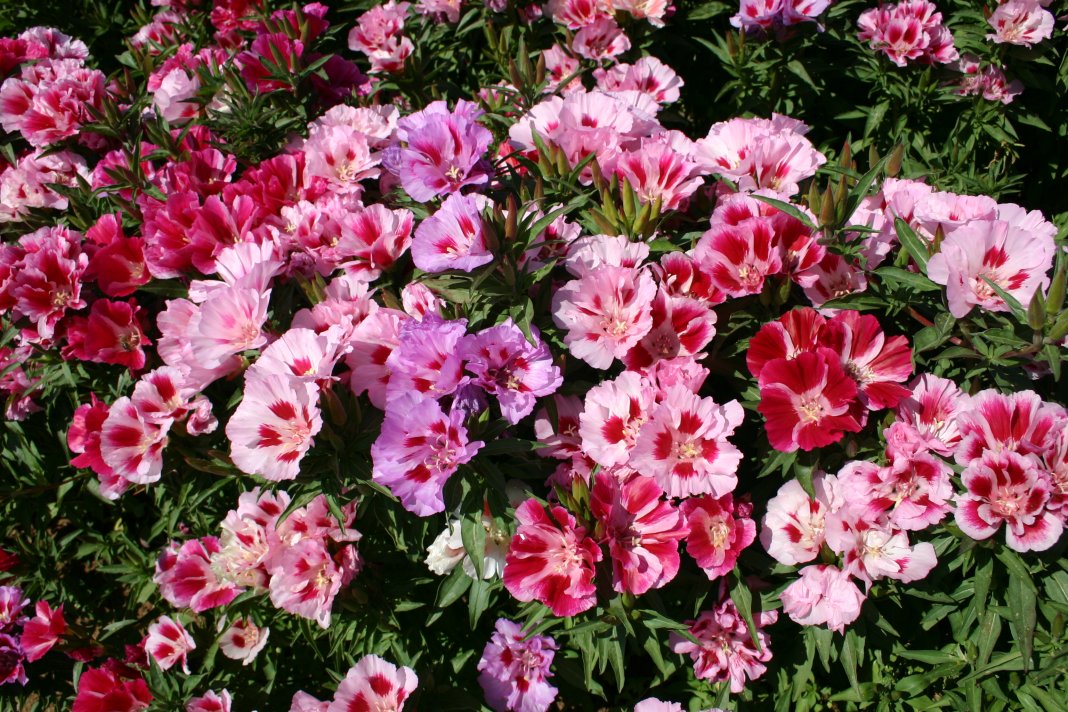
Clarkia Brewery
The most winter-hardy and undemanding variety. The flower stems are small, up to 50 cm. The inflorescences are usually bright pink with stripes extending from the base of the flower. The petals resemble butterfly wings. The flower exudes a pleasant, delicate fragrance. Clarkia Brewerii varieties differ very little from each other.
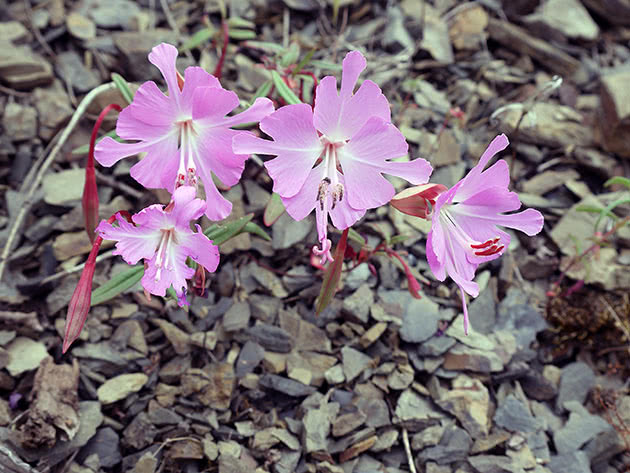
For example: Clarkia Pink Ribbons.
Clarkia pratensis + 2 varieties with photos and descriptions in the table
This plant, ranging from 30 to 70 cm tall, is distinguished by its unusual petal shape: two curved teeth with three widely spaced lobes, reminiscent of moose antlers. In nature, it is a perennial plant (Clarkia pulchella) native to the Pacific Northwest, Oregon, Idaho, and southern British Columbia.
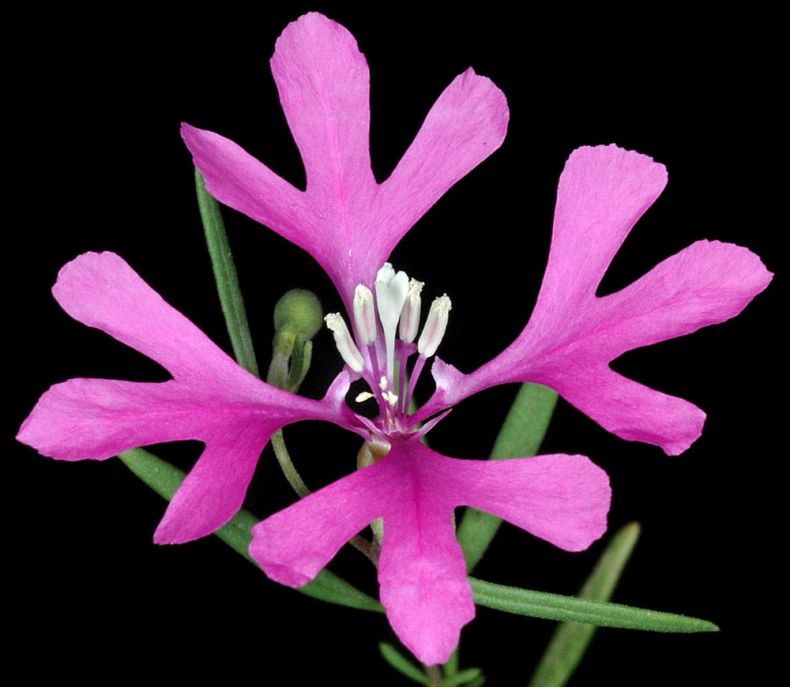
Several beautiful annual varieties of this species have been bred.
| Variety | Bush height | Petal color | Flower diameter |
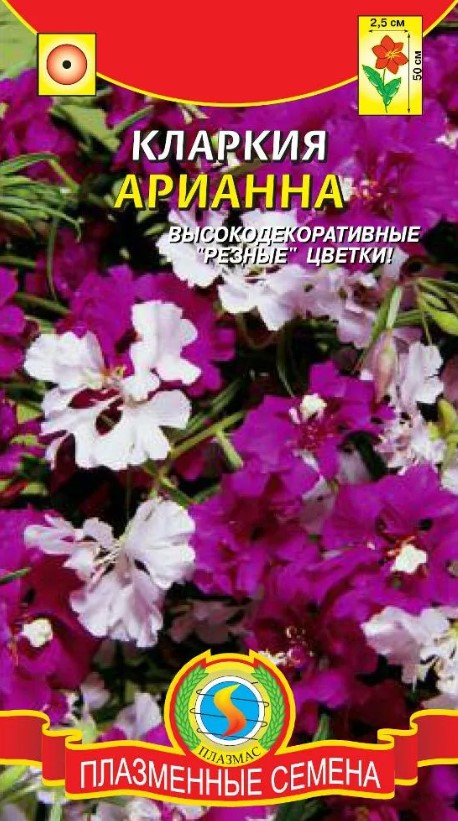
| Clarkia Arianna
|
30 cm | Lilac, white | 25-30 mm |
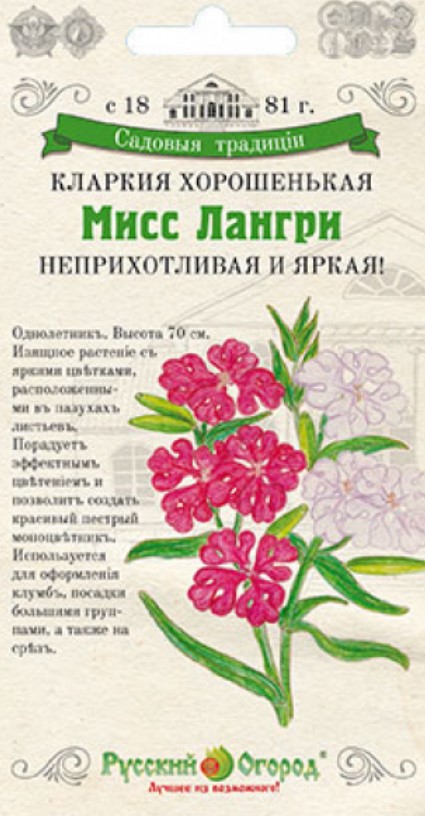
| Miss Langri
|
Up to 70 cm | Lilac | 30 mm |
Growing Clarkia flowers from seeds, how and when to plant seedlings
When growing clarkia from seedlings, flowers begin to appear on it much earlier than when planting seeds in open ground.
When to sow clarkia seedlings at home in different regions
To enjoy clarkia blooms as early as June, seeds for seedlings should be sown in March. This applies to temperate climates. In Siberia and the Urals, it's best to delay planting seeds for seedlings until April. In the south, planting can be done as early as late February.
Clarkia seedling sowing dates according to the 2023 lunar calendar
| Months | Favorable days | Unfavorable and prohibited dates |
| February | 1 (from 11:10 p.m.) -4 (until 11:47 a.m.), 7-13, 16-17, 24 (from 11:28 a.m.) - 26 (until 6:46 p.m.) | 5, 6, 18, 19, 20, 21 |
| March | 1-5, 8 (from 17:43)-13 (until 10:21), 15 (from 15:05)-17 (until 17:24), 19 (from 18:12), 20 (from 20:21), 23 (from 21:41)-25, 28 (from 13:21)-31 | 6 (from 15:39), 7, 8 (until 15:39), 17 (from 17:24), 18, 19 (until 18:12), 20 (from 20:21), 21, 22 |
| April | 7 (from 09:29 a.m.)-9 (until 15:57 p.m.), 16-17, 21 ((7:13 a.m.)-22 (until 1:11 p.m.), 24 (from 21:58 p.m.)-27 (until 9:29 a.m.) | 1, 2 (up to 13:58), 5, 6, 7 (until 09:29), 19, 20 |
Selecting soil and container
You can use one large container for planting flowers, such as a plastic container. Plants tolerate picking and transplanting well. The soil should be loose and slightly acidic. It's best to use a specialized potting mix from a store. If you don't have one, you can combine equal parts peat moss, humus, garden soil, and sand. To control moisture levels, it's recommended to add vermiculite (10% of the total volume).
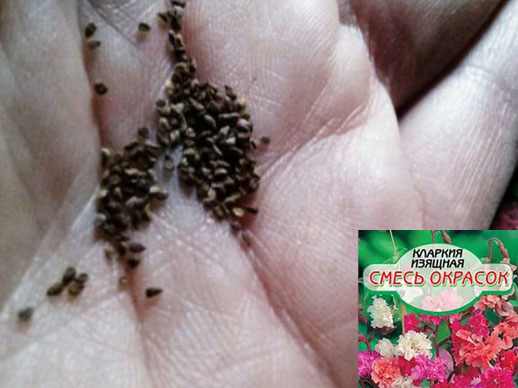
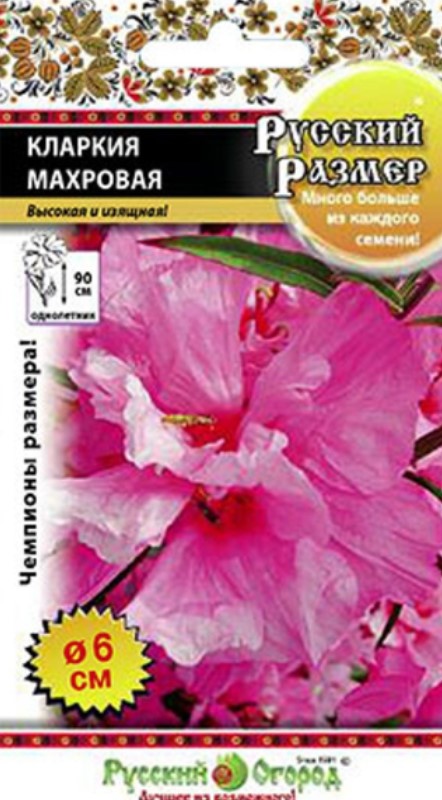
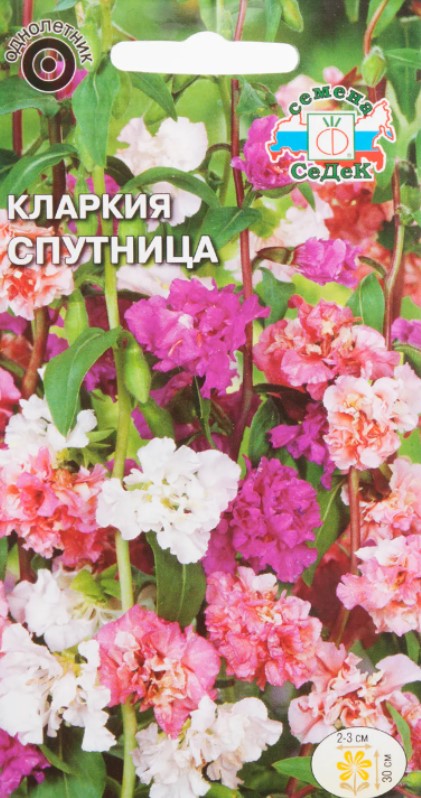
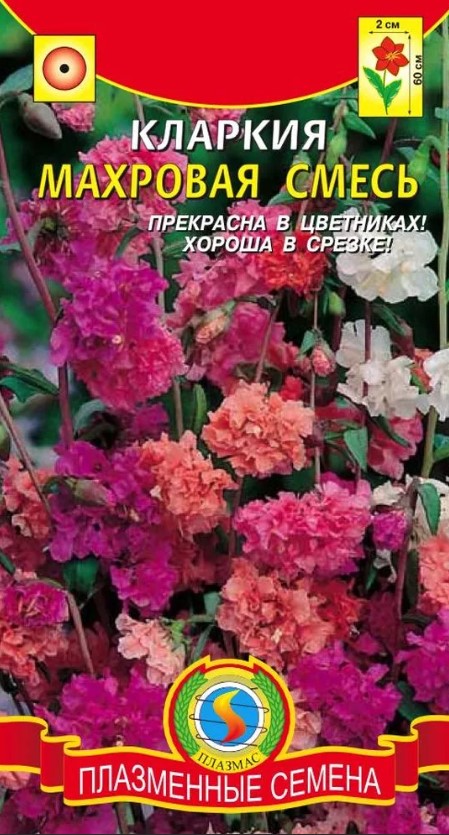
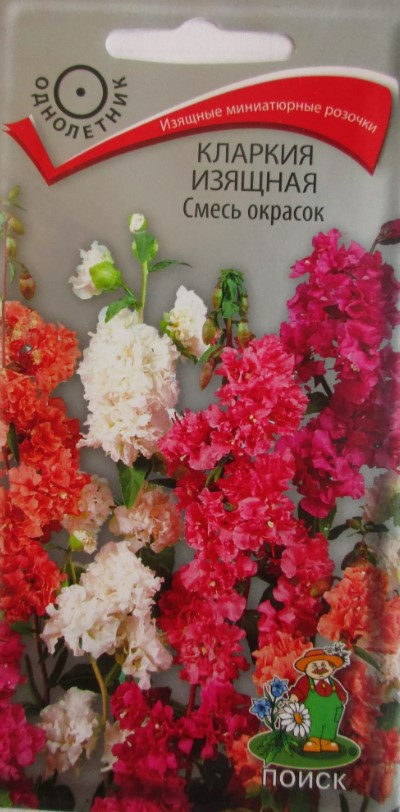
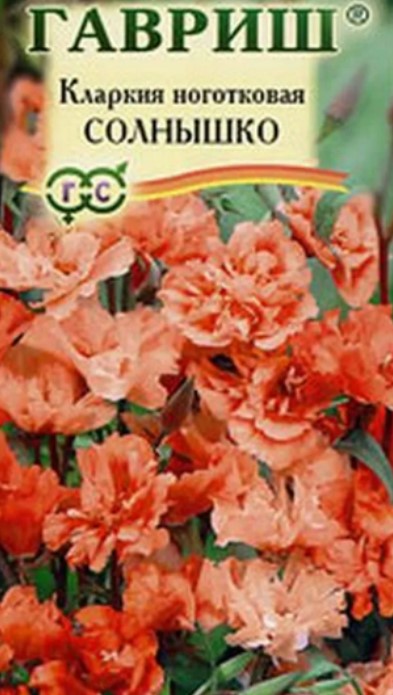
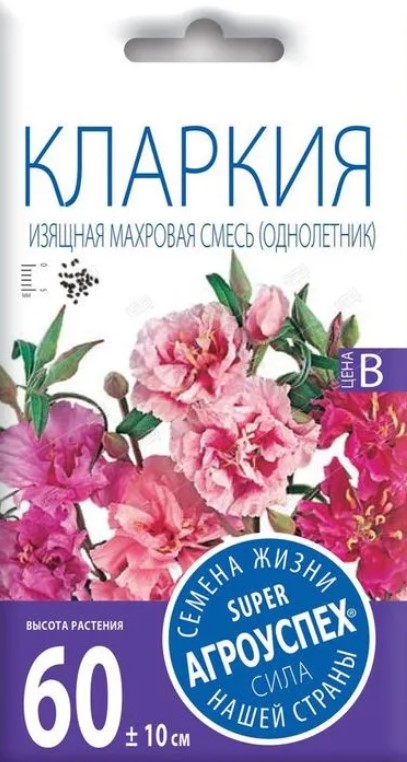
Clarkia seeds can be purchased from Gavrish, Poisk, Plasma (Plasma seeds), Sedek, Russian size, Agro-uspekh and others.
Sowing clarkia
Since clarkia seeds are small, it's best to scatter them on the surface of well-watered soil and press them down lightly. Alternatively, they can be placed in shallow furrows spaced 3-4 cm apart, also watered, and lightly sprinkled. Then cover the container with plastic wrap and place it in a warm place until the first shoots appear.
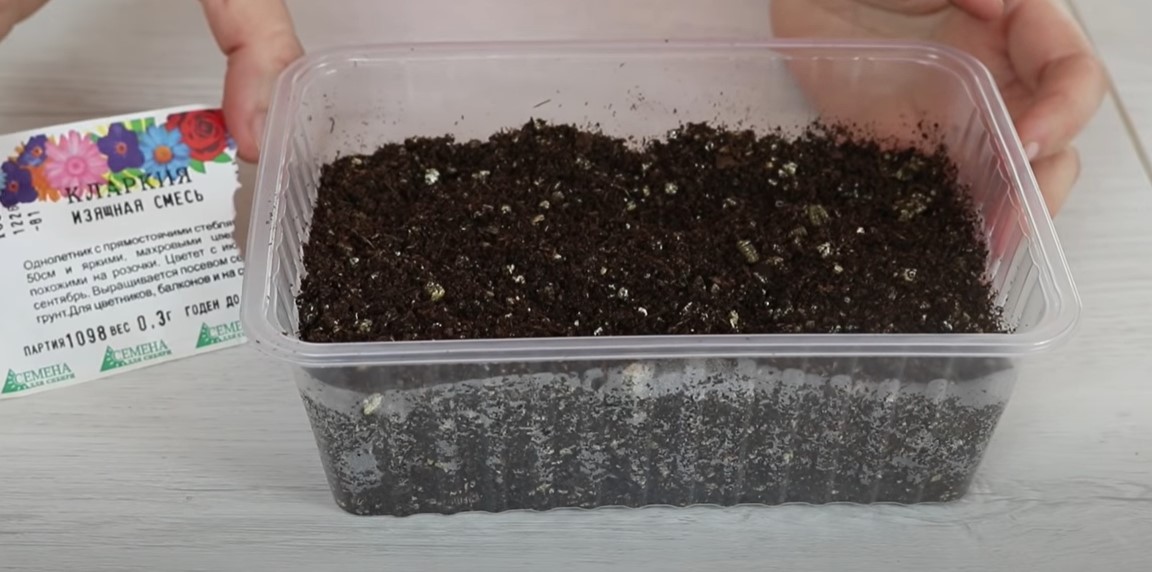
Caring for Clarkia seedlings
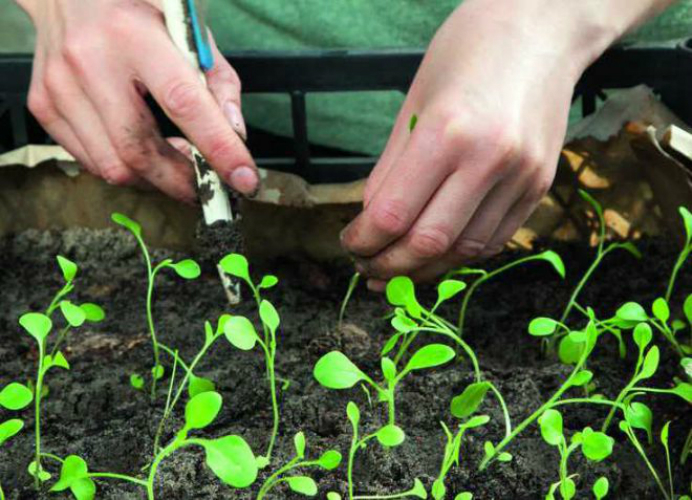
As soon as the first shoots emerge from the soil, remove the container's covering. If the plantings are dense, remove the weakest seedlings to prevent them from competing for light and nutrients. Place the seedlings on a windowsill, ensuring that the stems don't stretch. This can happen either due to excessively high temperatures or insufficient light.
As the top layer dries, it is necessary to water the plants, preventing moisture from stagnating at the roots.
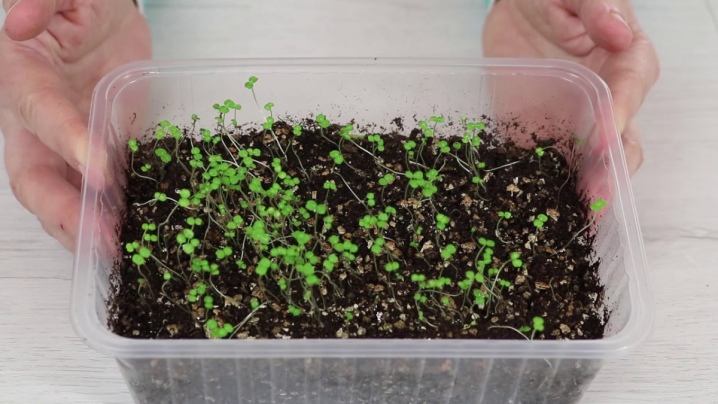
Planting Clarkia in open ground (seedlings and seeds), step-by-step care
Clarkia can be planted directly into open ground, in addition, it reproduces by self-seeding, so flowers can be sown even before winter,
Timing of sowing or planting clarkia seedlings in open ground
In spring, seeds and seedlings can be planted outdoors after the soil warms to 12-14°C (54-57°F) and the weather reaches 16-18°C (61-65°F). However, seed-grown plants will flower much later than those grown from seedlings.
In the temperate zone, this time typically doesn't arrive until the second half of May. Crops should be covered with covering material to protect them from subsequent frosts.
Timing for sowing clarkia, planting clarkia seedlings in open ground, as well as transplanting and picking according to the 2022 Lunar Calendar
| Months | Favorable days | Unfavorable and prohibited dates |
| April | 2-4, 8, 9, 15, 26-27 | 1,10-12, 16, 17,23-25, 28-30 |
| May | 2, 12-14, 23-24, 27-28 | 1,15,16, 29,30, 31 |
| June | 8-10, 19, 20, 24, 25 | 13,14, 15,28,29 |
| July | 6-10, 16, 17, 21, 22 | 13,14,28,29 |
| October | 18-23, 28 | 9,10,24,25, 26 |
| november | 3, 4, 12-14, 19-21, 30 | 7,8, 9,23,24 |
Choosing a landing site
Clarkia should be grown in a well-lit location, but not in direct sunlight for long periods. It should be free of standing water, as the plants dislike this. You can choose a site along paths and trails. The key is to dig the bed about 14 days in advance, adding sand and compost.
Soil for Clarkia: composition and characteristics
Clarkias don't grow well in heavy, clayey, or acidic soils. To make the soil lighter, add sand. If the soil is too acidic, lime it 10 days before planting. Next, add 1 kg of peat moss and 1 tablespoon each of superphosphate and potassium sulfate per square meter. Dig the soil, then cover it with plastic and leave it alone for 10-14 days.
Sowing Clarkia seeds in open ground
When sowing seeds, make holes no more than 5 mm deep, spaced 30 cm apart, and plant 4-5 seeds at a time. You can then thin the plantings, leaving 1-2 plants.
Planting clarkia seedlings in open ground
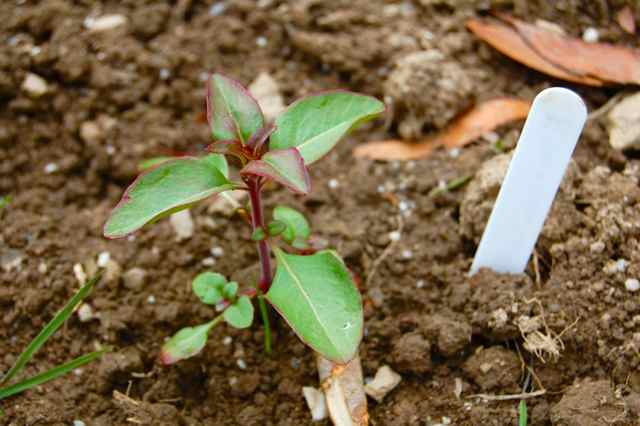
Clarkia should be transplanted outdoors when the soil and air have warmed sufficiently. Otherwise, it will become diseased and may die.
Clarkia seedlings are planted in deeper holes, corresponding to the size of the root system. The distance depends on the variety, but should be no less than 20 cm. Clarkias are transferred to a permanent bed along with the root ball, covered with soil, and watered.
Watering
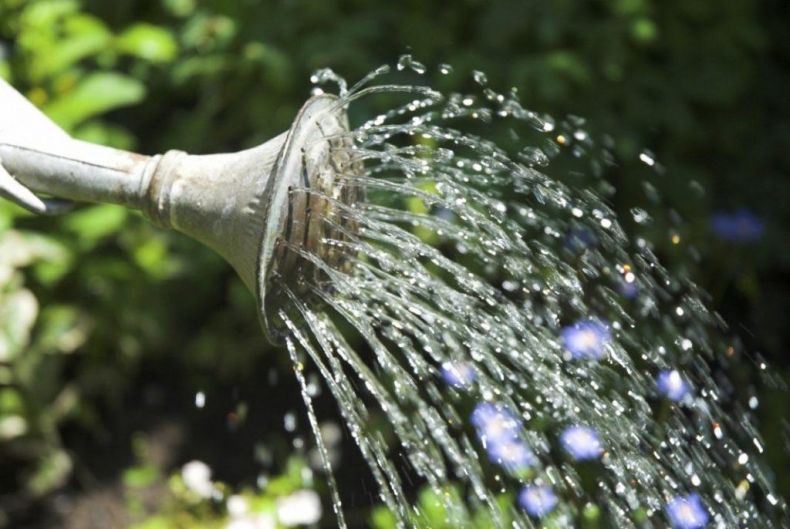
Water the plants as the top layer of soil dries out. Overwatering can cause stagnation around the roots. This can be fatal for the clarkia, as its roots will rot. After watering, it's recommended to loosen the flowerbed to improve aeration.
Top dressing
Clarkias don't require regular fertilizing, especially if the soil has been prepared in advance. However, during flowering, you can support the plants with a specialized complex fertilizer. This will strengthen the plantings and encourage the formation of new buds.
Tying and pruning
Clarkia shoots taller than 30 cm may need to be tied up to prevent them from being blown over by the wind. If you'd like a fluffy flower that grows outward rather than upward, you can pinch back the stems as they reach a height of 10-15 cm.
Clarkia after flowering: tips for beginning gardeners
When clarkia flowers finish blooming, they produce seeds. These fall into the ground, and flowers are likely to appear again the following season. Mature plants should be cut back to the ground, and the soil in the bed should be dug over.
Seed collection
To collect clarkia seeds, select the largest flower on a healthy bush. Tie the flower head with gauze to prevent the seeds from falling out. Once the flower wilts, the seeds will begin to ripen, which will last about 30 days. Then, cut the flower, remove the seeds from the capsules, dry them, and store them in paper bags. They will remain viable for up to 4 years.
Clarkia diseases and pests + treatment
The most common disease among Clarkias is rust. Brown spots, very similar to rust, begin to appear on the leaves and shoots. The leaves turn yellow and fall off. If the disease is allowed to progress, the entire bush will have to be destroyed and the soil disinfected. In the early stages, removing infected areas and spraying the plantings with Bordeaux mixture can help.
Mealybugs and flea beetles are among the most common pests affecting flowers. Their excrement leaves a waxy coating on leaves, which is used to identify the insects. Specialized products such as Fitoverm, Aktara, Confidor, and others are helpful in controlling them.
Clarkia in a flowerbed + many photos of the flower
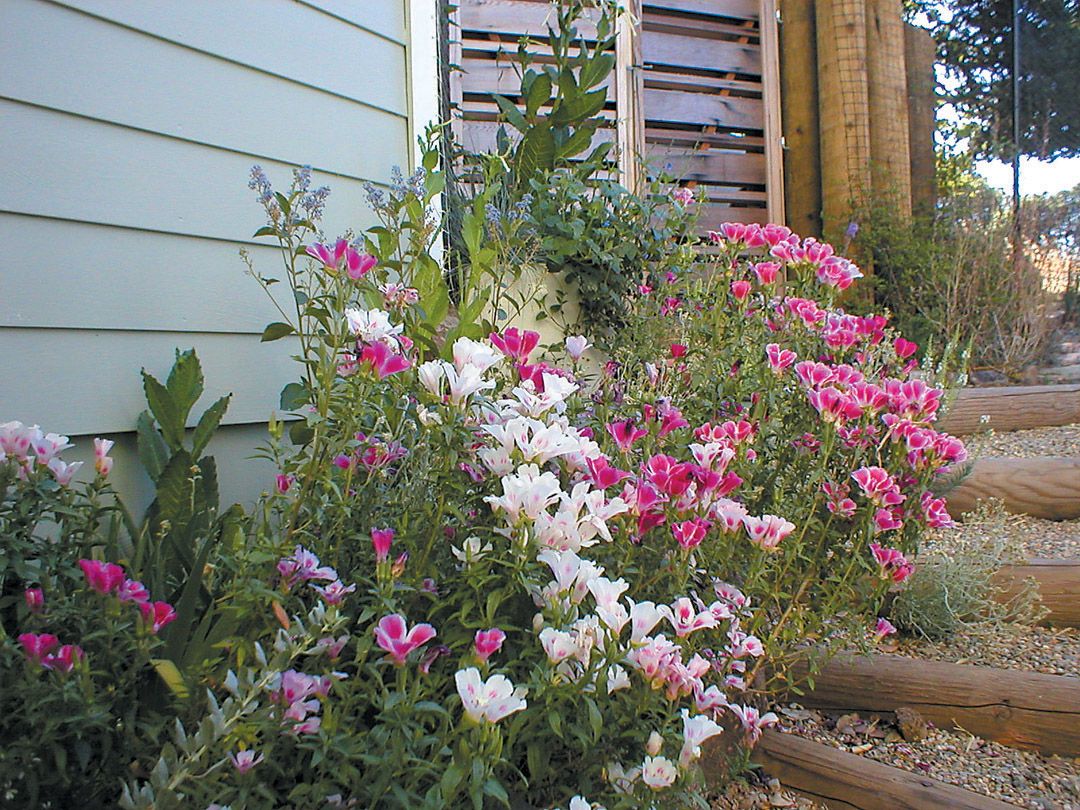
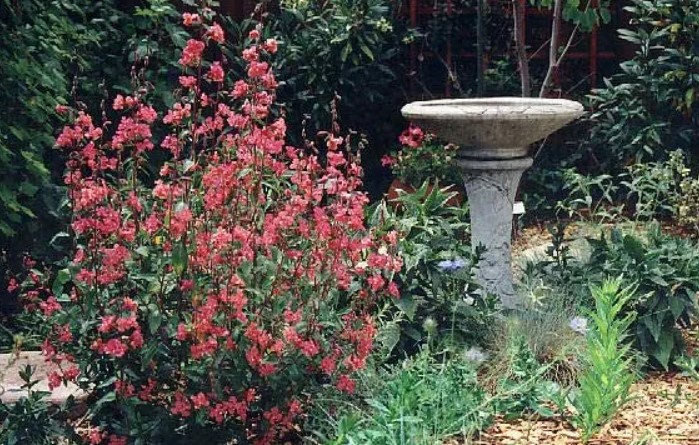
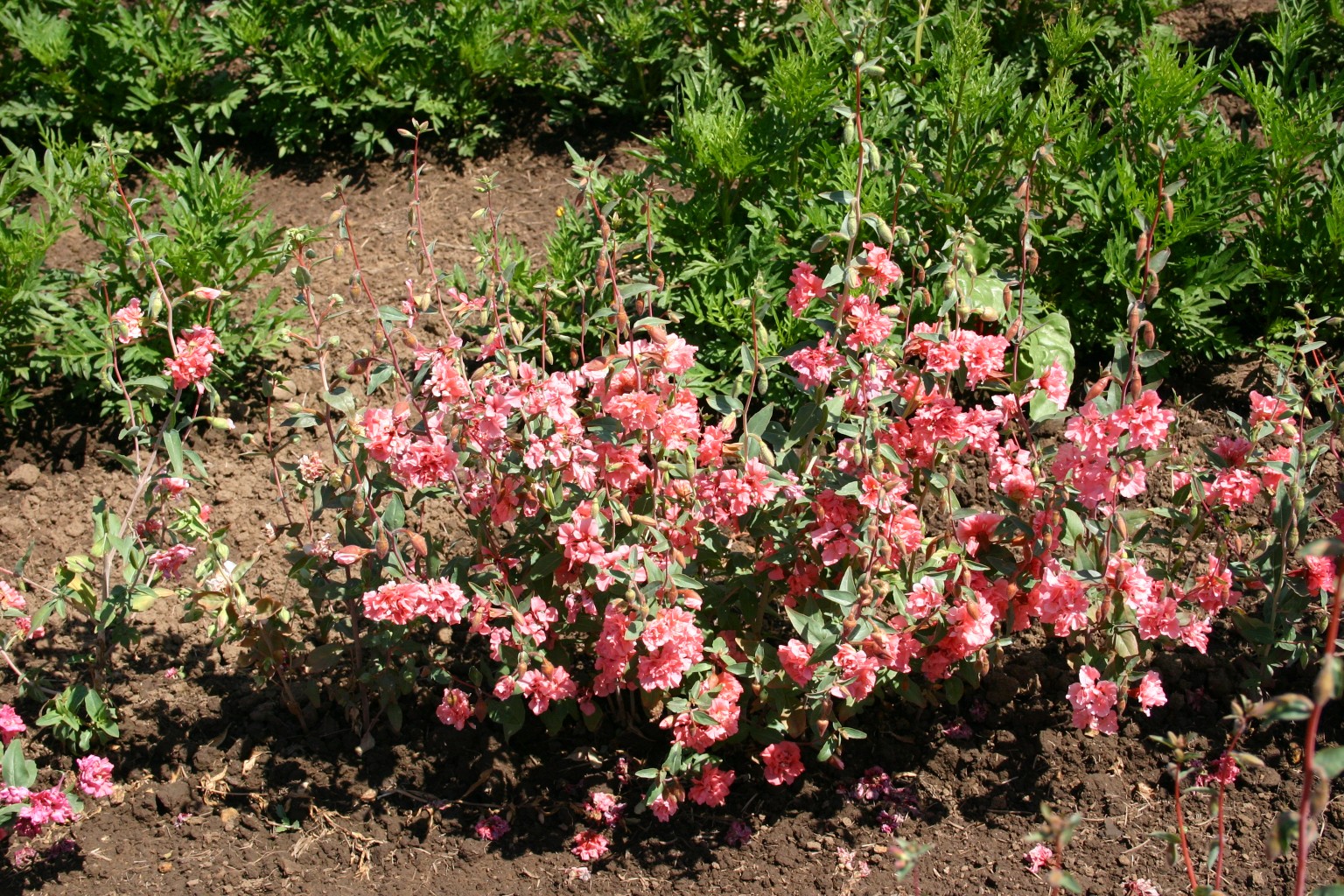
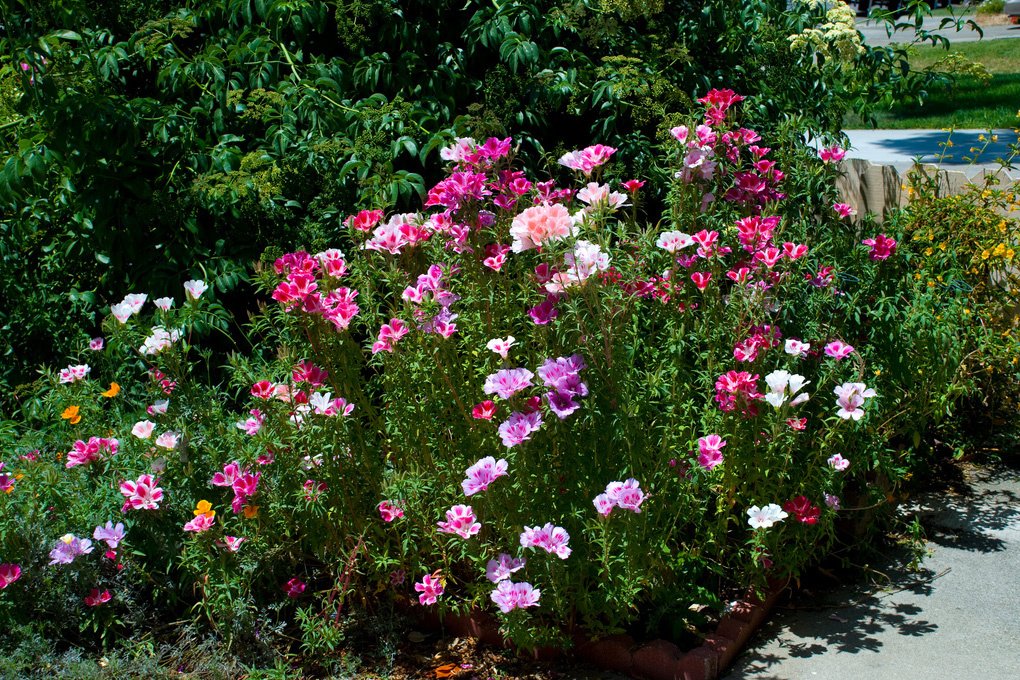
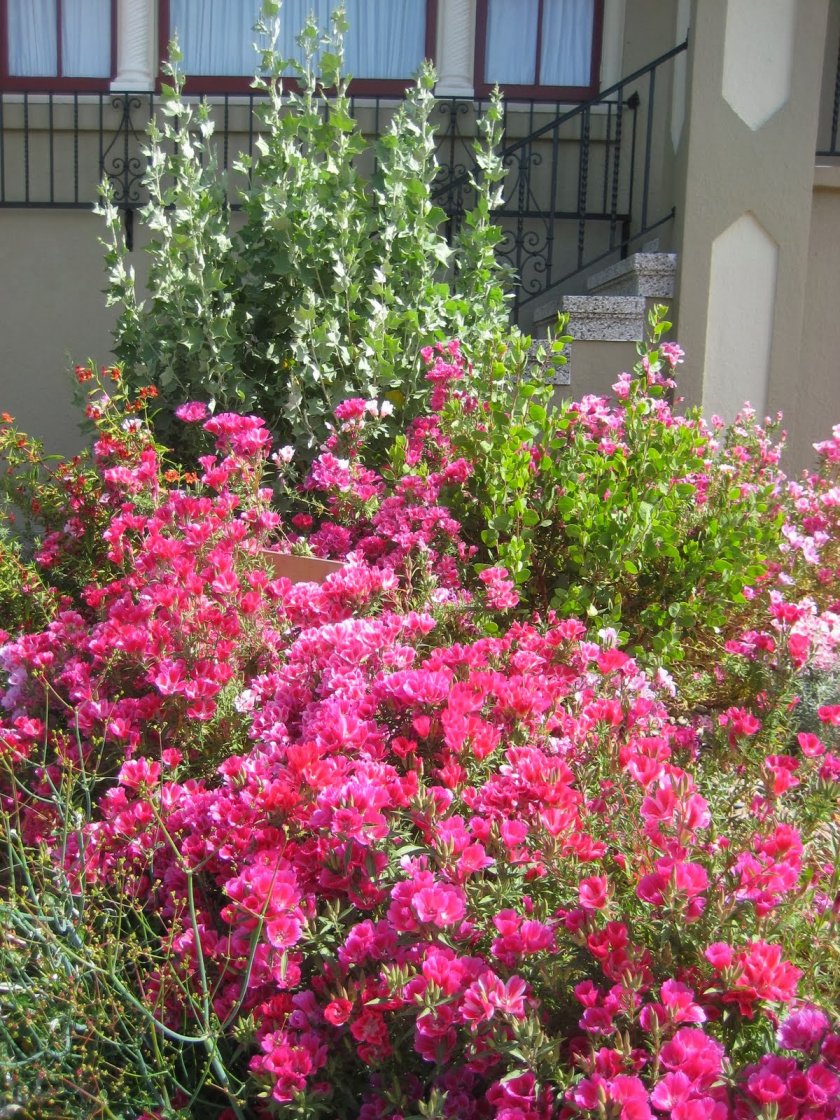
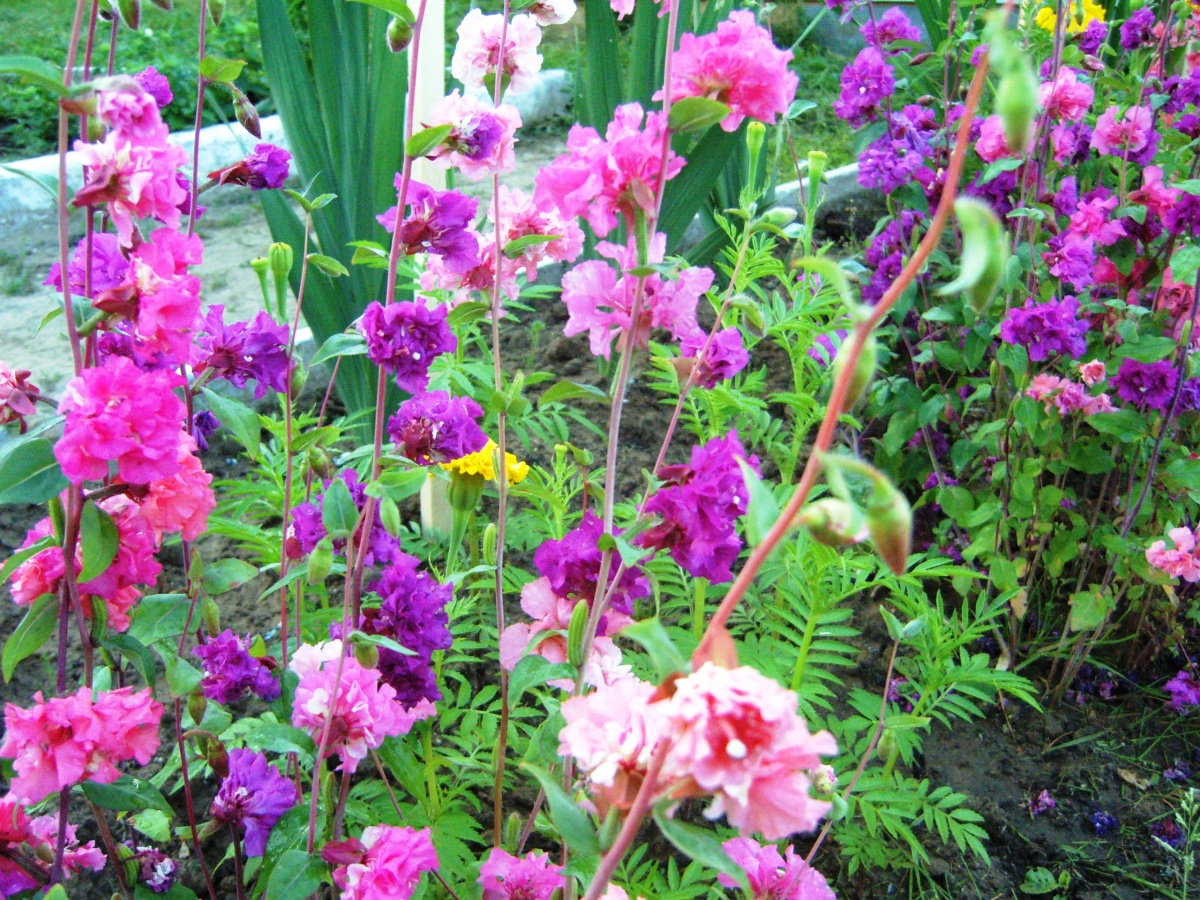
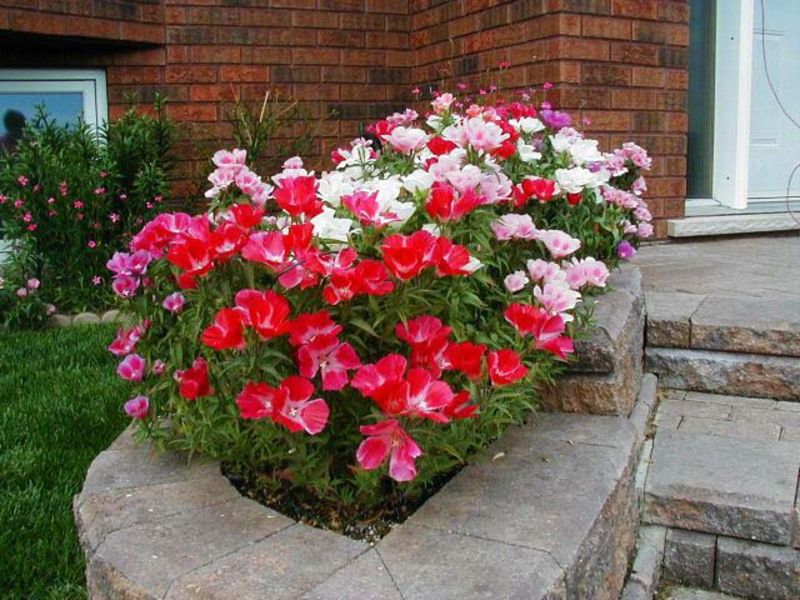
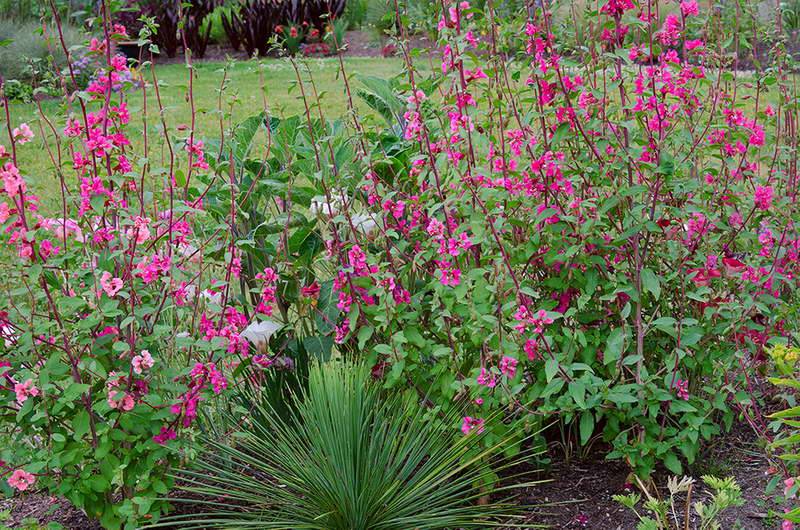
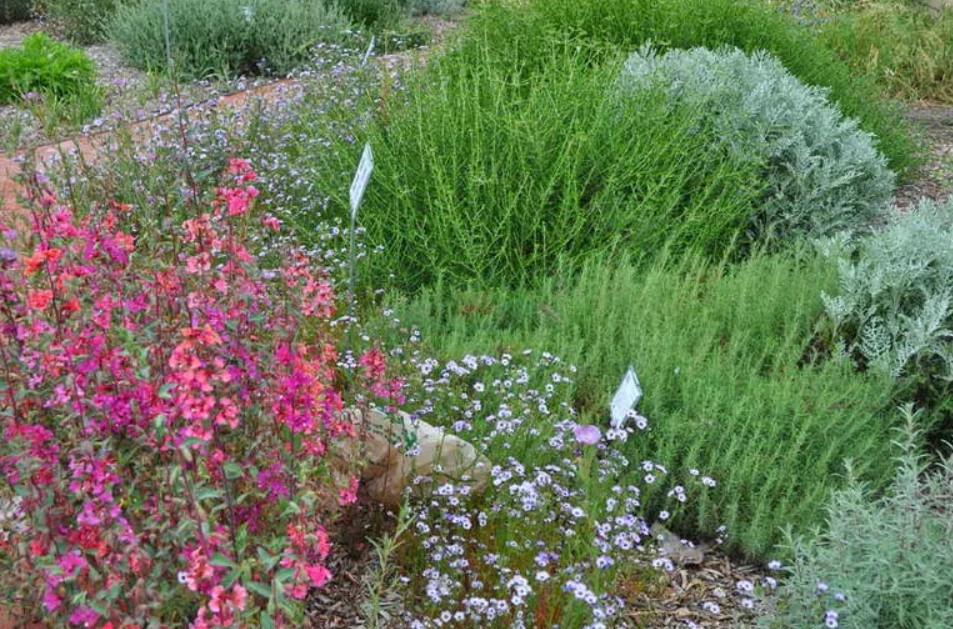
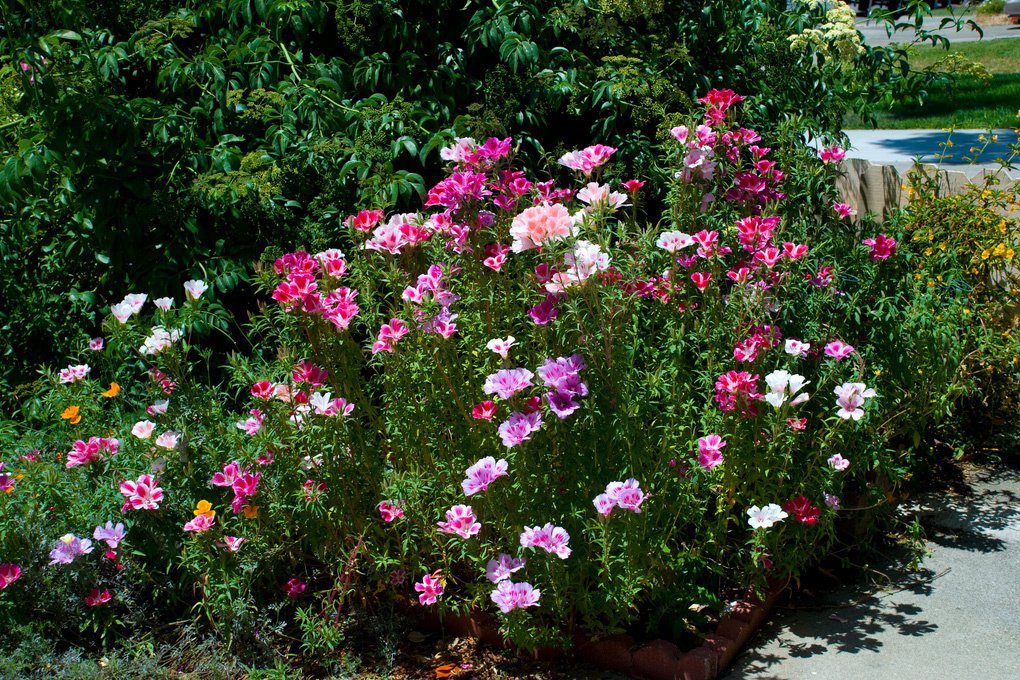
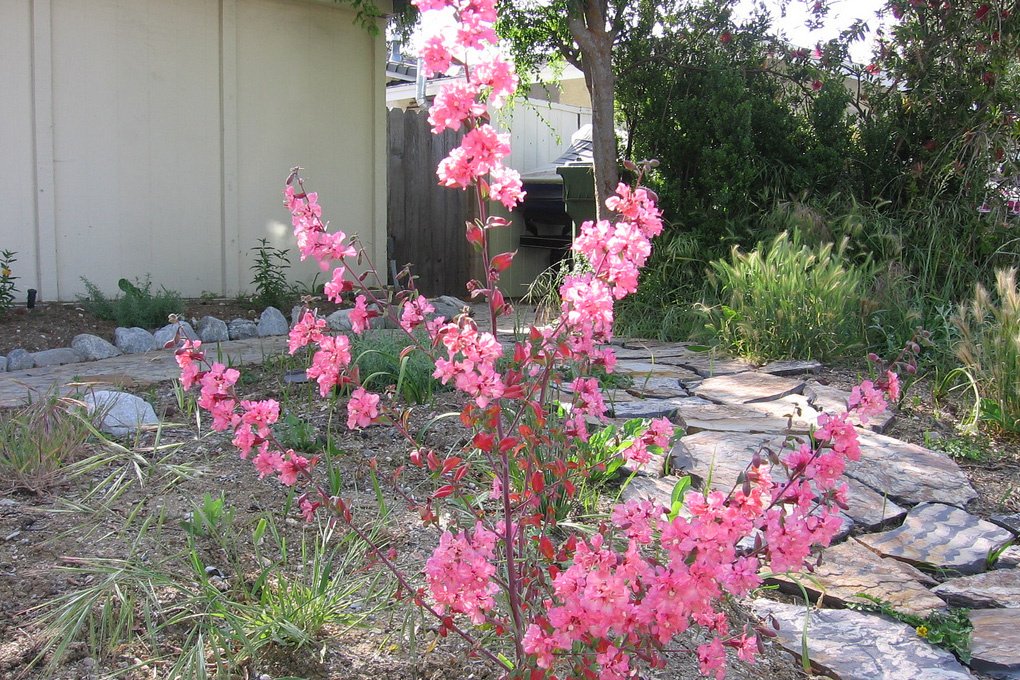
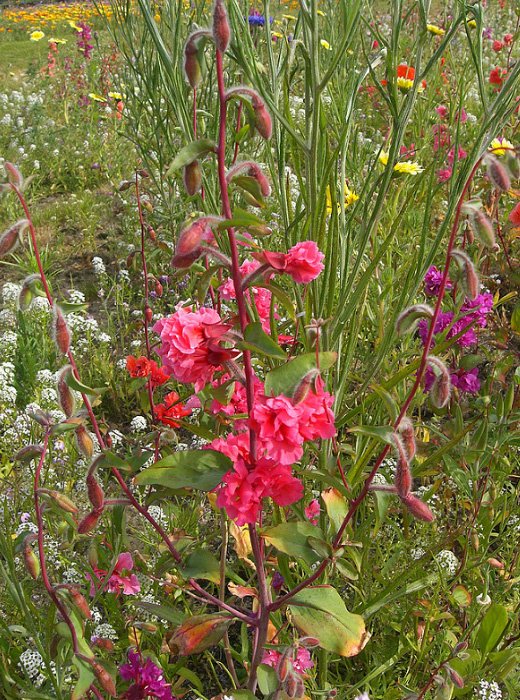
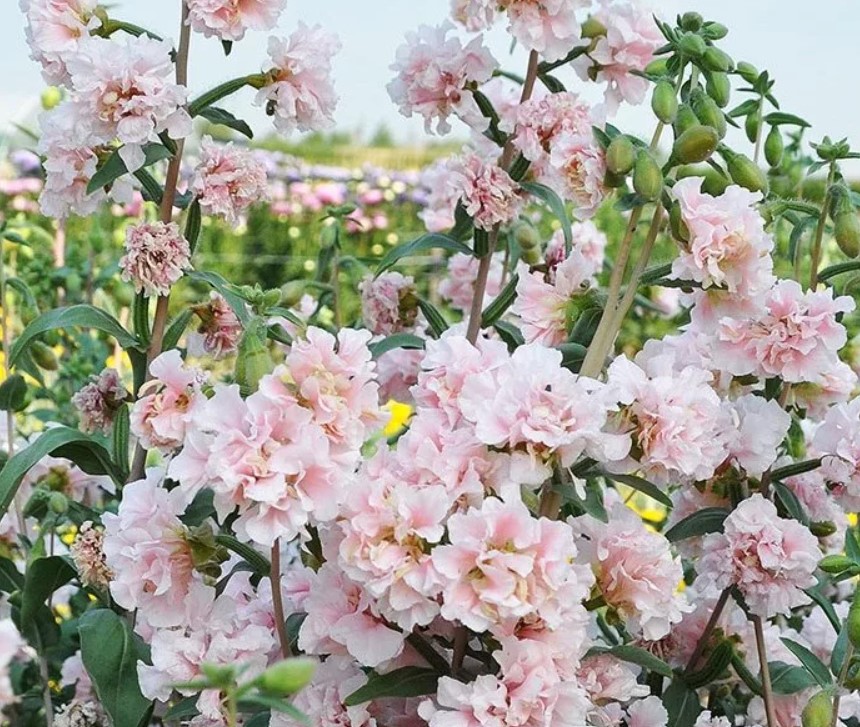
Clarkia looks great in any flowerbed, pairing beautifully with tall flowers and shrubs. The appearance is simply charming. It's ideal for edging borders, paths, and arbor perimeters.
Low-growing clarkias will look beautiful in pots on terraces and balconies, as well as in outdoor containers.
Differences between Clarkia and Godetia
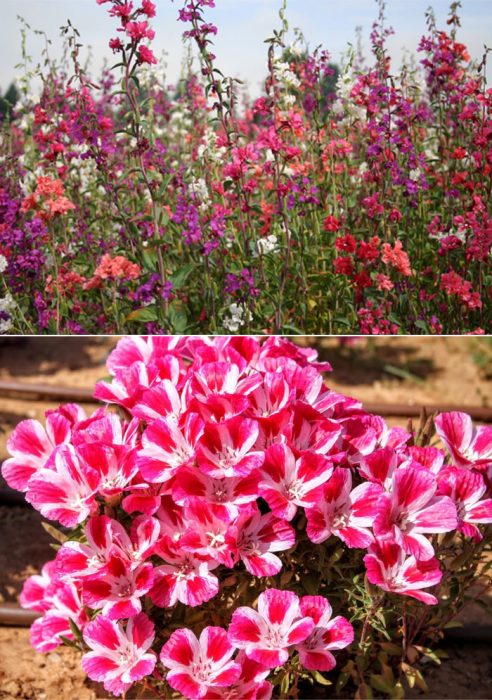
Many gardeners consider Clarkia and Godetia to be the same flower. But this isn't entirely true. These plants differ in at least two ways.
- Clarkia can grow up to 90 cm, godetia shoots reach a height of 40 cm.
- Clarkia flowers are quite small, measuring only 35-40 mm in diameter. Godetias are larger-flowered and produce more profuse blooms, reaching up to 10 cm in diameter.
 Clarkia reviews from gardeners
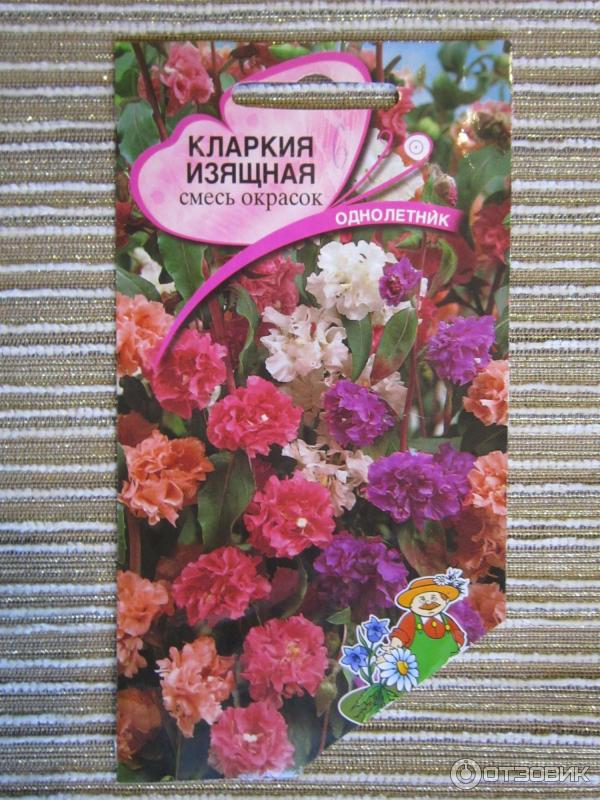
I remembered another very beautiful, vibrant, and easy-to-grow flower. Many people are afraid of the difficulties involved in growing annual flowers. Most often, for earlier blooms, they need to be grown from seedlings. And that can sometimes be challenging, especially if you don't have enough space on your windowsills or haven't saved up enough soil for sowing. Well, this flower doesn't require any such manipulation. It's called "Clarkia elegans." I love not only the flower itself, but also its name—it has something so delicate and airy. The seeds are from Agrofirma "Poisk," and they come in a mixed color package. Each packet contains 0.2 grams. Clarkia seeds are small, like snapdragons, so 0.2 grams is enough for growing in a large flowerbed.
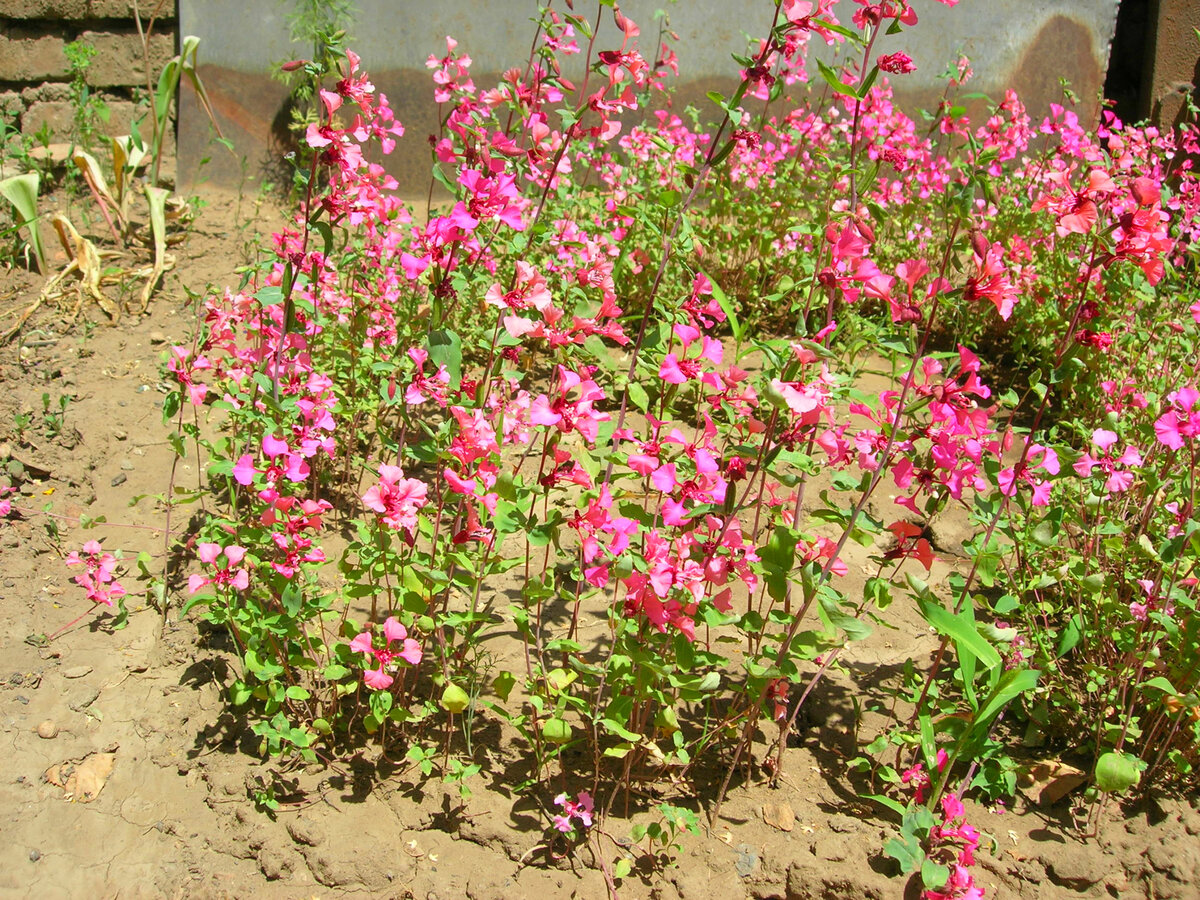
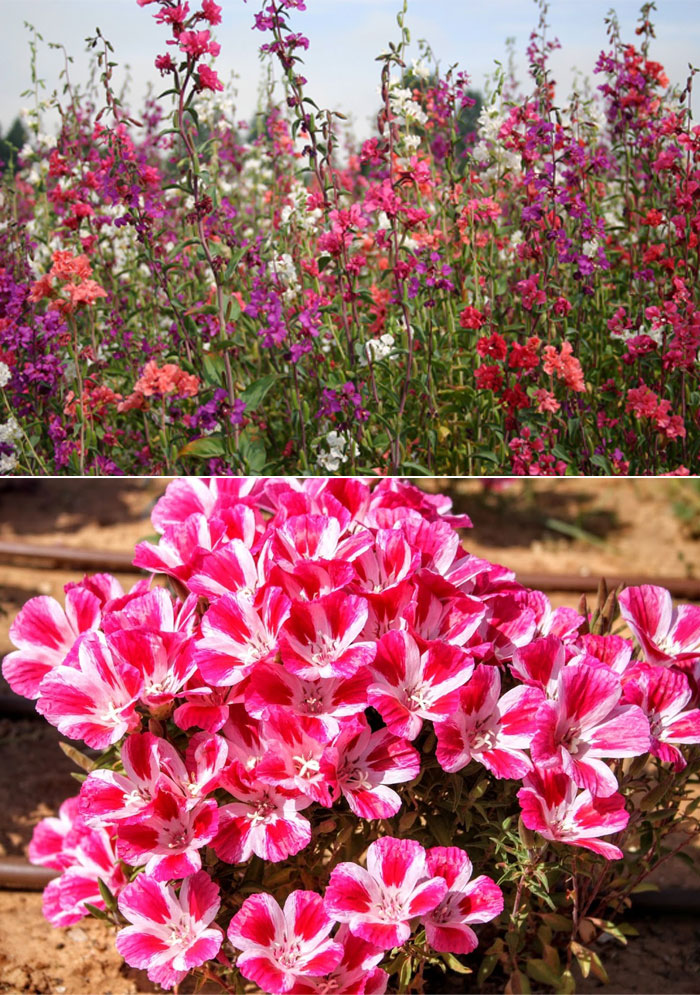
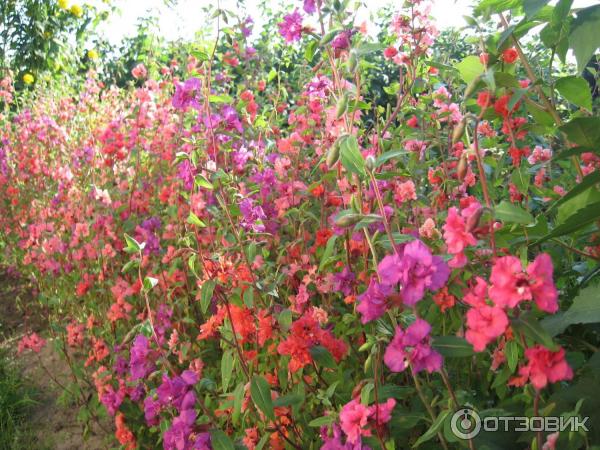
I sow clarkia seeds in early May in a permanent location in a flowerbed, using 40-50 cm diameter circles, alternating them with similarly sized circles of other flowers, such as tall snapdragons, godetia, stock, and annual phlox. I used to sow them in strips, with some flowers in the foreground and others further back. This is the photo of the arrangement, with clarkia in the foreground.
The seedlings always emerge evenly. If the seedlings are very dense, I thin them out a bit. I prefer densely planted clarkias. The thing is, the bushes are 60 cm tall, not small. In the circle, they cling to each other and don't fall over. Clarkia blooms very brightly and cheerfully. The lower flowers bloom first, and as they open, they move up the bush. The only discrepancy I noticed was that not all the flowers on the bushes were double, as in the photo of the packaging bag. I'm taking off one star for that.
Clarkia seeds ripen very well over the summer, so you can collect them yourself. Sometimes they self-seed. In the spring, you can find sprouted bushes in various places. Some say you need to pinch the tips of young plants to encourage more tillering. I've never done this. I water and fertilize very infrequently, whenever I have time. My clarkia grows in a sunny spot, which promotes faster flowering.In general, I recommend planting the very unpretentious, but beautiful flower "Clarkia elegans" from Agrofirma "Poisk".
Good afternoon
There is still time until spring, but many flower lovers are already thinking about how to decorate their garden this season and what flowers to plant in their garden.I'd like to share my experience growing clarkia. I grew it for the first time in 2015. I sowed seeds from the Gavrish company—an exception, although I usually try to avoid buying seeds from this company, as most of my plantings with them have been unsuccessful. But with clarkia, I was lucky. The seeds germinated well—60-70 percent, and there were plenty of seeds in the packet. I sowed them in a small box on slightly compacted soil, sprayed them with Epin growth stimulant, and covered them with a thin layer of soil.
The clarkia was very sick when I repotted it. I later learned that this plant doesn't transplant well at all, but it's cold-hardy and produces larger flowers if sown directly into the ground. In our climate, this can be done in mid- to late May. This is exactly what I'll do this year.
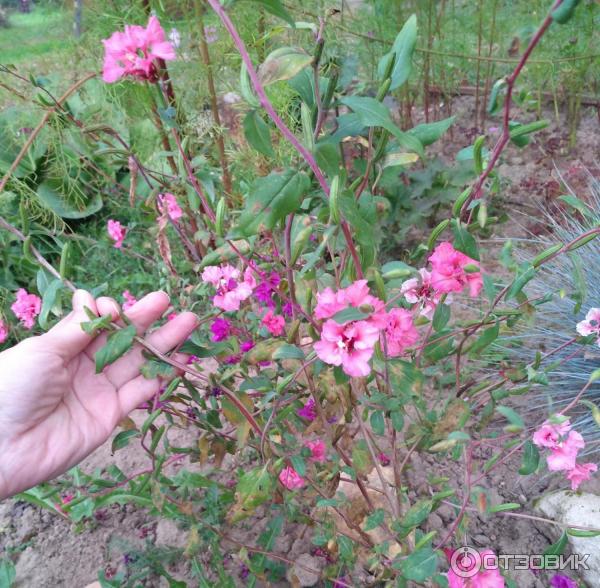
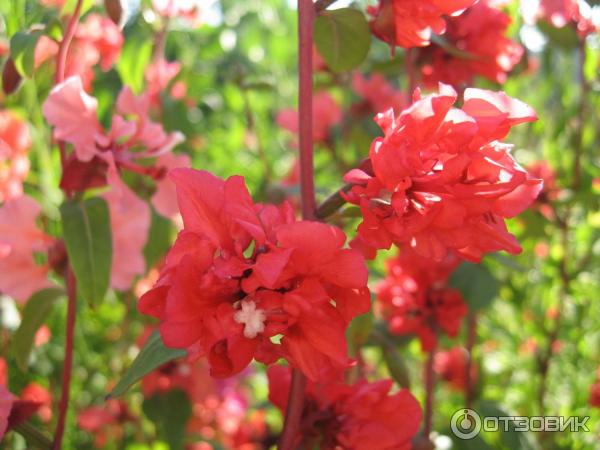
Here is my clarkia, photo:
Incidentally, when I was growing this flower for the first time, I didn't know that I needed to pinch it back. As a result, I ended up with tall, panicle-shaped bushes, perhaps up to 1 meter tall, covered from top to bottom with delicate, small, double flowers (they came in two colors: intense pink and a paler one). And if you want, you can also get fluffy bushes if you pinch the tops in time.
Clarkia doesn't like dense, rich soil. If the area has black soil, it should be diluted with sand. Add sunflower or buckwheat husks. Clarkia does not grow well in the shade; it prefers full sun.
I really enjoyed my first experience growing Clarkia flowers; I'll be sowing them in the ground this year. Clarkia flowers for a very long time, at least two months. I highly recommend it!