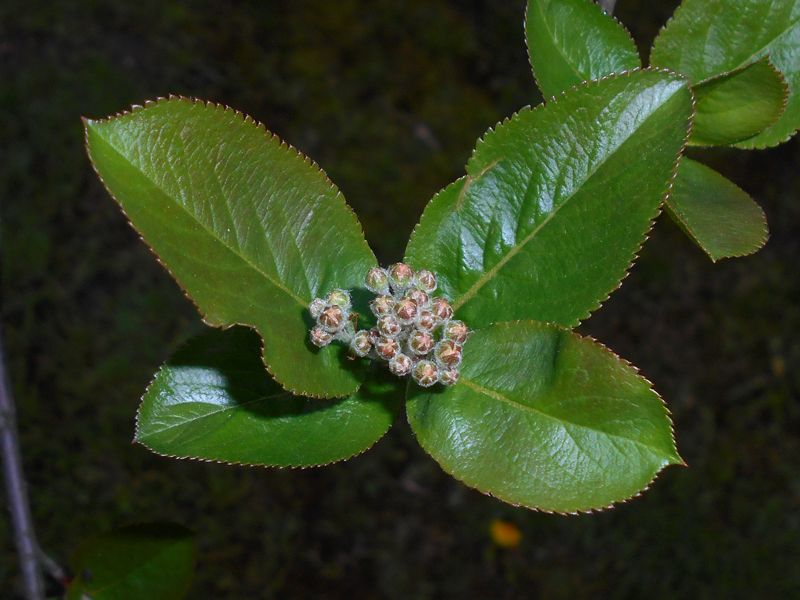
Chokeberry (aronia) is cultivated throughout Russia. It has hypotensive and anti-allergic properties and is used to treat gastrointestinal and urinary tract disorders. It has a pleasant, distinctive flavor with hints of tartness, making it widely used in homemade preserves such as compotes, jams, jellies, liqueurs, and wine.
Content
Ripening period and harvesting rules
To make good jam or wine from chokeberries, you need to consider their ripeness and choose the right harvesting time.
Deadlines
Black chokeberries begin to ripen in late August and are fully ripe by the end of November. The timing depends on the region, weather, and climate conditions. In southern Russia, the berries are ready for harvest in late September, while in central Russia and the Moscow region, they aren't ready until October. Aronia ripens the latest in the northern regions, the Urals, and Siberia. There, they are harvested in mid- to late November.
Qualitative analysis
To determine the full ripeness of the berry, its external qualities are analyzed.
| Characteristic | Description |
| Berry color | Black or blue-violet |
| Secreted juice | Violet |
| Berry density | Firm, not too hard |
| Taste | Sweetish, slightly tart |
Collection rules
Regardless of subsequent use and the degree of ripeness of the berries, it is necessary to adhere to certain collection rules:
- The harvest is carried out in dry, windless weather. Wet berries should not be picked for storage, as they can quickly rot.
- The optimal time is morning, when the dew on the inflorescences has dried.
- It's best to avoid picking berries in aluminum or galvanized containers, as this can impair their flavor. Thick glass or plastic containers are ideal, though enamel buckets are also suitable.
- Aronia blossoms are cut with sharp scissors or pruning shears, which speeds up the harvesting process and prevents damage to the fruit. An additional benefit of this method is the rapid recovery of the bush after fruiting and disease prevention. After harvesting, the blossoms are sorted, removing damaged fruit and debris.
- The collected berries cannot be stored at room temperature; they must be processed as quickly as possible.
Chokeberry inflorescences can be stored all winter in a wooden container, with dry moss or fresh fern leaves placed between the rows of berries.
Timing for harvesting berries for home canning
Black chokeberry is widely used in cooking because it imparts a pleasant tartness to prepared dishes.
Housewives often add this berry to homemade winter preserves. Ripe berries are used to make jams, compotes, syrups, jellies, marmalades, liqueurs, and non-alcoholic wines. Rowanberries can also be dried or frozen for long periods, preserving their beneficial properties.
Jam
Jam is made from firm, juicy, fully ripened berries. It's best to choose slightly frost-bitten berries to remove any excess tartness. Avoid shriveled, dried, or rotten berries, as they will spoil the flavor.
If the jam is made from lightly colored vegetables, such as zucchini or pumpkin, then a few berries are used to give it a bright color (the addition of slightly unripe, brightly colored fruits is allowed).
It is best to use chokeberries for jam if they are collected in late September or early October.
Compote
For a drink made exclusively from chokeberries, select ripe berries. The riper they are, the more delicious the compote will be, so chokeberries harvested no earlier than October are used.
If the berries are added to a compote made with other berries or fruits to add a pleasant color and flavor, it's acceptable to use slightly unripe berries picked in late September. Aronia pairs well in compotes with apples, pears, plums, and apricots.
Jelly
To make jam, marmalade, and jellies, choose ripe or overripe chokeberries; frozen ones can also be used. In this case, the berries should be picked in early November, as this is when they contain the most pectin, which has gelling properties.
Wine
Delicious and healthy wine is made from soft, sweet fruits. When choosing berries, focus on the lack of astringency and juiciness. The grapes for winemaking are harvested no earlier than October, after the first frosts.
Liqueur
Chokeberry liqueur has a pleasant, tart flavor and a rich color. Firm, firm-to-the-touch chokeberries are best. Avoid dry or unripe chokeberries, as they impart an unpleasant aftertaste and bitterness to the drink.
The best time to harvest is late September or October, when the first frosts arrive. Honey, cinnamon, or cloves can be added to the liqueur. The flavor becomes richer, enhancing the drink's beneficial properties.
To prepare the tincture, the chokeberries are left on the inflorescences. The fruits should be carefully inspected, removing any rotten or dried ones.
Time to harvest berries for freezing and drying
When harvesting chokeberries, one should focus not so much on the calendar month, but on the actual ripeness of the fruit.
Freezing
This is the optimal method for storing chokeberries, allowing them to retain their vitamins and micronutrients for a long time. Before freezing, the berries are washed and dried to prevent them from freezing. Depending on the region, the harvest is best for freezing when the berries are ripe from September to early October.
You can keep chokeberries fresh until spring by stringing freshly picked bunches on a strong thread. These bunches are hung on a balcony or attic, maintaining a temperature close to 0°C. The berries for this type of storage are picked in late September or early October; this way, they will retain their freshness and flavor for a long time.
Drying
Dried chokeberries can be stored until the next harvest without losing their beneficial properties. Ripe berries, free of external damage and rot, are selected for drying. The optimal harvesting period is mid-October.
The most accessible drying method is to spread a thick layer of paper directly on the lawn and lay the rowan berries on it. You can cover the berries with acrylic sheeting or a light cloth to protect them from dust and birds.
You can also dry chokeberries at home using an oven or a special dehydrator. The berries are spread on baking sheets or trays, set at a temperature of 50–60°C. Once completely dry, the chokeberries are cooled and then transferred to cloth bags or cardboard boxes. These berries can be stored for up to two years in a cool, ventilated area.
With any drying method, the fruits are left on the cut bunches, without selecting each berry individually.
When choosing a harvest time, consider the weather, regional climate, and ripeness. Additional protection from birds, which love to feast on chokeberries and prevent them from fully ripening, may be necessary.