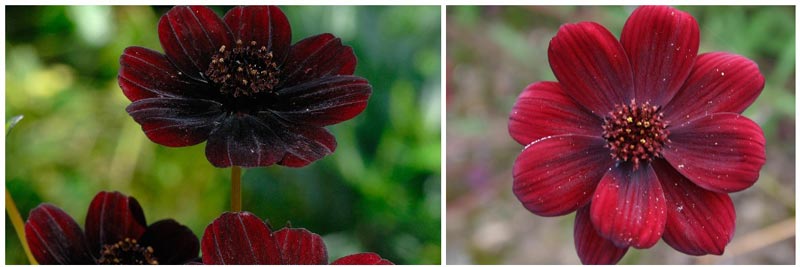
Black Cosmos is a unique perennial plant native to Latin America. Its strikingly beautiful, blood-red cap exudes a scent of chocolate and vanilla. This characteristic led to the flowers being completely exterminated in the wild. Today, the Chocolate Cosmos (as the cultivar is also known) is the fruit of the efforts of breeders, who have helped restore the species, but it is no longer found in the fields, only in flowerbeds and botanical gardens, and on the windowsills of amateur gardeners.
Chocolate Cosmos - Description
The plant's native land is Mexico, where it grew until its extinction. It is now cultivated worldwide, but this exotic plant is extremely rare in Russia.
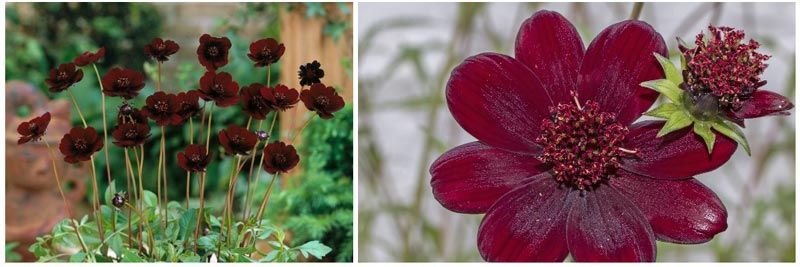
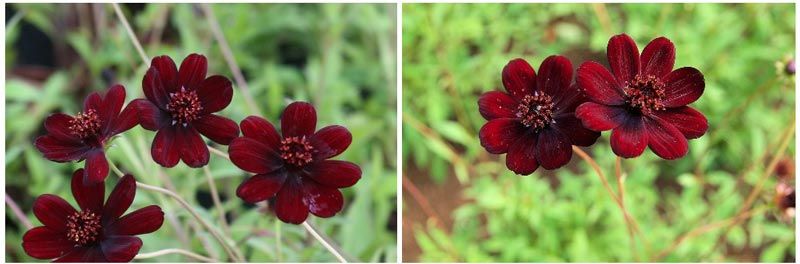
This voluminous bush with deep green stems and leaves reaches a height of 0.4 to 1.5 m. Thin, straight shoots bear a single flower up to 5 cm in diameter.
In warm climates, the plant is considered a perennial, but it is not cold-hardy enough for the harsh Russian winter. When grown in a balcony pot, move it to a greenhouse or windowsill after the first frost. This will prevent the root from dying and encourage new growth to emerge in the spring.
The flowering period is from early summer until the first frost. Today, about 15 varieties are known.
Features of growing Black Cosmos
Chocolate cosmos is an unpretentious plant; however, there are some planting considerations related to Russia's climate.
The soil should be slightly acidic and well-drained; the plant does not tolerate excessive moisture. Fertile, nutrient-rich soils are suitable for seedlings.
Cosmos loves light and prefers sunny areas protected from drafts.
Growing seedlings
Sow directly into the container where the flower will be permanently stored; this is more convenient. If you plan to transplant the seeds outdoors, it's better to plant them in individual plastic cups.
Preparation of seedlings begins in March and is done as follows:
- Fill the container with a universal, light, slightly acidic soil mix. Make small holes for the seeds; simply press the soil down 1 cm with your finger. Moisten the planting area with a spray bottle.
- Place 2-3 seeds into the holes and cover with soil without pressing down. Moisten again.
- Cover the seedlings with a transparent material (glass or film) and place them in a warm place with a temperature of 18 to 20°C. Maintaining a high level of light is important. Be sure to ventilate the container by periodically removing the cover and regularly moisten the soil.
- Seedlings emerge within a week. As soon as shoots appear, the covering is removed, and the air temperature can be lowered by a few degrees.
- The crops in the boxes are thinned out, maintaining a distance of 10 cm between the sprouts.
Planting in open ground
By the time you transplant the Black Cosmos to the flowerbed, you should be sure there will be no further frosts. In southern regions, this happens in May, and in the northern regions, not before June. By this time, the seedlings are typically 6 cm tall.
For normal growth, the plant requires plenty of light. Choose a sunny location protected from drafts and cold winds.
The planting process is carried out as follows:
- In a pre-prepared area, make holes at a distance of 30 cm from each other, 30 cm deep for low-growing varieties, 35 for tall ones.
- Water is poured into the holes and the moisture is left to be completely absorbed.
- The sprouts are transplanted into the soil along with the root ball, dug in, and watered again. For tall varieties, a support is inserted into the root base to which the stems will later be tied.
- When the Chocolate Cosmos grows to 0.5 m from the ground, pinch the upper shoots to form a beautiful bush.
Flowers grown from seedlings bloom by mid-summer, and when sown in open ground, in August.
Watering the Chocolate Cosmos
Water the plant infrequently, but generously. Pour 4 liters of warm water under each bush, avoiding contact with the leaves and flowers.
Watering is carried out after sunset to prevent burning of the delicate parts of the plant.
Fertilizing Chocolate Cosmos
Chocolate Cosmos is fertilized from the moment the seedlings are thinned until the first buds appear. Fertilize with a general-spectrum mineral complex, maintaining intervals of 10-14 days.
Pests and diseases of Chocolate Cosmos
The crop is highly immune. It can resist virtually all diseases and is also resistant to pests.
During the seedling stage, the bush may be bothered by snails. To prevent slugs from eating the young shoots, sprinkle a universal root protectant on the soil around the roots or collect them by hand.
This unique, fragrant plant is also beneficial to other garden crops. The scent of its flowers attracts lacewings, which lay their eggs everywhere. When they mature, they feed on the eggs of moths, aphids, mites, and mealybugs. Therefore, you can often see bushes with beautiful red flowers in beds of cabbage, cucumbers, and other vegetables.
Top.tomathouse.com recommends: Chocolate Cosmos in the landscape
The flower is used not only to protect garden crops but also to decorate flowerbeds and balcony arrangements. The plant's undemanding nature and pleasant aroma make it suitable for decorating unsightly areas and creating a romantic atmosphere in gazebos.
Experienced gardeners note that in fertile soil with good fertilizers, flowers are larger in size and have a more intense scent.
Today, the cosmos is not considered an endangered species, but its seeds remain expensive. Therefore, it is also propagated by dividing the roots.
In landscape design, the bush is used to create three-dimensional compositions and is planted along fences to form hedges. Low-growing varieties look great in the foreground, against a backdrop of trees or rocks. The delicate, lacy foliage and vibrant flowers enliven the landscape and set the mood.
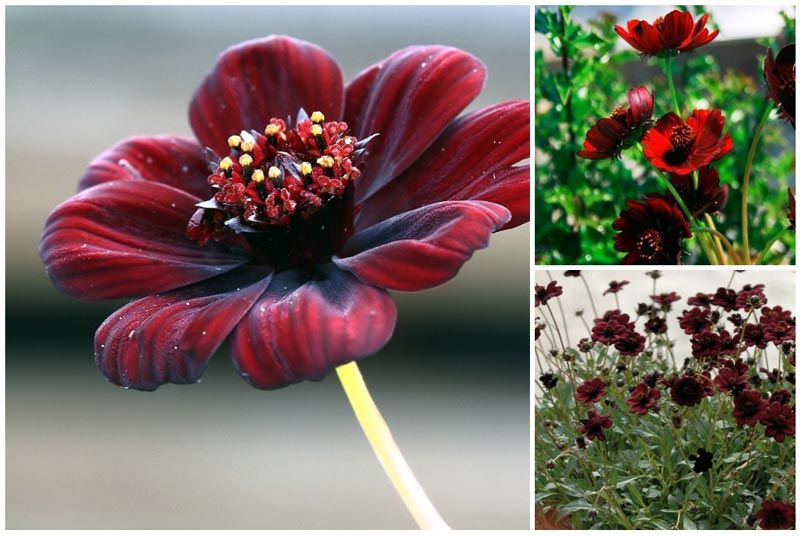
Cosmos is combined with such common plants as marigolds, chamomile, phlox, and echinacea.