In recent years, rockeries—small stone arrangements that require minimal maintenance—have become increasingly popular among gardeners. They can be combined with a variety of plants, but not all will thrive. One ideal plant for rock beds is the Lewisia. Below, we'll explain its benefits and how to care for it.
Content
Description of Levizia
Lewisia (Lewisia) is a genus of perennials in the Montiaceae family. It comprises approximately 20 species, widely distributed throughout North America.
The flower received its name thanks to the traveler M. Lewis, who discovered this exotic plant during an expedition at the turn of the 18th and 19th centuries.
It was later described in detail and formed the basis for the development of new varieties that are more decorative and unpretentious.
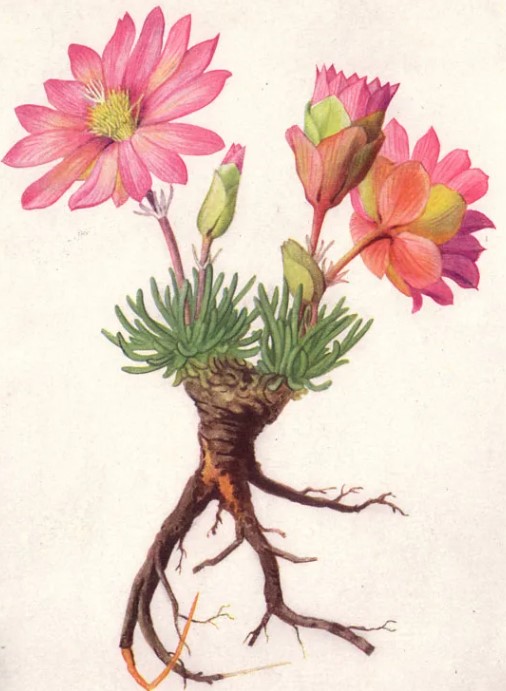
The plant is unique for its resilience. Even after being confined to a herbarium, it can be revived. Furthermore, the flower boasts an attractive appearance:
- The stems reach 10 cm in height, have thick roots, and are erect, creeping, and leafless at the top. They can be branched or solitary.
- The leaves are arranged in a basal rosette; some species are distinguished by the presence of opposite, twisted, or whorled leaf blades. They are elongated, sessile, and usually taper at the base. The edges are smooth or slightly serrated.
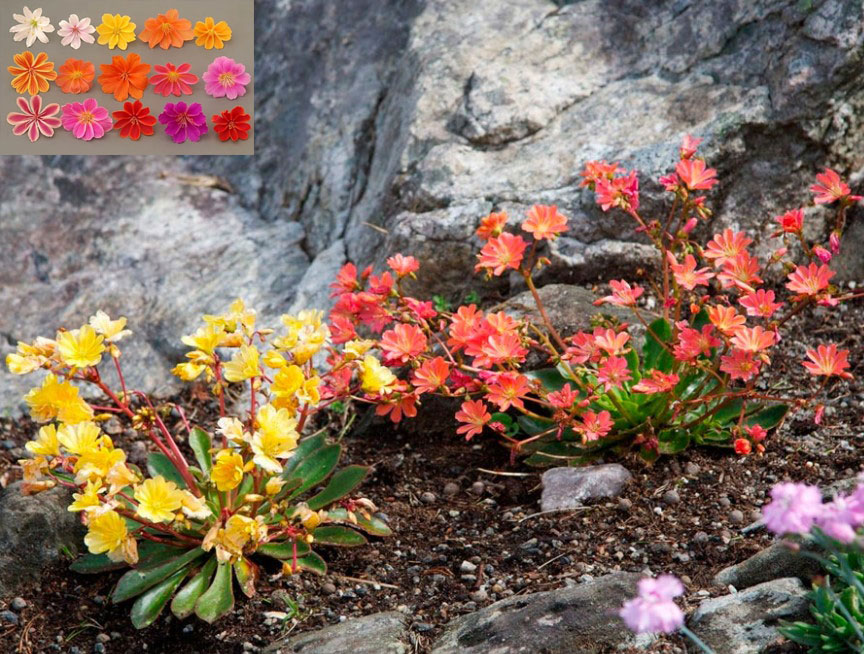
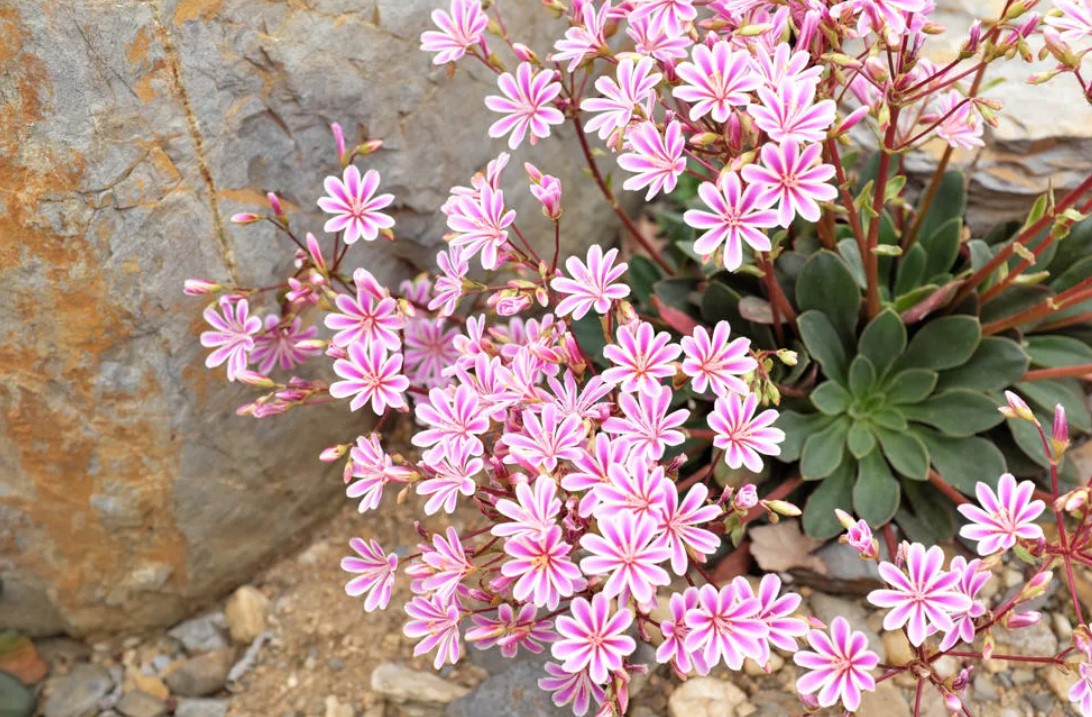
- Flowers can be single or numerous, gathered in racemes or clusters. Petals typically number between 5 and 10. The color and shape of the petals depend directly on the variety. The color can be either solid or variegated.
- The fruits are capsules containing black shiny seeds.
- The rhizome is thick, bulbous, and branches weakly.
8 species and 7 varieties of Lewisia with photos and descriptions
There are over 20 varieties of Lewisia in the wild, but only a few are of ornamental value. All are described below.
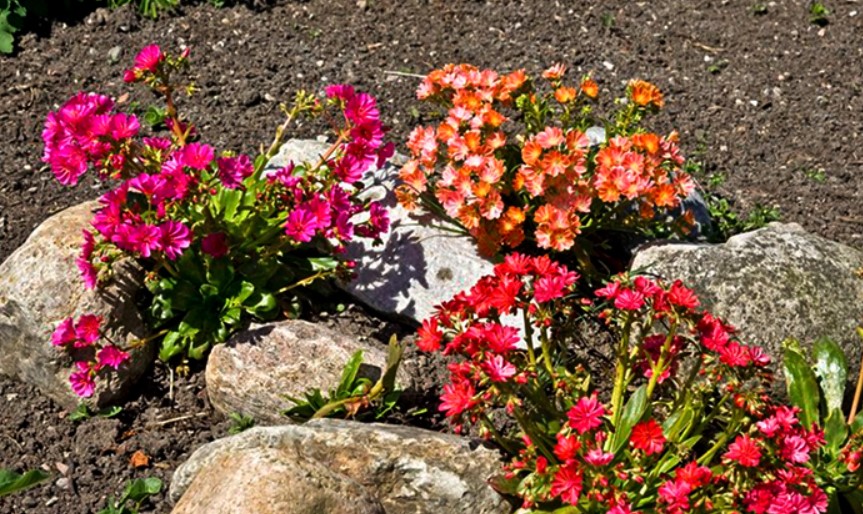
Blunt-leaved (Cotyledon) (L. cotyledon)
One of the most undemanding Lewisia species, it features evergreen, fleshy leaves that can come in a variety of shapes and colors, depending on the cultivar. Their length ranges from 12 to 15 cm, and they form rosettes up to 40 cm in diameter in mature specimens.
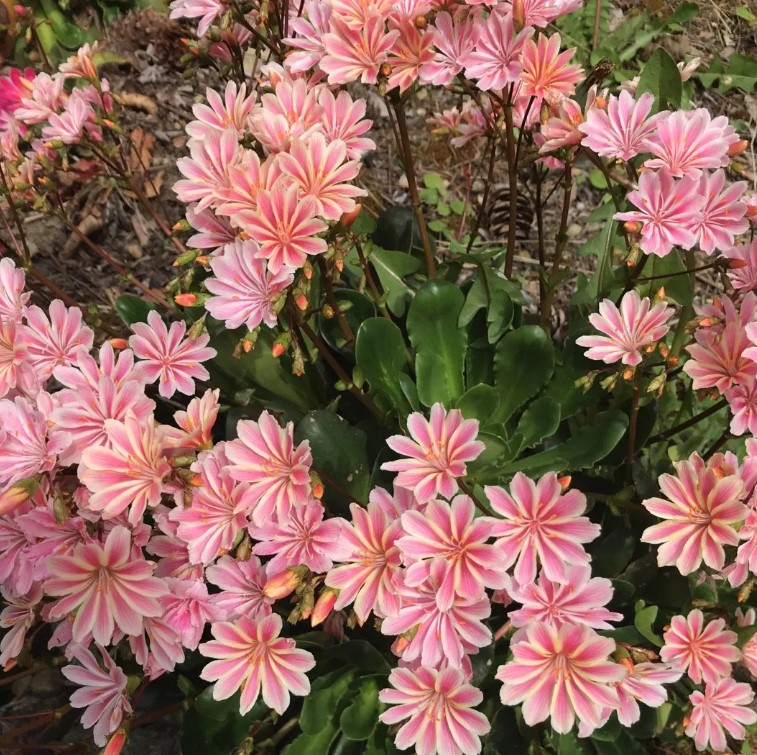
Blooming begins in May, and is profuse and widespread. In warmer regions, it may bloom again in early autumn. Petals come in white, red, pink, and yellow, and may feature contrasting stripes. Flower stalks are loose panicles up to 30 cm long.
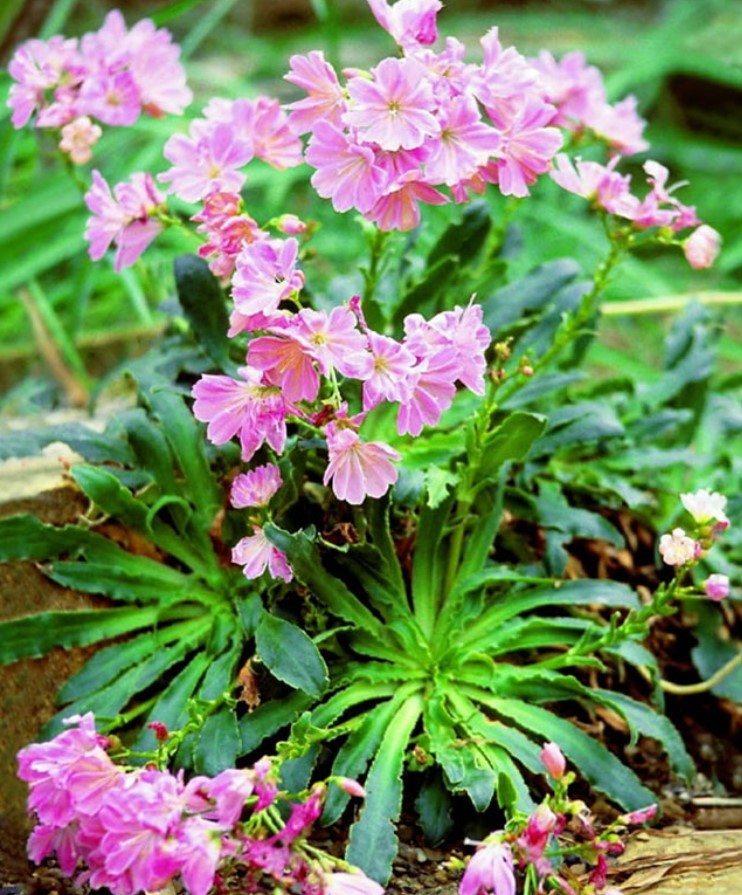
The plant propagates by seeds, which are sown in a greenhouse before winter. Mature bushes can be divided, and some gardeners use single leaves from mature plants to grow Lewisia.
Varieties:
- Red Ash (Red Purple) – reddish-pink flowers with a more intensely colored central part of the petal.
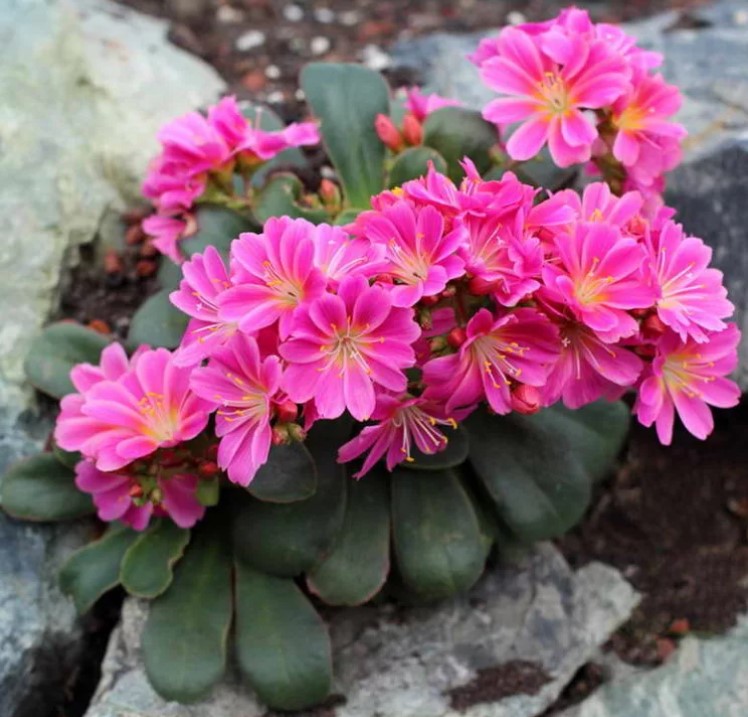
- Yellow – flowers are yellowish-lemon.
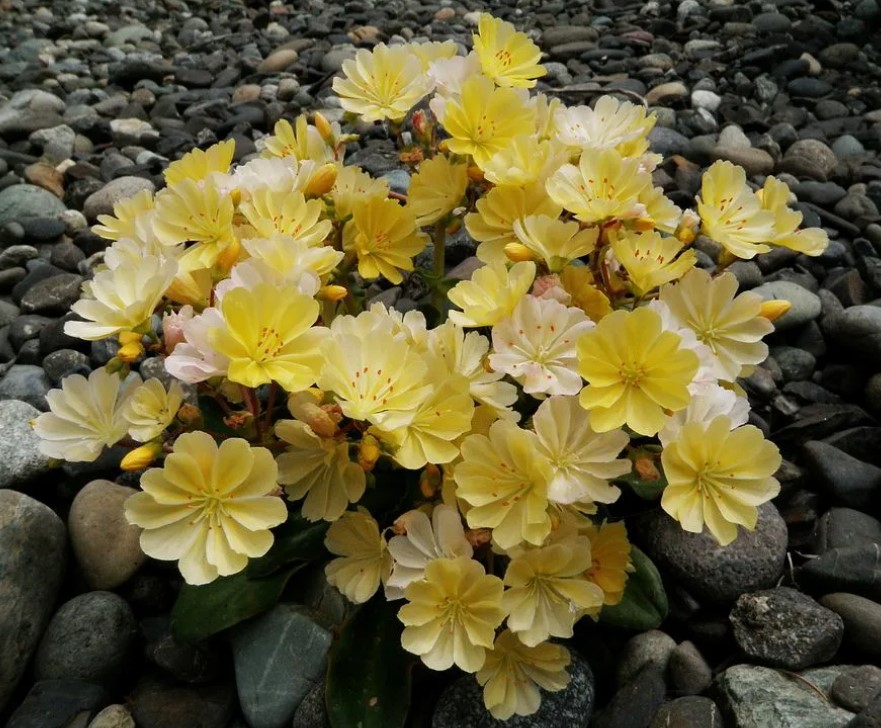
- Elise – pink flowers with convex petals.
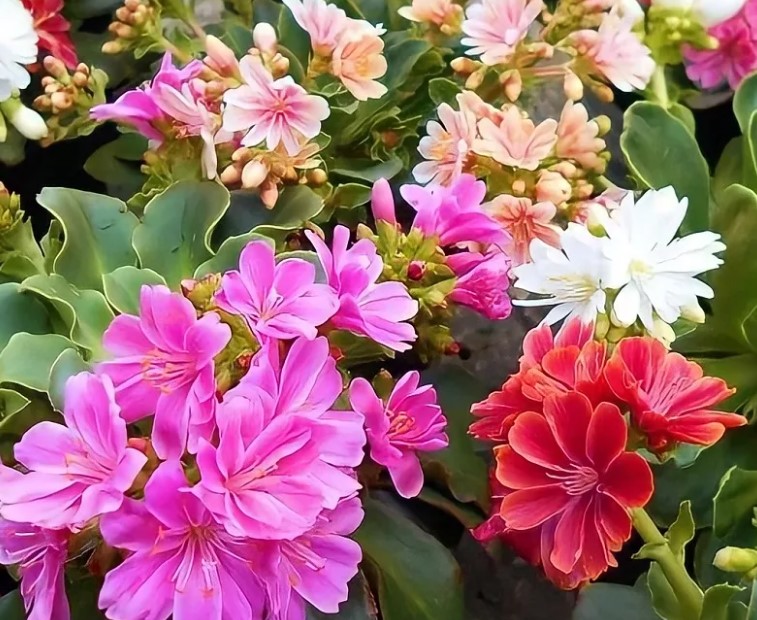
Long-petaled (L. longipetala)
The leaves are long, narrow, and fleshy, gathered in graceful rosettes and radiating outward, giving the plant volume and airiness. The plant reaches 15 cm in height. The flowers are small, star-shaped, and gathered in paniculate inflorescences. They begin to appear in late May, with a second bloom possible in September. The color can be yellow, red, white, or orange.
Varieties:
- Little Peach – large flowers in peach, pale pink, light yellow or orange shades.
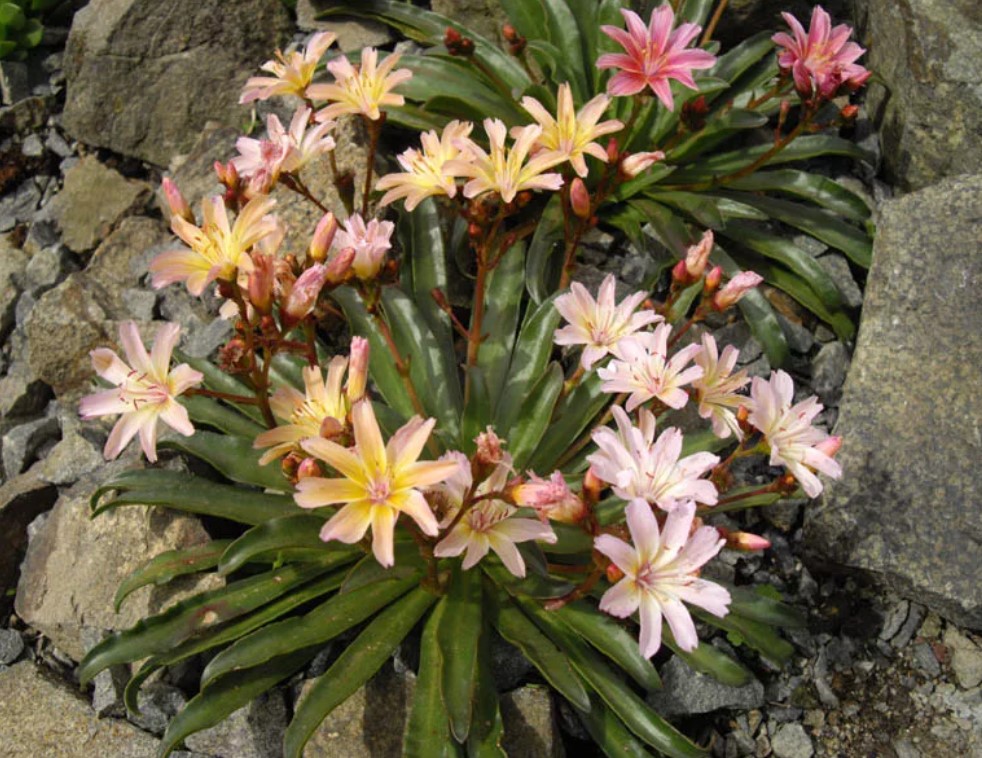
- Little Plum – reaches 15 cm in height and 30 cm in width. The leaves are fleshy and evergreen. The flowers are lush, red or raspberry-pink.
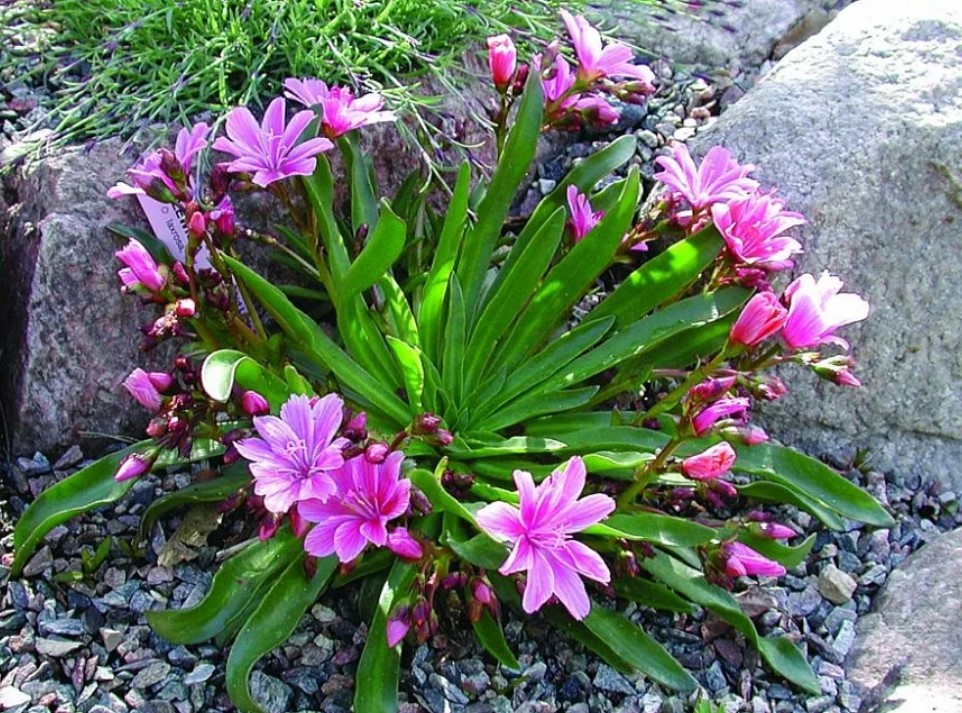
- Little Snowberry – flowers range from 10 to 15 cm tall. The inflorescences are white and distinguished by serrated petals. The leaves are compactly clustered in a rosette up to 20 cm in diameter.
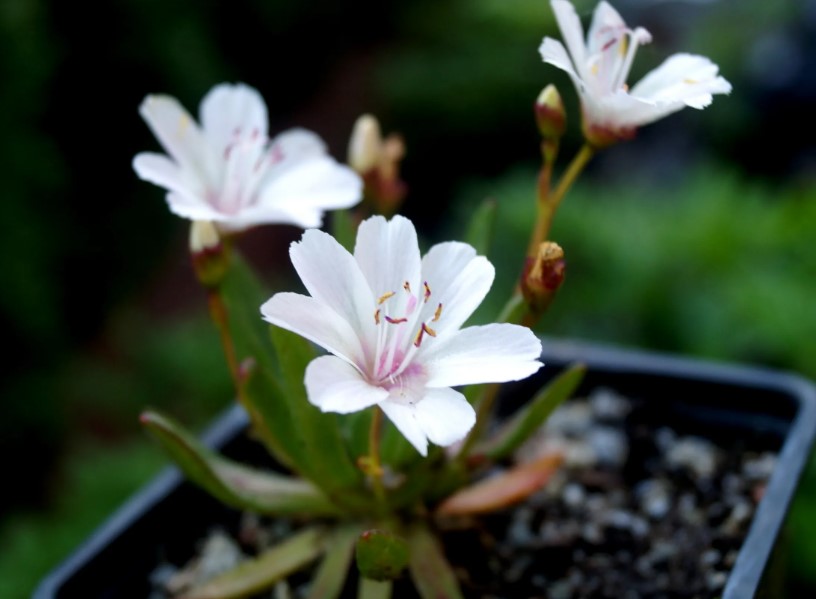
- Little Mango – flower diameter from 3 to 4 cm, yellow with shades of cream or orange.
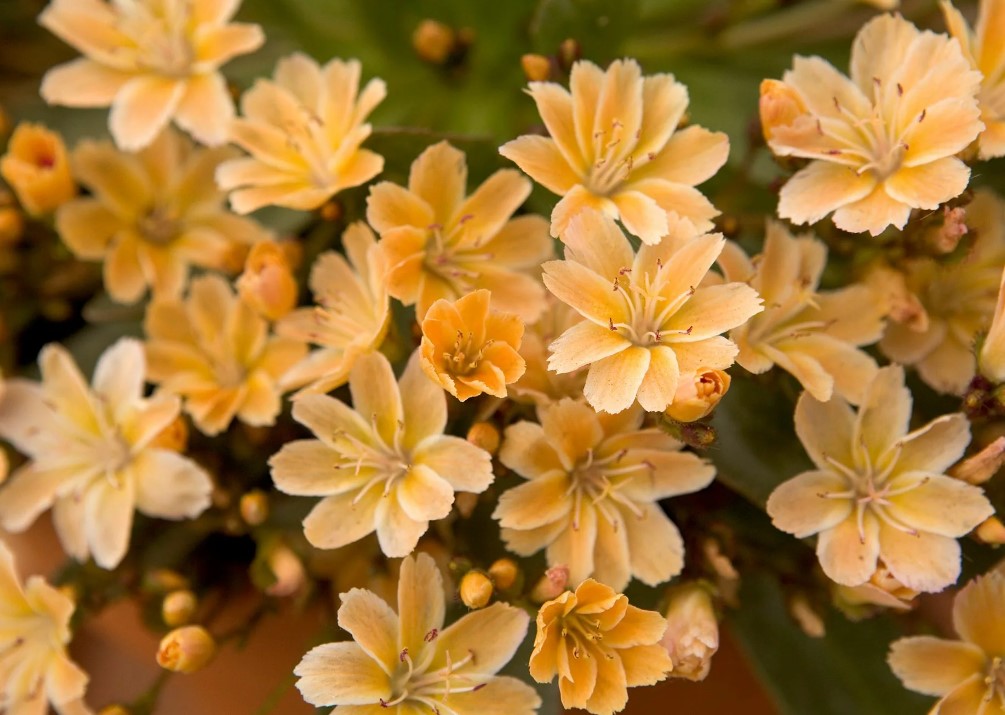
Nevada (L. nevadensis)
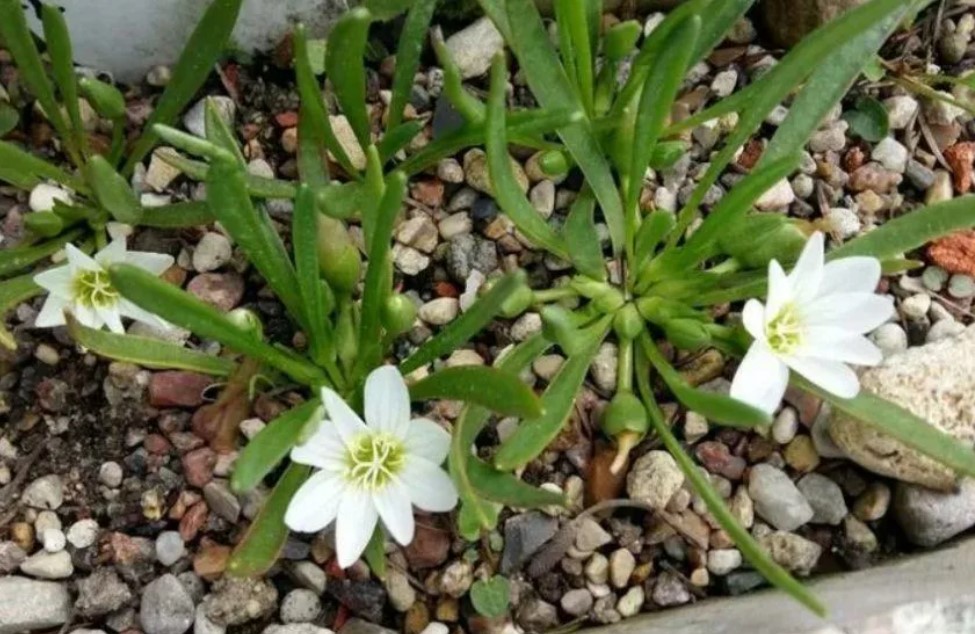
A compact variety of Lewisia. The leaves can reach 15 cm in length; they are long, grooved, and narrow. The flowers are pinkish or white. The leaf blades dry up immediately after flowering.
Tweed (L. tweedyi)
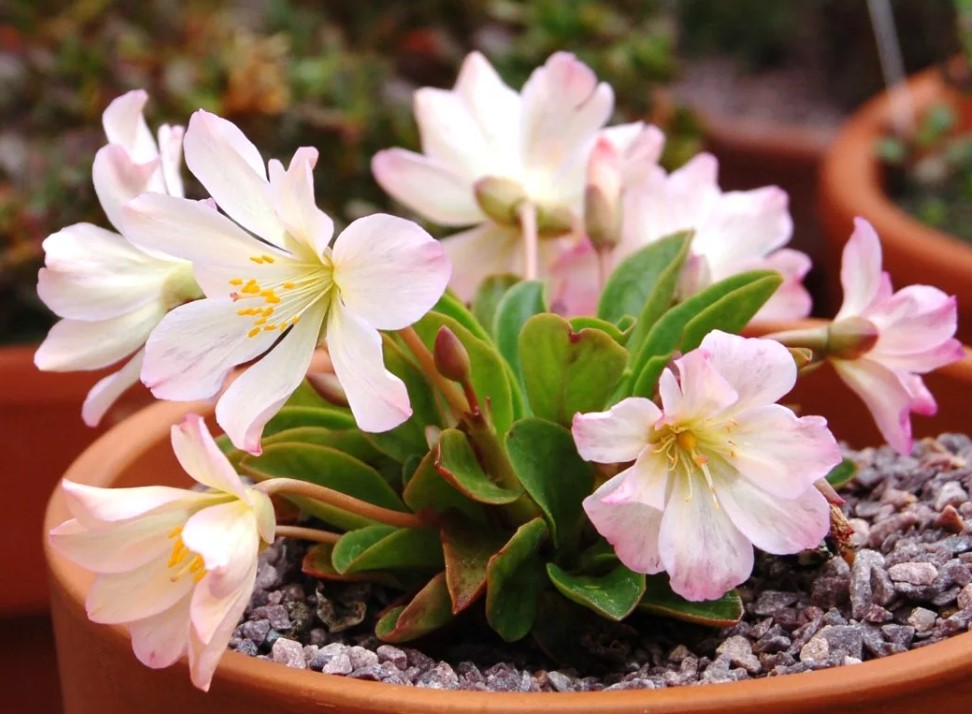
An evergreen plant up to 20 cm tall and up to 30 cm wide. The leaves are up to 10 cm long and oblanceolate. The flowers are large, up to 6 cm in diameter, and light pink, yellowish-pink, or white. They grow singly or in umbels of four.
Short-cupped (L. brachycalyx)
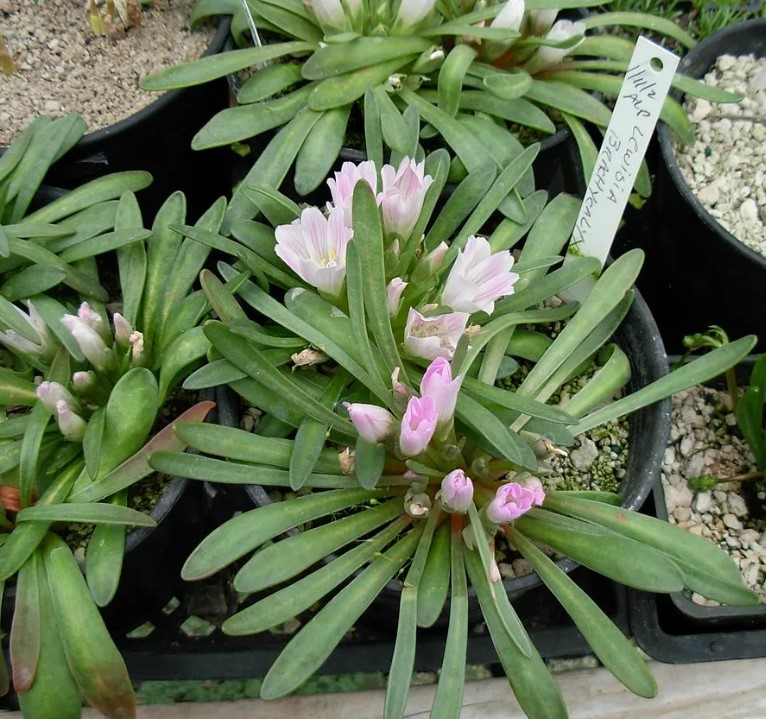
It is found throughout Arizona and Mexico, as well as in southern California. The leaves are up to 10 cm long, pointed, and greenish-gray. The flower stalks are short, bearing several flowers up to 2 cm in diameter. Their coloring is uneven: the center is beige or white, and the edges are pink. Flowering begins in early spring. Growth ceases after the seeds ripen.
Columbian (L. columbiana)
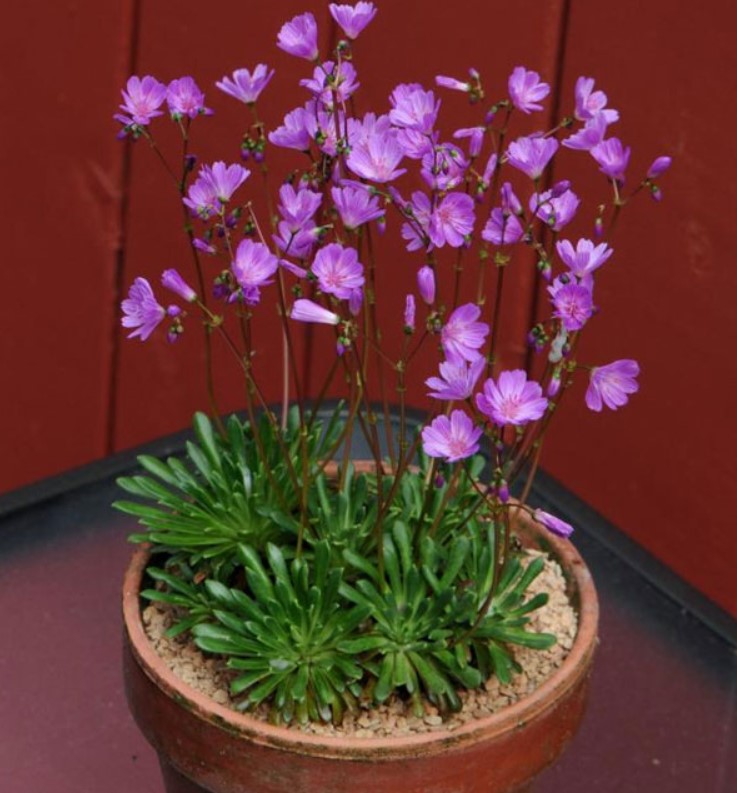
It is distinguished by its longest flower stems, which bend sideways under the weight of the flowers. The leaves are small and elongated. Flowering begins in the second half of May and lasts until June.
Renewed (L. rediviva)
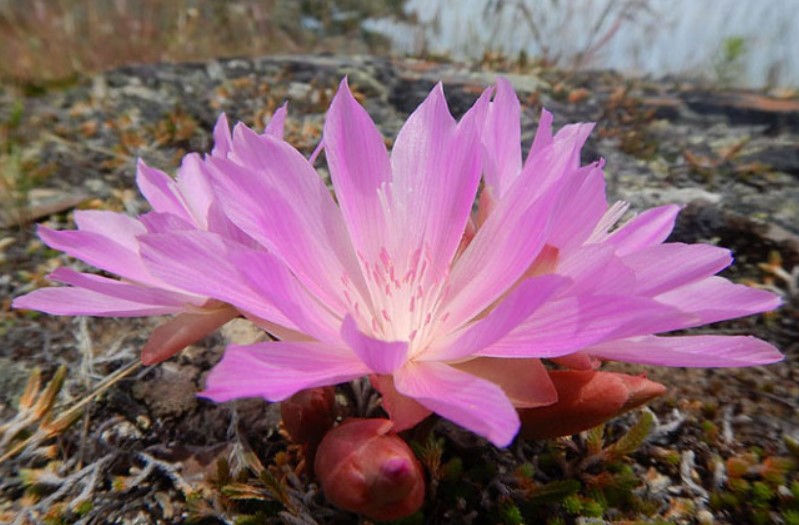
The plant is distinguished by its very large flowers, up to 5 cm in diameter, which are borne on a short stem and are pink in color. The flowers bloom only after all the leaves have withered.
Dwarf (L. pygmaea)
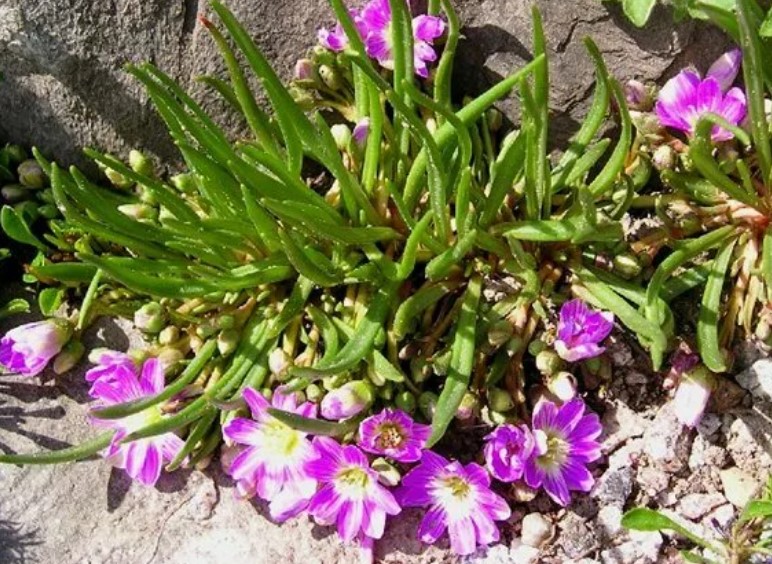
It is often found in rock gardens due to its low maintenance. It is a herbaceous, deciduous plant. Its elongated leaves grow up to 10 cm and resemble the arrows of an ornamental onion. Flowers are collected in umbels of seven. Their color varies from white to pink along the perimeter of the petals from the base to the tips. It reproduces by self-seeding. After flowering, the foliage withers, but may reappear in the fall.
Planting Lewisia step by step
Most varieties of Lewisia are completely unpretentious in care, but even such a flower has its own preferences for planting location and care.
Location, soil
Lewisias originally grew in mountainous areas with cool temperatures and sufficiently moist soil. Developed varieties also don't thrive in hot weather, so the Lewisia planting site shouldn't be in an open area without shade. Otherwise, the flower won't be able to fully develop its decorative qualities.
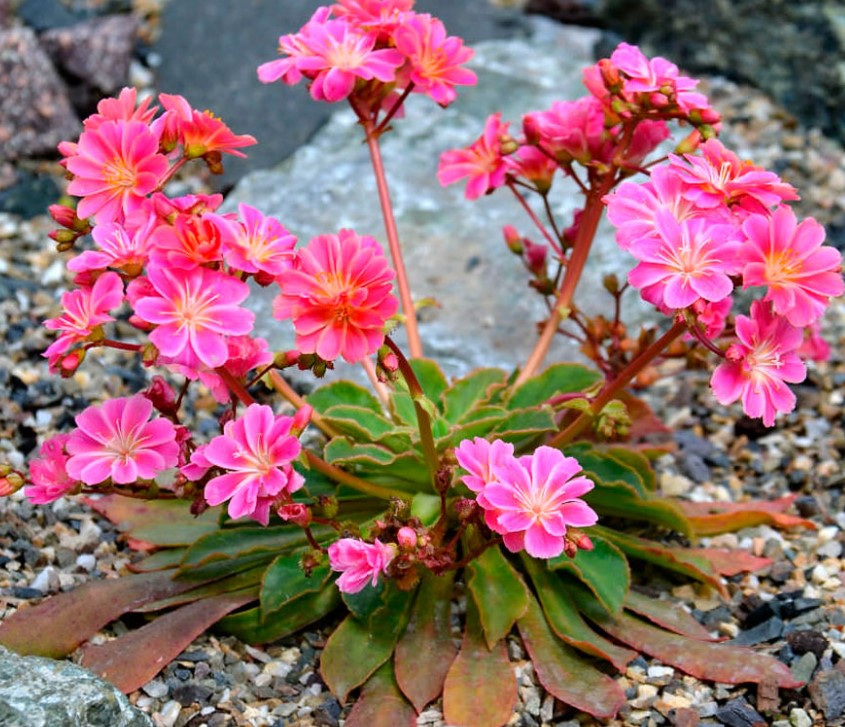
Planting between stones is the best solution – they will protect the roots from overheating and the leaves from constant contact with the soil.
Plants also don't tolerate drafts. It's best if the flowerbed is protected by other plants or tall rocks.
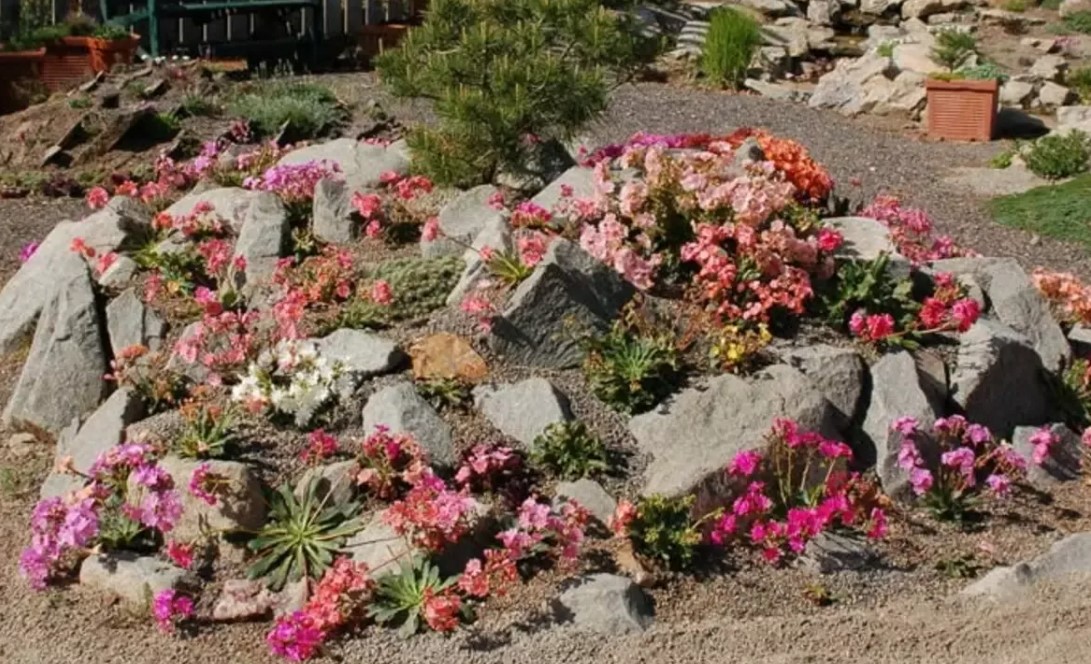
Lewisia does not tolerate heavy clay soil and does not tolerate excess calcium. The soil for planting should meet the following requirements:
- Have a good drainage layer that will prevent moisture from stagnating at the roots.
- Be slightly acidic or neutral in acidity.
- Contain a moderate amount of nutrients.
Types of Lewisia planting
The plant can be planted using three methods:
- seeds;
- seedlings;
- side sockets.
Read more about these methods below.
Timing of sowing and planting Lewisia in open ground
The flower can be sown before winter in October-November. Grow seedlings by sowing them in trays in January.
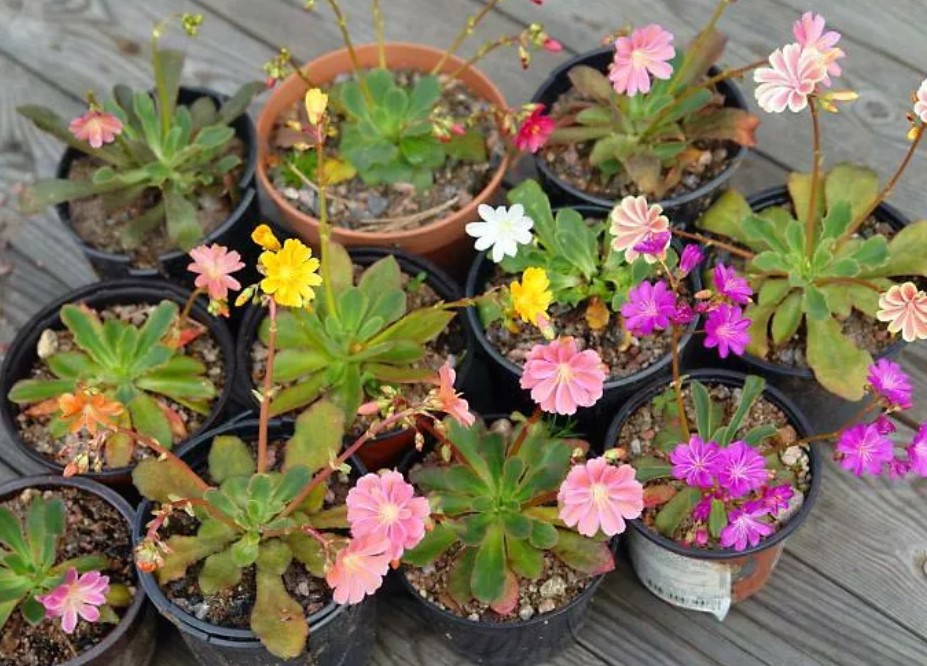
Buy Lewisia seedlings from reputable gardening companies and plant them in April-May, after the warm weather sets in.
Step-by-step instructions for planting a Lewesia seedling
Below is a description of the algorithm for planting Lewisia seedlings in a garden plot:
- A hole is dug slightly larger than the root ball of the plant.
- Granite chips are mixed with garden soil. Do not substitute granite with stones, as they will acidify the soil.
- The bottom of the hole is covered with a drainage layer up to 10 cm high.
- Soil is placed on top of the drainage.
- The seedling is placed in the center of the hole, the roots (if they are exposed) are straightened out, and a mixture of soil and crumbs is poured on top.
- Make a hole up to 1.5 cm deep under the rosette of leaves and fill it with fine gravel or crushed stone. This will prevent water stagnation.
If the soil is too clayey or heavy, river sand should be added. When creating a rock garden, it's important to ensure that only the Lewisia roots are in the soil, and that the base of the root rosette is covered only by stones.
Caring for Lewisia
When planted correctly, Lewisia will grow well and require little care. However, there are some nuances to consider when growing it.
Watering
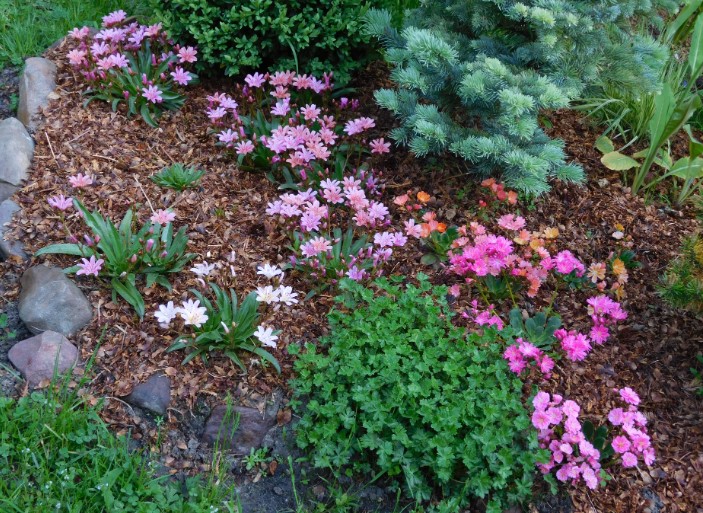
Without water, the leaves begin to wrinkle and lose their appeal, so it's important to ensure the soil doesn't dry out or crack. But overwatering is even more damaging to the plant. Too much water can cause root rot. While the leaves tend to recover after a drought, the root can't be helped. During dry summers, Lewisias should be watered 1-2 times a week. If the plant is in partial shade and receives occasional rainfall, additional soil moisture may not be necessary at all, as moisture tends to accumulate in the fleshy leaves.
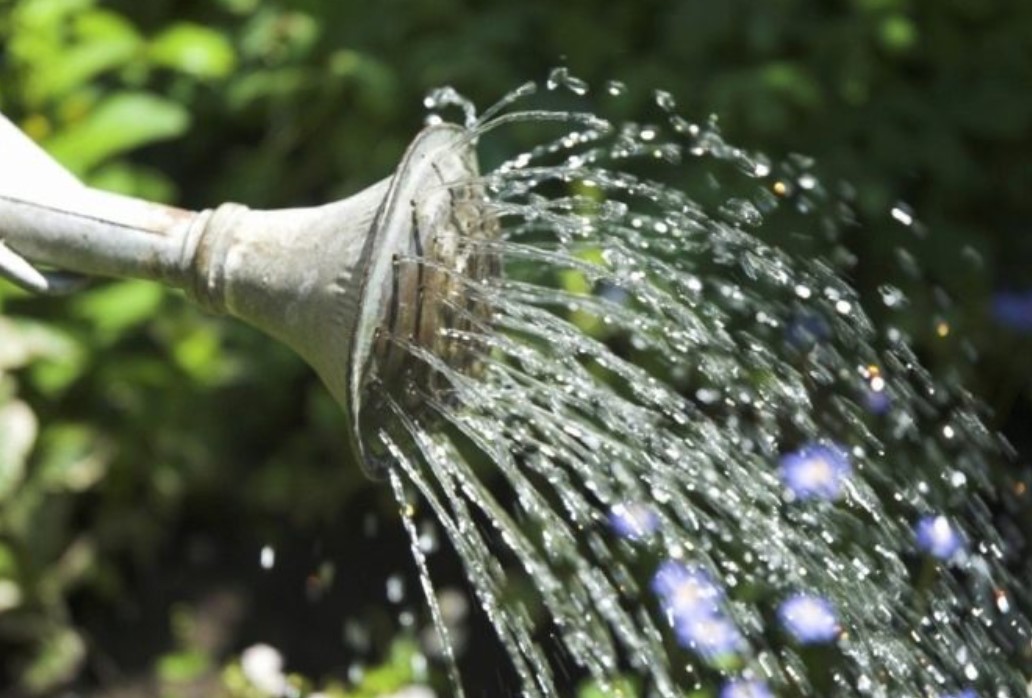
Avoid aiming the watering can or hose directly at the center of the rosette; watering should be done directly at the roots. The bottom of the leaf rosette should not touch the soil, otherwise rotting may occur.
The most intensive watering is done in spring and early summer, when the plant is just gaining strength. It stops after flowering, when the Lewisia enters a dormant state.
Top dressing
If the soil was initially poor, it's recommended to add fertilizer, such as a commercial cactus fertilizer, before flowering begins. If the soil is sufficiently fertile, no additional fertilizer is needed, especially nitrogen and calcium.
Trimming
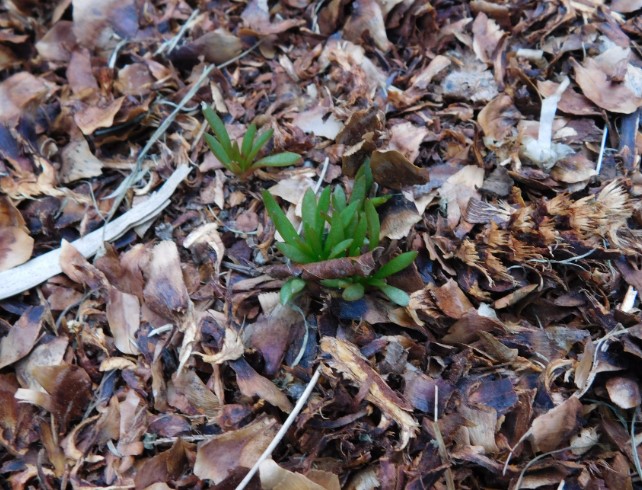
Lewisias don't require pruning; only completely dried flower stalks are cut off. Pulling them off is not recommended, as this can damage the rosette.
Preparing for winter
Lewisias are distinguished by excellent frost resistance, provided they are protected from excess moisture, which freezes at the roots and leads to their death. In temperate regions, the plant overwinters well, provided the soil is not excessively wet.
For evergreen Lewisia species, it's recommended to use a covering, such as spruce branches or specialized material. Some gardeners use the top of a cut-off plastic bottle as protection. When growing in containers, simply store the plants in a well-lit, cool place for the winter.
Reproduction of Lewisia
There are two main methods of propagation for Lewisia:
- Seeds.
- By rooting lateral rosettes or cuttings.
Seeds
Lewisia seeds lose their germination capacity very quickly, so all seed material must be freshly collected.
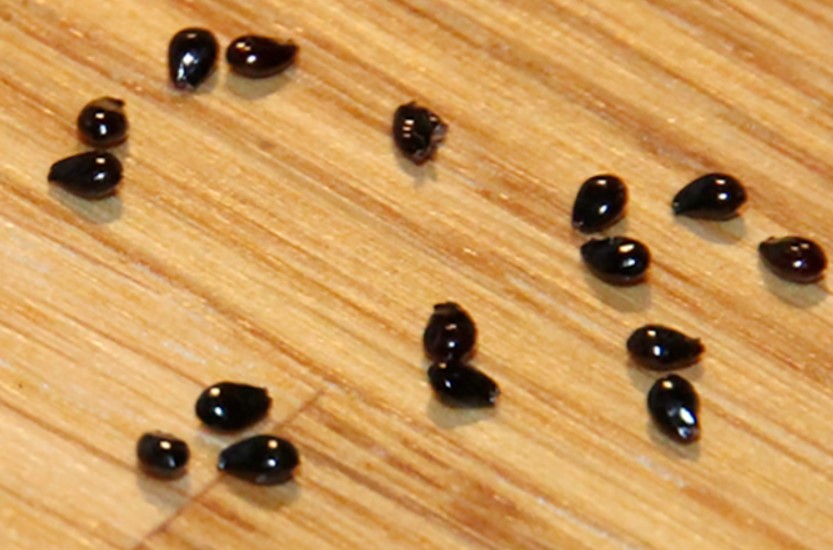
In the fall, the seeds are planted in a pre-dug flowerbed, covered with soil, and covered with a thick layer of mulch, such as peat or compost. The first shoots should appear on the surface by late March or early April.
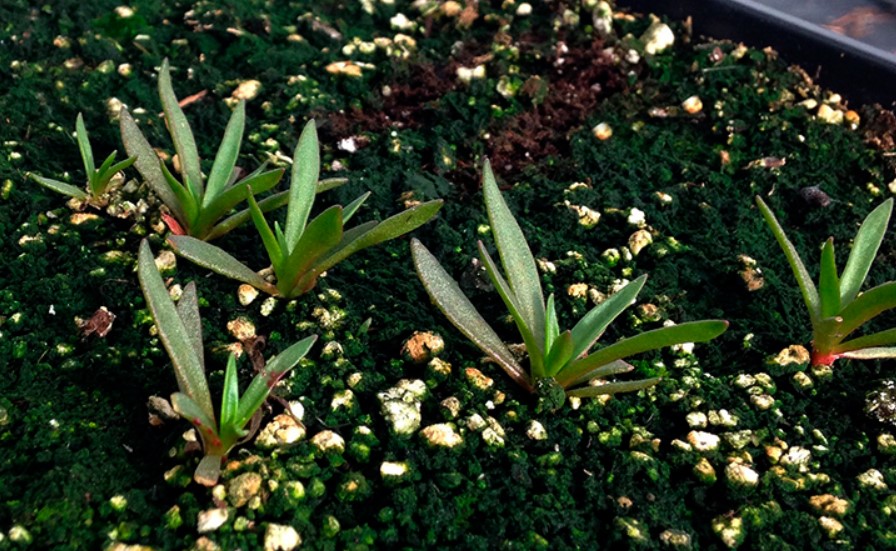
Next, you can choose one of two landing options:
- Dive the plants into a permanent bed.
- Do not disturb the seedlings for the next year, and then transfer them to a permanent location.
Some gardeners grow Lewisia from seedlings, sowing the seeds indoors in the spring. The container is filled with soil, the seeds are planted to a depth of no more than 1 cm, covered with soil, watered, and covered with glass or plastic. The container is placed in a cool place for 30 days. During this time, the seeds take root and sprout.
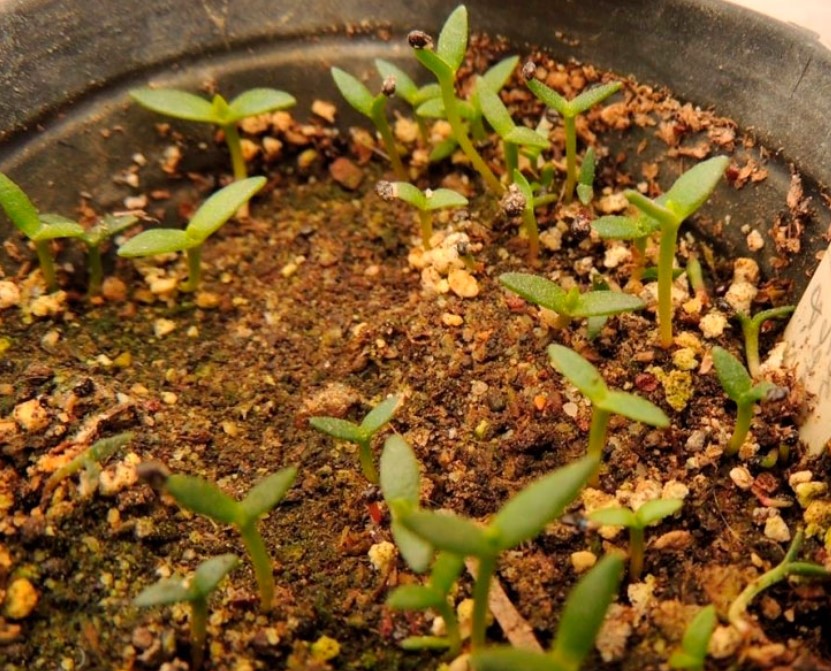
As soon as the first shoots emerge, remove the covering and move the seedlings to a warmer location. Once the threat of frost has passed, the Lewisias can be planted in a permanent flowerbed. Flowering should then be expected no earlier than the second year of the plant's life.
By cuttings or lateral rosettes
Essentially, this method is division by rosette, but some authors call it cuttings. Either term can be applied to this procedure.
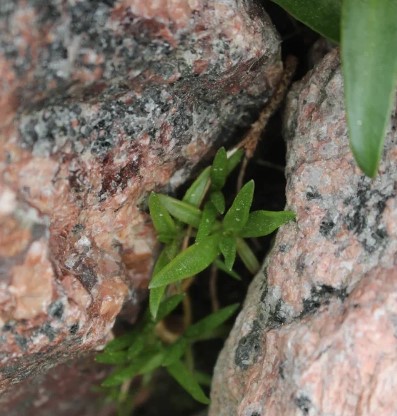
As Lewisia grows, it forms lateral rosettes without its own root system. In the spring, this rosette can be cut off with a sharp knife and planted either in a greenhouse or a container. Before planting, it is recommended to soak the cut in a rooting solution to accelerate the rooting process. The following year, the plant should produce new roots and can be transplanted to its permanent flowerbed.
Diseases and pests of Lewisia (table)
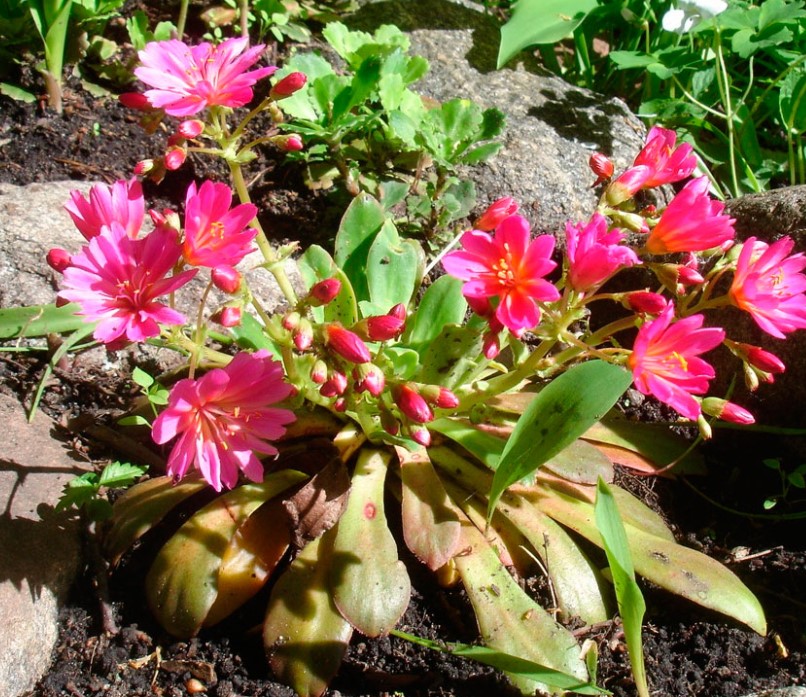
| Diseases/Pests | Prevention/Control |
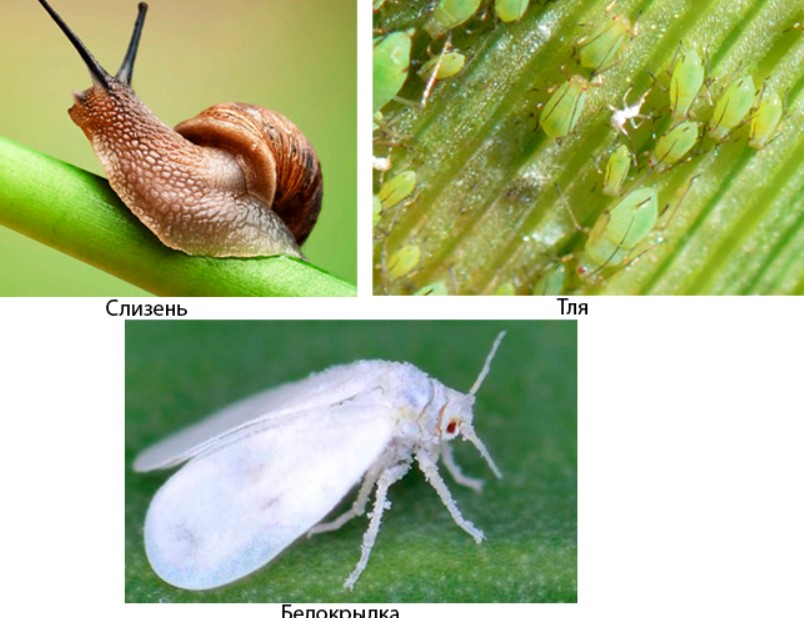
| Slugs
|
As a preventative measure, scatter ash or crushed eggshells around plantings. If there are numerous insects, special traps can help control them. |
| Aphid | Avoid allowing anthills to form near flowerbeds, as aphids invariably accompany them. If the pests appear on leaves, you can wash them with a solution of laundry soap or garlic infusion. For large infestations, insecticides will be necessary. |
| Gray mold | Diseased leaves are trimmed off, and the plant is sprayed with fungicides, such as Oxychom or Fundazol. If the damage is extensive, the plant is destroyed. |
Levisia in the landscape
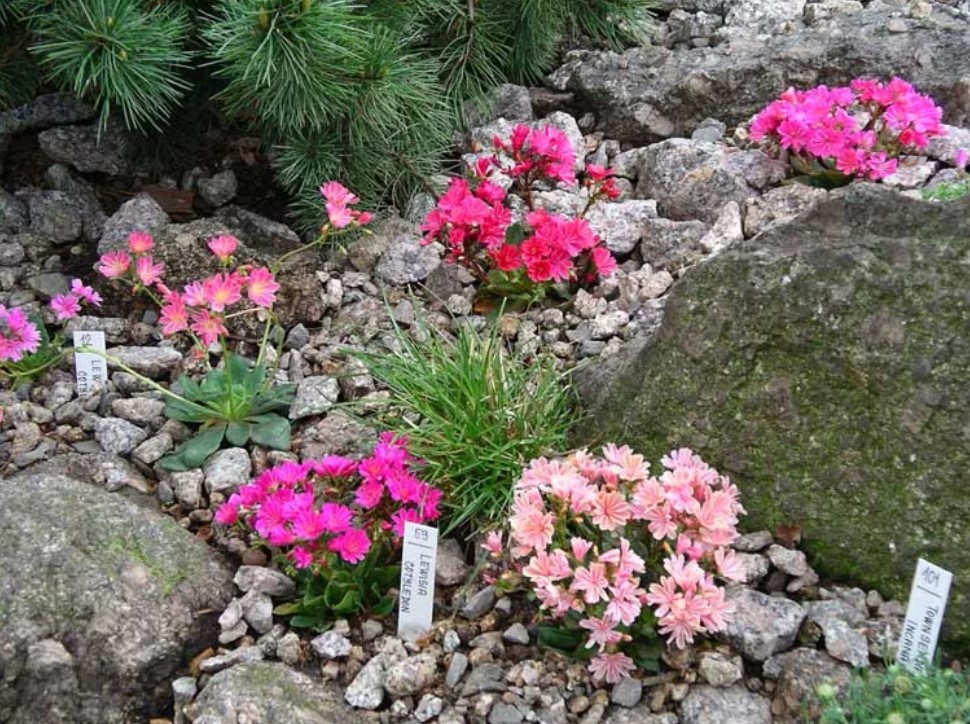
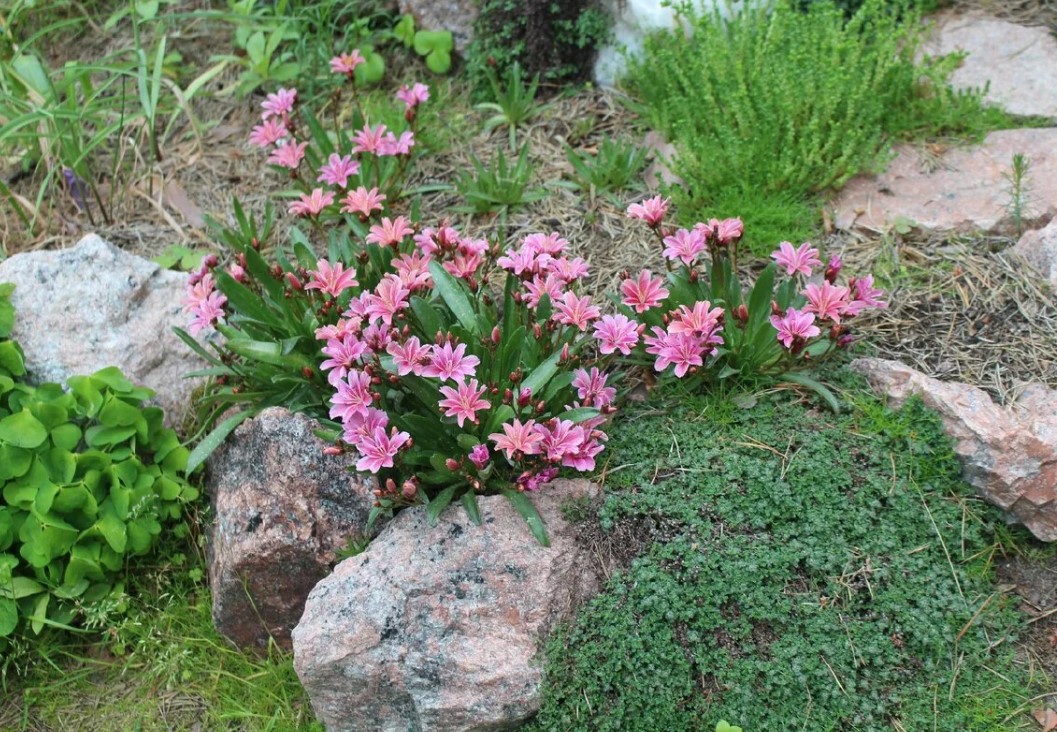
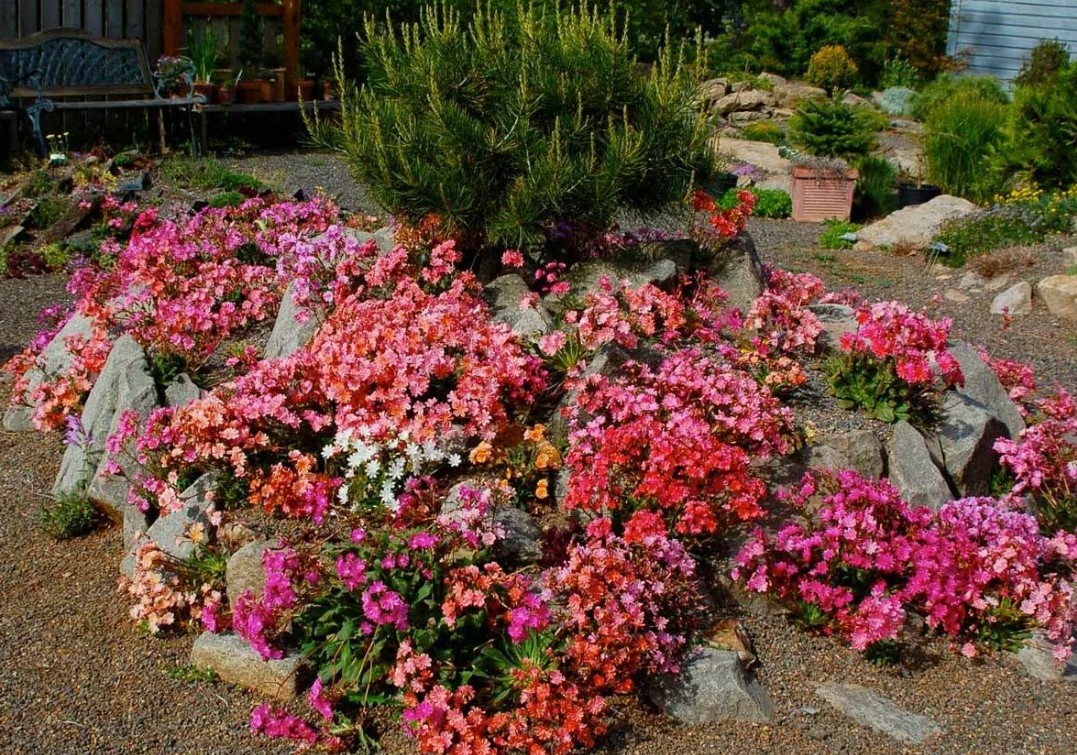
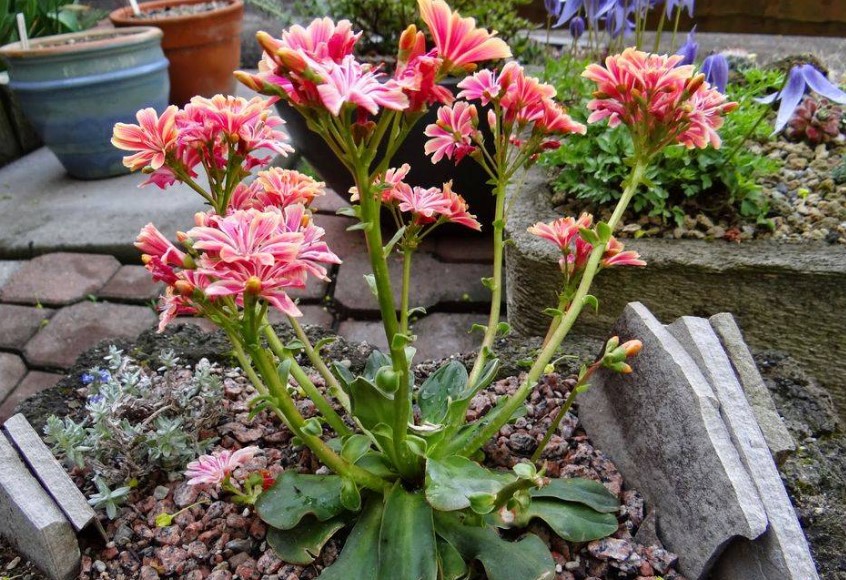
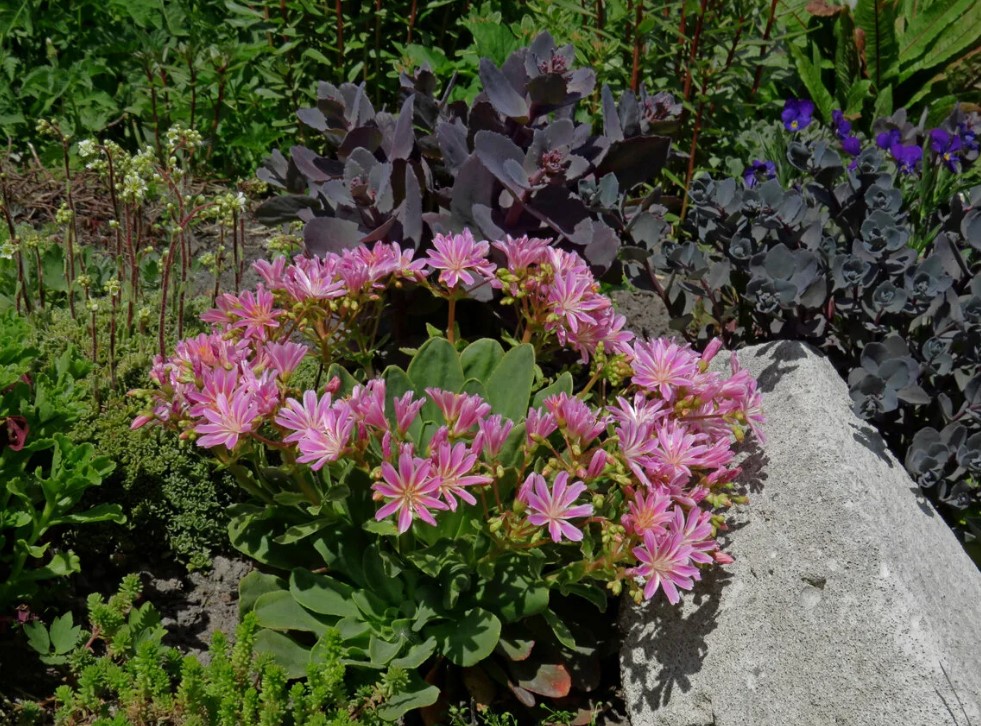
Lewisia adds vibrant color to the garden during flowering and adds a unique aesthetic with its neat green rosettes. It can also be used in the following variations:
- Decorate the rock garden.
- Mark the curb area.
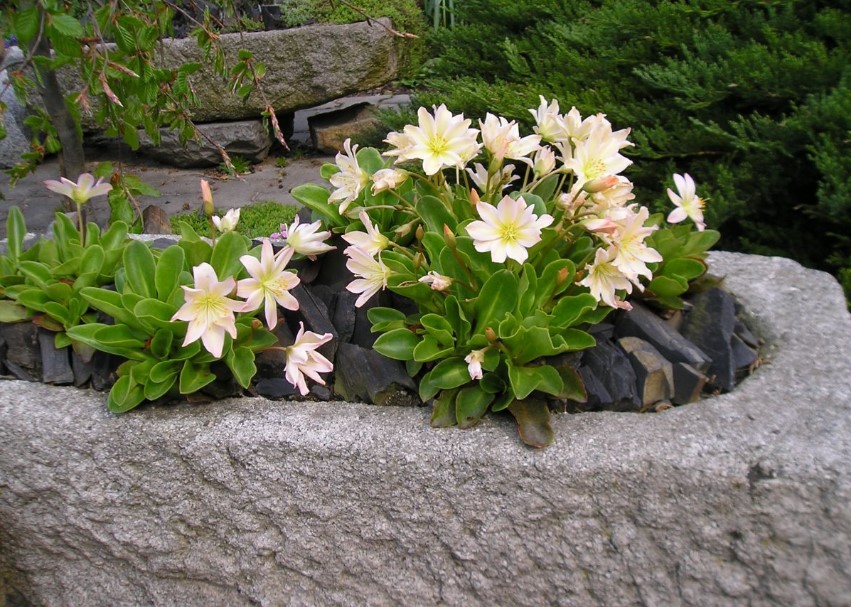
- Plant between the stones.
- Decorate the walls.
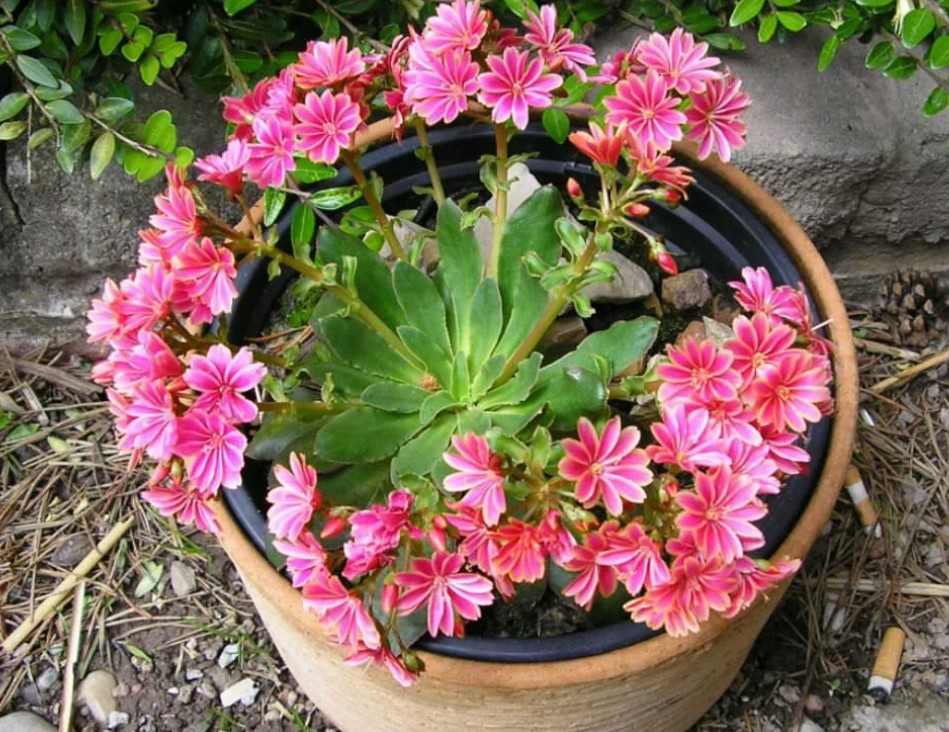
- Decorate gazebos and verandas with container planting.
Lewisias look very harmonious next to sedums, rejuvenated plants, and Portenschlag's bells.
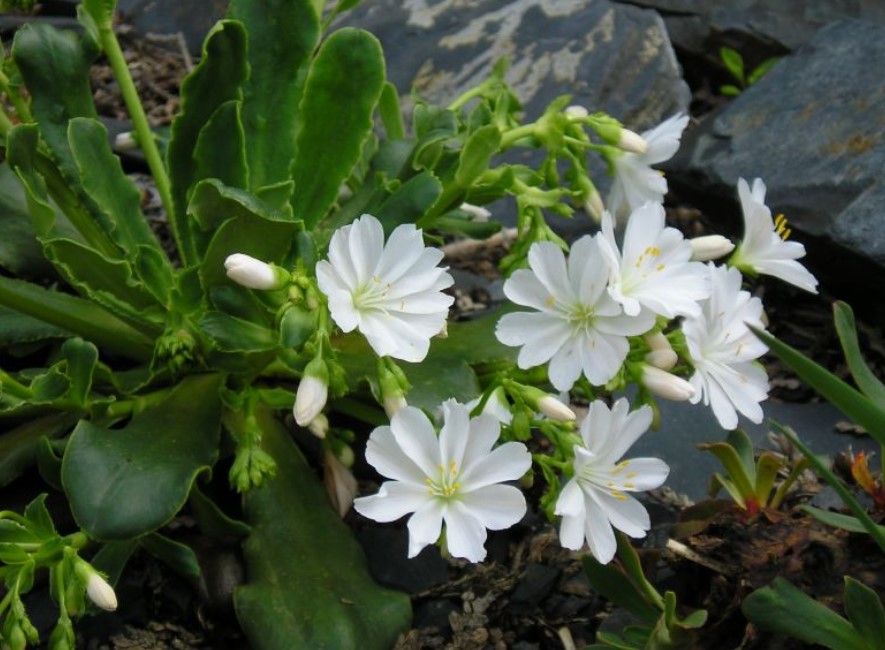
Photo gallery of Lewisia in the landscape
Reviews of Lewisia from gardeners
Coincidence... I've had Lewisia nevadensis seeds lying around for about three years. I put them in a sponge in the refrigerator, and they just sprouted... ahem... I planted them in seedlings, and they're growing - I'm amazed... I'm wondering where I should put it in my garden, how it's growing, a stranger... Maybe someone has one and can share their experience. I've searched everywhere... but I couldn't find a clear picture... Now it's in seedlings, with three thin leaves each. Should I transplant it into pots and when it gets warmer in the garden??? But where... in full sun??? And can I plant all 5 of them next to each other, or will it spread out??? Please share your knowledge, since it really wants to grow in my garden...
Location: The plant is harmed by direct sun, so it is planted on the east side of the rock garden.
Soil: good drainage of at least 50 cm is required, a dry location in a ravine to allow water falling on the rosette of leaves to drain freely, and acidic soil mixed with crushed stone, sand, peat, and humus. The soil should be nutritious, so add crushed cow manure. Place gravel around the root collars to protect them from harmful overwatering.
Another season – while they are still alive and starting to bloom, as I understand it, longipetala:
Cotiledon has smaller rosettes, but they also stand in buds.
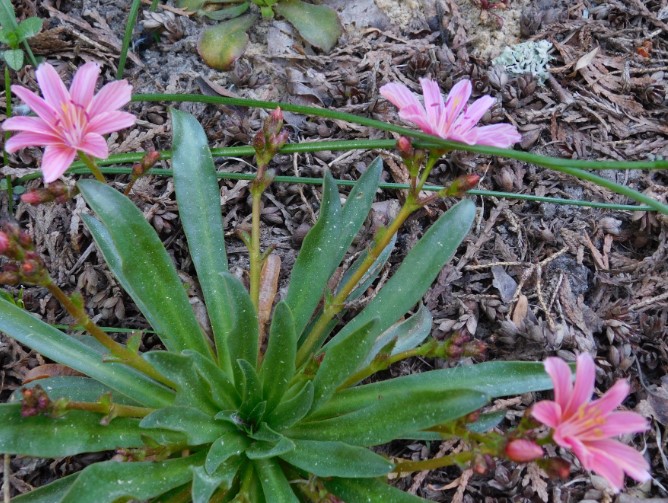
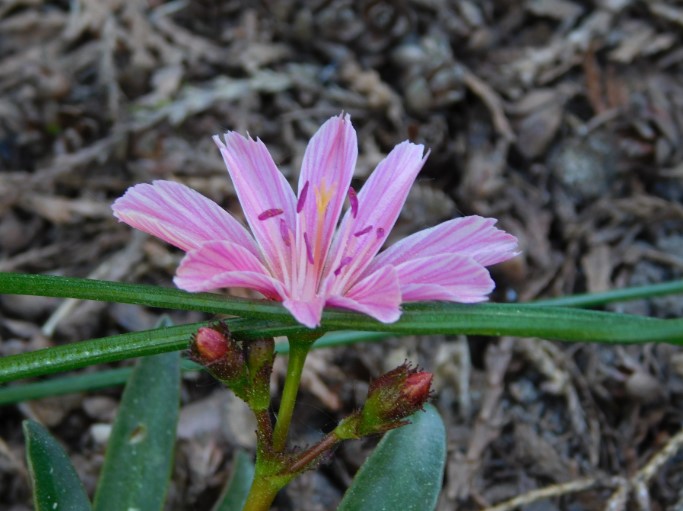
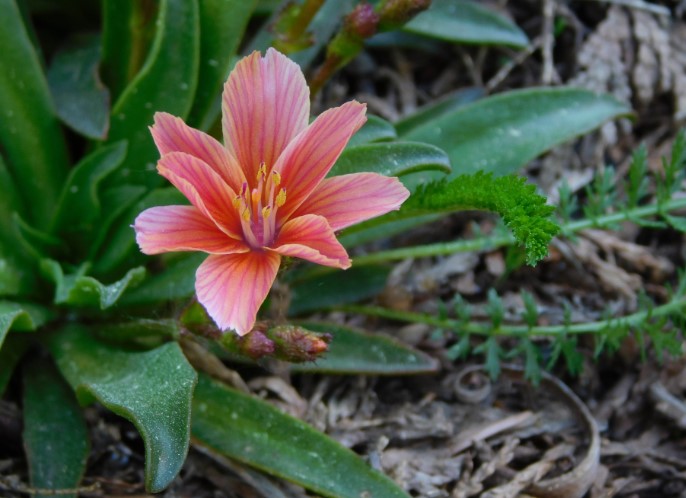
Lewisia cotyledon isn't the most resilient of the Lewisias. It's sensitive to waterlogging. It should be planted at an angle away from rain in well-drained soil. These are just the general notes.
As for the one I bought at Sadovod at that time, I honestly don’t know :020:
What they sell now is a very overfed, fat plant in a container. It's unlikely to survive even a mild winter without some hardening.
I'd keep them on a cool balcony, if you have one, of course. Ideally, you need to provide them with a dry and moderately cold winter.
You can, of course, take a risk. Plant it in the ground so that water doesn't accumulate during the winter and spring, insulate it well, and protect it from dampness. And if you're lucky, meaning there's no cataclysmic event like a frost without snow or anything else, it should survive the winter.
I don't consider myself an expert on Lewisias by any means—I just buy them en masse: I've sown a lot, and some have survived. Ensuring and guaranteeing the overwintering of a single plant is an impossible task for me—it's a matter of luck. I have plants sitting next to each other, seemingly identical, but they behave differently—one suddenly dies (in the summer!), while another thrives. Also, not all of them survive the winter. And it doesn't seem to depend much on size or age. It really seems to me that sown plants survive their first winter better than the following one.
I've never used any special cover. The only principle I follow is to plant them elevated to facilitate water drainage. I wouldn't use a jar—I don't really understand that method. If I were to cover them, I'd use an air-dry shelter, like I do for roses. And before that, I'd use something like an umbrella to ensure maximum dryness before winter.
Since I can’t count (how many and what kind of plants were planted, how many died and when), I can’t say for sure, but I got the impression that longipetala is more resistant than cotiledon.
Unfortunately, I didn’t have time to collect seeds this season; my only hope is self-seeding.
I tried growing it. It froze. I read a ton of articles back then... after all, this plant (at least in such a gorgeous bloom as in the pictures) isn't for temperate climates. It will only grow in regions with a milder climate (like, for example, Samoy Dobrota). And Tatyana's plant seems to have some kind of resistant variety... even the leaves are completely different. Even Lewisia seeds are rare in regular gardening stores. And those that do appear in small quantities every year rarely germinate. So the plant is quite mysterious and challenging for gardeners.
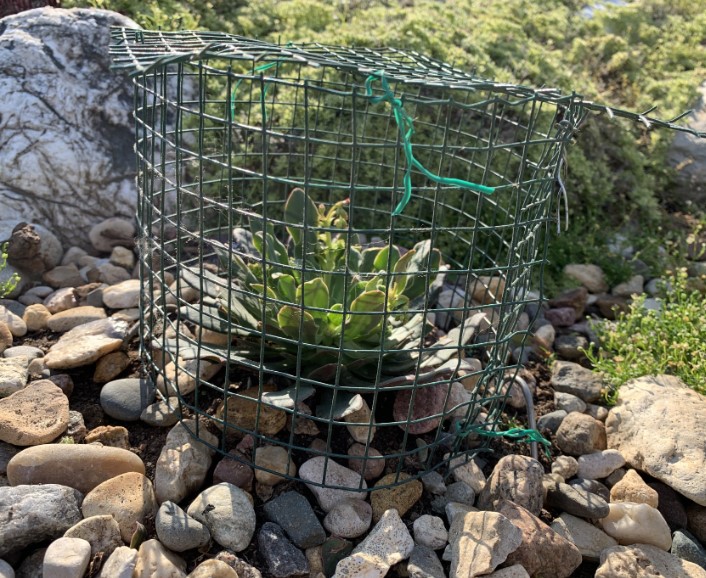
I planted a Lewisia about a month ago, and it started producing flower stalks. My magpies are acting up, picking out my Arends's Saxifraga, and then they got to the Lewisia, nipping off its buds. It's a shame, but they did leave a few, so at least I can see the variety. I made this cage for it.