Toadflax is a herbaceous plant belonging to the Plantaginaceae family. Previously, experts believed that toadflax belonged to the Scrophulariaceae family, but subsequent study of the plant revealed that its characteristics and features do not correspond to this family.
Content
- 1 Description of toadflax
- 2 Toadflax and Snapdragon
- 3 9 types of toadflax with photos and descriptions
- 3.1 Common toadflax (Linaria vulgaris)
- 3.2 Photo gallery of common toadflax
- 3.3 Two-part toadflax (Linaria bipartita)
- 3.4 Photo gallery of toadflax
- 3.5 Moroccan toadflax (Linaria maroccana)
- 3.6 Photo gallery of Moroccan toadflax
- 3.7 Cymbal toadflax (Linaria cymbalaria)
- 3.8 Photo gallery of toadflax
- 3.9 Chalk toadflax (Linaria cretacea)
- 3.10 Photo gallery of chalk toadflax
- 3.11 Alpine toadflax (Linaria alpina)
- 3.12 Photo gallery of Alpine toadflax
- 3.13 Dalmatian toadflax (Linaria dalmatica)
- 3.14 Photo gallery of Dalmatian toadflax
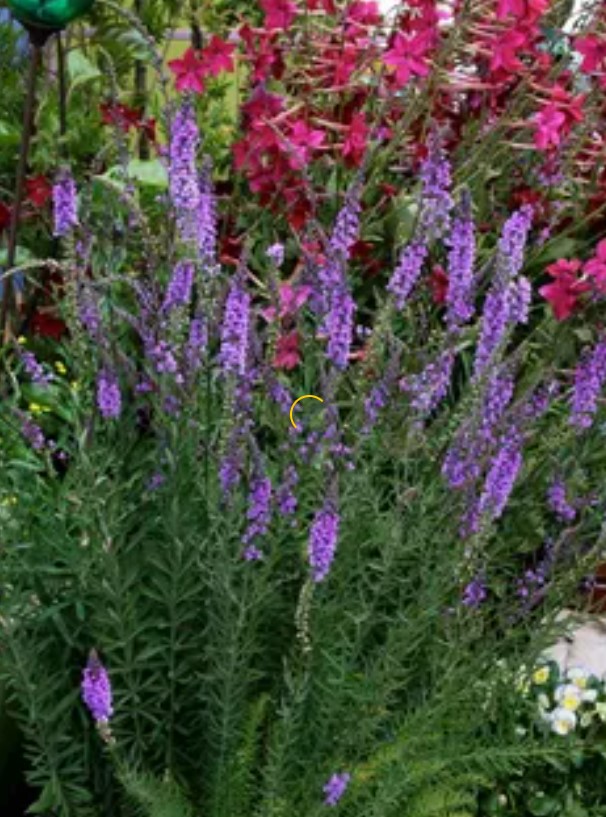
- 3.15 Purple toadflax (Linaria purpurea)
- 3.16 Photo gallery of purple toadflax
- 3.17 Three-winged toadflax (Linaria triornithophora)
- 3.18 Photo gallery of the three-winged toadflax
- 4 Growing toadflax from seeds
- 5 Planting and caring for toadflax
- 6 Diseases and pests of toadflax
- 7 Reproduction of toadflax
- 8 Using toadflax in the landscape
- 9 Medicinal properties of common toadflax
- 10 The use of toadflax in folk medicine
- 11 The use of toadflax in cosmetology
- 12 Contraindications for the use of toadflax
- 13 Reviews of toadflax from gardeners
Description of toadflax
There are 98 species of toadflax in nature, but not all of them have decorative or medicinal value.
The plant is most often found in the Mediterranean region; in our country, it is widespread in the Kuril Islands, the Caucasus, and the Far East.
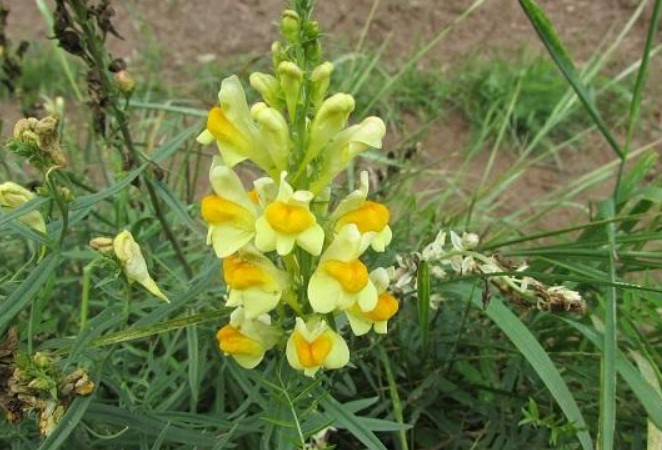
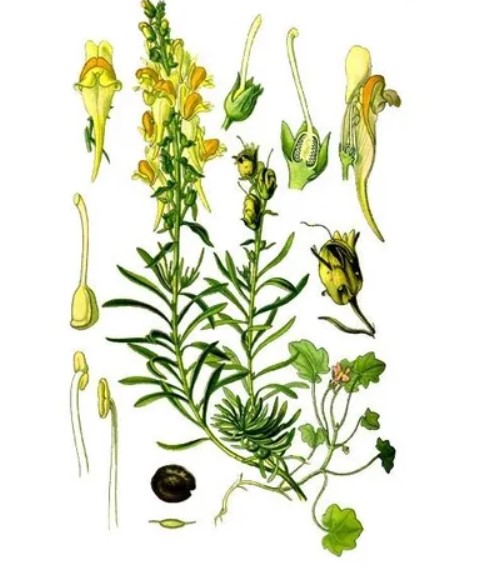
Toadflax is characterized by the following features:
- The root is taproot and goes quite deep into the ground.
- The stem is erect, can be simple or branched, from 30 to 60 cm in height, sometimes it can grow up to 90 cm.
- The inflorescences form in racemes or panicles from 5 to 15 cm long, the color is predominantly yellowish with white, but purple and blue specimens are also found.
- The flowers are bilabiate. The lower lip is convex and semicircular, while the upper lip is bipartite.
- The fruit is formed in the form of a spherical or oblong capsule, at the top of which are cracked teeth.
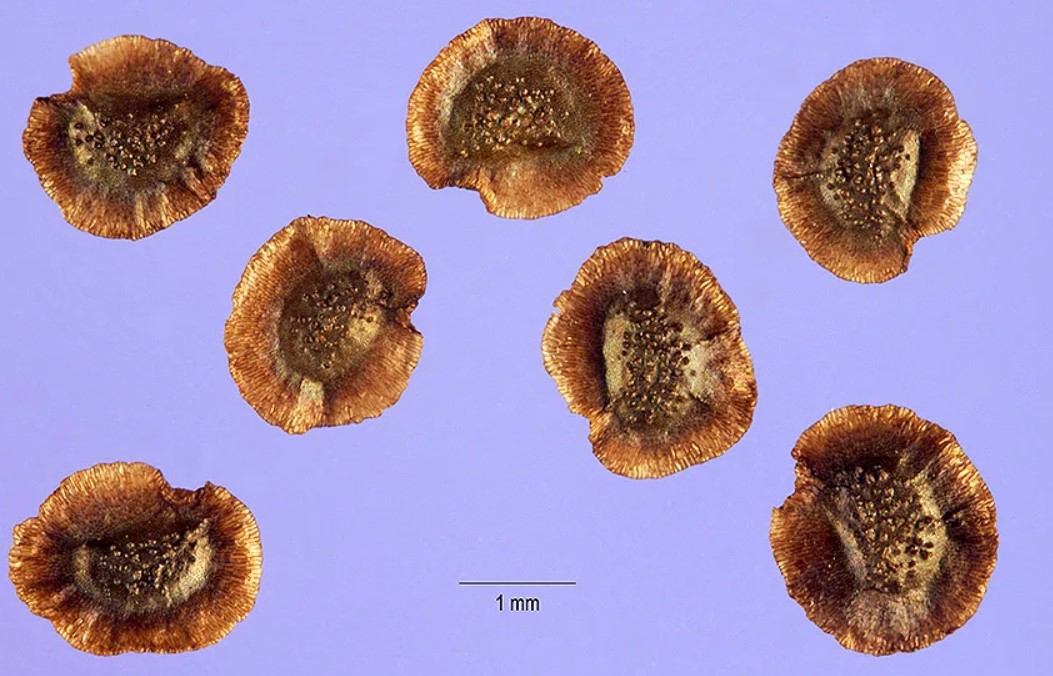
- Seeds can be of different shapes: flat, prismatic, triangular, kidney-shaped, disc-shaped.
Toadflax and Snapdragon
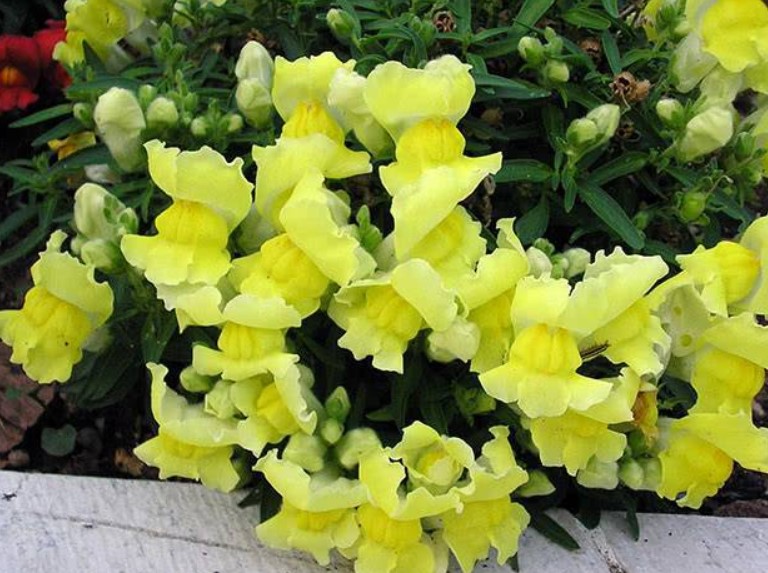
Non-experts often confuse toadflax and snapdragon, as they share some similarities in appearance, especially during flowering. However, they are actually two different species. Snapdragon, also a member of the plantain family, belongs to the genus Antirrhinum, while toadflax belongs to the genus Linaria.
9 types of toadflax with photos and descriptions
Below we will take a closer look at the most common varieties of toadflax.
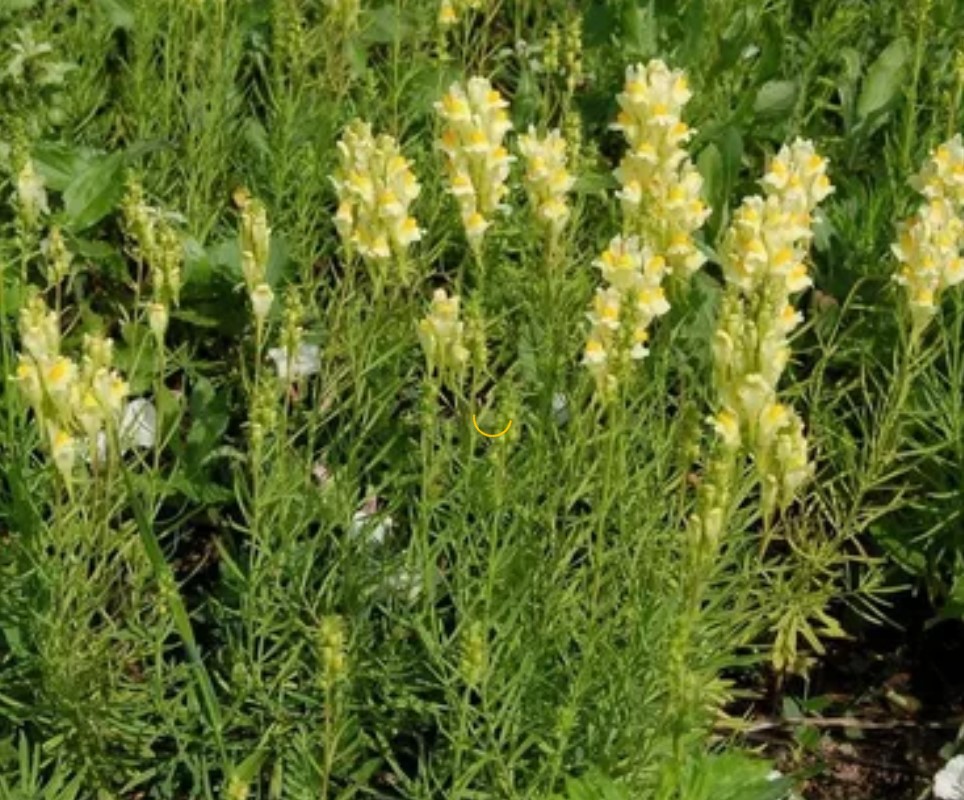
Common toadflax (Linaria vulgaris)
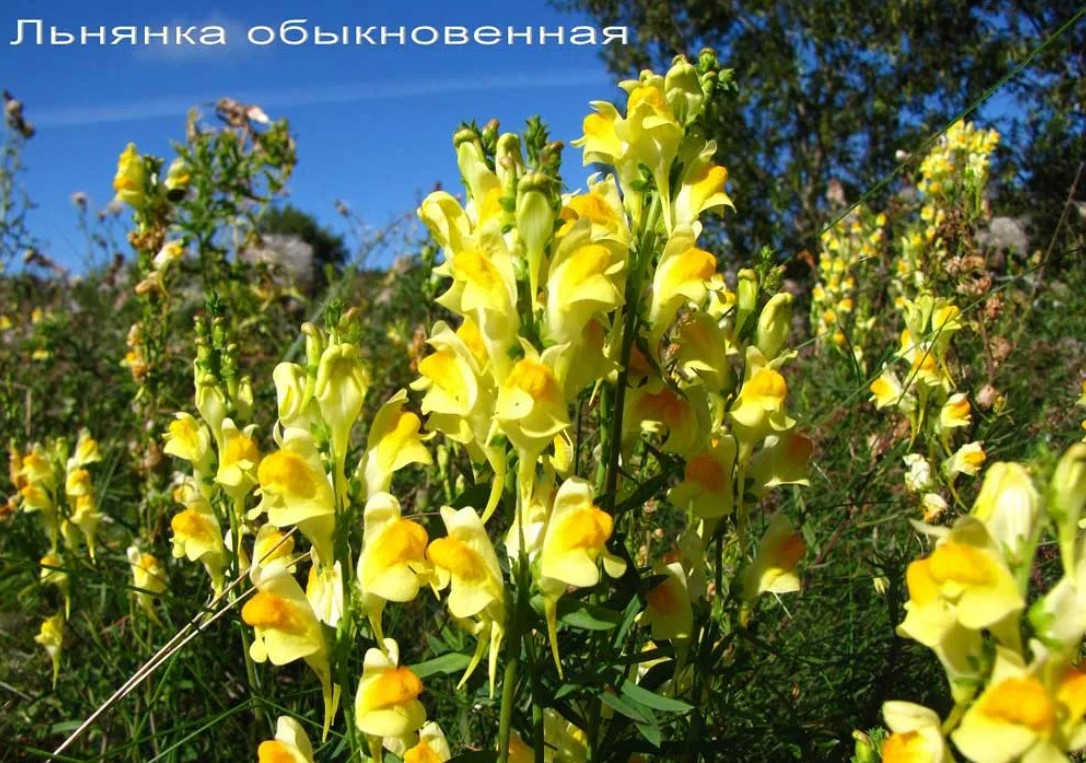
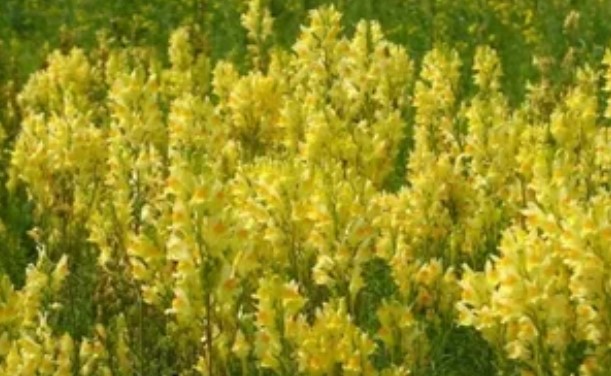
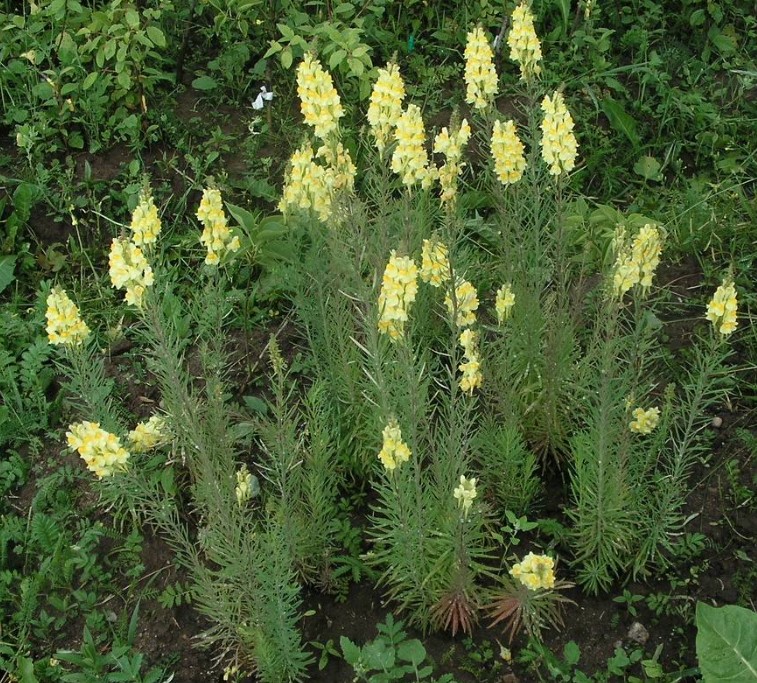
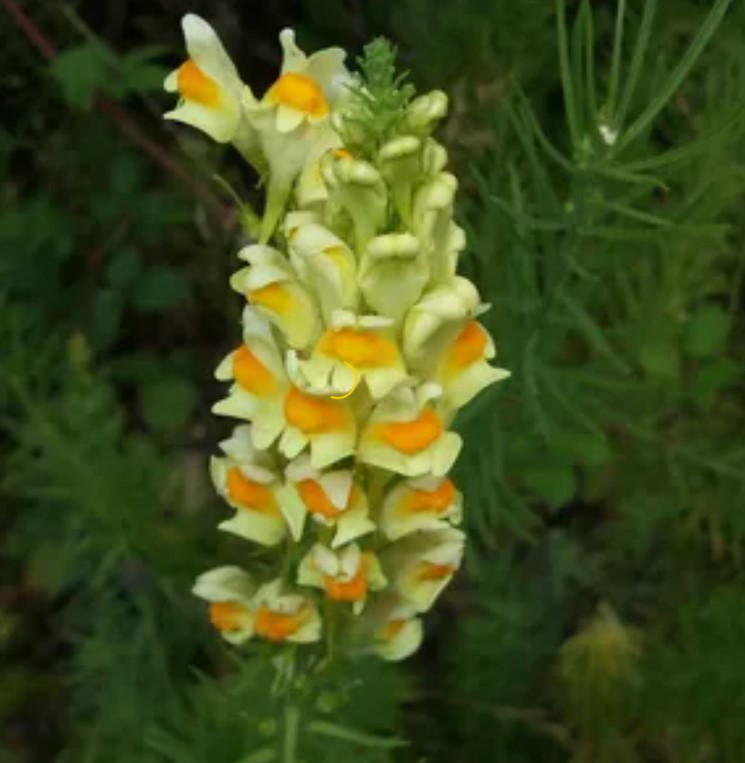
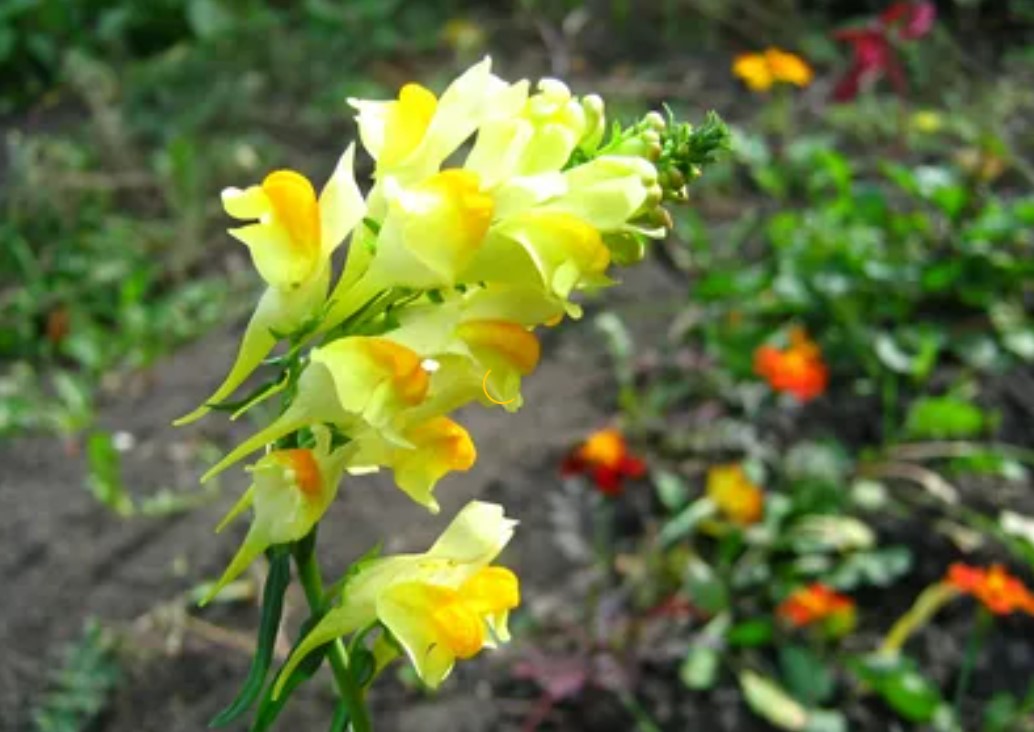
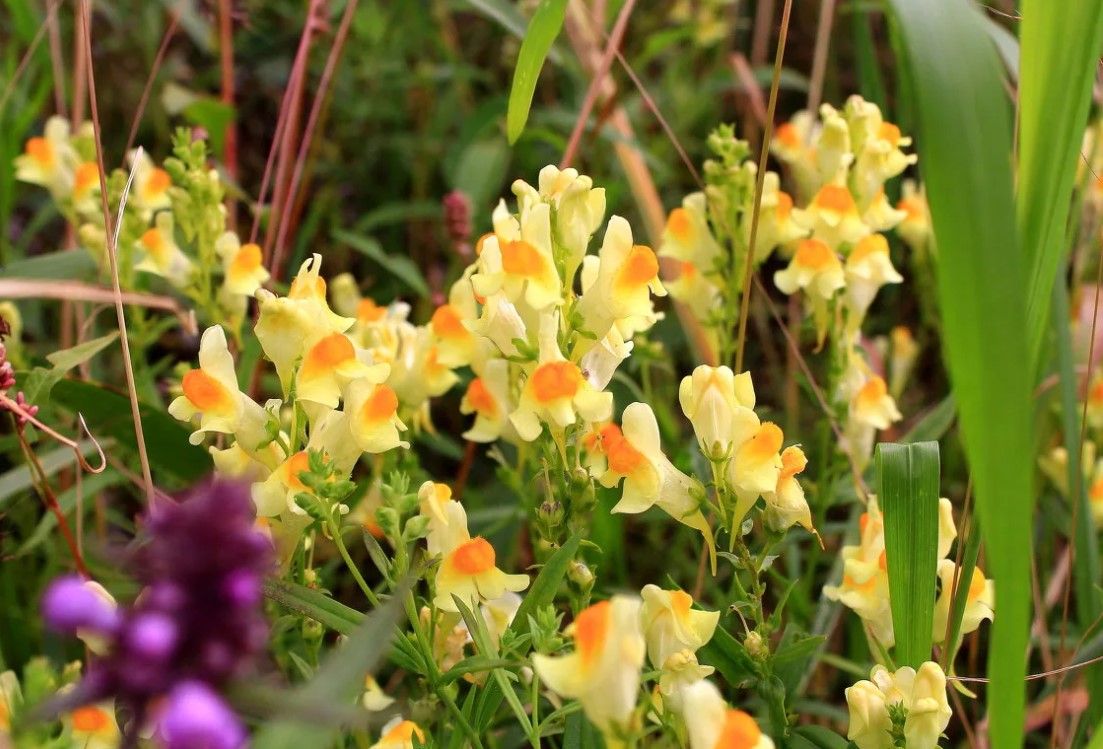
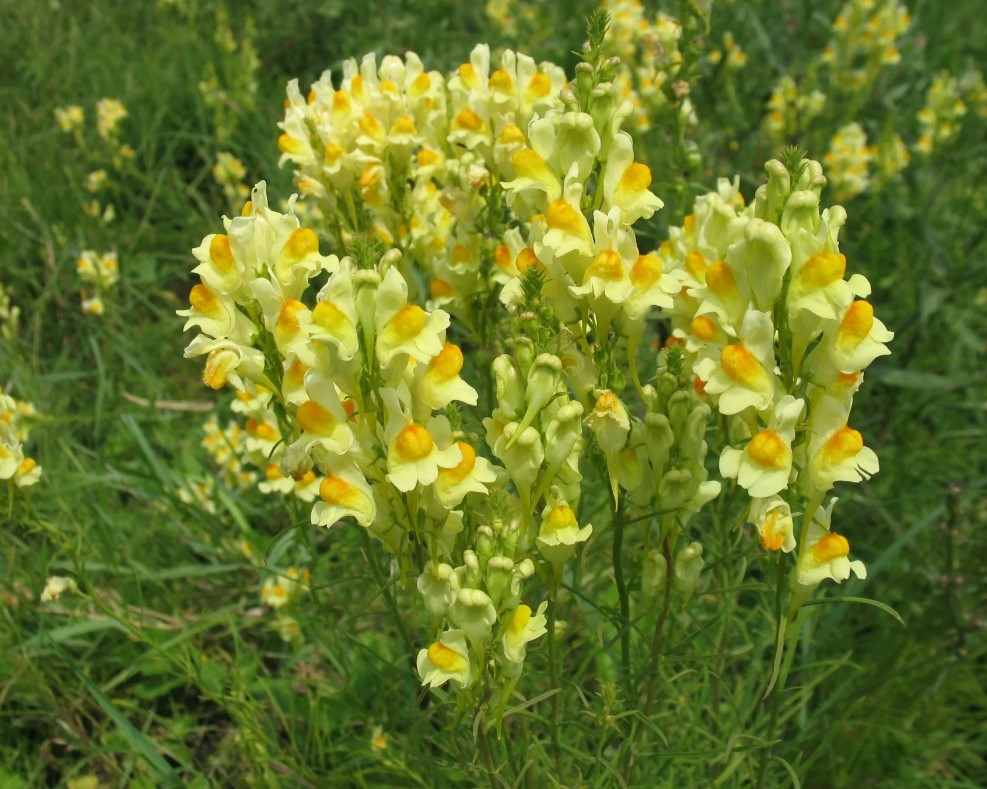
Most commonly found in the wild, it is a perennial plant with stems up to 60 cm tall. Its flowers are yellow, its leaves are narrow and small, and its shoots are quite thin and moderately branched. It is a very easy-to-grow species of toadflax, which grows in many regions of the country.
Photo gallery of common toadflax
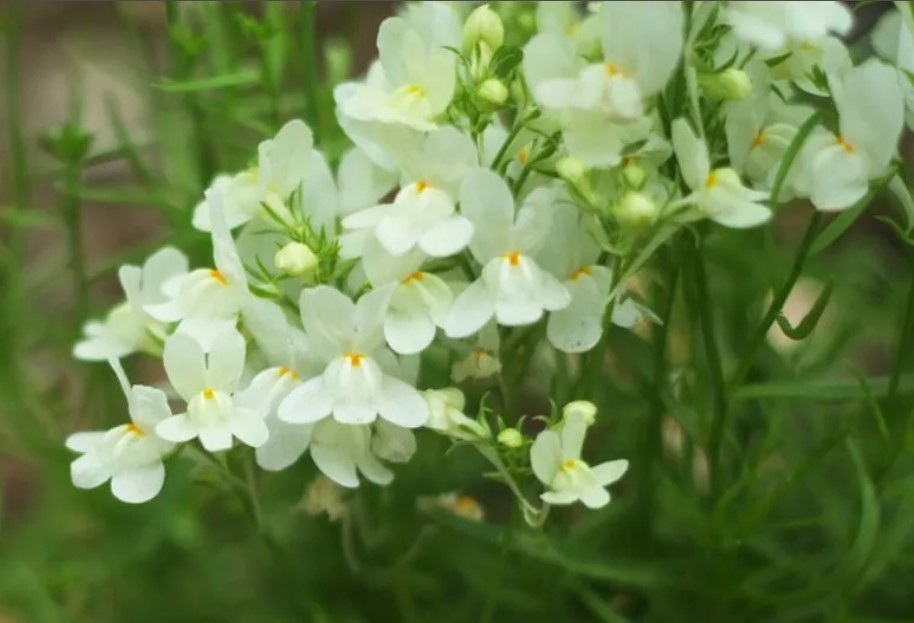
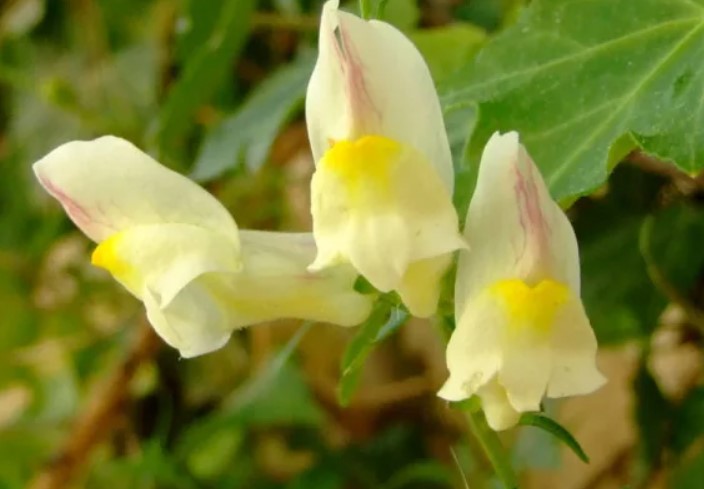
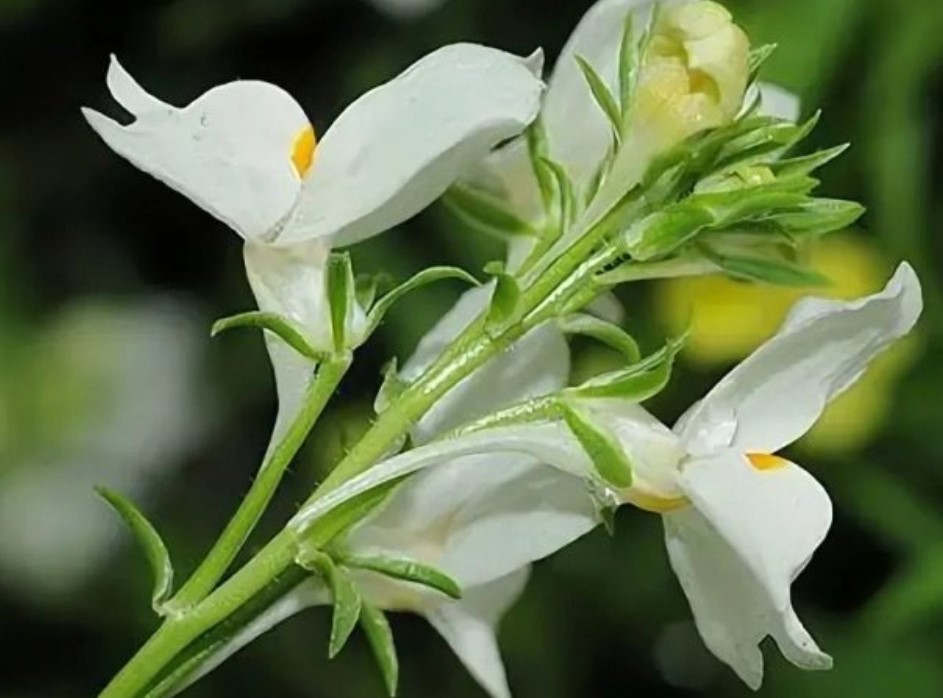
Two-part toadflax (Linaria bipartita)
A low-growing plant with shoots up to 30 cm tall, the leaves are small and pointed, with a prominent central vein. The flowers are white with a yellowish center.
Photo gallery of toadflax
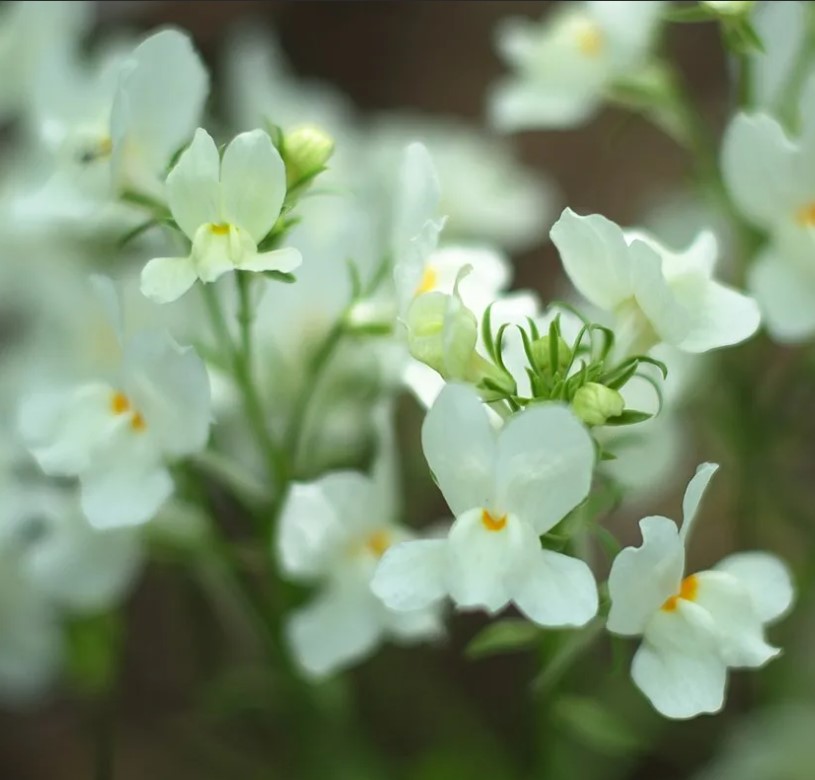
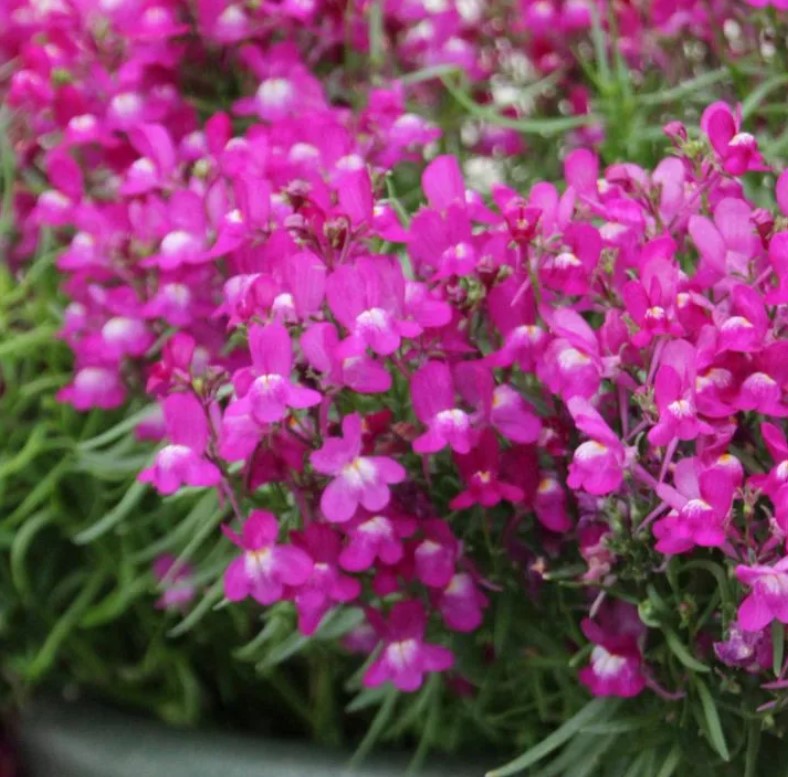
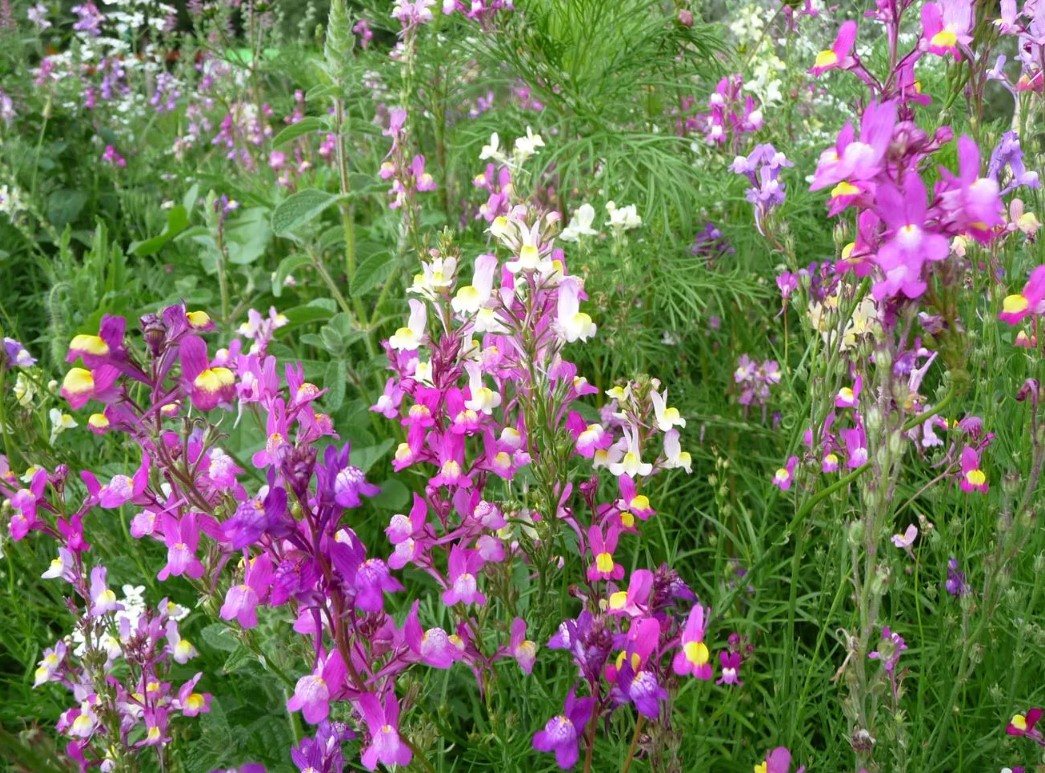
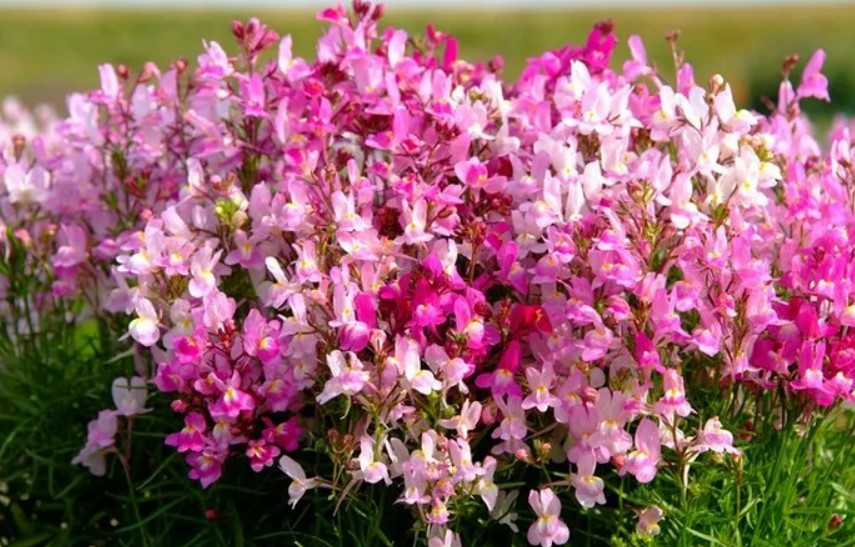
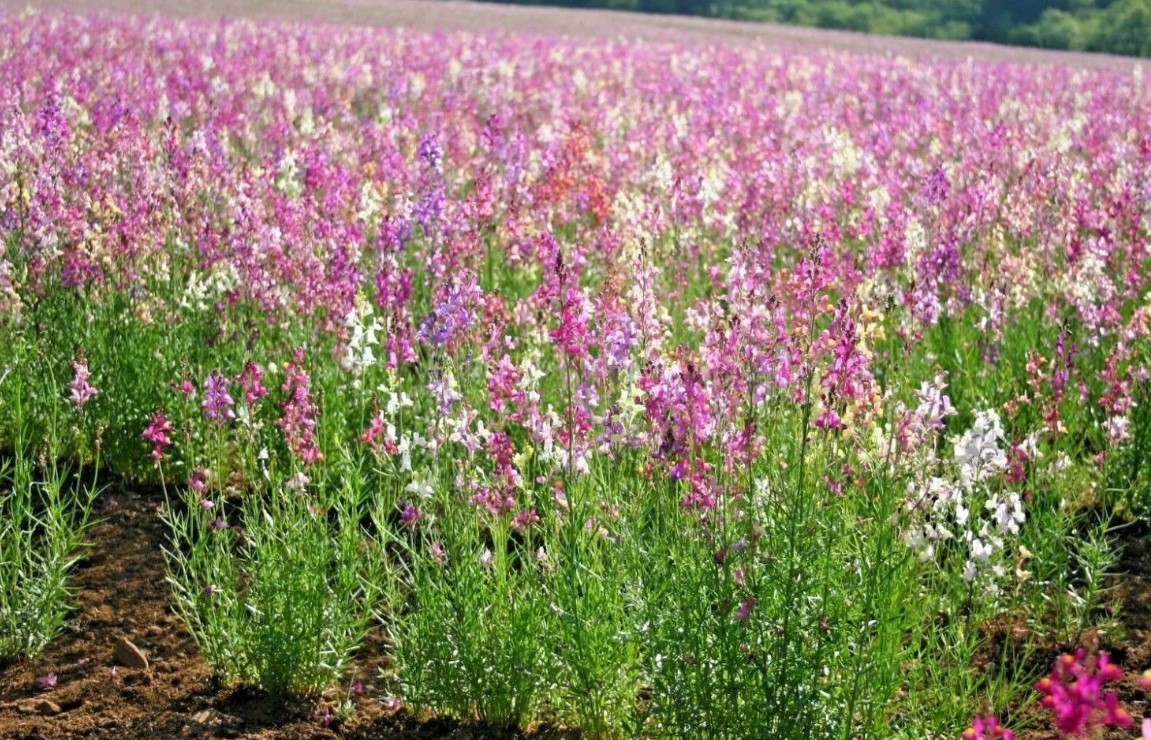
Moroccan toadflax (Linaria maroccana)
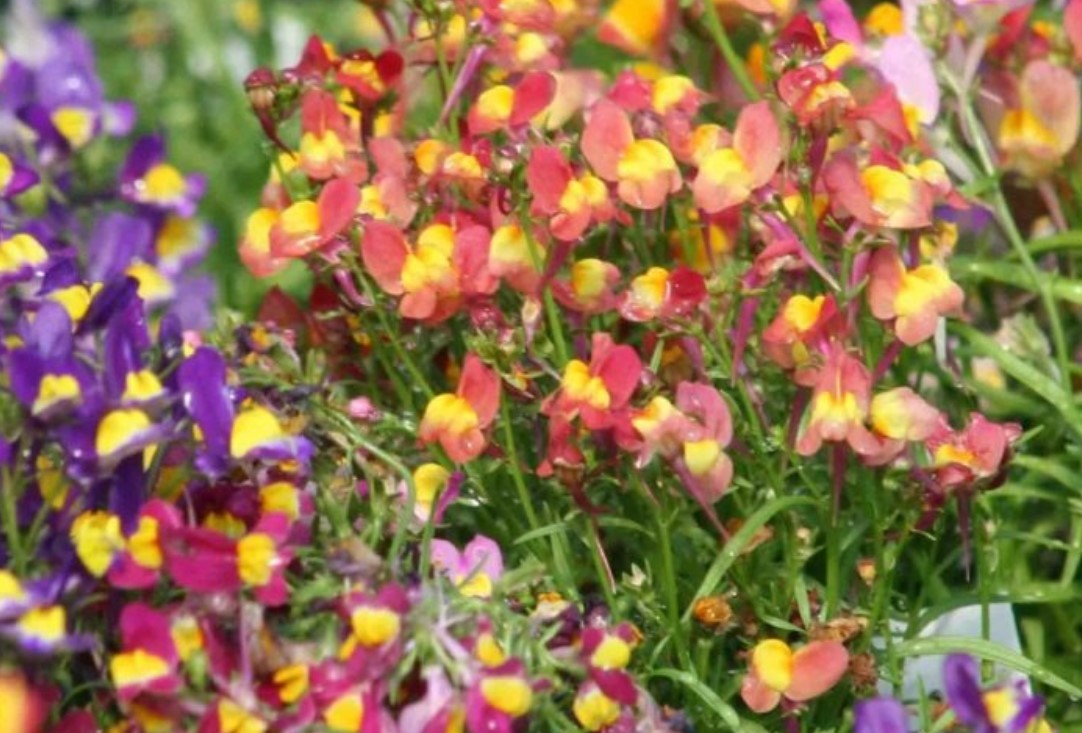
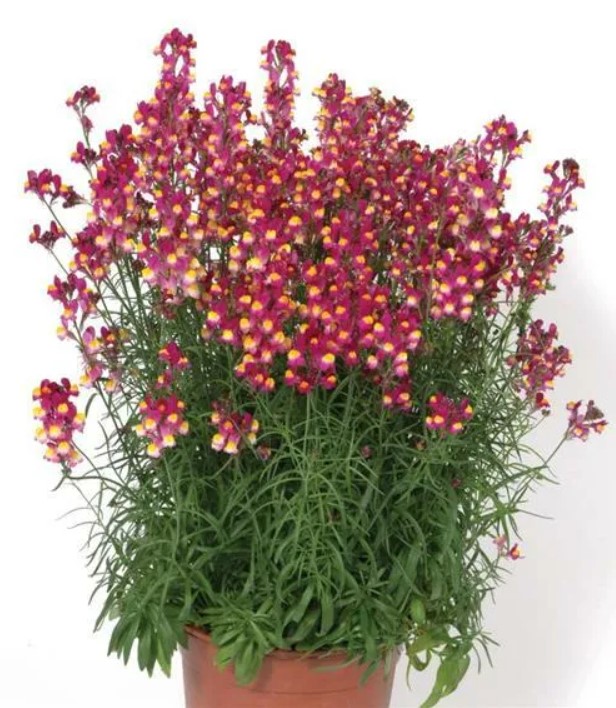
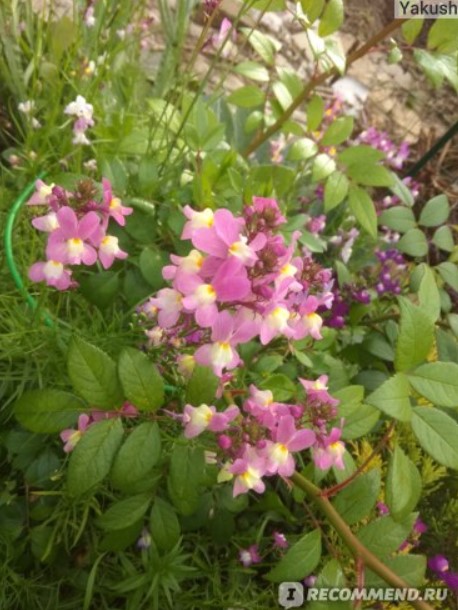
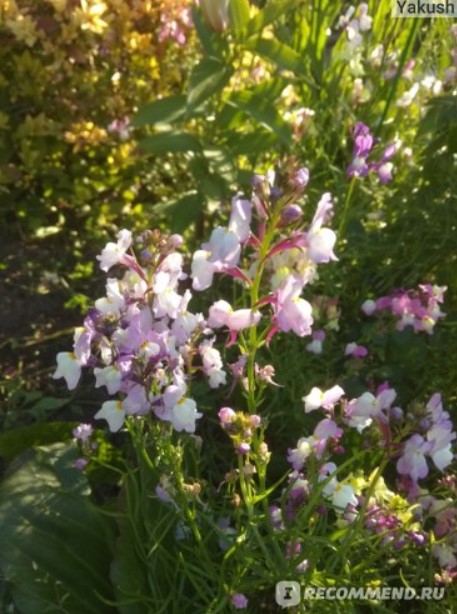
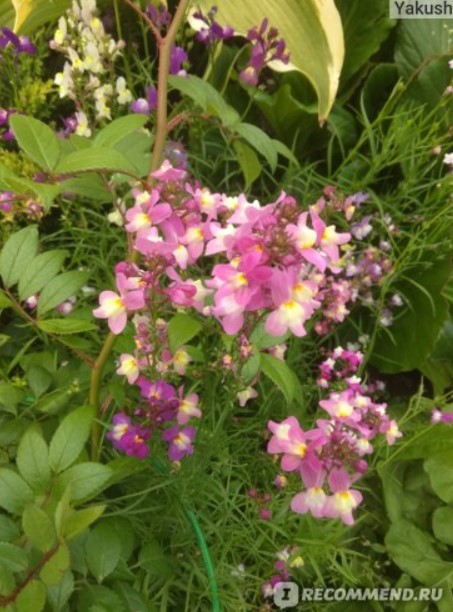
An ornamental annual plant growing up to 35 cm tall. Blooms profusely, with the foliage almost invisible beneath the multitude of buds. Petals can range in color from pinkish to lilac, purple, or yellow.
Photo gallery of Moroccan toadflax
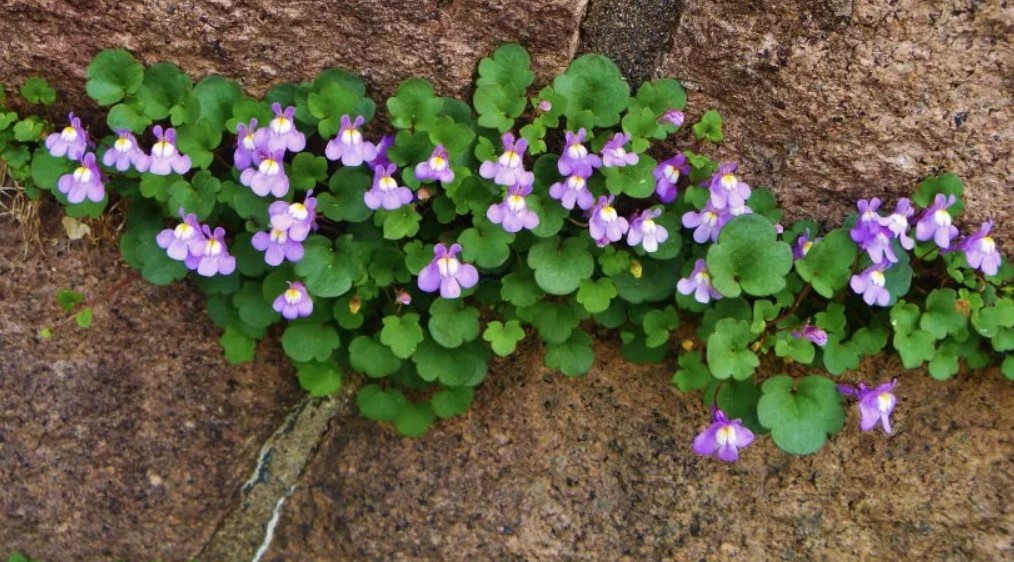
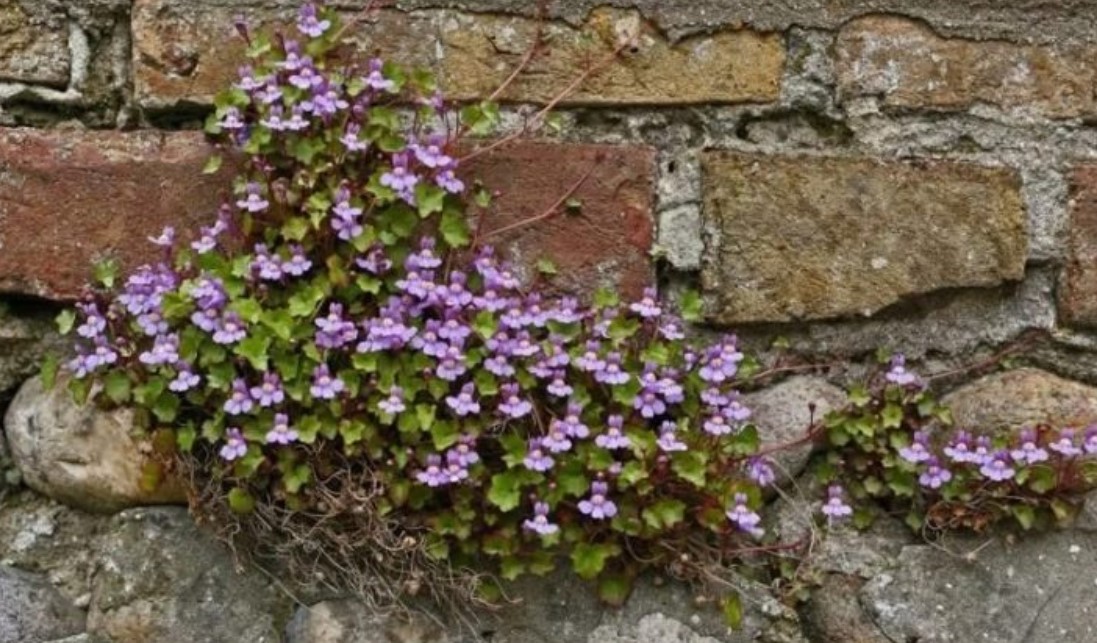
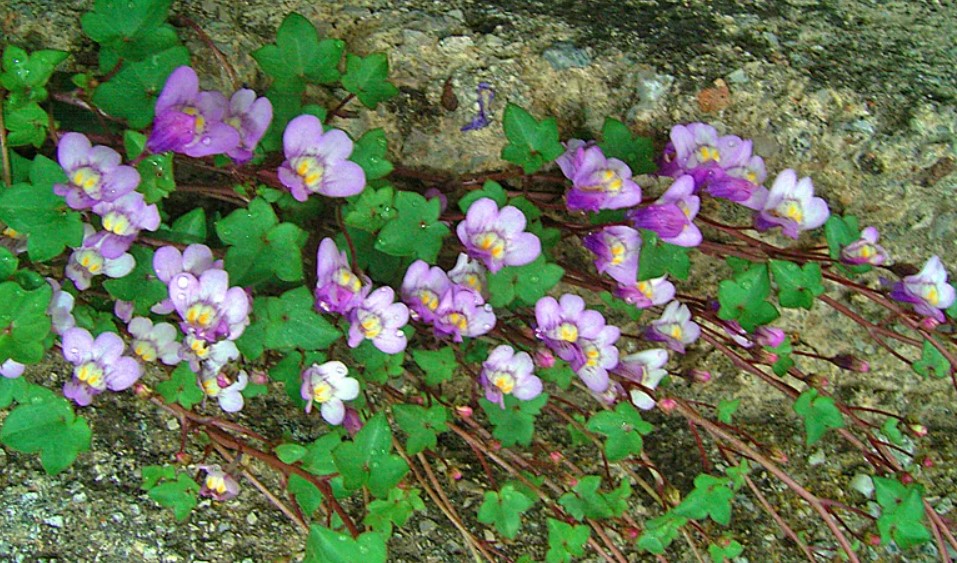
Cymbal toadflax (Linaria cymbalaria)
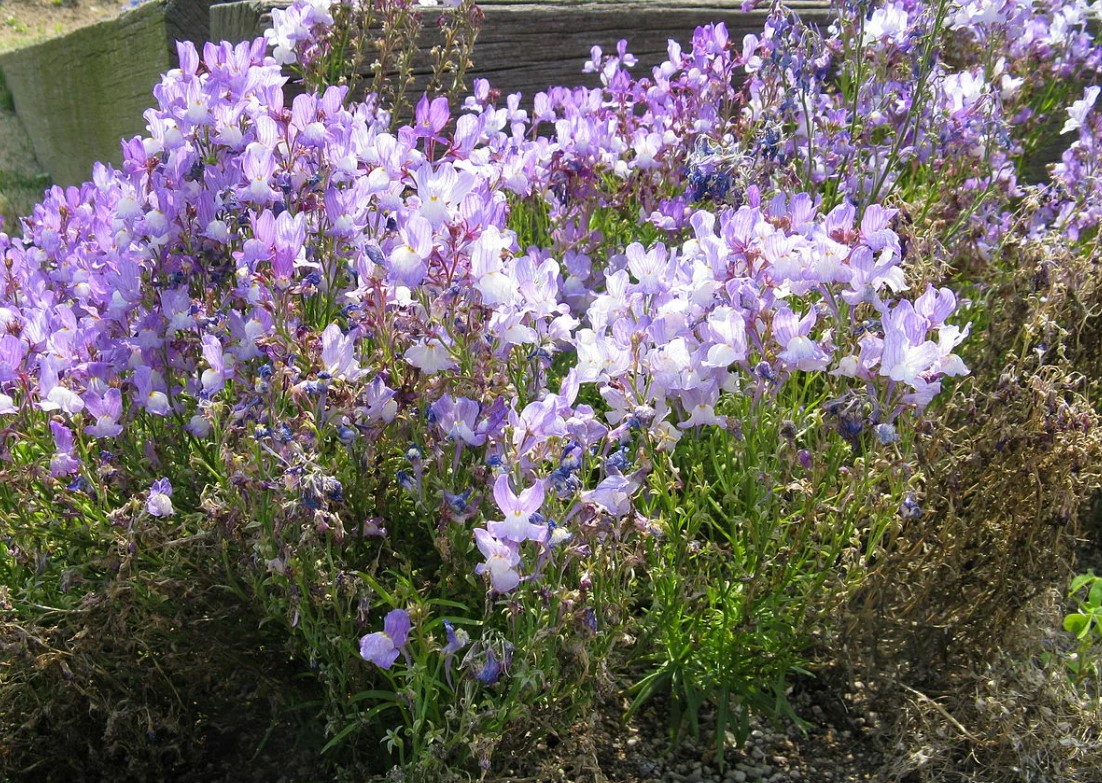
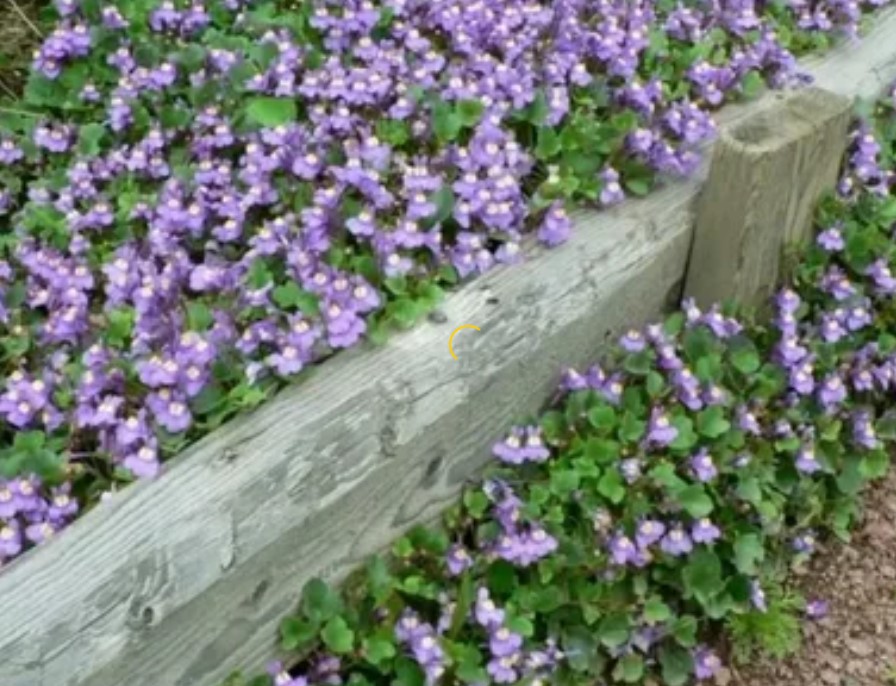
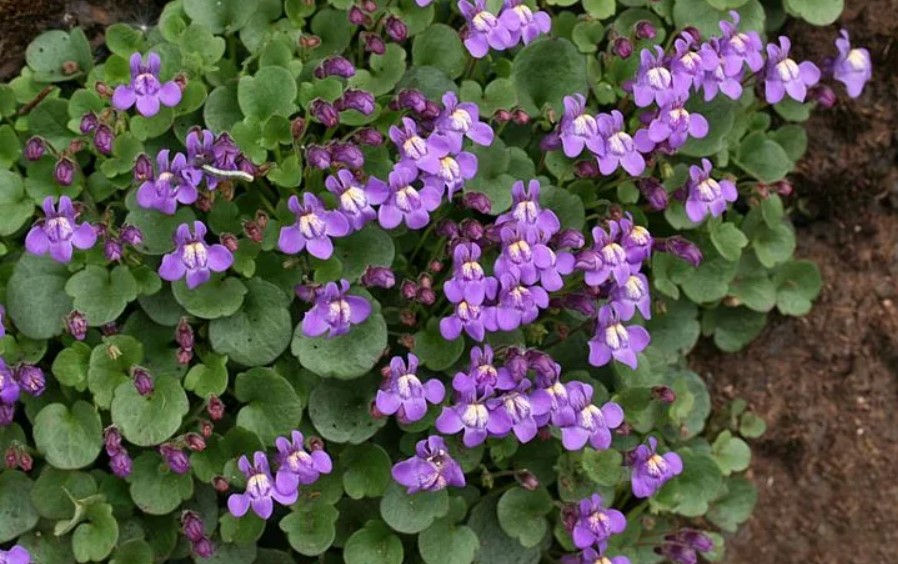
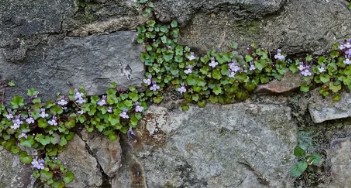
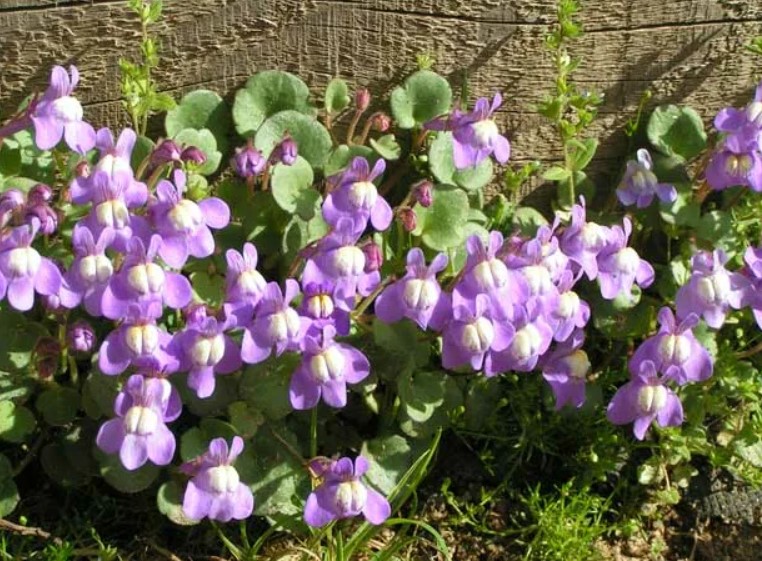
A very undemanding and resilient plant, often considered a weed, but with proper care, toadflax can be an excellent addition to walls and fences. Its shoots are very thin and creeping, up to 10 cm long. The leaves are bicolored, dark green on the outer side and purple-green on the underside. The flowers are small, lilac or white. Toadflax blooms almost all summer.
Photo gallery of toadflax
Chalk toadflax (Linaria cretacea)
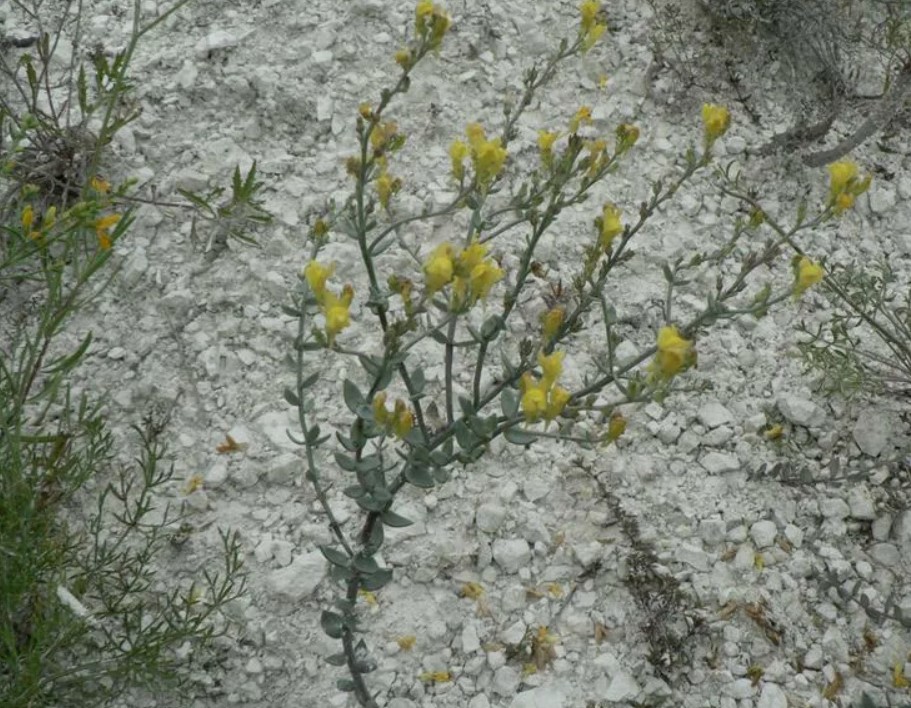
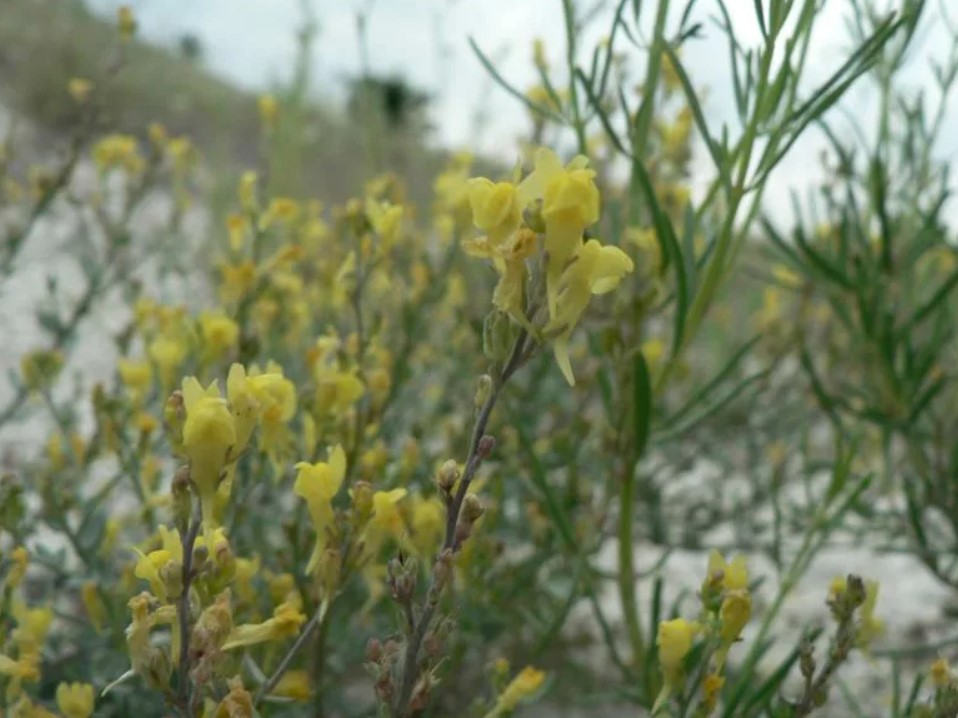
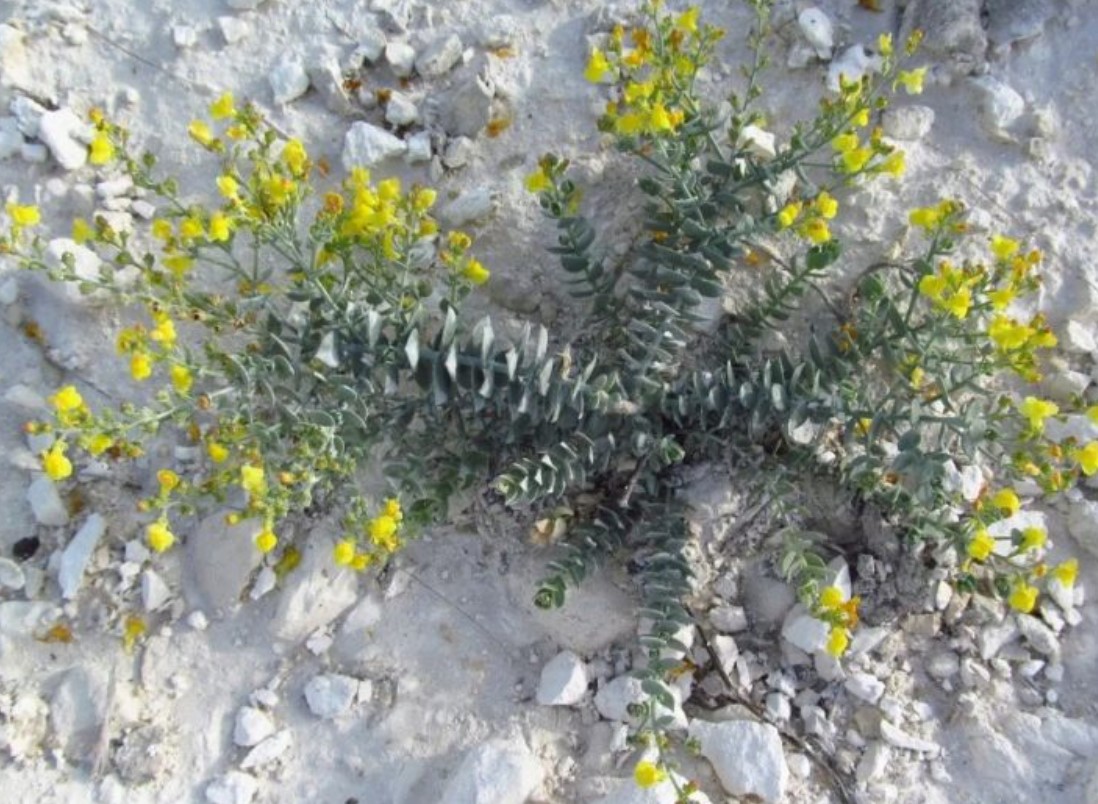
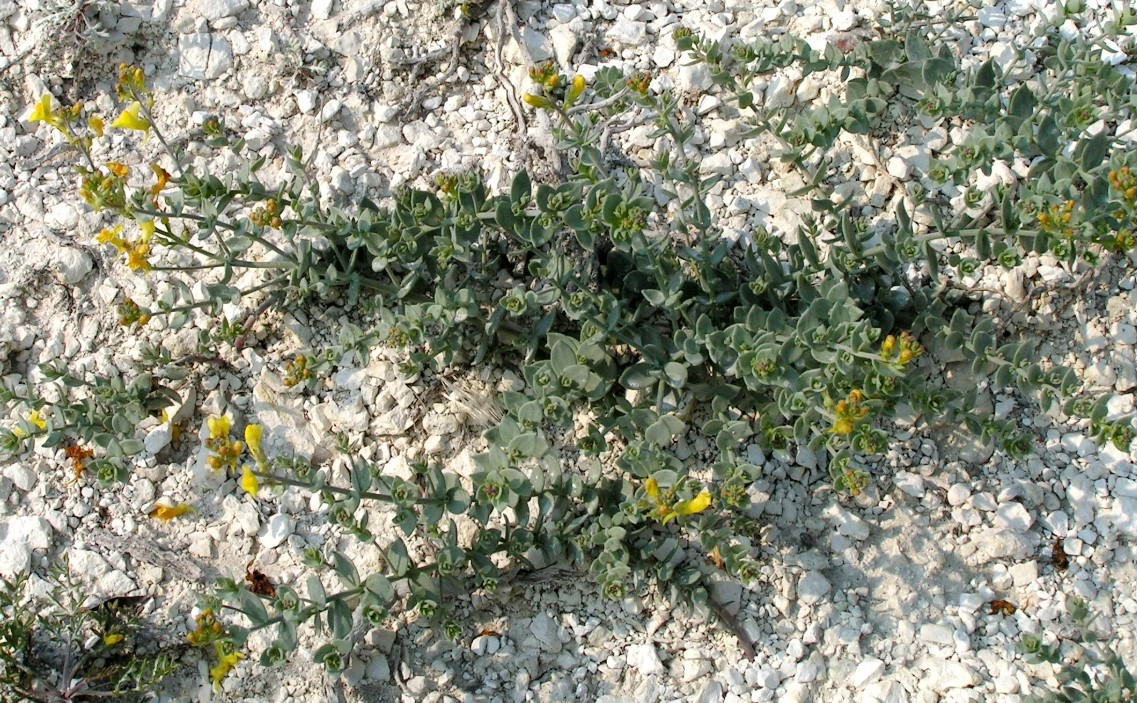
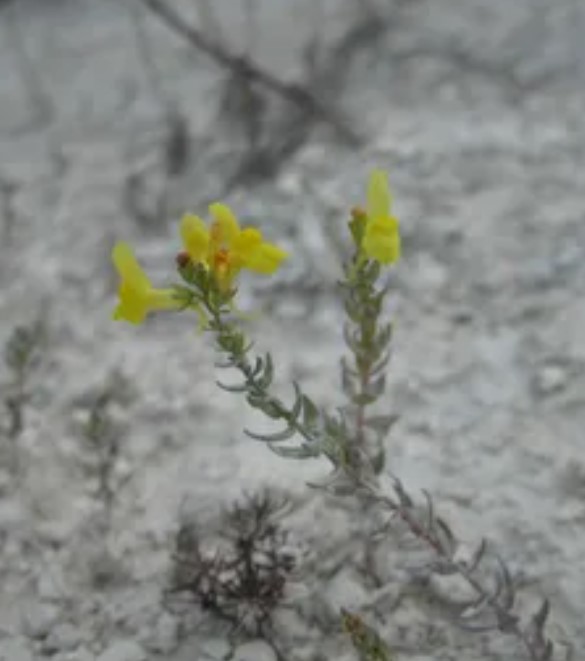
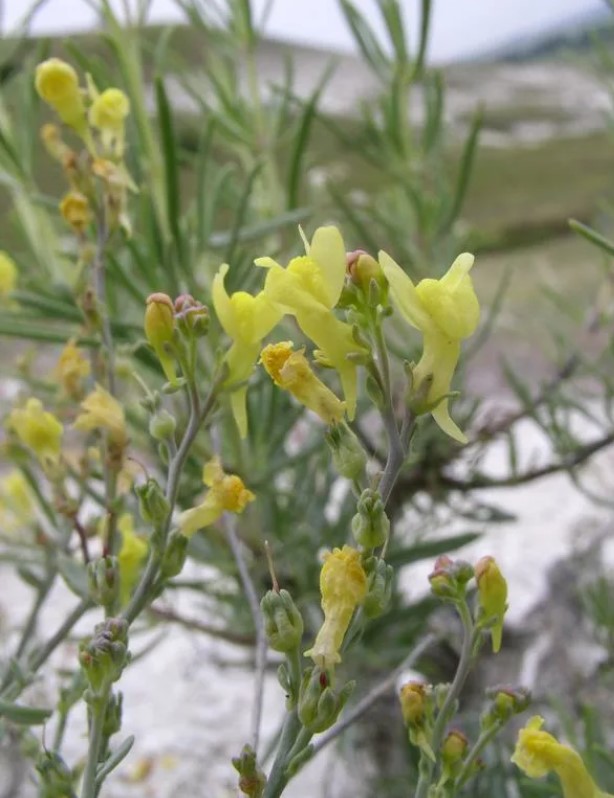
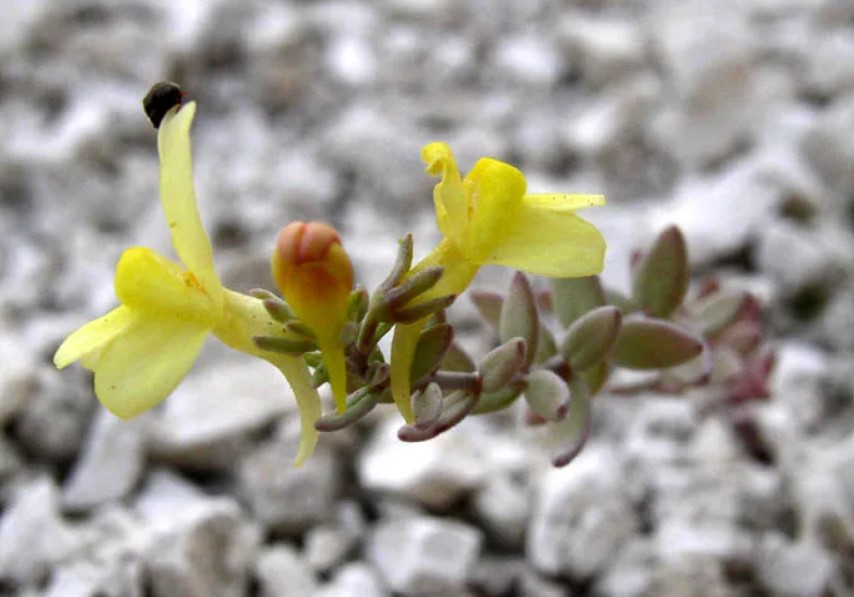
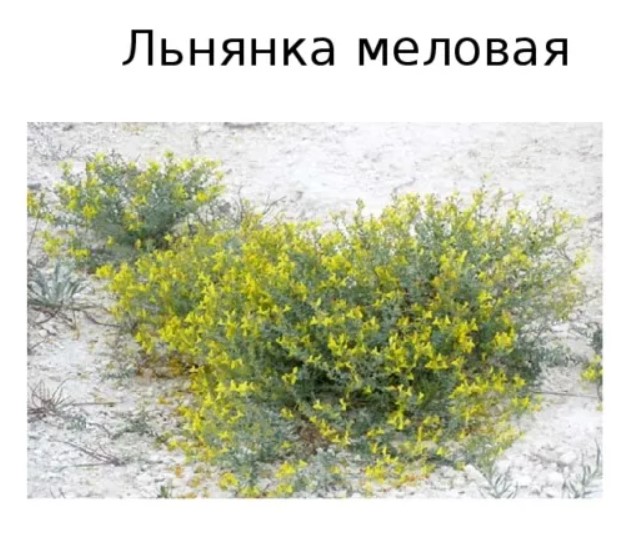
A rare species of toadflax, it prefers to grow on rocky hills, steppes, and chalky screes. The shoots are no more than 30 cm tall, the leaves are small and ovoid. The inflorescences are loose. The flowers are small and yellow.
Photo gallery of chalk toadflax
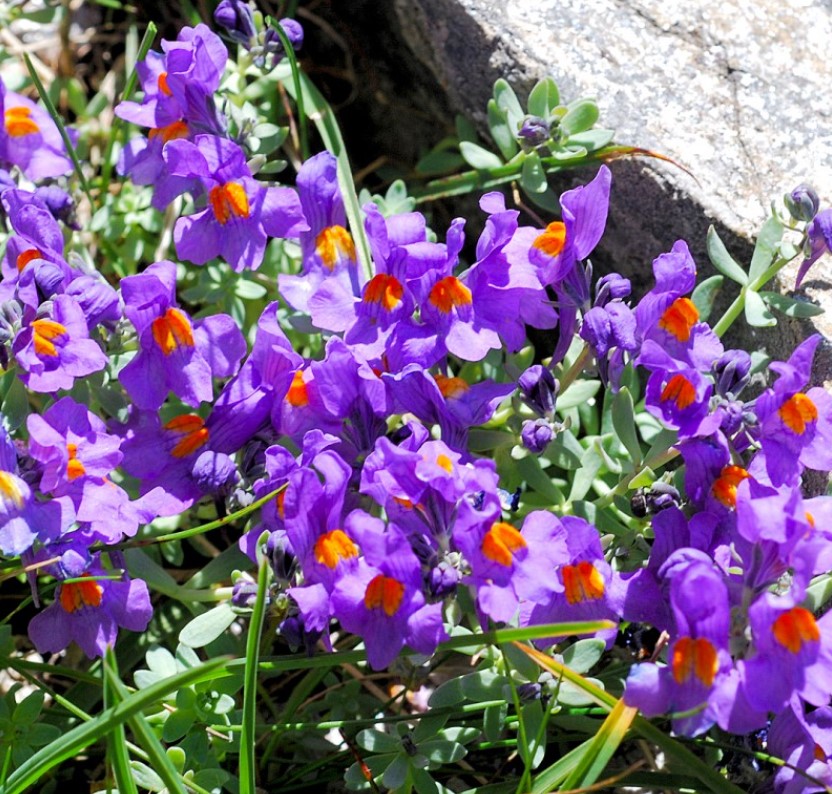
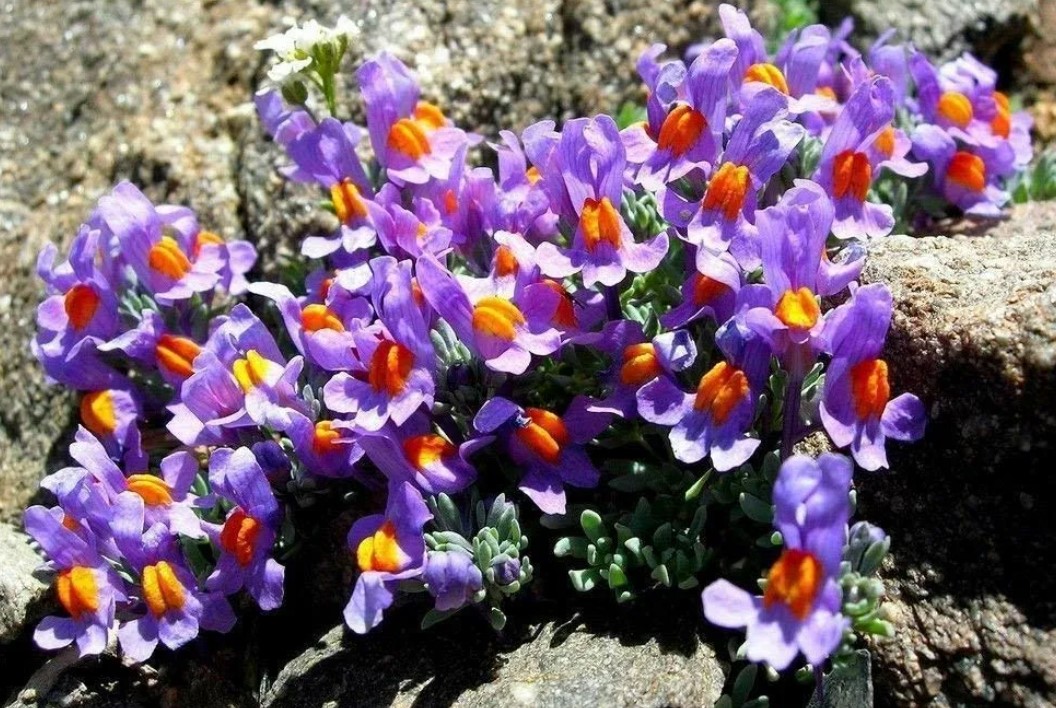
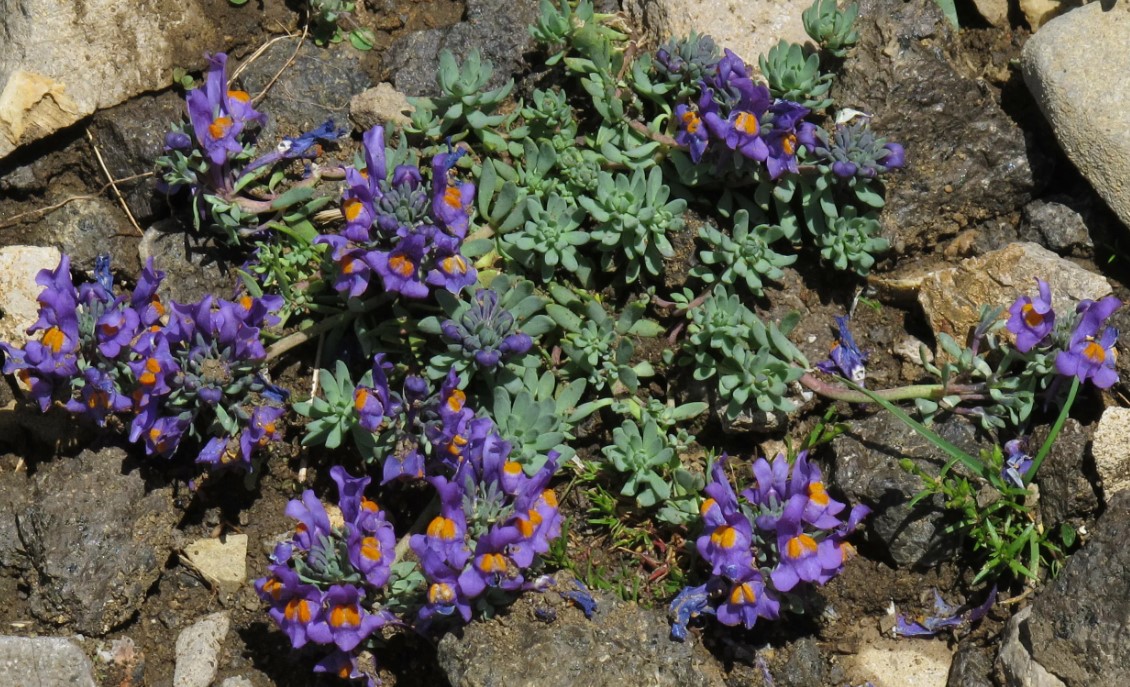
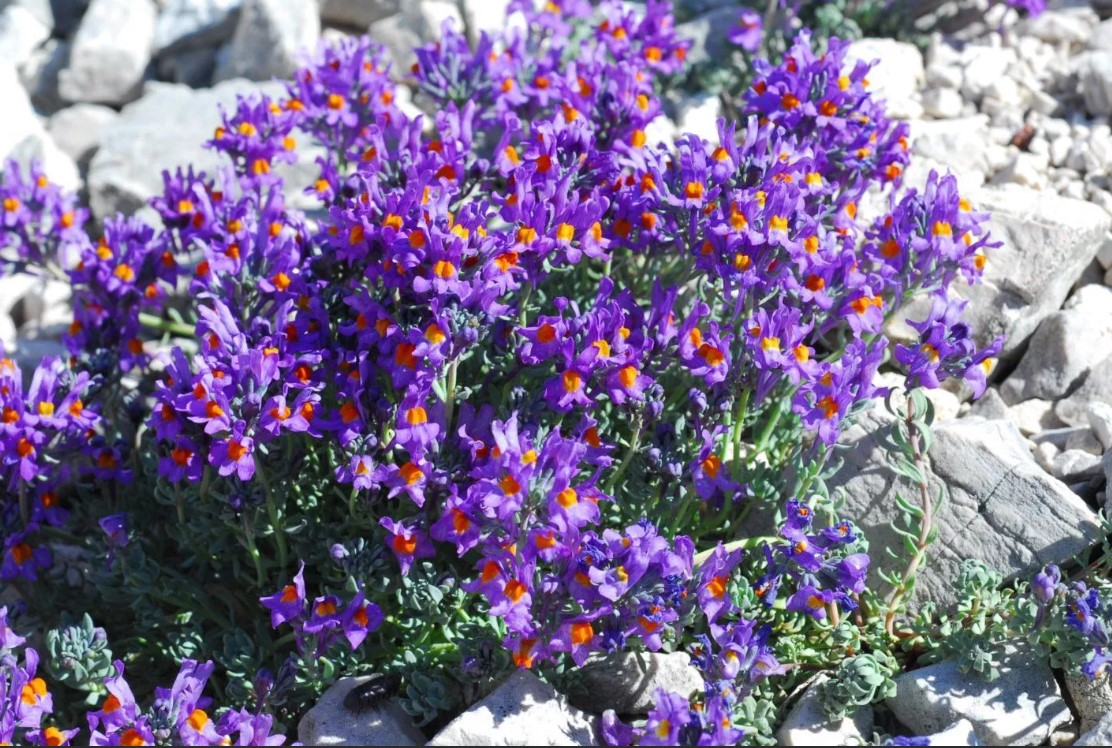
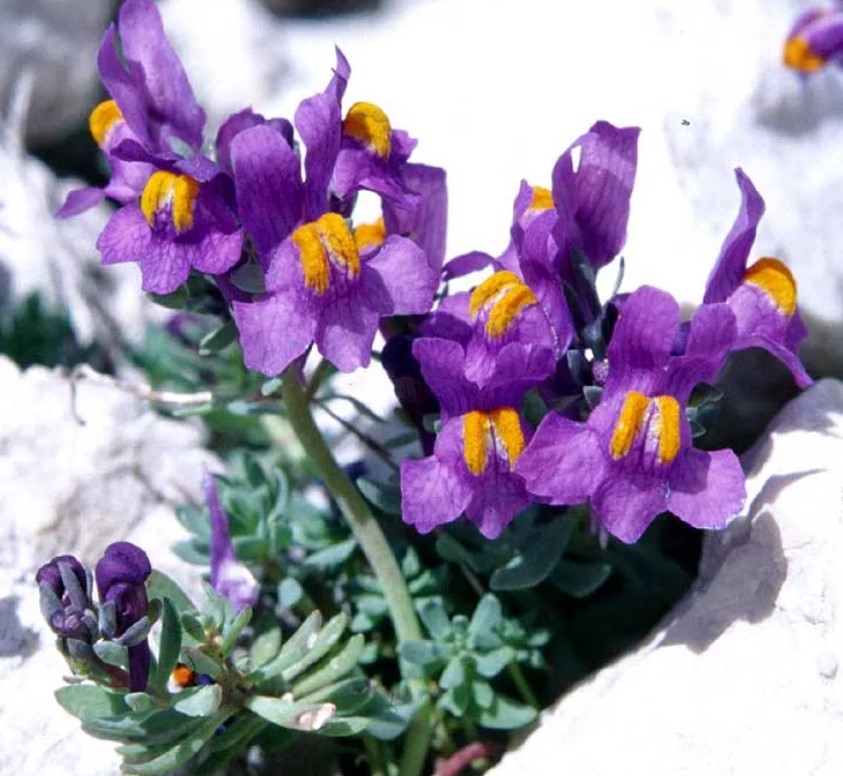
Alpine toadflax (Linaria alpina)
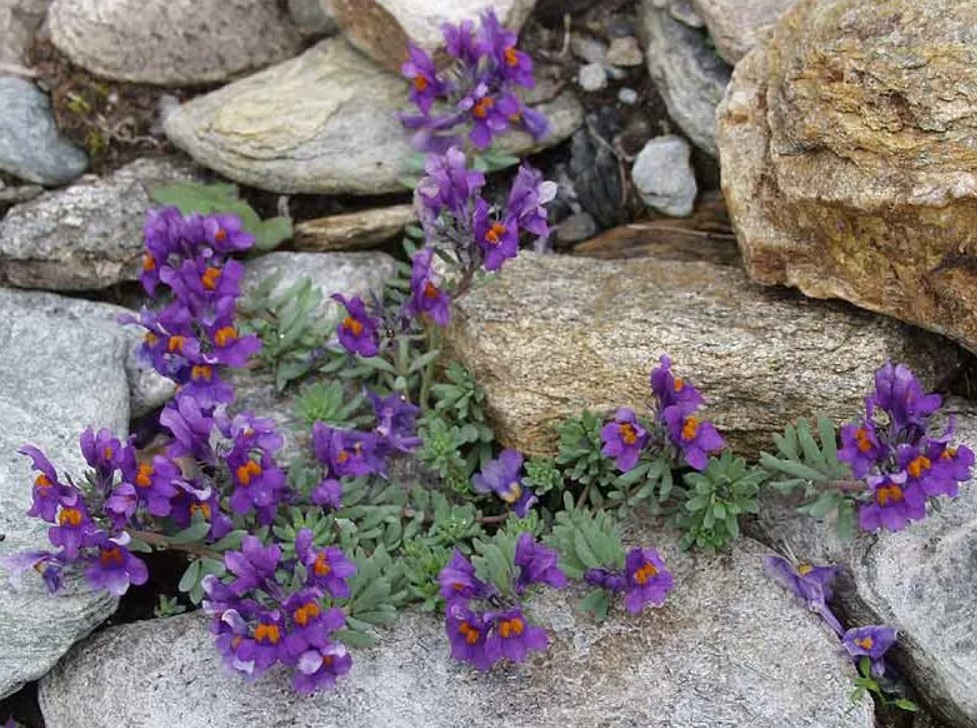
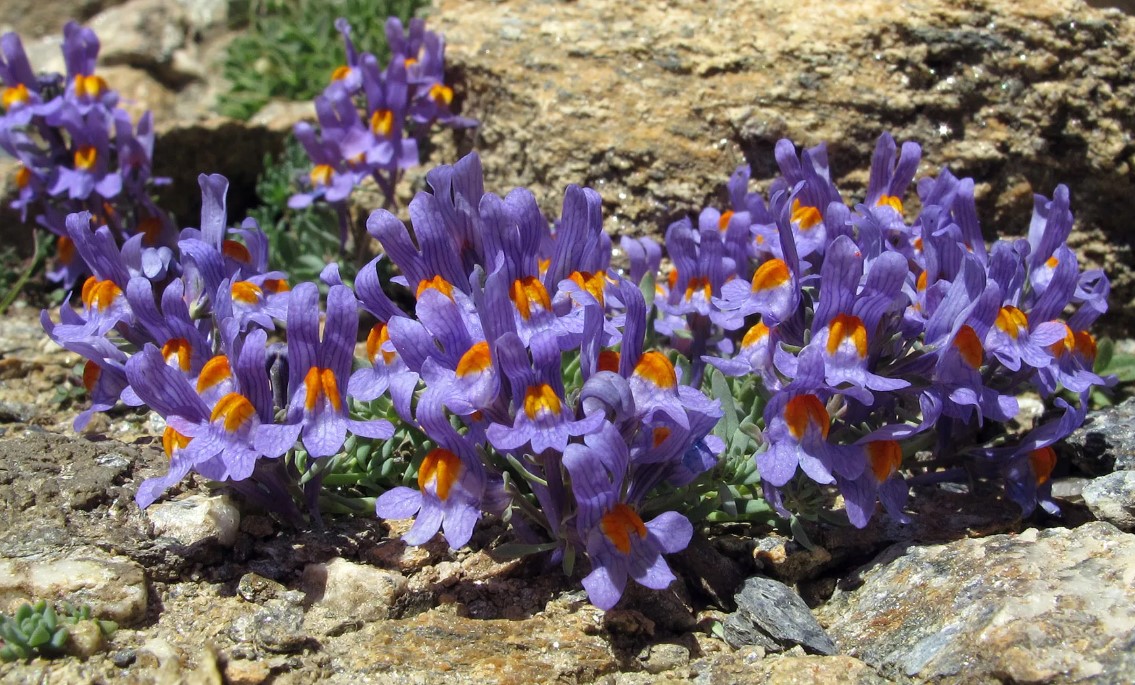
A perennial with numerous creeping shoots that have a bluish tint. The flowers are small, up to 2 cm in diameter, and have a purple hue with an orange spot in the center.
Photo gallery of Alpine toadflax
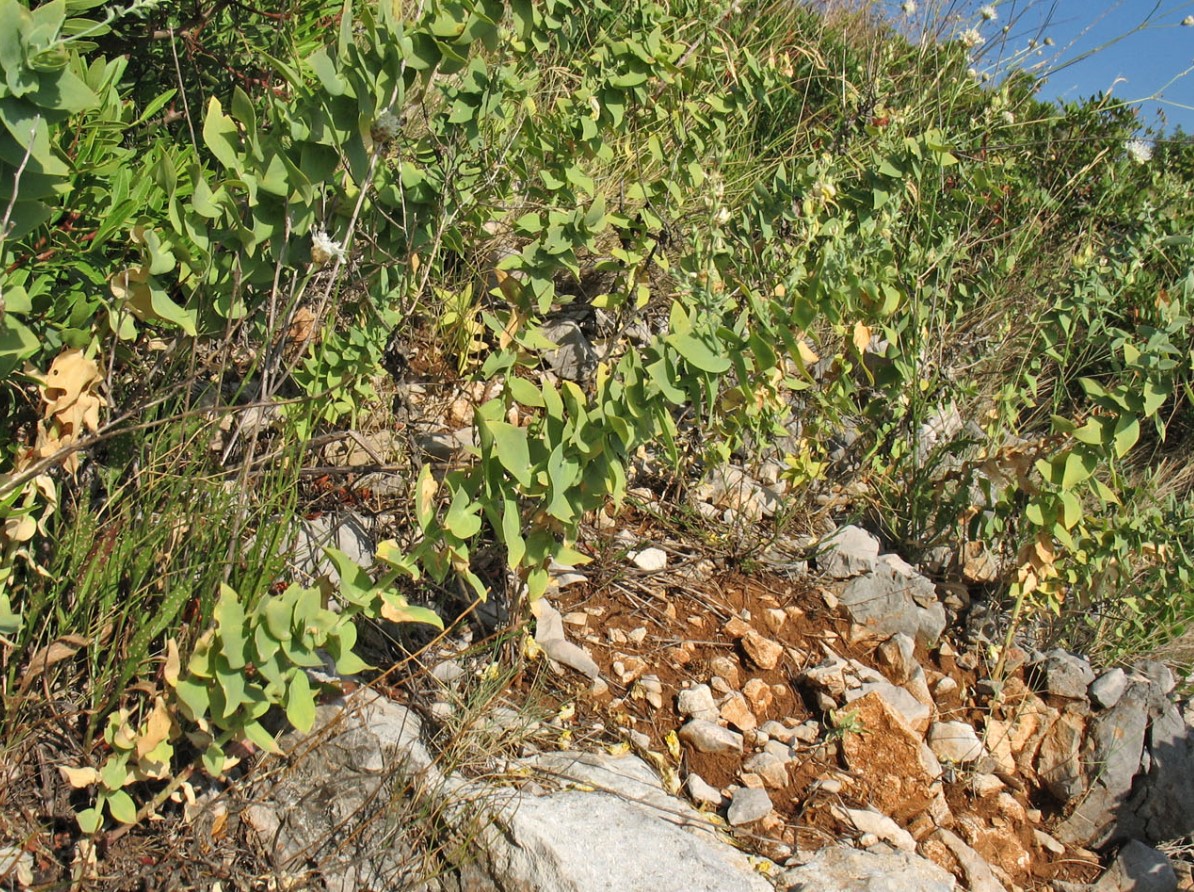
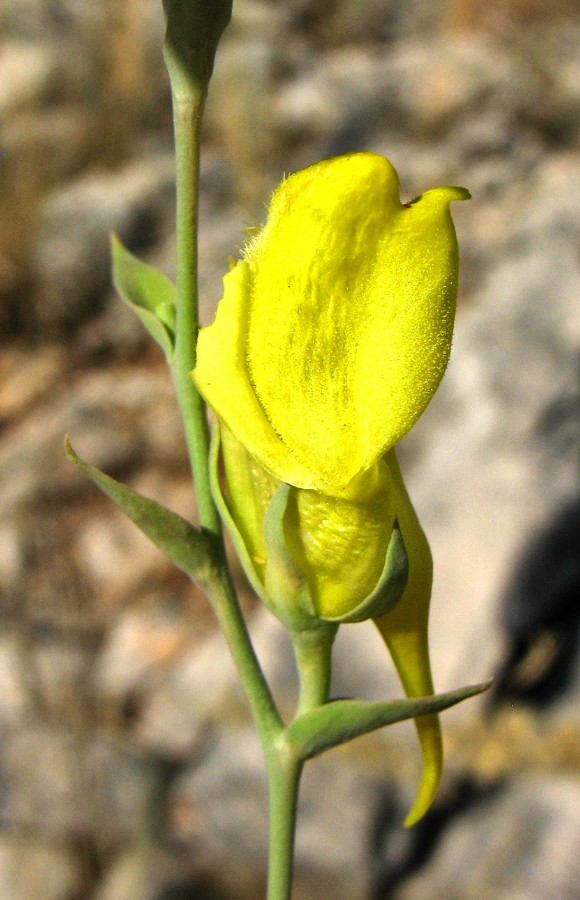
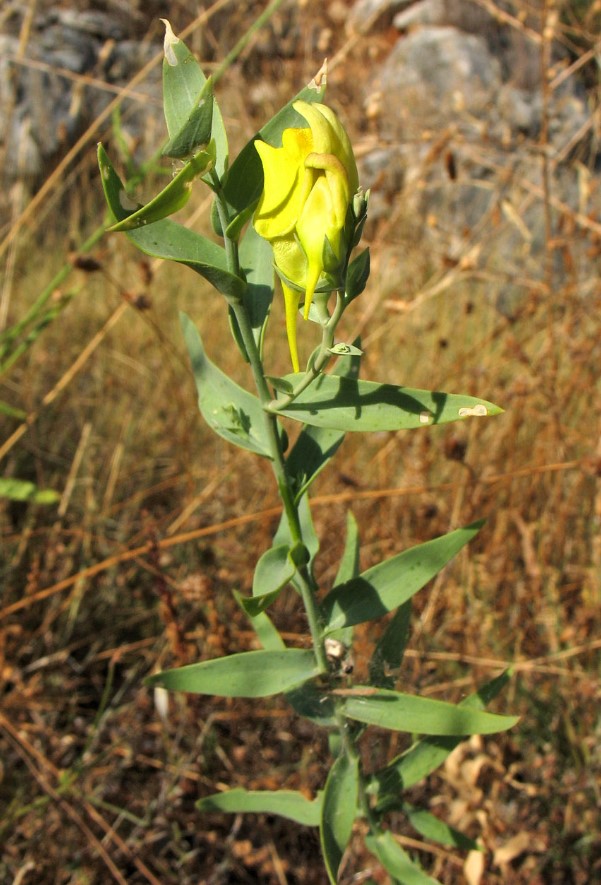
Dalmatian toadflax (Linaria dalmatica)
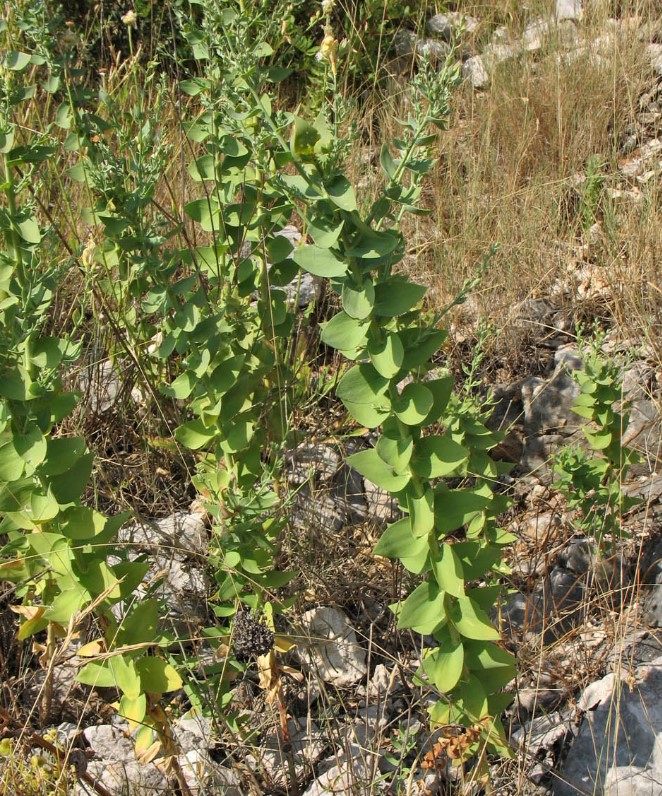
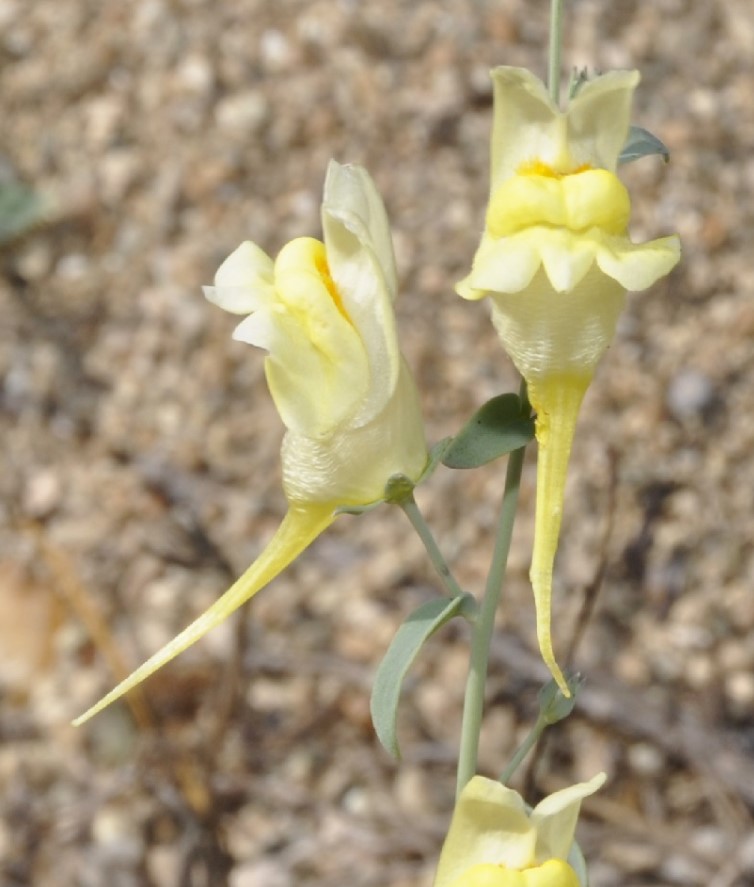
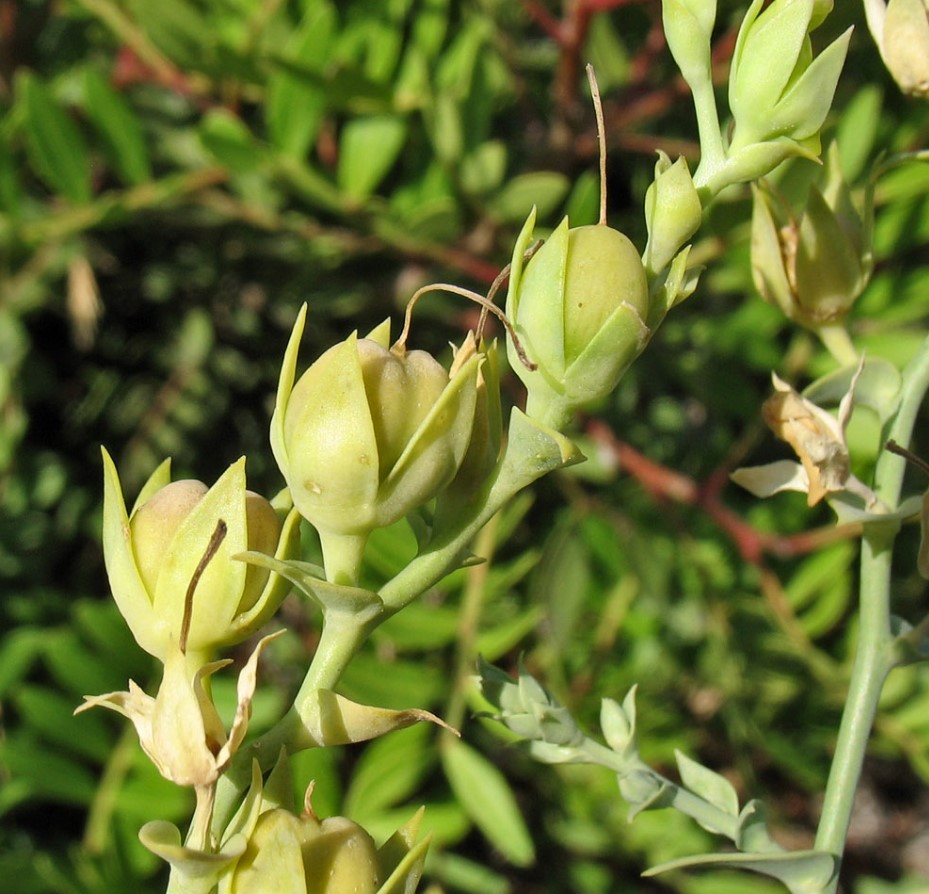
It can be grown as a biennial or perennial plant. The erect stems range from 50 to 200 cm in height, growing solitary and bearing foliage. The leaf blades are quite large and pubescent. Because of its leaves, it is also known as the toadflax. The flowers can be white, brownish, purple, or yellow, and are borne in spike-shaped inflorescences.
Photo gallery of Dalmatian toadflax
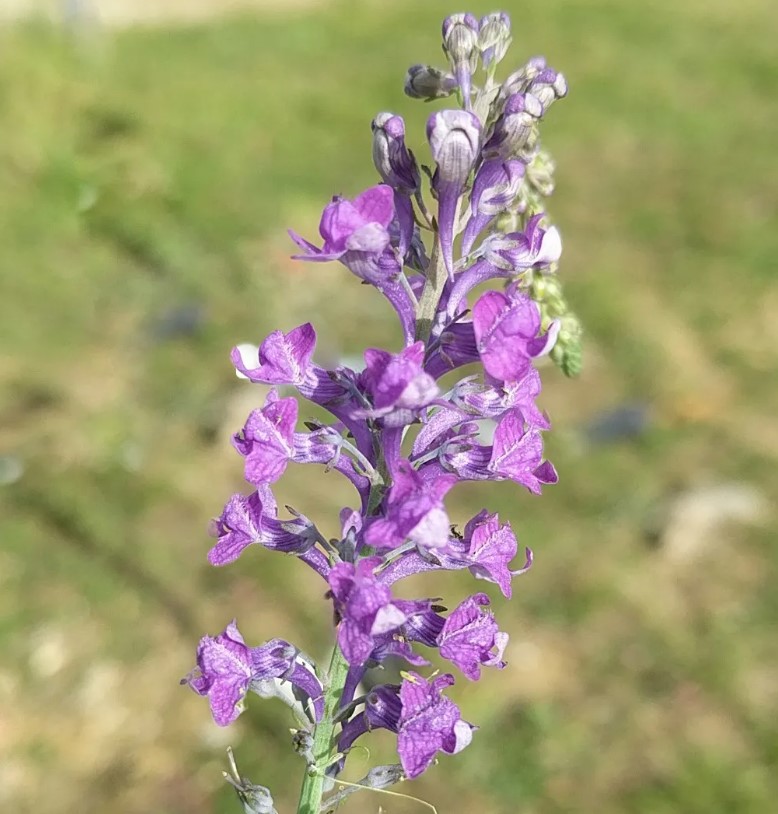
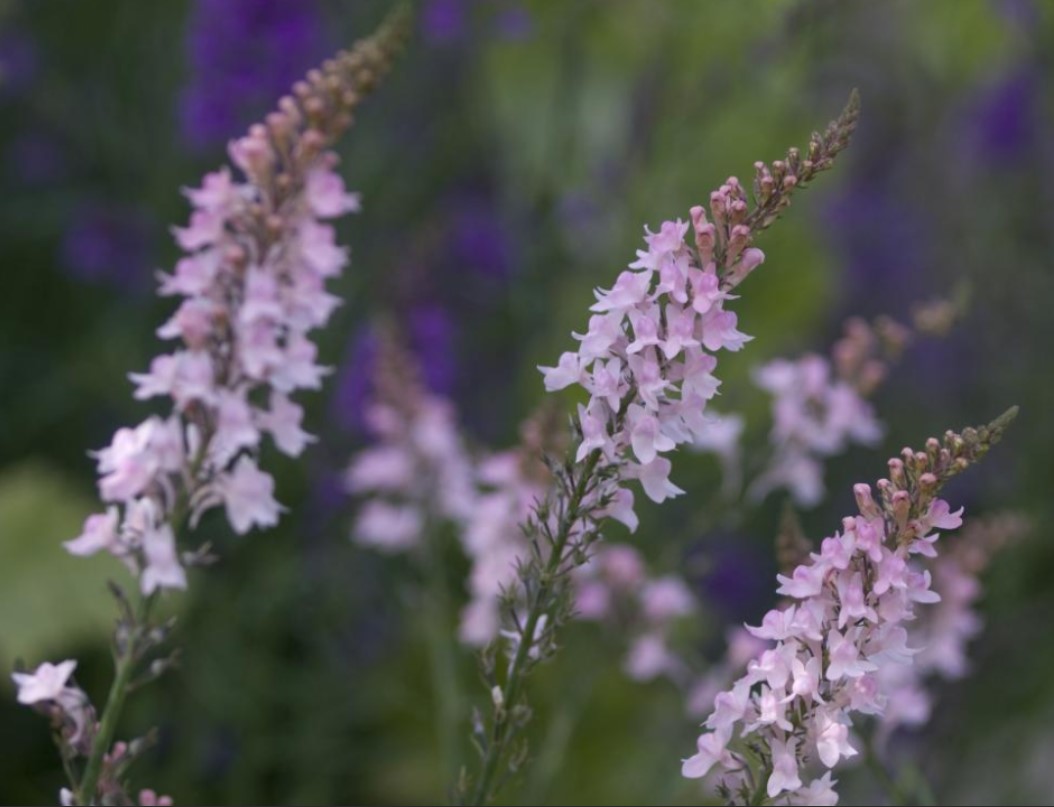
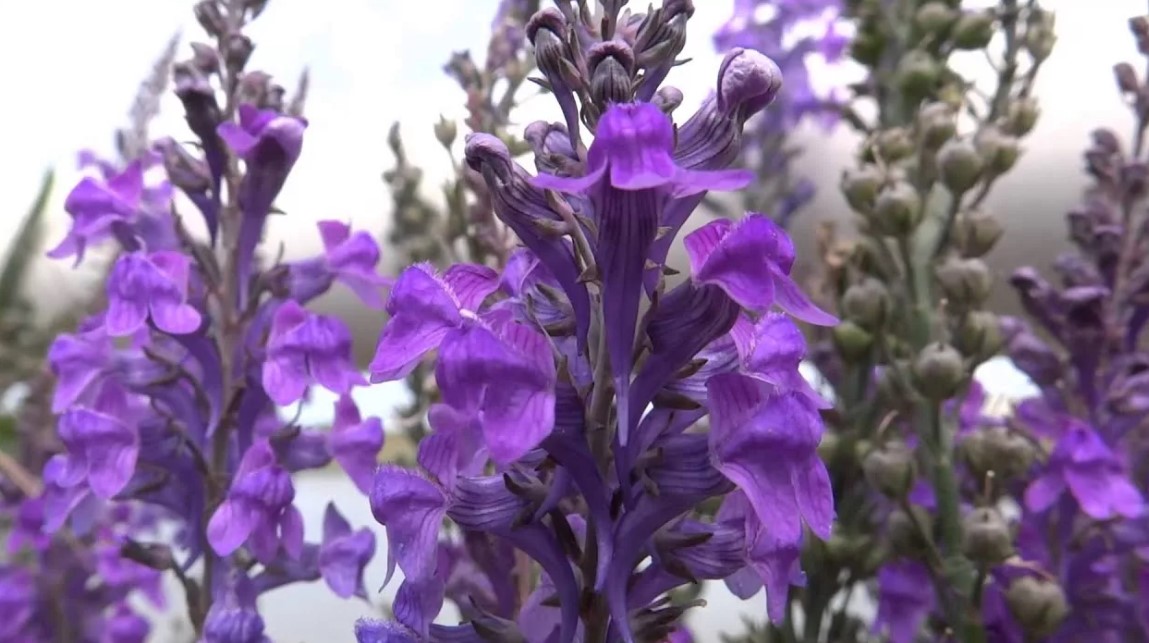
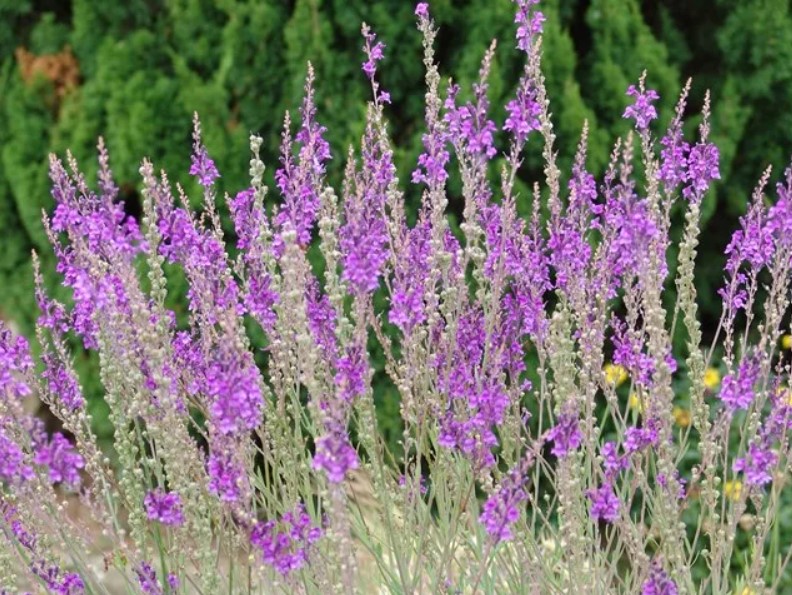
Purple toadflax (Linaria purpurea)
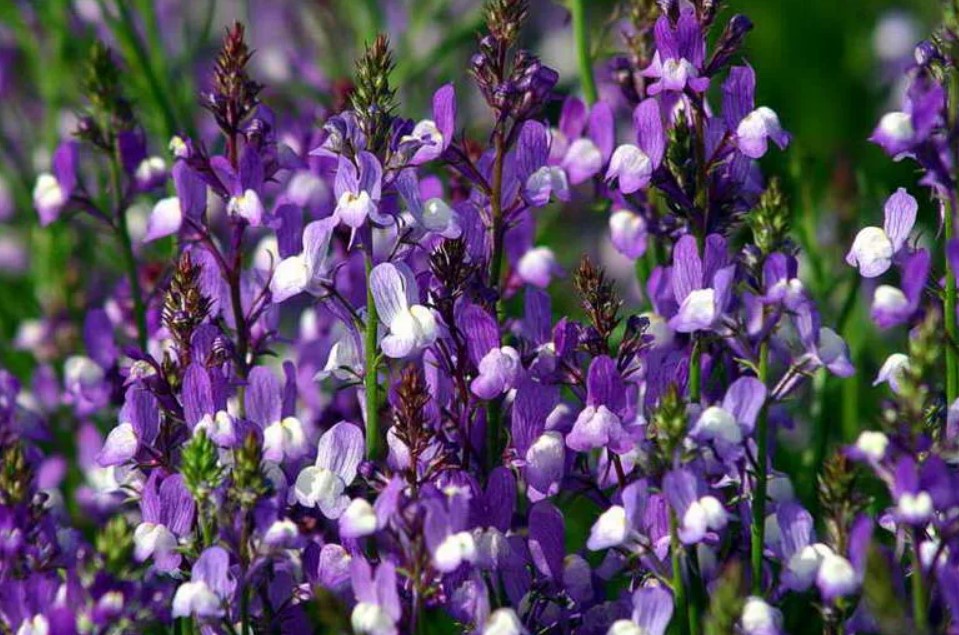
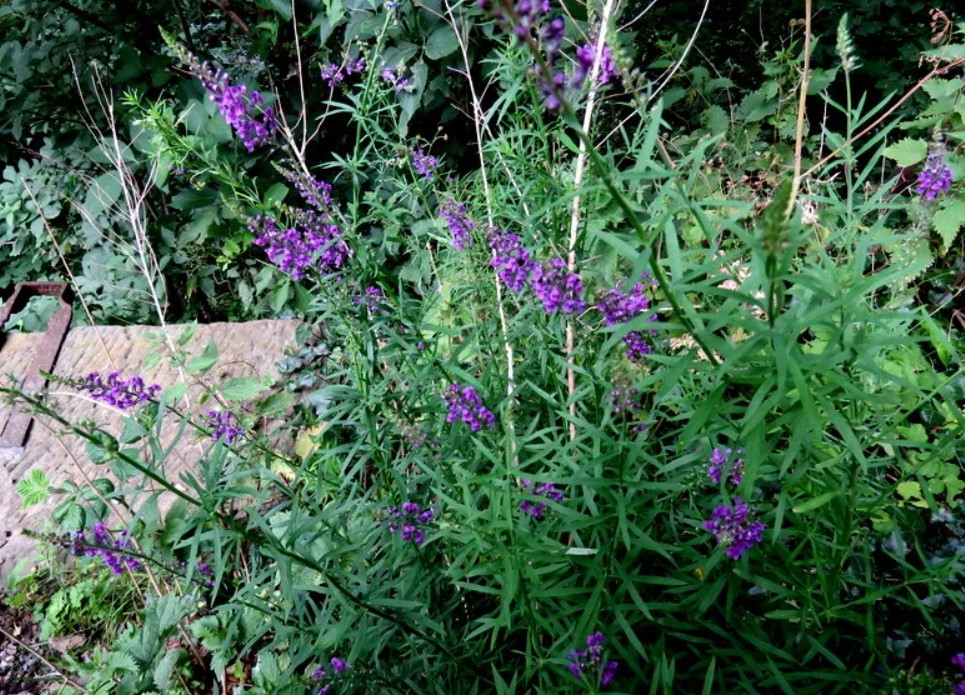
The shoots are erect, up to 100 cm high. The tops end with a brush of small purple flowers.
Photo gallery of purple toadflax
Three-winged toadflax (Linaria triornithophora)
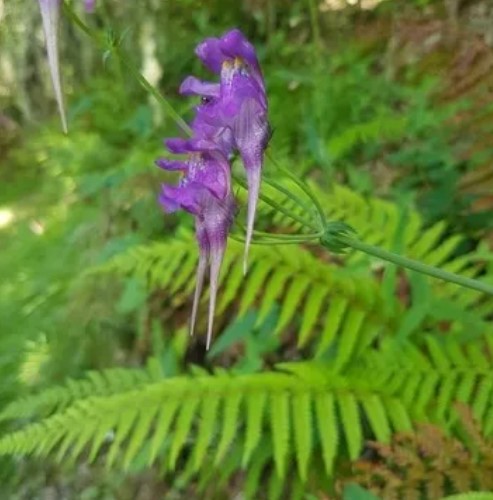
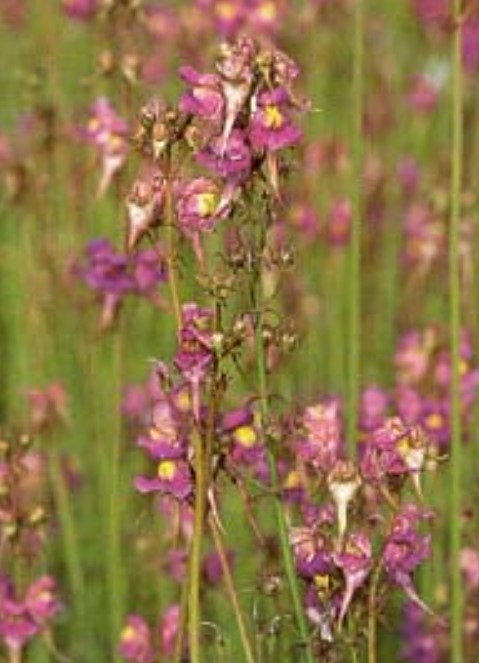
The erect shoots reach a height of 80 cm. The name "flax" comes from the unusual shape of its flowers, which resemble a sleeping dove with its head tucked under its wing. The flowers are distinguished by a purple corolla and convex yellow petals.
Photo gallery of the three-winged toadflax
Growing toadflax from seeds
In the wild, toadflax reproduces by self-seeding, so when planting this plant in a garden, it's important to limit its growth and prevent it from spreading throughout the garden by promptly removing seed pods. If necessary, you can collect seeds for future planting elsewhere in the garden. The seedlings retain their viability for six years.
Planting and caring for toadflax
Toadflax is not grown using seedlings; this plant reproduces well using seeds.
Sowing can be done before winter, when cool weather sets in, with no upcoming warm spells that could trigger seed germination. In this case, only dry seeds are used, and the bed is not watered after sowing.
You can also plant toadflax seeds in the spring, but the seeds must be refrigerated for 1-2 months beforehand. Toadflax is planted outdoors in late April to early May, depending on the weather conditions in your region. The soil is dug, and furrows about 15 mm wide are made in the surface, into which the seeds are placed. Leave 40 cm between rows. For ease of planting, you can mix the seeds with sand, as the seedlings are very fine.

After sowing, cover the flowerbed with plastic film to protect it from frost. Remove it once the first shoots emerge. Periodically, ventilate the seedlings and water the soil as needed.
To achieve more lush flowering, choose well-lit areas without drafts, and feed the soil with any universal fertilizer.
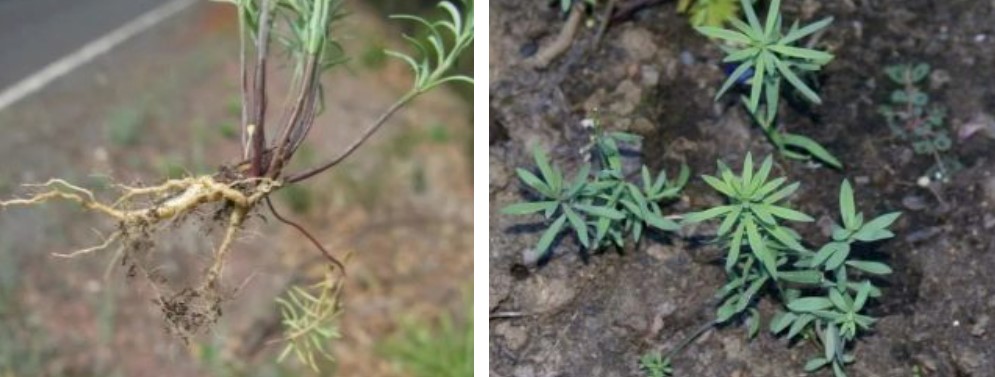
Care for seedlings consists of the following:
- Watering. Toadflax tolerates drought well, so it doesn't require regular watering. With sufficient rainfall, additional watering may not be necessary.
- Fertilizing. Ornamental toadflax varieties require fertilizing only if they are planted in poor soil. It's best to use a complex mineral fertilizer, such as Universal. Perennials should be fertilized after the snow melts, and new plantings should be fertilized 10-14 days after sowing.
- Overwintering. Biennial and perennial varieties of toadflax need to be protected from frost for the winter. To do this, dry shoots are cut back to the ground at the end of the season and covered with fallen leaves or spruce branches.
Diseases and pests of toadflax
Toadflax has a strong immune system and resists many insect pests well, but it is often attacked by slugs and snails. To avoid this, there are several proven methods:
- Sprinkle crushed eggshells or coarsely ground coffee grounds over the surface of the soil.
- Remove weeds from the flowerbed in a timely manner.
- Use specialized slug traps.
Among the folk methods of fighting slugs, two effective ones can be distinguished:
- Place a bottle of beer with a small amount of it on the garden bed, digging the neck in slightly to allow insects to enter easily. The snails will be attracted to the aroma of the hops, and you can then find them in and around the bottle and destroy them.
- Place a piece of roofing felt or cardboard on the flowerbed; slugs will hide under it during the day. From there, the pests can be easily collected.
Reproduction of toadflax
There are three main methods of propagating toadflax:
- Seminal.
- Dividing the bush.
- Cuttings of shoots.
The first method is rarely used, as it's considered too labor-intensive for such simple plants. Most often, gardeners use cuttings and division.
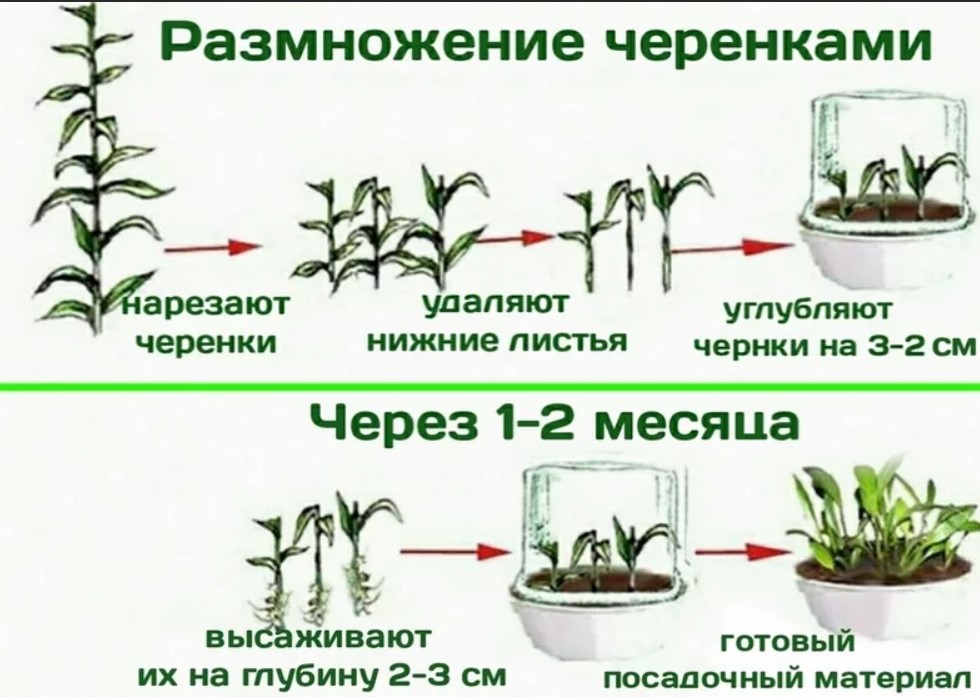
Cuttings
Propagation by cuttings is done by taking a section of a healthy, mature shoot free of disease. The cuttings are planted in pre-prepared containers with nutritious soil. Water the container and cover it with plastic or glass. It's important to periodically remove the covering and ventilate the area to help the plant establish and root quickly. Once new leaves appear on the cuttings, the covering can be removed and the cuttings transplanted to their permanent flowerbed.
Dividing the bush
The easiest way to propagate toadflax is by division. Select a strong, healthy bush, carefully dig it up along with its roots, and divide it into 2-3 parts. It is recommended to immediately transplant the plants into a prepared flowerbed.
Using toadflax in the landscape
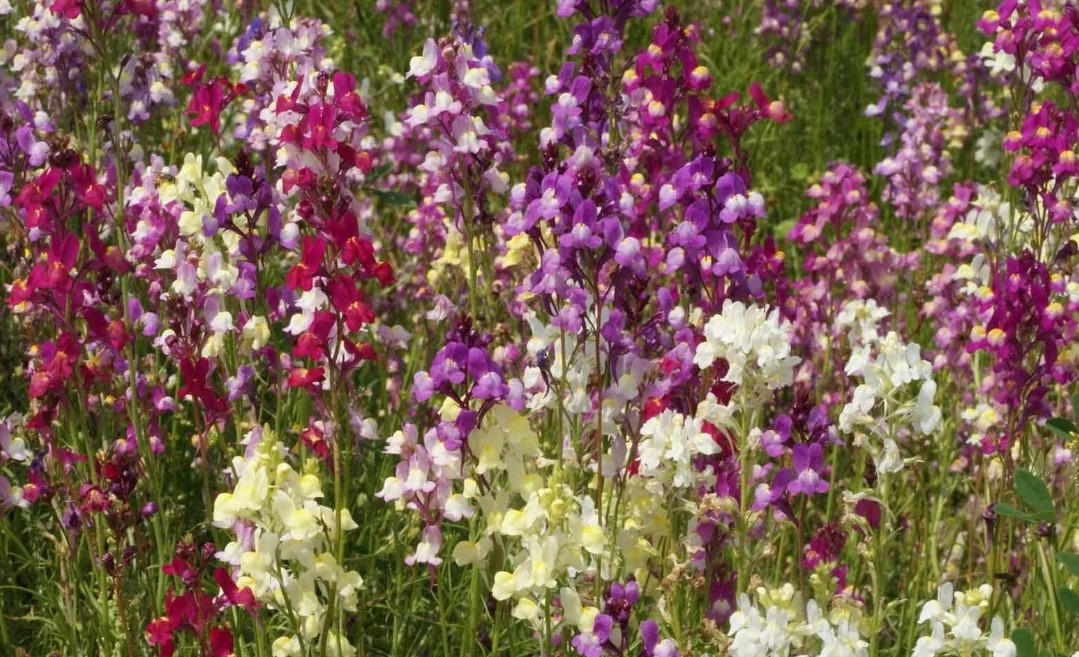
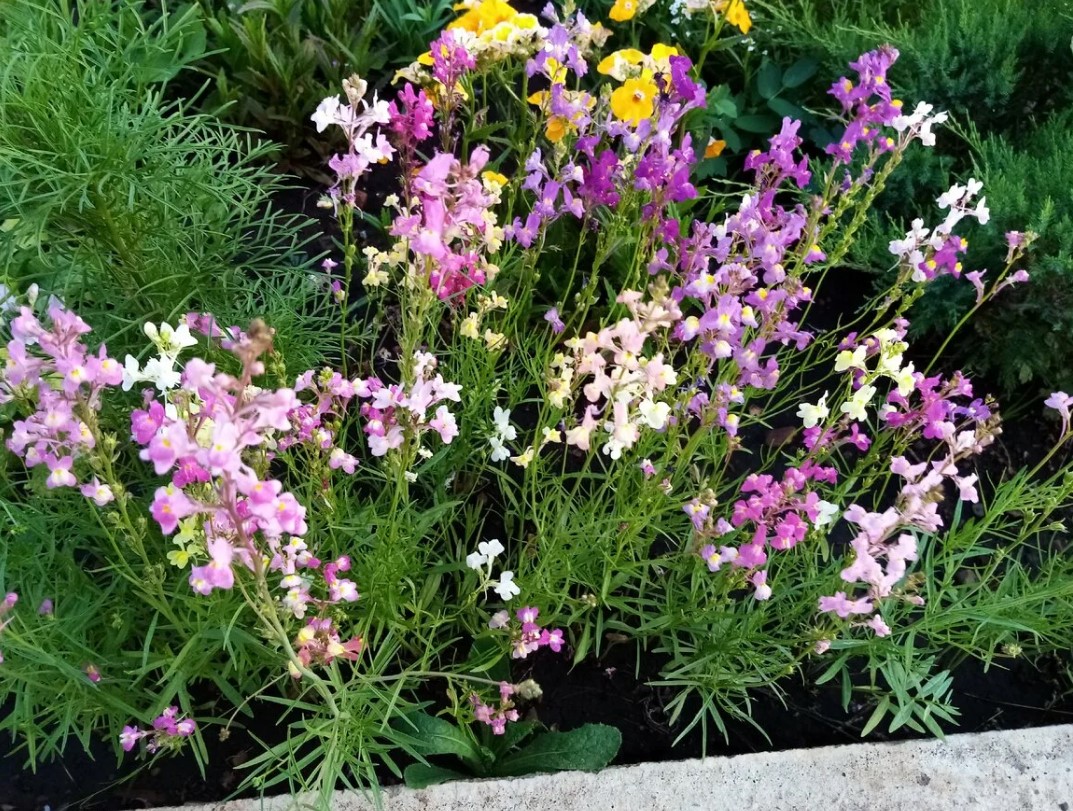
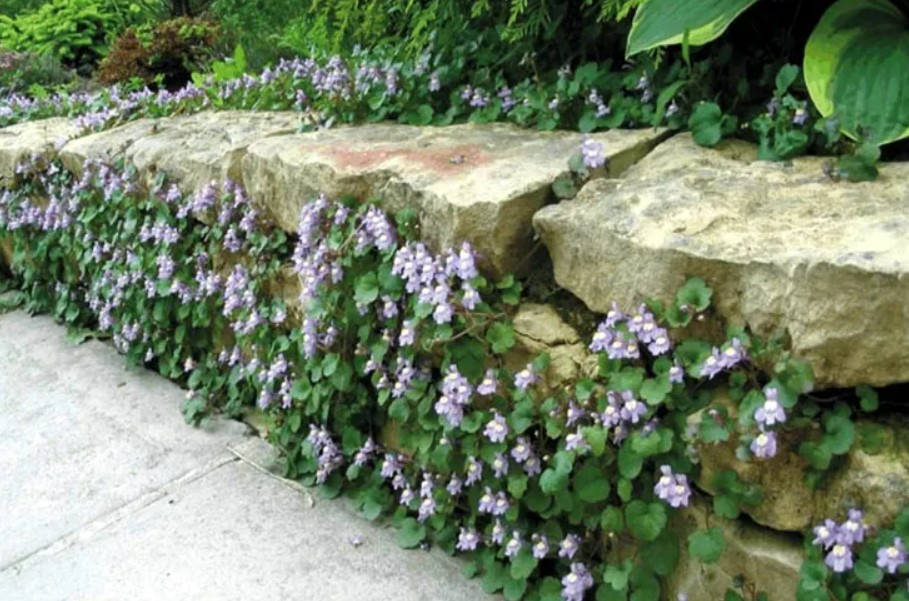
Upright varieties of toadflax are used to decorate complex flowerbeds, fences, and borders. They pair well with other flowers and are quite tolerant of soil conditions.
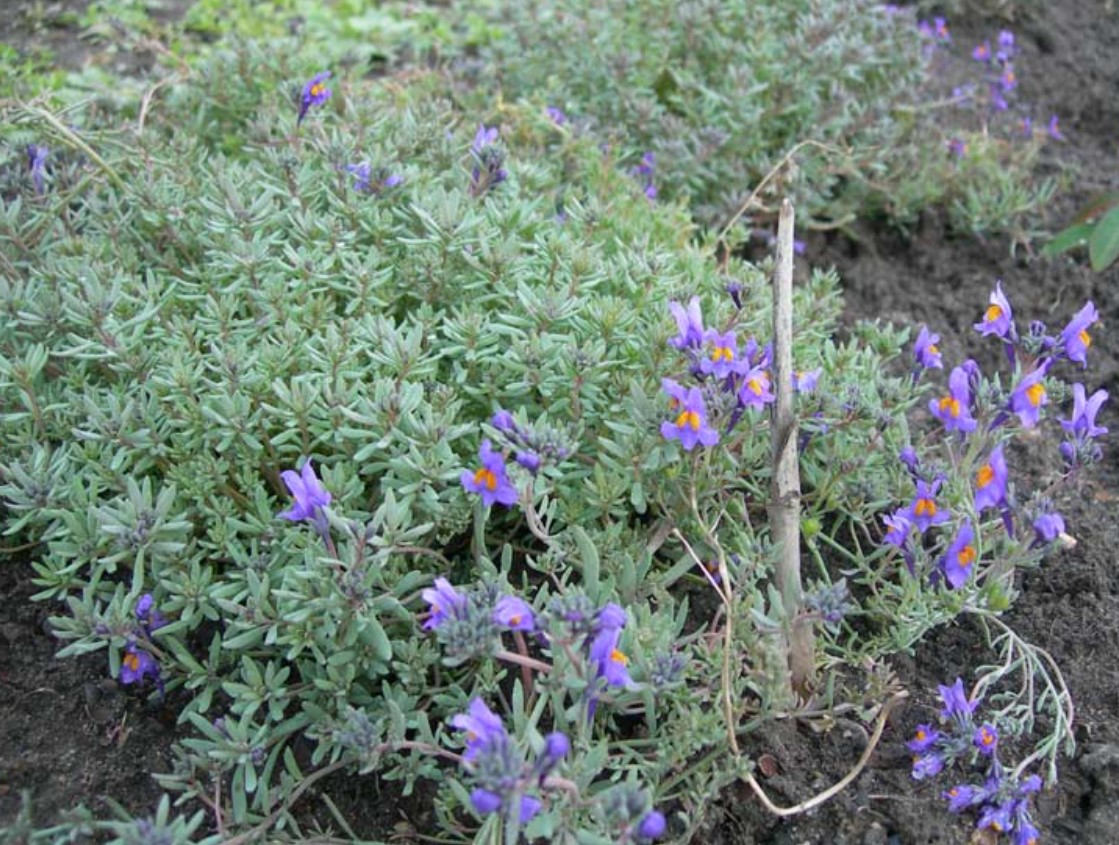
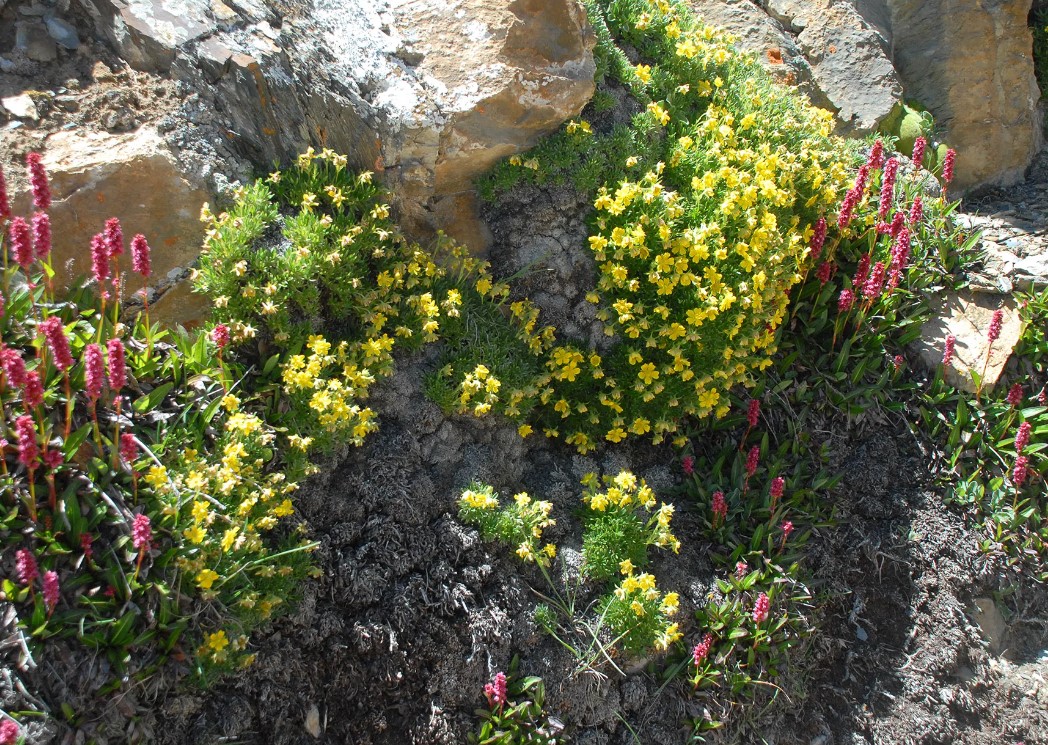
Low-growing varieties are used to decorate rock gardens and mixed borders, creating lush carpets in gardens, and, if desired, toadflax can be planted in pots to decorate a veranda or balcony.
Photo gallery of toadflax in the landscape

Medicinal properties of common toadflax
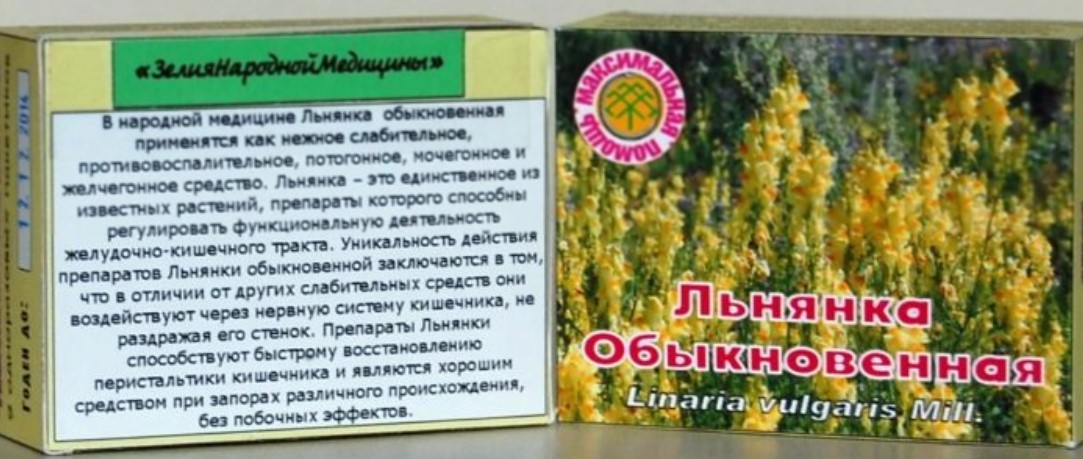
Common toadflax has a number of medicinal properties and is used for the following problems:
- Liver diseases.
- Pressure surges.
- Weak immunity.
- Enuresis.
- Conjunctivitis.
- Diseases of the respiratory system.
- The presence of parasites in the body.
- Fungal diseases.
- Blood diseases.
- Problems with the intestines.
- Nerves.
The use of toadflax in folk medicine
In folk medicine, toadflax is used due to its rich composition.
- Peganin helps control blood pressure and improve the tone of the intestinal walls and female pelvic organs.
- Glycosides improve the elasticity of red blood cells and have an antimicrobial effect.
- Thanks to its antiseptic properties, toadflax helps to cope with inflammation of the mucous membranes and skin problems.
- In addition, the plant has a beneficial effect on hormonal balance, normalizing the amount of sex hormones, preventing impotence in men and easing the course of menopause in women.
- Taking toadflax helps cleanse the body of toxins, which is important after various types of poisoning, and also removes sand and stones from the bladder and kidneys.
Below are folk medicine recipes using toadflax, which help cope with various ailments.
Eye disease
- 20 g of toadflax
- 20 g elderberry
- 20 g cornflower
The herbs are mixed together, poured with 500 ml of boiling water, and steeped for 8 hours. For eye inflammation or conjunctivitis, soak a swab in the decoction and wipe the eyes with it or apply compresses at least 5-6 times a day until symptoms subside.
-Low blood pressure
- 1 tsp corn silk
- 1 teaspoon of toadflax
- 1 teaspoon of immortelle.
Mix the herbs, add 500 ml of boiling water, let steep for 2 hours, squeeze, and strain. Take 1 teaspoon before meals daily.
Sore throat
This recipe helps you quickly cope with sore throat and acute respiratory infections symptoms.
Pour 1 tablespoon of toadflax into 400 ml of boiling water and let steep for 1 hour. Gargle with the decoction every hour.
Liver and kidney diseases
- 0.5 tsp toadflax
- 0.5 tsp corn silk
- 0.5 tsp immortelle
Mix the herbs, pour 200 ml of boiling water over them, and let steep, covered, for 1 hour. Strain and take 3 times daily before meals for a 2-week course.
Ulcers and purulent wounds
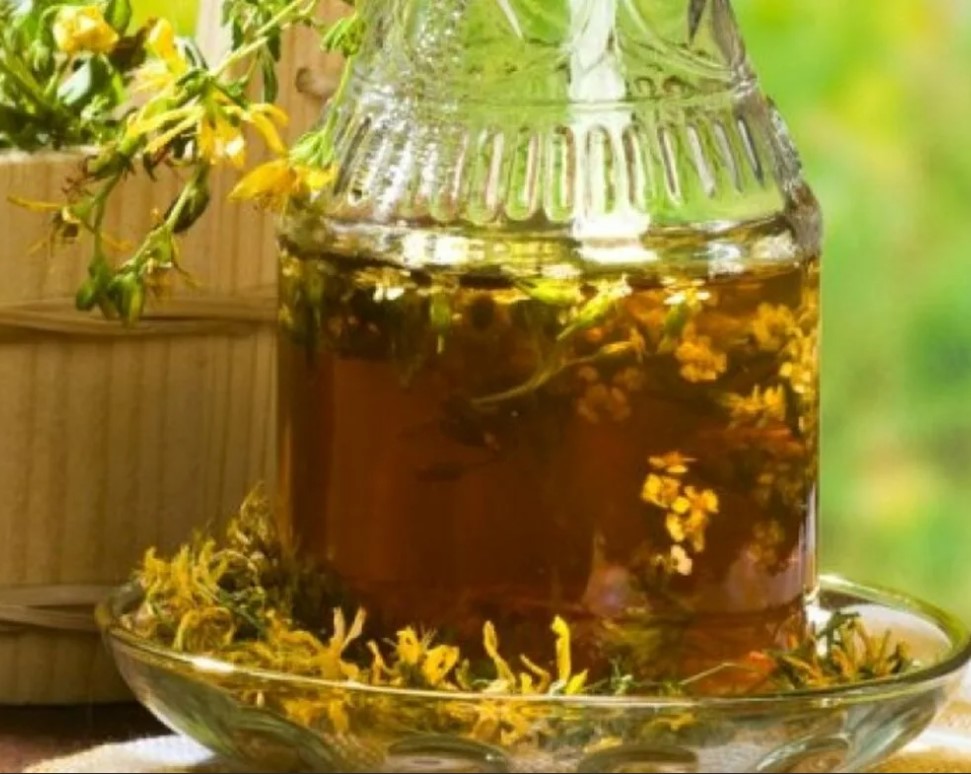
For purulent wounds and compresses, you can use toadflax compresses to speed up the healing of the skin.
Pour 1 cup of boiling water over 6 tablespoons of dried toadflax, let steep for 2 hours, covered, and strain. Use for soaking compresses or washing wounds.
Meniere's syndrome
Pour 1 tablespoon of toadflax into 1 cup of boiling water, cool, strain and take half a glass twice a day before meals.
To prevent periodontitis, periodontal disease and other oral diseases, rinse your mouth with a decoction of 1 cup of water and 1 tablespoon of toadflax after each meal.
Flatulence, bloating, intestinal colic
Boil 1 tablespoon of toadflax and 1 cup of water for 10 minutes, then cool and strain. Take 1 tablespoon 4 times daily.
Haemorrhoids
- 1 tbsp. flaxseed
- 1 tbsp water pepper
- 1 tbsp oak bark
Grind the herbs into a powder, mix with 3 tablespoons of Vaseline, lubricate a tampon and apply rectally until the symptoms of the disease disappear.
Constipation
- 1 cup of dried toadflax
- 1 glass of vodka
Mix the ingredients, let it steep for 2 hours and take 1 tablespoon before bed.
Tumors
Folk remedies using toadflax can only be used as a supplement to official treatment. Add 1 dessert spoon of toadflax to a glass of hot water and simmer in a double boiler for 15 minutes. Cool the infusion and let it steep for 45 minutes. After straining, take 1 tablespoon 30 minutes before meals three times daily.
Skin inflammations
- 4 tablespoons of flaxseed
- 500 ml of milk
Mix the ingredients until they form a paste, place over low heat, remove from heat when boiling, and let cool slightly. Apply the resulting mixture as a compress to the affected areas.
Dystrophy
- 2 tablespoons of flaxseed
- 10 tablespoons of vodka
Pour vodka over the flaxseed and let it steep for 21 days, shaking occasionally. Once ready, strain and take 40 drops three times daily before meals with boiled water.
The use of toadflax in cosmetology
Toadflax is capable of providing not only internal healing effects, but also external ones, which is why it is widely used in medicine.
Hair
A toadflax decoction is used to strengthen hair follicles, eliminate dandruff, and prevent hair loss. It's prepared as follows:
- 400 ml of water is mixed with 1 tbsp of flaxseed.
- The broth is simmered in a water bath for 10 minutes.
- Cover with a towel and leave for another 2 hours with the heat turned off.
- Strain and use to rinse hair after each wash.
Leather
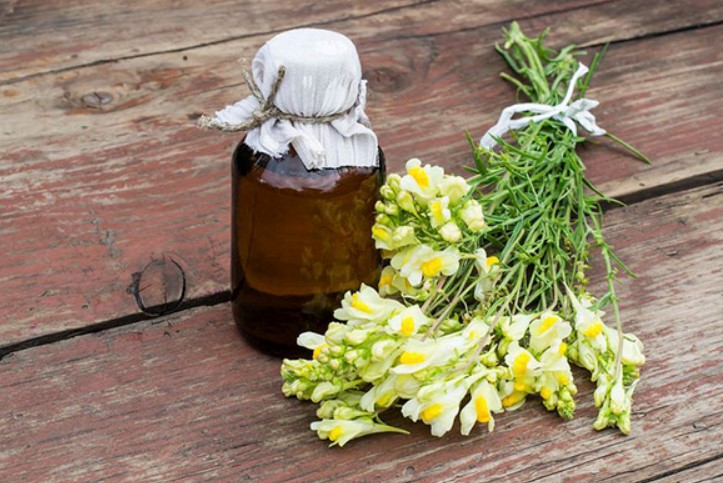
Alcohol-based toadflax tinctures are used topically to help relieve skin inflammation. A herbal water decoction can be used to wipe the face twice a day without rinsing. An ointment containing toadflax, applied at night, helps relieve inflammation.
Method of preparation of ointment:
- 2 tablespoons of flaxseed
- 5 tbsp. pharmaceutical Vaseline
Mix the ingredients and heat in a double boiler until the Vaseline is completely dissolved. Once cooled, apply the ointment to the skin. Store in a dark place, tightly closed.
Contraindications for the use of toadflax
It's recommended to try all traditional medicine remedies only as a complementary treatment after consulting a doctor. Despite its many beneficial properties, like any other product, toadflax has a number of contraindications:
- Individual intolerance to components.
- Pregnancy and lactation period.
- Children under three years of age.
- Severe cardiovascular diseases.
- Renal failure.
- Cirrhosis.
Reviews of toadflax from gardeners
If you want to preserve or create a piece of meadow vegetation, common toadflax will be very useful; it blooms for a long time and behaves quite decently in partnership with other natural species.
There's also a wonderful annual—Moroccan toadflax (Linaria maroccana). Delicate pastel colors, low maintenance, and easy to grow—despite its southern origins, it's cold-hardy (sow directly into the ground), and the seeds ripen without problems in the Moscow region. A very romantic yet low-maintenance plant.The downside is the very small seeds (they don't need to be covered with soil; in general, the seeds of toadflax, snapdragons, and all their relatives germinate better in the light), which scatter and self-seed (although this is sometimes a plus). After the first flush of flowering, the plants lose their decorative appeal for a while, and then there's a choice: if you need seeds, you can wait until the inflorescences on the side shoots bloom, or you can prune them cosmetically, and then the second flush of flowering will come sooner.
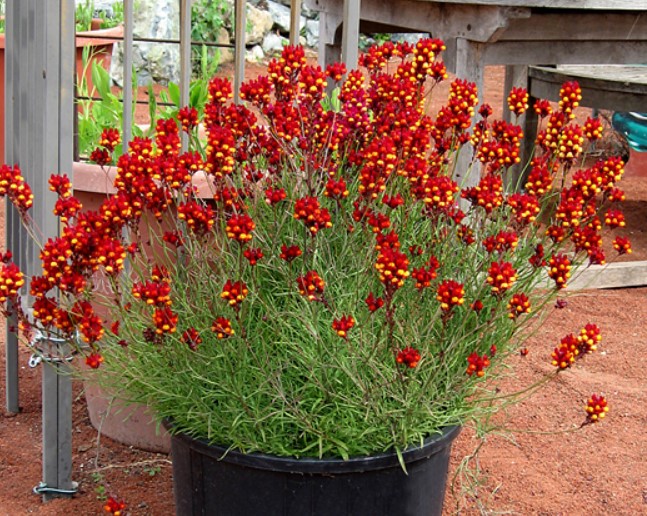
You can also find Linaria reticulata, also known as 'Flamenco', for sale. It's also an annual species from North Africa, and its cultivation is similar to that of Moroccan toadflax. Apparently, it requires more warmth—it blooms beautifully, but it doesn't branch as profusely as in the pictures, so the impression is somewhat blurred, even though the flowers are very vibrant.
Well, to get such beauty, you need several dozen plants
I forgot to say that both of these flax plants - the Moroccan and the mesh - are for lovers of miniatures, their height does not exceed 25 cm.In my sandy loam plot, toadflax thrives. However, like the vast majority of Mediterranean plants, it prefers warmth, sun, and good drainage. Since toadflax and reticulated toadflax are annuals in nature, feeding them is not necessary.
Southern sun is what it needs. At the slightest shade, it stretches and lies down. It blooms, but its appearance is no longer as delicate, more like a bruised one.
and the common toadflax weed will grow anywhere, even on rails
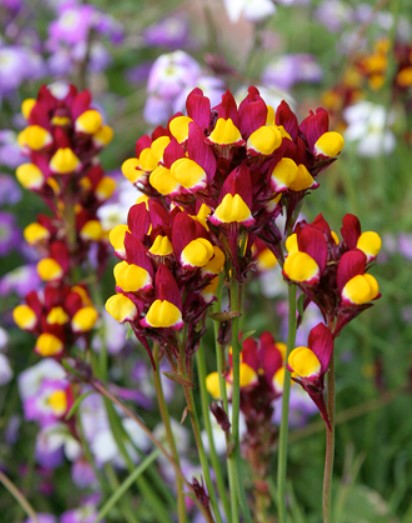
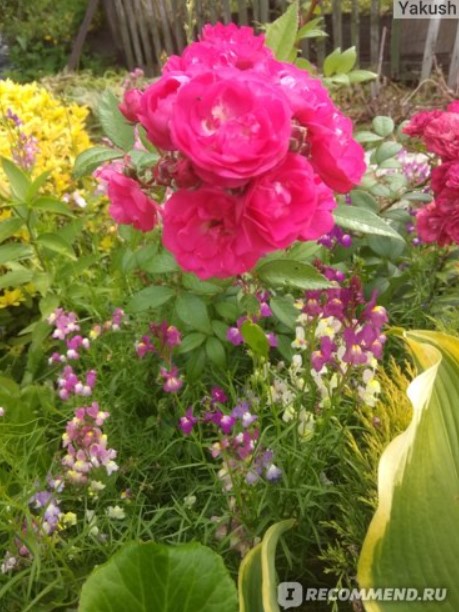
Moroccan toadflax is a delightful guest from the Mediterranean. An excellent companion for roses and lilies.
Experience of use: one year or more
Greetings to all dear readers!A few years ago, while looking at photos of rose plantings online, I saw a plant that looked like a miniature version of the well-known snapdragon.
This lovely flower is called toadflax. For the planting season, I purchased a Moroccan toadflax.
The plant is native to the Mediterranean. It was first described by a biologist in Morocco, which may be why it got its name.
You can grow them using seedlings or by sowing them directly into the ground. I sowed them directly into a permanent location at the end of April. For me, toadflax is a wonderful complement to roses and lilies.
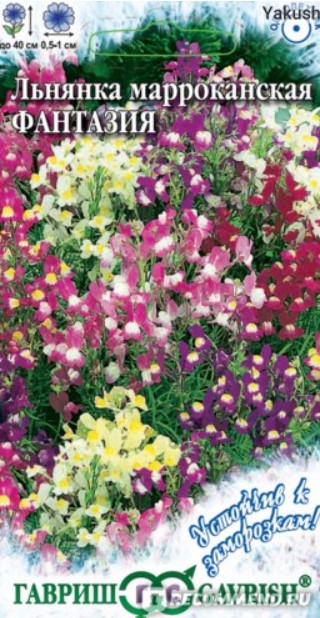
Flax seeds are very small, like dust. They can be mixed with sand when sowing. Germination rates have been excellent over a couple of years of observation. I planted seeds from a packet from Gavrish. I was unable to collect any of my own.
The plant reaches a height of 30-50 cm. The bushes are branched, so a single plant can have stems of varying heights. The leaves of the toadflax are thin, needle-like, but soft and not prickly.
Toadflax comes in a wide variety of colors. If you buy a packet containing a seed mix, you'll get a rainbow of colors when it blooms.
The variegation of the flowers doesn't bother me. You can wait until they bloom and remove the plants with the "unwanted" color. Since there are so many seedlings and I still have to thin them out, the flowerbed will only benefit from this.
Toadflax flowers are small, about 1-2 cm. The stems are graceful, covered with flowers. When sown in the ground in late April, it blooms in early July.
The flowers are numerous and gathered in long clusters. Each individual flower resembles a miniature snapdragon.Toadflax prefers sunny spots and moderate watering. Mine gets the same treatment as roses. The plant looks healthy all season long, and I haven't seen any diseases or pests. Perhaps this is because the queen roses receive full protection from pests and diseases.
Toadflax blooms until the frost. Heliotropes, dahlias, and many other flowers have already frozen, but toadflax blooms like a true companion next to roses. I cut the roses before covering them and always add toadflax to the bouquet.
Toadflax holds up well in bouquets. It's become a permanent fixture in my garden. I consider this flower both easy-to-care-for and attractive.

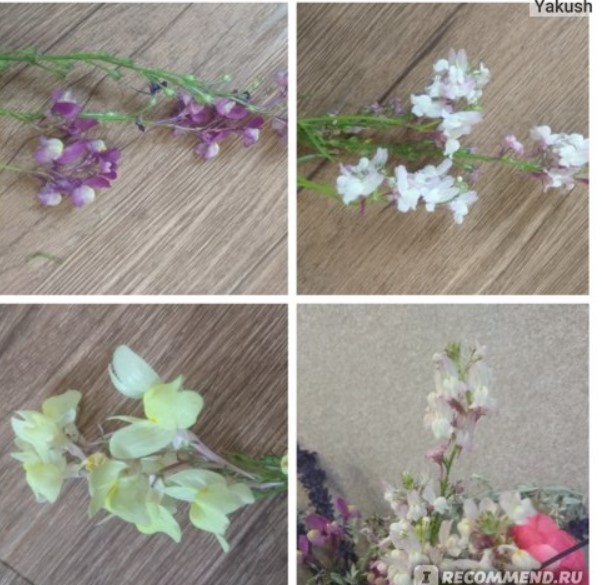
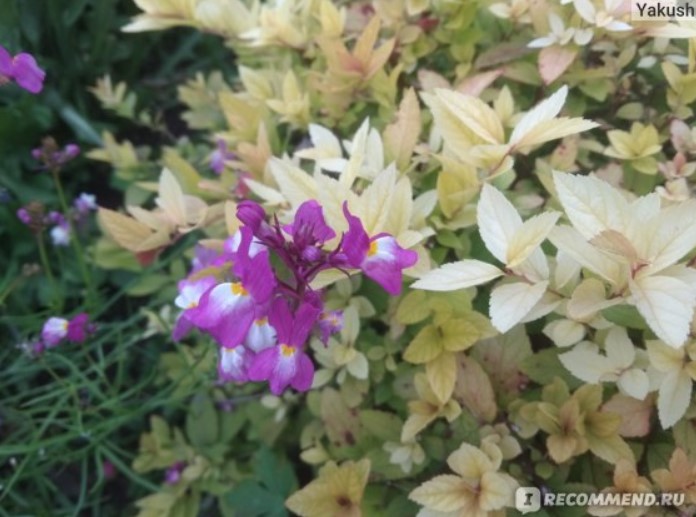

Thank you so much for this beautiful flower. I bought two colors, white and yellow. At first, I didn't understand how to grow them, but when I planted these thin and puny plants in the ground, in my opinion, they immediately started growing and grew into a gorgeous bush. I recommend them to everyone and will buy them myself.
I agree with the previous review. I really liked the linaria. I planted it in low pots and mixed it.