Lobelia cascade, or Cascade, is considered the second most popular species. Its long, drooping shoots form a beautiful, spherical bush.
Description of Lobelia Cascade
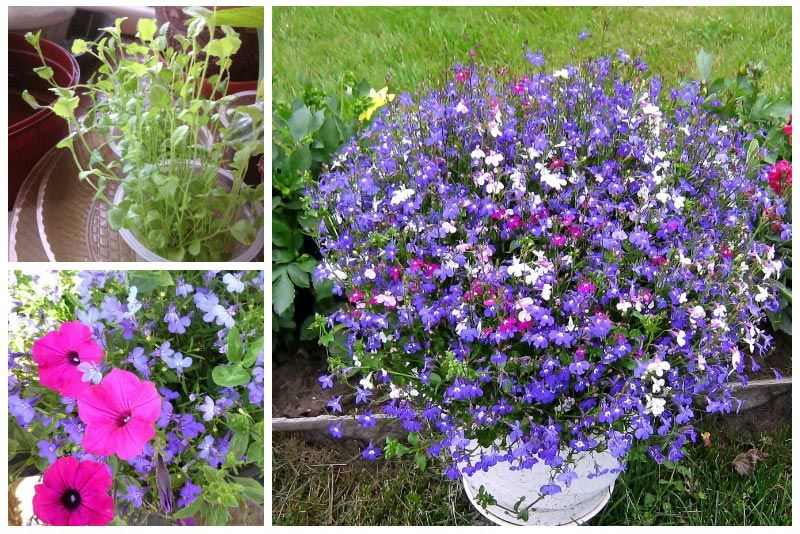
Small flowers of white, blue, purple, light blue, and even lilac-pink (about 1 cm in diameter) completely cover the plant. This annual plant is easy to care for. It prefers sunny spots and moist soil, but can also grow in shady areas. It blooms until frost. It tolerates temperatures down to -10°C. Insufficient moisture and high temperatures may inhibit flowering.
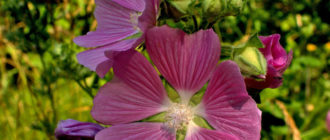
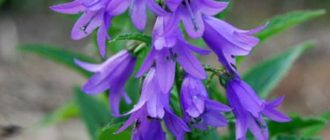
Looks good in areas combined with various bright summer plants (chamomile, bellflower, petunia).
Growing and caring for Cascade Lobelia
To grow this beautiful plant, it's important to understand its characteristics and care requirements. This applies to all stages of the flower's development. Once you've familiarized yourself with these, you can grow a lobelia and enjoy its beautiful views all summer long.
Lobelia propagation
Lobelia is propagated indoors by seeds. This is a rather labor-intensive process due to their microscopic size, which resembles dust. For planting, you can purchase seeds in granular form or spread them on a cloth. The soil for sowing is prepared in advance, using a mixture of equal parts sand and soil, to which 0.5 parts humus is added. Loose soil is essential to ensure adequate water and air circulation. Before sowing, disinfect the soil by warming it in a microwave. The initial stage of plant development is a lengthy process, so it is best to plant in a greenhouse or specially prepared containers at the end of winter.
Cover the soil surface with glass, but don't cover it, and spray it with a solution of potassium permanganate. It's best to plant the seeds spacingly to prevent the sprouts from becoming too elongated. The first sprouts will appear in about 10 days, and they should be transplanted 3-5 at a time into each hole.
The most important thing at this stage is watering. Avoid overwatering the soil, as this can lead to rotting and death of the plants.
Growing and caring for seedlings
In about a month, two true leaves will be visible, meaning it's time to transplant. Divide the seedlings using a sharp stick and plant them in new containers (no more than 10 bunches per square meter). When the shoots reach 3 cm in height, pinch off the top. This type of care and cultivation will ensure bushy bushes for planting outdoors.
To feed seedlings and plants, use organic matter diluted with mullein or nettle infusion at a ratio of 1:10. This has a beneficial effect on growth, but too much can result in poor flowering. In addition to fertilizer, plants require good watering and soil loosening, and in dry weather, this should be done even more intensively.
Planting young lobelias in open ground
It's recommended to plant seedlings outdoors in mid-May, once the danger of frost has passed. Space plants at least 15 cm apart, and plant in moist, humus-rich soil. The first flowers appear in early June, and flowering continues until the end of August. In late summer, if you prune the bushes promptly and add mineral fertilizer to the soil, the plants will bloom until the first frost.
This undemanding plant, resistant to cold snaps, blooms all summer long. It can be found in gardens and vegetable patches, where it grows beautifully along paths and in flower beds. Lobelia is often planted in special pots on verandas and in boxes on balconies, where it delights the viewer with its beautiful blooms.