Powdery mildew is a very dangerous disease. The fungus Sphaerotheca mors-uvae develops quickly on gooseberries and spreads to neighboring plants, such as currants. If left untreated, the bushes will die. It's important to detect the disease early and begin combating it. There are many ways to prevent and treat the infection.
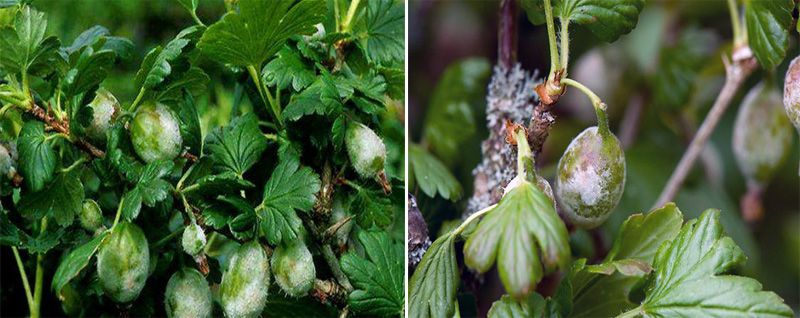
How to recognize powdery mildew on gooseberries
During the first stage (condinal), a white, powdery coating—the fungal spores—appears. It can be removed with a light touch. The mycelium facilitates rapid and widespread spread of the disease.
In spring, ascospores begin to form on the fruiting bodies, releasing spores. This way, the fungus spreads to neighboring plants and infects them.
In summer, powdery mildew enters its ascophyte stage. The coating takes on a brownish color. A hard crust forms on top. This crust is a mixture of mycelium and fruiting bodies.
The fungus survives the cold season on diseased buds and shoots. It attacks only young plant tissue: ovaries, new leaves and branches, and fruits.
Powdery mildew symptoms can be observed a couple of weeks after infection. If the fungus affects gooseberries in the fall, its symptoms become visible when the leaves emerge. In addition to the bloom, the disease can be identified by the following signs:
- deformation of sheet plates;
- scattering of ovaries;
- wrinkling of berries, appearance of brown spots on them;
- curvature of shoots;
- developmental arrest;
- death of the bush.
Folk remedies for powdery mildew
There are many folk remedies for combating the disease. It is recommended to use them in the evening.
| Means | Preparation | Application |
| Aspirin with sodium bicarbonate | Dissolve in half a bucket of water:
|
Treat throughout the season, once every couple of weeks. |
| Gaupsin or Trichodermin | Dilute 150 ml in 10 l of water. | Spray the crop throughout the growing season at intervals of 14 days. |
| Soda ash |
|
Perform treatment before and after bud formation. |
| Horsetail |
|
Spray once a week from spring until frost. |
| Rotted hay or a layer of organic matter on the soil from the forest. |
|
Treat before and after flowering, during leaf fall. |
| Kefir or sour milk | Mix 1 liter of fermented milk product with 9 liters of water. | Spray three times, every 3 days. |
| Onion peel |
|
Apply before bud formation and after, when leaves fall. |
| Mullein |
|
|
| Water | Bring to a boil. | Before the snow melts, water the gooseberries with boiling water. |
| Ammonium nitrate | Pour 50 g into a bucket of water. | Use after the inflorescences have faded. |
| Ash | Method #1:
Option #2:
Recipe #3:
|
The procedure should be carried out in late spring-early summer:
|
| Milk whey | Mix 1 liter with 9 liters of water. | The treatment should be done three times, once every 3 days. |
| Tansy |
|
Water the soil in spring and autumn. |
| Baking soda | Dissolve 2 tablespoons of the substance and 50 g of laundry soap shavings in 10 liters of water. | Apply before and after flowering. |
| Top dressing | Add to a bucket of water:
|
Use after the inflorescences have faded. |
| Fitosporin | 100-150 ml per bucket of liquid. | Treat the bush and the area around it before flowering and after fruiting. |
Chemicals for spraying gooseberries
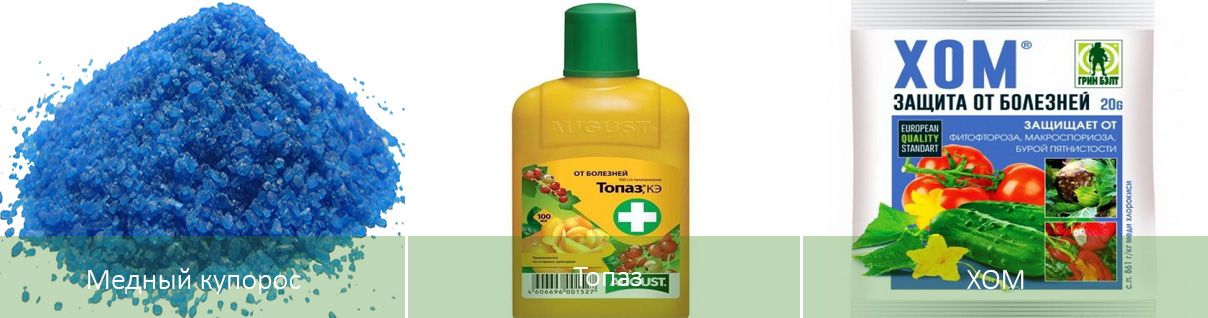
When the disease is advanced, treatment must rely on chemicals. These can be purchased at specialized stores or online.
| Means | Preparation | Application |
| Copper sulfate |
|
It is recommended to apply the treatment before flowers appear. If this time is missed, the procedure can be performed after the ovaries have formed. |
| Topaz | Follow the dosage instructions. | Spray after flowering. If powdery mildew has severely affected the bush, it is recommended to apply it before bud formation. |
| HOM (alternative to Bordeaux mixture) | Dilute 40 g in 10 liters of water. | Use once, before flowers appear. |
Preventing powdery mildew on gooseberries
The pathogen begins to develop due to errors in planting and care. To prevent powdery mildew from affecting gooseberries, follow these preventative measures:
- Plant the bushes 1.5 meters apart. The plants should be well-lit on all sides. The fungus dislikes full sun.
- Thin out the bushes in a timely manner, making sure that the planting is not too dense.
- Prune damaged, dried, and diseased shoots twice per season. Remove fallen leaves. Burn collected plant debris.
- In March-April, water the plants with a soft pink solution of potassium permanganate, heated to 90°C. Baking soda (2 tablespoons per bucket) can also be used instead. These solutions prevent fungal infections and kill insect pest eggs.
- In the fall, after the growing season, dig the soil around the bush to a depth of 15 cm. Fungal spores in the soil will fall to the surface and freeze during the winter. Additionally, you can water the soil with a commercially available preparation called Fitosporin-M.
- Throughout the growing season, loosen the soil around the gooseberries. Branches and fruits should not reach the surface.
- Spray periodically with a wood ash solution. To prepare it, add 1 kg of the solution to a bucket of water. Let it sit for 4 days, then add 30 g of soap shavings. Spray three times, 24-48 hours apart.
- Pour a tansy infusion onto the soil around the bush: pour 300 g of the plant into 10 liters of water. Let it steep in a dark place for one day. Then simmer over low heat for a couple of hours. The infusion can only be used after it has cooled.
- Do not use manure as fertilizer. It may contain mycelial spores. Fertilizers with high nitrogen content are also not recommended. This element increases the plant's susceptibility to powdery mildew. It should be used no more than once a year, in early spring, when the plant is in dire need of it. It is better to choose mineral mixtures with low levels of this element.
Adhering to these requirements, of course, won't guarantee 100% protection against powdery mildew. However, following these recommendations can significantly reduce the risk of fungal infection.
Top.tomathouse.com recommends: gooseberry varieties resistant to powdery mildew
Breeders have developed special varieties resistant to fungal disease. To avoid wasting time, effort, and nerves on treating the crop, you can purchase these varieties and plant them in your garden.
Varieties that are not affected by the disease:
- Kolobok is a red variety with a high yield and is easy to grow.
- Finnish is low-maintenance and frost-resistant. It prefers moisture, sun, and acidic soil.
- Yubileyny is a tall, gently spreading bush with yellow fruit and sweet berries.
- Kuibyshevsky is a medium-sized, dense shrub. Fruits are large, weighing 3.6–8 g.
- Ural grapes are an early variety. The fruits are emerald green, with juicy and sweet flesh.
- Houghton - the berries are dark burgundy, small, but this is compensated by their large number on the branches.
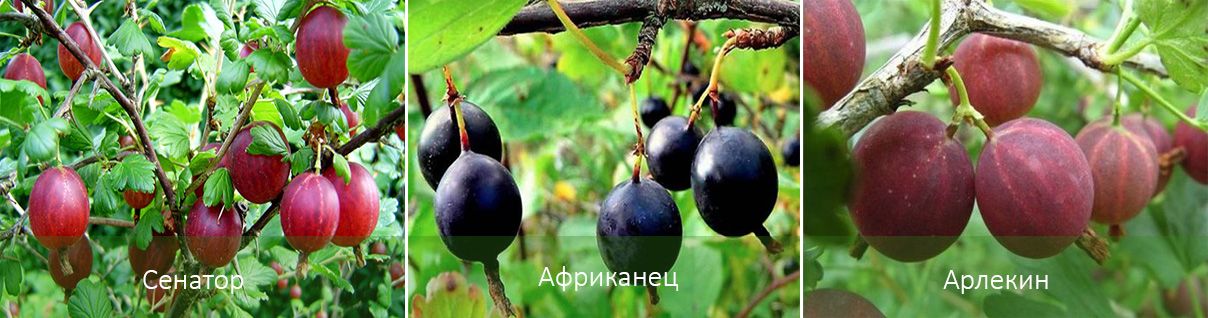
- Senator is drought- and frost-resistant. The fruits are red, almost black when fully ripe.
- African - 1-1.2 m in height. With proper care, fruiting can be observed within a year after planting.
- Harlequin is a winter-hardy, high-yielding variety. The berries can be used to make jam, preserves, and compotes, as well as eaten fresh.
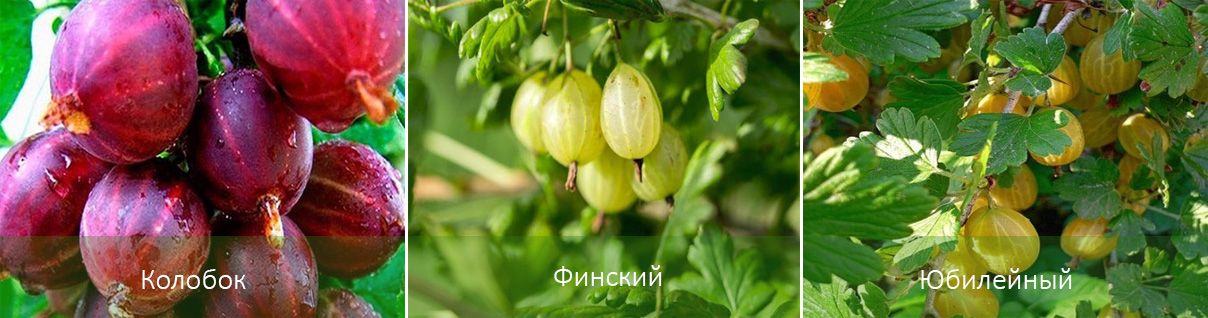
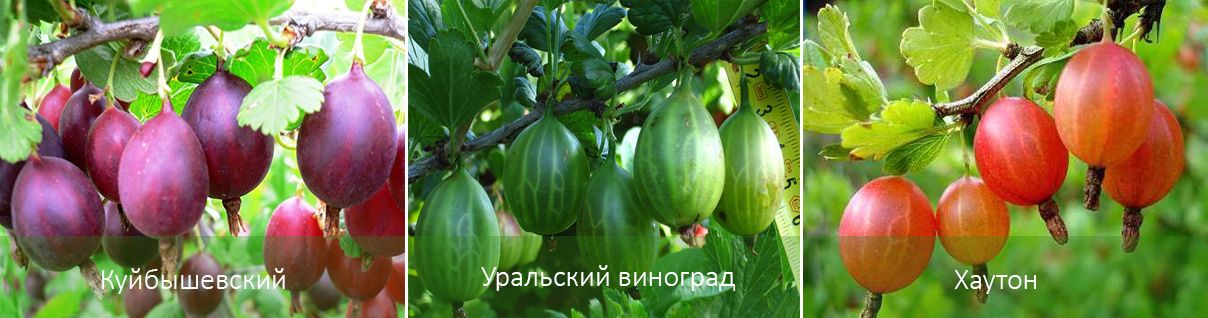
If these varieties aren't to your liking, consider thornless varieties. They're less susceptible to disease.
There are varieties that are more susceptible to the disease:
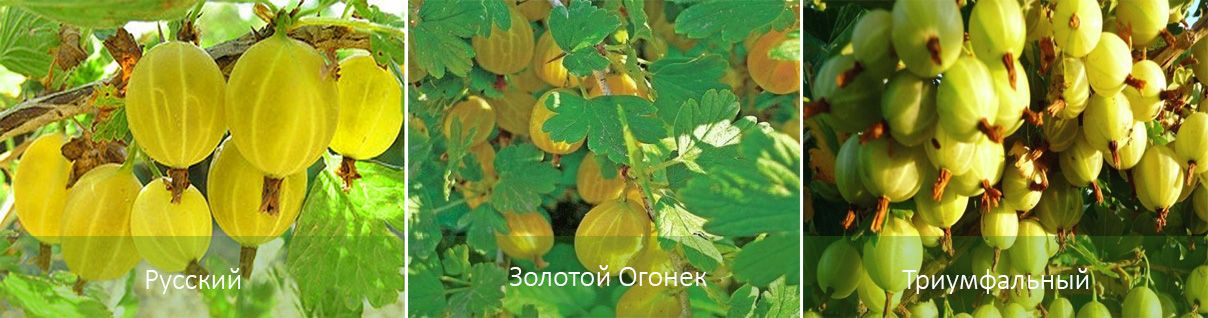
- Russian;
- Golden Light;
- Triumphal;
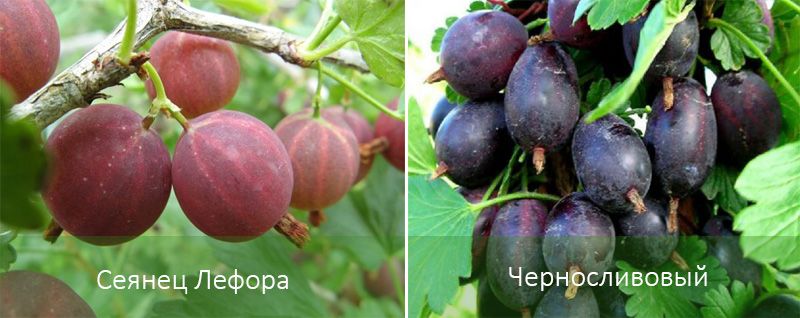
- Lefort seedling;
- Prune.
Although powdery mildew poses a serious threat to gooseberries, it can still be controlled. However, it will take considerable time and effort. Experienced gardeners recommend choosing several control methods rather than just one for greater effectiveness. If one method fails, don't give up. Simply replace it with another.
If the plant does die, its remains should be dug up to the roots and destroyed. The soil in the area where the gooseberry grew should be disinfected. Failure to do so could result in subsequent crops becoming infected.