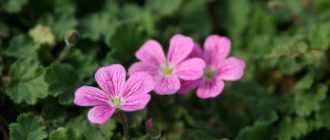
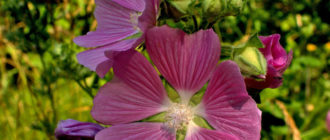
Saponaria (soapwort) is a perennial plant belonging to the Caryophyllaceae family. It is native to southern Europe and Central Asia.
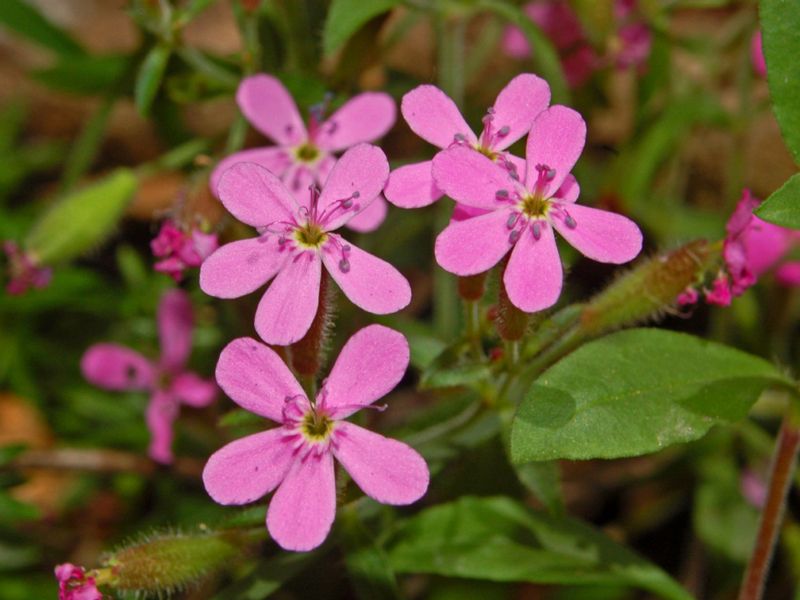
Description of soapwort
In the wild, it reaches 1 m. The trunk is erect but heavily branched. It is smooth, occasionally slightly pubescent. The leaves are oblong, with pointed tips.
The buds are joined into corollas of five petals. The color ranges from soft pink to purple.
Types and varieties of soapwort
The following varieties of Saponaria are suitable for indoor cultivation:
| View | Description | Varieties | Peculiarities |
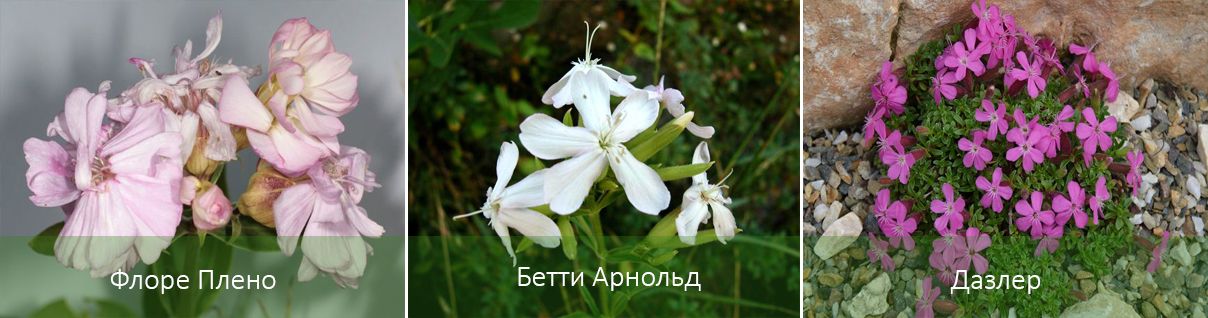
| Medicinal (Common) | Reaches 90 cm. The stems are numerous and densely foliated. The leaves are oblong-oval. The buds come in all shades from white to red. It has a pleasant aroma. | Flore Pleno | Terry, color - creamy pink. |
| Betty Arnold | Snow-white buds, elongated peduncles. Double type. | ||
| Variegata | The foliage has patterned green designs. | ||
| Dazzler | Variegated foliage, pink buds. | ||
| Rubra, Alba and Rosea Plena | An ornamental plant with dense inflorescences. Color ranges from white to purple. | ||
| Basilifolia | Grows up to 20 cm. The shoots are elongated and soft, spreading along the ground and forming a green cushion. The foliage is elongated and rich green. The flowers are pinkish-red. | Rubra Compacta | Rich pink flowers densely cover the shoots. |
| Luxury | Delicate pink buds. Blooms profusely. | ||
| Snowy peak | The foliage is rich green. The buds are snow-white. |
The following species are also popular for ornamental cultivation:
| View | Description | Flowers |
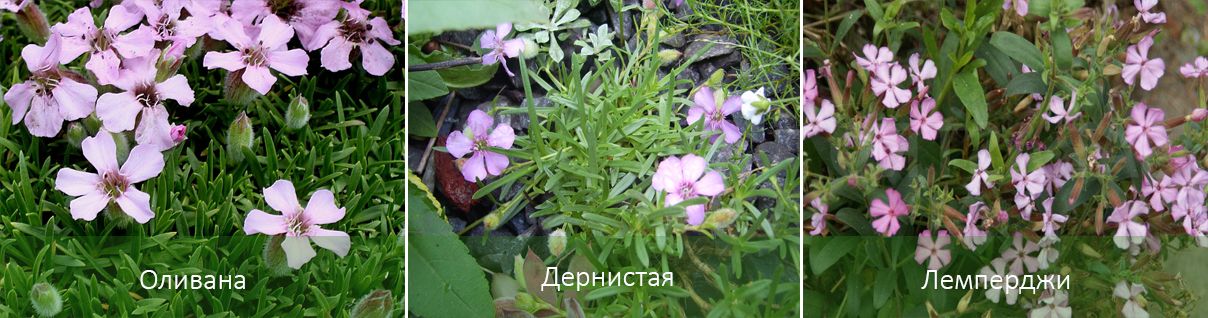
| Olivana | A hybrid dwarf species that grows up to 10 cm. | Large, they grow from a cup-shaped structure resembling a goblet. They are pink or purple in color. |
| Soddy | Perennial, 7 to 15 cm in height. The foliage is smooth, slightly elongated. | Oval petals of soft pink color. |
| Lempergie | A hybrid growing up to 40 cm. The trunk is straight and highly branched. The foliage is tapered at the edges and elongated. | Light pink or bright lilac. |
| Bressingham | A creeping species, used for rockeries and alpine slides. | Large, light crimson. |
Methods of planting soapwort
Growing saponaria from seeds is very popular. They are planted directly in open ground, usually in May or October. Before planting, the soil is carefully dug, the seeds are distributed, and they are carefully raked into the soil. Next, the planting material is covered with plastic film, which will reduce germination time. When planting in the fall, the beds are mulched with dry leaves to prevent the seeds from freezing.
However, to ensure the flower grows strong and healthy, it is recommended to plant the seedlings in soil. To do this, pour the prepared soil mixture into prepared containers in March, scatter the seeds throughout, and lightly cover with soil. Afterwards, mist the soil with a spray bottle, being extremely careful not to wash away the planting material. Cover the containers with plastic wrap and maintain a temperature of 20°C with diffused light. Remove the plastic wrap daily for 10-15 minutes to allow the seedlings to air out.
The first shoots appear in 2-3 weeks. After two true leaves have formed, the soapwort is transplanted into a separate pot.
Caring for Saponaria
Saponaria requires moderate watering, as it doesn't tolerate stagnant water well. Overwatering causes root rot.
After adding moisture, the soil around the soapwort is carefully loosened. This ensures oxygenation of the root system. All weeds are removed. To reduce the frequency of weeding, stones are placed near the soapwort.
Once flowering has finished, remove all dried parts of the soapwort and shorten the shoots by a third. Fertilize once in April with a mineral fertilizer containing a high percentage of phosphorus.
Flowering, shaping and pruning
Saponaria can bloom throughout almost the entire summer season. To form beautiful new shrubs and stimulate flowering, faded shoots are removed in September, and the remaining shoots are cut back after the onset of frost.
Wintering
Saponaria's winter hardiness depends on the variety, but possible damage can be prevented by covering the plant during cold weather. Fallen leaves or spruce branches can be used for this purpose.
Pests and diseases
Saponaria is highly resistant to insect attacks and diseases. The only pest that causes problems is the cutworm. The pest lays eggs on the trunk and seeds. To eliminate the pests, they are collected by hand from the saponaria.
The only known disease is a fungus that causes leaf spot. Overwatering, however, can lead to root rot. In both cases, the affected areas are removed and the plant is repotted.
Medicinal properties of soapwort
Soapwort roots contain triterpene saponins, which provide soapmaking properties. However, when prepared as a decoction, it's an excellent remedy for eczema, dermatitis, and liver disease.
It is used as an expectorant for bronchitis and coughs. It has laxative and diuretic properties.