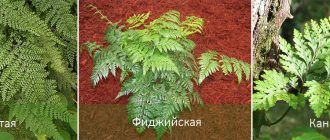
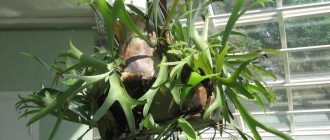
Nephrolepis belongs to the fern family Lomariopsis. Its name is derived from the Greek words "nephros," meaning bud, and "lepis," meaning scale. This name refers to the spore-covering veil. Nephrolepis is native to tropical forests.
Description
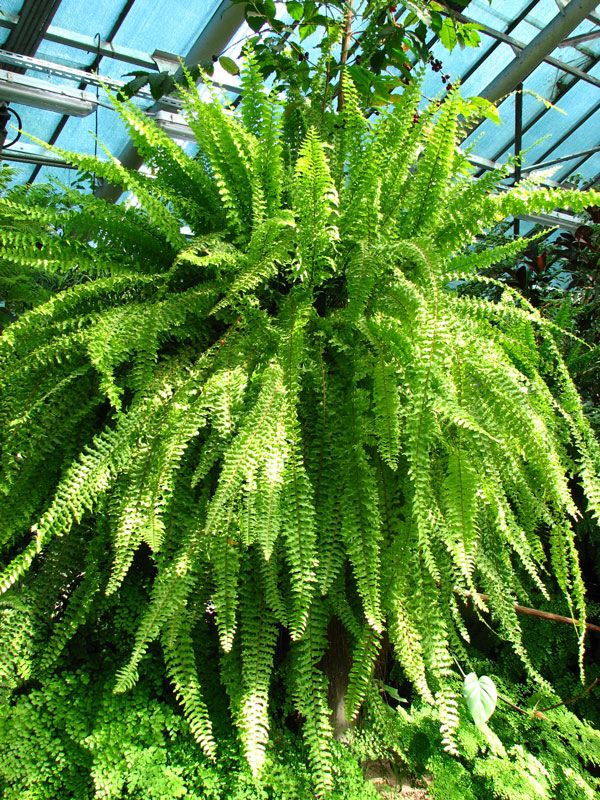
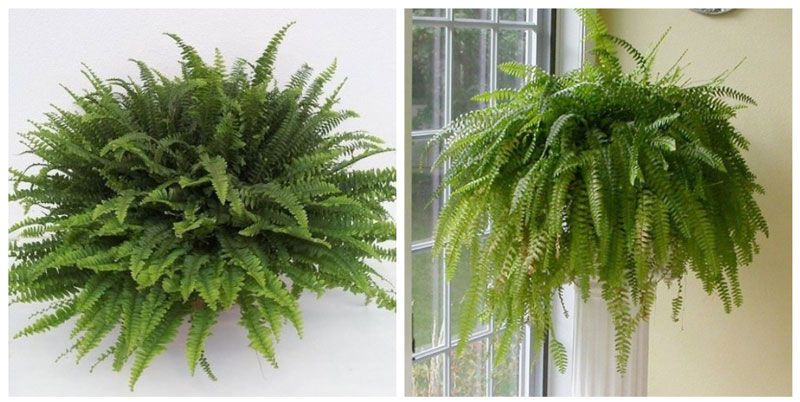
Nephrolepis is an epiphyte or terrestrial fern with leaves up to three meters tall. The plant's stem is shortened, with horizontal lateral shoots forming on it, producing daughter rosettes. The wavy green leaves grow for several years, resulting in their large size. They have a pinnately compound shape.
The spores are located at the ends of the veins. They are rounded or elongated along the edges, small, and have a distinct feathery surface. The veil is attached at the base and is roundish or oblong in shape.
Reproduction in the wild occurs through spores: within a year of its life, Nephrolepis is capable of producing up to a hundred new specimens.
Species for breeding at home
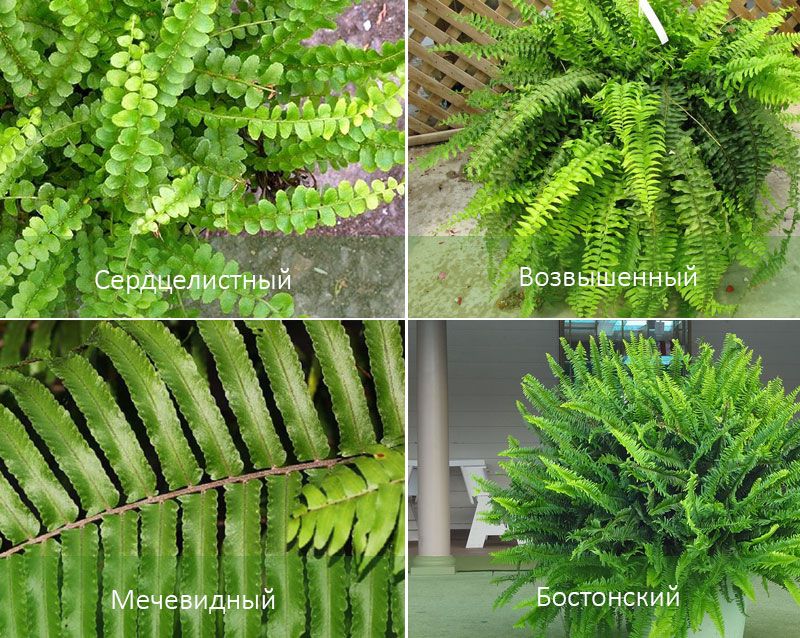
Two varieties are grown indoors: cordate-leaved and elevated. The following cultivars are popular with gardeners:
| View | Features and description |
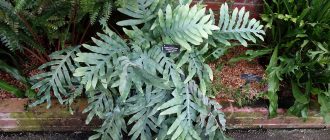
| Exalted |
|
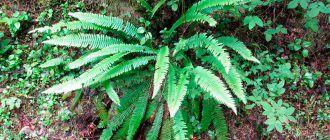
| Boston |
|
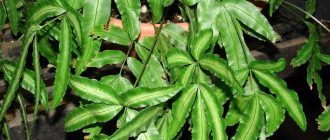
| Heart-leaved |
|
| Xiphoid |
|
| Lady Green |
|
There are also other varieties of curly Nephrolepis: Bisserata Furkan, Blekhnum, Duffy, Hang, Emina and others.
Indoor care conditions
In order for a flower to take root, certain rules and requirements must be observed when growing it:
| Parameter | Spring/summer | Autumn/Winter |
| Location/lighting | Doesn't tolerate direct sunlight well. Diffuse light is recommended. Placement on a west- or east-facing windowsill in partial shade is recommended. | Additional lighting is necessary. Daylight hours should be extended to six to seven hours. Improve the lighting in the room with lamps. |
| Temperature | From +20 to +24°C. | From +16 to +18°C. |
| Humidity | At least 60%. Misting is done daily. To create the necessary humidity, the pot is placed on a tray with damp moss and expanded clay gravel. | |
| Watering | It is carried out when it dries out. | This should be done with caution, two to three days after the top layer of soil has dried. |
| Top dressing | Feed weekly with ornamental flower fertilizer. Reduce the dosage indicated on the package by half, or 3/4. | Avoid fertilizing during the cold season. Fertilizer can kill the plant. |
Choosing a pot, soil, replanting
The fern's root system grows close to the soil surface. Therefore, the pot should be shallow but wide. It can be either hanging or in-ground.
It's best to buy a plastic container: it's draft-proof and retains moisture well. Drainage holes are essential.
Prefers airy, low-acid soil. Ready-mixed soil is available in stores. You can also prepare the soil yourself: mix surface peat, coniferous soil, and greenhouse soil in equal amounts. Add five grams of bone meal per kilogram of the mixture. It's recommended to disinfect both garden and store-bought soil to prevent pests and diseases.
The transplant is carried out as follows:
- Lay out a drainage layer (one-quarter of the container) made of foam plastic or expanded clay.
- Sprinkle some soil on top.
- Remove the bush from the container.
- Carefully shake off the soil from the rhizome to avoid damaging it. Replace the soil completely.
- Place the nephrolepis plant in a pot so that the neck is level with the soil. Do not cover the area where new shoots emerge.
- Cover the root system with soil, but do not compact the soil too much.
- Watering should be done.
For two weeks after repotting, the soil should be kept constantly moist. The shoots should be sprayed with warm, soft water.
Reproduction
It propagates in two ways: by dividing the mother plant and by daughter rosettes and shoots. Caring for young nephrolepsis at home is the same as for mature specimens.
The easiest way to propagate a fern is by cuttings:
- Another container with pre-prepared soil is placed next to the mother bush;
- the top of the shoot is sprinkled with soil in a new flowerpot;
- waiting time: the shoot should produce 3-4 fronds;
- then it separates from the mother bush.
Reproduction by division:
- buds in the form of small branches are separated from the root;
- The resulting material is planted in a new pot.
Root parts with fronds are used. Young nephrolepsis should not be replanted this way.
Errors and their correction
Table of frequently made errors in content and ways to eliminate them:
| Problem | Possible reasons | How to fix |
| The greenery turns yellow and dries out |
|
|
| The shoots wither and die. |
|
|
| The flower fades and stops growing. | Lack of nutrients. | Fertilize more often. |
| Over time, the leaves turn yellow. | This is a normal phenomenon. | Remove dried leaves. |
Diseases and pests
To reduce the risk of disease in nephrolepsis, the room it's in should be regularly ventilated. Maintaining the proper humidity is crucial (the bush can be misted for this).
It is necessary to drain excess water from the tray and wash the fern under the shower.
The plant is affected by the following diseases and insects:
| Diseases and pests | Symptoms | How to get rid of |
| Gray mold | The appearance of a gray fluffy coating on greenery and cuttings. | Treat with Trichovit and Alirin-B. |
| Spider mite | The greenery dries out. White plaques appear on the leaves, and in severe cases, a web-like texture appears. | Use a soapy solution. For severe infestations, treat with Actellic, Confidor, or Aktara. |
| Whitefly | The greenery dries out and yellow spots appear on it. | Wipe the fern with a 1:1 alcohol solution. Then treat with store-bought poison. |
| Hairy louse | The leaves appear damaged. They have a white coating and are turning yellow. The worms are visible to the naked eye. | Wash with soapy water. Disinfect with disinfectants. |
Top.tomathouse.com informs: Nephrolepis – protection from electromagnetic radiation
The decorative appearance of the bush can be used not only to show off to guests.
There's a belief that Nephrolepis has a positive effect on a person's energy, maintaining a calm atmosphere in the home. If placed on the north side of a room, it will bring success in one's career.
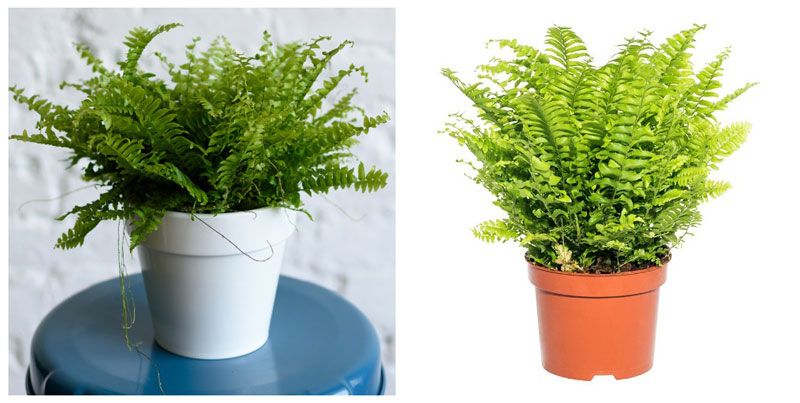
The plant purifies the air in the room, which has a positive effect on health. If the pot is placed near a computer or television, the fern will absorb electromagnetic radiation, protecting everyone in the family.