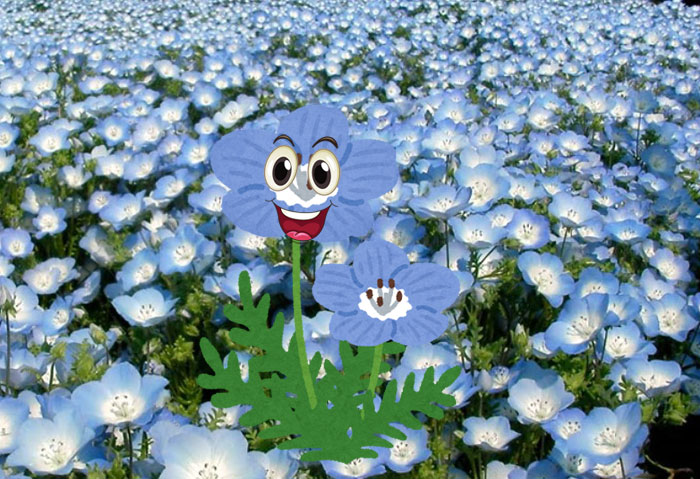
Abroad, the nemophila is called "Maiden's Blue Eyes" for the unusually delicate blue hue of its petals. This flower is common in North America, especially in California. In our country, the nemophila is called the American forget-me-not and is grown as an ornamental annual, as its unique characteristics make it unable to survive the harsh Russian winters.
Content
Description of Nemophila
An annual plant with stems up to 20 cm tall, the shoots are typically ascending and creeping. Another name for this flower is American forget-me-not. It belongs to the Aquifolium family.
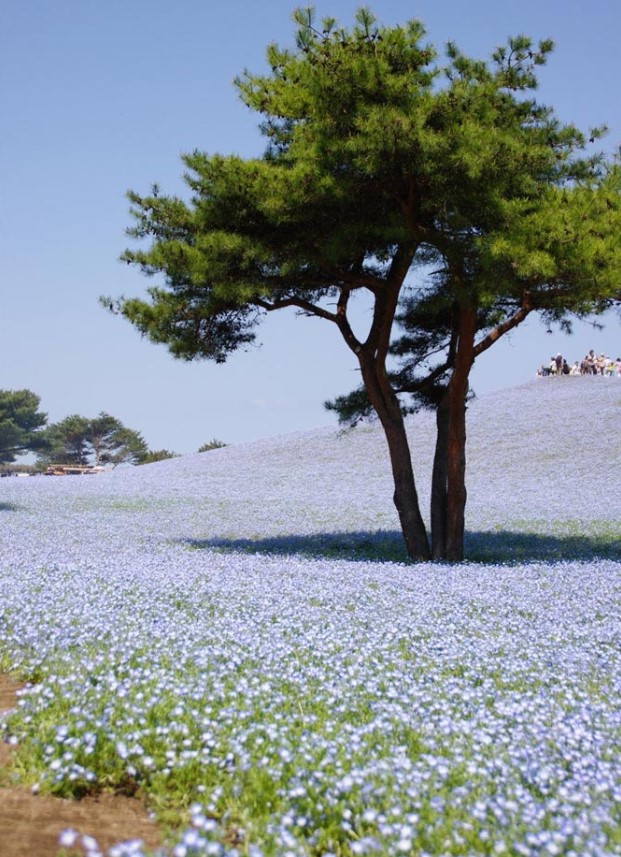
It has the following features:
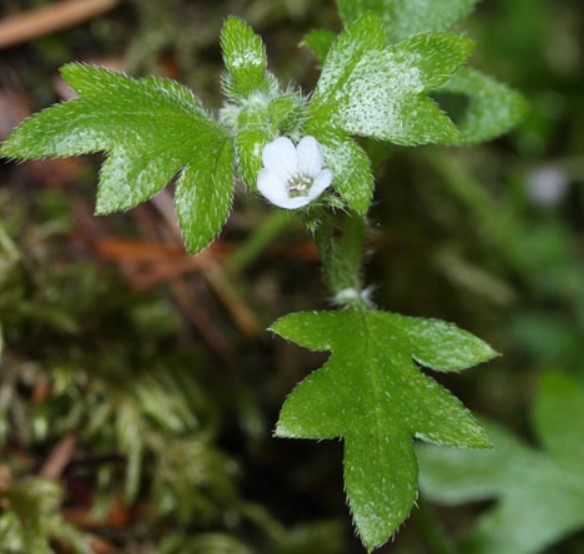
- Nemophila has opposite emerald green leaves covered with sparse pubescence.
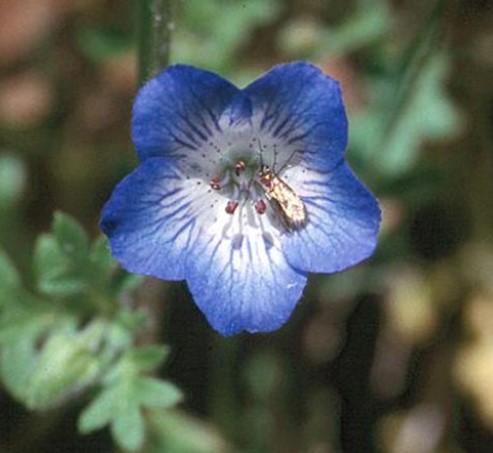
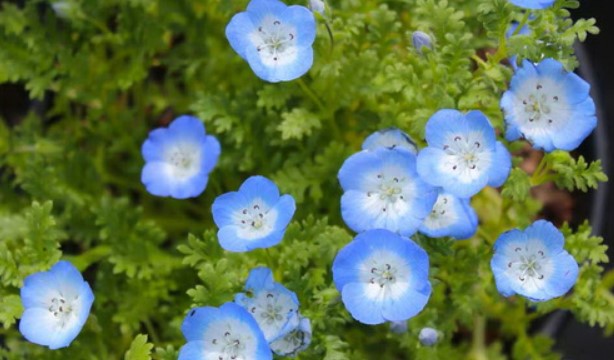
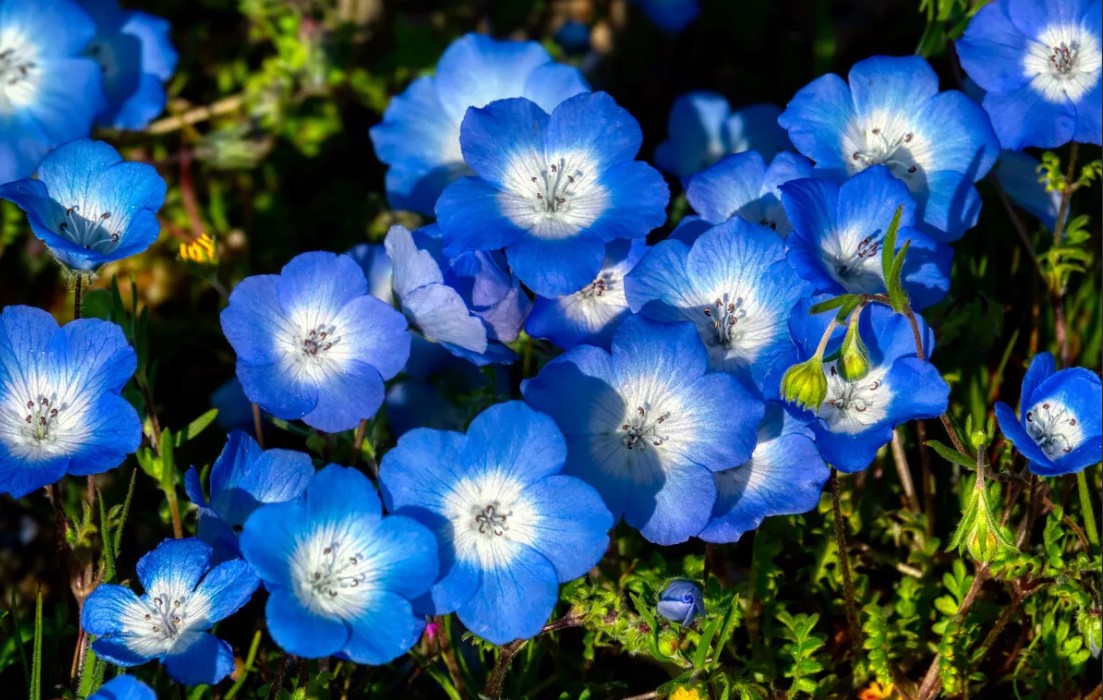
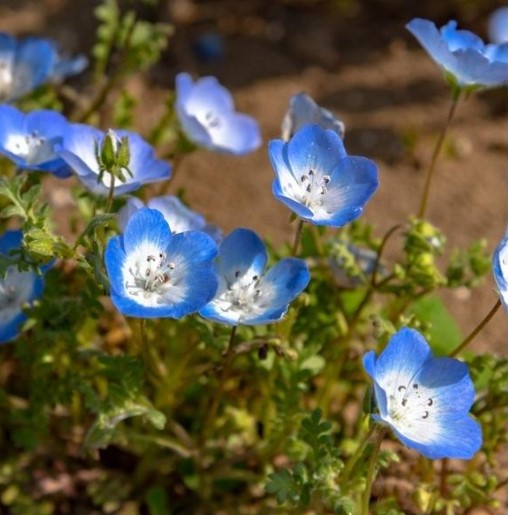
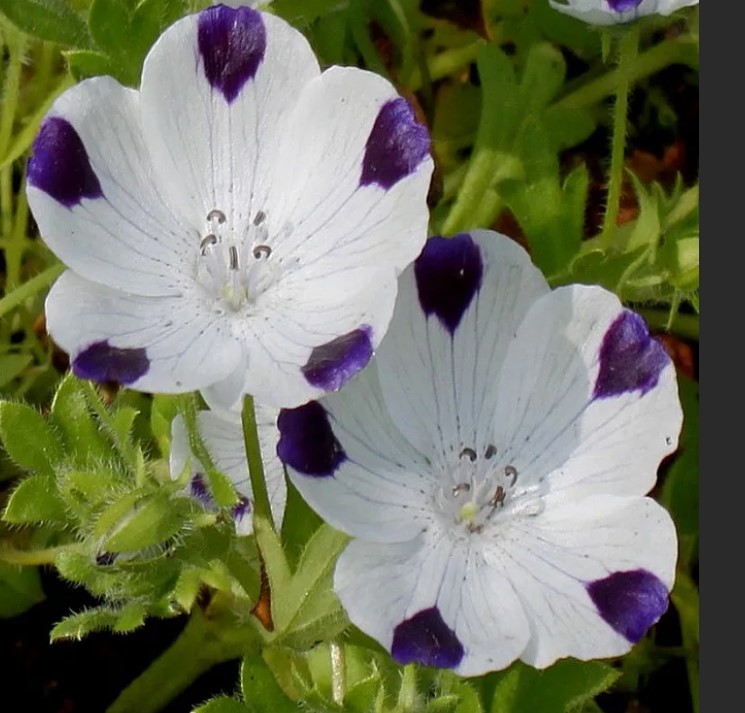
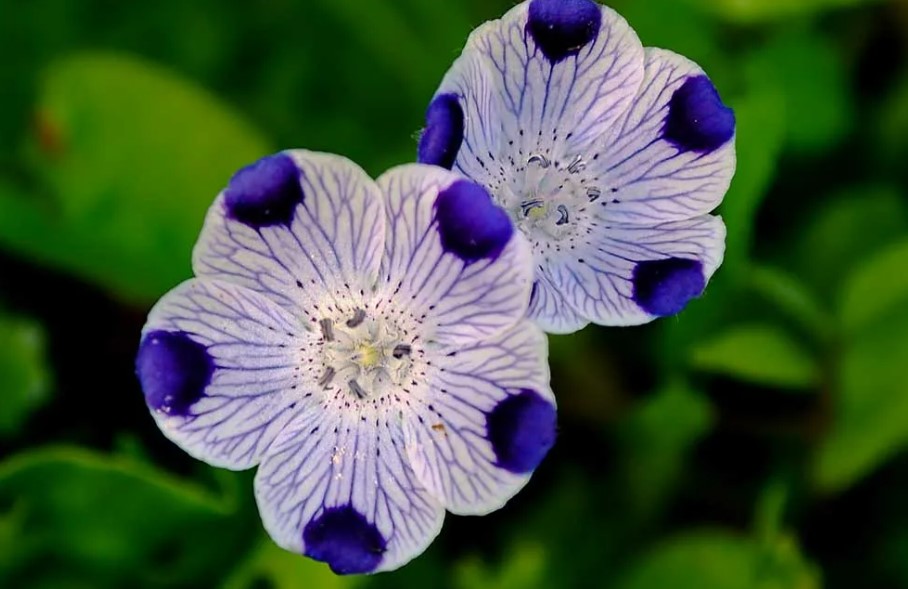
- The flowers are approximately 5 cm in diameter and have 5 equal sized petals that can be white, blue, purple, blue or even spotted, depending on the variety.
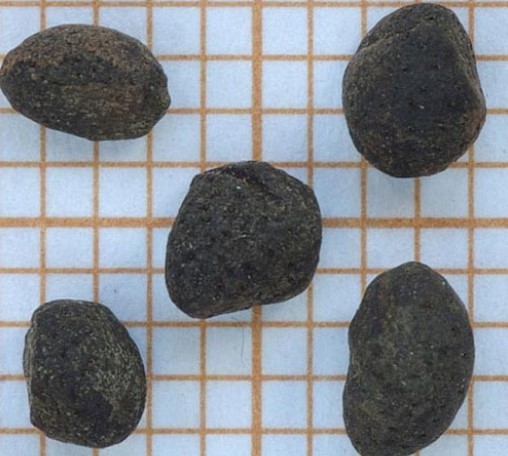
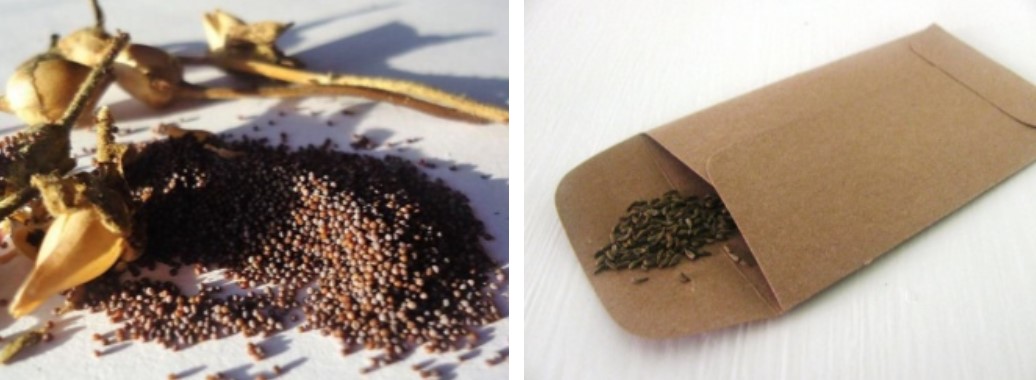
- The seed capsule contains up to 20 dark-colored, irregularly shaped seeds.
Types and 10 varieties of nemophila with photos and descriptions in tables
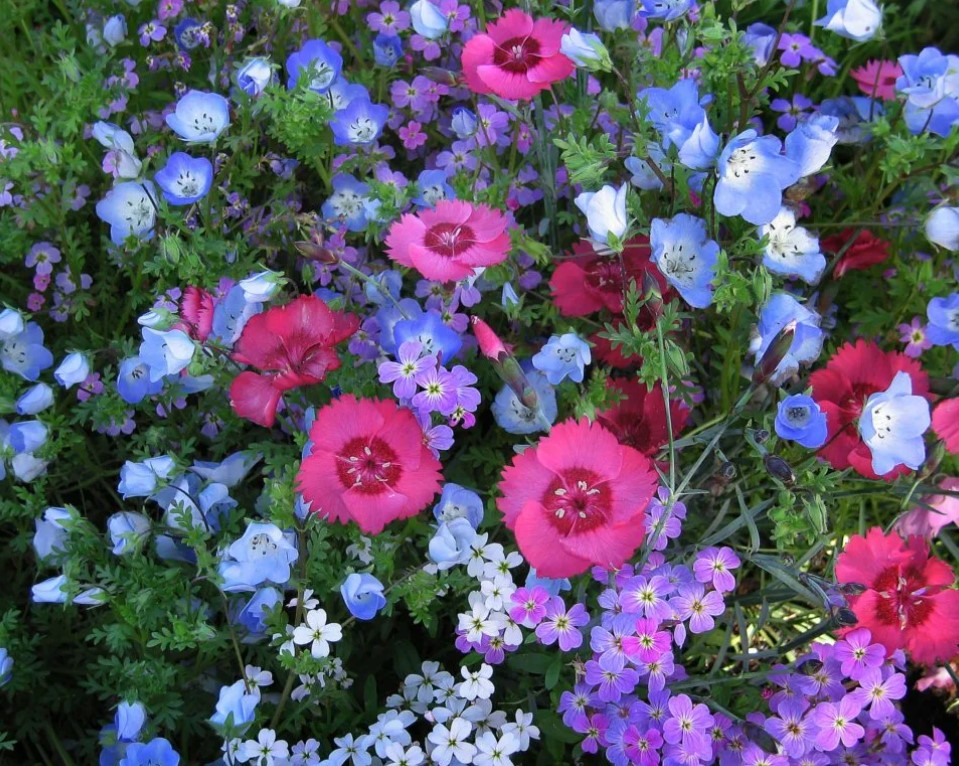
There are approximately 13 species of Nemophila in nature. However, only three are considered the most popular and decorative: Nemophila maculata, Nemophila parviflora, and Nemophila menziesii. Below, we'll examine each in more detail.
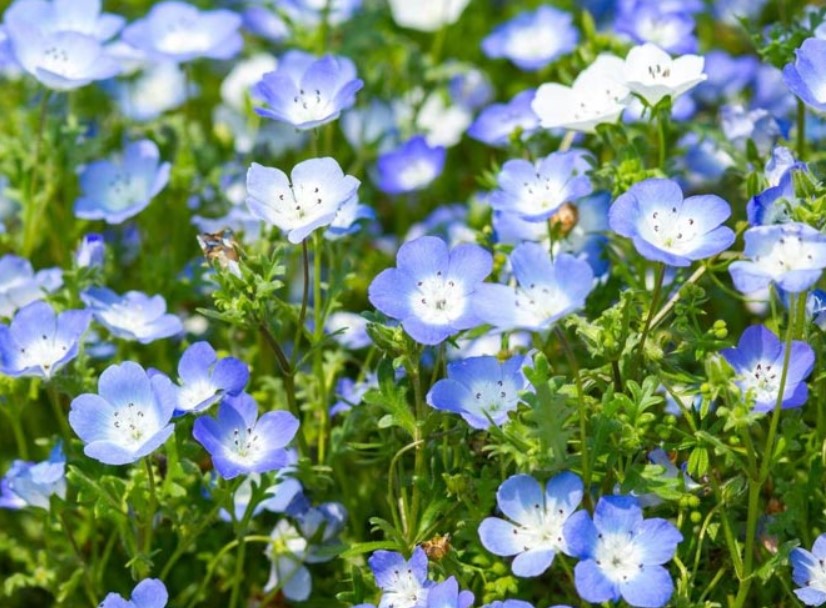
Nemophila menziesii
| Height | Leaves | Flowers | Varieties |
| A groundcover plant with shoots up to 15 cm high, stems are strong and creeping.
|
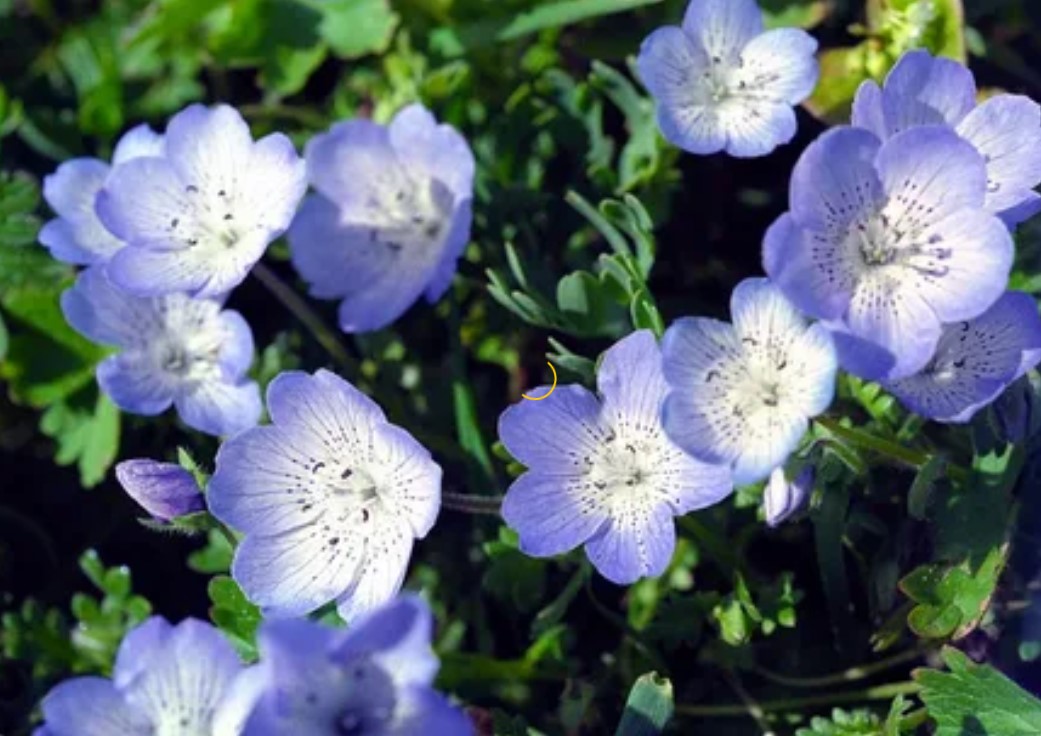
Opposite, 1 to 5 cm long, the leaves have petioles at the base of the plant. The leaf blades have several lobes, covered with pubescence. | The flowers are broadly bell-shaped, up to 5 cm in diameter. The color is blue, the center is white. |
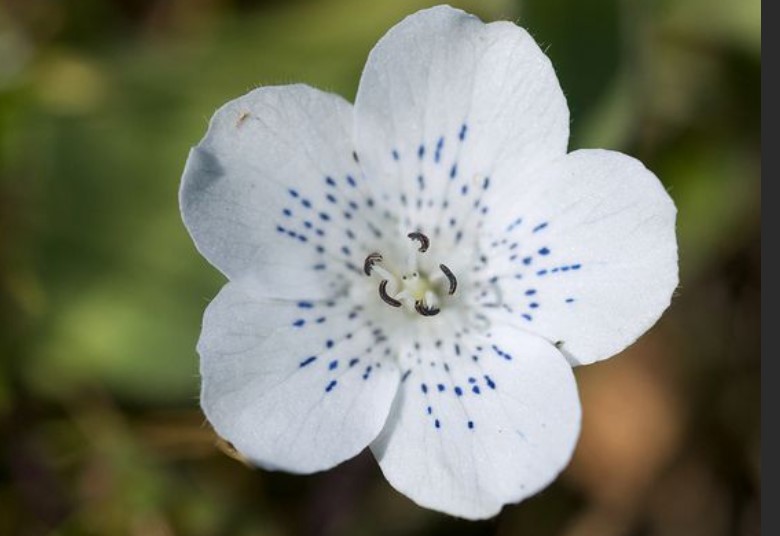
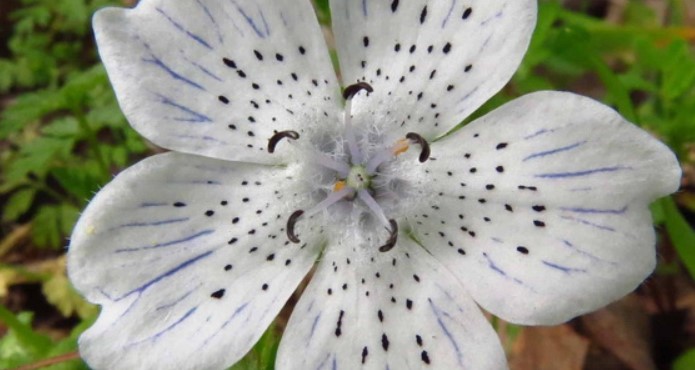
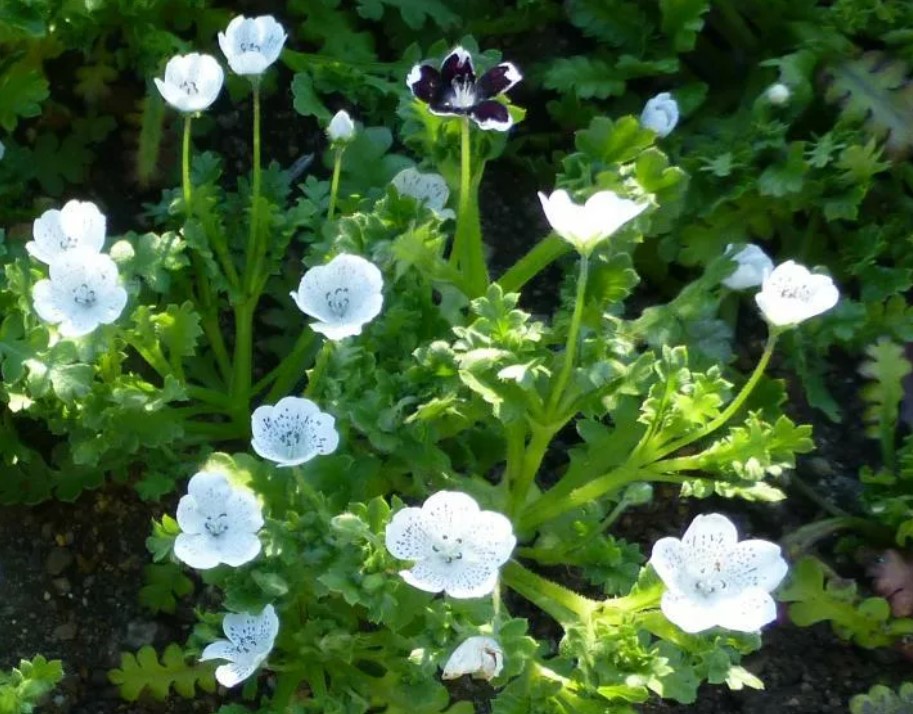
Atomaria – white flowers with black dots.
Interfolia – blue petals with black spots in the center.
Mencessi – blue flowers with a white center.
Coelestis – white petals with a blue border.
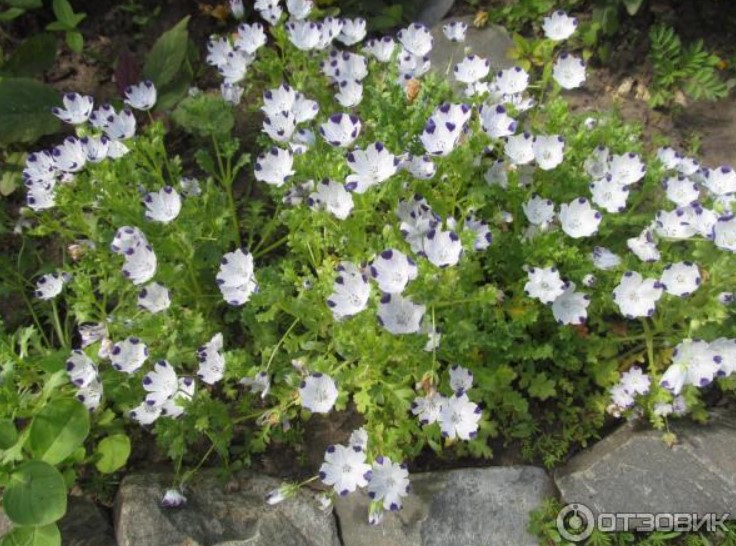
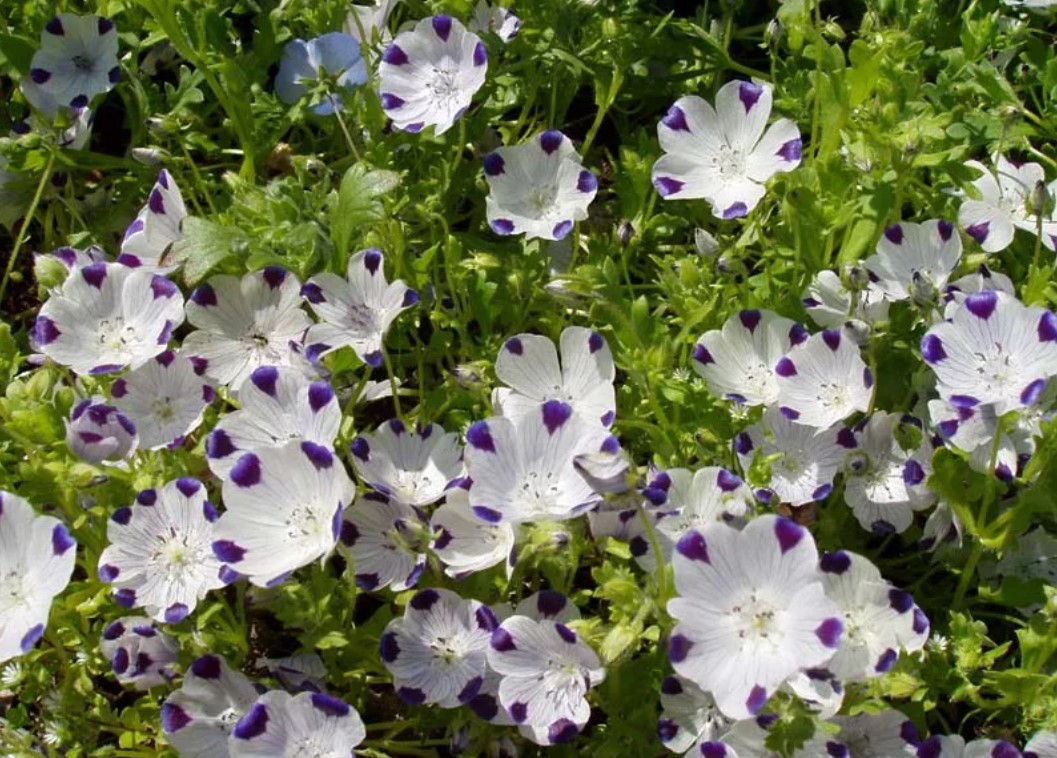
Five Spot – white petals, each with a purple spot.
Snowstorm – white flowers with black speckles around the perimeter.
Blue Berry Ice – blue petals with a blue border.
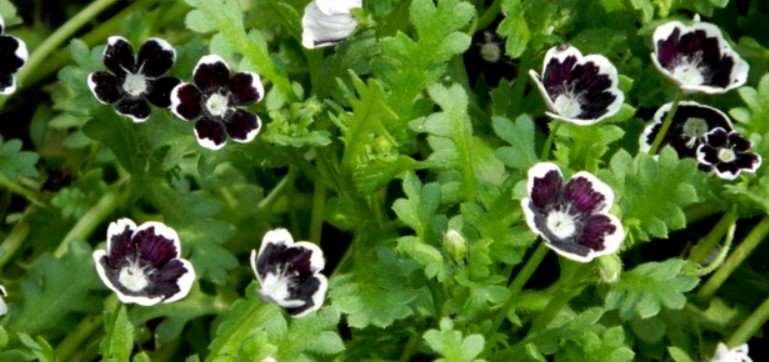
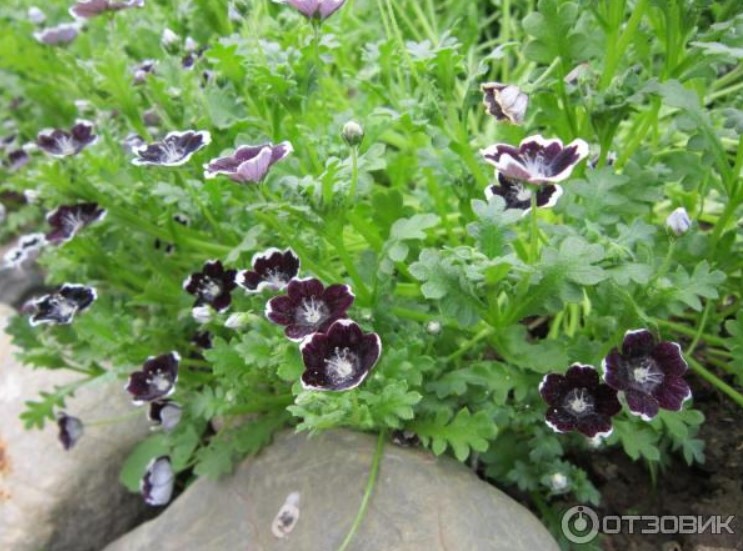
Penny Black – burgundy-black petals with a white border.
|
Spotted Nemophila (Nemophila maculata)
| Height | Leaves | Flowers | Varieties |
| The shoots are branching, fleshy, up to 20 cm long.
|
The leaves are dissected and consist of several lobes of equal size. | The flowers are cup-shaped, the petals are white, their inner surface is strewn with dark strokes and dots. |
Ladybug - white petals with a red or blue spot at the top.
Barbara – white petals with purple veins and purple speckles at the top.
|
Nemophila parviflora
| Height | Leaves | Flowers |
| The stems are creeping, up to 15 cm long. | Entire, with two lateral lobes. Length up to 3.5 cm. | Cup-shaped. Color: white or light lilac. |
Growing Nemophila from Seeds
Growing nemophila from seeds is a surefire way to get flowering plants in your flowerbed this season.
Sowing in open ground
Nemophila can be planted in the ground once the soil warms up to 10 degrees Celsius. Typically, this period in the central part of the country falls in the first half of May. Planting later will delay flowering until late summer, while planting too early can result in frost damage to the seeds.
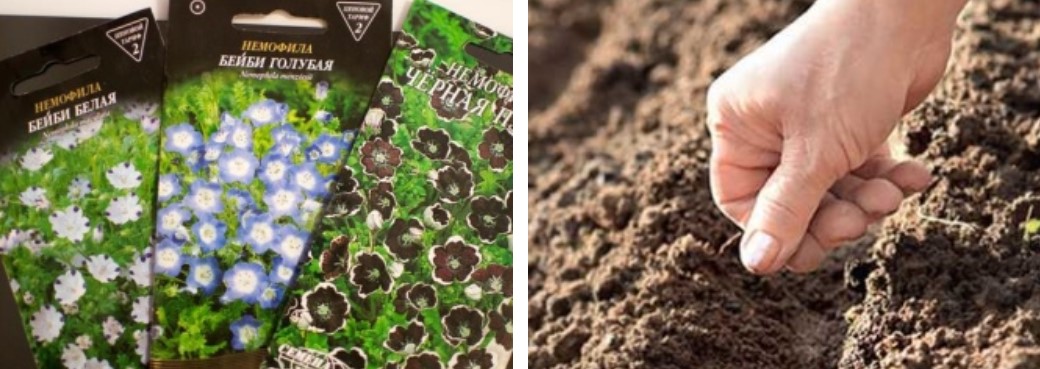
Since nemophila seeds are quite small, they are mixed with sand for ease of handling. The soil in the flowerbed is dug over, adding peat and humus, thoroughly moistened, and furrows up to 0.5 cm deep are made. To avoid confusing cultivated plants with weeds, it's best to plant the flowers along a taut string so they grow in even rows. To avoid crowding, the distance between rows should be at least 20 cm.
After sowing, water the bed thoroughly again using a fine-mesh watering can. Experienced gardeners recommend sowing American forget-me-nots at 20-day intervals to allow for different flowering times.
If necessary, cover the plantings with film at night, even if there is a minimal threat of recurrent frost.
Sowing and caring for seedlings
Sow the seeds in early March. It's best to choose small containers or tubs with drainage holes to prevent water stagnation. The soil mixture should be light and rich in nutrients. You can use equal parts peat, sand, and garden soil, or you can purchase a general-purpose seedling soil.
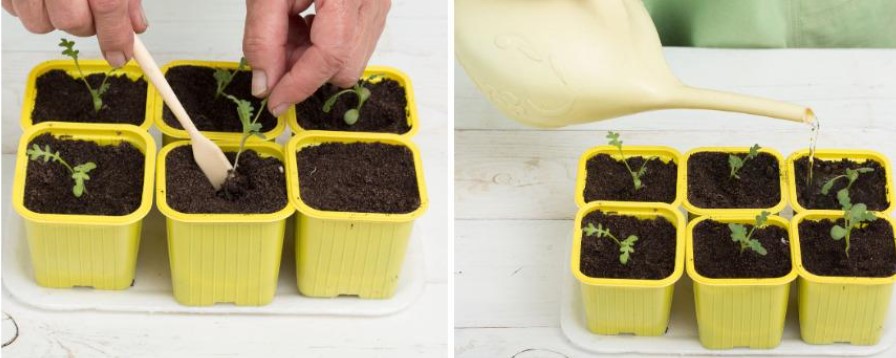
The seeds are lightly buried in the soil and watered using a syringe or spray bottle, and the container is covered with plastic wrap. The mini-greenhouse should be periodically ventilated to prevent condensation from forming inside. It's important to water only after the soil has dried out to prevent the soil from becoming soggy, which could cause the seeds to rot without germinating.
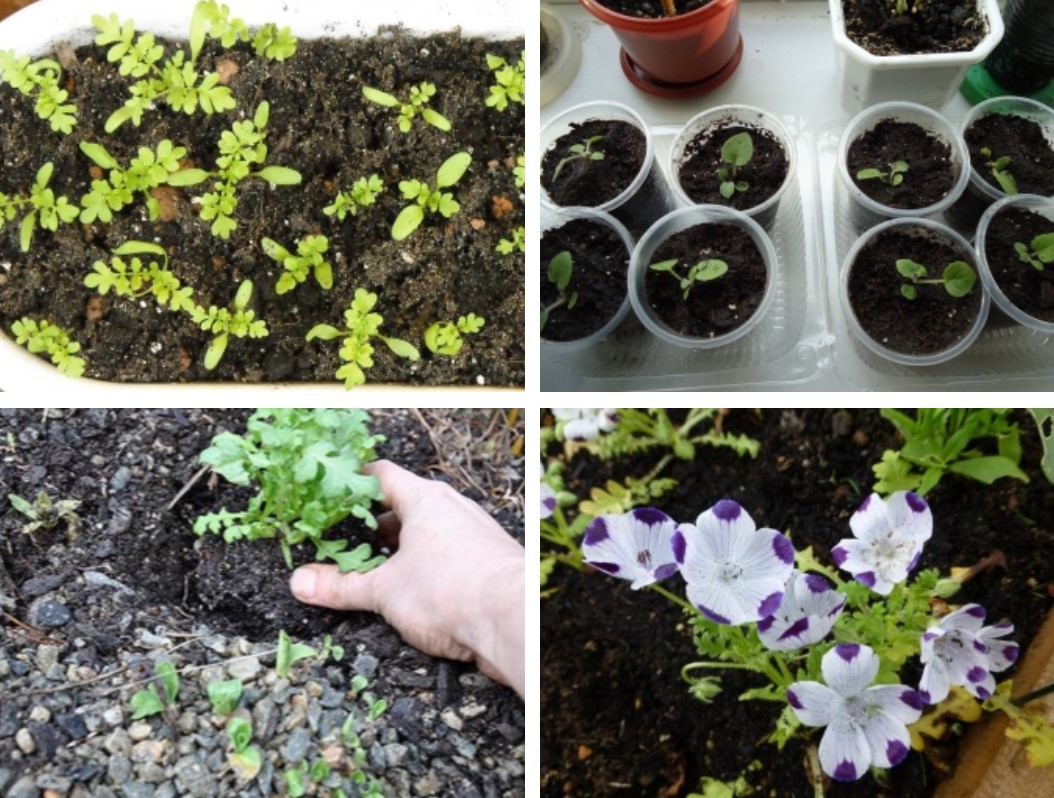
When the first shoots appear on the surface, remove the film and place the seedlings in a well-lit area with a temperature of 20 to 25 degrees Celsius. To prevent the shoots from stretching, it's important to provide additional illumination with a lamp.
14 days before planting, the seedlings begin to harden off and are taken outside, gradually increasing the time spent there.
Planting nemophila
Nemophila is relatively easy to grow and doesn't demand a lot of soil. However, it blooms more profusely in slightly acidic, fertilized soil. It's best to plant it in partial shade, as sun can cause burns, and in shade, the buds will be very small, and the shoots will stretch out and look bare.
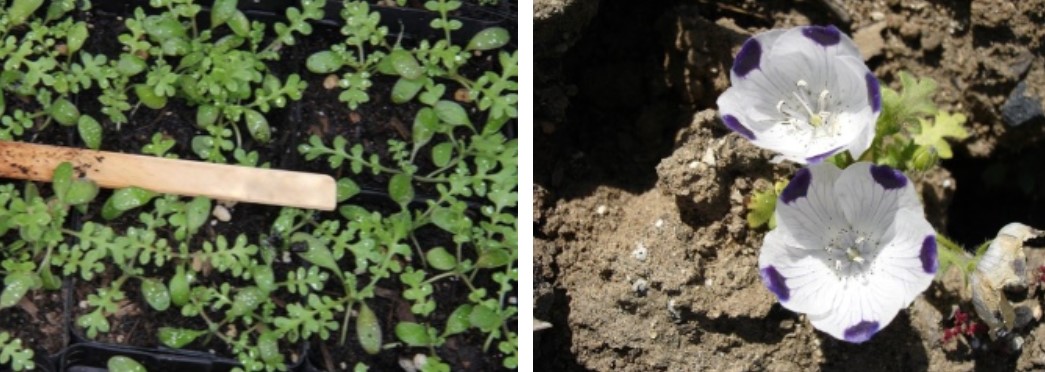
Nemophila is planted in a permanent location when the shoots reach 10 cm in height. This work is carried out in late April to early May; the plant is undemanding in terms of temperature, so recurrent frosts are not a problem.
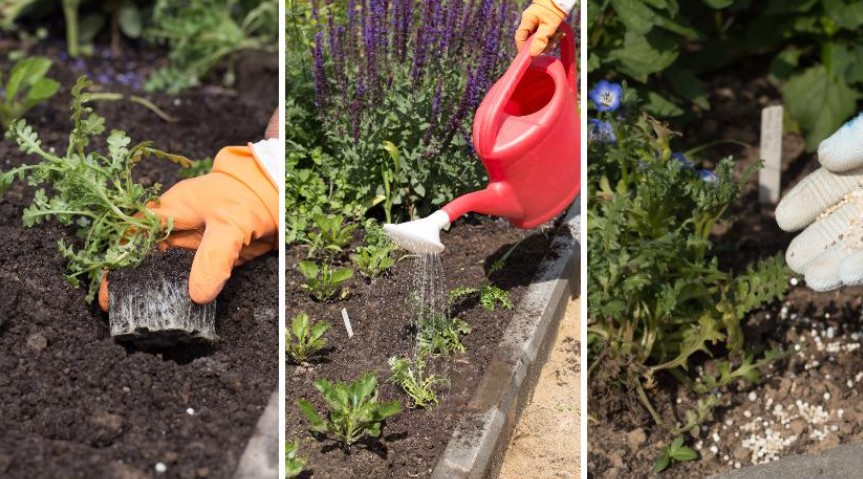
Before planting, dig holes slightly deeper than the root system. Place one flower in each hole, cover with soil to the root collar, and water. It's recommended to leave 20 cm between seedlings to prevent creeping shoots from interfering with each other. This will also help them form a lush carpet.
Caring for Nemophila
Despite the unpretentiousness of nemophila, it is difficult to create a beautiful flower garden without proper care.
Watering
The first step is to establish watering, as the plant does not tolerate drought. It is recommended to water it once every 2-3 days. It is best to do this early in the morning or in the evening to avoid leaf burn. Initially, it is best to use a spray bottle to avoid damaging the shoots. In addition to drought, nemophila also reacts poorly to heat, so after planting, protect the root system with a layer of mulch over the bed.
Top dressing
If the soil is not rich enough in nutrients, it is advisable to feed the flower three times per season:
- 2 weeks after planting.
- During the period of bud formation.
- During flowering.
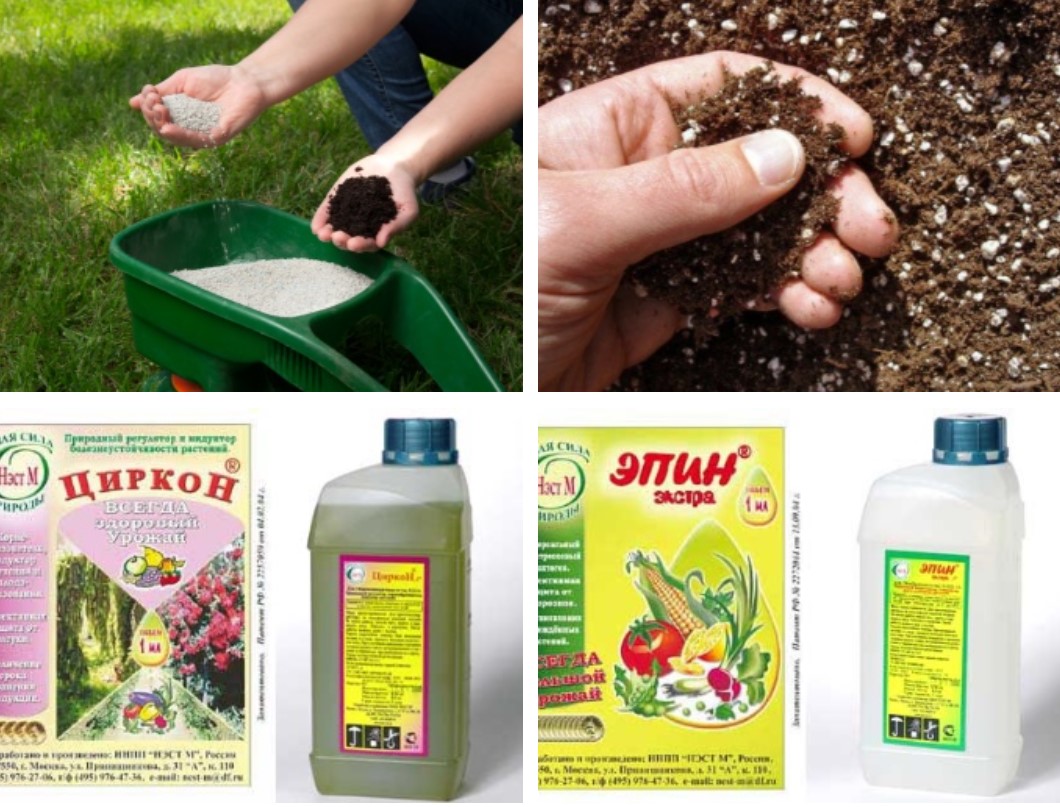
You can use any complex mineral fertilizer for flowering plants, for example, Epin or Zircon.
Trimming
Nemophila pruning is done to prolong flowering. To do this, shoots are shortened by half at the very end of flowering and left in the flowerbed. Furthermore, promptly removing faded buds from the plant can speed up the formation of new flowers.
Seed collection
To collect seeds, wait until the flowering phase is complete, after which seed pods form on the shoots. Allow them to dry slightly in the garden bed, then carefully cut them and place them in a dry, warm room. After a week, open the pods and remove the seeds, which are spread on a sheet of paper to dry. After three days, the seeds can be stored for long-term storage in a canvas or paper bag. It's a good idea to mark the year of collection to ensure the freshness of the planting material. Nemophila remains viable for three years.
Pests and diseases
The American forget-me-not is characterized by a strong immune system and rarely gets sick. The main threat comes from insect pests, which happily feed on the plant's cell sap. The flowers are most often attacked by slugs, aphids, spider mites, and whiteflies.
- Regular watering will help prevent spider mites, as the pest does not tolerate high humidity.
- Aphids and whiteflies can be destroyed using any insecticide suitable for these purposes, such as Iskra, Actellik or Fitoverm.
- Slugs can be caught using special traps; some gardeners scatter ash or crushed eggshells over the surface of the flowerbed.
Nemophila in the landscape
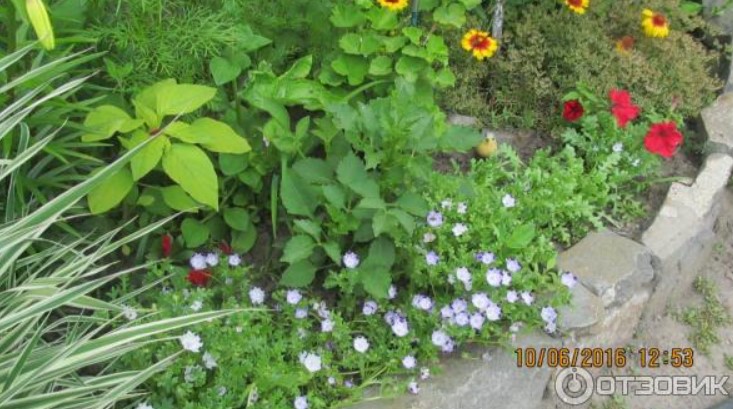
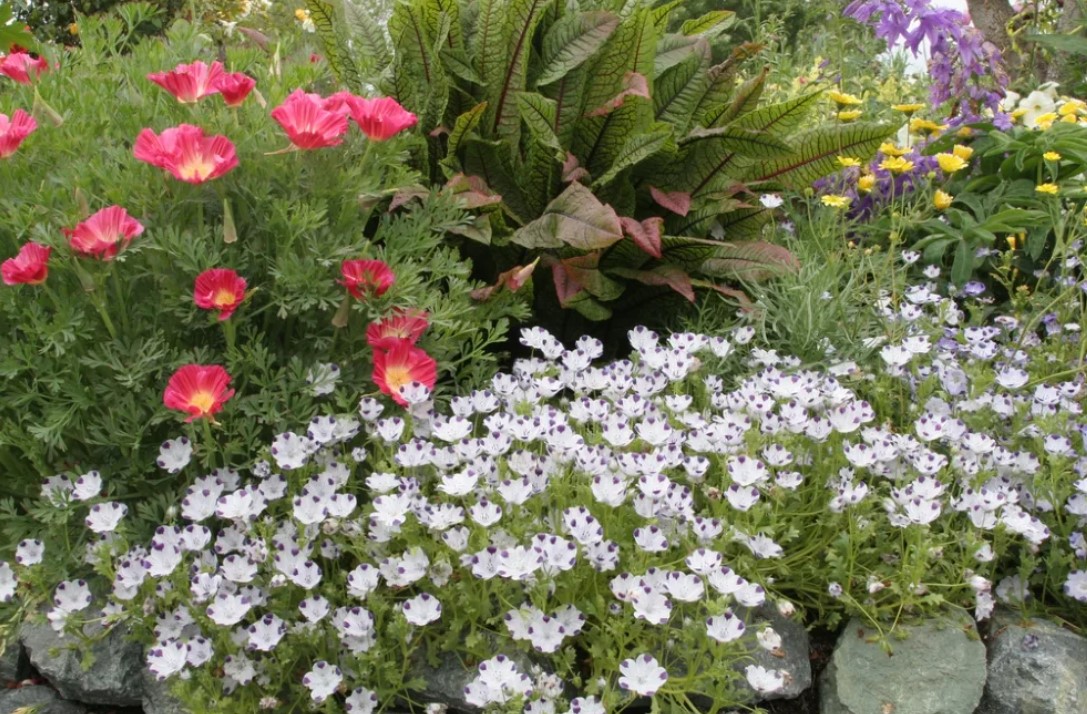
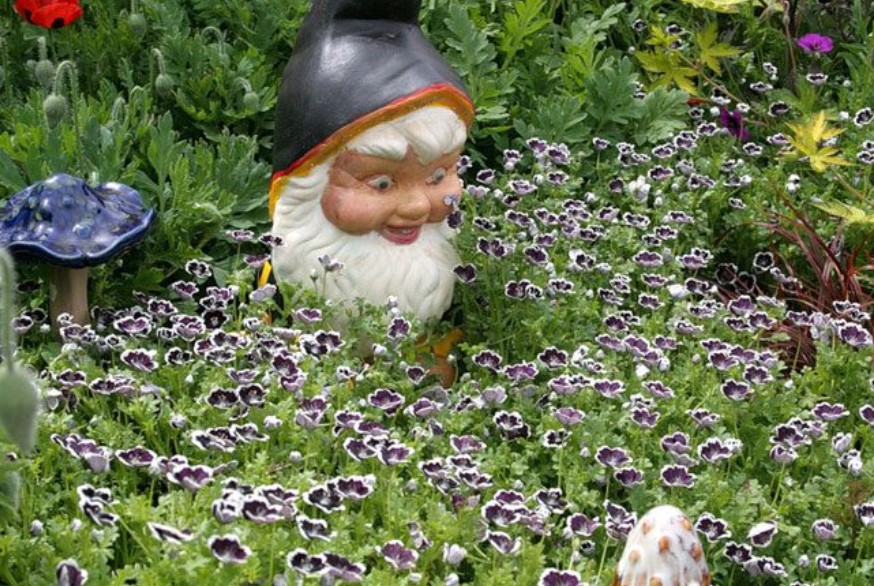
Groundcover nemophila is widely used in landscape design to decorate lawns, borders, and flowerbeds, in combination with other low-growing plants. The plant looks harmonious when combined with petunias, sweet tobacco, and verbena.
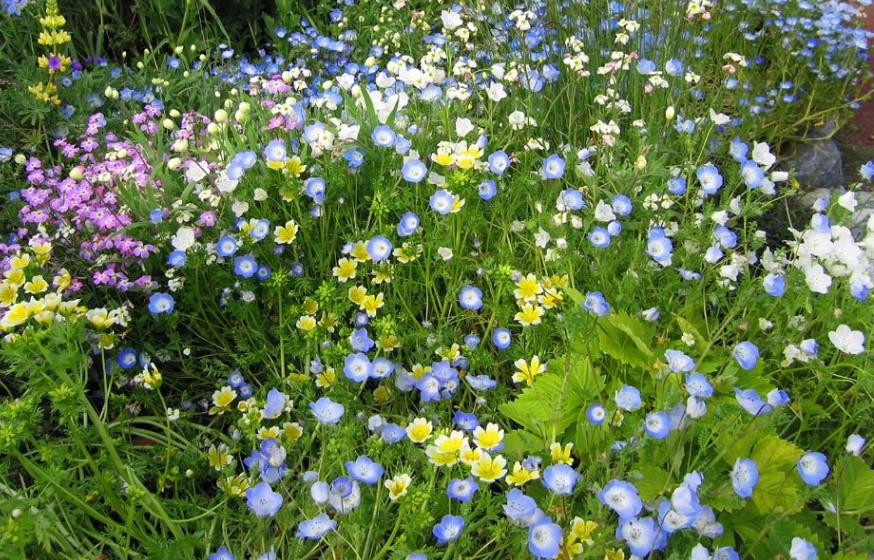
Many gardeners plant nemophila in the company of bulbous plants so that the flowering of one smoothly transitions into the flowering of the other.
Some nemophila varieties look great near bodies of water, creating a colorful carpet along the banks. Lush flower heads will brighten open spaces along paths and trails in gardens, parks, and squares.
Reviews from gardeners about growing nemophila
How beautiful all these flowers are when you buy packets of seeds in the store!
On their packaging, manufacturers don't skimp on high-quality, and sometimes even Photoshopped, photographs of what's supposed to grow in our garden.
I am pleased to share with you my latest garden pet – Nemophila.
What kind of plant is this?
It is an annual groundcover plant with slender, creeping stems. The small stems and lacy leaves are pubescent. It is often called "American forget-me-not" due to its close relationship to that plant. In the wild, it grows in fields and prairies in the southeastern and western United States, Mexico, and western Canada, creating vast carpets of blue blooms in the spring.
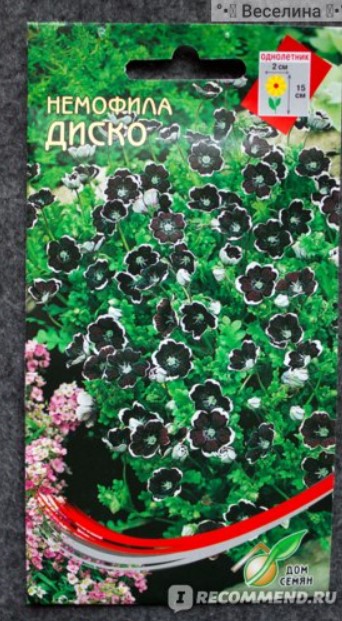
Last spring I chose seeds from the producer "House of Seeds" with the intriguing name "Disco".
For some reason I thought it would look very original in a rose bed.
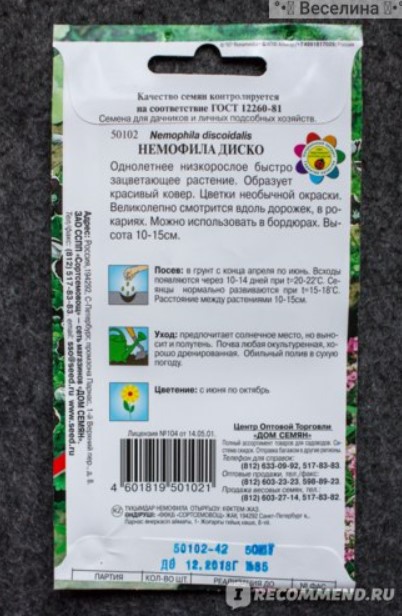
What do they tell us on the back of the package?
In the spring, my little hands always try to plant everything as seedlings, so that upon arrival at the dacha, we can plant already grown flowers and other plants in the flower beds.
This method is not suitable here!
Nemophila does not tolerate transplantation!
You can simply scatter it where you plan to see these flowers.
It is necessary to constantly maintain moisture in this place, because the seeds cannot be planted too deep, and if there is no rain, the sprouted seedlings will simply dry out.
But in St. Petersburg, or more precisely in the Leningrad region, they are not at risk of this.
A couple of weeks later, I discovered identical round leaves in the flowerbed and immediately realized that they were Nemophila.
I weeded out all the unnecessary stuff around.
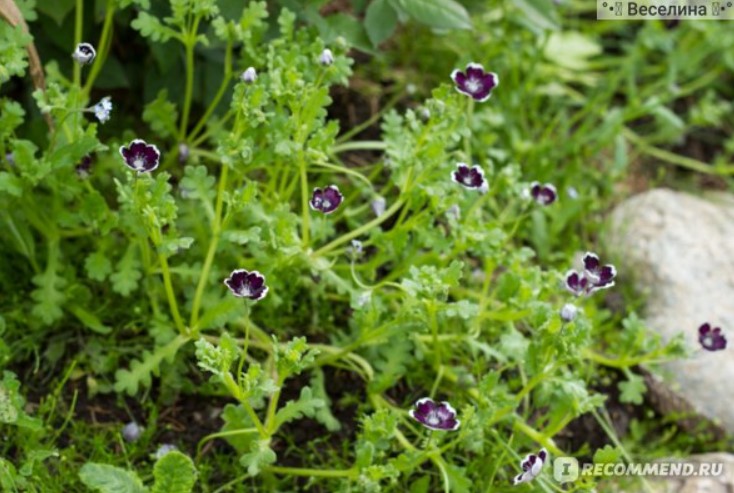
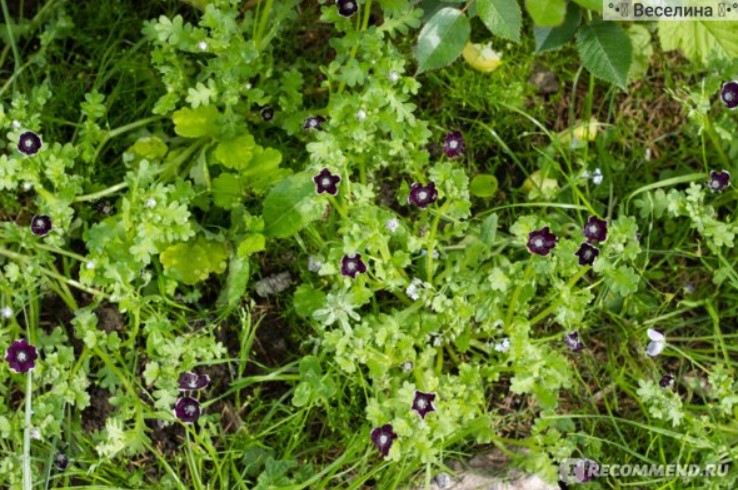
And in July they finally bloomed.
Nemophila is a kind of creeping, flowering moss.
I planted them in a not very suitable place, so only I could see them, because I knew they were there.
You can compare the picture on the packaging and my weak results for yourself.
In any case, I will recommend purchasing them, because it is much nicer to have a garden bed overgrown with such cultivated plants than with weeds.
How can you use Nemophila in the garden?
As I wrote earlier, the color scheme is for tall flowers. Any kind.
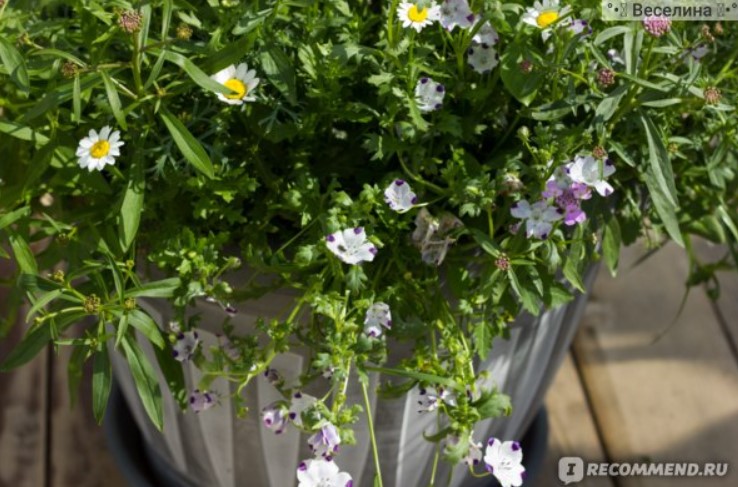
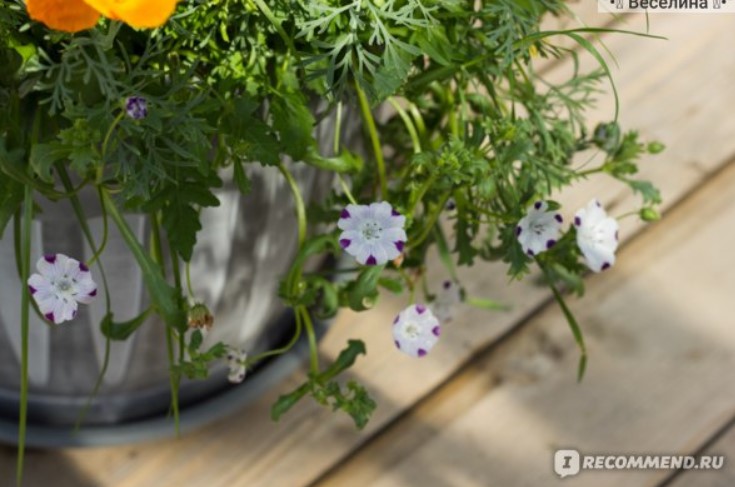
I'll also show you how another variety of nemophila looks in a pot.
I really liked how these vines hung from the planter.
In the fall, I discovered another variety on the internet—I’m looking for it now.
The flowers are bright blue! If I see them in the store, I'll definitely buy them and plant them.
Thanks for stopping by!
Good day, visitors of Otzovik!
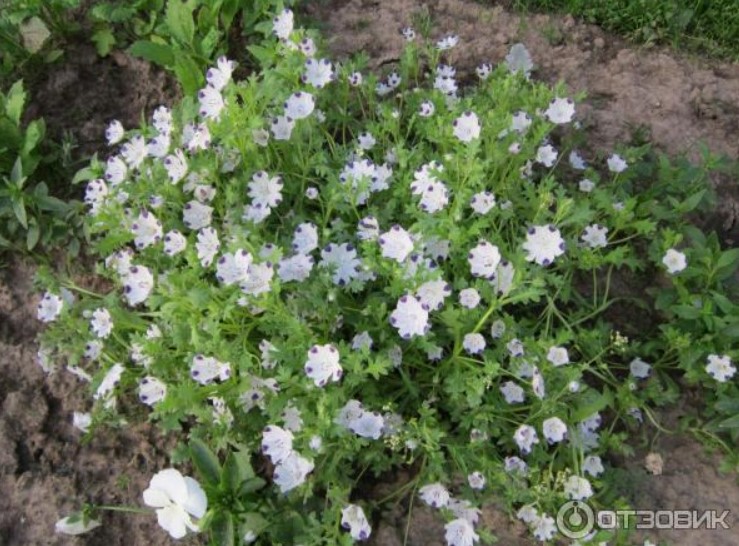
I'd like to tell you about another very interesting and easy-to-care-for flower, the nemophila. It turns out this flower lives up to the slogan of the Russian Garden agrofirm. It says, "Nemophila is a carpet of flowers—no problem." And it's true. I bought some nemophila seeds from this company, the "Ladybug" variety. It's a funny name, but the flower deserves its name for a reason. The white petals look as if they were intentionally dotted with dark dots.
This flower is grown without seedlings by direct sowing in open ground. I usually sow in early May, while the soil is still damp. Nemophila germinates quickly and grows very rapidly. Mine bloomed in mid-June. Clumps of Nemophila flowers look beautiful in rock gardens, near rocks. Another advantage is that faded flowers are completely invisible, so there's no need to pluck them. During flowering, the bushes look very neat. But there's a catch! Just as Nemophila blooms quickly, it also fades quickly. Therefore, I realized that it shouldn't be planted in the center of a flowerbed, but somewhere along the edge, so that after flowering, when the bushes have faded, the empty space doesn't spoil the flowerbed. Also, don't be surprised if you find new Nemophila bushes in the spring. These are flowers that have grown from self-seeding.
I also tried planting another variety, "Pastushka" from the Poisk agrofirm. It also has a very cheerful coloring. Its dark purple flowers have a white border.
If you have plenty of space, nemophila can be planted as a cover flower. I think it would look great in tree trunk circles.
Try it, plant it and admire it.
Good day to all, friends!
I've written about how much I grow flowers many times before. But last season I planted a nemophila flower for the first time.
This annual plant is classified as a groundcover; its stems trail along the ground and it grows no taller than 30 centimeters.I have it growing along the border.
It bloomed at the end of May. Its flowers are beautiful and unusual—white with purple speckles:
I sowed the plants directly into the ground in early spring. Nemophila blooms for about a month. Sometimes it blooms again in the fall, but then I'd have to plant it a second time around July, which I didn't do.
After flowering, the plant wasn't particularly decorative; I had to simply remove all the bushes. Nemophila is said to self-seed well; if so, it should sprout on its own in the spring.
Loves fertile soil and a sunny location - then the flowering is more lush and abundant.
Although this flower doesn't require much attention, it does need to be watered regularly. Our summers are dry and hot, and if you don't water it for a day or two, the leaves will immediately turn yellow and wilt.
I can say that the flower is beautiful (though, for me, there are no ugly flowers!), but in the conditions of our summer, when it rains very rarely and is constantly hot, it will not survive without watering.
I would recommend planting it to those who have enough time to care for their flower garden.
Grow flowers and admire their beauty!