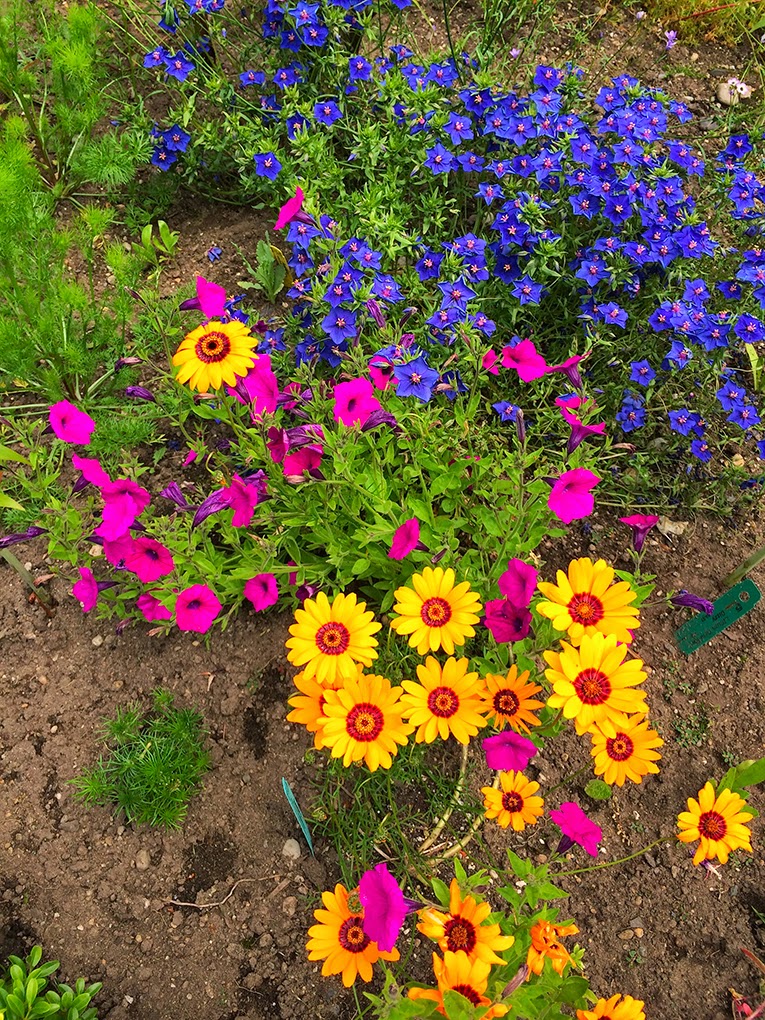
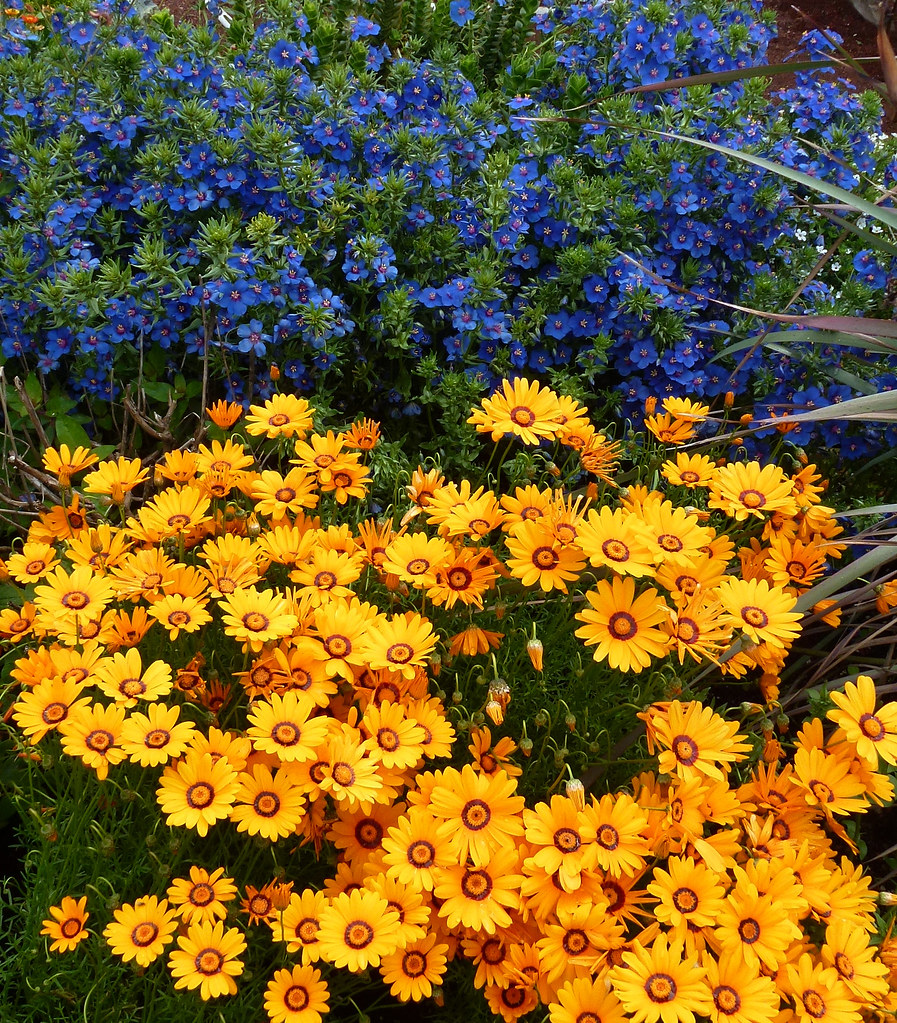
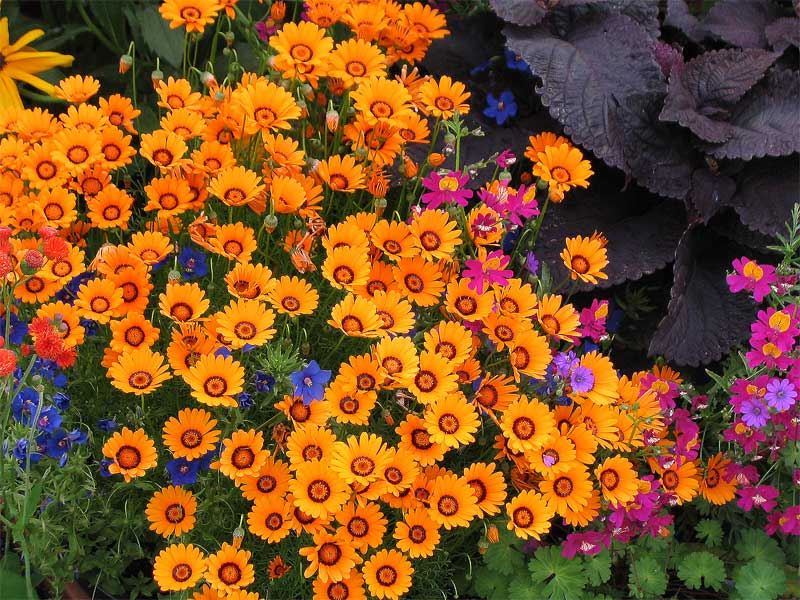
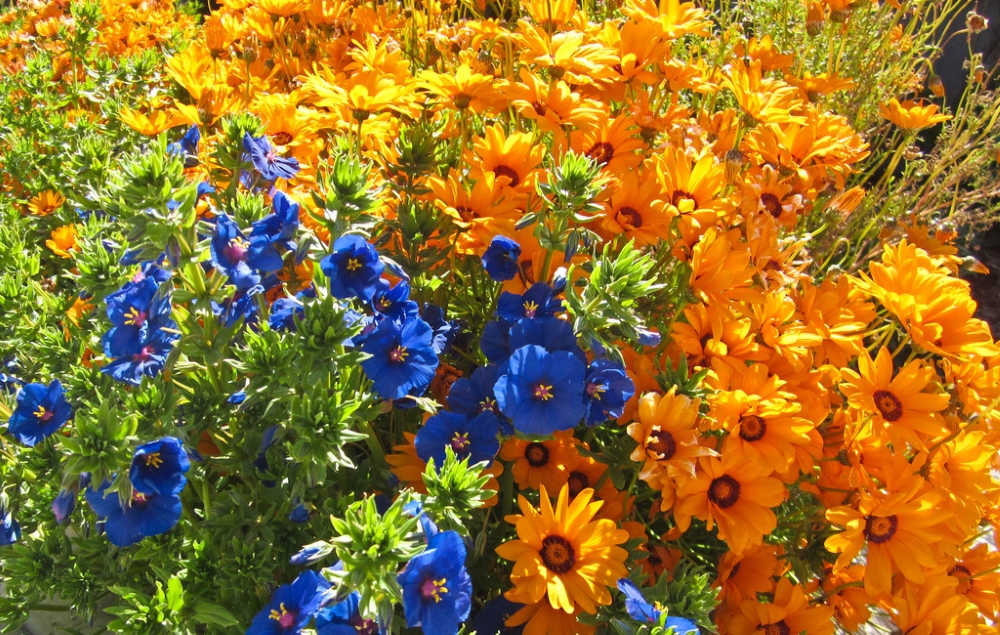
Ursinia is a plant from the Asteraceae family, which can be grown as an annual or perennial. It's ideal for planting in the garden or indoors.
Brief characteristics of Ursinia in the table
Content
| Characteristics of Ursinia | Description |
|---|---|
| Spreading | It grows primarily in Ethiopia and South Africa. In these regions, it is found in a variety of vegetation types, such as meadows, forest edges, and shrublands. |
| Appearance | Visually resembles a daisy, but is larger in size. Bushes can reach a height of 60-70 centimeters. Stems can be bare or hairy, often branching. Leaves are narrow, pinnately dissected, with serrated edges. |
| Flowers and inflorescences | Flowers come in a variety of colors: green, glaucous-green, yellow, orange, white, or brownish-red. They can be tubular or ligulate, with elongated and pointed petals. They are often gathered in inflorescences resembling baskets. |
| Fruit | Small, dry capsules containing a single seed. They typically have 5 to 10 ridges and are surrounded by long hairs at the base. The fruits are an important element in the plant's dispersal. |
| Features of the aroma | Ursinia's leaves and shoots are covered in glands that emit a pleasant aroma. This scent attracts insects and makes the plant attractive to gardeners and nature lovers. |
Ursinia photo gallery
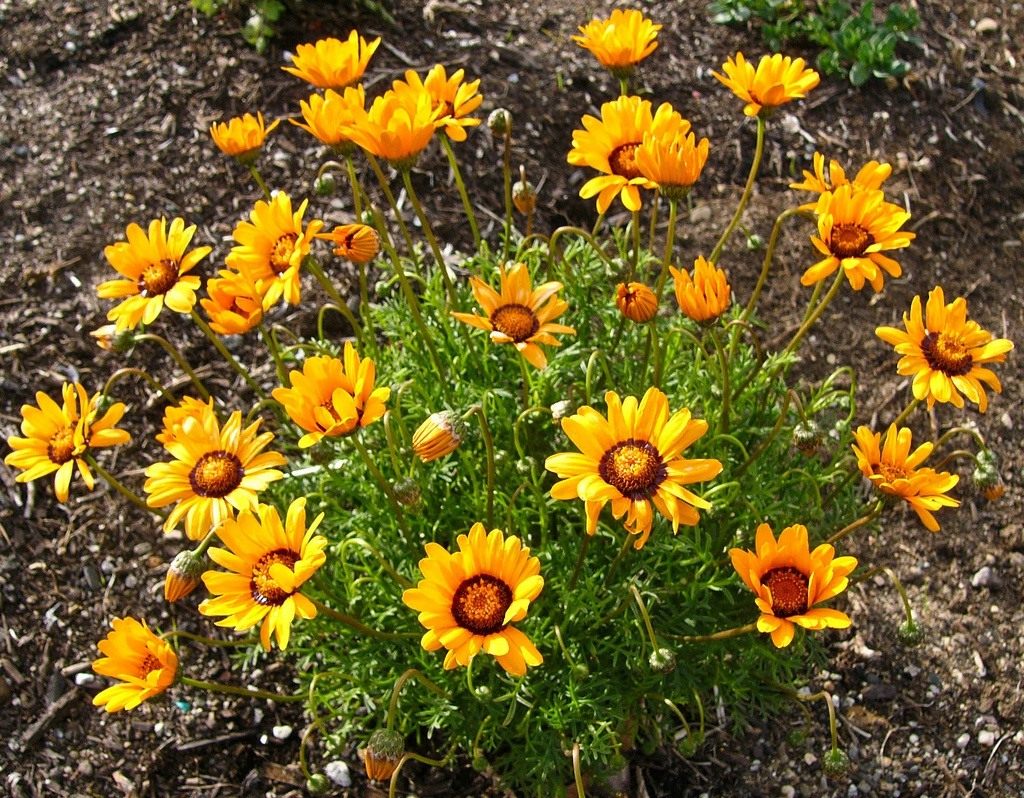
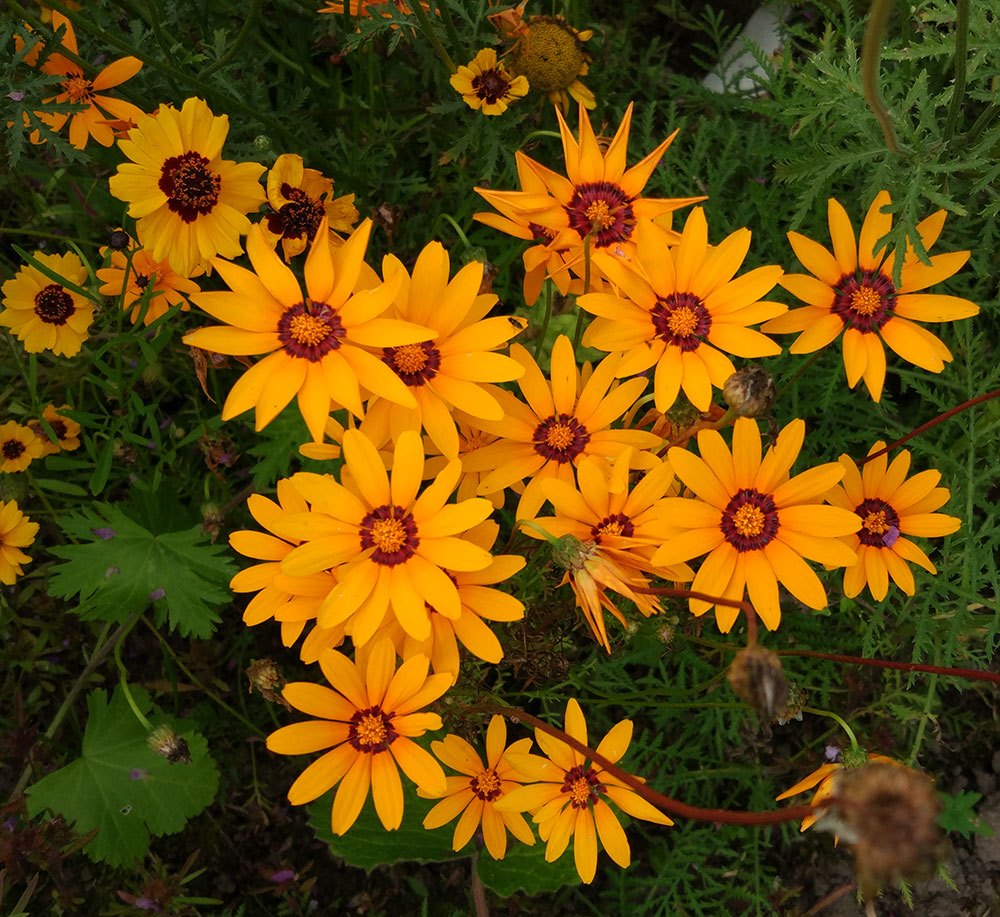
Detailed description of Ursinia
Ursinia grows mainly in Ethiopia and South Africa.
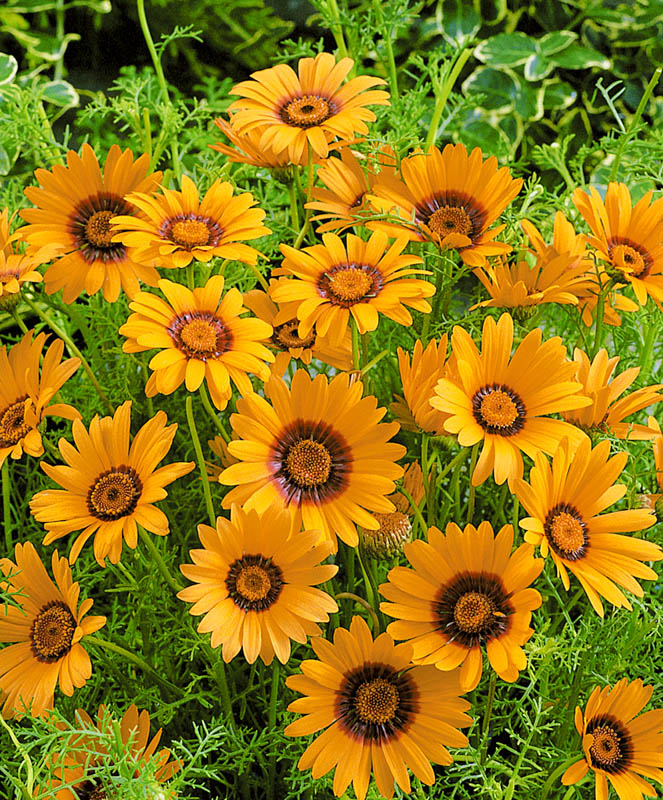
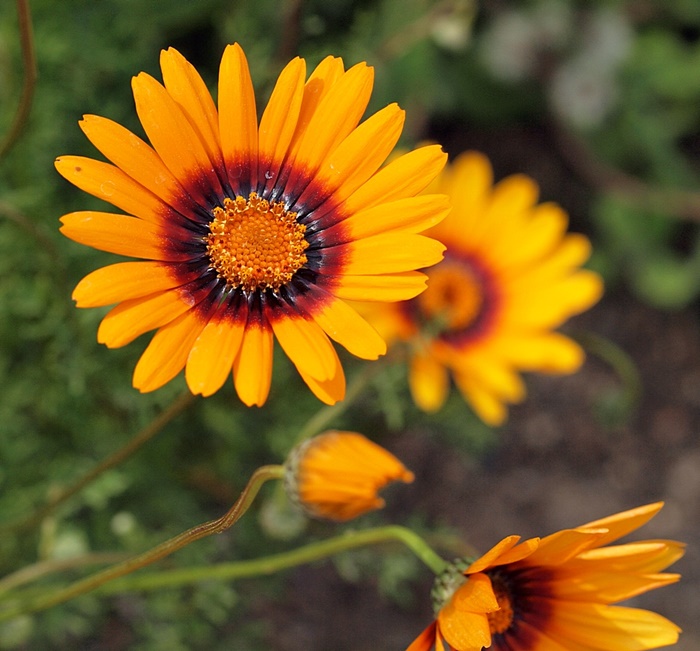
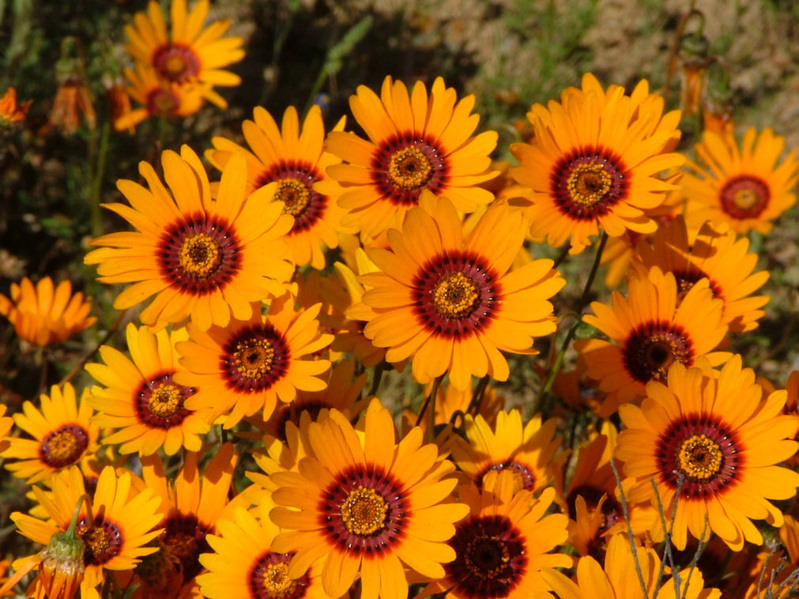
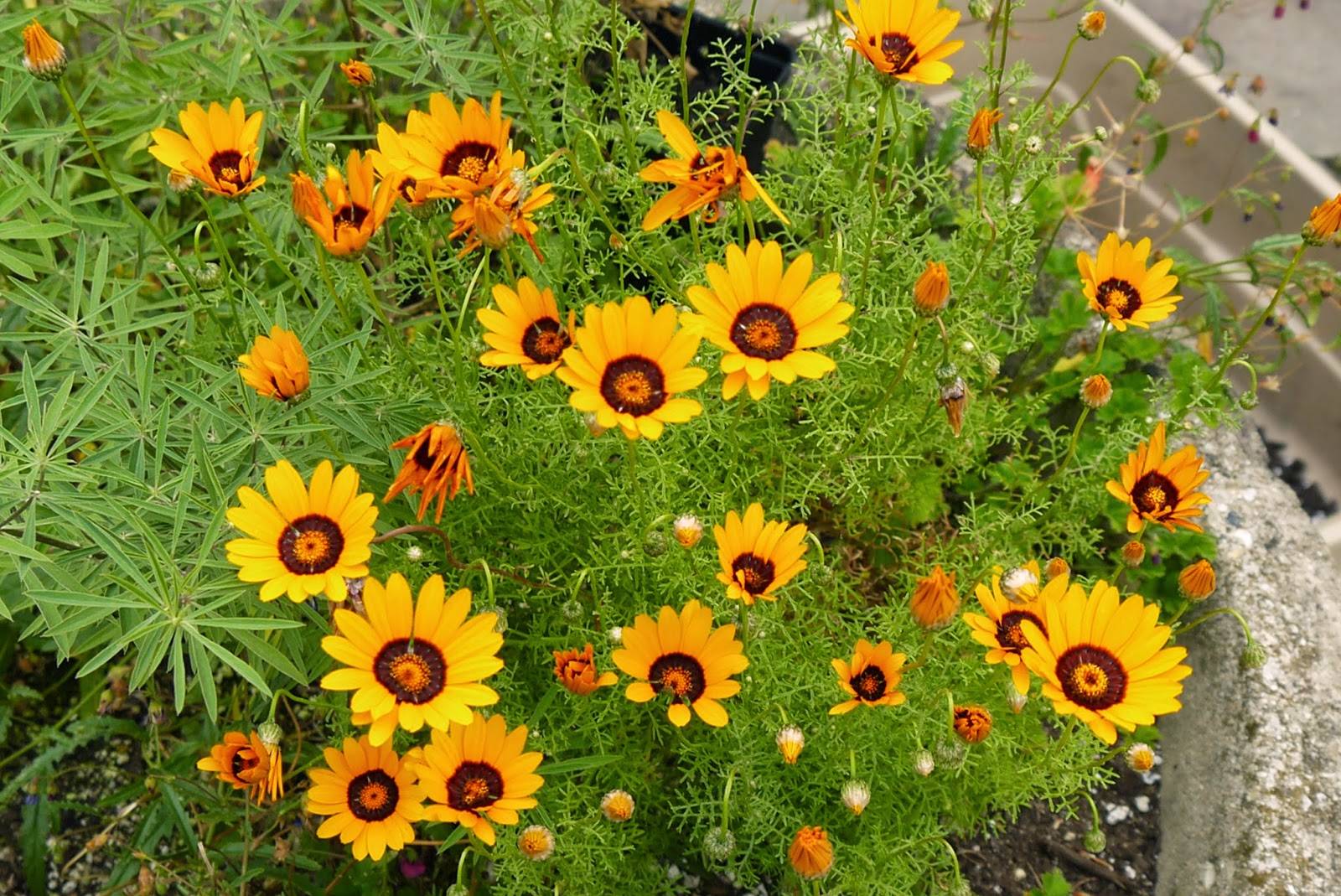
Ursinia is very similar in appearance to chamomile, but the bushes can reach a height of 60-70 centimeters. The stems of these plants can be bare or hairy, and they are often seen branching. Ursinia leaves are narrow and pinnately dissected, with serrated edges. The leaf surface can be shiny or matte. The leaves are arranged alternately. Ursinia flowers can be green, glaucous-green, deep yellow, bright orange, white, or brownish-red. Flower size can vary, but on average, they are 3-6 centimeters in diameter.
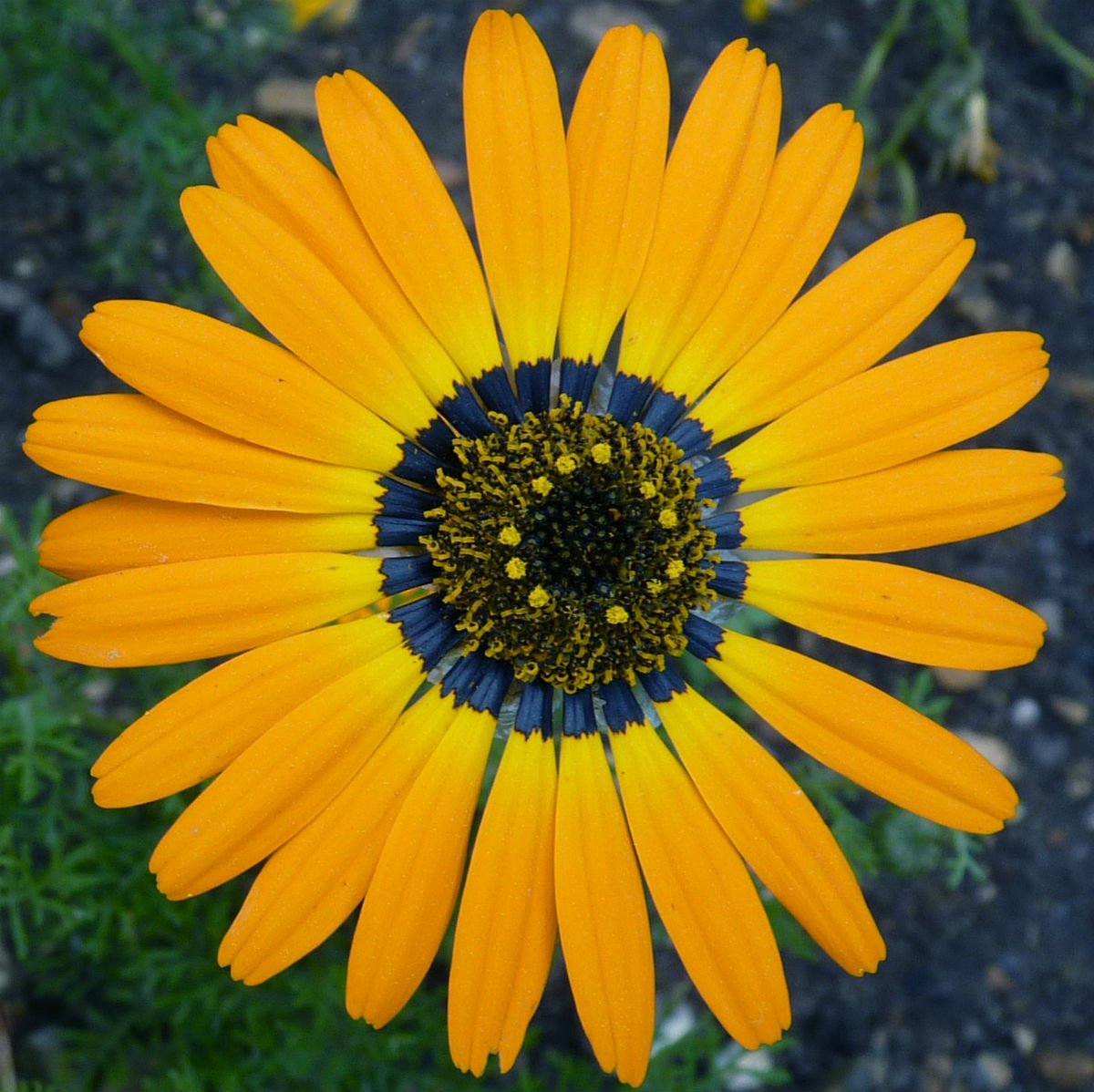
Flowers can be of various shapes: tubular or ligulate. They have elongated and slightly pointed petals. Typically, all the flowers are gathered into individual inflorescences, which resemble baskets in shape. The diameter of such inflorescences averages 5-6 centimeters. Ursinia fruits are small, dry fruits containing a single seed. They have 5 to 10 ridges, narrowing towards the base. The base is often surrounded by long hairs.
The plant's leaf blades and shoots are covered with glands that emit a very pleasant aroma.
Types of Ursinia
The genus comprises 60 species native to the south. However, only a few are used for ornamental gardening.
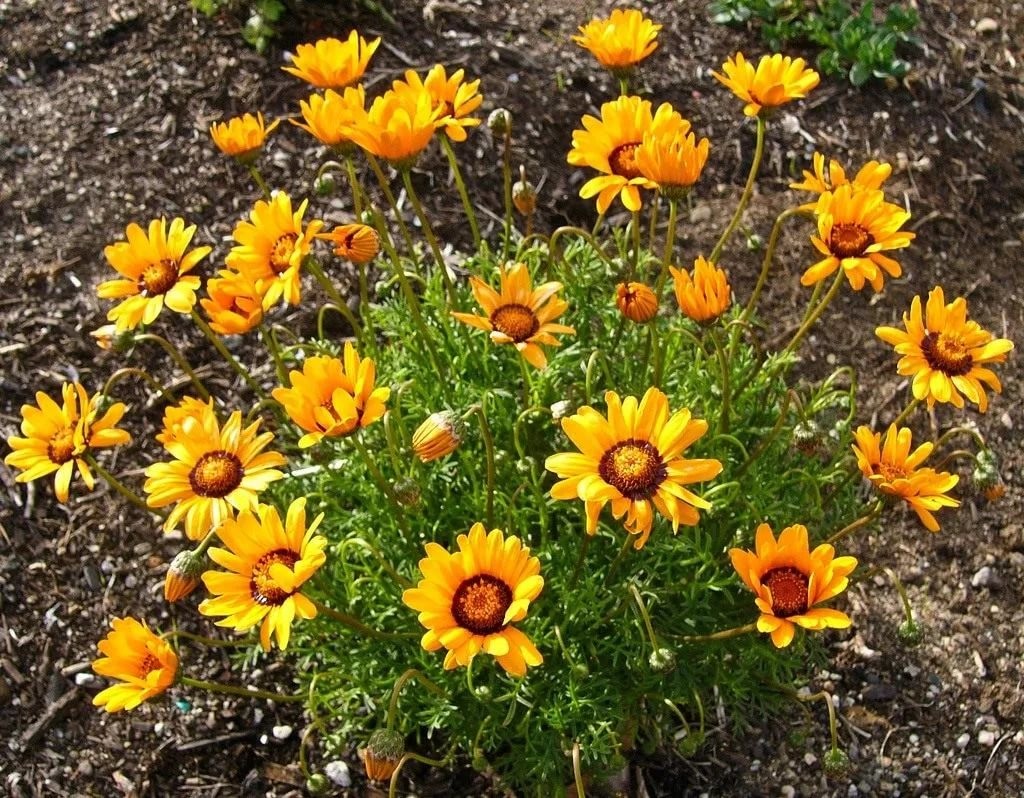
Ursinia anethoudes
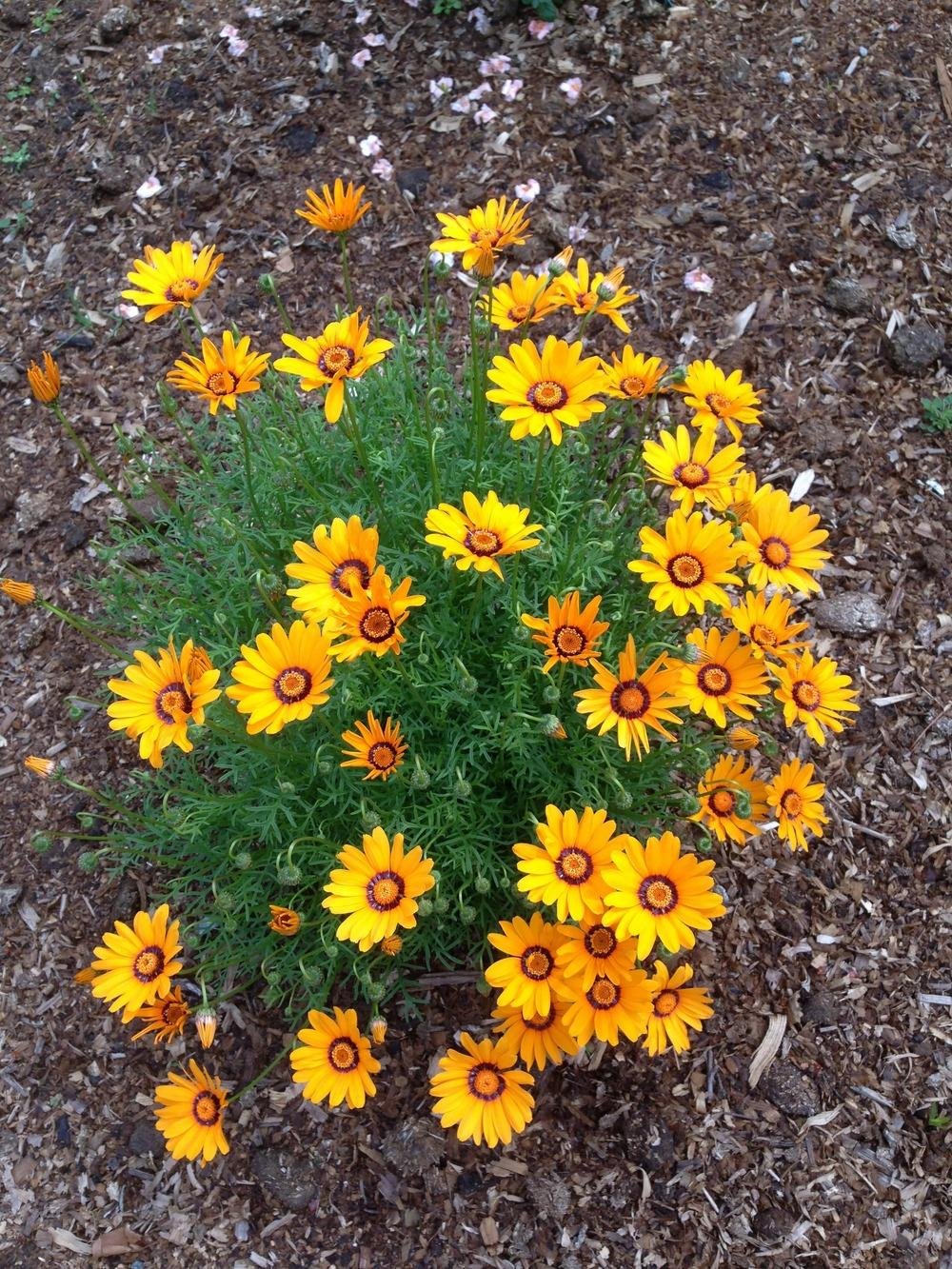
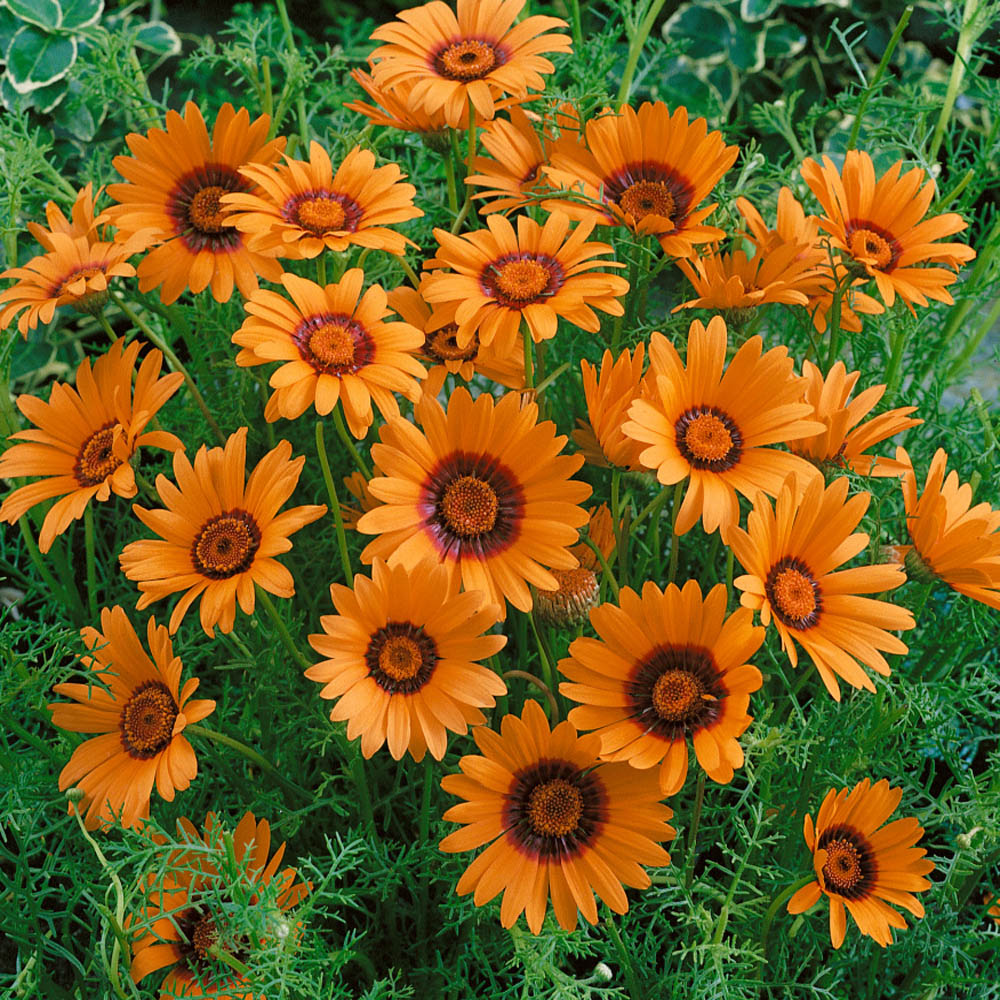
The bush grows 50 cm tall, with branched stems that create dense foliage. The leaves have an exquisite, lacy pattern and are dark green. The inflorescences consist of 6 cm diameter heads and are borne on long stems. They have an attractive copper-yellow hue, with a brown center. Flowering continues throughout the season, and the buds do not close even on cloudy days.
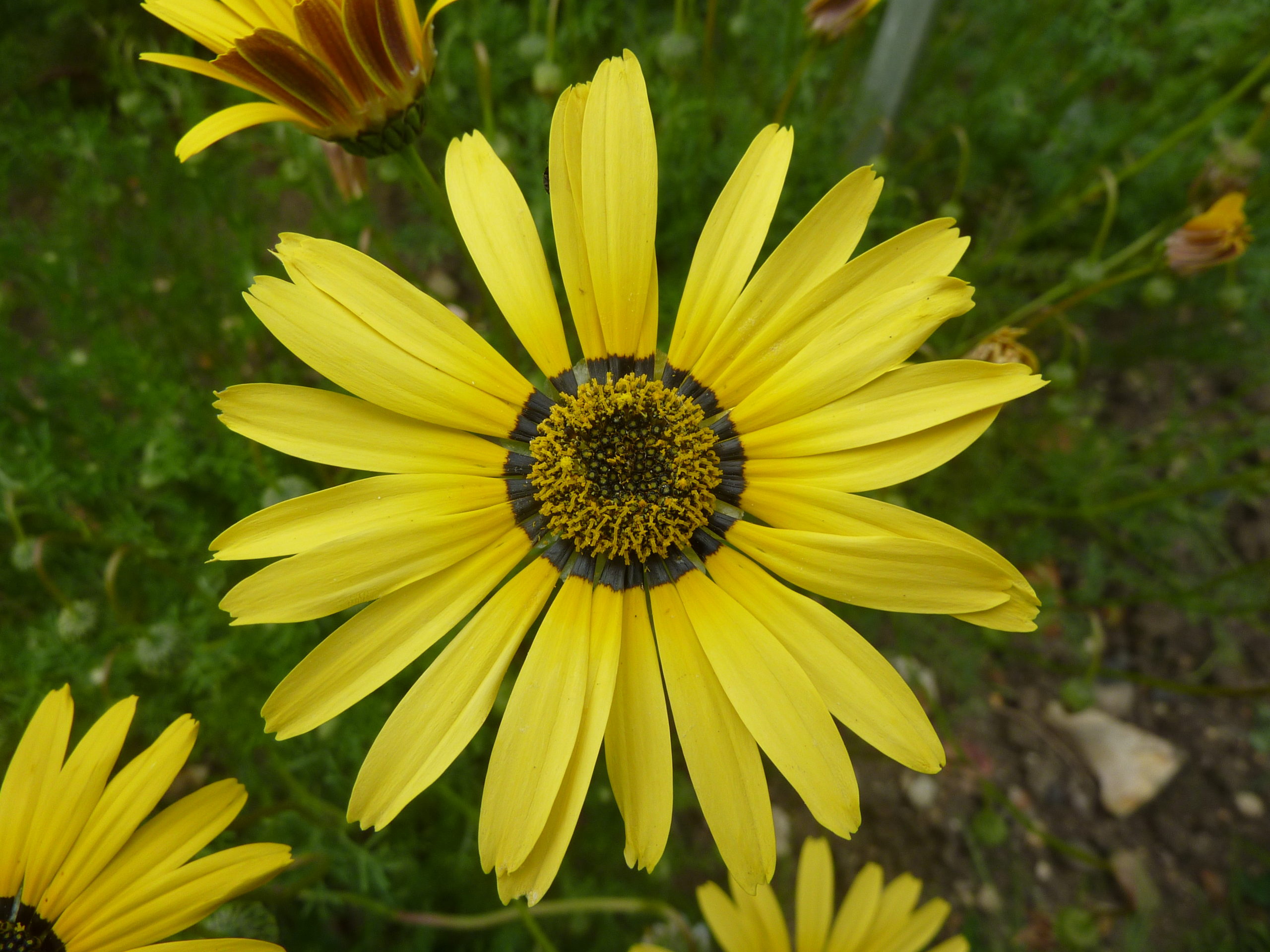
Ursinia speciosa
A small bush, 30 to 40 centimeters tall. The flowers are bright yellow heads with a dark green center, up to 4 centimeters in diameter. The flowers open only in sunny weather.
Ursinia pygmaea
A compact variety, as its name suggests, it reaches a height of 10-15 centimeters. The inflorescences are bright orange flower heads. The blooms are very profuse, producing a huge number of flowers per bush. This variety is suitable for growing in containers and hanging pots.
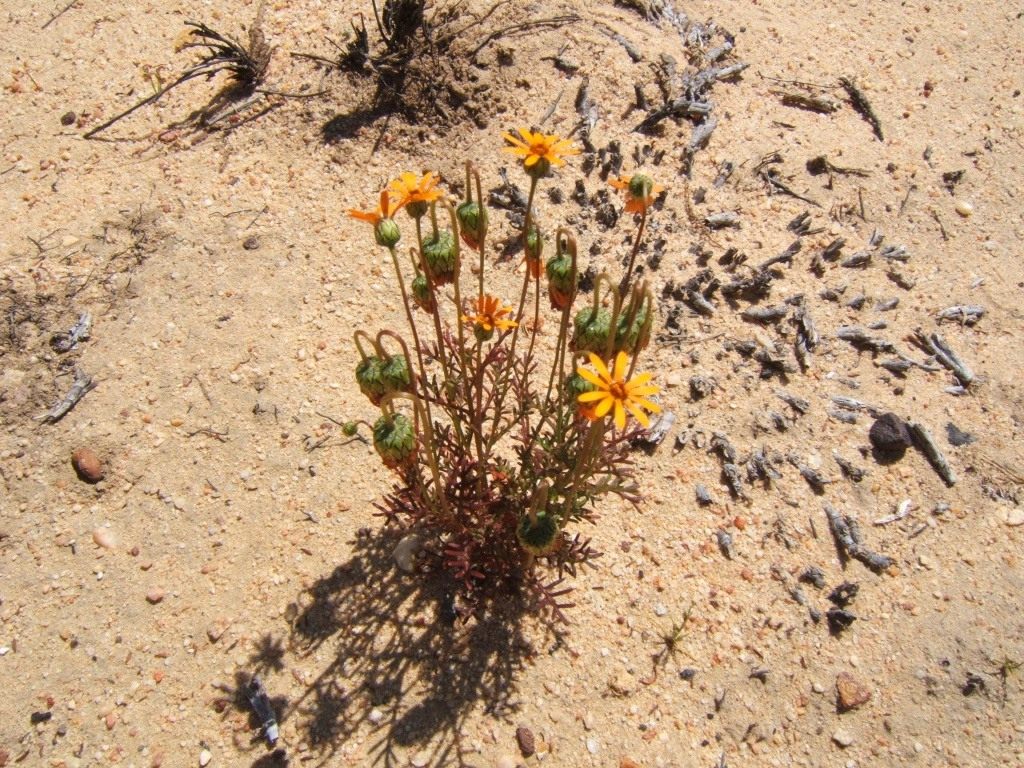
Ursinia anthemoides subsp. versicolor
One of the most beautiful species. It produces flower heads ranging from 4 to 6 cm in diameter. The ray florets are golden-yellow, while the tubular florets are copper-brown. The inflorescences of this species are attached to long, slender stems.
Ursinia varieties
Let's analyze the most popular varieties of ursinia.
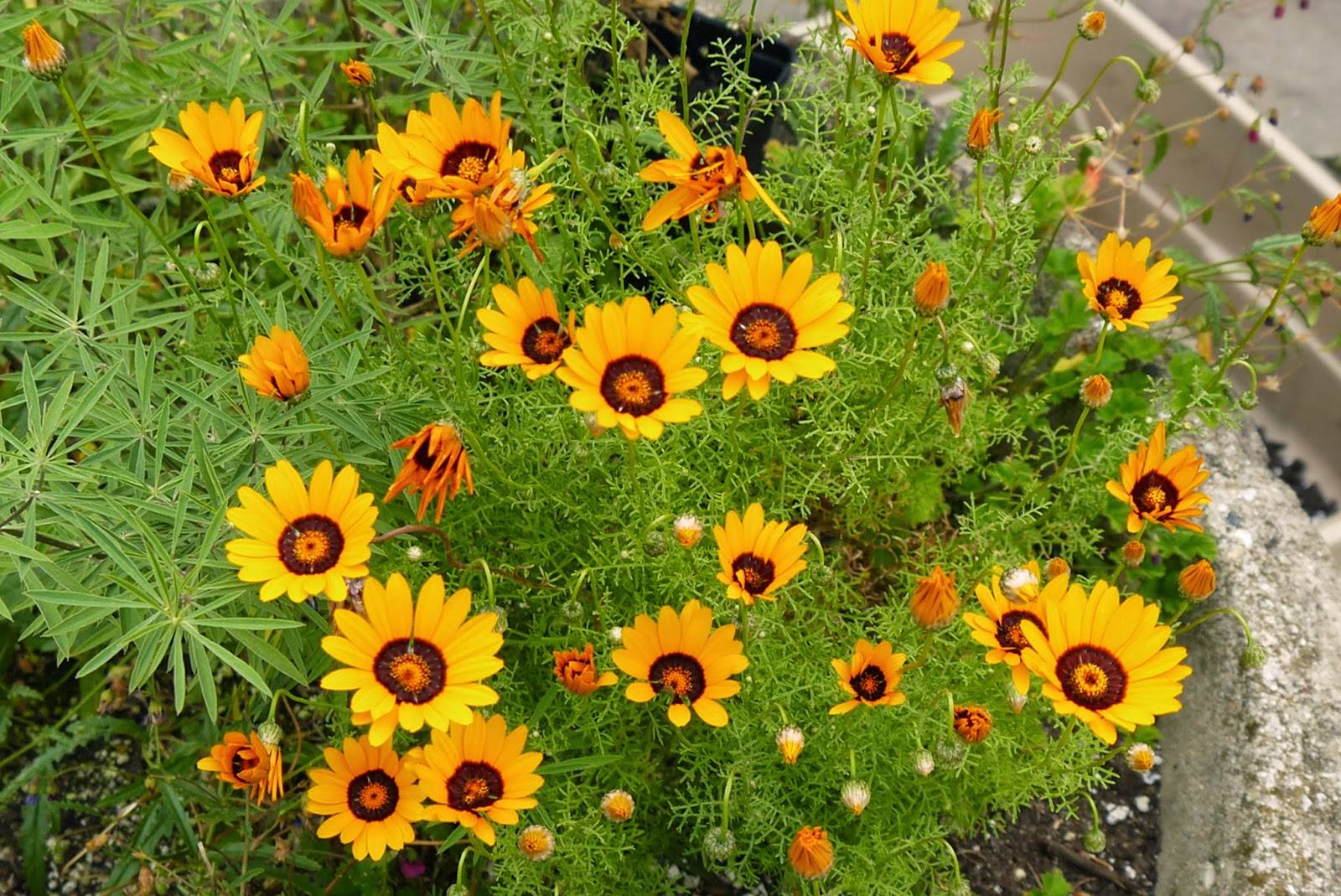
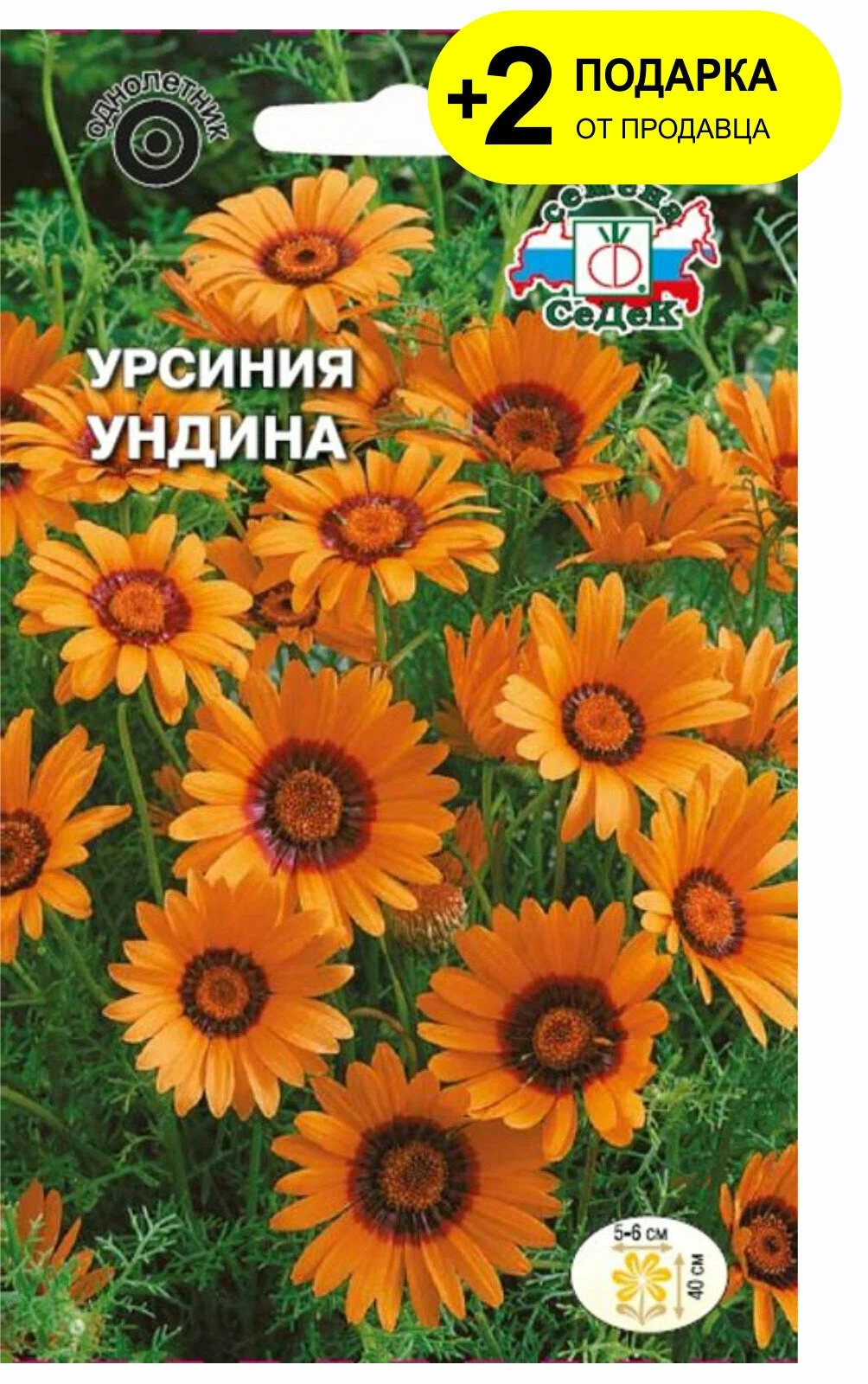
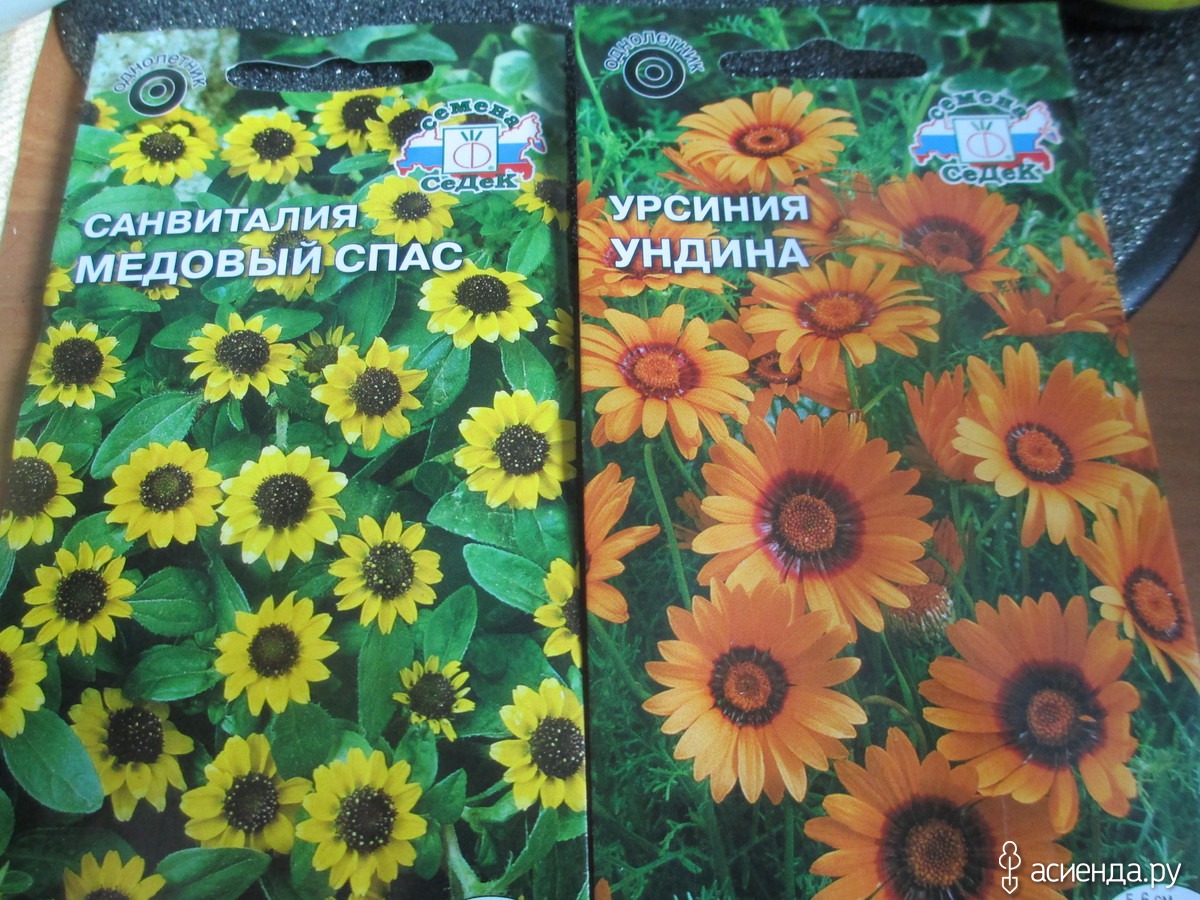
Undine
Undine is a species of Ursinia known as the woodland flower and is distinguished by its numerous knotted filaments. The flowers are small and yellow. This variety spreads easily, making it a popular choice for landscaping, especially in recent years.
Aurora
This Ursinia variety is an annual and can reach a height of 30-40 cm. The plant boasts lush, lacy foliage. Its marginal flowers are bright orange, while their tubular parts are a darker orange. It is ideal for placing not only in flowerbeds and borders, but also in pots.
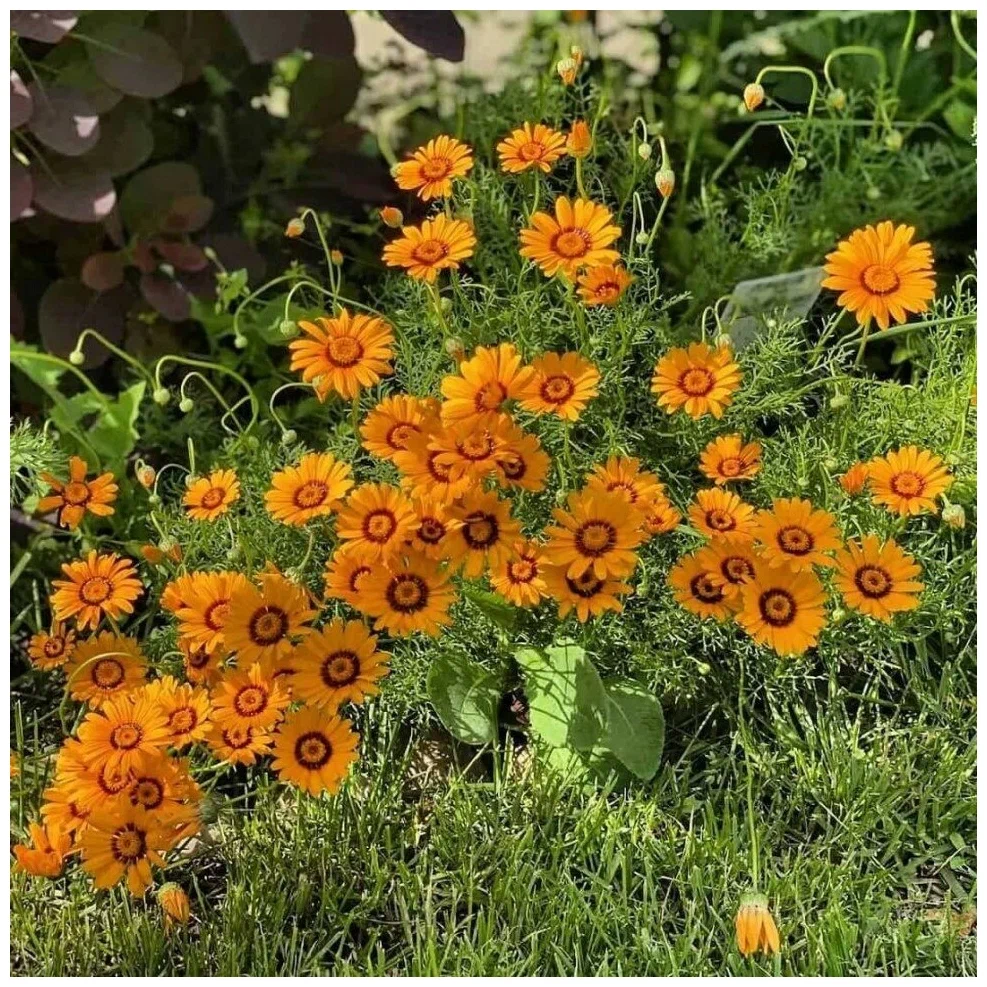
Bright Orange
Another well-known Ursinia variety, distinguished not only by its beautiful inflorescences but also by its stunning, pinnately dissected emerald leaves. The flower heads are bright orange and range in size from 5 to 6 centimeters. The height of the bush varies from 40 to 60 centimeters.
Sowing Ursinia for seedlings
You can sow the seeds directly into the ground or grow seedlings first. Both methods produce similar results, but the second method allows you to get flowering plants 7-10 days earlier.
To grow seedlings, use a small container and fill it with loose soil, such as general-purpose seedling compost or a mixture of peat, turf, and sand. Use equal parts of each component. Spread the seeds evenly over the soil surface, mist them with a spray bottle, and cover with plastic wrap. Place the containers in a warm location with bright, indirect light. Remove the plastic wrap daily to allow the seeds to air out and maintain the soil moisture, adding water as needed. Once the seedlings emerge, remove the covering completely.
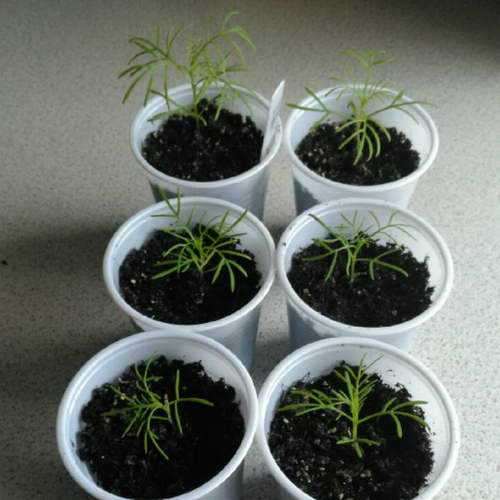
To care for young plants, use supplemental artificial lighting during dark days. When the first pair of leaves appears, they are transferred to individual pots. Care should be taken to avoid damaging the roots and preserve the root ball.
Sowing and planting ursinia in open ground
Let's look at how to properly grow ursinia in your garden. As we've already mentioned, you can plant both seeds and already grown seedlings directly in the ground. In each case, you first need to choose the optimal location on the plot. It's important that it receives sufficient sunlight and has moderately moist soil. First, thoroughly till the soil. If it's low in fertility, you can add fertilizer. Then, carefully level the soil.
If you decide to plant the seeds, it's best to do so in late April or early May. Spread them out carefully on the prepared site, not too deep. Cover with a little soil. When the first true leaf appears, thin them out, leaving only one plant per 15-20 centimeters.
Gardeners often prefer to plant seedlings to ensure faster flowering. When using this method, plant in pre-prepared areas, digging holes slightly larger than the root system. The distance between holes should be 20-30 centimeters. Seedlings should be planted outdoors only after all danger of frost has passed.
After planting, water the plants thoroughly. Use warm, settled water.
Ursinia care
Ursinia is an extremely low-maintenance flower that can bloom effortlessly and thrive even without special care. However, to ensure the shrub looks well-groomed and delights the eye with its blooms for as long as possible, it requires a little attention.
Top dressing
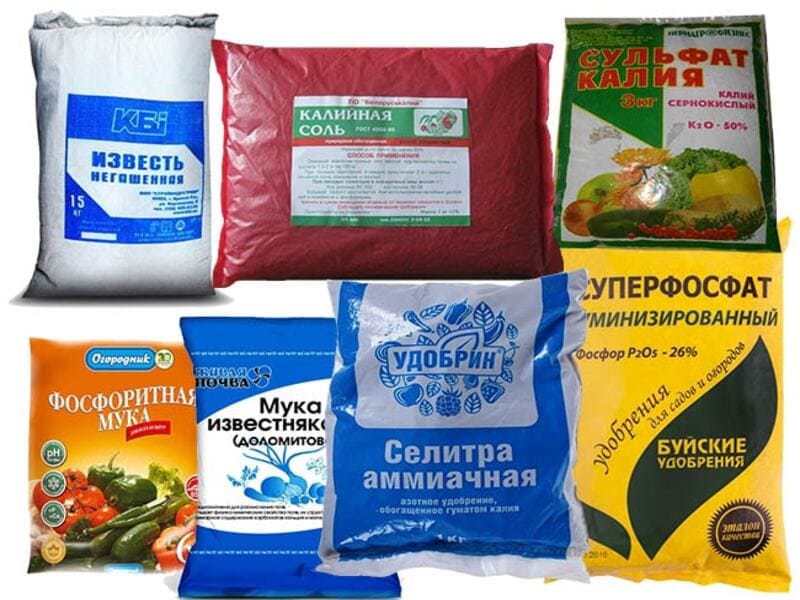
Ursinia plants only need to be fertilized during bud formation and flowering. Once a month is sufficient. Ready-made mineral fertilizers, available at most gardening stores, are ideal for ursinia plants.
Watering
Young plants recently planted in open ground require supplemental watering. Mature plants generally get enough water with natural rainfall. However, if dry and hot weather persists for a long time, additional watering is recommended. In any case, use only warm, clean water.
Trimming
To maintain a neat and beautiful appearance, periodic pruning is required. During this process, it is necessary to carefully remove all weak, damaged, and protruding shoots. It is also recommended to promptly remove all faded flowers.
Diseases and pests of Ursinia
Ursinia has a fairly strong immune system. However, it can sometimes be infected by powdery mildew. This most often occurs due to over-dense planting, over-watering, and over-fertilizing. To cure affected plants, they must be thoroughly treated with antifungal agents.
Ursinia is sometimes attacked by aphids. These small insects live on plants in large colonies, feeding on plant sap and tissue. Controlling these pests is virtually futile. It's best to wait until flowering ends and remove all affected plants from the area.
To prevent plant diseases and pests, it's important to regularly carry out preventative treatments using biological products and folk remedies. You should also periodically carefully inspect and check for harmful insects and signs of disease.
Use of Ursinia in the landscape
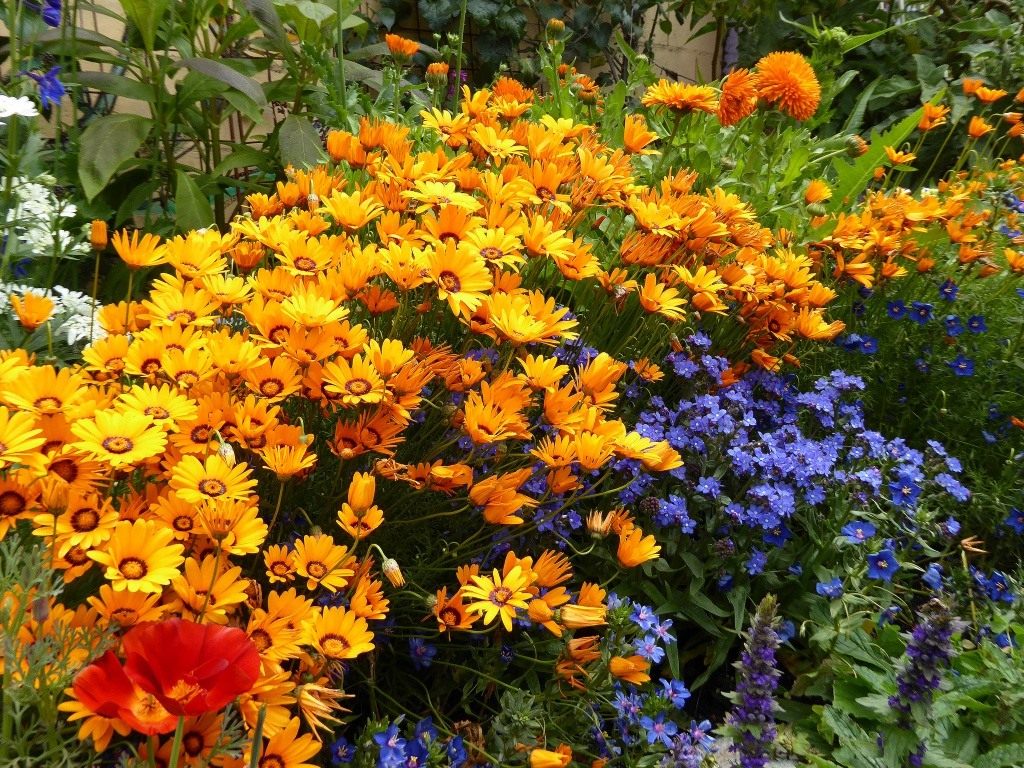
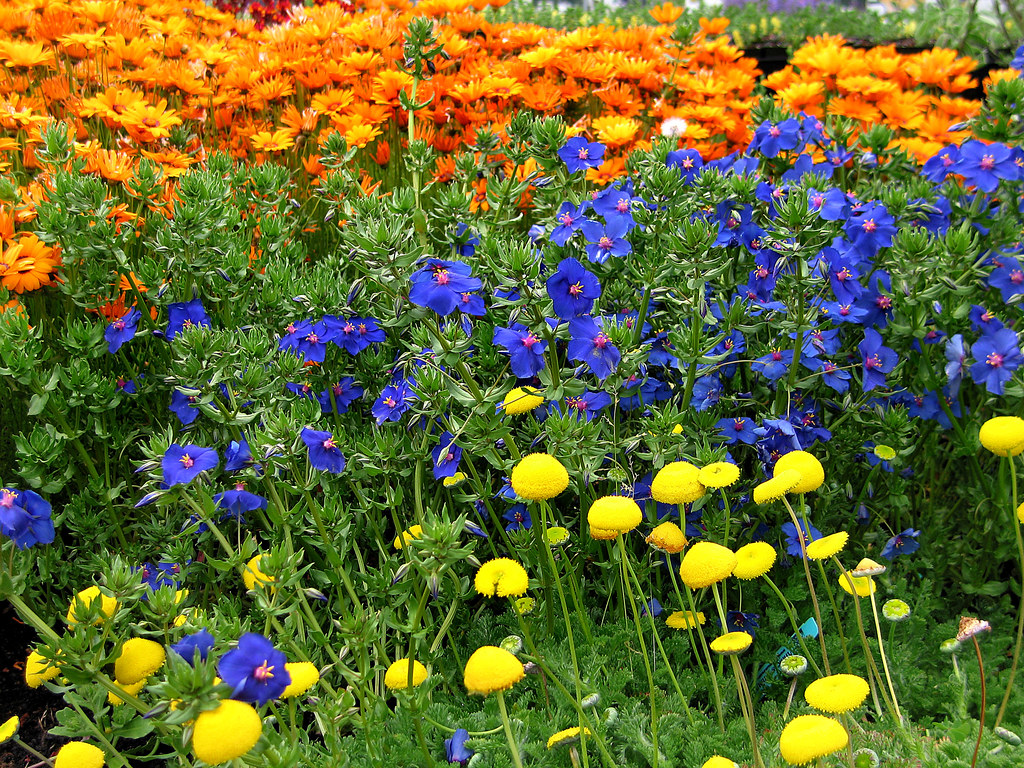
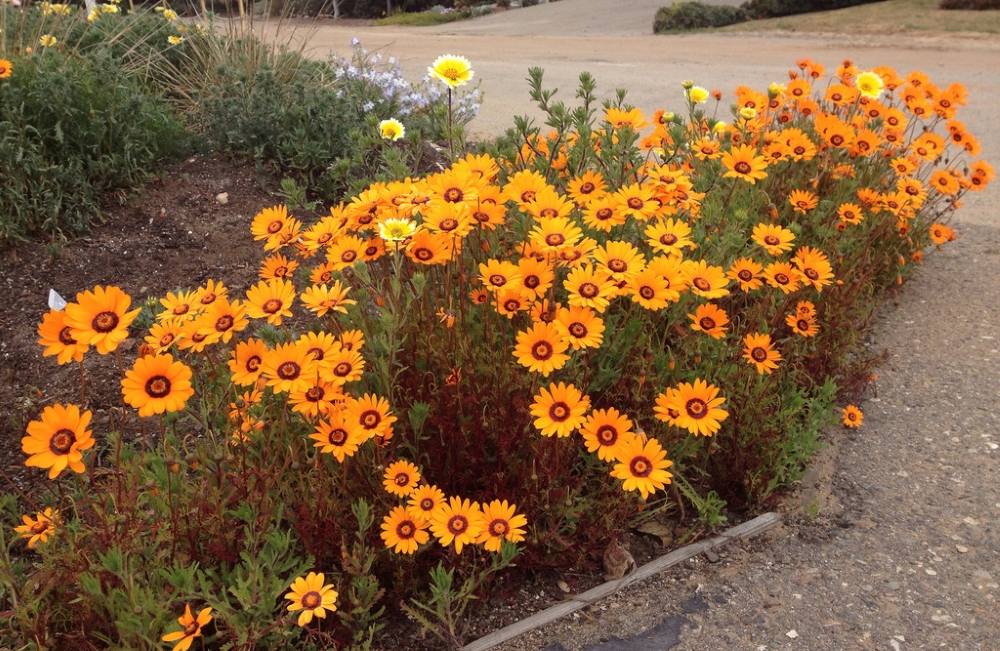
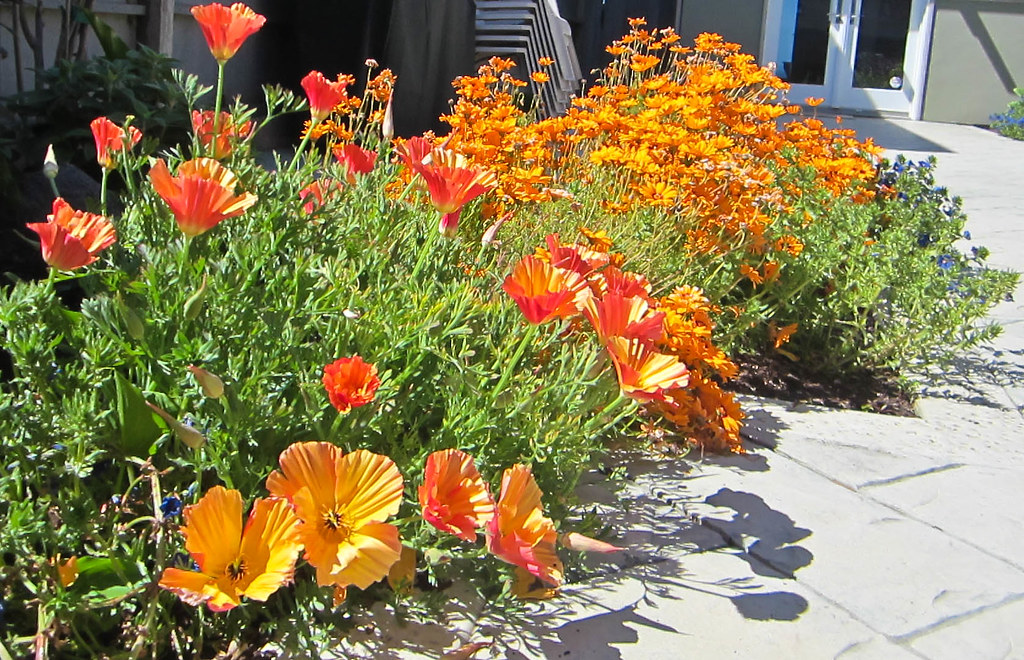
Ursinia are vibrant shrubs that can lift your spirits even on the worst of days. They look beautiful both on their own and in combination with other flowers in flowerbeds.
These plants are ideal for creating rock gardens, mixed borders, and decorating edgings. They can also be planted in pots and planters to decorate a terrace, loggia, or balcony.
Ursinia goes well with flowers such as lobelia, iberis, cornflowers and dahlias.
Photo gallery of Ursinia in the landscape