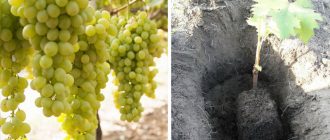
Grapes are a rather capricious crop. The varietal characteristics and quality of the planting material are crucial. It's best to plant hybrids that are already adapted to the climate. This will reduce the risk of infectious diseases and prevent insect attacks. Also, to ensure a bountiful harvest, it's important to follow proper cultivation practices and carry out preventative treatments. For maximum results, spray the grapes after harvesting ripe bunches and before covering them. Autumn treatments will eliminate harmful insect larvae and fungal spores. Failure to do so will result in reduced yields and poorer appearance of the vines and berries. The root system, shoots, inflorescences, and leaf blades may also be damaged. The bush will grow more slowly than its neighbors.
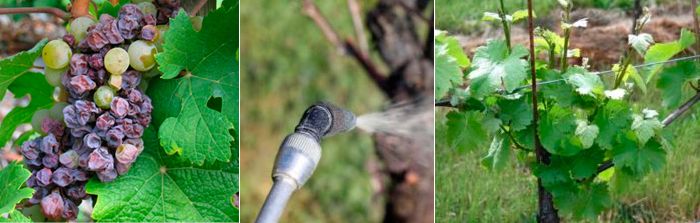
Why do you need to treat grapes in the fall?
Contrary to popular belief, many pests remain active during cold weather. Damage to crops during this period may seem minor. The full consequences will only become apparent during the growing season.
Overwintering fungi and parasites often cause plant death.
By means of autumn spraying you can get rid of:
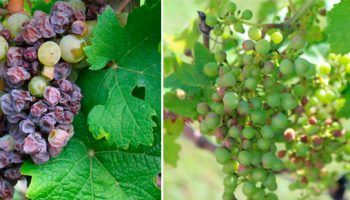
- Downy mildew. This disease affects foliage and berries, causing a light-colored coating. The causative agent is spores that remain viable for long periods in the soil and buds.
- Black rot. Cream-colored spots appear on the leaf blades. If left untreated, the vineyard will be completely destroyed;
- Anthracnose. The negative impact of the fungus will affect the internal structure and external surface of the plant, resulting in the activation of putrefactive processes;
- Botrytis (gray mold). Symptoms appear on grape berries. The root system remains intact. Spores reach the plants via wind currents;
- Oidium. This is the name given to true powdery mildew. The clinical picture of this disease is similar to that of the pseudo-powdery mildew.
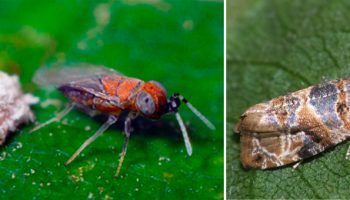
By using insecticides in a timely manner, you can get rid of woodworm larvae, spider mites and aphids.
The berries won't be harmed during autumn treatment, as the harvest has already been completed by this time. Therefore, the risk of fruit poisoning is completely eliminated.
Timing of autumn grape processing
Fruit harvesting and spraying timing depend on climatic conditions.
- In the southern regions, the procedure takes place from September 7 to 17.
- Gardeners living in the middle zone process from September 20 to 30.
- Adapted early grape varieties are used for planting in northern regions. The harvest is between the 7th and 15th of the first month of autumn. The vines are treated immediately after the ripe grapes are removed from the vines.
When preparing grapes for spraying, the gardener must trim the tops of the vines and cuttings and remove dry leaves.
If you plan to use iron and copper sulfate for treatment, you should wait until the leaves fall naturally and the buds close.
Rushing the treatment will only burn the plants. In this case, spray the grapes in the second half of October.
Instructions for processing grapes in autumn
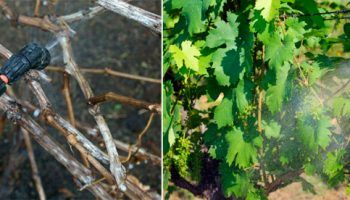
The procedure is straightforward. The solution, prepared according to the instructions included with the product, is poured into a garden sprayer. The application rate for each grapevine is 1-2 liters.
Not only the plant but also the surrounding soil is treated. This destroys any larvae and spores remaining in the soil.
Before spraying, gardeners should wear protective goggles, a respirator, and rubber gloves. The treatment should be carried out in dry, windless weather.
For a positive result, 4-5 hours without precipitation is sufficient. This will allow the product to be absorbed.
Preparations and means for autumn treatment
| Drug/remedy | Preparation | Diseases/pests | Application |
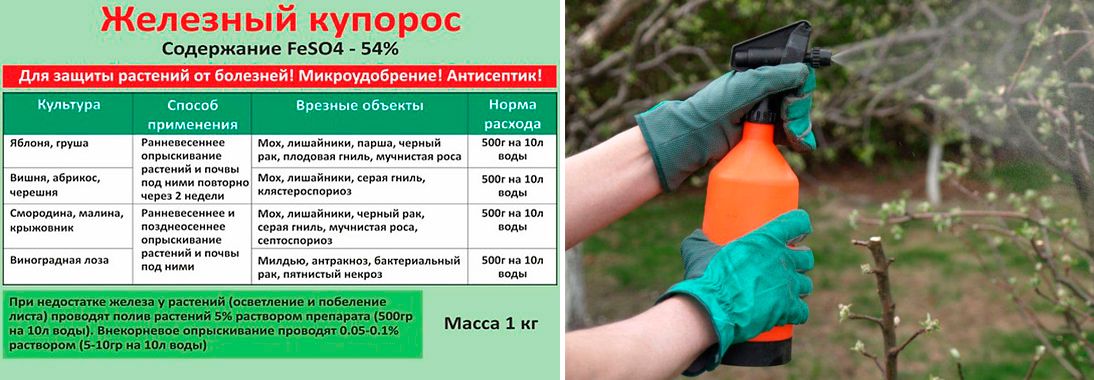
| Ferrous sulfate | For 10 liters of liquid there is 500 g of component. |
Oidium Anthracnose Spotted necrosis Bacterial cancer Mold Rot |
Spraying is carried out immediately after preparation of the solution. Not only the plants but also the soil are treated. The solution is used for both therapeutic and preventative purposes. |
| Mikal | The concentration in the finished solution is the main ingredient should make up 0.25%. |
Powdery mildew | For a week after treatment, it is strictly forbidden to touch the grape bush. |
| Folpan | Only 1.5-2 kg of the preparation is consumed per 1 hectare. | Downy mildew | |
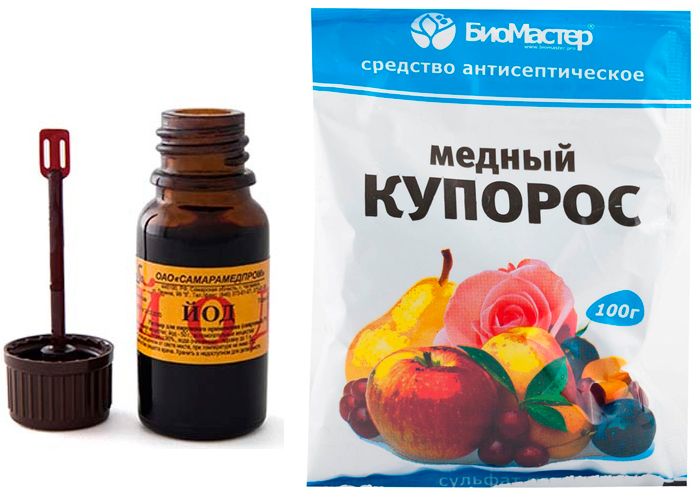
| Copper sulfate | Dissolve 50 g of the component in 5 liters of liquid. The medicine is prepared in a plastic or glass container. | Spray according to the standard algorithm. | |
| Urea | The solution is prepared from 10 liters of water and 300 g of the main ingredient. If the medicine is used prophylactically, the amount of the main ingredient is reduced by a third. | Spider mite, aphid, woodworm. | The composition is used in conjunction with ferrous sulfate. This combined action will provide maximum effectiveness. The solution is used to water the soil and treat the vines. This burns out the larvae. |
| Soda solution | For 10 liters of water take 10 g of baking soda. | Mold | Spraying the bush |
| Quicklime solution | 1 kg of ingredient per bucket of water. | Whitewashing grape vines | |
| Fundazol | The consumption rate for 10 liters of liquid is 10 g. | Downy and powdery mildew. | The treatment is carried out twice. The second procedure is carried out 3 weeks after the first. |
| Iodine | Add ½ teaspoon of iodine to a bucket of water. | Gray mold | The solution is used for spraying vines. |
| A mixture of laundry soap and wood ash. | Add half a bar of soap and 500 g of ash to 10 liters of liquid. Let the mixture steep for 3 hours. | Downy mildew | Processing of grape bushes |
Treated vines may darken. This shouldn't alarm the winegrower.
Subsequently, the color will acquire its usual shade.
When using Fundazol, please note that this powder is poorly soluble in water and is non-volatile. This drug is classified as a hazard class II drug.
Ferrous sulfate is often used for fall treatment, but its use in spring is not recommended. This substance has a contracting effect on grapes. Many gardeners ignore this recommendation in order to reduce the risk of bud damage from subsequent frosts.
Folk remedies are much safer than chemicals. They do not harm plants or the people performing the treatment. Spraying is often combined with watering.
Preventative autumn treatment of grapes against pests and diseases is a mandatory procedure. When preparing for winter, gardeners should remember to fertilize, water properly, and prepare cuttings. The final step is covering the grape vines. By protecting the crop from infectious diseases and pests in the fall, gardeners will be able to reap a bountiful, high-quality harvest during the fruiting season.
Winegrowers should not neglect necessary agricultural practices, including traditional, biological, and chemical control methods. By applying them systematically, they can prevent serious problems. Timely prevention is the key to the health of the entire vineyard. Even robust vines can suffer from just one or two infected plants.