Many gardeners love indoor geraniums for their low-maintenance care and beautiful, lush blooms. To ensure they regularly delight with their colorful blooms, pruning is beneficial. Otherwise, they will become a long, bare stem, stop blooming, and wither.
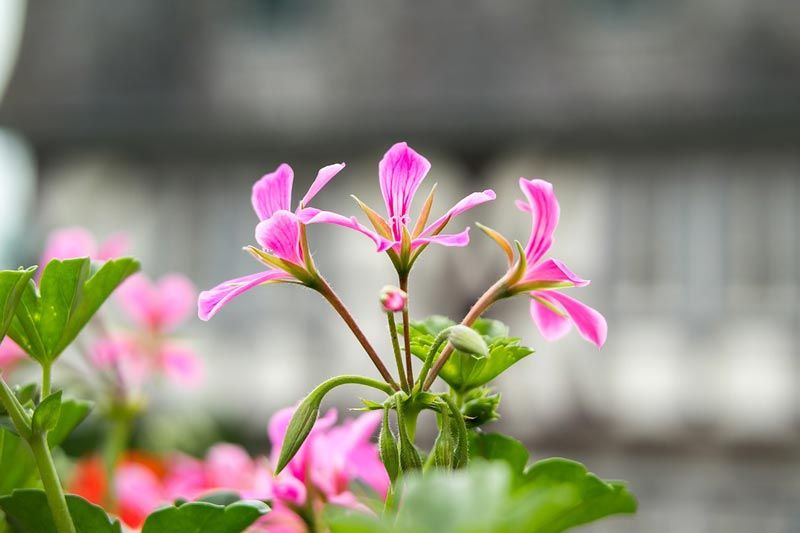
The need for pruning
Pelargoniums are pruned regularly, with the choice of season (spring or fall) determined by the flowering time and variety. This is necessary for:
- obtaining fresh shoots;
- propagation of varieties;
- formation of an even and dense crown;
- improving air exchange.
At the same time, old dry branches, shoots growing in the direction of the stem and interfering with each other, and branches that lack leaves and inflorescences are removed.
Fall pruning is more sensible than spring pruning. At this time, geraniums prepare for dormancy. This process prepares them, makes wintering easier, and promotes lush blooms in the summer.
Geranium pruning technology
When pruning, use a razor blade or a utility knife. When using scissors, they bend the shoot, damaging the tissue. Before pruning, treat the tools to prevent infection from entering the fresh cut. Remove old, dried branches or densely overgrown shoots. The cut is made above a node facing outward. This is necessary to allow the new shoots to grow and not interfere with each other. After pruning, sprinkle the cut with antiseptics such as charcoal or ash. Indoors, use cinnamon powder to disinfect and protect against pests.
To accelerate growth, the plant is fed with fertilizer containing nitrogen.
How to shape pelargonium in autumn
After summer ends, gardeners prepare the plant for winter. Geraniums are pruned between September and November, after the last bud has dried. During this period, dry, yellowed leaves, leafless branches, and weak shoots are noticeable. The main stem is shortened by one-third, and the fresh cuts are dusted with an antiseptic.
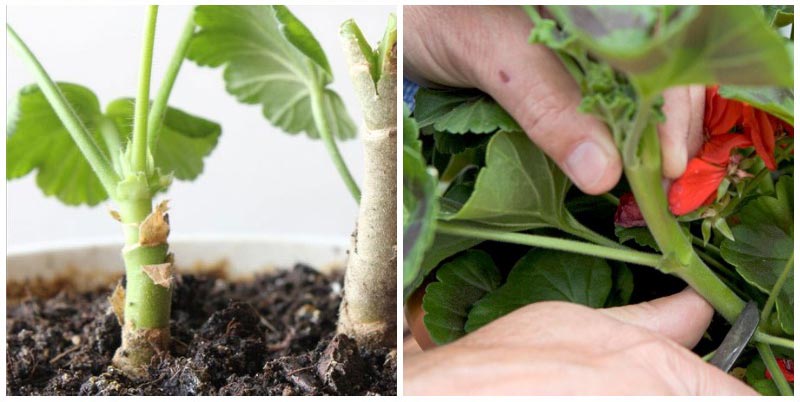
If winter buds appear on the flower, they are removed. From late November until March, the plant is dormant.
The purpose and benefits of spring haircuts
Spring pruning is easier than fall pruning and brings more benefits to the plant, but it should be done with caution. During this period, pelargoniums begin to produce sap and begin to rest. To determine whether pruning is necessary, evaluate the plant's appearance.
Step-by-step instructions for spring pruning of geraniums
This is done in late February or early March. First, the grower decides on the desired shape of the pelargonium. Then, they begin the procedure:
- processes the instrument;
- reduces the central trunk by one third;
- removes dried branches and leaves, bare shoots or shoots growing towards the middle;
- treats the cuts with an antiseptic.
The shoots are cut so that 2-3 buds remain at the bottom.
Subsequent care for geraniums includes:
- watering every two days;
- top dressing with nitrogen-containing fertilizer;
- no drafts or spraying.
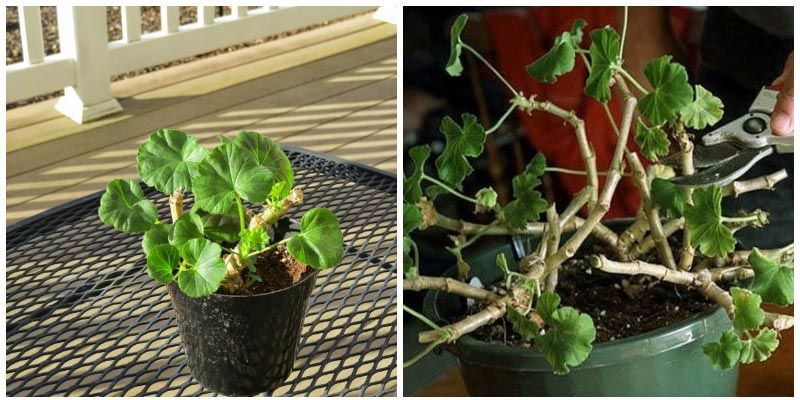
Choose a sunny location, if possible, place it on a balcony or in the garden.
Formation of a standard tree
To form a strong trunk, it must be secured to a level, vertical support. Lateral shoots that appear on the trunk are pruned after the fourth leaf has formed. Leaves on the stem itself are retained. Once the stem has reached the desired size, the foliage is removed and regular pinching of the top is performed. This promotes the formation of a dense crown. Geraniums will not begin blooming for at least a year.
Place the flower in a warm, bright spot away from direct sunlight. Abundant watering and frequent fertilizing will speed up the process.
Formation of royal geranium
A large variety with profuse blooms of scarlet flowers that appear for only one season each year. Regal geraniums are pruned in the fall, in September-October, when they are preparing for dormancy. The following procedure is followed: first, the stem is reduced by one-third. Next, the crown is pruned: dry, yellowed leaves, buds, and shoots that are leafless or growing toward the central trunk are removed. All cuts are processed.
In winter, the plant is placed in comfortable conditions and left undisturbed until spring. If new shoots appear, they are pinched off by hand.
With proper care, the royal geranium will bloom in April.
Top.tomathouse.com warns: the most common pruning mistakes
When pruning a plant, gardeners often overlook the potential harm they may cause. To ensure the process is beneficial and healthy, follow these rules:
- when changing the environment, geraniums are allowed to adapt to the new location and only then pruning is started;
- Be sure to wash and disinfect all instruments, otherwise you can introduce an infection and the pelargonium will die;
- After complete pruning to the stump, water the plant little by little and only when the soil layer has dried out to a depth of 4-5 cm, otherwise the roots will begin to rot from over-saturation with moisture.