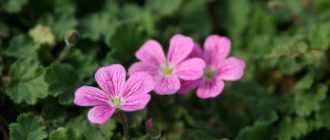
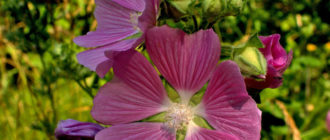
In this article, you'll learn how to grow osteospermum from seed, what conditions it requires, when to plant it, and much more. Osteospermum is a perennial flowering garden plant native to Africa. Its flowers resemble daisies, hence its other name, African daisy.
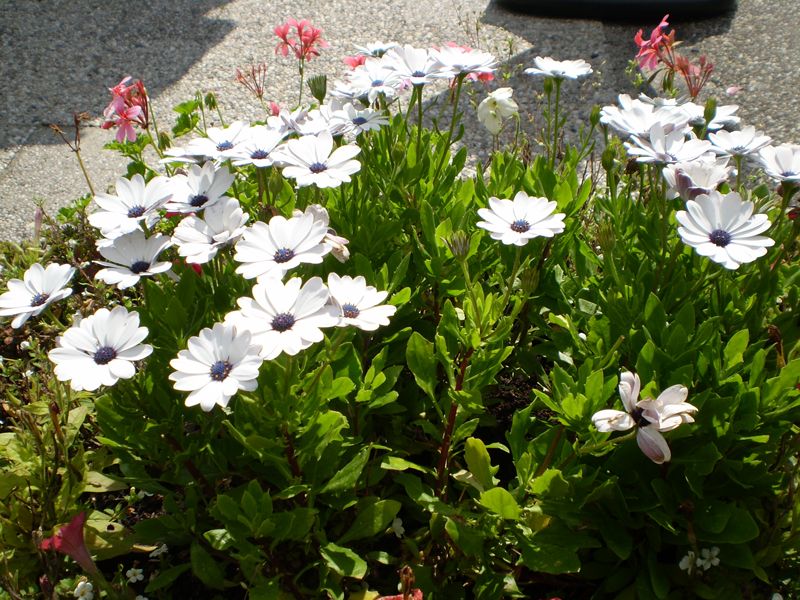
A popular method of propagation at home is growing osteospermum from seeds - the seeds are germinated, and the strengthened seedlings are transplanted into a flower bed.
Content
Growing osteospermum from seeds
To grow seedlings from seeds you will need:
- determine the favorable period for sowing seeds, when to plant seedlings in a flower bed;
- prepare the soil, seeds;
- choose a pot.
Necessary conditions for osteospermum:
- temperature regime +20 °С;
- no drafts;
- oxygen access – the container must be ventilated daily;
- spraying with warm water (watering is not recommended so as not to disturb the soil layer and damage the seedlings);
- bright, diffused light for 12 hours (if there is not enough daylight, use phytolamps).
If all requirements are met, the first shoots will appear within 10-12 days.
Timing of sowing seeds for seedlings
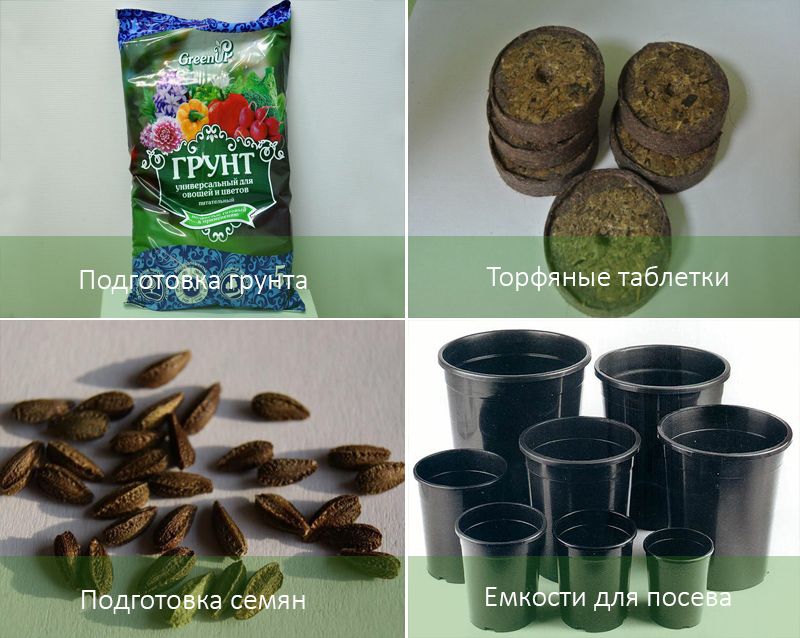
Osteospermum traditionally blooms in June. For this to happen, the seeds must be sown between March and April. The seedlings are planted in peat pots (this is the most convenient method, as they can then be transplanted directly into the garden).
In a temperate climate zone, planting osteospermum seeds for seedlings before March makes no sense, as after transplanting to a flowerbed, the flowers may die due to night frosts.
Planting osteospermum – when to sow seedlings and plant in open ground
| Type of work | March | April | May | June |
| Sowing seeds | From the 10th | The whole month | Not provided | Not provided |
| Transplanting into the garden | Not provided | Not provided | From the 20th | Until the 20th |
The 2019 Lunar Calendar will tell you when to plant osteospermum. Here you can choose the optimal time for sowing and transplanting seedlings into the ground. This will significantly increase the chances of germination.
Selection and preparation of soil
Specialty stores sell ready-to-use soil mixtures, but experienced gardeners prefer to prepare their own.
The best soil composition:
- sand;
- turf and leaf soil;
- humus.
All ingredients are combined in equal proportions. The soil can be prepared in the fall and left on the balcony over the winter. To disinfect the soil, steam it in an oven or a steam bath for fifteen minutes.
Seed preparation
The main requirement is that osteospermum seeds must be dry and not soaked. Otherwise, the seedlings and seedlings will not develop fully. Wet seeds are more likely to rot.
Before planting, cover the planting material with a damp cloth for 15-20 minutes.
To increase germination, the seed coat should be slightly damaged. This can be done in several ways: lightly chipping, sanding, or slicing with a knife. Damaging the coat or scarifying will ensure maximum germination.
Selecting and preparing a container for sowing
African daisies have a fragile root system, so they need individual containers for transplanting into open ground. The plant is sensitive to transplanting, so to avoid damaging the roots, it's best to transplant the seedlings into individual peat pots.
Plants with three fully formed leaves are suitable for transplanting. If peat containers are unavailable, plastic ones will do; before transplanting, they should be rinsed with boiling water to disinfect. The optimal height of the cups is 8 to 10 cm.
If there is no opportunity or time to transplant seedlings, the planting material is immediately sown in special 3x3 cassettes.
Technology of sowing and caring for seedlings
Growing osteospermum from seeds at home is a simple, quick, and affordable process. Dry seeds are sown to a depth of no more than 0.5 cm.
- Cover the container with glass (polyethylene film can also be used). Place the container with the planting material in a well-lit area.
- For rapid seed germination, it is necessary to maintain a temperature regime in the range of +20…+22 °C (growing at lower temperatures slows down the growth of osteospermum).
- When the first shoots appear, the container is transferred to a glazed balcony.
Caring for the first shoots
Let's consider all the nuances.
Watering
The top layer of soil should be allowed to dry out, carefully and precisely, to prevent waterlogging. Only warm water should be used for watering.
Ventilation
Cover the container with glass or plastic film. Remove these daily to allow ventilation and oxygen access.
Fertilization
Two weeks before moving the seedlings into the garden (presumably the second half of April), they are fed by spraying (using a weak solution of mineral or organic fertilizer).
Hardening
A few weeks before transplanting outdoors, prepare the seedlings for a temperature change. This helps the plant adapt to the new, natural conditions. The temperature is gradually reduced. The procedure is as follows:
- first, open the window for 10-15 minutes;
- then the container with seedlings is taken out onto the balcony for 45-60 minutes, increasing the time spent outdoors to two hours;
- 7-10 days before planting in the flowerbed, the seedlings are left on the balcony constantly and are not taken into the house at night.
Some gardeners recommend starting to harden off the plant after the first leaf appears. Pricking out is done as needed, once three full leaves have emerged.
There's no consensus among gardeners regarding pinching. Some believe it's only necessary for tall plants, while others believe it helps create a bushy bush and ensures abundant, long-lasting blooms.
Picking
If the seedlings were sown in boxes, they must be pricked out. This should be done a month after germination, when the plants already have three full-fledged leaves.
The seedlings are transplanted into individual cups no more than 10 cm high. The seedlings are transplanted with a lump of soil to avoid damaging the fragile root system.
Top.tomathouse.com warns: potential problems when growing osteospermum
If you provide the plant with the necessary conditions, it will develop quite quickly and bloom as early as June.
The main problem with growing osteospermum from seed is overwatering the soil. This slows growth, rots the roots, and ultimately kills the osteospermum. Mist the soil to prevent water from getting on the stems and leaves.
Water the plant in the morning or afternoon, when the soil is dry. It's best to use a spray bottle and warm water.
Another problem is plant stretching, with stems becoming thin and leaves turning pale. There are several ways to solve this:
- hilling of osteospermum;
- pinching the top.
Planting seedlings in open ground
As soon as there's no longer a threat of frost at night, the seedlings can be transplanted into the garden. The optimal period is from the second half of May to early June. Specific dates can be found in the lunar calendar.
Choose a well-lit, sunny spot in the garden, free from drafts. Sunlight is essential for the successful cultivation and propagation of osteospermum. In a shaded location, flowering will be sparse, and the buds will be small.
The soil should be light, loose, well-aerated, and have good drainage. Fertilizers should be applied in the fall, using organic fertilizers.
Seedlings 20 cm tall with three formed leaves are transplanted into the soil. These plants have a well-developed root system and easily adapt to natural garden conditions.