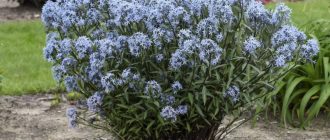
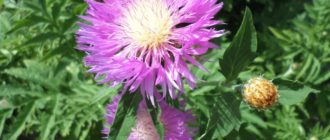
Penstemon is a perennial flowering plant native to East Asia and North America. Its bell-shaped flowers bloom when primroses have already shed their petals and annuals have not yet formed buds. This allows it to fill gaps in flowerbeds, adding a vibrant and attractive touch to a landscape design.
Many penstemon species have a long flowering period, often lasting until the first autumn frosts.
It's not often found in Russian gardens. This is because the planting material for this flower has only recently appeared in Russia and hasn't yet gained popularity. Planting and caring for penstemon in open ground isn't particularly difficult.
Content
- 1 Botanical characteristics of penstemon
- 2 Types and varieties of penstemon
- 2.1 Hybrid (Penstemon hybridus)
- 2.2 Hartwig's (Penstemon hartwegii)
- 2.3 Bearded (Penstemon barbatus)
- 2.4 Foxglove (Penstemon digitalis)
- 2.5 Bushy (Penstemon fruticosus)
- 2.6 Penstemon cardwellii
- 2.7 Penstemon scouleri
- 2.8 Hard-haired (Penstemon hirsutus)
- 2.9 Penstemon gracilis
- 2.10 Shining (Penstemon nitidus)
- 2.11 Lyella (Penstemon lyallii)
- 2.12 Whitish (Penstemon albidus)
- 2.13 Alpine (Penstemon alpinus)
- 2.14 Tall (Penstemon procerus v. formosus A.Nelson)
- 2.15 Bellflower (Penstemon campanulatus)
- 2.16 Cobo (Penstemon cobaea)
- 2.17 Rupicola (Penstemon rupicola)
- 2.18 Pine-leaved (Penstemon pinifolius)
- 2.19 Serrated-leaved (Penstemon serrulatus)
- 2.20 Gray (Penstemon euglaucus English Proceri)
- 2.21 Halla (Penstemon hallii A.Gray Habroanthus)
- 2.22 Davidson (Penstemon davidsonii Greene Dasanthera)
- 2.23 Upright (Penstemon strictiformis)
- 3 Features of sowing penstemon seeds and planting in the ground
- 4 Propagation of penstemon by cuttings and layering, dividing the bush
- 5 Caring for penstemon in open ground after planting
- 6 Penstemon diseases and pests and their control
- 7 Using Penstemon in the Landscape
- 8 Real reviews and tips for growing penstemon
Botanical characteristics of penstemon
It belongs to the Plantaginaceae family (according to Wikipedia) and Scrophulariales (according to various sources). According to the official description, it is a perennial rhizomatous plant, sometimes a subshrub. There are also varieties grown as annuals.
The bushes can reach 0.4-1.2 m in height. They have upright, weakly branched shoots. The stems can be light green or chocolate-colored.
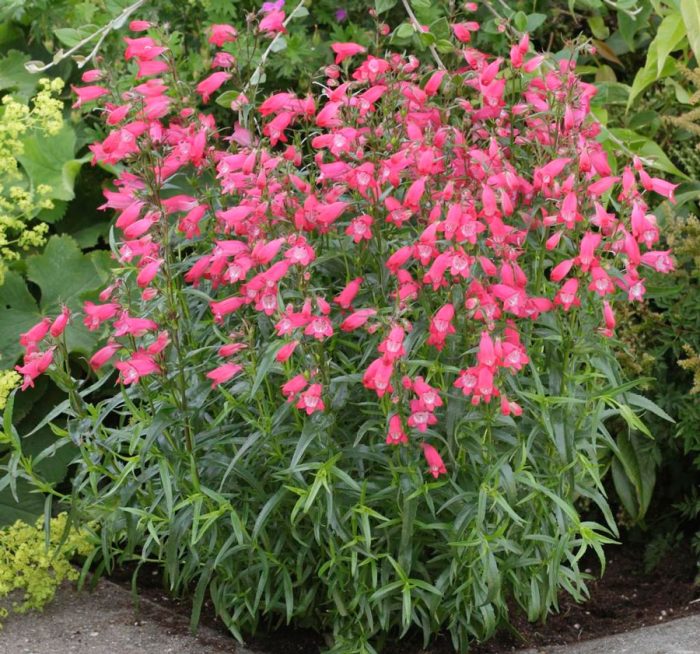
The foliage is dark emerald. At the base of the shoots, it forms a basal rosette. The leaf blades are shiny, lanceolate, with entire or serrated margins. They are arranged oppositely on the stems.
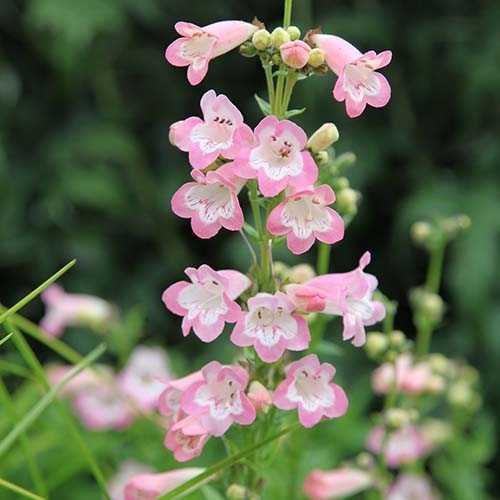
The flowers are large, bell-shaped, and can reach 5 cm in length. Depending on the species and cultivar, the petals can be crimson-violet, light blue, snow-white-pink, blue, gold, lilac, crimson, or red. The buds are gathered in loose racemes at the tops of the shoots. Depending on the variety, flowering continues from June through September.
After the buds fade, a fruit forms in their place. It is a two-valved capsule containing small, brownish seeds, which can contain up to 10,000. The seeds remain viable for two years.
Types and varieties of penstemon
The genus comprises 250 species. We'll take a closer look at the most striking and popular varieties.
Hybrid (Penstemon hybridus)
The hybrid is grown as an annual and is sometimes covered for the winter. In any case, it's important to keep in mind that this penstemon is a heat-loving plant. Bushes reach 80 cm. The flowers come in a variety of colors and sizes, and are bell-shaped. Buds appear in June and fade in mid-autumn. Popular varieties include:
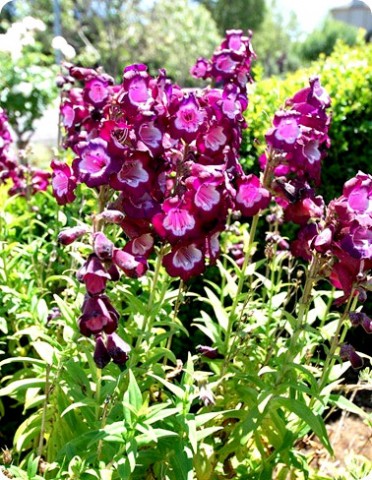
- Purple Passion - burgundy flowers with a pink throat;
- Anthony is a mix of colors;
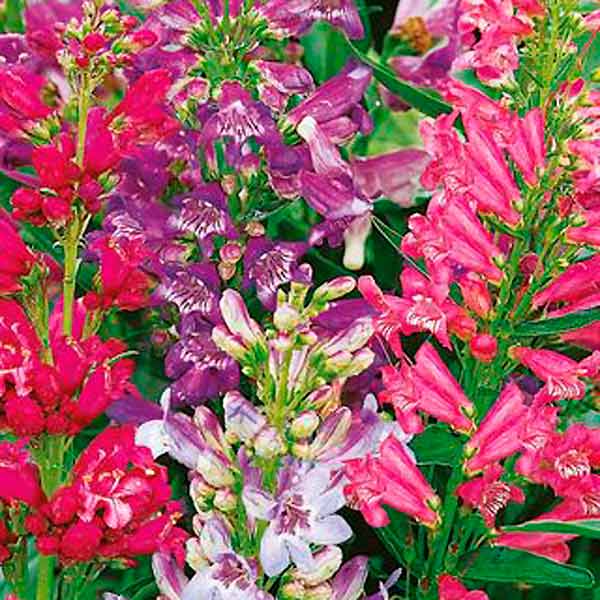
- Scarlet Queen - flowers are rich purple, leaves are bright green.
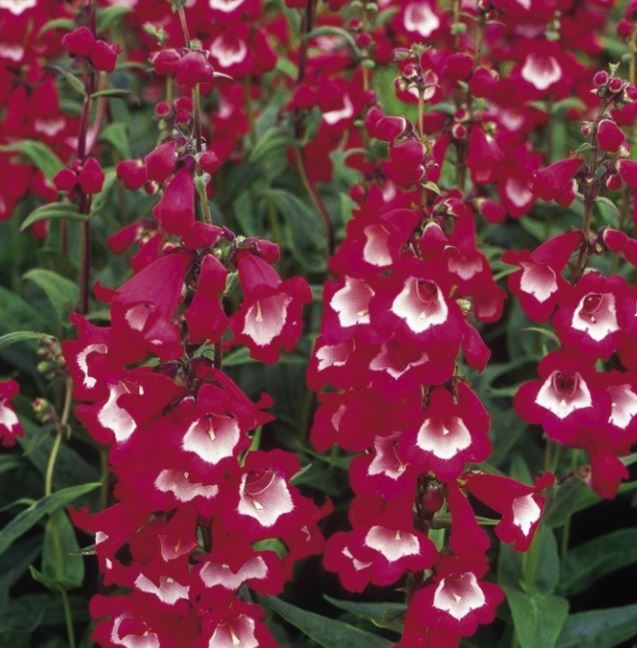
- Rubra - multi-colored buds collected in loose inflorescences;
Hartwig's (Penstemon hartwegii)
Like the hybrid, it requires shelter for the winter, as it is heat-loving.
- Sensation - a two-tone petal coloring, obtained by crossing various Mexican species;
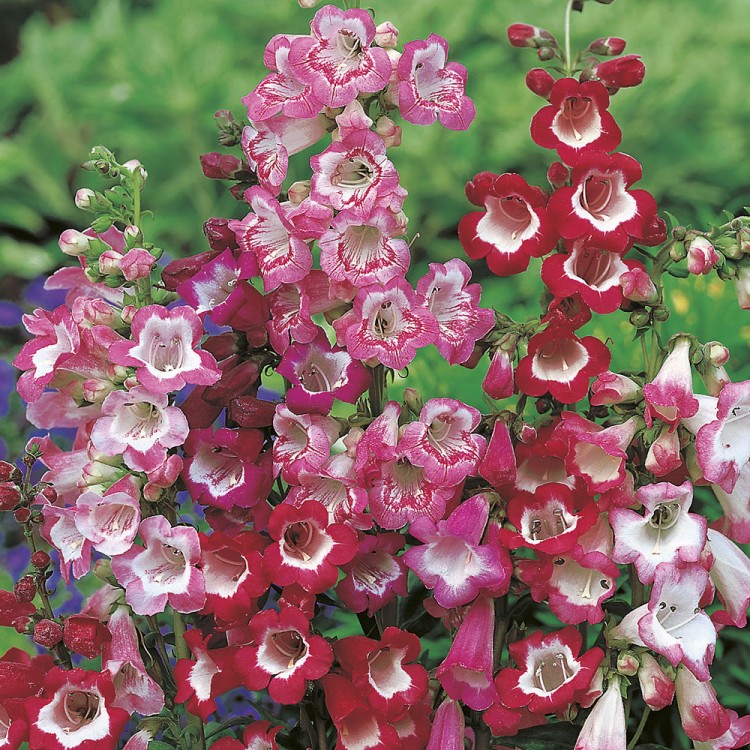
- Chanson - with bright purple or crimson buds.
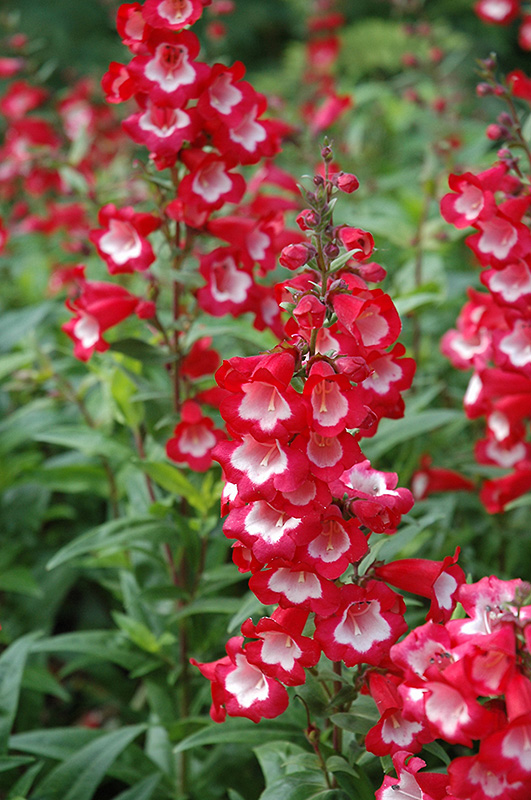
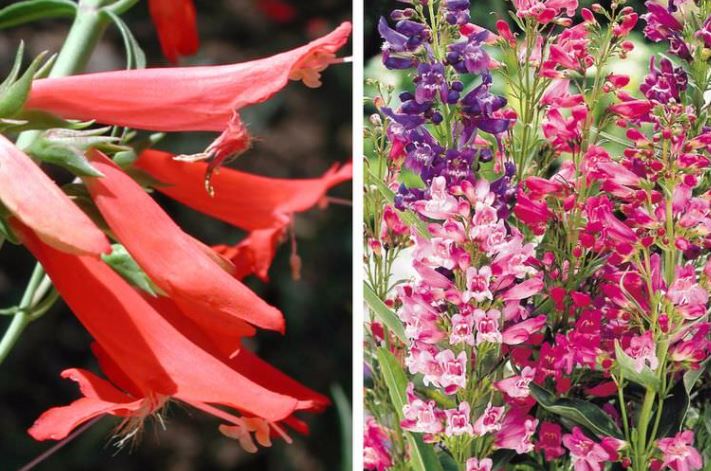
Bearded (Penstemon barbatus)
Most varieties of Bearded Penstemon reach 0.7-0.9 m in height. They are distinguished by large buds that come in a variety of shades. Flowering occurs in July-August.
Bearded varieties:
- Navigator is the only dwarf variety, reaching a height of only 25-30 cm. Its flowers come in a variety of colors.
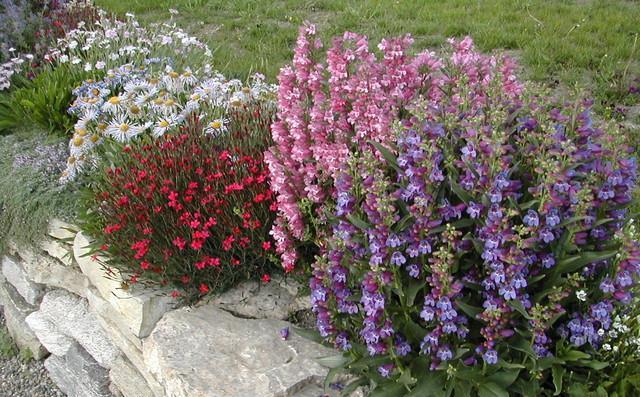
- Pinacolada - bright, pure and rich pinkish and purple shades are used in landscape design for decorating alpine slides, rockeries and flower beds.
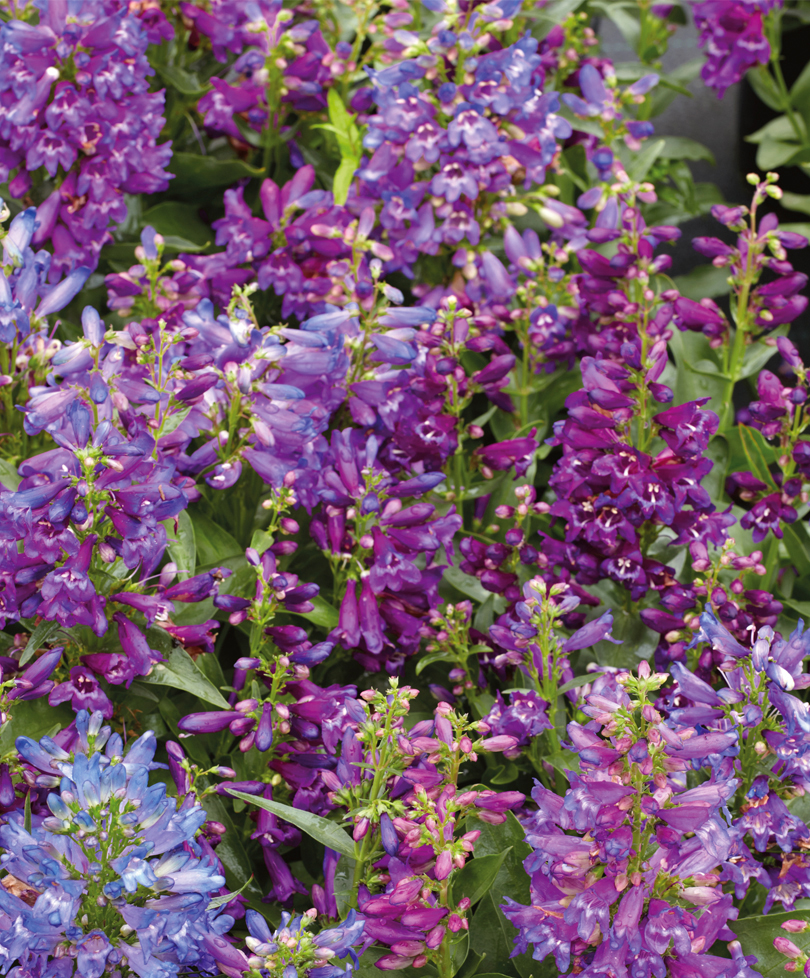
- Coccineus is winter-hardy to -35°C, making it suitable for cultivation even in Siberia. Its flowers are bright pink.
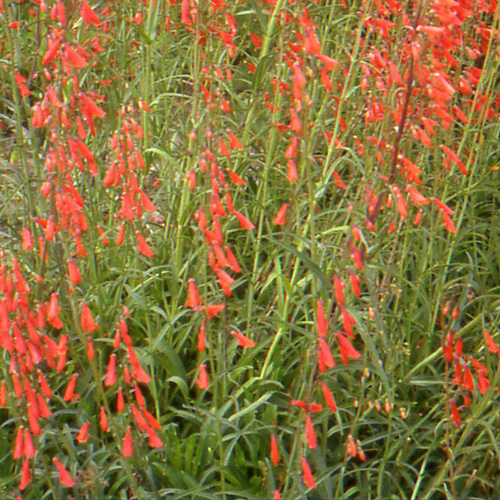
- Rondo grows in western North America. Its flowers are crimson, soft lilac, or white.
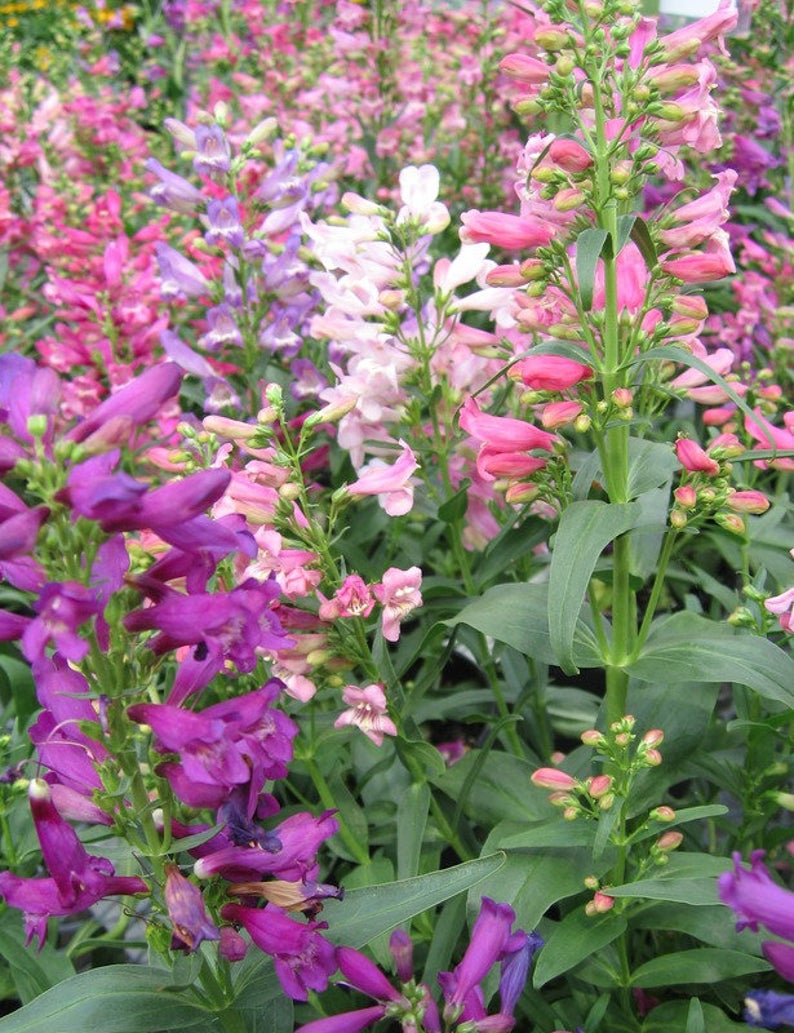
- Twizzle Coral - reaches 0.7-0.9 m in height. Flowers are tubular, red in color.
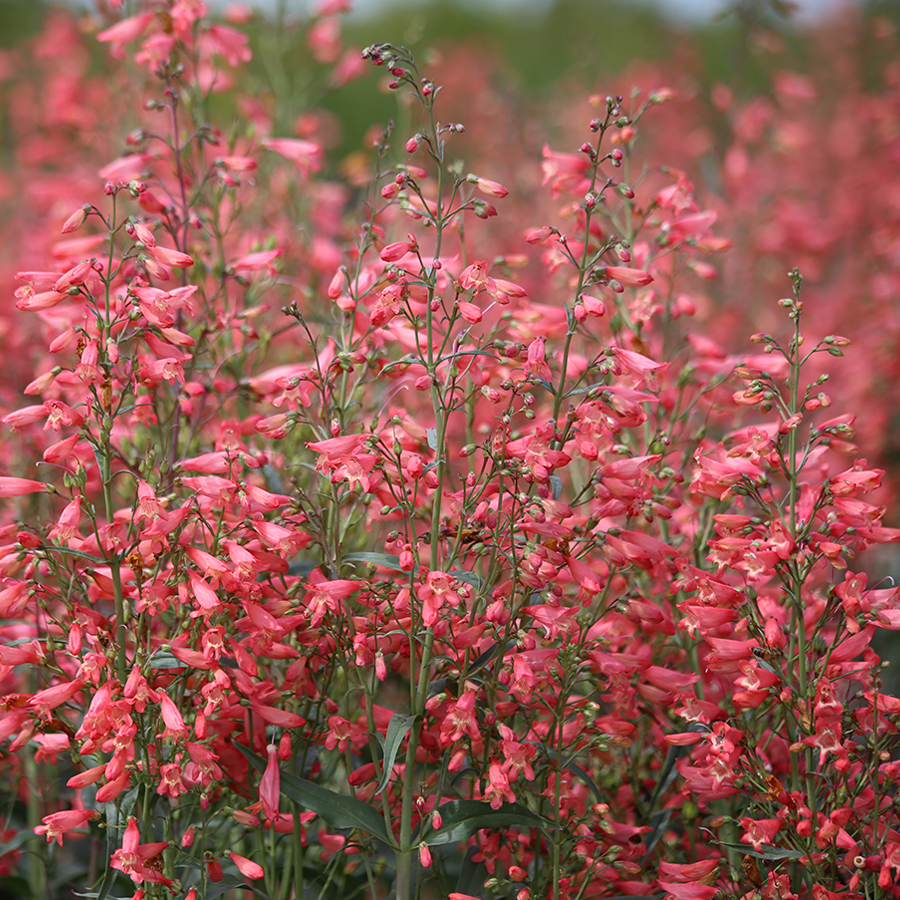
Foxglove (Penstemon digitalis)
A perennial species reaching 0.6-1.2 m in height, foxglove has excellent frost resistance. The petals are pink on the outside and snow-white on the inside.
Let's look at the varieties of foxglove:
- Evelyn is a compact, bushy, semi-evergreen perennial growing to about 0.6 m tall. It has tapering leaves and thin, tubular pink flowers with a snow-white throat and burgundy lines.
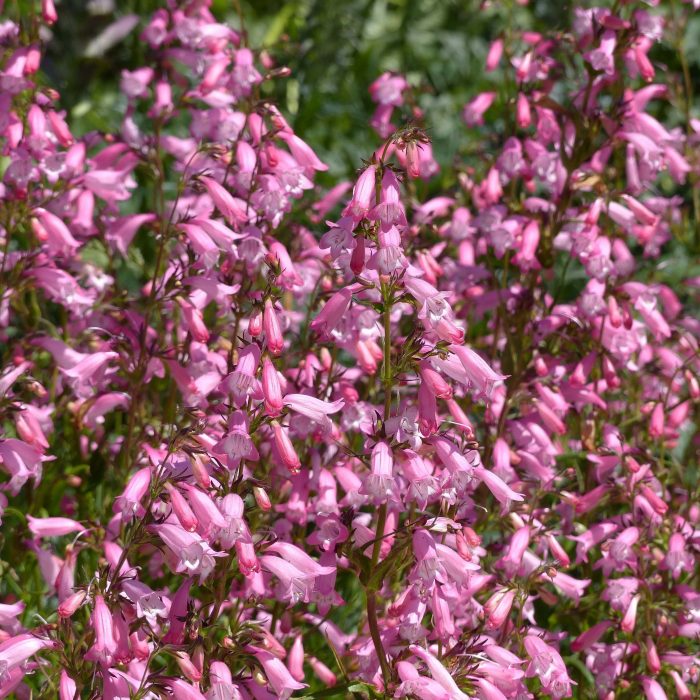
- Dark Towers - with dark pinkish petals at the base and lavender closer to the tips, frost-resistant, but still needs shelter;
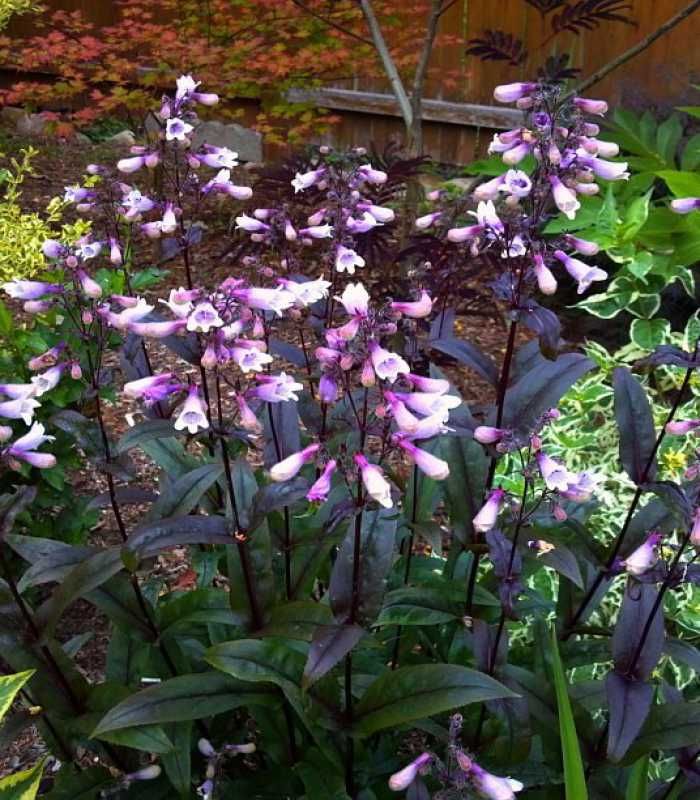
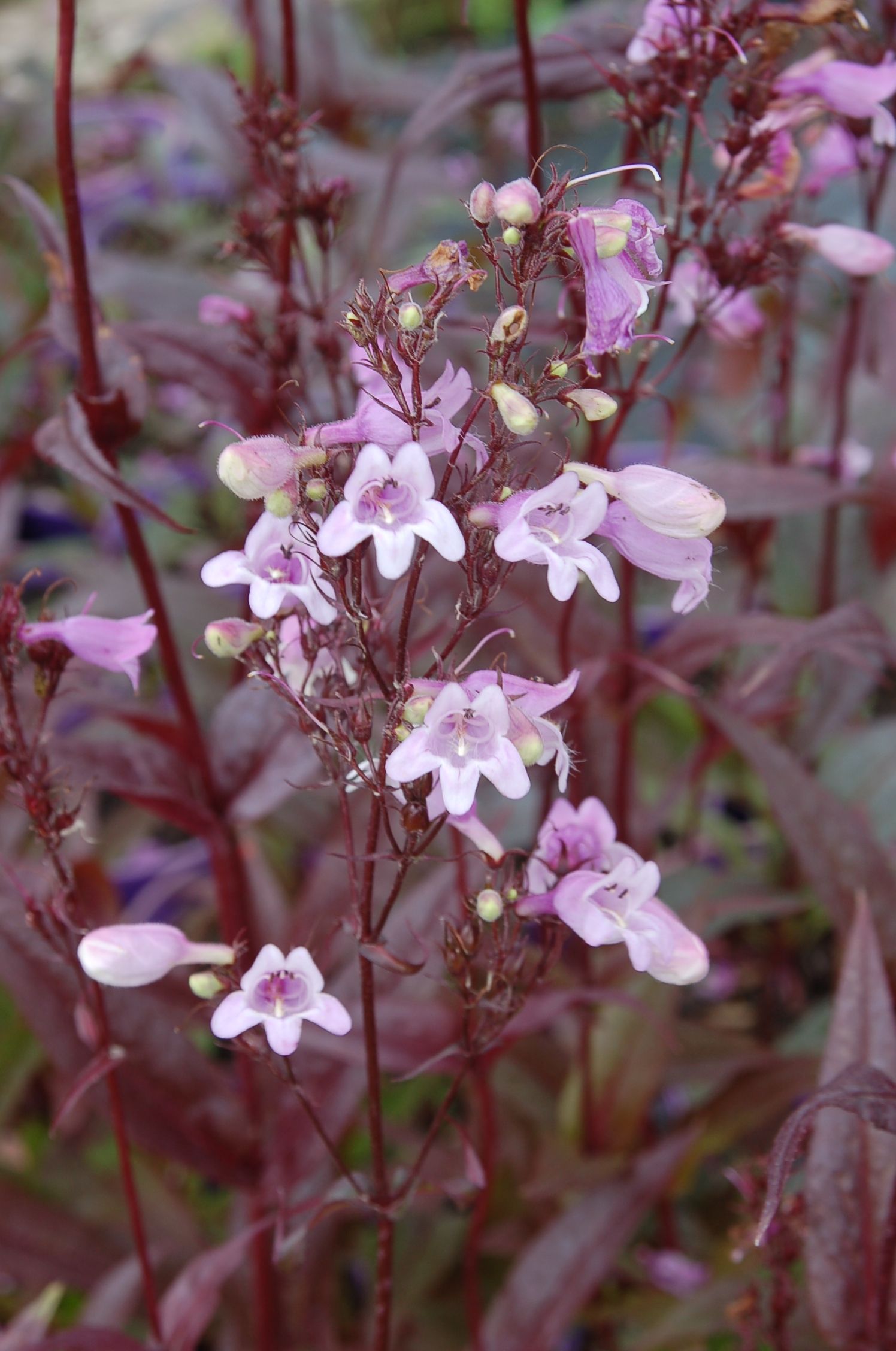
- Husker Red has foliage of an unusual hue—reddish with a bronze sheen. This is why it's also called dark-leaved. The flowers are white or soft pink and bloom all summer.
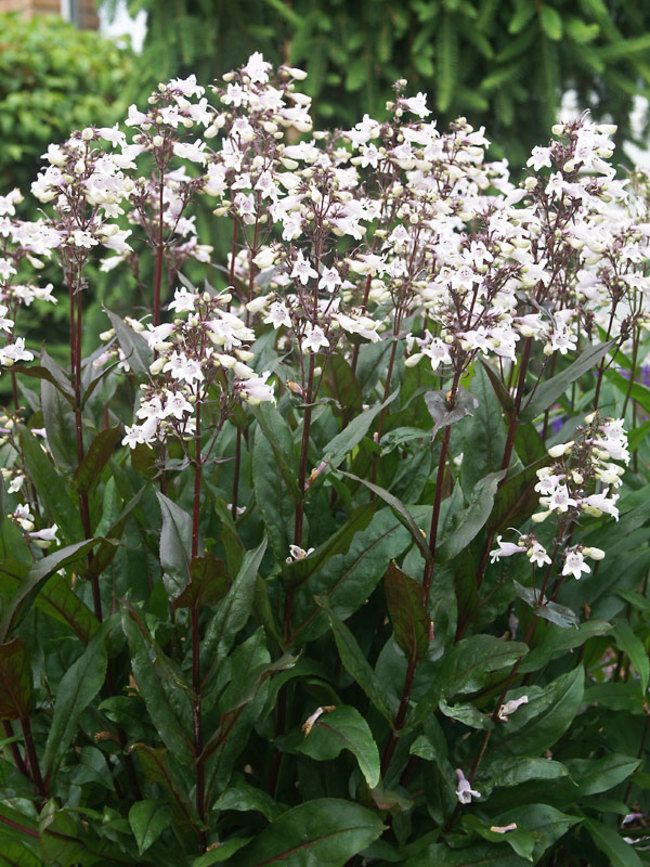
- Garnet forms fairly large bushes, reaching 0.8 m in height and up to half a meter in width. The petals are a wine-ruby color.
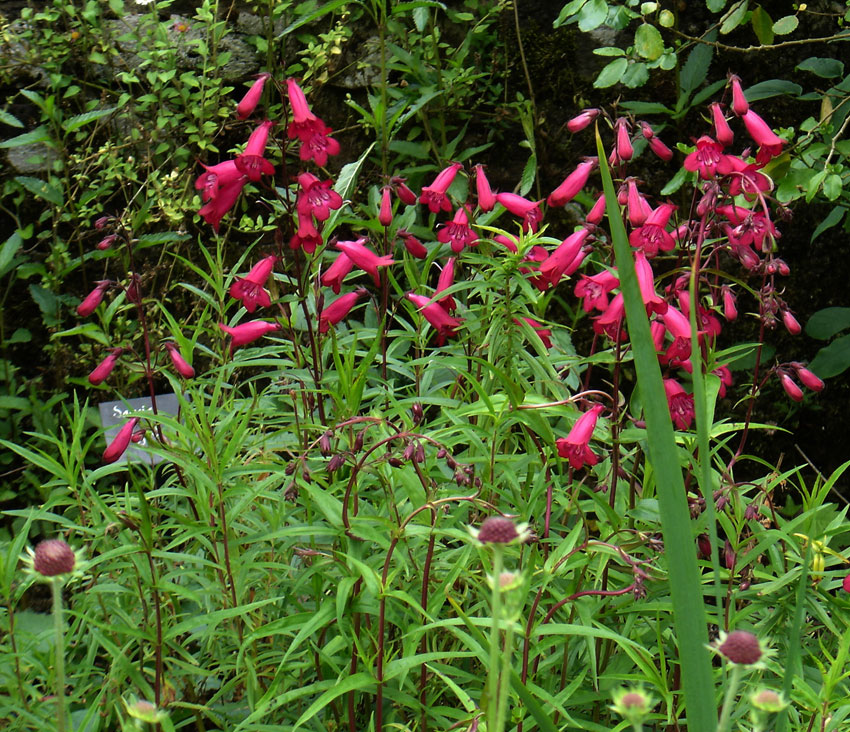
- Pocahontas is distinguished by its thick, burgundy stems. It reaches a height of 0.6-0.9 m.
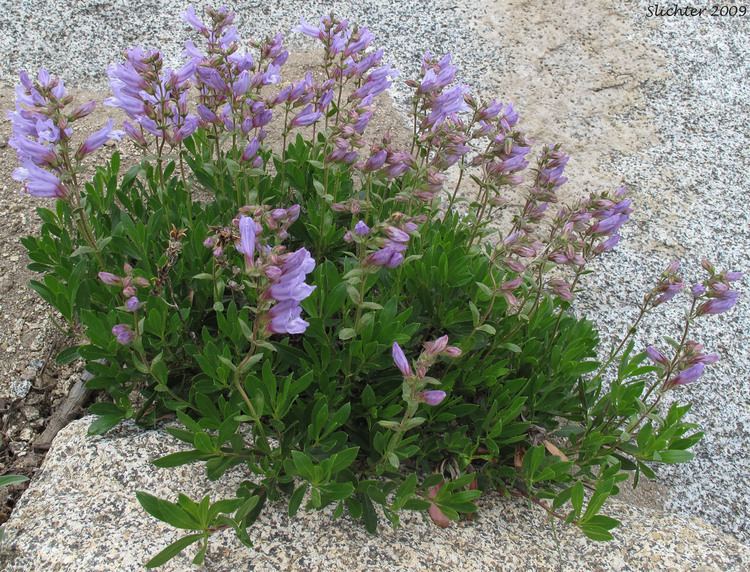
Bushy (Penstemon fruticosus)
A perennial subshrub groundcover plant. It reaches 0.4 m in height. Flowering occurs in late spring and early summer. Flowers are violet-blue or pale purple, borne in clusters about 3 cm long. Leaves are lanceolate or elliptical, up to 5 cm long. It tolerates temperatures down to -15°C.
Penstemon cardwellii
A groundcover perennial, reaching a height of 10-30 cm. The buds are purple or violet-blue. The first bloom occurs in June-July, with a second bloom possible in early autumn. In the wild, it prefers moist locations.
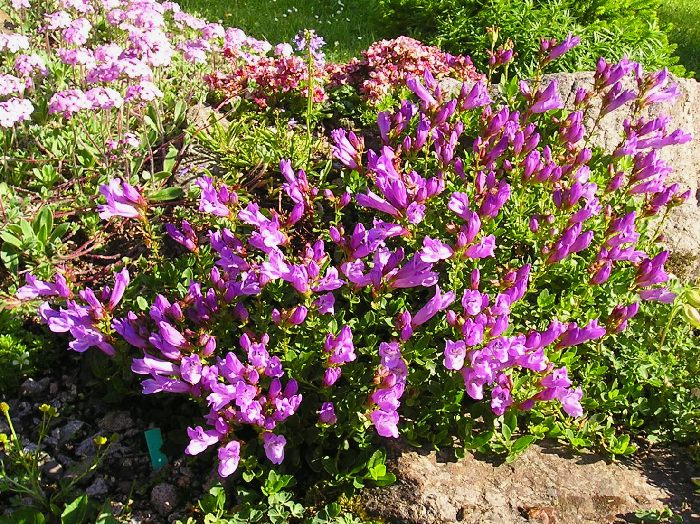
Penstemon scouleri
The plant is a flowering perennial, low-growing, with slender stems up to 30 cm tall. The leaves are long, lanceolate, 5 cm long, and green. The leaf margins are usually finely toothed. The flowers are purple or lilac, but can also be white or pink. They are tubular, up to 5 cm long. The 'Sculera' species blooms very profusely.
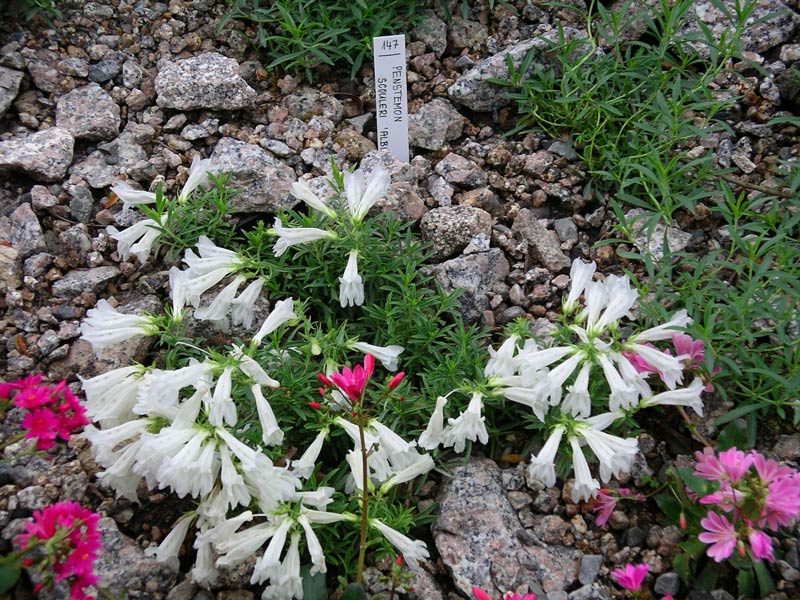
Hard-haired (Penstemon hirsutus)
This variety of penstemon reaches a height of 0.4-0.8 m. Small, pale purple and pink flowers bloom from June to August. The leaf surfaces are lightly pubescent. Popular varieties include:
- Pygmy (Pygmaeus) - delicate lavender corollas on low 15 cm stems;
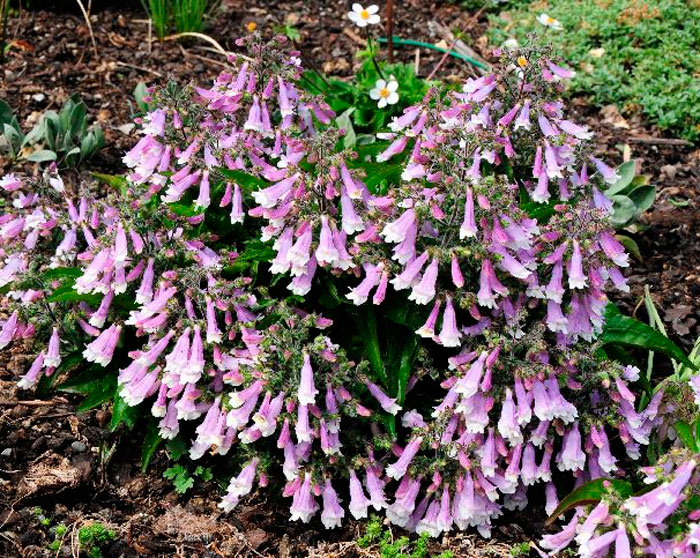
- Albiflorus - with white flowers;
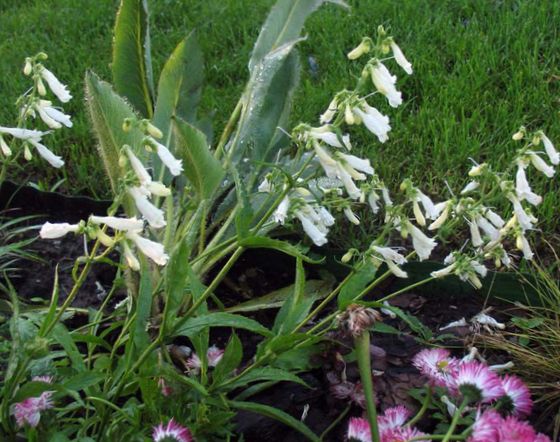
- Minimus - 25 cm peduncles topped with pale purple flowers.
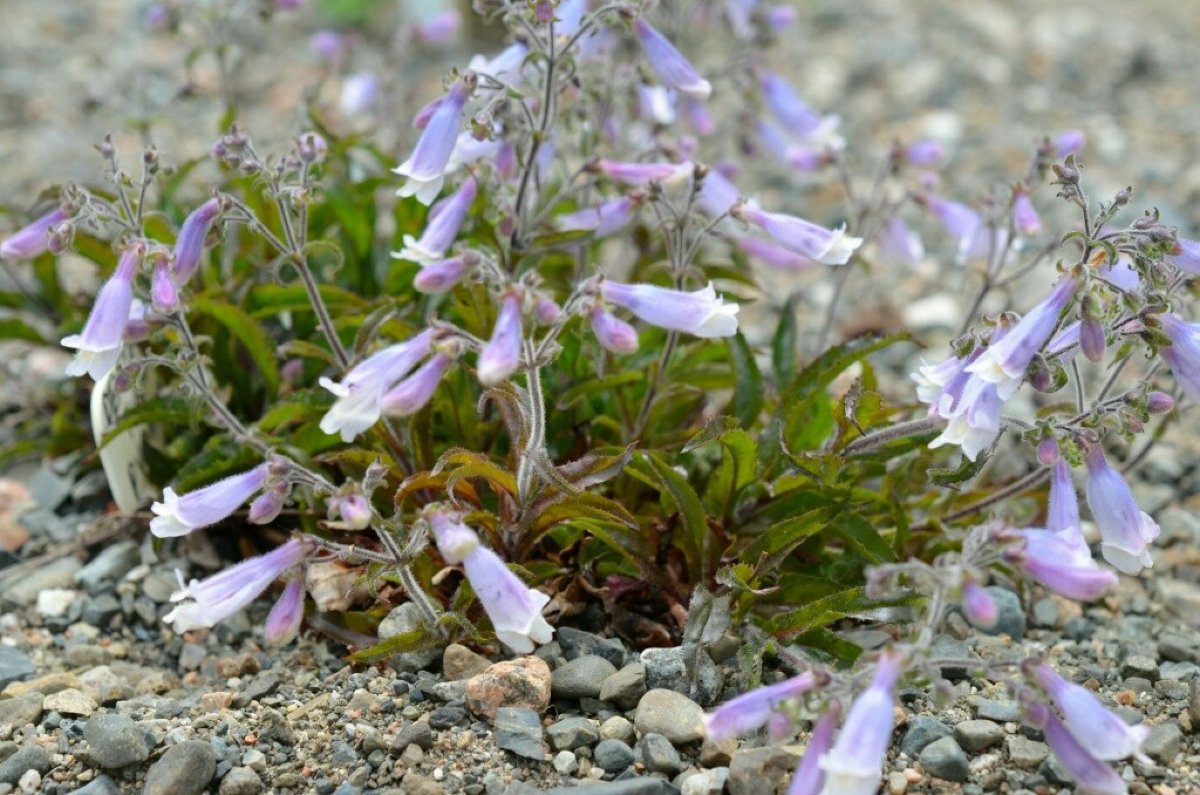
Penstemon gracilis
This graceful, low-growing penstemon is grown as a perennial, growing to 20-30 cm. The stems are dark purple and pubescent. The leaves are large, reaching 12 cm in length. The petals can be pure white or a faint lilac.
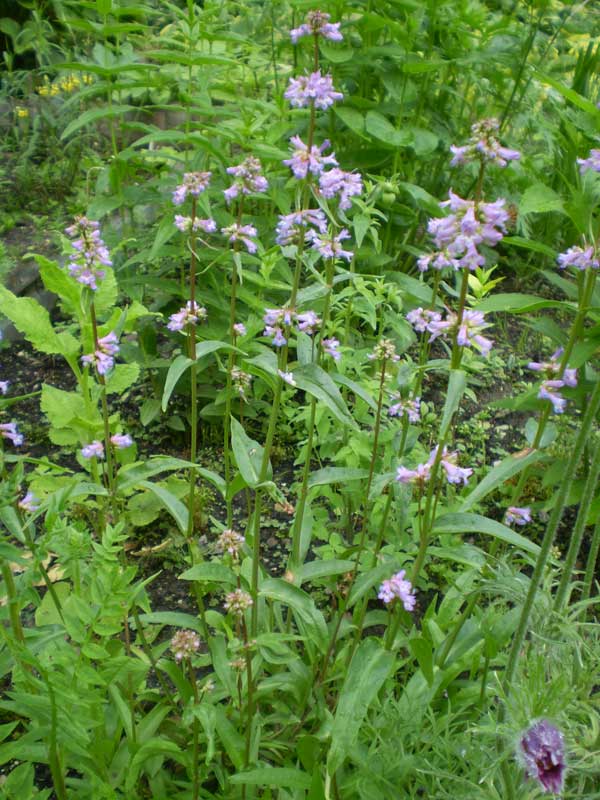
Shining (Penstemon nitidus)
It thrives in the dry climate of Colorado's poor clay soil, making it drought-tolerant. This variety is also winter-hardy. This perennial penstemon, Brilliant, reaches only 20-25 cm in height. The oval stem leaves are short (2.5 cm) and have a glaucous tint. The basal leaves grow up to 9 cm and are located on elongated petioles.
In central Russia, flowering occurs in late May. Numerous buds are gathered into lush inflorescences. Initially, they are a delicate bluish color. As they mature, they turn crimson to light lilac.
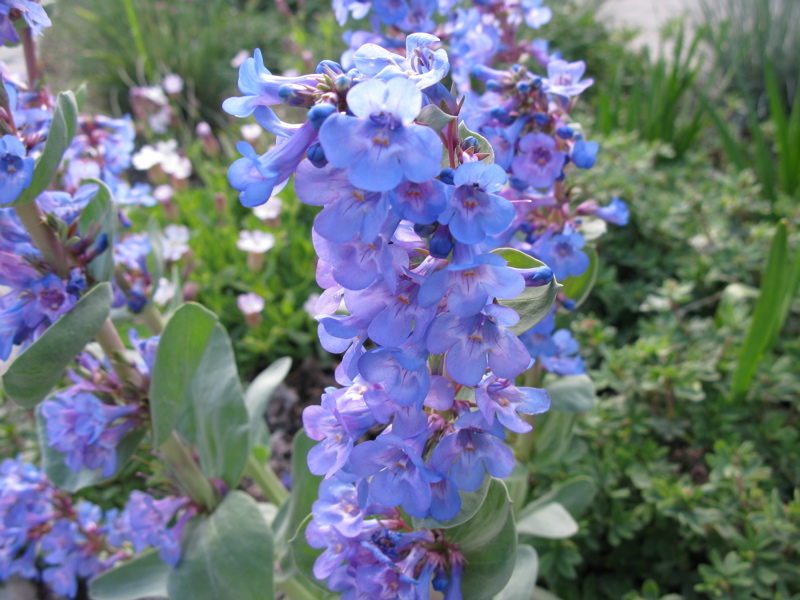
Lyella (Penstemon lyallii)
Reaches 60-90 cm. The shoots are pubescent. Inflorescences consist of two or more flowers with purple petals. It must be protected from winter moisture.
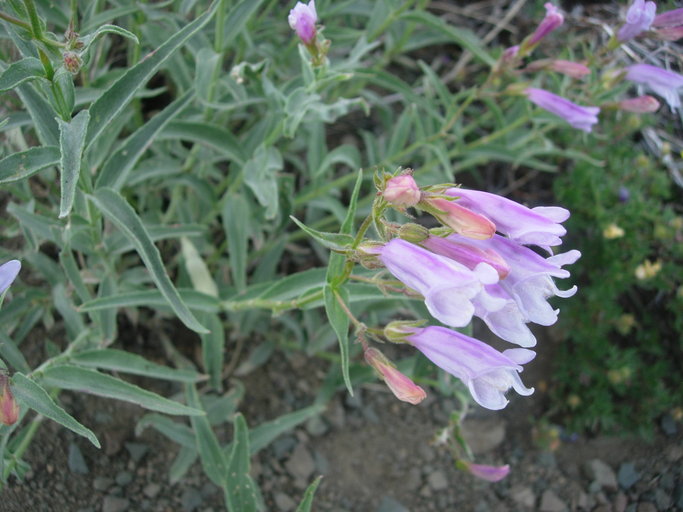
Whitish (Penstemon albidus)
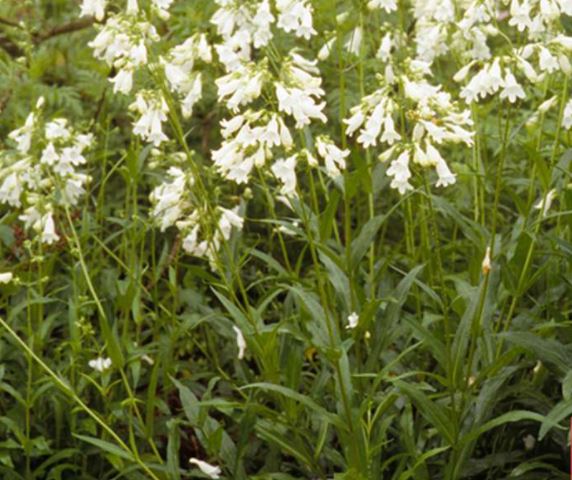
A low-growing perennial, reaching 10-30 cm in height. It forms clumps of 2-4 stems. The leaf blades have a rough texture, reminiscent of sandpaper. Flowers can be pure white, pale pink, or lavender. The throats have purple streaks. Flowering occurs in May-June.
Alpine (Penstemon alpinus)
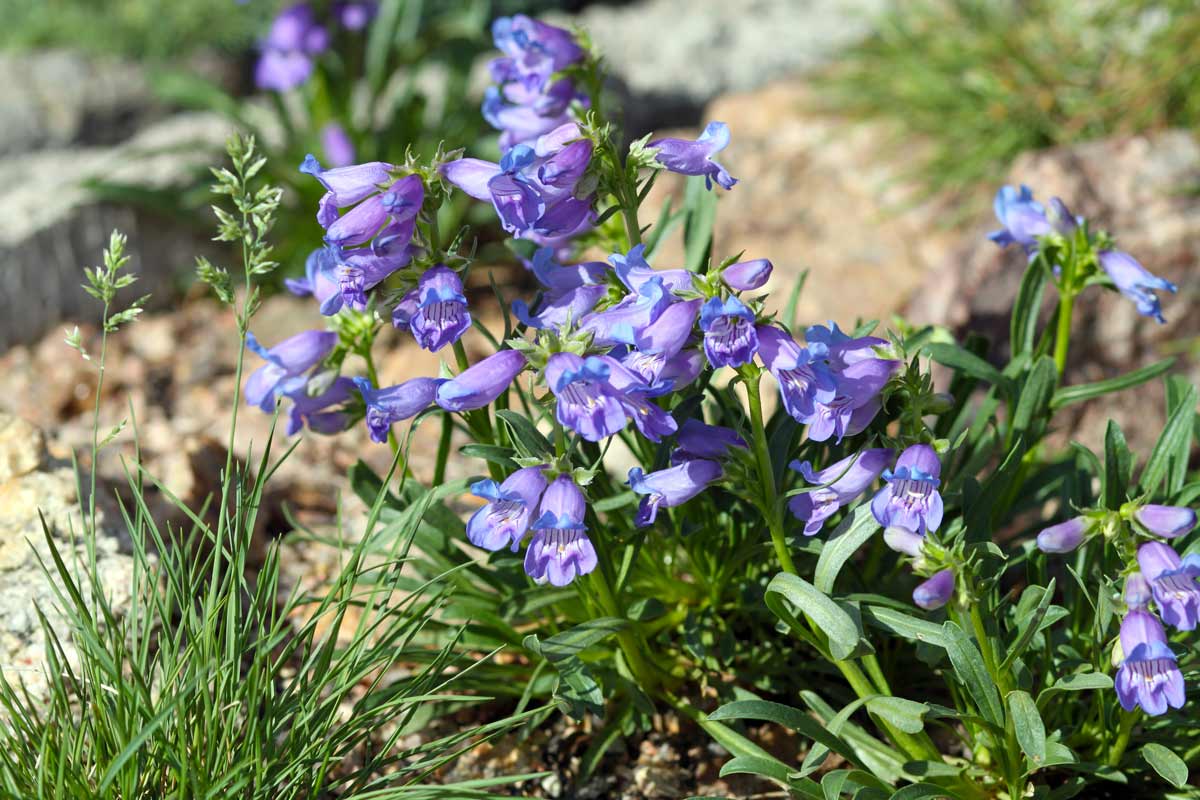
A perennial plant, it forms low-growing bushes with gray-olive, narrow but long leaf blades, resembling a dense cushion of shoots and foliage. The flowers, somewhat reminiscent of snapdragons, are bright blue and borne in clusters of 4-8. Flowering continues from June to September.
Tall (Penstemon procerus v. formosus A.Nelson)
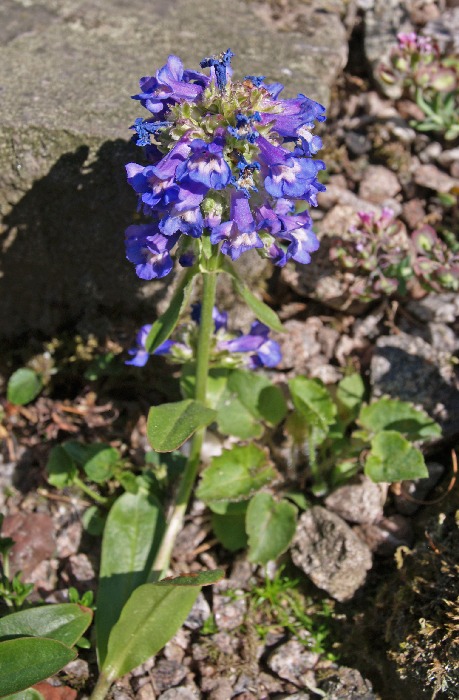
Rhodoea is native to the highlands of California. This penstemon grows no more than 12-15 cm tall, but spreads to 0.5-0.6 m in width. Its shoots are highly branched, forming a dense mound. The first bloom in central Russia occurs in late May-June. With proper care, a second bloom is possible in early autumn. It produces small buds with blue petals.
Bellflower (Penstemon campanulatus)
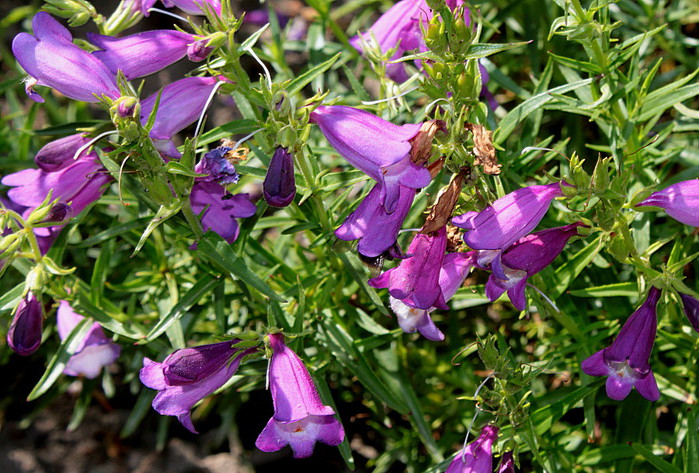
This variety is a perennial that reaches a height of 0.6 m. The stems are well branched from the base. The petals of the buds are pink or lilac, with a white or pinkish spot in the center. The paired flowers are gathered into lacy inflorescences of a fairly large size (about 15 cm). The buds appear from July to September.
Cobo (Penstemon cobaea)
Grown as an annual, it forms vigorous bushes up to 120 cm tall. Stem leaves are sessile, and basal leaves are absent. Bushes are formed from one to four shoots. The buds are large, soft purple, pinkish, or white. The corolla is smooth inside and slightly pubescent outside. The throat has fiery streaks. Flowering occurs in May-June.
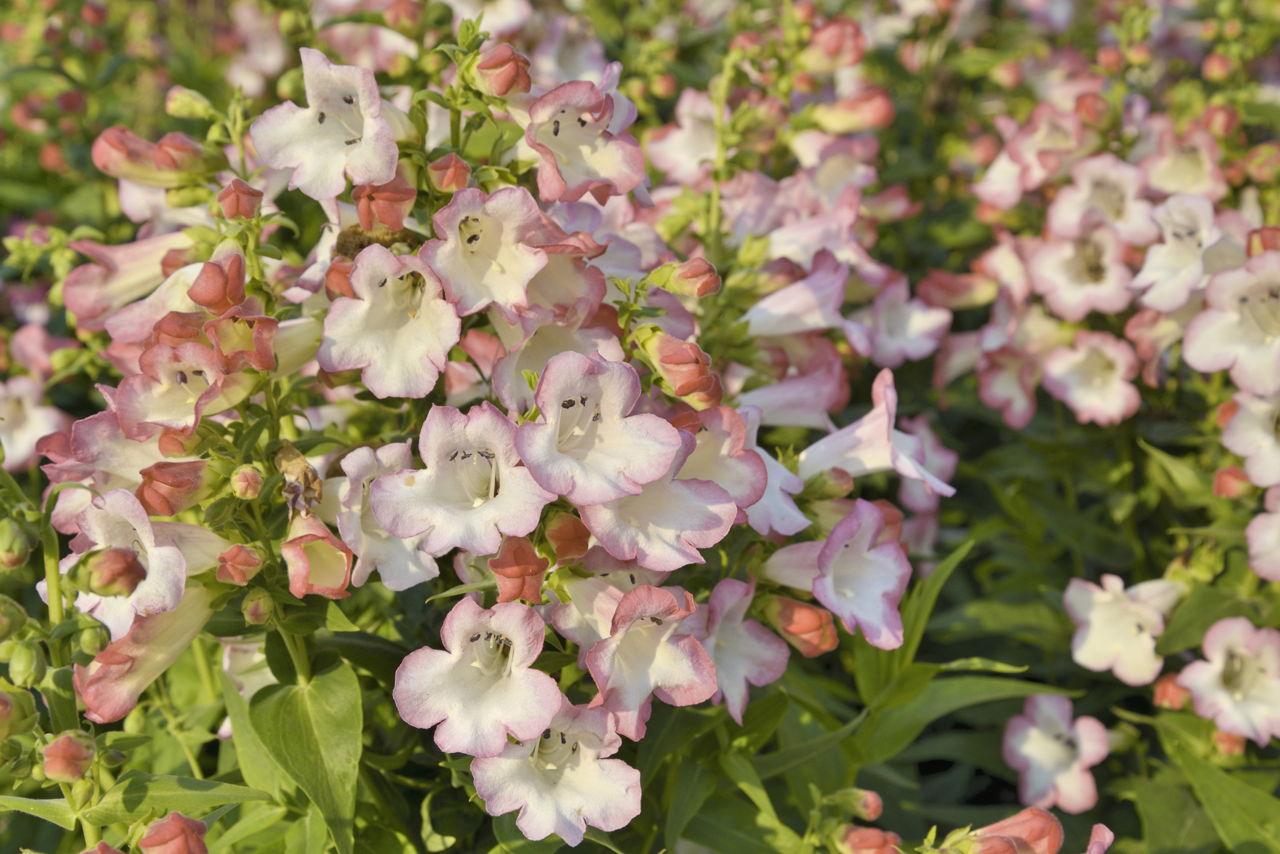
Rupicola (Penstemon rupicola)
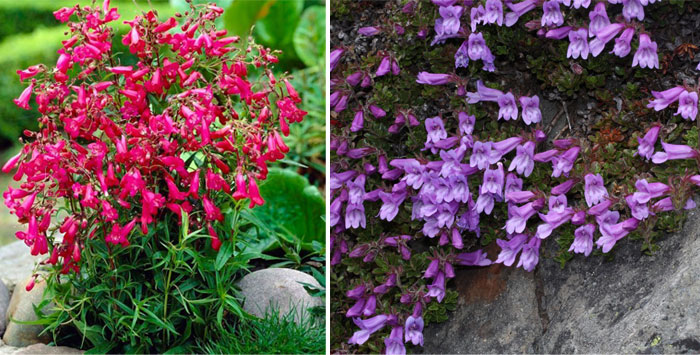
Native to North America, it looks beautiful in rock gardens and when grown in containers. The stems are recumbent and tangled, reaching a height of 10 cm. The leaf blades are glaucous. The flowers are collected in unilateral inflorescences at the tips of the stems. Petals can be lavender, red, or pinkish. All varieties are very sensitive to moisture.
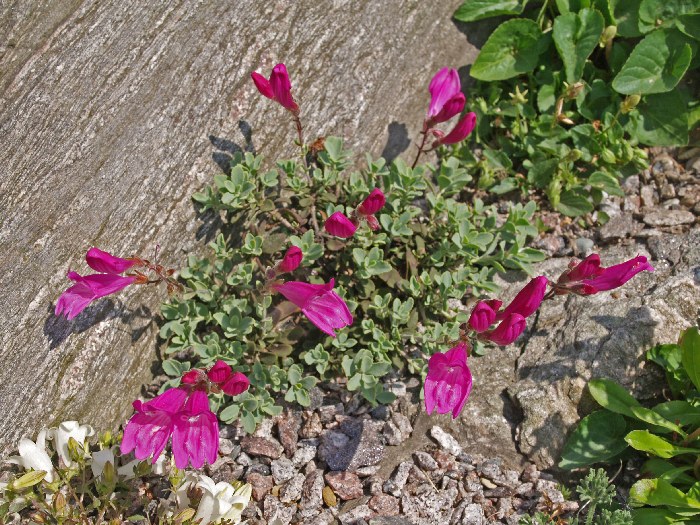
Pine-leaved (Penstemon pinifolius)
Penstemon pinefolia is an evergreen subshrub. It forms numerous, weakly branching shoots. The leaves are narrow, no more than 2-3 cm wide, hence the species name. The shoots are erect and woody.
Bright red buds are gathered in inflorescences at the ends of the stems. The corolla is two-lipped, the lower one consisting of three leaflets, and the upper one of two. Blooming is profuse, occurring in July and August.
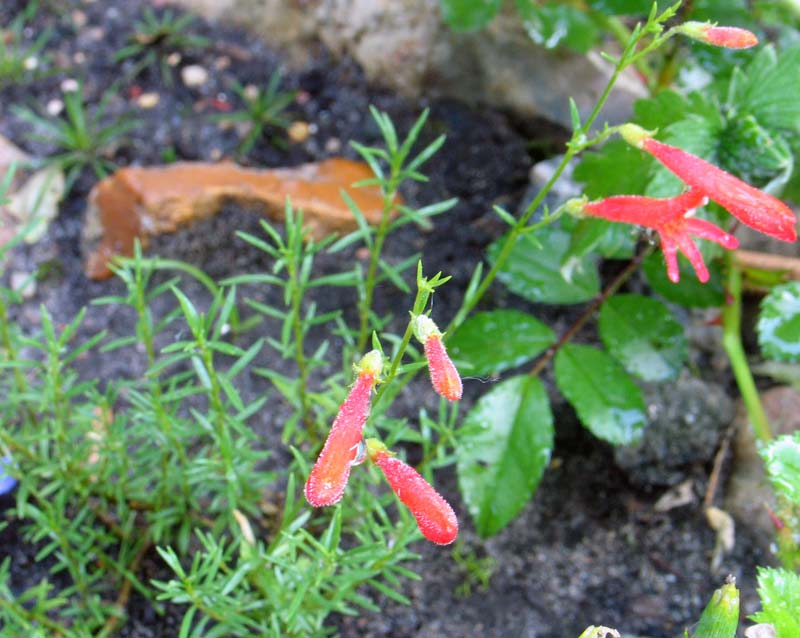
Serrated-leaved (Penstemon serrulatus)
This species is also known as spreading or pointed. It is a semi-evergreen perennial that forms clumps of numerous shoots. They reach 40 cm in height and 30 cm in width. The flowers are tubular, purple-pink, and 4 cm long.
When growing, unlike many penstemons, it prefers moist soil. It is winter-hardy.
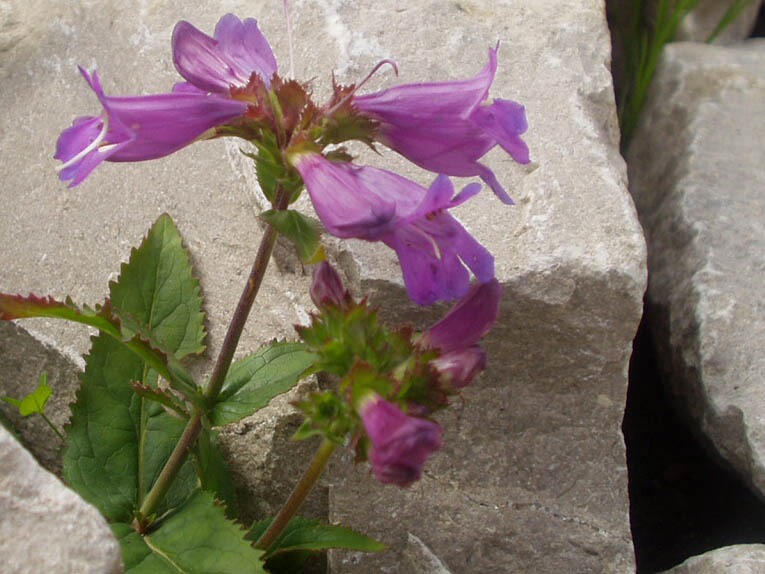
Gray (Penstemon euglaucus English Proceri)
A groundcover perennial plant reaching 10-50 cm in height. The leaves are grayish-green, hence the name. The buds are a rich blue. Flowering occurs in summer.
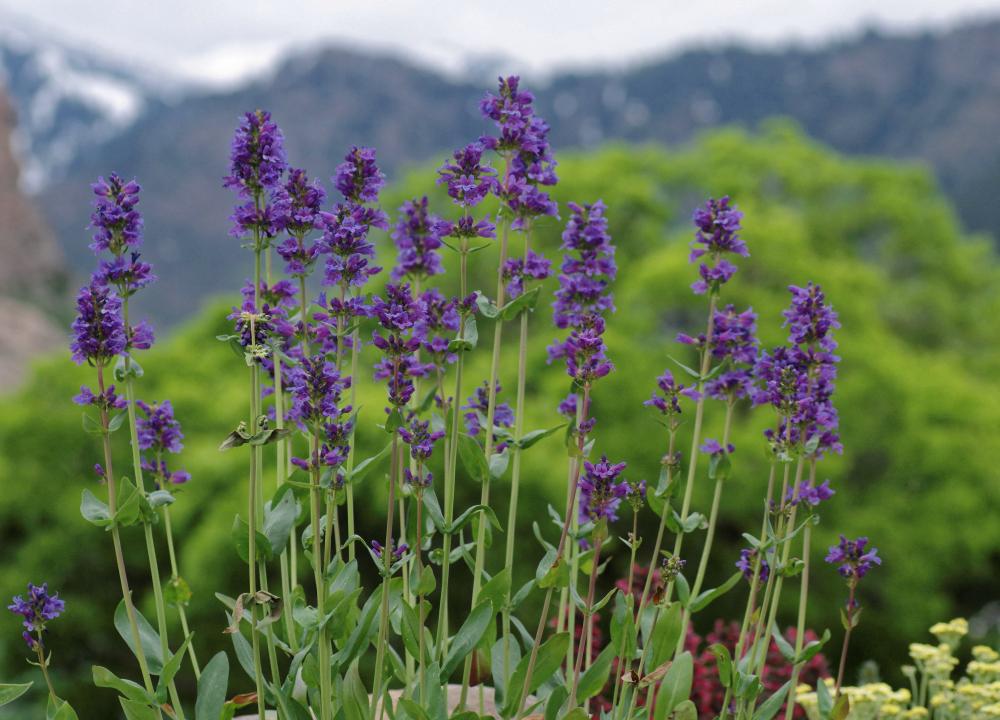
Halla (Penstemon hallii A.Gray Habroanthus)
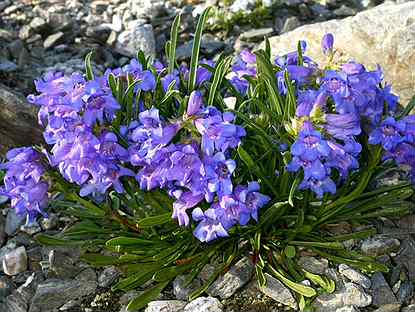
It grows in Colorado at elevations of 3,500-4,700 meters above sea level. The bushes are low, no more than 15-20 cm tall. The foliage is bluish-green, with thick blades. The buds are collected in racemes of 5-15 flowers. The petals are bluish-purple. Flowering occurs in summer.
Davidson (Penstemon davidsonii Greene Dasanthera)
This is a creeping perennial plant, growing to a height of no more than 5-10 cm. The reddish-purple buds, 2-4 cm long, are collected in small, few-flowered inflorescences. It grows in dry, sunny locations with well-drained rocky or sandy soil; it does not like stagnant water. It requires winter protection.
The species has three variants, differing in leaf blades:
- Var.davidisonii - with spatulate leaves;
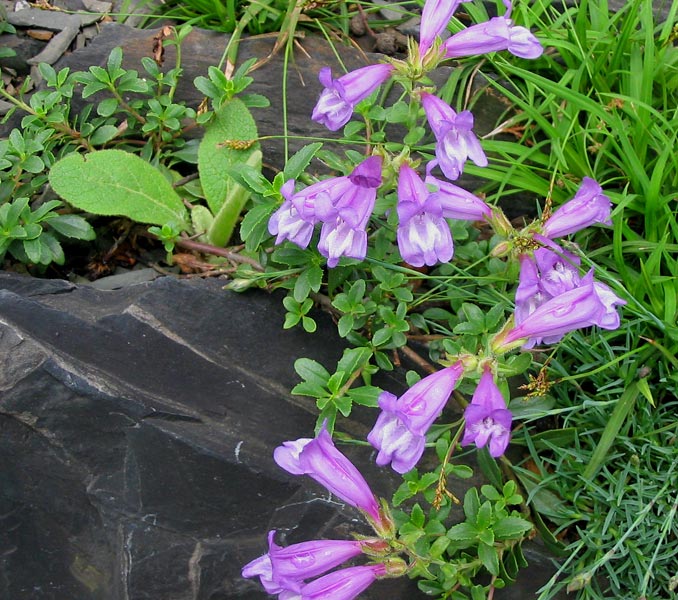
- Var.menziesii - the plates have serrated edges and a lanceolate shape;
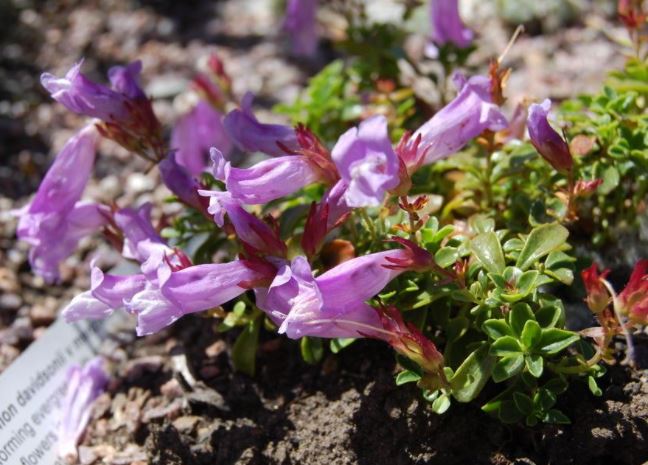
- Var.praeteritus - flowers are slightly larger than the previous varieties, leaves are sharp.
Upright (Penstemon strictiformis)
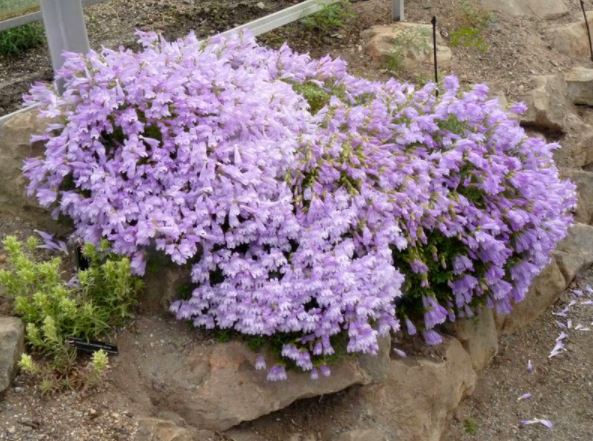
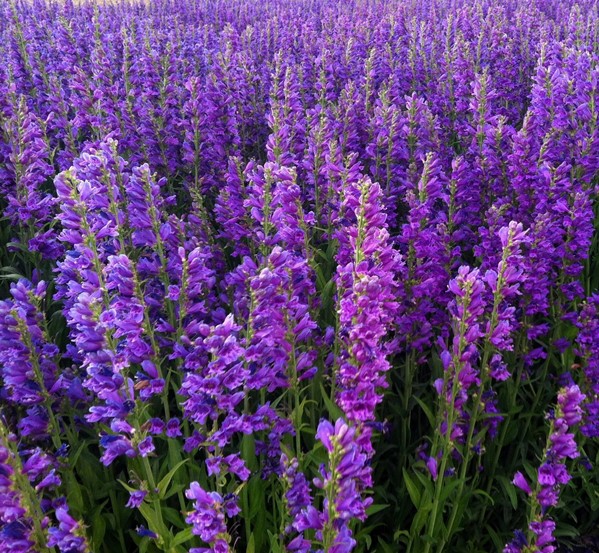
A frost-hardy variety with smooth, oblong-lanceolate leaves that are arranged along the stem and also form a basal rosette that overwinters. The flower stalk bears blue, bluish-violet, bell-shaped flowers, 2.5-3 cm long. Easy to grow, it thrives in partial shade, forming dense thickets. The only requirement is good drainage. Sowing is best done in the fall. When sowing in the spring, stratification for 1-1.5 months is necessary.
It is worth mentioning the beautiful varieties, which are a mix of different species and can decorate the landscape as a perennial:
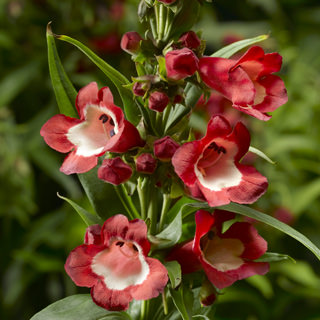
- Party Bells Red - with neat red flowers;
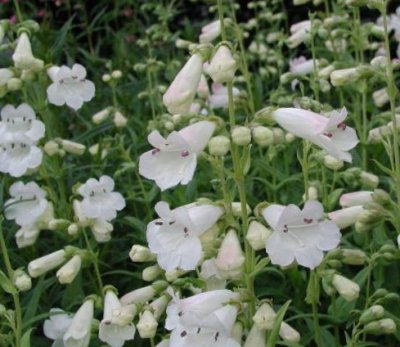
- White Bedder - pinkish buds for warm climates;
- Midnight Masquerade is a perennial growing to 1.2m with lavender flowers and dark burgundy leaves;
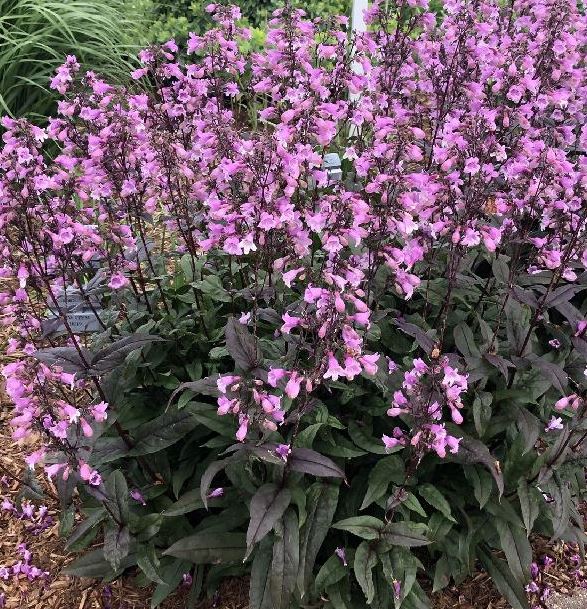
- Ice Cream - woody shoots and cream flowers with a purple throat and the same strokes on the petals;
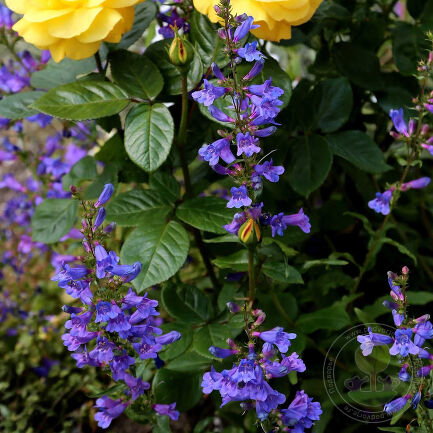
- Heavenly Blue - bluish, for growing in southern regions;
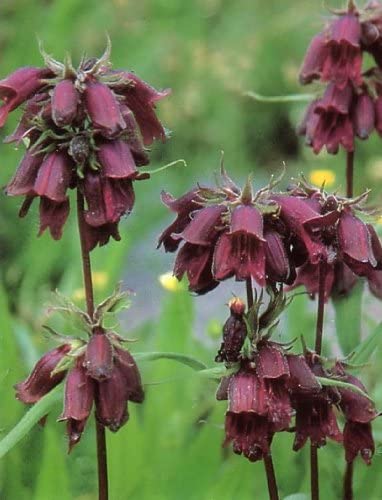
- Chocolate Drop - purple-brown satin flowers;
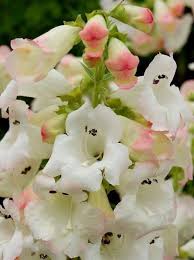
- Apple Blossom - with white petals and a pink throat and others.
Features of sowing penstemon seeds and planting in the ground
The most common method of propagation for gardeners is growing from seeds. Planting material can be purchased at a specialty store or collected in your own garden. In both cases, the varietal characteristics will be preserved.
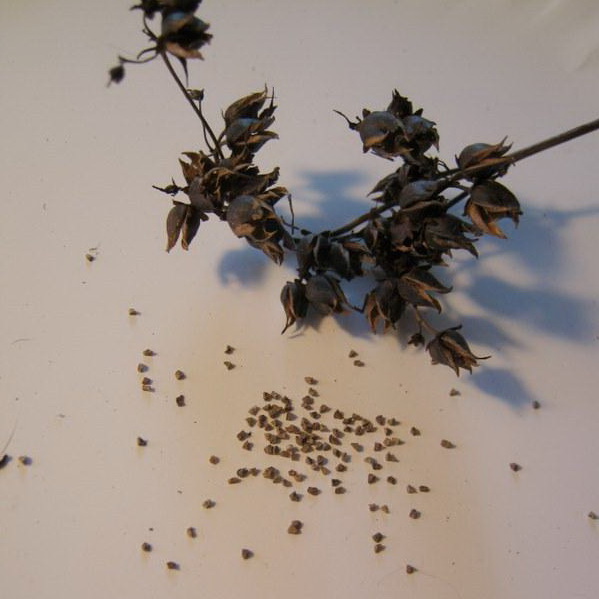
Sowing can be done in the fall or spring, when the risk of frost has passed.
Winter planting is preferable. If the seeds are sown in late autumn, they will undergo natural stratification.
You can also carry out the procedure at home:
- In winter, sow seeds in small boxes.
- Sprinkle with a thin layer of soil.
- Keep at room temperature for 20 days.
- After the specified time, the seeds should swell. After this, cover the boxes with lutrasil, secure it securely, and transfer them to the garden.
- Keep the seeds outside for at least 8 weeks to allow them to stratify.
- Bring the boxes indoors to increase the temperature.
- If everything is done correctly, seedlings will appear in just 1.5 weeks.
- Once the risk of frost has passed, seedlings can be planted in open ground.
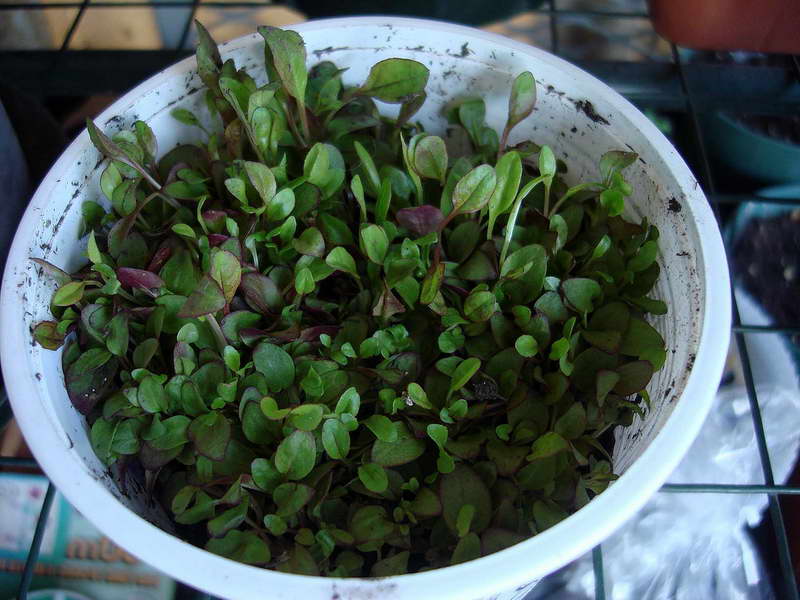
The distance between bushes should be 30-40 cm.
Please note! With this growing method, the bushes can bloom as early as the first year of planting, approximately 3-4 months after germination.
The soil must be loose. A good drainage system is also essential.
Propagation of penstemon by cuttings and layering, dividing the bush
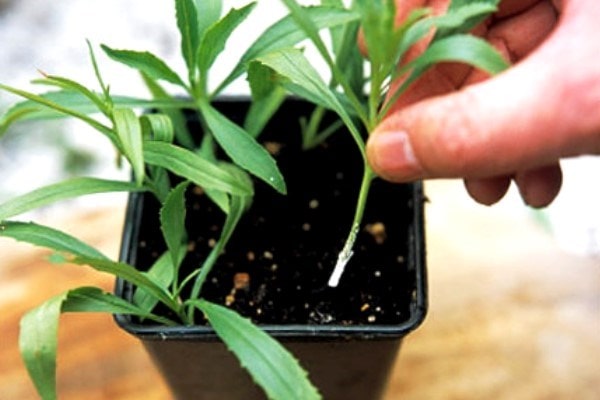
Penstemon cuttings can be taken at any time. To do this, cut off the terminal stems that lack flowers and ovaries. Bury the resulting material in peat-sand soil. Store it away from direct sunlight. Keep the soil constantly moist, but not soggy. Cover the top with plastic wrap until the first leaves appear. Plant it in a permanent location for the winter or separate into individual pots.
If you have a mature, healthy penstemon bush in your garden, layering is the easiest method. To do this, bend the lower shoot to the ground, secure it with a fork or staples, and cover with soil. Layers take root quickly, and within a month they can be separated with a spade and transplanted to their permanent location.
A mature, full-grown bush is suitable for division. Therefore, the best time to propagate penstemon this way is in the spring. Here's the step-by-step process:
- Dig up the bush along with a large lump of earth.
- Remove soil from the roots. A fork is helpful for this.
- Carefully untangle the tangle with your hands.
- Divide the bush into divisions.
Young bushes should be planted at a distance of at least 35 cm from each other.
Caring for penstemon in open ground after planting
Watering should be done as the top layer of soil dries out. Avoid excessive moisture, which can lead to rot. Periodically loosen the soil around the bushes to improve oxygen access to the roots and prevent water stagnation.
The plant responds well to organic nutrient mixtures. These are applied at the beginning and end of the growing season. Mineral fertilizers containing phosphorus should be used before flowering. Before planting, it's also necessary to dig over the area and add compost and rotted manure. Avoid using fresh manure, as it will burn the roots.
Bush care necessarily includes fall pruning. This is done in September immediately after flowering. Pruning involves completely removing the above-ground portion of the shrub. For evergreen species, the basal rosette can be left.
Many varieties tolerate only light frosts and require proper winter preparation. In the fall, the bushes should be mulched with fallen leaves or sawdust (at least 10-15 cm thick), and covered with spruce branches or lutrasil. Care should also be taken to ensure that the plant is not exposed to excessive moisture during the spring snowmelt.
Penstemon diseases and pests and their control
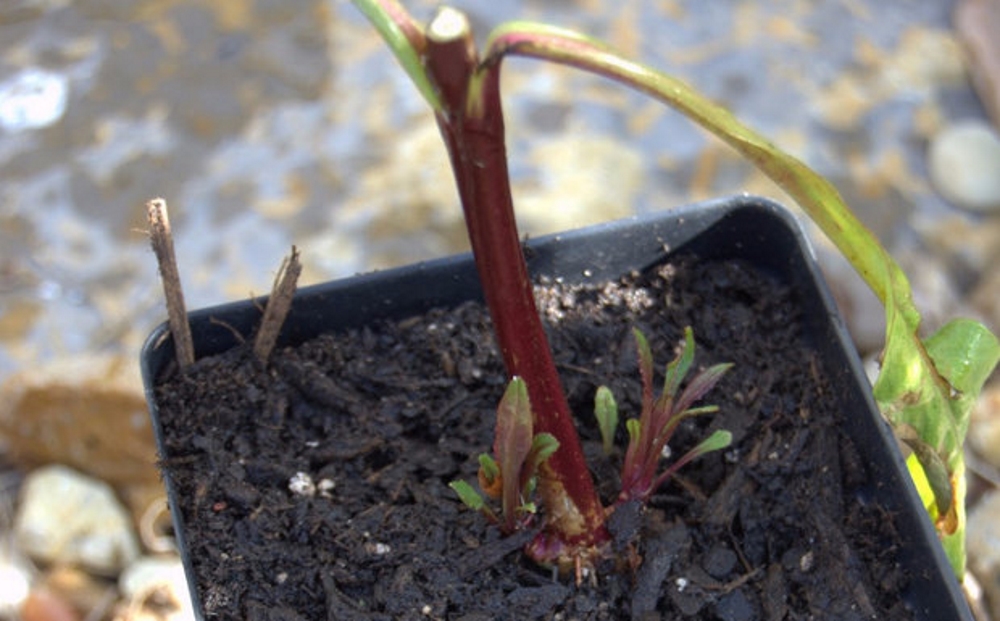
The most common problem when growing penstemon is the drying out of the upper part of the stems. In this case, the affected area must be cut off, otherwise the bush will die. New shoots will grow quickly.
Excessive moisture can lead to gray mold, which is indicated by wilting of shoots. To prevent plant death, loosen the soil and apply a fungicide solution.
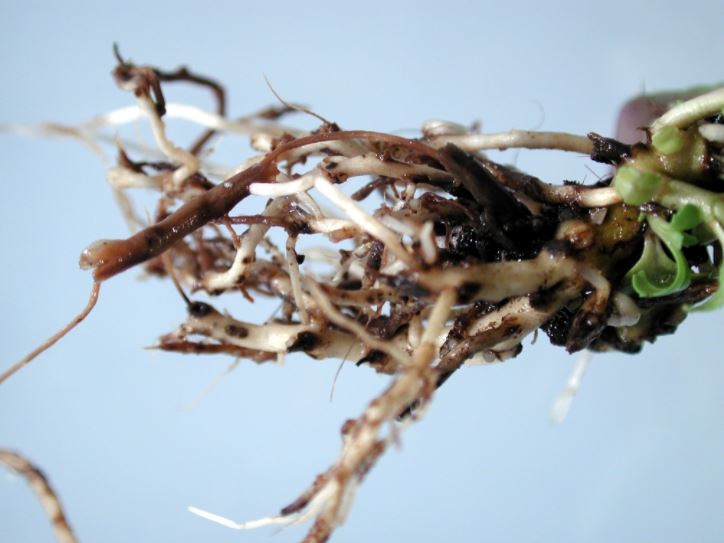
Also, high humidity can cause the following diseases to develop:
- powdery mildew (a white coating on leaves that causes them to turn yellow and wither);
- rust (orange-brown spots appear on the leaf blades and quickly spread);
- spotting (spots of various shapes and colors appear, leading to premature leaf fall).
For mild cases, fungicides can be used for treatment. In advanced cases, the bushes cannot be saved.
Penstemon is resistant to pests. However, it can sometimes be attacked by slugs and snails.
Using Penstemon in the Landscape
According to gardeners, penstemon can liven up and add a touch of zest to any landscape design. However, it doesn't do well next to other ornamental plants, so it's recommended to plant it at a reasonable distance.
Many species are perfect for decorating rock gardens. The key is to choose varieties that provide groundcover. You can see what this looks like in the photo.
Bearded penstemon is suitable for borders and various flower beds. The foxglove variety is recommended for planting near garden daisies and daffodils.
Penstemon looks attractive not only in groups but also as a single plant. For example, it can be used to decorate walkways or mixed borders. It's also recommended to combine several species and varieties in flowerbeds. This will create a lush, colorful flowerbed that will immediately attract attention.
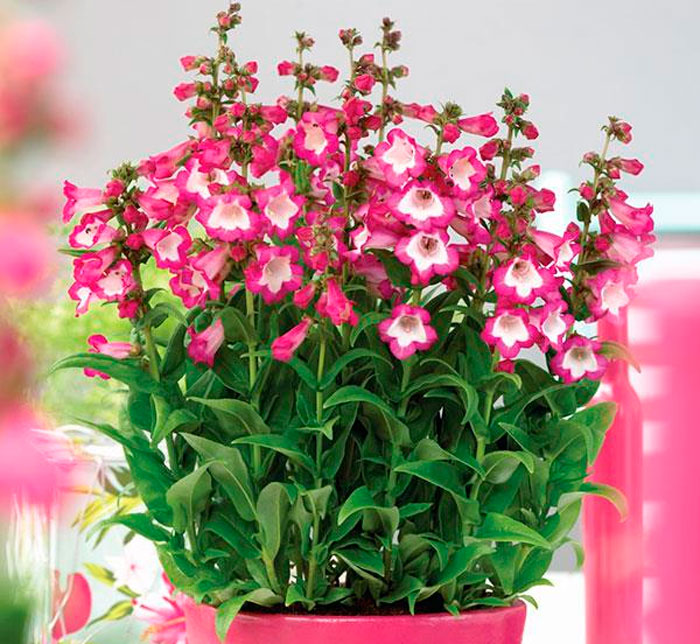
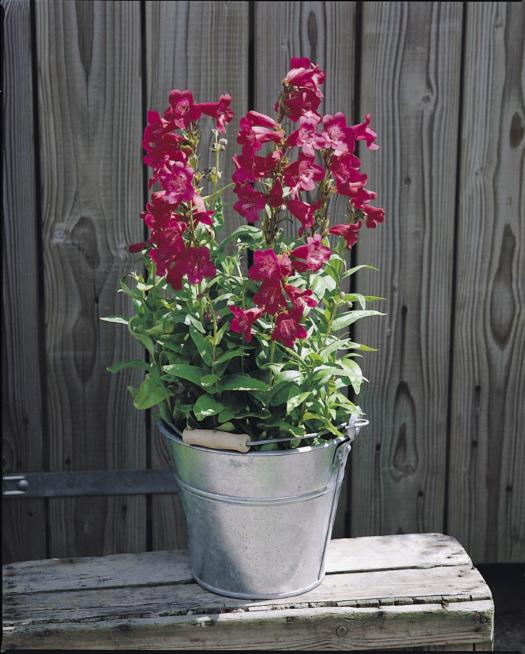
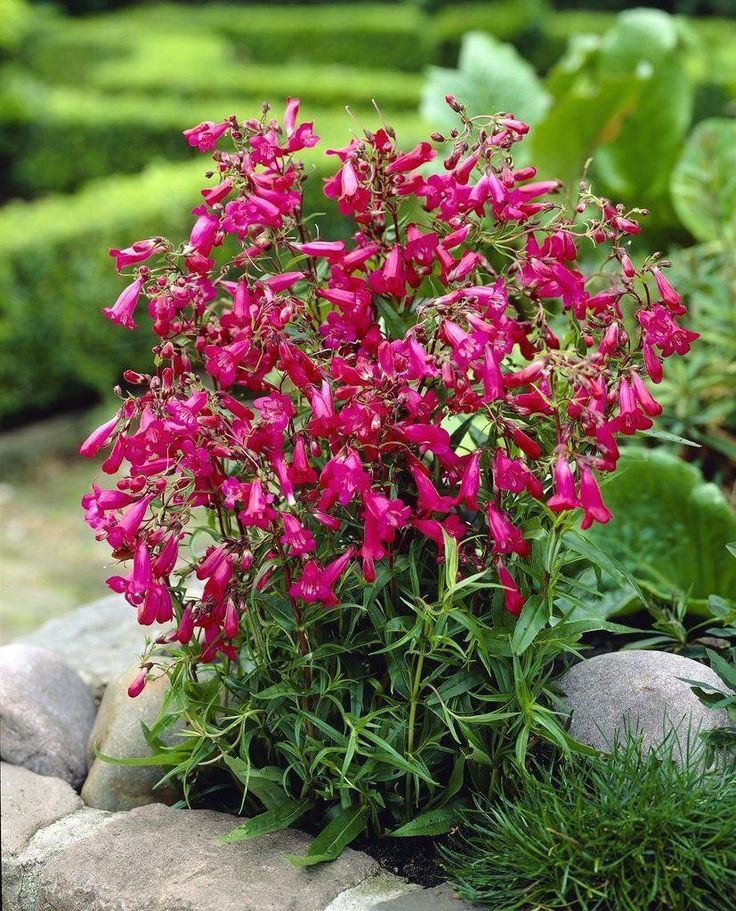
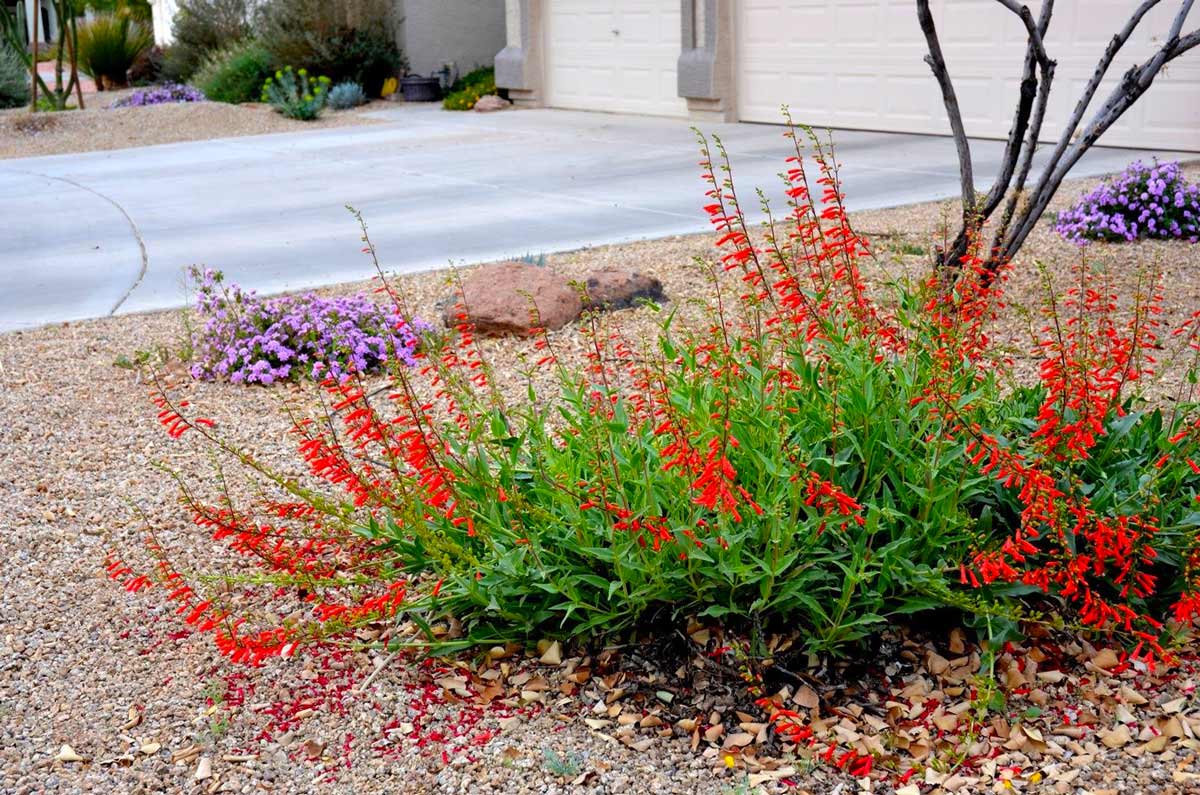
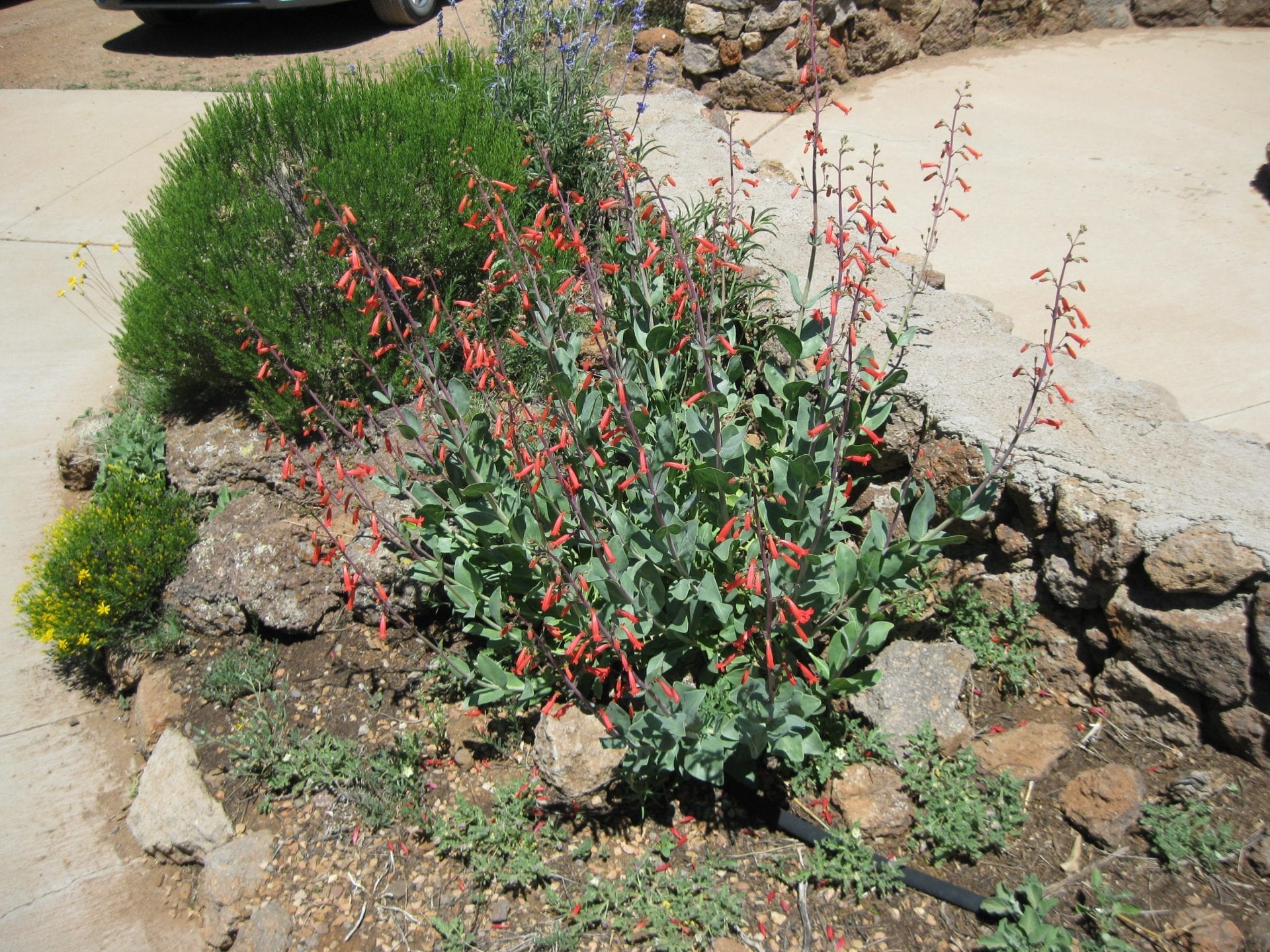
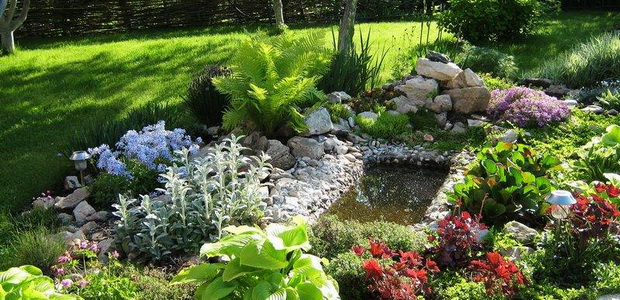
The plant can also be grown in pots. It will make a great addition to a balcony, loggia, or terrace.
There are a huge number of penstemon species and varieties in all sizes and colors. Therefore, choosing the perfect one that will fit perfectly into your landscape design won't be difficult.
Real reviews and tips for growing penstemon
User larissa, Kyiv, May 24, 2012
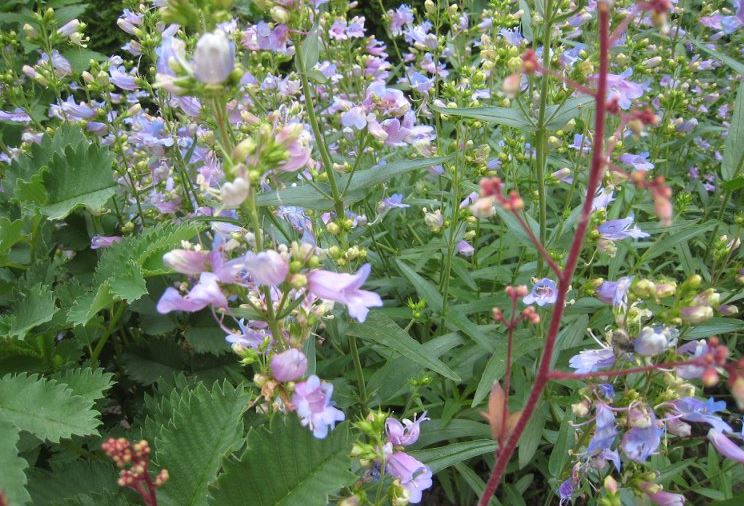
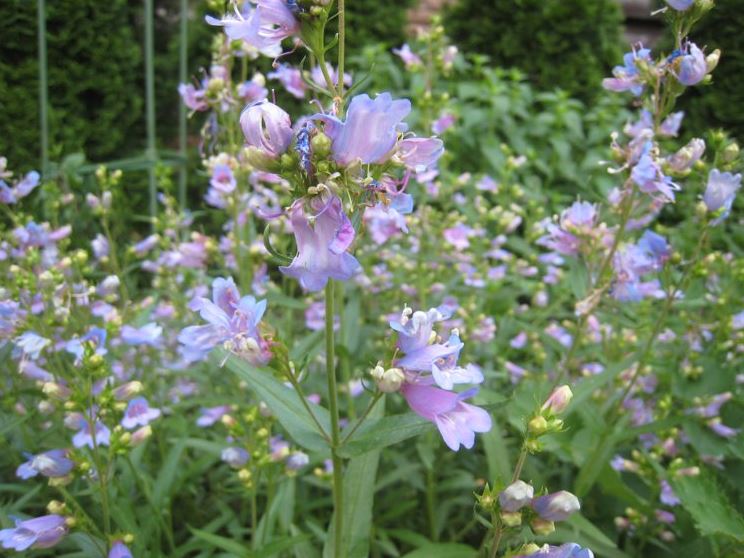
The first penstemons are starting to bloom, which means summer is coming soon.
User Marlena, Mariupol, May 24, 2012
This one is supposed to open tomorrow.
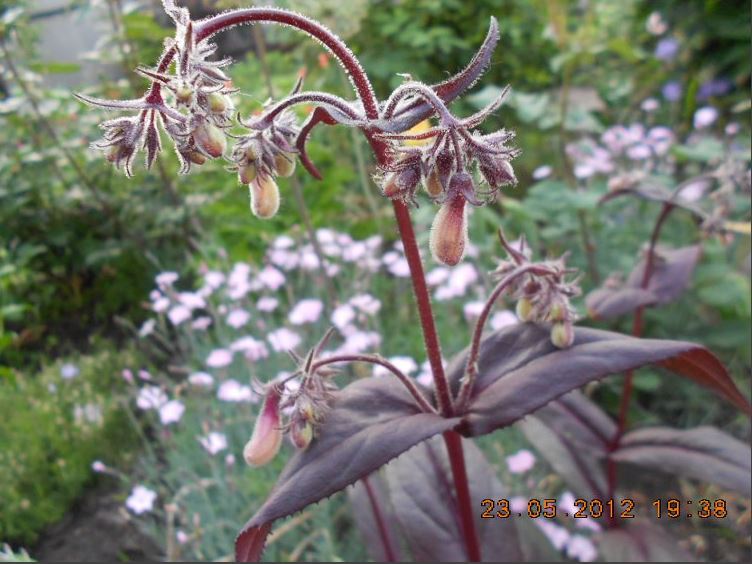
Penstemon. I didn't know which one, and now I've forgotten. It's eye-catching, but it pairs surprisingly well with spiderwort.

User lusa, Dnepr, June 2, 2012
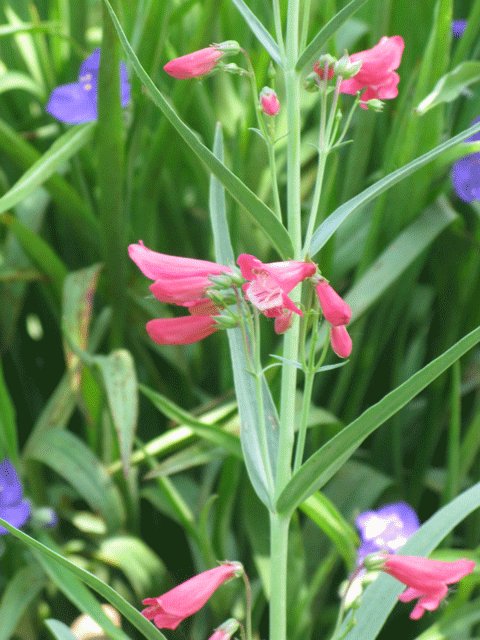
This is a bearded penstemon.
User Marlena, Mariupol, June 2, 2012
Speaking of pestemons, mine has blossomed too. Such an interesting little flower.
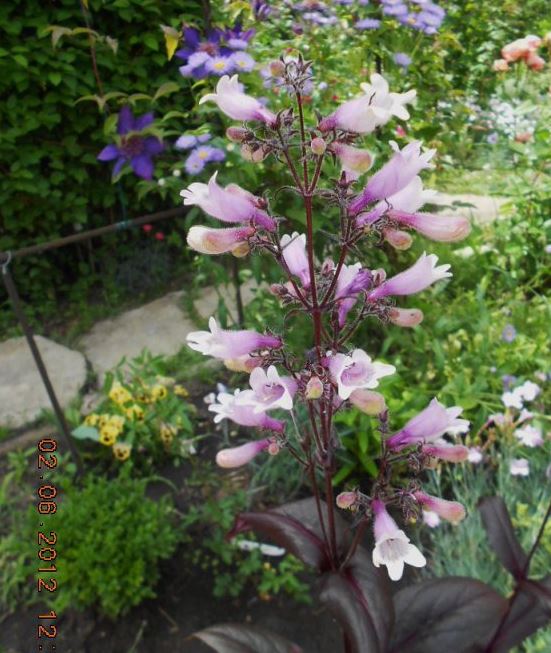
User Gala081962, Zaporizhzhia, June 2, 2012
Tell me what kind of soil it grows in, I bought it today, they said it likes acidic soil and also is it planted in the shade or does it like the sun.
User gardener, Kyiv, June 2, 2012
Mine grows in partial shade in the most ordinary soil.:pardon:..is this the first time I've heard about sour soil?!!!!
User Melissa, Polesie, June 2, 2012
Lena, is this Dark Towers?
User Marlena, Mariupol, June 2, 2012
Yes, Lida, it is. It has grown into three rosettes since autumn and is blooming well. The weather, again, is perfect. The leaves survived the winter well under the snow. The height with flowers is about 60 cm.
User larissa, Kyiv, June 9, 2012
This variety of barbatus grows up to 30 cm in diameter per season. It must be divided every two years to rejuvenate.
Galina, the soil needs to be sandy or loose, without standing water. :wink: and not at all acidic. :pardon: It grows better in such soils. In heavy soils and in the shade, it can get wet in early spring. These are all the requirements, except for occasional watering; this plant doesn't need any special conditions.
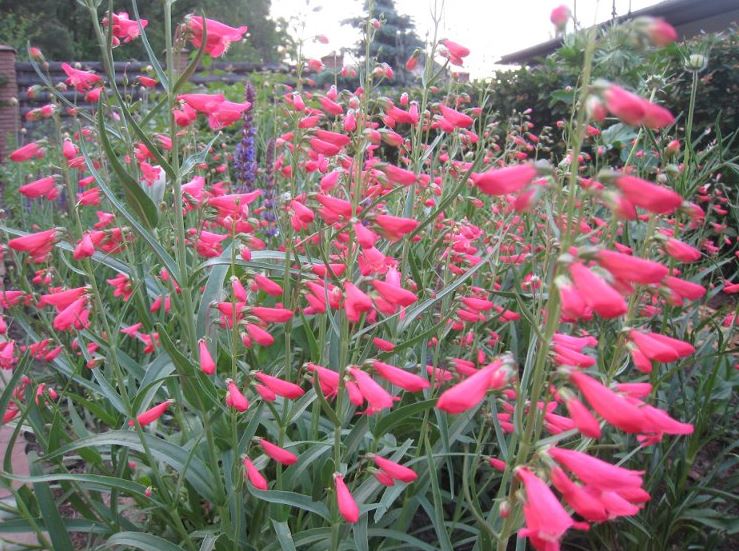
User larissa, Kyiv, June 9, 2012
Penstemon diffusus
In my opinion, it's the only species we have that thrives in heavy soils. Although it occasionally tolerates spring waterlogging. Height can vary, sometimes reaching 80 cm in full sun, and up to 60 cm in partial shade.For information and from experience.
Penstemon strictus thrives in sandy soil with added ash. Wet conditions or frequent watering will immediately cause the root collar or root system to rot. After flowering, prune back to woody shoots and sprinkle the base with ash. After pruning, I leave 10-15 cm. This will allow the second bloom to be at the same level as the first.
Another one of the barbatuses.
If it's not exactly sclerosis, then there were 4 colors from the "Rondo" mixture.This variety grows about 30 cm tall and 40 cm wide. It differs from the previous barbatus in the size of its flowers and leaves. It does not tolerate shade or moisture. In hot weather, water it no more than once a week on sandy soil. Soil should also be rich in sand. Like all barbatus, it needs to be divided every two years.
One of the mixtures—white—was growing in loam and was getting watered down the lawn. It died immediately in the first year due to root rot.
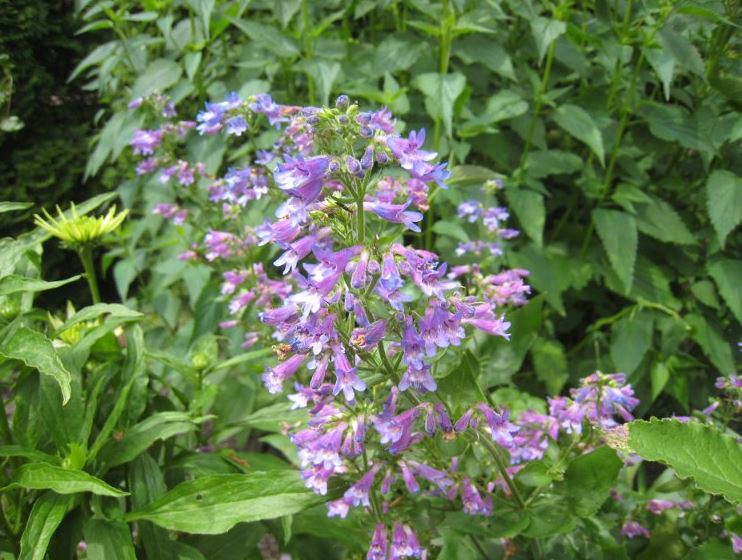
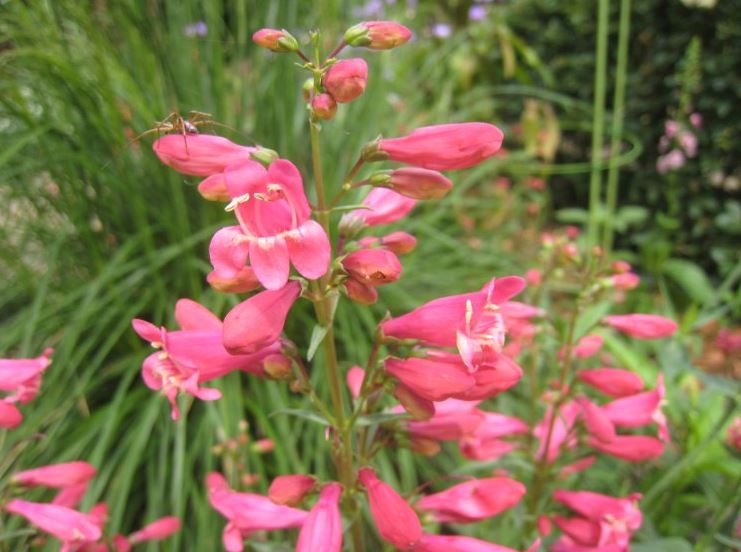
User Gala081962, Zaporizhzhia, June 9, 2012
Oh dear, I planted it in heavy soil, and it's guaranteed to get waterlogged in the spring. It's on one side of the gazebo, so I'll be replanting it, but on the other side it won't get waterlogged. But the soil is heavy. If I add sand all summer, will it survive?
User larissa, Kyiv, June 9, 2012
Gala, don't worry. Just repot in August, adding plenty of sand when planting. "A lot" means at least 50%. The root system isn't large or deep. About 30 cm in diameter and depth. Fill the planting holes with sand. Don't make them too deep either. And for now, just try to water less. That's all. A spot in full sun is perfect.
Penstemon grandiflora is described as a perennial. How old is that, approximately?
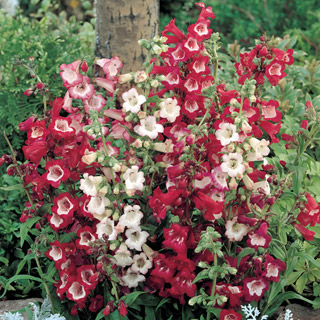
All my varieties don't grow well; I don't believe in such clumps. And they're photoshopped—look at the weird color of the foliage...
User Zakotyanka, Donetsk, 11/30/2012, 7:35 PM
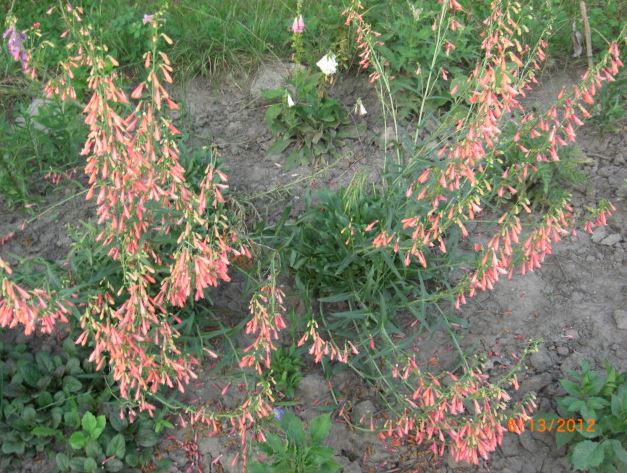
Mine falls apart, but it blooms for a very long time...
User larissa, Kyiv, November 30, 2012
This is a barbatus, not a grandiflora. It's from a different series. The one in the photo blooms twice and needs to be pruned after flowering. It blooms again with the same intensity.
User Almargo, Kyiv, February 15, 2015
But I learned the secret of growing penstemons from seeds when sowing in February.
They germinate at room temperature, mine is 18-20°C, with light. As soon as the cotyledons straighten, I move them to 12-15°C. I use the light 24 hours a day until about March 1-8.
Bearded (seeds purchased from a private individual, last year): sowing 02/11/15, seedlings 01/16/15, on 02/12/15 I transplanted them with 2 grown true leaves, made 3 pieces (nowhere to store more).
Foxglove (fresh seeds, my collection): sowing on 10.01.15, mass shoots on 18.01.15, now tiny, 1 cm, and real leaves are showing.
Penstemon 'Dark Towers' (recently purchased from a private individual): sowing on January 10, 2015, germination on January 22, 2015. Then some of them started to dry out strangely and rot from top to bottom. A few strong ones remained, still green.
I wonder when they turn burgundy? Probably already in the open ground. I got the same seeds from a different source. This time I simply soaked them in a piece of cloth.Penstemon Electric Blue (seeds from an order): I soaked them on 02/06/15, and roots appeared on 02/12/15.
User jozaf, Kirovohrad region, December 5, 2017
I collected seeds from my panstemons. Now I'm reading a thread about what to do with them.
If I understand correctly: surface sowing, March (no backlighting) and blooms in the second year?
I want to check the germination rate because it is very difficult to separate the seeds from the "garbage", and judging by the experiments here, they may not even be viable.
User Valentina-dacha-dachnitsa, Kyiv, December 5, 2017
Olya, I can share my experience growing penstemon from seed. In late autumn, mid- to late November, I sow my freshly collected seeds directly into the ground. I water them well and cover them with fallen tree leaves. Then I forget about them until spring. Then, in the spring, they'll remind me of their presence, sprouting up in a row. I've found the germination rate to be up to 100%. They bloomed in the first year. In my opinion, they're a trouble-free plant to grow from seed.
I think that if you haven't had any frosts yet, you can sow penstemon seeds now.
User VikaEgevika, 01/31/2010
Hello! Do annual penstemon seeds need to be stratified? Thank you!
User MashaNik, Udmurtia, 05/13/2010
I tried growing penstemon a few times. Nothing good came of it. I bought a bag. Sowed it as usual for seedlings. Usually, blacklegs killed them "infancy." Once, I finally grew one plant. It even overwintered for a couple of winters. But it didn't turn out as promised in the picture. There are many varieties of them, too. Mine had small purple flowers. Inconspicuous. This year, attempt #…. Blacklegs killed them again. A couple of babies remained that didn't want to grow. That's my experience. Maybe someone else knows something?
User Lena I, Moscow, May 17, 2010
MashaNik, I planted a perennial penstemon once. But I sowed the seeds directly into the ground in the spring. It bloomed in the second year. It grew for several years, and then somehow disappeared. Mine had red bell-shaped flowers.
User tzarina, Sofia, August 12, 2011
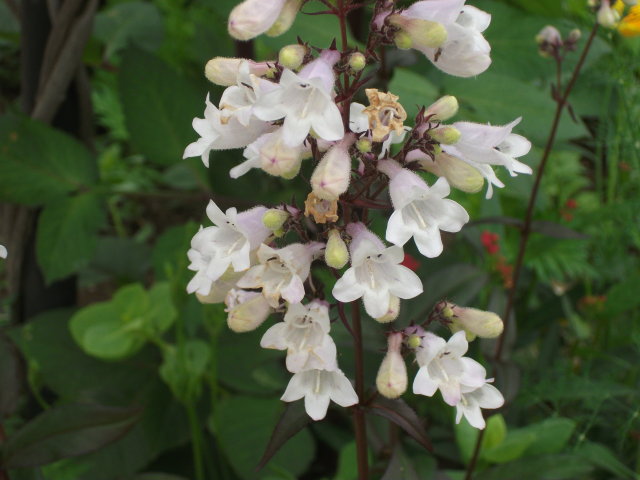
These are my new penstemons. They've been blooming for a whole month now.
User Natalia, Volgograd, March 3, 2012
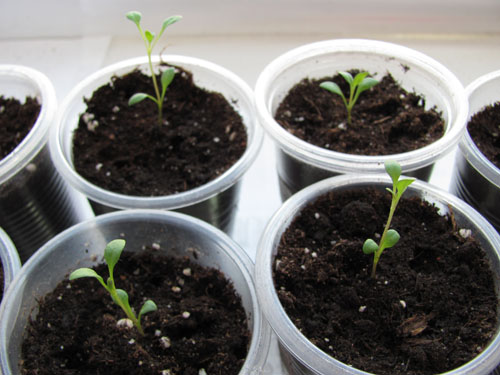
I planted penstemon seeds of two types on February 18th, germination was normal.
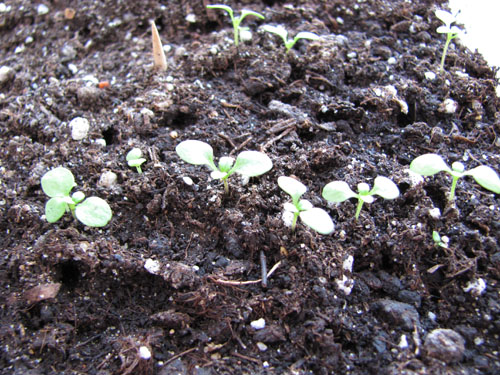
But there's a problem: one variety, where 6 out of 10 seeds sprouted, had very elongated sprouts, despite being illuminated. I don't know if they can be pricked out and planted deeper, since they haven't yet developed their first true leaf and are still just cotyledons.
Does anyone know if it's okay to touch penstemon at such an early stage? These shoots are worth their weight in gold to me. It's a dwarf penstemon, and I really wanted to save it.
18.03.
I took a risk and drowned my penstemon up to its seven-lobed leaves.
And this is another variety, taller (40 cm), I haven’t pricked it out yet.
User Zosya, Samara Oblast, November 18, 2011
I love all plants with bell-shaped flowers. I recently heard that the panstemon also blooms with bell-shaped flowers. I don't have one yet, but I want one. Tell me about the panstemon: what climate is it suitable for, is it a perennial or an annual, how does it propagate, where to plant it, and how to care for it?
User Amicus2010, Rastov-on-Don, November 18, 2011
A remarkable plant in its own right. It blooms from June until frost. Panstemon is generally a perennial, but in our country it grows as an annual due to our climate. Flowers come in a variety of colors: red, yellow, purple, and many others. The plant averages 50 cm in size and thrives in sunny locations with well-drained, fertile soil. Watering is only necessary during prolonged periods of drought; the plant itself can survive droughts of up to two weeks.
User Zosya, Samara Oblast, November 18, 2011
You've intrigued me even more: it's beautiful and drought-tolerant—that's been a hot topic lately. How should I grow it? From seedlings; since it's an annual, it needs time to develop foliage; when should I sow the seeds? Or should I plant it directly in the ground—it'll have time to grow?
User dachnitsa, November 19, 2011
I've been growing penstemons for several years. The first ones were from seeds. I planted them in the ground in May and propagated them from cuttings a month later. The survival rate is 100%. In October, I cut them back to 30 cm and repotted them. They overwintered at home perfectly. In the spring, they were taken to the dacha. Now, every fall, I bring 4-5 plants indoors until spring. They grow into bushes up to 70 cm tall, are quite spreading, bloom profusely with red bell-shaped flowers, and love sun and water.
User yu8l8ya, Novosibirsk, February 15, 2012
Caring for penstemon is not difficult. It thrives in well-drained, fertile soil. It needs a sunny, wind-protected location. Watering, loosening the soil, and fertilizing with mineral fertilizer are essential. Although it's a perennial, I grow it as an annual. I always start with seedlings first. I sow the seeds in late March.
User Olga M, Voronezh, February 15, 2012
yu8l8ya, you're most likely growing a hybrid penstemon. This one, yes, grows like a summerhouse. However, the penstemon genus contains over 250 species, many of which are perennials that tolerate Russian winters well.
You can read the encyclopedia and choose what you like best and what suits your specific climate conditions.
User geha2, Sevastopol, February 15, 2012
According to the catalog, the bearded penstemon is perfectly suitable for our conditions—it's perennial and frost-hardy. However, I'm not entirely sure about its dislike of overwatered soil—won't the roots rot in the fall and winter?
User Olga M, Voronezh, February 15, 2012, 6:04 PM
If the plot is located in a swamp, it probably won't like it. Our plot is constantly short of water, so the bearded rhinoceros feels quite comfortable, although I still cover it a bit in winter.
User inysia, Minsk, Feb 15, 2012, 6:09 PM
By the way, if you've already purchased panstemon seeds, you can sow them in two weeks, at the end of February, to start seedlings. Then, plant the seedlings in the ground in May.