Pentas cinquefoil is a herbaceous evergreen plant in the Rubiaceae family, native to tropical and subtropical Africa, the Arabian Peninsula, and the island of Madagascar. It belongs to the Rubiaceae family, which contains approximately 50 species.
Description of Pentas
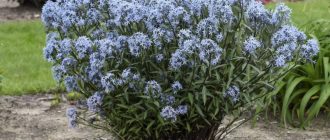
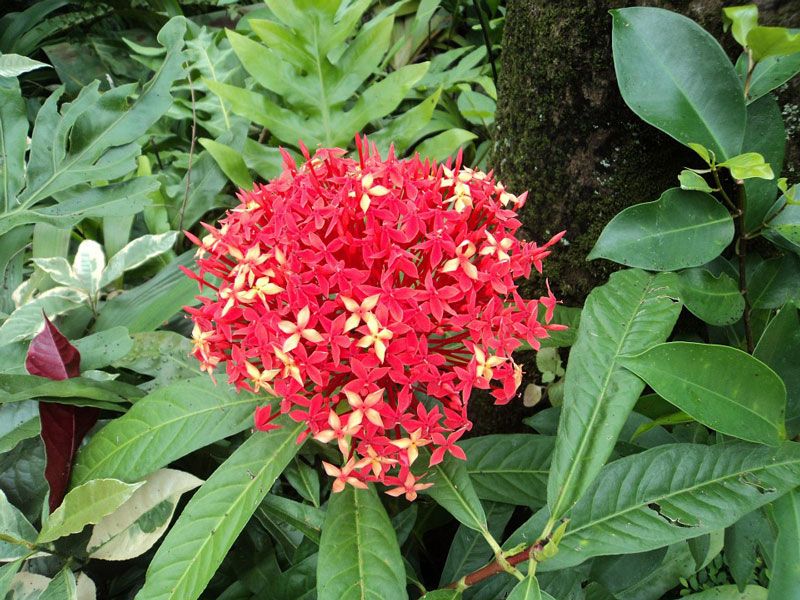
The plant has an erect stem and elongated, lanceolate leaves. The shoots form a bush approximately 50 cm tall. The small flowers are shaped like a five-pointed star, hence the plant's name.
They come in white and various shades of red and form an umbel-shaped inflorescence reaching 8-10 cm. Like multicolored balls, they adorn the bush throughout the entire flowering period, from spring to mid-autumn. By combining varieties of different colors, you can decorate flowerbeds and balconies to create a desired pattern.
Caring for the Pentas or Egyptian Star
Pentas lanceolata is the most commonly grown indoor plant. It is the most undemanding.
Outdoor cultivation is only possible in southern regions where temperatures do not drop below 10°C. In temperate climates, it is planted in the garden during the warmer months. The plant grows as an annual.
Pentas reproduces in two ways:
- seed;
- vegetative.
Indoors, grown from seeds throughout the year:
- Shallow containers and boxes are used. Planting is done in loose, moist soil. The seeds are not covered.
- The crops are covered with film or glass, creating a small greenhouse.
- Maintain a temperature of +20…+25 °C.
- With sufficient light, the seedlings will emerge in about 2 weeks.
- The seedlings are pricked out after 1-1.5 months, when two true leaves appear.
- After the next month, the seedlings are transplanted one by one into pots.
- Drainage must be placed at the bottom.
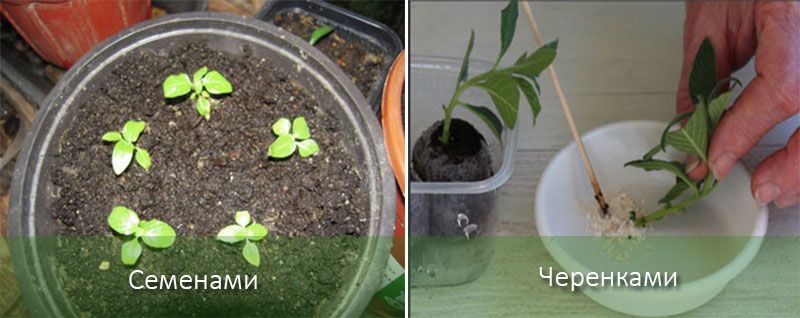
In spring, propagate by cuttings:
- cut cuttings at least 5 cm long, or use those obtained after pruning;
- to speed up the formation of roots, they are moistened with a special solution (Kornevin);
- prepare a soil mixture (turf, leaf soil, sand in equal quantities);
- use containers with a diameter of 7 cm;
- planted in a moist prepared substrate;
- create greenhouse conditions, maintaining a temperature of +16…+18 °C.
Necessary conditions and care:
| Factor | Spring/summer | Autumn/Winter |
| Location | South facing or wind protected balcony. | South side. |
| Lighting | Bright sunny. | Additional lighting using phytolamps. |
| Temperature | +20…+25 °С | Not below +16 °C |
| Humidity | 60-80%. Regular spraying of leaves, use of a tray with wet expanded clay. | |
| Watering | Water generously, but do not overwater. Use soft, settled water no colder than room temperature. | Not abundant, but regular, taking into account the drying out of the top layer of soil. |
| Top dressing | Complex and nitrogen-containing fertilizers for flowering plants. Apply every 14 days. | There is no need if the plant is resting. |
Transplanting and pruning
As a young plant develops, the bush increases in size, so it needs to be repotted every year. A mature plant needs to be repotted every 2 or 3 years.
Select a pot larger than the previous one. When the root system has developed enough that the container is 20 cm in diameter, simply replace the top layer of soil.
Repotting is done in the spring, carefully removing the flower along with the soil so as not to damage the roots, and placing it in a container with prepared substrate.
The Egyptian star grows vigorously, with stems sometimes becoming quite elongated. To maintain an aesthetically pleasing crown, the bush is pruned and the tops pinched, keeping the height no more than 50 cm. This is done between flowering periods.
Potential difficulties in growing pentas
| Disease, pest | Sign and cause | Elimination measures |
| Chlorosis | Yellowing of leaves. Iron deficiency. | Iron chelate is used for feeding. |
| Aphid | Small green or brown insects are visible on the plant. A sticky coating appears. Leaves and buds wilt. | Spray with marigold or garlic infusion. If this doesn't work, use insecticides. |
| Spider mite | The appearance of white spots | Treat with an infusion of garlic, dandelion roots, onion peels, or a sulfur-tar soap solution. If this doesn't help, use insecticides (Actellic, Fitoverm). |
If all care requirements are followed correctly, the Egyptian star will delight you with its lush flowering for four months.