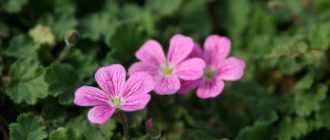
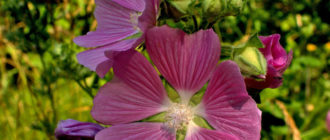
Pyrethrum (Persian or Dalmatian chamomile) is a herbaceous perennial plant belonging to the Asteraceae family. It is native to Eurasia and northern America.
Content
- 1 Description of pyrethrum
- 2 Types of pyrethrum: maiden, pink and others
- 3 Growing pyrethrum from seeds
- 4 Planting pyrethrum
- 5 Caring for pyrethrum
- 6 Fertilizing and feeding pyrethrum
- 7 Reproduction of pyrethrum
- 8 Diseases and pests of pyrethrum
- 9 Top.tomathouse.com recommends: pyrethrum in landscape design
- 10 Beneficial properties of pyrethrum
Description of pyrethrum
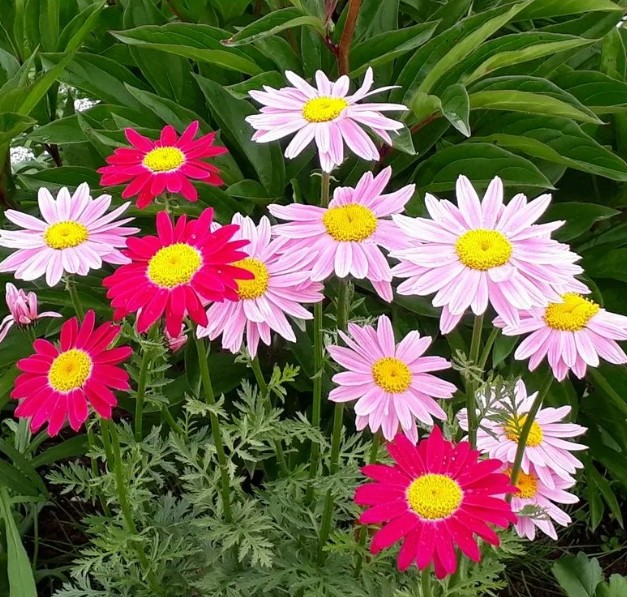
A shrub with fibrous rhizomes, herbaceous stems, erect, height from 50 to 70 cm. The foliage is pinnately dissected, rich green in color.
The inflorescences are basket-shaped, 3 to 6 cm in diameter, with elongated petals and a lush center. The buds are tubular or ligulate. The color ranges from white to deep lilac.
The flowering period is from early June to July. Once ripe, the seeds have a viability of 3 years.
Types of pyrethrum: maiden, pink and others
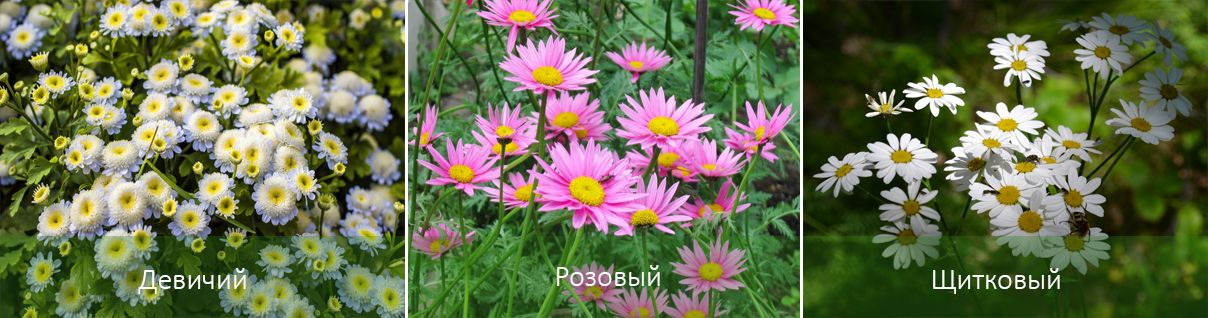
The exact number of pyrethrum species is not established, but there are several varieties that are suitable for growing:
| View | Description | Flowers | Flowering period |
| Maiden | A perennial shrub native to southern Europe. It is branched and reaches 50 cm. The foliage is pale green, occasionally with a hint of yellow. | Basket-shaped inflorescences, about 4 cm in diameter. Available in single and double varieties. White and yellow. | Beginning of July – end of August. |
| Pink | A perennial native to the Caucasus. It can be grown as a biennial or annual. Its stem is erect, reaching up to 70 cm in height. It is considered a hybrid species. | Tubular or ligulate, bright yellow or pinkish in color. The buds are up to 12 cm in diameter. | Mid-June – end of July. |
| Shield | A perennial native to eastern Europe and the Caucasus. The trunk is straight, reaching 1 m. The basal foliage is approximately 40 cm long. | The inflorescences are corymbose, loose, ligulate or tubular, yellow or white. | June – July. |
| Large-leaved | A perennial plant growing up to 1.5 m. | Small, formed into corymbose inflorescences, white, turning reddish by midsummer. | End of May – mid-July. |
And thanks to the fruitful work of breeders, several more varieties of pyrethrum were discovered:
| Varieties | Description | Flowers | Flowering period |
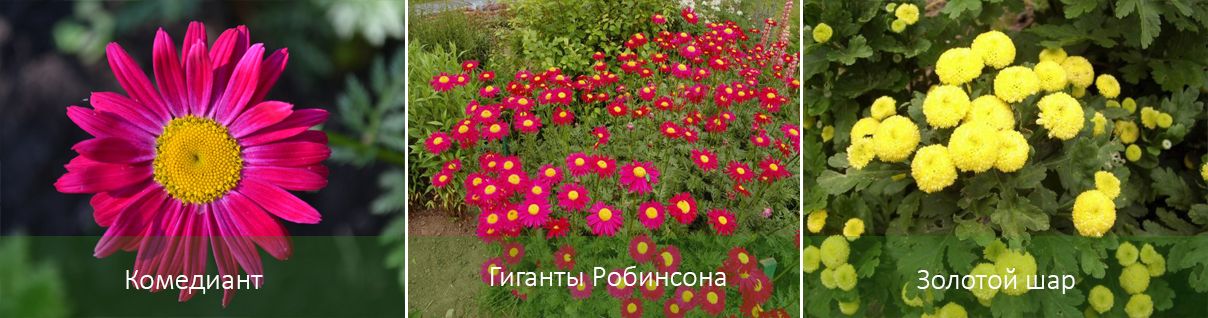
| Comedian | A hybrid with an erect trunk about 80 cm high. | Ligulate and tubular, bright red or yellow in color. | From July to August. |
| Robinson's Giants | A pink pyrethrum cultivar, it's one of the most popular varieties of this plant. Its trunk is straight, reaching a height of approximately 80 cm. It's used for group plantings, flower beds, and cut flowers. | Reed. Color: pink or carmine. | Mid-June – second half of July. |
| Golden Ball | Bred from the wild pyrethrum, it is an ornamental plant. It is a perennial, but in Russia it is grown as an annual. It grows up to 25 cm. | Terry, spherical in shape, bright yellow in color. | June-July. |
| Troubadour Reed. | A variety of pink pyrethrum. Used to decorate flower beds. | Colour: from white to red. | The following year after sowing (mid-June). |
| Scarlet Star | Perennial plant up to 80 cm high. | Tubular (yellow) or ligulate (deep red). | Mid-June – July. |
| Harmony | A variety of pink pyrethrum with a 70 cm trunk. | Terry. Color – yellow or red. | Mid-June – August. |
Growing pyrethrum from seeds
Persian or Dalmatian chamomile (another name for pyrethrum) is effectively propagated by seed. However, this method can result in unpredictable flower bud color.
You can grow pyrethrum using seeds in the following ways:
- planting seedlings;
- direct planting in open ground.
When using seedlings, the seeds are sown in early spring, and the seedlings are then placed in their final growing location in May. Since these seedlings are quite small, experts recommend mixing them with sand and then lightly covering them with soil. Cover the seedling pots with plastic film to create a greenhouse effect. Seedlings emerge within a week.
After three true leaves appear, the seedlings are transplanted into individual pots. Maintain a temperature of 20°C for a month.
Seeds are planted outdoors in May-June. Once seedlings emerge, they are spaced approximately 20 cm apart.
Planting pyrethrum
It is recommended to sow seeds or seedlings in the ground in late spring or early summer, when the threat of frost has passed.
They prefer well-lit areas, although Persian chamomile also thrives in partial shade. Insufficient light causes the stems to stretch, thereby reducing the abundance and duration of flowering.
The flower isn't picky about soil, but it's recommended to choose permeable soil, as Dalmatian chamomile doesn't tolerate stagnant water. Ash or lime can be added to acidic soil.
Caring for pyrethrum
Pyrethrum is a fairly drought-tolerant plant, so it's watered only during intense heat lasting several weeks, when the foliage loses its elasticity and the soil cracks. Chamomile requires a lot of water only during the flowering period.
After planting, mulch the soil with peat and finely chopped grass. This prevents a crust from forming after watering and keeps weeds at bay.
Fertilizing and feeding pyrethrum
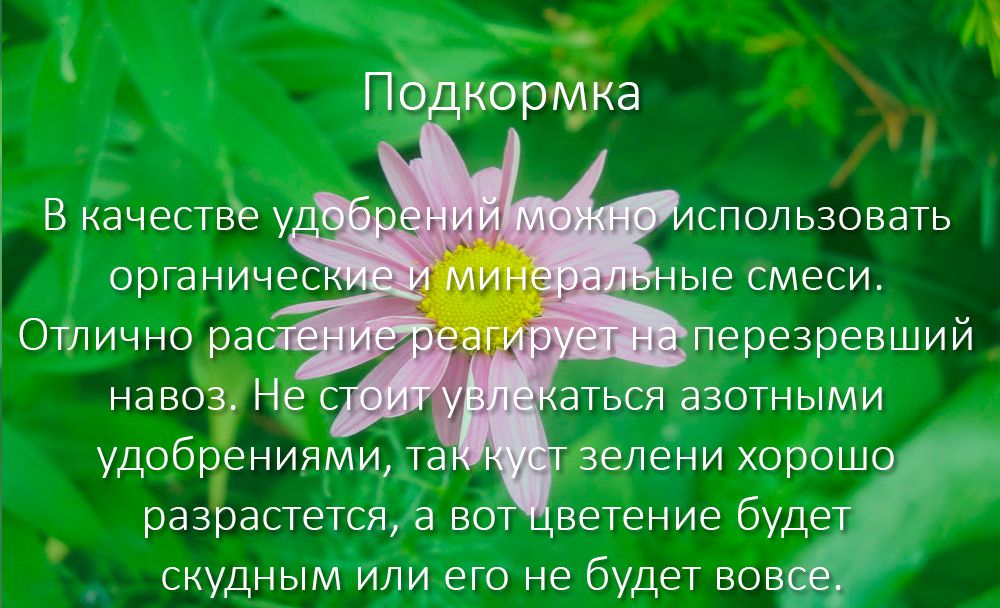
Fertilize two to three times per season. Flowers respond positively to mullein.
The first soil change is before the flowering period begins. Once the buds have faded, a complex mineral fertilizer is used.
At the end of the spring-summer season, water with an infusion of finely chopped weeds.
Reproduction of pyrethrum
In addition to planting seeds, the plant is propagated by dividing the bush and cuttings.
The first method of propagating pyrethrum is done every 3-4 years, when the plant actively produces lateral shoots. To do this, the bush is removed from the soil and excess soil is removed. Division is done by hand. The resulting sections should be large, placed in holes, and watered generously.
Cuttings are taken from young root shoots from late spring to August. They are then transferred to a nutritious and airy soil for rooting, and the container is placed in partial shade. The soil is kept constantly moist, and to reduce evaporation, the cuttings are covered with plastic film. They are aired and watered daily. Rooting occurs between 14 and 21 days. Then, they are transplanted into the garden.
Diseases and pests of pyrethrum
As pyrethrum grows, it is susceptible to attacks from insects and diseases:
| Symptoms (effect on foliage) | Disease/pest | Elimination measures |
| Fluffy grey coating, trunk deformation. | Fusarium. | Affected flowers are removed from the soil and burned. The area where the plant was grown is treated with a fungicide. |
| Holes. | Slugs. | They are harvested by hand. They adjust their watering schedule to prevent water stagnation. |
| Wilting, white spot. | Thrips. | The plant is removed from the ground and thrown away, the soil is sprayed with a systemic fungicide. |
| Yellowing. | Aphid. | If the infestation is severe, remove the pyrethrum from the soil and remove it from the area. If the infestation is small, treat the shrub with insecticides (Actellic, Aktara, or Biotlin). Repeat the treatment 2-3 times. |
Top.tomathouse.com recommends: pyrethrum in landscape design
Used in carpet-type flowerbeds for edging. In this situation, shrubs are trimmed to the desired height to prevent bud formation.
They are also used to decorate borders. Their bright colors enhance the appearance of flower beds and mixed borders.
This shrub is considered ideal for country-style gardens. This is because it looks great and thrives alongside ornamental plants.
The flower is used to decorate loggias and terraces. It is also suitable for making bouquets.
Beneficial properties of pyrethrum
In ancient times, Dalmatian chamomile was used to reduce fever, relieve inflammation, and relieve headaches. It has been proven to have properties similar to aspirin.
In the 1980s, scientists noted feverfew as an effective migraine reliever. It was claimed that the powder from this plant relieved severe and frequent headaches much more quickly than expensive medications. This was explained by the flower's content of parthenolide, which helps block serotonin synthesis. Excessive levels of this component in brain cells and blood vessels are known to be a cause of migraines.
In addition, Dalmatian chamomile blocks histamine production, prevents blood clots, and has antimicrobial and anti-allergic properties. The leaves are used in applications against arthritis and rheumatism, and to treat asthma and relieve menstrual pain.
In combination with medications, pyrethrum eliminates allergic manifestations of dermatitis and psoriasis.
This plant's unusual appearance and medicinal properties attract numerous gardeners. Decoctions of this flower are often given to young children to treat allergies accompanied by severe rashes.