Geraniums (pelargoniums) don't require much care. For the plant to bloom, it needs to be provided with the right conditions.
Content
The main reasons why geraniums do not bloom
Geraniums begin blooming indoors in February or March. With proper care, they will delight with beautiful blooms until September. Beginner gardeners often complain that their plants don't bloom during the allotted time.
The reasons may be different, usually they are related to improper maintenance of the plant:
- unsuitable container;
- heavy soil;
- improper watering;
- high temperature;
- fertilizers;
- lighting;
- pruning.
Pot
Geraniums are different from other houseplants. They begin to bloom only after the roots have completely filled the pot. At this point, the plant can be repotted into another, more compact container. Once established, the pelargonium will begin to grow vigorously.
Soil
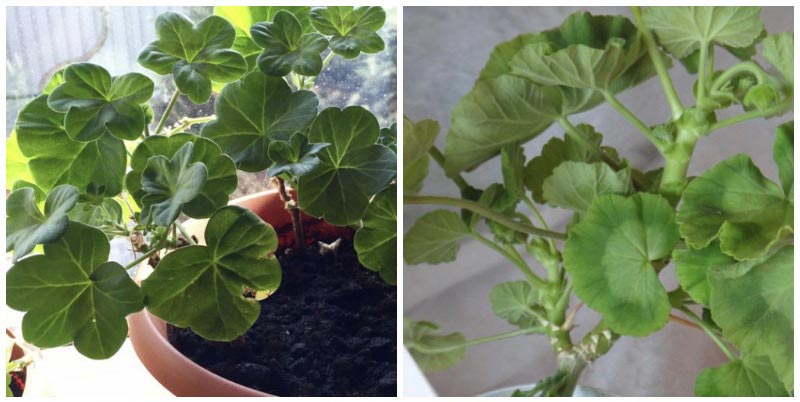
In the fall, the flower is returned home in containers along with the soil it was planted in in the garden. This is why geraniums don't grow. The soil needs to be replaced with fertile potting soil, either available at gardening stores or prepared at home.
To do this, you need to mix sand, humus and garden soil in a ratio of 1:1:2.
Watering
Indoor geraniums are considered drought-tolerant. The plant doesn't like overly wet soil. Therefore, watering should be done when the soil in the pot is dry. Too much moisture will cause root rot and may promote the growth of harmful bacteria. Tap water should be allowed to settle for approximately 2-3 hours before watering.
High temperature
In winter, when flowering stops, the ideal temperature for geraniums is considered to be +15°C. Maintaining this temperature indoors isn't always possible. Pelargoniums are usually grown on a windowsill, sometimes even on a balcony. This is enough for a healthy flower to bloom again in the spring.
During the summer months, it's best to plant the plant in a flowerbed. Fresh air has a beneficial effect on it. The geranium begins to grow rapidly and will continue to bloom until the cold weather sets in.
Fertilizers
Geraniums need to be fed. Fertilizers should contain several essential elements, including phosphorus and potassium. Avoid nitrogen-based fertilizers, as they cause foliage growth, which leads to a lack of flowering. Fertilizers should first be dissolved in water and then allowed to settle. Water once every two weeks.
Lighting
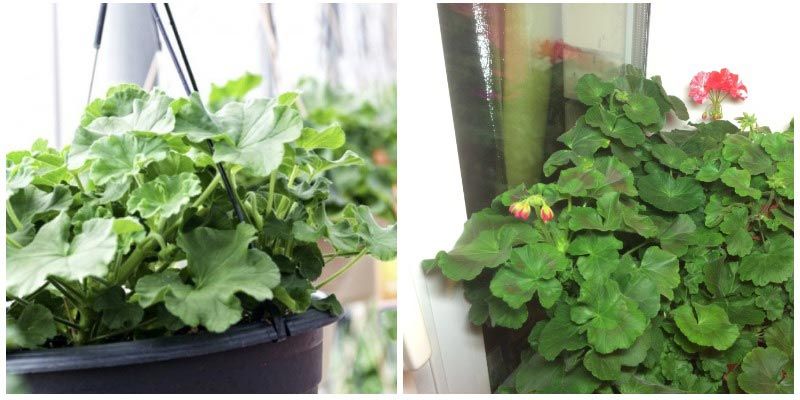
To enjoy abundant blooms, the flower requires plenty of light. A south-facing windowsill will provide sufficient light. Avoid direct sunlight; move the plant away from the window. If your apartment doesn't have enough light, you can keep the geranium on the balcony.
Trimming
Autumn is the best time for this procedure. If the plant has been growing outdoors, prune it before repotting. During the dormant period, the compact bush will adapt to the new conditions, sprout shoots, and grow taller. It will bloom again in the spring.
Sometimes it's impossible to prune a flower in the fall. Early spring is an acceptable option.
Transfer
The soil in the pot needs to be changed regularly. Excessive flowering can deplete the soil. The plant should be repotted once every two years.
The operation is performed only in the spring months.
Top.tomathouse.com recommends: tips from professional gardeners
To ensure pelargonium blooms, you need to follow a number of simple rules that provide the flower with normal living conditions:
- Watering shouldn't be too intense. Geraniums don't like excessive moisture. During warm summer days, watering should be done much more frequently than in the winter months. A sign is the top layer of soil has dried out to a depth of one centimeter in the pot. This is easily determined with a special stick.
- When the soil has dried out, water it using a narrow-necked bottle. Pour water around the sides of the pot, being careful not to touch the stems or leaves. Any excess water that has accumulated in the tray should be poured out.
- Geraniums don't like frequent misting. Only in dry, extremely hot weather should the leaves be moistened using a spray bottle, gently misting with water.
- To encourage pelargoniums to bloom, water them with water purified from harmful salts. This requires letting the water sit for two days. A carbon filter is sometimes used. The water should be warm. Cold watering can cause the plant to become ill and the roots to rot.
- Fertilize the plant during flowering. Avoid this during winter, when the plant is dormant. To achieve a lush crown, it's best to add phosphorus-containing fertilizers, available at specialized gardening stores.
- To ensure long-lasting blooms, regularly trim the stems, preventing the geranium from growing tall. When the stems stretch upward, the flowers will appear dull and lose their natural beauty.
- To stop your pelargonium from stretching, trim off excess branches and remove unwanted leaves. This will help the plant gain strength to bloom with colorful flowers.
- Repotting should be done before flowering begins or after it has finished. It is strictly forbidden to do this while new buds are forming.
- A clay pot is considered ideal for repotting. This material allows air to pass through, ensuring the soil is constantly aerated and preventing root rot.
The required amount of light
Pelargoniums are sun-loving plants, but direct sunlight can cause the plant to develop new, unwanted blooms. Therefore, keep the geranium pot away from a sunny windowsill. During the summer, geranium pots can be kept outdoors. This will provide the plant with much more light, but care should be taken to avoid direct sunlight.
Geraniums are tropical plants that require specific temperature conditions. Pelargoniums will always remain healthy if the minimum temperature is maintained at 15°C during winter. If the plant is left in a very warm room for a long time, it may stop blooming.