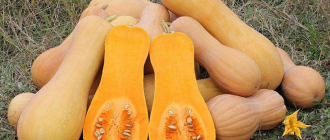
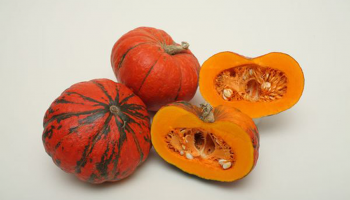
Pumpkin is a fleshy, moisture-loving plant. To ensure a juicy, tasty harvest, it needs adequate watering at all stages of growth. Even outdoor pumpkins need timely and proper watering; rain alone isn't enough, let alone greenhouse conditions.
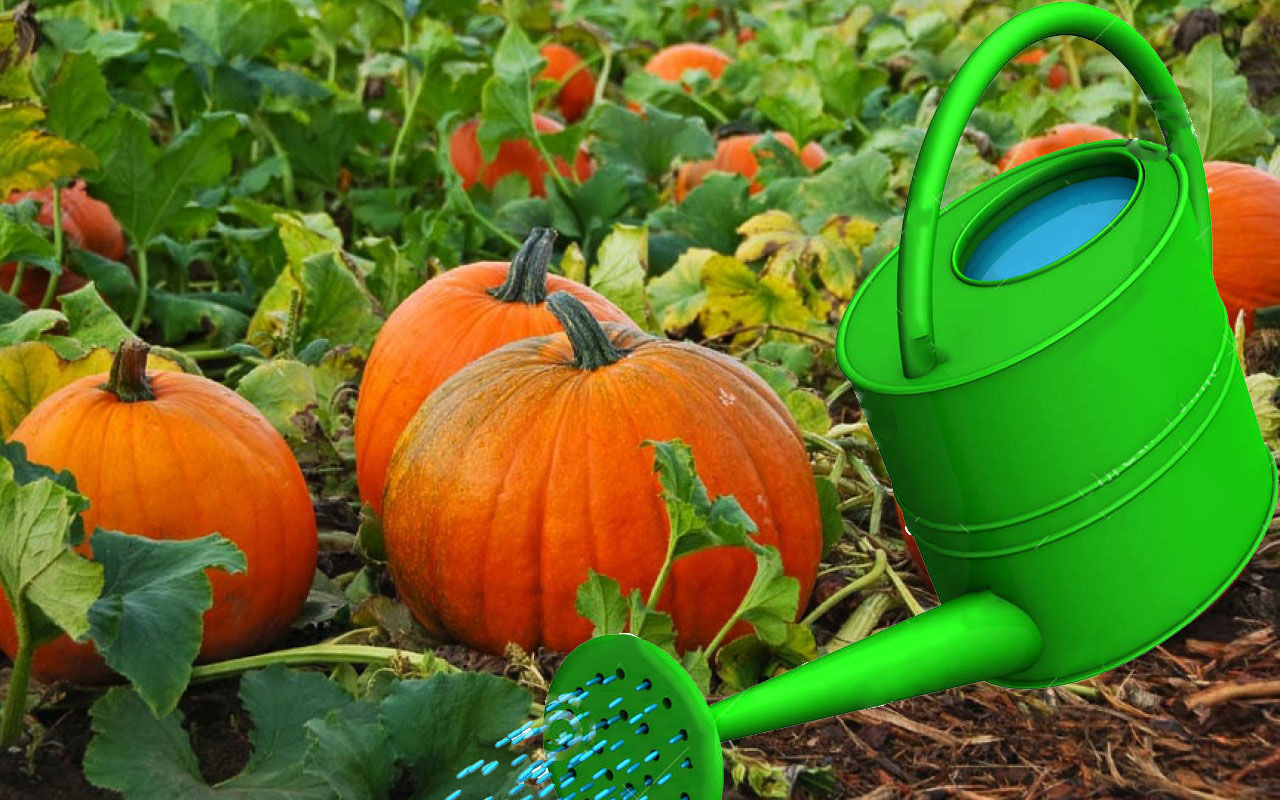
In this article, we'll tell you how often to water pumpkins, what kind of water to use, and how to do it properly in a greenhouse and outdoor garden. We'll also point out any potential mistakes.
Content
- 1 General rules for watering pumpkins in open ground and greenhouses
- 2 Water for watering pumpkins
- 3 How often to water a pumpkin and how much water is needed (table)
- 4 Watering pumpkins in different months
- 5 Watering pumpkins at different stages of development
- 6 Pumpkin watering tips depending on the weather
- 7 Pumpkin Watering Methods and Their Comparison (Table)
- 8 Gardeners' recommendations for watering pumpkins using the hole and furrow method
- 9 Mistakes and consequences of improper pumpkin watering
- 10 Tips from Top.tomathouse.com
- 11 Why don't you water pumpkins after sprouts appear?
- 12 Why pumpkins aren't watered for several weeks before harvesting
- 13 Why loosen the soil before watering pumpkins?
- 14 How many times should you water a pumpkin per season?
- 15 How to water pumpkin seedlings
General rules for watering pumpkins in open ground and greenhouses
There are a few general rules to follow when watering pumpkins:
- It's recommended to water pumpkins only at times of day when the sun's rays are at their lowest. During the different months of the summer, this time varies from 6:00 PM to 7:00 PM.
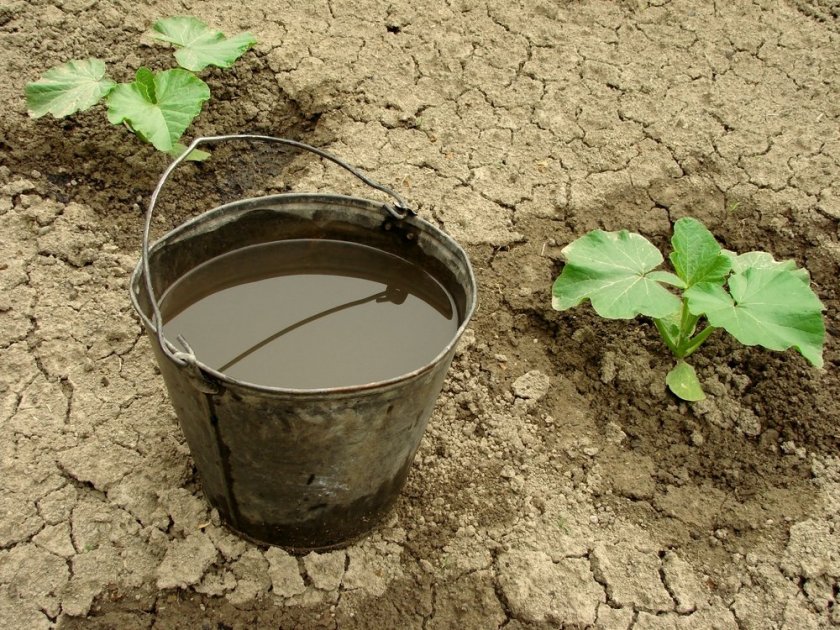
- Even if you water your plants during hot weather, this doesn't mean you need to lower the water temperature. It should be between 20 and 22 degrees Celsius, a comfortable temperature for pumpkins.
- Before each watering, you need to thoroughly weed the rows between the pumpkins, otherwise all the moisture and nutrients from the soil will be sucked out by the weeds.
- Before watering, the soil needs to be loosened so that the liquid gets to the roots faster, but at the same time, it does not stagnate there for too long.
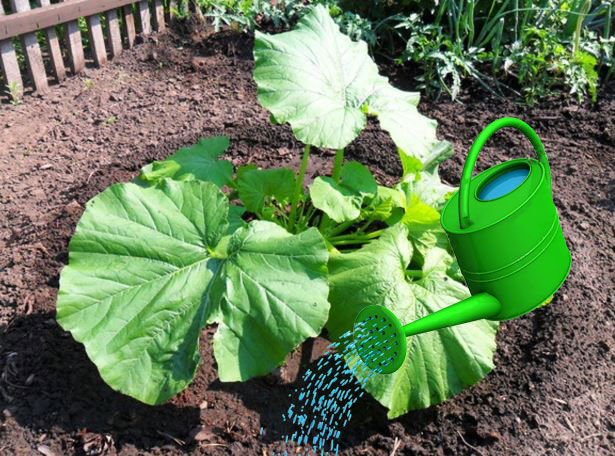
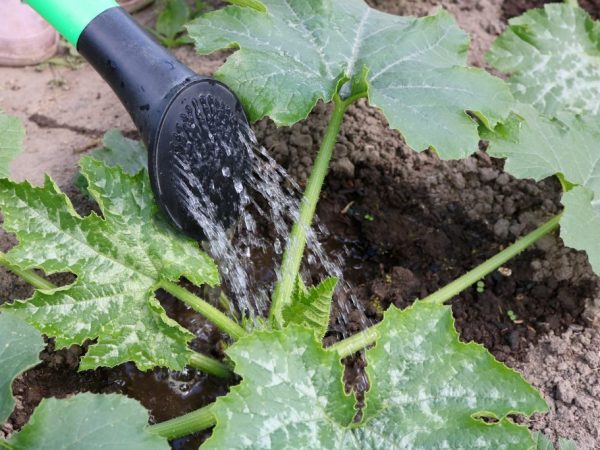
- It is recommended to water young pumpkins in small doses, using a watering can with a fine nozzle.
- Roots are the most sensitive part of the plantings; you should not pour water directly on them, as this can cause serious damage to the root system.
- Mature pumpkins are watered generously, but rarely.
Important! If your pumpkin's leaves are turning yellow, it could be burnt. Are you sure you're watering it at the base in the evening with warm water? That's exactly how it should be done.
Water for watering pumpkins
For watering pumpkin crops, you can use water of different origins:
- Water supplyFew farmsteads have access to tap water at the right temperature for irrigation. It's often ice-cold, which can be detrimental to pumpkins. If you do plan to use tap water, pour it into containers first to let it settle and warm up.
- RainyThis is the best option for watering garden crops. It can be collected in containers placed near drains. This water is soft and easier for plants to absorb. However, it's important to understand that this applies to garden plots located in relatively clean areas. If your garden is located near industrial zones or highways, rainwater will contain harmful impurities. It's not recommended for watering pumpkins.
- SpringLike tap water, this water must be preheated by placing it in a container on the sunny side of the plot; its temperature is too low; pure spring watering will be harmful to the roots.
- RiverThis could be any other water or body of water, the main requirement being that it's sufficiently clean. However, gardeners still recommend playing it safe and using it for watering only in extreme cases, as otherwise there's a high risk of introducing pathogens into the soil.
Before watering pumpkins, water should be allowed to settle. Small debris will settle to the bottom, but a film forming indicates harmful impurities in the liquid.
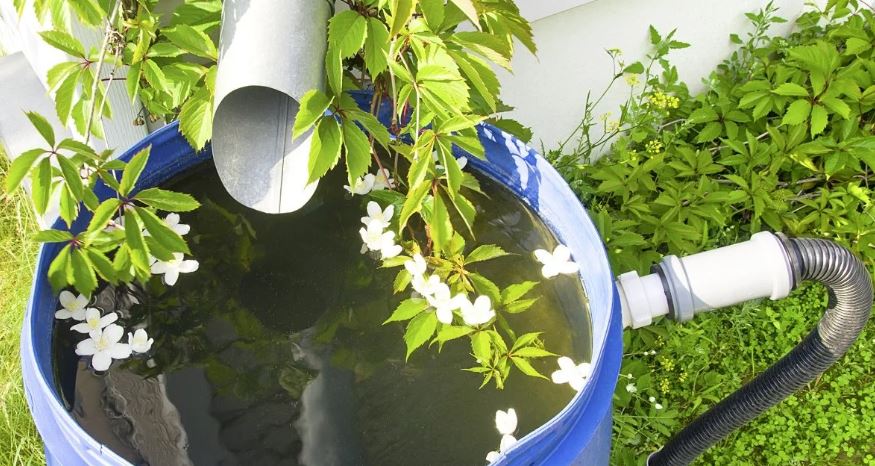
This layer can be carefully removed with a ladle. However, water left in a warm place for too long can cause flowering, harboring harmful organisms, and making it unsuitable for watering the pumpkin.
Important! The most comfortable water temperature for pumpkins is 20 to 22 degrees Celsius.
How often to water a pumpkin and how much water is needed (table)
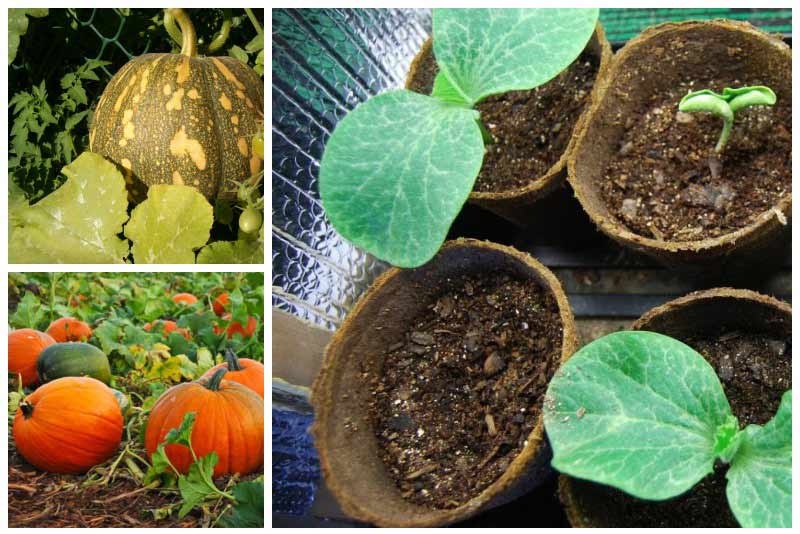
Below we have provided the main features of watering for pumpkins at different stages of their growth.
| Stage | Watering frequency | Volume of water |
| From planting to hilling | 1-2 times a week depending on weather conditions | From 8 to 9 liters |
| 21 days after the first sprouts appear | No watering | — |
| Fruit emergence | No more than once every 10 days | From 10 to 12 liters |
| A month before the fruits begin to ripen (harvest) | No watering | — |
Watering pumpkins in different months
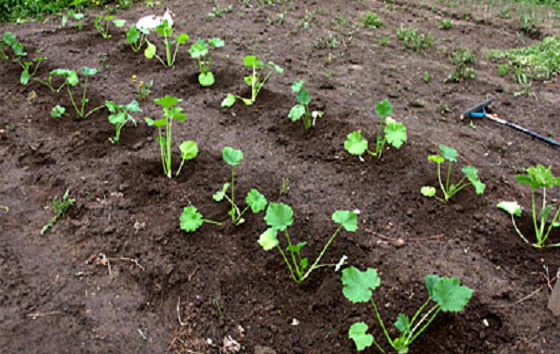
Pumpkins prefer stable weather conditions without sudden temperature fluctuations. In central Russia, they are usually planted in the ground either in late May or early summer. If the weather is cold, planting can be delayed until the first weeks of June. At this stage, the plant requires ample watering.
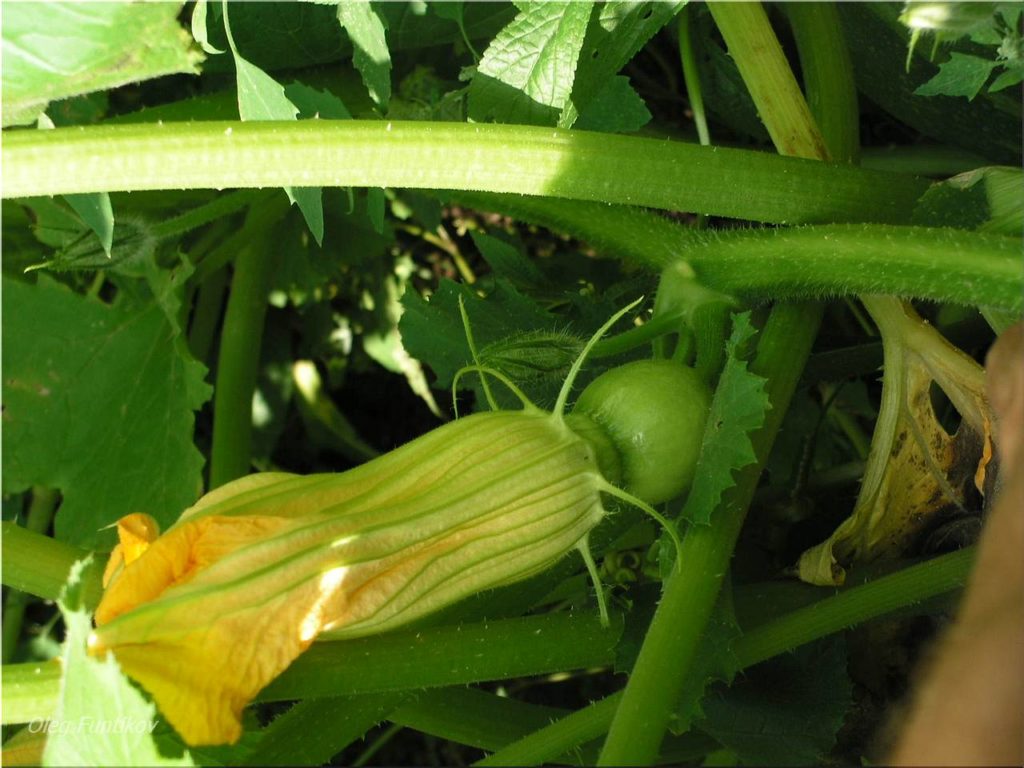
When pumpkins begin to set fruit, which usually occurs in July, watering should be reduced. From the moment fruiting begins until the fruit sets, watering should be continued as usual, but in August, when the harvest is almost complete, it should be reduced to a minimum. It is during this period that the pumpkin absorbs sugar and forms a dense cover, which will help the fruit survive September, all fall, and even survive until winter in the cellar.
Important! No later than 30 days before harvest, stop watering and fertilizing the soil and reduce the amount of loosening and weeding.
Watering pumpkins at different stages of development
Pumpkin watering should be based on the region it lives in, the type of soil it is planted in, how quickly the plant is developing, and what stage of development it is currently at.
Watering after planting
After the future pumpkin is placed in the soil, water it no more than twice a week, using 8 to 10 liters of water. As soon as you notice seedlings appearing, stop watering for 21 days. This will stimulate active root growth. If the weather is unusually hot for the region and the soil is completely dry, watering should be stopped.
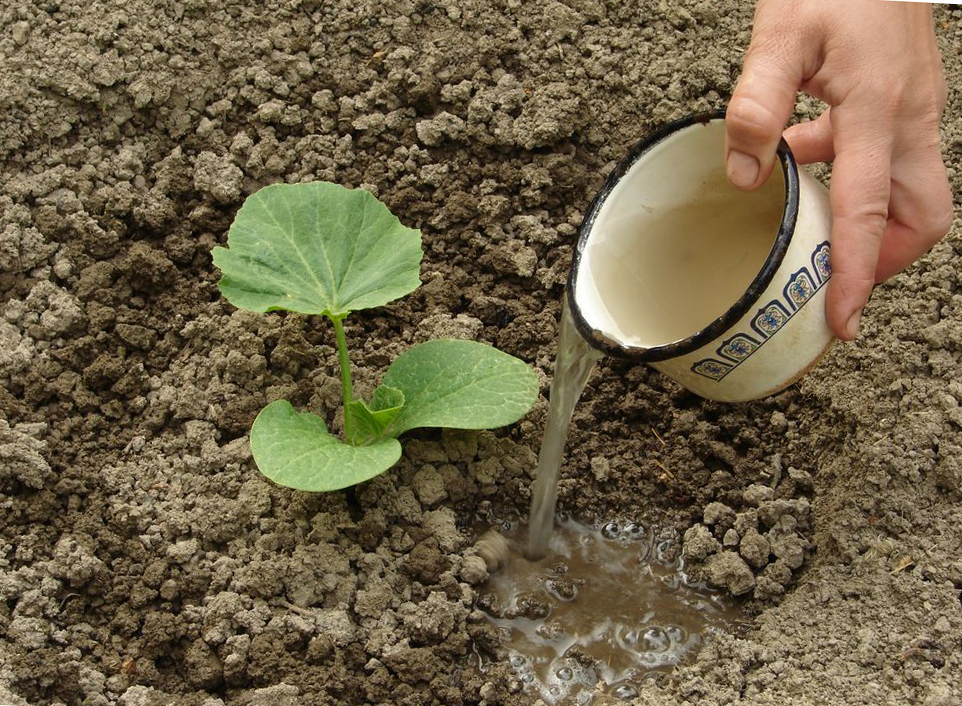
An exception to this rule is made and the soil is watered when dry. However, once the buds begin to appear, watering is resumed to once every 10 days.
Watering during flowering
Flowering is the most delicate stage of pumpkin development. Successful completion of this period directly impacts future yields. Watering should be reduced to once every 14 days. Regular weeding and loosening of the beds is recommended, as well as prompt removal of wilted or dried buds.
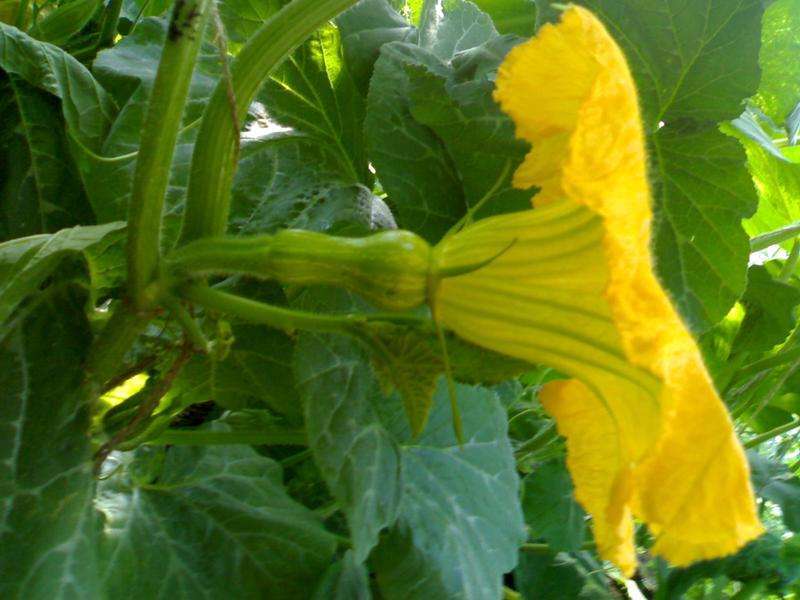
But watering frequency should also depend on weather conditions and soil condition. If the soil is compacted and hasn't completely dried out since the last watering, it's best to postpone it. The same applies if it's raining. For better pumpkin growth, you can add fertilizer to the soil before watering.
Watering during fruit formation
When pumpkins are actively producing fruit, their need for water increases to ensure their full development. Gardeners recommend pouring 10 to 12 liters of water under the plant every 10 days.
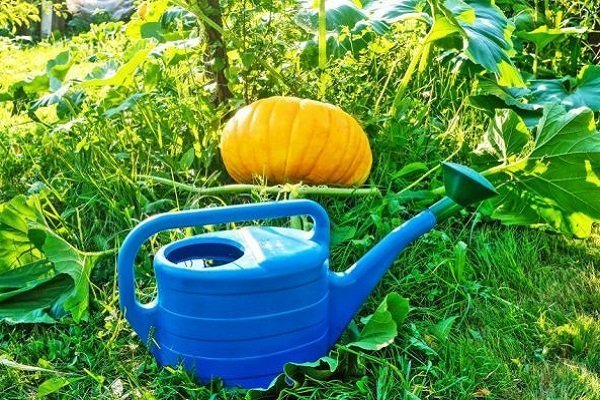
If it's extremely hot outside and the soil dries out very quickly, don't increase the amount of water you water; simply water more frequently. If you notice the leaves of your plants wilting or cracks appearing in the soil on the surface of the beds, this should signal the need for additional watering. On hot days, it's recommended to water your pumpkins in the evening after the sun's rays have subsided.
Pumpkin watering tips depending on the weather
Weather is a factor that inevitably influences the specifics of pumpkin watering.
Watering pumpkins in hot weather
If daytime temperatures are too high, water your plants either early in the morning, before the sun rises, or in the evening after it sets. If water droplets remain on the leaves and are baked by the sun, sunburn will inevitably appear. If your pumpkin doesn't have enough moisture, it won't grow and develop properly.
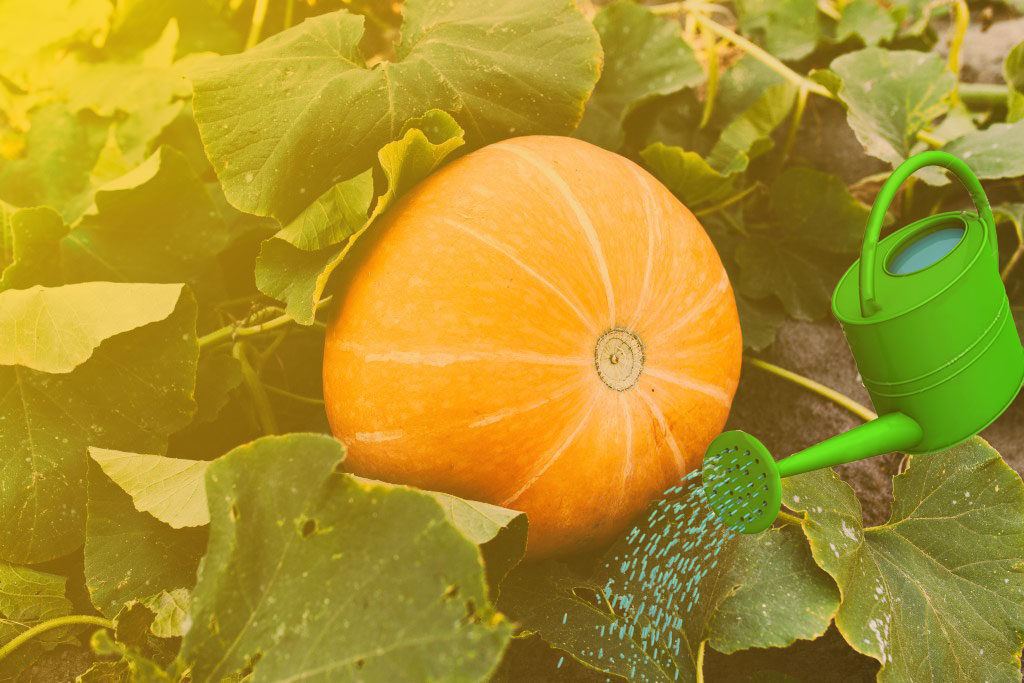
Signs of water deficiency include wilted foliage, cracked soil, and loose stems. If you notice these symptoms in your pumpkins, you should water them more frequently. It's important not to overwater the root system, as this can cause root rot and the plants to die.
Watering pumpkins when it's cold
If the outside temperature isn't too high, water as usual with a watering can or hose. If the soil is sufficiently moist, the amount of water used can be reduced. This is when the pumpkin absorbs moisture and the dissolved nutrients from the soil better.
Watering pumpkins during rainy season
If your pumpkin is growing outdoors, it receives rainfall in addition to your watering. In this climate, watering depends on the soil's moisture content. However, you shouldn't focus on whether the surface of the bed is damp or dry, but rather on what's happening at a depth of 20-30 cm. This is where most of the moisture accumulates, even though the soil may appear quite dry.
Pumpkin Watering Methods and Their Comparison (Table)
There are several options for watering pumpkins, each with its own advantages, disadvantages, and specific uses. We've listed them in the table below.
| Watering option | Advantages | Flaws | Pumpkin growth phase |
| LunochnyEach plant is dug into a hole, into which water is poured.
|
The moisture doesn't spread across the bed, but rather reaches the roots of the plantings. This type of irrigation doesn't require a lot of water. | It is time-consuming because first a hole is made, then water is poured in, and then mulch is added. | Used only after the bush has been fully formed. |
| FurrowedWatering is carried out only along the planted furrows and reaches the plants by gravity.
|
Effective for areas that have a slope. | This type of irrigation requires a lot of water, and in hot weather it is not very effective. | Any. |
| ManualIt is used on small areas using a hose or watering can.
|
Does not require material costs. | Suitable for a small number of plantings, otherwise it becomes too physically labor-intensive. For watering young plants, a special nozzle is needed, especially when using a hose with its powerful stream. The water from the hose may be too cold for direct watering. |
Any. |
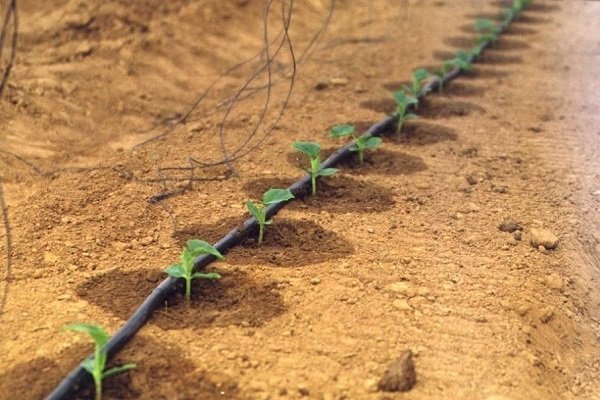
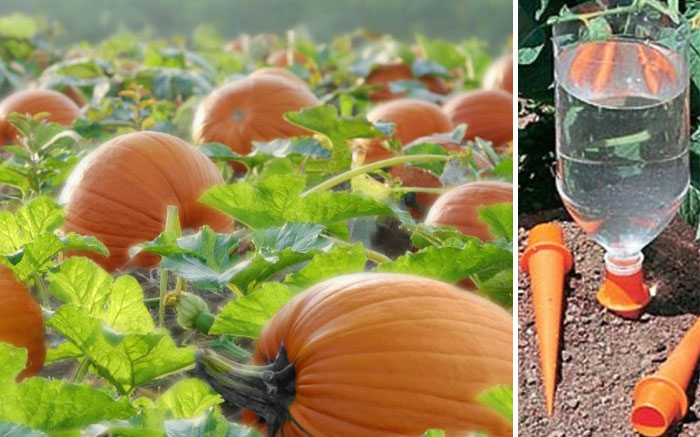
| DripA special drip irrigation system is installed, which gradually, drop by drop, moistens the root zone of plants.
|
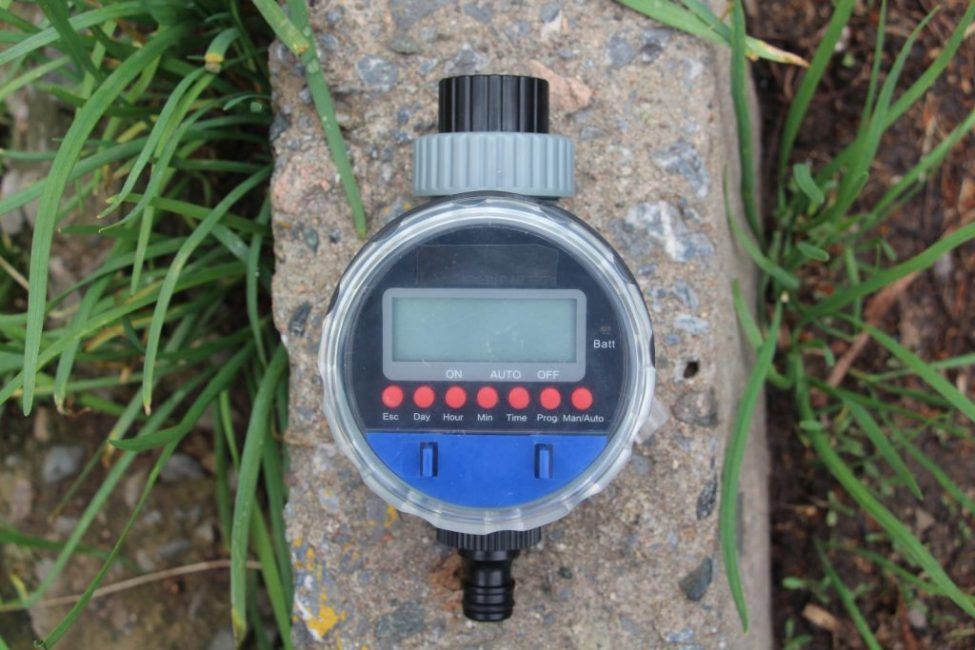
You can purchase a system at a store and assemble it yourself, or you can make one from household items. Drip irrigation ensures even soil moisture, delivering it directly to the roots. Overwatering is virtually eliminated. You can purchase a timer that will turn the system on and off according to your settings. | The ready-made version of the system is not cheap; the timer is purchased separately, as is the barrel on which the taps and hoses are additionally installed. |
Any. Particularly effective during the pumpkin flowering period. |
| WickA container of water is placed near each bush, into which a homemade wick made from a twisted rag is placed. The other end is dug under the bush.
|
The water warms up in the container and flows directly to the roots of the plants. This watering method is suitable for those who don't visit the garden every day. | Watering does not take into account soil moisture. | Any. |
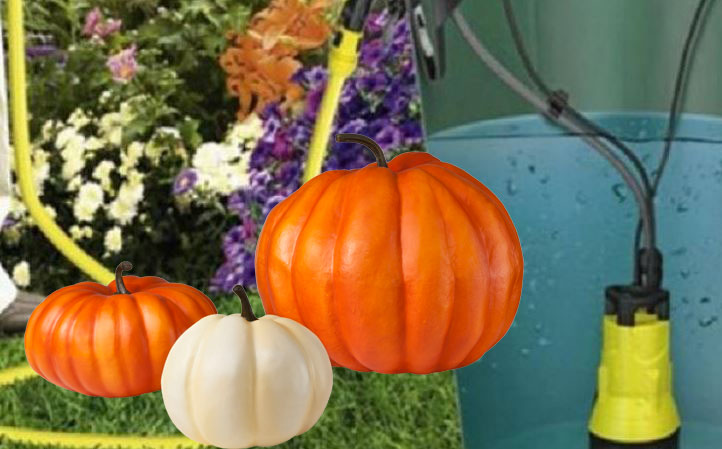
| PumpingAny garden pump can be used for watering.
|
Suitable for use on large areas. | Cannot take into account the degree of soil moisture. | Any. |
| Auto. Purchased in a specialized store.
|
Automatic irrigation systems require minimal effort on the part of the gardener. They are generally quite simple to set up and use. A wide selection of such irrigation systems is available on the market today. They are equipped with timers and sensors, allowing you to regulate the volume of water used, humidity, and irrigation duration. This gadget is suitable for large plots where crops are harvested on an industrial scale, or it will be a great help for gardeners who don't visit their plots every day, but rather, for example, only on weekends or even less frequently. | High cost.
When water is supplied, its temperature may be too low during cold weather, so the sensors will need to be reconfigured, which is not always possible to do quickly. The system requires electricity to operate, and if there is a power outage, the system must be reconfigured. |
Any. |
| Natural. Falls as precipitation.
|
For free.
Suitable for those who do not have running water, natural reservoirs or other water sources on their site. |
Unreliable.
Even weather forecasters cannot accurately predict seasonal precipitation, so in dry summers this method must be combined with manual watering. |
Any. |
Gardeners' recommendations for watering pumpkins using the hole and furrow method
Gardeners have been using pits to water their plants for a long time. This method is ideal for sloping areas and small, randomly placed beds.
Make a small hole near each bush. Add a small amount of loosened soil and water. This will ensure all the moisture reaches the roots. Afterwards, loosen the soil further to restore aeration.
If the first sprouts have appeared on the surface of the bed, this watering method is not recommended, as the root system is still too weak. In this case, create rings a short distance from the sprouts and pour water into them. This watering method is not suitable for large numbers of plants, as it requires a lot of time for preparatory work. This method can be used not only for pumpkins but also for other crops, trees, and shrubs.
Furrow irrigation is suitable for straight beds located on flat sites. Water is applied between the furrows, ensuring adequate soil moisture and ensuring the roots receive the exact amount of moisture they need. The recommended furrow width is 10-15 cm, with a distance of 50-60 cm between them. This method is best suited to light soils, as it ensures even distribution and absorption of moisture.
Mistakes and consequences of improper pumpkin watering
It would seem that watering plants couldn't be simpler. But gardeners often make serious mistakes that can harm their plants:
- Use cold water. Frozen roots become easy prey for all types of rot.
- Water the plants during the day. Residual droplets of liquid on the leaves cause chemical burns. If there are too many, the plant may not survive such an aggressive impact and die. If you water the pumpkin in the morning, the moisture will not have time to be absorbed.
- Continue watering during the first weeks after germination. A break is necessary to strengthen the root system and allow the plant to grow properly.
- Plants are either overwatered or underwatered. Both are detrimental to plant growth and development. On the one hand, they cause fungus and rot, on the other, they cause the foliage to dry out. But the end result is the same: the plant's death.
- Using dirty water. Using water from natural reservoirs increases the risk of harmful microorganisms entering the soil, which can cause various plant diseases.
- Water the pumpkin with a powerful stream of water. Using a hose without a nozzle can disturb the soil so much that the roots become exposed. This will leave them vulnerable to various pests and also weaken the connection between the roots and the soil.
- Plants are rarely loosened. Watering is ideally combined with loosening, as it restores oxygen supply to the roots, allowing them to breathe, and improving nutrient absorption.
Tips from Top.tomathouse.com
To ensure you enjoy a pumpkin harvest at the end of the season, you need to:
- Follow crop rotation guidelines. Experienced gardeners recommend planting pumpkins in their original location no sooner than four years later. It's best to plant cruciferous or legume crops in the new bed before planting pumpkins.
- Fertilize the plants periodically. Once the plant has entered the active growth stage and the first fruit buds have begun to form, it is recommended to additionally fertilize the soil with nitrogen, phosphorus, and potassium. Organic fertilizers (manure, compost, litter, peat, etc.) are also highly effective. Ready-made fertilizer mixtures can be purchased at a specialty store; they contain pre-balanced micronutrients in the correct proportions for the plant.
Pumpkin can also be fed through the leaves.
The key is to do this in cool, but not rainy weather. There are several common recipes for preparing nutrient mixtures:
- Dissolve 2 tablespoons of the popular Kemira fertilizer in a bucket of water;
- Dissolve 10 g of urea in 10 liters of water;
- Add about 20 g of potassium salt, 35 g of superphosphate and 20 g of ammonium sulfate to 10 liters of water.
Rational watering and high-quality fertilizing will help you get a rich harvest of tasty and juicy pumpkin.
Why don't you water pumpkins after sprouts appear?
Any impact on the roots, whether watering or hilling, can have a detrimental effect on the root system of young pumpkin seedlings. Therefore, it is recommended to avoid any gardening work on them for 2-3 weeks after they emerge.
Why pumpkins aren't watered for several weeks before harvesting
Pumpkins are typically harvested in late summer. Gardeners recommend stopping watering a couple of weeks beforehand to allow the fruit to absorb as much sugar as possible. Overwatering will make the pumpkin's flavor less rich and watery.
Why loosen the soil before watering pumpkins?
Loosening the soil before watering will make it more receptive to moisture; in such soil, the level of nutrient absorption by the roots is much higher than in soil after watering without prior loosening.
How many times should you water a pumpkin per season?
There's no exact figure, as each plot has its own soil characteristics, and weather conditions vary from region to region. In areas with extremely hot daytime temperatures, the frequency of watering should be increased to 12-14 times per season. In regions with moderate summers, watering the pumpkin 4-6 times from planting to harvest is sometimes sufficient.
How to water pumpkin seedlings
The article discussed watering pumpkins in the ground, but let's also say a few words about seedlings. It's important not to overwater them, and avoid getting water on the leaves. Water as soon as the soil is dry. Incidentally, if there's a large aquarium in the same room where the seedlings are kept, the humidity there will be higher, and therefore, the seedlings will need to be watered less frequently.
When watering, you can use a spray bottle, but you only need to wet the soil around the seedlings and 3-4 cm deep, and not just from above.