Pumpkin is a healthy and tasty vegetable that grows equally well throughout Russia. There are many varieties with tender, sweet flesh. One of them is the "Konfetka" pumpkin, which is very popular, judging by the variety's description, photos, and reviews.
Sometimes known by the synonymous name Karamelka, it was bred in Russia specifically for the Central Non-Black Earth Region. It is loved and valued for its high yield, low maintenance, and nutritional properties.
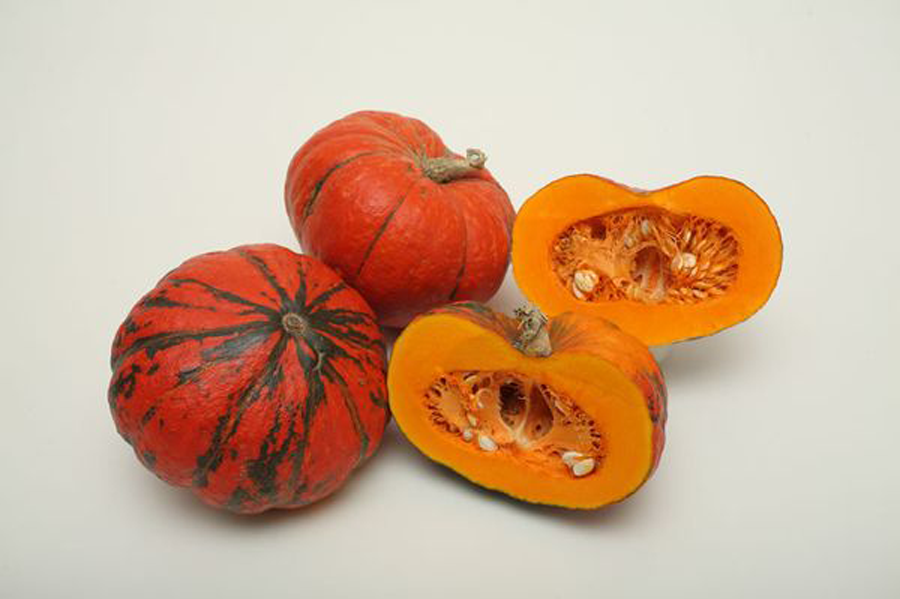
Description of the pumpkin "Konfetka"
This mid-season, cold-hardy, large-fruited variety is suitable for table use. By midsummer, it produces several short vines (about one and a half meters). Each vine can produce up to six ripening fruits. The largest specimens reach 50 kg. The period from planting to ripening is 120 days.
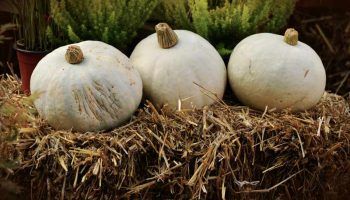
The Konfetka pumpkin has earned excellent reviews for its flavor. It's very sweet, with an average flesh thickness of 10 cm and a vibrant red-orange color.
Thanks to its thick skin, it can be stored throughout the winter without losing its flavor.
The seed area is small, the seeds are large, tasty, and usually fill out well. They can be dried and eaten.
The Konfetka pumpkin is used to make juices and purees for baby food. This variety is especially useful for making porridge for dietary needs, as it eliminates the need for sugar. Karamelka makes delicious, low-calorie desserts such as mousses, puddings, jellies, and soufflés.
Zinc and vitamin A, which are contained in it in large quantities, help improve vision and have a beneficial effect on the condition of the skin, nails and hair.
How to Grow a Sweet Pumpkin
According to crop rotation rules, pumpkin's best predecessors are potatoes, carrots, onions, cabbage, beans, and tomatoes. It will not grow well after melons, such as squash, watermelons, melons, and cucumbers.
Potatoes, beans, and cucumbers (for cross-pollination) are good neighbors in the garden. However, if grown near cucumbers, the seeds may lose their varietal properties, and they are not recommended for use as planting material the following year.
Pumpkins are low-maintenance but thrive in warm conditions. They can be sown outdoors when the soil is well-warmed, or grown from seedlings. The latter method is preferable in colder climates.
Seed preparation
To ensure that the seeds germinate as quickly as possible, they should be wrapped in a soft, damp cloth for several days and placed in a warm place, such as on a windowsill above a radiator.
After the seeds hatch and sprouts appear, they need to be hardened in the refrigerator for 3-5 days.
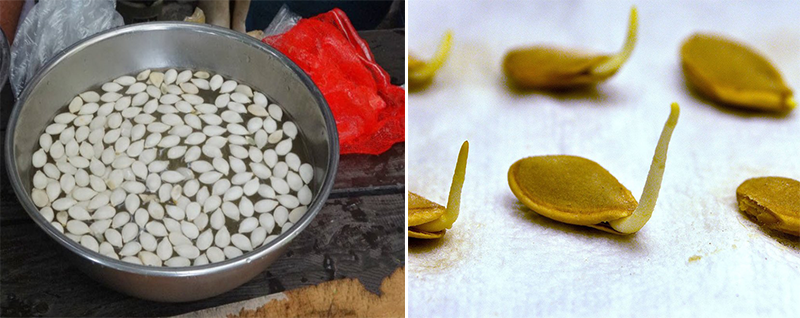
Since the soil in spring provides a favorable environment for the development of fungi and bacteria, it is better to soak the seeds in a weak solution of potassium permanganate during germination for additional disinfection.
Growing seedlings
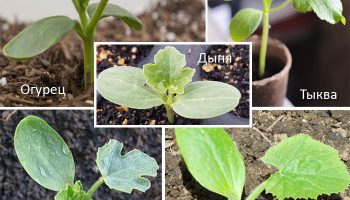
Pumpkins grow very quickly. Seedlings can be planted outdoors as early as 20 days after germination. This should be taken into account and the germination and planting times calculated in advance.
The Karamelka pumpkin's root system is very delicate, so seeds should be planted in peat pots or pellets, which are then placed directly into the garden beds. Or in bottomless containers, which make it easier to remove the seedlings without damaging the delicate roots.
For the same reason, drainage should be placed at the bottom of the seedling containers.
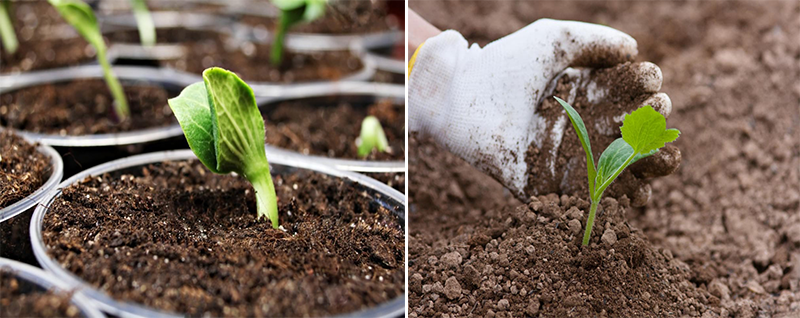
The seeding depth is 3-4 cm. Plant one seed per container. If you're unsure of 100% germination, plant two seeds, then remove the weaker one. When planting in a larger container, keep a distance of 5 cm between seeds.
The soil is prepared from a mixture of leaf soil, peat and humus in a ratio of 1:1:2.
The seedlings are covered in the traditional way—with glass, plexiglass, transparent plastic, or film. After the seedlings emerge, no further covering is required.
Seedlings grow more vigorously in a warm, bright room. This results in strong, resilient plants.
Planting seeds directly into the garden bed
Planting seeds in open ground is more suitable in regions with hot climates and early spring.
First, the bed where you plan to plant the pumpkin is well fertilized with manure or humus and dug up.
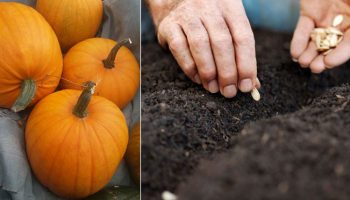
Seeds are planted in holes 8-10 cm deep. If spring frosts are expected, or if pumpkins are planted from seeds in northern latitudes, the planting depth should be increased.
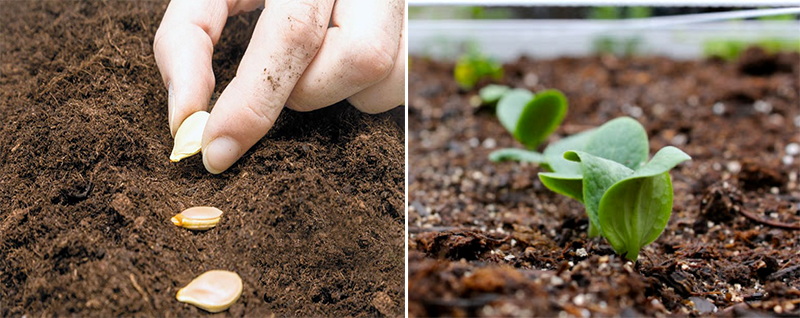
Place several seeds in each hole to ensure the strongest seedlings are left behind when they germinate. The remaining seeds don't need to be removed; instead, they should be pinched to avoid damaging the roots of neighboring plants.
Planting pumpkin seedlings in the ground
The Konfetka pumpkin thrives in well-lit areas with loamy soil. The soil should be loose and breathable.
The seedlings are planted in the ground when the soil warms up to +13 °C, and the shoot has 2-3 well-formed leaves.
Each plant requires 1-1.5 m2 area. First, prepare the holes and water them thoroughly. Add a handful of wood ash and a pinch of superphosphate to each.
Caring for pumpkins in open ground
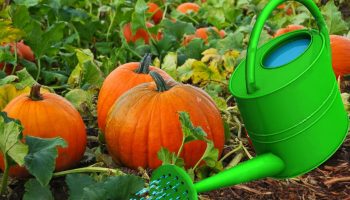
Caring for pumpkin involves regular watering, weeding, and then removing dried leaves.
To get especially large fruits, you need to water the pumpkin several times during the summer with an infusion of cow dung or bird droppings.
The taste of the fruit will be improved by feeding it with a solution of saltpeter - 50 g per watering can of water.
The bush also needs to be trained—you'll need to periodically pinch the stems, leaving no more than three shoots. For strong shoots, lightly loosen the soil and hill up the root zone from time to time.
How to preserve the harvested crop
Proper storage promotes ripening of the fruit, which makes the pumpkin even sweeter and softer over time.
Pumpkins store well at temperatures between +3 and +15°C. Lower temperatures will cause the flesh to freeze and rot.
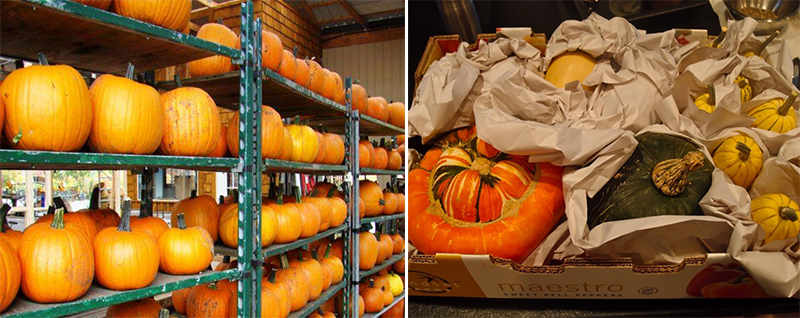
The recommended indoor humidity level is 70-80%. Higher humidity increases the risk of mold and musty taste.
Air circulation is important. If something goes wrong and your pumpkins start to spoil, the damaged ones should be discarded, the area ventilated, disinfected if possible, and dried.