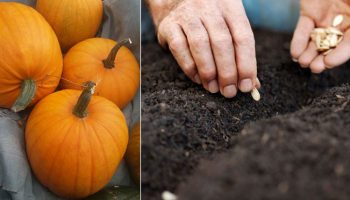
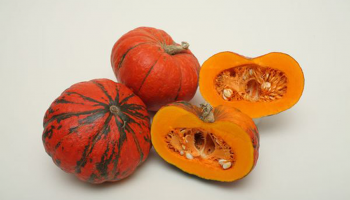
Pineapple pumpkin is a variety classified as a nutmeg variety. Its popularity among gardeners is due to its tender flesh, excellent flavor, and mid-season maturity. Harvesting occurs 110 days after planting.
This vegetable is used to make winter preserves and excellent desserts. It makes a great addition to porridge. It's quite difficult to find in supermarkets. Despite its low-maintenance nature, this variety is rare.
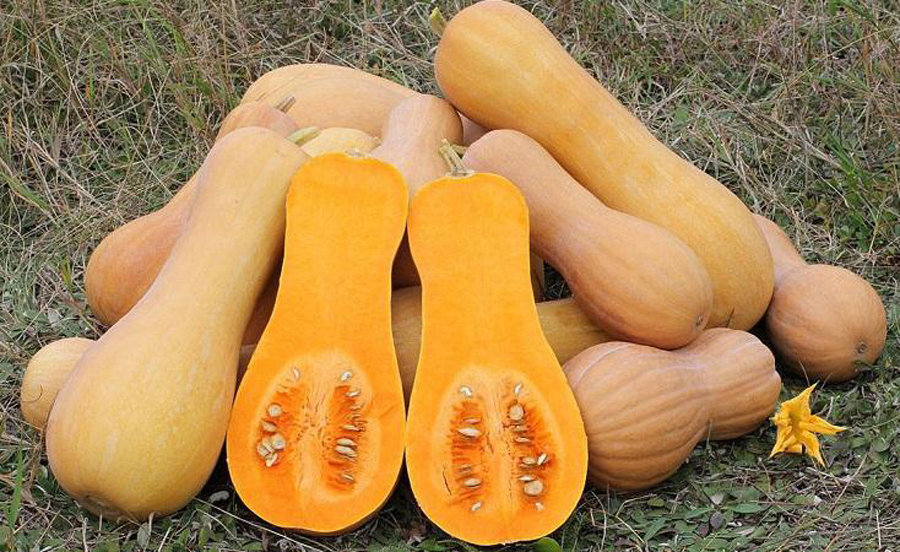
Description of the Pineapple Pumpkin Variety
Pineapple squashes have thick stems and long vines. Fruiting lasts throughout the summer and fall months. Ripe fruits contain a high amount of sugar, which explains their potential for culinary use.
It takes about two years. The maturation process can be significantly accelerated by timely watering and maintaining a favorable temperature regime.
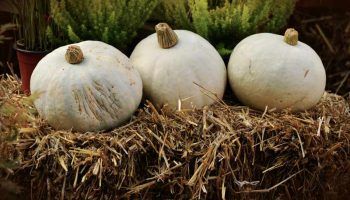
A single fruit weighs no more than 2.5 kg. Its thin, dense skin has a pleasant nutmeg aroma. The longer the vegetable is stored, the more pronounced this aroma. Pineapple squash is planted in southern regions.
To obtain a harvest in the central and northern regions, plastic covers are used. Loose, fertile soils are recommended for growing the hybrid.
Distinctive features of pineapple pumpkin
It is characterized by medium-sized bushes and rough, bright green leaves. The root system is well developed. A single shoot produces 4 to 6 creamy-orange fruits. The flesh is firm and has a nutmeg flavor.
Additional benefits include a long shelf life and cosmetic and culinary value. Under favorable conditions, up to 5 kg of harvest can be obtained per square meter.
Landing features
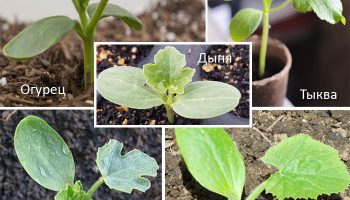
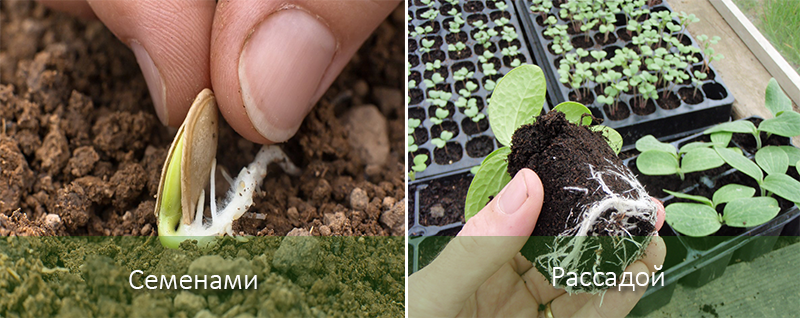
Pineapple squash is considered an easy-to-grow vegetable. To plant this vegetable, you can use seeds or seedlings. These should be purchased from a specialist store. Seeds should be disinfected with formalin before planting.
The final ingredient, 3 g, is dissolved in 300 g of warm liquid. After treatment, the planting material is dried. This method is affordable and safe. It doesn't require much time. To test the germination of the seeds, they are germinated. The liquid temperature should not exceed 55°C.
It is recommended to plant pumpkin after potatoes and legumes.
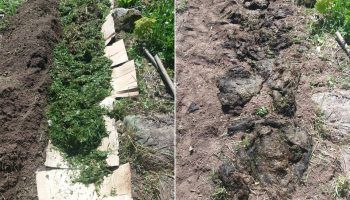
This helps prevent the risk of disease. After digging the soil, water it with a weak solution of potassium permanganate and fertilize it with a mixture containing wood shavings and humus.
The mixture is designed to strengthen the immune system and accelerate growth. It's important to note that due to its powerful root system, the plant requires ample space. Planting more than one plant per square meter will reduce yield.
Avoid planting pineapple squash near pattypan squash and zucchini. This plant prefers light and open space, but does not tolerate drafts.
Seedlings are placed in the soil only after it has been prepared. A mixture of river sand, peat, and humus is added. Disinfection of the soil is a mandatory step. Plants can be grown in cardboard boxes, flower pots, and special containers.
The container should be dry. Water once a week. The first feeding should be done 14 days after planting. This should be done early on a warm, windless day.
Care instructions for growing pineapple pumpkin outdoors
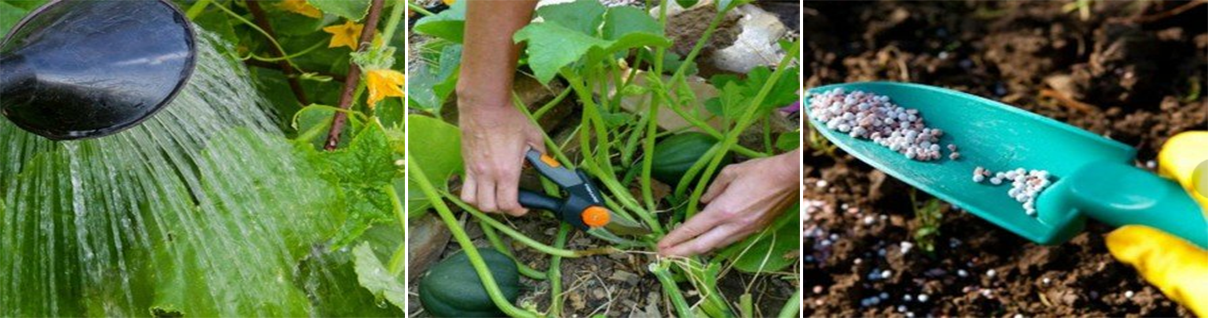
Particularly important nuances include:
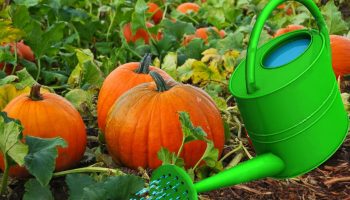
- timely soil moistening - one bush requires about 2 liters of warm water;
- application of organic and mineral fertilizers – every two weeks;
- loosening – promotes liquid retention and improves air exchange;
- the harvest begins in the middle of the first month of autumn;
- pinching – the stem is formed when its length reaches 1.5 m.
Pineapple squash should be stored on the balcony or in the refrigerator. The vegetable contains fiber, vitamins, micro- and macronutrients.
Dishes prepared with it have a positive effect on the cardiovascular system, vision, and gastrointestinal tract. Its powerful rejuvenating properties are also considered a bonus.
Diseases and pests
Pineapple pumpkin is quite resistant to various diseases.
| Disease/pest | Symptoms | Elimination measures |
| Anthracnose | Yellow-brown manifestations on leaf blades | Using the composition "Epin" and ash. |
| Bacteriosis | Brownish spots on various parts of the plant | Treatment with copper sulfate solution. |
| Aphid | The Withering of Culture | Morning spraying with yeast and ash. This procedure is performed every three weeks. |
| Whitefly |
Top.tomathouse.com: Tips for harvesting and using pineapple squash
To get a bountiful harvest, you must follow these rules:
- It is strictly forbidden to sow old seeds.
- Small ovaries should not be overwatered. This can lead to excessively elongated leaves and shoots.
- To normalize the acidity of the soil, you need to spread straw on the site.
- There is no need to remove weeds.
- The plant should not be watered with cold water.
- If the vegetables are quite heavy, support structures are made from available materials.
- Using a drip system makes it easier to control liquid consumption.
Pineapple pumpkin is chosen for its high resistance to fungal diseases, low maintenance, and attractive appearance. This hybrid is among the most successful.
The disadvantages of this crop include the difficulty of caring for the vines and the need for training. Experts say that with proper care, the yield will exceed all expectations. The time and effort will quickly pay off.