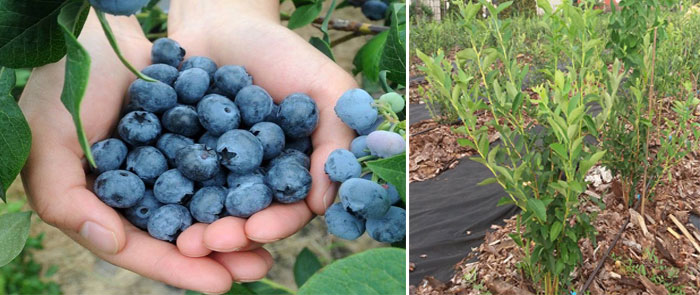
For a long time, blueberries were considered a berry native to northern latitudes, as they were found primarily in the forests and marshes of the Northern Hemisphere. But thanks to the diligence of breeders, there are now about 100 varieties of domesticated blueberries, which anyone can plant in their garden.
Content
- 1 General rules for planting blueberries
- 2 When to plant blueberries in autumn
- 3 Selecting blueberry seedlings
- 4 Various options for planting blueberries in the fall: 3 methods with photos
- 5 Caring for blueberries after planting in autumn
- 6 How to propagate blueberries
- 7 Tips from Top.tomathouse.com on how to avoid mistakes when planting blueberries in the fall
General rules for planting blueberries
Blueberries are low-growing shrubs in the Ericaceae family with blue berries. Domesticated varieties begin bearing fruit within 2-3 years after planting, while their wild relatives take 11-17 years.
Depending on the variety, the bush height varies from 50 to 250 cm, with shoots that can be either prostrate or upright. Flowering begins in late spring, and the first berries ripen by mid-July.
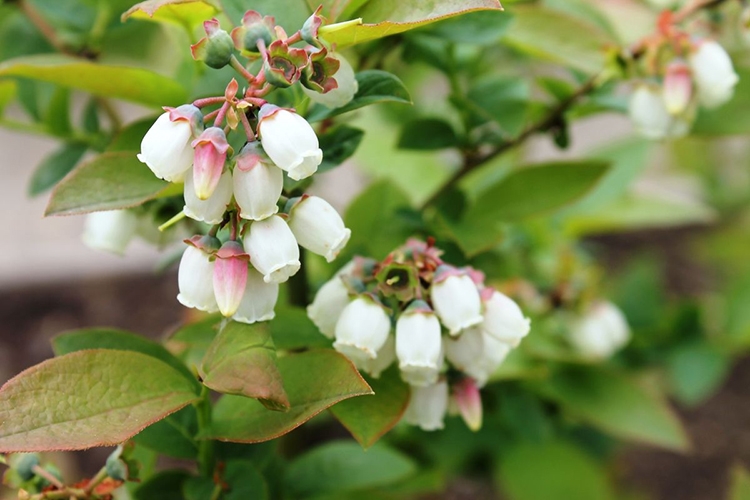
Blueberries grow best in acidic, well-drained soil. Wild blueberries tolerate temperatures as low as -35°C, but when choosing a domestic variety, be careful—not all cultivated blueberries can easily withstand severe frosts.
Blueberries can be planted in either fall or spring. Some gardeners recommend starting in the spring to give the seedlings more time to establish themselves and gain strength before winter. Others, however, urge fall planting, which accelerates fruiting.
In the fall, only blueberries grown in individual pots can be planted in the ground. All young bushes will need to be pruned. After planting, it's important to remove any shoots that appear diseased or weak, and trim healthy branches back by half their length. If the seedling is more than 24 months old, there's no need to prune it.
If you've chosen spring for planting, do so in the first half of April, before the snow has completely melted and the first buds have emerged. Blueberries are generally frost-resistant, so you can plant them safely. However, if you've chosen a rare or sensitive variety, it's best to be on the safe side and cover the plantings with agrofibre until nighttime temperatures rise above freezing. Gardeners recommend mulching the bed—this will not only help protect the roots from the cold or scorching sun but also retain moisture in the soil.
When to plant blueberries in autumn
The timing of blueberry planting will depend on the region: the earlier the frosts arrive, the earlier in the fall the berries should be planted.
Planting blueberries in the fall in different regions
In the fall, seedlings with open root systems are planted in the ground. This work typically begins after the main harvest. Another important point is that the soil temperature should be around 5°C. If it's colder, the seedlings will adapt poorly and may not survive the winter. If it's warmer, the blueberries will begin to develop instead of preparing for dormancy.
This is why the timing of planting bushes varies in different regions:
- in central Russia (including the Moscow region) blueberries are planted in mid-October;
- in the south – in the first ten days of November;
- in northern latitudes (in the Urals, Siberia) – in mid-September;
- In Belarus, blueberry planting begins in October before frost sets in. Early- and mid-season varieties are best.
For seedlings with a closed root system, planting dates may vary; these changes are not of great importance and do not affect the blueberry adaptation process in any way.
Planting blueberries in the fall according to the 2021 lunar calendar
The Lunar Calendar can help gardeners determine the exact timing for planting blueberries. The most important rule is to avoid planting during the Full Moon and New Moon.
If you have the opportunity to be in the garden every day, it is better to plant on suitable days.
The following are considered favorable dates for autumn 2021:
- September: 3-5, 8-10,15, 16, 19, 24-28
- October: 8-13, 22, 23, 26, 27
- November: 2, 3, 8, 9, 12-14, 17, 18, 22-24.
Unfavorable days:
- September: 6, 7, 21, 22
- October: 5, 6, 7, 20, 21.
- November: 4, 5, 19.
Selecting blueberry seedlings
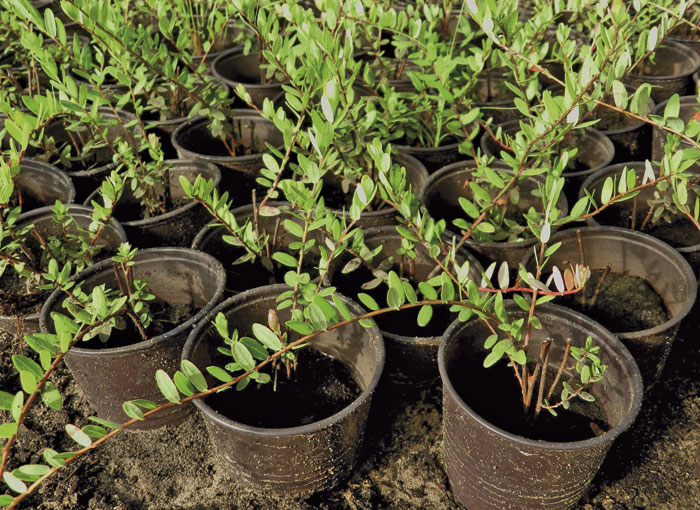
When choosing a seedling, pay special attention to the plant's age. Bushes 2-3 years old take root best. Regarding the root system, it's preferable to choose blueberries with a closed root system, as the plant itself doesn't have the ability to absorb all the necessary nutrients from moisture—this is done for it by soil fungi that thrive in highly acidic soil.
Selecting blueberry varieties for different regions: table
The developed blueberry varieties are zoned for different growing regions, which must be taken into account when planting and selecting seedlings.
| Variety | Description | Ripening period | Productivity | Agricultural technology of cultivation |
| Duke
|
The bush is up to 2 m high and up to 1.7 m wide. Dark green leaves turn reddish or orange in autumn. The berries are dense and suitable for mechanical harvesting. They are collected in clusters of 8-15 pieces. Suitable for the middle zone. | An early variety, bears fruit from the last ten days of June to the beginning of July | 4.55 kg per bush | Requires acidic, well-drained soil. Loves illuminated areas. Resistant to frosts down to -35 ° C. Requires periodic pruning and fertilizing. |
| Patriot
|
The bush reaches 1.8 m in height and 1.5 m in width. In autumn the leaves turn reddish. Self-pollinating variety with large berries weighing up to 3 g. Suitable for northern regions, resistant to frosts down to -40 ° C. | 45-50 days after the beginning of flowering | From 4 to 5 kg per bush | The variety requires regular thinning and pruning. During the period of berry formation it requires abundant watering. Resistant to diseases and pests. |
| Bluecrop
|
Cross-pollinated variety. Suitable for central and northern regions. Grows up to 1.9 m. The berries weigh up to 2.5 g, are very aromatic and tart. When insulating the root zone, frosts can be withstood down to -34°C. It is distinguished by its extended fruiting period. | The berries ripen by mid-July, the fruiting period is 1.5 months. | 4-6 kg per bush, up to 9 kg. | When planting, choose a well-lit place - the variety does not tolerate shade. Does not require nutritious soil, tolerates drought and temperature changes well. It is highly resistant to diseases. |
| Blu-ray
|
Self-pollinating variety. Suitable for growing in the middle zone. The bush grows up to 1.8 m, the shoots are very spreading. | Ripens in mid-July, fruiting lasts 2 weeks. | Up to 5 kg per bush | It is sensitive to soil acidity and is susceptible to rot and other diseases, so it requires periodic treatment. It begins to bear fruit late, in the eighth year of life. |
| Earlyblue
|
Suitable for all regions, even with frosty winters, because able to survive temperatures of -36 ° C. The bushes grow up to 2 m. Berries cannot be stored for long; they must be processed or frozen immediately. | Early ripening: the first berries in the south begin to ripen as early as the end of May. | Up to 6 kg per bush | Requires planting with pollinators. Does not require regular pruning. They do not tolerate drought, but also do not grow in stagnant moisture. The shoots develop slowly. |
| Toro
|
A fairly rare variety, suitable for the Central regions. The bushes reach 2 m in height. In autumn the leaves turn scarlet. The variety is frost-resistant down to -30°C. The berries are not suitable for long-term storage. Also suitable for cultivation on an industrial scale. | It ripens relatively late, in late July – mid-August. | Up to 8 kg per bush | Does not tolerate lack of moisture well and is susceptible to fungal diseases. In winters with little snow, it needs shelter. |
| Jersey
|
The variety is zoned for northern regions. The bush grows up to 2.5 m. In winters with little snow, it needs shelter. | The berries ripen in August. | Up to 7 kg per bush. | It does not require any special agricultural technology, the main thing is to maintain soil acidity at no less than 3.5 pH. |
| Elizabeth
|
Grows up to 1.8 m. The shoots intertwine with each other, forming a dense crown. The stems are reddish in color, which is considered a sign of frost resistance. | Ripens in early August, fruiting lasts 14 days | Up to 5 kg per bush | Does not tolerate recurrent frosts. Needs sufficient lighting. Resistant to diseases and pests. |
| Herbert
|
It grows up to 2.2 m, which can make harvesting difficult. The shoots are spreading. The berries are some of the sweetest. The variety tolerates frost well. | It bears fruit from mid-August, the fruiting period is 15-20 days. | Up to 7 kg per bush | Grows well only in acidic soils. Requires good lighting and regular watering. During the fruiting period, it is necessary to construct supports to support the shoots. |
| Northland
|
A low-growing variety, shoots grow up to 1.2 m. Suitable for northern regions, because withstands frosts down to -35 ° C. The berries store and transport well, but quickly fall off the bush. | The berries ripen from mid-July, and the fruiting period extends for a month. | About 5 kg of berries per bush. | Does not tolerate drought well. |
| Weymouth (Weymouth)
|
It grows well even in harsh climates – it can withstand frosts down to -38°C. The shoots reach a height of 1.5 m. | It is distinguished by its early ripening period and bears fruit in July. | Up to 7 kg of berries per bush | Needs high-quality watering and good lighting. Not prone to diseases. |
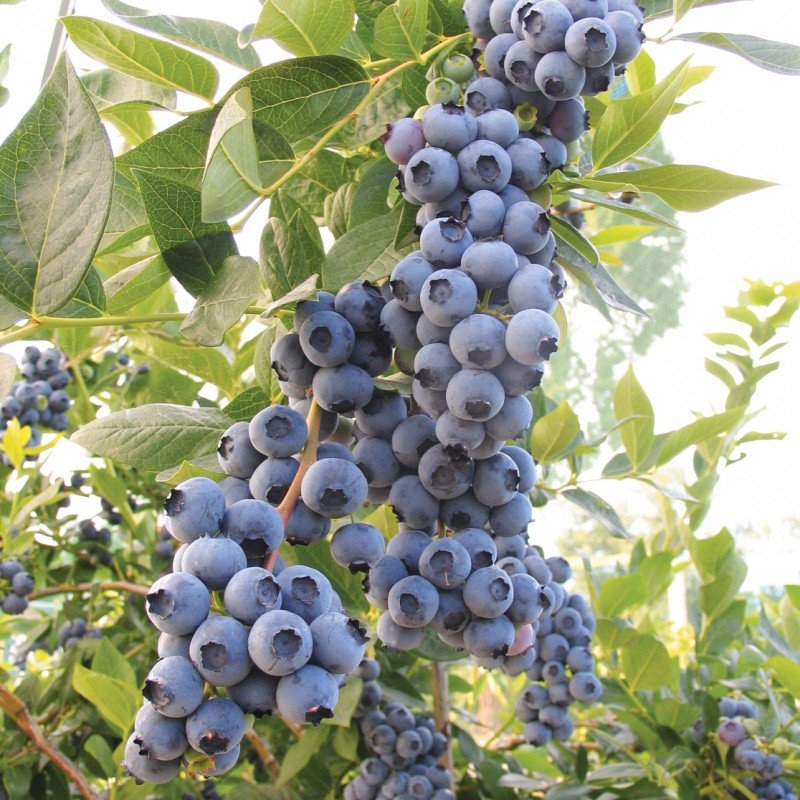
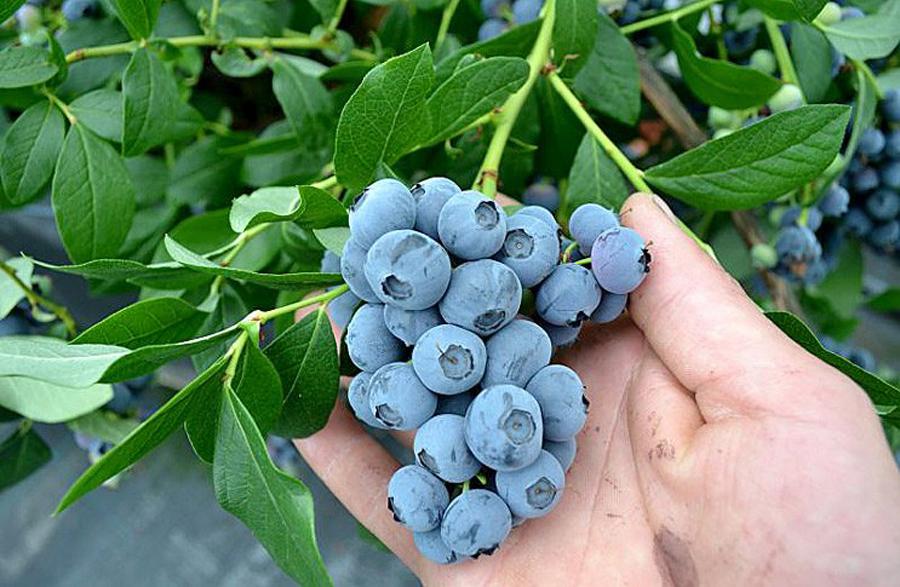
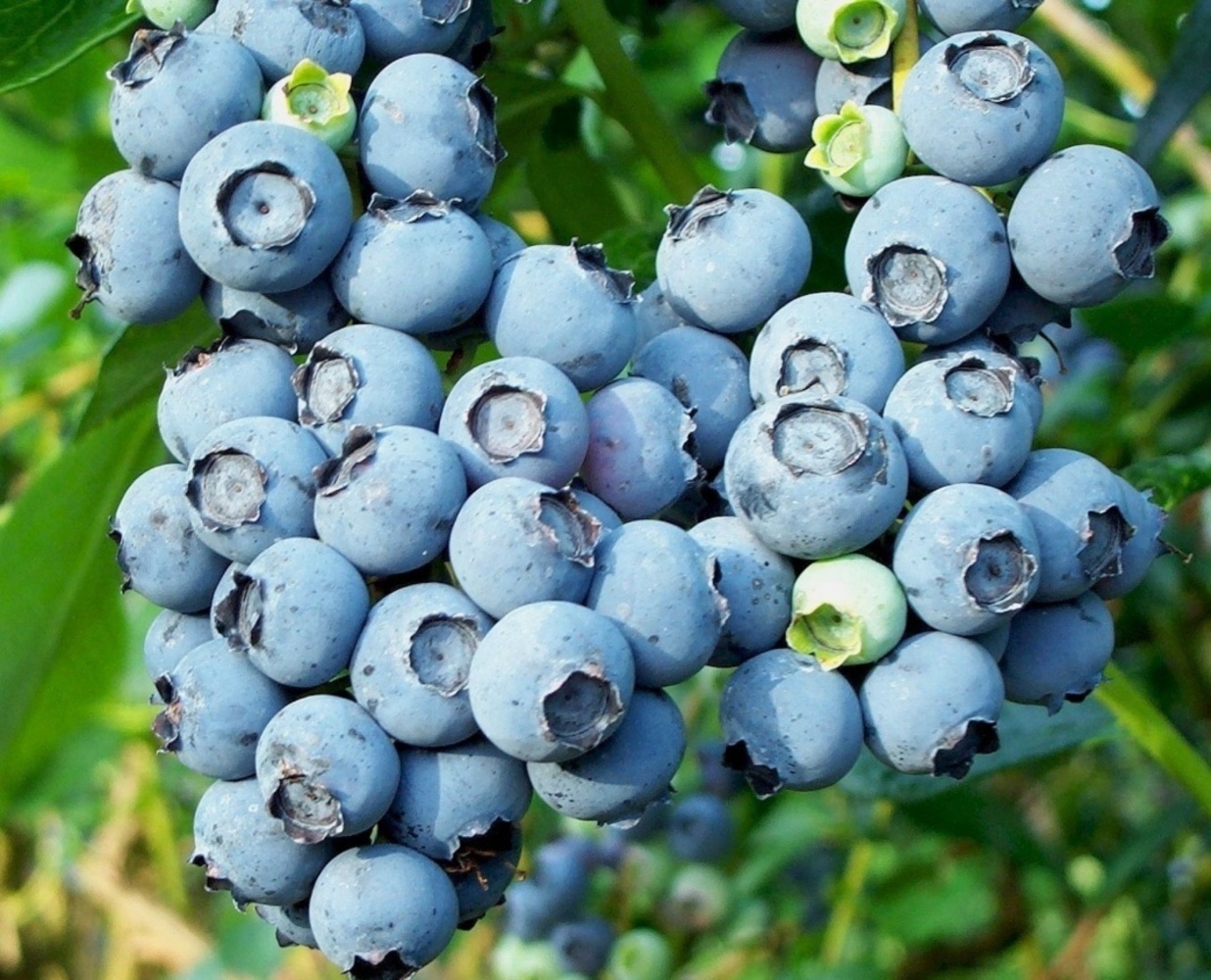
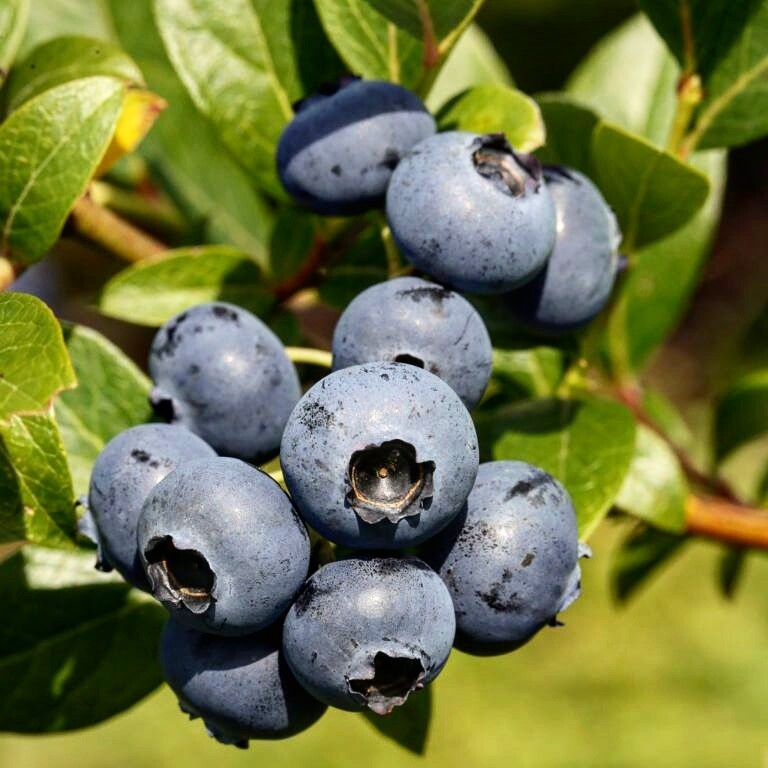
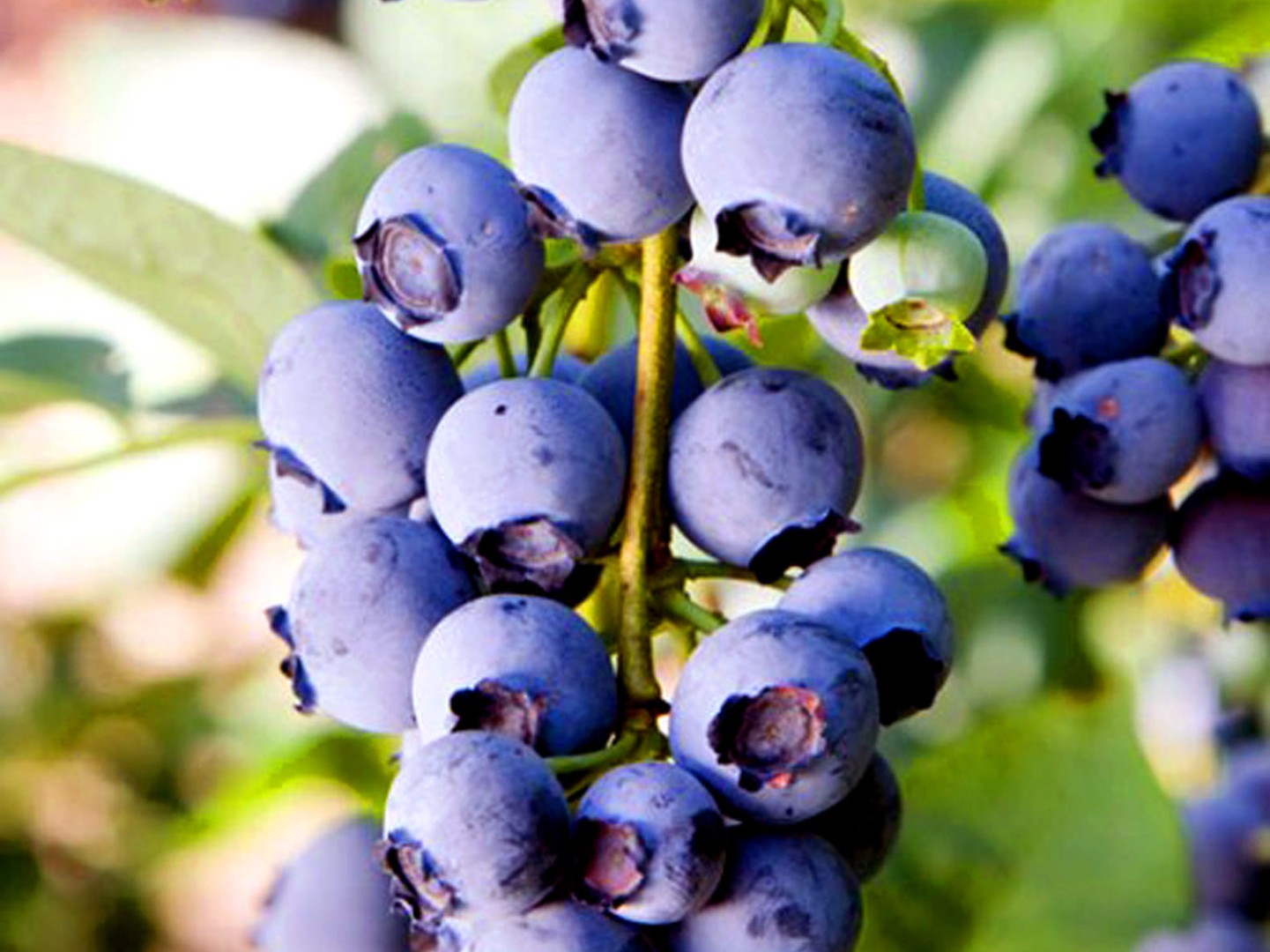
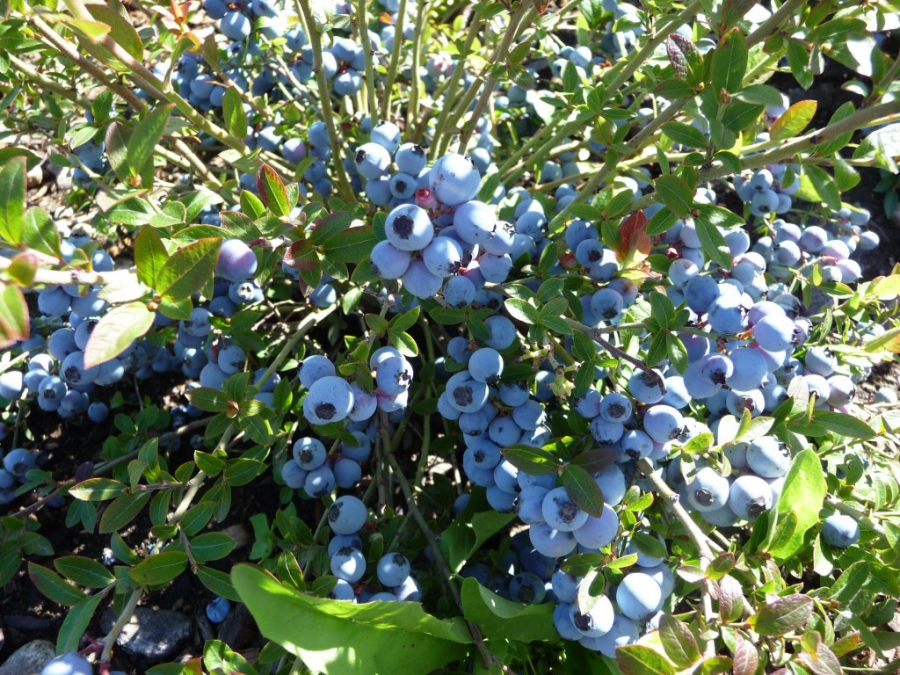
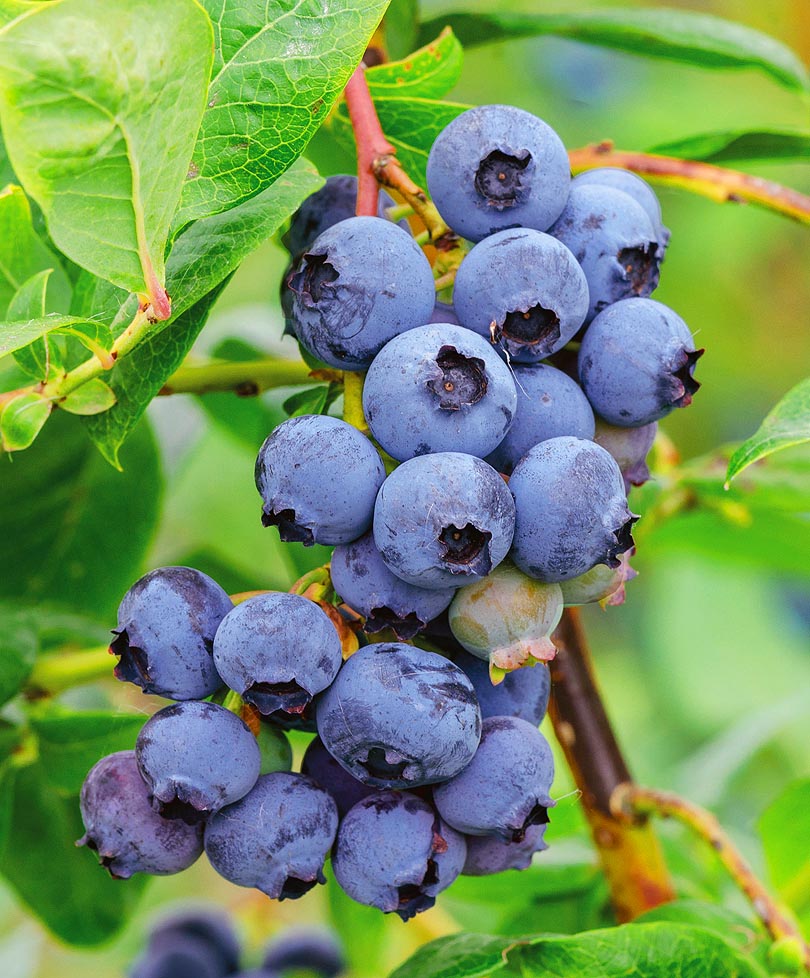
The right seedling
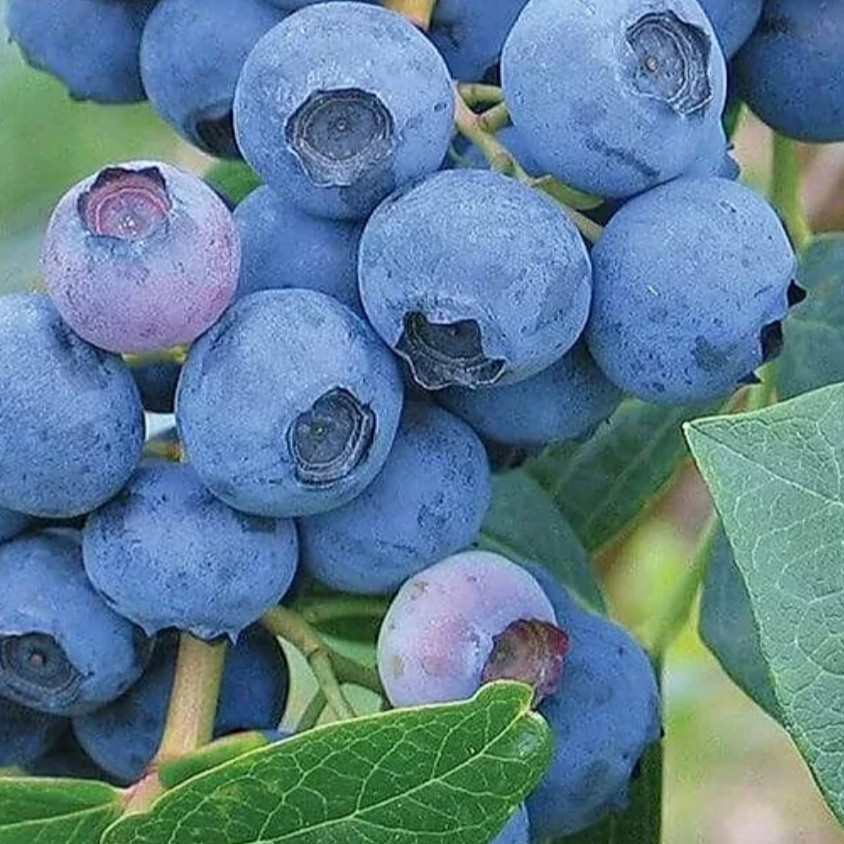
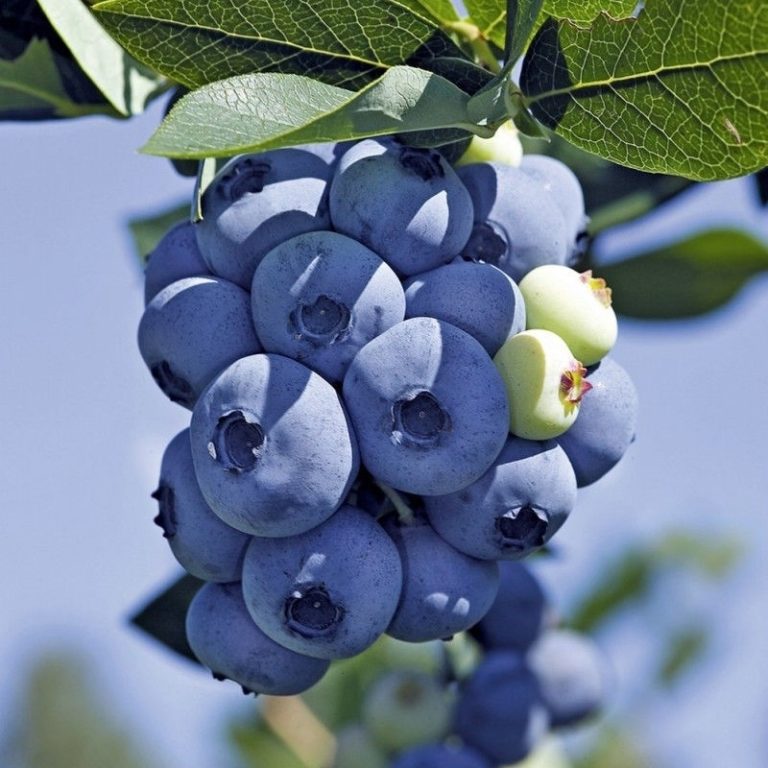
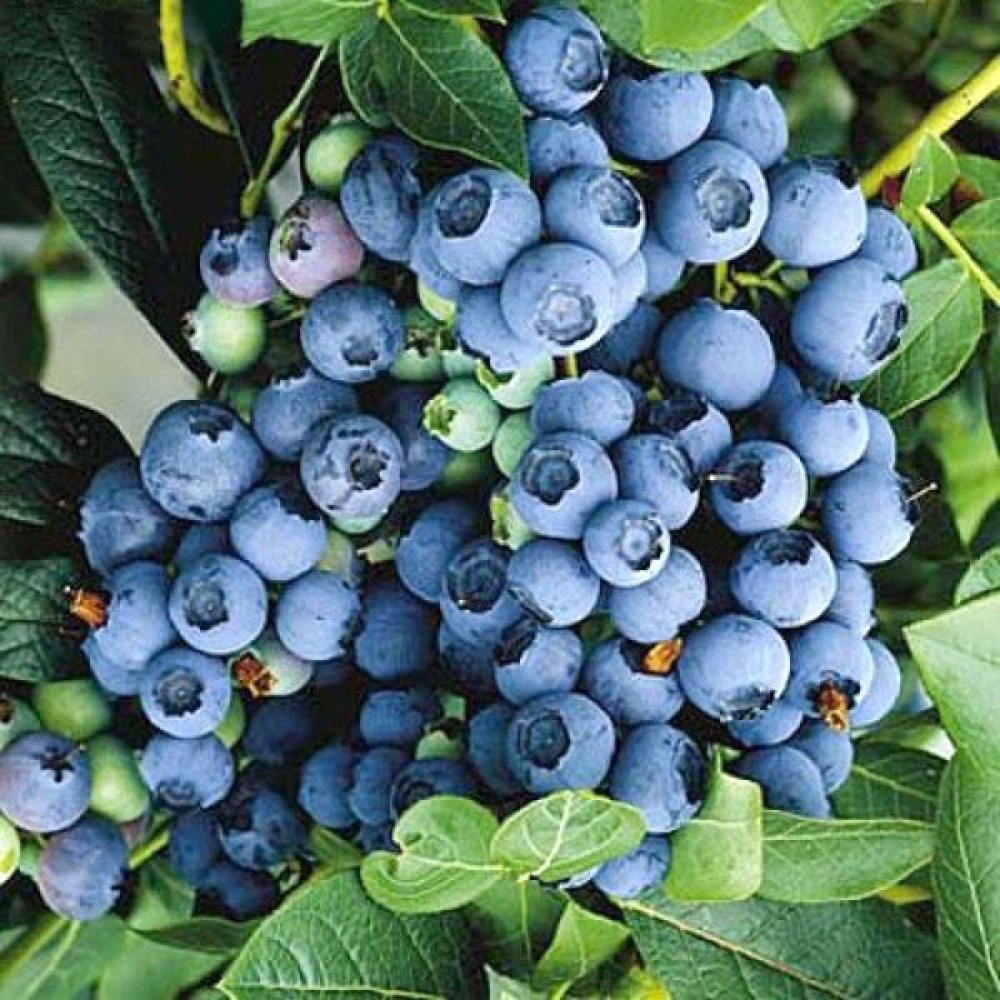
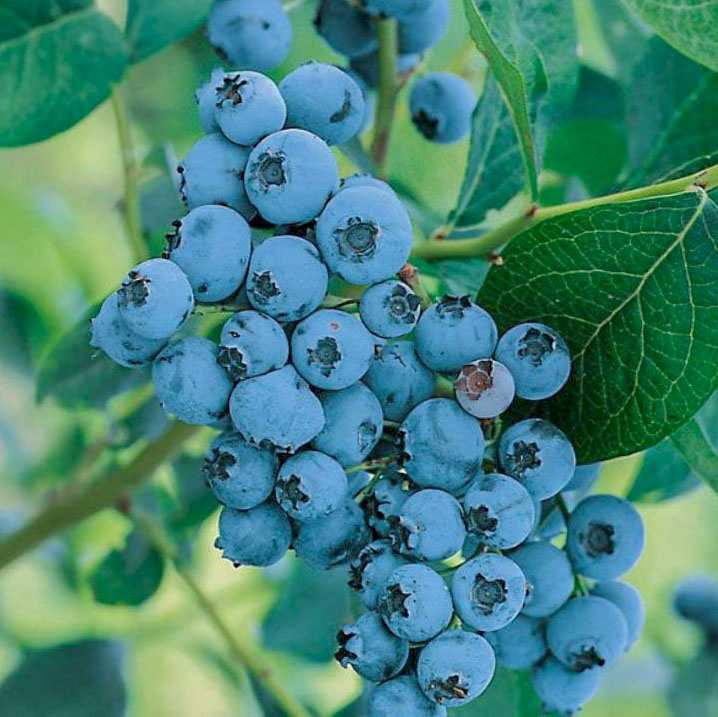
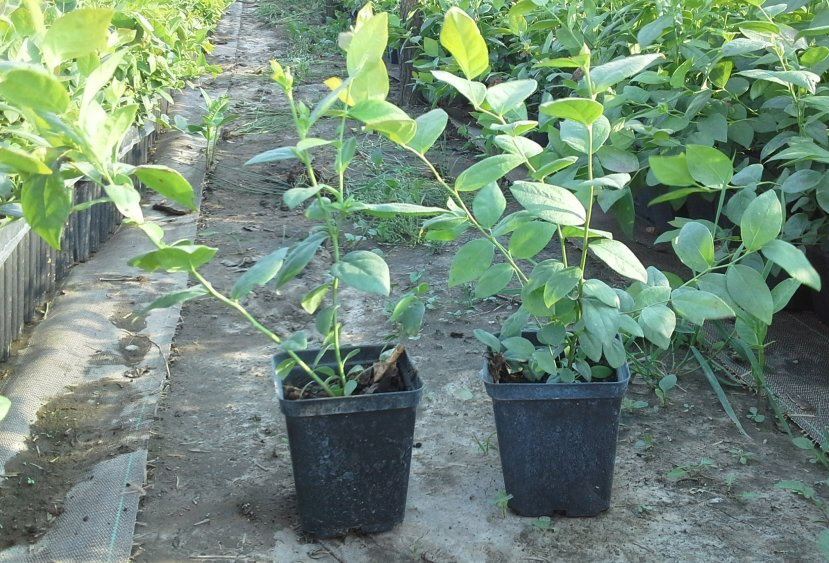
The success of blueberry planting directly depends on choosing the right seedling. It is best to purchase a plant aged 2-3 years. It is important to ensure that there are no signs of illness or disease on it. If the root system is closed, then roots should stick out on the surface of the drainage layer. Otherwise, their absence indicates damage by rot.
Choosing a location for planting blueberries in the fall
To plant blueberries in your garden, choose a well-lit spot protected from drafts. Without enough sun, the berries will be small and sour. Furthermore, the soil should be new, meaning not previously used for other crops. If such a bed doesn't exist, create one yourself by mixing one part sandy soil with three parts peat.
Blueberries produce poorly in soil with low acidity and high nitrogen content. Therefore, slightly acidic soil needs to be additionally alkalized, for example, with an ash solution or citric acid.
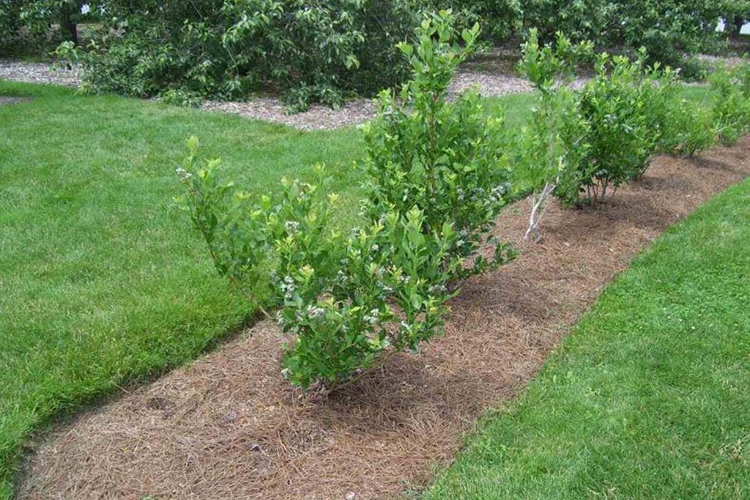
Preparing planting holes
The blueberry planting hole should be prepared 10-14 days before planting to allow the soil to settle. The denser the soil, the narrower the planting hole should be. For example, in a clay soil plot, the hole should be 40 cm deep, while in a peat bed, this depth can reach 1 m.
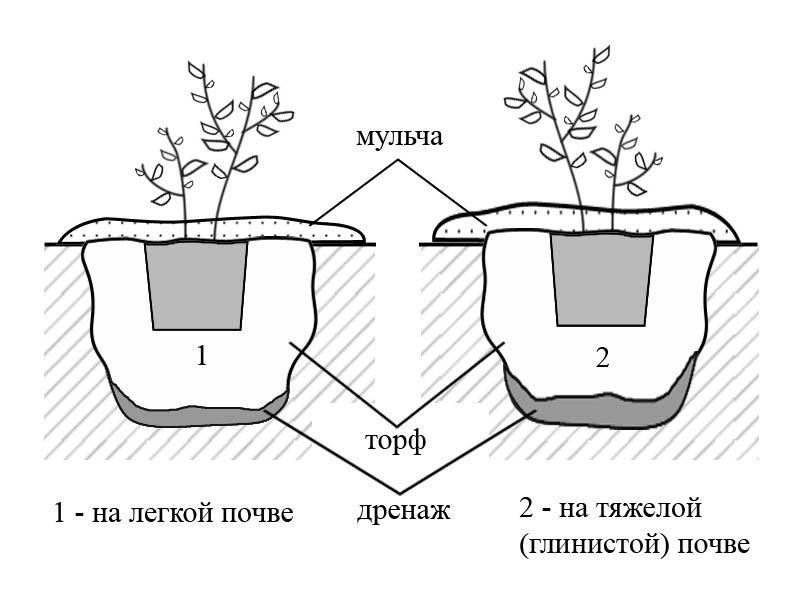
A drainage layer must be placed at the bottom to prevent moisture from accumulating near the roots, which blueberries do not tolerate.
If the soil is too heavy, it will have to be mixed with sand and peat in equal parts.
Don't forget about the acidity level of the soil on the site - if it is low, then an acidic substrate must be added to the hole.
The distance between holes for low-growing varieties should be at least 60 cm, and for tall varieties – at least 1 m. If planting in rows, the distance between them should be more than 2 m.
Various options for planting blueberries in the fall: 3 methods with photos
In autumn, blueberries are planted in cool weather, when the soil has cooled to 3–5°C. The bush is placed in a pre-dug hole. Before planting, it's important to gently spread the roots to help the plant adapt more quickly to its new location. Next, the roots are covered with soil, and a hole is dug around the bush and 5 liters of settled water is poured into it.
Acidic soil is essential for the normal growth and development of blueberries. If this isn't available in your area, you can purchase a special soil mix from the store or dig soil from under pine trees in a pine forest.
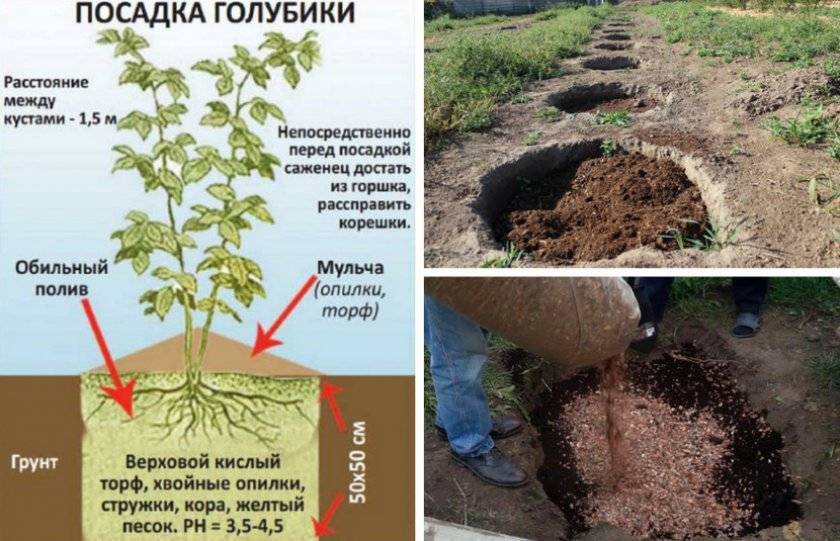
There are several options for planting blueberries. We'll cover each step-by-step guide below.
Planting blueberries without using peat
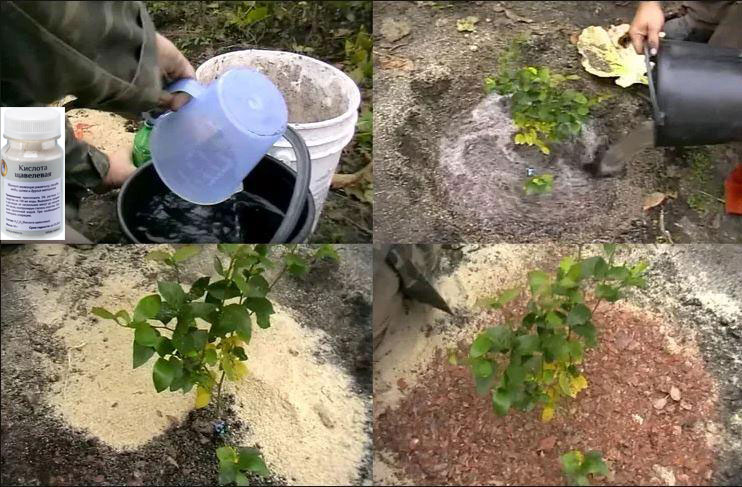
Filling the planting hole with peat to alkalize the soil isn't always possible. So, gardeners have come up with an alternative method. The hole is filled with soil and horticultural acidifiers are added. These are sold in specialized stores and are easily diluted according to the instructions.
You can also use folk remedies:
- 1 teaspoon of citric acid or oxalic acid per 3 liters of water,
- 100 ml of 9% vinegar per 10 liters of water.
Watering is carried out twice a year: in the spring after the end of frosts and in the fall before preparing the plants for winter.
Planting blueberries in ridges
This method is recommended for areas with heavy clay soil. Blueberries are planted in pre-prepared ridges. To form these ridges, a small hole about 15 cm deep is dug. This is filled with soil, and a mound of acidic soil, sand, peat, and sawdust is formed on top. The seedling is placed in the resulting mound, but not buried; instead, it is covered with sawdust to a depth of about 10-15 cm.
Planting blueberries in pine needles
Coniferous soil is highly acidic, which is essential for blueberries. Therefore, it is an excellent alternative when peat is unavailable. It can be obtained in coniferous forests by collecting soil from under pine trees. This soil is used to fill the planting hole where the seedling is placed. The root zone is then mulched.
Caring for blueberries after planting in autumn
Caring for blueberries is not particularly difficult if you choose the right planting location, buy a strong seedling, and prepare the soil.
Watering and fertilizing
During the first week after planting, ensure the top layer of soil remains moist. If the autumn is dry, you'll need to water the plant additionally at a rate of 10 liters per plant every four days.
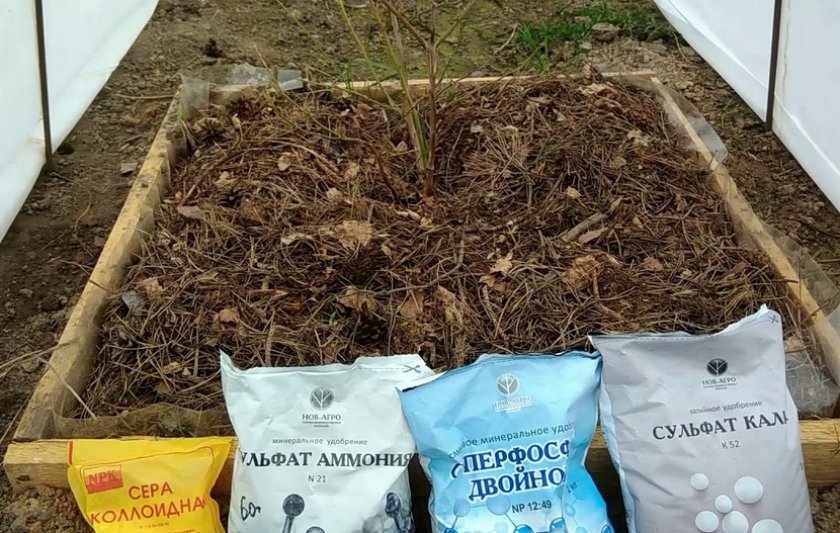
To prevent the bush from suffering from nutrient deficiencies, it's necessary to fertilize the bed. For this, it's recommended to add 100 g of superphosphate and 40 g of potassium sulfate. It's best to use dry fertilizers; liquid fertilizers aren't the best option for autumn. Experienced gardeners recommend adding the fertilizer to a hole dug a short distance from the trunk, then filling it with soil and watering it in. This will reduce the risk of negative impact on the root system without affecting its effectiveness.
Trimming
It's a mistake to think that pruning is only done after a bush reaches 3-4 years of age. Experienced gardeners recommend pruning blueberries while they're still young, if the above-ground growth is too large. Ideally, the bush should have two strong vertical shoots and a small, unbranched growth.
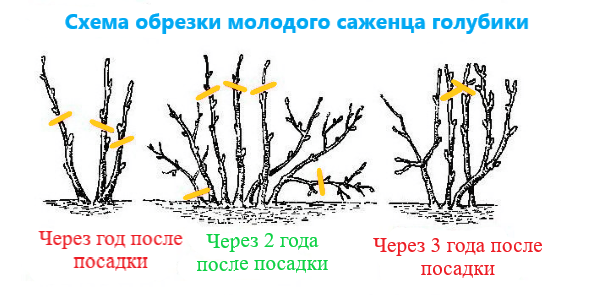
Everything else is cut off at the root. It's also important to promptly remove damaged and diseased branches, as well as overly old branches that haven't produced any clusters during the season.
Preparing blueberries for winter
Many blueberry varieties tolerate frosts down to -35°C. However, if winter snowfall is low, or frosts are unpredictable, it's essential to insulate the plantings, especially young ones. Before the onset of frost, when cold weather sets in and no thaw is expected, bend the blueberry branches to the ground and secure them with special forks. After this, cover the seedling with agrofibre or any other breathable material, then lay spruce branches on top, and then add snow. Avoid using plastic film, as it can encourage rot.
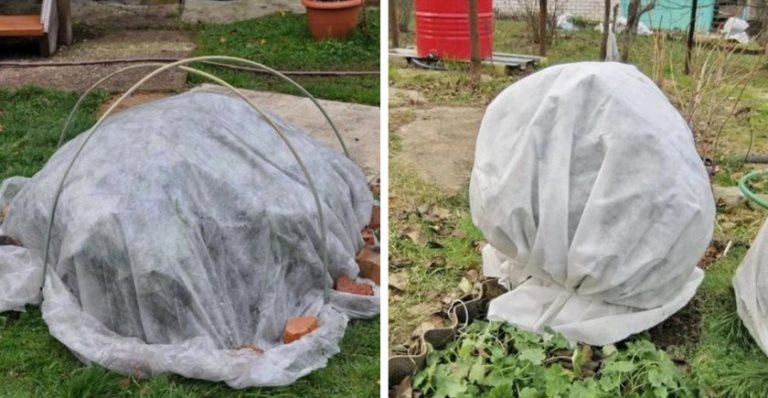
In the spring, you should also not delay removing the cover, so that the roots do not rot under the influence of sunlight.
How to propagate blueberries
There are several methods of blueberry propagation that are used in gardening.
Seeds
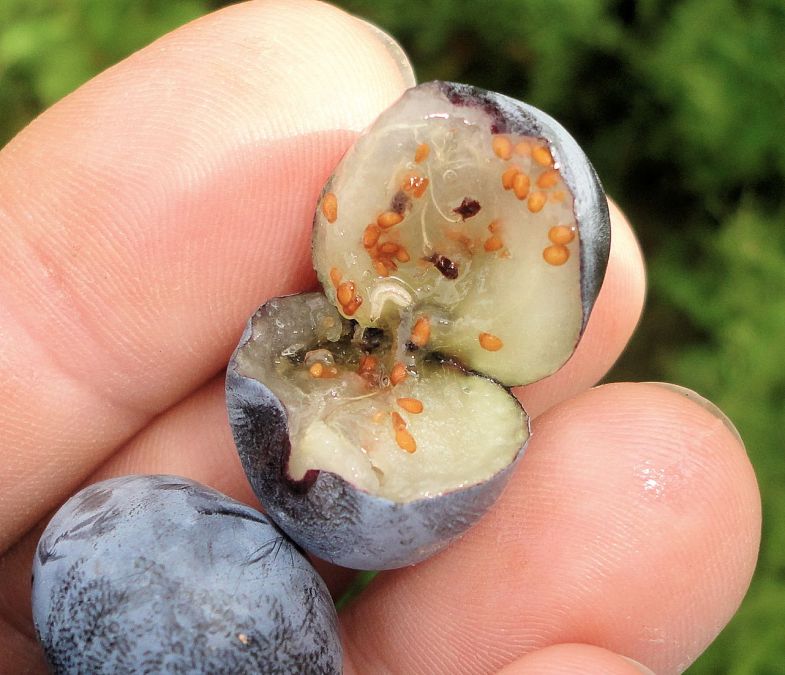
This method is only feasible for very expensive and exclusive varieties, as it requires a significant investment of time. After the berries ripen, the seeds are collected. They are thoroughly dried, treated with growth stimulants, and planted in highly acidic soil for germination. The air temperature should be at least 23°C, and the humidity 40%. Weeding, watering, and thinning of the plantings are necessary periodically.
Cuttings
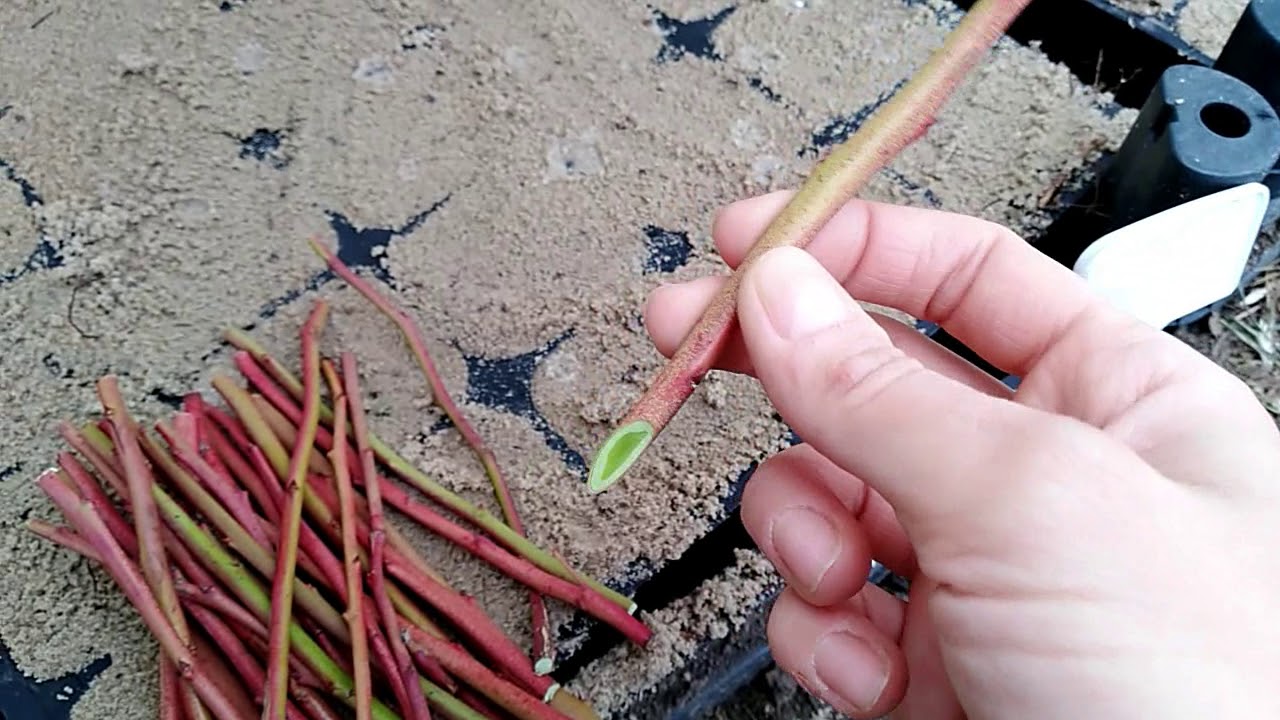
Cuttings can only be collected after all the leaves have fallen from the bush. It's best to take the parts of the shoots closest to the root.
The cutting should be between 8 and 15 cm in size. The part that will be planted in the ground should be cut at an angle. Planting in the ground should also be done at an angle. Before starting, you can treat the cutting with any growth stimulant.
Layering
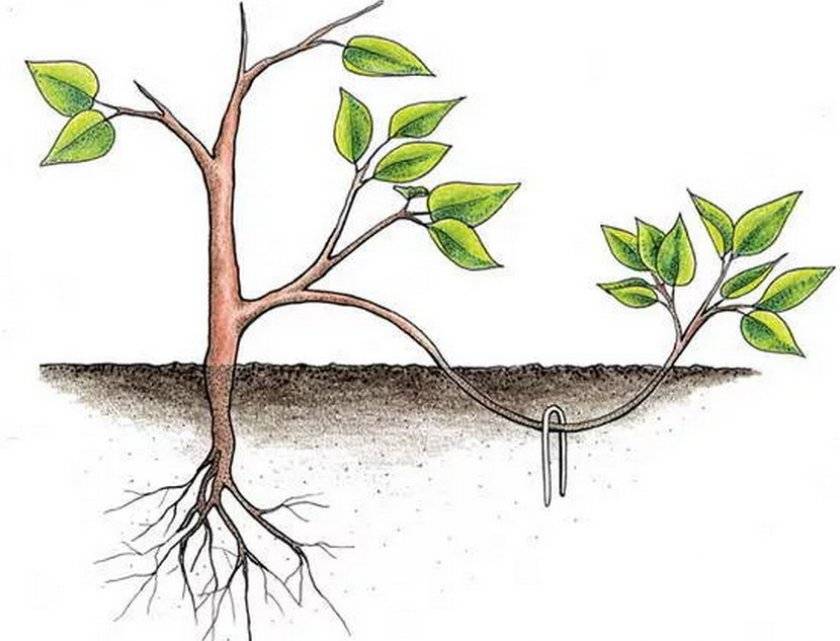
This is a fairly simple, but not the fastest, method for propagating blueberries. To do this, select a healthy, not too old shoot. It is pressed to the ground, secured with special forks, and then the point where the stem meets the bed is covered with sawdust. It will take about 2-3 years for the plant to take root. Only then can it be planted as a separate bush.
Tips from Top.tomathouse.com on how to avoid mistakes when planting blueberries in the fall
To successfully grow blueberries, it is important to follow these rules:
- Choose soil with a pH of 4-5.5. If the pH is lower, it should be treated, for example, with a citric acid solution. However, don't overdo it—if the soil is too acidic, nitrogen absorption will be impaired.
- Blueberries love the sun and need to be planted in a well-lit area, otherwise they will bear very little fruit.
- You should not place the bush where other different crops were previously regularly planted.
- You can't fertilize blueberries with organic matter; it's better to opt for complex fertilizers or a complex of superphosphate, magnesium sulfate, and ammonium sulfate.
- Water twice a week at a rate of 10 liters per plant. Increase the frequency in hot weather. However, avoid allowing water to stagnate around the roots, as this can cause rot.
- When planting varieties for cross-pollination, it is necessary to take into account their flowering times - they must coincide.