Honeysuckle is a perennial plant belonging to the Capsicum family. It can be either climbing or upright. The plant thrives in temperate climates. The fruits that appear after flowering are edible in many varieties.
They are often used to make medicinal and cosmetic products. They can help replenish vitamin, microelement, and organic acid deficiencies. Planting and caring for honeysuckle outdoors is quite simple.
There are 190 varieties in total. They differ in bush height, flower color, and flower shape.
Content
Description and characteristics of honeysuckle
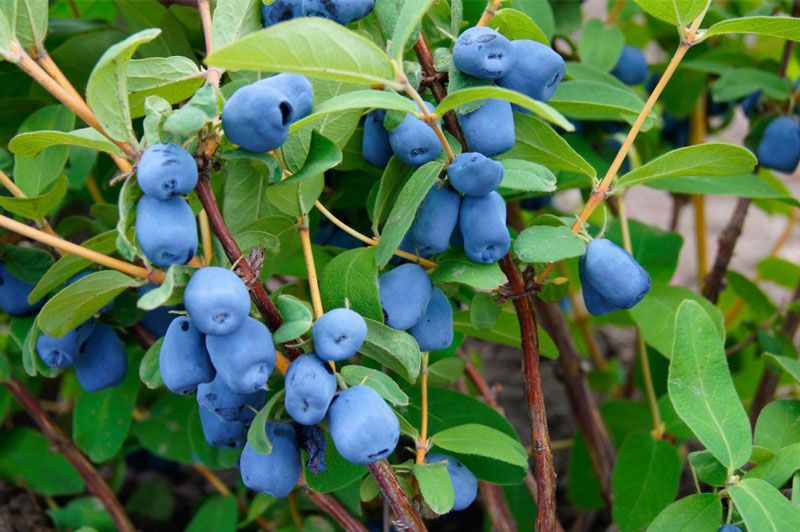
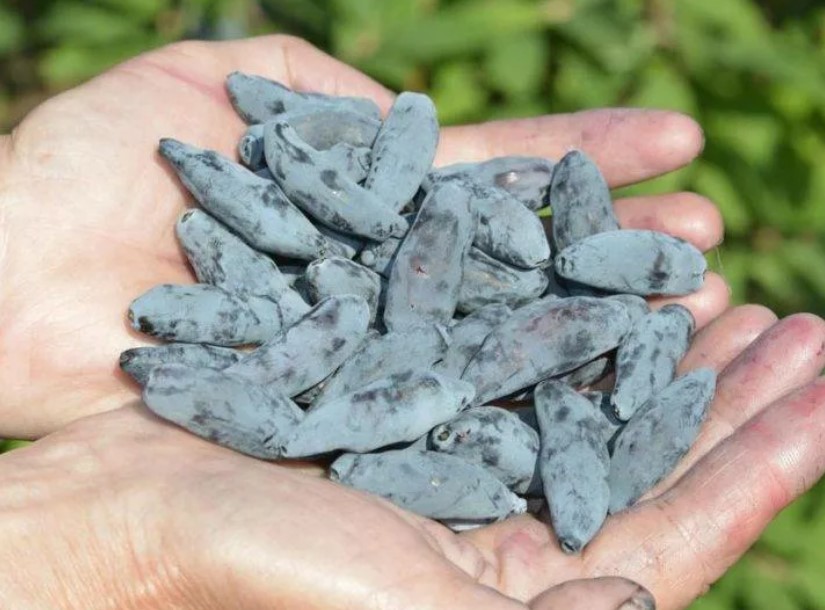
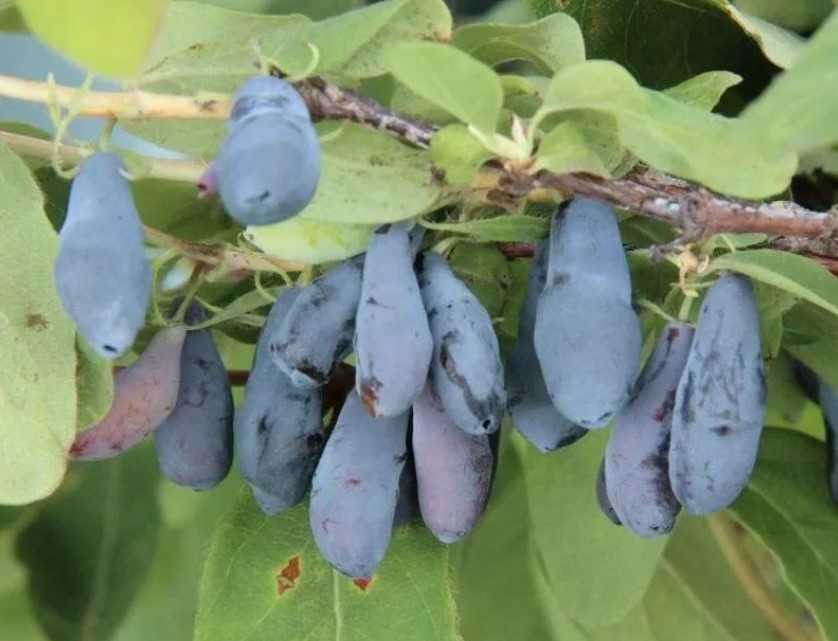
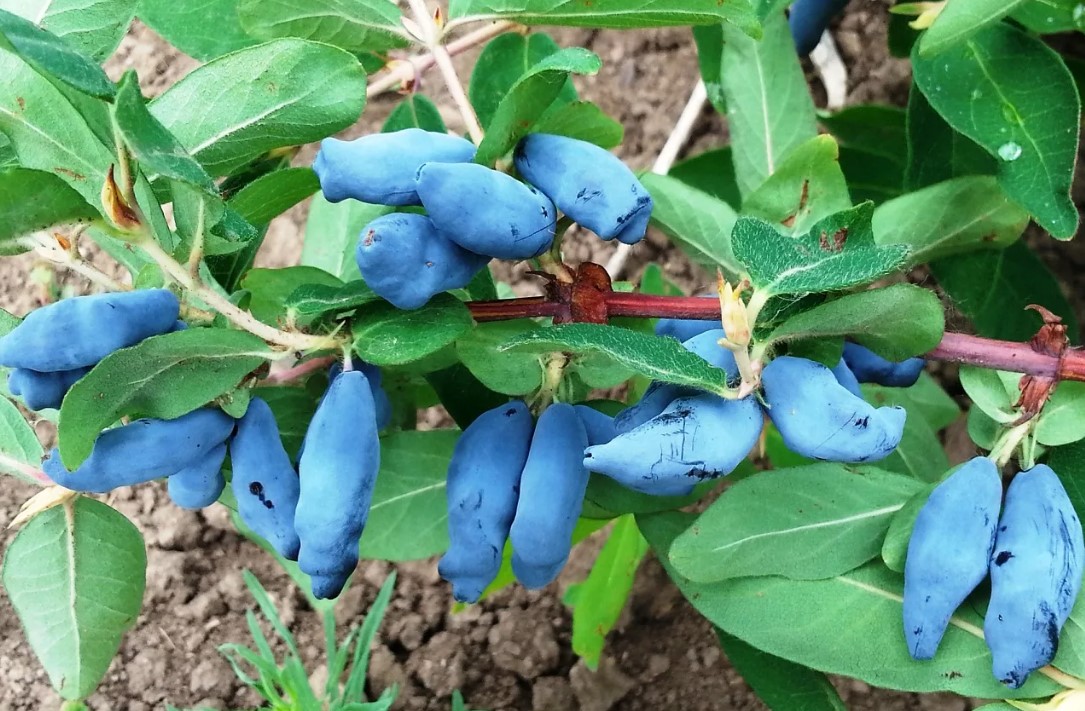
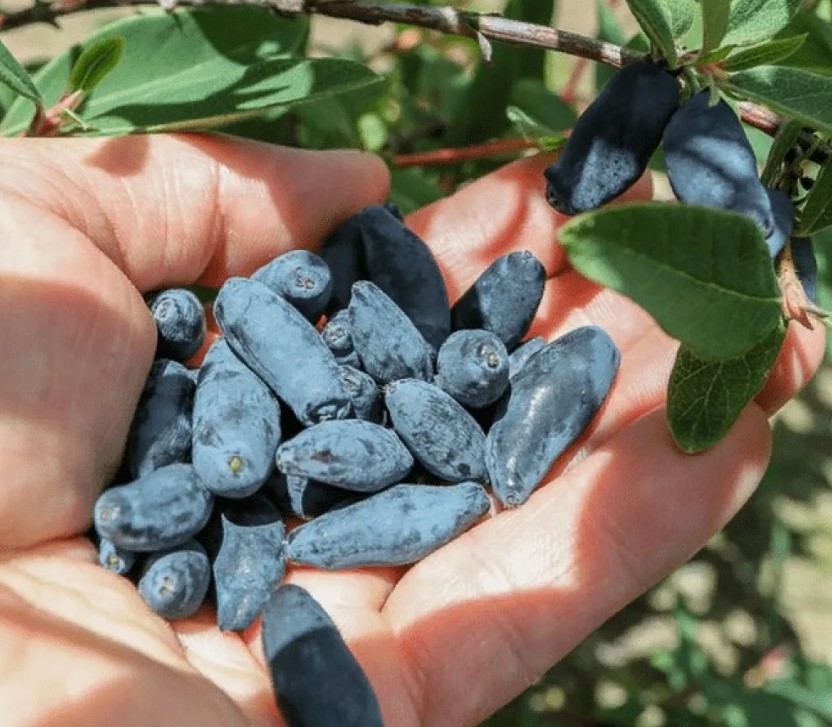
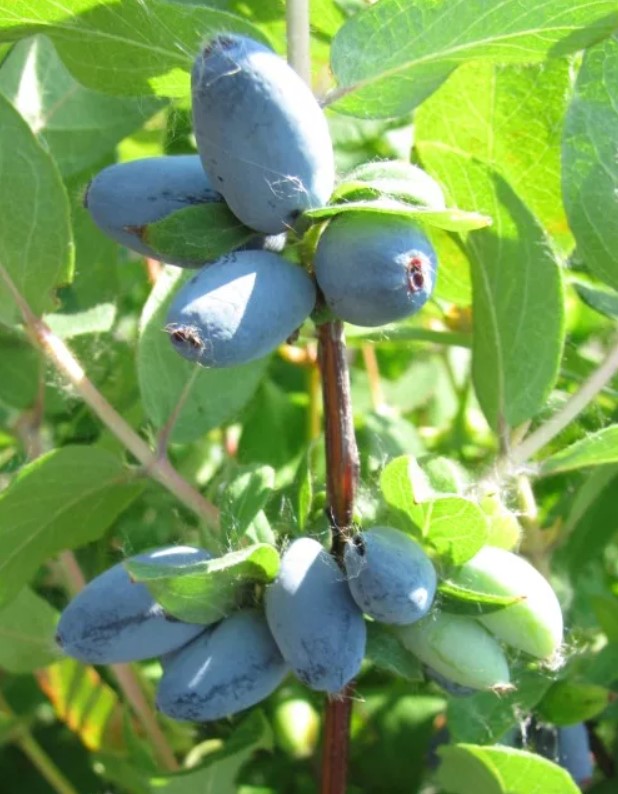
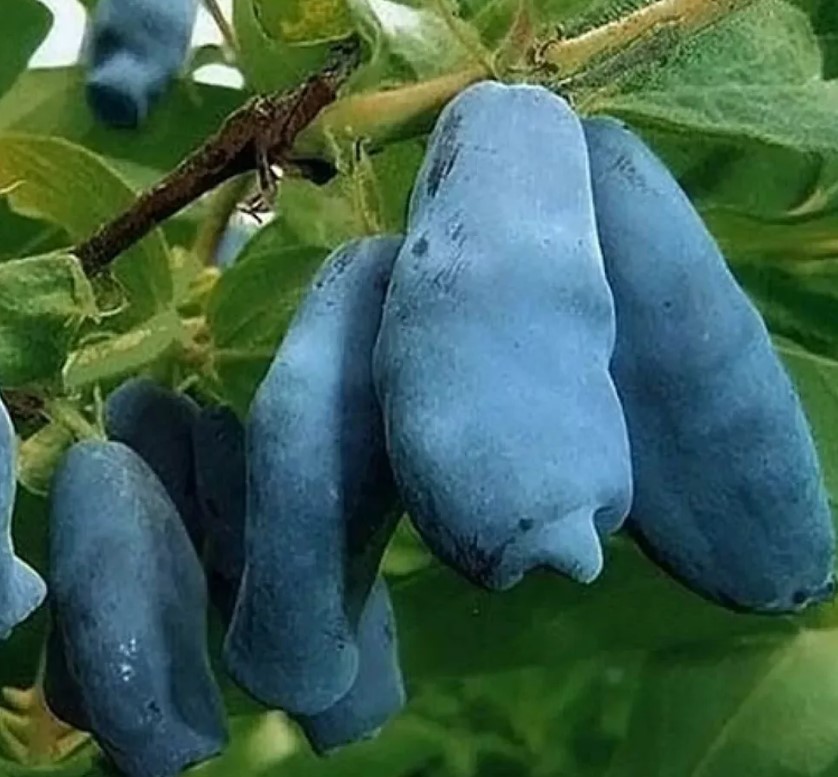
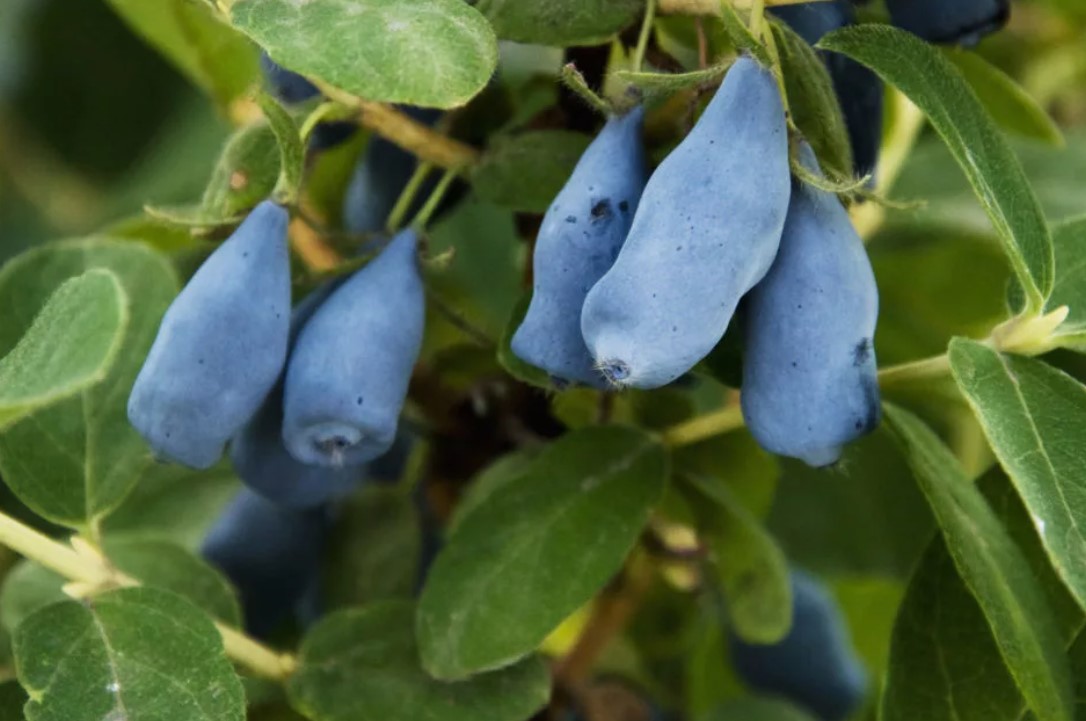
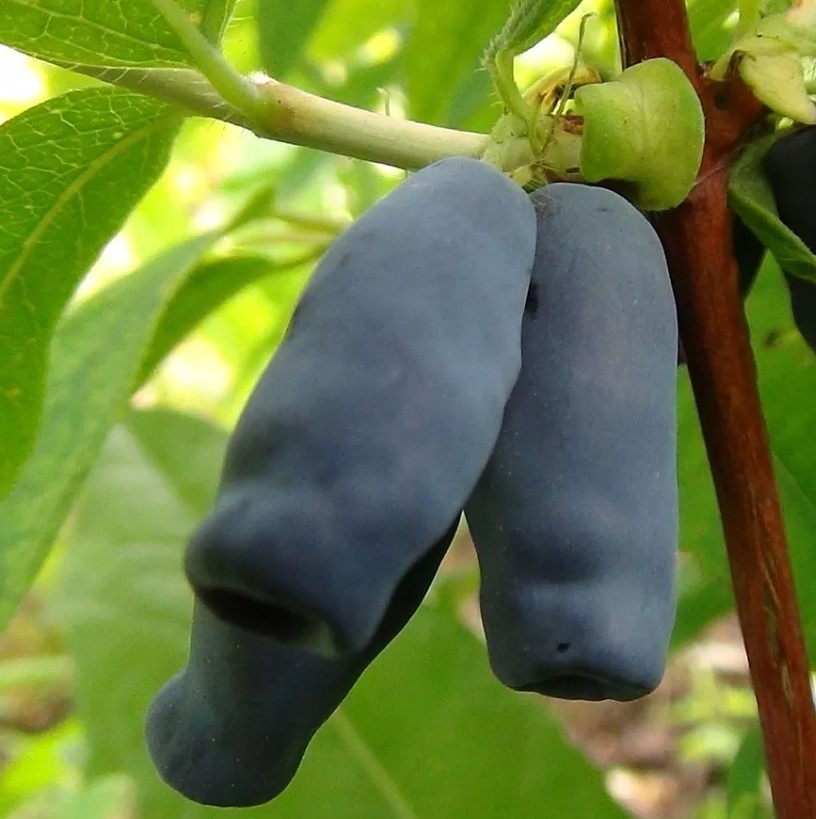
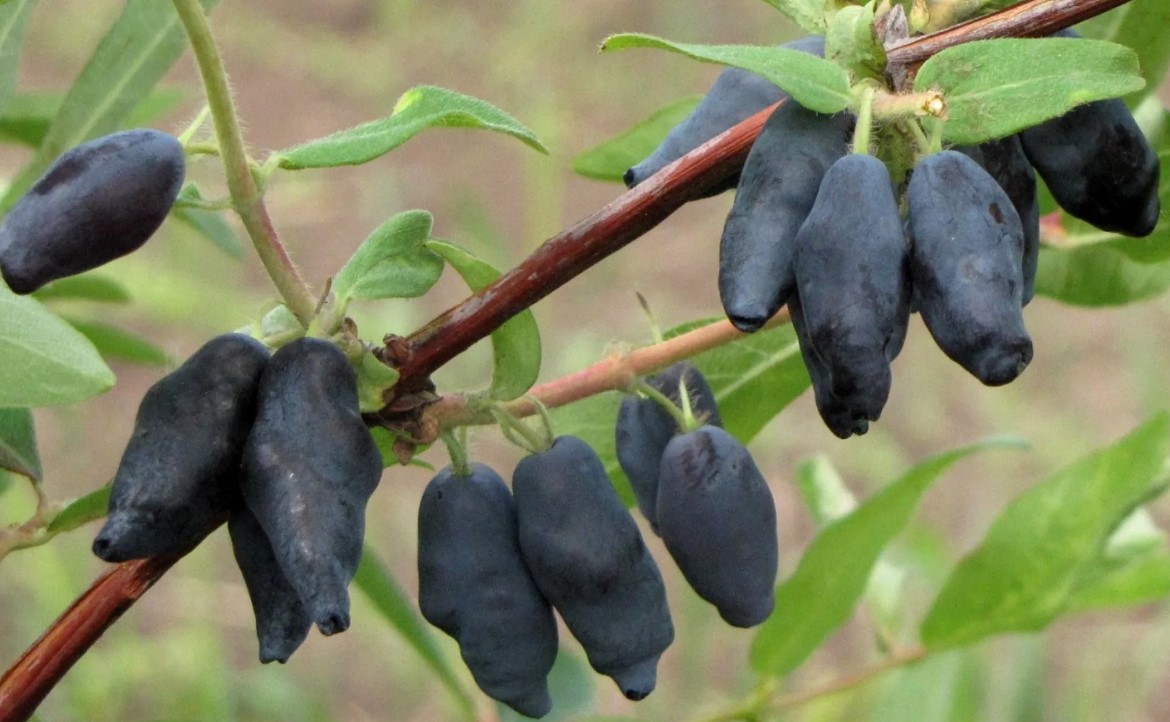
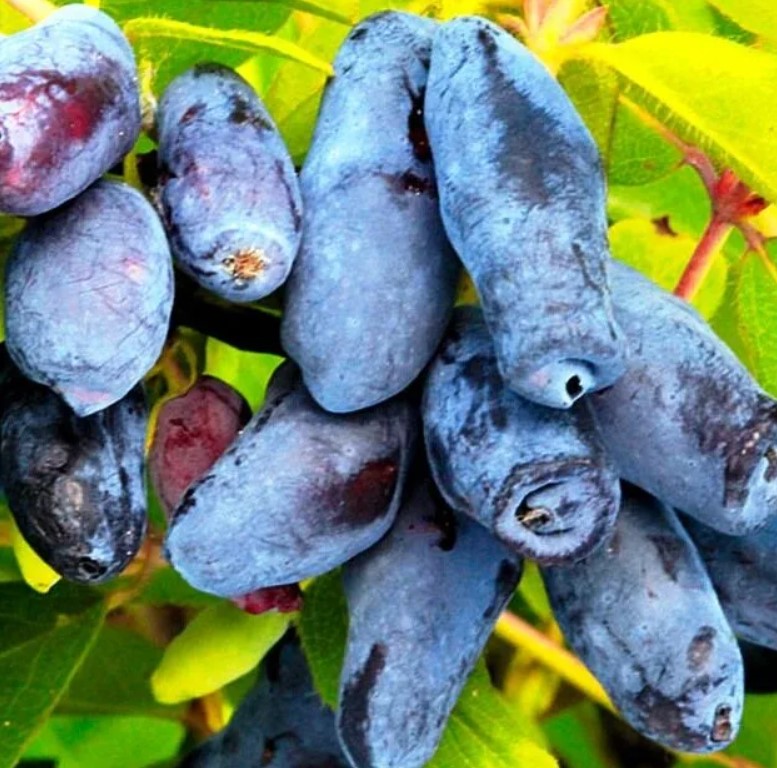
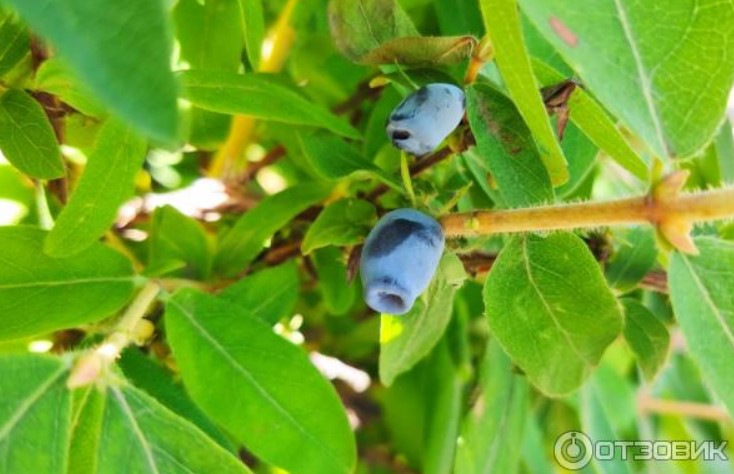
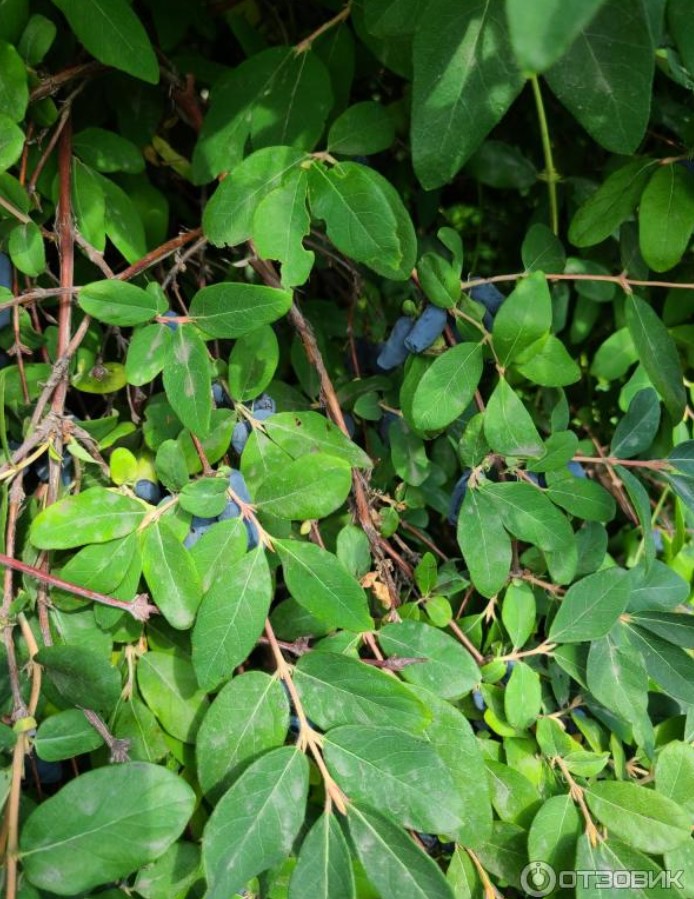
Honeysuckle is an easy-to-grow fruit. Berries appear during the first season. A single bush can yield 2 to 4 kg. The edible fruits are shades of blue and are among the first spring berries to appear. They have a sweet and sour taste with a slight bitterness. Their appearance resembles blueberries and bilberries. Their characteristic features include a waxy coating and a faint aroma. The skin is very soft, delicate, and cracks easily.
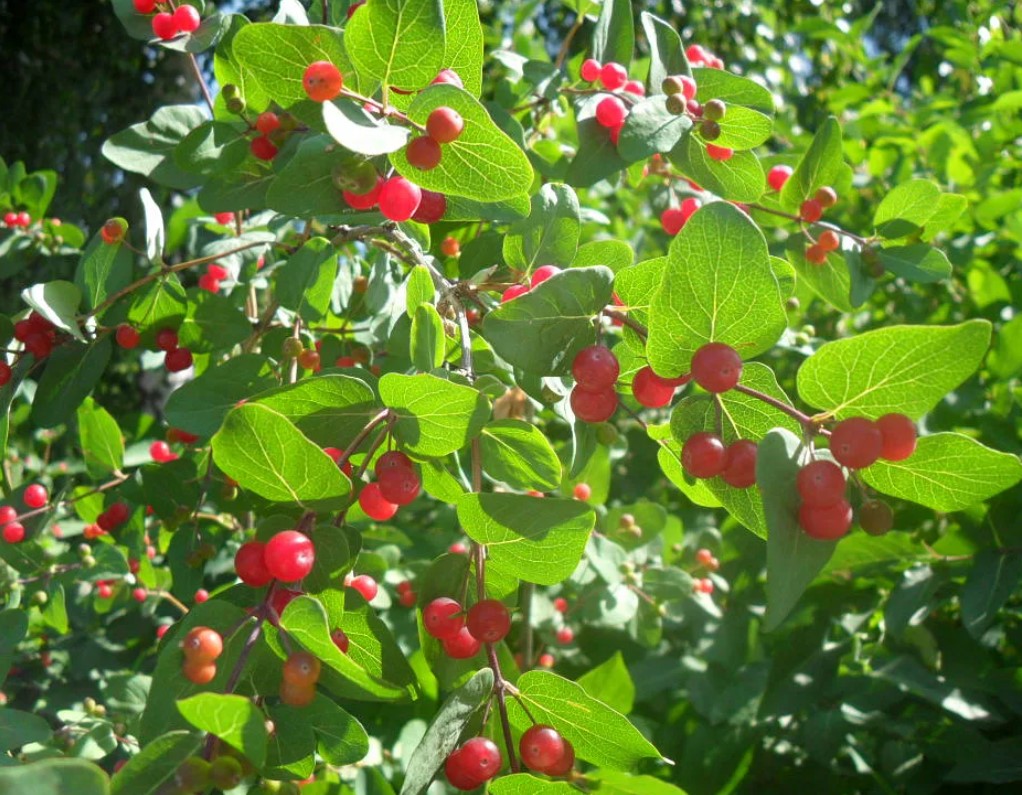
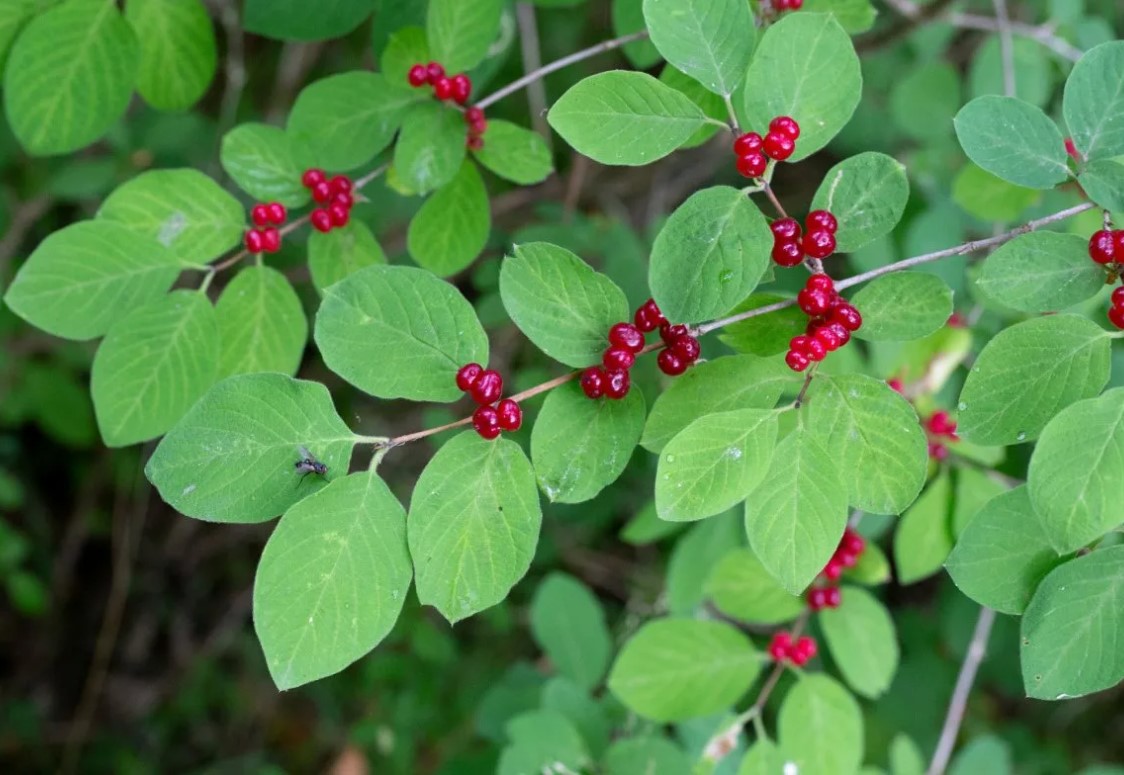
Red and yellow berries are poisonous.
The plant can be found growing wild or cultivated. In either case, it is quite resistant to low temperatures and high humidity.
Honeysuckle's root system is located close to the soil surface. The leaves are smooth and oblong. The flowers are considered cross-pollinated. Fruit set can only occur if two different varieties of honeysuckle are planted nearby. The maximum yield is obtained from plants over 15 years old. The flowering period begins in mid-May. Good pollination is facilitated by the development of a wonderful fragrance.
If the harvest isn't collected on time, the fruit may fall off. To prevent damage, it's recommended to stretch a net under the bush.
Honeysuckle varieties
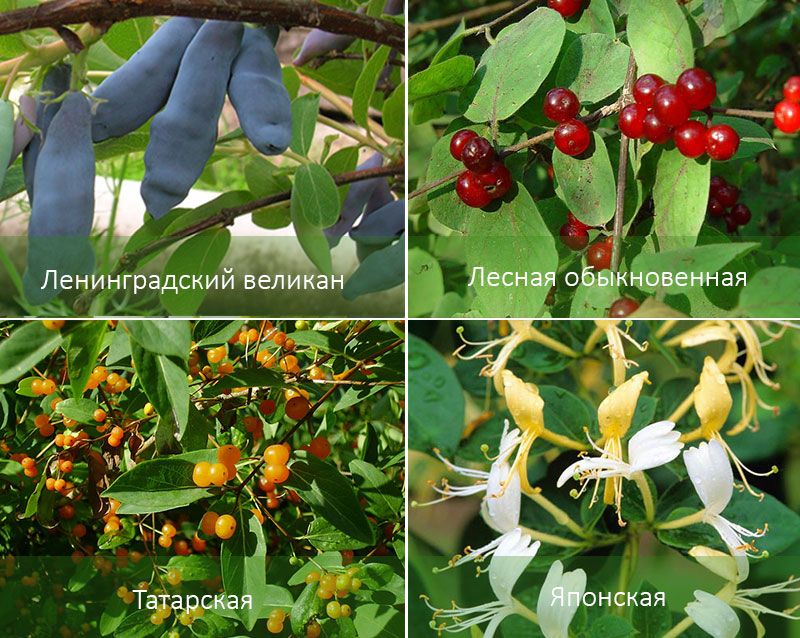
All varieties can be divided into two types: with edible and inedible berries.
| Variety | Description | Usage | Maturation |
| Tatar
|
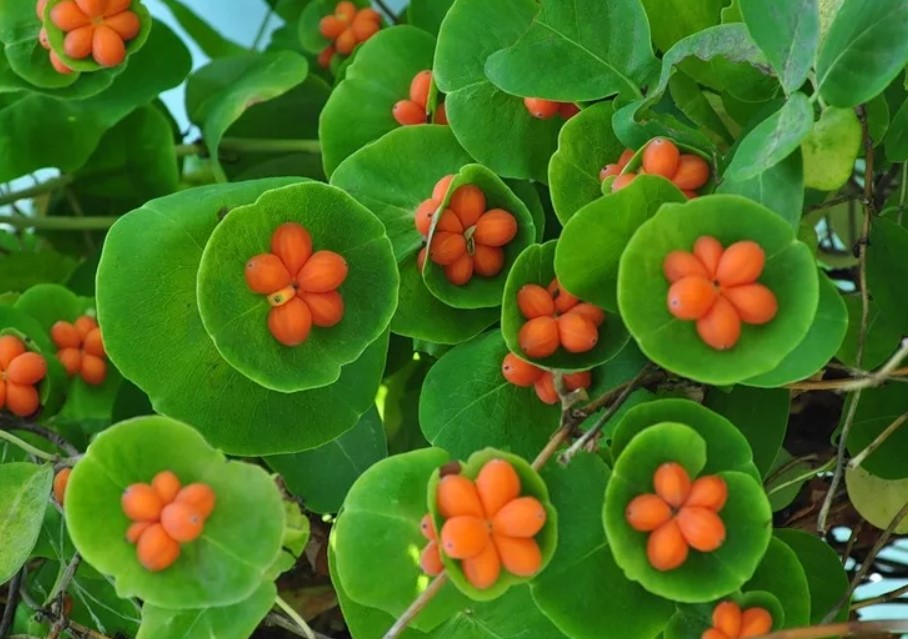
It is distinguished by its longevity. Lush bushes with pale pink and white inflorescences. It blooms from May to June. The small orange fruits are poisonous. Varieties: Rosea, Hack Red, Elegans, Zabelii. |
Decorative. | End of June. |
| Forest (wolfberry)
|
Small shrubs with light green branches. White corollas and large, red, poisonous fruits. | They are planted to decorate the area. | July-August. |
| Honeysuckle
|
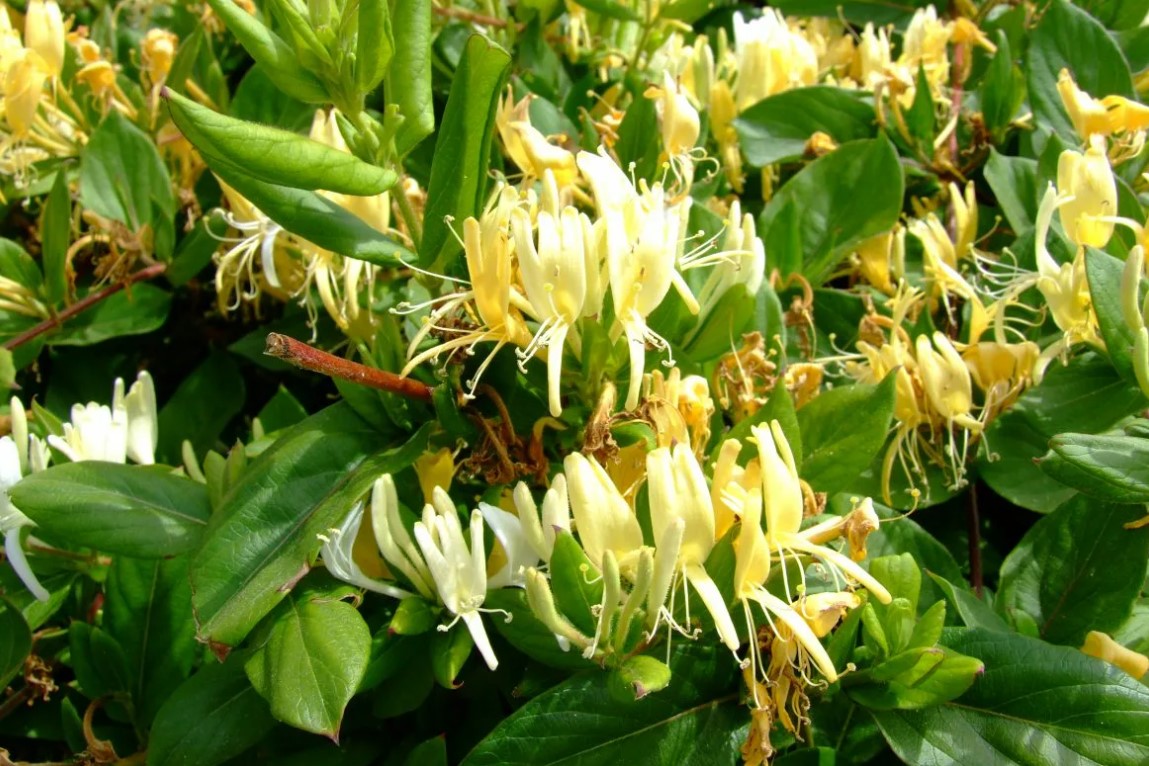
Inedible small berries with a honey-like aroma. The plant blooms in May-June. The corollas are white-yellow and white-pink. The length is 5-6 meters. | Decorative vines. | End of July. |
| Japanese
|
Semi-evergreen vines with poisonous fruits. Purple-white inflorescences. Abundant lateral shoots. | Landscape design. | Midsummer. |
| Pride of Bakchar
|
A frost-hardy plant, flowers appear in spring. The spindle-shaped, purple-blue berries have a sweet and sour taste. The thick shell makes them easy to transport. | Preparation compote, wine, jam and preserves. |
Beginning of June. |
| Bakcharskaya Anniversary
|
The medium-spreading bushes are characterized by an oval shape. The shoots are brown and have a fresh aroma. They grow well in dry areas. The berries are large and not bitter. | For culinary purposes. | Mid-late. |
| Silginka
|
Large, dark blue berries are elongated and rounded. They are pointed at the top. They are covered with a waxy coating, giving them a silvery hue. The plant grows to a height of no more than 1.5 m. | Decorative appearance, preparation of desserts. | Mid-early. |
| Blue Bird
|
Frost-hardy, about 1.5 m tall. Disease-resistant. The leaves are elongated-oval. The berries are elongated, small, cobalt-blue with a bluish tint, sweet, tart, and blueberry-like in flavor. | Culinary and medicinal purposes. | From mid to late June. |
| Morena (The Little Mermaid)
|
Small and graceful. Susceptible to diseases and pests in cold and rainy summers. Hardy to -40°C. | Cooking. | End of June. |
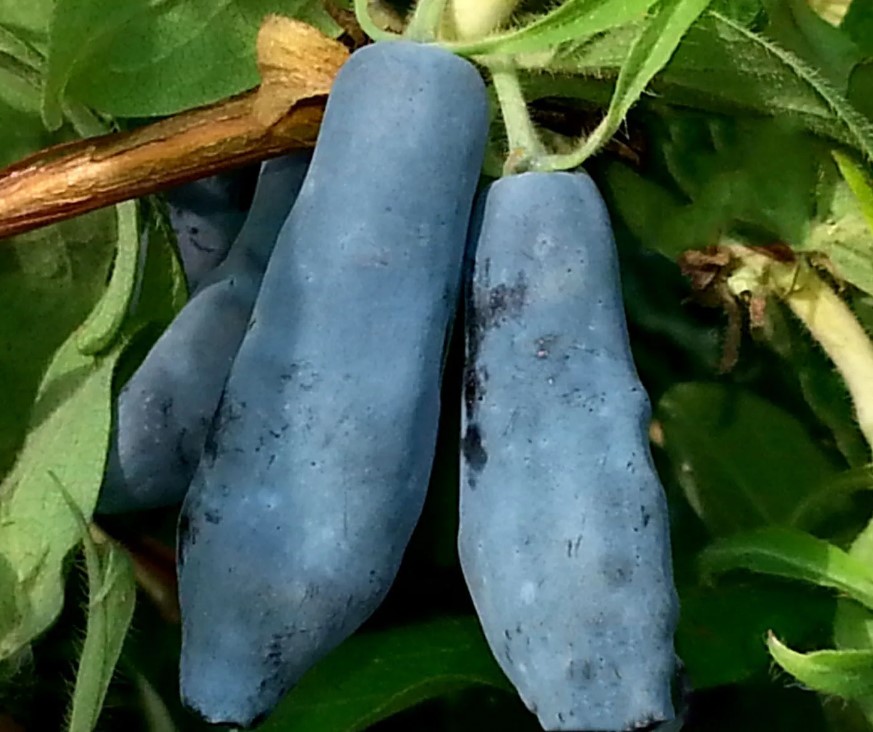
Honeysuckle begins to bear fruit approximately 7-8 years after planting.
Honeysuckle varieties for the Moscow region
The area in question experiences a distinctly temperate continental seasonal pattern. Winters are cold and summers are warm. The following varieties are planted in these climates:
| Variety | Description | Maturation | Pollinators |
| Altair
|
Characterized by frost resistance, disease resistance. Blue berries have a pleasant taste. |
Early ripening. | Moraine Malvina. |
| Bakcharsky giant
|
Height – 2 m, width – 1.3 m. The bush is oval-shaped, loose and spreading. Gray-green leaves have a matte shade. | Mid-season. | The Giant's Daughter Nymph. |
| Blue Spindle
|
It is resistant to low temperatures and drought. Another distinctive feature is its high yield. The leaves are elongated and oval. The berries are blue and large. Among the disadvantages: excessive fruit drop. | Early ripening. | Cinderella Blue bird. |
| Long-fruited
|
Elongated, purple-blue fruits with thin skin, long shoots, and lanceolate leaves. Average fruit drop rate. | Early ripening. | Blue-eyed Swan. |
| Cinderella
|
Dense, low bushes, slender shoots, large black, spindle-shaped berries. Highly winter-hardy. | Mid-season. | Amphora Blue spindle. |
| The Leningrad Giant
|
Height: over 2 meters. Cylindrical blue fruits. Frost-hardy, disease-resistant. | Early ripening. | Gzhelka Malvina. |
Planting honeysuckle in open ground
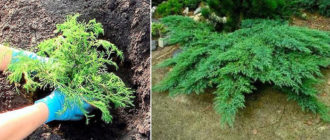
This plant doesn't require much attention. It's planted in moist, well-drained soil.
The chosen site should be protected from drafts. Honeysuckle thrives in full sun, although its lower branches should be shaded.
Landing rules
Honeysuckle is planted in the same place for 25 years or longer. Therefore, it is important to choose the right seedling, location, and soil.
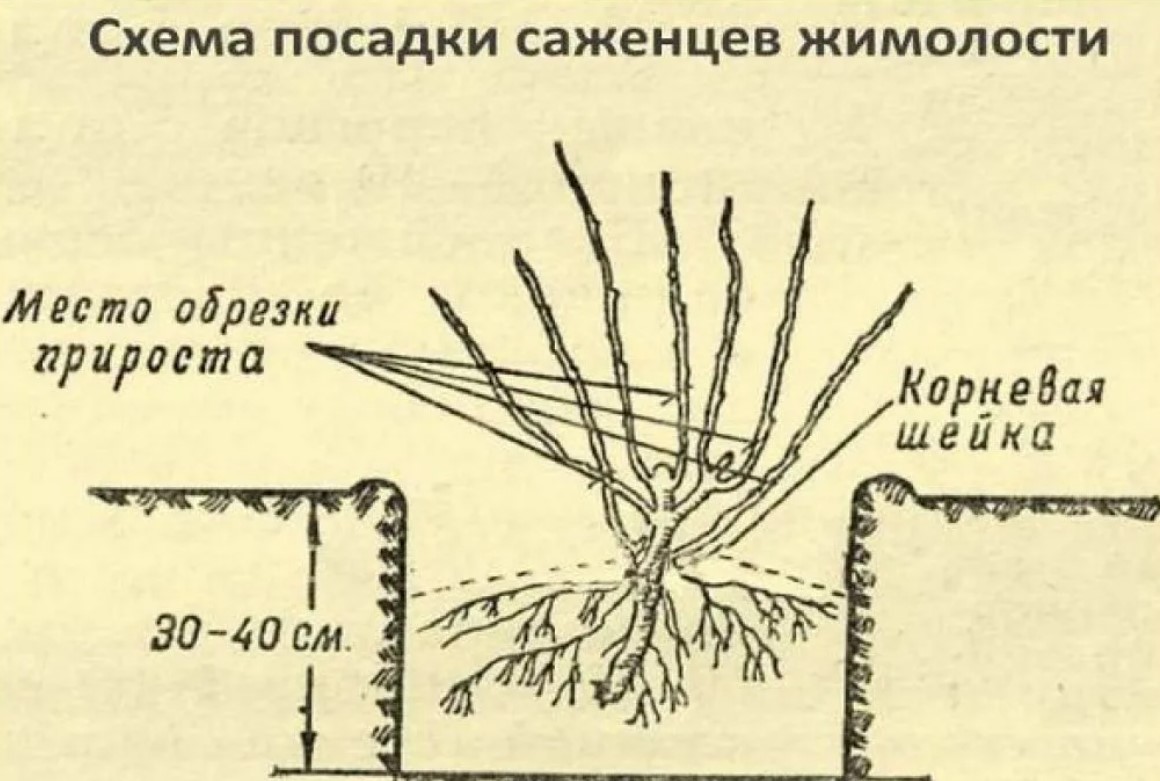
Never bury the root collar too deeply when planting. After covering it with soil, water the plant thoroughly. To prevent moisture evaporation, mulch the soil in the bed.
Honeysuckle should not be pruned immediately after planting, as this will cause it to take longer to develop.
Before wintering, the root system is insulated.
Time for planting honeysuckle in spring and autumn
Honeysuckle is recommended to be planted in the fall, from August to October. If a gardener decides to plant it in the spring, it should be done before the buds open. Spring planting is only suitable for bushes with closed root systems, by transferring the root ball containing the seedling to a new location.
In the fall, closed-root seedlings are placed in the soil according to the same rules, while open-root seedlings are planted by spreading the roots out onto a mound. Particular attention is paid to the variety's characteristics, the condition of the root system, and the soil.
Honeysuckle planting dates according to the 2023 lunar calendar
| Month | Auspicious dates | Unfavorable and prohibited dates |
| August | 26 (from 14:04 pm) - 28 (until 17:31 pm) | 30, 31 |
| September | 3 (from 18:00)-5 (until 23:05), 13, 18 (from 07:58)-24, 27 | 14,15, 28 (from 12:58 p.m.), 29, 30 (up to 12:58 p.m.) |
| October | 1-3 (until 08:02), 5 (from 15:32)-7, 10 (from 15:02)-12, 16-22 (until 09:06), 24 (from 11:32)-26 (until 13:01) |
14,15,28,29 |
It is not recommended to replant in spring and especially during the flowering period.
Selection of seedlings
Bushes rarely grow taller than 3 meters. Thanks to their fluffy crown, honeysuckle is often used to create unique landscapes. A hedge can be either low or tall. Gardeners emphasize such important factors as edibility of the fruit, ornamental value, and yield. Planting material should be purchased from specialized stores.
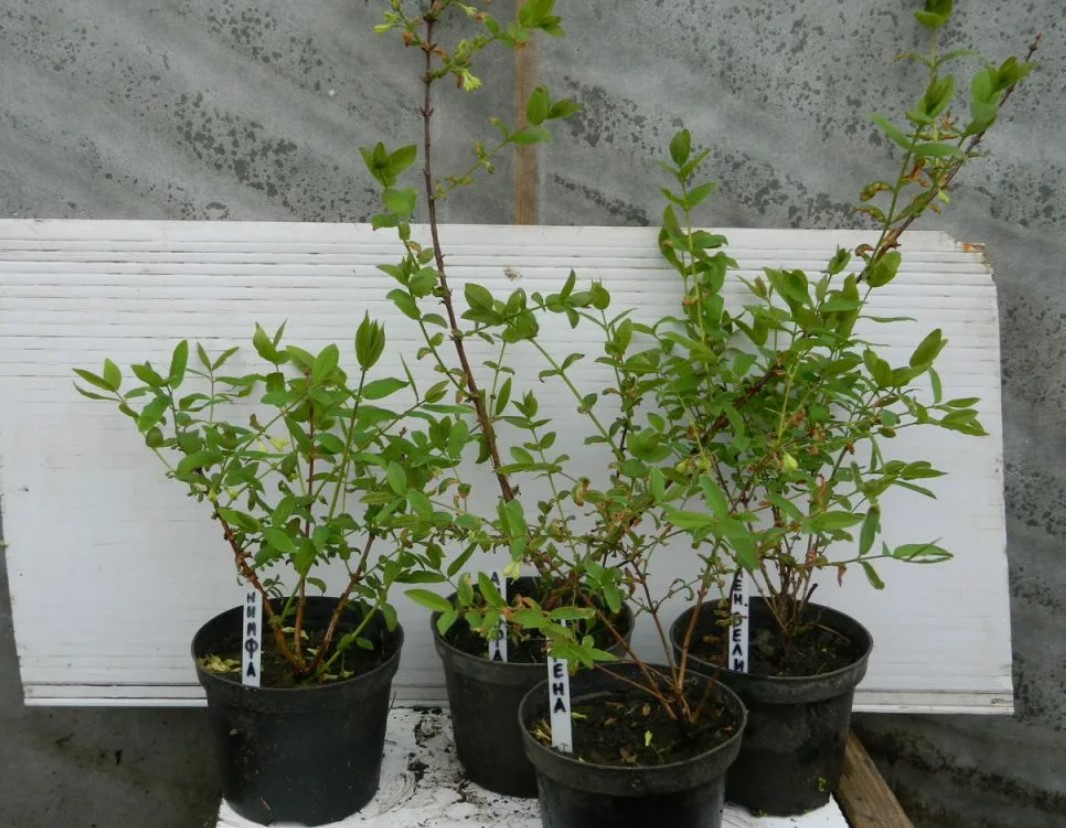
The seedling must meet the following parameters:
- age – not less than 2 years;
- number of branches – 2 or 3;
- height – from 30 to 40 cm.
Roots and shoots should be undamaged. If any damage is detected, discard the plant. Significant reasons for rejection include the absence of buds, an underdeveloped root system, or a stunted appearance. To ensure a good harvest, it is necessary to purchase seedlings of different varieties.
Selecting a location and soil
Honeysuckle loves moisture and sun. Good predecessors are vegetables and potatoes.
It should be planted near buildings, fences, or other shrubs. This prevents the negative impact of strong winds. The bush produces fruit productively if the soil is slightly alkaline to neutral. Good aeration and regular fertilization are essential. The imported soil is diluted with dolomite flour. Planting the plant near groundwater or in sandy soil will significantly reduce its yield. Pale leaves indicate soil problems.
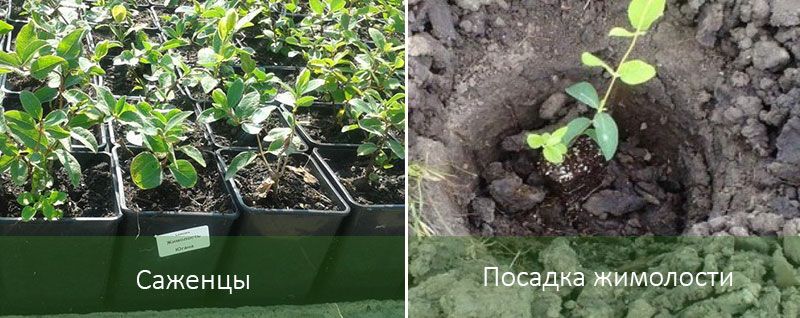
Landing
When planting honeysuckle in open ground, you need to follow the following rules:
- The area is leveled and dug up in advance.
- The root system is placed in small square holes (40 cm).
- The distance between them depends on the variety (approximately 1.5 m with a difference of 50 cm).
- A drainage mixture is placed at the bottom of the prepared hole. It contains expanded clay, broken brick, and crushed stone.
- If the soil is not fertile enough, it is fertilized with compost, ash and superphosphate (11:0.3:0.1 per kg).
- Water with 8 liters of water.
- Mulch with peat and humus.
Caring for honeysuckle
For the first three years, regular watering, soil loosening, and weed removal are recommended. Spring work involves hilling.
Honeysuckle requires 3 feedings during the year: spring, summer, and autumn.
Three-year-old seedlings require the following fertilizers:
- autumn - humus (5 kg), ash (0.1 kg), superphosphate (0.04 kg) per 1 sq. m;
- spring - saltpeter (15 g) per 1 sq. m;
- in summer, after fruiting - a solution of nitrophoska (5 g per 2 l of water).
Trimming
It ensures proper bush formation. There are several rules:
- Avoid pruning plants that are under 7 years old.
- In the first year, honeysuckle is shortened so that no more than 10 cm remains from the soil.
- Subsequently, thinning is carried out (every 2-3 years).
- Old bushes are cut back, leaving about 50 cm of their total length.
- Sanitary pruning removes damaged shoots. The same applies to incorrectly positioned branches.
Preparing for winter
Honeysuckle is a frost-hardy plant. Experience has shown that its growth buds and trunk can withstand temperatures as low as -50°C, while its roots and flower buds can withstand temperatures as low as -40°C. Even young seedlings can withstand temperatures as low as -8°C.
Climbing varieties are not very winter-hardy and require protection. They are placed on a pre-prepared layer of peat, covered with spruce branches, and sprinkled with sawdust or, in winters with little snow, snow. During snowstorms, the branches are tied to prevent breakage. Special nets and bags are used to protect honeysuckle from birds and rodents.
Propagation of honeysuckle
A new plant can be obtained using seeds, cuttings, division of an adult bush, or layering.
- The first method is not very effective and is labor-intensive.
- Cuttings are prepared after fruiting has finished. The shoots are taken from the current year. They should be at least 10 cm long.
- To divide the bush, you'll need a saw or an axe. For replanting, a section with several branches and stems and a root about 200 mm long is suitable.
- In early June, one-year-old honeysuckle shoots are bent down to loosened soil, secured with wire, covered with soil, and watered. Once roots appear, they are separated from the mother plant and replanted.
Top.tomathouse.com recommends: Honeysuckle – a healthy berry
The fruits are used for culinary, cosmetic, and medicinal purposes. Medicines prepared from them are used to strengthen blood vessels, cleanse the body, and boost the immune system.
A compelling reason for their use is for conditions affecting the skin, gastrointestinal tract, central nervous system, and genitourinary system. Honeysuckle is often included in creams and masks for rejuvenation. Additional properties include rapid relief of swelling and headaches.
All parts of the bush have medicinal properties.
Pregnant and lactating women can consume honeysuckle only after consulting a doctor.
In addition to its beneficial properties, the plant has some contraindications. Relative contraindications include children (under 5 years of age) and pregnancy. Avoid using the berries if you experience any signs of an allergic reaction.
Reviews and tips on growing honeysuckle from gardeners
Garden honeysuckle - Hello, berry time or Vitamins from the garden in the palm of your hand!
ADVANTAGES:
Tender, medium-sized, odorless, contains beneficial vitamins and microelements, is an unpretentious plant, produces an early harvest, is used in cosmetology, for home treatment, is suitable for freezing, drying and other home preparations
FLAWS:
After ripening, it falls off very quickly, staining your fingers with juice.
The very first berries to appear at our dacha were from garden honeysuckle. We bought cuttings at a garden center about five years ago. They didn't grow very quickly. The consultant warned us that for good pollination and a higher yield, we needed to buy two different varieties of honeysuckle. I, of course, didn't remember their names. Apparently, I haven't yet reached the stage of gardening when I'll be more meticulous and responsible about this matter.
I only know that one variety of honeysuckle we have is more sour, and the second has a slight, pleasant bitterness.
The bushes grow quite large; ours are no more than a meter tall so far. We planted them about seventy centimeters apart, and now they're tightly packed together. I think they'll need to be trimmed eventually.The berries aren't small, but they're not the largest I've seen in pictures either. Their main advantage is that they ripen very early. In the temperate zone, we harvest at the very end of May or beginning of June, much earlier than garden strawberries.
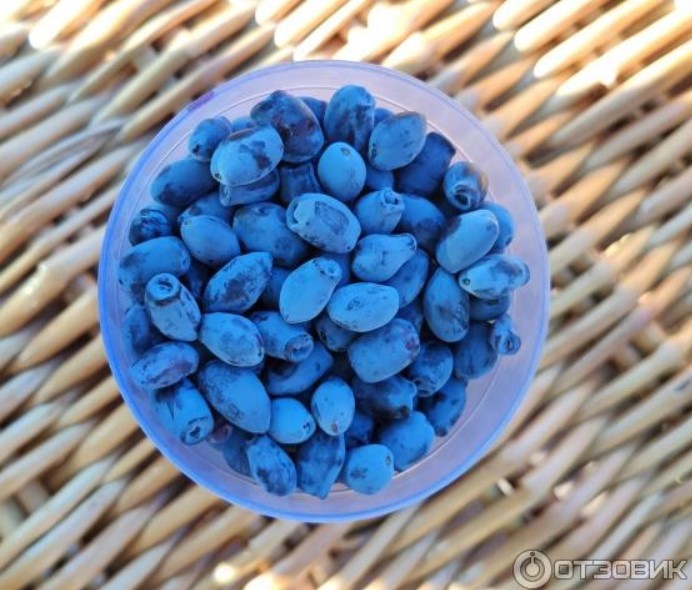
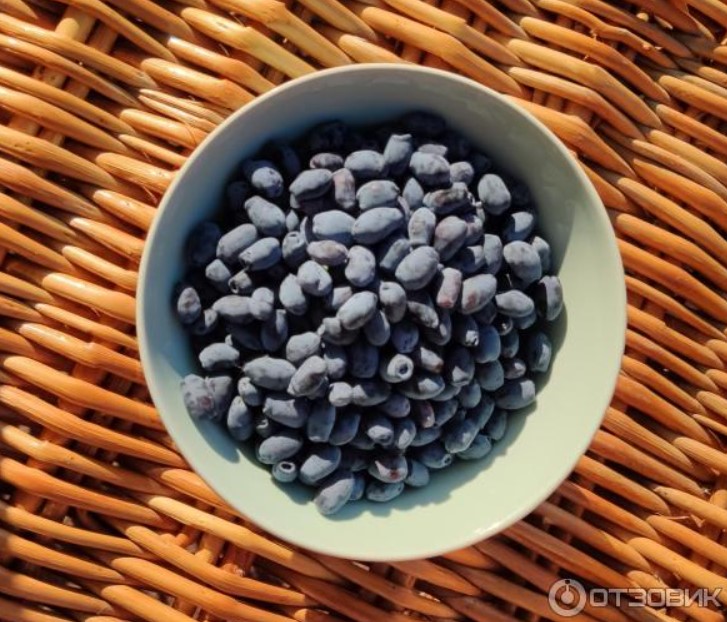
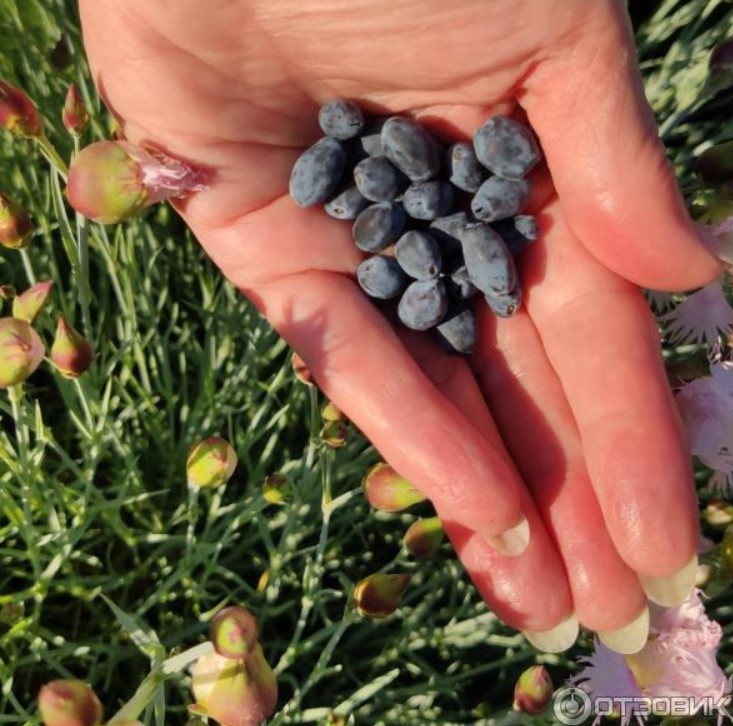
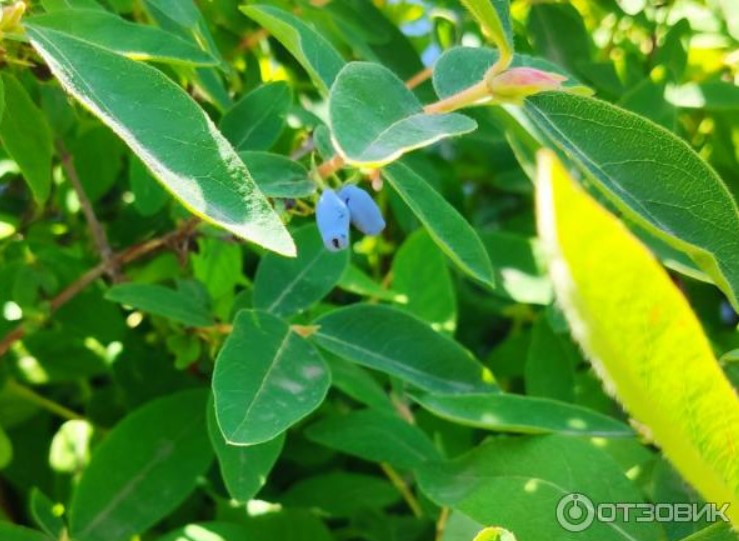
Our honeysuckle hasn't yielded a large harvest yet. We usually pick no more than two small buckets from two bushes. We usually just enjoy them straight from the bush. The fruits are very beautiful and resemble blueberries. However, they tend to be elongated—small blue-violet barrels with a bluish bloom. Moreover, in different lighting conditions, they change color from dark blue to violet. They are practically odorless.
I read that there are also ornamental honeysuckle varieties with yellow or red berries that are poisonous. Be careful, just in case!
And inside the berries there is a treasure trove of vitamins.
Why is it so useful?
For example, I especially value the fact that it strengthens capillaries, as my skin has signs of mild rosacea. For everyone else, the fact that berries improve cardiovascular function and help normalize blood pressure is enough. These days, this is beneficial for every second person.
Pregnant women can benefit from this berry to reduce swelling, but it's best to consume it sparingly. For joint pain, the decoction can be added to healing baths.
Honeysuckle has a very powerful antioxidant effect, it contains a sufficient amount of vitamin C, as well as vitamins B, A, and P. Beneficial microelements contained in the berries include calcium, sodium, iodine, iron, and a small amount of potassium, magnesium, manganese, and phosphorus.
By the way, these berries contain very few calories - only forty calories per hundred grams of product, there is no fat or protein at all, and the carbohydrate content is minimal.
However, this doesn't mean you should eat them in large quantities or without supervision, as they can cause allergic reactions. People prone to allergies should take this into account and test their individual reactions. Also, berries are not recommended for those with stomach ulcers or duodenal ulcers.
It turns out that honeysuckle's benefits extend beyond just the berries. Almost everything except the roots is used for health. What an amazing plant! For example, a decoction of young branches helps with genitourinary issues. The leaves have antiseptic properties, so you can make remedies and gargle, for example, to treat colds. This year, I decided to dry them just in case for the winter, just in case. A paste made from the leaves is good for skin redness. A decoction of the flowers soothes mild eye inflammation. I've heard that decoctions of the leaves can also be used in cosmetology to strengthen hair, make berry masks for facial inflammation, or use the decoction to make cosmetic ice cubes. I'm definitely planning to try the latter this summer.
This is a miracle plant you can plant in your dacha or garden. Considering it grows on its own and requires absolutely no special care, it's a real find. We don't need to water it or treat it. We just plant it and forget about it.
If you happen to have a gigantic harvest of this berry, you can dry it or freeze it. You can also make jam, compote, or even medicinal wine, they say. We don't have such harvests, so we just eat it straight from the bush.
The main drawback of this plant is that it ripens very quickly and begins to fall off. Therefore, it must be harvested very gently and carefully.
It's best to put something down so you can sort the berries and eat them later. For example, I sprinkle
beveled
The grass is so thick that even freshly fallen berries are always clean. This berry also has a peculiarity: it stains your hands and lips if you eat too much. If you like it, you can pick it wearing thin gloves to avoid damaging your pretty fingers.
This is a miracle berry. It doesn't require any special care and is very beneficial for your health and boosts your immune system. So, I'm thrilled to share with you the good weather and the first summer harvest. Wishing you all the best!
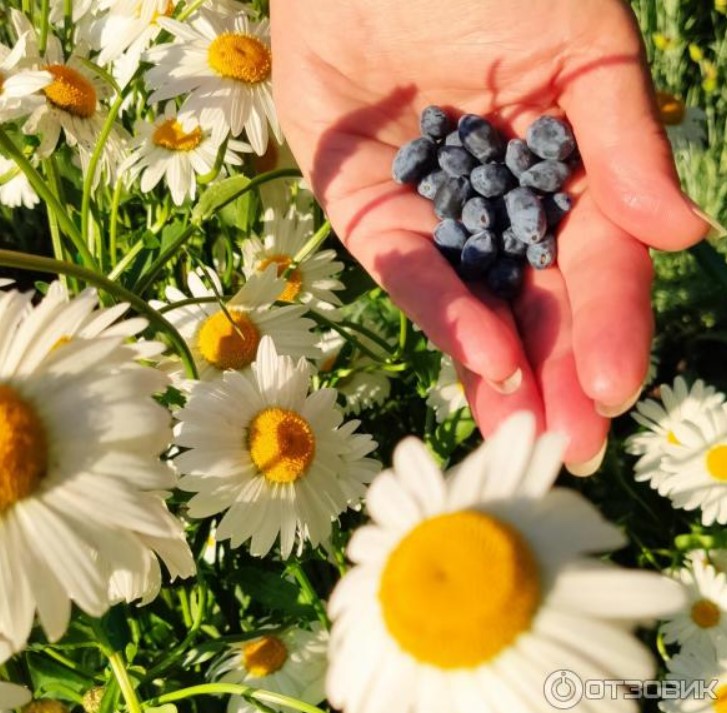
Garden honeysuckle - the very first Ural berry!)
ADVANTAGES:
+Tasty +Early ripening berry +Easy to pick +Ideal for freezing
FLAWS:
No
Good day, friends and guests of Otzovik!)It's commonly believed that the first berry you'll find in your garden is a strawberry or a raspberry. But that's not true. The most unusual, delicious, and first to ripen is the honeysuckle!
We've known about this amazing berry for a long time, but it's not exactly easy to establish. The small bush spends the first couple of years "getting used to it," then gradually begins to grow and bear fruit. And that couple of years' wait is well worth it!
To ensure a guaranteed honeysuckle harvest, it's worth planting two different varieties, as they are excellent pollinators for each other and produce a high yield.
We have two varieties, both grown at the same time. The first variety is sweeter and early-ripening, ripening in May, which is ideal for the Urals! The berries are long, large, and sweet.
The second variety ripens within a week of each other and is also early, ready to eat after May 20th. At this time, strawberries are still forming, or white berries. The second variety's honeysuckle berries are slightly smaller, sweet with a bitter aftertaste.
The honeysuckle flavor is unusual and very pleasant. A mixture of blueberries, bilberries, strawberries, and a hint of chokeberry. The second variety has a bitter aftertaste.
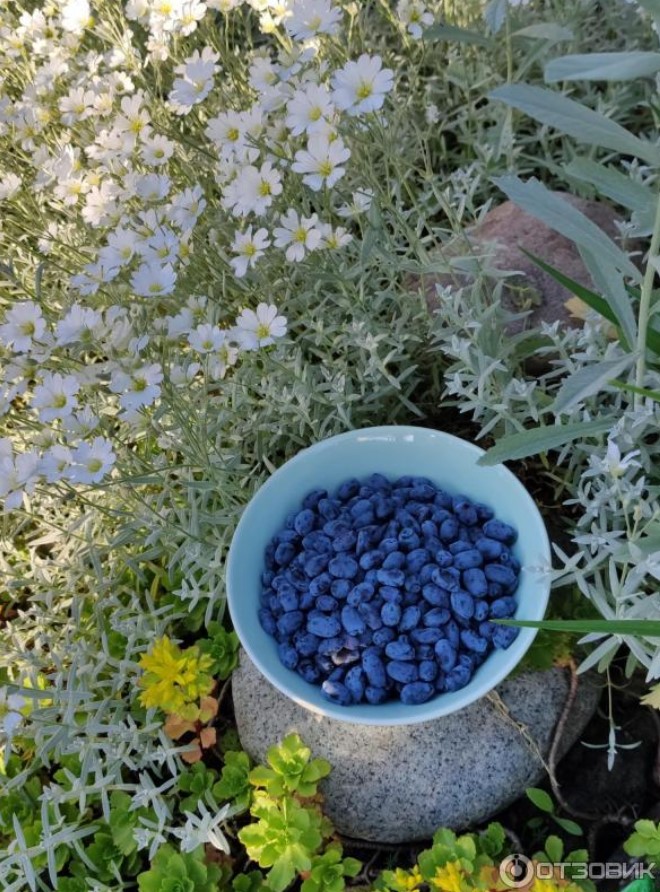
Picking berries from the bush is a pleasure. The berries are large and grow in clusters. You can easily collect several liters in an hour (the photo below is from June 30, showing the remaining berries. We've been eating honeysuckle since May 20, so within two months, most of the berries have been eaten and picked).
I'll briefly discuss its beneficial properties, as they are numerous. Honeysuckle is more beneficial than blueberries and strawberries. It has anti-inflammatory, antibacterial, and chemoprotective properties, and helps prevent coronary heart disease. It also contains vitamins C, B, magnesium, phosphorus, potassium, and calcium. The berry is essential for conditions such as hypertension, diabetes, and cardiovascular disease.
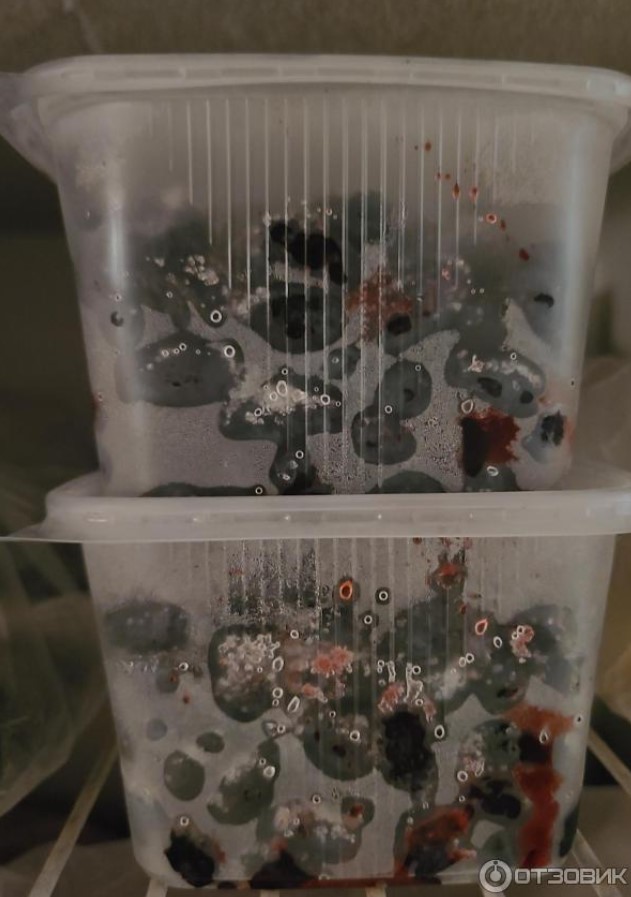
Some people make jam and compotes. We've tried various options, but most often we freeze berries in containers.
It's ideal because the berry doesn't lose its nutritional value, appearance, or flavor when defrosted. It doesn't become sticky like cherries or runny like raspberries. Like cranberries, honeysuckle holds its flavor and shape. A real find for pastry chefs, especially those who bake cakes or cupcakes at home. Just take it out of the freezer, and within an hour, the cake decoration is ready or gobbled up by your family.
I highly recommend garden honeysuckle with a 5+ out of 5 stars! The berries are delicious, healthy, easy to pick, and ripen as early as May! They're ideal for freezing, have minimal allergens, and are recommended for children, adults, and the elderly!
Be healthy!)
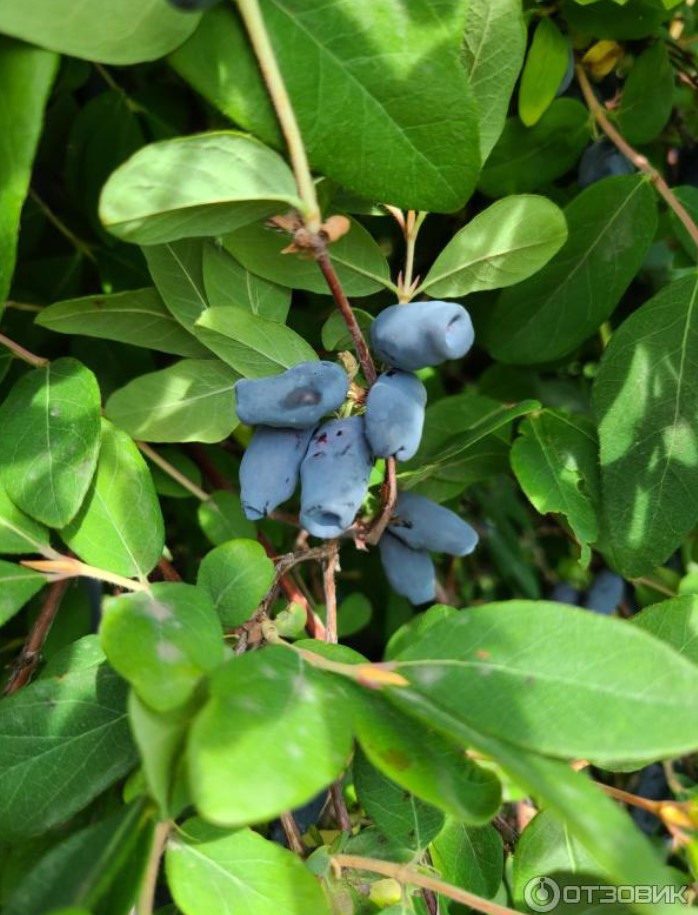
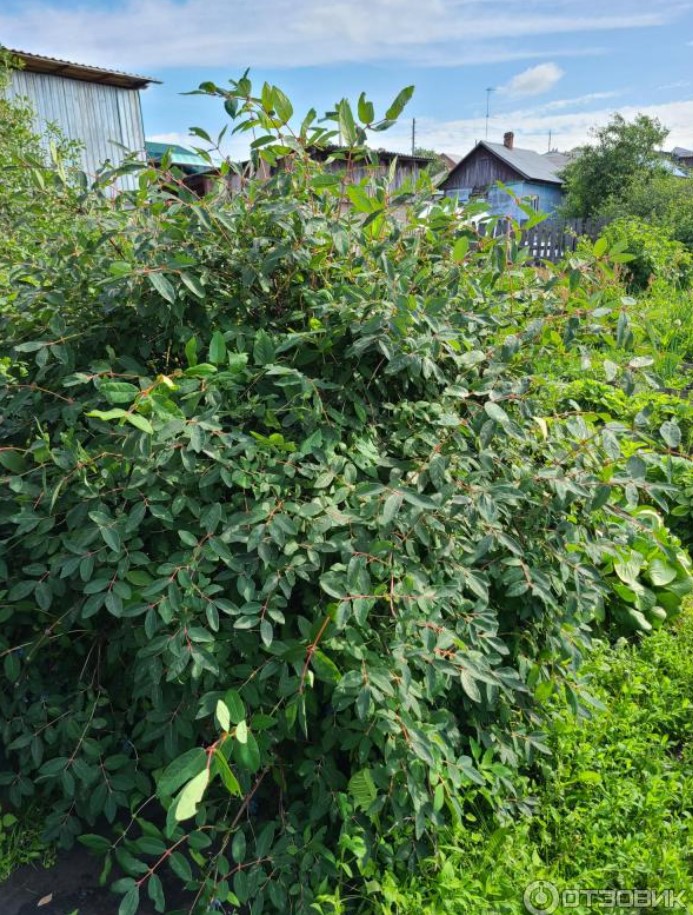
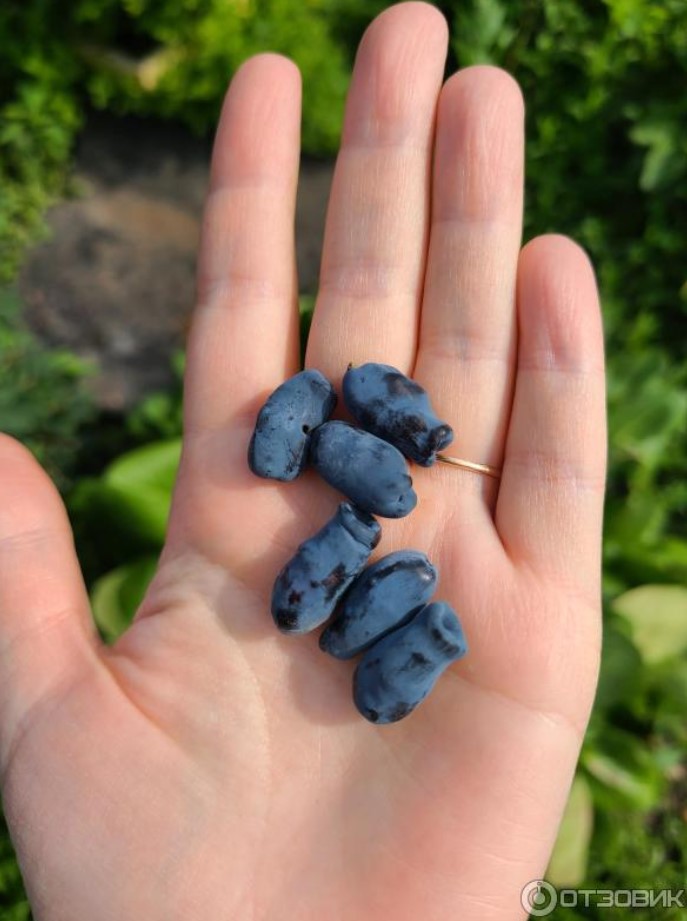
I don’t know the secret, but this summer my bushes suddenly shot up 40 cm.
I read somewhere that honeysuckle appreciates being fertilized in spring and fall with regular ash, at least a 0.5-liter jar per young bush (1-2 liters for mature bushes). Last fall, I sprinkled a liter of ash under each bush, and in the spring, I gave them a light fertilization with a commercial fruit fertilizer. My bushes are young; they've only been growing for three years.
Honeysuckle thrives on abundant watering and plentiful feeding. Before flowering, apply nitrogen fertilizers (for example, by spreading compost around the trunk), then apply phosphorus and potassium fertilizers. Don't forget to water during hot weather. Rust is common on the leaves, so after harvesting, spray with an antifungal agent. Honeysuckle is generally a slow-growing plant and doesn't produce as much growth as currants.
My bushes stood still for a long time until I started mulching them generously, using everything I had, even the clematis vines, and then sprinkling them with something else. As a result, in the spring, I even see clematis sprouts. After mulching, the bushes finally started growing and fruiting increased (plus watering and fertilizing).