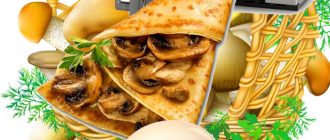
The steppe or king oyster mushroom (Pleurotus eryngii) is considered one of the most popular mushrooms, often found on store shelves. It's not particularly popular with mushroom pickers, as many consider its flavor and aroma weak. However, home cooks actively use oyster mushrooms in cooking.
Content
- 1 Description of the steppe oyster mushroom: why it is called royal
- 2 Other names for steppe oyster mushroom
- 3 Photo gallery of steppe oyster mushrooms
- 4 Where and when does the steppe oyster mushroom or eryngii grow?
- 5 How does steppe oyster mushroom reproduce?
- 6 What mushrooms can be confused with the steppe oyster mushroom: photos and descriptions in tables
- 7 Caloric content and nutritional value of steppe oyster mushroom
- 8 Useful medicinal properties of steppe oyster mushroom
- 9 Harm and contraindications of king oyster mushroom consumption
- 10 Culinary uses of steppe oyster mushrooms
- 11 Preparing king oyster mushrooms for cooking
- 12 How to cook king oyster mushrooms
- 13 How to fry steppe oyster mushrooms
- 14 Pickling steppe oyster mushrooms
- 15 Pickling and preserving steppe oyster mushrooms
- 16 9 recipes with oyster mushrooms
- 17 Growing steppe oyster mushrooms at home, in your garden
- 18 How to store steppe oyster mushrooms
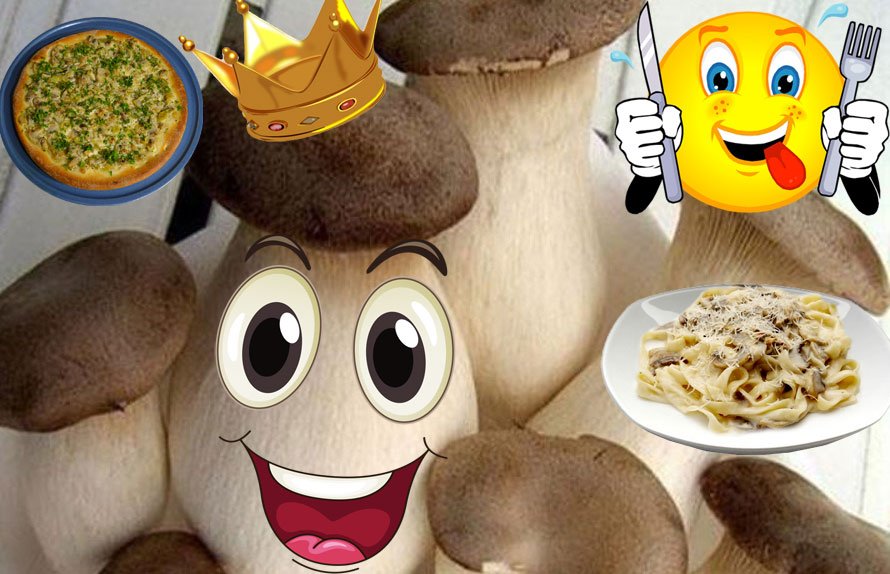
Description of the steppe oyster mushroom: why it is called royal
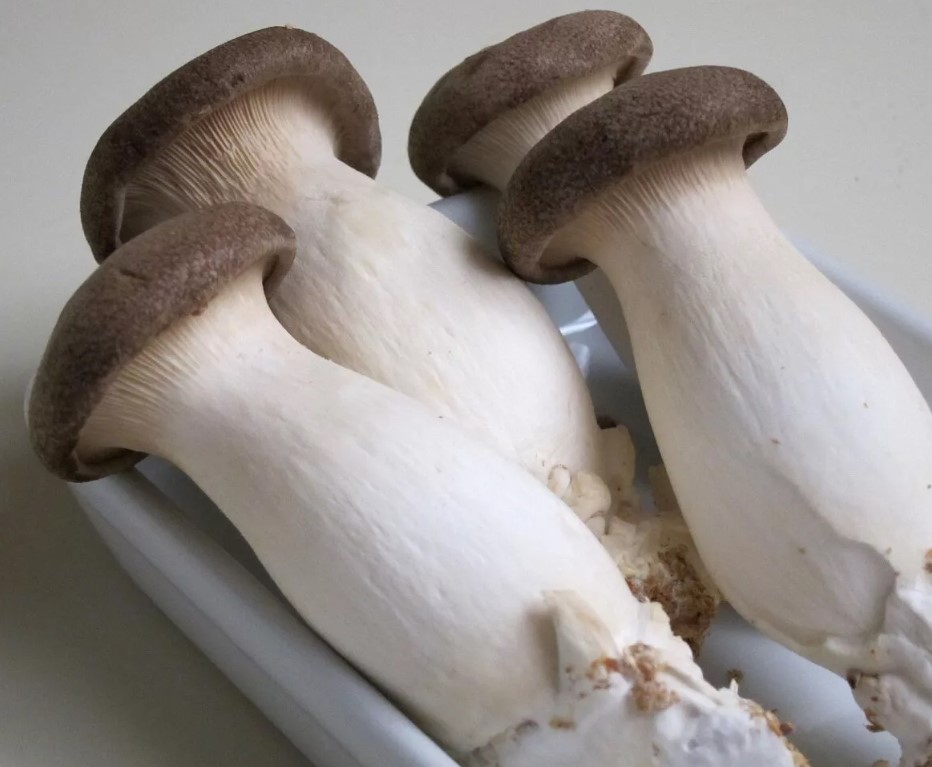
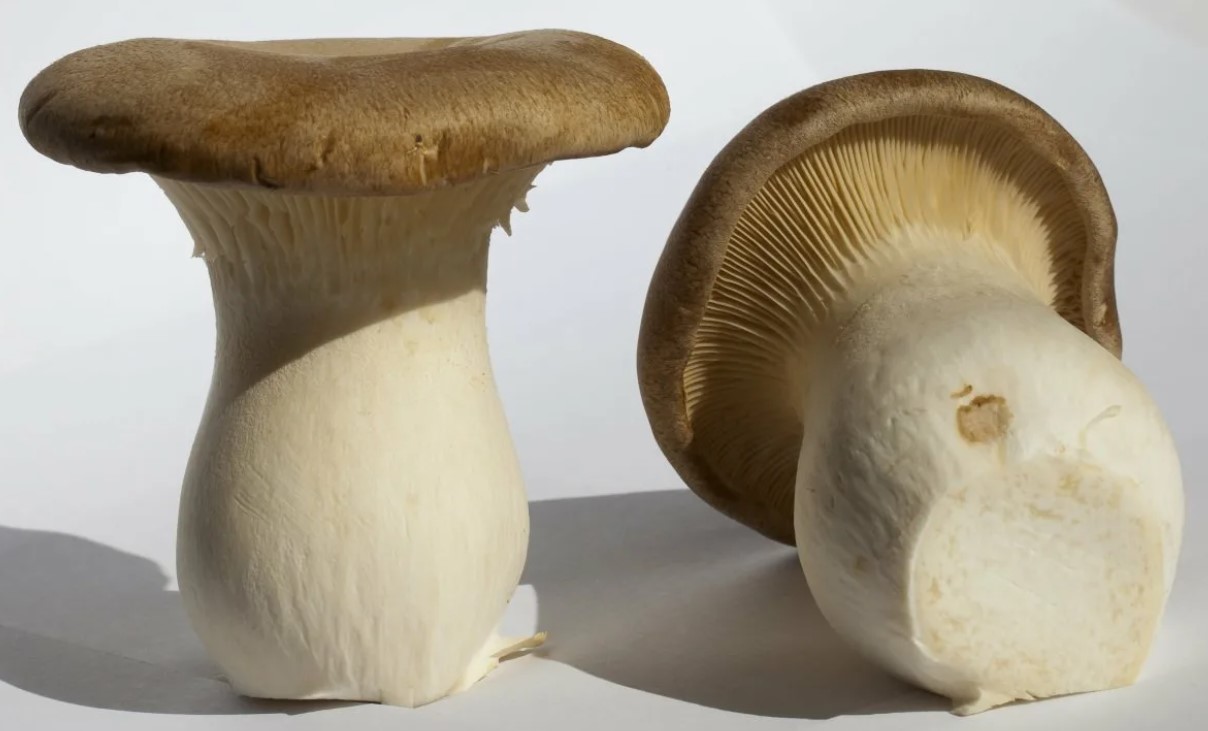
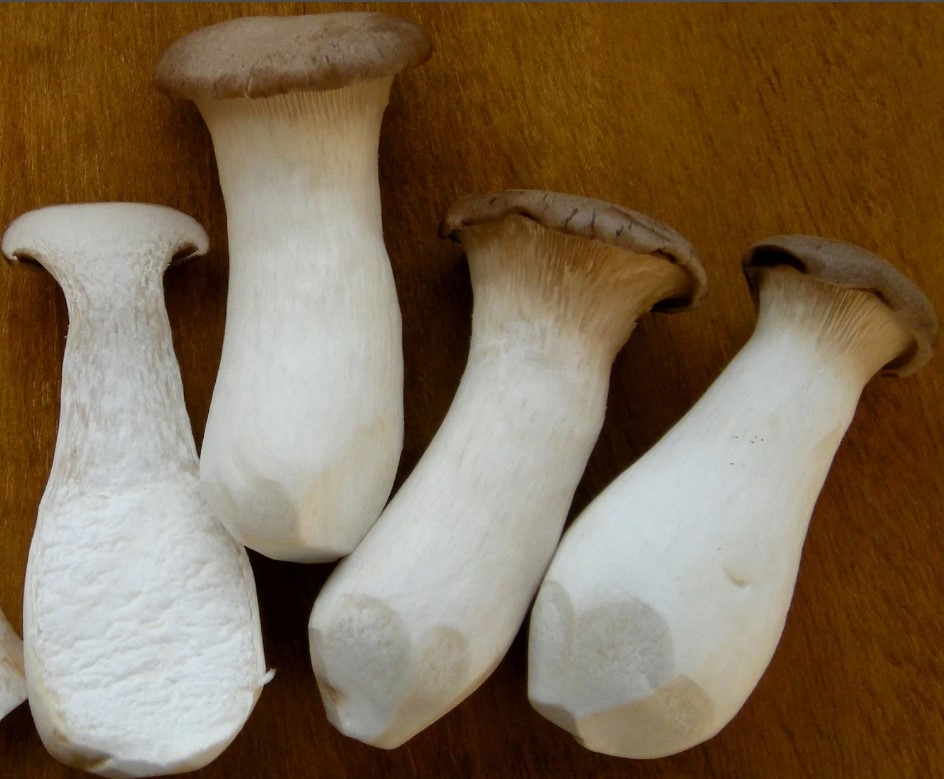
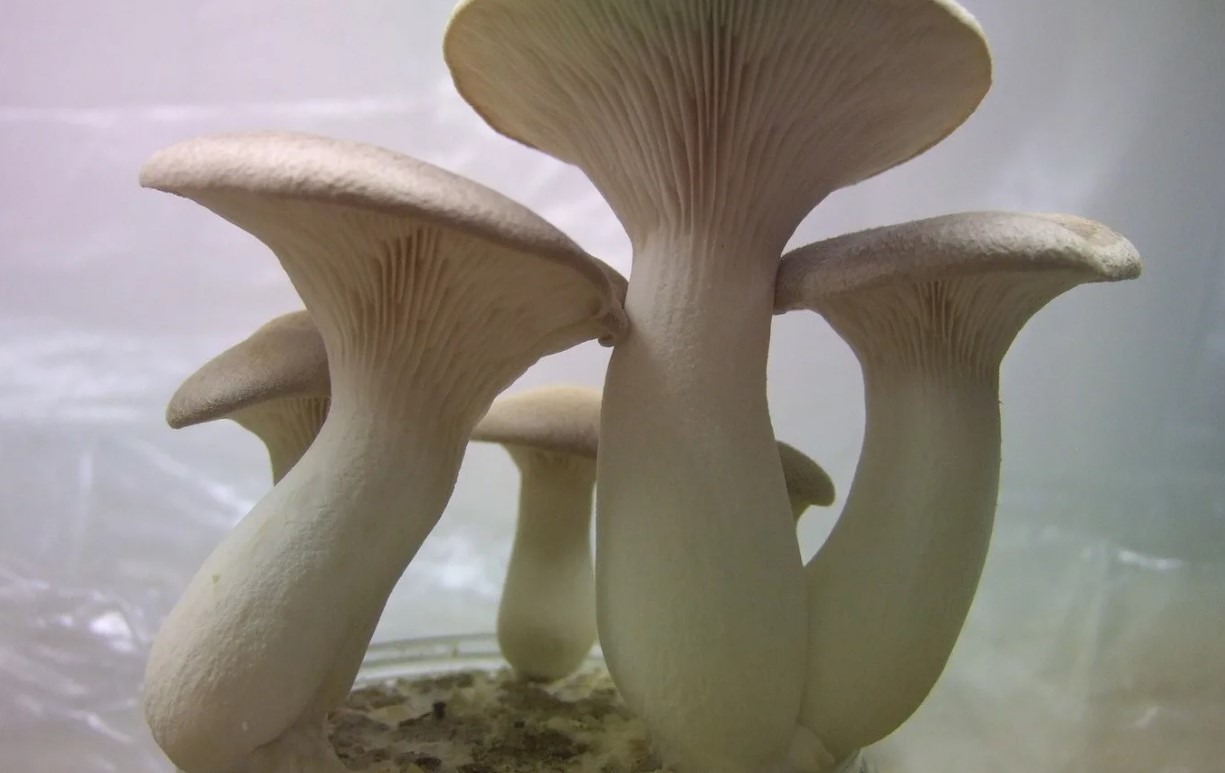
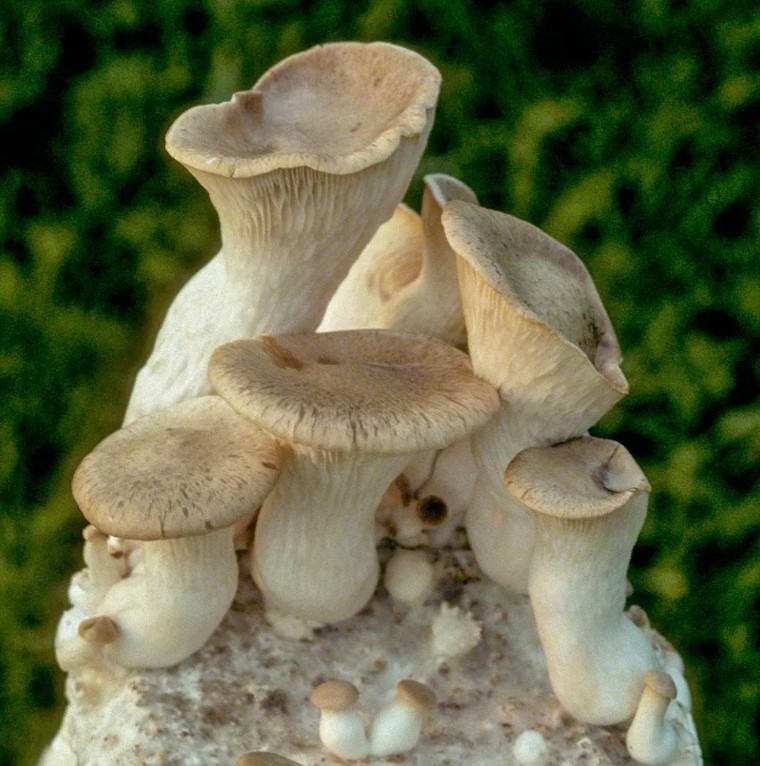
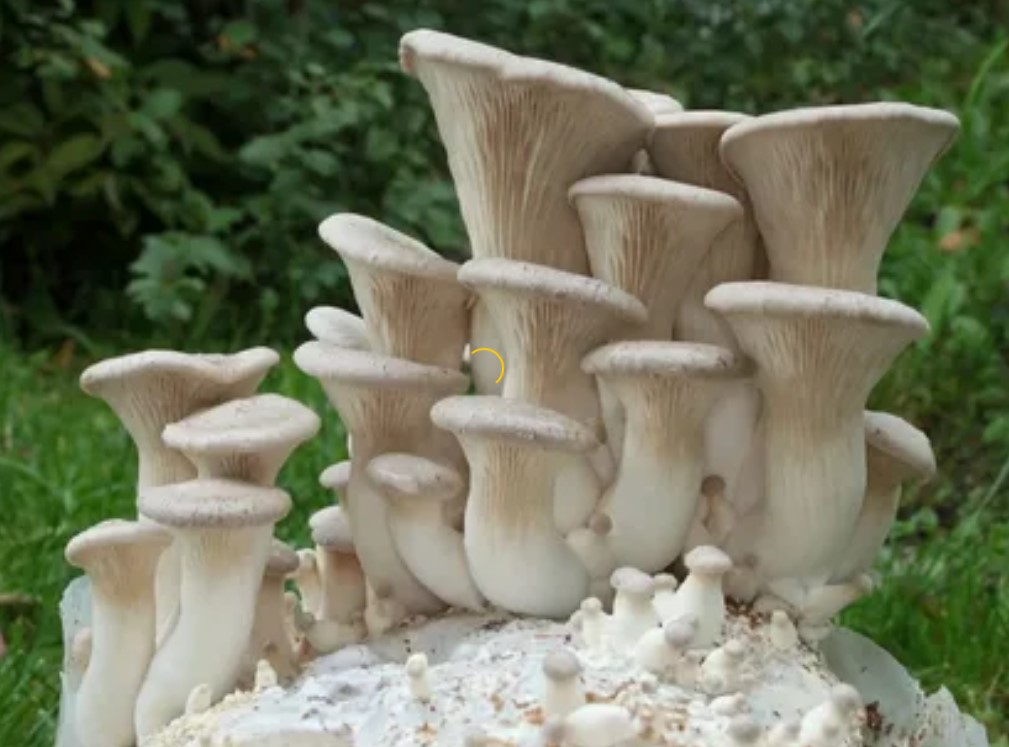
This type of oyster mushroom can be recognized by its characteristic appearance, in which the cap and stem stand out.
hat
The cap diameter and size of the mushroom depend on its age. Young oyster mushrooms reach 4.5 cm in diameter, while the cap of mature mushrooms grows up to 13 cm. Initially, there is a tubercle in the center, which gradually becomes a depression.
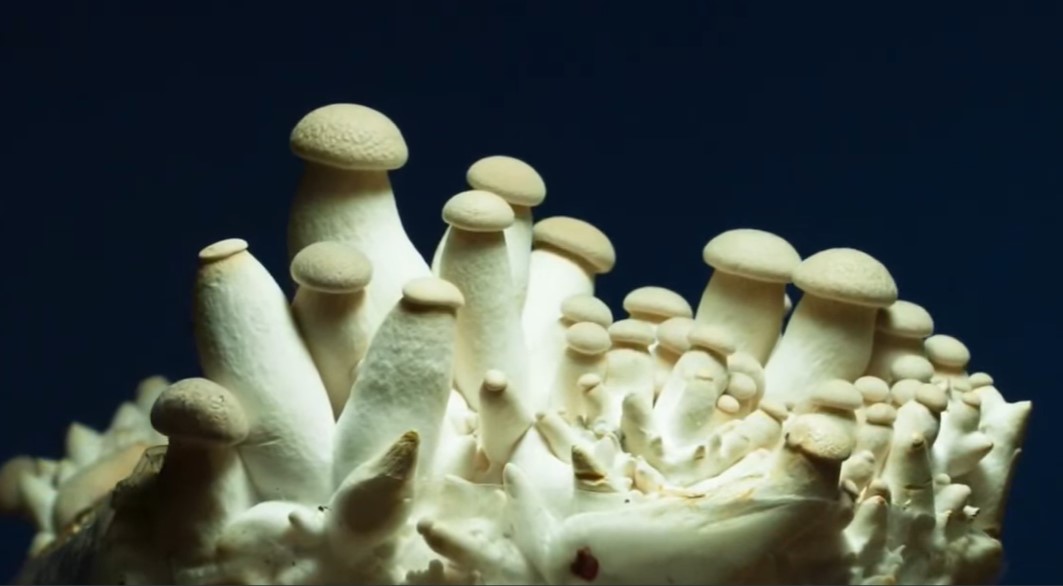
Young oyster mushrooms are reddish-brown with brown spots. They then turn pale ocher, with whitish edges. The skin appears smooth, but if you touch the cap, you'll notice that its surface is covered with numerous scales.
Leg
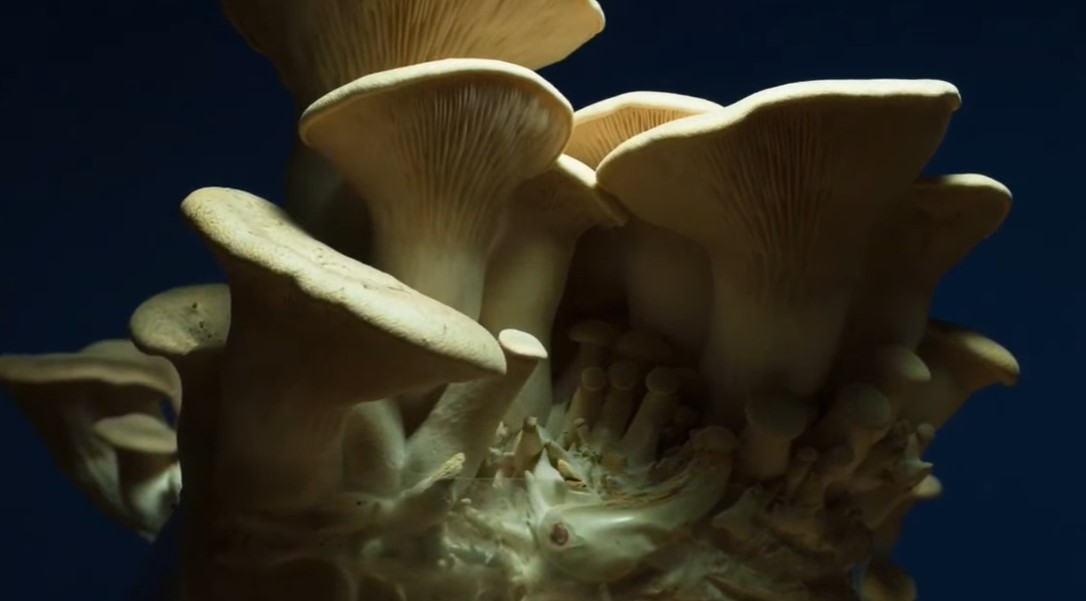
The stem is attached strictly to the central part of the cap, reaching a height of 5 cm and a diameter of no more than 2.5 cm. Its shape is cylindrical, thickening at the base. The color changes over time from white to ochre-brown. When overripe, the flesh of the stem becomes web-like.
Pulp
The flesh of oyster mushrooms is dense, meaty, and crisp. As they mature, it becomes more crumbly. The flesh is pale yellow, and may contain small pinkish flecks.
Records
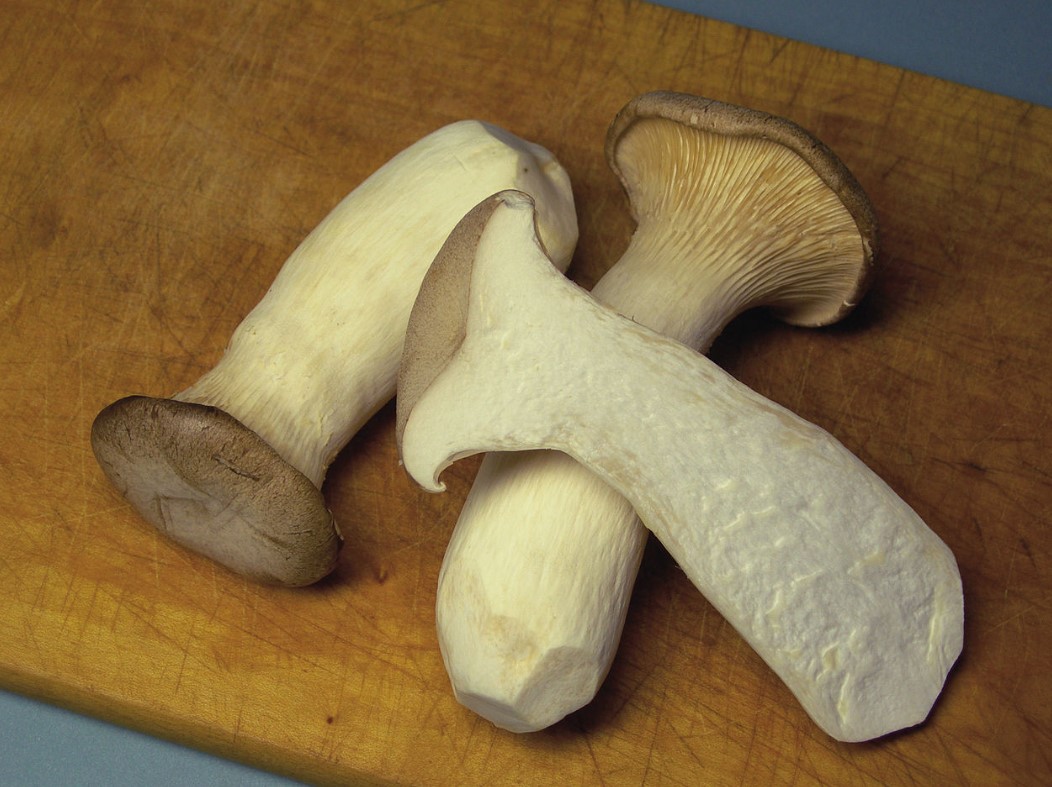
The gills are closely spaced and descend onto the stem. The color is pinkish-cream.
Spores and spore powder
The color of the spore powder is creamy, the spores themselves have a narrow elliptical or cylindrical shape.
Other names for steppe oyster mushroom
The steppe oyster mushroom has several other popular names:
- Yeringi.
- Royal oyster mushroom.
- Steppe porcini mushroom.
- Steppe mushroom.
Photo gallery of steppe oyster mushrooms
Where and when does the steppe oyster mushroom or eryngii grow?
In Russia, oyster mushrooms are found in steppe zones, preferring to grow on stumps and tree root remains. They are often found where eryngium or rhizomes once grew.
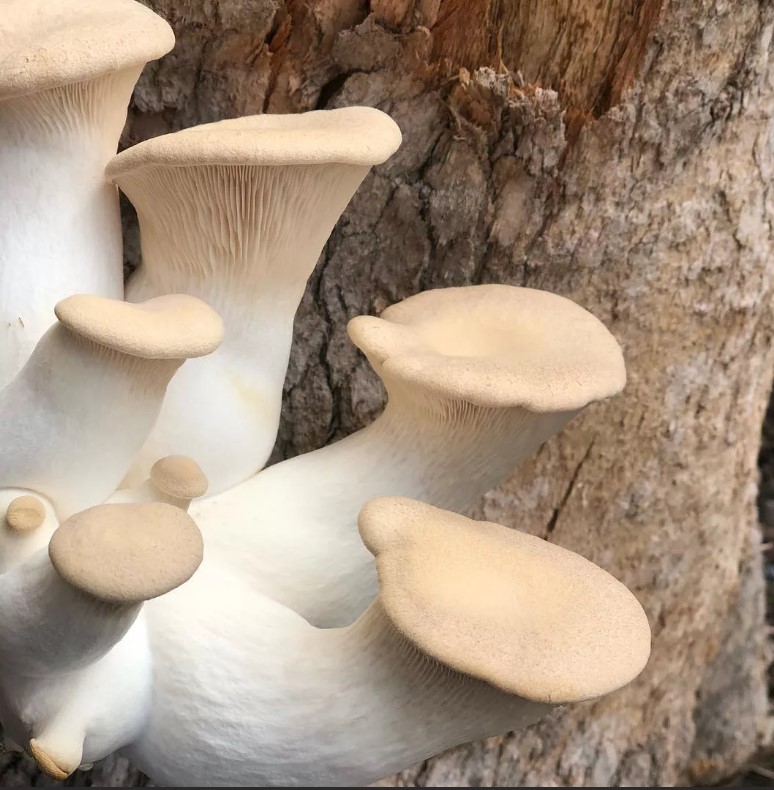
Oyster mushrooms are saprophytes, as they feed on organic elements of tissues that have already died.
Fruiting begins in the spring; in warmer climates, the first oyster mushrooms can be found as early as March. This period lasts until October.
How does steppe oyster mushroom reproduce?
There are three main methods of reproduction of steppe oyster mushrooms:
- Sexual. Secondary mycelium forms in the soil by intertwining the threads of the primary mycelium into pairs.
- Asexual. Reproduction occurs via spores, which have a small flagellum at the end. They attach themselves to the soil with this spore and begin to actively germinate if they encounter suitable climatic conditions. For young mushrooms to begin growing, two spores must be located close to each other.
- Vegetative. Mycelial threads located underground eventually separate from the main mass and continue to grow independently.
What mushrooms can be confused with the steppe oyster mushroom: photos and descriptions in tables
Sometimes some mushroom pickers, especially beginners, confuse oyster mushrooms with other species that look similar to them.
The steppe oyster mushroom is one of the varieties of a large number various types of oyster mushrooms.
However, there are other mushrooms that are not related to oyster mushrooms but are similar to the species in question. Below are the distinguishing features of each such lookalike.
Purple-legged rowan (Lepista personata)
| Possible names | Description and differences from steppe oyster mushroom | Spreading | Edibility |
|
Bluelegs Lepista lilac-footed |
The cap reaches 12.5 cm in diameter and is flat-convex. Its distinctive color is white with a purple tint. The flesh is grayish-purple. The stem is bluish or light purple. | Deciduous forests, pastures, and shrublands. Found in Russia, South America, Japan, Europe, China, Australia, and North America. Fruiting occurs from March to June, with a second wave beginning in October and lasting until November. | An edible mushroom, most often used for pickling. |
Photo gallery of the purple-legged rowan
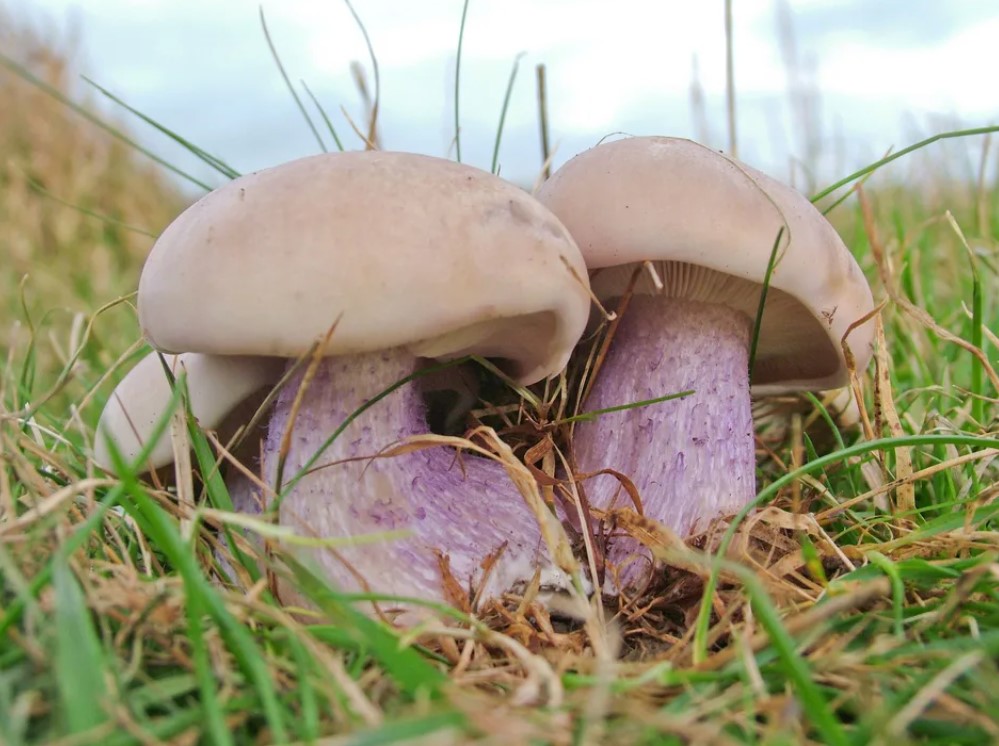
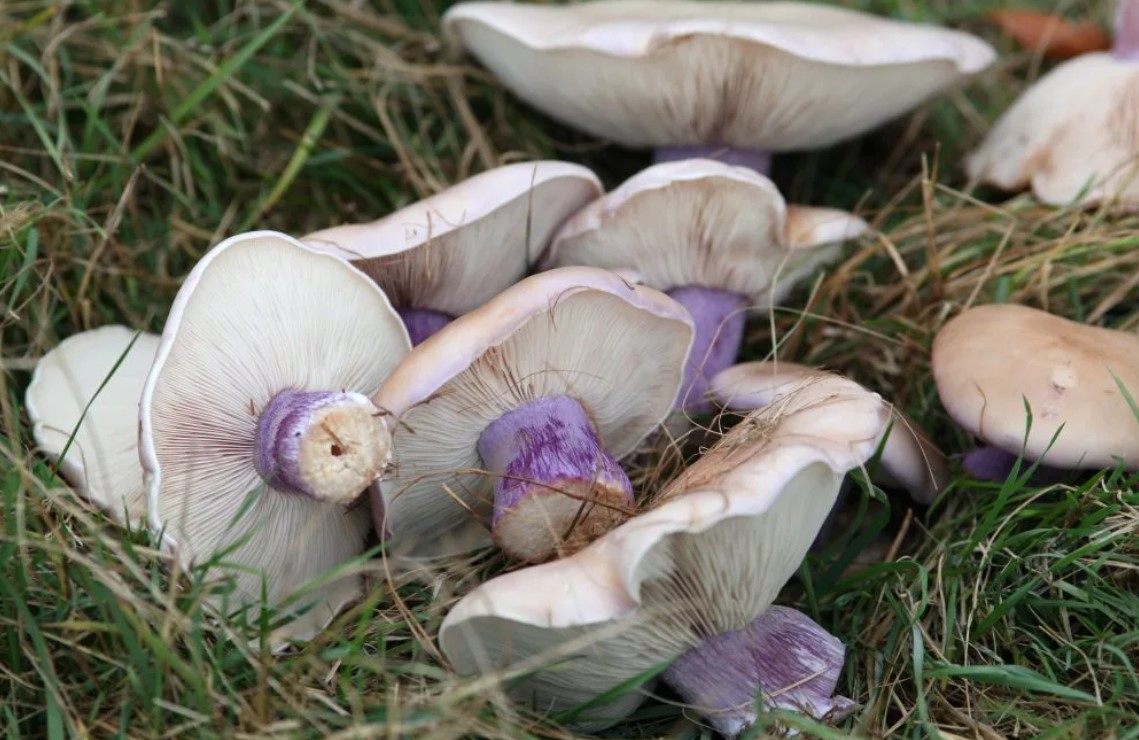
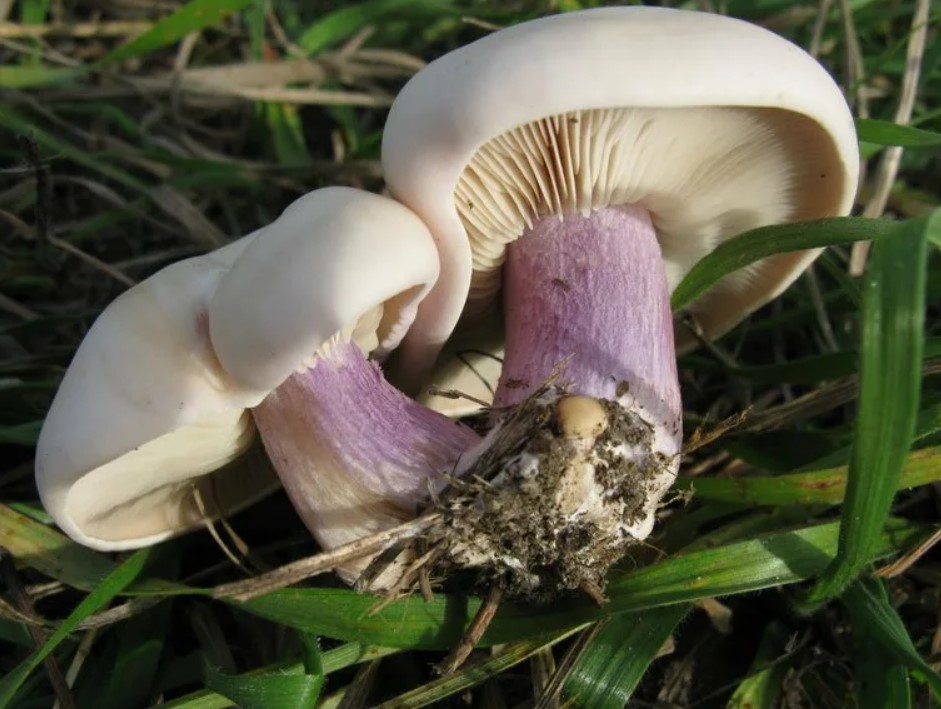
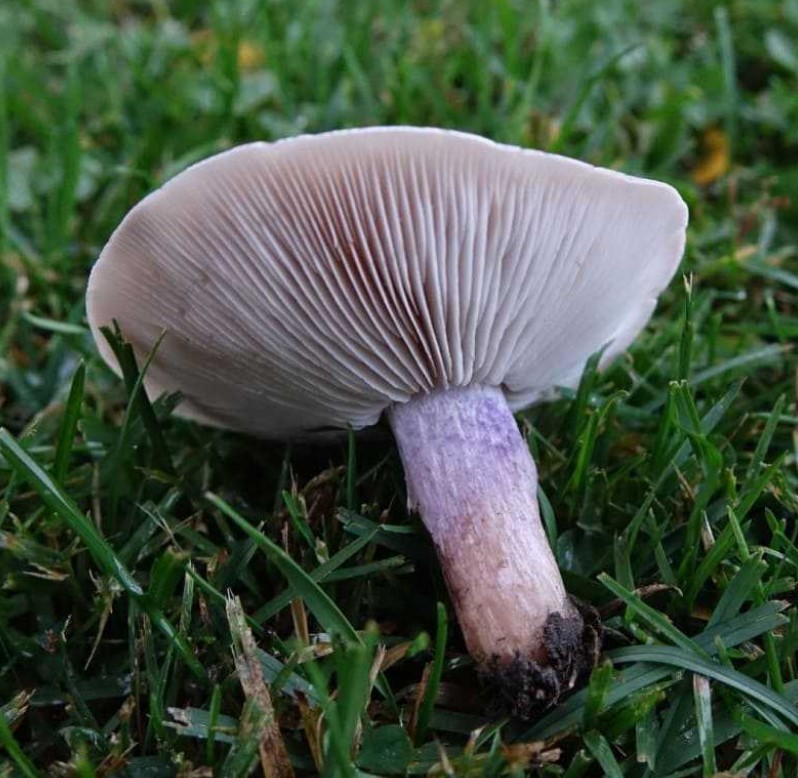
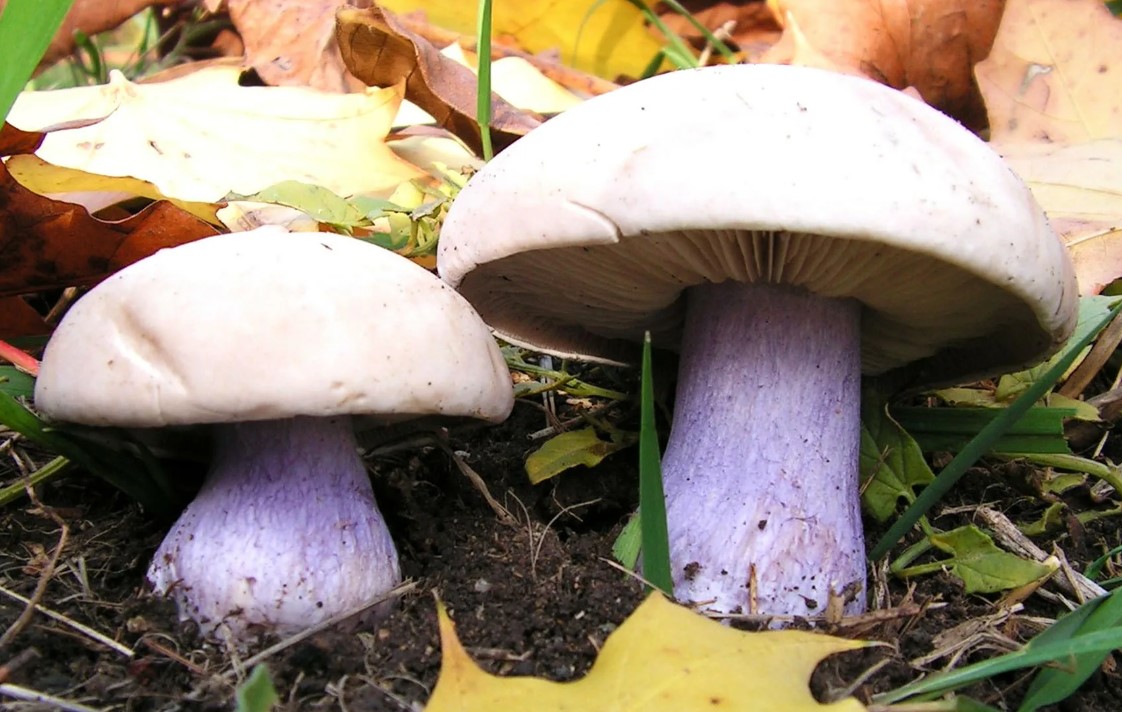
Only one is described here a type of rowan, about other rowan or talkers Read on our website.
Leucopaxillus lepistoides
| Possible names | Description and differences from steppe oyster mushroom | Spreading | Edibility |
|
Leucopaxillus lepistoides Lepistoidea white pig |
The cap diameter varies from 10 to 20 cm, initially hemispherical in shape but becoming flattened and convex over time. The color is white, later turning yellow. The flesh is fleshy and aromatic, turning bluish where cut. The stem reaches 8 cm in height and 4 cm in diameter. It is cylindrical in shape, with a thickened base and a yellowish-white color. | The mushroom grows in European Russia, the Caucasus, Central Asia, Western Europe, and North America. It prefers grassy areas, pastures, or meadows. Fruiting occurs from April to June. | The mushroom is edible and widely used in cooking. |
Photo gallery of the Lepistoidea sibirica
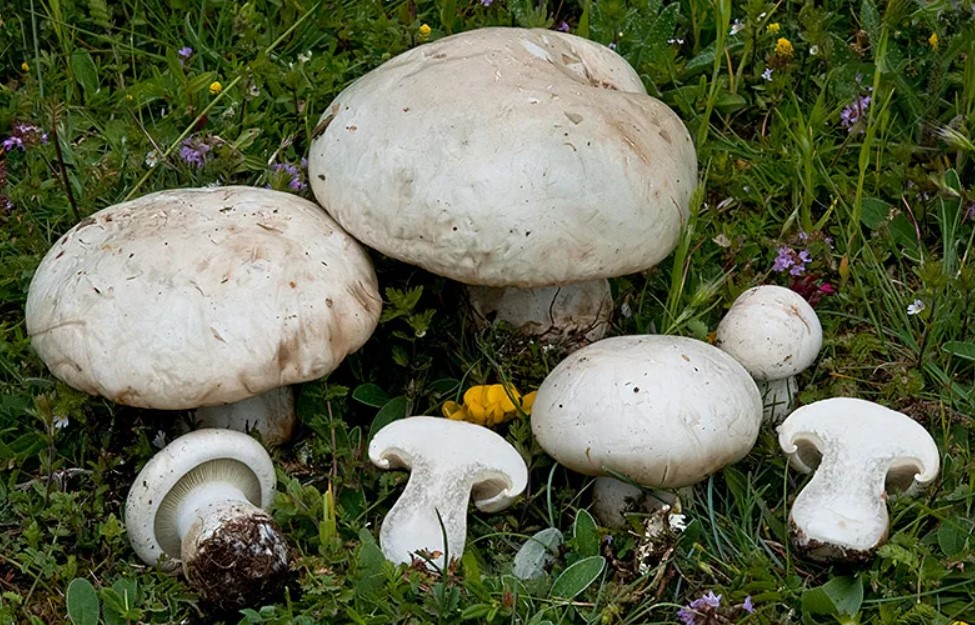
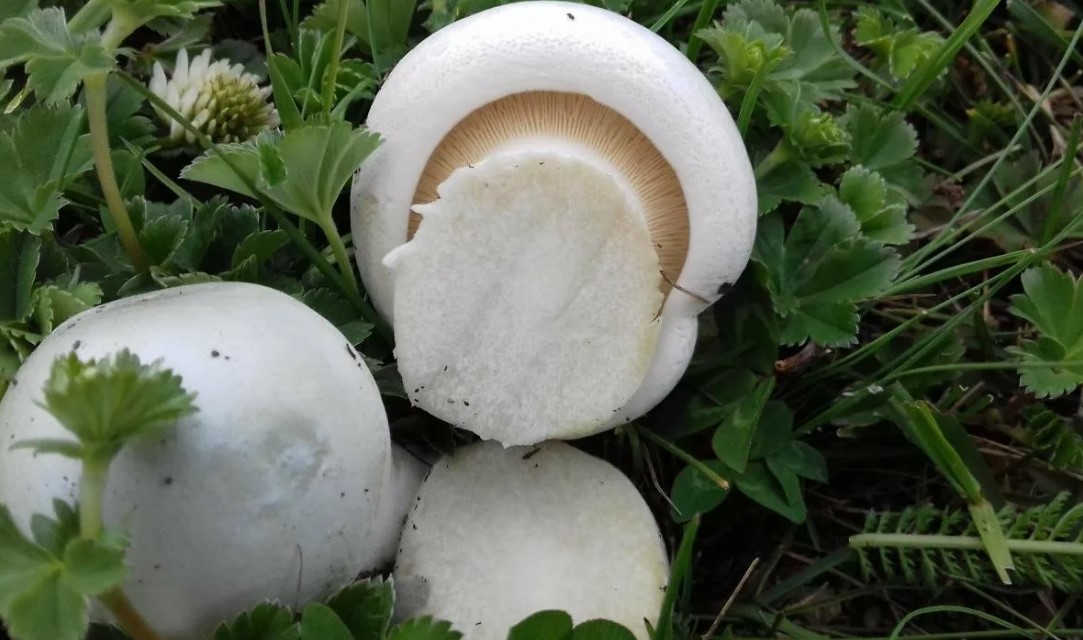
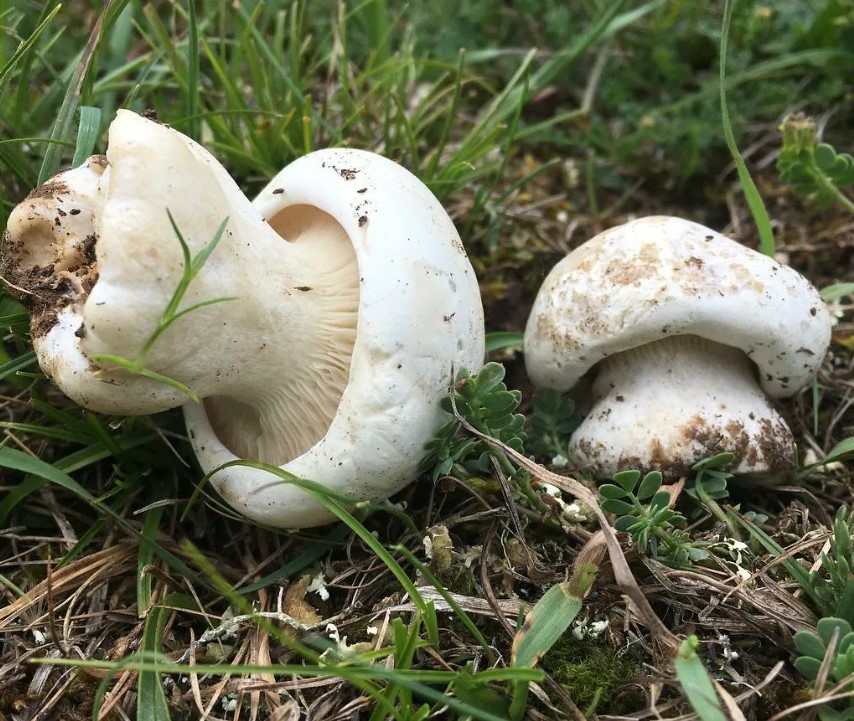
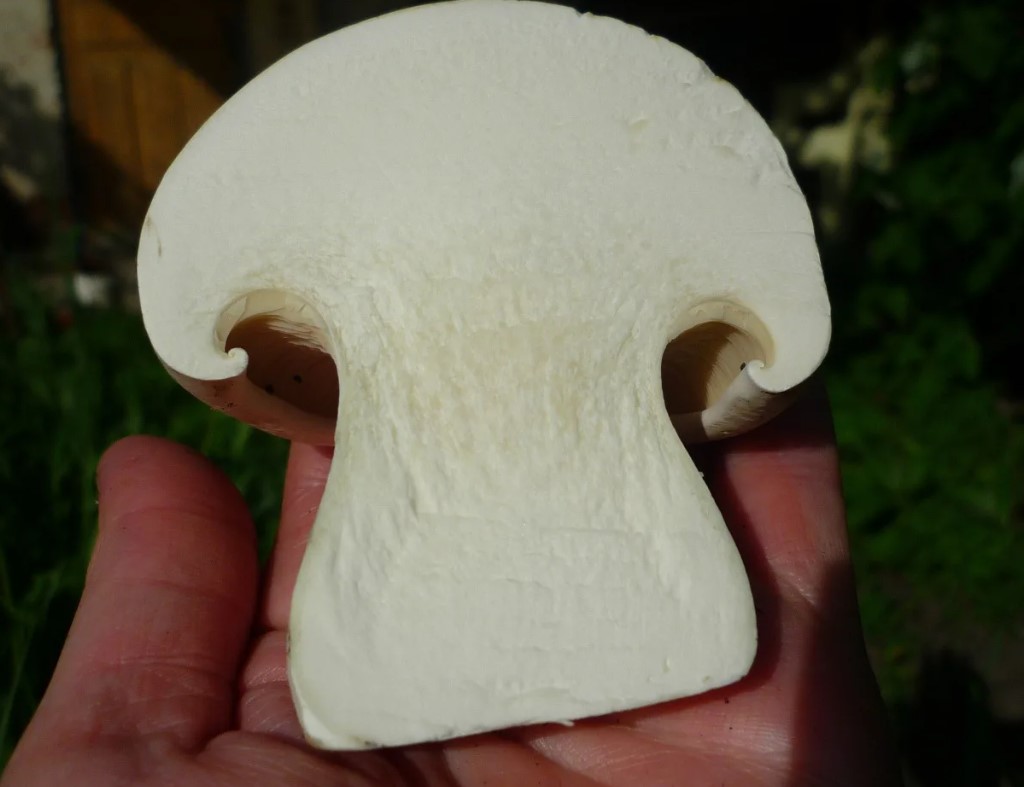
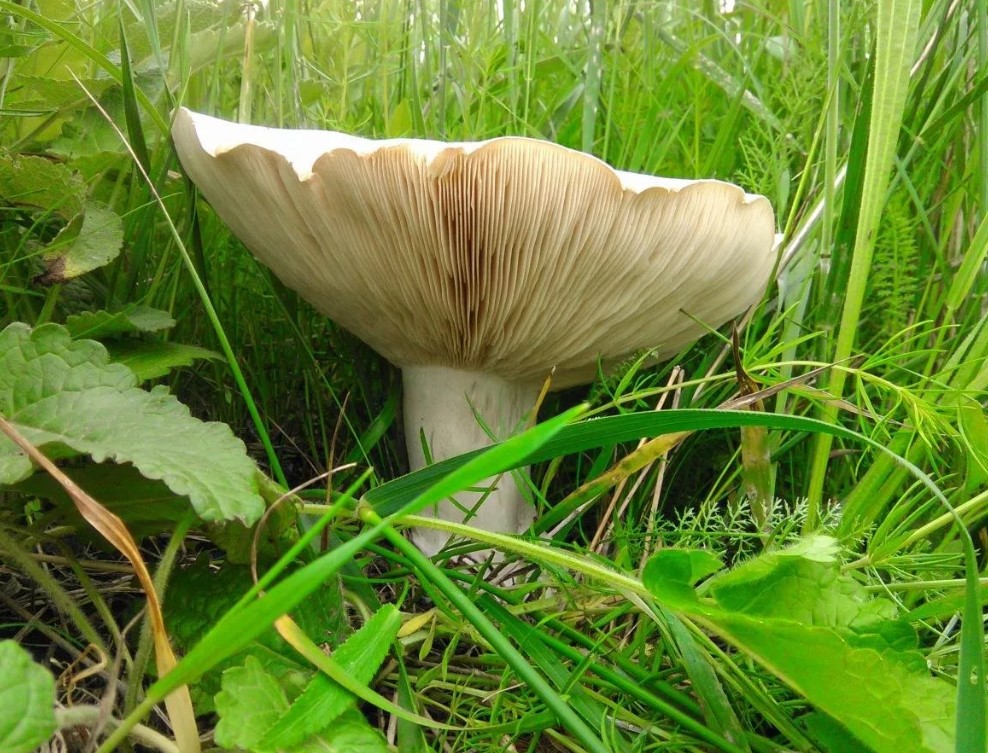
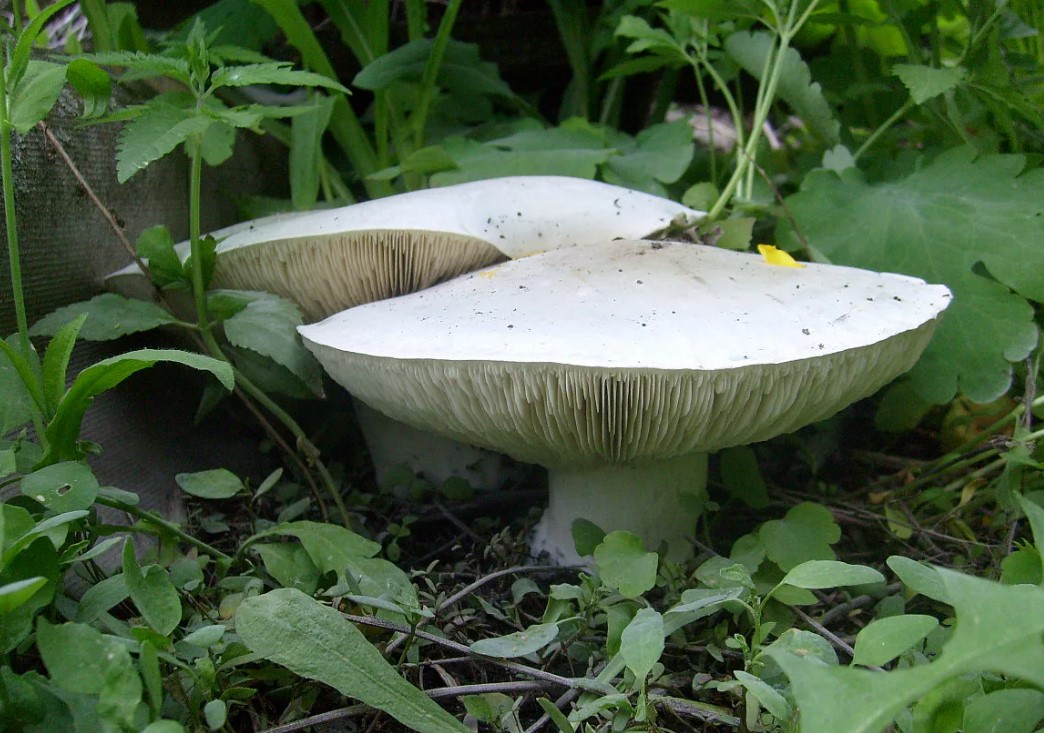
This mushroom does not belong to the family Svinushkovs, which are generally not edible, although some experienced mushroom pickers do not agree with this opinion and give a lot of advice on how how to cook pork loin properly.
Field champignon (Agaricus arvensis)
| Possible names | Description and differences from steppe oyster mushroom | Spreading | Edibility |
| Common champignon Champignon trattoria |
The cap is 5-15 cm in diameter and hemispherical in shape. The gills are convex, and their color changes with age from grayish to pink and brown. The stipe is strong and thick, with a hanging two-layered ring visible on it. When young, the spathe is fused to the cap. | It thrives in gardens, lawns, clearings, and other open areas. It is found throughout Russia and abroad. It bears fruit from October to November. | An edible mushroom with a pleasant taste and aroma. |
Photo gallery of field mushrooms
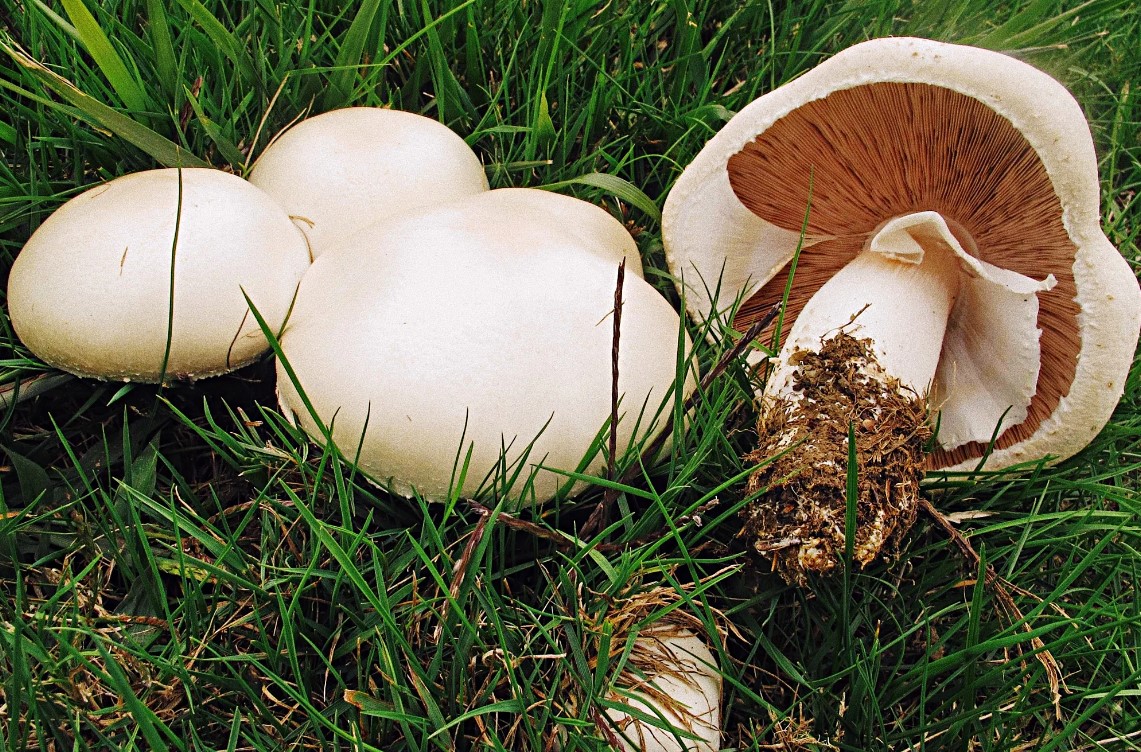
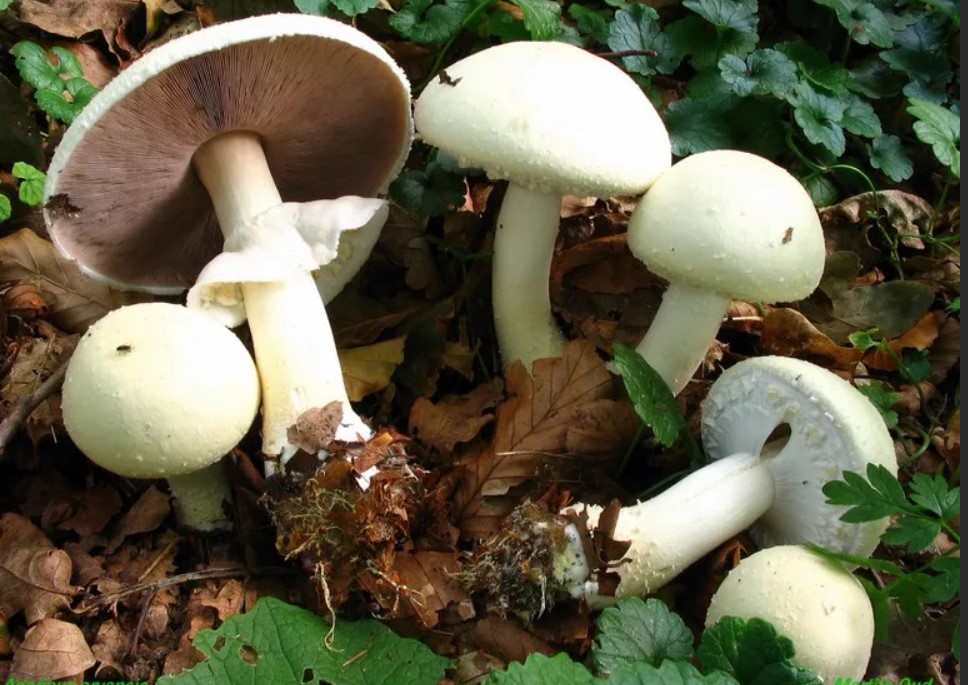
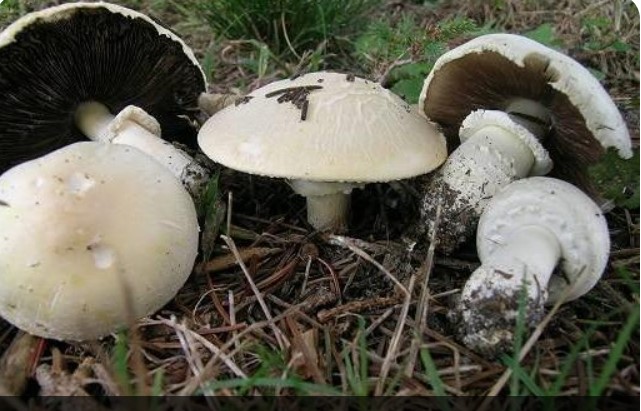
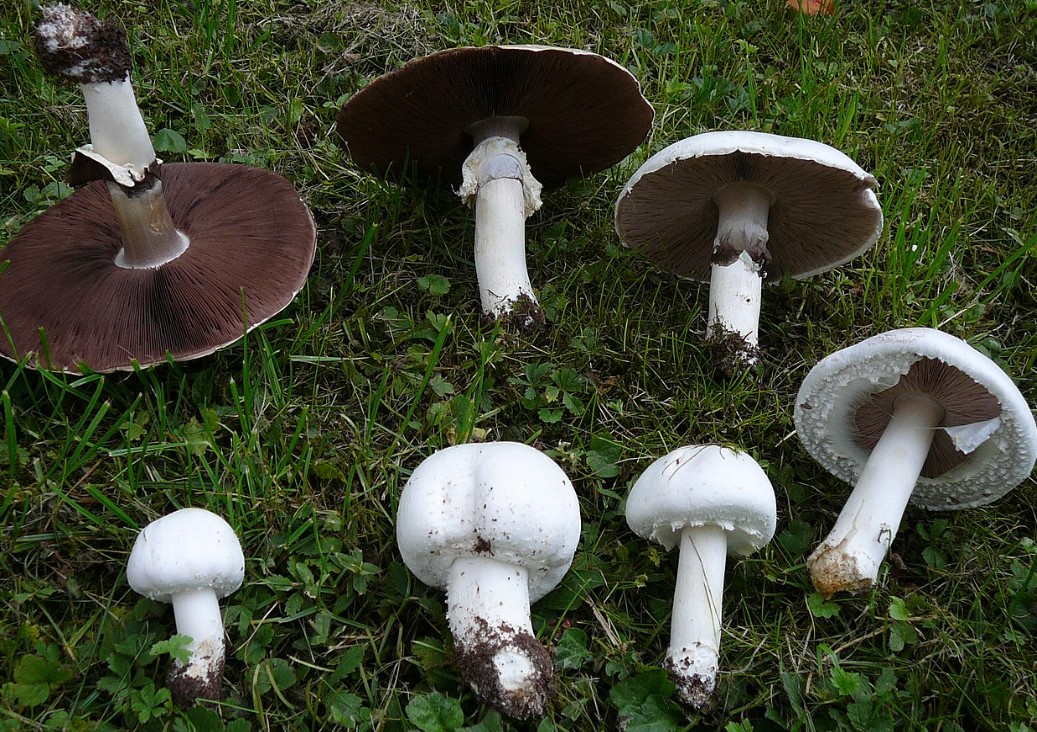
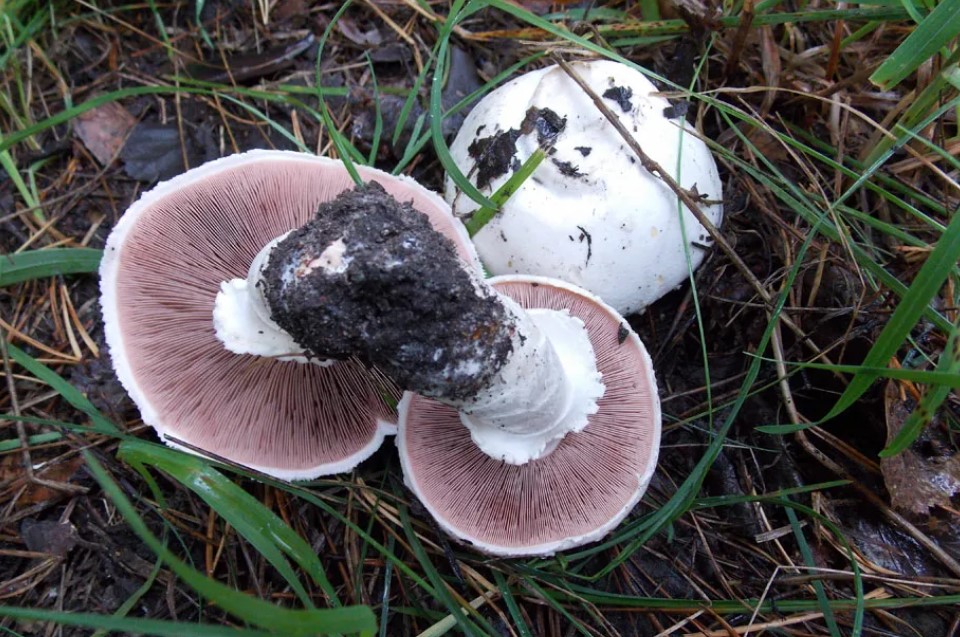
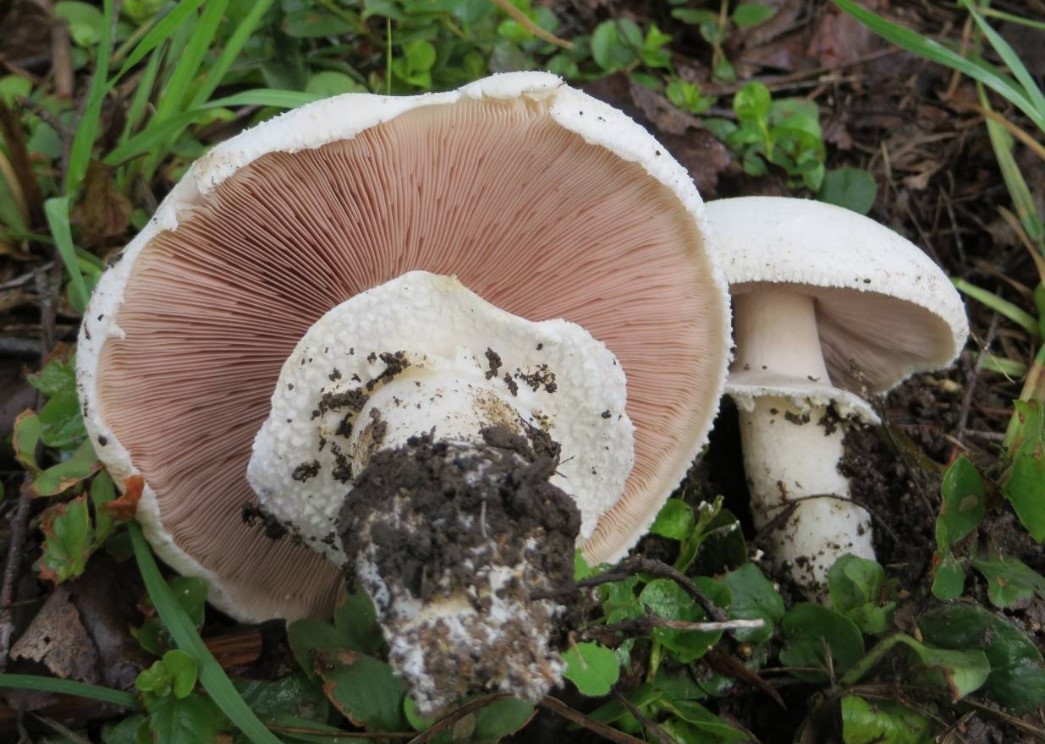
More details about the field champignon, and also about forest species And royal champignon Read on our website.
Milk mushroom (Lactarius resimus)
| Possible names | Description and differences from steppe oyster mushroom | Spreading | Edibility |
|
The right-hand milk mushroom Wet Milk Mushroom Raw milk mushroom White milk mushroom |
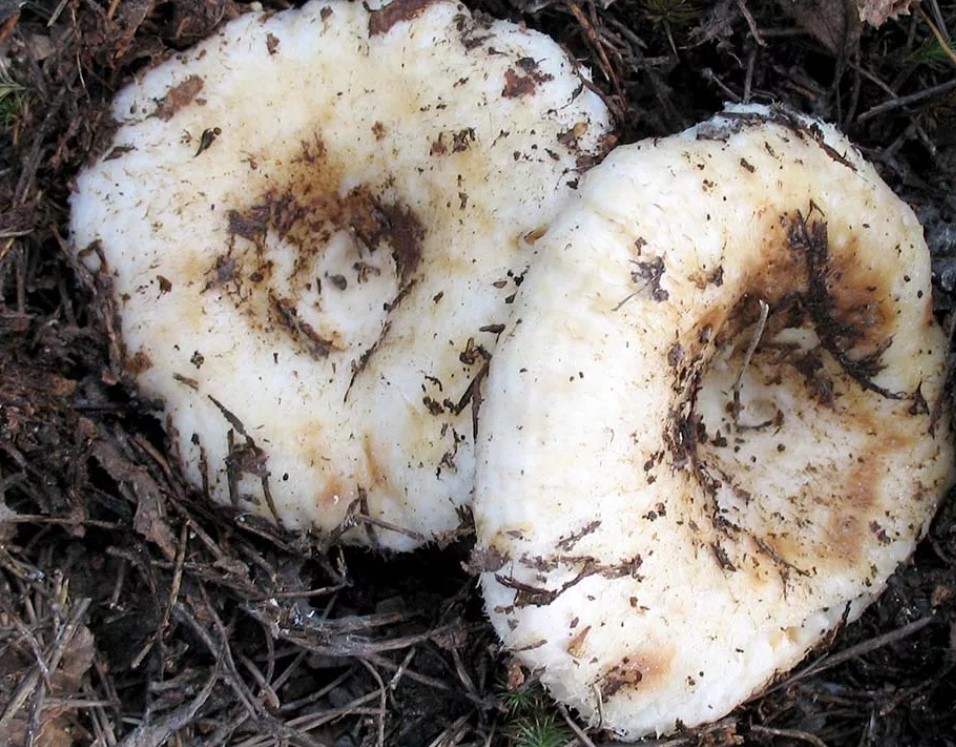
A mushroom of the Lactaceae genus. The cap is funnel-shaped, ranging from 5 to 20 cm in diameter. With age, the margins curl inward and become pubescent. The color is yellowish or milky white with poorly defined concentric zones. The stem reaches 7 cm in height, up to 5 cm in diameter, and is cylindrical in shape; the surface may be mottled with pits or yellowish spots. | It grows in deciduous and mixed forests in Russia, Belarus, the Urals and Western Siberia, and the Middle and Upper Volga regions. | A conditionally edible mushroom, traditionally used for pickling. |
Photo gallery of real milk mushrooms
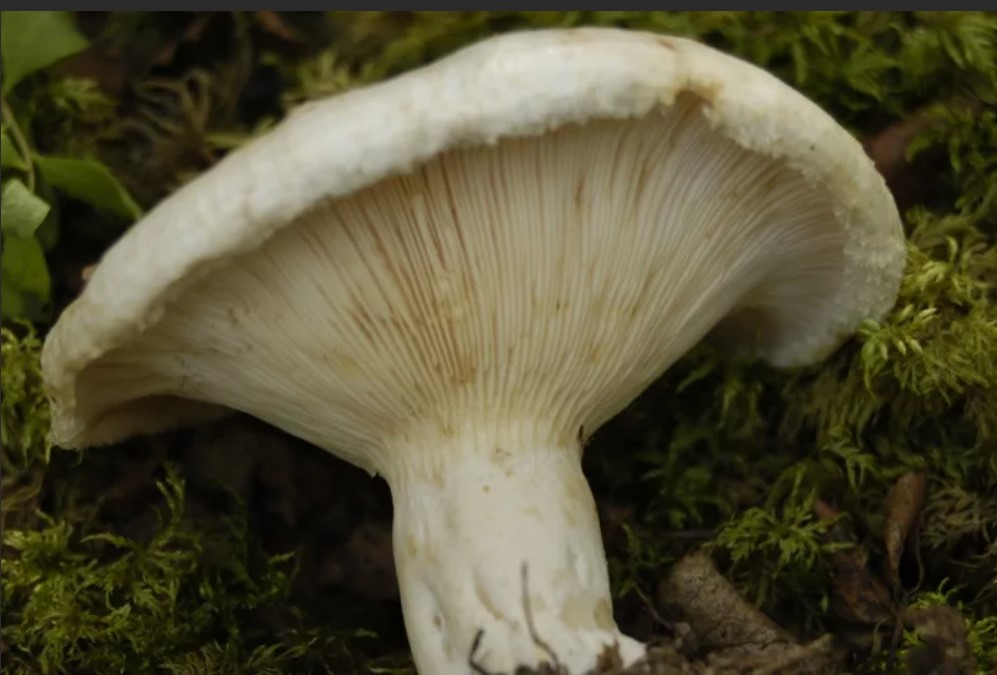
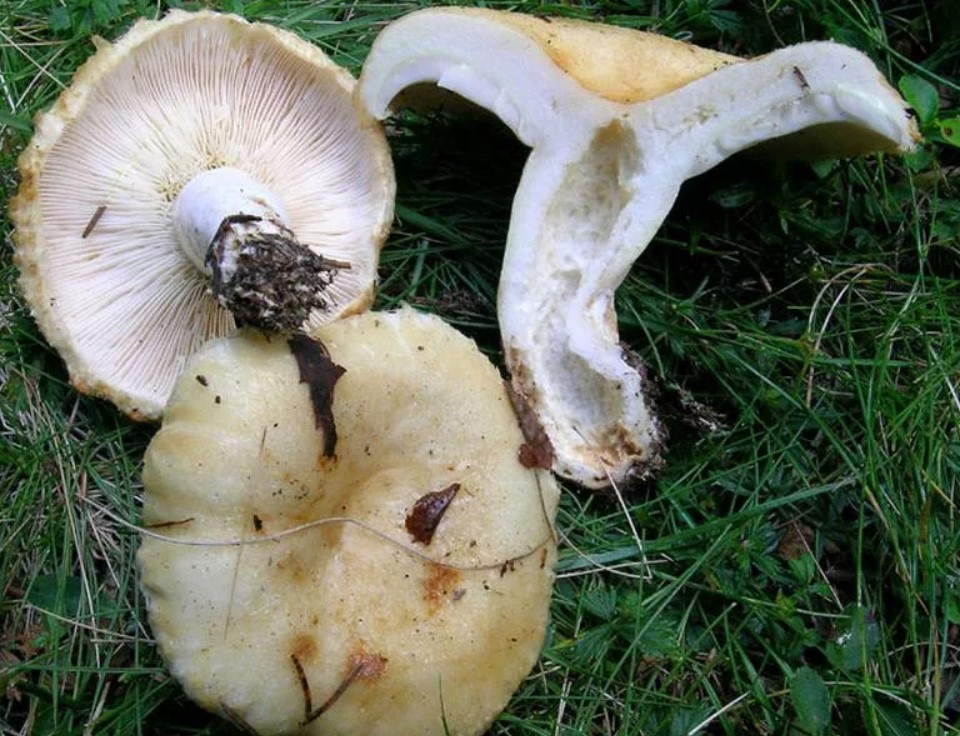
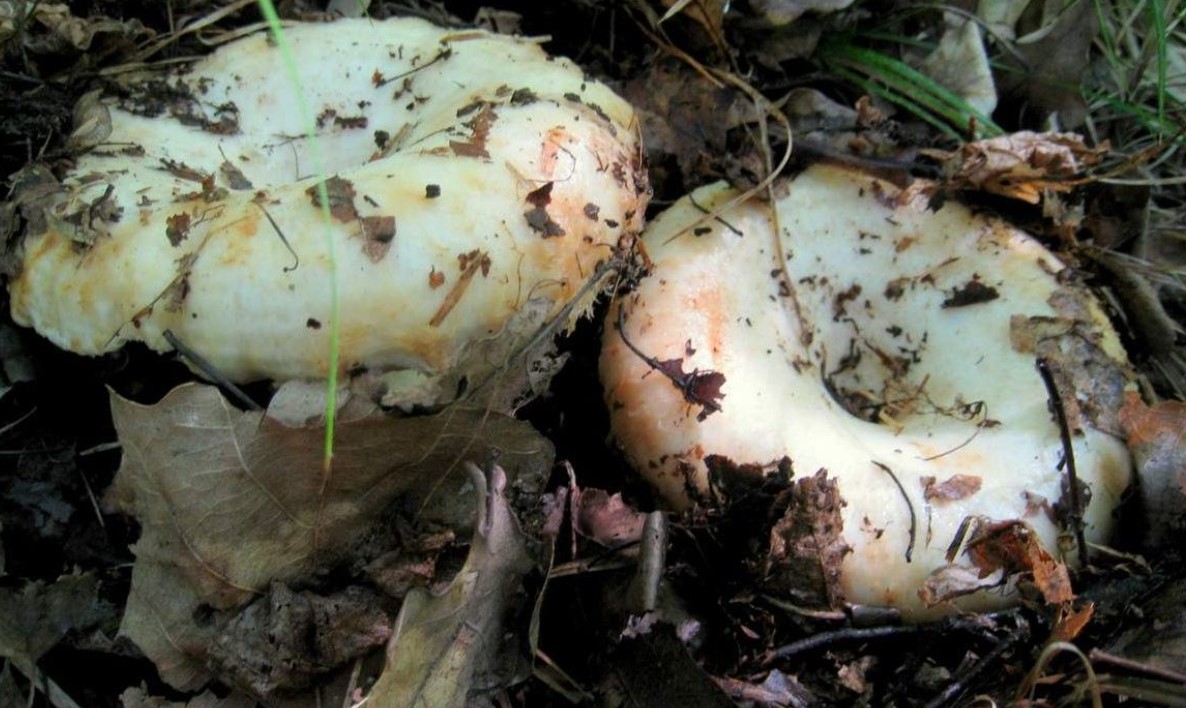
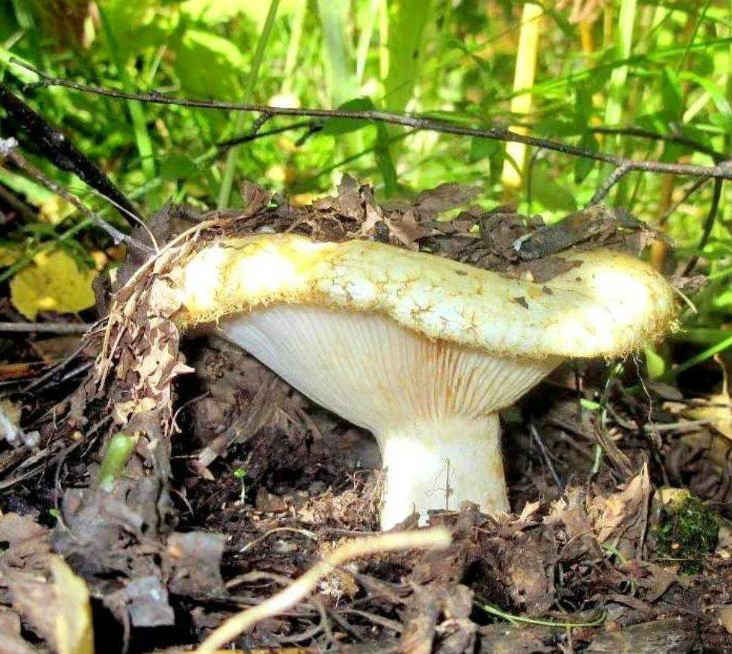
About different types of milk mushrooms: white, yellow, black, dry, aspen, and also false Read on our website.
Caloric content and nutritional value of steppe oyster mushroom
Oyster mushrooms are considered highly nutritious, comparable in nutritional value to chicken meat. The flesh contains amino acids, beneficial enzymes, vitamins, and proteins.
100 g of fresh oyster mushrooms contain:
- 43 kcal.
- 3.31 g protein.
- 4.17 g carbohydrates.
- 0.41 g fat.
Useful medicinal properties of steppe oyster mushroom
With regular moderate consumption of oyster mushrooms, the following positive dynamics can be observed:
- Strengthening the immune system.
- Cleansing the body of heavy metals and salts.
- Lowering cholesterol levels.
- Improving the functioning of the gastrointestinal tract.
Which is better: oyster mushrooms or champignons? Read on our website Top.tomathouse.com.
Harm and contraindications of king oyster mushroom consumption
King oyster mushrooms are not toxic, but in some cases, their consumption can be harmful. These mushrooms are not recommended for the following people:
- For pregnant and lactating women.
- For children under 12 years of age.
- People with biliary dyskinesia.
- For people with chronic diseases of the stomach and intestines.
You need to be careful where you collect oyster mushrooms, as they can absorb toxic substances from the soil.
Culinary uses of steppe oyster mushrooms
Oyster mushrooms are widely used in cooking, although their taste and aroma are not considered the most pronounced.
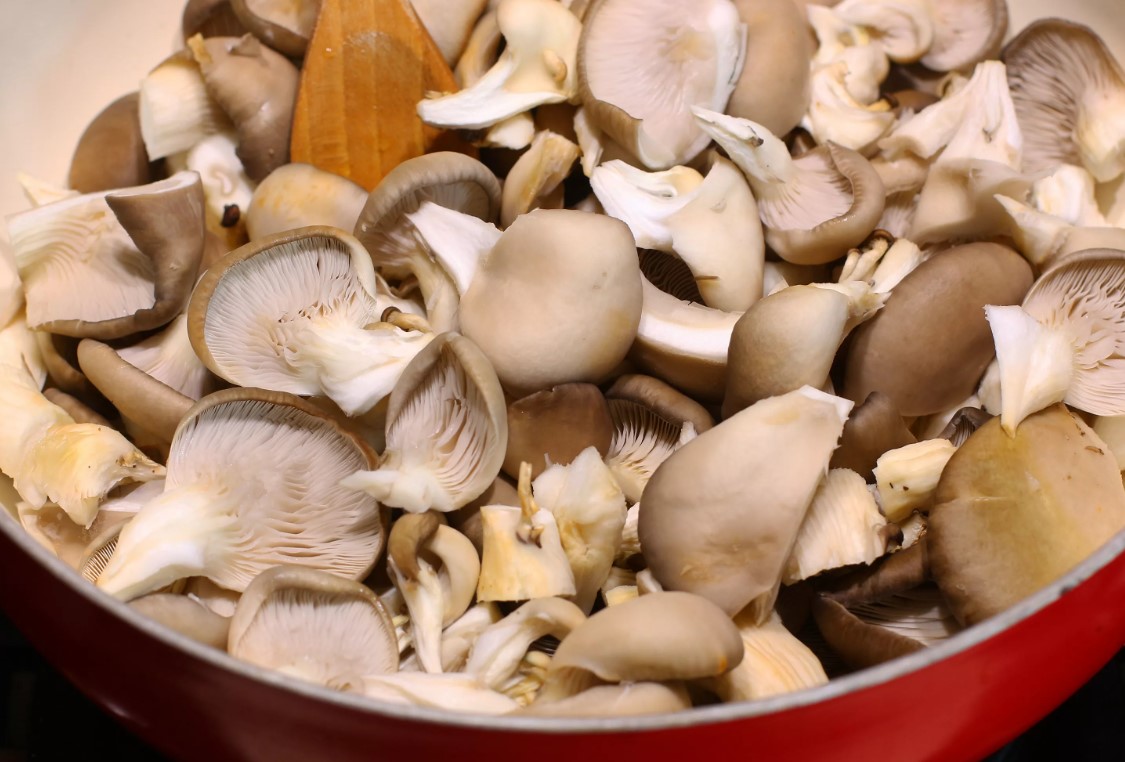
Oyster mushrooms can be used in a variety of dishes, including soups, pasta, salads, grilled, and baked. Many cooks prefer to pickle or marinate them to preserve their flavor for a long time.
Preparing king oyster mushrooms for cooking
Preparing oyster mushrooms for cooking doesn't require much effort. Simply wash the mushrooms, remove any debris, and cut them into bite-size pieces. It's best to use only the caps, especially mature mushrooms. The stems become fibrous over time, making them difficult to digest.
How to cook king oyster mushrooms
Oyster mushrooms are cooked very simply:
- The mushrooms are cleaned and chopped.
- Water is boiling in a saucepan.
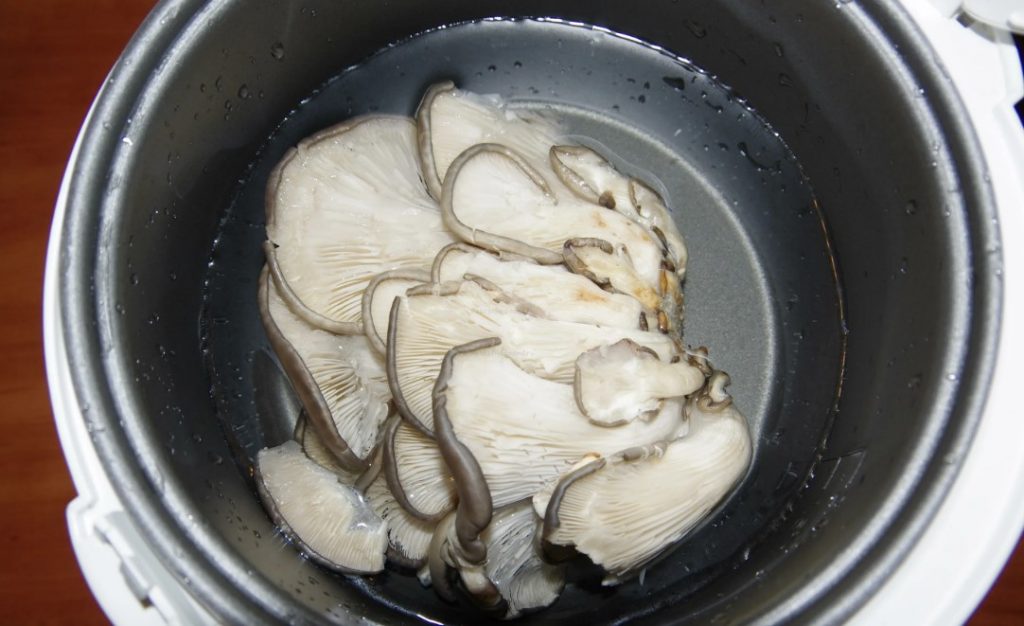
- Oyster mushrooms are placed in water and cooked for 15 minutes.
- If desired, you can add a little lemon juice or vinegar to add a tangy, sour taste.
 How to fry steppe oyster mushrooms
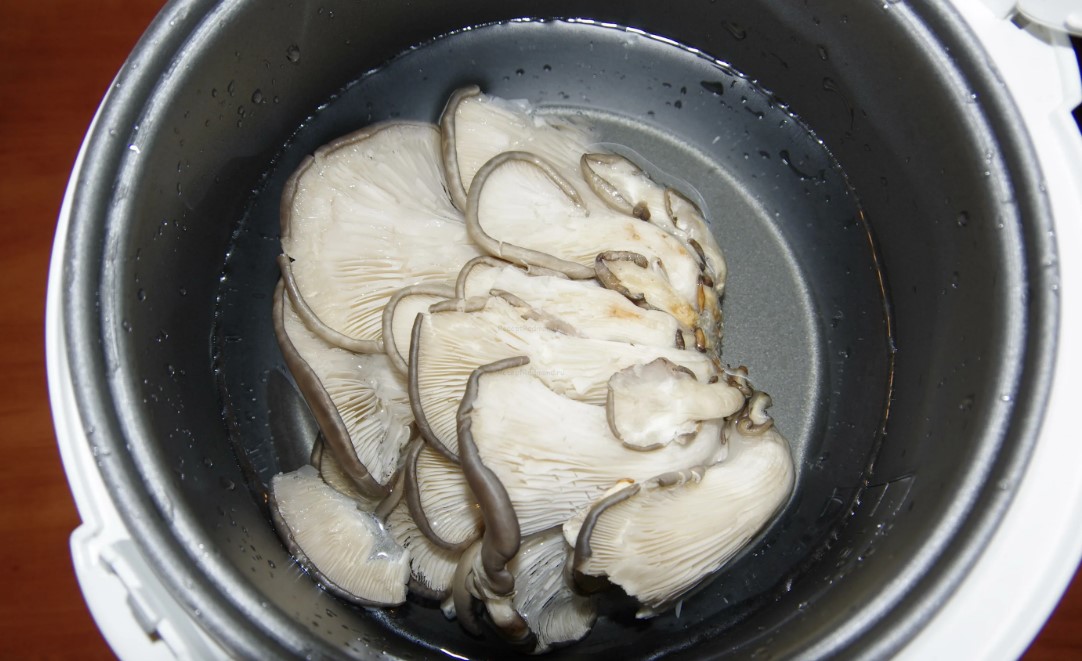
Fried oyster mushrooms go perfectly with meat, cereals, and even salads.
Ingredients:
- Oyster mushrooms – 1 kg.
- Salt – 1 tsp.
- Vegetable oil – 2 tbsp.
- Butter – 30 g.
Method of preparation:
- Clean the oyster mushrooms, wash them and cut them into slices.
- Place the oil mixture in a frying pan and heat.
- Place the mushrooms in a frying pan, add mole and spices.
- Fry until golden brown over medium heat, stirring constantly.
Pickling steppe oyster mushrooms
Salting helps to preserve the taste and aroma of oyster mushrooms for a long time.
Ingredients:
- Oyster mushrooms – 2 kg.
- Water – 2 l.
- Salt – 3 tbsp.
- Black peppercorns – 6 pcs.
- Bay leaf – 3 leaves.
- Currant leaves – 5 pcs.
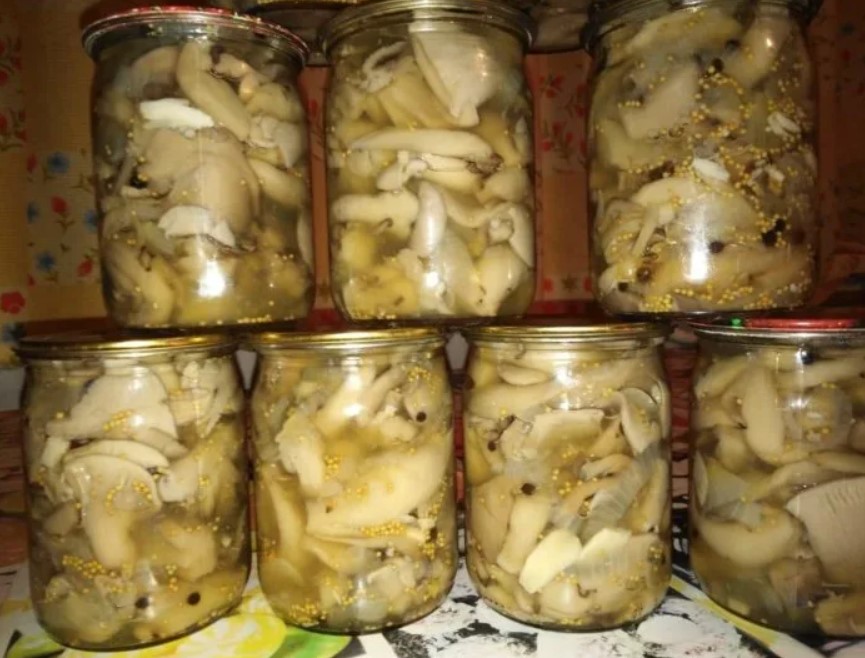
Method of preparation:
- Wash and clean the mushrooms, leaving the caps on.
- Boil water in a saucepan, add lightly salt, and cook oyster mushrooms in it for 10 minutes.
- Place the mushrooms in a colander.
- Pour 250 ml of water into a saucepan, add all the spices and boil for 5 minutes.
- Place the mushrooms in jars and pour in the cooled brine.
- Oyster mushrooms are ready in 10 days.
Pickling and preserving steppe oyster mushrooms
Pickled oyster mushrooms can be served as a side dish, but they are most often used as a salad ingredient.
For marinating you will need:
- Oyster mushrooms – 600 g.
- Water – 400 ml.
- Garlic – 4-5 cloves.
- Onion – 1 pc.
- Vinegar – 1.5 tbsp.
- Juice of 0.5 lemon.
- Vegetable oil – 60 ml.
- Bay leaf – 1 pc.
- Cloves – 3 pcs.
- Salt – to taste.
Method of preparation:
- Wash the mushrooms, clean them and cut them into medium-sized pieces.
- Cut the moon into half rings.
- In a saucepan, combine vinegar, lemon juice, oil and salt; add bay leaf, cloves and pepper if desired.
- Add water.
- Squeeze the garlic and add it to the marinade.
- Simmer for 10 minutes.
- Place oyster mushrooms in the brine and cook for another 10 minutes.
- Place the mushrooms in jars, add the onion and pour in the marinade.
9 recipes with oyster mushrooms
A large number of different dishes can be prepared from king oyster mushrooms.
Oyster mushrooms in Korean
This dish is very popular in Asian countries and will be a hit with fans of Korean cuisine.
Ingredients:
- Oyster mushrooms – 300 g.
- Soy sauce – 2 tbsp.
- Lemon juice – 1 tbsp.
- Honey – 2 tbsp.
- Vegetable oil – 60 ml.
- Salt, sesame seeds – to taste.
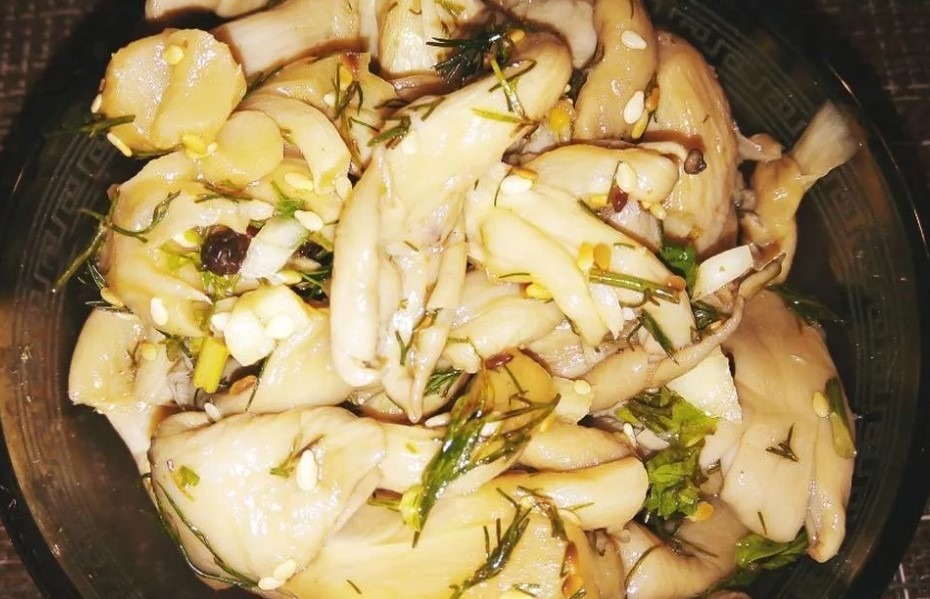
Method of preparation:
- In a bowl, mix honey, lemon juice, soy sauce and oil.
- Place sliced oyster mushrooms there and leave for 20 minutes.
- Fry the mushrooms in a preheated frying pan, stirring regularly, for 5-7 minutes.
- Add the remaining sauce and simmer for another 2-3 minutes.
- Toast the sesame seeds in a frying pan. Sprinkle them over the oyster mushrooms when serving.
Oyster mushrooms in Chinese
Even the most sophisticated gourmets will certainly appreciate the taste of this dish.
Ingredients:
- Oyster mushrooms – 200 g.
- Soy sauce – 50 ml.
- Chili sauce – 50 ml.
- Lime juice – 2 tbsp.
- Rice vinegar – 1 tsp.
- Sesame oil – 30 ml.
- Green onions, sesame seeds – optional.
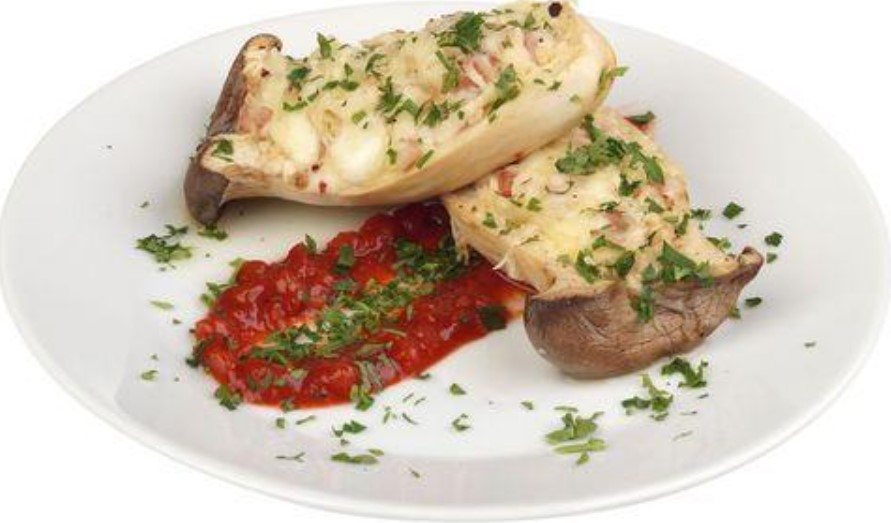
Method of preparation:
- Mix sauces, oil, and lime juice in a bowl.
- Finely chop the green onions.
- Cut the mushrooms into slices, dip them in the sauce and fry in a frying pan.
- Place on a flat plate, sprinkle with sesame seeds and green onions.
Cream soup
This creamy mushroom soup will be a highlight on any table, and thanks to the delicate cream, its flavor becomes delicate and rich.
Ingredients:
- Oyster mushrooms – 300 g.
- Potatoes – 4 pcs.
- Cream – 200 ml.
- Butter – 30 g.
- Salt – 1 tbsp.
- Green onions, dill – to taste.
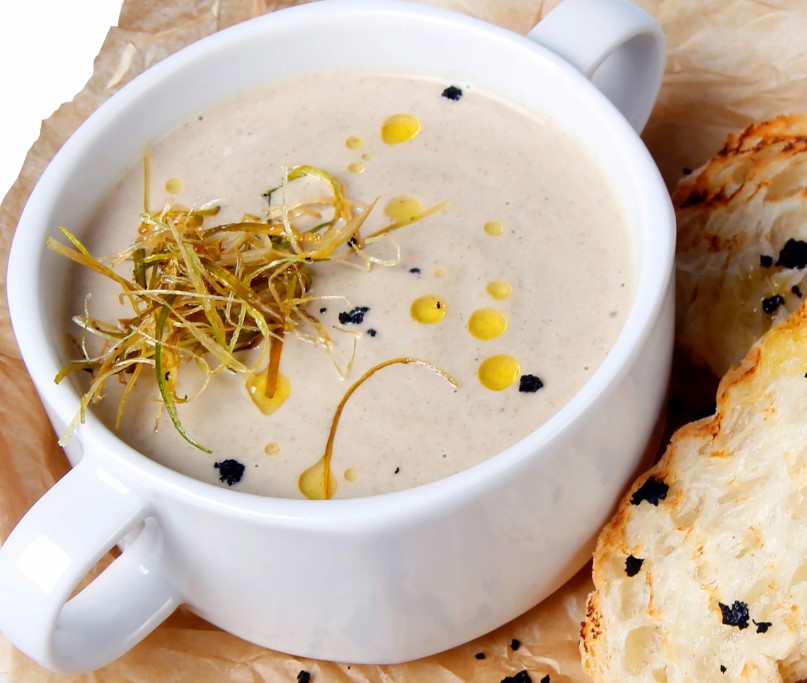
Method of preparation:
- Peel the oyster mushrooms, chop them and fry them with a little oil.
- Place diced potatoes in boiling water and cook until done.
- Place mushrooms in the soup, add salt and spices, and cook for another 5 minutes.
- Add cream, stir, wait until it boils and turn off the soup.
- Beat the contents of the pan with a blender and sprinkle with herbs when serving.
Pasta with oyster mushrooms
The first pasta option is suitable for vegetarians.
Ingredients:
- Oyster mushrooms – 200 g.
- Pasta – 200 g.
- Sweet pepper – 1 pc.
- Carrots – 1 pc.
- Onion – 1 pc.
- Tomatoes – 3 pcs.
- Vegetable oil – 30 g.
- Parmesan – 30 g.
- Basil, salt, pepper – to taste.
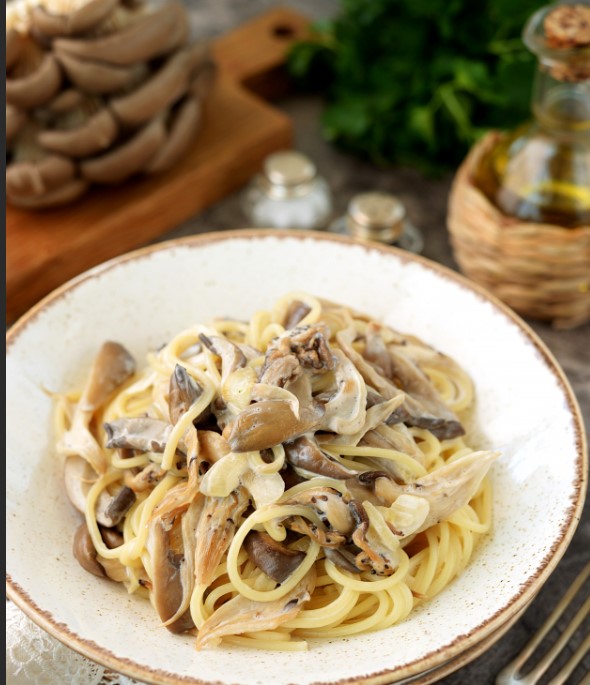
Method of preparation:
- Boil the pasta and drain it in a colander.
- Finely chop the onion, cut the carrots into strips.
- Heat oil in a frying pan, fry onions and carrots in it.
- Add thinly sliced tomatoes and peppers.
- Add oyster mushrooms to the vegetables and simmer for 10 minutes.
- Place the pasta on a plate, pour over the sauce and sprinkle with grated Parmesan cheese.
Oyster mushrooms and soba
Pasta with buckwheat noodles (soba) is considered a tasty and healthy dish. They add a special piquancy and brightness to the dish.
Ingredients:
- Soba (buckwheat pasta) – 250 g.
- Oyster mushrooms – 500 g.
- Water – 100 ml.
- Sweet pepper – 1 pc.
- Green beans – 200 g.
- Tomato paste – 1 tbsp.
- Garlic – 2 cloves.
- Vegetable oil – 1 tbsp.
- Hard cheese – 30 g.
- Pepper, salt – to taste.
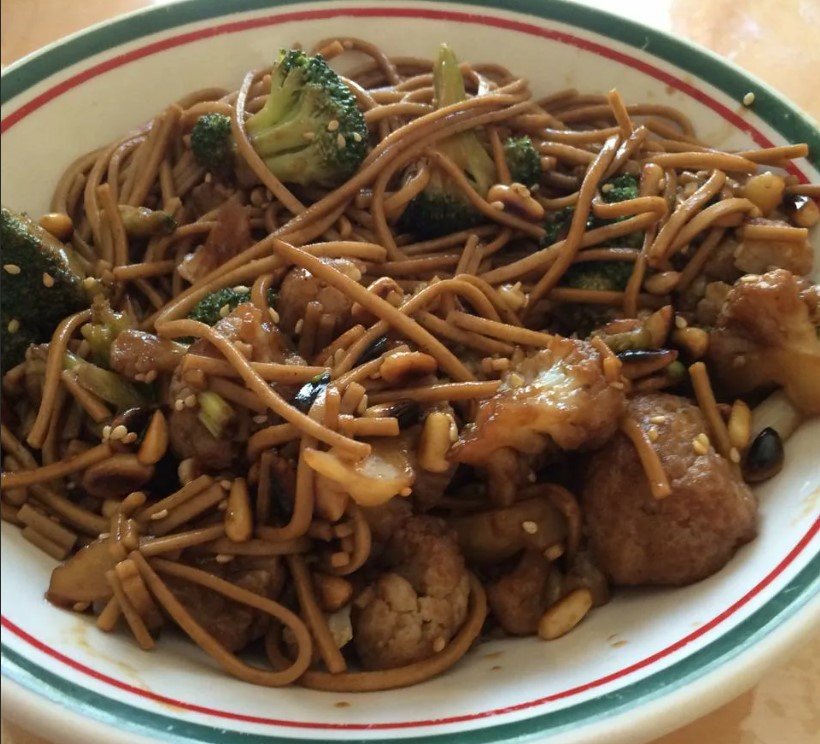
Method of preparation:
- Boil the pasta until half-cooked, place in a colander.
- Cut the pepper into strips.
- Heat oil in a frying pan, add pepper, chopped tomatoes, mushrooms, beans and simmer for 5-7 minutes.
- Add tomato paste, water, spices, and garlic. Cook for another 5 minutes.
- Place the pasta in the sauce, stir, and simmer for 3 minutes.
- When serving, sprinkle with grated cheese.
Salad with oyster mushrooms
We offer a very simple and quick recipe for making salad.
Ingredients:
- Oyster mushrooms – 200 g.
- Sweet pepper – 1 pc.
- Potatoes – 2 pcs.
- Thyme – 6 sprigs.
- Zucchini – 0.5 pcs.
- Salt, garlic – to taste.
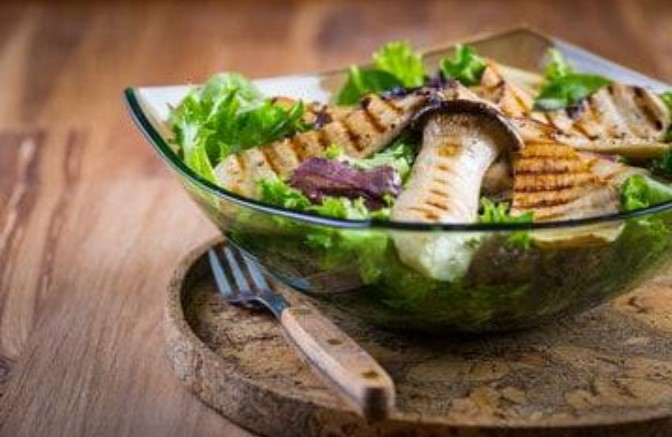
Method of preparation:
- Cut the mushrooms and fry.
- In a separate frying pan, fry the diced potatoes; 5 minutes before they are ready, add the zucchini, garlic, and pepper.
- Stir, add salt, spices, and season with sour cream if desired.
Oyster mushrooms in batter
Oyster mushrooms in batter will be an excellent appetizer for serving at the holiday table.
Ingredients:
- Oyster mushrooms – 500 g.
- Flour – 100 g.
- Chicken egg – 1 pc.
- Vegetable oil – 2 tbsp.
- Pepper, salt – to taste.
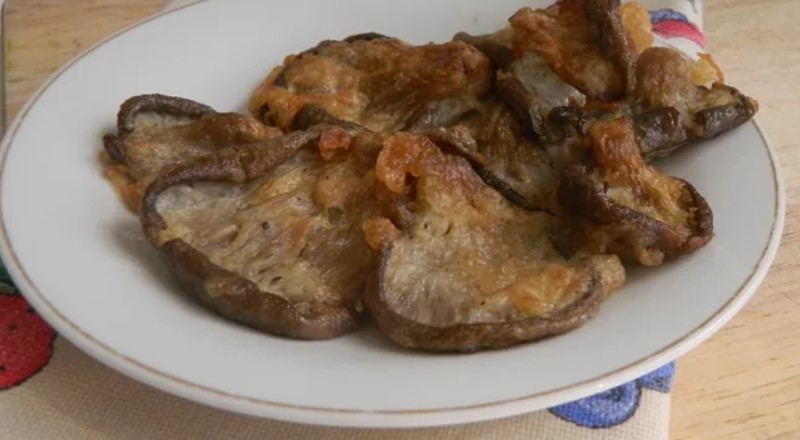 Method of preparation:
- Cut the oyster mushrooms into slices, including the caps.
- In a separate bowl, beat the egg, add salt and spices.
- Dip the slice in flour, then in the egg and back in flour.
- Fry until done, then place on a paper towel and let excess liquid drain.
Potatoes with mushrooms
Potatoes with mushrooms are considered a classic culinary dish.
Ingredients:
- Potatoes – 4-6 pcs.
- Oyster mushrooms – 500 g.
- Vegetable oil.
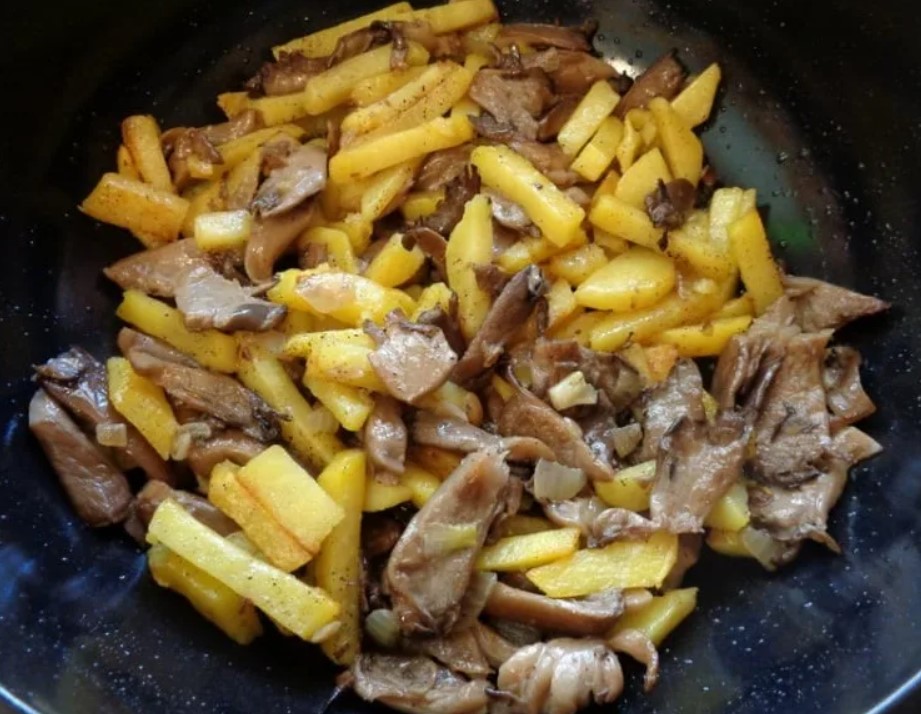
Method of preparation:
- Peel the potatoes and cut into slices.
- Heat oil in a frying pan and fry the potatoes.
- In a separate frying pan, fry the mushrooms for 10 minutes, add the cooked potatoes, stir, add salt and pepper, and cook for another 5 minutes.
Oyster mushroom shashlik
Oyster mushrooms make excellent shashlik and are ideal for grilling.
- Ingredients:
- Oyster mushrooms – 500 g.
- Vegetable oil – 3 tbsp.
- Lemon juice – 0.5 tsp.
- Salt and spices to taste.
Method of preparation:
- In a saucepan, mix butter with spices and salt.
- Place oyster mushrooms there and marinate for 20-30 minutes.
- Place the oyster mushrooms on a grill or skewers and sprinkle with lemon juice.
Growing steppe oyster mushrooms at home, in your garden
If desired, you can grow oyster mushrooms in your garden or at home. It's important to know that these mushrooms thrive on stumps and large tree remains with strong, undamaged bark.
To grow oyster mushrooms you will need:
- A strong stump without signs of rot or damage, with a diameter of 15 to 30 cm and a height of 30 to 50 cm.
- Drill.
- A test tube with high-quality mycelium.
The best time to start growing mushrooms is in April, when temperatures have stabilized around 10 degrees Celsius. Fruiting can continue until October.
Stages of planting oyster mushrooms:
- Using a drill, make holes about 1 cm deep in the selected stump.
- Sterile gloves are put on and mycelium is placed into each hole.
- The hole on top is tightly closed with wax or tight plugs.
- The log is placed in the open air.
- Every other day, water with water at room temperature.
If the technology is followed, after some time you may notice the appearance of a white coating on the log; full growth of the mycelium occurs in 2-3 months.
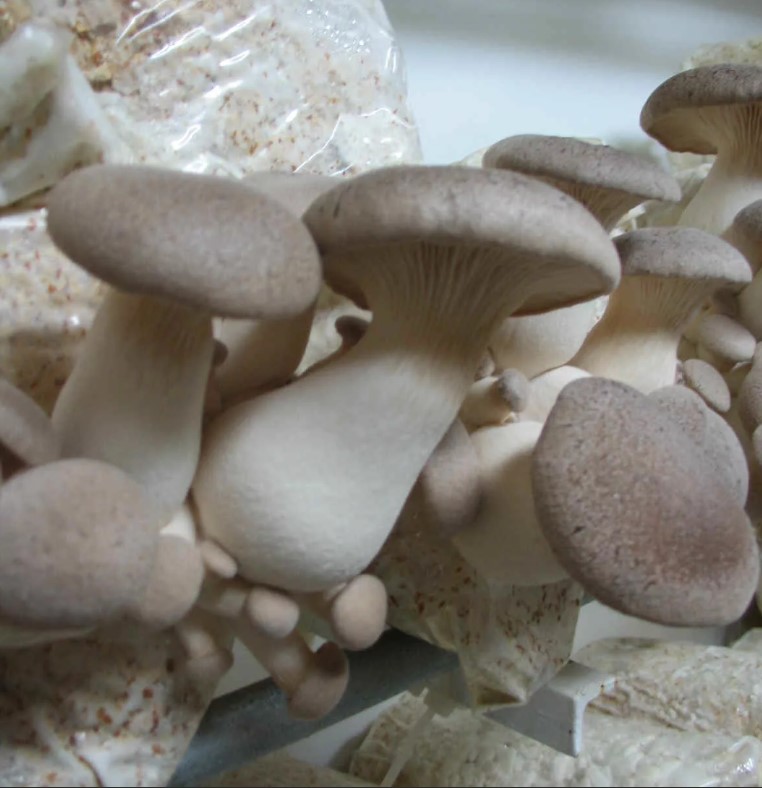
If the stump option doesn't suit you, you can purchase a ready-made substrate, place it in plastic bags, and then add the mycelium there.
In more detail, How to grow oyster mushrooms yourself, and also champignons.
How to store steppe oyster mushrooms
There are several ways to store oyster mushrooms:
- Drying. This method preserves the flavor and quality of oyster mushrooms for a long time without requiring any additional expenses. Drying can be done in an oven, by stringing the mushrooms, or using a special device.
- Freezing. Oyster mushrooms can be frozen both fresh and cooked. You can use bags or portioned containers.
- Salting. This can be done using either the hot or cold method. In the latter case, the mushrooms are first soaked in salt water for 7 days.
- Pickling. This method ensures safe and long-term storage of mushrooms; oyster mushrooms can be stored in sterile jars for up to 12 months.