Milk mushrooms are a popular choice among mushroom pickers. They are considered unrivaled when pickled. However, in the forest, you can encounter a false milk mushroom lookalike. It can be completely harmless, or it can be toxic and cause severe poisoning.
Content
- 1 Do false milk mushrooms exist?
- 2 Which mushrooms can be classified as false milk mushrooms?
- 3 Mushrooms similar to milk mushrooms
- 4 Inedible and poisonous mushrooms similar to milk mushrooms: how to distinguish them
- 5 Tips from experienced mushroom pickers on how to distinguish real milk mushrooms from false ones
Do false milk mushrooms exist?
There are no false milk mushrooms, only species that look very similar. Therefore, the answer to the question, "Are there false milk mushrooms?" is a resounding no. Such mushrooms do not exist in nature. Just as poisonous milk mushrooms do not. However, some Western mushroom guides list milk mushrooms under the heading of inedible mushrooms.
In Russia, milk mushrooms are considered conditionally edible; they can be eaten after they've been prepared and lost their bitterness. This process takes 24 to 72 hours, depending on the variety.
Which mushrooms can be classified as false milk mushrooms?
The white milk mushroom is considered the classic among milk mushrooms; many mushroom pickers consider other varieties to be false. The most popular are described below. Some are considered edible, while others are inedible.
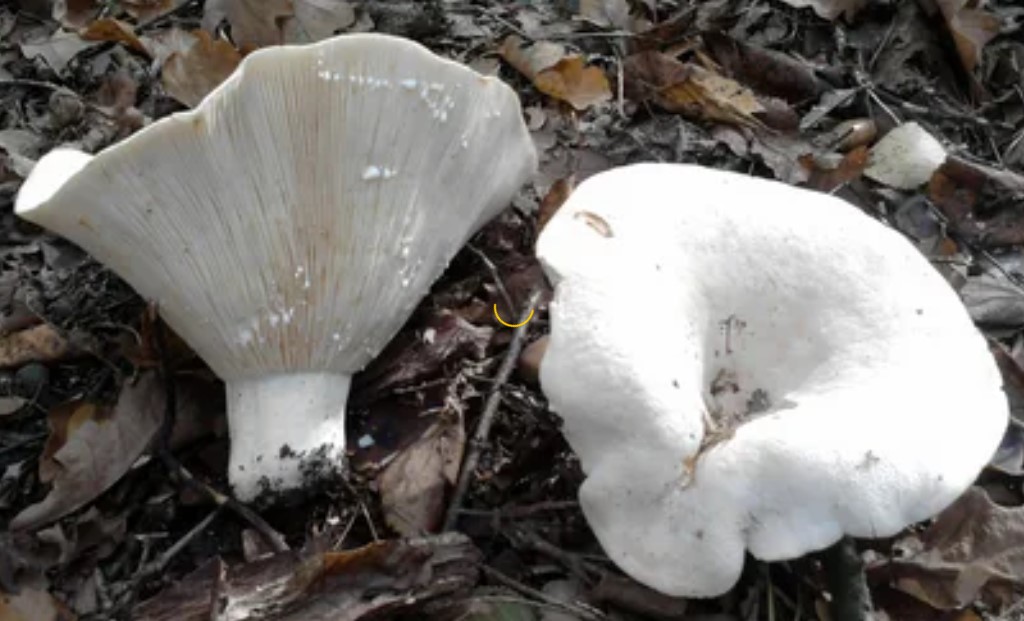
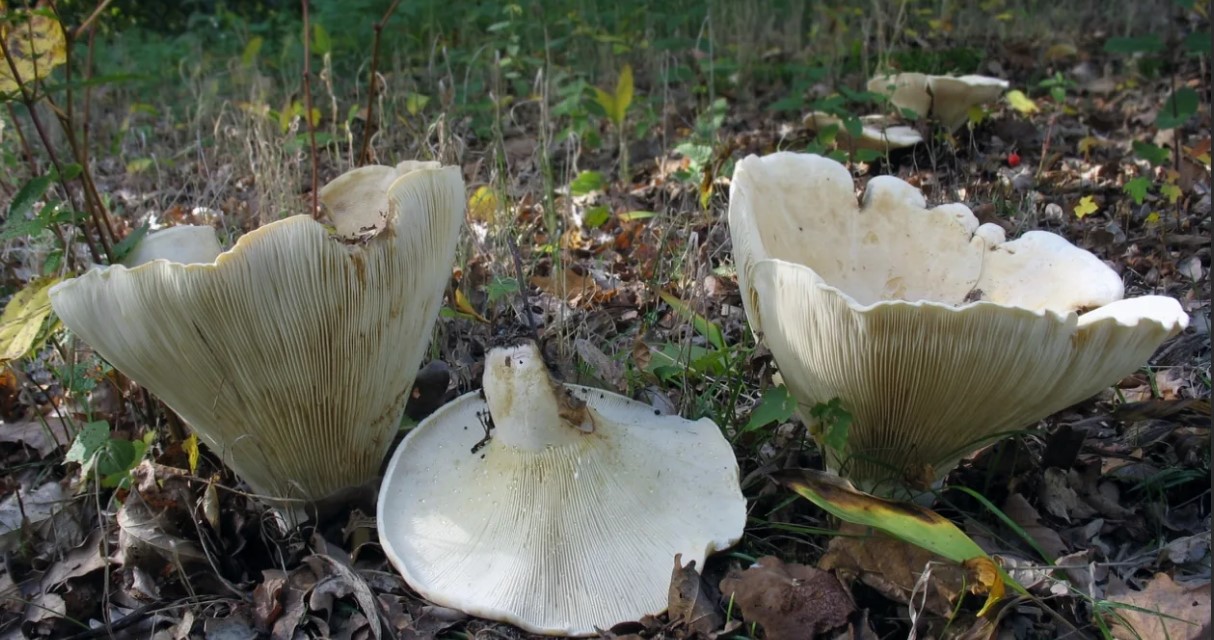
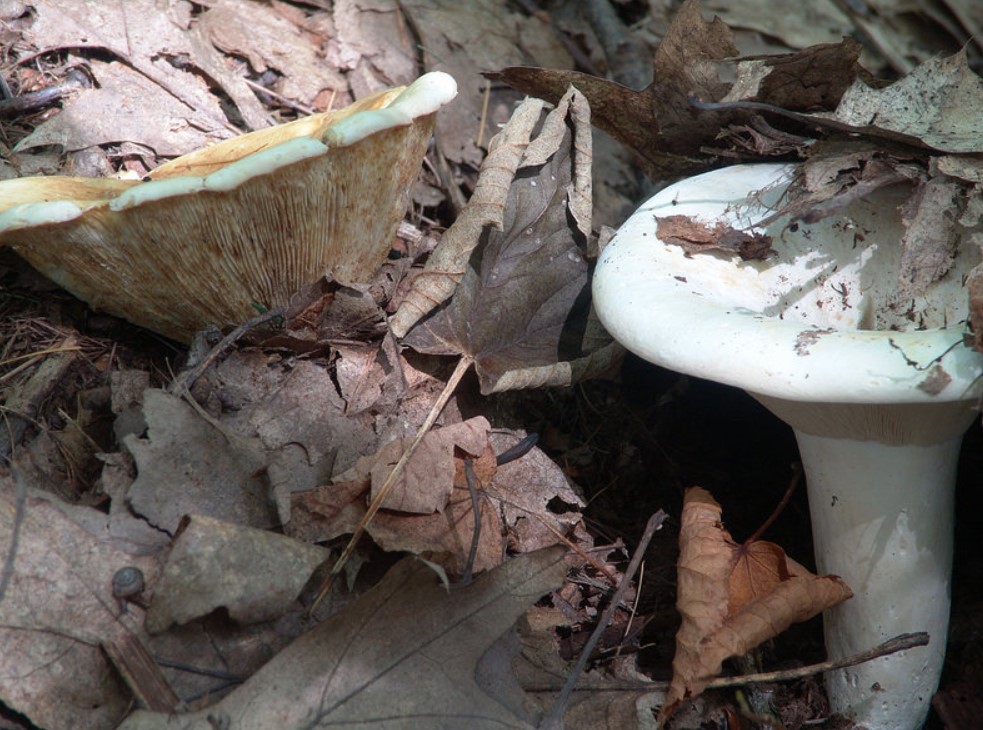
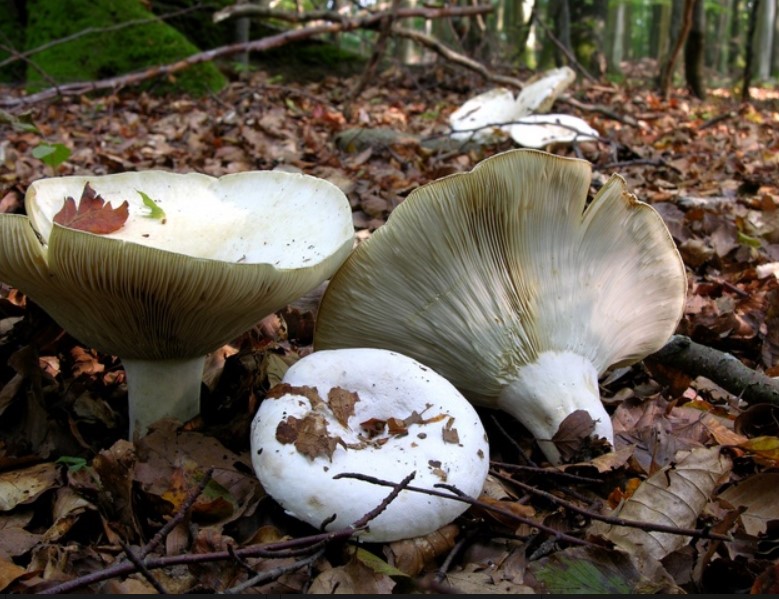
Felt milk cap, fiddlehead milk cap (Lactarius vellereus)
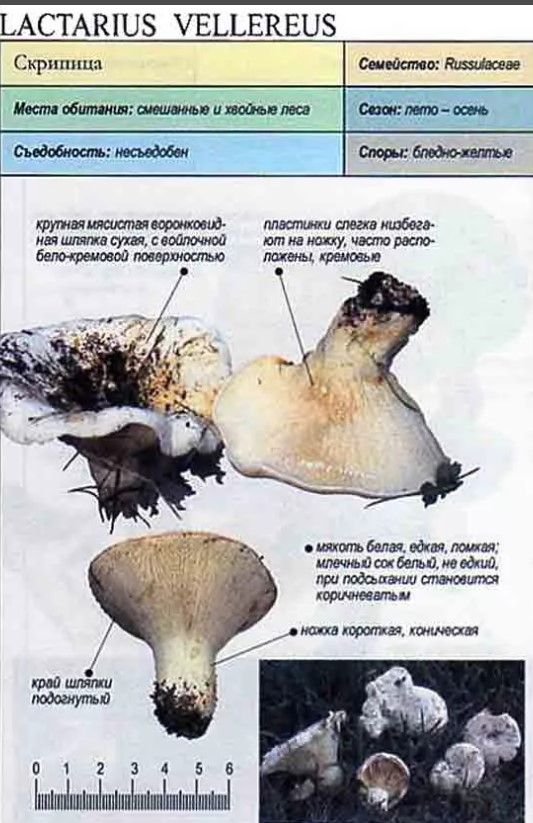
The mushroom grows in dense clumps in deciduous and coniferous forests. The cap is large, ranging from 8 to 26 cm in diameter. The color ranges from yellowish to reddish, with spots on the surface. The stem is up to 8 cm tall. The surface of the mushroom is felted. The flesh is brittle and pungent, but the milky juice is not as pungent. The gills may have a greenish or yellowish tint.
Photo gallery of the violin
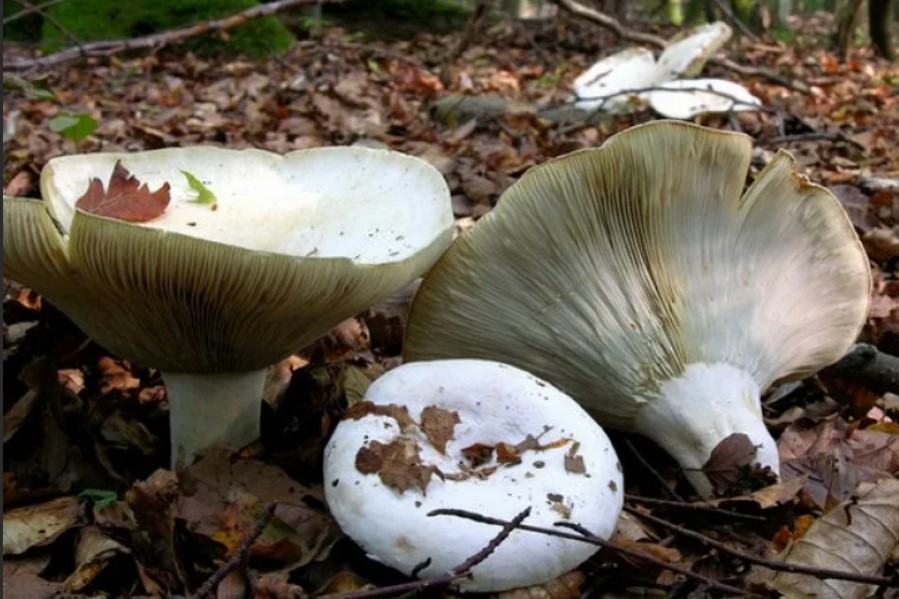
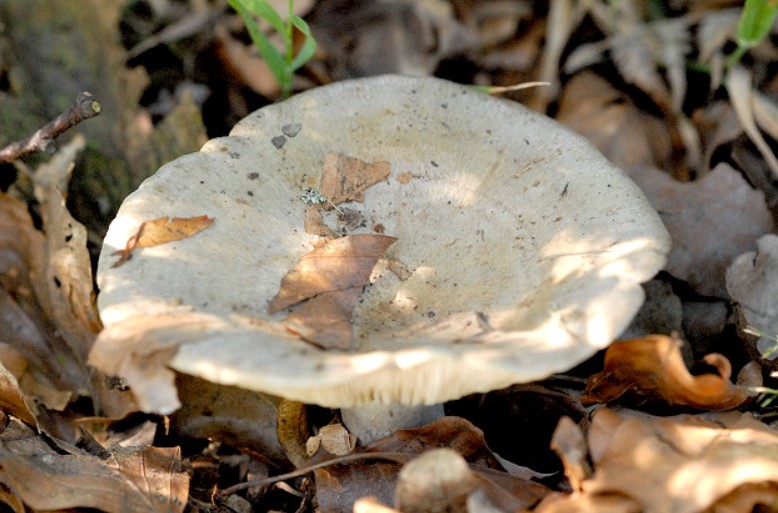
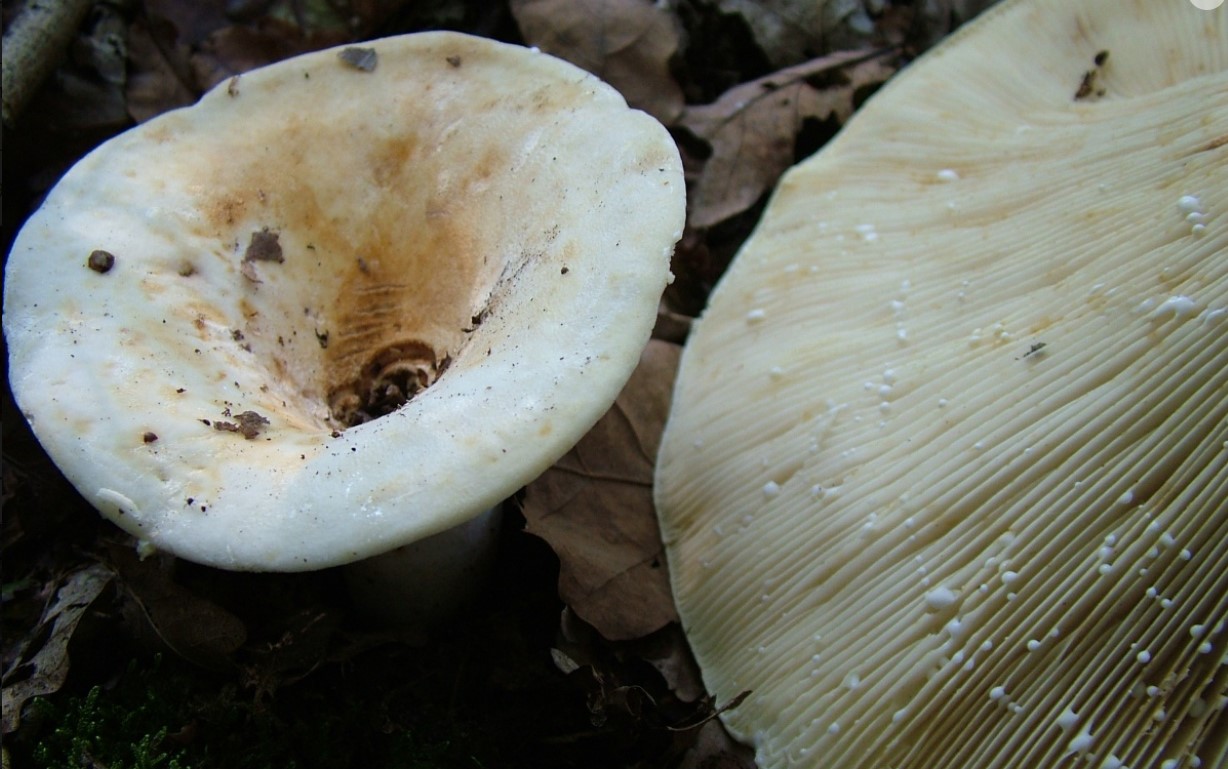
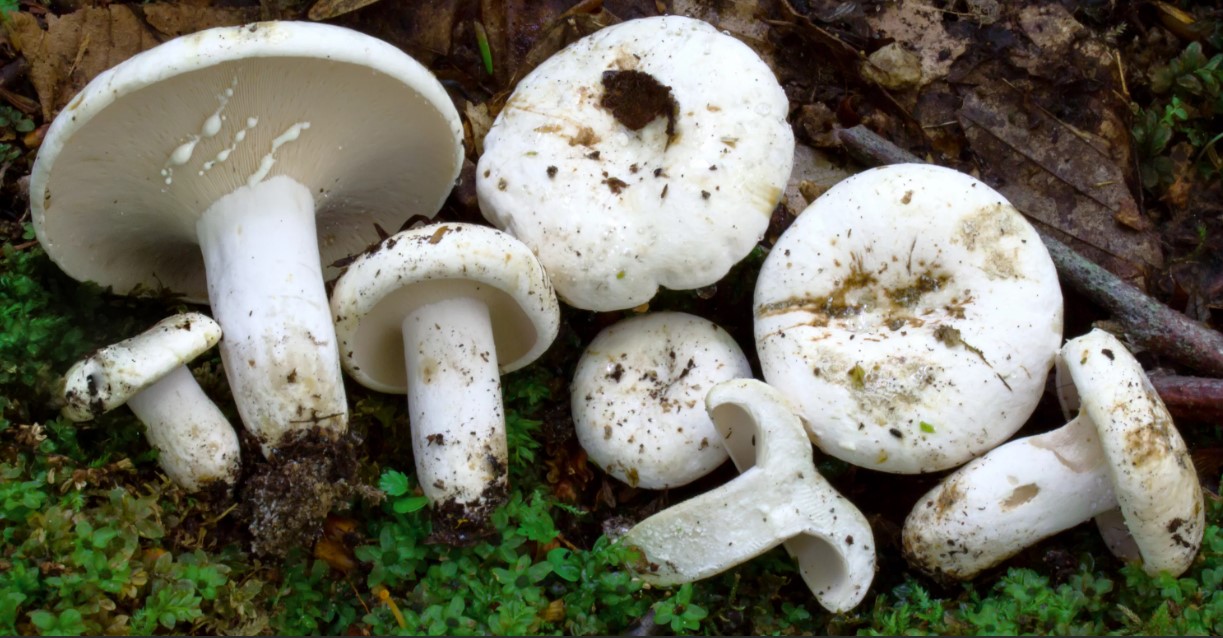
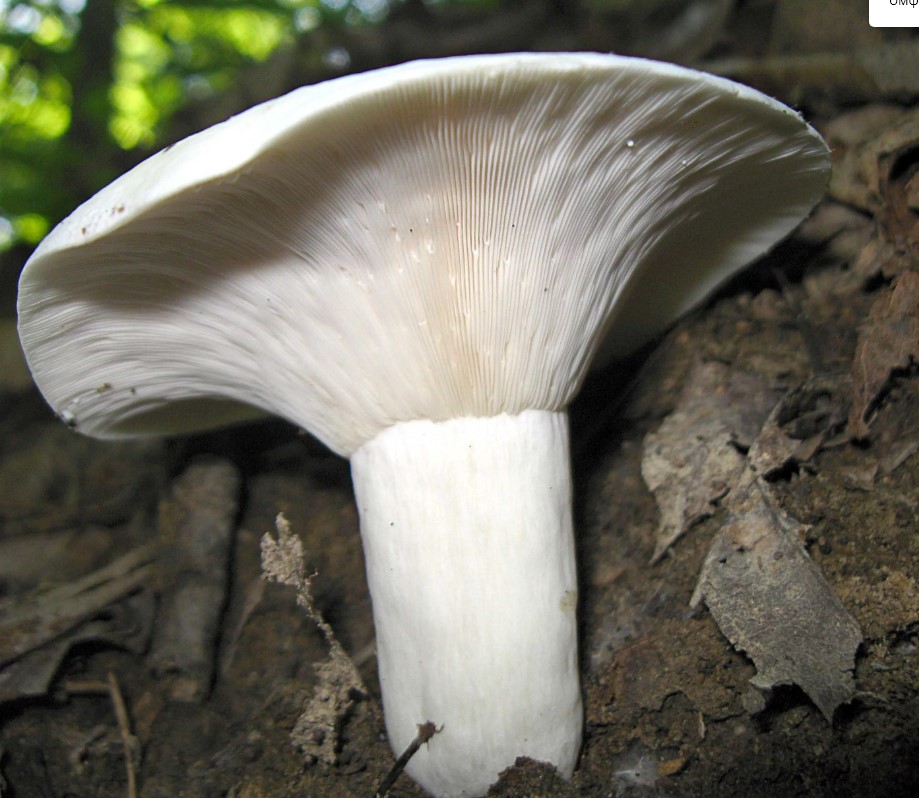
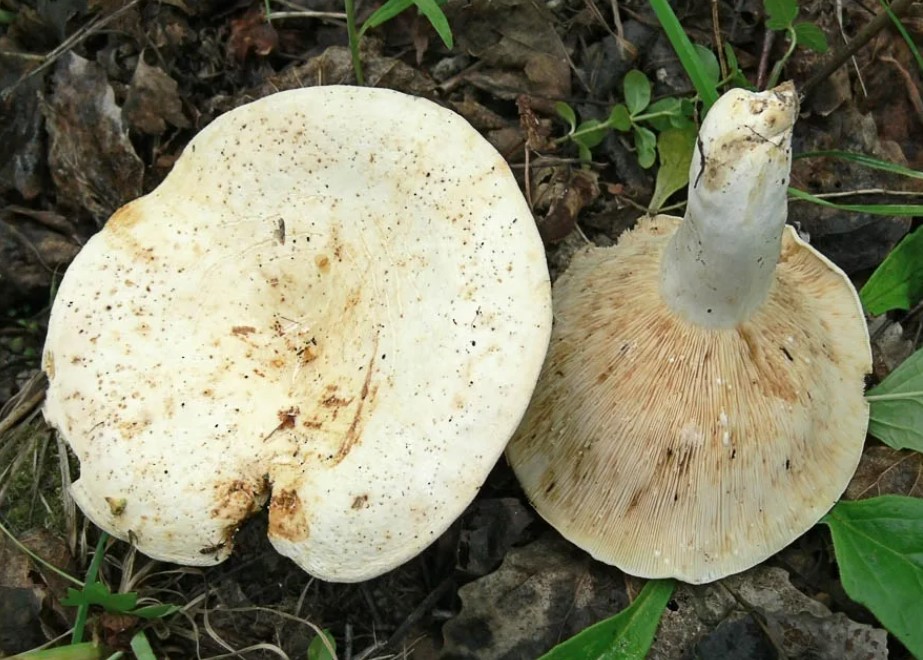
Peppery milk mushroom (Lactarius piperatus)
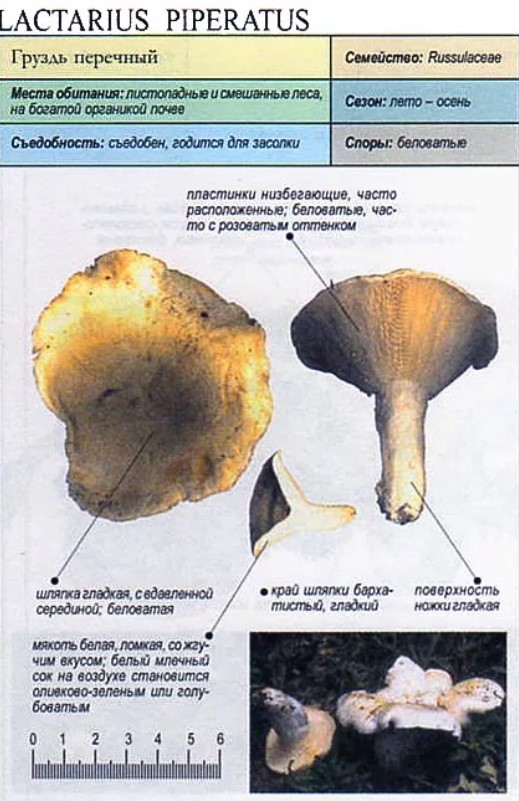
This mushroom is very common in central Russia, growing in various forests from summer to autumn. The cap diameter ranges from 6 to 18 cm, and its shape ranges from convex to funnel-shaped. It is white or cream-colored, with a matte surface that may be covered with reddish spots and cracks. The stem is up to 8 cm tall and tapers at the base. Its color is the same as the cap, but ochre spots may develop with age. The mushroom is very pungent, but the bitterness disappears after soaking. It is widely used in folk medicine to treat conjunctivitis and kidney stones. Dried mushrooms are added to seasonings for a pungent flavor.
Photo gallery of peppery milk mushrooms
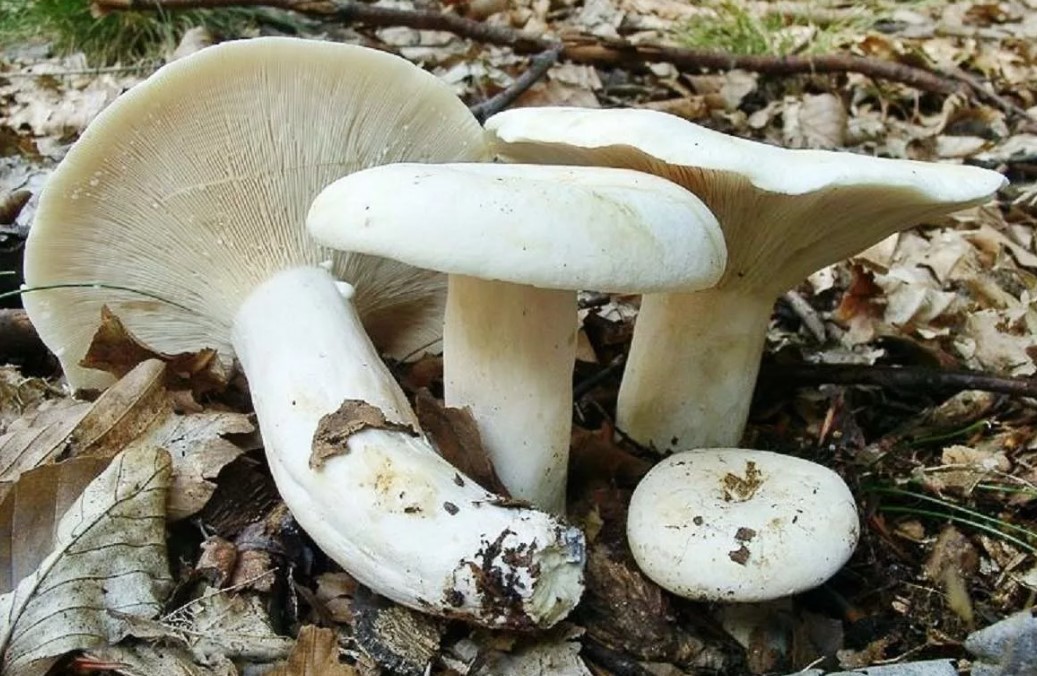
Camphor milk cap (Lactarius camphoratus)
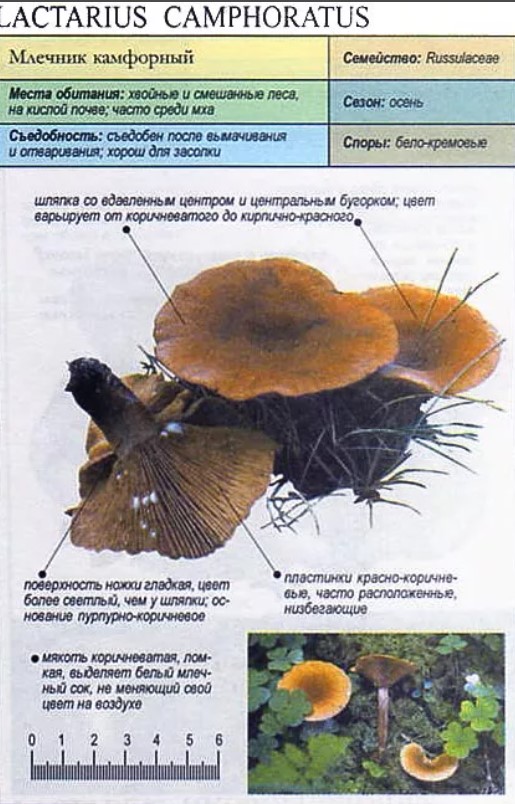
This small mushroom has a cap diameter of 2-6 cm, slightly depressed, and wavy edges. The surface is matte. The convex shape becomes prostrate, sometimes with a depression in the center, sometimes with a tubercle. The color is dark red or reddish-brown. The gills are dense, wide, and reddish. When cut, a camphor-like aroma can be detected, sometimes compared to the smell of a crushed bug. The pulp exudes a reddish-brown hue. The stem is no more than 5 cm high, thin, tapering at the base, and loose, with a cavity inside. The color is identical to the cap. The camphor milk mushroom differs from other milk mushrooms not only in its aroma but also in its dark color, which extends even to the gills. It most often grows in coniferous forests from August to September.
Photo gallery of camphor milkweed
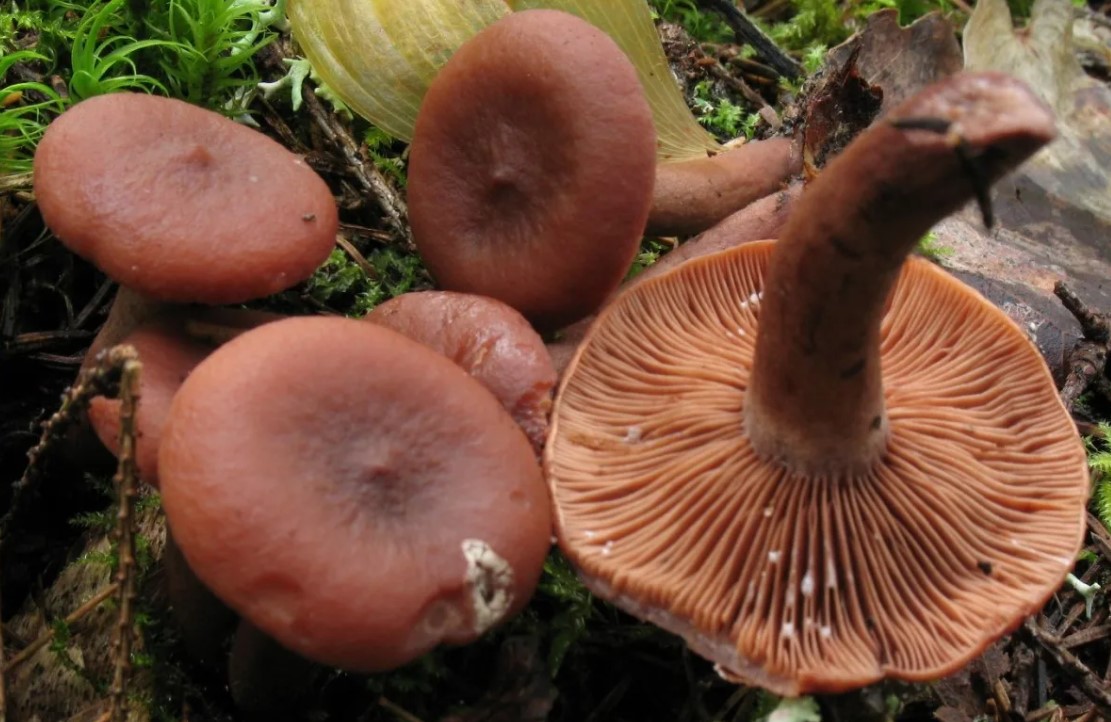
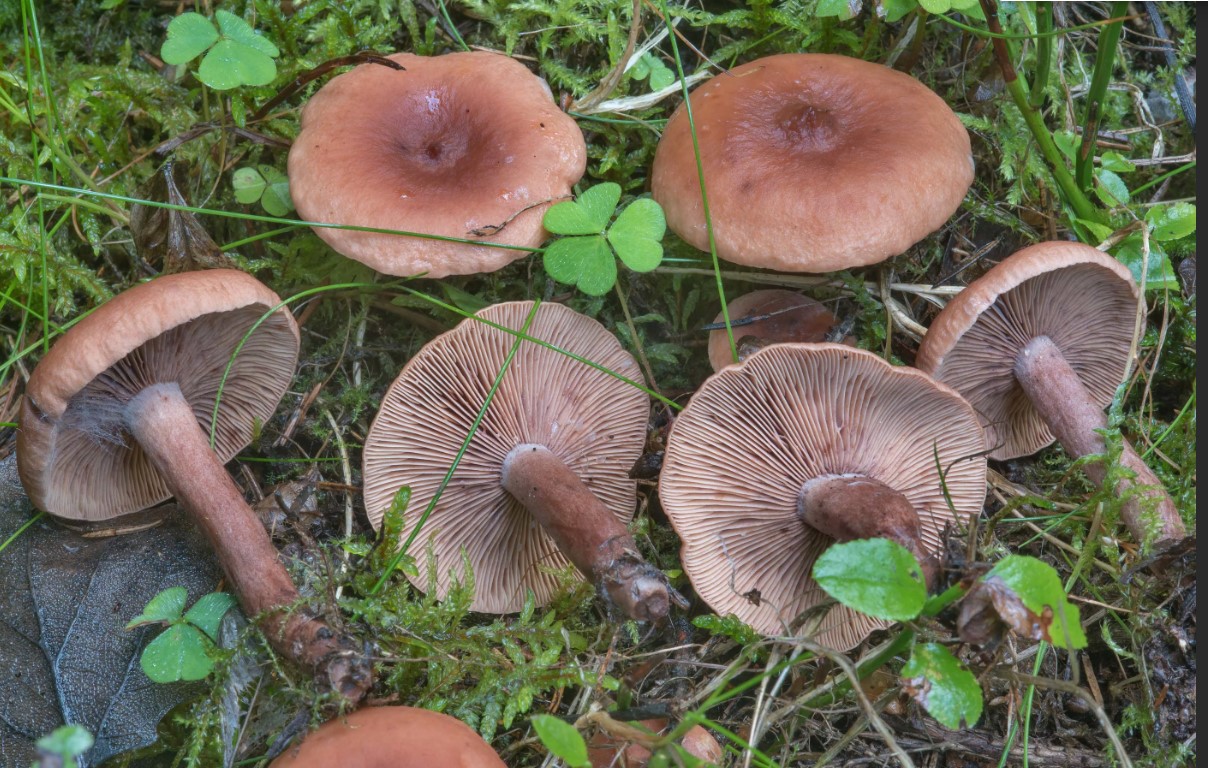
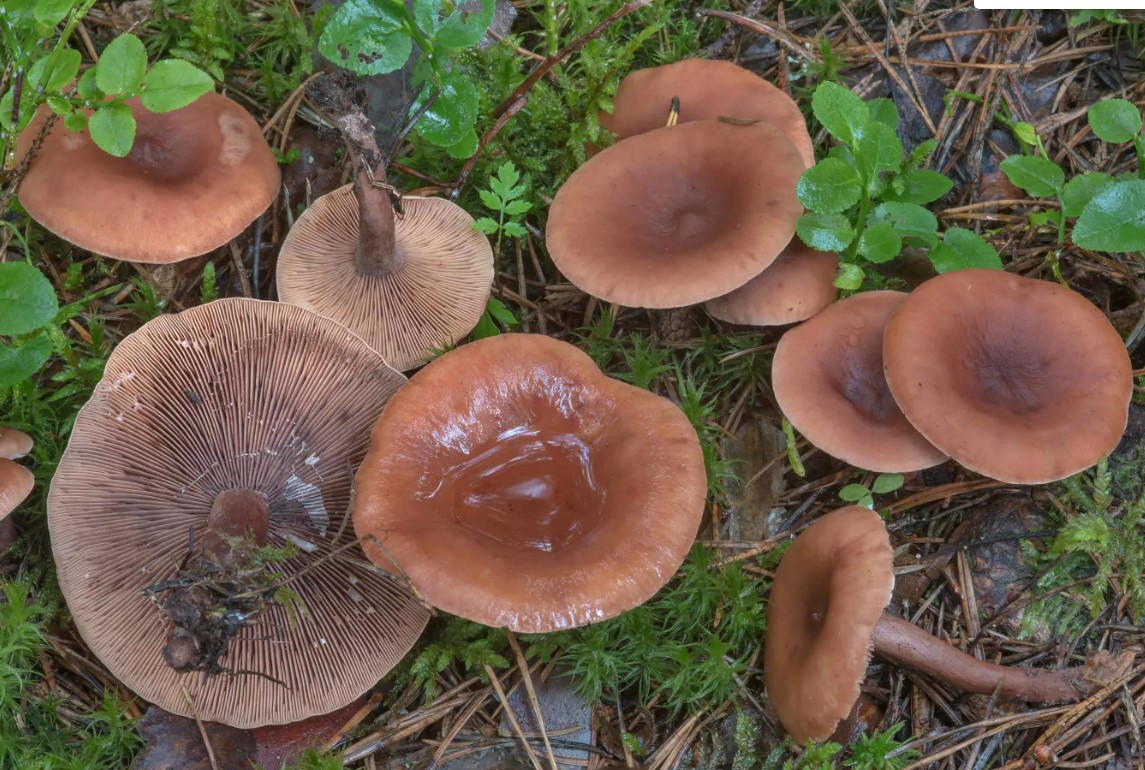
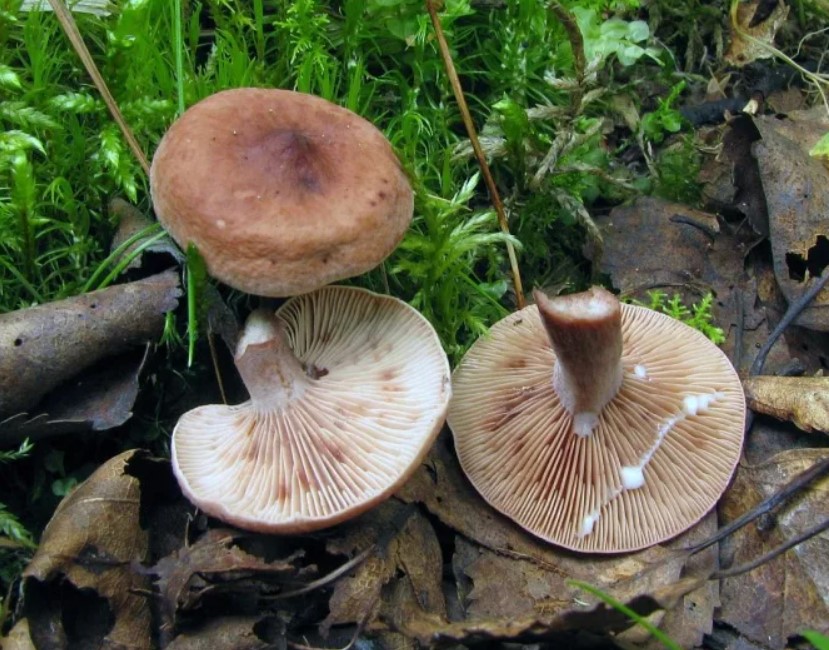
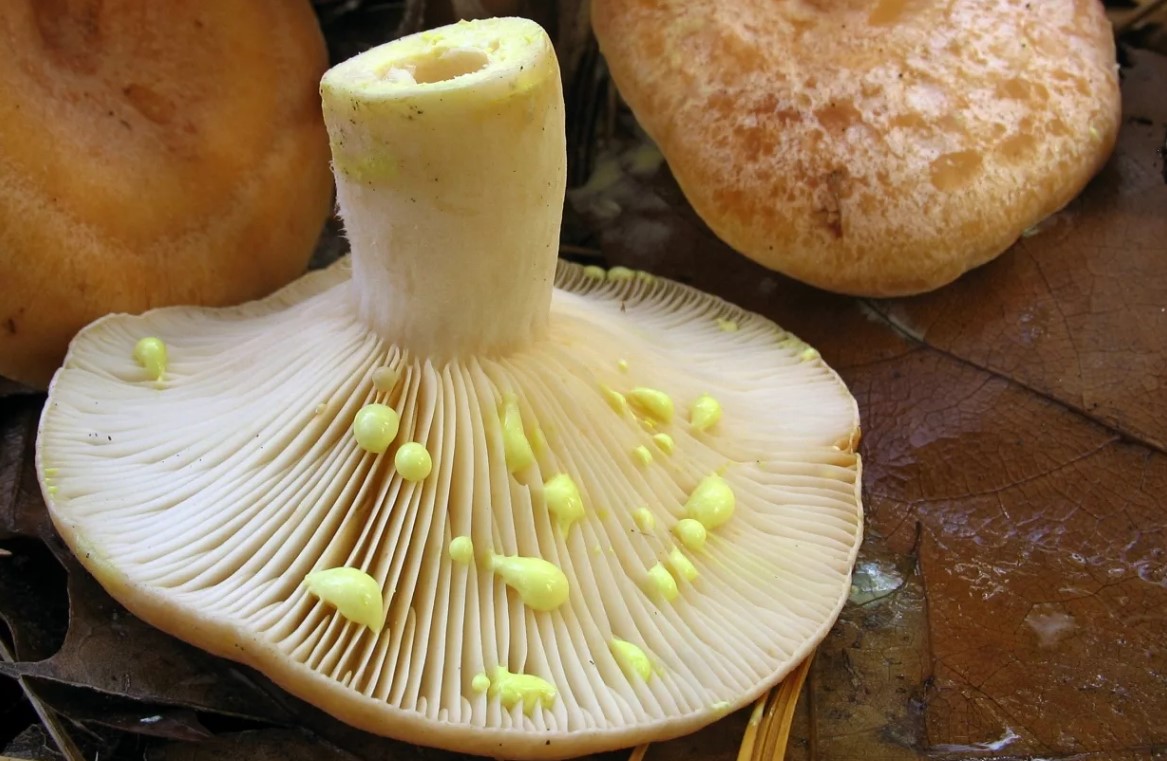
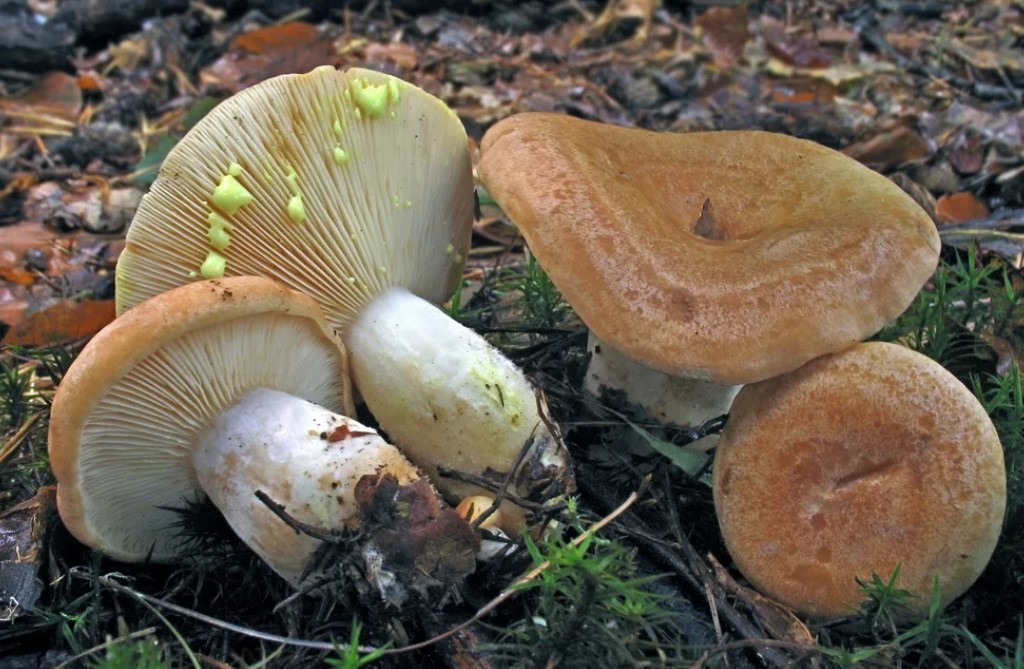
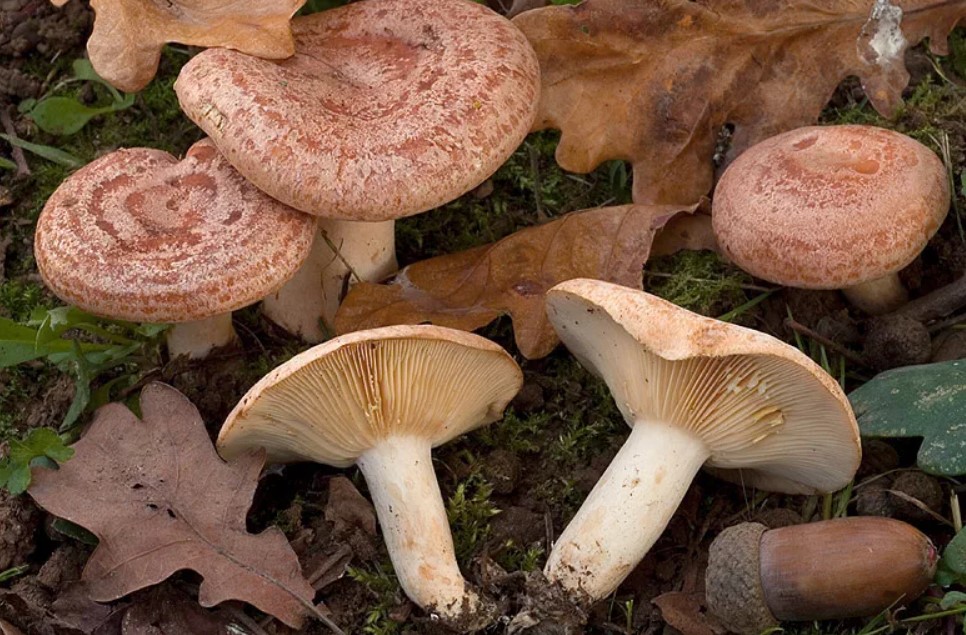
Golden-yellow milk mushroom (Lactarius chrysorrheus)
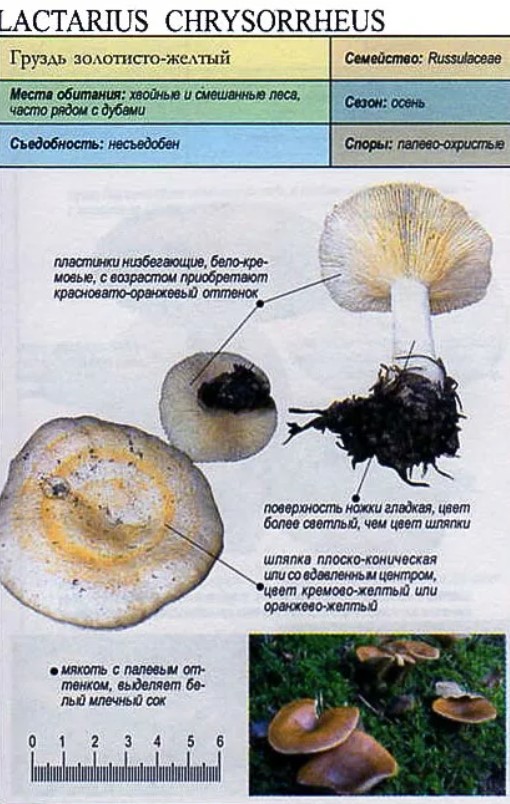
The cap is 4 to 6 years in diameter, spreading out, with strongly curled edges. The color is ochre, with concentric zones and stripes visible on the surface. The stem is up to 8 cm tall, cylindrical, and thickens at the base. The white flesh is very fragile, taking on a yellowish tint when cut. It has no odor, but the taste is very pungent. It differs from the classic milk mushroom in the color of its gills: with age, it changes from pinkish-white to reddish-orange.
Photo gallery of golden-yellow milk mushrooms
Read about other milk mushrooms in the articles:
Black Milk Mushroom: 22 Photos, Description, Edible or Not, What It Looks Like, and Where to Find It;
Aspen Milk Cap: Description, 60+ Photos, Edible, 10 Similar Mushrooms.
Mushrooms similar to milk mushrooms
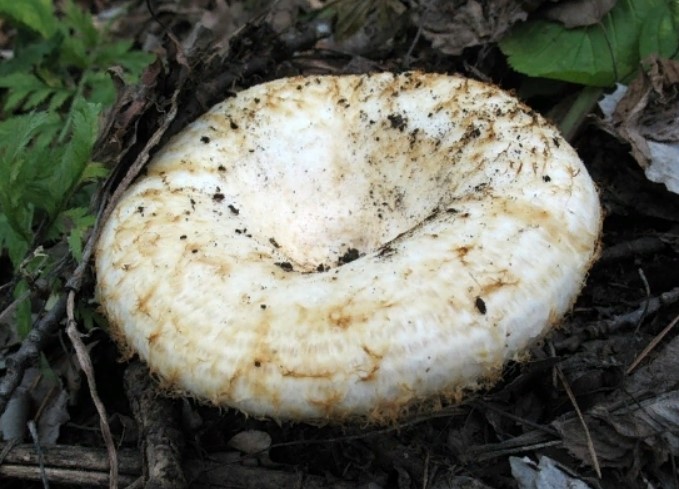
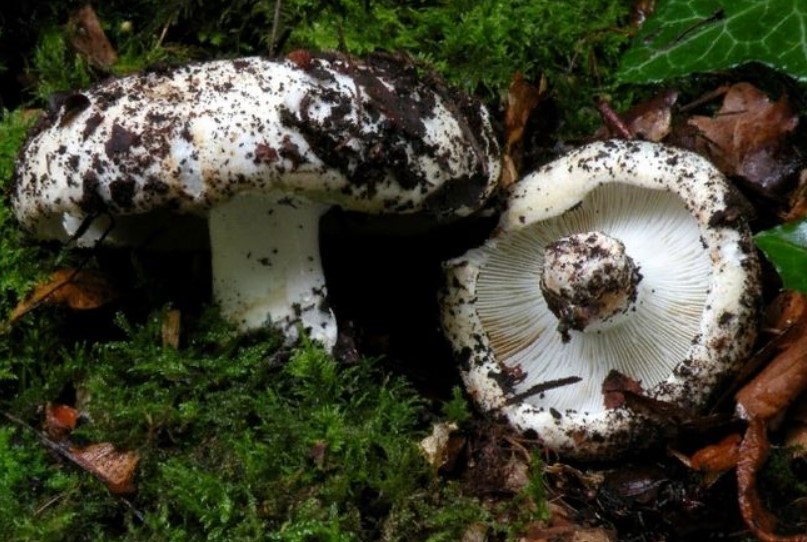
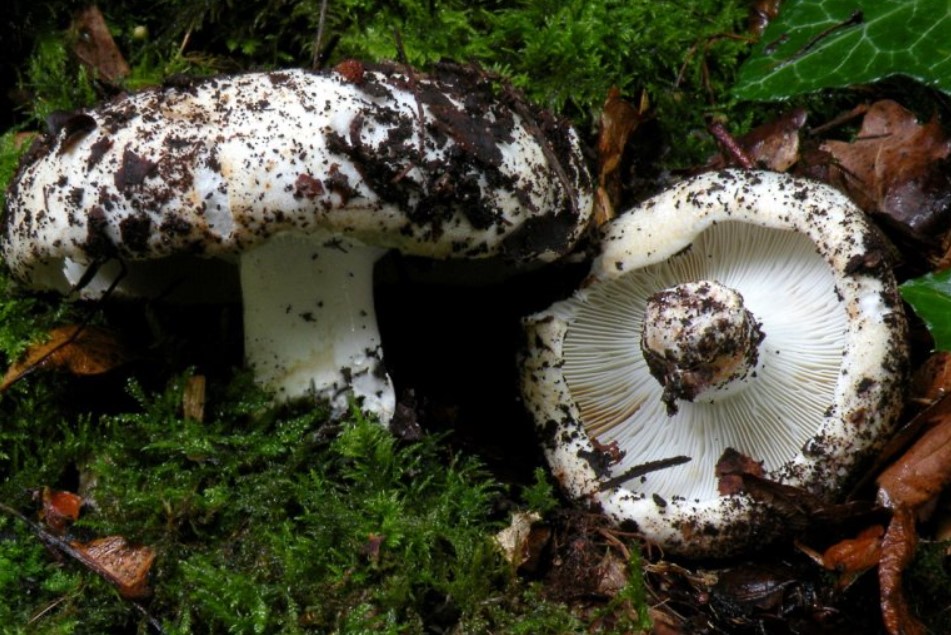
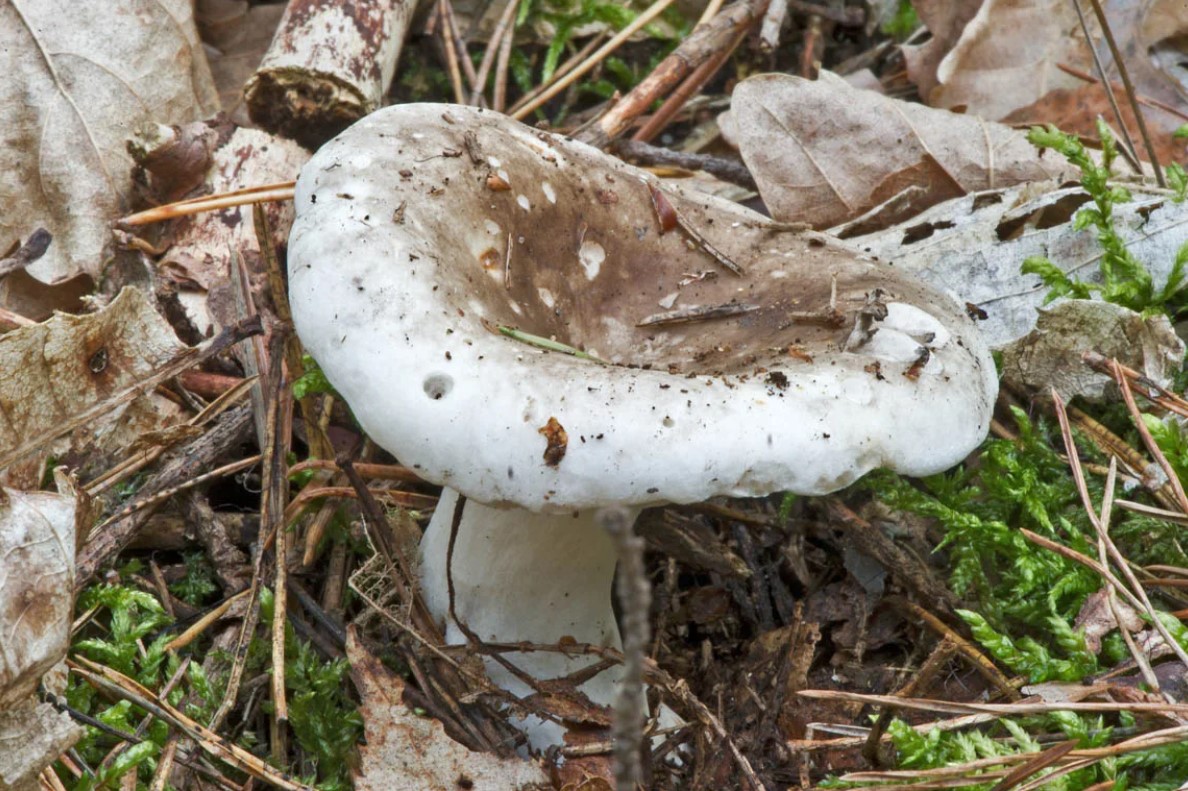
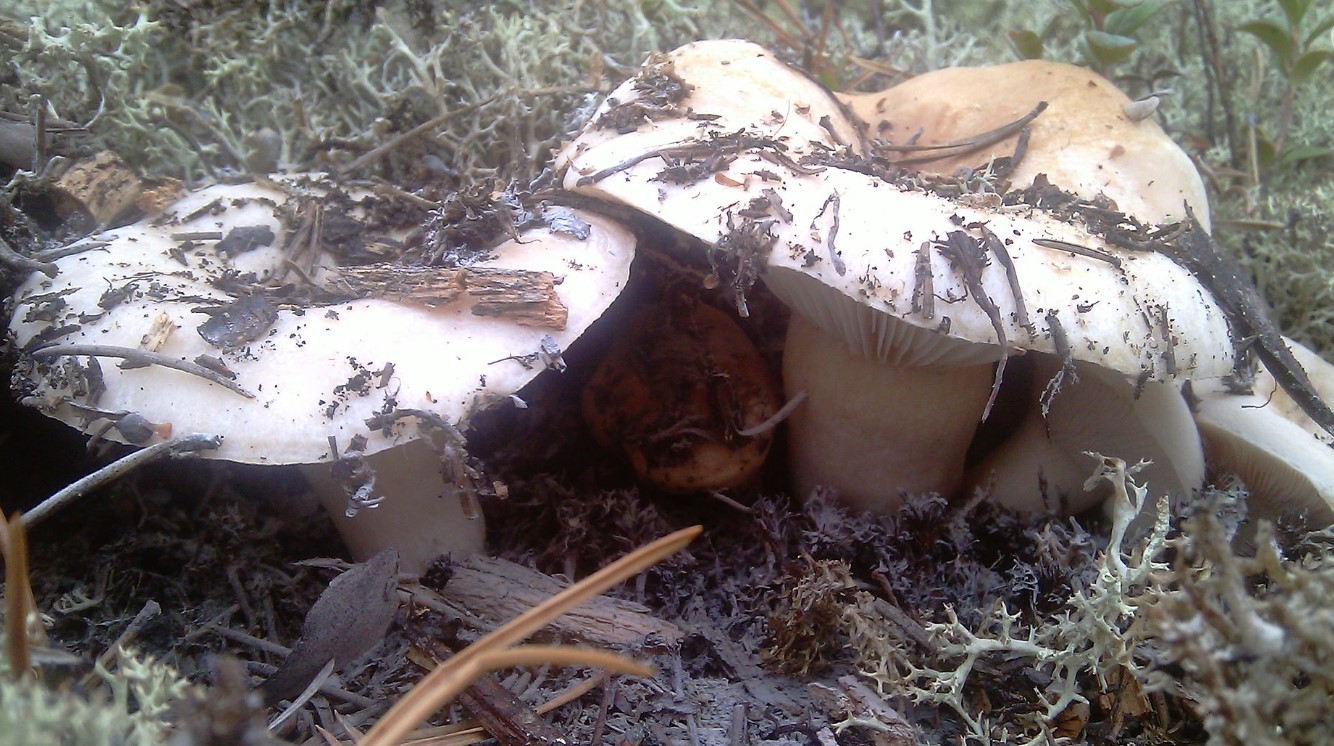
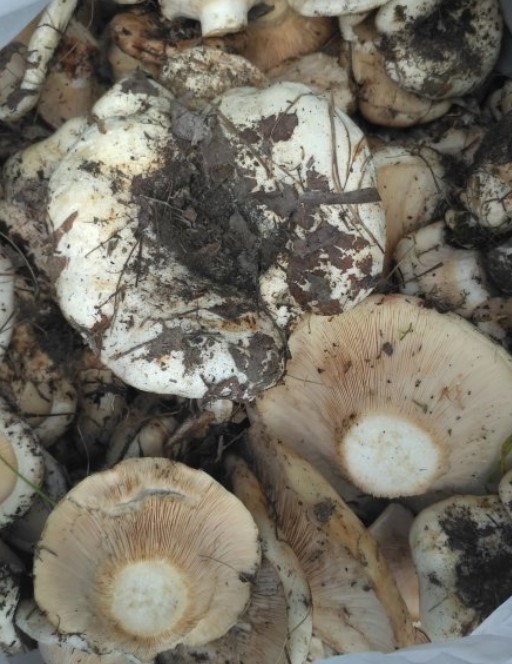
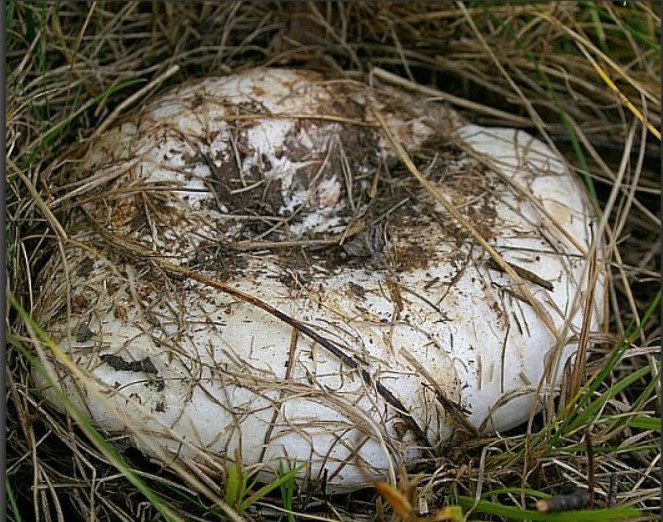
White milk cap (Russula delica)
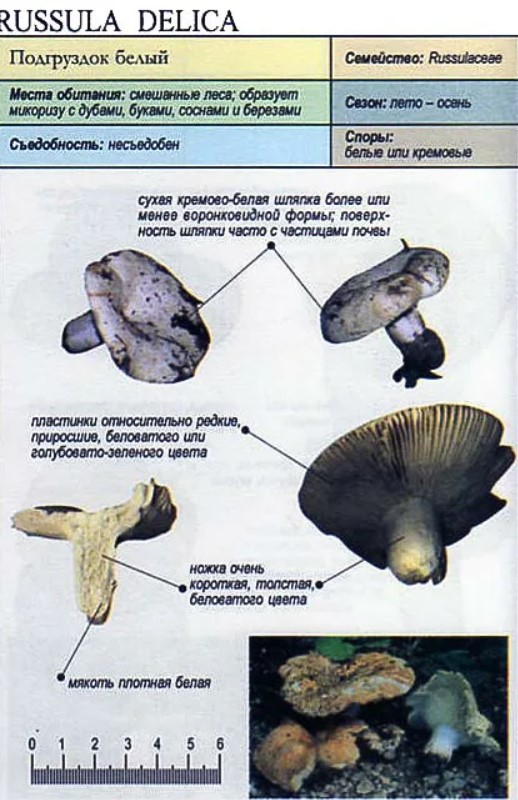
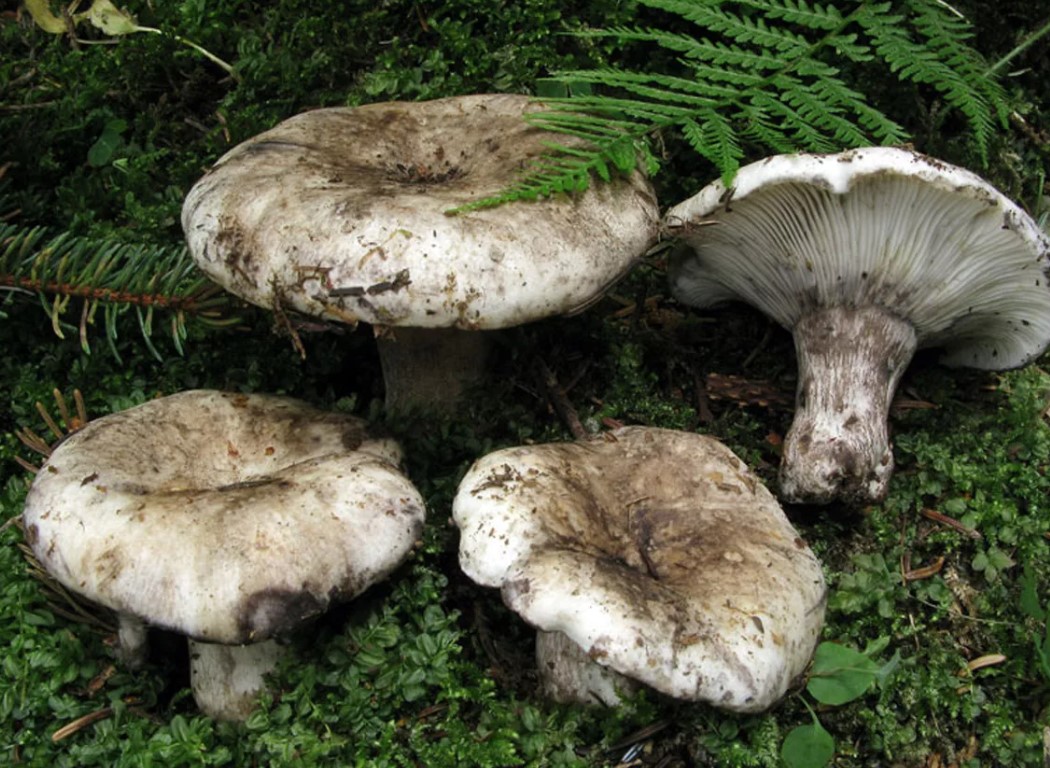
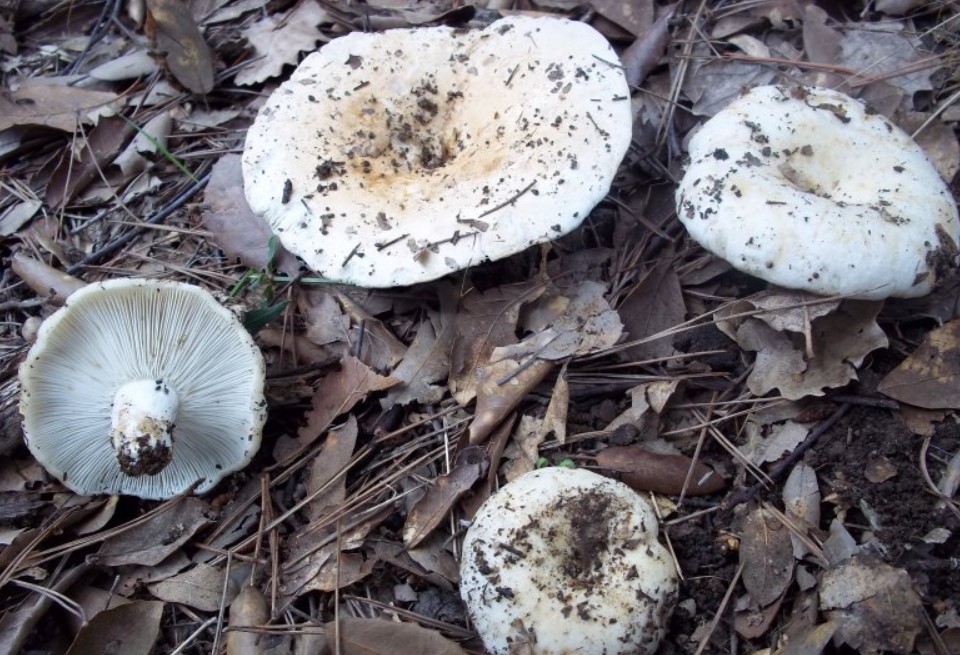
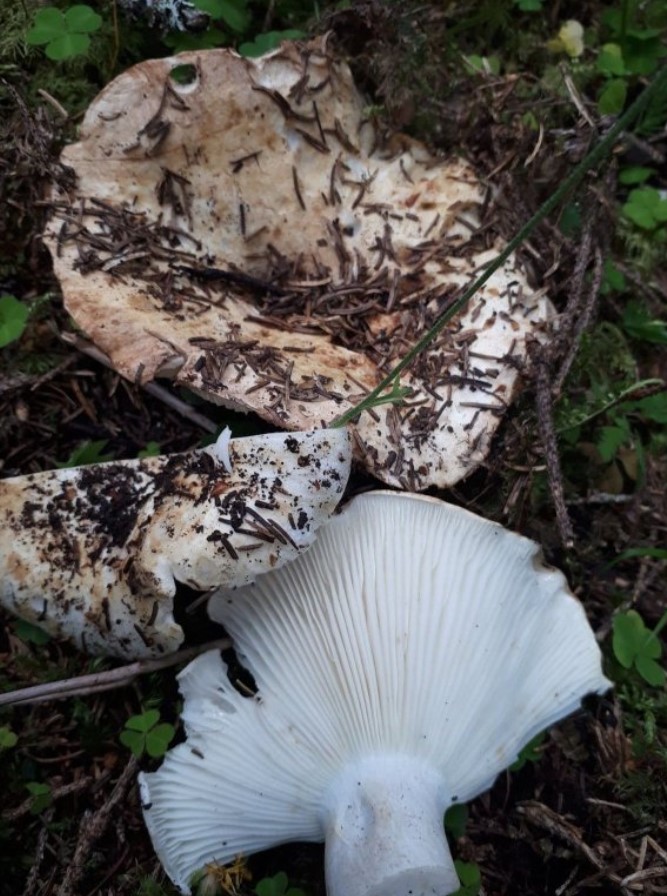
The cap is dry, funnel-shaped, with curved edges. Its diameter is 10-30 cm, white, turning brown as it grows. The stem is white and firm, with small brown spots on its surface.
It grows mainly in broadleaf forests and is extremely rare in coniferous forests.
An edible mushroom. The flavor is mediocre, though the flesh is very aromatic.
Photo gallery of white milk cap mushrooms
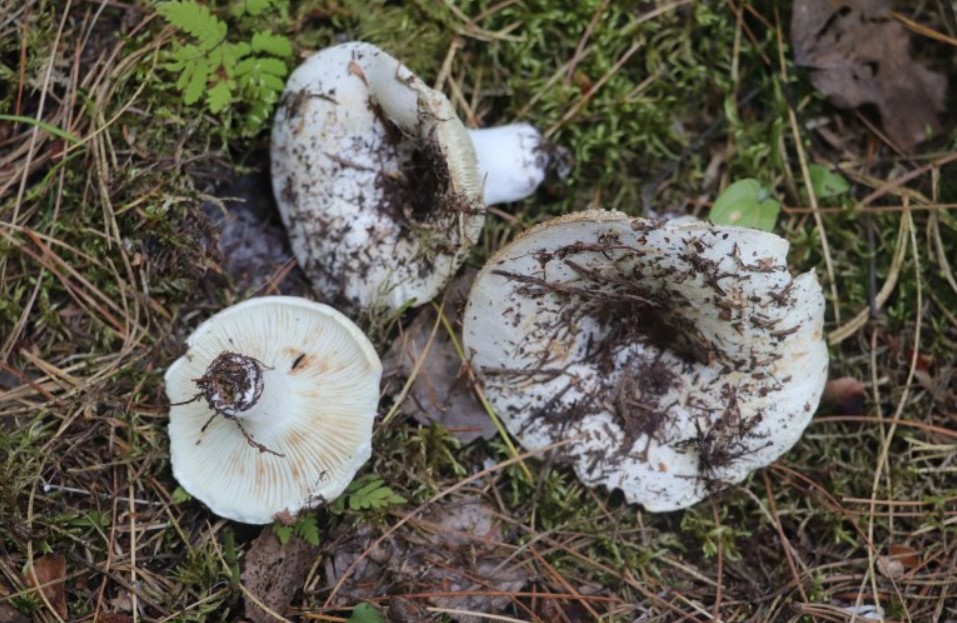
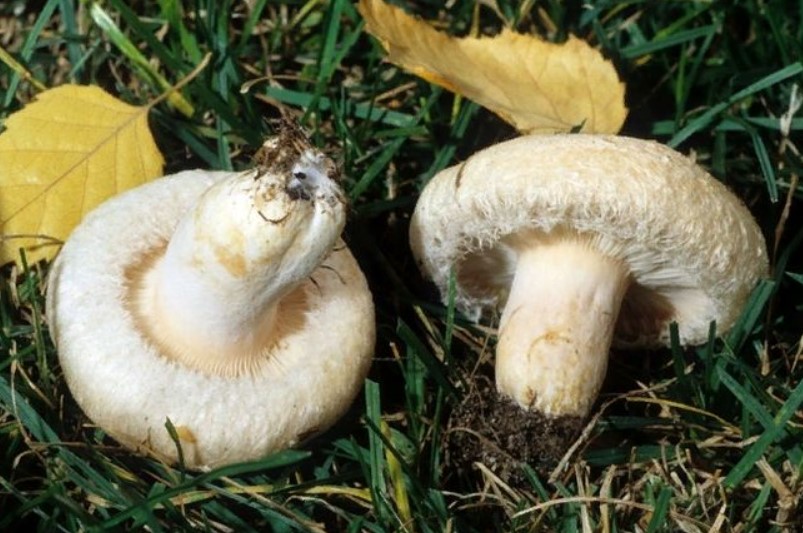
White volnushka (Lactarius pubescens)
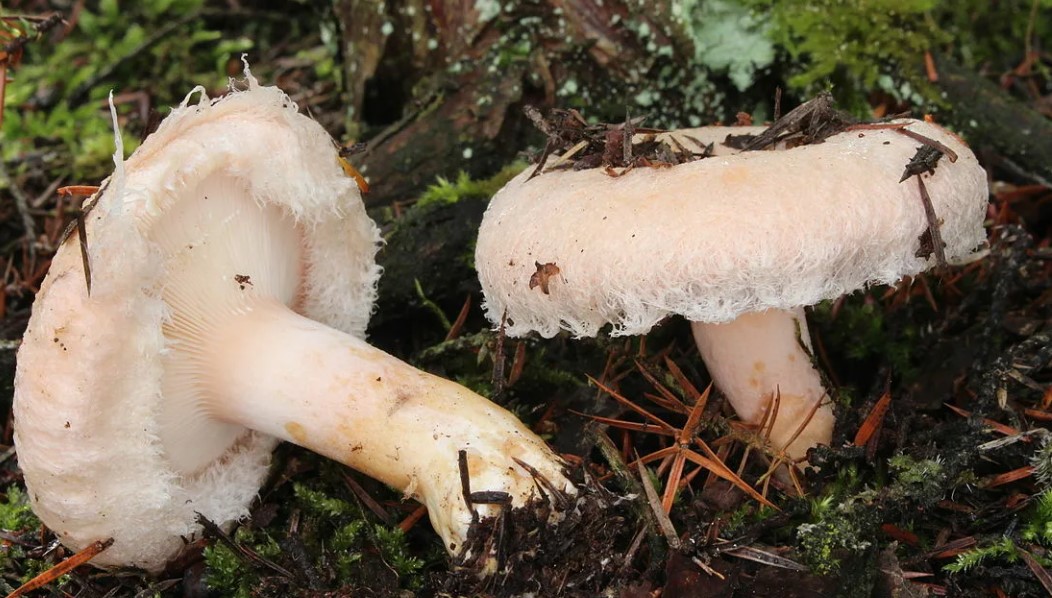
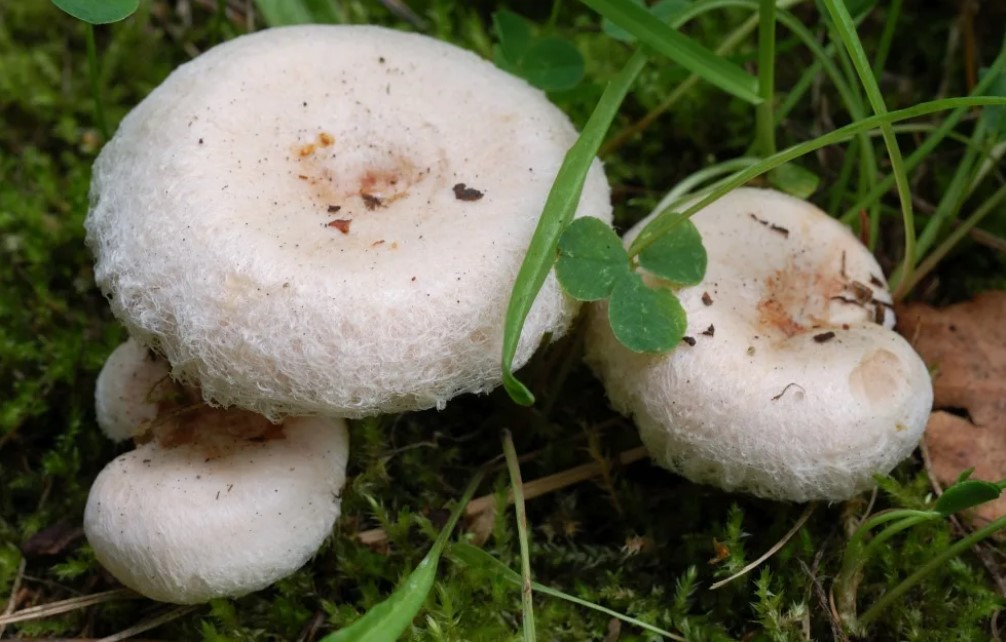
A relatively small mushroom, the cap is 4-8 cm in diameter, and its shape ranges from prostrate to funnel-shaped. The skin is white, the center is darker than the edge, and the surface is heavily pubescent. The stem is 2-4 cm tall and becomes hollow with age. With age, the mushroom turns yellow. It differs from the milk mushroom in that the cap is not smooth, but rather hairy.
Photo gallery of the white milk cap
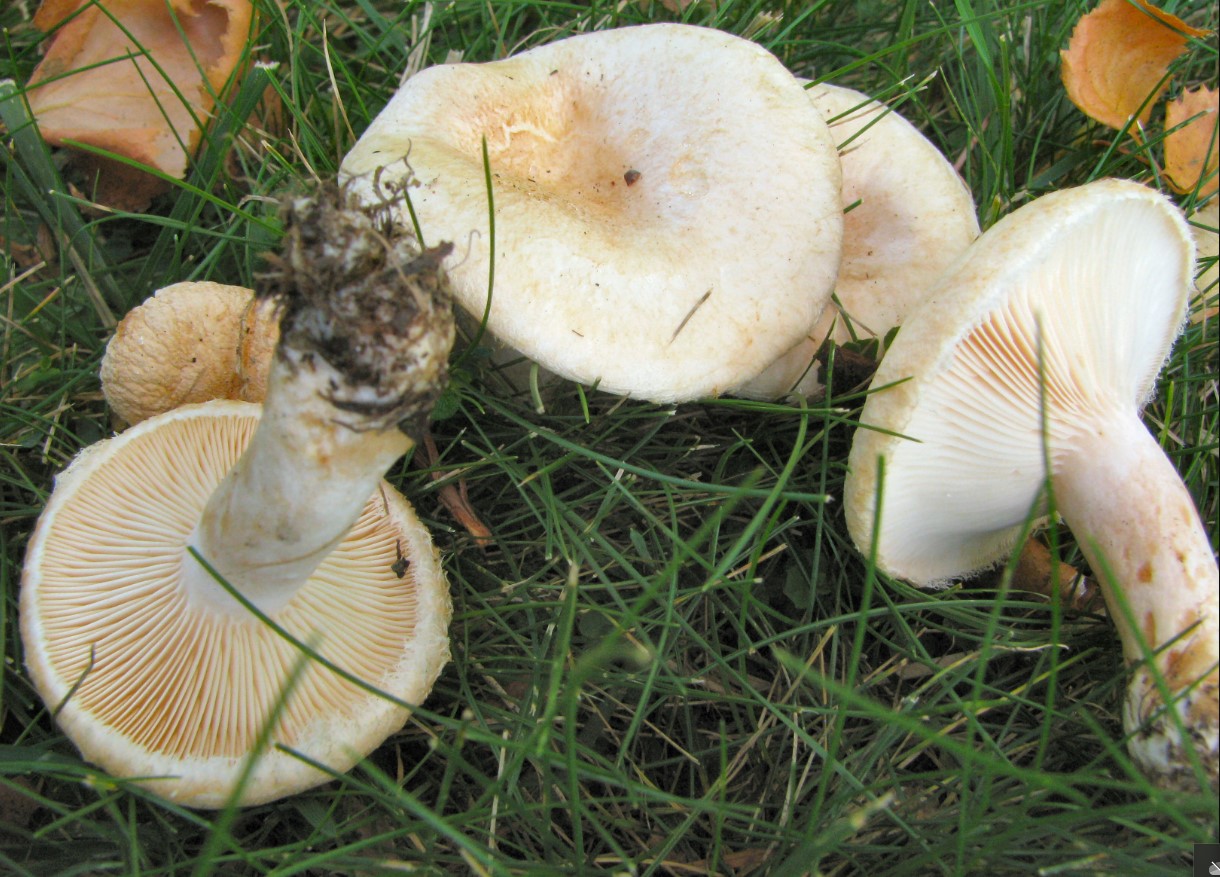
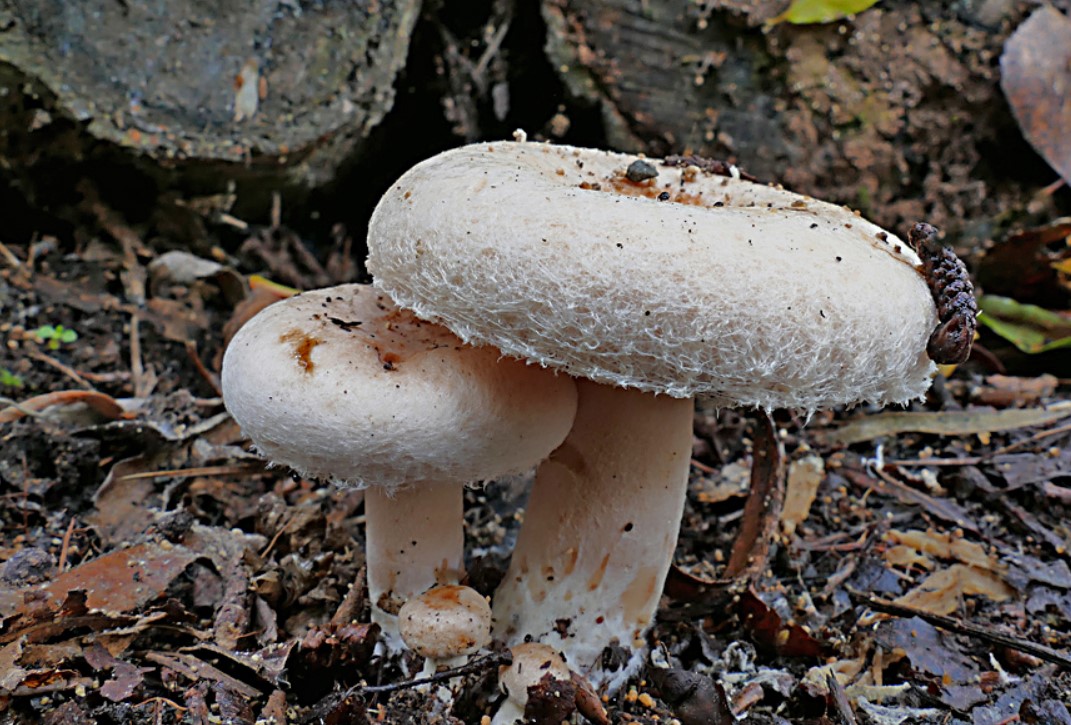
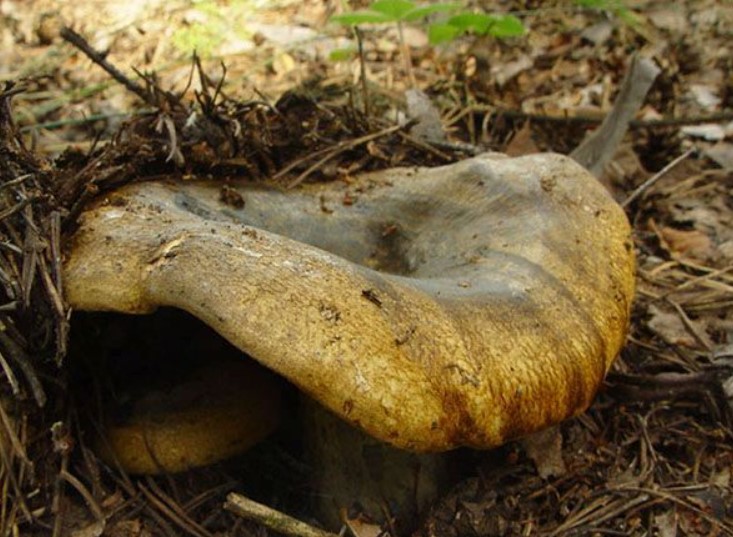
Pig (Paxillus)
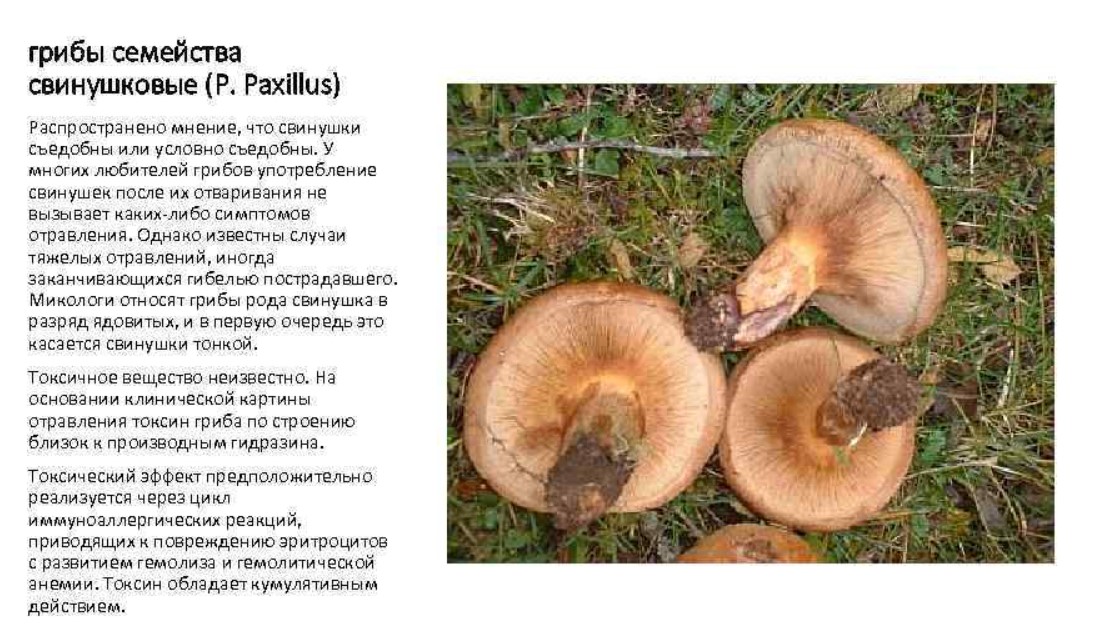
After extensive study of the mushroom's properties, it was deemed inedible. It grows primarily in birch forests, but can also be found in coniferous forests. It bears fruit from August to September. As the mushroom matures, its cap becomes funnel-shaped, initially olive-colored, then turning brown. The gills extend down the stem and are a dirty yellow. The stem is short and smooth. When broken, the yellowish flesh takes on a brown tint. The pig mushroom differs from the milk mushroom in its more flexible cap and flesh, which turns brown when pressed.
Photo gallery of the pig
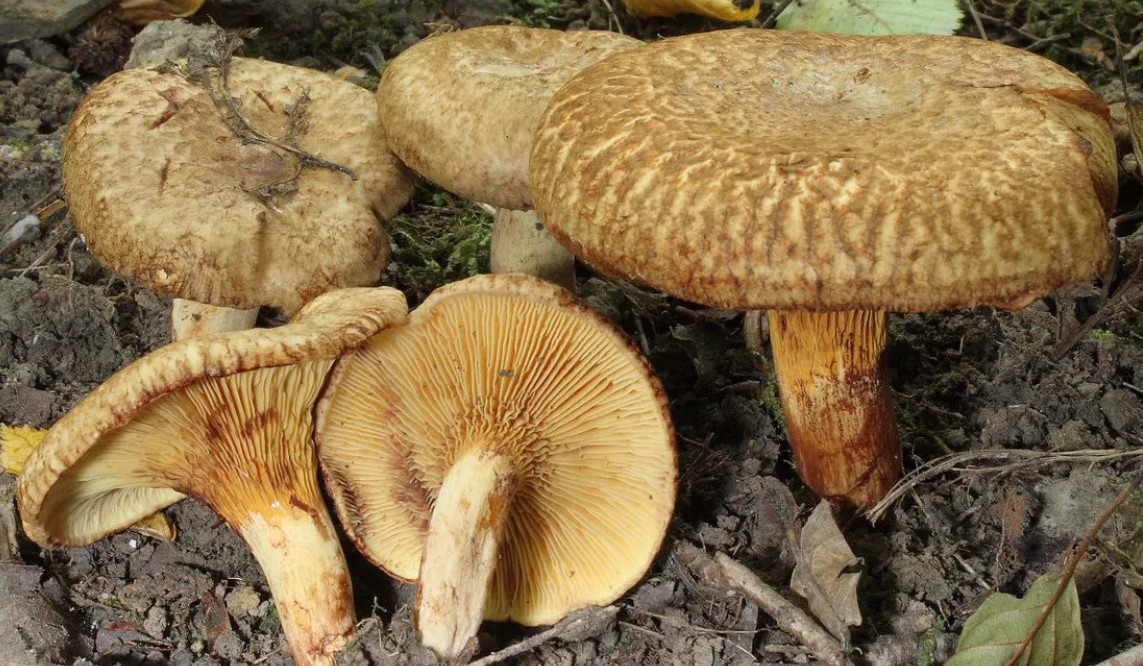
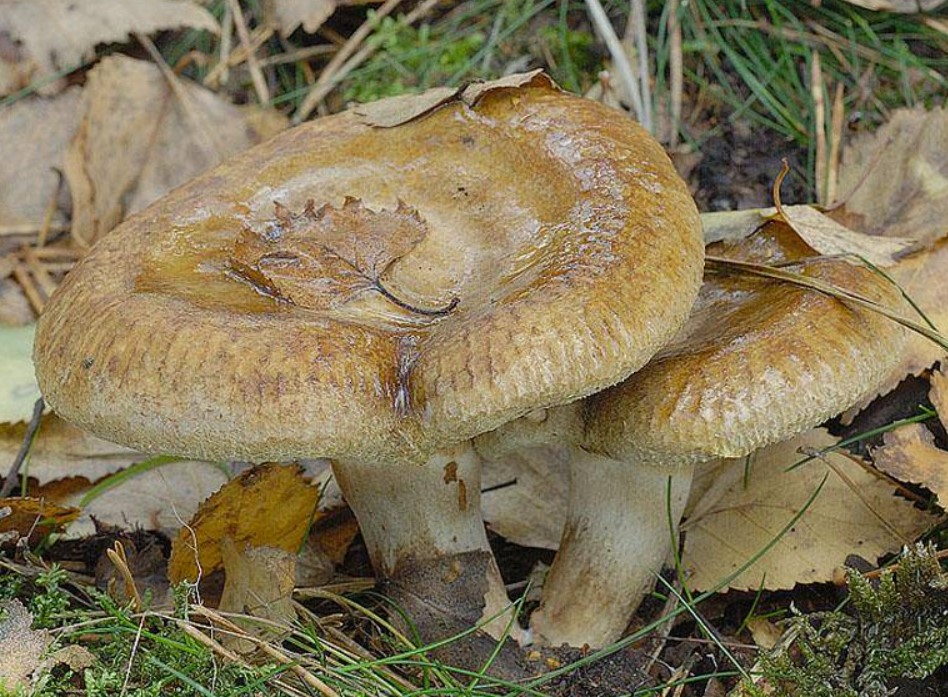
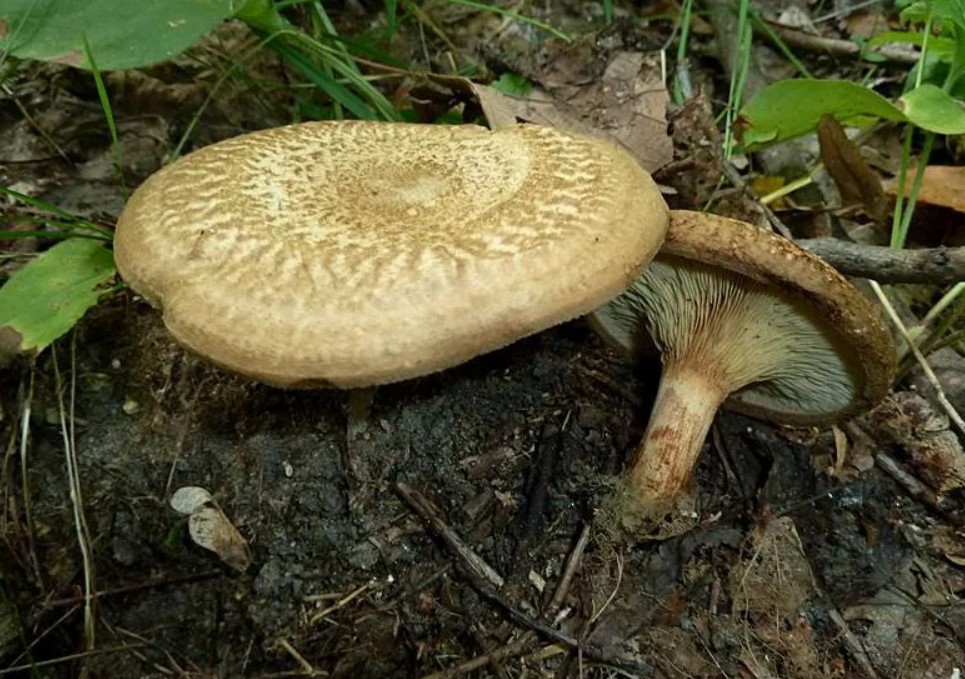
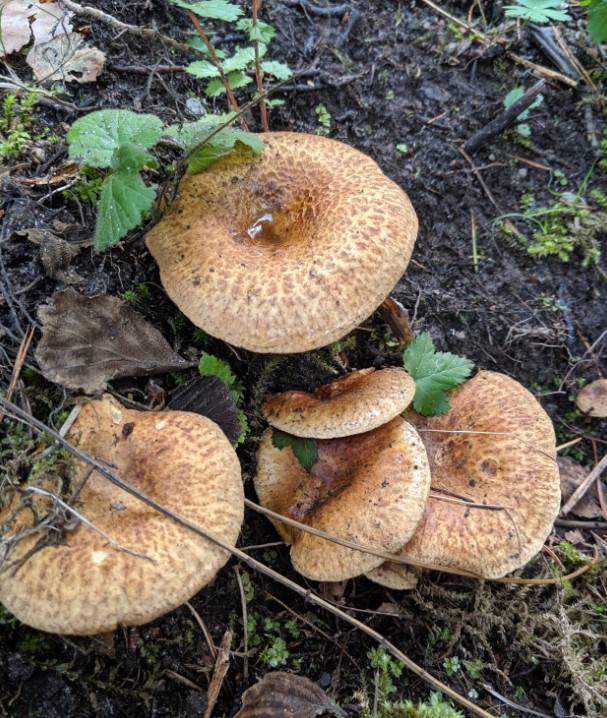
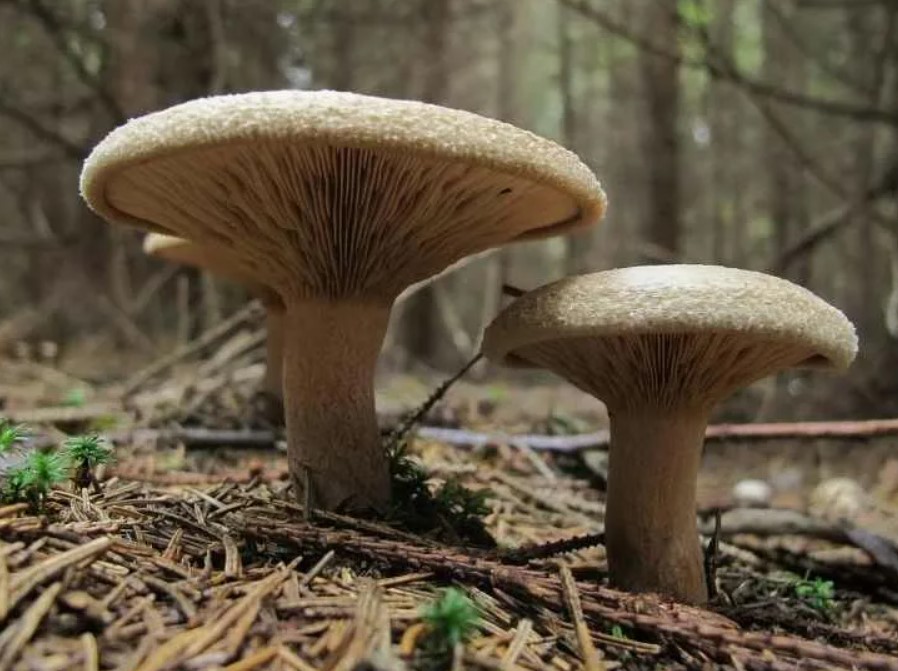
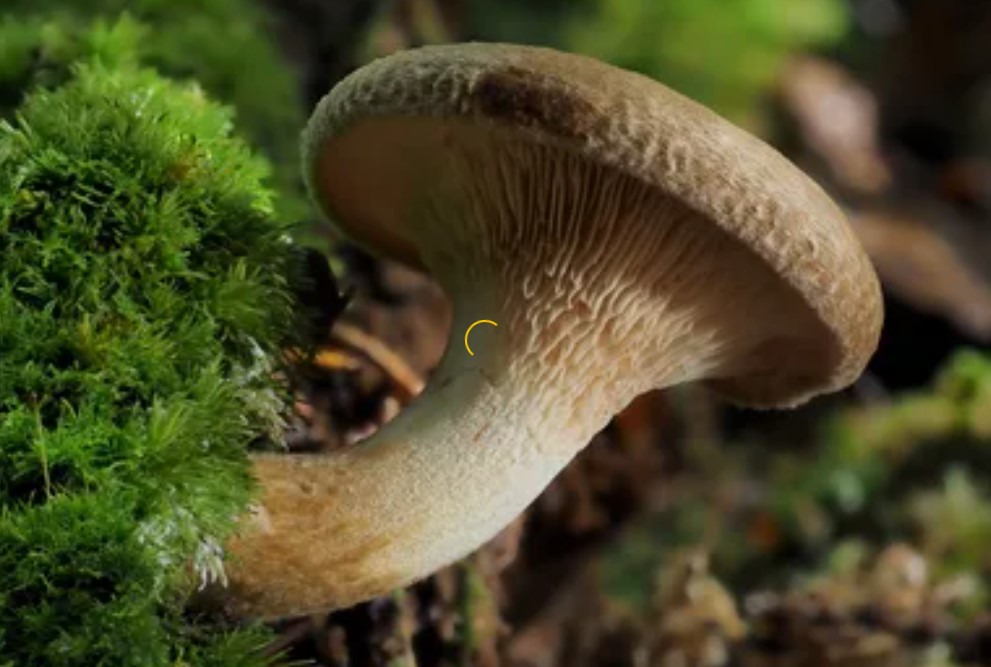
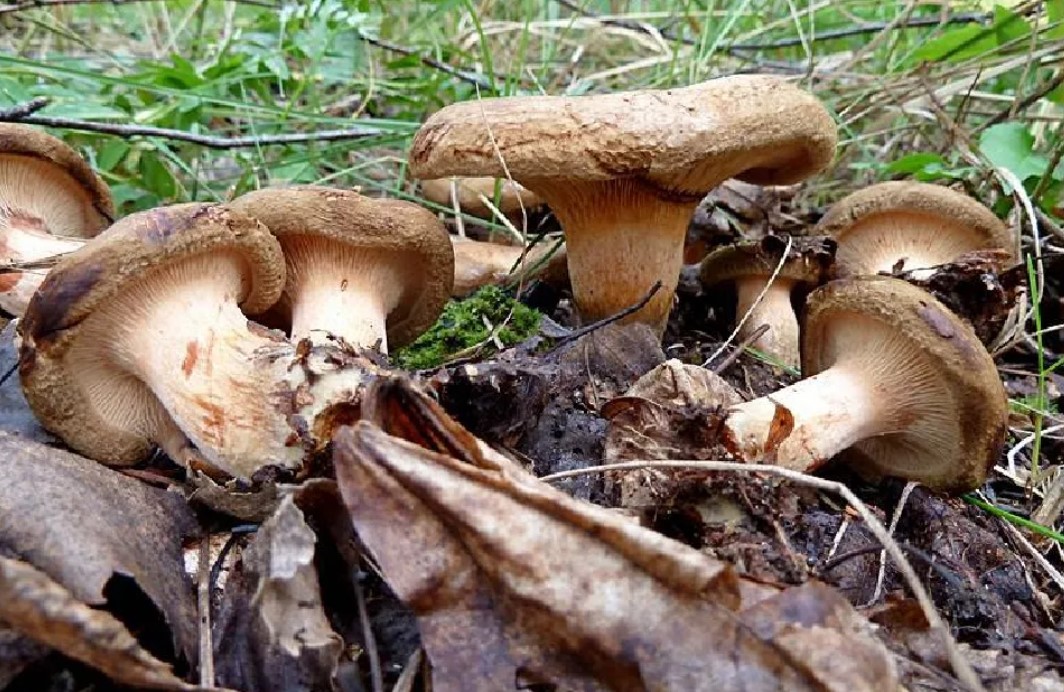
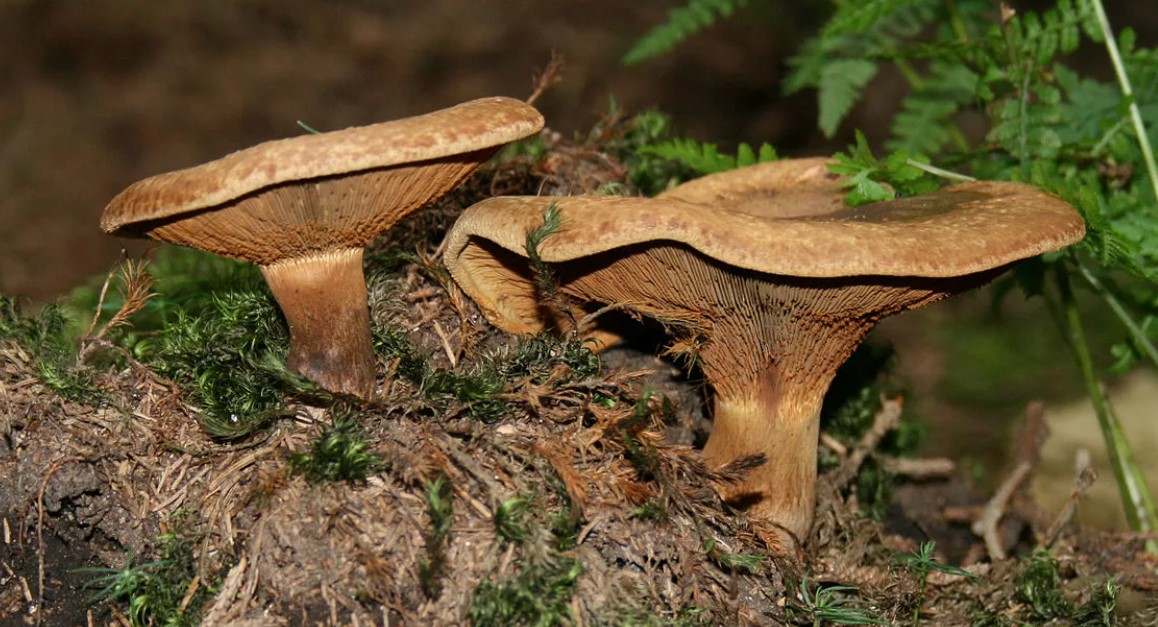
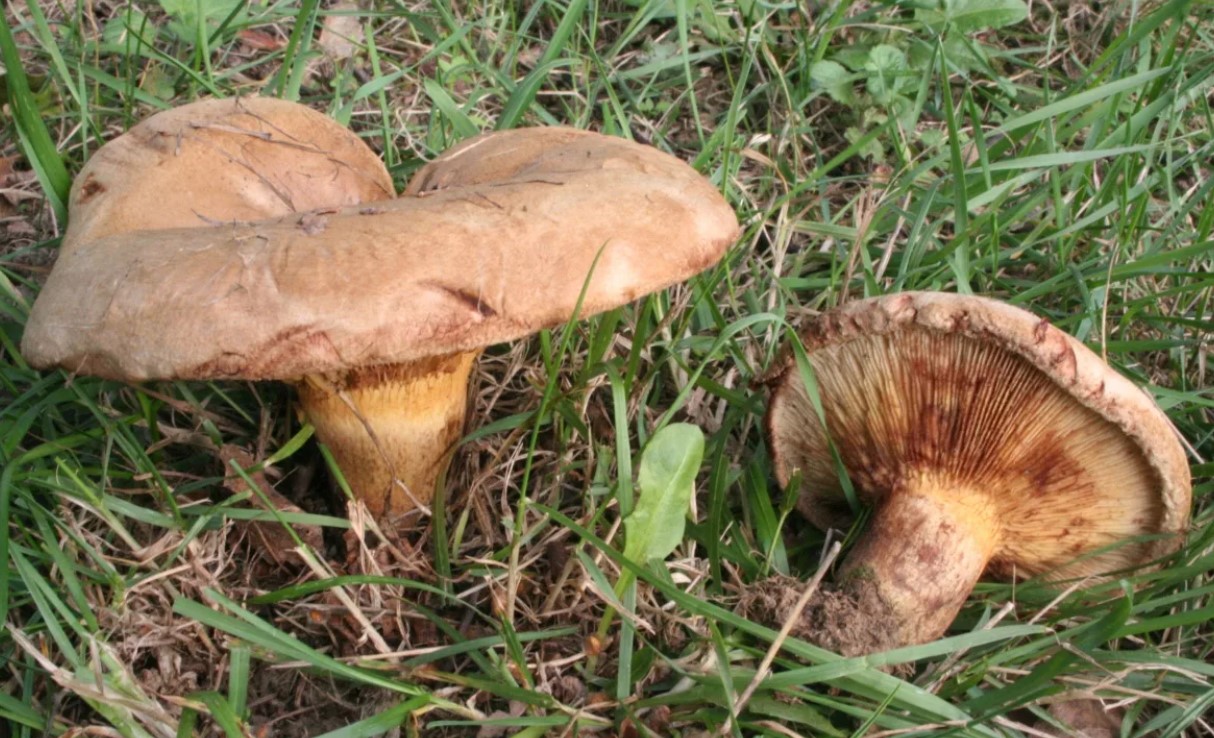
Read more about piglets and their edibility in the articlePig's-head mushrooms: 38 photos, description, where and when they grow, benefits and harms, calorie content, symptoms of poisoning.
Inedible and poisonous mushrooms similar to milk mushrooms: how to distinguish them
Beginner mushroom pickers can get overwhelmed by the abundance of different mushroom species in the forest. That's why, instead of milk mushrooms, they sometimes end up with poisonous mushrooms that look vaguely like them. Below, we'll look at the main differences between milk mushrooms and milk mushrooms.
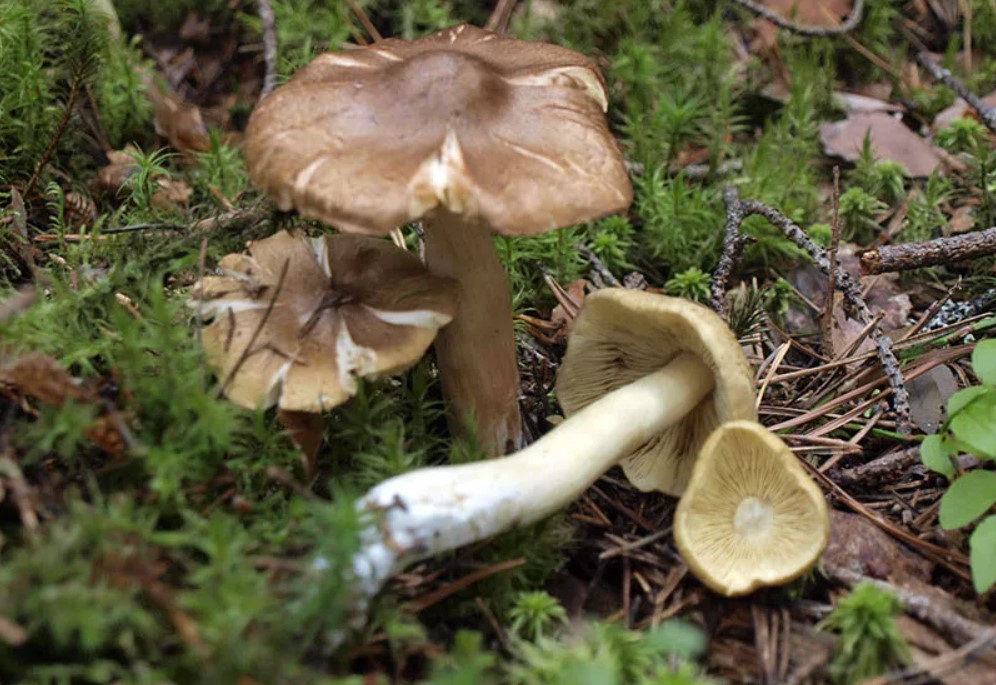
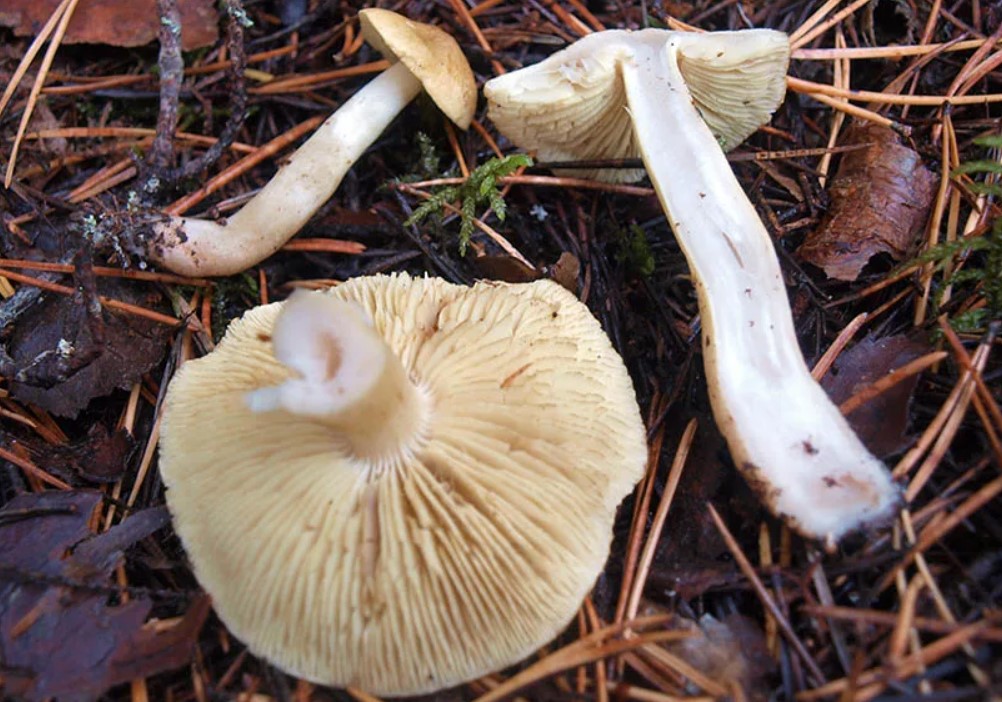
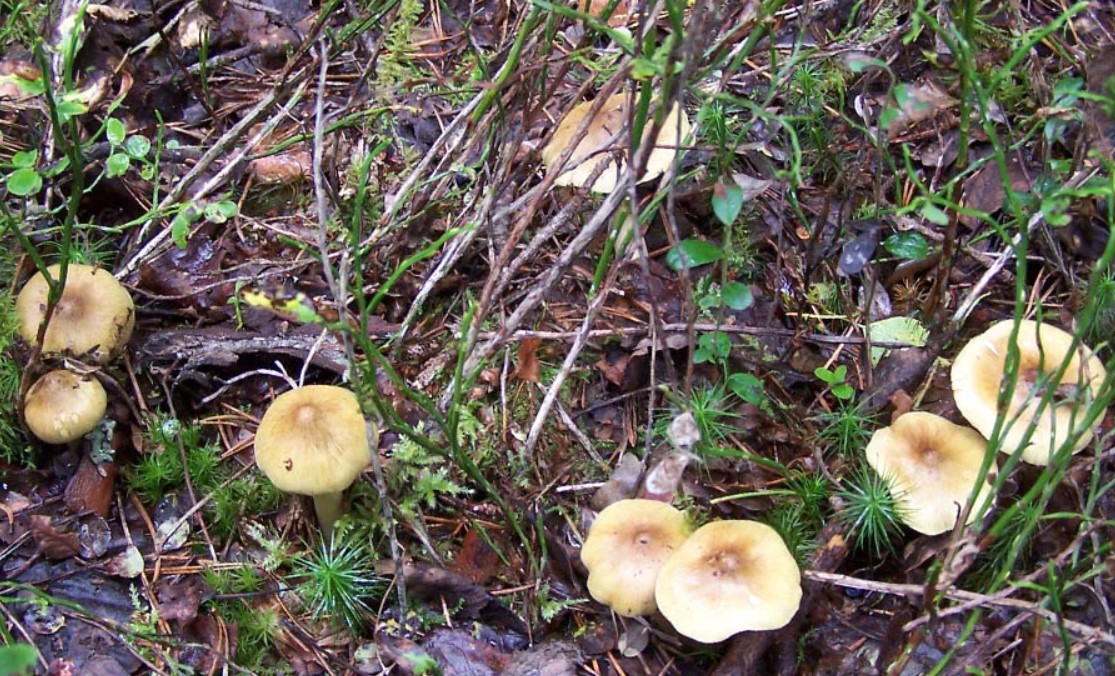
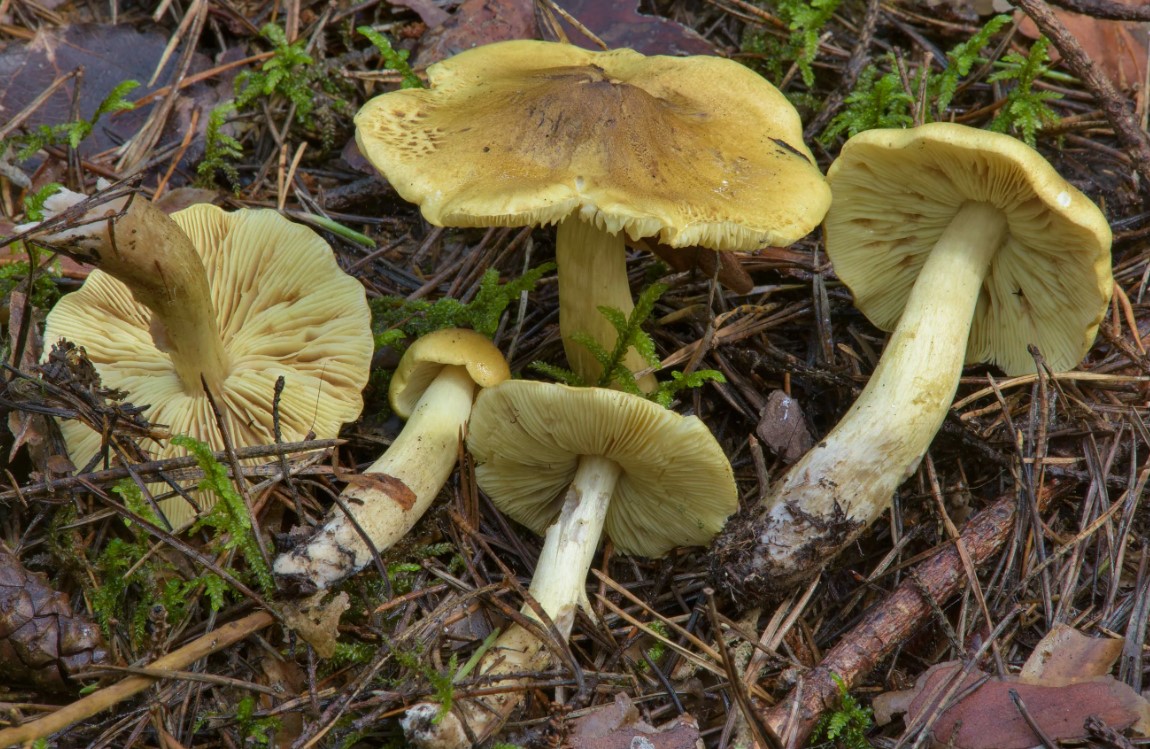
Spruce row (Tricholoma aestuans)
A mushroom of the Tricholoma genus, considered inedible; excessive consumption can cause stomach upset. The cap ranges from 3 to 10 cm in diameter and is bell-shaped, with a distinctive indentation in the center. It is yellowish-brown in color with a darker center. The stem is long, hollow, and thickens toward the top. The spruce Tricholoma prefers shady, mossy areas in coniferous forests, while the milk cap prefers deciduous birch forests. The mushroom has a bitter taste and produces a small amount of milky sap. The main difference from the milk cap, aside from its habitat and milky sap, is the shape of the cap. While the milk cap is funnel-shaped, the cap of the Tricholoma is more convex and becomes funnel-shaped only in older specimens.
Photo gallery of spruce rowan
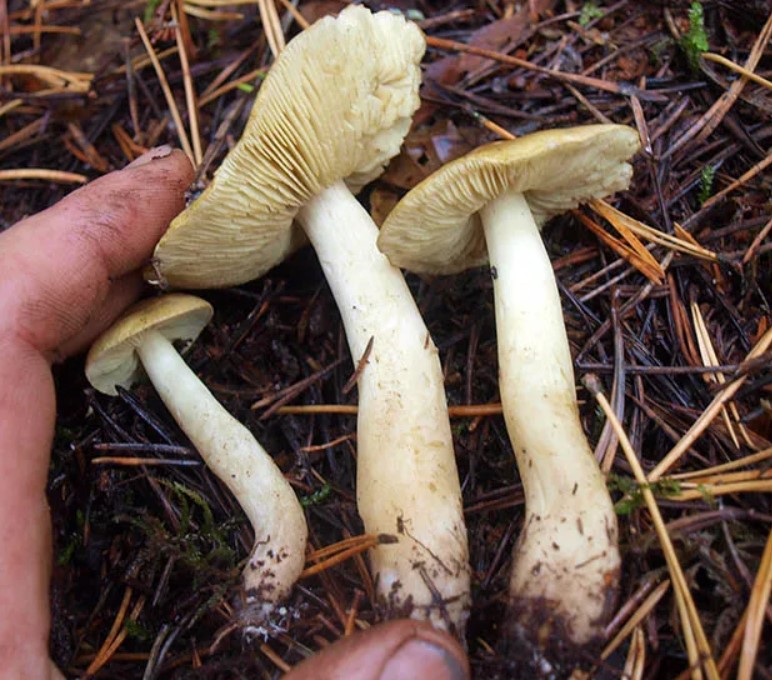
Read the article to find out if there are edible mushrooms in the Trichophyta genus.Talker or smoky rowan (gray): 59 photos, description, 5 dangerous lookalikes, how to cook.
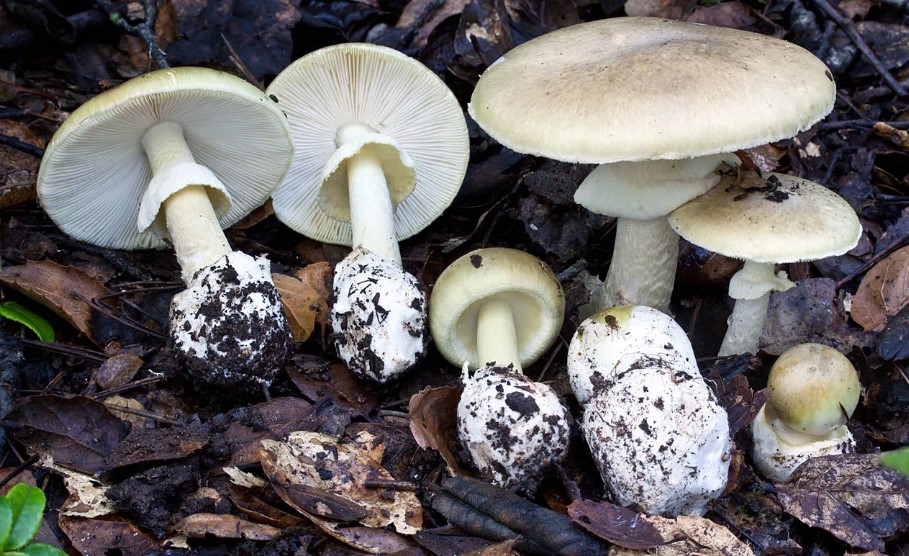
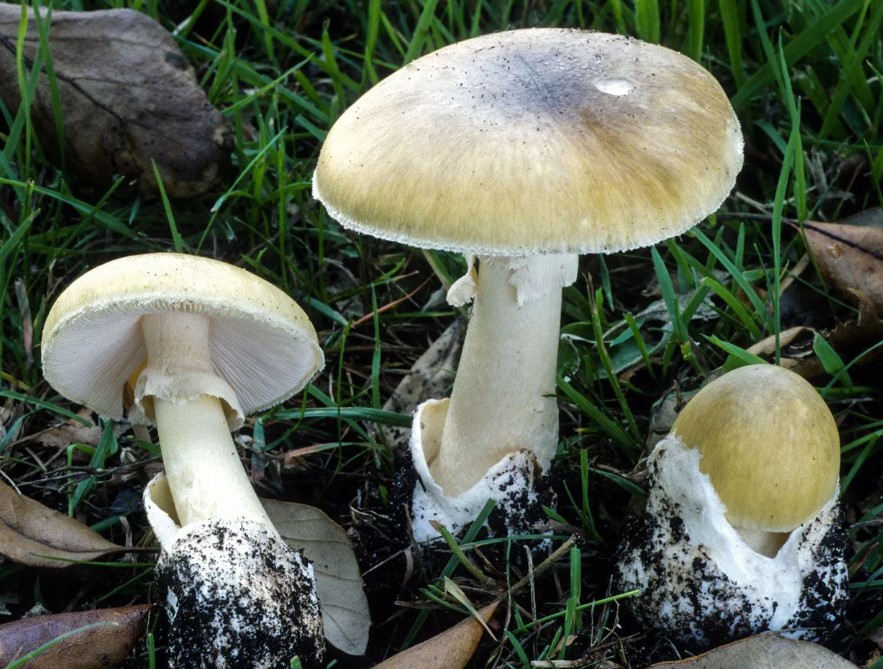
Death cap (Amanita phalloides)
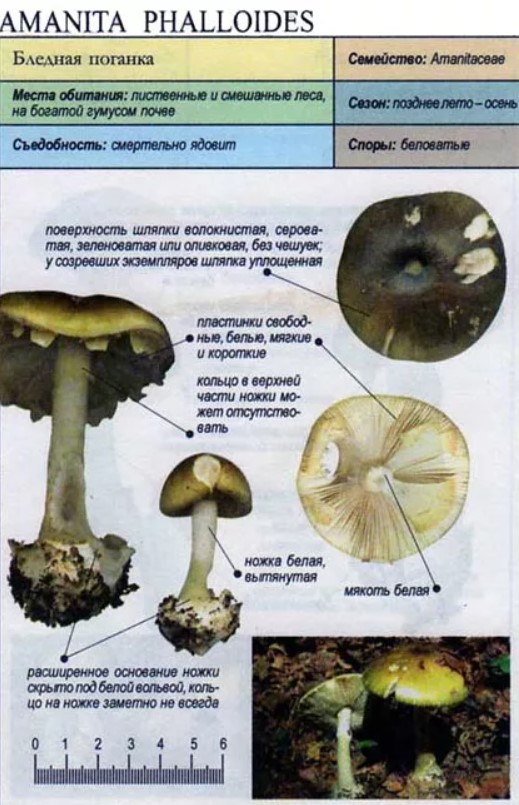
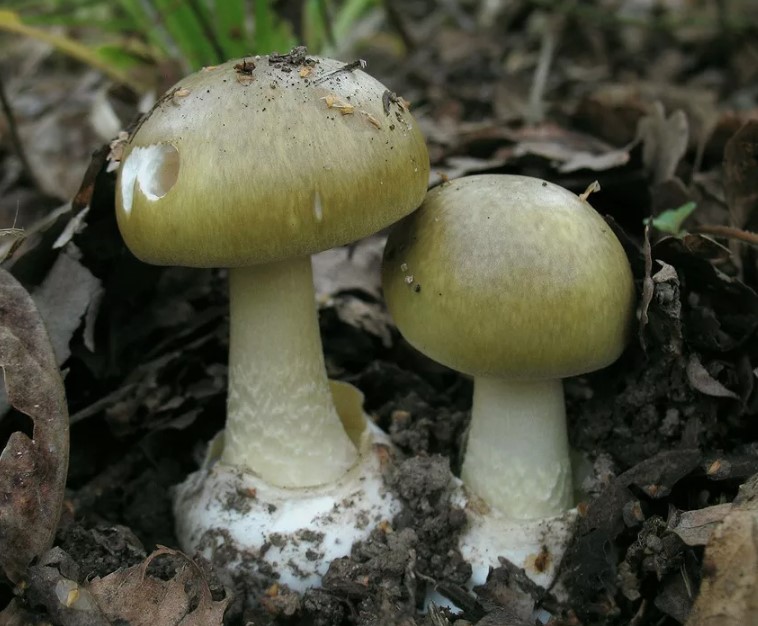
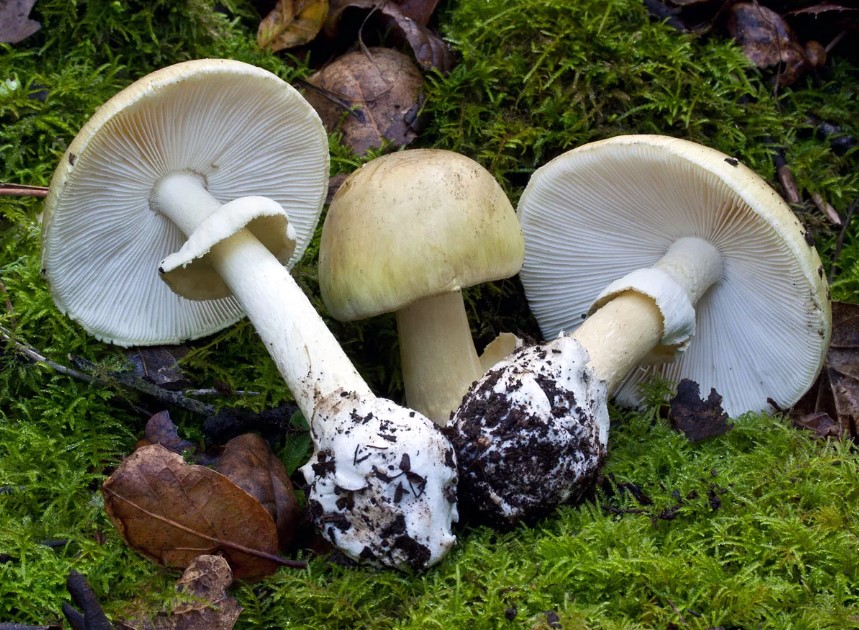
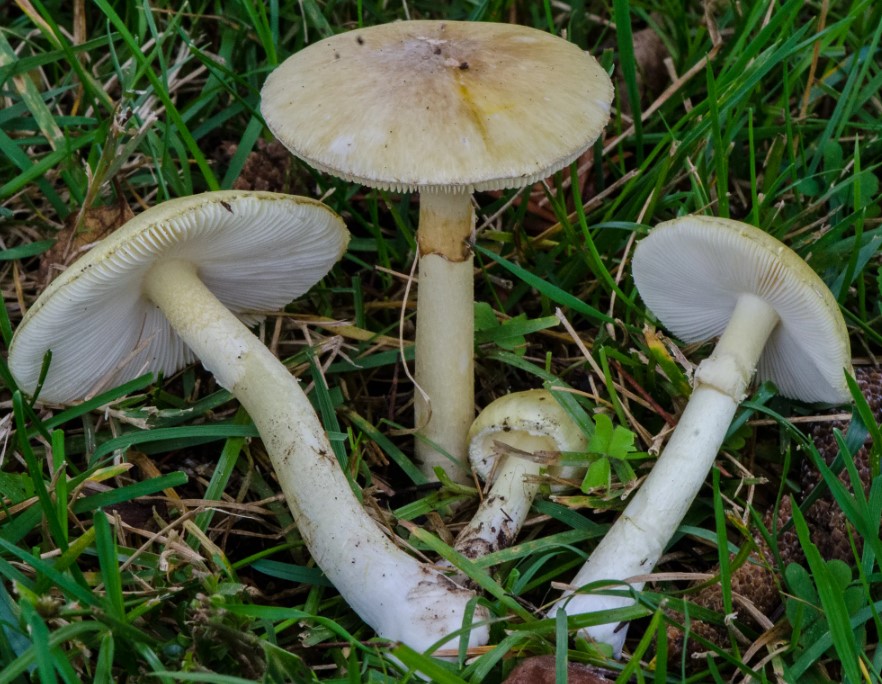
The death cap gets its name from the white color of its gills, stem, and spore powder. The cap, however, can vary from white to olive or brownish. Young mushrooms may have white "warts" on their caps, but these quickly wash away with rain. Its main difference from the milk cap is the presence of a ring and a baggy volva at the base of the stem. The flesh remains unchanged after cutting. The death cap is found in various forests and prefers brightly lit clearings. It is deadly poisonous.
Death Cap Photo Gallery
Tips from experienced mushroom pickers on how to distinguish real milk mushrooms from false ones
Black milk mushrooms are almost impossible to confuse with any other mushroom. Their color and shape are so distinctive, as is their habitat—on hillsides, even on almost sheer coastal slopes and ravine slopes, buried beneath a layer of earth. Here's what a black milk mushroom looks like:
Various white milk mushrooms are also difficult to confuse with other mushrooms, even with their relatives, the milk caps and stems, which are different in color, have caps that are often too long, and have a spicy or herring-like aroma. Here's what a white milk mushroom looks like:
There's one mushroom that's technically classified as a russula, but many confuse it with the milk mushroom. It's called the white milk mushroom, or russula spp. Judging by the shape of its cap and where it grows, it's the spitting image of a milk mushroom, but for some reason, it's very dry. The milk mushroom doesn't secrete milky juice; it lacks this distinctive characteristic of milk mushrooms, which is why scientists have classified it as a russula. This is what the white milk mushroom looks like:
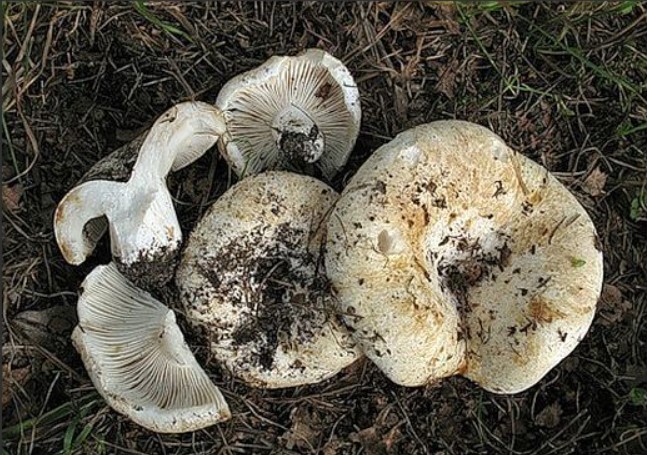
There are many types of milk mushrooms.
They vary in value and taste. Inexperienced mushroom pickers avoid collecting many species altogether, fearing them. Experienced mushroom pickers may seek out the true white milk mushroom, while others ignore it.
People usually confuse the white milk mushroom; here's the mushroom in the photo:
with a podgruzdok that looks like this:
and white volnushka:
It's true, they're so similar that you can't tell them apart right away?