Among the many beautiful varieties of Physocarpus, the Andre, or Andrea, variety stands out. This sprawling plant belongs to the Rosaceae family.
Gardeners love it for its low maintenance, tolerance to low temperatures, and decorative qualities. Growing this deciduous shrub is usually straightforward.
Description of the Physocarpus Andre variety
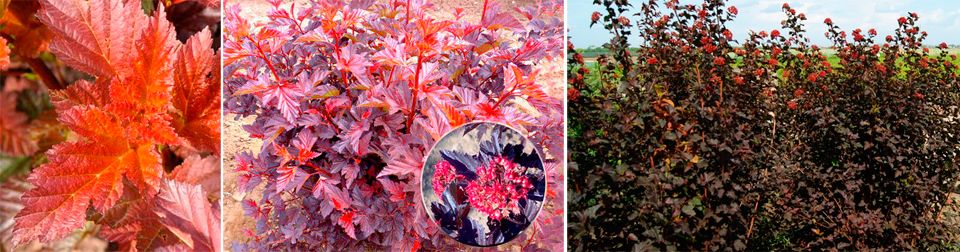
The Viburnum-leaved Physocarpus 'Andre' has a lush, spherical crown. The bush grows from 2 to 3 meters tall and up to 2 meters wide. The dense crown is formed by drooping branches. The carved leaves are purple-red in color, turning bronze in autumn. In addition to the unusual coloring, its distinctive features include the corrugated surface of the elliptical leaf blades, which reach 10 cm in length.
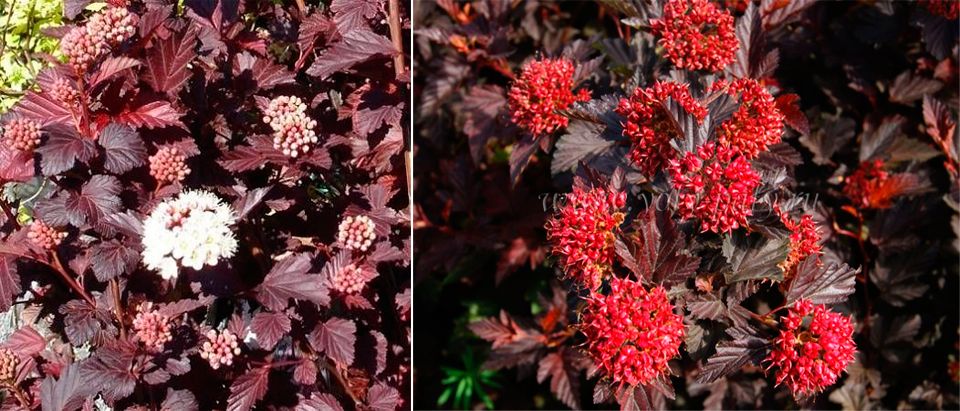
Rounded white, cream, and pale pink inflorescences are formed from small corollas. These are then replaced by fruits, which are swollen leaflets. As they ripen, they acquire an increasingly deep reddish-brown hue. Flowering begins in June.
The plant's lifespan does not exceed 30 years. Growth rate depends on climate conditions and care.
If not pruned in a timely manner, the bush will acquire an untidy appearance.
Features of growing Physocarpus Andre
This plant can be propagated in several ways, including:
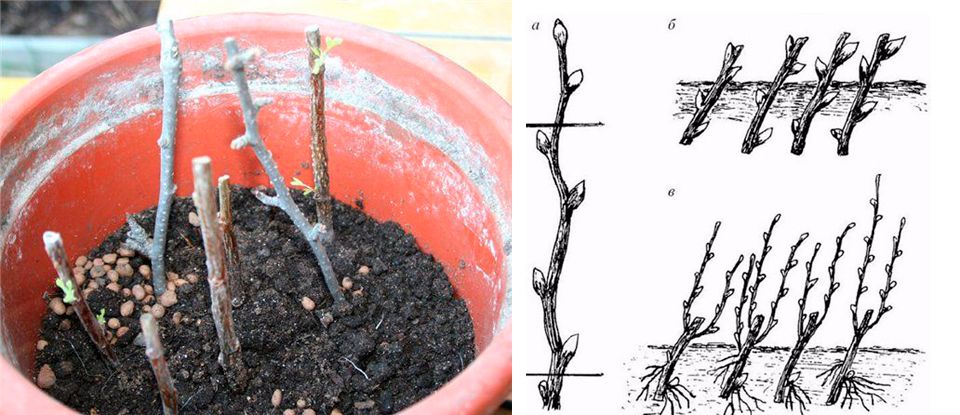
- Cuttings. Young shoots at least 20 cm long are used as planting material. They are cut in early spring before flowering. For quick results, remove all leaves except those at the crown. The remaining leaves are trimmed by half. Then, make several scratches on the bottom of the cutting. This will speed up root formation. The treated shoots are placed in a container filled with water for 24 hours. A growth stimulant, such as Kornevin, is added. Liquid honey can be used instead. Use one tablespoon of this product per 10 liters. Finally, the cuttings are planted in a mixture of river sand and peat and covered with plastic wrap. Transplantation to a permanent location takes place at the beginning of the following season.
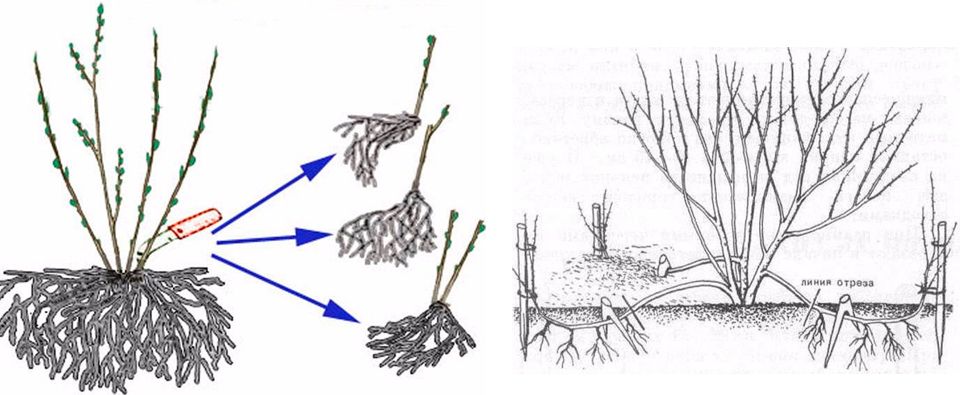
- Dividing the bush. This requires a lot of free time and physical effort. The number of resulting plants is limited;
- Planting seeds. The labor-intensive process often doesn't justify the material costs. Instead of the original Andre's Physocarpus, you may end up with a shrub with foliage of the usual green hue. Preserving the decorative coloring is unlikely with this method. Seeds should be purchased from a specialty store.
The plant grows best in open, sunny areas with slightly acidic or neutral soil.
There are no special soil requirements. However, experienced gardeners recommend planting the shrub in well-drained, moist, and fertilized soil. It's best to protect the bladder senna from strong drafts.
The decorative crown shape is maintained by regular pruning. The plant is resistant to infectious diseases and pests. Problems may arise if:
- groundwater is too close to the surface;
- The soil contains a large amount of lime.
The Andre's bladder senna tolerates air pollution well, so it's often planted near roadsides. When making this decision, it's important to consider its downsides. One of these is dust. When settling on the leaves, it will dull the plant's color. It's impossible to prevent color loss in this case.
Planting doesn't take long. Dig a hole two weeks before the chosen date. Add fertile soil immediately. Otherwise, it won't have time to settle. Place the cutting or layer into the prepared hole along with the soil ball. Fertilizing the deciduous plant is not necessary at this stage. The only important gardening measure to remember is regular and generous watering. Water should be administered in the evening or morning, avoiding contact with the leaves and flowers. This can cause burns.
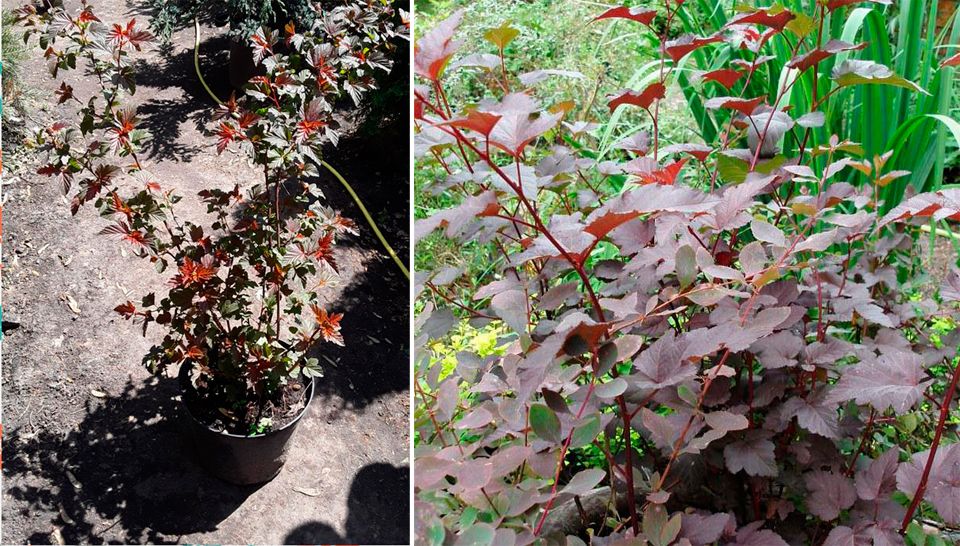
Bladder senna is considered a fast-growing shrub, so it requires both sanitary and formative pruning. The former removes damaged and dead branches, while the latter transforms the shrub into a decorative garden element. Failure to prune results in slower growth of new shoots and a noticeable deterioration in appearance. Tall hedges are pruned several times per season.
The risk of powdery mildew infection is minimal. If characteristic symptoms appear, the plant should be sprayed with Thiovit, Topaz, or Strobi.
To prevent the appearance of pests, Fufanon and Aktara are used.
Despite its frost resistance, Andre's Physocarpus needs winter protection. The procedure is quite simple:
- The tree trunk area is covered with mulch. The recommended layer thickness is 5-8 cm.
- The bush is tied with twine.
- Cover the plant with roofing felt or lutrasil.
Agronomic practices always include loosening and fertilizing. In the spring, the soil is fertilized with nitrogen-containing fertilizers. In the fall, organic matter (cow manure) supplemented with urea and ammonium nitrate is added.
Top.tomathouse.com recommends: Physocarpus Andreii in landscape design
The Viburnum-leaved Physocarpus 'Andre' is a garden plant that requires little time to care for. Its undemanding growing conditions and attractive appearance make it quite popular among gardeners.
This deciduous plant is used to create multi-contrast compositions and as a solitary specimen. The vibrant foliage of this variety looks beautiful against solid-colored plants. Because Physocarpus 'Andre' is easy to care for, it is often planted in parks and gardens. The plant retains its decorative appeal throughout the season.
This variety is considered versatile. Single and group plantings, borders, and hedges—there are many options for planting Physocarpus 'Andre'. Gardeners often plant this crop next to trailing plants. Low shrubs and perennial flowers are especially popular among potential neighbors.
Hedges formed from viburnum-leaved physocarpus can be either shaped or spreading. The choice is based on the landscape design style. Hedges can be given any shape, which is important for gardeners seeking variety and harmony. The composition will be multifunctional in any case. A natural hedge will not only decorate the garden but also provide a barrier for pets and strangers.
The contrast created by combining the vibrant bladderwort with evergreens will add a touch of solemnity to any garden. By planting it in a flower bed, gardeners will add a touch of originality. The bladderwort's role can be either primary or secondary. Properly placed accents are the key to a pleasant atmosphere and a positive mood in the garden.