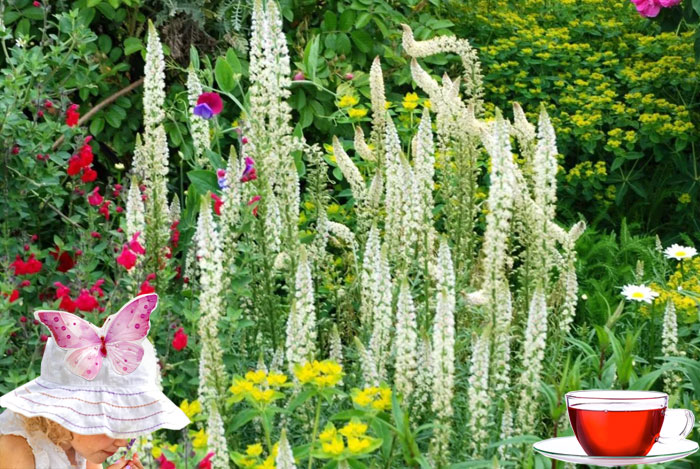
Mignonette is a fragrant and beautiful plant known since ancient times. It has been used in various cultures and fields, from ornamental and medicinal to culinary. In this article, we'll explore mignonette in more detail, list its varieties, and discuss the specifics of its cultivation.
Content
- 1 A little history about the mignonette flower
- 2 Description of the mignonette flower
- 3 Types and varieties of mignonette
- 4 Sowing mignonette
- 5 Planting mignonette
- 6 Caring for mignonette
- 7 Diseases and pests of mignonette
- 8 Uses of mignonette
- 9 Medicinal properties
- 10 Procurement of raw materials
- 11 Recipes for tinctures with mignonette
- 12 Contraindications for the use of mignonette
- 13 Application in landscape
- 14 Reviews of mignonette from gardeners
A little history about the mignonette flower
Three centuries ago, it was hard to find a garden without a mignonette plant. It was revered by both young ladies and gray-haired elders. The plant was used not only to decorate the garden but also to treat migraines—inhaling the aroma of fresh or dried flowers helped alleviate discomfort in the temples and back of the head. That's why the name of this flower translates as "to heal."
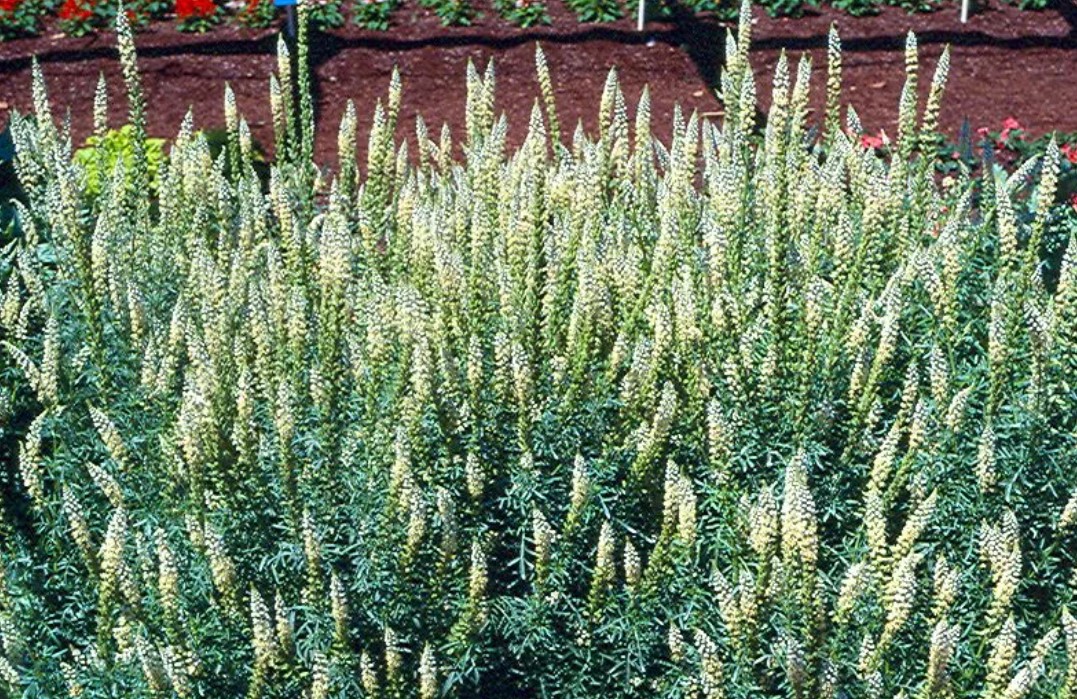
Mignonette is considered one of the oldest plants on Earth. References to it can be found in ancient papyri and on clay tablets found in Egyptian pyramids.
The plant's homeland is believed to be North Africa. From there, it spread throughout the world. Historians claim that Napoleon Bonaparte personally collected mignonette seeds during his Egyptian campaign and sent them to Josephine, who adored the fragrant herb.
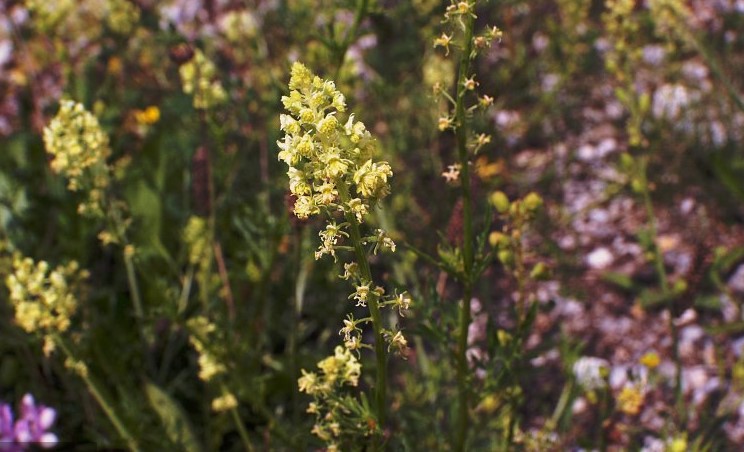
In Russia, references to mignonette begin in the 14th century. This plant grew as a weed along roadsides, railway embankments, vacant lots, and landfills. Mignonette was first cultivated for its remarkable aroma.
Description of the mignonette flower
Reseda is a genus of annual, biennial, or perennial herbaceous plants belonging to the Resedaceae family. It is found worldwide, but primarily in Africa and Eurasia.
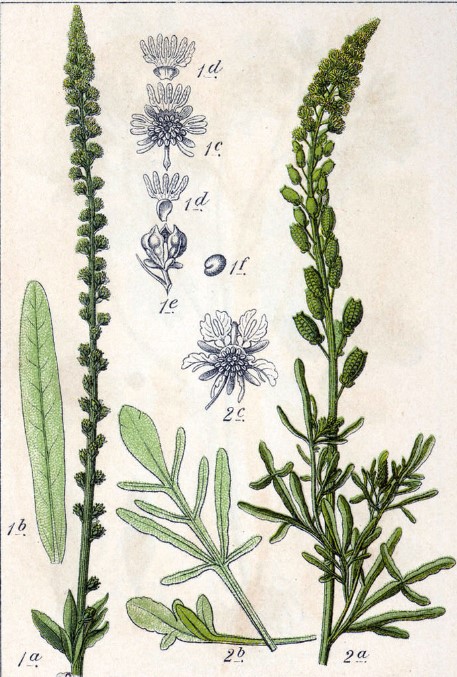
Main characteristics:
- the plant's stems are erect, creeping or slightly raised;
- the leaves are simple, elongated, semi-oval, whole or dissected along the perimeter (several types of leaf blades can be found on one bush);
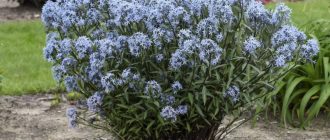
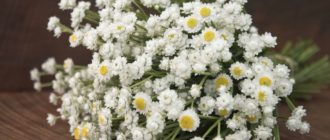
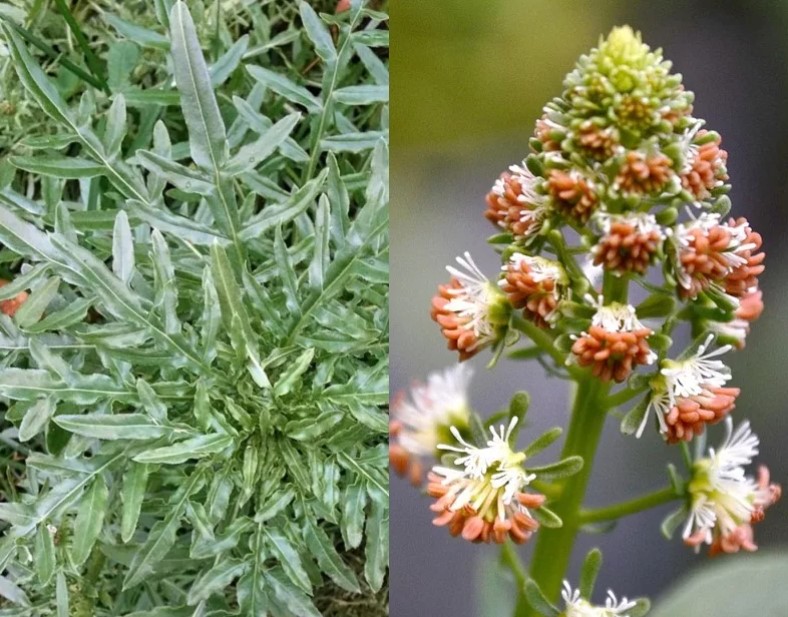
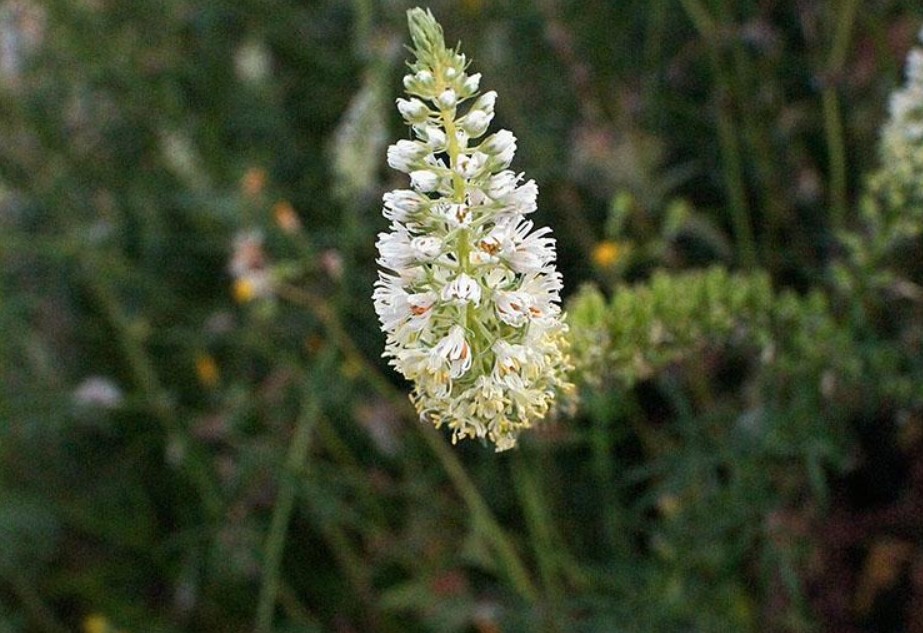
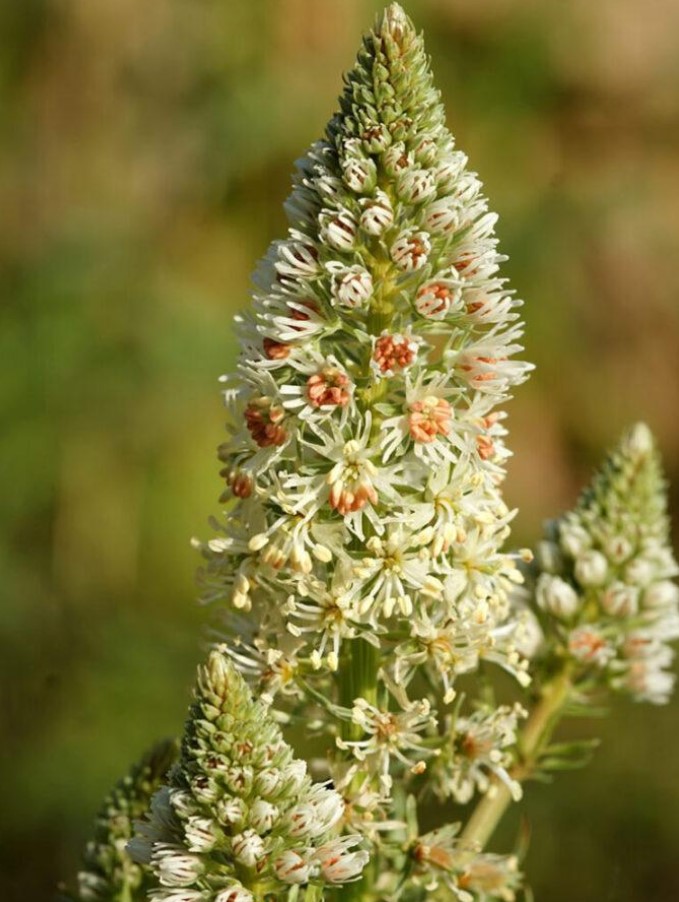
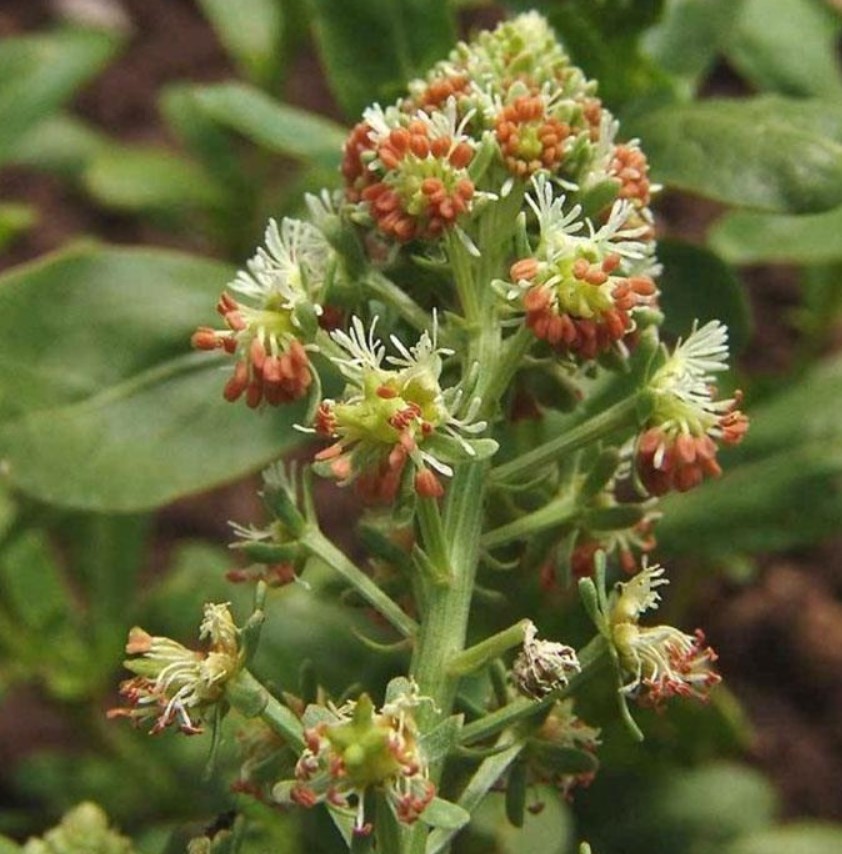
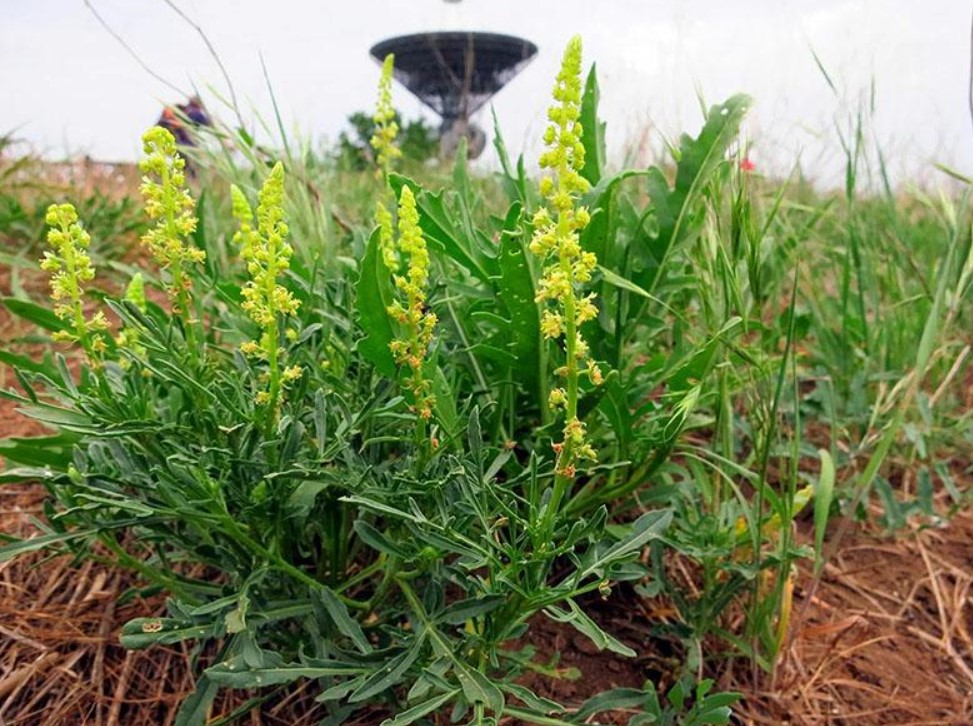
- the flowers are small, not particularly decorative, collected in pyramidal inflorescences, somewhat reminiscent of spikelets;
- the inflorescences have an elongated anther, due to which they acquire a characteristic shade (in the wild they are whitish, light green-yellow, orange, red, and in culture they can be of other tones);
- Flowering continues from June until frost, after which single-celled, round or obovate capsules with numerous, very small black seeds are formed.
It is difficult to give a clear botanical description of mignonette, since there are a huge number of species that differ in appearance.
Types and varieties of mignonette
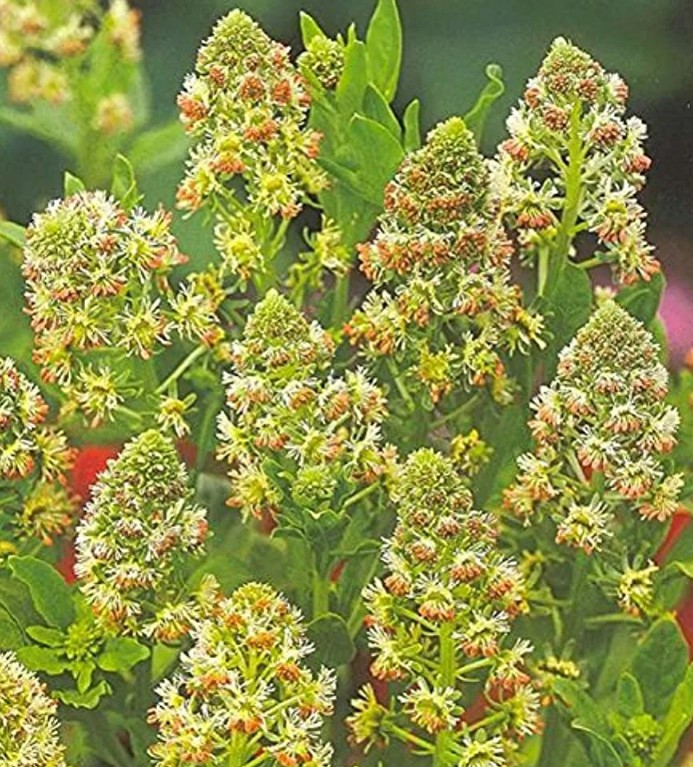
Various sources mention 50-60 different species of this plant. Let's look at the varieties common in Russia.
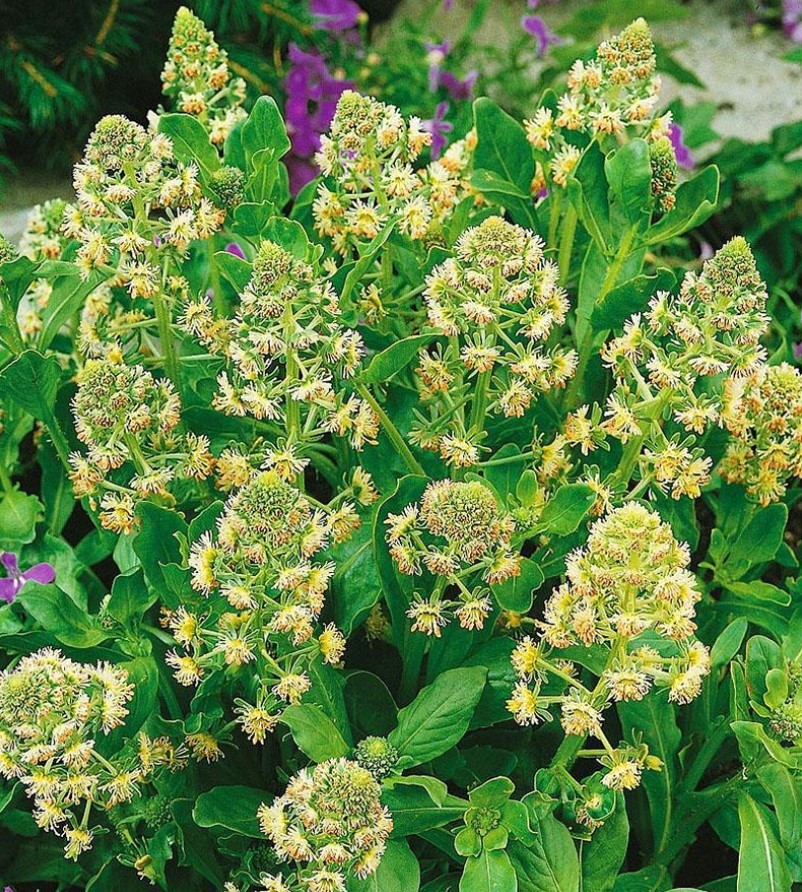
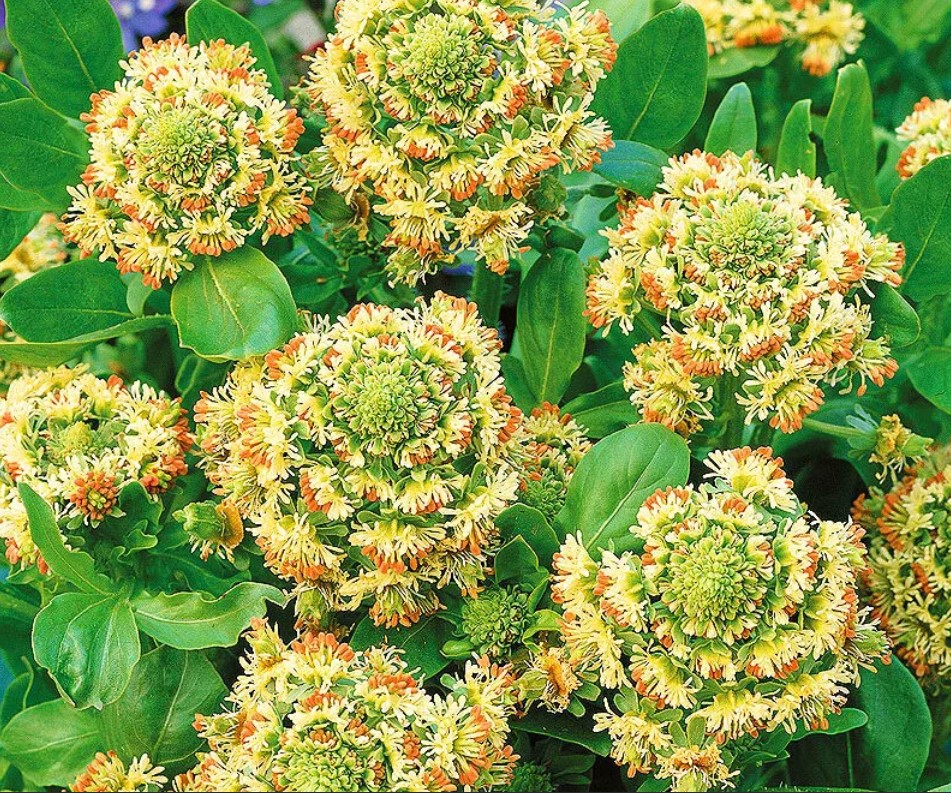
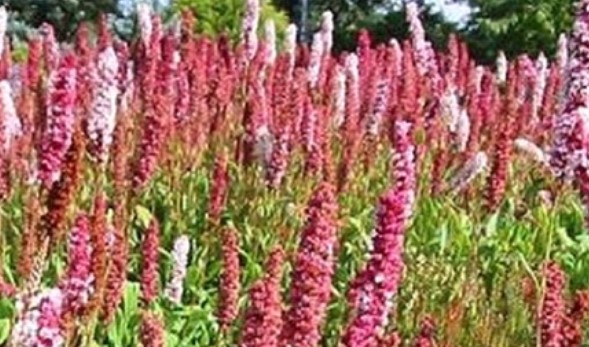
Fragrant (Reseda odorata)
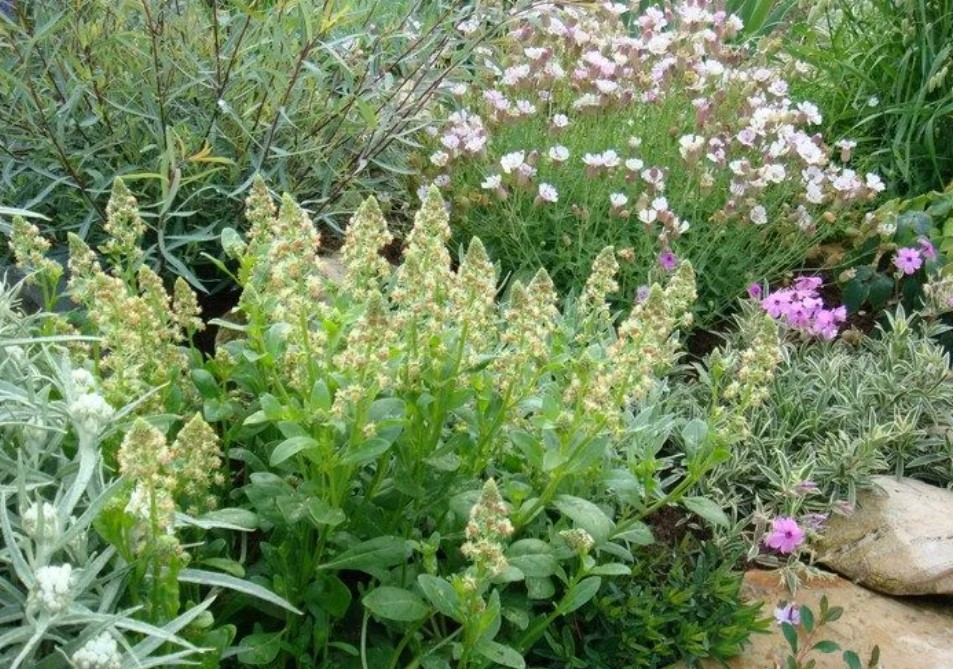
| Description | Grows up to 60 cm. Leaf blades are entire. Flowers are fragrant, white or green. |
| Spreading | Native to North Africa, it is cultivated worldwide. |
| Varieties |
|
| Application | It is grown commercially for the perfume industry. It is also a honey plant. |
Yellow (Reseda lutea)
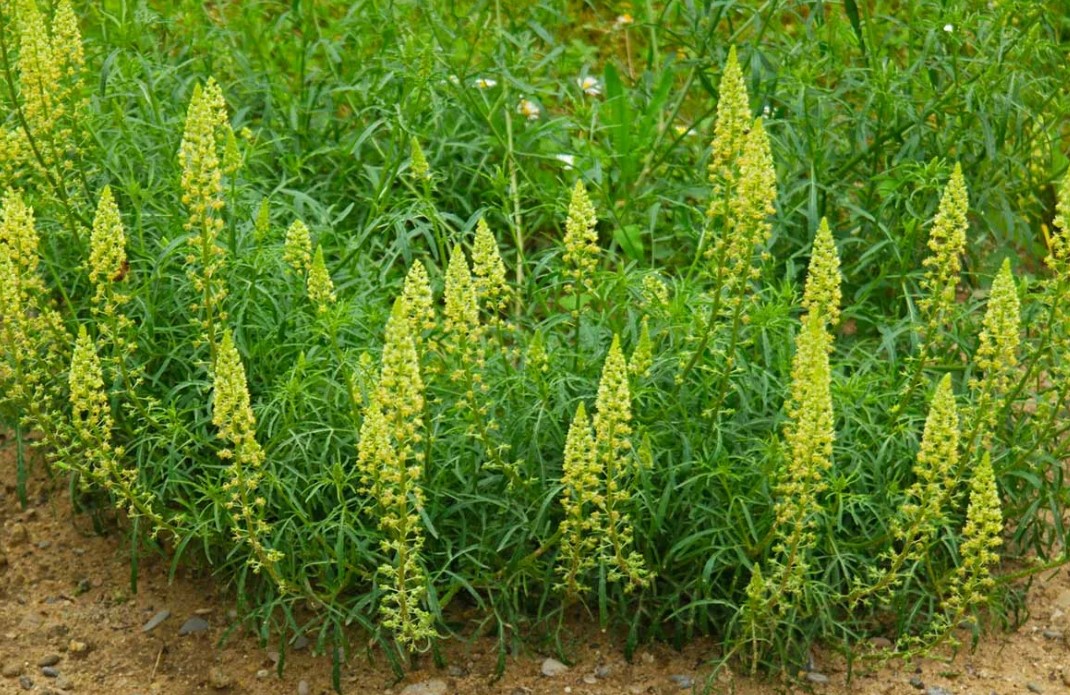
| Description | Height: 30-80 cm. Shoots are ascending, ribbed, woolly, and branched. Inflorescences are greenish-yellow. |
| Spreading | In its natural habitat, it grows in North Africa, Asia, and Europe. In Russia, it is found in southern Europe and southwestern Siberia. |
| Application | All parts of the plant have a pleasant mustard aroma, which is why they are used as a spice. In alternative medicine, it is used as a diaphoretic, diuretic, and choleretic. Fresh roots are mixed with honey and taken for heart conditions. Essential oil obtained from the seeds is used in the paint and varnish and perfume industries, and for medicinal purposes. Yellow mignonette is a forage plant, but it's only suitable for sheep. |
Yellow (Reseda luteola)
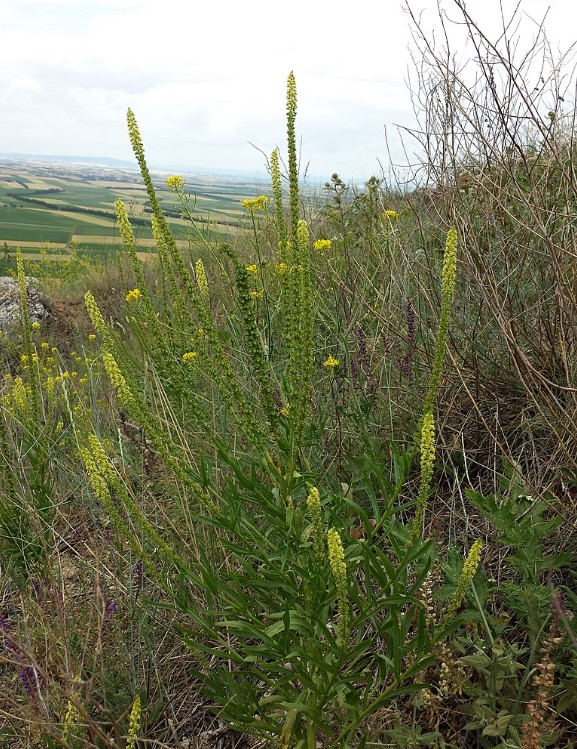
| Description | Reaches 30-130 cm. Resembles yellow mignonette. Flowers are greenish-yellow or soft yellow. They appear in the second year after planting. |
| Spreading | In its natural habitat it grows in North Africa, Asia, Central and Southern Europe, Ukraine, Crimea, Moldova and the Caucasus. |
| Application | In alternative medicine, it is used as a choleretic, diaphoretic, and diuretic. Its chemical composition also exhibits antithyroid activity. It has anti-inflammatory, anti-allergic, and anti-tumor properties. Essential oil is used in the paint and varnish and perfume industries. |
Odorless (Reseda inodora)
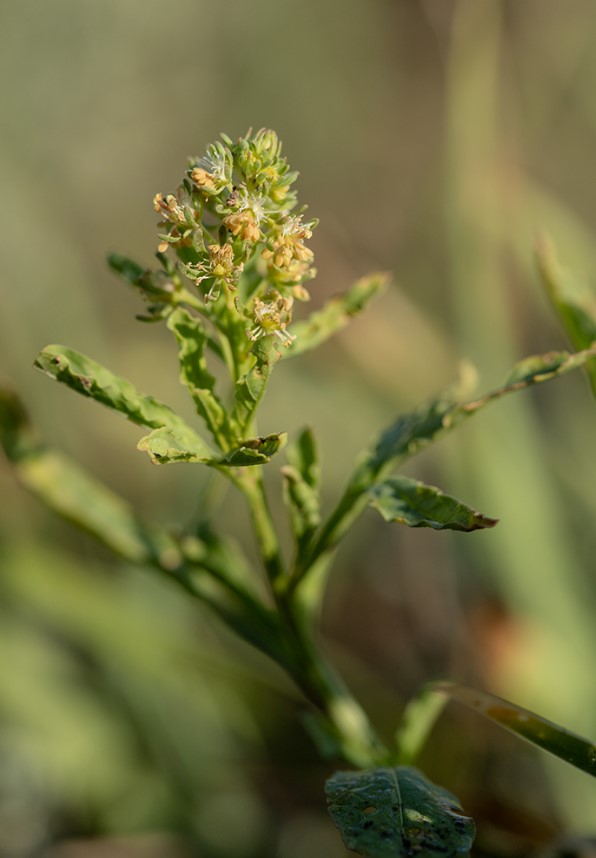
| Description | Up to 60 cm in height. A single bush may have two types of leaves: the lower ones with a solid edge, and the upper ones dissected into three segments. The corollas are white and unscented. |
| Spreading | Southern Europe and Asia. |
| Application | For landscaping and creating bouquets. |
White (Reseda alba)
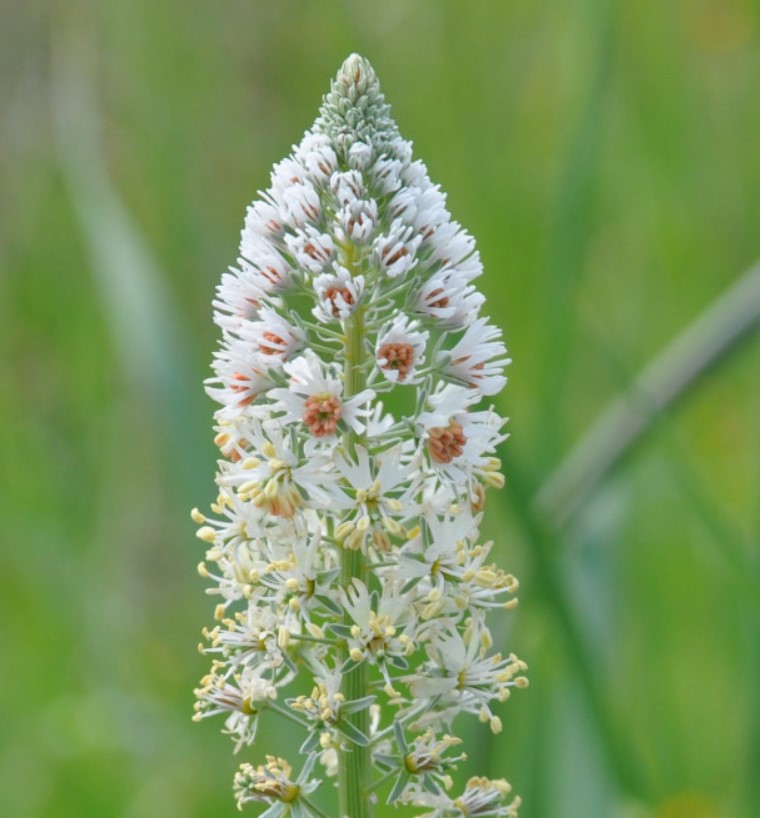
| Description | An annual or perennial plant, reaching a height of 90 cm. The flowers are small and white. |
| Spreading | Mainly in the Mediterranean. |
| Application | Decorating flowerbeds, balconies, windowsills, winter forcing, creating bouquets. In alternative medicine it is used as an analgesic, diuretic, and diaphoretic. It's an excellent honey plant. In taste and color, mignonette honey is almost indistinguishable from linden honey. |
Sowing mignonette
Mignonette is a popular garden plant not only for its fragrance and medicinal properties, but also for its low maintenance. However, certain requirements must be met. Sowing can be done directly into the ground or for seedlings.
Seeds in open ground
When planted from seed, flowering begins after two months. Choose your sowing time based on when you want the mignonette to bloom. However, keep in mind that the soil needs to warm up well. This usually occurs in mid-May, and in some regions even later.
Step-by-step sowing:
- Dig up.
- Level the surface with a rake
- Make holes 5 cm deep, leaving a distance of 40 cm between the furrows.
- If necessary, place a drainage layer on the bottom.
- Place the seed material inside.
- Sprinkle with soil or sand on top.
- Water using a spray bottle. Be careful not to direct the spray directly into the center of the hole, to avoid washing away the small seeds.
If everything is done correctly, the first shoots will appear within two weeks. Under unfavorable weather conditions, this period may extend for another seven days.
Seeds for seedlings
Seeds for seedlings are sown in containers. You also need to prepare a special substrate, which can be purchased at a store or collected in the garden.
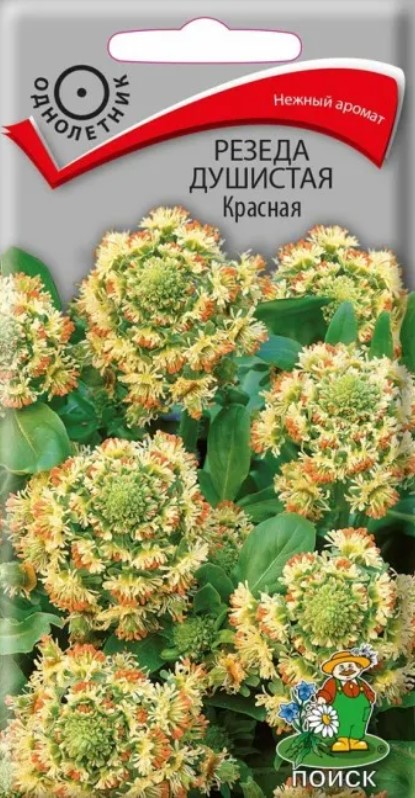
Sowing begins in March:
- A drainage layer is placed at the bottom of the planting container. Although mignonette thrives on moisture, stagnant water will not benefit any plant.
- Pour in the substrate.
- Make planting holes.
- Sow seeds in them.
- Cover the top with soil mixed with sand and compact lightly.
- Spray with water at room temperature and cover with plastic wrap.
Once the sprouts appear, the polyethylene can be completely removed.
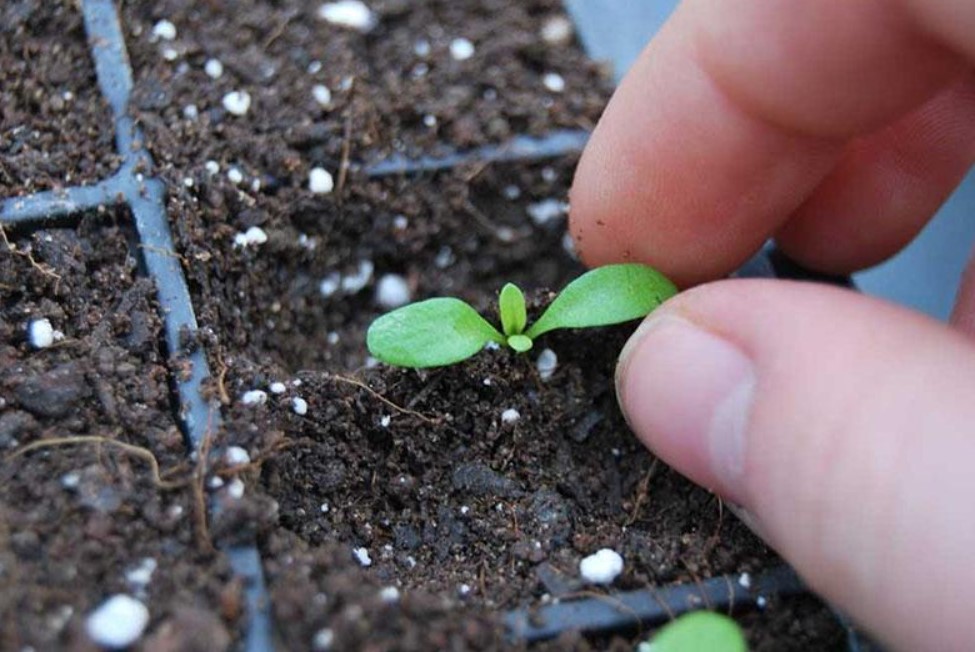
Once they've grown stronger, transplant them into individual containers. This planting method allows for early flowering.
Planting mignonette
The seedlings are transplanted to a permanent location at the stage of 3-4 leaf blades.
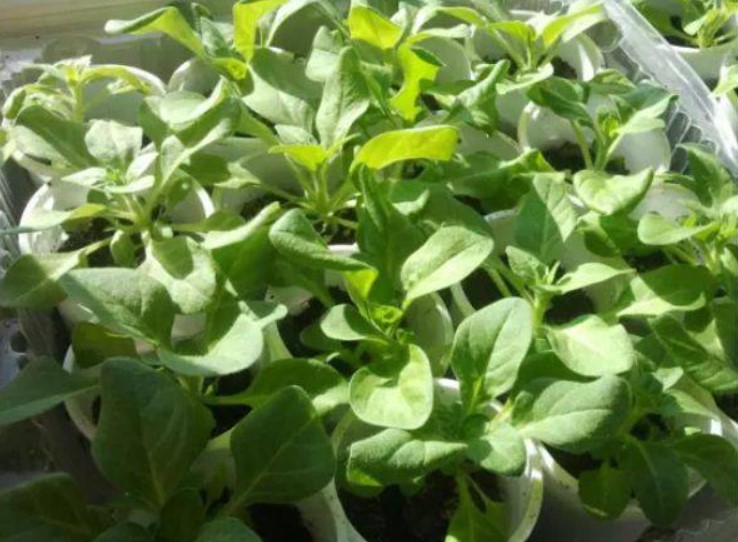
Step-by-step transplantation into open ground:
- Water the soil in the container thoroughly until it is completely saturated with water.
- Outside, make holes corresponding to the size of the plant's root system.
- Remove the bush from the container along with the root ball and transfer it to the flowerbed.
Please note! You can sow twice a season, two weeks apart. This will keep your garden fragrant with its wonderful aroma until autumn.
Location and soil
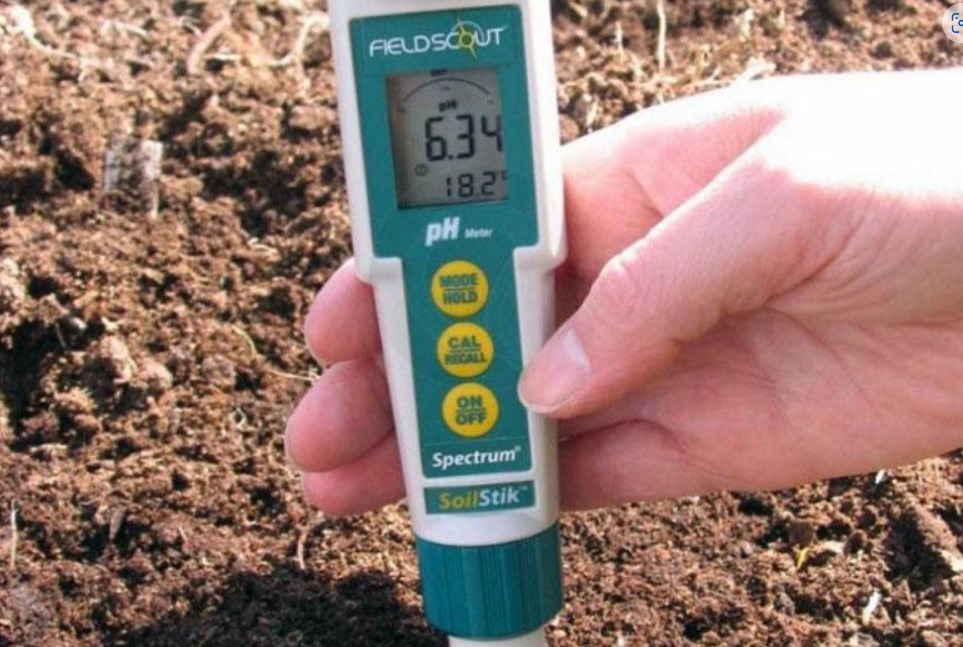
Reseda prefers soil with a neutral acidity level.
It can be prepared from the following ingredients:
- humus;
- wood ash;
- peat.
If the soil in the area is highly acidic, lime should be added. It should also be loosened with sand and dolomite flour. A drainage layer should be placed on the bottom.
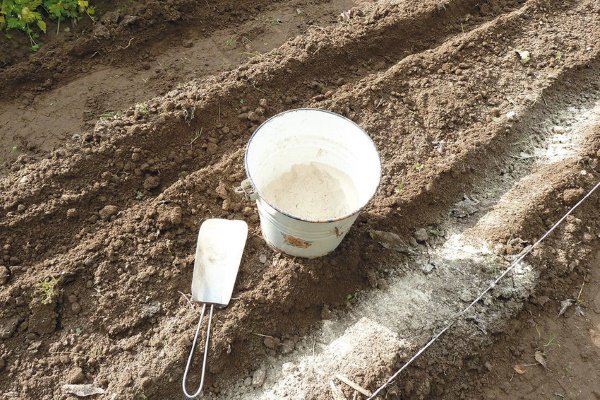
Reseda prefers fertile, nutrient-rich soil. If the soil in your area is poor, you can add compost or other organic matter.
Please note! The plant's homeland is warm countries, so for planting you need to choose a well-lit area that will receive sun almost all day.
Caring for mignonette
By planting a mignonette in your garden, you don't have to worry about it demanding much of your time. Simply remember to water it regularly and loosen the top layer of soil. Water generously, especially in hot weather. At the same time, avoid stagnant moisture, which can lead to root rot.
For long-lasting flowering, apply a complex mineral fertilizer twice a week. If the plant is grown in containers, applying fertilizer once every two weeks is sufficient.
In summer, perform formative pruning to stimulate growth and prevent excessive spreading. Additional pinching of stem tips will promote better branching.
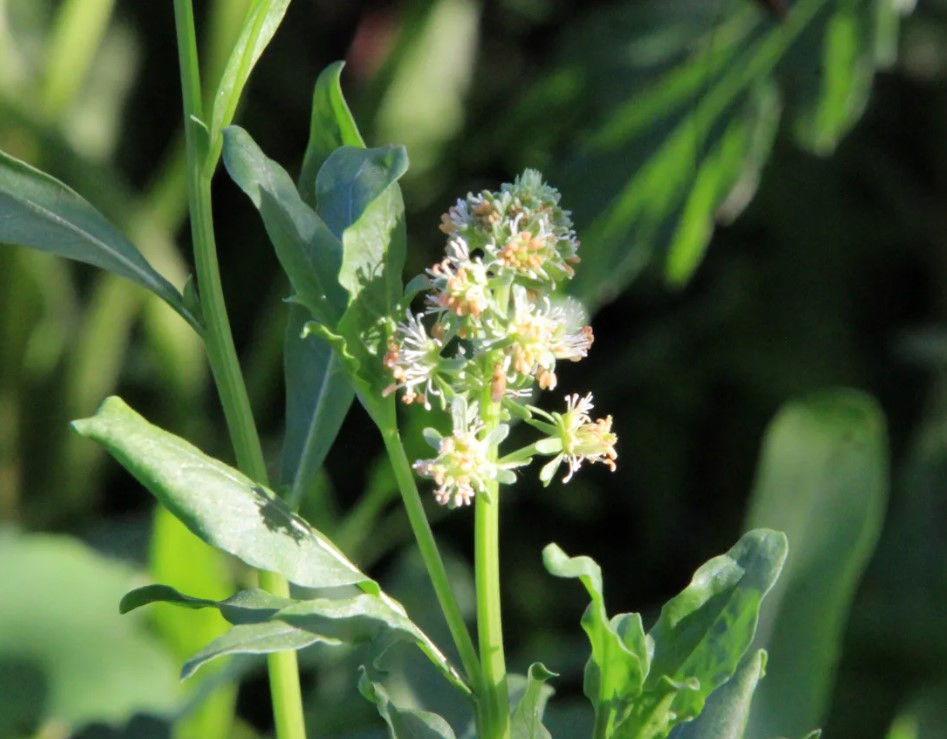
After flowering, it is recommended to remove faded flower heads. This will stimulate a second wave of buds. Please note: if you want to collect seeds for planting, the seed pods should be cut off before they open. They should then be left in a well-ventilated area to ripen. Seeds collected from your own plot remain viable for 3-4 years.
Diseases and pests of mignonette
This plant is resistant to various infections due to its high content of essential oils and other biological compounds. Pests that may pose a threat include caterpillars, aphids, and spider mites. Therefore, the bushes should be inspected periodically for pests. If there are numerous insects, insecticide treatment should be applied.
Uses of mignonette
Reseda is a medicinal plant that has been used since ancient times.
Certain plant species are used to make dyes. They were once used to color a variety of materials, but with the advent of synthetic dyes, they began to be used exclusively for silk.
The plant's stems and roots have a distinct mustard-like flavor. Therefore, in Eastern and Asian countries, it is used as a spice.
Mignonette is an excellent honey plant. Its honey is prized not only for its amazing aroma but also for its medicinal properties.
Because of its scent, mignonette is grown not only in private gardens but also on an industrial scale. The plant is used to make perfumes.
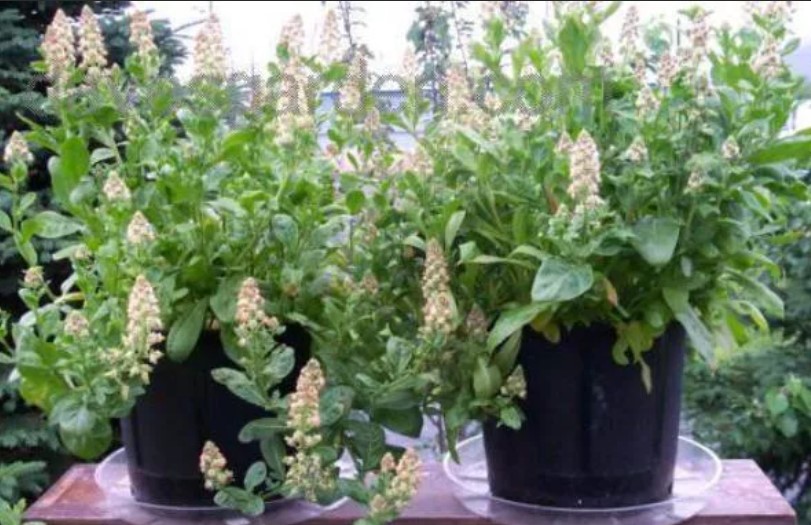
Mignonette is often used in cut flower arrangements. A potted plant makes a great gift for March 8th.
Medicinal properties
Mignonette is not used in traditional medicine, only in folk medicine. It has diuretic, choleretic, and diaphoretic properties, and helps alleviate heart conditions.
The aroma of mignonette is also believed to have a positive effect on the nervous system. It helps combat fatigue, nervous breakdowns, and insomnia.
The medicinal properties are due to its rich chemical composition. Various parts of the plant contain carotene, ascorbic acid, flavonoids, and other compounds with biological activity.
Procurement of raw materials
All parts of the plant can be used—shoots, flowers, roots, and leaves. The above-ground portion is harvested during flowering, from May to August. The roots are dug up after harvesting in the fall.
The above-ground portion can be stored for 2 years. The roots are suitable for use for 3-4 years.
Recipes for tinctures with mignonette
To make a fragrant mignonette infusion you will need the following ingredients:
- 1 tbsp. chopped plant;
- 1 glass of boiling water.
Pour boiling water over the plant and let it steep for 60 minutes, then strain. Take 1-2 tablespoons of the infusion 3-4 times a day for colds.
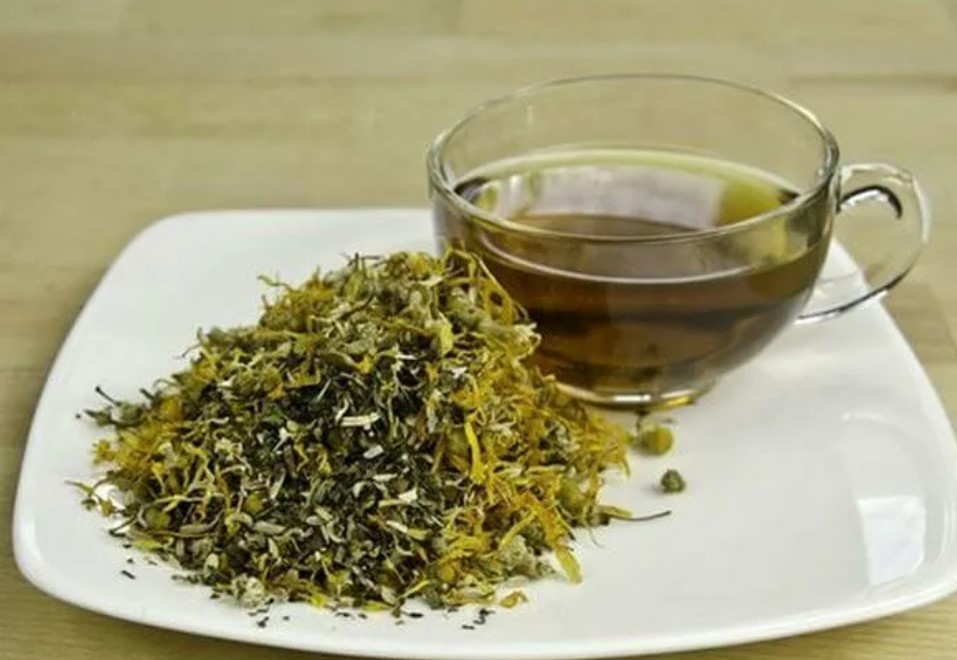
To prepare an infusion of yellow succession, you will need the following ingredients:
- 1 teaspoon of plant root;
- 400 ml boiling water;
- honey.
How to prepare the infusion:
- Pour boiling water over the crushed root.
- Leave to infuse for a couple of hours under the lid.
- Strain the infusion and add honey to taste.
Take 1 tablespoon of the infusion twice daily for heart conditions. A similar solution without honey can also be used as a diaphoretic and diuretic.
Contraindications for the use of mignonette
Despite the fact that products made from mignonette are natural, they have some contraindications:
- childhood;
- pregnancy and lactation;
- individual intolerance to mignonette;
- predisposition to allergic reactions.
Even if you have no contraindications, you should always consult a specialist before using herbal remedies.
Application in landscape
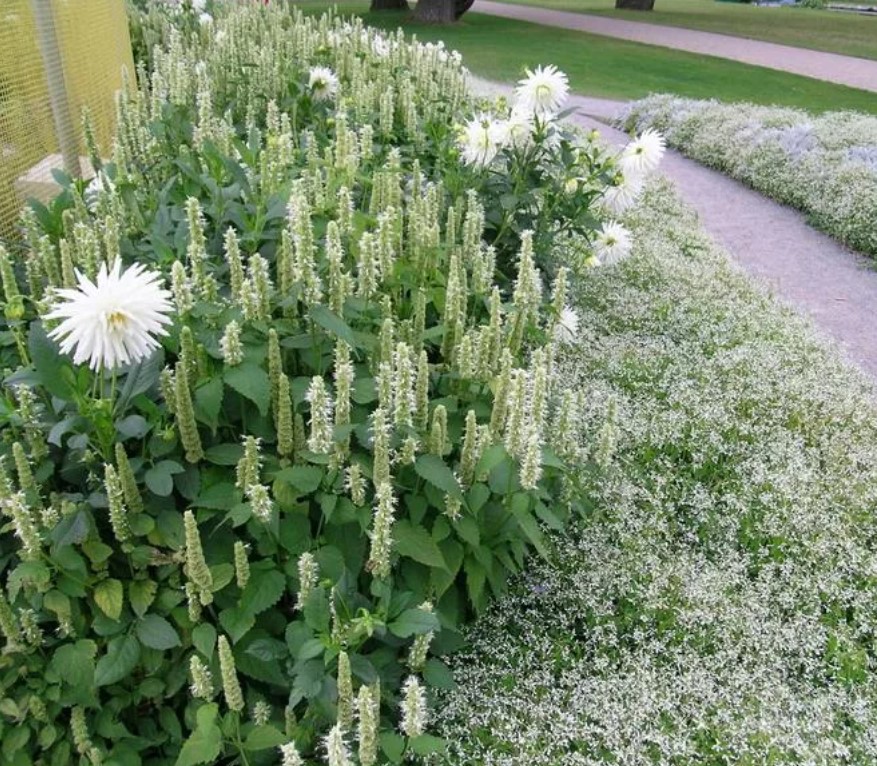
Mignonette is used to decorate flowerbeds and balconies in hanging pots and planters. To enjoy its amazing fragrance, it can be planted near a gazebo, by windowsills, or along garden paths. However, it should be avoided near other strongly scented flowers.
Reviews of mignonette from gardeners
Last year, I accidentally planted a mignonette plant. This year, I've already planted three clumps, mostly because so many of the seedlings survived. Then, while weeding the flowerbed, I smelled a delicate aroma. A bit like violet. I started looking for the source. It turned out to be mignonette! Now this plant will have a permanent home in the flowerbed. I take a few sprigs home and place them "under my nose," by my bed, for example. The scent isn't strong, of course. But I can smell it.
Last year I sowed mignonette in the ground, and everything grew and bloomed. The only problem was that the stems fell to the ground. Maybe I should have put in some supports, or maybe the little shade from the fence wasn't enough for them.
I sowed Johnson's mignonette myself. The instructions said to sow sparsely, cover with compost, press down, and keep at a temperature of about 20 degrees Celsius. I haven't seen any sprouts yet, as I sowed them recently. And you need to transplant them when they sprout, like all other seedlings. I haven't had any further questions about growing them.
I didn't have any problems with growing it - I just sowed it in the ground and everything grew, but I had problems with the aroma - it had practically no scent, neither on a sunny day nor on any other.
In fact, mignonette doesn't need to be sown from seedlings. It grows beautifully on its own when sown directly into place. And there's no need to pinch it. Plant it early in the spring.
I don't know, I had a fragrant, very fragrant mignonette, especially when the aroma has steeped after a hot day. And the fact that it's falling over is normal.
The name of the mignonette flower itself means "medicine" or "sedation" in Latin, as it has long been used as a painkiller. Although it's modest in appearance, perhaps because it's been forgotten, it grows beautifully in my rock garden, delighting with its stunning aroma from early June until October. It's short, reaching up to 40 cm, and its small white flowers, clustered in pyramids at the ends of the stems, look elegant. There are also ornamental mignonette varieties, including bright red, orange, brown, light green, and pink-orange. Buy seeds, sow them in April or May in calcareous soil, and they'll sprout in just two weeks.