Rosemary or rosmarinus belongs to the genus of perennial evergreen shrubs, widespread in Europe and the Mediterranean, Crimea, and Asia.
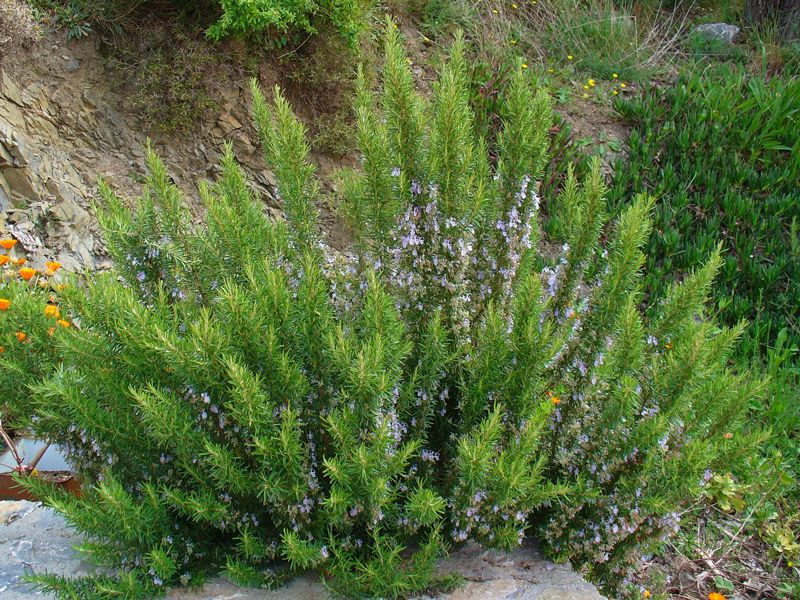
This green plant with sharp, needle-like leaves has a scent reminiscent of eucalyptus, camphor, pine, and citrus. In the wild, rosemary grows up to two meters tall. It is frost-sensitive; temperatures below 11 degrees Celsius are fatal. During flowering, the plant opens, covered in lilac, sky-blue, and white flowers, filling the air with a fragrant aroma.
Content
Description
Medicinal rosemary is an evergreen plant with abundant branches and a pleasant aroma. Its roots penetrate up to 4 meters into the soil. It blooms from May to July and is an excellent honey plant. The plant is easy to grow indoors.
Home care
Fragrant rosemary is suitable for home growing; this species is not capricious and does not require careful care.
Container, soil, planting
The soil should be fertile, neutral, and most importantly not acidic. A good potting mix contains leaf mold and turf.
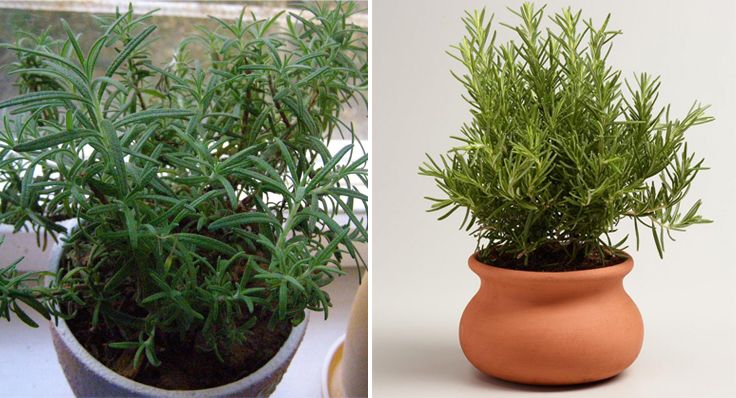
Rosemary needs plenty of space to thrive, so choose a spacious pot. A clay pot is ideal. Be sure to use drainage when planting.
When growing rosemary indoors in a pot, keep in mind that the plant will go dormant in winter and should be kept at temperatures no lower than 10 degrees Celsius (50 degrees Fahrenheit), otherwise the herb will not bloom. If you don't plan to plant rosemary outdoors during the summer, repot it every two years in the spring. Choose a container slightly larger than the previous one. Be sure to use a drainage layer when repotting.
Location, lighting
When growing rosemary indoors, keep in mind that a lack of sunlight will affect the concentration of its essential oils. The scent and flavor will become completely dull.
The plant loves sunlight; in autumn and winter, it should be left on a windowsill on the south side of the apartment, the main thing is that plenty of light comes through the window. In spring, it can be taken out onto the loggia for fresh air.
It is better not to place a pot of rosemary next to a rose, otherwise the spice will not be as aromatic.
Temperature
The plant's peculiarity is that it feels uncomfortable in winter and goes into hibernation. It's essential to ensure that rosemary doesn't become over-chilled during the cold season and isn't exposed to temperatures below 10 degrees Celsius. Sudden temperature fluctuations should also be avoided.
During the period of active plant growth, the temperature should not exceed +20 degrees; in cold weather, do not open windows or vents near the plant.
Watering, humidity
This green bush with needle-like branches is quite drought-resistant, but to encourage the growth of young shoots, it requires regular but moderate watering. In summer, it requires ample watering, but be careful not to overwater, otherwise the roots will turn black and rot.
In winter, watering twice a month is sufficient. Misting occasionally is beneficial for the leaves.
Top dressing
Apply mineral and organic fertilizers containing peat, humus, and sand from spring to fall, about twice a month. Calcium supplements are good for rosemary growth; you can add it to the soil every six months.
Pruning, replanting, propagation
There are two best methods for growing spices at home: cuttings and seeds.
Growing from seeds is more difficult, and the seedlings take a long time to emerge, but if you follow the detailed step-by-step instructions, everything should work out:
- Dampen a piece of gauze with water. Place the seeds in it and leave for a couple of days.
- Place them on moist soil and cover with plastic wrap to retain heat and moisture.
- After the first shoots appear, spray the seeds regularly.
- After a month, the shoots can be transplanted into a separate pot.
The second method is cuttings.
- Cut a shoot from the top of the plant bush, remove the lower leaves and plant the cutting in a mixture containing peat and sand.
- Once the cuttings have taken root, you can plant them in a pot.
Errors, diseases, pests and methods of their elimination
| Complication | Method of elimination |
| White coating on leaves, which later turns brown. | The plant is affected by powdery mildew. The affected leaves should be removed, replanted in different soil, and treated with Baikal-M. |
| Spots have started to appear on the leaves, and the leaves are curling into a tube. | It's a whitefly or an aphid. An Admiral sprayer will help. |
| White translucent web on leaves. | The plant is infested with spider mites; you can get rid of them with a soap solution. If the disease is in its early stages, and if the bush is heavily infested, you cannot do without insecticides. |
| White spots on leaves. | This is caused by overwatering. Temporarily stop watering and move the plant to a warm, bright location. |
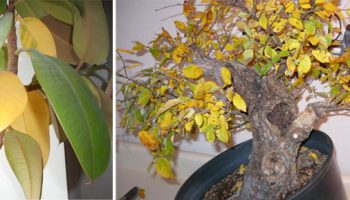
| The leaves have wilted or turned yellow. | Lack of light, rosemary needs to be moved to a well-lit room. Yellow leaves indicate insufficient watering; the plant needs to be watered regularly and it will recover. |
Top.tomathouse.com recommends: the medicinal, cosmetic, and other beneficial properties of rosemary
The herb has a wealth of medicinal properties that are used in folk and traditional medicine.
Healing properties of rosemary:
- Has a beneficial effect on the skin of the face and body.
- Heals fresh wounds.
- Has a beneficial effect on joints.
- It has a strong diuretic effect, which stimulates increased kidney function.
- It is actively used for the treatment of oncology and prevents the development of cancer cells.
Rosemary oil is also used for dry, persistent coughs. It kills all harmful microorganisms and has antiseptic properties, helping the body cope with chronic ailments.
For psoriasis, it can be used both fresh and in powder form.
If you have rosemary growing in your garden or home, you can use it as a fragrant addition to a bubble bath—it's a magical aromatherapy experience. You can also make a tincture from the herb to help dry out pimples and inflammation on your face.
Composition, vitamins and microelements
Rosemary contains alkaloids (rosmaricin), ursolic and rosmarinic acids, and tannins. The leaves, flowers, and upper parts of the plant's shoots contain essential oil, or rosemary oil.
| Parameter | Value (per 100 g of product) |
| Caloric content | 331 kcal |
| Fats (gr.) | 15.2 |
| Proteins (gr.) | 4.9 |
| Carbohydrates (gr.) | 64 |
| Water (gr.) | 9.4 |
| Dietary fiber (gr.) | 42.5 |
| Saturated fatty acids (gr.) | 7.4 |
| Vitamins | A, B1, B2, B6, B9, C, PP |
| Minerals (mg) | Calcium (1280), potassium (955), magnesium (220), phosphorus (70), sodium (50), iron (29.3). |
Contraindications for use:
- pregnancy;
- allergy;
- epilepsy
In cosmetology
Rosemary essential oil has numerous beneficial properties. Combing your hair with this oil daily will make it long and shiny. The essential oil stimulates hair follicles and is an excellent preventative for hair loss. You can find many rosemary recipes for hair treatment and restoration. There are no contraindications, except for individual intolerance.
Various masks and decoctions based on the spice are used in cosmetology. For hair growth, brew 4 tablespoons of the herb and let it steep for about 4 days. The decoction should be massaged into the scalp every 4 days. Rosemary is used to make a hydrosol; this spray is used for cosmetic purposes; it refreshes and soothes any inflammation on the face.
In folk medicine
Rosemary is also actively used in folk medicine:
- To get rid of gastrointestinal diseases, it is recommended to drink rosemary tea.
- The spice is also an excellent aphrodisiac and enhances male potency. The dry mixture is sold in pharmacies; its average price is around 90 rubles.
In cooking
In cooking, it's used as a spicy herb and seasoning. To enhance the flavor of food, just a pinch of the spice and lemon juice are needed—it's the perfect flavor combination. This spice is ideal for a delicious marinade for meat and fish. However, it shouldn't be used with bay leaves, as this can disrupt metabolism.