Santolina is an ornamental plant belonging to the Asteraceae family. This evergreen shrub is most common in the southern European part of the continent. It is notable for its versatility, which extends beyond interior decoration. Thanks to its essential oils, the plant is used as a spice and also as a moth repellent. This perennial includes numerous garden and indoor species.
Content
Description and characteristics of Santolina
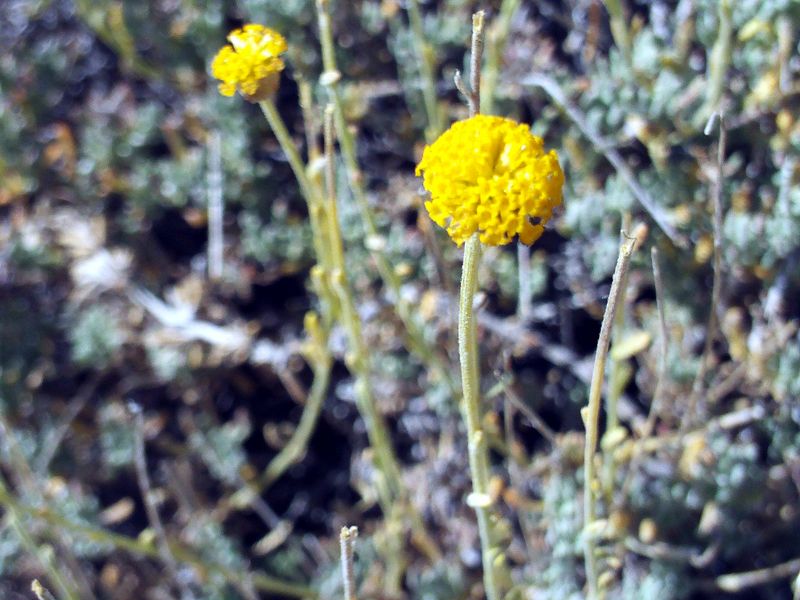
The stems grow up to 20 cm, but are very thin in cross-section. They are adorned with yellow, spherical inflorescences reaching 2 cm in diameter. Flowering lasts throughout the summer. This low-growing shrub (up to 60 cm) is often used by landscape designers for rock gardens and flowerbeds, and is often combined with decorative stones.
Types and varieties of santolina
| View | Description |
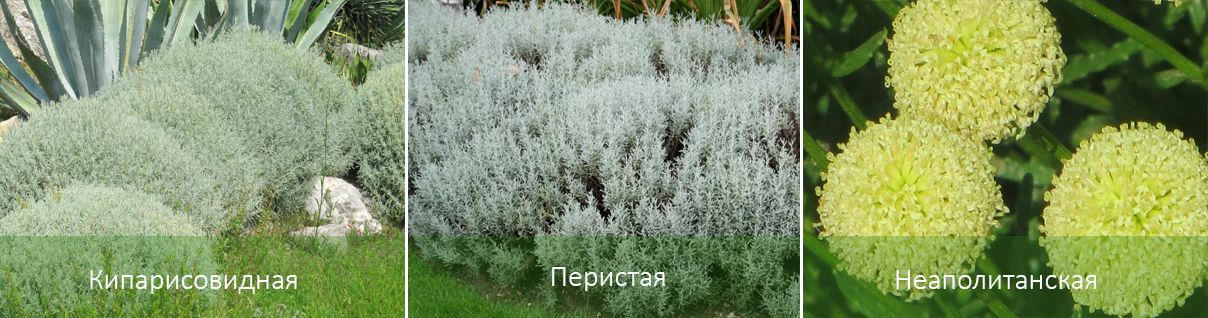
| Cypress | The most common species among garden enthusiasts. This small shrub (up to 50 cm tall) exudes a distinctive fragrance. It is notable for its blooms, which are much more profuse than others. The leaves change color from green to gray with a silvery tint as they mature. The inflorescences are the typical santolina ball shape. It blooms from mid- to late summer. There are two dwarf cultivars ('Small Nels' and 'Nana') of this species, and one ('Edward Bowers') with cream-colored inflorescences. |
| Cirrus | The oblong leaves reach 4 cm in length. The bush grows up to 60 cm in height. The spherical inflorescences are cream-colored. |
| Neapolitan | This species is notable for its height—up to 1 m—but there are also dwarf varieties (Pretty Carol and Weston) that don't grow taller than 0.15 m. The inflorescences are spherical and yellow. The dissected leaves are bright green. It is frost-intolerant and requires warmth, so Neapolitan santolina is usually grown in an alpine greenhouse. |
| Greenish (green) | The species' distinctive feature is its frost resistance down to -7°C. The leaves are pinnately dissected and lacy. The spherical inflorescences are notable for their milky white color. |
| Graceful | This species is quite difficult to grow, as it loves warmth. This miniature shrub is often used as a trailing plant and is suitable for both indoor and greenhouse cultivation. Its spherical inflorescences are yellow. |
| Rosemary-leaved | The leaves exude an olive-like aroma. They contain many essential oils, so their cultivation is not limited to ornamental purposes. |
| Santa | It is represented by 6 separate species, which differ greatly in various parameters. |
Planting and caring for santolina
Since the plant is not particularly demanding, care for an already planted specimen should only include:
- Regular weeding;
- Loosening the soil;
- Water as needed;
- Insulation in cold weather.
Growing conditions for Santolina
| Factor | Conditions |
| Location | Choose a well-lit location, otherwise the stems will stretch and the scent will be almost completely lost. When growing indoors, keep the plant on a balcony or in the garden to ensure it receives sufficient sun. It's important to plant it away from groundwater. |
| Soil | The shrub's natural habitat is quite harsh, so santolina will grow well in poor soils, but may not even bloom in fertile soils. A neutral pH, sandy loam, or rocky soil is best. |
| Drainage | Expanded clay, crushed stone or broken brick should be available as drainage material. |
| Watering | This is done as the soil dries out. A short-term lack of moisture is unlikely to cause significant damage to the plant, but overwatering can cause root rot and yellowing of the foliage and stems. |
| Top dressing | Fertilize three times throughout the summer using mineral fertilizers with a minimum nitrogen concentration. To stimulate flowering, fertilize twice a month. Excessive fertilization can harm the growth and flowering process of santolina. |
| Trimming | After flowering, remove two-thirds of the shoot's length. This helps prevent the bush from falling apart, which can occur due to excessive growth. Flower heads are pruned at the first sign of wilting. A mature plant (three years or older) can be rejuvenated by removing woody stems. Pruning is acceptable at any time of year. |
Santolina wintering
Santolina's winter hardiness is insufficient to cope with the frosts of the temperate zone, so during this period the bush should be temporarily placed indoors or covered.
In the first case, the plant is removed from the soil in October, placed in a pot, and kept as a houseplant until the spring thaw. The room temperature should not exceed 18°C.
In the second case, the soil around the bush is covered with a layer of mulch (pine needles, wood ash, and river sand are suitable). Then, the santolina should be covered with a container or wooden box, and covered with plastic or roofing felt. To prevent the structure from collapsing in the wind, it is recommended to weigh it down with a weight. In March, the cover should be dismantled and the area fertilized with compost.
Reproduction of Santolina
It is carried out in two ways, each of which has its own nuances, advantages and disadvantages.
By dividing the bush
This method can be performed no more than once every 5 years. It has a positive effect on the health of the shrub, as it promotes renewal. It is performed in March and involves the following sequence of steps:
- Extraction of santolina from soil;
- Dividing the root into several parts with a disinfected instrument;
- Disinfection of the cut site with wood or activated carbon;
- Planting seedlings.
It is necessary that the separated parts contain only healthy shoots.
Cuttings
In early spring, take cuttings from the parent plant that are 5 cm long. Then, soak them in a rooting stimulant until roots emerge and plant them in moist sand, covering each individual specimen with a container (such as a glass jar). Remove the container once leaves appear. After two months, the santolina can be transplanted outdoors, as it will now have developed a full root system.
Diseases and pests
The plant is not susceptible to insect pests and rarely gets sick. However, improper care can trigger illnesses. Root rot occurs with overwatering or standing water and can be recognized by sudden yellowing of the santolina stems. In this case, stop watering and treat the plant with a fungicide.
Excessive shading or dry soil will cause the plant to wilt, in which case the shrub should be replanted immediately.
Top.tomathouse.com recommends: the beneficial plant santolina
Santolina has a positive effect on the digestive system when added to dishes as a seasoning.
Santolina, particularly green and rosemary-leaved, enhances the flavor of food. Fresh plant juice has skin-soothing properties and is excellent for insect bites.