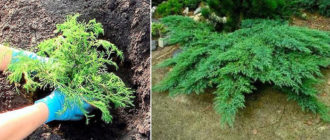
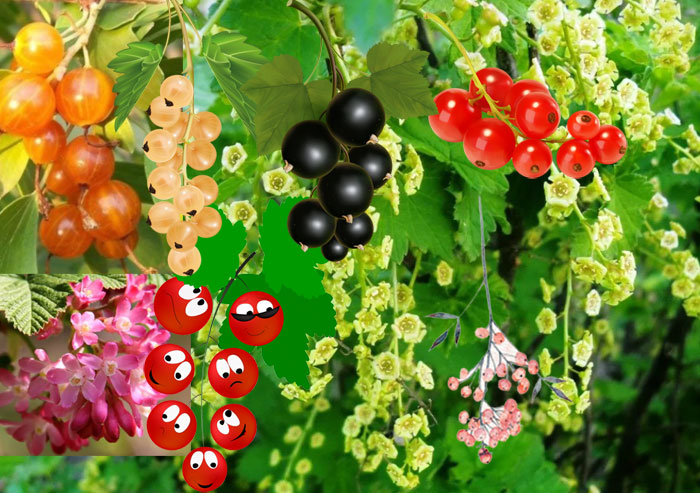
Currant is the general name for a genus of plants belonging to the class of dicotyledons and the gooseberry family. It includes nearly 200 species. It is widespread in Eurasia and North America. It thrives in moisture, so in its natural habitat, it prefers to grow on the banks of bodies of water.
The varieties growing in our latitudes are easygoing and hardy, but they still require constant care to ensure a rewarding harvest. Garden currants grown in central Russia are delicious and nutritious.
Content
- 1 Description of currants
- 2 Types of currants
- 3 Blackcurrant + 49 varieties
- 3.1 Augusta
- 3.2 Openwork
- 3.3 Bagheera
- 3.4 Bashkir giant
- 3.5 Belarusian sweet
- 3.6 Big Ben
- 3.7 Binary
- 3.8 Gross
- 3.9 Veloy
- 3.10 Venus
- 3.11 Vologda
- 3.12 Sorceress
- 3.13 Harmony
- 3.14 Hercules
- 3.15 Dragon's Eye
- 3.16 Globe
- 3.17 Grace
- 3.18 Gulliver
- 3.19 Gift of Smolyaninova
- 3.20 Summer resident
- 3.21 Delicacy
- 3.22 Good Genie
- 3.23 Dobrynya
- 3.24 Fun
- 3.25 Green haze
- 3.26 Emerald necklace
- 3.27 Raisin
- 3.28 Ilya Muromets
- 3.29 Temptation
- 3.30 Lazy person
- 3.31 Litvinovskaya
- 3.32 An ordinary miracle
- 3.33 Memory of Vavilov
- 3.34 Perun
- 3.35 Letter
- 3.36 Mermaid
- 3.37 Sevchanka
- 3.38 Selechenskaya
- 3.39 Selechenskaya 2
- 3.40 Sybil
- 3.41 Blue Mountains
- 3.42 Sweet tooth
- 3.43 Titania
- 3.44 Cherry
- 3.45 Black Boomer
- 3.46 The Black Prince
- 3.47 Exotica
- 3.48 Jubilee Kopanya
- 3.49 Nuclear
- 4 Red currant + 15 varieties
- 5 White currant + 8 varieties
- 6 Golden currant + 9 varieties
- 7 Ice currant
- 8 Blood-red currant + 4 varieties
- 9 Planting currants in open ground: when and where to plant
- 10 Caring for currants
- 11 Propagation of currants
- 12 Diseases and pests of currants
- 13 Beneficial properties of currants
- 14 Contraindications to the use of currants
- 15 Reviews on growing black, red, white, and green currants
- 16 Reviews of growing ornamental blood-red currants
Description of currants
Currant is a shrub that grows from one to five meters in height. Garden varieties typically don't exceed 1.5-2 meters. The plant has long, straight shoots that are brown, reddish, or gray. The root system is extensive and strong, extending into the soil to a depth of approximately 1.5 meters.
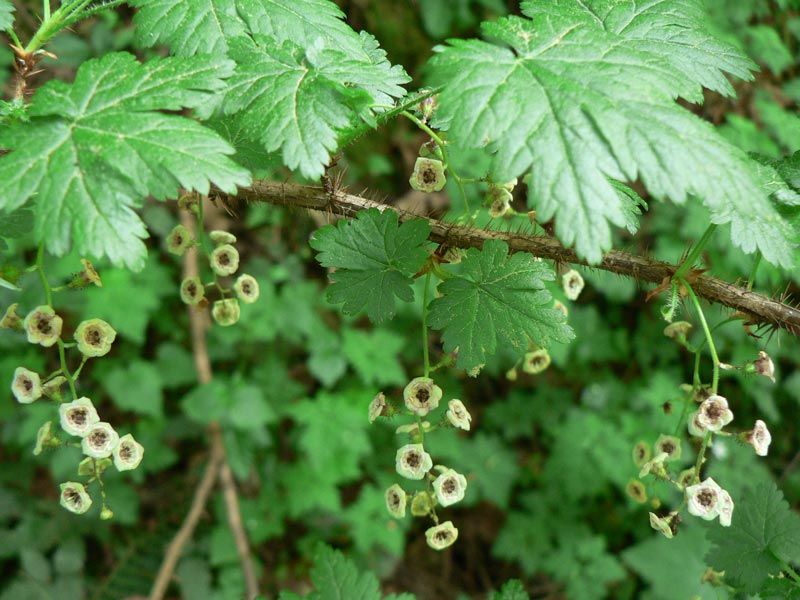
Currant leaves have three or five lobes, and are serrated, round, or elongated. The color of the foliage varies by species, but is most often green, with the upper side being a brighter shade than the underside.
Ornamental currant leaves can be of various shades: red, brown, crimson.
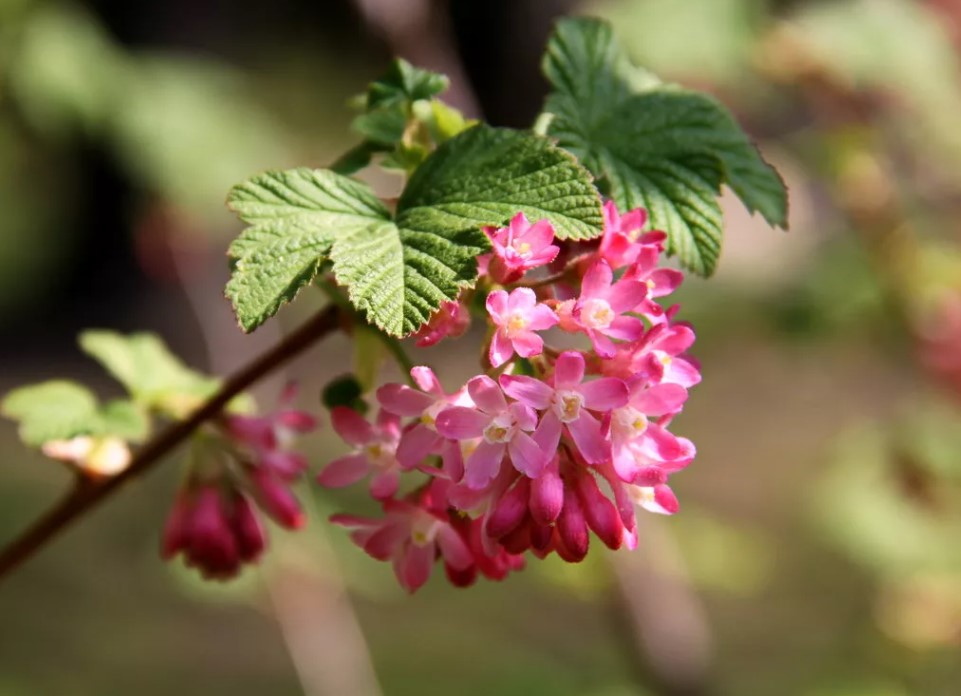
Flowers vary in color, from white to dark red. The inflorescences are clustered in clusters, each containing anywhere from five to several dozen flowers. Currants bloom in April or May, and some varieties can continue blooming until June.
Currants are berries, round or slightly elongated. Their colors vary depending on the variety and can be red, black, white, green, or yellowish. They also differ in flavor.
Some varieties have a distinct sour taste, some are sweet and sour, and there are also sweet varieties.
Types of currants
In our country, currants are readily grown, cultivated, and subject to selection and the development of new varieties and hybrids.
By color
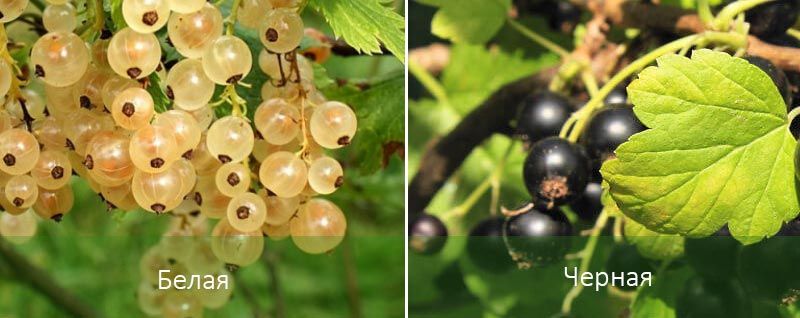
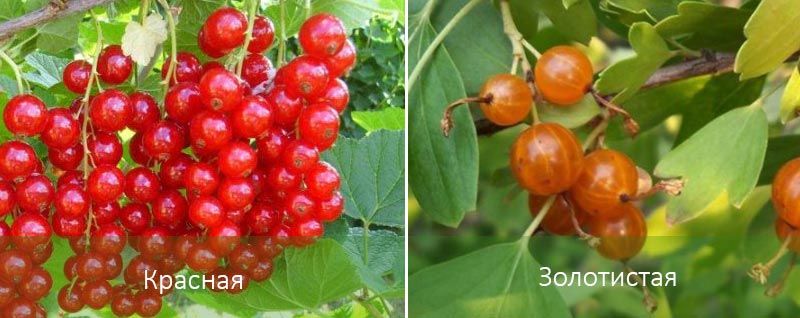
The most common species in Russia by color are the following:
- black;
- red (common garden);
- white;
- golden;
- icy;
- blood red.
By ripening time
Currants are also divided according to ripening time:
- early ripening (late June-early July), suitable for growing in Siberia;
- mid-early (July), middle zone;
- mid-season (July 20-early August), Central zone, Urals, Siberia;
- mid-late (late July-early August), Central region;
- late-ripening (late August-early September), popular in Moscow and the Moscow region.
Blackcurrant + 49 varieties
One of the most popular varieties is black currant. Let's look at the varieties.
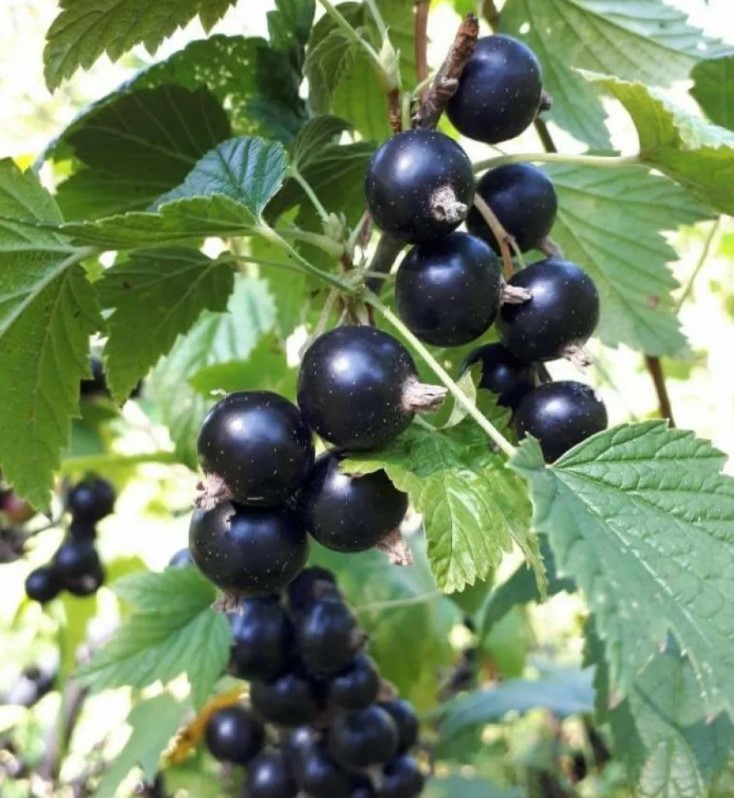
Augusta
A variety with large berries weighing 1.5-3 g, sweet and sour taste (4.4 points), bush 70-80 cm, medium spreading, late ripening.
Openwork
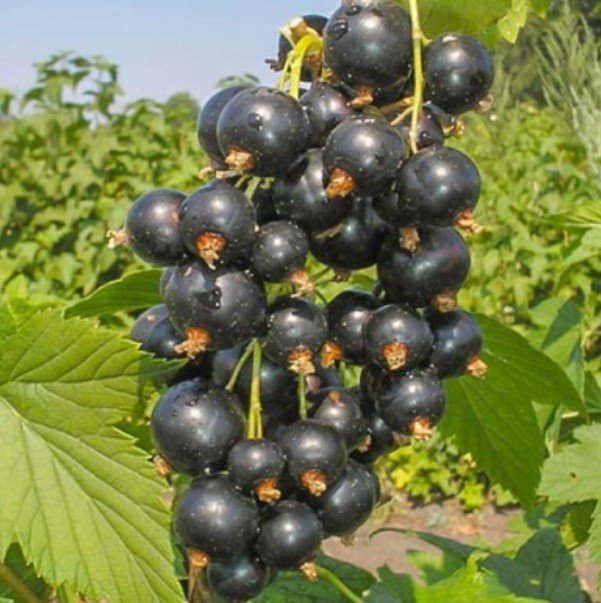
Berries 1.4 g, sweet and sour taste (4.5), bush is slightly spreading, medium-sized, mid-season ripening.
Bagheera
The variety is mid-late, the berry is 1.4-2.3 g (4.5 points), the bush is medium-sized, semi-spreading.
Bashkir giant
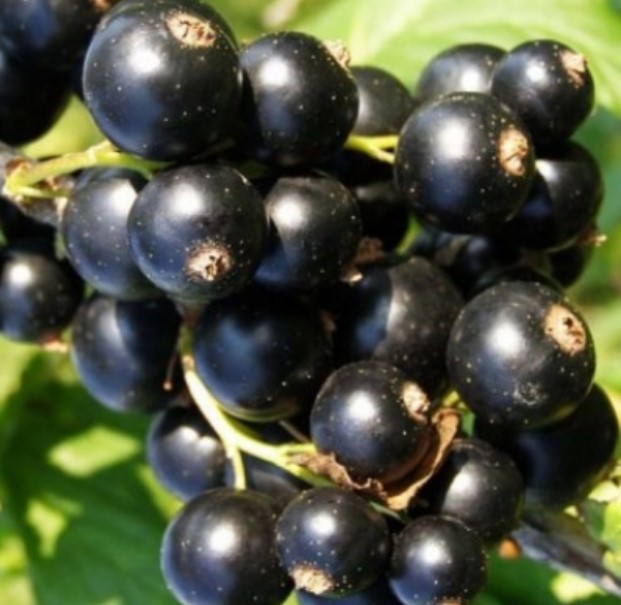
The berries are sweet, 1.4-2.5 g, the bush height is 1.5 m, the ripening period is average.
Belarusian sweet
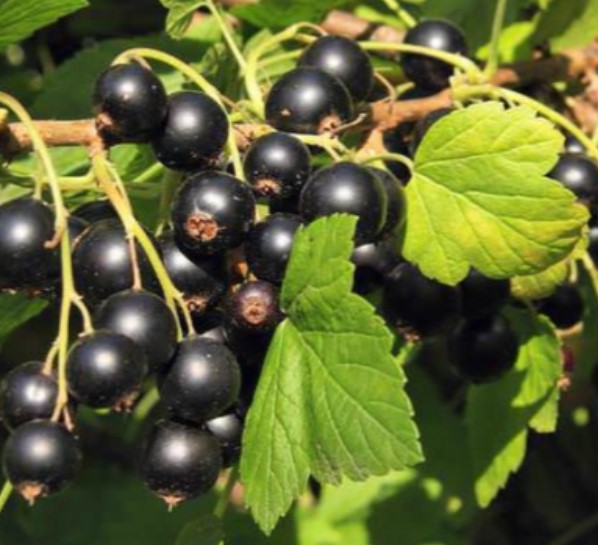
The variety is mid-season, sweet berries 1.1-1.6 g (4.6 points), 1.2 m, medium spreading, densely foliated.
Big Ben
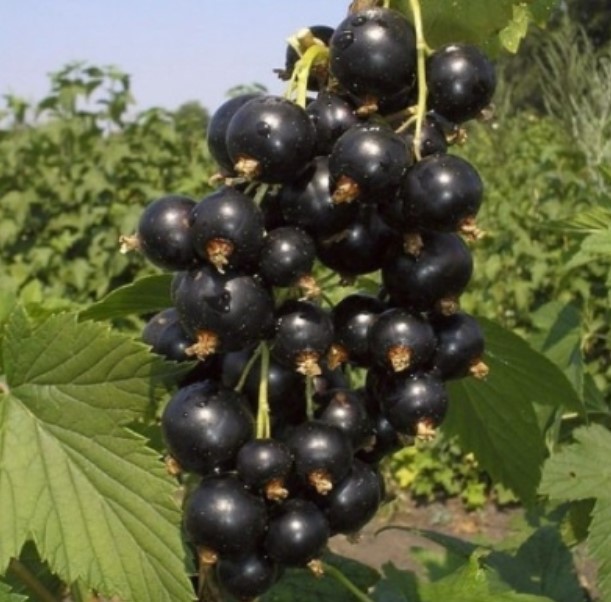
Currant with large berries up to 7 g, usually 2-3 g, dessert taste, strong sweetness with a slight sourness (4.9 points), spreading bush 1.5 m, mid-late.
Binary
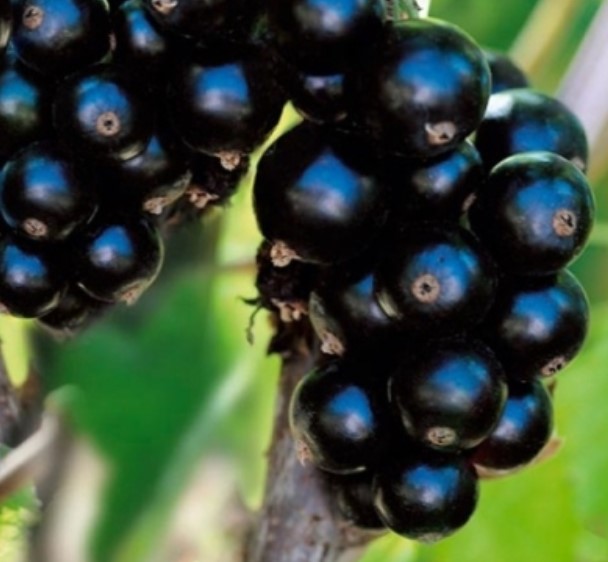
Mid-season, sweet and sour berries, with a predominance of sourness, weight 1.2-1.5 g (4.4 points), the bush is tall, slightly spreading, powerful.
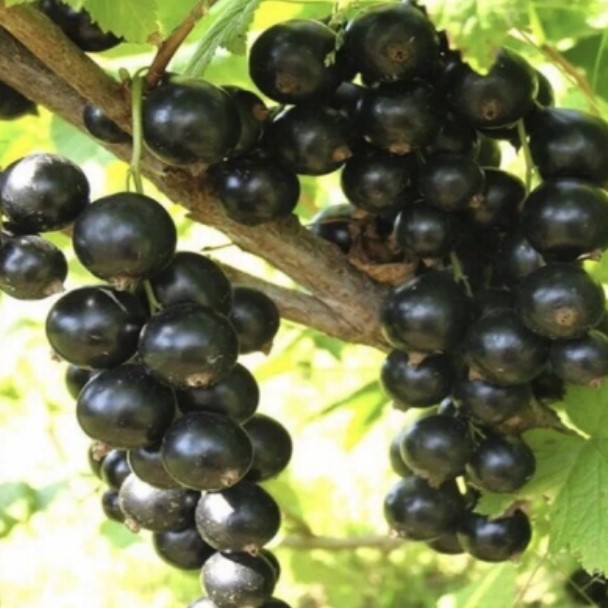
Gross
An early variety with sweet and sour berries of 1.4 g (4 points), bush height 1.1-1.2 m, strongly spreading.
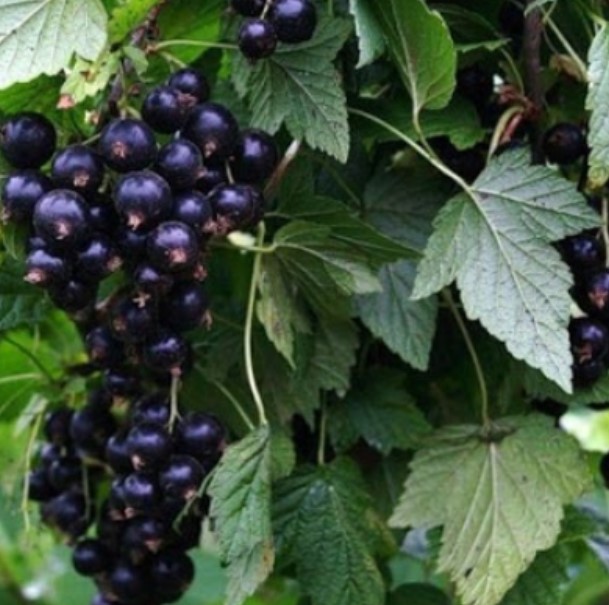
Veloy
Compact bush 1.4 m, mid-season ripening, sweet dessert berries 1.7-3.5 g, tasting score 5.
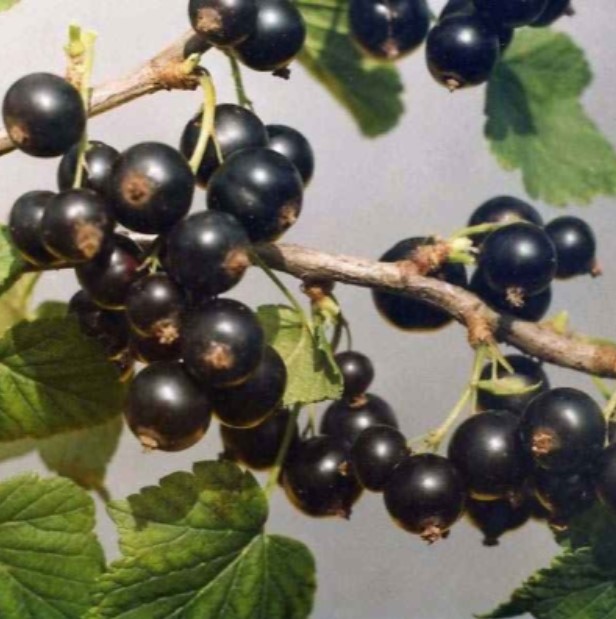
Venus
Sweet dessert 5 points, berries weighing 2.2-5.7 g, medium-sized, medium-spreading, mid-season ripening.
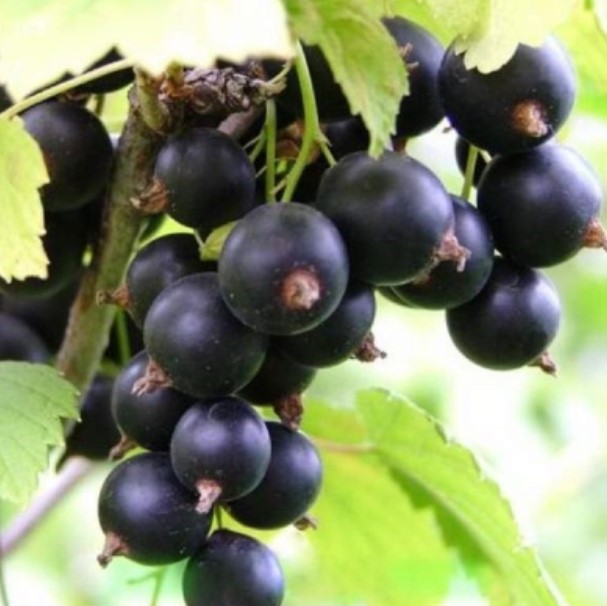
Vologda
Sweet and sour berries 1.9-3 g (4.5 points), mid-late bush, medium spreading 1.5 m.
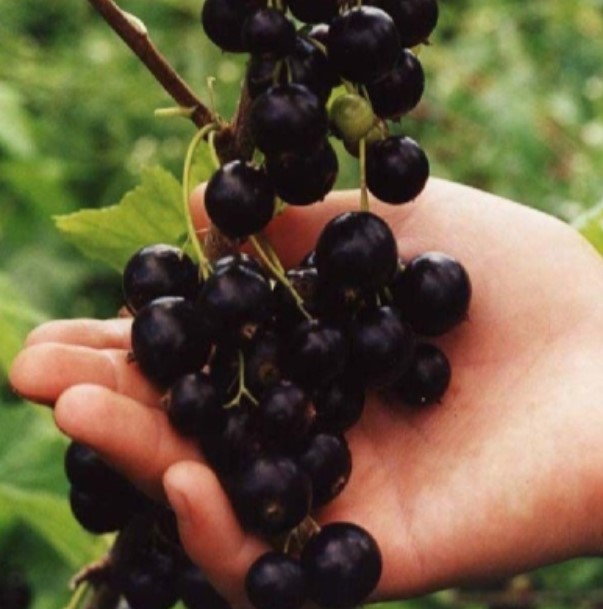
Sorceress
Sweet and sour berries 1.5-4 g (4.6 points), spreading crown, height 1.3 m. Early ripening.
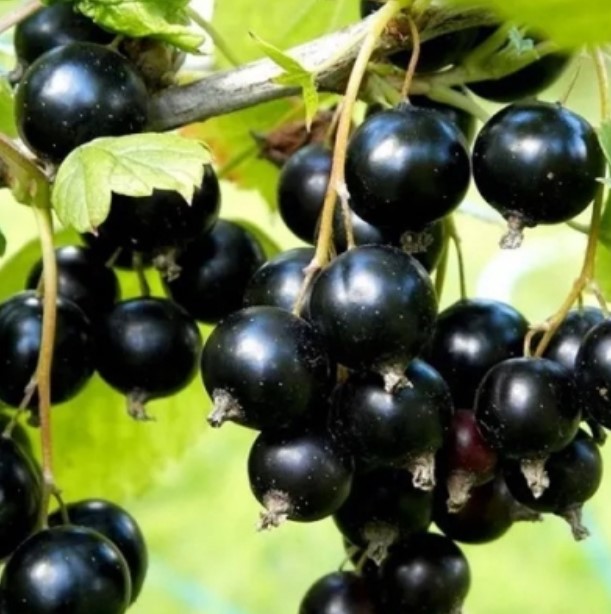
Harmony
Late ripening, sweet and sour, 2.1-3.3 g (4.5 points), medium-sized, medium-spreading.
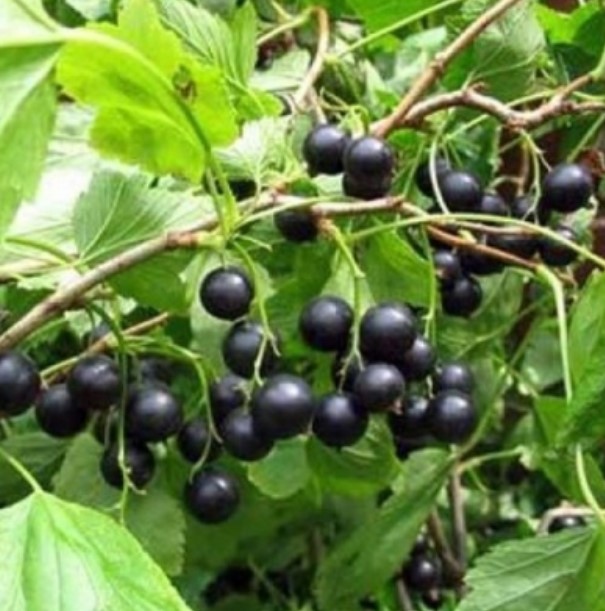
Hercules
Late, 1.7-2.4 g sweet dessert (4.6 points), 1.8 meters.
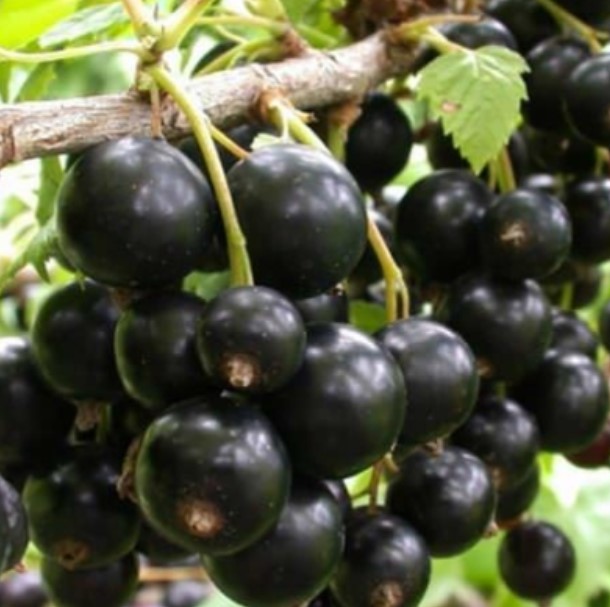
Dragon's Eye
Pleasant sweet and sour taste, weighing 1.5 g, tall, powerful bush, medium height, early ripening.
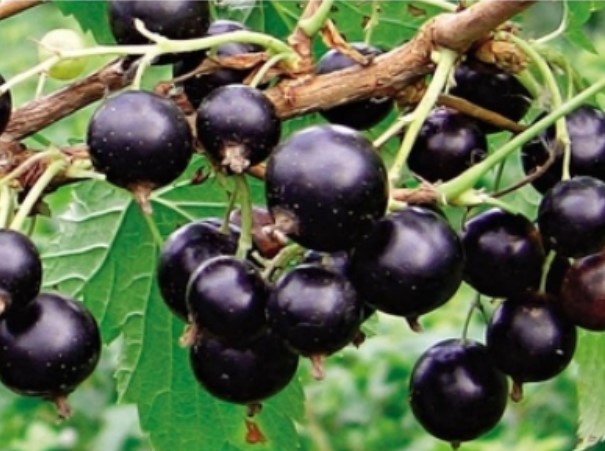
Globe
Medium-sized, compact, mid-season, sweet, tender berries that do not grow more than 2 g. without aroma (4.6 points).
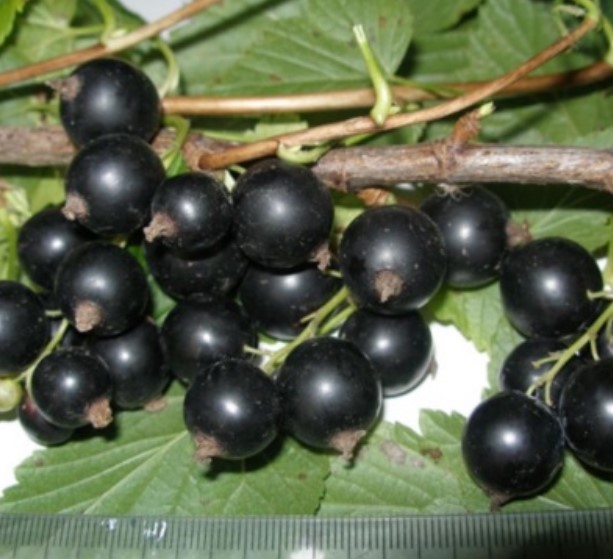
Grace
The berries weigh 2.5-3.5 g, dessert sweet with a slightly sour taste (4.1 points), the bush is medium-sized, medium ripening period.
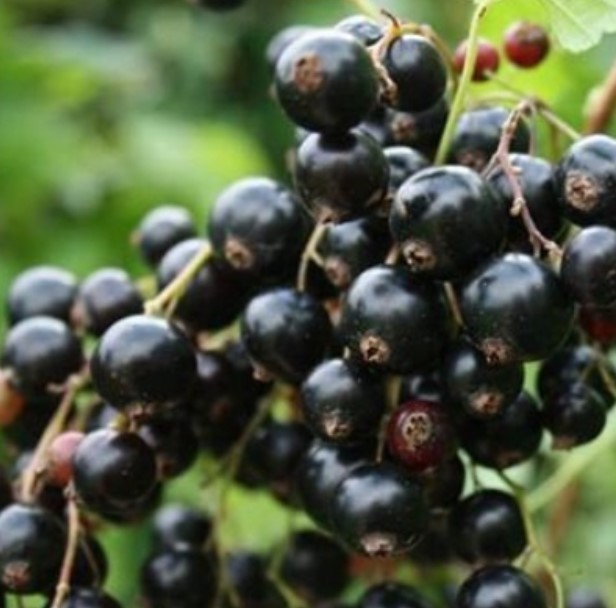
Gulliver
Sweet and sour berries 1.9-3.2 g (4.4 points), early ripening, vigorous, slightly spreading.
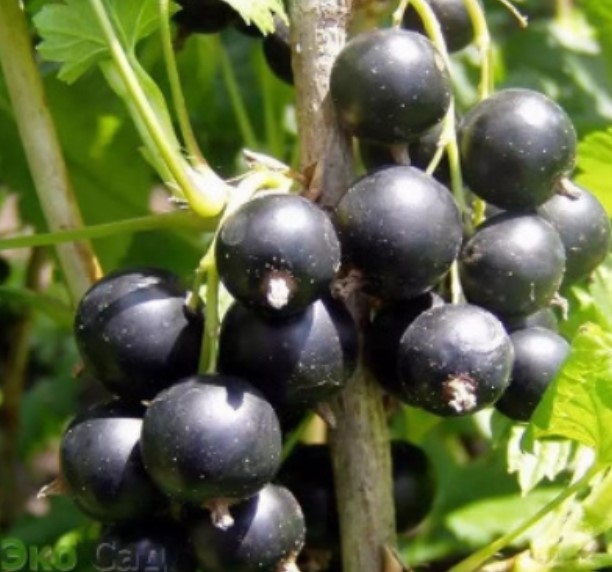
Gift of Smolyaninova
Very early ripening, sweet berries 2.8-4.5 g, tasting score 4.9, medium-sized bush, medium spreading.
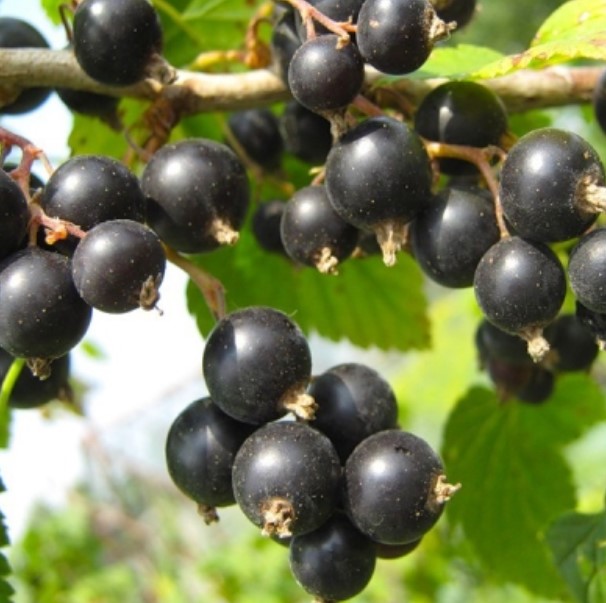
Summer resident
Medium ripening, sweet and sour berries 2.3 g (4.5 points), bush 1.2 m, medium spreading.
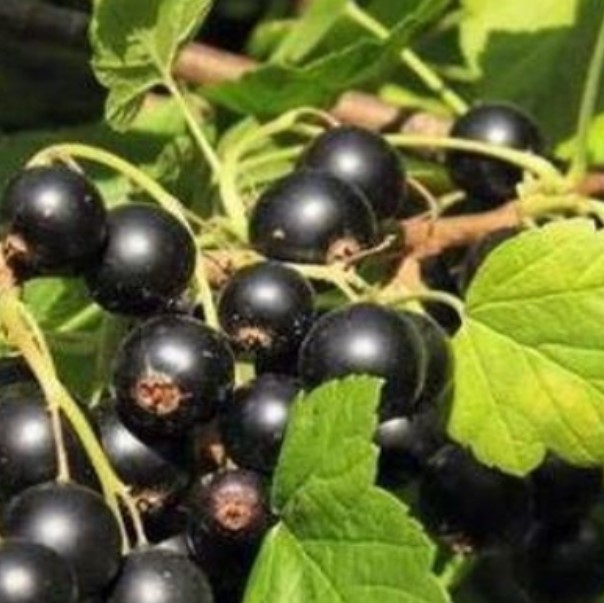
Delicacy
Mid-early ripening, berries 1.1 g, sweet dessert (4.9 points), tall, medium-spreading bush.
Good Genie
Early ripening, sweet tender berries 1.3-6 g (4.8 points), bush is tall 1.7 m, medium spreading.
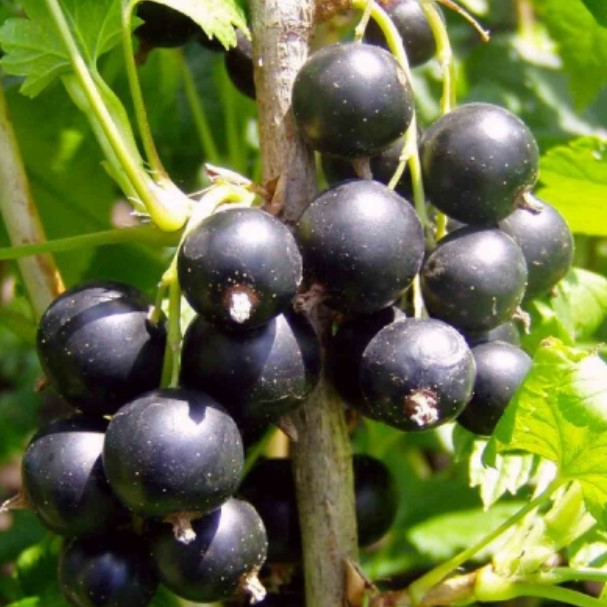
Dobrynya
Sweet and sour berries 2.6-6 g (4.9 points), bush 1.7 m compact, mid-season ripening.
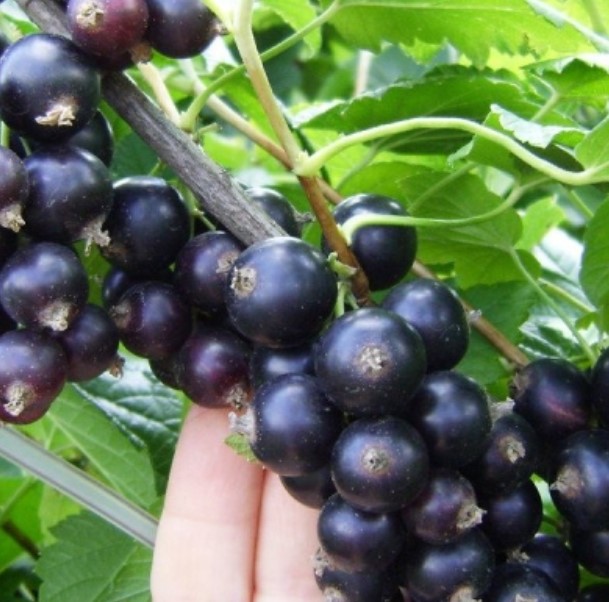
Fun
Mid-season, berries 2.1-3.4 g sweet, pleasant aroma, tasting score 5 points, small bush 1-1.5 m.
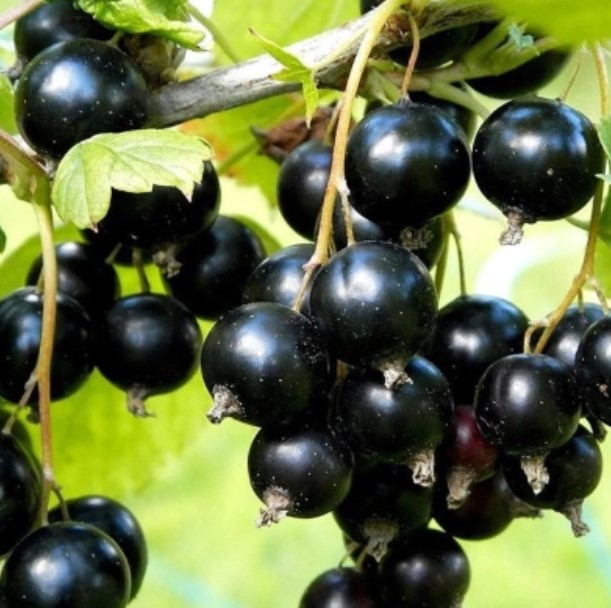
Green haze
Medium ripening, berries 1.2-2.5 g (4.7-5 points), sweet and sour with a musky taste, nutmeg aroma, semi-spreading bush 1-1.5 m.
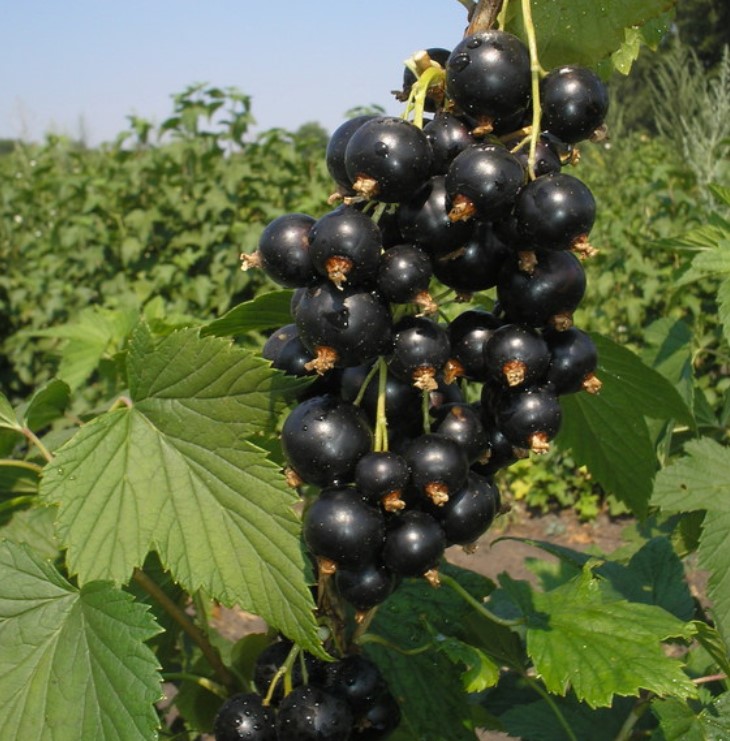
Emerald necklace
The variety is black, but the berries are green, 1.1-1.2 g, sweet and sour (4.7 points), the bush is small, 1.2 m, mid-late ripening period.
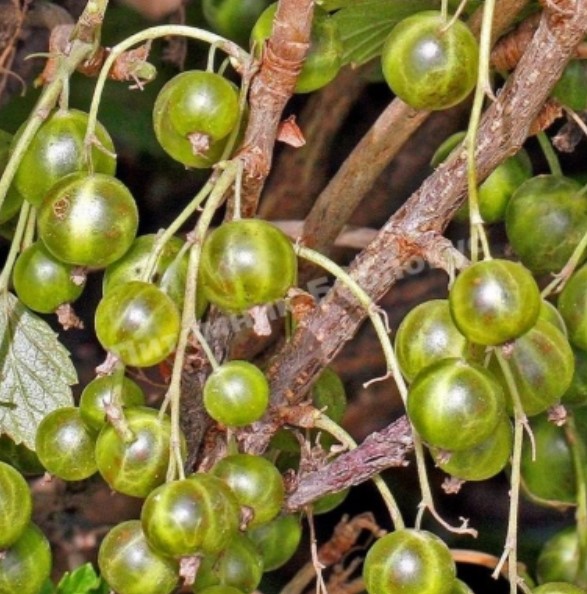
Raisin
Early, berries 1.9 g, sweet and refreshing, bush is compressed, does not exceed 1.5 m.
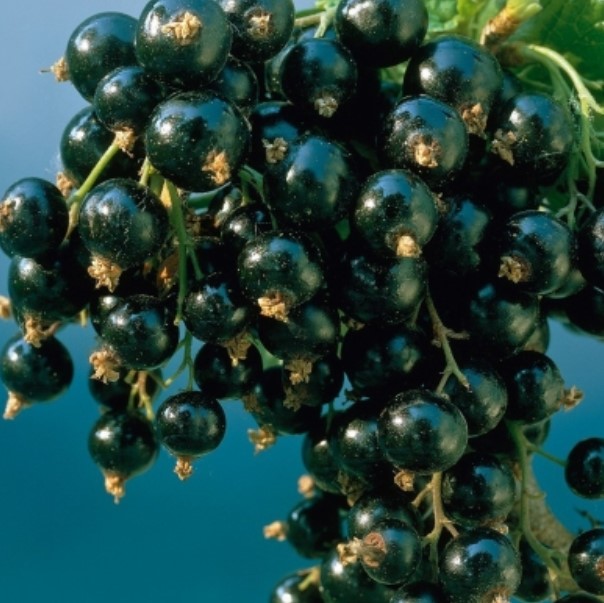
Ilya Muromets
Dessert sweet and sour berries 1.8-3.5 g (4.9 points), mid-late, bush tall, more than 1.5 m, not spreading.
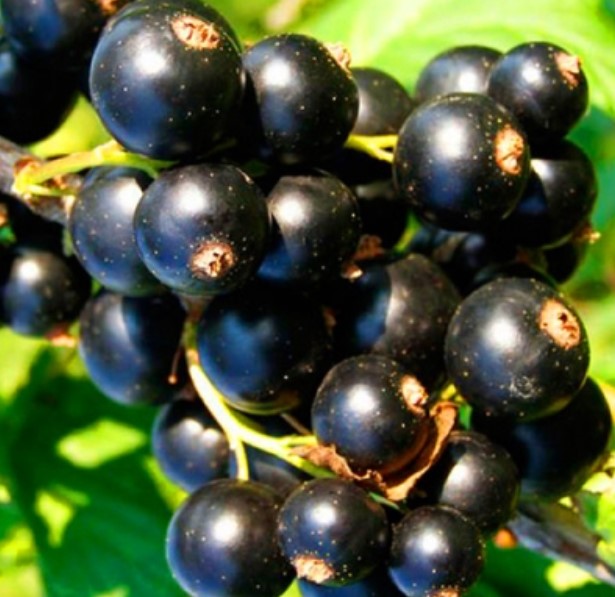
Temptation
Sweet, tender berries weigh 1.7 g (4.8 points), ripen mid-season, the bush is medium and does not grow more than 1.5 m.
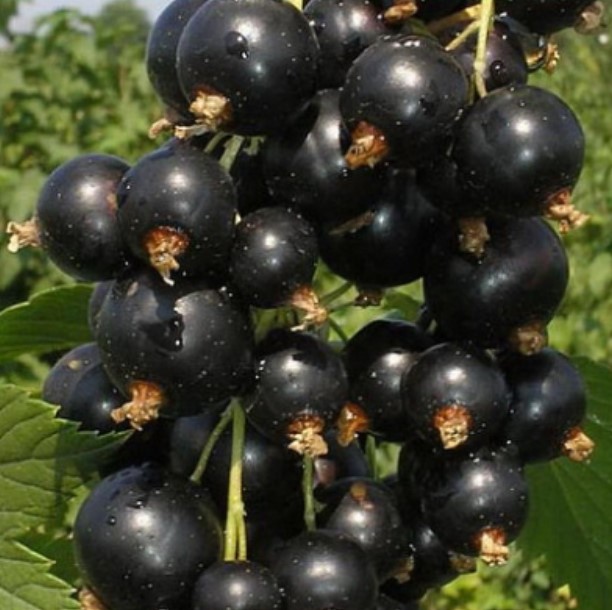
Lazy person
Medium ripening, sweet refreshing berries 2.5-3.4 g (4.5-5 points), bush is vigorous, powerful, medium spreading.
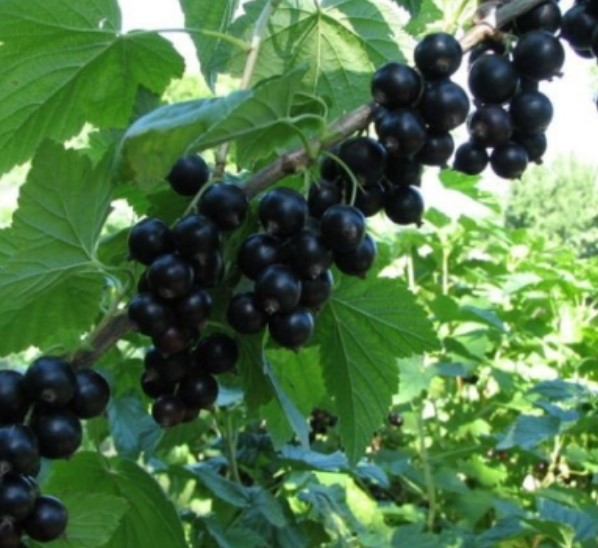
Litvinovskaya
A large, medium-spreading bush 1.5-2 m, with sweet, tender, refreshing berries 2.2-3.3 g (4.9 points), early.
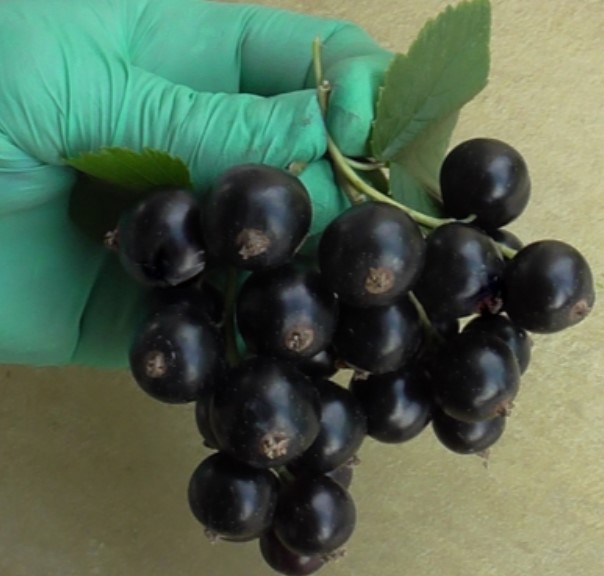
An ordinary miracle
Mid-late, sweet with a subtle sourness, 1.5-2.2 g, 2 m, slightly spreading.
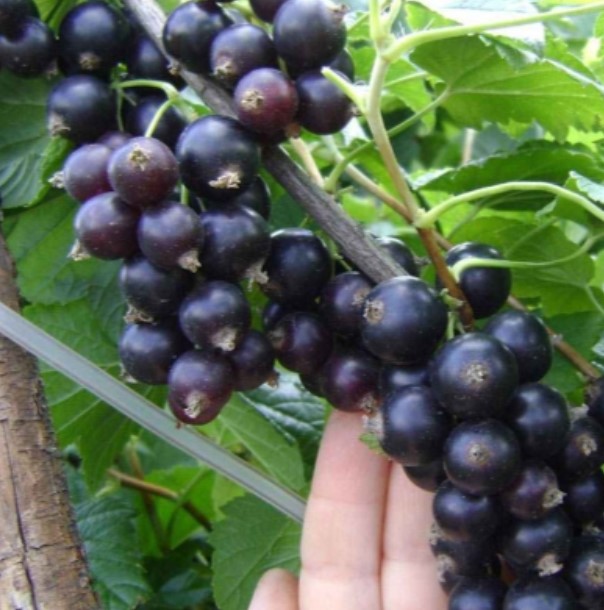
Memory of Vavilov
Medium ripening, berries 1.2-1.4 g (4.8 points), sweet, bush 2 m, slightly spreading.
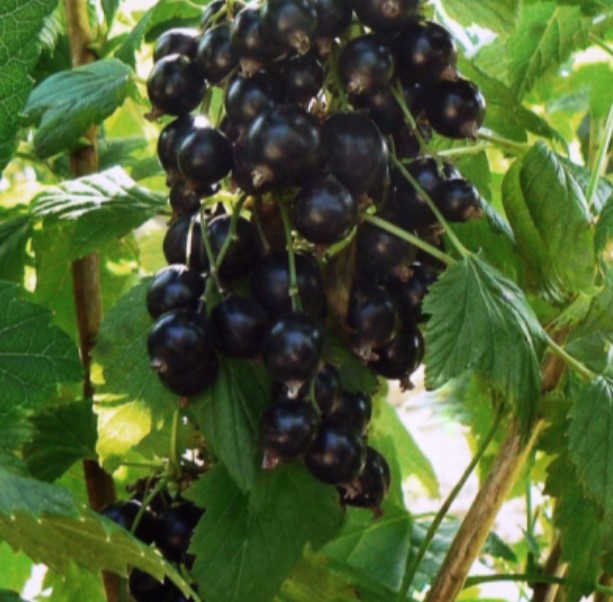
Perun
The tasting score of the berries is 5 points, weight 1.3-2 g, sweet taste, strong aroma, medium ripening period, bush is medium-sized, medium spreading.
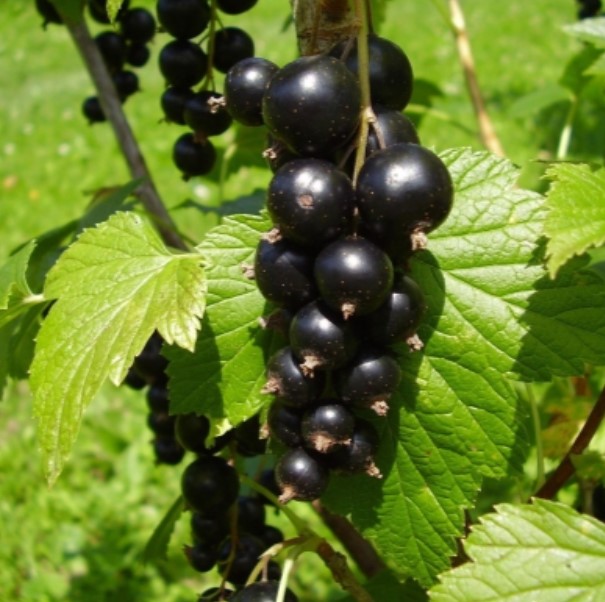
Letter
Large berries 2.2-7.7 g. (5 points), sweet, rich dessert, bush slightly spreading 1.5-2 m, medium ripening period.
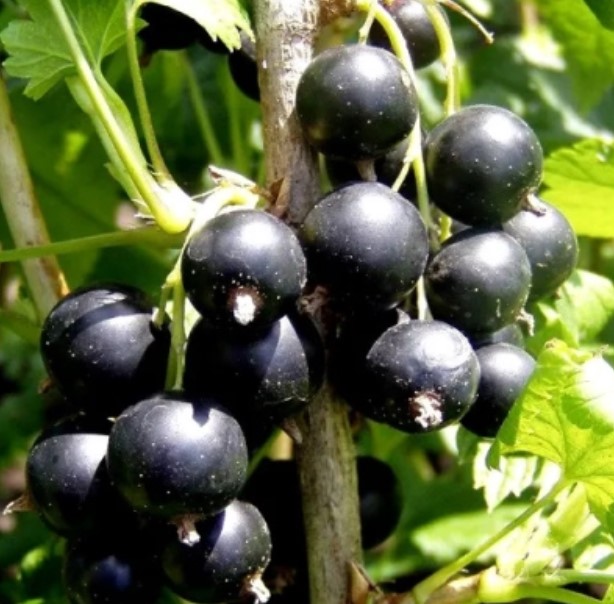
Mermaid
Medium ripening, berries 2.3-7.5 g (5 points), sweet dessert with a slight sourness, bush 1.3-1.7 m, medium.
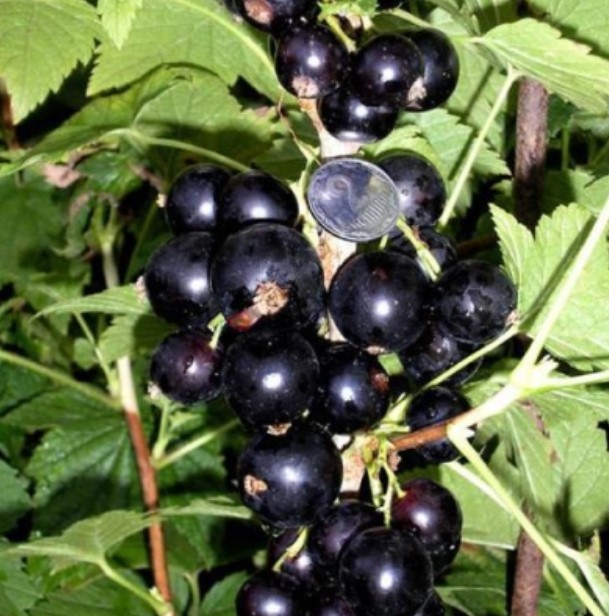
Sevchanka
Berries 2-3 g (4.6 points), sweet and sour, bush 1.5 m, early ripening.
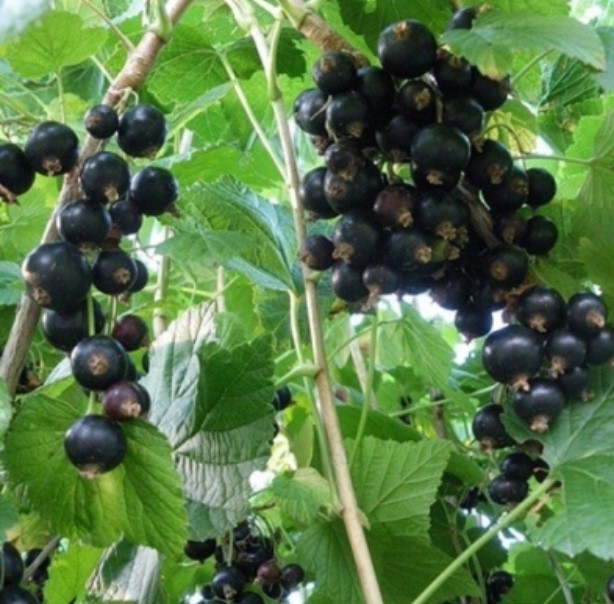
Selechenskaya
A variety with berries weighing 2.2-5 g (4.9 points), sweet, bush 1.5 m, early ripening.
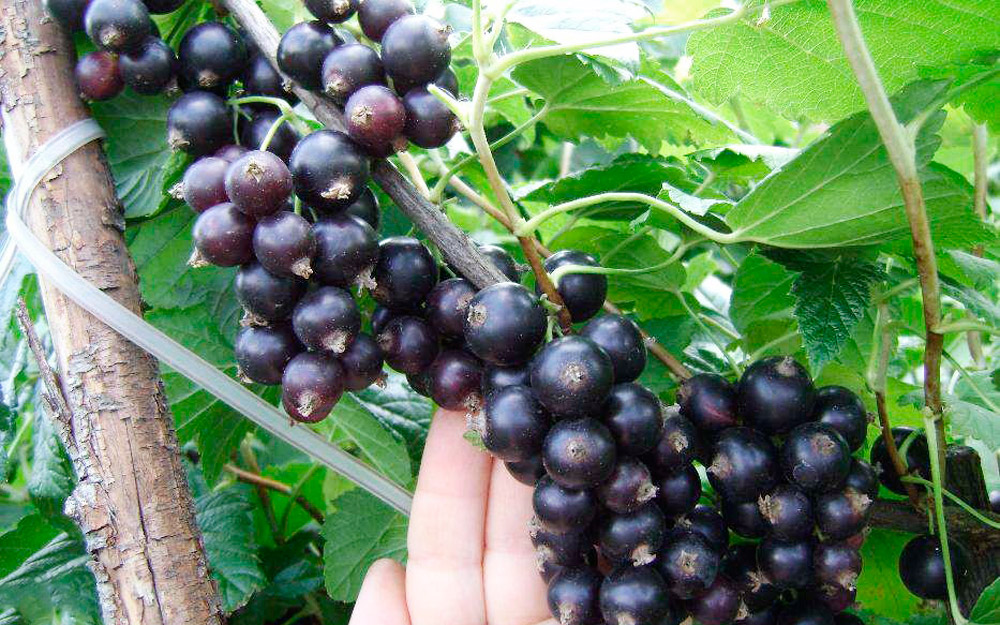
Selechenskaya 2
An early variety with berries weighing 3-5.5 g (5 points), sweet, the bush is straight, 1.5 m.
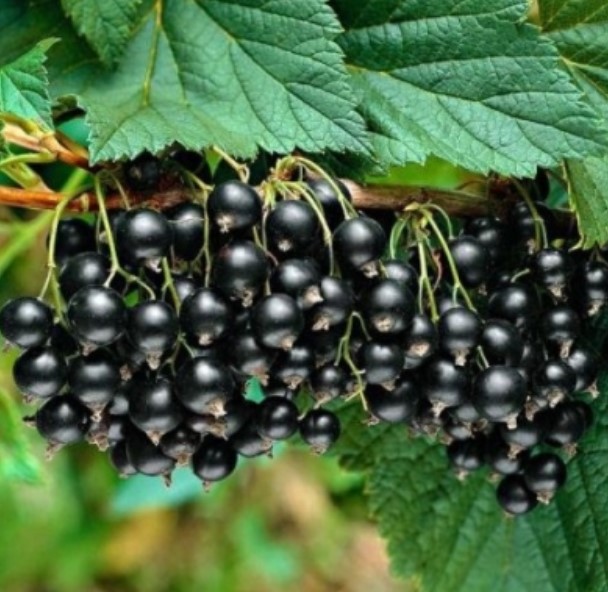
Sybil
Sweet and sour berries 1.9-5 g (5 points), mid-early variety, bush up to 1.3 m.
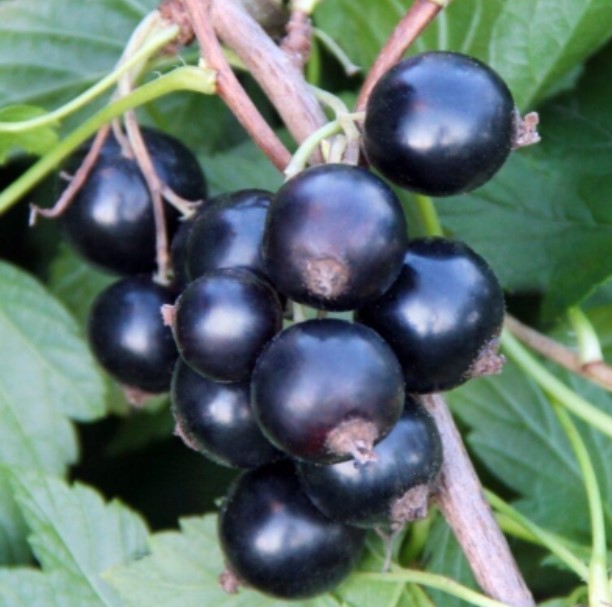
Blue Mountains
An early, high-yielding variety with sweet and sour berries weighing 5-6.5 g, bush height 1-1.2 m.
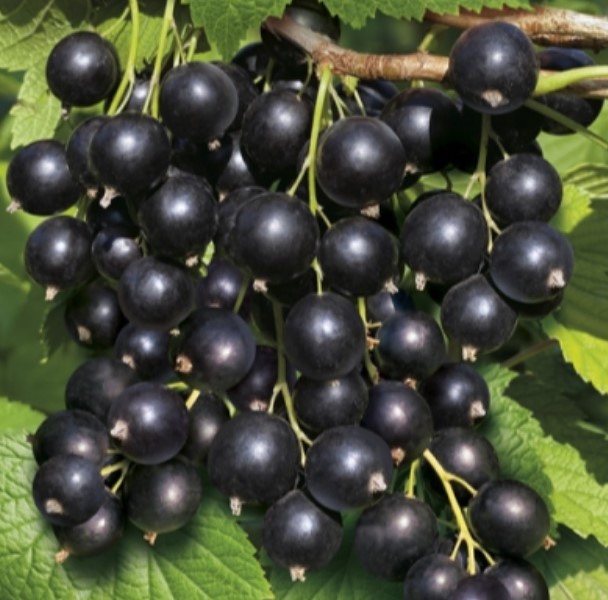
Sweet tooth
Mid-early variety, sweet and sour berries 4 g, bush up to 1.5 m.
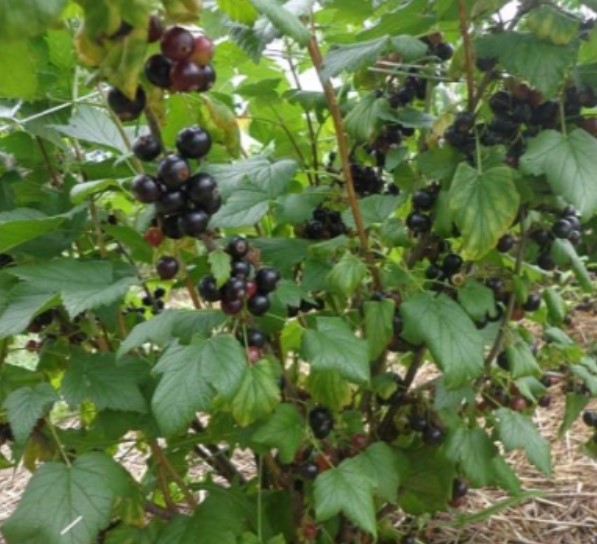
Titania
Mid-late variety, sweet and sour berries with a bright wine aftertaste, 3.5 g, bush 1.4-1.5 g.
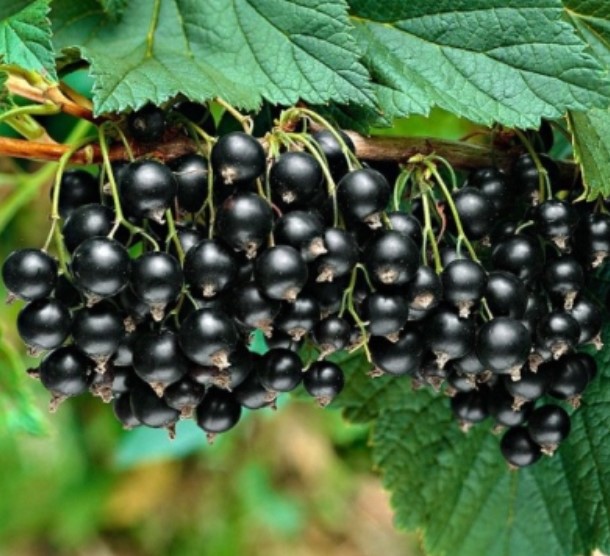
Cherry
Mid-late, sweet and sour 1.9-2.2 g, bush 1-1.5 m, slightly spreading.
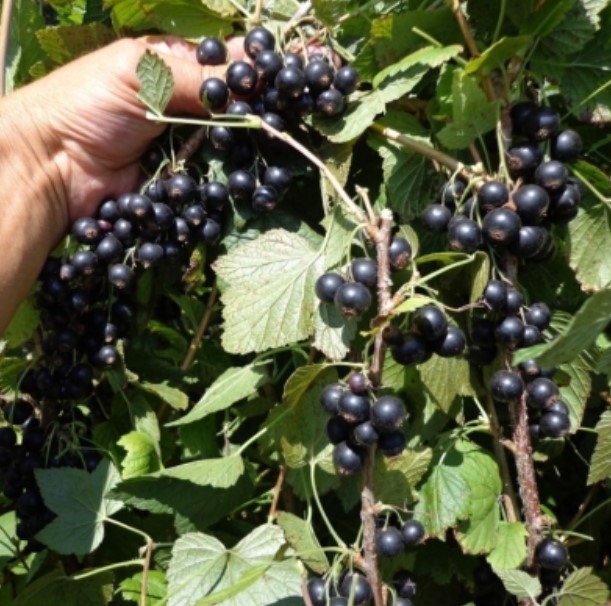
Black Boomer
Sweet berries 5-7 g, tall upright bush.
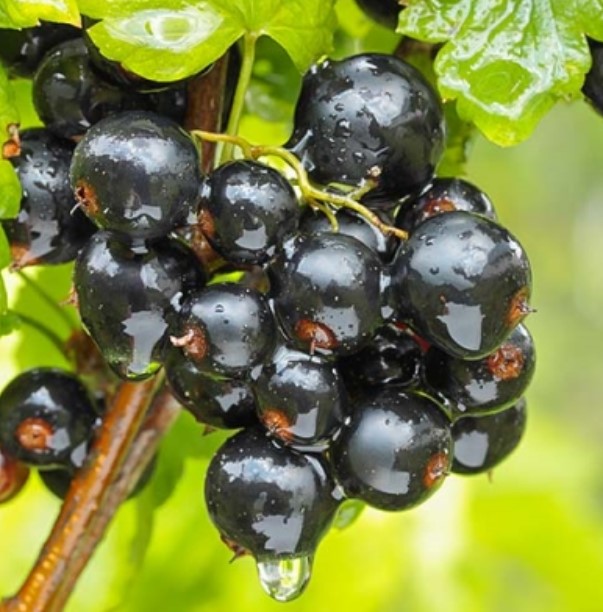
The Black Prince
Sweet and sour berries 1.5-1.8 g (4.6 points), medium bush height 1.8 m, early ripening.
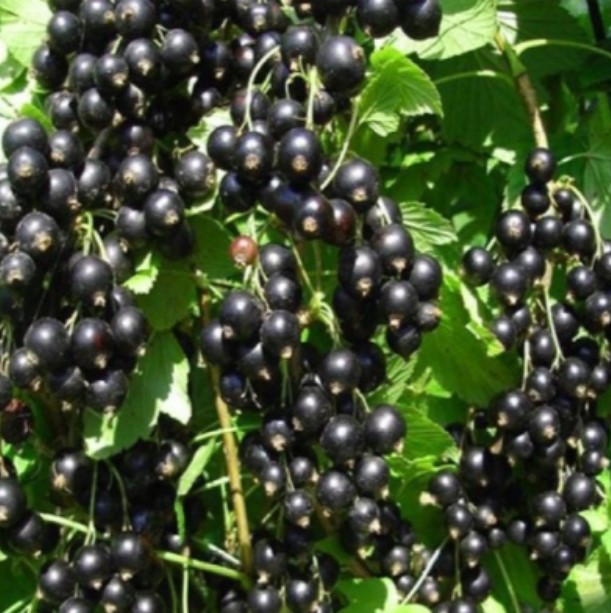
Exotica
Sweet and sour berries 1.8-2.5 g (4.3 points), early ripening, bushes are medium-sized, upright.
Jubilee Kopanya
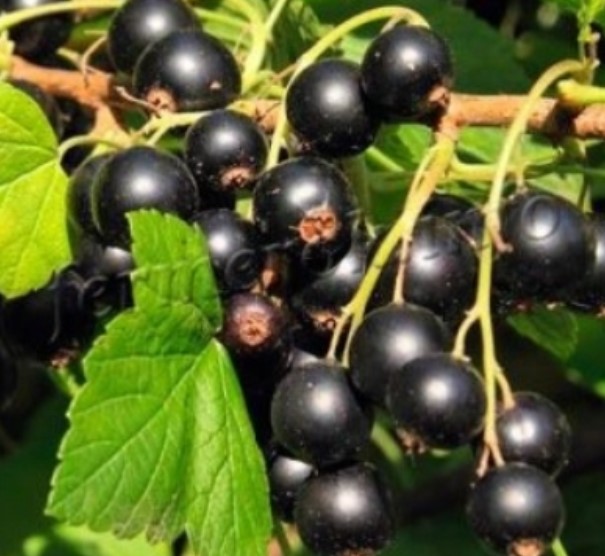
Medium ripening, pleasant aromatic sweet and sour berries 2-3.5 g (4.4 points), semi-spreading bush up to 2 m.
Nuclear
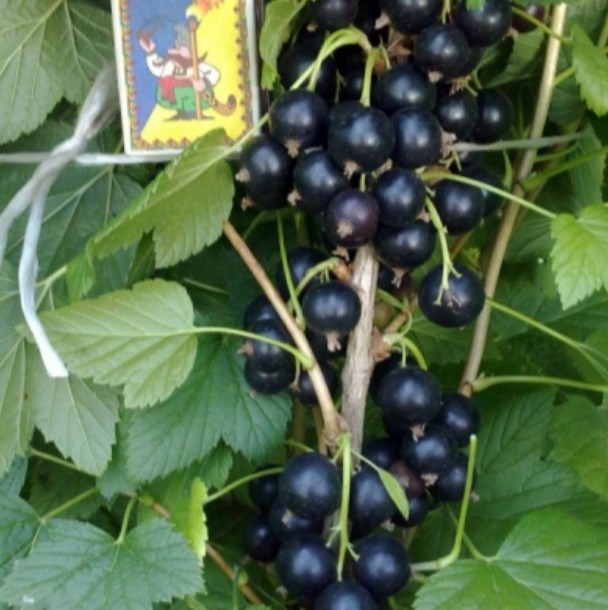
Sweet and sour refreshing berries 3.2-7.8 g (4.3 points), mid-late ripening, slightly spreading 1.5 m.
Red currant + 15 varieties
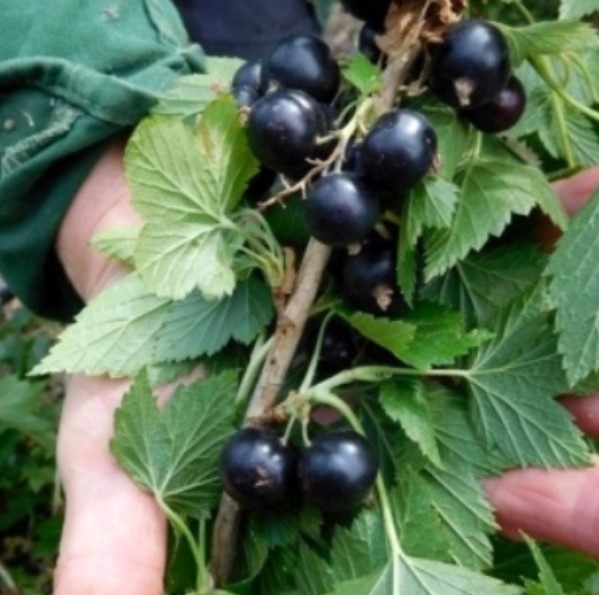
Red currants ripen later than black currants. These are the most popular varieties.
Alpha
Mid-early variety (first half of July), tasty dessert berries 0.9-1.5 g, medium-sized bush of moderate density.
Viksne
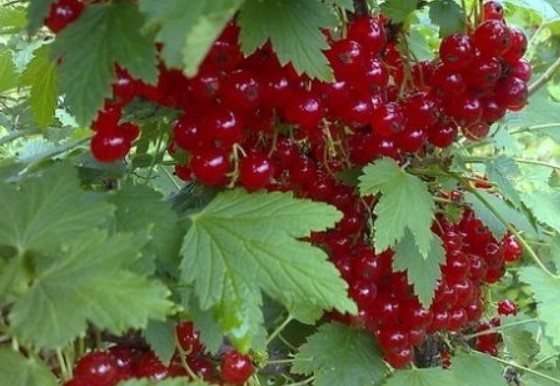
early variety (second ten days of July), sweet and sour berries 0.6 g (4.7-4.8 points), in unfavorable years can be affected by frost.
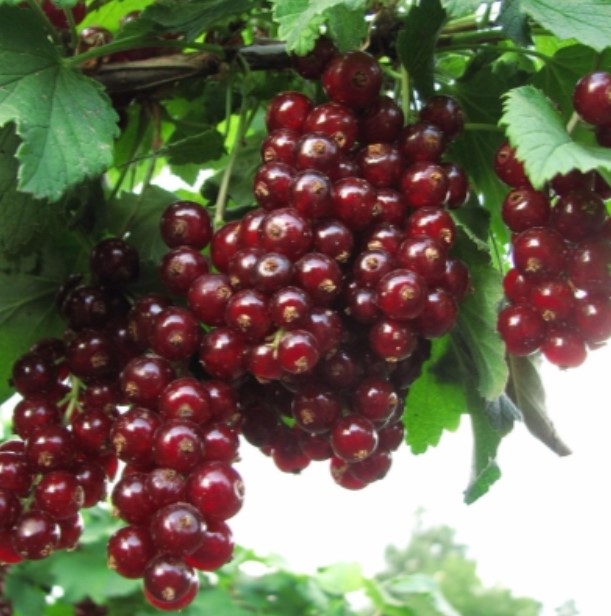
Dutch Red
Medium ripening, sweet and sour berries 0.6-1 g (3.5 points), bush up to 1.5 m, not very spreading.
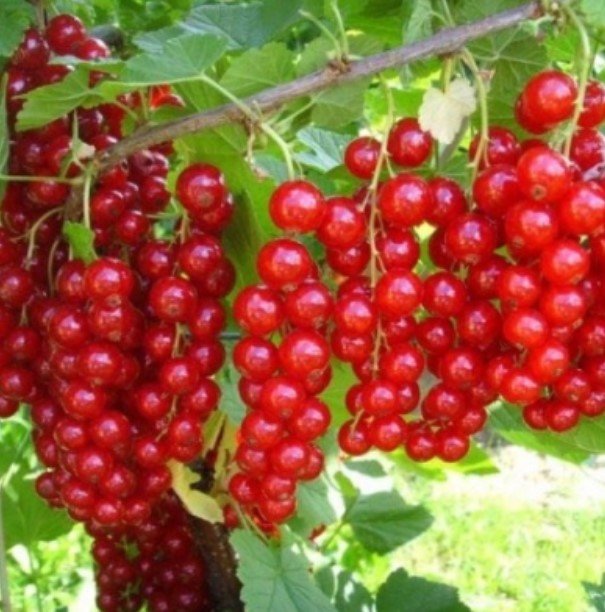
Dutch roses
A productive, mid-season variety with sweet and sour berries weighing 1 g and very good gelling properties. The bush is sparse and does not exceed 1.5 m.
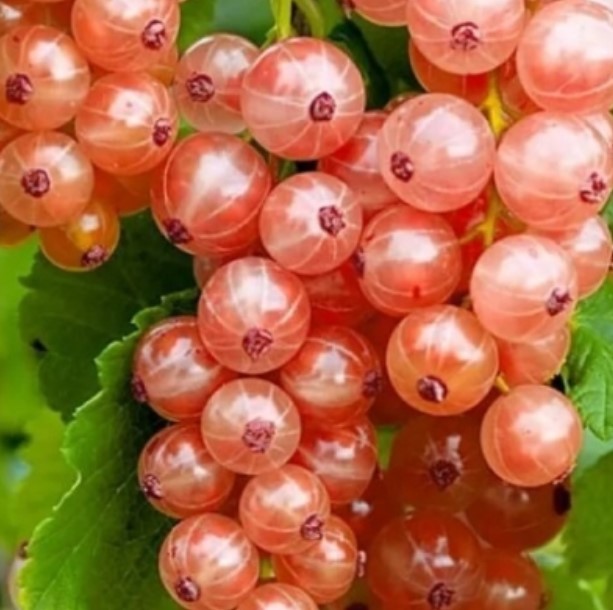
Dana
Late variety, sweet and sour berries 0.6-0.9 g (4.2 points), bush dense 1.4-1.7 m.
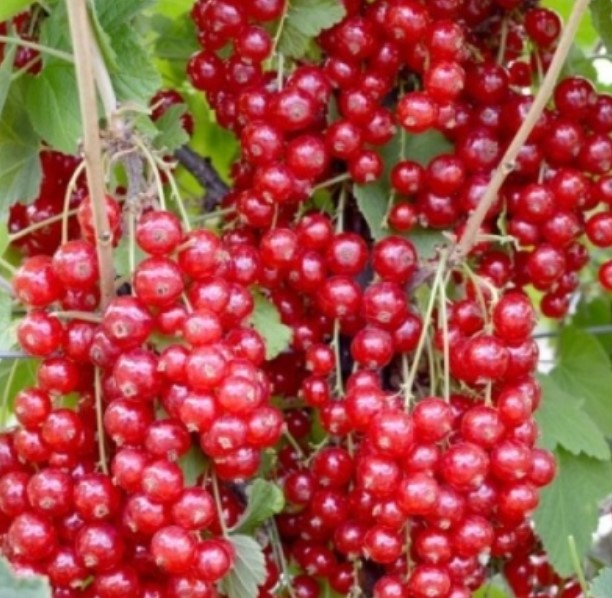
Jonker Van Tets
A mid-early ripening variety with berries weighing 0.68-7 g, sweet with a pleasant sourness, the bush is upright and dense, 1.7 m high.
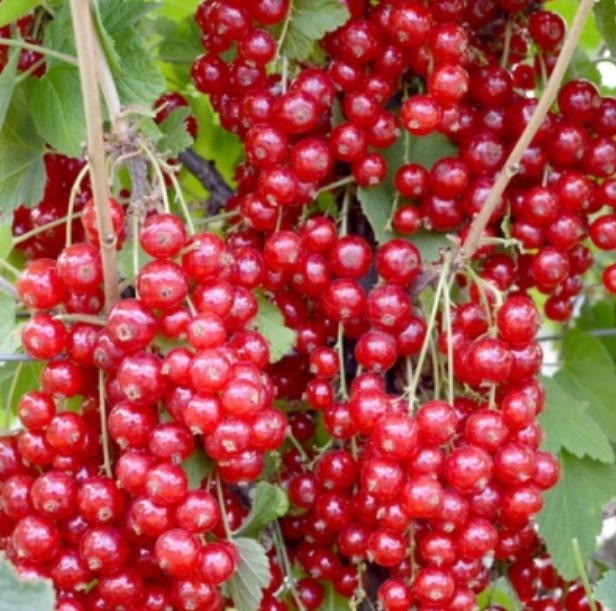
Cascade
Sweet and sour currant, berries 1.5 g, bush is vigorous 2 m, ripening period is mid-early.
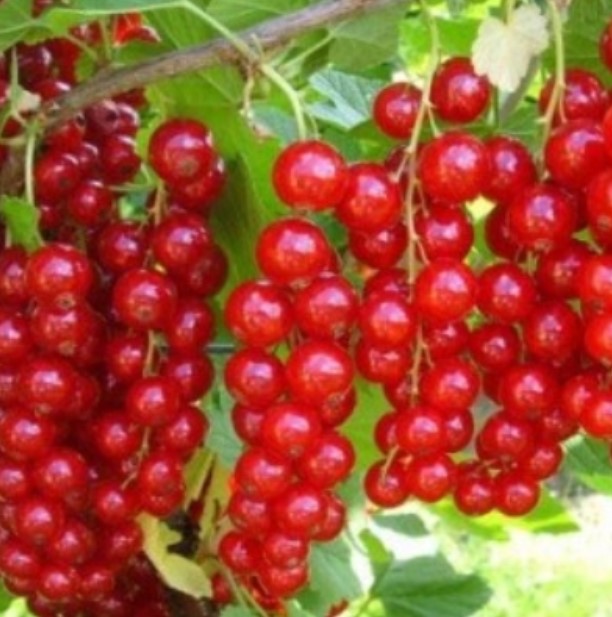
Red Andreychenko
A mid-season variety with sweet and sour berries weighing 0.57-0.8 g, a semi-spreading bush up to 1.5 m.
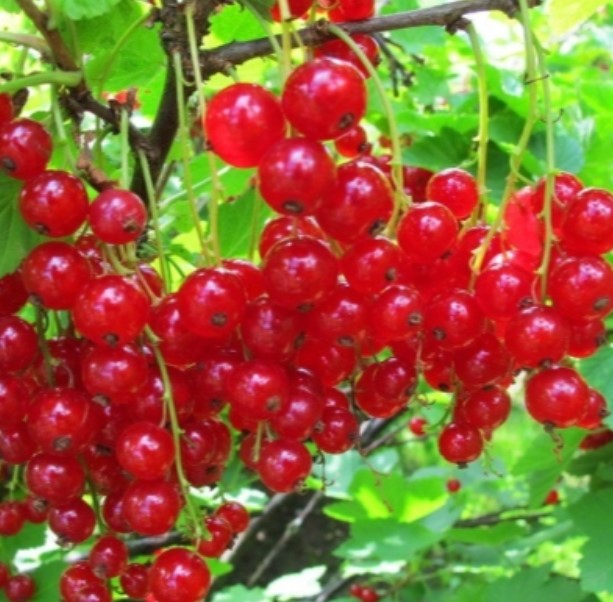
Red Cross
Berry weight 0.45 g, tasting score 4.2, sweet and sour delicate refreshing taste, mid-season ripening, bush 1.1-1.3 m.
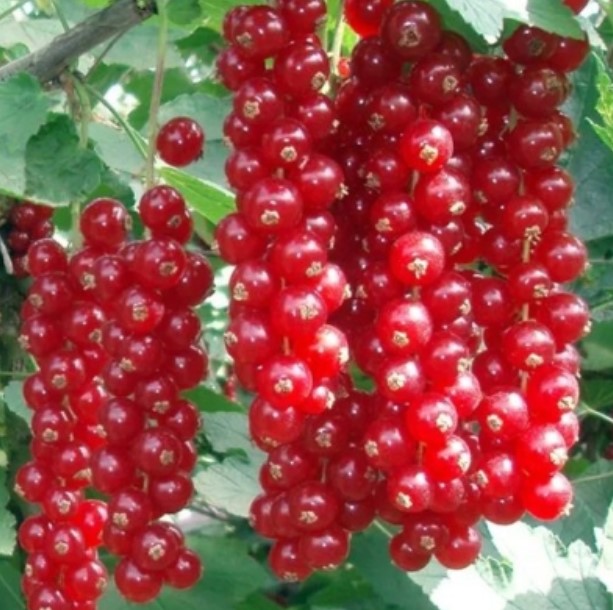
Marmalade maker
Very late ripening. The berries are slightly tart, 0.4-0.8 g (4.2 points according to tasters). The medium-sized bush is fairly dense, but not very spreading.
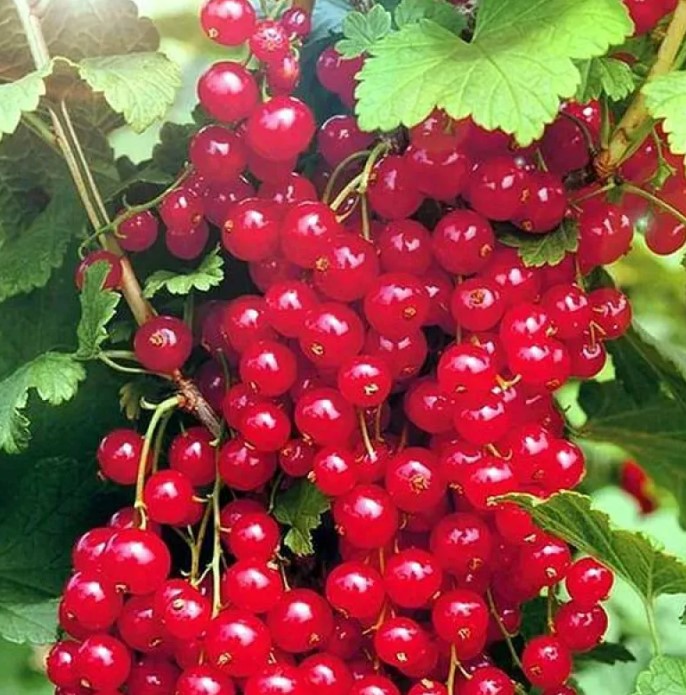
Natalie
A mid-season variety, the berries are sweet and sour, 0.7-1 g (4 points), the bush grows up to 1.5 m, semi-spreading, dense.
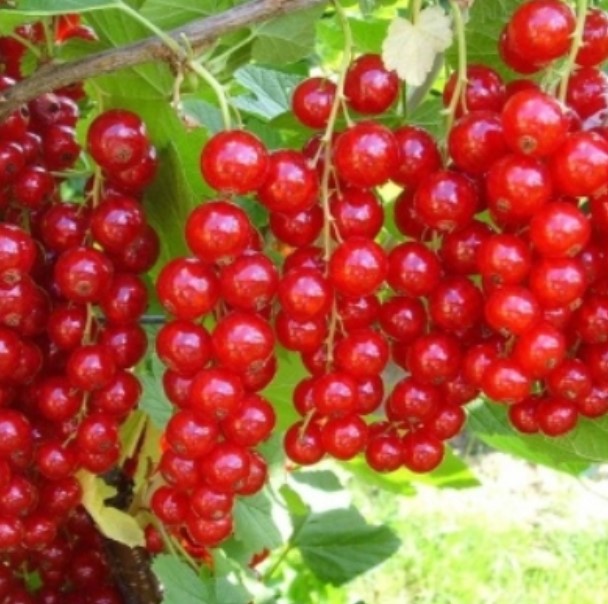
Beloved
A medium-sized red currant bush with medium ripening time and berries weighing 0.6-0.8 g (rating 4.8) and being sweet and sour.
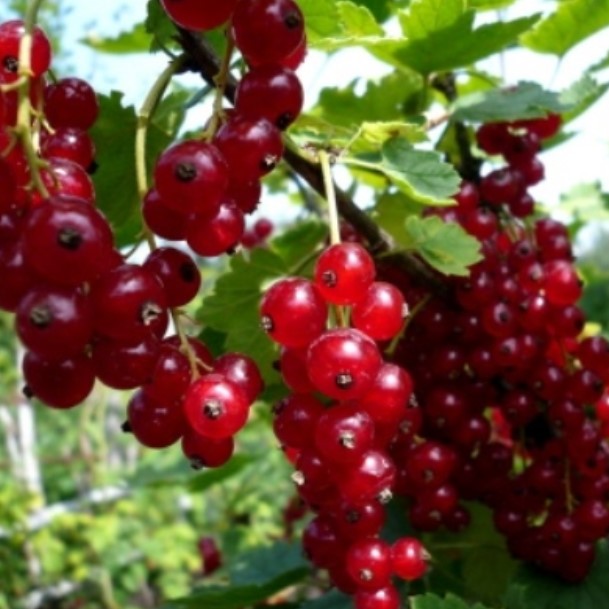
Early sweet
An early variety with sweet and sour refreshing berries 0.6-0.9 g (4 points), excellent gelling properties, medium-density bush up to 1.5 m.
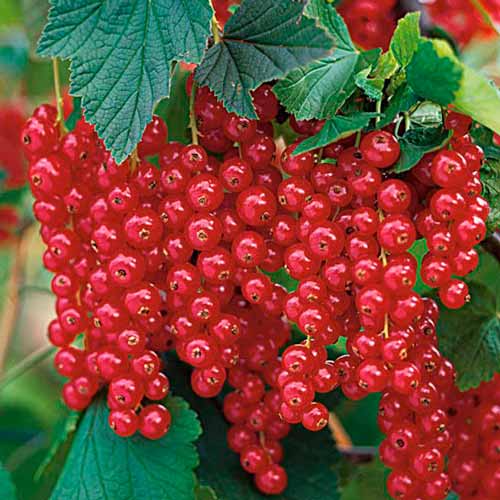
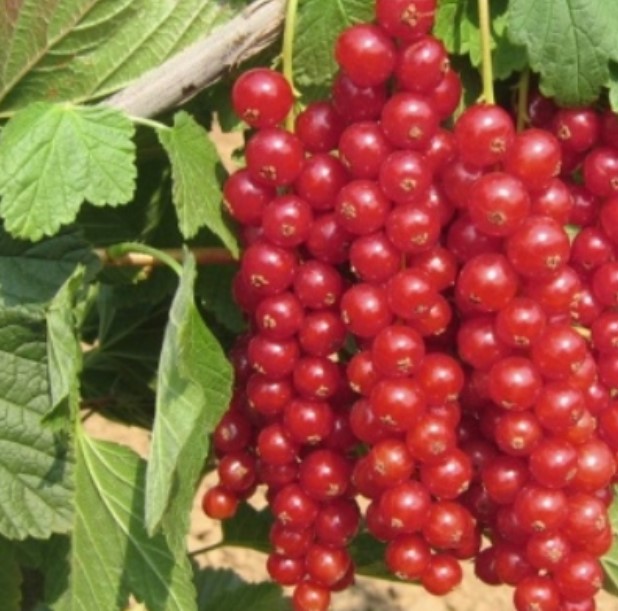
Rovada
Mid-late, sweet berries with pronounced sourness 0.8-1.6 g, compact bush 1.4-1.8 m.
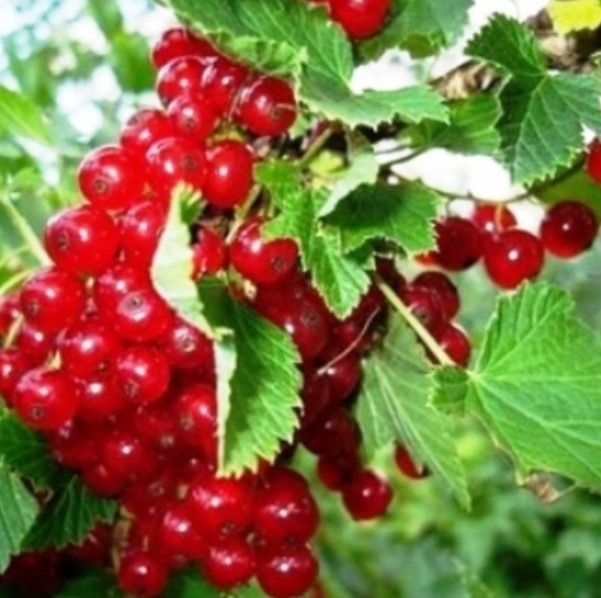
Rose
A mid-season variety with sweet dessert berries weighing 0.5-0.8 g (4.63-4.78 points), not spreading, of average density 1.5 m.
White currant + 8 varieties
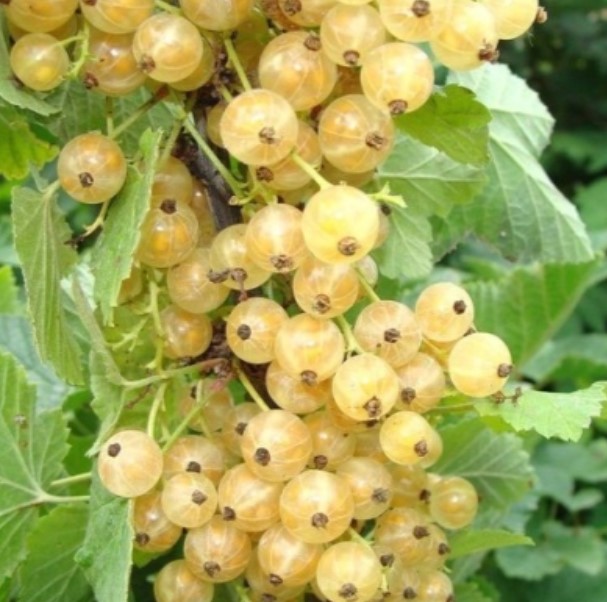
White currant is very decorative, but capricious and more demanding in terms of care.
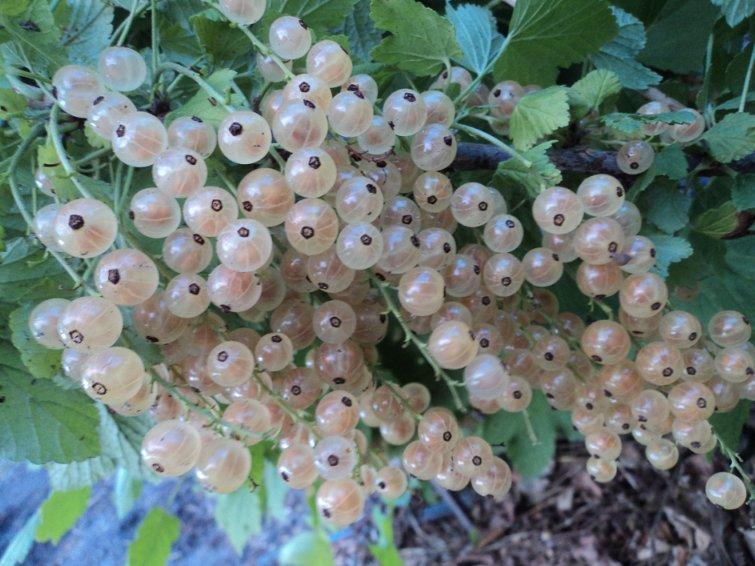
Bayana
Late ripening, sweet and sour dessert berries 0.5-0.7 g (4.8 points), bush 1.5 m, vigorous, slightly spreading.
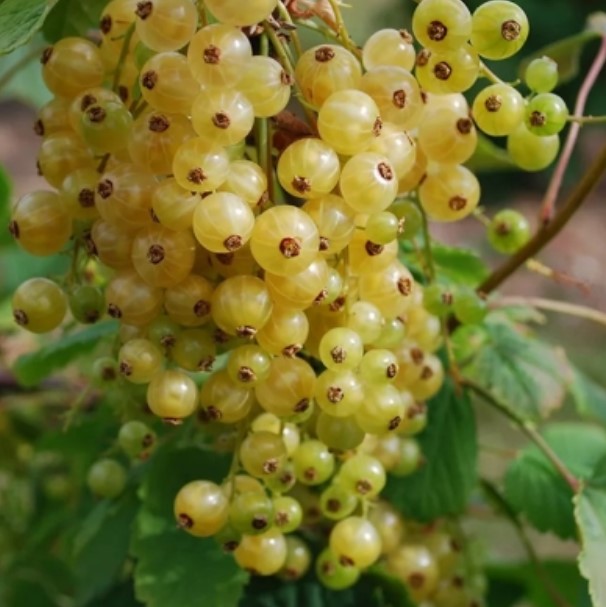
Potapenko
Mid-early variety, berries 0.7-1 g (4.6 points), medium-sized, slightly spreading bush 1.4 m.
White Fairy
Mid-season ripening (July 15-30), berries are sweet and sour, tender, 0.4 g (4 points), bush 1 m.
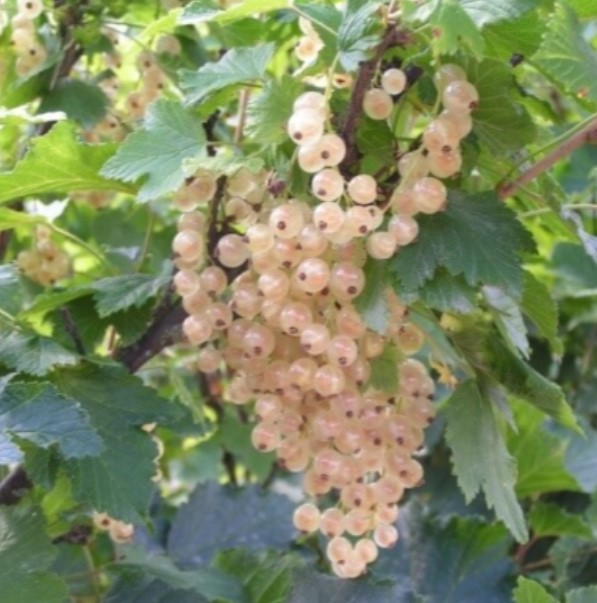
Squirrel
Mid-early, sweet and sour berries 0.42-1 g (4.2 points), bush 1-1.5 m, slightly spreading.
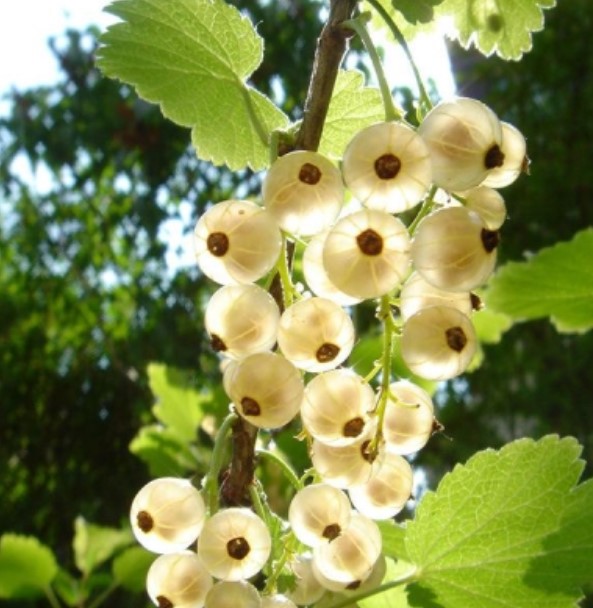
White butterfly
Early variety (second ten days of July), sweet and sour tender berries 0.34 g, semi-spreading bush 1-1.5 m.
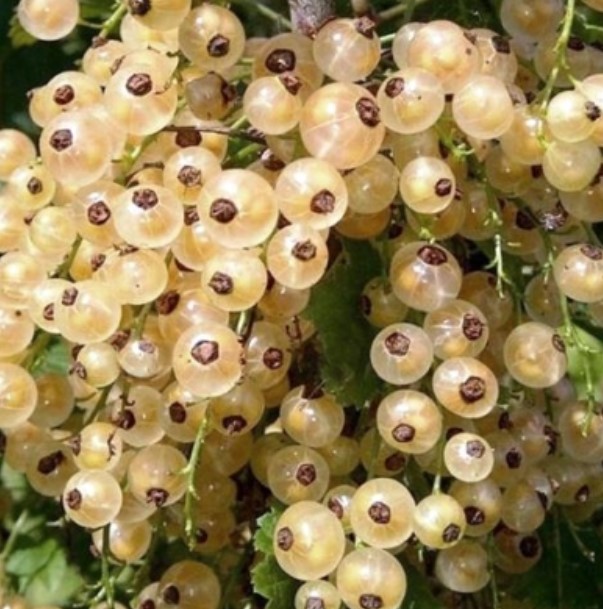
Versailles White
Average ripening period, sour fragrant berries 0.7 g, spreading bush 1.2 m.
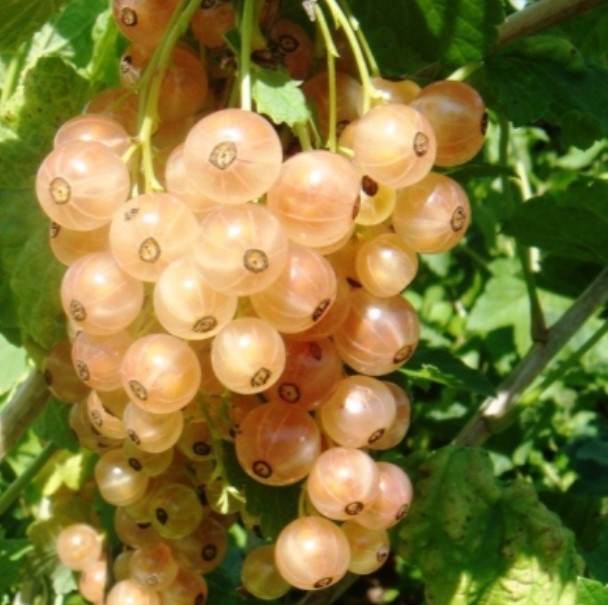
Dutch White
Early (first half of July), berries are sweet with a slight sourness 0.8 g (5 points), bushes 1.2-1.5 m.
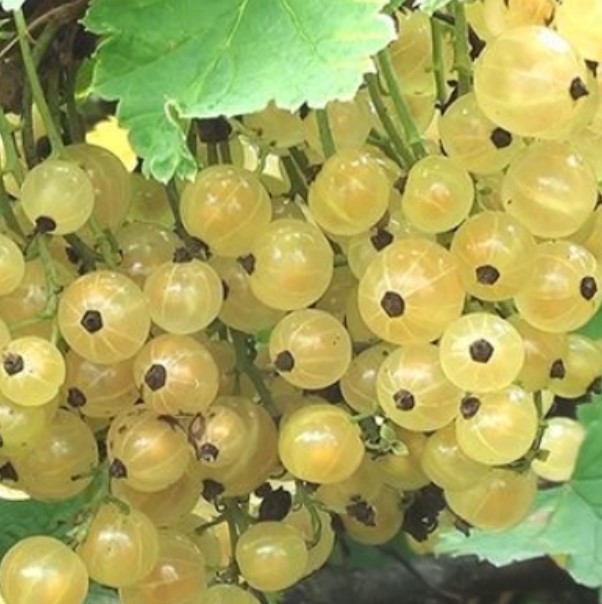
Creamy
A mid-season variety with delicate, sweet and sour, refreshing creamy berries weighing 0.9 g (4.3 points), a moderate bush height of 1.2-1.5 m.
Golden currant + 9 varieties
This species is sometimes confused with the currant-gooseberry hybrid, jostaberry, but it is a different plant. This crop gets its name from its golden flowers.
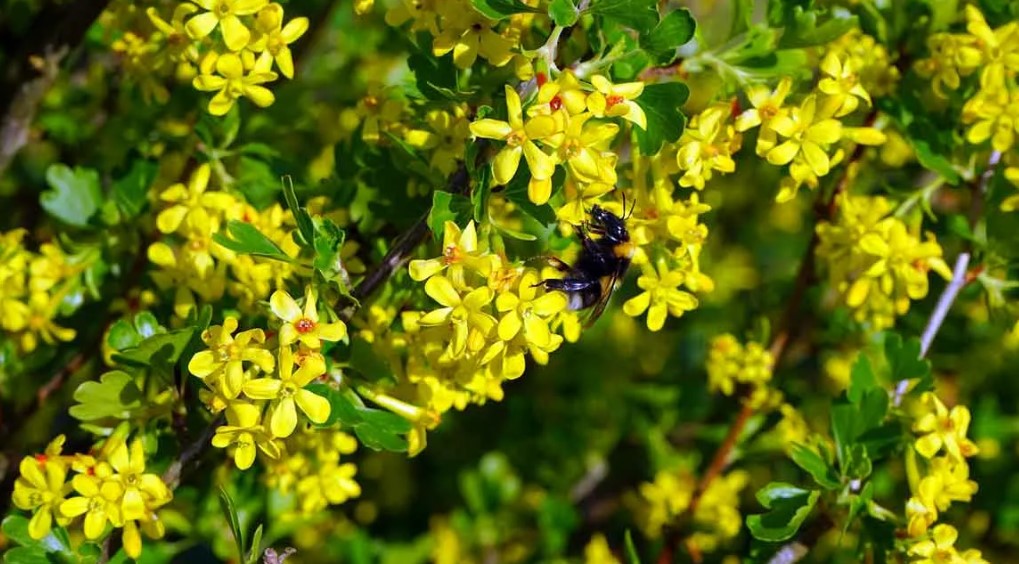
Fruits appear in midsummer.
Let's look at the most popular varieties that are winter-hardy, productive, and resistant to pests and diseases.
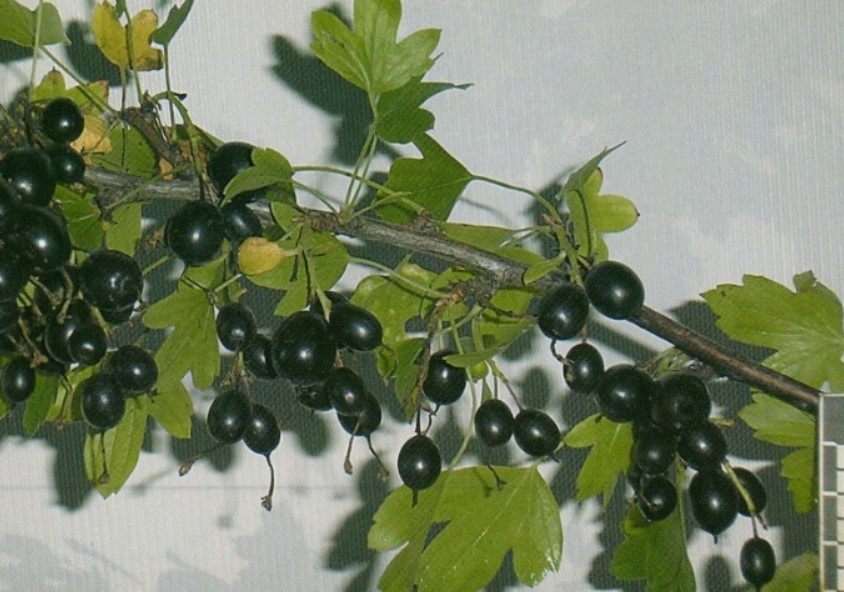
Altai black
A tall but compact bush with small berries no larger than 1.6 g, fragrant, sweet and sour, ripening in late July. Yield: 5.5 kg.
Ermak
This variety is small in size but tall. The berries are sweet and sour and aromatic, weighing 1.2-2.4 g. Fruiting begins in mid-August. Yields 4.5-6 kg.
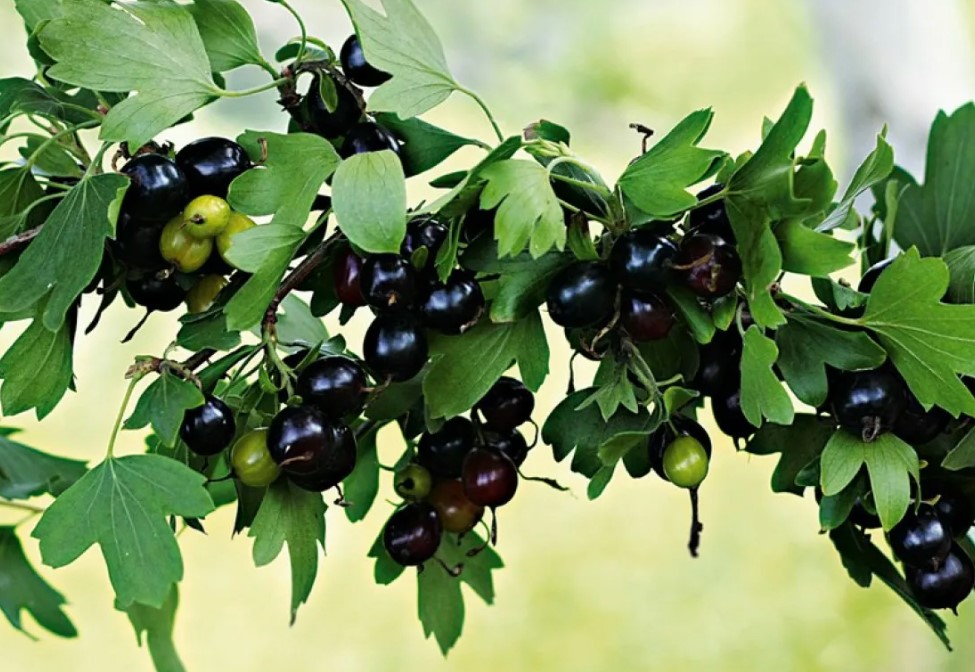
Isabel
The berries are sweet and sour with a grape flavor, weighing 1.4-2.7 g and ripening in late August. The bushes are semi-spreading and tall. Yields are 5.3-8 kg.
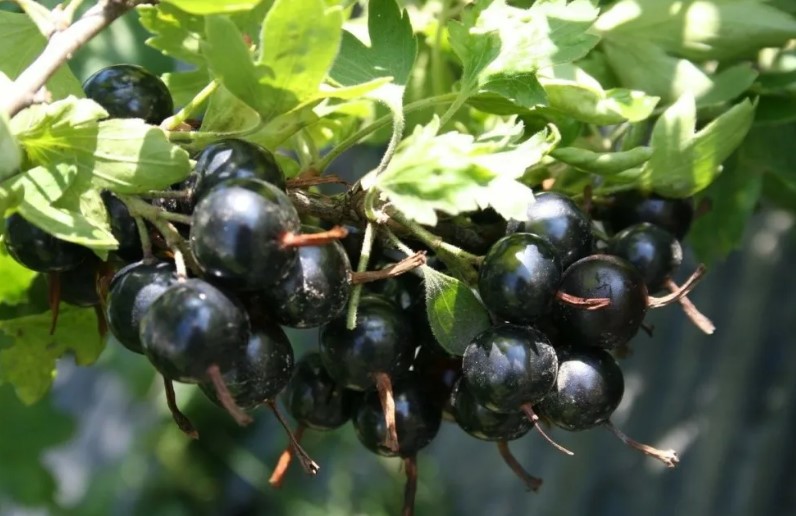
Golden bunch
The bush is medium-sized and bears 3-gram golden berries, resembling a bunch of grapes. Yields 10 kg per bush.
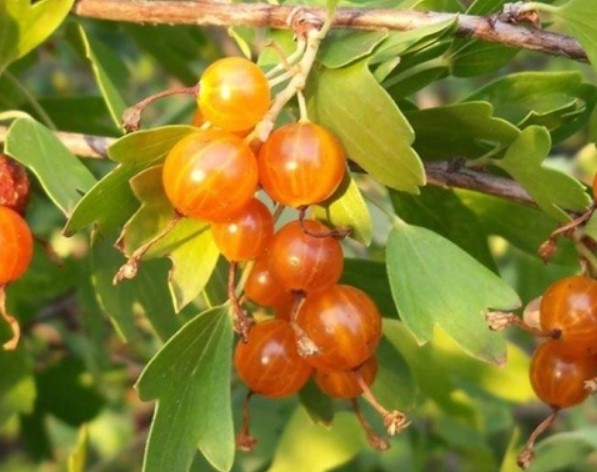
Levushka
A medium-spreading, tall variety. Berries weigh 1.2-2.6 g and ripen in the second half of July, yielding 6-7 kg per bush.
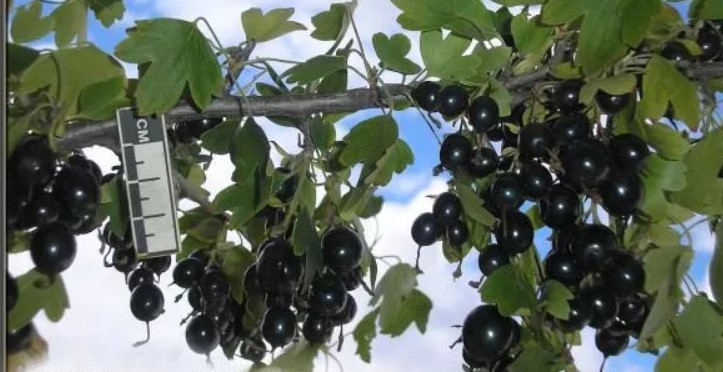
Laysan
A variety with golden berries weighing 1.5-2 g, ripening in August. Yields 8-9 kg. Heat- and drought-resistant, moderate frost resistance; shoots can freeze at -40°C.
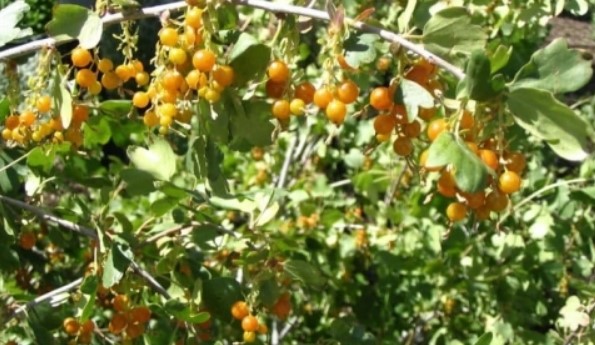
Muscat
A medium-season golden currant variety, the fruit appears in late July. It produces 4-7 kg of yield per bush, large black berries weighing 1.7-2.0 g (tasting score 4.6), and a unique aroma. The bush resembles a gooseberry and grows to 2.5 m.
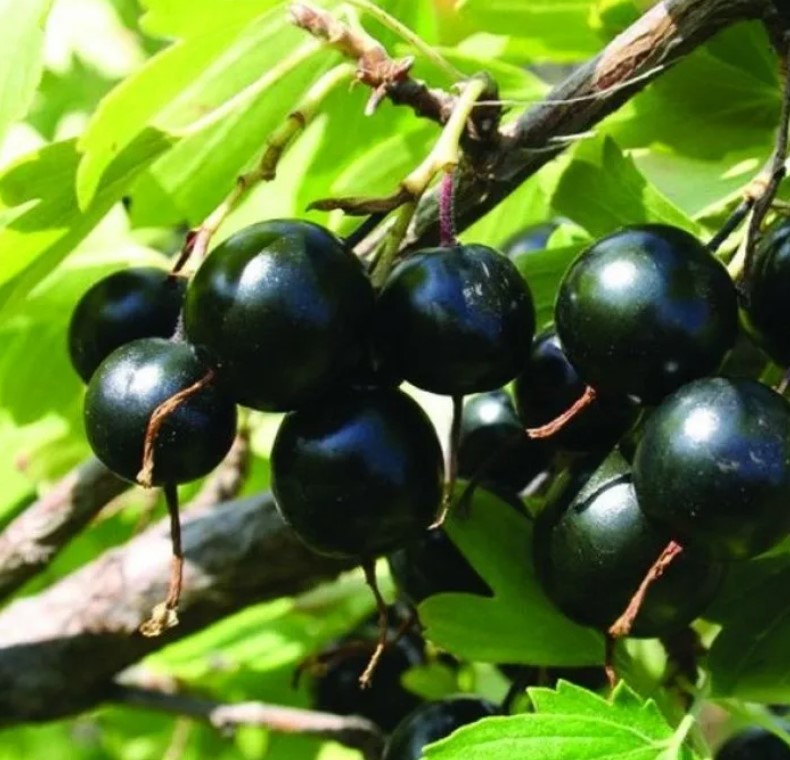
A gift for Ariadne
The berries are almost black, sweet, and aromatic, dessert-style, weighing 1.4-3.2 g (4.6 points). They bear fruit from the second half of July. They are medium-spreading and vigorous. Yields 6-8 kg per bush.
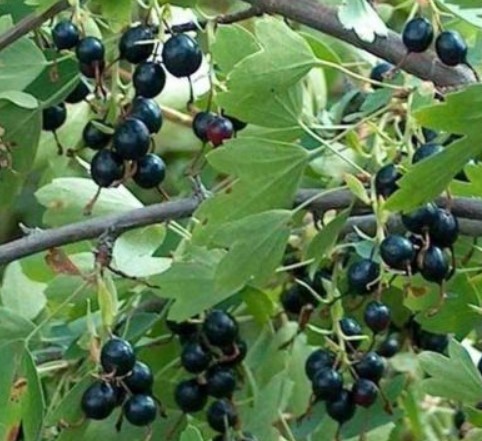
Shafak
The bush height is 1.5 m. The berries are 1.7-3.5 g, elongated, dark cherry-colored, sweet, and ripen in August. Yield is 5-8 kg.
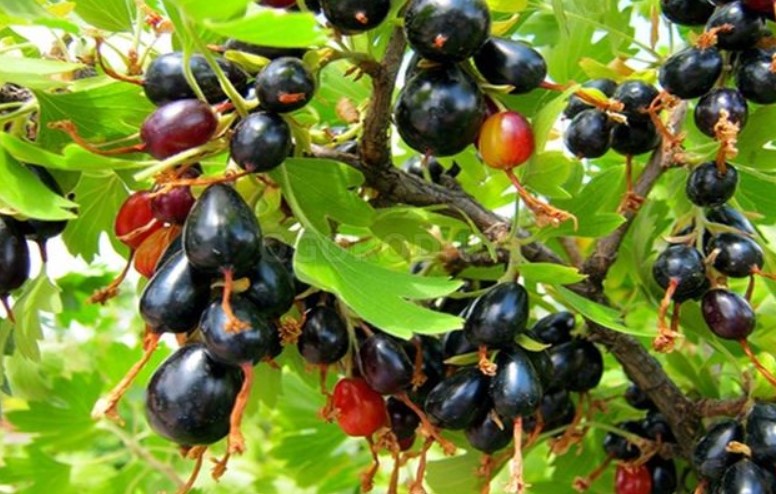
Ice currant
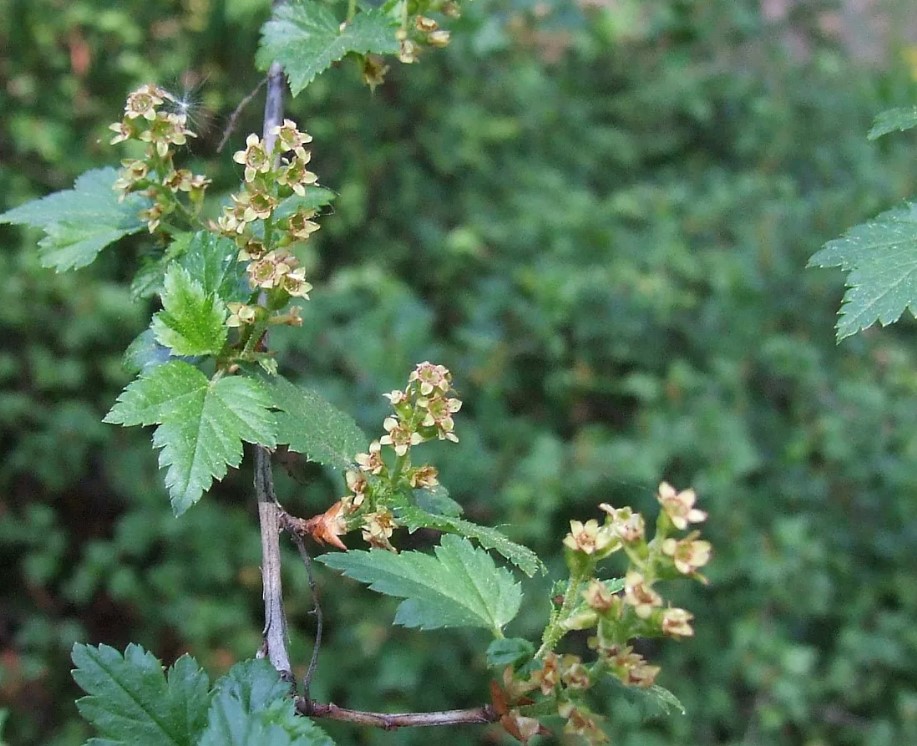
A tall shrub, reaching 5 meters. It blooms from April to July. The 5-7 mm, red, sour berries appear from July to September.
Blood-red currant + 4 varieties
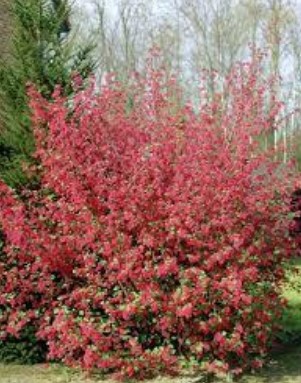
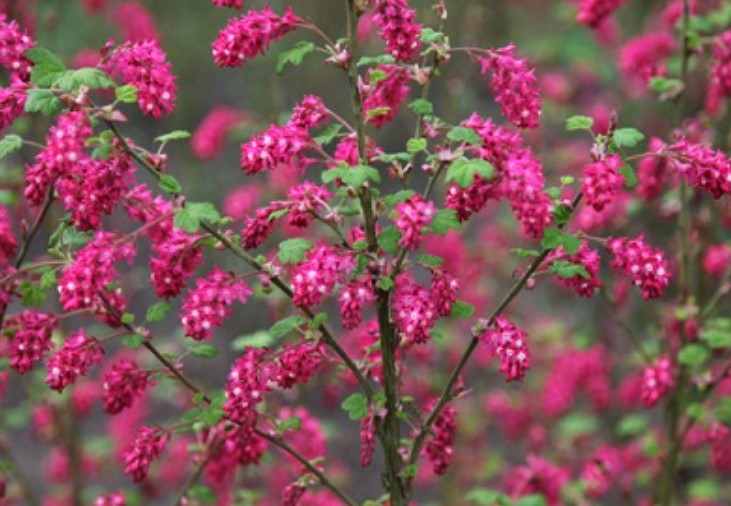
An unusual ornamental currant variety. It boasts beautiful spring blooms of exquisitely shaped, carmine-pink or white flowers and a fruity aroma. This currant is sometimes called false blackcurrant because its fruits are edible but lack a distinct flavor. There are interesting varieties.
Tydeman's White
A creamy white flowered variety growing to over 2m with vibrant green foliage.
White Icicle
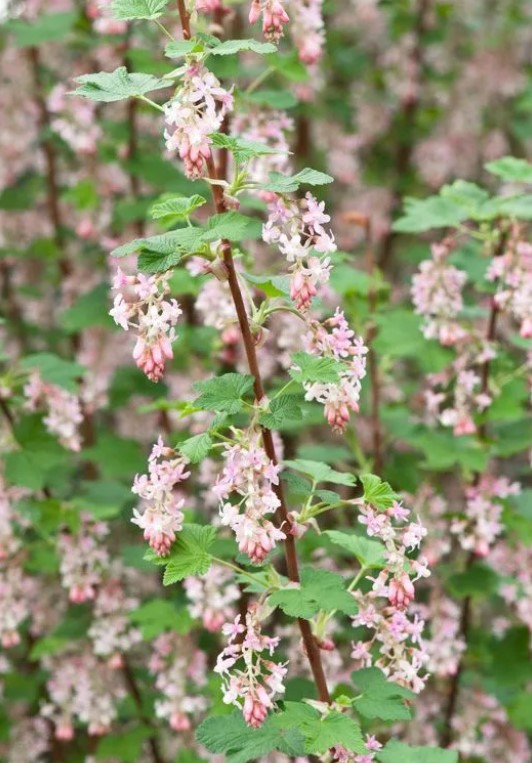
The bush grows up to 2.5 m. Flowering occurs in March-April. It can thrive even in shady areas, illuminating them with its snow-white flowers.
King Edward VII
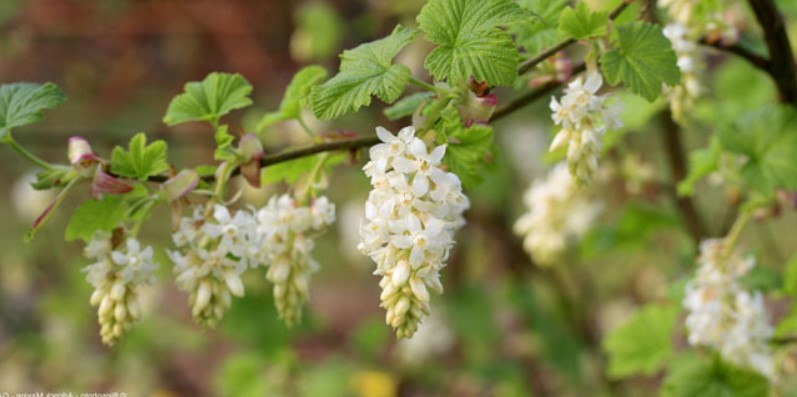
A variety with pink, fragrant flowers that bloom in early spring.
Pulborough Scarle
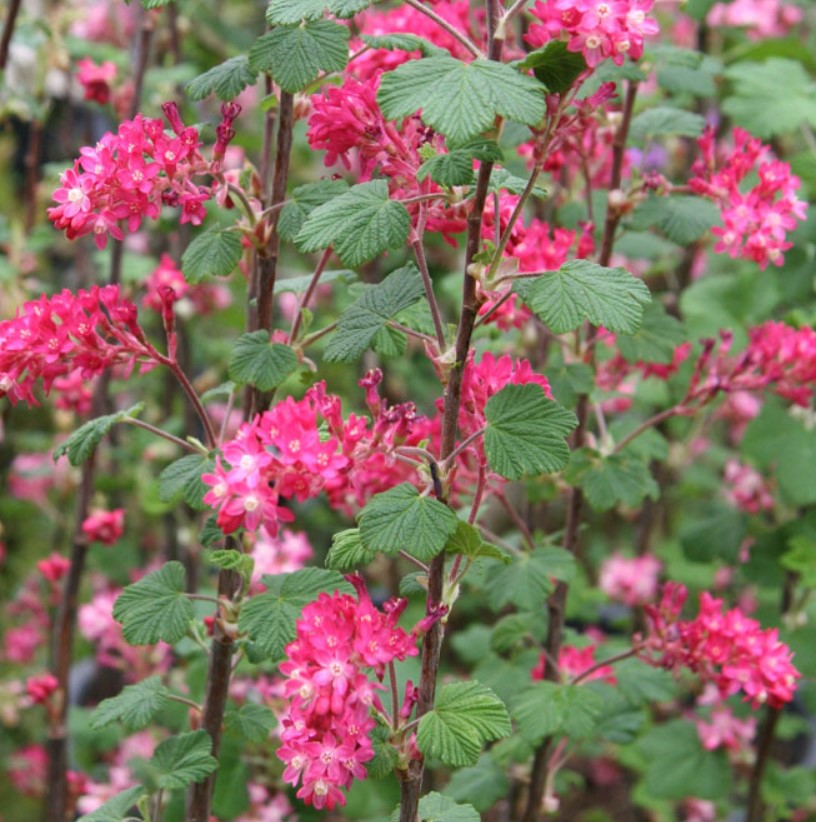
The flowers are purple-red at first, later turning pinkish-red. The bush grows 2.4 m tall.
Planting currants in open ground: when and where to plant
It's best to plant currants in early autumn. The bushes will have time to establish themselves before spring. If the weather is warm, you can plant them in September or even early October. If there are early frosts, it's better to wait until spring.
Seasonal timing
Currants can be planted in spring or fall. Spring is typically April-May, provided the snow has melted and the soil has warmed to at least 20 cm.
In autumn: September-October, when there is at least a month left before the first frost, so that the bush has time to develop a root system and prepare for winter, then in the spring it will delight you with a harvest.
But if you plant too early, young shoots will appear, which can freeze and weaken the bush.
Deadlines by region
Although it is recommended to plant currants in early autumn, you still need to consider the climate of your region to make the right decision.
| Region | Planting months | |
| Spring | Autumn | |
| Middle zone | May | mid-September - mid-October |
| Moscow, Moscow region | end of April - beginning of May | beginning of September - October 20 |
| Siberia, the Urals, and the Leningrad region | end of May | beginning of September |
| South | end of March - beginning of April | October |
Lunar calendar dates for 2023
It is also good to take into account favorable dates according to the lunar calendar.
| Month | Auspicious dates | Unfavorable and prohibited dates |
| March | 11-13 (until 10:21), 15 (from 15:05)-17 (until 17:24),23 (from 21:41) - 25 | 6 (from 15:39), 7, 8 (until 15:39), 20 (from 20:21),21, 22 (until 20:21) |
| April | 2 (from 13:58 pm) - 4, 7 (from 09:29 pm) - 9 (until 15:57 pm), 11 (from 20:33 pm)-13, 16-17, 21 (from 7:13 pm)-22 (until 13:11 pm), 29 (from 21:59 pm)-30 | 5,6, 7 (up to 7h 34m),19,20 |
| May | 2 (from 09:09 a.m.)-4 (until 17:31 p.m.), 9-10, 13 (from 07:39 a.m.)-15 (until 10:56 a.m., 22-24 (until 5:34 p.m.), 29 (from 5:50 p.m.)-31 | 5,6,19,20 |
| September | 3 (from 18:00)-5 (until 23:05), 13, 18 (from 07:58)-24, 27 | 14,15, 28 (from 12:58 p.m.), 29, 30 (up to 12:58 p.m.) |
| October | 1-3 (until 08:02), 5 (from 15:32)-7, 10 (from 15:02)-12, 16-22 (until 09:06), 24 (from 11:32)-26 (until 13:01) |
14,15,28,29 |
The planting site should be chosen to receive plenty of sunlight and moisture. If properly cared for, the plant will produce abundant harvests for about 15 years.
Currants don't like shade and prefer areas with adequate moisture. Blackcurrants are particularly drought-tolerant, while other varieties can tolerate drought for a while.
If the bushes have a small crown, they can be planted closer together. It's better to leave a wider distance between spreading seedlings. On average, 1.5-2 meters should be left.
Step-by-step instructions for planting currants:
- prepare small holes, about 40 cm deep;
- if time allows, then leave them for some time (a week or two) so that the soil settles;
- Fertilizers, manure or compost are placed on the bottom;
- the hole is watered;
- the seedling is placed in a hole, tilted at 45 degrees, the root system is straightened, and then buried;
- the soil is compacted, gradually adding more earth;
- cover open ground with mulch.
Planting at an angle promotes better root development and additional shoots. The bush will be vigorous and spreading.
If you plant a seedling straight, the bush will most likely grow into a single stem.
Caring for currants
Those who have currant bushes at their dacha should keep in mind that these plants thrive on moisture. If there's been no rain for a long time, ensure the bushes are watered regularly.
Lack of moisture will cause the berries to fall off, and the remaining ones will be small and tasteless.
You should also loosen the soil periodically, at least once every three weeks. It doesn't need to be deep; 5-8 cm is sufficient. When loosening, be careful not to damage the plant's roots.
Caring for currant bushes includes:
- the soil around the plant must be regularly weeded to remove weeds;
- Be sure to apply mulch to the soil surface around the bush - a layer that retains moisture, prevents weed growth, and protects against temperature changes;
- Before frost, the bush should be wrapped in cloth or paper, and containers of water should be placed under the plant.
The lower branches of a currant bush can trail along the ground. To prevent this, build a support around it.
To ensure the plant thrives and produces fruit, it needs to be fertilized. Fertilizer applied at planting lasts for approximately two years. After that, regular fertilization is necessary. This includes approximately 5 kg of compost and 20 g each of potassium sulfate and superphosphate.
In the spring months, when the plant awakens from hibernation and begins to grow vigorously, it needs to be fed with root nutrients. Manure or chicken manure diluted with water, as well as store-bought products, are suitable for this purpose.
To ensure the bush grows and develops well, its branches must be pruned regularly. Annual pruning is mandatory and should be done in the spring. This involves removing the following branches:
- affected by diseases;
- damaged by insect pests;
- curved;
- broken;
- old.
Pruning old, weak, damaged branches will allow the plant to produce new, strong shoots.
In summer, currants should be watered regularly, the soil should be loosened, and they should be treated with insecticides and fungicides. Proper watering is especially important during flowering and fruiting.
Currants also need pruning in August, after the harvest. This involves cutting two or three main branches right down to the root, leaving no stumps. Doing this in the summer after the berries are harvested allows room for new shoots to emerge from the basal area.
Propagation of currants
Currant propagation can be done in three ways:
- by cuttings;
- dividing the bush;
- layering.
The first method is considered the most effective, especially if you don't have much material and want to preserve the variety. Currants can be propagated this way in summer, spring, and fall.
This should be done in a prepared substrate consisting of soil with added compost and manure. Cuttings taken in the fall and spring are woody, one-year-old shoots, which are best preserved during annual pruning.
You should select branches with a diameter of at least 6 mm. The cuttings should be about 20 cm long and contain buds (3-4).
The cutting is cut off at the bottom just below the bud, and the top is cut just above it. It is planted at an angle in prepared soil, watered, and mulched.
Propagation by division is not the most common method. It is used when a plant needs to be replanted, or when there is a shortage of planting material. With this method, the bushes root fairly quickly without any additional effort. Dividing should be done in the fall or spring. It's simple: remove the plant from the ground, taking care not to damage the roots during digging. Then, prune off all old and diseased branches, and divide the plant with a sharp axe into several pieces (usually three or four). This should be done so that each piece has well-branched roots and buds on the branches.
One of the easiest ways to propagate currants is by layering. This should be done in early spring, before the plant blooms. Several shallow trenches (6-7 cm) are dug around the bush chosen as the mother plant. Then, the lower branches (choose strong, young shoots) are pruned (by about a third), bent to the ground, placed in the dug trenches, and secured (usually with wire).
You can take 5-7 shoots from the mother bush.
There's no need to cover the branches; this is done only when green shoots appear and reach 10-15 cm. Then, the grooves where the selected shoots are located are covered with soil. They should be earthed up two or three times during the summer. By fall, they will have well-developed roots and can be transplanted to their chosen location.
Diseases and pests of currants
Like other plants in our climate, currants are susceptible to disease and pests. The most common diseases include:
- Anthracnose is a fungal disease that causes leaves to dry out, curl, and turn brown. Infected leaves should be plucked from the plant and disposed of in a fire, and the plant itself should be sprayed with a fungicide.
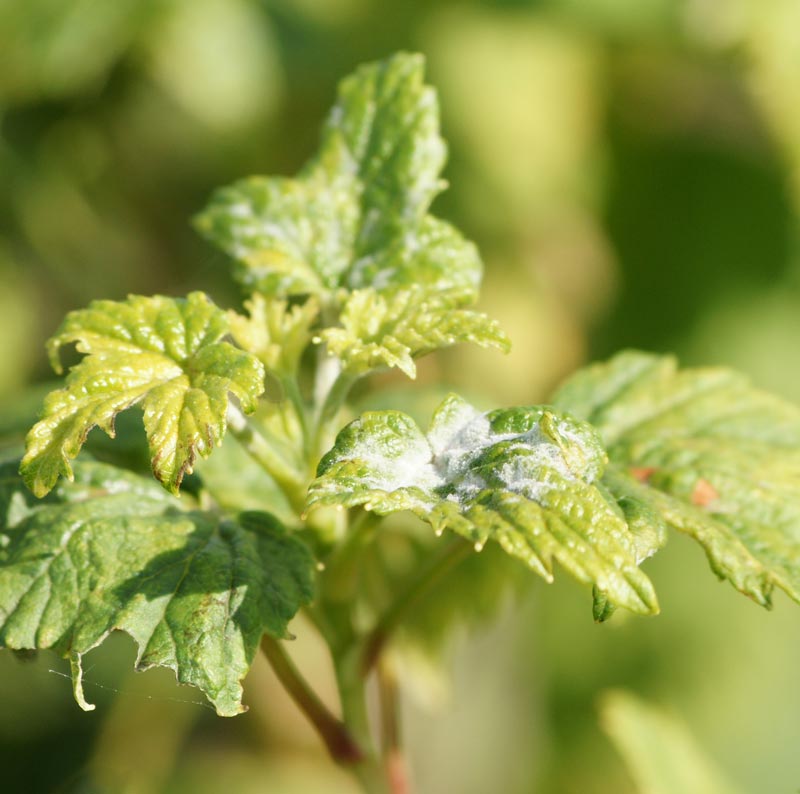
- Powdery mildew (powdery mildew) is an infection caused by microscopic parasitic fungi, which leaves a white coating on the plant. To combat this problem, use copper sulfate (dilute 30 grams in 10 liters of water and spray the plant).
- Striped mosaic is a viral infection characterized by the appearance of a bright pattern of yellow veins on the leaves. An infected plant must be destroyed; treatment is futile, so measures must be taken to protect the plant from aphids and mites, which carry the infection.
- Blackcurrant reversion is a dangerous viral disease that affects blackcurrants most. It infects the plant with aphids and mites, causing it to stop producing fruit. Insecticide treatment is necessary to protect against vectors, and spraying with Bordeaux mixture is recommended to prevent reversion.
- Septoria leaf spot is a fungal disease that initially causes leaves to become covered with brown spots, which then turn whitish. To get rid of white spot, treat the shrub with fungicides.
The most dangerous pests of currants include aphids, glassworms, and leaf gall midges. To remove aphids and gall midges, use a malathion solution. A mixture of ash, dry mustard, pepper, and tobacco will help get rid of glassworms. Mix the ingredients in equal proportions and apply them to the plant.
Beneficial properties of currants
Currants have a very rich composition: they contain many vitamins, especially vitamin C, as well as groups B, E, K, F, useful carbohydrates (fiber), and many valuable organic acids.
Blackcurrants contain so much vitamin C that approximately 50 grams of berries provide the daily requirement of an adult.
Currants are very beneficial for strengthening the immune system and fighting infectious diseases. Their rich chemical composition helps kill pathogenic microorganisms, so drinking currant juice and eating fresh berries is recommended during antibiotic treatment. Infusions made from them help remove toxins and heavy metals from the body.
Currants can be dried, frozen, and used to make compotes, preserves, and jams. To preserve their vitamins, many home cooks prefer to mash the berries with sugar; this way, they store well and help support the immune system during the winter. They also promote rejuvenation of the skin and the entire body. For this purpose, they are beneficial to consume internally, but can also be used as masks. Thanks to the fruit acids they contain, these treatments have the properties of a mild chemical peel.
Not only the shrub's fruits but also its leaves are beneficial. They are used to add flavor and aroma to homemade preserves, and a decoction or tea made from them acts as an excellent diuretic. It is recommended for kidney and bladder ailments.
Contraindications to the use of currants
Eating black, white, or red currants can be both beneficial and harmful. Avoid these berries in any form if you have an allergy. This is a relatively rare allergy, but when giving currants to a small child, it's important to monitor their reaction. If, after a while or immediately, the child develops a rash or a runny nose, you should stop feeding them these berries, take them to an allergist, and have them tested.
Currant consumption is contraindicated in liver inflammation. Drinking currant juice is not recommended for those with thrombophlebitis.
People who have had a heart attack, are prone to constipation, or have increased blood clotting should not consume currants.
Red currants contain quite a lot of acid, so you should consume them with caution if you have conditions associated with increased stomach acidity.
In addition, consumption may provoke an exacerbation of chronic gastritis or gastric ulcer.
However, red currants can be beneficial for those with enzyme deficiencies and digestive issues. Overuse can cause gastrointestinal upset and diarrhea.
Reviews on growing black, red, white, and green currants
For planting black currants:
The best locations are gentle slopes (1-5°) in the middle and upper parts, as well as elevated terraces with free drainage of cold air to the lowlands. Fertile soils with a humus content of over 5% and a good supply of mobile nutrients are highly suitable. Blackcurrant plantings should be located under a reliable, high-growing shelterbelt with a well-ventilated structure.
Two optimal schemes of 10- and 12-field crop rotations with a short operational cycle of 6 and 8 years and a 2-year period of land reclamation have been developed:
12-field crop rotation for agroecological technology
Field 1. The predecessor was the perennial legume eastern goat's rue. Sowing with a cover crop (barley, corn). Cover crop harvesting.
2nd field. Eastern goat's rue (2nd year of use) + planting currants in the fall on the stubble of the predecessor.
3rd and 4th fields. Young currants. Sodding between rows with eastern goat's rue.
Fields 5-12. Currants bearing fruit. Sodding between rows. Uprooting the plantation in field 12.Research has shown that when sodding the row spacing with eastern goat's rue, the currant yield increases significantly compared to black fallow, from 31.7 to 62.3 c/ha (1.9 times) without irrigation and from 55.9 to 88.2 c/ha (1.6 times) with irrigation, the quality of the product improves (the berry weight increases from 1.02 to 1.34 g), the condition, growth and development of black currants significantly improve (the height of the bushes increases by 16%, fruit growth - by 56%, leaf area - by 2.6 times, the service life of black currants - by 2 years or more).
This becomes possible due to the following factors:
- nitrogen from the air is fixed in the nodules on the roots of the eastern goat's rue, which is successfully used by black currants;
- phosphorus and potassium supply is improved by converting soil reserves of these elements into forms accessible to black currants through the decomposition of vegetative mass and roots of goat's rue;
- Between 180 and 380 centners per hectare of oriental goat's rue organic matter is grown annually. This remains in the row spacing, restoring the blackcurrants' natural form of fertilizer and preventing soil loss on slopes of up to 5°. This allowed blackcurrants to be planted on slopes and rows to be oriented lengthwise instead of across the slope, which, in turn, improved air drainage and facilitated the successful operation of equipment on the slopes.
- Malicious weeds are suppressed, due to which it is possible to refuse the use of herbicides; the number of harmful nematodes in the soil under eastern goat's rue is reduced by 13 times compared to black fallow and by 7-11 times with other grasses; the degree of development of white spot (septoria) is reduced by 1.4-1.6 times and spider mites by 1.5-1.8 times;
- There is no longer a need for 4-5 times of annual soil loosening, which changes the need for agricultural machinery.
The additional costs of seeds, sowing, annual double-chopping of eastern goat's rue, and equipment depreciation are offset by fuel savings from tillage within the first season. The economic benefit of using sod-mulch between rows is more than twice that of fallow tillage.
Therefore, if you're going to run this as a business, it's unlikely you'll be able to use just any available land. You'll have to adhere to the land and growing technology, and purchase specific varieties for cultivation, not just whatever you have on hand.
Otherwise the return will be small.
https://biznet.guru/forums/topic/67269-chernaya-smorodina-tihoy-sapoy-k-namechennoy-celi/?ysclid=lig00blo9q217724516
Dear gardeners, I really need your help!
I have a problem. The currant bushes are a good old variety (I don't know the name, but the berries are very large and, most importantly, delicious), but they're 12 years old... They're still bearing fruit, but of course they're overgrown and the berry count is declining.
On the one hand, I would like to preserve the old bushes, but I don’t know if this makes sense and whether it can be done at all.
On the other hand, the plot is small and there is no new space for planting young bushes...
Tell me what is the best way to proceed in this situation?
I'd make some layering now. I'd bend the branches down to the ground, pin them down, and cover them with soil. Then I'd wait until next July, pick the berries, and literally that same day, I'd pull up the bushes and dig a shallow but wide hole or trench in their place. I'd cut off the layering (they'll have rooted by then) and transplant them to a temporary spot. Then, until fall, I'd fill this trench with all sorts of organic matter mixed with the excavated soil. In the fall, I'd compact it, water it, and cover it with soil, and in the spring, I'd plant the layering there. That's it.
BUT: all this is if your currants are not terry and do not have too many other diseases and pests.
Twelve years is a fairly long time for blackcurrants. During this time, the plant's productivity noticeably declines, and pests and diseases increase.
You can follow Lena K's advice. You can cut cuttings and plant them in a prepared bed.
You didn't mention the variety name. Varieties in this crop change very quickly. Breeders are developing new, better-quality varieties to replace older ones. I've been very pleased with the following varieties recently: Chudnoe Moment (Wonderful Moment), Iskushenie (Temptation), Chernaya Vual (Black Veil), Little Prince (Little Prince), and Lazybones (Lazybones). As always, the varieties of the late A.I. Astakhov are excellent: Selechenskaya-2 (Selechenskaya-2), Izyumnaya (Izyumnaya), and Dobrynya (Dobrynya).
The choice of solution is yours.
Good luck!
About four years ago, I received advice on a forum about rejuvenating currant bushes: prune them back heavily and cover them with soil. Next year, the branches will grow back cleaner and healthier than those on the old bush. I did just that, and it worked.
I stumbled across this thread by accident and learned about the terms "white currant" and "green currant." Previously, I only knew about red and black currants.
I'm no gardener, and I have a dozen currant bushes of the "Brosenka" variety. That is, the owner (me) abandoned them to their fate over twenty-five years ago, but despite my efforts, they're still alive and bearing fruit. The berries on several bushes have already noticeably reddened, while on others they're just beginning to. But there's one bush where absolutely every berry shows no hint of redness.After I learned about the existence of white and green currants, I was really excited—maybe I have something similar growing too :). Most likely, I have one red currant bush of a different variety, whose berries ripen much later than the others.
And please don't laugh at this naive question: do currant bushes need watering, and if so, how often (like flowers in a flowerbed—daily)? This question is especially relevant when the temperature is over 30 degrees Celsius with no sign of precipitation…
My green currant bush (second year since planting) has ripened berries. They're not small, but not like the "Yadrena" variety (according to the description). Of course, there aren't many berries yet, maybe three handfuls, but you can already tell they're not golden, not white, not black, but definitely green. The taste... well, not honey-like, of course, but not sour either—it's a real eye-catcher. Everyone likes it, and the first berries promised to be sweet. I'd say the flavor is a 4 (I have a black currant bush, unfortunately, the variety is unknown. I bought one, but another grew, and it's sweeter). I probably picked it too early; I should have waited, but I didn't have the patience.
Nikolay... mmmm... I'm literally salivating... I love red and pink currants the most. My mother-in-law has some growing... they're so delicious... so sweet... I want to take cuttings. When is the best time to take cuttings? Is it too late now? In the spring?
When I started the garden, in the fall I cut up all sorts of native trees from my friends and stuck them into the ground (there was no need to dig - the field was plowed)
They all took root!!! I already stuck them in in the fall during the rains.
Closed-root bushes can be planted now. Unfortunately, you didn't mention the age of the bushes, their sizes, or photos, so it's difficult to give a definitive answer. I believe there are two ways to plant them. We always do this. The "usual" way: thoroughly fertilize the planting hole (1 tablespoon of potassium-phosphate fertilizer, compost, humus, or fertile soil, and water generously). We plant one-year-old bushes at a 45-degree angle. After planting, you can water the bushes with any rooting stimulant you have available. Shade the bushes (it's quite hot here).
Plucking off leaves is a must.
Reviews of growing ornamental blood-red currants
Does anyone grow blood red currants?
I bought a blood-red currant today. The heights listed online range from 1 to 3 meters, so I'm not sure where to plant it—in the front or in the background. Does anyone have a similar bush? And please share your experience with it, how it overwinters, and what downsides it's encountered. Weigelas grow and bloom without cover here, so maybe my currants will bloom without winter cover, too.
smver, August 27, 2018
I have a 'King Edward' growing in St. Petersburg, Leningrad Oblast; I bought it about five years ago. I've only managed to partially save it. One time, it produced a pitiful inflorescence instead of the promised beauty. This is despite the fact that I keep large-leaved hydrangeas, and they bloom, which is no joy. Mine doesn't reach three meters, about 90 cm. Perhaps your winters are milder and you'll be able to save it... Plant it higher up to avoid flooding in the spring.
viktorija897 (question author) August 27, 2018
I planted it in a dry place. Do you cover this currant bush somehow?
smver (answer author), August 28, 2018
Yes, I cover it, of course! I wrap it with spunbond, then cover it with dry soil, then spruce branches, and finally roofing felt to keep it from getting wet. I pin the corners to keep it from getting wet and blowing away. I leave the edges open for ventilation. Basically, I cover it the same way I cover large-leaved hydrangeas.
Kozyavka's mother, August 26, 2018
I just rooted it this year. We use it as an ornamental shrub for pruning. Winters are warm here, and of course, no one covers any currants.
viktorija897 (question author) August 27, 2018
Well, yes, it's warmer where you are than where we are.
Kozyavka's mom (answer author) August 27, 2018
I wouldn't say it's much colder where you are. Do you cover your regular currants?
viktorija897 (question author) August 27, 2018
No, of course I don't cover regular currants. They're just more finicky. What's your biggest downside in winter?
Kozyavka's mom (answer author) August 27, 2018
This year it was -15. But after standing water all of December-January-February, in March it hit -15 for a week without snow.
viktorija897 (question author) August 27, 2018
It can get to -30 here.
Kozyavka's mom (answer author) August 27, 2018
Without snow, and right after the rains?
viktorija897 (question author) August 27, 2018
With snow, but not to the full height of the bush. About half a meter of snow. It's that cold during the Epiphany frosts.
Kozyavka's mom (answer author) August 28, 2018
A lot of our plants got soaked and died this year. But this currant bush was still standing and blooming. I cut a branch from it on the street; it's standing there like a city green. And nothing happened to it. -15 and -30 are a significant difference, but if you have snow here and rain here, it's not clear which is worse. And, what's more, you already have a bush. That means half the job is done. And everything will be FINE!
The blood-red currant is a truly large and beautiful shrub, which most people plant simply to admire. And indeed, as someone who has had the chance to behold it, I can say that its blood-red color is simply ecstatic.
As for flowering, it begins from the beginning of April until the first cold weather arrives.Its height ranges from 2 to 3 meters, and for a bush, this is on average a lot, even very much, and therefore it really decorates any space and looks simply divine.
Well, it is considered decorative because it blooms very beautifully, thanks to its red-purple flowers.