Pine is a coniferous tree belonging to the coniferous family. A unique feature of this tree is its phenomenal lifespan, ranging from 100 to 600 years.
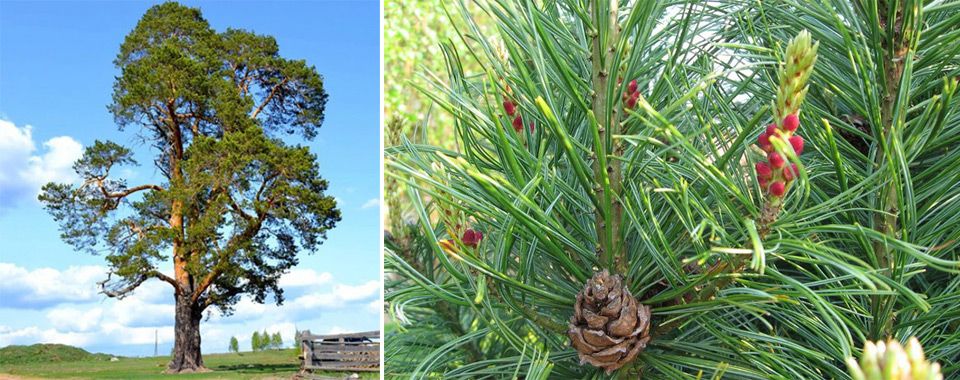
The name of the tree presumably has Latin roots, according to other sources – Celtic.
Content
Description and characteristics of pine
The tree's height over its lifespan varies from 35 m to 75 m. At this height, the average trunk diameter reaches approximately 4 m. However, when grown in unfavorable conditions or in marshy areas, the height is limited to just 1 m. Pine trees thrive on sunlight, which allows them to reach such large sizes. They bloom in late spring, during which time cones appear. However, each cone varies in shape and color.
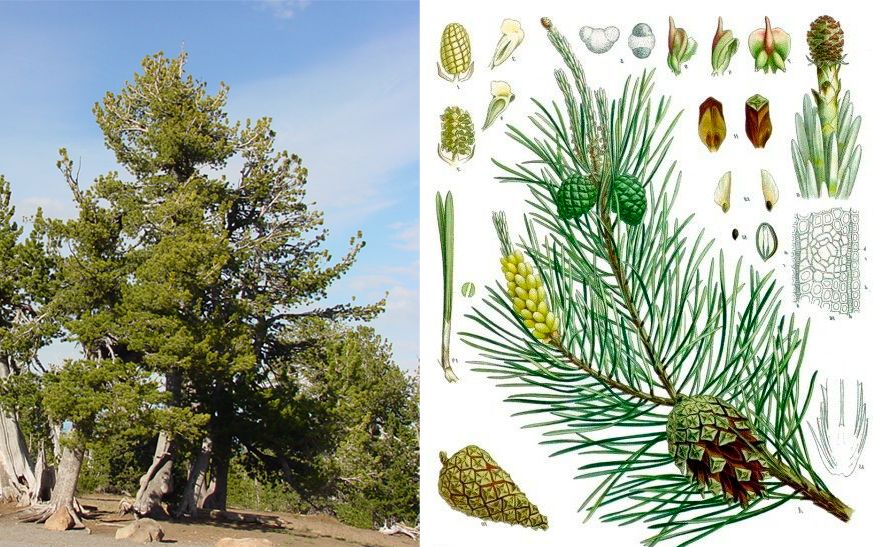
The pine tree is widely known for its appearance, which is given to it by numerous woody shoots covered in needles. The needles themselves are smooth and hard, and also sharp.
Its lifespan is no more than three years. Individual specimens can reach up to 20 cm in length. The tree is undemanding of soil. Its root system depends directly on the planting site. If the soil is moist, the roots spread along the surface, extending only 2-3 meters deep. If the soil is dry, they penetrate down to 7-8 meters. The root system's radius is approximately 10 meters. However, it does have soil preferences. Pine thrives in sandy soil.
Types and varieties of pine
Due to its wide range of growing habitats and its undemanding nature, many different species of this tree exist today. Some of these have been artificially bred due to the exceptional wood quality of these trees.
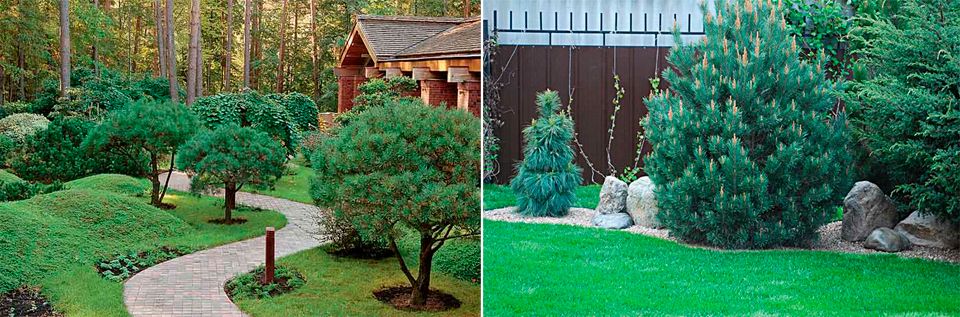
This makes them widely used in many fields, from carpentry to house construction and shipbuilding. Moreover, artificially bred species are equal to natural ones, and in some respects even surpass them.
Let's look at the most common ones.
Ordinary
The most common species, it grows virtually anywhere. It can reach a maximum height of 50 meters. The trunk is ordinary, straight, and unbent. The bark is thick, brown with a gray tint.
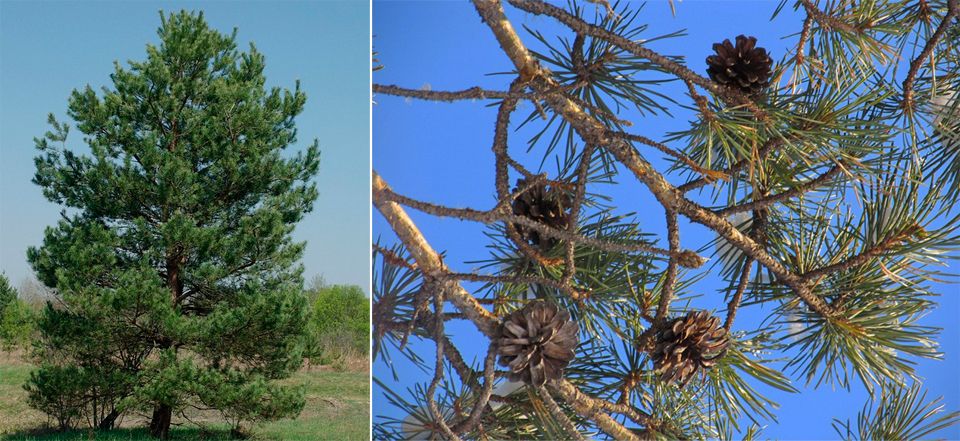
The wood of this species is highly valued in the production of various wooden items. This is due to its high strength and high resin content. Oils and rosin are produced from the sawdust.
Siberian cedar (Siberian cedar)
In appearance, it bears many similarities to the Scots pine. It has a dense crown and thick branches. The trunk is also straight, without any bends. Its maximum height is approximately 40 m. Unlike the Scots pine, this tree has soft, long needles, reaching up to 14 cm in length and a dark green color.
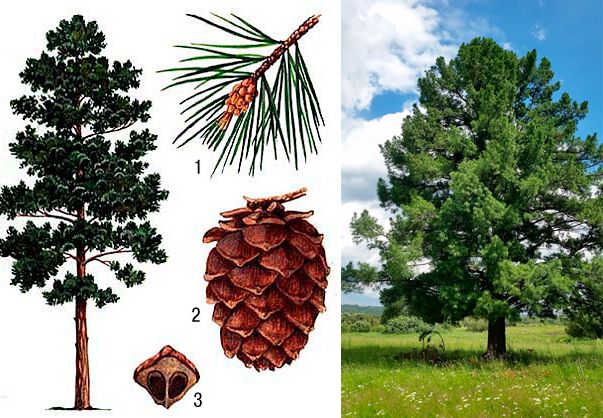
This species produces cones only after 60 years of growth. They are large and egg-shaped. It's quite possible to harvest 12 kg of nuts from a single Siberian pine tree in a single season.
Swamp
A massive species, growing up to 50 m in height and up to 1.2 m in diameter. The swamp pine is distinguished from other species by its yellow-green needles, which can reach up to 45 cm in length.
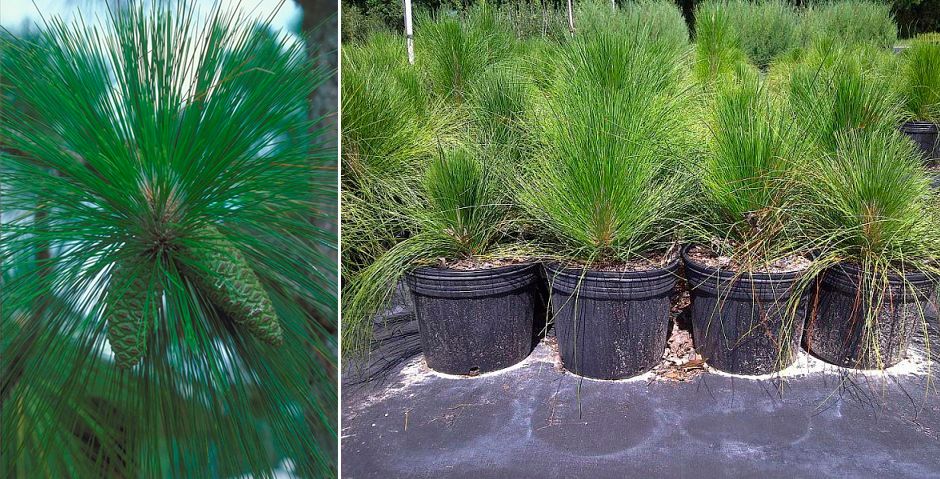
The tree is also known for its excellent heat-resistant and fire-resistant properties.
Montezuma
This species is sometimes called the White Pine. It has a trunk height of 30 meters, with green needles, sometimes with a grayish tint. The needles are about 30 cm long and are gathered in clumps. The tree owes its name to the last Aztec leader, Montezuma.
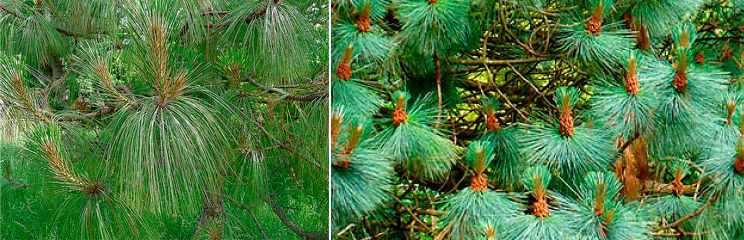
It received this name because the chief used the needles of this tree to decorate his headdress.
dwarf
This species is also known as Siberian dwarf pine. It is a low-growing shrub. Tree-like specimens, for example, grow to a maximum height of 7 meters.
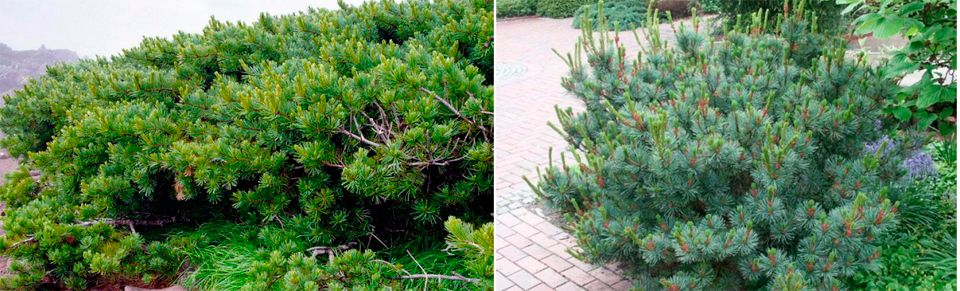
A distinctive feature is the widely spreading branches, pressed to the ground, while the tips of the branches are slightly raised upwards, which results in the original shape of the crown.
Crimean
A medium-sized species, it reaches up to 45 meters in height. Its crown eventually takes on an umbrella-like appearance, a common feature among all pine varieties. Crimean pine is listed in the Red Book of Threatened Species, but despite this, its wood is considered a valuable material in shipbuilding.
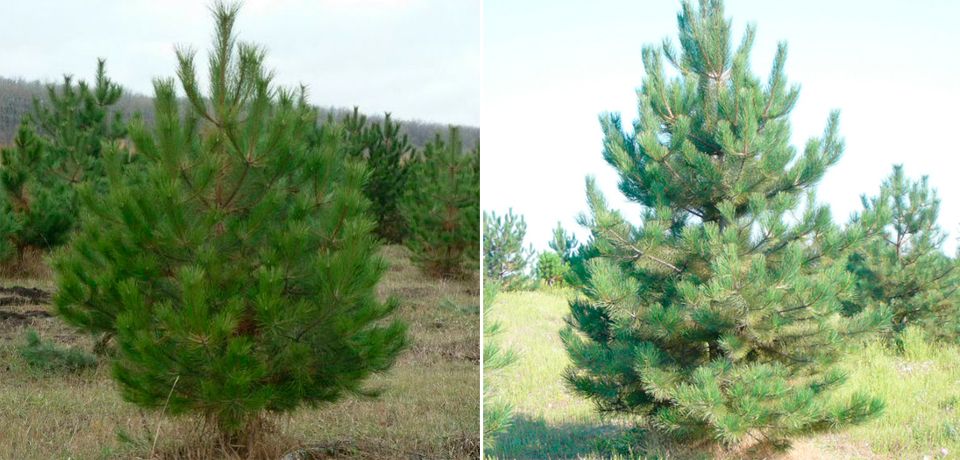
It grows primarily in Crimea and can also be found in the Caucasus. It is also used as an ornamental tree for park landscaping.
Mountain
This species is a woody shrub. Its needles are unusually shaped, slightly twisted and curved, and have a dark green hue.
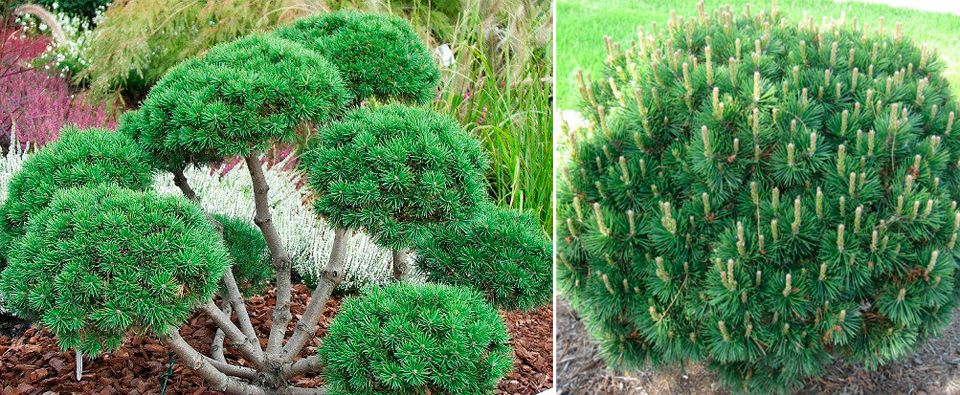
The area of application was found in turning, where wood with a red heartwood is highly valued.
White-barked
It gets its name from its distinctive appearance, its smooth, light-colored bark. The trunk can be either straight or slightly curved.
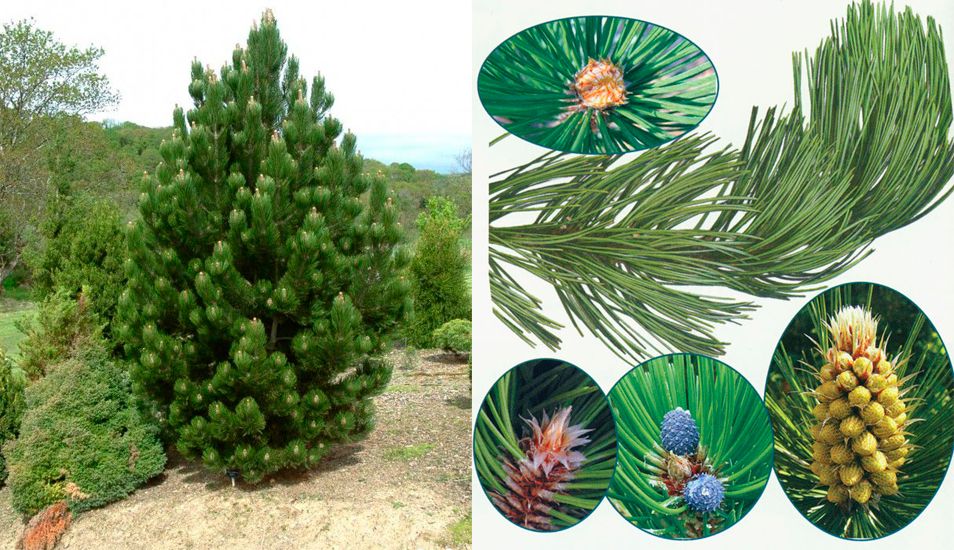
The maximum height this tree can grow to is 21 m.
Himalayan
A medium-sized species that can reach a height of up to 50 m inclusive.
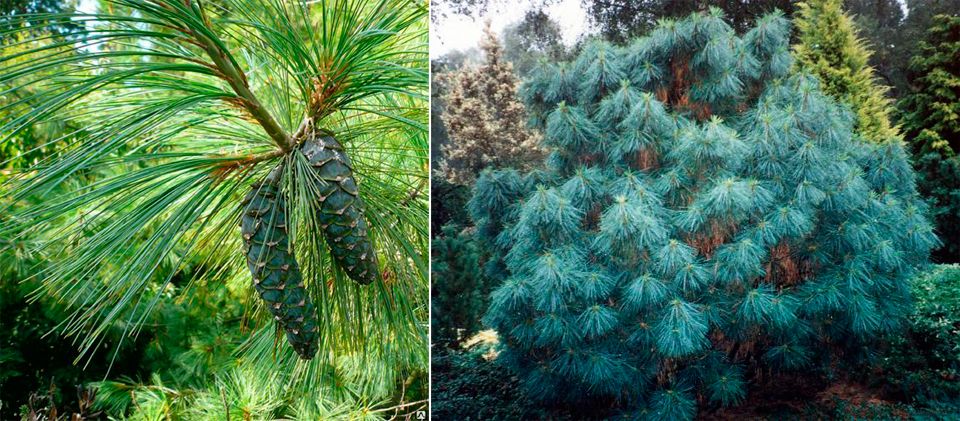
It grows throughout the mountains from Afghanistan to the Yunan province of China.
Pine
The height is 30 m. It has rather long needles, about 15 cm.
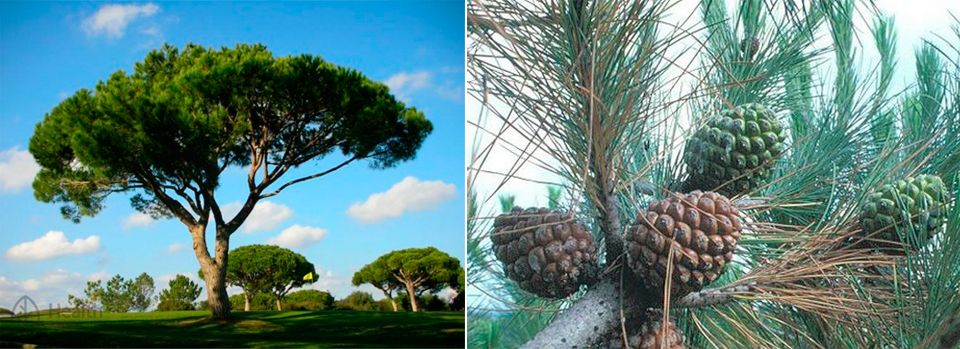
Due to its appearance and beautiful crown shape, this tree has found application in the decorative sphere and in park landscaping.
Black
A mountain species, found at altitudes from 1300 m to 1500 m. It reaches a height of 55 m.
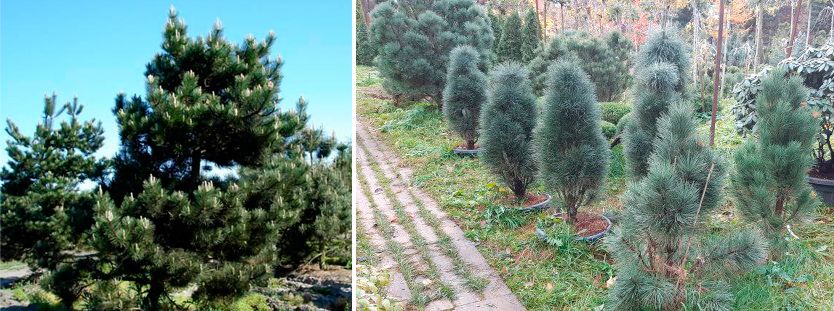
However, despite the tree's habitat, it is often used as a decoration; it thrives outside of mountain climates.
Weymouth
This species is also known as the eastern white pine. It is most commonly found in North America and Mexico. Its trunk is almost perfectly straight, reaching almost 2 meters in diameter. Its height ranges from 59 meters to 67 meters.
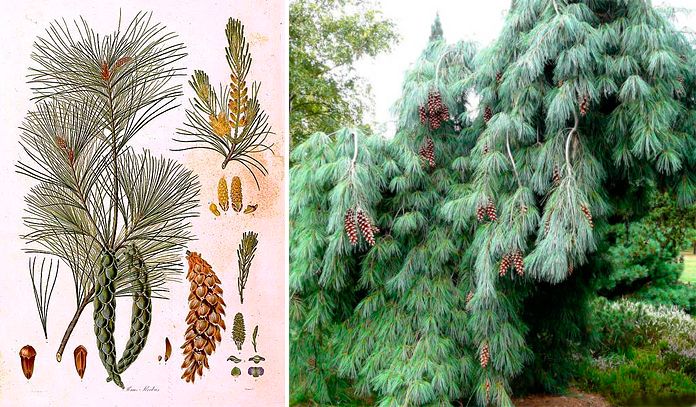
Naturally, with age, the crown changes from conical to flattened. The tree's bark takes on a slight purple tint, making this species unique. It is widely used in construction.
Angarsk
Essentially the same as the common pine. Widely distributed throughout the Russian Federation, it is most commonly found in Siberia.
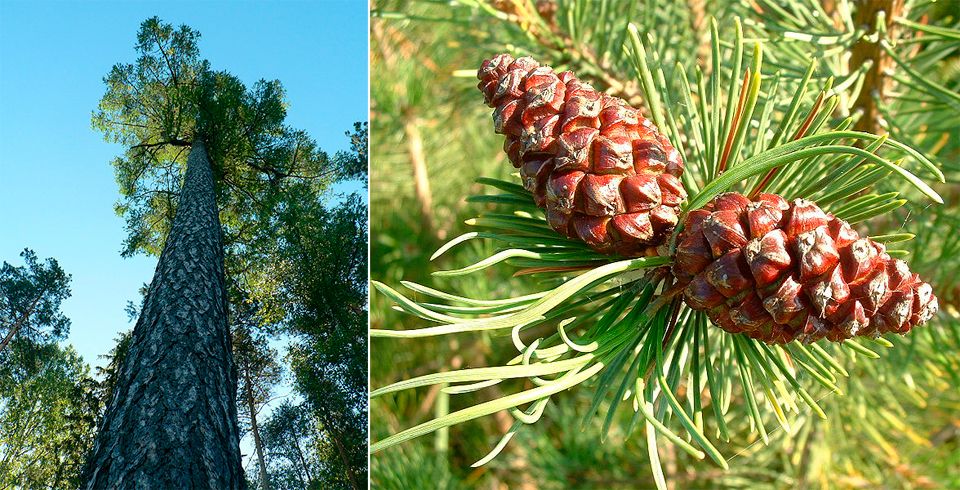
The growth can reach up to 50 m, with a trunk diameter of up to 2 m.
Planting a pine tree on a site and further care
Since pine trees are sun-loving plants, it's natural to choose a well-lit location for them. The light should be natural, i.e., sunlight.
Pine thrives primarily in sandy soil, so planting in this type is recommended. However, planting in heavier soil is possible, but drainage will be required.
When planting, it is essential to maintain a distance of at least 1.5 m between trees.
Young specimens need to be fed with mineral fertilizers during the first two years of growth. This will help the young shoots better settle into the soil and adapt to the surrounding environment. Supplemental watering is also necessary, as the tree is still young and fragile. Mature species no longer require watering or fertilizer.
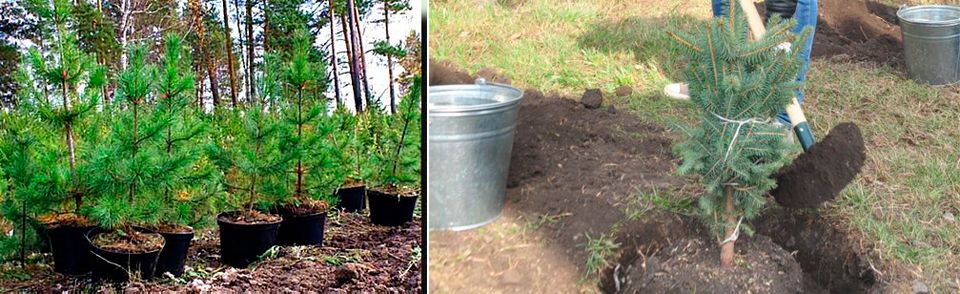
By nature, the tree is quite resilient to droughts and periods of poor rainfall. Therefore, supplemental watering is neither required nor prohibited.
Young trees are very vulnerable to cold, so they need to be covered with spruce branches. The "greenhouse" period lasts from autumn until April, after which they can be uncovered again.
Pine trees are primarily planted in parks and urban recreation areas to create an aesthetically pleasing green backdrop. Young saplings, ranging in age from 3 to 7 years, are used for this purpose.
Pine propagation
When it comes to propagation, seeds are the 100% option.
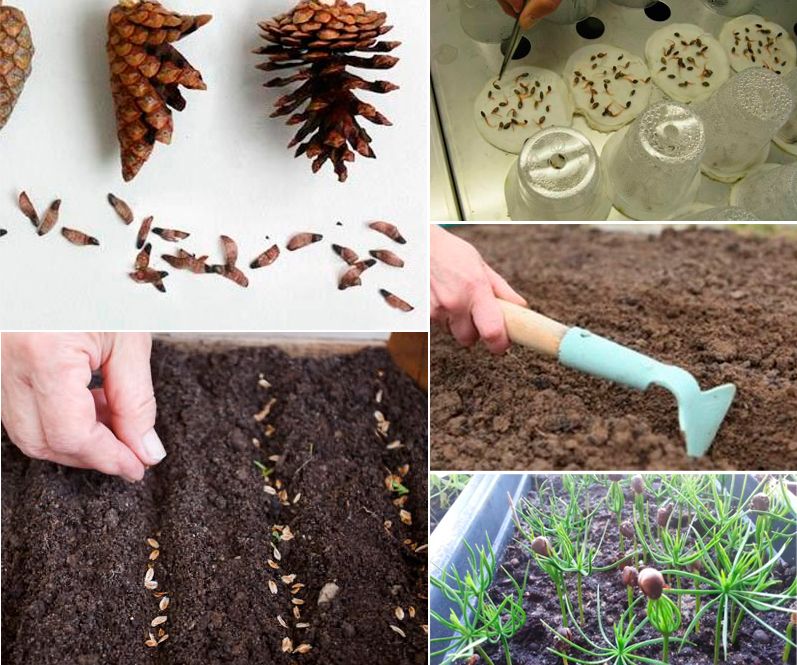
Sowing occurs in the spring. Seeds begin to ripen only a year after pollination. Ornamental specimens are grafted, but cuttings are generally not used, as they do not take root well.
Diseases and pests of pine
Like all plants and trees, pine trees also have diseases and pests; let's look at the most common ones.
Seryanka
It appears as rust, blistering. This disease is caused by a rust fungus. It appears as a coating on the tips of the needles. There's no cure; the only way to protect healthy trees from infection is by removing the infected tree. Regular preventative treatment with special copper-based products is recommended.
Butterflies, aphids
Butterflies feed on pine needles and young shoots. A special biological product called "Lepidocid" is used to control them.
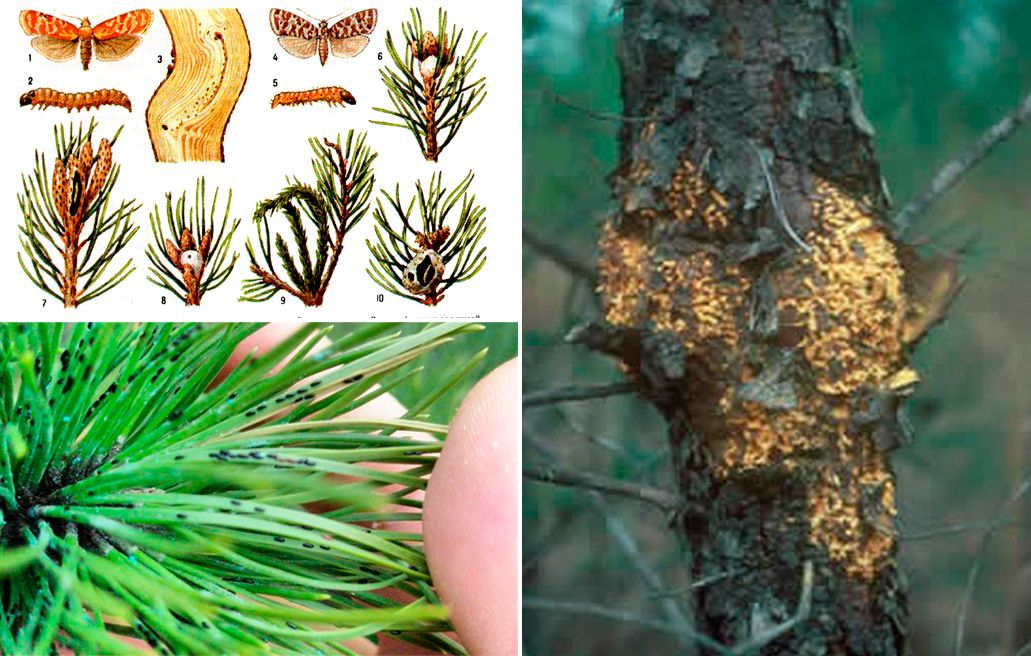
Aphids not only feed on pine trees but also cause diseases. To get rid of them, the tree is sprayed with insecticides.
You can purchase special products and preparations in specialized gardening and flower shops.
Top.tomathouse.com recommends: the medicinal properties of pine
A detailed study of pine trees reveals why they are found near medical facilities and sanatoriums. They are excellent air purifiers. Pine needles act as a kind of multivitamin, containing a wide range of nutrients beneficial to humans.
In folk medicine, pine is used to combat conditions such as osteochondrosis, rheumatism, and cardiovascular disease. The essential oil extracted from the tree is used to treat colds, sore throats, and redness, and has shown excellent results in psychotherapy.
Uses of pine
There are a huge number of areas in which pine is popular.
Since ancient times, this wood has been used for shipbuilding, furniture and decorative elements.
Certain species and varieties are particularly prized in carpentry due to their brown-red heartwood. Pine is a very strong wood, and items made from it are in high demand due to their durability and beautiful appearance. Pine wood is often used in the construction of private homes and for finishing. This is due to its superior heat transfer properties compared to other wood species.
Pine wood has gained immense popularity in shipbuilding due to its excellent strength, elasticity, and fiber density.
Many people use various species of this tree for ornamental purposes. While the cultivation process is certainly lengthy, gardeners say it's worth it. A pine tree can be planted at the edge of a property, creating a seating area beneath it. The branches provide a pleasant breeze in the summer. Urban recreation areas are also indispensable. They are planted in parks for their aesthetically pleasing, beautiful green appearance and high air purifying properties. A comparison of cubic meters of air in a city and a pine forest has demonstrated the beneficial properties of these trees. In urban areas, there are approximately 40,000 different microbes per cubic meter of air, while in a pine forest, this figure is only 500 microbes.