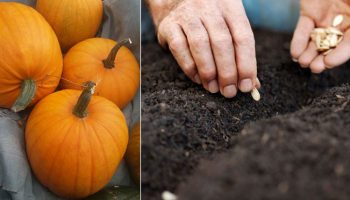
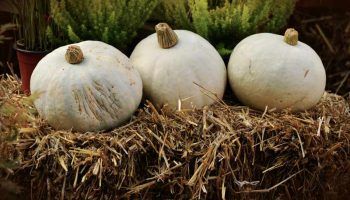
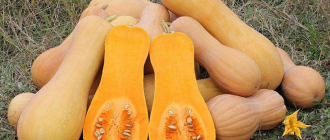
Butternut pumpkin is a hybrid variety developed in the United States by crossing butternut and African pumpkins in the mid-20th century. The variety is very popular in Mexico, where it is grown commercially, and is also common in Europe. The name literally translates as "butternut" or "nut butter."
Characteristics and description of butternut squash
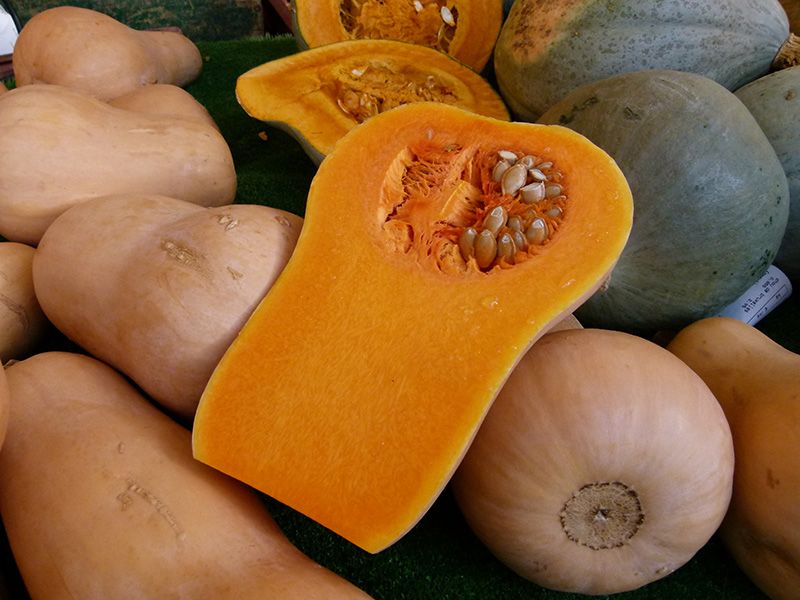
Butternut squash is prized for its distinctive flavor. According to culinary descriptions, the flesh has a nutty flavor, a firm texture, and a sweet aroma. It has a long shelf life, making it widely grown as an agricultural crop. "Butternut" is an early-ripening variety, with a typical life cycle of 3-4 months to reach commercial maturity.
Chefs prize this vegetable for the unique arrangement of its seeds, which are concentrated only at the bottom of the elongated, pear-like fruit. The rest of the pulp requires no additional peeling.
There are two varieties of butternut squash: bush and climbing. The former has shoots up to 1.5 m long, while the latter grows to 2.5 m. The leaves of a mature plant are 30 cm wide. Flowering begins in June, producing large, yellow inflorescences. The yield is up to 15 ovaries. Mature fruits weigh 1.5-2.5 kg.
The variety is not frost-resistant and can die even at temperatures below 10°C. On the other hand, the plant is virtually disease-resistant if grown under proper conditions.
Advantages and disadvantages of the variety
The culture is popular due to the following advantages:
- Thin skin. The fruit is easy to cut, requiring no extra effort.
- The seeds are concentrated at the bottom of the pumpkin and are easy to remove. Approximately 60% of the flesh is completely seedless.
- A pleasant nutmeg aroma and unique flavor. No distinctive pumpkin flavor. The pulp is well-suited for both savory and sweet dishes. The most popular recipes include baking it in the oven with cinnamon or adding it to porridge with honey.
- Small fruits. Pumpkins reach no more than 2.5 kg, making them easy to store and eat. One pumpkin is used for one dish.
- Long shelf life at room temperature. Butternut can stay fresh for 6-7 months, until spring.
Unfortunately, the variety also has a number of disadvantages that make cultivation difficult:
- Temperature requirements. The plant won't thrive in open ground in northern climates, as it can't tolerate even mild nighttime frosts. The only solution is to plant it early under cover so the pumpkin will have time to produce fruit before the cool September temperatures typical of northern Russia.
- Need for constant care.
- Demanding soil composition.
Growing seedlings
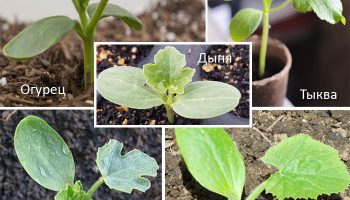
Seedlings should be sown in late April or early May. A month beforehand, it's recommended to place the seeds in a warm place to increase the number of female inflorescences. A few days before planting, rinse them in warm water, dry them, and then refrigerate them for 1-2 days. Next, sow the seeds in individual peat pots. Cover the pots with plastic wrap to create a mini greenhouse until the first sprouts appear.
You can transplant the seedlings into open ground after at least three leaves have formed.
Preparing the garden bed
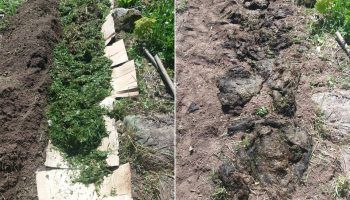
The garden plot should be fertilized. The optimal soil mixture for growing the crop is a combination of garden soil, sod soil, and coconut coir in a 2:1:2 ratio. Before planting, ensure the soil is sufficiently warm. If the soil is still cold, manure can be added. A more convenient option is to use transparent film. Covering the soil for 2-3 days will achieve the desired temperature.
Planting seedlings in the ground
The optimal planting location is sunny, wind-protected, and weed-free. Seedlings can be planted when they reach a height of 15 cm. Warm weather is recommended; transplanting is best done in early June. Prepare a hole for each plant with a 10 cm layer of sand (for drainage). The minimum distance between holes is 50 cm, and between rows, 50-60 cm.
Planting should be done in the evening. For the first 3-4 days, water the plant daily, taking care not to touch the stems or foliage.
Caring for the Butternut Variety
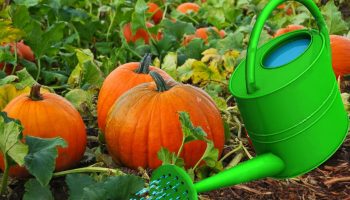
To ensure proper fruit development, maintain a temperature of at least 15°C. In colder regions, cover the pumpkin with transparent film at night. Pumpkins require regular watering; the soil should not dry out or crack. It is recommended to add potassium humate to the water solution every 7-10 days. Fertik fertilizer should be applied twice during the fruiting period, at the beginning and end. Climbing varieties should be tied to trellises.
Diseases and pests
To protect against pests and diseases, spray the bush with Aktara and Fundazol every two weeks. If an infestation occurs, specific actions should be taken depending on the problem.
| Disease/Pest/Leaf Damage | Symptoms | Elimination measures |
| Bacteriosis | Brown spots on fruits or plants. | Remove the affected areas, and best of all, the plant itself. |
| Powdery mildew | The appearance of white spots, then curling of leaves. | Spray with 1% copper sulfate until the symptoms disappear. |
| Root rot | Yellowing, wilting. | Sprinkle the lower shoots for rooting. |
| White rot | Whiteness on the stem and foliage, turning to black. | Cut out the affected areas and sprinkle with ash. |
| Aphid | Black or green pests on the stem. | Spray with garlic solution. |
| Spider mite | Cobwebs on shoots. | Use garlic solution for spraying. |
Harvesting and Storing Butternut Squash
Ripe fruit can be harvested in early September. If the rainy season begins early, you'll have to harvest the pumpkins early and leave them to ripen in a dark, dry place. The pumpkins should be a soft orange color.
Store at room temperature. Avoid exposing the peel to moisture. Do not store butternut squash in high humidity.
Top.tomathouse.com recommends: the benefits and harms of butternut squash
Fruits are low in calories, so they can be included in a weight-loss diet if baked rather than cooked. Their rich micronutrient content helps strengthen the cardiovascular and nervous systems. These beneficial substances stimulate the elimination of waste, toxins, and excess fluid from the body. Some elements lower cholesterol.
The "butter nut" has both benefits and harms. It can be harmful to those with gastritis, ulcers, and other gastrointestinal disorders. The pulp increases stomach acidity, leading to elevated blood sugar levels.