The beautiful flowering shrub Weigela Rosea is gaining increasing popularity among gardeners in our country. It tolerates winter well, retains its decorative appeal even when buds are gone, and thrives with proper care.
Description of the Weigela Rosea variety
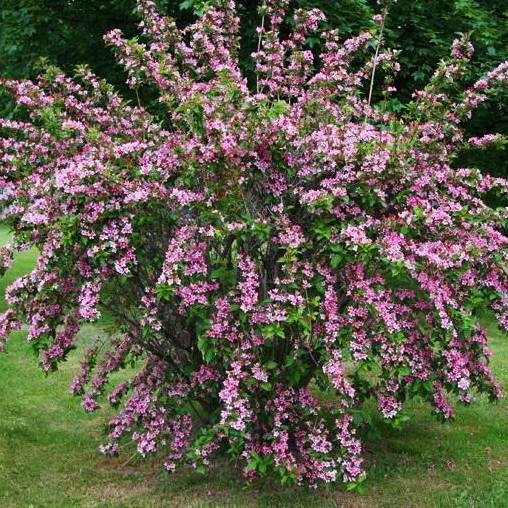
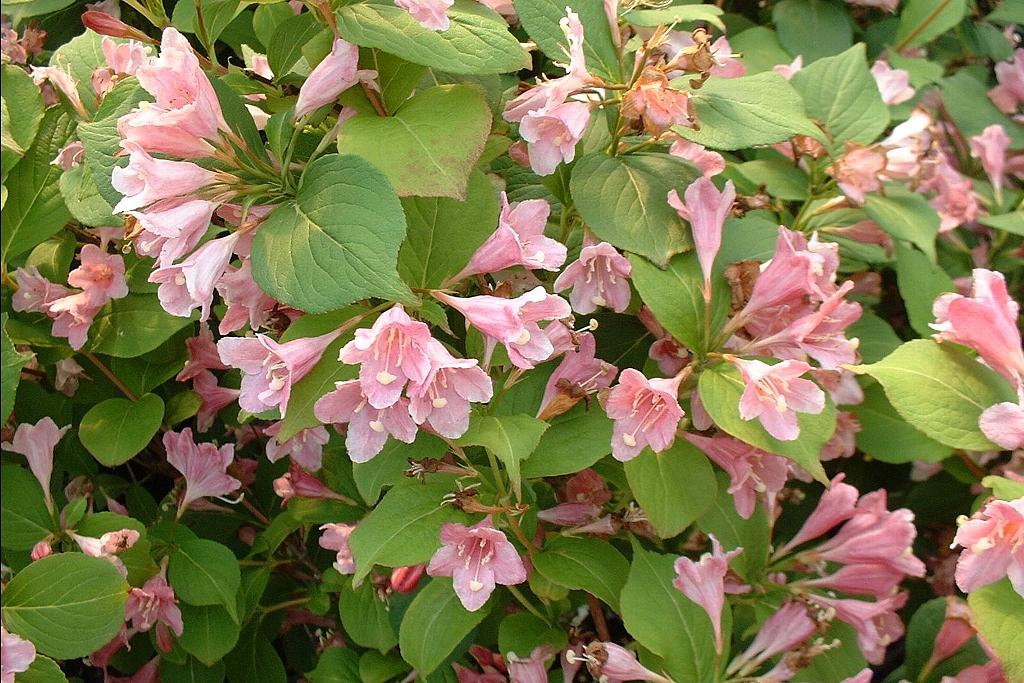
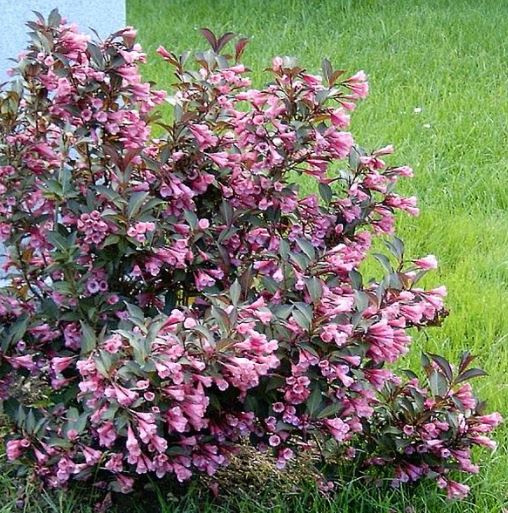
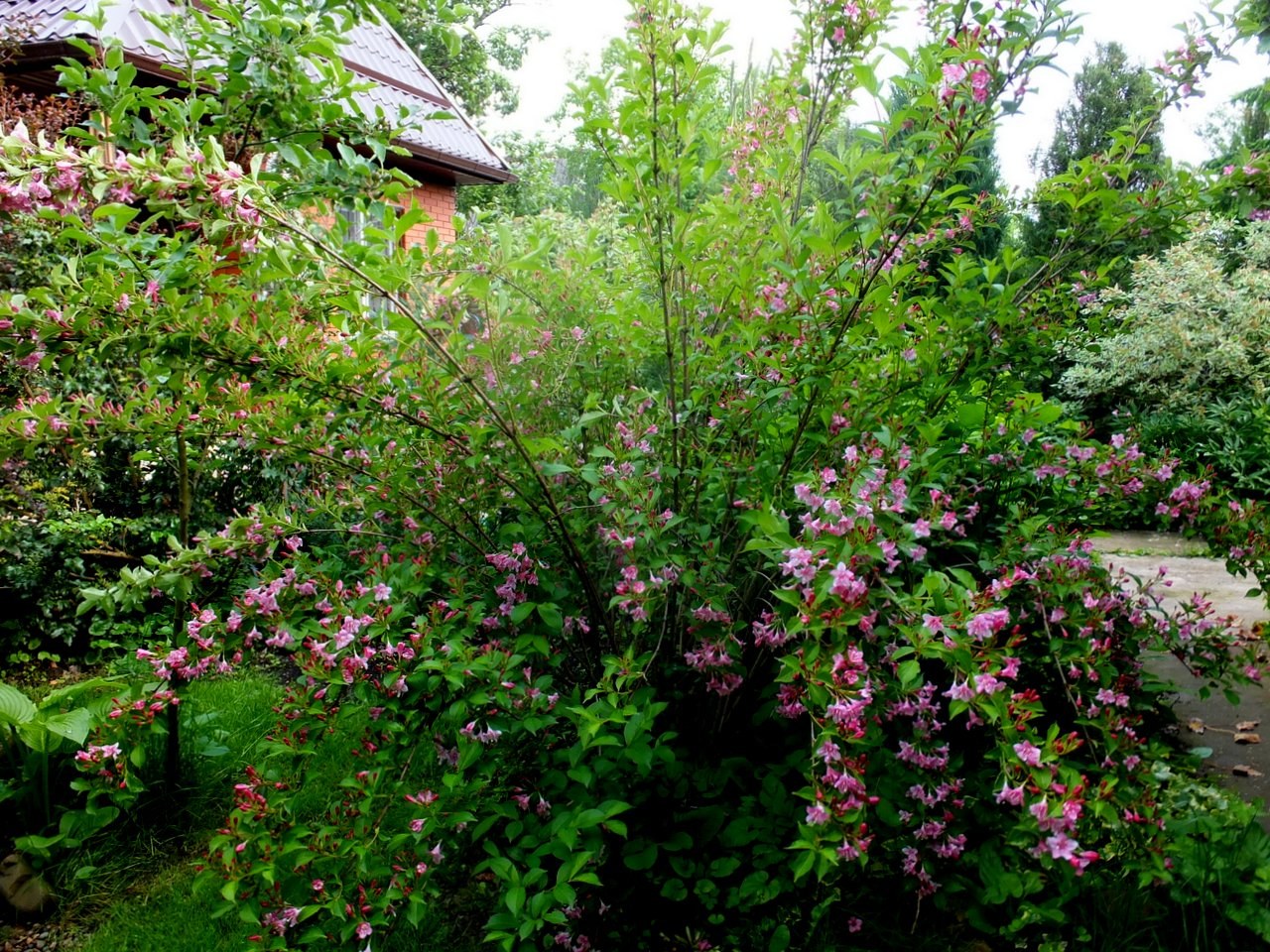
The Weigela Rosea variety was created by breeders who crossed two species: Korean and flowering. The shoots reach two meters in height, and the crown is even more voluminous, reaching 2.5 meters. The shrub's branches are drooping, covered along their entire length with small, elliptical, light green leaves. In early autumn, these take on a yellow or purple hue. The foliage falls in winter, but regains its vigor in the spring.
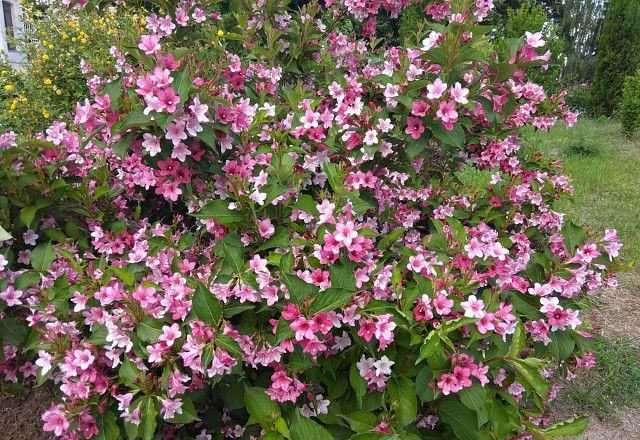
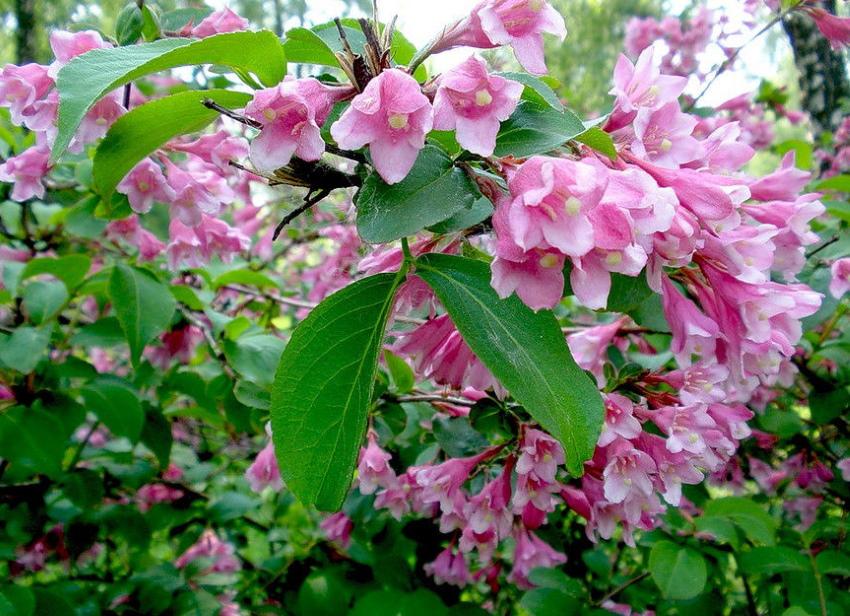
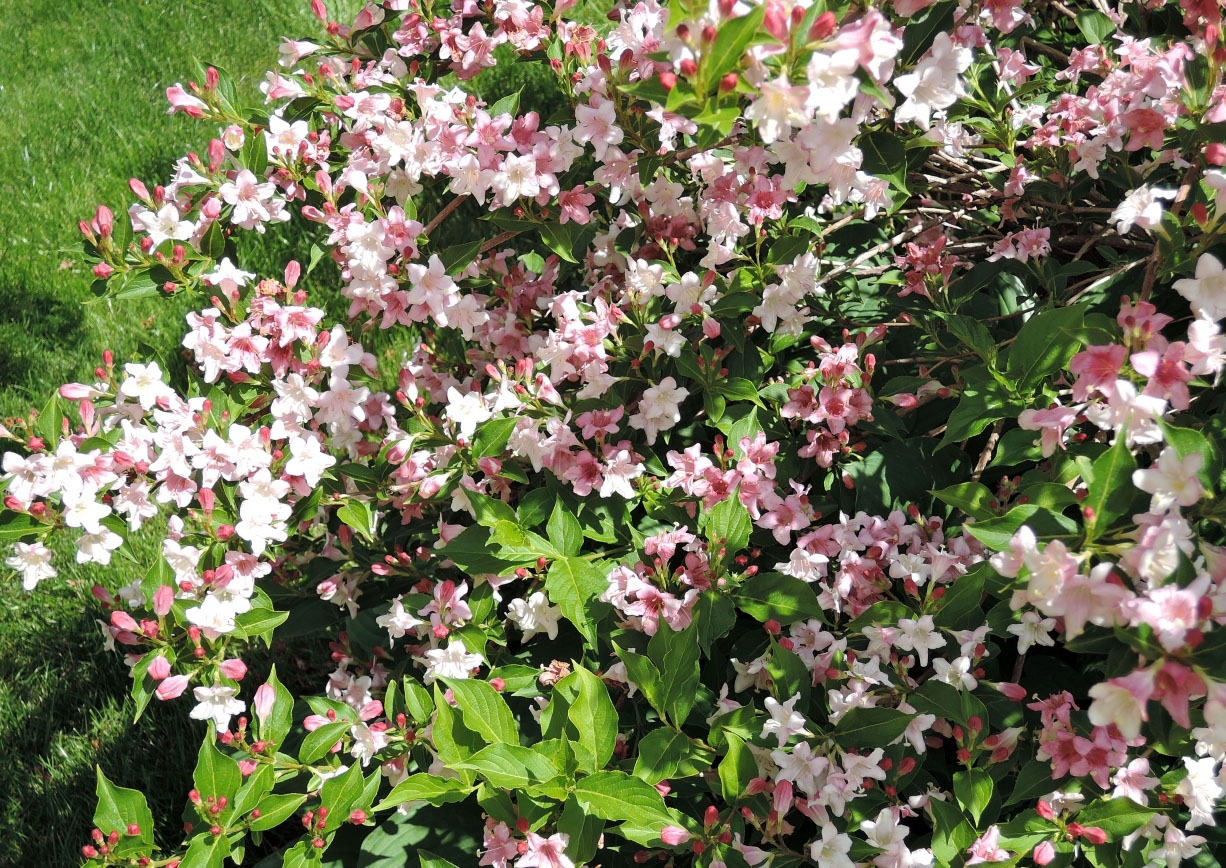
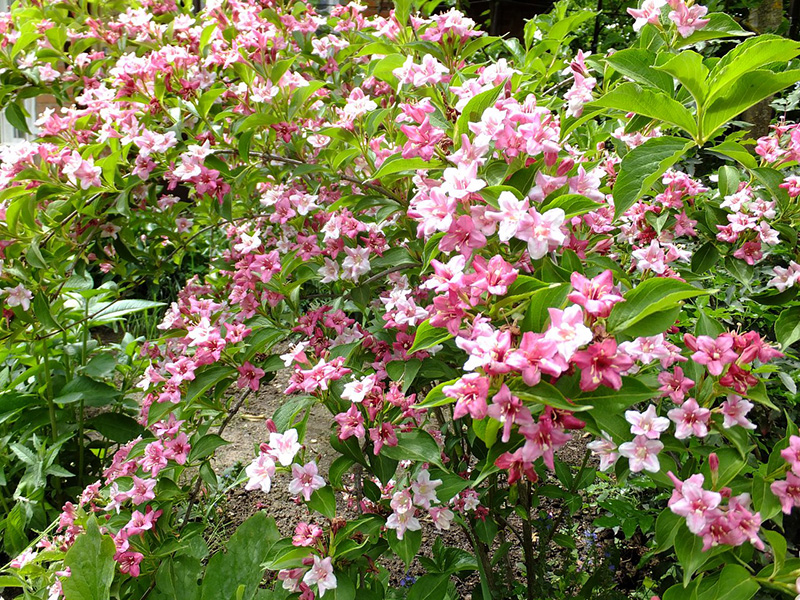
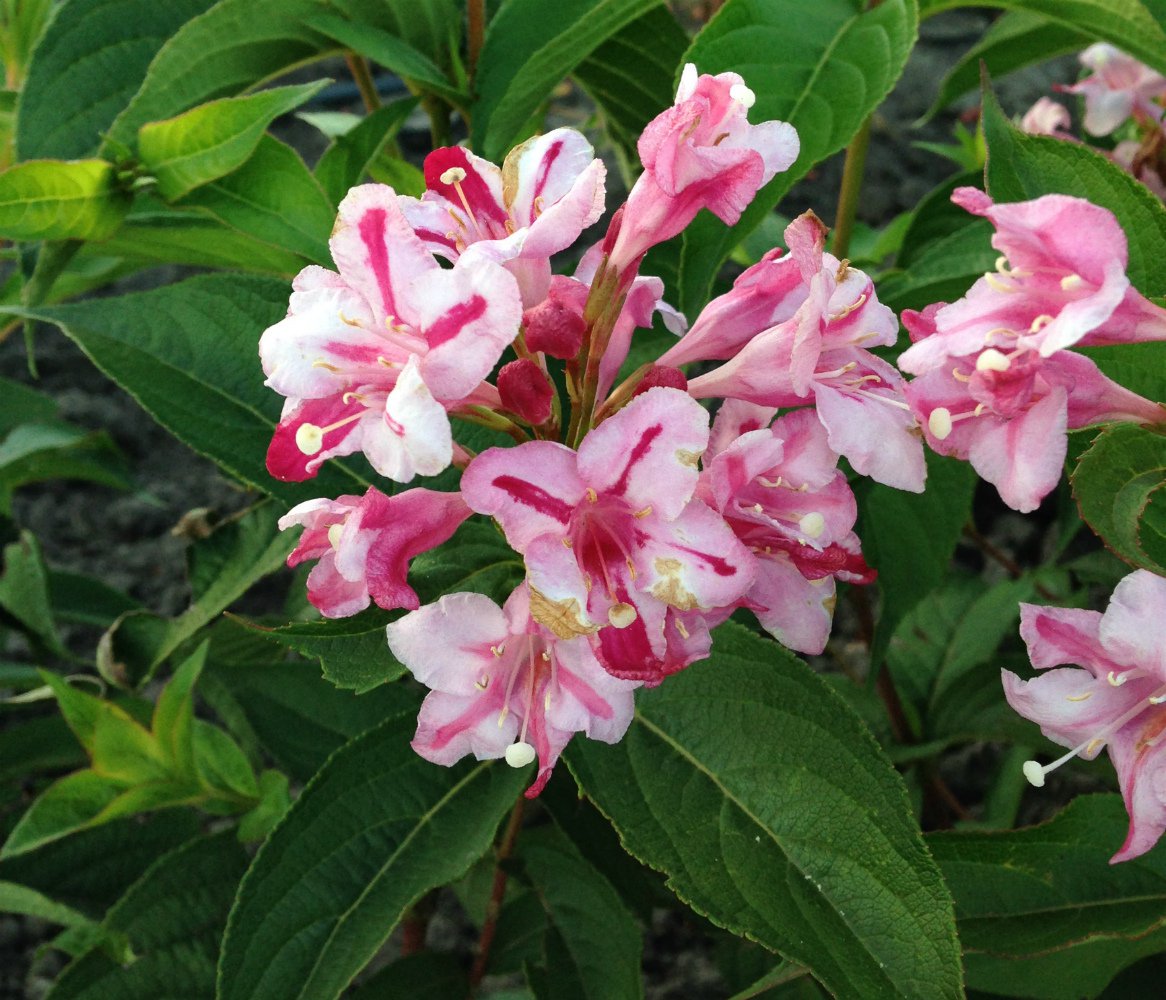
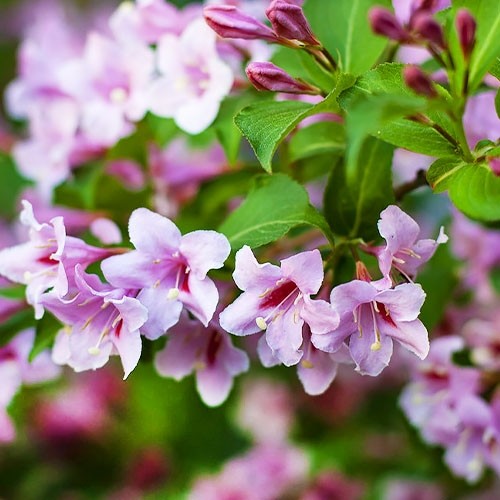
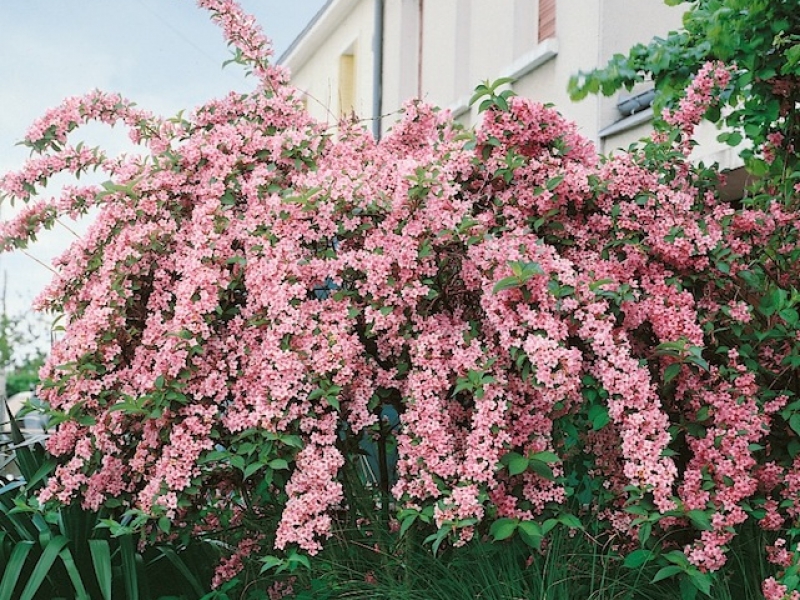
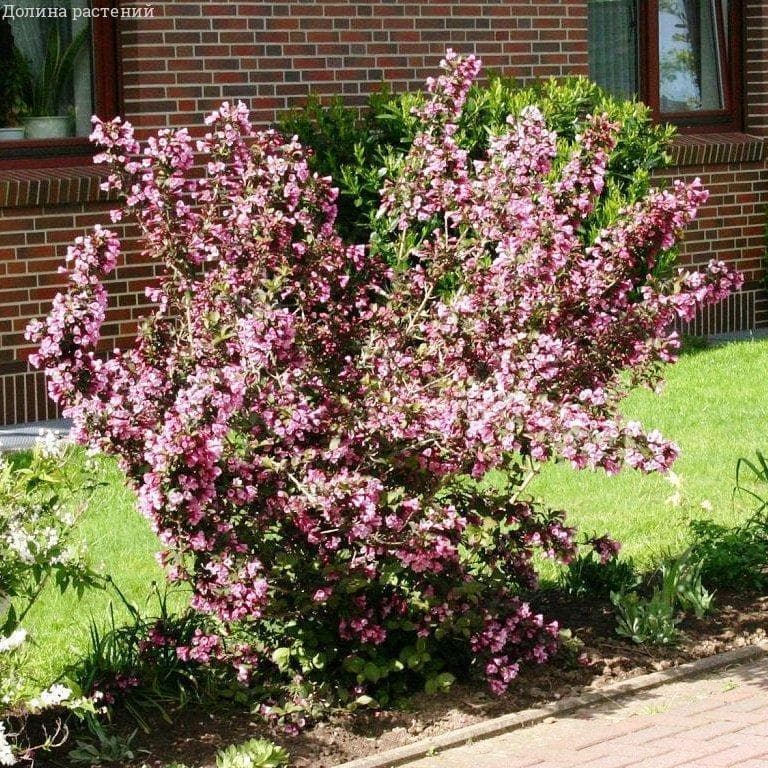
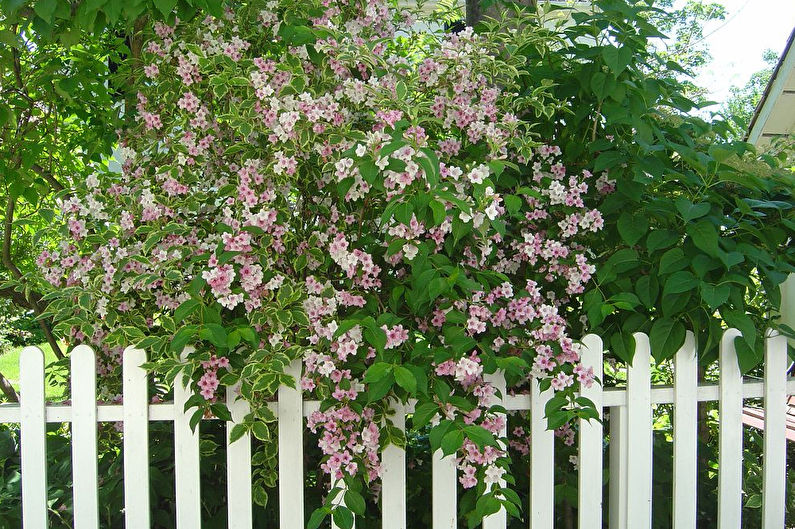
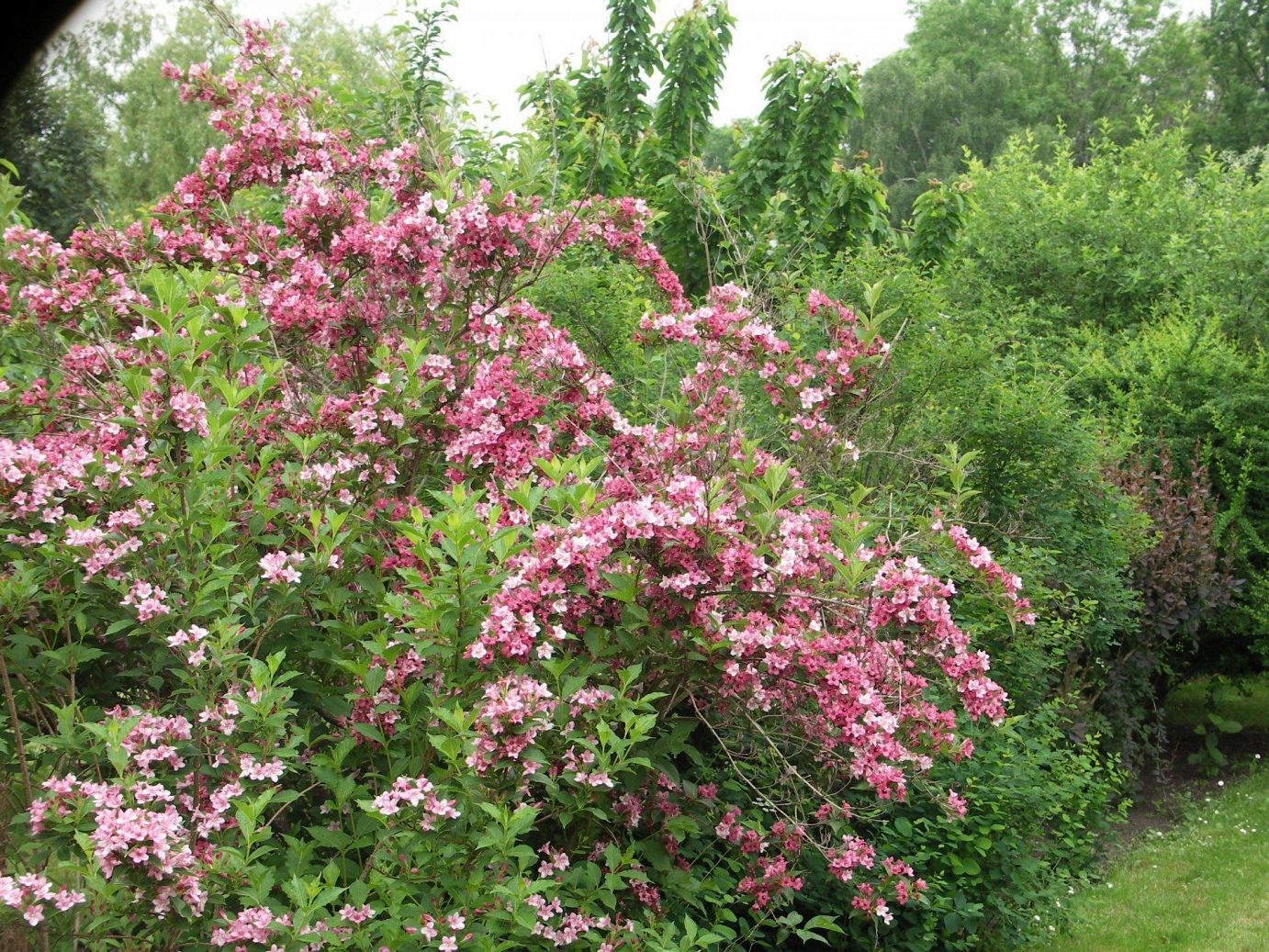
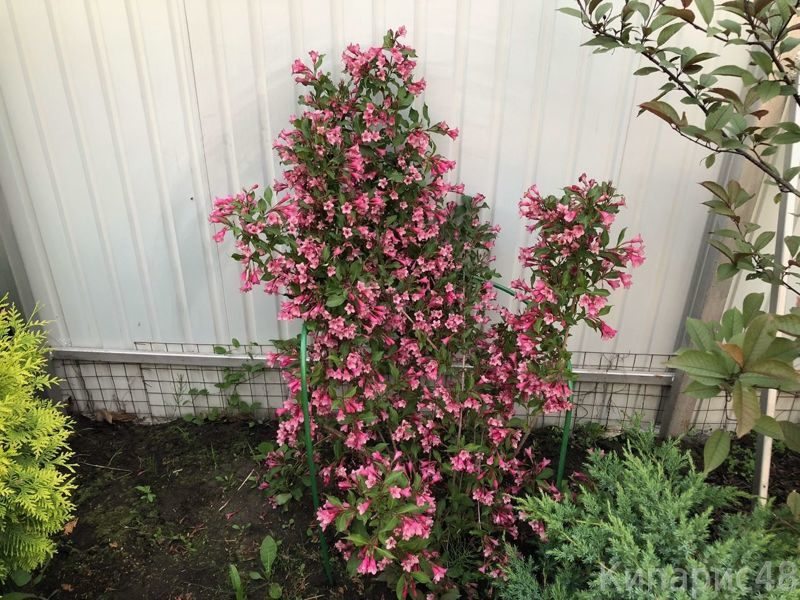
During the flowering period, which occurs in early summer, the shrub is covered in large, bell-shaped flowers. They are pink with subtle white flecks and have a pleasant fragrance. The buds are gathered in clusters of three to four.
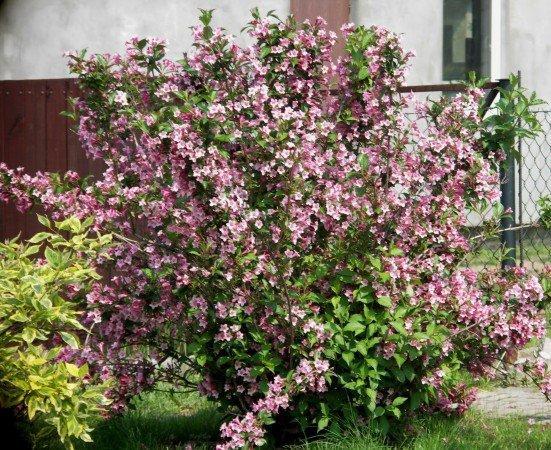
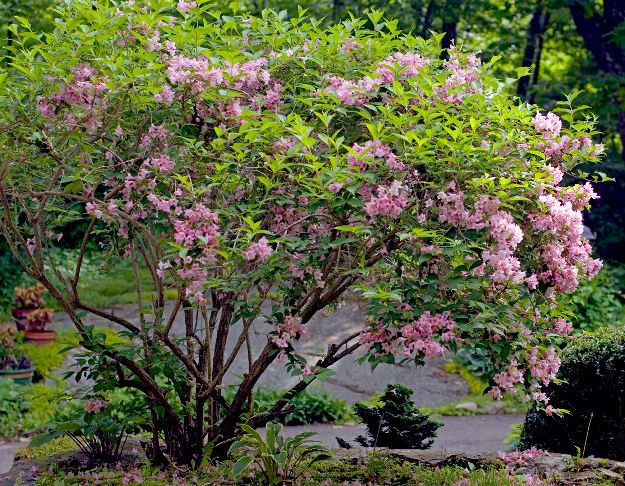
See what the Weigela Rosea variety looks like in the photo gallery (8 photos):
Weigela Rosea Care Guide
Caring for Weigela Rosea isn't too laborious; just follow a few simple rules to ensure the bush takes root well and begins to grow vigorously:
- It's best to plant the shrub in a well-lit location. However, if your region experiences intense sun, some shade is acceptable. If the plant receives sufficient light, it will produce abundant vegetative growth and flowers.
- Weigela rosea prefers nutritious, light soil. The optimal pH is 6-6.5.
- For vigorous flowering, the shrub requires moisture. Watering should be moderate but frequent enough to keep the soil moist. It's best to let the water sit in the sun for at least a few hours beforehand. A barrel of rainwater is ideal for this purpose.
- The area around the tree trunk should be periodically cleared of weeds and the surface layer should be carefully loosened, especially after watering. Mulching the area around the shrub will help retain moisture in the soil.
- The bush needs to be pruned every two years. This is done after the end of the season when there are no flowers left.
- In early spring, weigela should be fed with a complex mineral fertilizer. In June, a potassium-phosphorus fertilizer is recommended to stimulate growth and flowering.
- In southern regions, the shrub requires no additional winter protection. In central Russia, where severe frosts are common, the plant should be covered with spruce branches. This will be sufficient to prevent it from freezing, as the variety is adapted to Russian cold and is considered frost-hardy. According to official data, it can easily withstand temperatures down to -28°C.
- Despite its love of moisture, planting this shrub in low-lying areas is not recommended. Stagnant water around the roots can lead to rot diseases. Furthermore, the shrub prefers well-drained soil and does not grow well in heavy soil. In this case, it's important not only to consider a drainage system but also to add sand and organic matter to the soil.
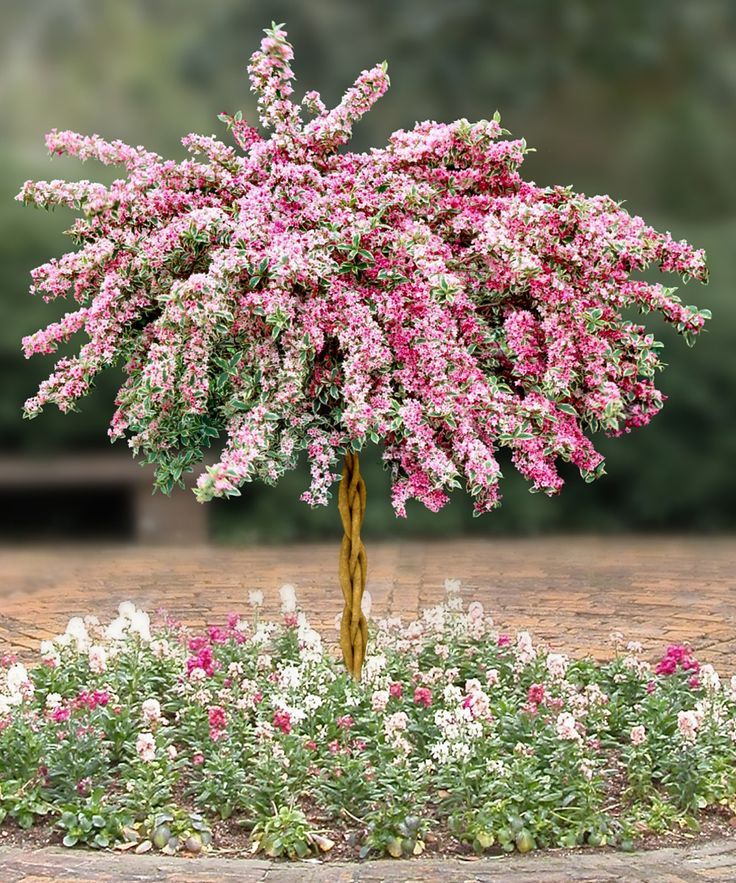
Weigela Rosea in Landscape Design + 10 Photos
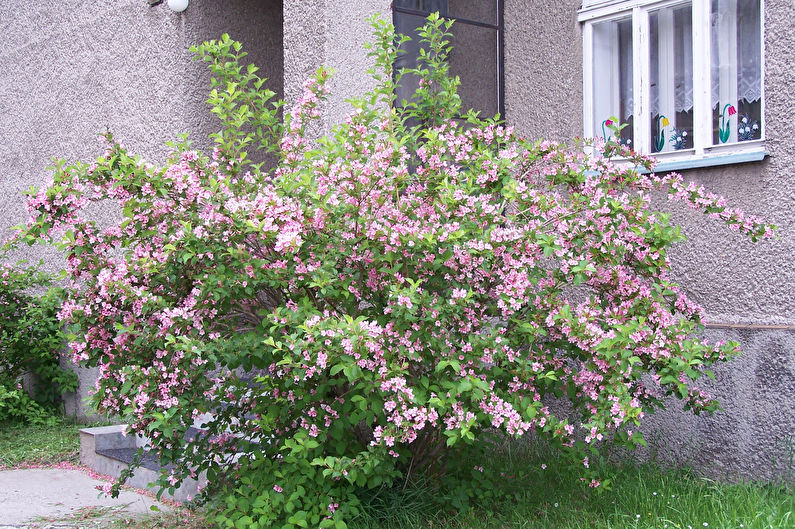
Weigela makes a great addition to complex floral arrangements, but it also looks harmonious when planted alone, even though it may not produce buds in the first year.
Photo gallery of examples of using Weigela Rosea in landscape design (10 photos):
The nuances of buying Weigela Rosea
Weigela Rosea is sold as seedlings, and it's best to purchase them from reputable nurseries. While the price will be higher than, say, online stores, the likelihood that the Weigela Rosea variety will thrive in your garden is much higher.